아연 다이캐스팅

아연 다이 캐스팅 결함 문제 해결 및 품질 보증 팁

자막 다이 캐스팅, 아연 다이캐스팅

아연 다이캐스팅은 자동차 부품, 전자 하우징, 피팅, 하드웨어, 의료 장비 및 소비재에 널리 사용되는 매우 효율적인 제조 공정입니다. 고품질 치수 정확도, 깨끗한 표면 마감 및 높은 생산 속도로 복잡한 형상을 만들 수 있는 능력으로 높이 평가됩니다. 이러한 장점에도 불구하고 아연 다이캐스팅은 품질 문제에 영향을 받지 않는 기술이 아닙니다. 사용되는 재료의 불규칙성, 공구 용량, 공정 제어 부족 또는 설계로 인해 결함이 발생할 수 있습니다. 생산 시 균일한 품질을 보장하고 불량률을 줄이며 제조 공정의 전반적인 효율성을 높이려면 결함 예방, 문제 해결 및 품질 관리가 중요합니다. 이 백서에서는 아연 다이캐스팅의 가장 일반적인 결함, 그 원인, 효과적인 시정 조치, 각 생산 주기에서 품질을 보장하기 위한 모범 사례에 대해 심층적으로 논의합니다. 아연 다이캐스팅의 품질 문제 아연 다이캐스팅 공정에는 고도로 가공된 강철 다이에 용융된 아연 합금을 고압으로 주입하는 과정이 포함됩니다. 금속의 응고 속도가 빠르기 때문에 사이클 시간이 짧고 반복성이 높습니다. 하지만 공정이 작동하는 고압과 고속은 그 효율성과 함께 파라미터를 모니터링하지 않을 경우 결함이 발생하기 쉬운 요인으로 작용합니다. 아연 다이캐스팅의 품질 관리 문제는 기계적 성능, 치수 품질, 표면 외관, 내식성 또는 조립 적합성과 관련된 경우가 많습니다. 하나의 근본 원인이 여러 품질 문제를 일으킬 수 있으므로 대부분의 결함은 서로 연결되어 있습니다. 효율적인 문제 해결을 위해서는 재료 거동, 금형 설계 및 공정 매개변수 간의 관계를 이해하는 것이 중요합니다. 아연 다이캐스팅 결함 아연 다이캐스팅의 가장 일반적인 결함은 외관 및 부품 성능에 미치는 영향에 따라 분류할 수 있습니다. 일반적인 결함의 개요와 전반적인 영향은 다음 표에 나와 있습니다. 결함 유형 외관 영향 다공성 내부 공극 또는 핀홀 강도를 감소시켜 누출을 유발할 수 있음 콜드 셧 눈에 보이는 선과 이음새 흐름 사이의 결합이 약해집니다. 수축 캐비티 및 싱크 마크 부품의 치수가 변경됩니다. 이로 인해 측정이 부정확해집니다. 불완전한 충전 누락되거나 얇은 부분 이로 인해 기능 장애가 발생합니다. 납땜 금형에 금속이 부착된 경우 공구 손상 균열 내부 또는 표면 균열 이 모양은 구조적 손상 또는 고장을 나타냅니다. 표면의 기포와 같은 모양 표면 마감 불량 플래시 이별 선의 금속 초과 미적 외관이 손상됨 다이캐스팅의 다공성 아연 다공성은 주물에 빈 공간이나 기포가 있는 것을 말합니다. 이러한 공극은 표면 또는 본체 내부에 위치할 수 있으며, 정교한 검사 기술 없이는 발견하기가 매우 어렵습니다. 다공성은 주물의 기계적 무결성을 깨뜨리고 압력 함유 부품에서 누출을 일으킬 수 있습니다. 다공성 유형 설명 기원 가스 다공성 매끄러운 둥근 공극 가스 또는 공기가 갇힘 수축 다공성 불규칙한 공극 부적절한 공급 미세 다공성 매우 미세한 공극 빠른 응고 원인 및 예방 다공성은 사출 중 갇힌 공기, 용융 금속 흐름의 높은 난류 또는 다이 캐비티 배출 불량으로 인해 발생할 수 있습니다. 가스 형성은 다이 표면의 높은 수분 함량 또는 부적절한 용융 온도로 인해 발생할 수도 있습니다. 다공성 감소는 사출 속도와 압력을 면밀히 제어하고 다이를 환기하며 필요한 경우 진공 시스템을 효율적으로 활용함으로써 달성할 수 있습니다. 최적의 용융 온도를 유지하고 금형 표면을 깨끗하고 건조하게 유지하면 가스 유입도 줄일 수 있습니다. 대부분의 경우 원활한 금속 흐름을 위해 게이팅 시스템을 재구성하면 다공성을 최소화하는 데 큰 도움이 될 수 있습니다. 콜드 셧 및 흐름 라인 결함 설명 및 영향 콜드 셧: 두 개의 용융 아연 스트림이 만나 제대로 융합되지 않아 주조 표면에 눈에 보이는 이음새나 선이 남을 때 발생합니다. 이러한 결함은 구조적 무결성을 떨어뜨리고 기계적 압력에 의해 조기 붕괴를 일으킬 수 있습니다. 근본 원인 및 해결 방법 낮은 용융 온도, 부적절한 사출 속도 또는 긴 흐름 경로로 인해 조기 응고 및 콜드 셧이 발생할 수 있습니다. 게이트의 잘못된 위치와 얇은 벽 섹션도 문제를 악화시킵니다. 콜드 셧을 방지하려면 금속의 흐름 특성을 개선해야 합니다. 용융 및 금형 온도를 적정 범위 내에서 높이고, 사출 속도를 최적화하고, 균형 잡힌 충진이 가능하도록 게이트를 재설계함으로써 이를 달성할 수 있습니다. 또한 부품 형상을 변경하여 얇은 단면과 예각을 제거함으로써 흐름의 연속성을 향상시킬 수 있습니다. 아연 다이캐스팅 수축의 결함 수축 거동에 대한 지식 용융 아연이 고형화되면 수축하여 수축이 발생합니다. 이 수축을 상쇄하기 위해 더 많은 용융 금속을 추가하지 않으면 내부 공동 또는 표면 싱크 자국이 형성될 수 있습니다. 수축 형태의 아연 결함은 일반적으로 두꺼운 주조 영역에서 발생하며 마지막으로 응고된 것으로 확인할 수 있습니다. 원인 및 해결 방법 유지 압력 부족, 부적절한 공급 시스템 설계 또는 벽 두께의 급격한 변화가 수축 결함의 원인인 경우가 많습니다. 불균일한 냉각 속도도 국부적인 수축을 일으킬 수 있습니다. 이를 방지하려면 응고 공정 내내 일정한 금속 공급을 유지하도록 러너와 게이트를 설계하는 것이 중요합니다. 더 높은 유지 압력을 가하고 압력을 받는 시간을 늘리면 용융 금속이 수축을 보정할 수 있습니다. 또한 금형의 벽 두께를 균일하게 유지하고 열 균형을 개선하면 수축 관련 결함의 위험도 최소화할 수 있습니다. 플래시 형성 및 제어 플래시 설명 플래시는 다이 분리선, 이젝터 핀을 따라 얇은 금속 층이 형성되거나 통풍구 형태로 존재합니다. 플래시가 반드시 부품의 기능을 손상시키지는 않지만, 종종 2차 트리밍 공정이 필요하고 외관에 영향을 미칠 수 있습니다. 원인 및 예방 플래시 형성은 높은 사출 압력, 다이 부품 마모 또는 다이 정렬 불량과 관련이 있는 경우가 많습니다. 다이 표면이 이물질로 인해 제대로 밀봉되지 않을 수도 있습니다. 플래시를 방지하려면 정확한 사출 압력, 적절한 클램핑 력, 정기적인 다이 유지보수를 유지해야 합니다. 다이의 마모 및 손상 점검, 그리고

아연 다이캐스팅

장식용 하드웨어를 위한 최고의 아연 다이캐스팅 제품

아연 다이캐스팅

아연 다이캐스팅은 복잡하고 고품질의 마감재를 비용 효율적으로 생산할 수 있기 때문에 장식용 하드웨어에 선호되는 생산 공정 중 하나로 꼽힙니다. 이는 용융 아연 합금을 고압으로 정밀한 강철 금형에 강제로 주입하여 표면 마감, 엄격한 공차, 복잡한 형상을 갖춘 부품을 생산합니다. 장식용 하드웨어는 주거용, 상업용 및 건축용 도어 핸들, 캐비닛 손잡이, 풀, 힌지, 스커천 및 장식용 액센트로 구성됩니다. 아연의 낮은 융점(380~390°C)과 높은 유동성으로 인해 얇은 벽(0.5mm 이하), 연장된 공구 수명(일반적으로 100만 샷 이상), 큰 치수를 섬세하게 제작할 수 있습니다. 이러한 특징 덕분에 장기적으로 매력적이면서도 기능적이어야 하는 장식용 작품에 적합합니다. 크롬, 니켈, 황동 모조 또는 앤티크 브론즈와 같은 마감재는 시각적 고급스러움을 더하고 내식성을 제공합니다. 일반 아연 다이캐스팅 장식용 하드웨어 합금 장식용 하드웨어 생산에 적합한 아연 합금을 선택하는 것은 제품의 성능, 안정성, 외관 및 전반적인 비용 효율성에 매우 중요합니다. 아연 합금은 주조성, 강도, 마감의 적절한 절충점을 제공하기 때문에 인기가 높습니다. 합금 조성 경도 인장 강도(Mpa) 연신율 % 용도 Zamak 3 Zn 96% Al 4% Mg 0.03% 82 283 10 문 손잡이, 에스큐천, 장식용 플레이트 Zamak 5 Zn 95% Al 4% Cu 1% 91 331 7 캐비닛 풀, 경첩, 잠금장치가 있습니다. Zamak 7 Zn 95.9% Al 4% Ni 0.02% 80 285 13 복잡한 마감재, 장식용 브래킷 ZA-8 Zn 91% Al 8.4% Cu 1% 103 372 6-10 게이트 래치와 같은 견고한 하드웨어 Zamak 3 가장 일반적인 장식용 하드웨어는 Zamak 3입니다. 이 제품은 뛰어난 주조성, 치수 안정성 및 매끄러운 주조 표면을 제공합니다. 이러한 특성 덕분에 문 손잡이, 캐비닛 손잡이, 로제트 및 기타 눈에 노출되는 부품에 적합합니다. 또한 Zamak 3는 도금, 도장 및 파우더 코팅과의 호환성이 우수하여 제조업체가 최소한의 표면 처리로 고품질의 장식 마감 처리를 할 수 있습니다. 자막 5 자막 5는 소량의 구리로 경도와 크리프 저항성을 향상시킵니다. 이 합금은 일반적으로 경첩, 잠금 장치, 래치, 구조용 피팅 등 하중을 견디는 장식용 하드웨어를 만드는 데 사용됩니다. 기계적 강도가 증가하면 부품이 반복적인 응력과 장시간 사용을 견디고 표면 상태를 양호하게 유지하며 양호한 치수를 유지할 수 있습니다. 자막 7 자막 7은 순도와 유동성이 뛰어나다는 평가를 받고 있습니다. 이러한 특징 덕분에 복잡하고 벽이 얇으며 화려한 디자인에 특히 적합합니다. 날카로운 모서리, 섬세한 마감, 고품질 표면 외관이 필요한 복잡한 하드웨어 구성 요소에 자주 사용됩니다. ZA-8 ZA-8은 표준 자막 합금보다 내마모성과 강도가 뛰어납니다. 일반적으로 응력이나 기계적 부하가 높고 내구성과 외관이 모두 요구되는 장식용 하드웨어에 사용됩니다. 장식용 하드웨어의 최고의 아연 다이캐스팅 제품 아연 다이캐스팅은 강도, 정확성, 표면 품질 및 비용 효율성의 완벽한 조화를 제공하기 때문에 장식용 하드웨어 제조에 매우 중요합니다. 장식용 하드웨어 악센트는 단순히 유용할 뿐만 아니라 문, 가구 및 건축 인테리어의 외관에 중요한 역할을 합니다. 아연 다이캐스팅을 사용하면 제조업체는 엄격한 공차와 표면 특징을 가진 복잡한 모양을 만들 수 있으므로 고급 및 대중 시장 장식용 하드웨어 모두에 적합합니다. 아연 다이캐스트 제품은 도어 핸들, 캐비닛 손잡이, 경첩, 장식용 액세서리 등 무거운 사용에도 견딜 수 있도록 설계되어 아름다움을 유지합니다. 도어 핸들 및 레버 아연 다이캐스트 도어 핸들 및 레버와 같은 장식용 하드웨어 제품은 디자인 유연성, 기계적 성능, 인체공학적 편안함 때문에 널리 사용됩니다. 이러한 부품은 일반적으로 1~2mm의 벽 두께로 설계되어 매우 가벼우면서도 구조적으로 견고합니다. 일반적으로 1~2도의 구배 각도는 쉽게 배출되고 미세한 표면 디테일을 유지하기 위해 사용됩니다. 실제로 최신 아연 다이캐스트 레버 디자인은 내부 스프링과 마운팅 프로비저닝으로 설계되는 경우가 많습니다. 이러한 통합은 조립의 복잡성을 줄이고 원활한 작동을 향상시킵니다. 이러한 핸들은 고품질 아연 합금으로 제작되어 최대 300MPa의 인장 강도와 장기간의 굽힘 및 변형에 대한 저항성을 보장합니다. 잘 설계된 아연 레버는 500,000회 이상의 사이클을 견딜 수 있으므로 출입문, 실내 통로 및 분주한 상업 환경에서 사용됩니다. 캐비닛 손잡이 및 풀 아연 다이캐스팅의 가장 경제적인 용도 중 하나는 캐비닛 손잡이 및 풀뿐만 아니라 작고 매우 섬세한 부품에 사용됩니다. 또한 아연은 유동성이 뛰어나 미세한 질감, 인상적인 로고, 미세한 나사산이 있는 작은 디자인을 제작할 수 있습니다. 일반적인 캐비닛 손잡이는 직경이 약 1-1.5인치이고, 일반적인 풀은 중앙에서 중앙까지 간격이 3-12인치이며, 모두 높은 치수 정확도를 자랑합니다. 아연 다이캐스트 캐비닛 하드웨어는 매우 가벼워(일반적으로 50~150g) 매일 설치 및 사용이 간편합니다. 그립의 질감과 윤곽 디자인은 편안한 그립감을 제공하며, 아연 합금의 내부 경도는 긁힘, 지문, 마모에 대한 저항력을 제공합니다. 인기 마감재로는 브러시드 앤틱 황동, 새틴 니켈, 오일 러빙 브론즈 등이 있으며, 유행을 타지 않고 모던한 가구와 앤티크 가구 디자인에 모두 잘 어울립니다. 가구 및 도어 경첩 아연 다이캐스팅으로 제작된 경첩은 부드러운 작동, 일관된 치수, 기능적 특징을 통합할 수 있다는 점에서 높은 평가를 받고 있습니다. 일반적인 힌지 유형은 힌지, 은폐형 힌지, 파이 컷 코너 힌지입니다. 이러한 힌지는 일반적으로 용도에 따라 20~50kg의 하중을 견뎌냅니다. 아연 다이캐스팅을 사용하면 자체 윤활 특성, 내장형 스톱, 정확한 피벗 포인트를 추가할 수 있어 부드럽고 조용한 작동이 가능합니다. 0.05mm의 정밀한 치수 공차로 도어와 프레임이 단단히 밀착됩니다. 아연 경첩은 주거용 및 가벼운 상업용 시장에서 모두 사용할 수 있으며, 니켈 도금 및 기타 보호 코팅으로 최대 500시간의 부식 방지 기능을 제공합니다. 열쇠구멍 커버 및 에스커천 에스커천과 열쇠구멍 커버는 장식용뿐만 아니라 보호용으로도 사용할 수 있습니다. 아연 다이캐스팅을 사용하면 1mm의 얇은 단면도 제작할 수 있으며 0.1mm의 고해상도 디테일도 구현할 수 있습니다. 이러한 정밀도를 통해 제조업체는 다음을 만들 수 있습니다.

아연 다이캐스팅

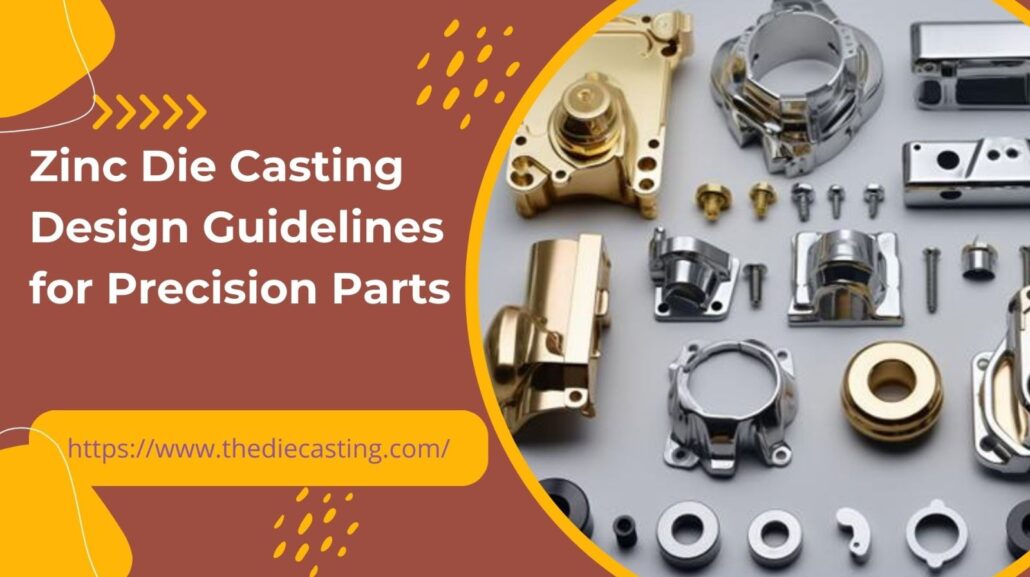
정밀 부품을 위한 아연 다이캐스팅 설계 가이드라인

zamak 5, 아연 다이캐스팅

Zinc die casting is a flexible production method which entails an injection of zinc alloy molten matter into a specially designed mold with high pressure in order to create complex and high-precision parts. Such an approach is especially appropriate for precision parts because zinc has high fluidity, a low melting point, and can be machined to tight tolerances without much post-processing. Zamak die casting is used in industries such as automotive, electronics, consumer goods, and medical devices for parts, including connectors, gears, housings, and complex mechanisms that require dimensional tolerances and longevity. Most zinc alloys are processed using hot-chamber machines, which enable quick cycle times and a steady quality. Accurate parts benefit from zinc’s ability to produce thin walls, complex geometries, and net-shape parts, reducing material waste and assembly time. Nevertheless, high success rates are achieved when specific design rules are followed, and material properties, shape, form, and processing parameters are considered. These rules help reduce defects, improve manufacturability, and enhance precision. This article identifies major guidelines supported by industry standards set by organizations to help engineers design zinc die-cast precision parts. Advantages of Zinc Die Casting of Precision Parts The use of zinc die casting offers several benefits, making it one of the best materials for precision applications. Selection Material: Zinc Alloys Selecting the correct zinc alloy is important for precision parts because it affects mechanical properties, castability, and tolerances. The Zamak die-casting series (2, 3, 5, 7) and the ZA series (8, 12, 27) have specific compositions and performance properties. The table below will summarize the kinds of zinc alloy used in the manufacture of precision parts: Types of Zinc Alloy Tensile strength (ksi/MPa) Elongation % Hardness (BHN)   Density g/cm³   Yield strength (MPa) Melting point °C Zamak 2 52/359 7 100 6.6 283 379-390 Zamak 3 41/283 10 82 6.6 269 381-387 Zamak 5 48/328 7 91 6.6 283-269 380-386 Zamak 7 41/283 13 80 6.6 310-331 381-387 ZA 8 54/372 6-10 100-106 6.3 359-379 375-404 ZA-12 59/400 4-7 95-105 6.03 145 377-432 ZA-27 62/426 2.0-3.5 116-122 5.3 N/A 372-484 These properties can be used to ensure that zinc alloys meet precision specifications and that complex parts have high fluidity scores (1-2 on a 1-4 scale; 1 best). To be more exact, manufacturers would want to choose alloys such as Zamak 3 or ZA-8 due to their stability and ability to withstand tight tolerances. Key Design Guidelines Good zinc die casting is designed to facilitate flow and ejection while maintaining strength at minimal cost. Wall Thickness The wall thickness should be uniform to avoid porosity and distortion. For precision parts, keep it within +/-10% and use a minimum thickness of 0.040 inches (1 mm) for a good surface finish, and as fine as 0.020 inches (0.5 mm) in miniature models. Ratios of thick to thin sections should be kept to less than 3:1 to minimize the chance of porosity; preferably the inscribed sphere diameter ratios should not exceed 6:1. Thickening walls enhances flow but raises the cycle time and consumption. To distances away from the ingate, minimum thickness changes: below 0.5 mm in areas less than 50 mm, up to 2 mm at 200 mm. Different simulations can be used to check designs. In zinc casting, specify a minimum of 0.025 inches (0.635 mm) in selected locations, but 0.040 inches (1.016 mm) in best-as-cast locations. Draft Angles Draft angles help eject parts and prevent damage to the die. For zinc, the minimum drafts are 0.5 ° -1 on outside surfaces, 1- -1 on internal surfaces, and 0.1 ° -1 on round holes. Short features that use moving parts (die elements) can be printed in zero, but it is more expensive. For ribs, a 5-10 taper is used when it is not parallel to the shrinkage. Different standards give draft calculations: standard tolerances are 50 (draft angle approximately 1.9 degrees at a 1-inch depth) for inside walls and 100 for outside walls. There are also precision tolerances that permit 60 and 120 constant drafts. Fillets and Radii Fillets and radii should always be added since sharp edges lead to stress concentrations and die erosion. Minimum radius of inside fillet is 0.016 inches (0.4 mm), and outside 0.031 inches (0.8 mm). Radii of larger size (up to 0.063 inches or 1.6 mm) enhance flow and strength. Minimum radii should be used (0.060 inches (1.5 mm) for bosses and ribs). Radius at high stress should not be less than 1 mm; standards suggest ±0.08/±0.04 inches (±2/±1 mm) in fillets. This improves the part’s life and reduces cracking. Ribs and Bosses Ribs enhance reinforcement without adding bulk. Create shallow, rounded ribs (height-to-thickness ratio no more than 3:1) and evenly space them so they are not distorted. Adhesion ribs to walls with fillets to avoid porosity in the intersection. The height of bosses used to mount or thread must be equal to their diameter, and when the diameter is large, they must have ribs. Keep 0.25 inches (6.5 mm) distance between bosses. Tolerances of critical heights can be contained in ribs, such as in the precision designs of ±0.001 inches (±0.025 mm) ribs. Cored Holes and Threads Holes made in the core make it lighter and allow elements such as threads. Maximum depths are around 3 mm diameter, 9 mm blind or 24 mm through; up to 12 mm diameter with larger openings. At least 0.25 inches (6 mm) in diameter, L/D ratio not more than 4:1 in small holes. Parting Line Considerations It is best to place the parting line in the largest section possible to produce the least amount of flash and to allow easy trimming. Vertical or complicated lines should be avoided; die motion plane right angles are best. Tolerances on parting lines are the sum of linear ones, by projected area. Projected area Tolerance (+in) Upto 10 +0.0045 11-20 +0.005 21-50 +0.006 51-100 +0.009 Tolerances of Precision Parts Zinc die casting has even higher precision tolerances than standard, and sometimes 65% of those special controls are

아연 다이캐스팅

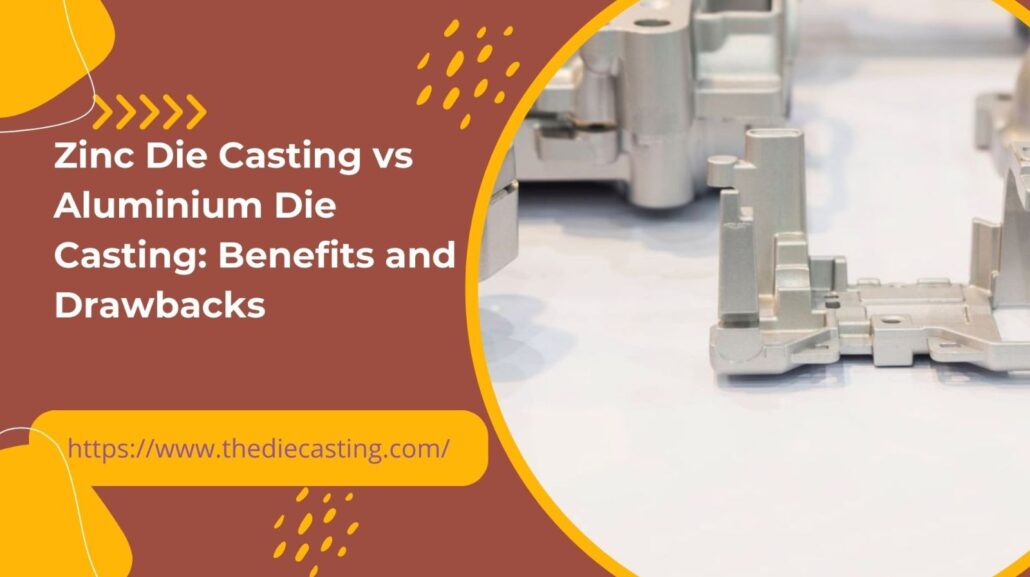
아연 다이캐스팅과 알루미늄 다이캐스팅: 장점과 단점

알루미늄 주조, 아연 다이캐스팅

다이캐스팅은 제조 분야에서 고정밀 금속 제품을 생산하기 위한 실용적이고 다재다능한 공정이기도 합니다. 알루미늄과 아연은 가장 일반적인 다이캐스팅 합금 중 하나입니다. 제품 생산, 엔지니어링 또는 재료 찾기에 종사하고 있다고 가정하면 아연 다이캐스팅과 알루미늄 다이캐스팅의 차이점을 이해해야 합니다. 이 가이드는 제조업체가 자동차 부품, 전자 제품 또는 소비재 등 프로젝트에 가장 적합한 합금을 선택하는 데 도움이 될 것입니다. 다이캐스팅은 뜨거운 용융 금속을 고압으로 금형에 부어 높은 수준의 표면 마감을 가진 복잡한 형상을 만드는 공정입니다. 아연 다이캐스팅과 알루미늄 다이캐스팅 모두 각각의 장단점이 있습니다. 또한 심층적인 비교, 표 형식의 빠른 보기, 전문적인 해설을 제공하여 정보에 입각한 결정을 내릴 수 있도록 도와드립니다. 마지막에는 아연 다이캐스팅과 알루미늄 다이캐스팅의 차이점과 둘 중 어느 것을 사용해야 하는지 명확하게 이해할 수 있습니다. 핵심 요소를 살펴보겠습니다. 다이캐스팅이란 무엇인가요? 간략한 개요 아연 다이캐스팅과 알루미늄 다이캐스팅을 비교하기 전에 다이캐스팅 공정을 이해하는 것이 중요합니다. 다이캐스팅은 용융 금속을 고압(1,000~20,000psi)으로 금형 캐비티에 강제로 밀어 넣는 공정입니다. 경화된 강철 주형 또는 금형은 일반적으로 공차가 엄격한 수천 개의 유사한 부품을 생산할 수 있습니다. 다이캐스팅 유형 핫 챔버 다이캐스팅 아연과 같은 저융점 금속에 적용됩니다. 사출 시스템은 용융 금속에 담급니다. 콜드 챔버 다이캐스팅 알루미늄과 같이 금속의 용융 온도가 더 높은 경우에 가장 적합합니다. 기계의 손상을 방지하기 위해 용융 금속을 챔버에 넣습니다. 속도, 정확성 및 광범위한 후처리 없이 복잡한 디자인을 만들 수 있다는 점에서 선호됩니다. 이 시점에서 아연과 알루미늄이라는 두 가지 주요 합금을 비교해 보겠습니다. 아연과 알루미늄 다이캐스팅의 주요 특성 아연 다이캐스팅과 알루미늄 다이캐스팅 중 어떤 것을 선택할지 결정하는 것은 종종 재료 특성으로 축소됩니다. 아연(일반적으로 자막으로 합금됨)과 알루미늄(예: ADC12 또는 A380)은 강도, 무게, 내식성 등에서 동일한 특성을 공유하지 않습니다. 강도 및 내구성 아연 합금은 충격 강도와 연성이 뛰어난 것으로 알려져 있습니다. 상당한 응력에도 파손되지 않고 견딜 수 있어 주조 후 구부리거나 모양을 만들어야 하는 부품에 적합합니다. 반면 알루미늄 합금은 인장 강도와 경도가 우수하여 특히 구조물 제작에 적합합니다. 무게와 밀도 밀도가 6.6g/cm 3인 아연에 비해 알루미늄은 더 가볍습니다(d = 2.7g/cm 3). 이는 항공우주 산업과 같이 가벼운 무게를 필요로 하는 산업에서 알루미늄을 사용하는 데 기여합니다. 융점 및 주조성 아연은 약 380~390°C에서 녹기 때문에 핫챔버 기계가 더 빠르게 작동할 수 있습니다. 알루미늄은 660°C에서 녹기 때문에 저온 챔버 공정에서는 생산 속도가 느려질 수 있지만 벽을 더 얇게 만들 수 있습니다. 내식성 둘 다 내식성이 우수하지만, 알루미늄은 자연적으로 보호 산화물 코팅을 형성하기 때문에 열악한 조건에서 더 나은 성능을 발휘합니다. 아연을 실외에서 사용하려면 코팅이 필요합니다. 특징 아연 다이캐스팅 알루미늄 다이캐스팅 융점 380-390도 660도 인장 강도 280-400 200-300 밀도 6.6 2.7 열전도도 109 100-140 전기 전도도 높음 매우 높음 충격 강도 연성 취성 내식성 좋음 아연 다이캐스팅의 장점 아연 다이캐스팅의 다용도성으로 인해 100년 이상 신뢰할 수 있는 옵션이 되었습니다. 이것이 바로 제조업체들이 아연 다이캐스팅을 선호하는 이유입니다: 뛰어난 치수 정확도 아연은 0.05mm 이하로 그대로 유지되므로 2차 가공이 필요하지 않습니다. 제조업체는 아연 다이캐스팅 금형을 사용하여 극도의 치수 정확도를 달성할 수 있습니다. 높은 마감 처리 원재료 자체가 고품질 마감 처리되어 있습니다. 부품이 깨끗하게 나오며 도금이나 도장 전에 추가 연마가 필요하지 않은 경우가 많습니다. 공구 수명 연장 아연은 쉽게 녹기 때문에 금형이 덜 마모되어 장기적으로 공구 비용이 절감됩니다. 또한 부식과 마모에 강해 제품 수명이 길어집니다. 빠른 생산 속도 용융된 재료는 15~30초 이내에 응고됩니다. 따라서 아연 다이캐스팅은 대량 생산에 적합합니다. 대규모 산업에서는 생산량을 개선하고 늘리기 위해 아연 다이캐스팅을 사용합니다. 소형 부품에 적합한 경제성 아연은 자물쇠, 기어, 하드웨어와 같은 복잡하고 작은 부품에 이상적입니다. 그러나 무게에 민감한 응용 분야에서는 아연의 밀도가 높아서 바람직하지 않을 수 있습니다. 표준 합금의 예로는 자막 3(범용) 및 자막 5(고강도)가 있습니다. 응용 분야 자동차 부문과 같은 다른 산업에서는 아연이 도어 핸들과 브래킷에 사용됩니다. 전자제품의 경우 전자파를 차단할 수 있기 때문에 연결에 선호됩니다. 알루미늄 다이캐스팅의 장점 대형 및 구조용 부품에서는 알루미늄 다이캐스팅이 선두를 달리고 있습니다. 다음과 같은 이점이 있습니다: 가볍고 튼튼한 알루미늄 부품은 강철이나 아연에 비해 제품의 총 중량을 50%까지 줄일 수 있습니다. 알루미늄은 가볍지만 강합니다. 따라서 알루미늄 다이캐스팅은 고강도 애플리케이션에 적합한 제품을 생산하는 데 이상적입니다. 우수한 내식성 대부분의 경우 추가 코팅이 필요하지 않으므로 시간과 비용을 절약할 수 있습니다. 알루미늄 다이캐스팅으로 제작된 제품은 수명이 길고 손상되지 않습니다. 우수한 열 및 전기 전도성 알루미늄은 전기와 열을 전도하는 능력이 뛰어나 다양한 용도에 이상적입니다. 방열판, 엔진 블록 및 전기 하우징에 사용하기에 적합합니다. 재활용성 알루미늄 다이캐스팅 공정은 지속 가능한 제조 트렌드에 따라 100% 알루미늄 재활용이 가능한 높은 재활용성 때문에 최고의 소재입니다. 얇은 벽 기능 알루미늄 다이캐스팅은 0.5mm의 얇은 벽을 제작할 수 있어 복잡한 디자인을 구현할 수 있습니다. 단점 모순과 단점 완벽한 소재는 없습니다. 알루미늄 다이캐스팅에 비해 아연 다이캐스팅의 경우 이러한 단점이 있습니다: 아연 다이캐스팅 제한 사항 알루미늄 다이캐스팅 제한 사항 비용 비교: 아연 다이캐스팅과 알루미늄 다이캐스팅 아연 다이캐스팅과 알루미늄 다이캐스팅의 중요한 요소는 비용입니다. 원자재는 일반적으로 알루미늄(2-4/kg)에 비해 아연(2-3/kg)이 더 저렴하지만 툴링 및 제조

아연 다이캐스팅

자동차 부품용 아연 다이캐스팅 서비스 제공업체 리뷰

아연 다이캐스팅

Introduction In the automotive industry, zinc has been a pillar raw material for die casting because it has a remarkable mixture of precision, strength, durability and cost-effectiveness. Automakers are also turning to the use of zinc alloys in those parts that demand tight tolerances, thin walls, high surface finishes, wear and corrosion resistance. This is used in common applications such as door handles, lock housings, seat belt mechanisms, gears, brackets, sensor housings and inner trim pieces. The technology is to inject high-pressure molten zinc into steel moulds, which can be of complex geometry and volumes with limited secondary machining. Chinese Mold Manufacturer has already dominated the world of zinc die casting by being able to offer tailor-made prices, facilities and the necessary certification, such as the IATF 16949, that is required by automobile suppliers. This paper summarizes the top zinc die casting service companies focusing on automotive parts, based on the capabilities of the companies, customer reviews and industry reputation. We are targeting the Chinese manufacturers, who are the major source of worldwide provision of low-priced yet high-quality motor parts. Key Advantages of Zinc Die Casting With the latest development of vehicles towards electrification and lightweighting, zinc die casting services are important to making dependable, high-performance components. The Zinc Die Casting Process Zinc die casting is a very efficient production process that is accurate in making complex metal parts that have superior surface finishes. It is especially well used in the auto industry with parts that have thin wall requirements, are high strength and have better plating compatibility. Just like aluminum die casting, zinc employs the hot-chamber process because it melts at a lower temperature (approximately 420 °C), providing it with short cycle times and extended tool life. Principles of the Zinc Die Casting Process Mold Preparation To ease ejection and temperature control, the steel die (mold) is sprayed with lubricant. The mold is made from strengthen material like steel that contains all the details of the automotive parts. Melting and Injection Zinc alloy (usually Zamak 3, 5 or ZA-8) is melted in a furnace that is connected to the machine. A gooseneck plunger is inserted into the molten metal and forces the final under high pressure (as much as 30 MPa) into the die cavity. Solidification The metal solidifies (a few seconds) in the water-cooled die, and the metal is solidified in its form of choice. Ejection The die is cast, and ejector pins push out the casting. The final shape of the product is solidified. Trimming and Finishing Flash (runners) is removed. The secondary processes, such as machining, plating or powder coating, are included. Trimming the unwanted part of the zinc automotive product is the final step. Why Zinc Die Casting is Superior in Automotive Applications Zinc alloys (i.e., Zamak 3, 5, and ZA-8) have distinct advantages compared to such alternatives as aluminum: High Quality Finish and Surface Finish Zinc fluidity allows adding thinner walls (down to 0.5mm) and finer details to minimize the post-processing. The automotive parts made from zinc have thinner walls and greater strength. Increased Strength and Impact Resistance Suited to components with safety-critical functions such as seat belt retractors and locks. The automakers preferred using these products. Extended Tool Life Due to the low melting point, zinc die casting products’ life is increased, and high-volume runs have reduced costs. Outstanding Plating Compatibility The process of zinc die casting is ideal for exterior or interior parts, as these are chrome-plated. Economical with Medium Volumes The automotive parts made by zinc diecasting use hot-chamber processes and have faster cycle times than aluminum. Zinc vs. Aluminum Die Casting Comparison for Automotive Parts Automotive parts could be made from zinc or aluminum. Here is the comparison table for the users to make the best decision according to their need of product. Features Zinc die casting Aluminum die casting Wall thickness Thinner (0.5-1.5mm) Thicker (2-5mm) Weight Higher High Melting point Low High Thermal conductivity High Low Corrosion resistance Higher Low Impact/strength High impact resistance Greater ductility Tool life Longer Shorter Cost Better for smaller parts Better for larger parts Applications Auto marine Power steering system Fuel system Engine system Automotive components Aerospace House appliances Medical automotive Best Die Casting Providers of Zinc                                                                                      Die Castings China (CNM Tech) This is a company that deals with zinc die casting and aluminum in the automotive parts industry in Dongguan, which is a die-casting hub. They have machines ranging from 120 to 1600 tons and in-house machining, deburring, plating, and powder coating. Strengths full service (one-stop), IATF 16949-certified, high concentration on automotive (e.g., brackets, housings). High-quality deburring provides parts without an accent. Customer Reviews Compliments on consistency, speedy delivery and competitive prices. Plated finishes are ideal for OEMs. Rating 4.8/5 -Dependable when using on mid-to-high volume automotive runs. GC Precision Mold Co., Ltd. GC, a zinc die casting manufacturer, was founded in 1999 in Dongguan, and it provides IATF 16949 certified zinc, aluminum and magnesium die cast. They cover the automotive, electronics and hardware industries. Strengths Large assortment of alloys, integration of CNC machining, and extreme care to tight tolerances. Verified in automotive components such as gears and housings. Customer Reviews Customer satisfaction rating (transparency, responsiveness, and consistency of quality) was high. Customers report about superior English communication. Rating 4.9/5 -Best selection of precision automotive parts. Sincere Tech (Dongguan Sincere Tech Co., Ltd.) Although its major operations are plastic injection and general die casting, Sincere Tech also offers zinc die casting services, together with machining and assembly. They refer to die cast of metal components, including the automobile. Strengths All-in-one services (design to assembly), ISO 9001:2015, 18 plus years of experience. DFM and fluent English assistance. Customer Reviews Favorable response towards project management and problem-solving. Excellent in problem-solving according to foreign clients. Rating 4.7/5: Strong on combined projects of zinc and plastic parts. PHB Inc. PHB is a hundred-year-old American company that deals with aluminum and zinc die casting. They work with large car manufacturers, making components such as drilling, milling

자동차 애플리케이션에서 마그네슘 다이캐스팅의 장점은 무엇입니까?

자동차 애플리케이션에서 마그네슘 다이캐스팅의 장점은 무엇입니까?

마그네슘 다이 캐스팅

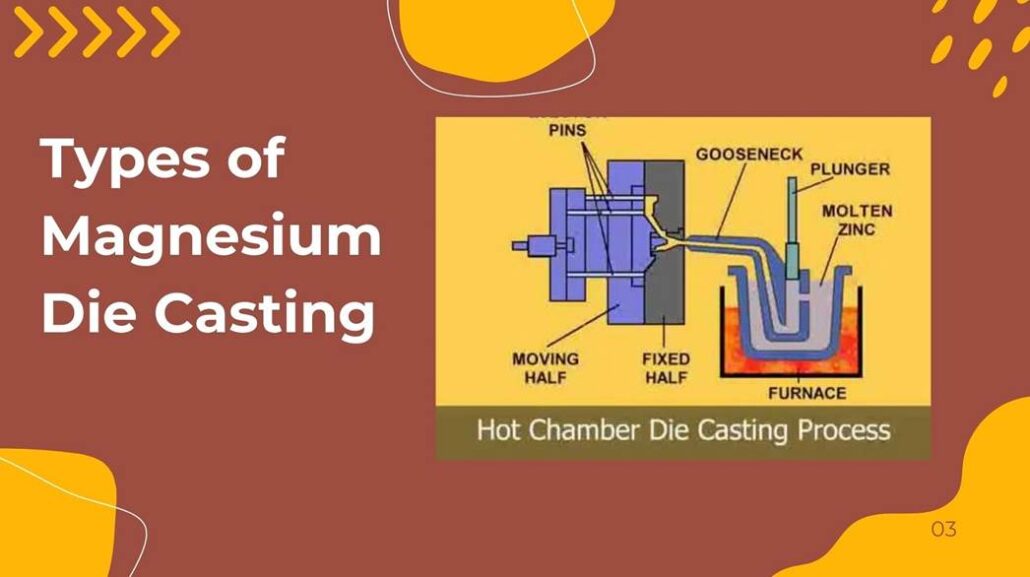
The basic function of die casting is to manufacture automotive parts that are lightweight and have high efficiency. All these requirements have fulfilled with the use of magnesium die casting. Different parts castings are manufactured by using the magnesium die for making automotive parts. All the manufacturers are focusing on making the automotive parts that have great efficiency, and they must be economical. As the world is advancing, the automotive industry is under constant pressure of manufacturing the innovative products. The magnesium alloy die casting has gained popularity over the years. The evolution in the automotive industry, with the increase in production of electric vehicles (EVs), has led to great use of magnesium alloy in parts manufacturing. Some other materials could be used in the production, but magnesium is the lightest. Its use offers great advantages in the automotive industry when it is processed through high-pressure die casting. The article explores the ideas of magnesium die casting, its benefits in the automotive industry and applications as well. In the end, we will provide the information about the future use of the magnesium alloy in die casting in the automotive industry for automakers. What is Magnesium Die Casting? Before getting into the details of the applications and advantages of magnesium alloy die casting in the automotive industry, it is important to understand what magnesium die casting is. Here are the steps involved in the process. Melting the magnesium at 650degC that convert it into a liquid form. Preparing the Mould The initial step in the process of die casting magnesium is the preparation of the mould. The mould is made of a high-strength material. It is lined with the released agent that helps in preventing sticking molten magnesium to the mould. The final release of the automotive parts depends on this step of easy release of the products. It is very important to have a flawless mould to avoid any defects in the final product. Injecting Molten Magnesium The next step is the injection of the molten magnesium into the die. The automakers make sure that the alloy reaches every complex geometry of the mould to get perfect results. The pressure is maintained at around 1500 to 3000 psi during the process. This step is highly precise yet very fast to avoid hardening of the magnesium alloy. Cooling After the magnesium is injected into the mould, the next step is the cooling. It is important to remove the die from the material after cooling and setting. Like any other material, if the structure is complex and have bigger size, it took longer period to cool. In contrast, smaller and thin sized automobiles parts got cooled more easily. Monitored and efficient cooling is required to avoid any cracks in the magnesium die casting product. Ejection and Finishing After the cooling of the magnesium in the die, the ejection from the die is the last step. The process of removing the finished product from the die is known as the ejection. Once the automotive parts are ejected carefully it need some further detailing, like removing and drilling the unwanted parts form final product for finishing. The process of magnesium alloy die casting is essential in making complex and thin-walled automotive parts. Automakers use magnesium because it is the lightest material in the die casting industry for making innovative automotive parts for EV and modern vehicles. Types of Magnesium Die Casting For making different automotive parts, there are basically two types of magnesium diecasting processes. Those are as follows; Hot Chamber Die Casting In the hot chamber, magnesium diecasting is ideal for the low melting point of magnesium. In this process, the die is submerged in the molten chamber and forced into the die. Cold Chamber Die Casting The typical method of magnesium die casting is cold chamber die casting. In this process, the molten magnesium is injected into the unheated moulds in the automotive industry. Why Magnesium is Best in Automotive Applications The combination of physical and mechanical characteristics of magnesium is very special and is very much demanded in the production of vehicles. Advantages of Magnesium Die Casting Substantial Weight Reduction on Vehicles One of the most significant objectives of automotive engineering is weight reduction. Lightweight cars use less fuel, produce fewer emissions and provide improved performance. Magnesium die casting helps automakers to substitute the heavier parts made of steel or aluminum with magnesium without affecting their functionality. The slightest weight cut in each element could produce an enormous weight cut when summed up in a complete car. This benefit is especially important in electric cars that require decreasing the weight of the body to directly affect the range of the battery and its efficiency. Better Fuel Economy and Reduced Emissions Fuel economy is directly influenced by the reduction of vehicle weight. Research continually demonstrates that fuel efficiency increases by 5-7% as the weight of the vehicle decreases by 10%. With magnesium die-cast parts, automakers would find it easier to comply with the tough global emission standards. This becomes particularly significant when the governments of the countries impose the rules intended to minimize carbon emissions and develop sustainable transportation. Magnesium die casting, hence, favors economic and environmental goals. Large strength-to-weight ratio The myth that surrounds lightweight metals is that it reduces strength. Magnesium alloys disprove this assumption. Recent magnesium alloys in die casting have adequate mechanical strength to be applied in automotive parts like steering columns, seat frames, gearbox housings, and structural brackets. These components should be able to withstand the stress, vibration, and thermal changes in the long term. The manufacturers get components that are durable and lightweight through the proper choice of alloys and efficient die-casting processes. Dimensional Accuracy and Design Flexibility Complex and tight geometries can be produced using magnesium die casting. It is possible to make thin walls, complex forms, ribs, bosses and in-built features in one casting. This design allows flexibility, eliminates the secondary machining and assembly, decreasing the cost of production and minimum points of

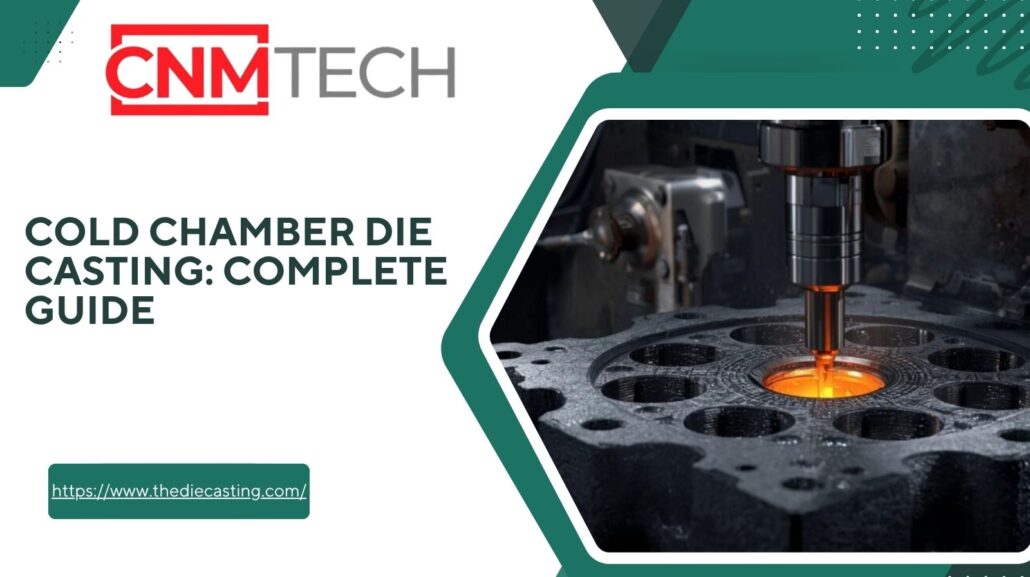
콜드 챔버 다이 캐스팅: 전체 가이드

다이 캐스팅, 다이캐스팅 제조업체, 다이캐스팅 부품

The cold chamber die casting process is initiated by first ladling molten metal into a separate injection chamber and then forcing it out into a steel mould. This process deals with high melting alloys such as aluminium, copper and magnesium. It is a tight-tolerance, high-pressure production process found in the automotive, electronics, and industrial parts production.  What is cold chamber die casting is and when to use it? Cold chamber die casting is a high-pressure moulding of metals, which would ruin or corrode a hot-chamber system. Practically, the operators melt the metal in a different furnace. Then they pour the molten metal into an unheated shot sleeve. The metal is forced into the closed mould by a hydraulic plunger with extreme pressure. The section hardens very rapidly, and the die is opened to spurt out the casting. This can be used when the alloy is of high melting temperature or where the alloy would corrode injection components, such as aluminium and copper alloys. The process sacrifices speed of the cycle for the scale and flexibility of the alloy.  Cold Chamber Die Casting Process Step-by-Step Cold chamber die casting is one of the most reliable techniques for making high-quality metal parts. Every process must be monitored in terms of temperature, pressure and time. Minor variations can impact the surface finish, strength and dimensional accuracy of the end product. Melting the Metal It starts by melting the metal in a separate furnace. Mostly used are aluminium, magnesium and copper alloys. In the case of aluminium, it is typically 650degC and 750degC. It is necessary to keep the melt clean. The impurities are eliminated by the operator with the help of fluxing agents and skimming tools. In case some oxide or gas is left, it may introduce defects such as porosity or inclusions in the future. In high-tech furnaces, a dosing system is the direct connection between the furnace and a die casting machine of China Cold. This guarantees that the temperature and composition of the molten metal are uniform in each shot. Molten Metal to the Shot Chamber Then molten metal is poured into the shot chamber or shot sleeve. This may be done manually or automatically. Manual ladling is easy, less fast and has more chances of entraping air. Automatic ladling systems, in their turn, provide the accurate amounts of metal with low turbulence. Oxidation and gas inclusion can be prevented by controlling the ladling speed and temperature. Others preheat the shot sleeve a little so that it will not suddenly drop in temperature, to allow the fluidity of injection. 3. Injection into the Die Cavity A hydraulic plunger is used to inject the high-pressure molten metal into the die cavity once it is in the shot sleeve. This is the fundamental phase of the cold chamber die casting. Injection pressure varies between 3,000 psi and more than 20,000 psi, depending on the size of the part and the alloy. The injection cycle normally contains two stages: The timeliness of these phases is critical. Recent China cold chamber die casting machinery, servo-hydraulic systems automatically regulate pressure and speed of every shot and guarantee homogeneity. Solidification and Cooling Opening and Part Ejection Die Once the metal has solidified, the die is opened by the machine, after which ejector pins or robotic arms take the casting out. It should be ejected only when fully solidified; otherwise, it is distorted. In complex shapes, there is more than one ejector pin, which guarantees the clean release of the die cavity. Robots take the parts on the automated lines and place them on conveyors to be trimmed and cooled. This increases handling damage reduction and accelerates production. Trimming and Finishing Inspection and Quality Control The last one is inspection and quality control. Every casting is inspected to guarantee that it has the necessary tolerances and quality standards. Popular types of inspection are: The machinery of modern China cold chamber die casting is usually equipped with sensors and software which keep track of all the parameters – Melt temperature, injection pressure, and die temperature, which enables quality monitoring in real time. Optimisation of process and control The quality of outcomes must rely on controlled quality at each step. Safety and Environmental Factors Usually used materials and alloys. The use of a cold chamber is preferred in alloys which cannot be utilised in hot-chamber machines. Most common materials used include aluminium alloys, magnesium, copper and a few combinations of zinc andaluminiumm where corrosion of the injection mechanism should be prevented at all costs. In the automotive structural parts, aluminium alloys prevail. Magnesium is applicable in situations where very lightness is an issue. Both alloys have their own melting point, fluidity and shrinkage behaviour, which need to be handled in mould design and process parameters.  Machinery and features – such as the China cold chamber die casting machine choice. Die casting machines: The Cold chamber die casting machines are made of a robust frame, high pressure injection unit, a hydraulic system and the control electronics. The modern machines provide servo-hydraulics to save energy and enhance control, computer controls to make the shot profiles programmable and integrated auxiliary systems such as die temperature controllers and automatic ladling systems. It is also possible to find China cold chamber die casting machine suppliers that offer a large variety of models and different price ranges in case you are sourcing machines. There are compact models of Chinese manufacturers that fit small shops and large tonnage machines that are appropriate to high-volume production. Chinese constructors tend to package melting and handling equipment to provide a turnkey line as well. Compare machines in terms of check maximum clamping force (tons), volume in the shot, speed control in an injection, die size, and automation.  Essentials of tooling and die design The hardened tool steel is normally die (mould. The design of the die should permit a controlled flow of metals and escaping gaseous air,  and gating and runners geometry and cooling channels in order to

블랙 니켈 전기 도금: 전체 가이드

블랙 니켈 전기 도금: 전체 가이드

니켈 도금

Black nickel electroplating is one of the common ways of finishing, which enhances the appearance and longevity of metal pieces. It gives it a smooth dark appearance and enhances corrosion resistance and hardness of the surface. This has made it popular in most sectors, such as the automotive industry, electronics, jewelry, and ornamental hardware. The question of nickel plating aluminum has been a subject of debate among many novices and experts, as the natural oxide layer on aluminum makes it harder to plate. The nickel layer can fail to stick on efficiently without proper preparation, whereby it can peel or result in an uneven outcome. The other question that is frequently asked is whether black nickel electroplating is possible at home or in a small workshop. Small-scale arrangements can be made, but professional processes result in more reliable and stable outcomes. Black electroplated nickel is a valuable material because it has a protective value as well as an aesthetic value. The black finish gives a modern and sophisticated appearance to the tools, trims, jewelry, and industrial parts. In this manual, we shall discuss the entire process of black nickel electroplating. You will get to know the preparation of the surfaces, the plating process, the post-treatment process, and typical pitfalls. At the end, you will know why black nickel is the most used finish in comparison to other finishes and the way it is both functional and decorative. What does Black Nickel Electroplating mean? The black nickel electroplating is an electrochemical process whereby an alloy of nickel is deposited onto a metal surface. In contrast to conventional nickel plating, the final finish is a dark, matte, or semi-gloss finish. This renders it very much sought after as a decoration. The process also makes the metal surface strong, which makes it less susceptible to scratches, wear, and corrosion. During aluminum plating, it is more complicated. Naturally, metallic oxide is formed on aluminum, which inhibits the adhesion of the metal. This is the reason why the nickel plating of aluminum must be specially cleaned and pre-treated before applying the black nickel layer. Nevertheless, black electroplated nickel has great protective qualities and a dark appearance as well. Benefits of Black Nickel Electroplating Corrosion Resistance Corrosion protection is one of the primary reasons why electroplating black nickel would be chosen. The nickel layer protects the underlying metal against the environmental factors, including moisture, salt, and chemicals. This is especially crucial concerning car components, hardware devices, and factory equipment. Enhanced Surface Hardness Nickel electroplating black enhances the hardness of surfaces. This enhances wear resistance and reduces scratches on the parts. This additional durability is highly valuable to tools, machine components, and hardware. Aesthetic Appeal The black nickel is dark and classy, and the finish is appealing to the eyes. It finds extensive application in decoration, jewelry, car interiors, and electrical casing. Although the conventional nickel plating results in a bright silver appearance, black nickel creates a modern and high-quality appearance. A Longer Life and Economy Black nickel plating increases the life of parts by coating them so that they do not corrode or wear out. This lowers the maintenance and replacement expenses and is therefore an affordable solution for both the industries and hobbyists. Versatility Black nickel plating may be done on metal, such as aluminum, steel, and brass. This flexibility makes it suitable for a large variety of applications. Nickel Plating Aluminum Problems Although nickel plating of aluminum can be done, there are difficulties with it. The natural oxide layer of aluminum is an obstacle to the adhesion of the nickel layer. It is important to clean, etch, and activate the pre-treatment steps to get successful plating. Lack of proper preparation will result in peeling, uneven coverage, or flawed quality of the finish. The other difficulty is the ability to control the final color. Black nickel electroplating may be darker or uneven when the parameters of the plating are not optimized. It is due to this reason that professional setups are usually suggested for industrial-grade output. Black Nickel Electroplating Process Step-by-Step Surface Preparation Surface preparation must be done properly. Wash the aluminum or other metal to eliminate grease, dirt, and oxidation. In the case of aluminum, the zinc casting step is regularly carried out. This forms a thin layer of zinc, which enhances the adhesion of the nickel. Wash it after cleaning and activation. Electroplating Setup Warm the black nickel bath using the suggested chemicals and temperature levels. Power supply is needed to deliver the current needed. The workpiece should then be connected as the anode and a cathode material (usually lead or stainless steel) to complete the circuit. Electroplating Process Add the metal piece to the black nickel solution. Connect the electric current according to the specifications of the bath. The nickel ions get deposited on the metal surface, forming a dark colored and uniform, and protective coating. Temperature, current, and plating time are to be closely observed. Rinsing and Drying Plate. Rinse the part under clean water to cleanse the part of the remaining chemicals. Wipe to avoid water spots or areas that which is unevenly finished. Post-Treatment Heat curing or sealing may be done after treatment in order to enhance corrosion resistance and hardness. This is done to ensure that the plated layer is long-lasting and tough. Uses of Black Nickel Electroplating Jewelry and Accessories Jewelry is made to look smooth and modern with the help of black nickel. Both rings, bracelets, and watches enjoy the advantage of being aesthetically appealing as well as corrosion-resistant. Automotive Industry Trims and handles on the car, as well as decorative pieces, are usually black nickel-plated. This offers durability and a high-quality look. Electronics and Hardware Electroplating black nickel on electronic housings, switches, and connectors is also aimed at preventing wear and making them more aesthetically attractive. Industrial Tools Black electroplated nickel is useful in parts and tools of machines as it enhances the hardness and longevity of the machinery. Mistakes in Black Nickel Electroplating

중국 및 세계 최고의 자동차 다이캐스팅 기업 

알루미늄 다이캐스팅, 다이캐스팅 회사, 다이캐스팅 회사, 다이캐스팅 제조업체

알루미늄 다이캐스팅은 현대 산업에서 가장 신뢰할 수 있고 비용 효율적인 제조 공정 중 하나입니다. 고온에서 녹인 알루미늄을 정확한 금형에 고압으로 주입하여 강력하고 가벼우면서도 치수가 정밀한 부품을 만드는 공정입니다. 특히 표면 마감이 높은 매우 복잡한 형상을 제작하는 데 유용하기 때문에 자동차, 항공우주, 전자, 소비재, 산업 기계 산업에서 선호하는 공정입니다. 알루미늄 다이캐스팅은 지난 몇 년 동안 높은 수요를 보여 왔습니다. 전기 자동차, 경량 구조 및 에너지 효율을 향한 전 세계의 추세로 인해 알루미늄 합금은 혁신의 최전선에 서게 되었습니다. 이제 제조업체들은 내구성과 경량성을 모두 갖춘 엔진 블록, 트랜스미션 하우스, 배터리 인클로저, 방열판과 같은 첨단 부품을 개발했습니다. 재활용성과 부식에 대한 저항성 덕분에 알루미늄은 지속 가능하고 친환경적인 생산을 추구하는 전 세계적인 추세에도 도움이 됩니다. 알루미늄 다이캐스팅의 두 가지 주요 허브는 미국과 중국입니다. 미국의 캠퍼니는 혁신적이고 품질 기준이 높으며 높은 수준의 자동화를 사용하는 것으로 알려져 있으며 고정밀 산업에 대한 좋은 투자로 간주될 수 있습니다. 반대로 중국 제조업체는 세계 시장에서 많은 경쟁력을 확보했으며 비용 효율적인 솔루션, 높은 생산 능력 및 더 진보된 기술을 제공하고 있습니다. 이 백서에서는 미국과 중국에서 가장 성공적인 알루미늄 다이캐스팅 산업, 그들의 강점, 능력 및 전 세계 기업이 제조 산업에서 선호하는 공급 업체로서 가장 신뢰할 수 있는 파트너가 되는 요인에 대해 설명합니다. 자동차 다이캐스팅이란? 다이캐스팅은 일반적으로 알루미늄, 마그네슘 또는 아연과 같은 용융 금속을 큰 압력을 가하여 개방된 공간의 금형에 밀어 넣는 생산 공정입니다. 이를 통해 복잡한 기능을 가진 고강도 부품을 표면 마감과 치수 정확도가 우수한 상태로 대량 생산할 수 있습니다. 자동차 산업에서 다이캐스팅을 통해 다음과 같은 부품을 생산할 수 있습니다: 다이캐스팅의 사용은 무게를 줄이면서도 동시에 성능을 발휘할 수 있는 현대식 차량 제작에 혁명을 일으켰습니다. 이러한 수요로 인해 중국, 유럽, 미국, 일본의 주요 자동차 다이캐스팅 회사가 높은 발전 속도를 보이고 있습니다. 중국이 자동차 다이캐스팅의 선두주자인 이유 중국은 세계 최대 규모의 자동차 다이캐스팅 제조업체를 보유하고 있습니다: 이러한 일련의 강점을 통해 중국 자동차 다이캐스팅 업체는 현지 시장뿐만 아니라 국제 공급망에서도 강자가 될 수 있었습니다. CNM Tech 다이캐스팅 회사는 우수한 알루미늄 다이캐스트 제품을 생산하는 선도적인 업체입니다. 자동차, 전자, 통신 등 여러 분야에 최고 품질 표준을 유지하기 위해 정밀하게 설계된 부품을 제공합니다. 고압 다이캐스팅 및 CNC 가공과 같은 첨단 생산 공정을 활용하여 가볍고 튼튼한 부품을 생산할 수 있습니다. 다이캐스팅 회사는 끊임없는 혁신의 힘을 믿기 때문에 항상 동일한 결과를 제공하는 데 도움이 되는 최신 기계, 자동화된 생산 라인, 더 중요한 품질 관리 시스템에 투자하고 있습니다. OEM과 티어 1 공급업체 모두 글로벌 고객층을 확보하고 있으므로 복잡하고 대량 생산에 필요한 요구 사항을 충족하는 신뢰할 수 있는 파트너입니다. 웹사이트: https://www.thediecasting.com/ 선택 이유 다이캐스팅 회사는 품질, 정밀도, 혁신에 중점을 두기 때문에 기업에서 선호합니다. 최첨단 다이캐스팅 기술 적용, 강력한 품질 관리, 정시 납품으로 고객이 국제 표준을 충족하는 부품을 얻을 수 있도록 보장하며, 신뢰할 수 있는 다이캐스팅 솔루션 제공업체를 찾고자 하는 자동차 OEM 및 제조업체가 가장 선호하는 선택입니다. 서비스 대상 산업 Sincere Tech는 플라스틱 사출 및 다이캐스트 분야의 고정밀 금형 생산업체 중 하나입니다. 이 회사는 금형 설계, 프로토타입 제작, 최종 제품 제조에 대한 배경 지식을 갖추고 있으며 전 세계 고객에게 원스톱 솔루션을 제공합니다. 그들은 컴퓨터화된 CAD/CAM 소프트웨어와 자동화된 가공을 사용하여 제조된 모든 금형이 매우 정확합니다. 플라스틱 몰드는 자동차, 가전제품 및 의료 기기 산업의 요구 사항을 충족하는 데 다년간의 경험을 바탕으로 복잡한 금형을 효율적으로 제공할 수 있는 역량을 갖추고 있습니다. 혁신, 품질 관리 및 배송 속도에서 두각을 나타내며 맞춤형 금형 솔루션을 원하는 기업이 신뢰할 수 있는 공급업체로 자리매김하고 있습니다. 웹 사이트: https://www.plasticmold.net/ 선택 이유 플라스틱 몰드는 완벽한 금형 제작 시스템, 기술력 및 제한된 생산 시간에 맞출 수 있는 능력으로 인해 선택되었습니다. 우수한 품질의 금형은 오류를 최소화하고 생산성을 향상시키며 고객이 정확하고 신뢰할 수 있는 다이캐스트 또는 사출 성형 제품을 생산할 수 있도록 지원합니다. GC 정밀 금형 서비스 산업 GC 정밀 금형은 알루미늄, 아연 및 마그네슘 다이캐스트를 제공하는 중국의 다이캐스팅 생산업체입니다. 자동차, 전자 및 조명 분야에서 고품질, 비용 효율적이며 가벼운 부품을 제조하는 것으로 명성이 높습니다. 고압 다이캐스팅, CNC 가공 및 2차 마감 작업 능력을 갖추고 있습니다. 알루 다이캐스팅은 정확성, 수명, 생산성에 중점을 두고 있습니다. 최신 설비, 자동화 라인, 숙련된 엔지니어를 통해 항상 국제 표준을 준수합니다. 현지 고객은 물론 OEM 및 티어 1 공급업체와 같은 전 세계 고객에게 서비스를 제공하고 있으며, 자동차 산업에서 중국 최고의 다이캐스팅 제조업체로 자리매김하고 있습니다. 웹 사이트: https://aludiecasting.com/ 선택 이유 경쟁력 있는 가격, 고품질 표준 및 기술을 결합하여 제공하는 Alu Diecasting을 사용하고 있습니다. 이 업체는 다양한 합금, 정밀 가공 및 정시 생산에 대한 실적을 보유하고 있어 세계 자동차 산업의 요구를 충족하는 신뢰할 수 있고 수명이 길며 가벼운 부품을 유지합니다. 서비스 산업 분야 Get It Made는 영국에 본사를 둔 CNC 가공, 3D 프린팅, 다이캐스팅 및 금속 성형 생산업체입니다. 프로토타이핑과 소량 생산을 모두 지원합니다,

고압 다이캐스팅이란 무엇인가요?

알루미늄 주조

오늘날 사용되는 가장 중요한 금속 공정 중 하나는 고압 다이캐스팅입니다. 이 공정은 고정밀 부품을 제조할 수 있다는 특징이 있습니다. 제조업체가 고품질 부품을 대량으로 필요로 할 때 사용하는 공정입니다. 이 공정은 용융 금속에 많은 압력을 가하여 다이라고 하는 강철 주형에 강제로 밀어 넣는 방식으로 이루어집니다. 이 압력은 금형의 모든 구석으로 금속의 흐름을 유지하는 데 사용됩니다. 작은 디테일, 좁은 벽, 매끄러운 표면의 부품을 생산합니다. 따라서 고압 다이캐스팅은 정밀하고 균일해야 하는 산업의 경우 편리한 선택이 될 수 있습니다. 공정 중에 일반적으로 사용되는 금속의 예로는 알루미늄, 아연 및 마그네슘이 있습니다. 각 재료에는 고유한 장점이 있습니다. 다이캐스팅 알루미늄은 가볍고 부식이 일어나지 않습니다. 아연 다이캐스팅은 얇고 복잡한 디자인으로 주조할 수 있기 때문입니다. 마그네슘 다이캐스팅의 강도는 매우 가볍습니다. 고압 다이캐스팅은 대부분의 산업에 사용됩니다. 자동차, 항공우주, 전자 및 소비재 제조 산업에서 중요한 부품을 제공합니다. 이 공정은 무엇보다도 엔진 하우징과 전자 제품 케이스에서 내구성과 성능을 제공합니다. 이 문서에서는 고압 다이캐스팅의 기능, 사용되는 재료, 장점, 제약 조건 및 다양한 응용 분야에 대해 설명합니다. 고압 다이캐스팅 고압 다이캐스팅의 역사는 100년이 넘습니다. 19세기 인쇄 활자를 만드는 데 사용되었던 19세기로 거슬러 올라갑니다. 시간이 지남에 따라 기술이 향상되어 자동차 및 항공 우주 산업에서 필수적인 절차가 되었습니다. 오늘날 복합 금속 부품을 생산하는 가장 효과적인 방법 중 하나는 고압 다이캐스팅입니다. 정확성, 내구성 및 속도가 필요한 경우에 사용할 수 있습니다. 이 공정은 현대 엔지니어링의 요구 사항에 부합하는 규칙적인 품질, 매끄럽고 섬세한 모양을 갖춘 실질적인 생산을 제공하기 때문에 제조업체에서 채택하고 있습니다. 고압 다이캐스팅 고압 다이캐스팅 공정은 정확하고 대량 생산에 적용할 수 있는 신속한 공정입니다. 높은 기계와 용융 금속의 조합으로 정확하고 세밀한 부품을 만듭니다. 전체 공정을 통해 제조업체는 비슷한 품질의 부품 수천 개를 생산할 수 있어 효율적입니다. 금형 준비 금형 준비는 금형 준비부터 시작됩니다. 강철 금형 또는 다이를 꼼꼼하게 세척하고 윤활제를 뿌립니다. 이는 온도를 조절하고 금속이 금형 표면에 달라붙지 않도록 하기 위한 것입니다. 최종 주물을 원활하게 배출하는 방법이기 때문에 적절하게 준비해야 합니다. 금속 용융 다이를 판독한 후 알루미늄, 아연 또는 마그네슘과 같은 선호하는 재료를 용광로에서 녹입니다. 금속은 완전한 액체 상태에 도달하기 위해 적절한 온도로 가열되어야 합니다. 최종 주조의 강도와 마감은 용융의 품질에 따라 크게 달라집니다. 금속 주입 용융된 금속은 매우 높은 압력으로 금형에 강제로 주입됩니다. 이 압력은 금형 캐비티의 모든 모서리에서 금속을 누릅니다. 이 공정을 통해 다른 주조 공정에서는 만들기 어려운 얇은 벽, 날카로운 모서리 및 복잡한 모양을 만들 수 있습니다. 냉각 및 응고 금속은 사출 후 금형 내에서 빠르게 얼어붙습니다. 냉각 기간도 매우 짧아 몇 초밖에 걸리지 않습니다. 빠른 냉각은 부품에 강도를 부여하고 부품을 적절한 크기로 유지하는 데 도움이 됩니다. 다이에서 배출 금속의 응고가 완료되면 다이가 열립니다. 주물은 이젝터 핀에 의해 금형에서 강제로 배출됩니다. 이 단계에서 부품은 제거해야 하는 추가 재료가 여전히 포함되어 있다는 점을 제외하고는 모양이 완성됩니다. 트리밍 및 마무리 마지막 단계는 마무리 및 준비 단계입니다. 과도하게 남아 있는 금속을 제거하는데, 이를 플래시라고 합니다. 그런 다음 필요에 따라 부품을 가공, 연마, 도장 또는 코팅할 수 있습니다. 이렇게 하면 부품을 사용할 준비가 완료됩니다. 현대 공장의 자동화 고압 다이캐스팅은 현대 공장에서 완전히 자동화되어 있습니다. 사출, 냉각 및 배출 단계는 로봇에 의해 정확하게 수행됩니다. 자동화는 일관성을 높이고 인건비를 낮추며 대량 생산에 이상적인 방법입니다. 고압 다이캐스팅의 원료 고압 다이캐스팅은 상대적으로 녹는점이 낮은 비철금속에 이상적입니다. 가장 빈번한 것은 다음과 같습니다: 알루미늄 가장 많이 사용되는 것은 알루미늄 다이캐스팅입니다. 저중량, 고강도의 조합입니다. 알루미늄 제품은 부식에 강하기 때문에 자동차, 비행기, 전자제품에 적합합니다. 아연 미세하고 정밀한 소형 부품은 아연으로 주조하는 것이 가장 좋습니다. 아연은 인성과 강도가 우수합니다. 또한 얇은 벽과 미세한 디테일을 구현할 수 있습니다. 따라서 커넥터, 하우징 및 장식용 부품에 적합합니다. 마그네슘 마그네슘은 가장 가벼운 구조용 다이캐스트 금속입니다. 무게 대비 강도가 우수합니다. 일반적으로 항공우주, 자동차, 가전제품 등 경량화가 중요한 분야에 적용됩니다. 구리 합금 합금도 구리로 만들 수 있지만 흔하지는 않습니다. 구리는 매우 단단하고 내마모성이 높으며 전기 전도성이 높습니다. 모든 재료는 용도에 따라 강점이 있습니다. 알루미늄은 강하고 부식에 강한 재료로, 아연은 정확한 재료로, 마그네슘은 가벼운 구성 요소로 선택됩니다. 고압 다이캐스팅 툴링 및 금형 공정에서 가장 중요한 부분은 금형, 즉 다이입니다. 금형 제작에는 경화 공구강이 사용되며, 과도한 열과 압력에 견딜 수 있도록 제작됩니다. 금형은 크게 두 가지 유형이 있습니다: 한 번의 주기로 다양한 부품을 제작할 수 있는 다이, 즉 복합 다이를 설계할 수도 있습니다. 툴링 비용도 비쌉니다,

위로 스크롤

견적 받기