
ISO & IATF 16949 quality certified die casting manufacturer in China, Chinese cost but Europe standard, All in one services from Magnesium die casting process, Post machining, surface finish, inspection, packing and delivery.
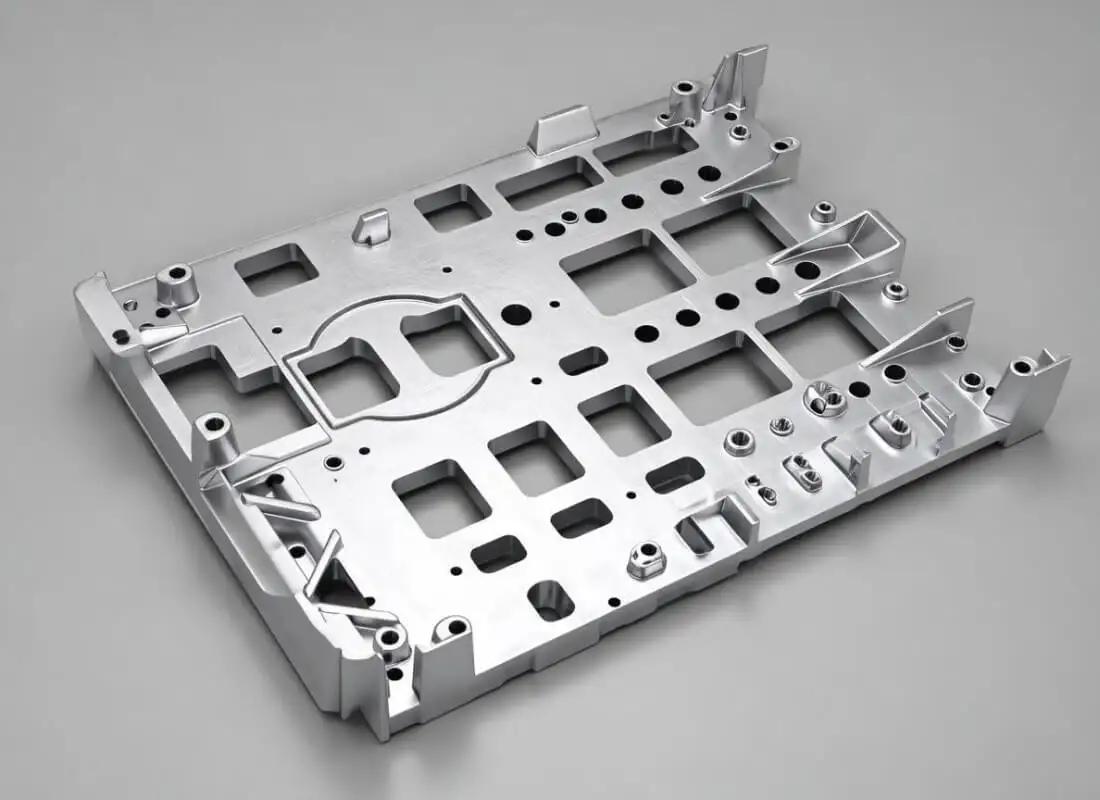
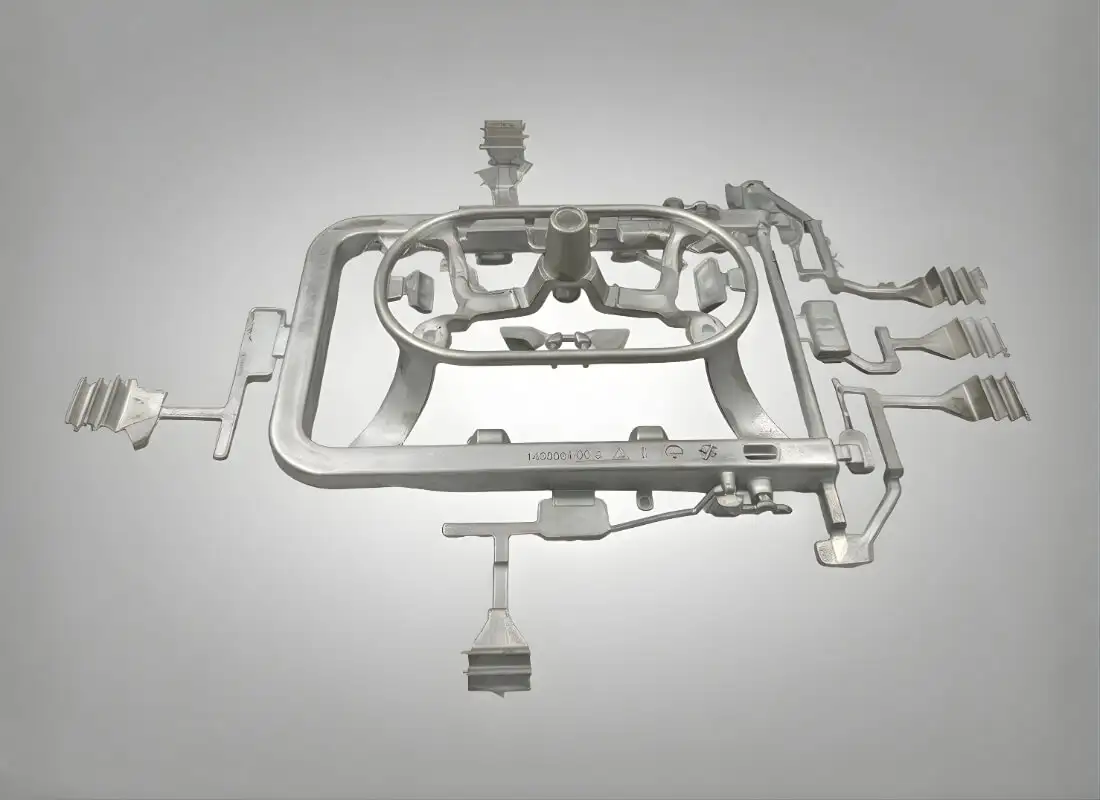
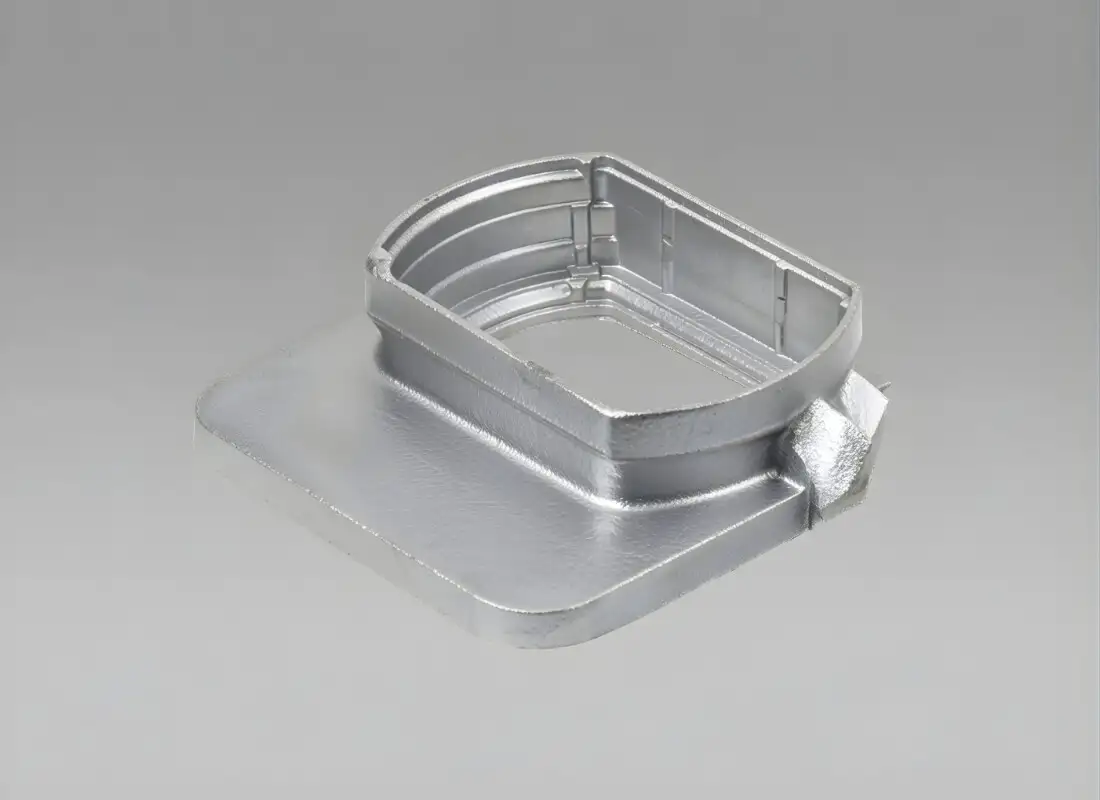
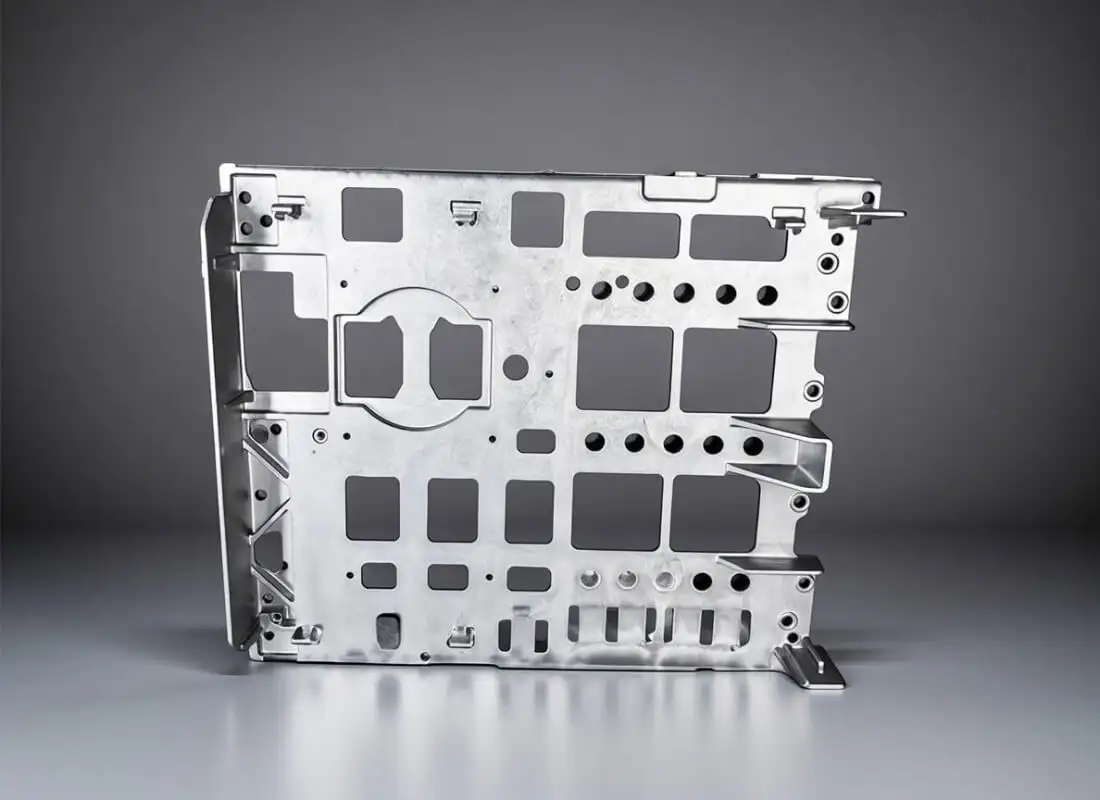
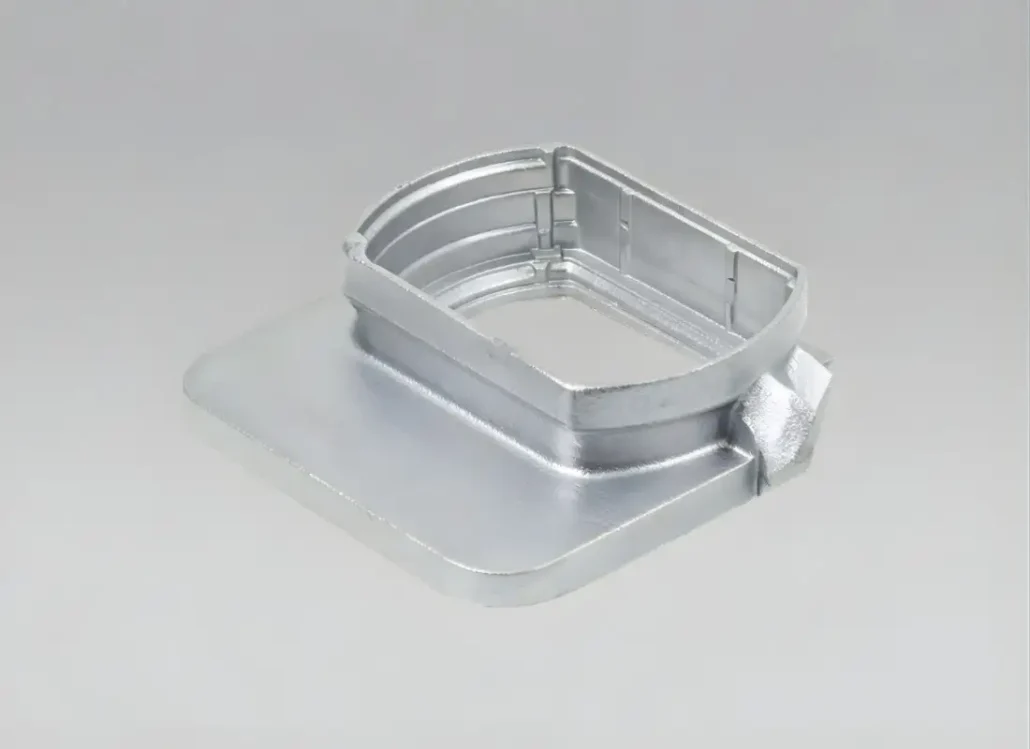
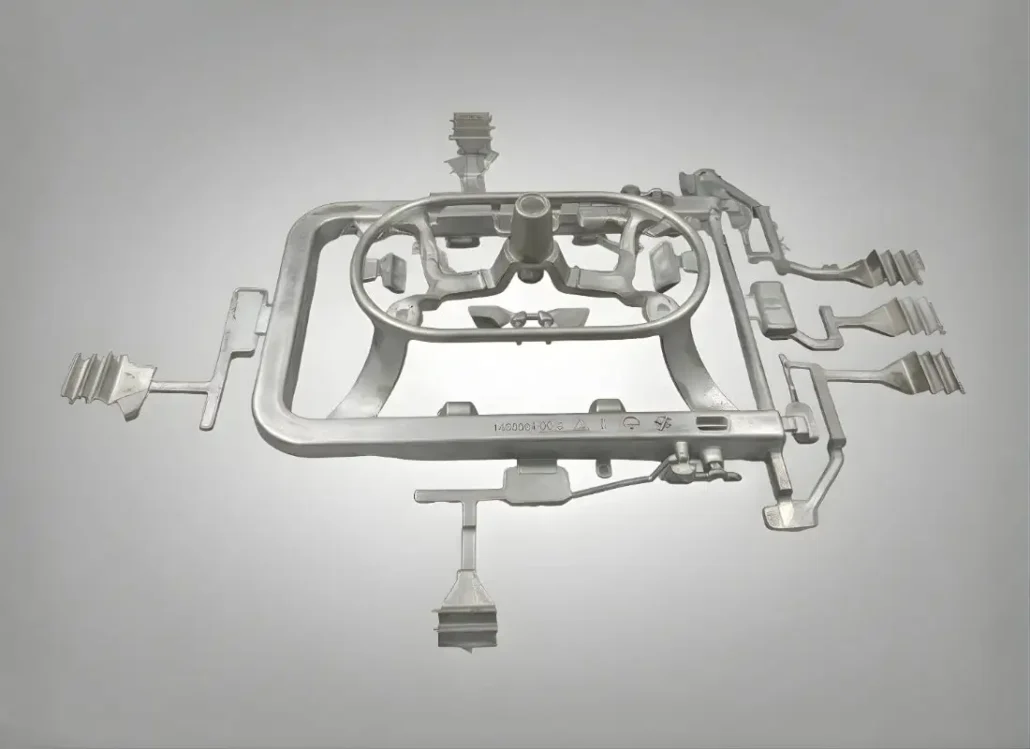
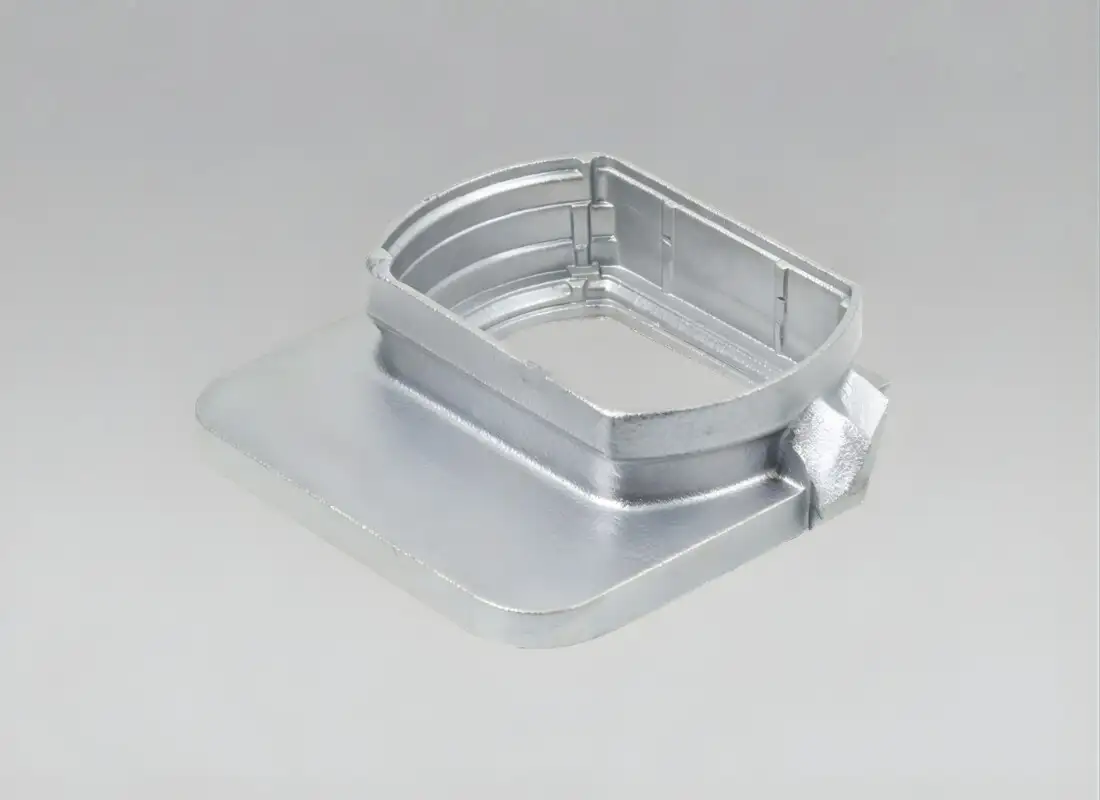
What is Magnesium Die Casting ?
마그네슘 다이캐스팅 은 마그네슘 합금을 사용하여 용융 금속을 고압으로 금형 캐비티에 강제로 밀어 넣는 공정입니다. 고압 다이캐스팅 은 다양한 응용 분야, 특히 마그네슘 주조 제품을 위한 저렴한 금속 부품을 만드는 데 널리 사용되는 최고의 기술 중 하나입니다. 금속이 경화되어 원하는 모양이 만들어집니다.
마그네슘 은 모든 구조용 금속 중 가장 가벼우며 고성능 특성이 필요한 분야에 널리 사용됩니다. 또한 마그네슘 질량은 대부분의 플라스틱과 거의 같으며 우수한 인성 및 내식성 등 플라스틱에 비해 많은 장점을 가지고 있습니다. 마그네슘 부품은 깨끗한 형태로 부어 넣을 수 있으며 무게 대비 강도가 높습니다. 마그네슘 다이캐스팅 고온 애플리케이션에도 사용 가능
마그네슘은 가볍고 일부 주조 부품의 구조가 견고합니다. 무거운 알루미늄 다이캐스팅 제품 대신 마그네슘 부품으로 대체하면 자동차 제조업체가 마그네슘의 고유한 특성을 활용하는 새로운 기술을 개발할 경우 차량의 연료 비용을 절감할 수 있습니다.
Magnesium die casting manufacturing in China
Magnesium is an excellent choice of die casting to distinguish between durable and durable products, providing a perfect combination of lightness, hardness and corrosion resistance to various casting applications. From concept to completion, with. Magnesium is also 100% recyclable, making it an attractive option when looking at the environment. Once the casting tool or die casting component reaches the end of its life, it can be easily recycled to serve a different purpose, thus saving costs and environmental impacts.
마그네슘 다이캐스팅의 장점
다음과 같은 다양한 이점이 있습니다. 마그네슘으로 제작된 다이캐스팅 부품. 마그네슘은 모든 구조 재료 중에서 가장 가벼울 뿐만 아니라 강성이 우수하고 무게가 많이 나가는 재료입니다. 또한 보안 특성이 뚜렷하여 커넥터와 전기 건물에 이상적으로 적합합니다.
녹는점이 낮습니다.
녹는점이 낮기 때문에 마그네슘은 금속의 강도는 그대로 유지하면서 훨씬 빠르고 에너지 효율적으로 녹을 수 있습니다. 낮은 온도는 또한 더 빠른 냉각을 제공합니다. 마그네슘의 녹는점은 일반적인 알루미늄 합금보다 약간 높기 때문에 주조 프로젝트와 매우 호환됩니다.
높은 치수 정확도 및 안정성
일반적으로 사용되는 마그네슘 금속 중 최고의 강도/중량 비율. 치수 안정성이 뛰어나고 내충격성 및 덴트성이 높습니다. 수화 능력이 뛰어나고 강성이 낮아 급격한 방향 전환이 잦은 부품에 이상적입니다. 고순도 합금은 탄소, 강철 및 일부 알루미늄 합금의 부식에 대한 최신 최고의 내식성을 제공할 수 있습니다.
높은 전기 및 열 전도성
열량이 낮다는 것은 주조 온도에 도달하는 데 필요한 에너지가 적고 주물이 더 빨리 냉각되어 사이클 시간이 더 빠르다는 것을 의미합니다. 철의 낮은 온도와 낮은 밀도는 열 피로와 부식이 금형에 미치는 영향을 줄여 금형을 더 오래 사용할 수 있도록 합니다.
탁월한 얇은 벽 기능
얇은 벽 다이 캐스팅 는 시스템을 여러 부품으로 조립하지 않고 하나의 부품으로 제조할 수 있음을 의미합니다. 따라서 설계가 간소화되고 조립 비용이 절감되며 신뢰성이 향상되고 도구 비용이 절감되고 조인트, 클램프 및 용접이 줄어듭니다.
disadvantages of magnesium die casting
마그네슘 주조의 적용을 결정할 때 특수 처리 방법과 코팅이 필수적인데, 이는 마그네슘에 불순물이 포함되어 있어 금속을 붓기 전에 세척하여 완제품에서 불순물을 제거해야 하기 때문입니다.
마그네슘은 다이캐스팅을 준비하기 위해 용해도에서 많은 양의 열을 소비하고, 주조 온도, 마그네슘은 다른 합금보다 훨씬 짧은 수명을 제공하여 생산 비용을 증가시킬 수 있습니다.
마그네슘은 발화하기 쉽기 때문에 작업장 내 부속품의 마그네슘 분진이 초기 발파 및 발화로 이어지는 경우가 있으므로 가공 작업장에는 집진기와 같은 미세 장비를 포함하여 완벽한 환기 장비가 있어야합니다. 점화원 제어, 화재 예방 조치는 마그네슘 합금으로 작업 할 때 가장 중요한 것입니다.
CNM TECH는 마그네슘 합금 다이캐스팅 부품 생산에 풍부한 경험을 가지고 있으며, 우리는 마그네슘 다이캐스팅 부품을 생산하기 위해 완전히 제어 된 안전 시스템을 갖추고 있으며 프로젝트 가격을 얻으려면 당사에 문의하십시오.
마그네슘 다이캐스팅
Here are the properties of magnesium die casting.
디자인 및 엔지니어링
이 과정은 고객과의 상담을 통해 고객을 이해하는 것으로 시작됩니다. 디자인 팀은 전문 소프트웨어를 사용하여 금형의 세부 스케치를 생성합니다. 복잡한 고압 다이캐스팅 금형 설계든 간단한 다이캐스팅 금형 설계든 상관없이 알루미늄 다이캐스팅 몰드에 최적화된 설계를 통해 효율성과 내구성을 보장합니다.
일반 다이캐스팅 툴링
일반 다이캐스팅 툴링에는 고압 시스템의 극한 압력이 필요하지 않은 애플리케이션을 위한 금형 및 관련 공구가 포함됩니다. 이러한 도구는 주로 소규모 가공 또는 단순한 형상의 부품을 다룰 때 적용됩니다. 숙련된 다이캐스팅 툴링 제조업체로서 당사는 고압 및 일반 툴링의 뉘앙스를 잘 이해하고 있으므로 고객이 특정 요구 사항에 맞는 솔루션을 받을 수 있도록 보장합니다.
다이 캐스팅 금형 제작 과정
The creation of a 다이캐스팅 금형 is a highly technical process that involves several stages, each demanding meticulous attention to detail. At TheDieCasting.com, we follow a structured approach to ensure the highest quality molds:
재료 선택
Selecting an appropriate material is an important criterion for the container’s efficiency. We then precisely choose materials that can endure the intrinsic pressure and temperature of the operation stage without compromising the structure. This means that every mold that is produced here offers you enduring reliability.
다이캐스팅 금형 생산의 지속 가능성
더다이캐스팅닷컴은 지속 가능한 비즈니스 관행을 회사의 기본으로 삼고 있습니다. 당사는 금형 제작 시 낭비와 에너지 사용을 최대한 줄이는 것을 목표로 합니다. 예를 들어, 당사의 알루미늄 다이캐스팅 금형은 효율성을 고려하여 설계되어 최적의 재료 사용을 보장하고 환경에 미치는 영향을 줄입니다.
자주 묻는 질문
What is the difference between aluminum die-casting and magnesium die-casting
Aluminum die-casting is preferred for its high strength, superior corrosion resistance, and lower material cost, commonly using cold-chamber machines for structural, heat-resistant parts. Magnesium die-casting is 33% lighter, offers faster production cycles due to lower melting points, and is ideal for lightweight, high-precision applications like electronics, but typically has higher material costs and poorer corrosion resistance.
Key Differences at a Glance
- Weight & Density: Magnesium is significantly lighter (approx. 1.74 g/cm³) than aluminum (approx. 2.70 g/cm³), providing superior weight reduction.
- 무게 대비 강도 비율: Magnesium offers a better strength-to-weight ratio, making it ideal for lightweight structural components.
- 내식성: Aluminum exhibits superior corrosion resistance; magnesium is more susceptible to corrosion and often requires special coatings.
- Production Process: Magnesium is usually cast in hot-chamber machines (faster cycles), while aluminum requires cold-chamber machines.
- Temperature Resistance: Aluminum retains its strength at higher temperatures better than magnesium.
- 비용: Generally, aluminum die-casting is more cost-effective regarding raw materials.
When to choose magnesium die-casting
Choose magnesium die-casting when maximum weight reduction is critical without sacrificing structural strength, such as in automotive, aerospace, or portable electronics (33% lighter than aluminum, 75% lighter than steel). It is ideal for complex, thin-walled, and rigid parts needing excellent EMI shielding, high vibration damping, and fast production cycles.
When to Choose Magnesium Die-Casting:
- Extreme Lightweighting: When components must be lightweight but strong, making it ideal for automotive, aerospace, and consumer electronics.
- Complex, Thin-Walled Geometries: Magnesium alloys have high fluidity, allowing for intricate, thin-walled, and near-net-shape parts with tight tolerances.
- 높은 중량 대비 강도 비율: It offers high rigidity and is significantly stiffer than, or acts as a superior alternative to, high-performance plastics.
- Vibration & Sound Dampening: Ideal for housings and components that require excellent shock absorption and noise reduction.
- High-Speed Production: Magnesium has a lower heat capacity and lower viscosity than aluminum, allowing for faster injection and cooling times (shorter cycle times).
- EMI/RFI Shielding: Excellent for electronic enclosures requiring electromagnetic or radio-frequency interference shielding.
- Part Consolidation: Suitable for integrating multiple, complex components into a single, cohesive cast part.
What are the main advantages of magnesium die casting
Magnesium die casting offers significant advantages, primarily being the lightest structural metal— lighter than aluminum and lighter than steel—while providing excellent strength-to-weight ratios. It enables the production of complex, thin-walled, and near-net-shape parts with high dimensional stability. Key benefits include faster cycle times (up to faster than aluminum), longer tool life, excellent electromagnetic shielding, and 100% recyclability.
Key advantages of magnesium die casting include:
- Superior Lightweighting: As the lightest structural metal, it is ideal for weight-sensitive applications in automotive and electronics industries, reducing fuel consumption and enhancing portability.
- Fast Production Cycles: Magnesium has a lower heat capacity and shorter solidification time than aluminum, allowing for faster casting cycles and higher productivity.
- Exceptional Thin-Wall Capabilities: It allows for casting very thin, complex, and intricate components that are difficult to achieve with other metals.
- Reduced Tooling and Machining Costs: Due to lower affinity for iron and reduced thermal fatigue, die life is 2–4 times longer than aluminum casting. Furthermore, magnesium is easy to machine, reducing secondary processing costs.
- High Strength and Stability: It provides high dimensional stability, excellent impact resistance, and high component rigidity.
- Environmental and Cost Benefits: It is 100% recyclable and derived from abundant natural resources. The ability to cast to final net shapes reduces material waste.
- Enhanced Performance: Provides natural lubricity, good corrosion resistance (in high-purity alloys), and superior shielding against electromagnetic interference.