알루미늄 주조

주조 알루미늄 조리기구란 무엇인가요?

주물 알루미늄 조리기구란? 전체 가이드

알루미늄, 알루미늄 주조

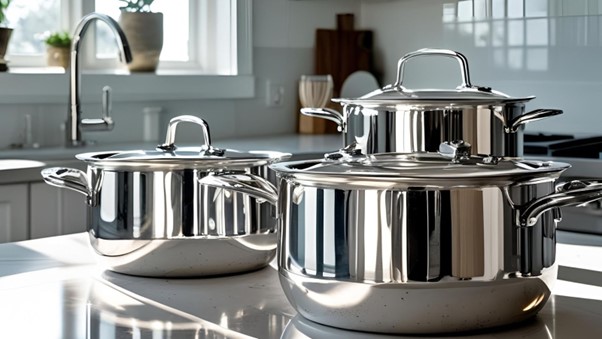
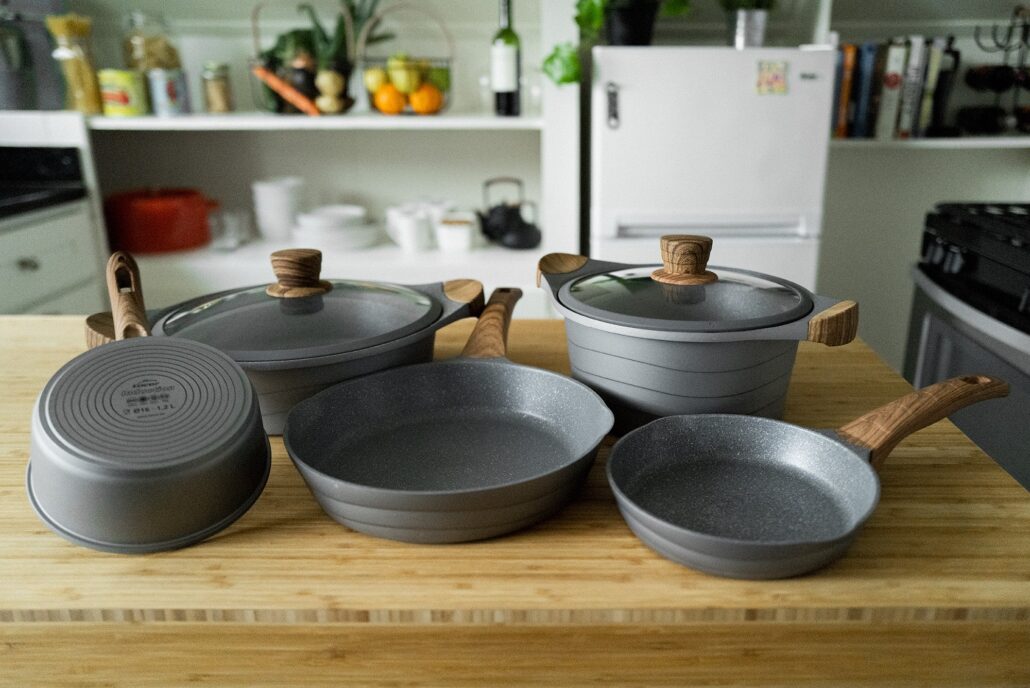
주조 알루미늄 조리기구는 전 세계 주방에서 인기를 얻고 있습니다. 가볍고 저렴하며 사용하기 쉽기 때문이죠. 어떤 조리기구를 사용하느냐에 따라 음식의 맛이 달라질 수 있으며, 조리 과정도 간편합니다. 또한 조리기구는 시간을 절약하고 오래 사용할 수 있습니다. 주물 알루미늄은 녹인 알루미늄을 주형에 부어 만드는 방식입니다. 이 방식은 조리기구의 구체적인 구조와 두께의 일관성을 모두 제공합니다. 팬이나 냄비를 빠르게 예열하고 열을 고르게 퍼뜨릴 수 있습니다. 따라서 일상적인 식사 준비에 소요되는 시간이 간소화되고 단축됩니다. 주조 알루미늄은 스테인리스 스틸에 비해 상대적으로 저렴하기 때문에 많은 사람들이 사용하고 있는 또 다른 비교적 가벼운 소재입니다. 또한 다양한 모양과 크기로 조리할 수 있어 튀기고, 굽고, 삶는 등 다양한 요리에 사용할 수 있습니다. 그러나 주조 알루미늄에는 부정적인 측면도 있습니다. 스테인리스 스틸만큼 단단하지도 않고 주철만큼 질기지도 않습니다. 또한 음식이 달라붙지 않거나 산성 식품과 접촉하지 않도록 논스틱 또는 아노다이징 코팅이 필요한 일부 유형의 조리기구도 있습니다. 이 기사에서는 이 모든 것을 간단한 언어를 사용하여 설명합니다. 주조 알루미늄 조리기구의 장점, 단점, 보안 및 처리 방법에 대해 소개합니다. 주조 알루미늄 조리기구는 어떻게 만들어지나요? 주조 알루미늄 조리기구는 녹인 알루미늄을 주형에 붓는 방식으로 생산됩니다. 그런 다음 금속(알루미늄)을 식힌 후 냄비, 프라이팬 또는 베이킹 접시 모양으로 만듭니다. 이 공정은 기존의 프레스 또는 압연 알루미늄보다 조리기구를 더 단단하고 무겁게 만듭니다. 이 과정의 두 가지 큰 단계가 있습니다: 이러한 주조를 통해 쿠쿡라이트는 매일 사용할 수 있을 만큼 튼튼해집니다. 다른 것들은 음식이 달라붙는 것을 방지하고 세척을 용이하게하기 위해 붙지 않는 봉투를 씌웁니다. 주조 알루미늄 조리기구의 알루미늄 공정 알루미늄을 준비하는 첫 단계는 알루미늄을 선택하는 것입니다. 제조업체는 순수 알루미늄 또는 재활용 알루미늄을 사용할 수 있습니다. 이 알루미늄을 대형 용광로에 넣고 660°C 이상으로 가열하여 녹아 액체가 될 때까지 가열합니다. 이 단계에서는 알루미늄이 최종 제품에서 강하고 안전한지 확인하기 위해 정제가 이루어집니다. 금형 만들기 알루미늄이 준비되면 금형을 만듭니다. 금형의 형태는 금형에 따라 결정되며 프라이팬, 냄비 또는 베이킹 팬이 될 수 있습니다. 이러한 금형은 대부분 모래 또는 강철로 만들어집니다. 코포포테레의 두께, 균형, 내구성은 금형의 종류와 정교함의 정도에 따라 결정됩니다. 용융 알루미늄 붓기 금형에 액체 알루미늄을 채웁니다. 알루미늄은 디자인의 모든 틈새까지 빈틈없이 채워집니다. 이 과정을 통해 주조 알루미늄 조리기구는 프레스 알루미늄 조리기구보다 더 무겁고 강해집니다. 냉각 및 응고 주조 후 알루미늄은 식을 것으로 예상됩니다. 식으면서 굳어지고 눌려서 금형의 형태를 갖추게 됩니다. 냉각은 조리기구의 품질을 위협할 수 있는 균열, 기포 또는 약한 부분을 제거하기 위해 필요합니다. 트리밍 및 마무리 경화되면 조리기구를 몰드에서 제거합니다. 이때 거친 표면을 자르고 광택을 내는 작업이 이루어집니다. 손잡이와 받침대 등 다른 기능도 통합됩니다. 이는 조리기구가 매끄럽고 안전하며 코팅할 준비가 되었는지 확인하기 위한 것입니다. 표면 코팅 및 마감 대부분의 주조 알루미늄 조리기구는 표면 처리가 되어 있습니다. 대부분 표면에 끈적임이 없어 음식물이 표면에 달라붙지 않고 세척하는 데 많은 시간이 걸리지 않습니다. 아노다이징 처리가 되어 있어 부식과 긁힘에 대한 저항력이 높아집니다. 이러한 마감재는 산성 음식과의 반응성에도 강합니다. 품질 테스트 품질 관리가 마지막 단계입니다. 모든 제품은 균형, 내구성, 코팅 안전성을 검사합니다. 꼼꼼한 검수가 완료된 조리기구만 포장되어 시장에 출시됩니다. 이를 통해 고객은 튼튼하고 품질이 우수하며 안전한 조리기구를 받을 수 있습니다. 주물 알루미늄 조리기구의 장점 다른 소재를 사용하지 않고 주물 알루미늄을 사용하는 이유는 무엇일까요? 주요 장점은 다음과 같습니다: 가벼움 주철에 비해 주조 알루미늄은 매우 가볍습니다. 시간이 많이 걸리지 않으며, 노인을 위해 정기적으로 식사를 준비하는 요리사가 있는 경우 더욱 그렇습니다. 뛰어난 열 분배 알루미늄은 열전도체입니다. 주조 알루미늄 조리기구는 조리가 빠르고 균일하게 조리됩니다. 즉, 핫스팟이 적고 고르게 조리할 수 있습니다. 저렴한 가격 일반적으로 스테인리스 스틸이나 구리 조리기구보다 저렴합니다. 저렴한 가격에 괜찮은 성능을 제공합니다. 다용도 주물 알루미늄은 튀기고, 굽고, 삶거나 끓일 수 있습니다. 일부는 오븐 사용도 가능합니다. 빠른 가열 알루미늄은 열에 더 빨리 반응하기 때문에 음식이 더 빨리 익습니다. 따라서 시간과 에너지가 절약됩니다. 주조 알루미늄 조리기구의 단점 주조 알루미늄 조리기구의 여러 장점에도 불구하고 몇 가지 한계가 있습니다: 내구성 문제 주조 알루미늄은 주철이나 스테인리스 스틸보다 부드럽습니다. 결국, 특히 제대로 다루지 않으면 찌그러지거나 긁힐 가능성이 높습니다. 음식과의 반응성 코팅되지 않은 알루미늄은 토마토나 식초와 같은 산과 반응할 수 있습니다. 이로 인해 금속성 또는 변색될 수 있습니다. 대부분의 최신 주조 알루미늄 팬은 이러한 효과를 위해 코팅되어 있습니다. 코팅 문제 팬의 논스틱 필름은 품질이 좋지 않을 수 있으므로 시간이 지나면 마모될 수 있습니다. 딱딱한 스펀지나 금속 도구로 문지르면 수명이 단축될 수 있습니다. 알루미늄 주물 및 기타 조리기구 조리기구의 선택은 선택의 문제입니다. 인기 있는 대체품과 비교했을 때 주조 알루미늄의 성능은 다음과 같습니다: 주조 알루미늄 및 스테인리스 스틸 주조 알루미늄과 스테인리스 스틸의 경우 가장 먼저 눈에 띄는 차이점은 열입니다.

어떤 알루미늄 합금이 용접에 가장 적합할까요?

어떤 알루미늄 합금이 용접에 가장 적합할까요?

알루미늄 주조, 알루미늄 다이캐스팅

Which Aluminum Alloys Are Best for Welding? Aluminum has become the most popular of the metals used in contemporary industries because of its high portability, strong resistance to the elements and ease of fabrication. Its alloys are invaluable in the aerospace, automotive and marine as well as housing and building industries. But the challenges created by welding aluminum are different to welding other metals, in part because of the high thermal conductivity, speed of oxide formation and distortion and cracking characteristics of aluminum in the welding process. Knowledge of the properties and the characteristics of various aluminum alloys is important in the choice of the material that suits a particular task. Not every aluminum alloy is equally weldable, whereas some are well-adapted to traditional welding, others need some special welding procedure like friction stir welding. The alloy selection and method of welding depends on such factors as strength, resistance to corrosion, ductility, and the ability of heat-treating. Surfaces must also be properly prepared, filler metals need to be compatible and post-weld treatments must consider to achieve high-quality junctions. The article will give an in-depth report on the best types of aluminum alloy to be welded, their characteristics, the benefits associated with their usage, recommendations to follow and the challenges to expect when welding these types of aluminium alloy. Based on such knowledge, professionals will be in a position to achieve durable, reliable and good performing welded structures across diverse industrial and structural applications. What is aluminum alloys Aluminum alloys are the materials used by adding other metals to the aluminum to enhance its qualities like strength, corrosion resistant, machinability or weldability. Pure aluminum is weak, lightweight, soft, and very well resistant to corrosion. By mixing additional elements (such as copper (Cu), magnesium (Mg), silicon (Si), manganese (Mn), or zinc (Zn)), engineers can make alloys suitable to a variety of types of applications, including aerospace, automotive parts, marine and building structures. A few points of aluminum alloys Simply put, aluminum alloys have the lightweight, corrosion-resistant properties of aluminum with extra favorable qualities needed to suit the needs of an industrial application. Knowing the Aluminum Alloys Aluminum alloys have been divided into wrought alloys and cast alloys. Mechanically worked alloys are wrought into sheets, plates or extrusions but casting alloys are in form of poured molten aluminum into molds. The wrought alloys are further divided into series according to the alloying elements: Conditions which Affect Weldability Aluminum alloys can be welded, depending upon a variety of factors: The best Aluminum Alloys to weld on 5052 Alloy Al-Mg (aluminum-magnesium) alloy 5052 is considered by many to be one of the most welding friendly alloys. This is due to its high magnesium content and therefore it has good resistance to corrosion, especially in marine environments and applications in chemical processing. Applications: Moderate-to-high strength, high ductile and above-average corrosion resistance. Advantages: Materials: Marine structures, Chemical tanks, automotive panels, roofing sheets and industrial equipment. Alloy 5083 Aluminum-magnesium alloy 5083 has high strength at low temperatures and thus is applicable in marine and cryogenics. It resists corrosion especially in industrial and seawater. Characteristics: Extra-high strength, good corrosion protection, good fatigue resistance. Advantages: Applications: Shipbuilding, pressure vessels and tanks, automotive frames and equipment and transportation equipment. 5754 Alloy Another Al-Mg alloy is A-Mg 5754 which can be described as medium strength with high corrosion resistance and high formability. It also achieves structural strength, as well as, weldability and that is why it is commonly used where structural strength is key as well as weldability. Characteristics: Moderate strength, high ductility, is corrosion resistant. Advantages: Applications: Auto Body panels, structural panels, construction cladding, and marine. 6061 Alloy Al-Mg-Si alloy with the composition 6061 has found wide usage in the structural and aerospace fields. It is a compromise between toughness, corrosion resistance and utility. Type of properties: Medium-high strength, very good corrosion resistance, and moderate ductility. Advantages: Applications: Aircraft structures, pipeline, automotive components, bridge structures and structural products. 6063 Alloy Al-Mg-Si alloy (6063) is another architectural and decorative Al alloy that is noted to have a smooth finish on its surface and the ability to resist corrosion. Properties: A strong or moderate strength, good corrosion resistance, a good surface finish. Advantages: Applications: Architectural structure, window frames, doors, curtain walls and extrusions. Alloy 1100 Aluminum alloy 1100 can almost seem a pure aluminum alloy (it is 99% aluminum). It is soft, ductile and very easy to weld so it is suitable where resistivity is the issue rather than strength. High ductility: Excellent corrosion resistance, Low strength. Advantages: 1350 Alloy Another aluminum alloy of high purity applicable in the electrical and chemical industries is1350. It is incredibly strong and has great corrosion resistance as well as being very weldable and is a very dependable metal when used in specialized settings. Advantages: Immune to corrosion, excellent welding ability and low weight. Advantages: Aluminum Alloys, as well as of their major properties and the ability to be welded The technical table below contains the list of the full proper names of the aluminum alloys, as well as of their major properties and the ability to be welded: Alloy (Proper Name) Density (g/cm³) Melting Temp (°C) Tensile Strength (MPa) Yield Strength (MPa) Elongation (%) Hardness (HB) Weldability Aluminium 1100 (Commercially Pure Aluminum) 2.71 640 90 35 35 40 Excellent Aluminium 1350 (High Purity Aluminum, Electrical Grade) 2.71 640 110 40 20 50 Excellent Aluminium 5052 (Aluminium-Magnesium Alloy) 2.68 607–650 228 193 12 60 Excellent Aluminium 5083 (Aluminium-Magnesium Alloy, Marine Grade) 2.66 635 317 228 12 70 Excellent Aluminium 5754 (Aluminium-Magnesium Alloy) 2.67 637 250 190 15 60 Excellent Aluminium 6061 (Aluminium-Magnesium-Silicon Alloy) 2.70 582–652 310 276 12 95 Good Aluminium 6063 (Aluminium-Magnesium-Silicon Alloy, Architectural Grade) 2.70 615 241 214 8 90 Good Aluminium 2024 (Aluminium-Copper Alloy, Aerospace Grade) 2.78 500–640 483 345 20 120 Difficult Aluminium 2219 (Aluminium-Copper Alloy, High Strength Aerospace) 2.84 509–638 470 330 18 130 Difficult Aluminium 7075 (Aluminium-Zinc-Copper Alloy, Aerospace Grade) 2.81 477–635 572 503 11 150 Very Difficult This is

알루미늄 압출 공정이란? 

알루미늄 주조, 알루미늄 다이캐스팅

알루미늄 압출은 튼튼하면서도 가벼운 부품을 만든다는 점에서 높은 평가를 받고 있을 뿐만 아니라 유연하고 비용 효율적인 설계도 한 요인으로 작용합니다. 알루미늄은 건설, 항공우주, 자동차, 전자 산업 등 거의 모든 분야에서 사용됩니다. 알루미늄 압출은 혁신적인 디자인과 효과적인 생산 사이의 균형을 나타내는 공정 중 하나이며, 제조 산업의 지배적인 공정 중 하나가 될 것입니다. 알루미늄은 현대 산업에서 가장 인기 있는 금속 중 하나로 가벼운 무게, 강도, 내구성 및 부식에 대한 저항력으로 인해 높은 평가를 받고 있습니다. 알루미늄은 도시의 고층 빌딩 건설, 우리가 운전하는 자동차, 일상 생활에서 사용하는 기타 기기 등 우리 삶에서 더욱 눈에 띄는 소재입니다. 이러한 다용도성을 보장하는 가장 중요한 제조 공정 중 하나가 바로 알루미늄 압출 공정입니다. 압출은 치약과 유사한 방식으로 금형을 통해 금속을 밀거나 압착하는 금속 변형 방법을 광범위하게 지칭합니다. 알루미늄에서는 이미 가열된 다이를 통해 단단한 블록 모양의 물체(빌릿이라고 함)를 밀어 넣어 미리 정해진 최종 단면 모양의 긴 연속 단면이 형성됩니다. 이러한 프로파일은 일반 막대, 튜브 또는 특정 산업의 요구 사항을 충족할 수 있도록 매우 복잡하고 특수하게 제작될 수 있습니다. 이 기사에서는 알루미늄 압출 공정의 역사, 압출 공정, 유형, 응용 분야, 장점과 한계, 미래 제조에서 떠오르는 역량 등 알루미늄 압출 공정에 대한 모든 것을 알아볼 것입니다. 역사적 배경 제조 공정으로서의 압출에 대한 아이디어는 18세기 후반으로 거슬러 올라갑니다. 최초로 잘 알려진 압출은 영국의 발명가 조셉 브라마가 1797년에 특허를 획득한 것입니다. 그는 납과 같은 유연한 금속을 다이에 밀어 넣어 길고 동일한 모양의 조각, 주로 파이프를 만드는 공정을 사용했습니다. 압출 공정의 전제 조건은 발명품이었습니다. 19세기 대부분까지만 해도 더 부드러운 금속을 압출하는 것은 기술적으로 불가능했습니다. 진정한 돌파구는 220세기 초에 알루미늄을 경제적으로 생산할 수 있는 방법이 발견되면서 이루어졌습니다. 1886년 미국의 찰스 마틴 홀이 알루미늄의 가격을 낮추고 대량 생산을 가능하게 한 홀-헤룰트 공법을 발명했고, 이와는 별도로 프랑스의 폴 H. 룰트는 홀-헤룰트 공법을 개발했습니다. 알루미늄이 발명된 후 과학자들과 제조업체들이 압출의 잠재력을 깨닫기까지는 그리 오랜 시간이 걸리지 않았습니다. 알루미늄 압출 기술은 특히 유럽과 북미에서 20년대부터 본격적으로 사용되기 시작했습니다. 제2차 세계대전 당시 항공기, 군용 차량, 건물 등에 가볍지만 내구성이 뛰어난 소재가 필요했던 산업계에서 대규모로 활용되었습니다. 그 이후로 라인 주조 기술이 발명되어 군용 분야에서 처음 등장한 알루미늄 압출보다 훨씬 더 광범위하게 확장되었습니다. 알루미늄 압출이란 무엇인가요? 알루미늄 압출은 고체 알루미늄을 특정 단면을 가진 긴 모양으로 가소화하는 데 사용되는 상업적 물리적 방법입니다. 아이디어는 간단합니다. 알루미늄 블록(빌릿)을 가단성 단계까지 가열한 다음 강철로 만든 금형에 강한 압력을 가하여 강제로 밀어 넣습니다. 다이를 누르면 알루미늄은 직선, 중공 또는 솔리드 또는 매우 복잡한 프로파일의 개구부 모양을 취합니다. 압출에 가장 잘 적용되는 비유는 치약 튜브의 압출입니다. 치약과 마찬가지로 노즐의 모양을 취하고 마찬가지로 압출 알루미늄은 금형의 모양을 취합니다. 알루미늄 압출의 장점은 정확한 형상의 가볍고 튼튼한 부품을 제조할 수 있다는 점입니다. 압출된 프로파일은 다양한 길이로 박리할 수 있으며 아노다이징, 파우더 코팅, 마감 처리 등 추가 마감 처리를 할 수도 있습니다. 이러한 모든 업그레이드를 통해 성능, 내구성 및 외관이 향상됩니다. 이러한 유연성 덕분에 압출 공정은 건설 산업, 항공 산업, 전자 산업, 운송 및 소비재 산업과 같은 다양한 담론에서 활용되는 압출 공정 중 하나가 되었습니다. 이는 단순한 공정이 아니라 현재의 엔지니어링과 첨단 건축을 정의하는 기본 스테인리스 스틸과 흡수된 기능 사이의 중요한 가교 역할을 합니다. 단계별 알루미늄 압출 공정 프로파일 특성화 및 합금 주조 선택 및 빌릿 스칼프 또는 톱으로 빌릿 크리스텐 빌릿 검사 빌릿 가열 다이 및 툴링 윤활 및 프레스 준비 빌릿 적재 및 QC 프레스 시작 압출, 테이블에서 안정된 칭킹 고속 냉각(즉시 담금질) 냉각을 위한 취급 온도 담금질 후 테이블에서 프로파일이 각인이나 휨 없이 취급될 때까지 냉각됩니다. 부드럽고 제어된 냉각으로 잔류 응력을 최소화합니다. 스트레칭/교정 길이에 맞게 절단 열처리(필요한 경우) 표면 마감(옵션) 가공 및 제작(필요에 따라) 프로파일은 CNC 가공, 펀칭, 드릴링, 탭핑 또는 구부림으로 가공됩니다. 지그/픽스처는 얇거나 복잡한 섹션에서 공차 제어의 반복성을 제공합니다. 테스트 및 온-품질 관리 다이 튜닝 및 유지보수 치수 제어 또는 표면 마감이 제어되지 않을 경우 베어링의 길이와 흐름 균형을 수정하고, 다이를 연마하고, 꼭 필요하지 않은 경우 질화 처리하고, 다이를 연마 및 세척할 수 있습니다. 포장 및 물류 모든 단계가 중요한 이유 알루미늄 압출에 사용되는 부품 알루미늄 압출은 기계적, 열적, 부식 요건에 맞는 올바른 알루미늄 합금을 선택하는 것이 중요합니다. 산업마다 요구하는 특성이 다르기 때문에 합금 선택은 강도, 연성, 내식성, 열처리성에 따라 결정됩니다. 1000 시리즈(실질적으로 순수한 알루미늄) 3000 시리즈(Al-Mn 합금) 5000 시리즈(Al-Mg 합금) 6000 시리즈(Al-Mg-Si 합금) 7000 시리즈(Al-Zn-Mg-Cu 합금) 기타 특수 합금 조성 유사성을 유지하기 위해 동일한 합금이 포함된 재활용 가능한 알루미늄 스크랩이 자주 재사용됩니다. 알루미늄 압출 재료 빠른 참조 표 압출에 사용되는 일반적인 알루미늄 합금, 주요 특성 및 설정된 압출 파라미터에 대한 기술 표는 다음과 같습니다: 합금 시리즈

주조와 단조

주조와 단조: 주요 제조 공정에 대한 이해

알루미늄 주조

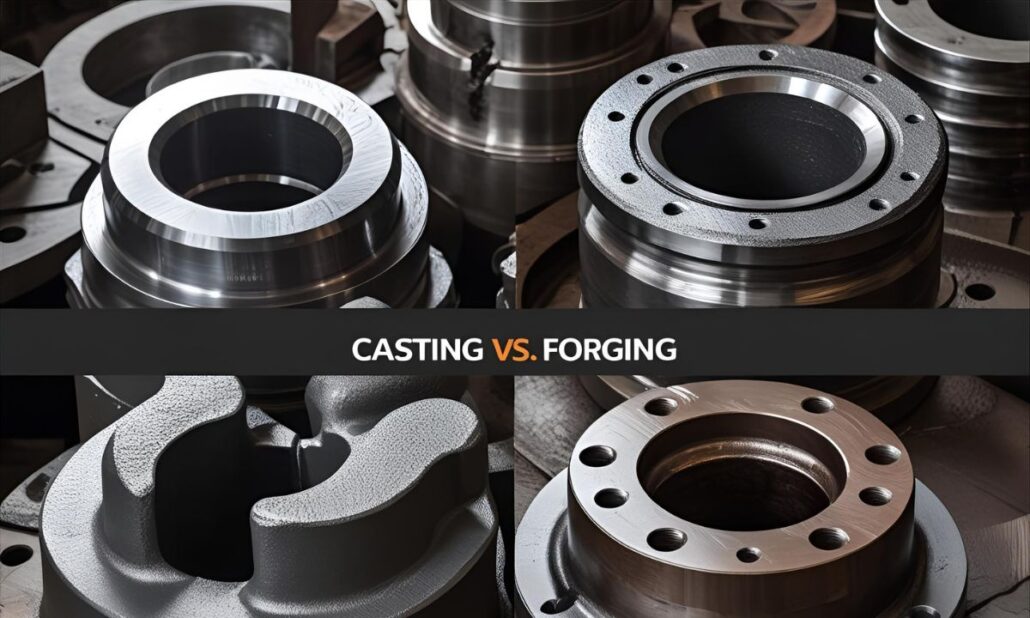
Casting and forging are two of the most commonly used metalworking methods, both of which have different applications in the manufacturing sector. Such techniques are essential in the manufacture of metal parts that diversify in automotive, aerospace, defence, and goliath machinery industries. Although both of them look to create functional parts by shaping metal, they ultimately achieve that goal in definitively different ways, creating different material properties and uses. Casting makes use of processes of melting down metal and pouring it into a mold, where it takes on a permanent shape. It is most suitable for the production of intricate and complicated shapes that would otherwise be difficult to acquire through other machinery. It works very well in mass production, particularly where large volumes of identical parts are manufactured. Casting is very flexible and can use a vast number of metals and alloys, thus casting can be used in industries where fine quality designs matter, aerospace, automotive and art. Forging, on the other hand, is a process of shaping metal through compressive forces, usually when the material is at a high temperature. This process makes the metal stronger by straightening up its grain structure, thus making the parts stronger and durable. The particular benefit of forging is that it is highly applicable in the manufacturing of parts that have to be hardened or exposed to extreme conditions, including high stresses, as in the automotive, aerospace, and defence industries. This article will discuss the main differences concerning casting and forging, the benefits and drawbacks of each, and the areas of application in modern manufacturing and what role each process holds in these processes. What is Casting? A manufacturing process preserved in casting involves pouring a liquid material, typically metallic, into a mold to set and acquire the shape of the mold cavity. It starts as the material is melted, poured into a special shape, and cooled. After this material hardens, the mold is removed, and a solid object is left, which is an almost perfect copy of the mold shape. What is Forging? Forging is a metalworking process that makes use of compressive force, with the metal typically heated to high temperatures. The metal is either beaten, pressed into shape or rolled to the required shape. Forging is commonly done at high temperatures, at which point in time the metal becomes malleable and a lot easier to work with. It is a process that is mostly employed to create robust, wearable components and is widely employed in such industries as automotive, aerospace, as well as heavy machinery. Casting Process The casting involves some major steps: Forging Process Forging is less complicated in the manufacturing process; however, one has to have greater control over temperature and pressure: The Pros of Casting and Forging Casting Advantages: Forging Advantages: Cons of Casting and Forging Casting Disadvantages: Forging Disadvantages: Casting and Forging Materials Casting Materials This casting process is a diverse process that may be conducted using a wide range of materials in relation to the needs of the application. Metals commonly used in casting are aluminum, steel, iron, bronze and brass, which are characterised by unique properties which qualify them to be utilized in various industries. As another example, aluminum is lightweight and has good resistance to corrosion, which will be ideal in automotive and aerospace markets. Steel and iron are more preferred due to their durability and strength, and are usually put to use in components of heavy machinery and industries. Bronze and brass can be seen in the use of metal when the element of strength is needed, but also the need for resistance to corrosion and appealing to the eye has to be considered, like decorative pieces or equipment on ships. Besides these common metals, casting may also entail specialized alloys, such as magnesium, zinc alloys and copper base alloys that are selected to fit certain applications because they possess specific functioning properties. An example of magnesium alloys is employed in the industries that need lightweight components, another example being the zinc alloys that might be applied in various industries where there is a need to cast certain parts that should not be vulnerable to wear and tear. Such copper alloys are dominant in electrical and plumbing works because of their high resistance to corrosion and electrical conductivity. Casting can use different metals and alloys, which means that manufacturers can modify the parts to best suit that application. Forging Materials Materials used to make forgings are usually chosen because of their strength in terms of stress and pressure-resistant properties. Steel alloys comprising carbon steel, stainless steel and tool steel are the most frequently used materials in forging. Carbon steel is strong and hard, and as a result, it is used when building structures and heavy machinery components. The advantage of stainless steel is that it cannot be easily corroded, thus it is ideal in places where parts are inhospitable, like the automotive and medical industries. Tool steel is particularly made and works well against wear and is hence applicable in tools, dies, and other parts of high-performance machines. Uses of Casting and Forging The casting and forging have more similar applications in different industries, and every type is specialized to suit the needs of the end product. The type of casting or forging is determined by strength, complexity, properties of the used material, and end use. The main applications of the processes are the following. Uses of Casting Casting has also proved to come in handy in the production of parts of complex shapes or large volumes. Some of the most important applications in industries are as follows: Uses of Forging Forging. In cases where high strength, durability and material integrity are demanded of the end product, the process is carried out by forging. These are common industries and parts in which forging is important: The Major Distinctions between Forging and Casting Although casting and forging are quite similar manufacturing techniques, it is important to realize the main peculiarities of

알루미늄 아노다이징은 어떻게 하나요? 필수 단계 및 모범 사례

알루미늄 아노다이징은 어떻게 하나요? 필수 단계 및 모범 사례

알루미늄 주조

Anodize aluminum is one of the most popular electrochemical processes that are aimed at improving the surface characteristics of aluminum and aluminum alloys. Through the increment of the natural oxide layer on the surface of the aluminum, anodizing contributes largely to the durability of the material, corrosion resistance, and wear resistance. It also increases the aesthetic quality of the aluminum, providing a range of different looks and shine, and even the capability of taking on a dyed color. This is achieved by dipping aluminum in an acidic electrolyte bath (acidic), and an electric current is then introduced to react the aluminum with oxygen to form a denser oxide layer. Not only is this associated oxide layer tough and durable, but it also bonds well with the base metal. Anodizing has seen a wide, or rather, the highest demand in cases where the aluminum parts are exposed to extreme environments, like in the construction of aerospace, automobile, and building bodies. An example of where the anodized aluminum is utilized includes aircraft components, automobile wheels, facades, and consumer electronics, where not only does appearance matter, but functionality is also essential. Anodizing offers flexibility and invaluable diversity in today’s manufacturing because of the capacity to enhance physical qualities and aesthetic improvement of aluminum. What is Aluminum Anodizing? Anodizing is an electrochemical process of increasing the thickness of the native oxide film existing on the surface of aluminum. Oxygen gets mixed with the aluminum metal during an acidic bath, and using an electric current, the oxide structure of aluminum is formed, which gives the metal excellent properties of resistance to acid and oxygen. The process increases the material’s resistance to corrosion, hit resistance, and durability. Dyes can also be used on anodized aluminum because the oxide layer on anodized aluminum is porous, which enables rich colors to be used. The industries typically utilizing the process include aerospace, automotive, architecture, and consumer electronics industries because the process is able to add better performance and visual elements to aluminum materials used in harsh conditions. Fundamentals of Aluminum Anodizing The basis of anodizing is to immerse aluminum in a sulfuric acid electrolyte and then subject it to an electric current. This makes the oxygen react with the aluminum surface to form aluminum oxide (Al2O3) that is far more solid and tougher compared with the actual metal beneath it. This delivers a corrosion-resistant, wear-resistant finish, usually of matte, satin, or shiny finish. The anodized layer is subject to variation with reference to the time of the anodizing process, and sometimes the temperature and voltage. Anodizing Materials Required There are a couple of materials you are going to require before you proceed with the anodizing process: Step-by-Step Process of Anodizing Aluminum  1. Surface Treatment of Aluminum Preparing the aluminum surface is the initial stage of anodizing. This will be done by cleaning the aluminum by removing any dirt, grease, or oxidation that would be in it. Wet anecdote loss may be wiped off with a mixture of mild detergents and rinsed off using distilled water. A more rigorous cleaning should be done with a caustic soda solution to etch the surface and rinse off any naturally occurring aluminum oxide. Examine the cleaned surface of the aluminum and remove any flaws in it because anodizing would not conceal marks and dents. Care should also be taken to make sure that the aluminum is not covered in oils or grease that would impede the anodization process. 2. Anodizing Bath Preparation Then, an anodizing bath should be prepared by adding distilled water and sulfuric acid. The acid ought to have a concentration of about 15-20 percent. In a small batch, the usual plastic or glass container will do, but it should be inert to the acid. Make sure that the aluminum piece is in the bath, and the anode (positive lead) is touching / in contact with the aluminum using a conducting lead. 3. The Electrical Current Applied When the aluminum portion is clamped inside the bath, the electric current is administered. The aluminum will be the cathode ( negative ) terminal, and the anode is a lead or stainless steel electrode. The actual current density (amperage) and voltage are of the utmost importance as the parameters to control the quality of the anodized layer. With more current, we shall have a thicker oxide and lesser currents finer detailing. The anodizing process is about 30 minutes or one hour, depending on how thick the oxide layer is. In the process, aluminum is bound to the oxygen ions to make the aluminum oxide on the surface. 4. Neutralizing and Rinsing After the anodizing has finished, carefully take the aluminum out of the bath and rinse out under running distilled water to get rid of any acid on it. This will be imperative in avoiding any acid residue that may cause damage to the surface in a later period. In case of a required neutralizing step, the aluminum can be put in a neutralizing bath, which is usually in a mild alkaline solution to restore a neutral pH on the surface. 5. Finish of the Anodized Layer Anodizing is completed with the last process of sealing the aluminum oxide film. This process assists in raising the level of corrosion resistance of the anodized surface by sealing the holes of the oxide coat. The aluminum is normally sealed by soaking it in hot distilled water (about 95 °C or 203 o F) within a span of half an hour. The incident results in a hydrated aluminum oxide, which is corrosion and wear-resistant. Some of them you can even choose to dye the anodized aluminum, preferably before sealing. An oxide layer has a porous nature, which enables it to absorb dye, hence its ability to have a broad spectrum of surface colors. It is permanently colored by sealing, and the surface is very strong. Anodizing Process Factors Several factors can affect the result of the anodizing process, which include: Uses of anodized Aluminium Aerospace Industry 

주조 알루미늄

주조 알루미늄이란? 현대 제조에 사용되는 다용도 금속

알루미늄, 알루미늄 주조

Aluminium castings are one of the most adaptable and common materials in contemporary manufacturing. It is used to melt and pour molten aluminum into moulds to adopt desired shapes, and in this process, complex and intricate parts can be constructed that would otherwise have a tough time coming out using alternative techniques, and hence, the process can generate a lot of such parts at a relatively lower cost. The cast aluminum products have found their value through various purposes that stretch to auto engine parts, aerospace, coffee pots, cookware and even household. The incredible weightlessness, plus concurrent strengths and resistances against corrosion and good thermal conductivity, make it the best supplier to numerous industries. Cast aluminum also provides the manufacturer with a lot of design flexibility, allowing the creation of complex geometries that can optimise performance without using a lot of material.  The process of casting is also very efficient and economically viable, particularly when mass production of parts is involved. Moreover, aluminium is one of the categories of metal that is easy to recycle, which means it can decrease the ecological costs of production. Although cast aluminum has a lot of advantages, it also has some shortfalls, such as its brittle nature when compared to wrought aluminum and that it is difficult to weld. These factors have to be taken into consideration when choosing cast aluminum for particular applications. This article will give a broad perspective of the properties, advantages and applications of cast aluminum, one of the most common substances in the contemporary world. What is Aluminium Cast? Cast aluminum consists of the quite liquid appearance of aluminum that has been remoulded into a shape that forms a product. This process, or casting, is a very old manufacturing process adapted to present-day practices. Unlike wrought aluminum, which is cast using the rolling process or extrusion, aluminum is poured into the mould as molten metal, after which it is left to harden. Casting provides more complex, hollow and even three dimensional shapes that could not be readily or cost within easy reach to form by machining or forging, since it begins as a liquid. It is this versatility that makes cast aluminum products so widely used right across our spectrum of products; that is, engine parts, as well as electronic equipment and cookware, to name a few. Simple Cast Aluminum Composition Aluminum, most of the time, is not pure aluminum. Instead, it is an alloy, i.e. a mixture of aluminum and other materials in order to improve strength or fluidity, or both. The most frequent aspect of the alloy is The combination is particular, which is dependent on use. To illustrate, alloys with high heat conductivity and corrosion resistance would be used on high-temperature equipment like automotive parts, and cookware would take the one with the high silicon-aluminium content that has high thermal performance and wear resistance. History and Development of Cast Aluminum Casting of metals has a history in the order of thousands of years since the early societies were known to cast bronze and cast iron to produce tools and weapons. Aluminum was not extracted until the early 19th century, and it was uneconomical to do so until the creation of the Hall-Héoult process late in the 19th century. The casting of aluminum became one of the processes of the aviation and cookware industries by the beginning of the 20th century. It is during the World War II era that aluminum demand was at its highest because of its strength-to-weight ratio that made it most suitable in aeroplanes. After the war, aluminum casting had more commercial applications in consumer products, automobile manufacturing and architecture.Due to the advancement of the design engineering of moulds, metallurgy, and castings, cast aluminum is part of the present-day production. Process of Cast Aluminum  Cast aluminum is a process which requires a number of major steps to turn melted aluminum into parts that can be used in the form of specific shapes. The work of the basic explanation of the process goes in the following way: 1. Mould Preparation The initial procedure of casting is making a mould in which molten aluminum will be cast. Depending on the casting method, the mould may consist of such materials as sand, metal or ceramic, among others. It is also designed with a good mould to have the desired shape to ensure that the aluminum solidifies in the right shape. 2. Melting Aluminum When the mould is ready, some scraps of aluminum or aluminum ingots are placed in a furnace where they are melted at a temperature range of 660 to 750 °C (1220 to 1382 o F). The molten aluminum is also continuously watched with the aim of obtaining the right pouring temperature and quality. 3. Pouring the Molten Aluminum into its Mold Once the melted aluminium is poured into the cavity of the mould, the molten metal is poured into the cavity of the mould. The pouring is done, depending on the kind of casting, i.e. die casting, sand casting or investment casting. Some of the techniques used include die casting, where molten aluminum is injected under pressure, whereas in other techniques, the molten aluminum is just poured into the mould and left to cool. 4. Cooling and Solidification Building and Overseeing: Having too thick or complicated a part will take a long time to cool. At this stage, the melted-down aluminum cools into the required shape and expels internal pressure. 5. Installation and Inspection After the aluminum is cooled down and solidified, the mould is then released, and the cast part remains. The separation in some cases is done by breaking the mould piece, particularly with casting in sand, and with other techniques such as die casting, mould opening and the part is ejected. 6. Finishing and Inspection After cutting the part, it is usually processed further using finishing operations such as grinding, polishing, machining, etc., in order to smooth the surface or attain closer tolerances. With the part, it is then checked

주조 알루미늄 베이킹웨어

주조 알루미늄 베이크웨어가 더 잘 가열되고 더 오래 지속되는 이유는 무엇인가요?

알루미늄 주조

Due to the features of lightweight, strength, and dense heat distribution, cast aluminum bakeware has been getting popular among bakers, especially with those who want first-rate and durable products. Cast aluminum is the right balance of performance and effortless use, unlike other traditional bakeware materials such as cast iron and stainless steel. It is cast in molten aluminum molds and comes out as one strong, durable and convenient to use even to an amateur baker. Cast aluminum has excellent heat conductivity, which guarantees even cooking of edibles, especially baked goods, to prevent overcooking and non-uniform browning. The great one among the benefits of cast aluminum bakeware is the consistency of temperature, which is the key element of impeccable baking. It heats faster than others; therefore, it is available sooner, and its light weight makes it easier to handle around the kitchen. Most pieces of aluminum bakeware that are cast also possess a non-stick coating, which makes the release of food even easier and the after-baking clean up much easier. Cast aluminum bakeware also provides greater durability and strength with resistance to warping as compared to glass and stainless steel. Although cast iron is unparalleled in heat retention, cast aluminum has close to the same amount of heat distribution but with less weight. Cast Aluminum bakeware has been of great favourite among professional bakers, and also among people cooking at home, all because of the desire to have effective and durable baking tools. What is cast aluminum bakeware? Based on the bakeware molding method, casting aluminum, this is produced through the use of molten aluminum poured into already prepared molds to produce baking trays, cake moulds, pie dishes and various other cooking necessities. The process makes the bakeware strong but light in weight, such that there is efficient handling of the bakeware during baking and during serving. Among the best features of the so-called cast aluminum bakeware is its even heat-conducting properties. This implies that baked products like cakes, cookies and breads are well-cooked with no hot areas or burned sides. There are additional advantages to the speed at which the metal heats and cools off, which in turn saves some time in cooking, and this is a plus to busy bakers. The material is so strong and does not rust or corrode easily, hence this would make it last longer in the kitchen. In addition, it does not involve a lot of maintenance and wear and tear as compared to some of the other materials that will wear with time, as there will be a lot of usage. Advantages of Cast aluminum Bakeware 1. Durability Bakeware is made of cast aluminum, so it lasts a long time. The aluminum is almost immune to wear and tear, i.e. it will not crack or warp with frequent usage. Your bakeware will last even if you are using it on a daily basis or irregularly. 2. Uniform Distribution of heat Among the most striking properties of the term cast aluminum bakeware is that it transfers the heat all over the surface. This reduces inconsistent baking, as the end product is regular in texture and color. It is ideal among bakers who aspire to bring consistency in performance. 3. Lightweight The cast aluminum bakeware is much lighter as compared to other bulkier materials, such as cast iron and therefore easy to handle. The heavy-duty baking trays or cake pans can be lifted, transferred, and stored very easily, and that is ideal for any baker, whether they are professional or not. 4. Non-stick Properties Also, most products of the “cast aluminum bakeware” are equipped with a non-stick coating, which makes them even more convenient to use. The presence of this feature will make it easy to cook baked goods; therefore, less oil or spray will be used. It also makes cleanup effortless since there is little residue that stays after baking. 5. Corrosion Resistance Contrary to most metals, cast aluminum bakeware does not easily rust. It does not corrode, and therefore it is the ideal material to use when one wants to use it in the long term. This aspect comes in handy particularly in areas that experience different degrees of humidity and temperature. Cast aluminum bakeware: Making Process Manufacturing of cast aluminum bakeware entails careful and very consistent production devised to maintain quality and performance. The most important ones are: 1. Die Casting Die casting will be the first stage of the process, i.e. molten aluminum will be injected into steel molds at high pressure. This technique is a way of ensuring that the bakeware is shaped and molded in a very accurate and consistent manner. The molten metal enters all the mold cavity spaces, resulting in complex shapes and minute details of the various bakeware, including cake pans, muffin trays, and loaf pans. 1. Solidification and Cooling After the molten aluminum has been injected into the mold, it is left to cool and harden. The cooling is also regulated so as to have the desired properties of the aluminum, like strength and heat resistance. As the bakeware hardens, it slowly assumes its final form, and it normally requires only a few minutes to some hours, depending on how thick and elaborate the shape is. 2. Ejection and Inspection Once the aluminum pieces have cooled completely, they are removed and the mould is opened, releasing the cast aluminum bakeware. The second procedure consists of a complete inspection of the defect, such as the presence of air bubbles and cracks, or the presence of roughness. Any bakeware that is flawed is either repaired or discarded, and only good-quality bakeware would be passed further into the production process. 3. Surface Finishing After the inspection is over, the bakeware is provided with surface finishing treatments. These may involve such things as anodizing, making the surface rougher to resist corrosion and abrasion, or coating it with non-stick material so that it is easier to release baked goods and to clean up after baking. The finishing on the

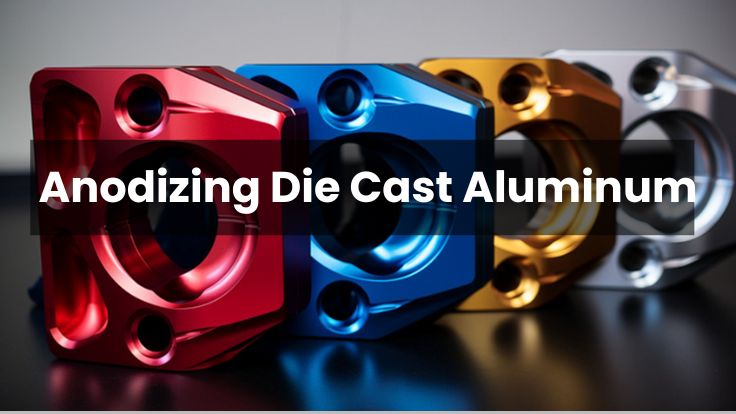
아노다이징 다이캐스트 알루미늄: 기술, 도전 과제 및 응용 분야

아노다이징 다이캐스트 알루미늄: 기술, 도전 과제 및 응용 분야

알루미늄 주조, 알루미늄 다이캐스팅

Anodizing die cast aluminum is a key metal finishing process that enhances durability, anti-seizing/corrosion and the looks of aluminum products that are extracted through die casting. With the ever-increasing demands of the industry to produce lighter-weight high-strength components for everything from car parts to electronics housing, its surface properties have become one of the most important things to add to it. Working behind the anodizing process is a controlled oxide layer that forms on the surface of aluminum by a technique of electrochemistry. Although the method has been thoroughly developed with regard to pure aluminum, its use with the alloy that is created in die casting has particular difficulties associated with it due to the inclusion of other elements such as silicon and zinc. This then brings the question to the mind of manufacturers as to whether you can anodise die-cast aluminum without sacrificing quality and appearance. To achieve performance levels under severe conditions, a combination of the techniques will be used by some industries that today are referred to as aluminum alloy die casting, plating anodizing. The technique is a combination of the strength of electroplating and anodizing, therefore, presenting better surface hardness, conductivity, and corrosion resistance. This article presents the science, techniques, and differences in anodizing die cast aluminum in order to give the complete picture to engineers, designers, and manufacturers who want to use a reliable and long-lasting surface finishing technology. What is die cast aluminum? Die casting entails pressing molten metal into a cavity of the mold at high pressure. Aluminum is lightweight and strong, making it an effective material for making durable parts with high dimensional accuracy. Nevertheless, due to a few impurities and porosities found in the process, surface finishing procedures such as anodizing die cast aluminum are made complex. It is also common to add silicon and other additives to die-casting alloys of aluminium in order to improve fluidity and other mechanical properties. However, it complicates the work on surface treatment, because these very additives will disturb the process of anodizing.  The Science of Anodizing Anodizing is an electrochemical treatment to strengthen and thicken the oxide film that occurs naturally on metal and makes it harder. The method will increase service life/durability, resistance to corrosion, and appearance. Anodized finish on aluminum has a porous structure that is perfect to absorb sealed dyes and sealants, thus they provide good decorative and functional applications. The difficulty with anodizing die cast aluminum lies in its composition. High-silicon alloy does not anodize well, and a blotchy finish or diminished corrosion resistance can be a consequence. Therefore, alloy composition is important to get a successful anodized finish. What is an Anodizing Die Cast Aluminum? Anodizing die cast aluminum. The anodizing of die-cast aluminium is the electrochemical treatment of die-cast aluminium parts to produce a permanent, protective, frequently decorative layer of corrosion-resistant oxide on the surface. The technique comes in handy, especially in areas that require protection against corrosion, advancement of surface hardness, and a limited aesthetic effect. In the process known as the anodizing die cast aluminum, the aluminum part is inserted into an electrolytic bath of acid, usually sulfuric acid, and an electric current is generated in it. This leads to the oxidation of surface of the aluminium to produce an oxide film, which is controlled and uniform. The process can be complicated, though, given the particular make-up of die-cast aluminum, commonly containing high silicon and other alloying components. Nonetheless, industries keep on investing in technologies that help to maximize the quality of anodizing die cast aluminum. The final preparation of anodized finishing is performed by methods of surface preparation like polishing, acid etching and smutting to remove the contaminants. The list of items where anodising die cast aluminum is used and utilized is long, including automotive parts, consumer electronics and many more, either to serve some functional purpose, or as an ornament. Its capability to augment the life span of parts, as well as their vulnerability to environmental degradation, makes it a vital surface treatment technique in the contemporary manufacturing industry. Process The anodizing of die cast aluminium process consists of various important steps that must be followed to achieve a good, uniform, and quality finish, even though this is a challenging process due to factors that surround the use of die-cast metals. All steps should be well-regulated in order to address such challenges as porosity of the surface and inconsistency of alloys. 1. Cleaning & Degreasing Paint, grease and oil stick to a surface and need to be removed before anodising through cleaning. This will make the process of having the oxide formed over the surface of the material even throughout the process of the anodising die die-cast aluminium. 2. Etching And De-Smuttering The outer layer is then removed, leaving a clean metallic surface by etching using an alkaline solution. This is followed by a de-smutting process to remove the residues left over by the alloying elements, a common occurrence in anodising die cast aluminium. 3. Anodising ( Electrolytic Oxidation ) The component is immersed in an electrolytic solution, normally sulfuric acid, and attached as an anode. A controlled layer of oxide is generated by the use of an electric current. This step lies at the heart of the process of anodising die cast aluminium, because it defines the thickness, porosity and longevity of the final finish. 4. Colouring (Optional) Where the finish is colored, dyes may be added to the porous anodised surface. This process is normally applied in decorative processes where looks count as much as performance in anodising die cast aluminium. 5. Sealing Lastly, the part is sealed using hot water or nickel acetate; frequently, the sealing is done in hot water or nickel acetate to seal the pores and improve corrosion resistance. This process seals dyes and reinforces the oxide layer, nd the process of anodising die-cast aluminium is complete. All the steps of this process must be controlled accurately, and so must the types of die-cast materials which are

내구성, 보안 및 스타일을 위한 최고의 금속 게이트 경첩

알루미늄 주조

The metal gate hinges are of various designs, styles and types to cover the varied requirements of the installation of gates. They are normally constructed using such sturdy elements as steel, stainless steel, or wrought iron, which are weather-resistant and durable. The right hinge would make a gate swing easily and safely, so that the gate will not sag and fall. A hinge is one of the most fundamental parts of gates that are usually ignored. The hinge is considered to be an essential thing in the work of any gate, its durability and performance in general. In both a residential garden gate, a heavy-duty commercial barrier and an ornamental entry, it is crucial to select the correct hinges.  The most popular of all the other options comprising the metal gate hinges are solid and durable, as well as versatile. These hinges are used to take the weight and the movement of gates and offer long-term performance. Custom hinges are the best way to get homeowners and the ones wishing to own a particular appearance, or hardness to use. Custom-made hinges can be made to suit specific needs, e.g. to accommodate unusual gate sizes, weights and weather conditions. This is also done in order to make sure that the hinge fits in the aesthetics of the gate. In this article, we are going to take the time to explore the world of what is known as metal gate hinges, what types of them there are and what the advantages are of having your set of hinges customised to fit what you need. What are the Metal Gate Hinges? Essentially, metal gate hinges are mechanisms that enable the movement of a gate on a swinging motion, as well as to fix a gate to a post, a wall, or a frame. The parts used in its making are usually sturdy metals like steel, brass, or even wrought iron, and these kinds are sure to sustain any form of weight or movement of gates in the coming years. The selection of the right type of metal gate hinges should depend on the description of the gate being applied, whether it is some kind of residential garden gate, a heavy-duty commercial gate, or some ornamental driveway gate. Metal gate hinges have various designs, all of which fit different types of gates and the climates of places where they are being installed. Butt hinges, continuous hinges and heavy-duty are the most prevalent types of designs. All these hinges have different functions associated with them that help in the performance of the gate in a way that it can tolerate the bad weather and corrosion over a period of time.  What are Hinges? The concept of the hinge is a mechanical attachment between one objects, and each one can move and pivot around the other. They are widely applied pins to be employed to fix doors, gates, cabinets, lids on movable parts of a structure, and other movable sections on immovable structures, so that there can be easy movement as well as controlled movement. The hinge is made up of two moving parts, with one of these parts fastened to the thing that is moving (such as a door or gate), and the other part fastened to whatever is not moving (such as a door frame or gate post). Upon affixing these components, this enables the object to swing closed and open. The kinds of Metal Gate Hinges are 1. Butt Hinges Hinging. Most gates, perhaps, use butt hinges. Such hinges are constructed in pairs, and they consist of two parts which fit together so that one of them is attached to the gate and another is attached to the post or the wall. They are also designed simply, thus can be installed easily and used on most gates since they will last a long time. In the case of residential and light commercial installations, butt hinges represent the most desirable option that fits into the category of the so-called metal gate hinges. 2. Continuous Hinges Continuous hinges are the perfect ones for bigger gates that demand more power and steadiness. The full length of the gate is hinged, and this offers even support at all parts of the gate to avoid sagging of the gate. In case of heavy gates or oversized gates, continuous hinges are particularly of use in the construction of such a gate. 3. Heavy-Duty Hinges Heavy-duty (metal gate hinges) are necessary in gates which receive a lot of traffic or are required to support a heavy weight. These are normally constructed of reinforced steel and are applied in industrial or commercial buildings, which offers the highest strength and hardness to heavy loads. 4. T-Hinges T hinges are pa rettier form of hinge which can be found in both useful and decorative gates. Because of their characteristically shaped T, they make excellent fits on gates where aesthetics concerns must be as much a focal point as performance. The most usual are the residential and aesthetic metal gate hinges. The Reason to Use Metal Door Hinges on Your Gate As metal door hinges are constructed and made in a similar way, they all have much in common. Although the metal gate hinges are exclusively made to work with gates, they are still similar to their door colleagues in many aspects. A smaller gate or the ones that require being closed and opened with ease, such as doors, can be fitted with what is described as metal door hinges. Although these hinges have the same kind of structure as the ones found in regular doors, they are normally built to carry bigger, heavier gates. Metal door hinges are available in a few types,s one is the concealed type, the pivoting type and the usual butt hinges. In case you want to install a gate that would require ease of use and an attractive image, then you can consider using the metal door hinges, which can give you the best solution. Although they

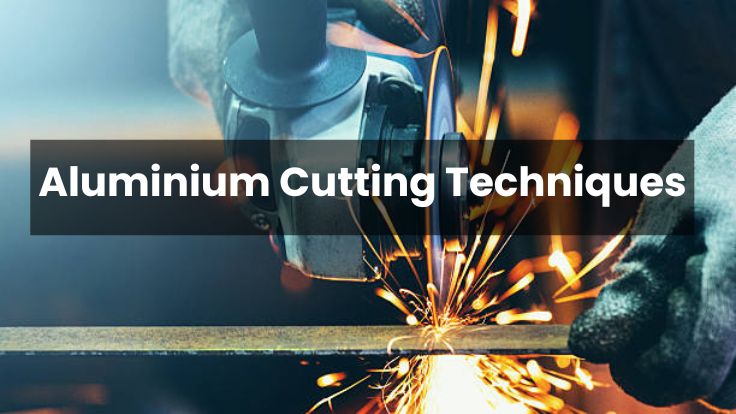
알루미늄 절단 기술: 기본부터 고급 방법까지

알루미늄 절단 기술: 기본부터 고급 방법까지

알루미늄 주조

In numerous industries, such as the automotive or aerospace industries, electronics or construction, aluminum cutting is a significant process. The lightweight strength of aluminum and its corrosion resistance have made it a preference to manufacturers as well as to do-it-yourselfers. However, aluminum has to be cut with proper tools and a defensible strategy, so as to attain perfect cuts without destroying the material. Being a hobbyist or a professional fabricator, this knowledge will make your choices better, mistake-free, and the most excellent results in every aluminium cutting project. The hand tools, power saws and more recently, more sophisticated such as the aluminum laser cutting, are some modes of aluminum cutting. Laser-cut aluminum is a new and currently fast-growing alternative to classic techniques (that can complement more basic shapes). In case you intend to incorporate in your next project the so-called aluminium laser cutting, we will also present some design suggestions and cost-conscious recommendations. Here in this article, we will see all about what you need to know about the process of aluminum cutting, starting with the ancient ways of doing it, to the new form of laser process. We will discuss the advantages and disadvantages of each of the techniques, typical issues of the so-called laser cut aluminium, safety precautions to consider and which tools and equipment will be required.  What Is Aluminum Cutting? Cutting of aluminum material is the act of shaping, trimming or cutting aluminum material pieces, or proportioning the material into particular sizes or shapes through different tools and strategies. Since aluminium is light, strong, and corrosion-resistant, it finds its applications across a variety of industries: construction, aerospace, automotive, electronics, home DIY projects, etc. A lot of cutting methods of aluminium exist, depending on the thickness of the material, the shape wanted, or the required accuracy. Possible ways are: Pros and cons can be attributed to both of them, yet about the intention of cutting aluminum, there can never be a difference, and that is to get clean, precise and safe cuts with minimum waste and maximum productivity. Some of the Main Properties of Aluminium We cannot ignore the material before we start discussing the process of cutting it in the name of aluminium cutting. Aluminium is soft in its strength and more robust than numerous metals. It transfers heat fast, and this may be a source of challenge during the use of the cutting tools. Left unchecked, aluminium can clog up tools or give a poor finish. These properties have led to the involvement of various methods that facilitate in the cutting of aluminum in a better and precise manner. The selection of the method is based on the thickness of material, precision needed and the tools available. Conventional Names for Aluminium Cutting Before the invention of advanced machines and laser technologies, aluminium cutting was performed using primitive, manual methods. Although such techniques cannot bring the accuracy of the modern instruments, they are still commonly used in small projects, repairs and where cheapness and simplicity are essential interests. What about the old ways of aluminium cutting that have survived the test of time? 1. Hacksaws A hacksaw is a low mechanism, hand operated equipment manufactured to cut aluminium. It involves finely toothed blade which cuts soft metals. It is suitable in thin sheets, pipes or bars and cutting straight cuts on small aluminum pieces. Advantages   Disadvantages   2. Aviation Shears and Tin Snips   Tin snips, or aviation shears, can be used on thin aluminium. They are available in straight-cut, left-cut and right-cut versions of these scissors-like tools designed to work in sheet metal and, therefore, allow working with curves and angles that are very tight.   Advantages   Disadvantages   3. Handheld Nibblers   A portable nibbler nips off tiny bits of the aluminium as it travels over a line. It is perfect to cut curves, circles, or various patterns on sheet aluminium.   Advantages   Disadvantages   4. Jigsaws   A jigsaw is a power type of tool which can move in the up and down direction. it can cut through aluminum sheet or tubing when supplied with a fine-tooth metal blade. Jigsaws are quite handy in cutting customized shapes or curves.   Advantages   Disadvantages   5. Circular Saws   If a thicker sheet of aluminium is to be cut, a non-ferrous metal blade section can be mounted on a circular saw. These are the tools which are commonly used in construction and fabrication to cut straight lines.   Advantages   Disadvantages   6. Bandsaws   A bandsaw is a type of saw and incorporates a continuous looped blade that makes it suitable when cutting thicker stock and when straight lines or Geometry are needed. A lot of metal shops use bandsaws due to their flexibility and speed. Advantages Disadvantages Best Traditional Cutting Practices Typical Issues of Laser Cutting Aluminium  1. Reflective Surface On older CO 2 machines, lasers are reflected by aluminium, and fewer watts irradiate the material.Solution: Go with fibre lasers and adjust the angle or coat it. 2. Rough or hough Edges The edges are scorched or jagged on occasion.Fix: An alternative would be to use nitrogen rather than oxygen in the fixing phase, also to change the laser speed and power. 3. Heat Warping Aluminium can conduct heat very fast, and therefore, thin layers can get curved or warped during the cutting process.Solution: Employ less power and speedier speeds. Crimp the workpiece. 4. Sticky residue, Dross  Molten aluminium may attach to the bottom edge, resulting in a rough termination.Fix: Run high pressure of gas and maintain a clean as well as straight nozzle. 5. Unfinished or Unsuccessful Cuts The laser, in some cases, does not pierce well, or it leaves parts incomplete.Repair: Wash the metal, upgrade the software and check all worn components. 6. Discolouration and Oxidation Oxidation tends to darken or wear out a cut surface.Fix: clean the edges afterwards (if necessary) with nitrogen gas. 7. Cracks on the Edges Cuts that are very fast or hot may produce minute cracks and make the aluminium weak. New Technologies: Laser Cut Aluminium In laser-cut aluminium, a

위로 스크롤

견적 받기