마그네슘 다이캐스팅

중국 및 세계 10대 다이캐스팅 금형 제조업체

중국 및 세계 10대 다이캐스팅 금형 제조업체

다이캐스팅 회사

All modern industrial operations require precise manufacturing processes and high efficiency and product quality standards that become most relevant during die casting activities. Metal part formation during die casting predominantly depends on this vital element to create products with stronger performance features. The strategic choice of fitting die casting mold manufacturers by automotive, aerospace, electronics, and consumer goods industries leads to significant business advantages through improved product performance and production efficiency, and market launch programs. The market values aluminum die casting molds because these molds offer the production of lightweight, corrosion-resistant components at high tolerances with minimal post-production requirements. Chinese die casting mold suppliers gain business from numerous manufacturers because they offer reduced production costs and expanded industrial capabilities. Leading-edge die casting mold development occurs through Europeanand  North American industrial leaders and international corporations who work with automated and bespoke solutions to redefine die casting possibilities. The guideline performs a comprehensive assessment of primary die casting mold manufacturers operating across China and worldwide territories to aid in business partnership selection. We choose mold manufacturing companies that demonstrate top-quality aluminum die casting abilities combined with exceptional client support under international quality standards. What is Die Casting? Die casting is a manufacturing process to create metal parts with high precision, with a very smooth surface finish and high tolerance. Molten metal involves forcing the metal under high pressure into a mould cavity, which is typically called a die and ordinarily made of hardened (hard facing) tool steel. Key Features of Die Casting: High Pressure: Pressures in the die range from 1.5 to over 25.0k psi, and molten metal is injected. Reusable Moulds: The dies are strong, durable and used to print high-volume products. Fast Production: It can be completed in seconds, given its small production it, making it very efficient. Precision: Excellent dimensional accuracy and little manufacturing are noted as features of parts. Materials Commonly Used: Since aluminum is strong and lightweight, it is amply used by the industry in automotive parts like motor housings. Types of Die Casting: 1. Hot Chamber Die Casting: 2. Cold Chamber Die Casting: Advantages: Disadvantages: 1. Sincere Tech Year Established: 2005Employees: 200+Business Type: Sincere Tech specializes in mold manufacturing, die casting molds, and aluminum die casting to provide high-quality die casting products. Website and Contact Website: https://www.plasticmold.netEmail: info@plasticmold.netPhone: +86 135 30801277Address: Building 1, No. 30 Huan Zhen Rd, Shang Dong village, Qi Shi Town, Dongguan City, Guangdong province, China, 523000 Company Profile Sincere Tech operates as China’s top mold manufacturing company to create precise die casting molds dedicated to serving the automotive industry and electronics industry, alongside the consumer product sector. The company applies its twenty-year market knowledge to provide high-quality die casting products with advanced production systems. Sincere Tech provides customers with an entire service range that begins with mold design and extends to mold manufacturing services. The China die casting mold supplier, plasticmold.net, operates as Sincere Tech and provides reliable services to its clients. The company operates as an aluminum die casting mold specialist with magnesium and zinc die casting capabilities to provide mold making and CNC machining with complete manufacturing services. Their Quality Commitments For quality delivery at the company to succeed their products must pass verification by quality control systems that check for international standards compliance. The company uses organizational testing combined with inspection systems to confirm compliance of their die casting molds with quality standards across the globe. The organization benefits from both rapid development and high production speed for serving various industrial markets. The operational procedure at the company follows the fundamental requirements of ISO 9001 standards. Why Choose Sincere Tech? 2. GC Precision Mould Year of Establishment: 1999No of Employees: 150+Business Type: GC Mould provides die casting mold manufacturing services exclusively for aluminum die casting and high-pressure die casting. Website and Contact Website: https://www.aludiecasting.comEmail: info@aludiecasting.comPhone: +86 131 4886 5556Address: No. 30 Huan Zhen Rd, Qi Shi Town, Dongguan City, Guangdong province China, 523516 Company Profile GC Precision Mould operates as GC Mould to provide professional die casting mold manufacturing services exclusively for aluminum die casting molds of complex component shapes. The company serves its clients across the globe because of its superior tooling and high-pressure die casting expertise. GC Precision Mould provides die casting products manufactured from aluminum for the automotive sector and industrial market segments, alongside the electronics industry. The company implements complex solution techniques to design aluminum die casting molds that guarantee both high design detail precision and manufacturing productivity levels. Their Quality Commitments The company performs strict quality management checks concurrent with updating its equipment base and production materials. The company’s essential objective consists of manufacturing durable mold components that deliver accurate measurements. The production requirements at GC Precision Mould fulfil the standards of ISO 9001, resulting in sustained top-quality operational processes. Why Choose GC Precision Mould 3. CNM Tech Year of Establishment: 20+No of Employees: 100-400Business Type: CNM Tech is a manufacturer, supplier, and exporter specialized in manufacturing high-tolerance die casting molds while producing casts at a large scale. Website and Contact Website: https://www.diecastingschina.comEmail: info@diecastingschina.comPhone: +86 130 4589 8002Address: Rm 101, No.40, Donghu road, Jinglian, Qiaotou town, Dongguan city, Guangdong Province, China. 523520. Company Profile CNM Tech operates as an experienced China-based company specializing in manufacturing high-tolerance die casting molds while producing casts at a large scale. Through their years of manufacturing aluminum die casting molds, the company supports clients who work in aerospace and automotive, and medical sectors. CNM Tech, as a Chinese die casting mold manufacturer, leads the industry by supplying processing services through die casting molds for aluminum and zinc, and magnesium alloy materials. The company’s ten-year experience in mold making allows it to supply sturdy molds that serve the automotive, electrical, telecommunications, and home appliances markets. Their Quality Commitments The company follows rigorous quality requirements while dedicating itself to permanent improvement procedures. The company obtains ISO 9001 certification together with other worldwide certifications to supply products beyond rigorous requirements. Mold inspection platforms conduct a complete check of each mold before final delivery happens. Why Choose CNM Tech? 4. Bruschi S.p.A. Year of Establishment: 1948No of Employees: 720Business
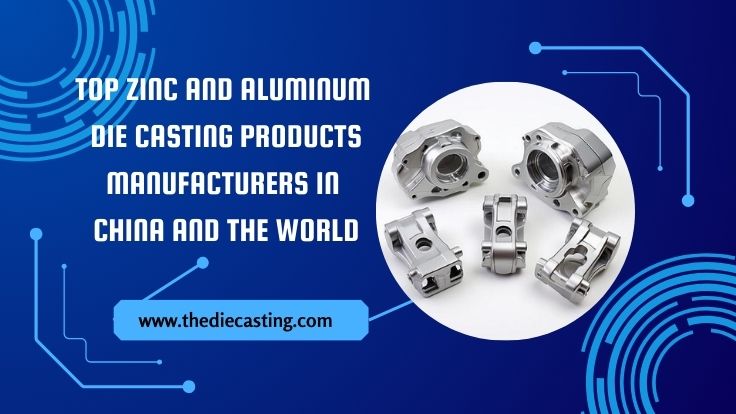
중국 및 세계 최고의 아연 및 알루미늄 다이캐스팅 제품 제조업체

중국 및 세계 최고의 아연 및 알루미늄 다이캐스팅 제품 제조업체

알루미늄 주조

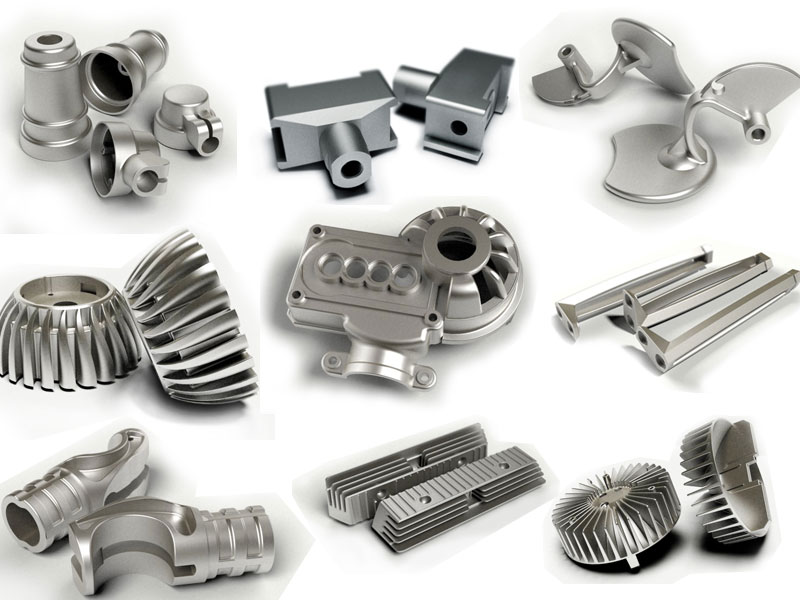
The die casting has now evolved into a crucial manufacturing step in today’s rapid, pre-precise computer controlled industrial environment. The die-cast parts can be from automobile components to home appliances, aerospace parts, and even consumer electronics etc., which helps rule out the requirement of heavy machining, making the production of complex metal parts at scale through die casting with consistent quality. As industries increase their demand for lightweight, durable, and complex design products, there is a constant demand for high-performance die casting produced from increasingly exotic alloys. Nowadays, industries require increased quality, cost-efficient, and lightweight components, and hence increasing demand on the zinc and aluminum die casting products manufacturers. Zinc and aluminum alloys are used to produce precision parts that are used in automotive engines, aerospace structures, and also as electronic devices. As businesses push towards sustainability, as well as increased performance, suppliers are becoming more and more sought after by businesses that are looking for the consistency of quality and quick turnaround times. With time, the industries grow and increase demand for die castings, the aforementioned technologies need to be exploited by manufacturers to produce more durable, functional, and aesthetically appealing die castings on a global scale. One of the types of die casting materials that you can opt for is zinc and aluminum metals. Among these two materials, they offer unique advantages: strong, cost-efficient, resistant to corrosion, and suitable for a high volume of production. Both zinc die casting products and aluminium die casting products are gaining more and more applications in the related industries all over the world, under the trend of energy efficiency, electric mobility, and sustainable manufacturing. In this article, we take a deep dive into the world of zinc and aluminum die casting, including manufacturers who are based in China, a global hub for manufacturing, and the top companies throughout the world. In this article, before digging into the most important players in the market, we will explore what die casting is and what roles zinc and aluminum play in the process. What is Die Casting? Die casting is a type of metal casting where molten metal is forced under high pressure at high velocity into a steel mold cavity (may be called ‘die’), known as a die, thus giving the name to this casting process. The two common types of these molds are usually made out of hardened tool steel and they are designed in such a way to produce complex high precision components which are otherwise impossible or would cost very high if produced through other means. Key Characteristics of Die Casting The process of die casting is very efficient and agile with large scale production and hence is widely popular in the automotive, aerospace and consumer electronics industries. Types of Die Casting Materials Die casting can be done with different materials, which have various attributes.  The most common metals include: In all of these, the most widely used are zinc and aluminum because of their superior properties, low cost, and versatility. Zinc Casting Products are created by an economical process The die-casting product is made of zinc or zinc-based alloys using the die-casting process. Zinc is easily cast and offers many desirable properties. Zinc has the following key benefits in the die casting process: The products made from zinc die casting are usually hardware components, automotive parts, connectors, locks and some consumer goods. Products Made From Aluminium Die Casting? Aluminium die casting products are those parts which are made by injecting molten aluminum into steel molds under high pressure. Because aluminum is light and does not corrosion, it is very useful for structural purposes when strength and weight matter. Aluminum is useful for die casting due to the following benefits. Amongst this, aluminium pressure die casting products are a subset of the foregoing, which specifically applies to aluminum cast by the high-pressure die casting (HPDC) method. HPDC is utilized widely for the production of engine blocks, transmission cases, electronic enclosures, and much more. What Are Cast Products? Cast products is a general term for any item formed by pouring molten metal into a mold allowing it to Solidified and then removing the formed objects from the mold. Although die casting is one type of casting method, there are certain other types of casting processes such as sand casting, gravity casting, and investment casting. Difference between General Cast Products and Die Casting Products Feature Die Casting General Cast Products Process High-pressure injection Often relies on gravity or manual pouring Precision Very high Moderate Surface Finish Smooth Usually rougher Production Volume High Medium to low Material Waste Low Higher Cycle Time Fast Slower Zinc die casting, however, is a method of creating zinc parts through high-pressure die casting for cases where the requirement of high precision is present, implying that they are not processed through simpler gravity-based casting methods. Why Are Zinc and Aluminium So Popular in Die Casting?  Here are some of the reasons why these two metals are the main contenders in the die casting industry. 1. Economy & Efficiency Zinc and aluminum are quite cheap, probably cheaper than they would be with other alloys used in casting. Moreover, they allow rapid cycle times and long mold life, which reduces manufacturing costs. 2. Versatility Such material can be used to manufacture micro components, large structural parts, or practically anything else that one might imagine. Zinc and aluminum are dependable choices for such things as making intricate gears or lightweight engine parts. 3. Sustainability Both metals are 100% recyclable. Mostly, it works with recycled aluminum and zinc and is called a greener process than casting. 4. Adaptability to Finishing Processes Zinc and aluminum parts can be finished with, among others, painting, powder coating, plating, and anodizing. That gives functional pluses such as corrosion resistance, together with the eye-pleasing qualities. How to Choose the Right Die Casting Manufacturer? The price discovery is less than finding the right supplier. To wrap up, let us first look at the following: 1. Material Expertise Manufacturers

그래비티 다이 캐스팅이란 무엇인가요?

그래비티 다이 캐스팅이란 무엇인가요?

알루미늄 주조

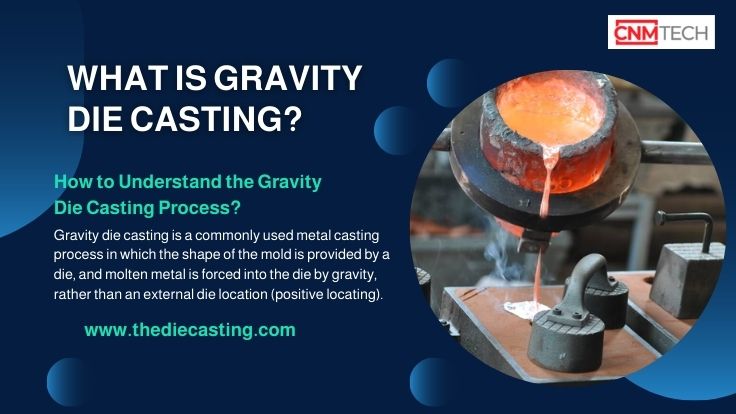
Gravity die casting is a commonly used metal casting process in which the shape of the mold is provided by a die, and molten metal is forced into the die by gravity, rather than an external die location (positive locating). This method differs from high-pressure die casting in that the molten metal is forced into the die under pressure, but using gravity is the only way to feed material into the die. The mold is usually made of durable metals such as steel or cast iron, reusable with high dimensional accuracy and a high surface finish. As well, this technique is very favored in the production of nonferrous metal parts like aluminum, zinc, magnesium, and their alloys. Heating the metal to the metal state and thereafter pouring it into a preheated permanent mold. The molten metal flows toward the gravity and down to the mold cavity, which causes it to fill. Afterwards, the mold is opened and the casting is ejected, which may need to be trimmed, machined, or otherwise treated to improve the surface. One of the most common applications of this process is in aluminum gravity die casting, because aluminum is lightweight, corrosion-resistant, and has good mechanical properties. The technique is extensively used in various industries, including automotive, aerospace, industrial machinery, and consumer goods, to make durable, complex parts, such as engine parts, housings, brackets, and the like. One of the reasons for respecting gravity casting is the ability to cast medium to high volumes of parts of high quality (low porosity) for good mechanical strength. While there are some limitations, such as higher initial tooling costs and less complex products than other casting systems, its advantages make this a suitable and low-cost method for many manufacturing needs. In essence, gravity die casting is a precision, repeatable, and rational material, which is important in modern metal working process. How to Understand the Gravity Die Casting Process? That was an easy, efficient technique at the core of gravity die casting. Preheated metal mold of steel or iron is coated with a release agent, ready to cast, the castings are easily removed. After the mold is ready, molten metal such as aluminum, magnesium or copper alloys, is poured into the mold. In order for the metal to fill the cavity, the mold simply cools and solidifies, with gravity alone. After that, the mold is opened, and the casting is removed. If not, the excess material remains, be it the gate or runner system or some other part, it is cut off, and the casting may be finished by machining or in other ways. Compared to sand casting, moulds in which casts are produced from sand are only used once. The component being cast in a gravity die is significantly improved in terms of production efficiency and product consistency because metal dies in gravity casting can be reused. Various surface finish options for gravity die casting Another of the advantages of gravity die casting is that it can enable parts with smooth, consistent surface finishes directly from the mold. However, other surface finishing techniques (s), depending upon the functional and aesthetic requirements of the final product, may be added to the finishing process to improve the appearance, durability, or prepare the part for further processes such as painting or plating. The most frequently used surface finishes on gravity die-cast parts are listed below: 1. As-Cast Finish It is the natural surface resulting directly from the casting process. If prepared properly, however, and process conditions are optimum, gravity casting can produce a rather smooth surface as compared to sand casting. Internal components or parts for which appearance is not critical usually accept as cast surfaces. 2. Shot Blasting / Grit Blasting This forms the Shot blasting, propelling of small steel or ceramic beads on the casting surface to remove the scale, flash, or any residues. This process makes a uniform matte texture of the surface, as well as cleans the surface better and much suitable for such parts that further go through finishing like powder coating or painting.  3. Polishing Mechanical removal of minor imperfections is used for polishing to improve the surface smoothness and shine. Particularly aesthetic parts and where lower friction is needed. Polishing can be basic buffing, manual or automated, or encompass a mirror finish. 4. Powder Coating In powder coating, powder is applied on the casting surface and cured under heat, forming a hard and protective layer. The excellent resistance to corrosion, impact, and UV has made it suitable for automotive components and outdoor components produced in aluminum gravity die casting. 5. Anodizing Aluminum gravity casting parts have many reasons of choice for choosing anodizing. The surface is thickened by a natural oxide layer electrochemically, which improves corrosion resistance and provides the ability to customize the color. Anodized surfaces are durable, the colors won’t tire, and they have a sleek, professional appearance. 6. Machining for Precision Surfaces In many instances, the gravity cast parts are at least partially machined post-casting casting particularly to exact tolerances or render critical surfaces smooth. CNC machining is utilized to refine flat faces and threads, along with sealing areas where the need for precision is beyond the ability of the die itself. 7. Painting and Coating Parts requiring branding, color coding, or protection can be done in any of the methods used in conventional wet painting. The application of paint coatings is usually done by either applying them manually or using automated spray lines, frequently after surface cleaning or priming. 8. Chromating / Chemical Treatments Chromating or chemical conversion coatings may be applied for enhanced corrosion protection as well as improved paint adhesion. The passive protective film produced by such treatments has little influence on dimensions, but does protect the aluminum surface. Advantages of Gravity Die Casting The superior mechanical properties are one of the main reasons of why manufacturers prefer gravity die casting. As a result, castings produced by this process tend to have fewer air pockets, or porosities, and therefore,

중국과 미국의 상위 10개 알루미늄 주조 제조업체

알루미늄 주조

Because it is lightweight, strong, and durable, aluminum casting is widely used throughout different industries from automotive to aerospace, electronics to consumer goods. The manufacturing process calls for aluminum parts to be made by pouring molten metal into molds for the production of highly detailed and precise components. Aluminum is a very versatile metal as it is easily recyclable and corrosion resistant and hence provides an excellent option for many applications. China and the USA, in recent years, are the two major global hubs for aluminum casting production and they both have a wide manufacturer range in the various industries and sectors. Mass production is the hallmark of China, which can then deliver reasonable prices and a variety of casting solutions for large production. However, the USA boasts a great number of top-tier companies that specialize in high quality, precision casting, advanced technology, and ecofriendly approaches, working with those industries that require sophisticated and custom-made aluminum cast components. In this article, we will overview the top 10 aluminum casting companies in China and the USA describing their capabilities, experience in the industry, and something unique to help the companies choose the right aluminum casting manufacturing partner. 1.  GC Precision Mold Co., Ltd. Year of Establishment: 1999Number of Employees: 100-200Business Type: Serving industries such as the auto, aero, and electronics industries, the company has gained international market trust. Website and Contact: Website: https://aludiecasting.com/Contact: +86 131 4886 5556Email: info@aludiecasting.comAddress: Factory Address 1: No. 30 Huan Zhen Rd, Qi Shi Town, Dongguan City, Guangdong Province China, 523516 Company Profile Founded in 1999, GC Precision Mold Co., Ltd. is a global leader in high-quality aluminum die casting and nonferrous metal products. It has two special properties plants located in Dongguan, China, and offers services including high-pressure die casting, sand casting, and forging. As a result of over two decades of experience, the company delivers precision, consistent quality, and flexible material offerings to a variety of industries such as automotive, aerospace, and electronics. Both client satisfaction and GC Precision Mold commit to honorable words and behavior in providing the best product. Their Quality Commitments Its various certificates are proof that GC Precision Mold Co., Ltd. adheres to the highest standards of quality and operational excellence. The company possesses certificates from ISO 9001 on Quality Management Systems, which demonstrates the company’s ability to provide the product according to customer requirements at all stages and to enhance quality systematically. Why Choose GC Precision Mold Co., Ltd.? When you are choosing a company in pursuit of top-grade die casting and metal products, there are many benefits to choosing GC Precision Mold Co., Ltd. 2.  CNM Tech Co., Ltd. Year of Establishment: 20+Number of Employees: 100-200Business Type: CNM Tech is focused on aluminum, magnesium, and zinc die casting, CNC machining, surface finishing, and assembly. Website and Contact: Website: https://www.thediecasting.com/Contact: +86 13045898002Email: sales@thediecasting.comAddress: Factory Address: Rm 101, No.40, Donghu Road, Jinglian, Qiaotou town, Dongguan city, Guangdong Province, China. 523520. Company Profile Founded over 20 years ago, CNM Tech Co., Ltd., is one of the leading Chinese manufacturers of die-casting solutions. The company is based in Dongguan, China, where it provides a thorough assortment of services including aluminum, magnesium, and zinc die casting, precision CNC machining, surface finishing, and assembly. They have expertise in automobile, electronics, aerospace, and hospitality appliance markets, to name a few.  Their Quality Commitments CNM Tech is dedicated to providing high-quality, low-cost products while abiding by extremely tight quality control standards under the auspices of ISO 9001. They take a customer-centric approach, providing personalized services from the time of initial consultation and beyond, from availability to post-production support services to maintain long-term partnerships all over the world.  Why Choose CNM Casting? As a name known in the die-casting industry, CNM Tech specializes in providing high-quality manufacturing solutions with advanced technology, and a customer-oriented approach. These are reasons why CNM Tech is your number one reason. The choice of CNM Tech guarantees a reliable manufacturing partner that implements innovations and focuses on quality and customer success. 3. Delron Industrial Co., ltd Year of Establishment: 1990Number of Employees: 300+Business Type: Delron Industrial Co., Ltd. provides die casting, CNC machining, precision forging, assembly, and automotive, LED lighting solutions. Website and Contact: Website: https://www.delron.com.cn/Contact: +86-574-88106850Email: info@delron.com.cnAddress: South Building, No. 1299, East Yinxian Avenue, Ningbo, China, 315100. Company Profile Founded in 1990, Delron Industrial Co., Ltd. is recognized as one of the top die-casting and precision machining service providers in China (Ningbo). With subsidiary activities including CNC machining, die casting, turning, milling, forging, etc., the company serves diverse industries like automotive, LED lighting, aviation, etc. Delron emphasizes a high-quality product, and on-time delivery, at a competitive price. Using the most advanced technology to provide a variety of services such as heat treatment, chrome plating, and assembling.  Their Quality Commitments Delron Industrial Co., Ltd. strives to supply high-quality merchandise utilizing advanced manufacturing know-how while following rigorous standards. As the company is customer-oriented and as the company puts very much emphasis on precision and reliability, it has strict quality control procedures in place for all products. They aim to always keep and satisfy customer expectations, all in a cost-efficient and timely manner. Why Choose Delron industrial Co., ltd Casting? 4.  American Precision Die Casting Year of Establishment: 2006Number of Employees: 150-300Business Type: Suppliers of high-impact components for the automotive, military, industrial, and consumer business sectors. Website and Contact: Website: https://apdiecasting.com/Contact: (573) 885-0018Email: lhoffman@apdiecasting.comAddress: 100 American Way, Cuba, MO 65453 Company Profile American Precision Die Casting (APDC), started in 2006 in Cuba, Missouri (USA), is a leading aluminum die casting maker. APDC has over 200 years of combined expertise serving these industries, automotive, military, and consumer products. Precision Aluminum die-cast parts formed by the company are durable, lightweight, and precise components using tight tolerances. APDC carries out high-volume as well as low-quantity specialized projects using advanced technology which provides cost efficiency quality and customer satisfaction. Their Quality Commitments APDC strictly practices to guarantee that each product exceeds customer expectations and exceeds or matches standards.

아연 다이캐스팅 회사

아연 다이캐스팅 회사 산업 개요

알루미늄 주조

Zinc die casting is a manufacturing process that involves the production of intricate and strong metal parts using molten zinc. This is one of the most economical and efficient ways of making high-quality components with high dimensional accuracy. It is a process of injecting molten zinc into a steel mold under high pressure to create parts that are strong, lightweight, and corrosion-resistant. The characteristics of zinc die casting make it suitable for use in industries like automotive, electronics, aerospace, consumer goods and industrial equipment. In today’s manufacturing world, zinc die casting companies are critical because they provide high-quality precision-engineered components specifically what industries need. The majority of these kinds of companies specialize in creating parts with sophisticated shapes, fine surfaces, and tight tolerances. Besides producing high-performance die-cast components, most zinc die casting manufacturers also provide value-added services like designing, tooling, machining and finishing to satisfy customer’s requirements. The zinc die-casting market is spread wide across the globe, from North America to Asia and Europe, and companies are bringing their expertise, technological advancements and manufacturing capabilities to the table. The companies in these regions are known for their innovation, quality and sustainability in the manufacturing process. Using state-of-the-art equipment and advanced technologies they guarantee that each product will be of the highest standard in terms of strength, durability and precision. Zinc die casting is of utmost importance as it is the central process of producing components that enable the functionality of many products we use daily. Zinc die casting companies are important suppliers for industries that need automotive parts such as gears and engine components, electronic housings and medical devices. The demand for high-quality, low-cost components is expected to continue to rise and these zinc die casting companies are expected to be the leaders in innovation, product development and sustainability practices of the die-casting industry. The following sections will cover some of the major players in the zinc die-casting industry, their capabilities and how they contribute to the zinc die-casting market. What is Zinc Die Casting? The manufacturing process of zinc die casting is to inject molten zinc or a zinc alloy under high pressure into pre pre-designed steel mold or die. It quickly solidifies into a metal part that is detailed and uniform without much post-processing. The process, which is very fast, precise, and able to produce lightweight metal parts that are strong enough, is called this. Because of zinc’s unusual properties, such as its low melting point and high fluidity, intricate designs that are difficult to produce with other metals can be made using zinc. Zinc Die Casting Key Characteristics: Because it is repeatable and can produce large amounts of identical parts with very little variation, the process is widely used in mass production. The History and Evolution of Zinc Die Casting The history of zinc die casting goes back to the early 19th century. With the evolution over time, the process has gone through a lot of evolution with the move of the advancement in the materials, machinery and the manufacturing techniques. Early Developments (19th Century) The first die-casting processes occurred in the 1830s and were used to make movable type for printing presses. Although an important printing industry has existed since ancient times, the introduction of die casting substantially changed the printing industry by making the manufacture of metal parts more rapid and more exact. Growth in the 20th Century By the early 1900s, die casting had grown beyond printing to other industries such as automotive and consumer goods. Stronger, more versatile die-cast products were invented in the 1920s when zinc and aluminium alloys were invented. Zinc die casting was all the more essential in World War II since manufacturers required lightweight, tough and high-precision components for military and aircraft production. After the war, the technologies of die casting grew with the expansion of post-war industrial growth. Modern Advancements (21st Century) Today, cutting-edge innovations like automated machines, computer-aided design (CAD) and 3D printing for mod development exist in the use of zinc die casting. The use of recycled zinc has also increased sustainability efforts, which has made die-casting more environmentally friendly. However, due to Industry 4.0, manufacturers are joining robotics, AI autonomous quality control and real-time data monitoring to boost the efficiency of production and decrease defects. This is what has made zinc die casting such an important part of modern manufacturing. Importance of Zinc Die Casting in Modern Manufacturing Zinc die casting is an important part of many industries as it offers manufacturers a dependable, efficient and cost-effective way of producing precision-engineered parts. As such, it becomes increasingly important as industries require lighter, stronger and more complex components for modern applications. 1. Automotive Industry In the automotive sector, zinc die casting is widely used to manufacture: Zinc’s durability, lightweight properties and corrosion resistance make these parts more efficient and more durable, which in turn makes vehicles more efficient and more durable. 2. Electronics and Telecommunications Zinc is a preferred material for electronic devices due to its excellent thermal and electrical conductivity. The following uses zinc die-cast parts: 3. Consumer Goods and Home Appliances Zinc die-cast components are used in many everyday household products such as: Manufacturers can produce durable and aesthetically pleasing components having smooth surface finish using zinc die casting. 4. Industrial and Aerospace Applications Zinc die casting also leads to the production of high precision, lightweight parts that can withstand harsh environments and extreme temperatures and find its use in industrial and aerospace applications. These parts are critical parts for safety and reliability in the critical area. 5. Environmental and Sustainability Benefits Zinc is a fully recyclable metal, so there is less waste produced and reduced manufacturing and sustainability costs. Zinc die casting requires lower energy consumption than other metals and is therefore an eco-friendly option for mass production. The Zinc Die Casting Process There are several critical steps in zinc die casting: 1. The steel mold is coated with a lubricant to ease the release of cast parts during mold preparation. 2. Molten zinc is injected into the

다이캐스팅 공급업체: 프로세스, 애플리케이션 및 주요 고려 사항

다이캐스팅 공급업체: 프로세스, 애플리케이션 및 주요 고려 사항

다이캐스팅 제조업체, 다이캐스팅 공정

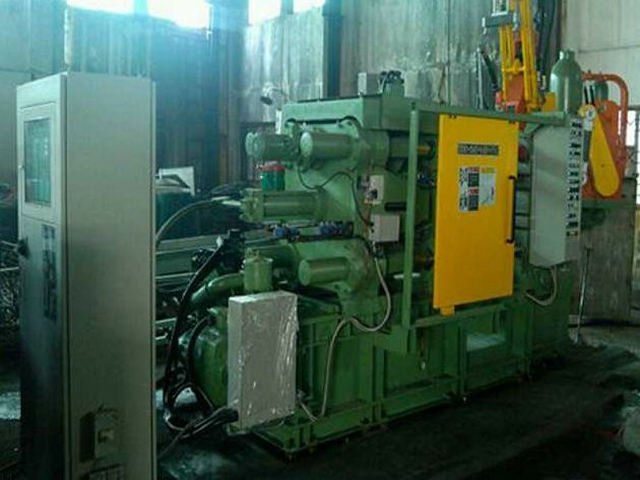
It is one of the widely used metal manufacturing processes, and it is highly efficient: producing high precision, durable, and complex components for many Industries. It injects molten metal, like aluminium, Zinc, or magnesium, inside of a steel mold (die) at very high pressure. It provides uniformity, internal strength and smashing surface finishes making it the right choice for use in automotive, aerospace, electronics, medical equipment, as well as consumer goods. A die-casting supplier is a very important company for the manufacture of high-quality parts that satisfy the industry requirements. They are suppliers, who are especially involved in designing, manufacturing and finishing the components or parts utilizing metal with strict tolerances and intricate geometries. Choosing the right supplier matters a lot for the success of any die-casting project as a good supplier should possess adequate expertise, state-of-the-art technology, and a history of successfully delivering precise and low-cost parts.Die casting is efficient in mass production and produces lightweight, yet strong parts, and as a result, the demand for die casting is increasing worldwide. Examples include reducing the weight of a vehicle, and enhancing fuel efficiency, through the use of die-cast aluminum and magnesium components in the automotive industry. In the same way, the electronics industry employs die casting to make heat sinks, enclosures and structural parts that are prone to high durability and electrical conductivity. When looking for a die-casting supplier, one should consider not only manufacturing capabilities but, more importantly, their quality control process, material expertise, and anything that may be left up to the supplier, such as machining, coating, and finishing. This provides a well-established supplier, therefore, reducing lead times, minimal defects and cost-effective production.  In this article, the die-casting process, materials used, the applications, advantages and important considerations of choosing a die-casting supplier are covered. Metal parts required to meet industrial applications need high performance and a reliable supplier fulfils this criterion for both small-batch production and large-scale production. The Die Casting Process: Step-by-Step Guide 1. Mold Preparation Mold (die) preparation and design accompany the initial step of this process. The two-part steel dies consist of a stationary cover die section and the movable ejector die section. Applied lubrication helps the molded flow metallic material smoothly while stopping the material from clinging. 2. Molten Metal Injection The chosen metals aluminum and zinc along with magnesium undergo high-temperature melting. Due to high pressure between 1,500 to 25,000 psi the molten metal enters the mold cavity. High injection pressure produces both accurate and even parts with low levels of flaws. 3. Cooling and Solidification The molten metal quickly reaches solid form during this process when forming parts to their designated shape. The components achieve superior high-strength properties because of the fast cooling process. 4. Ejection of the Part After metal solidification, the mold opens while ejector pins extract the completed part from its chamber. One mold cycle ends when it closes before starting another round of production. 5. Trimming and Finishing Machinists remove all undesirable remnants including flash and both sprees and runners from the part. The component requires supplementary finishing actions which involve sandblasting together with powder coating and anodizing operations to develop superior looks alongside functionality. Differences between Hot Chamber and Cold Chamber die-casting The die-casting process operates in either hot chamber die-casting or cold chamber die-casting formats. The main difference exists in how molten metal receives treatment before mould injection during these two techniques. The two methods differ in specific strengths together with restrictions which make them suitable for particular materials and production needs. The following section provides an elaborate comparison between hot chamber die-casting systems along cold chamber die-casting systems. 1. Process Overview Hot Chamber Die Casting • It requires a built-in furnace, which keeps the metal in a molten state. • Injection system is immersed in the molten metal, sucking it through the injection of a center and supplying it to the mold cavity. • The process is faster since there is no need to convey the metal from an independent melting station as in other processes. Cold Chamber Die Casting • Utilizes an external furnace for heating the metal to produce the required change in its state. • The molten metal is either ladled manually or automatically into the injection system and then it is injected into the mold. • The process is slower than the hot chamber one because the extra step of transferring molten metal takes time. 2. Suitable Metals Hot Chamber Die Casting • Like metals that melt below this temperature such as those that are not suitable to erode the injection system. • Common raw materials include: zinc, magnesium, lead and tin. Cold Chamber Die Casting • Applied to work with metals that have high a melting point which tends to deform the hot chamber system. • Common materials: aluminum, brass, copper, and magnesium alloys. 3. Production Speed Hot Chamber Die Casting • Higher speed of operations normally ranging between 5 to 15 operation cycles per minute. • The direct metal feed helps in avoiding the use of the ladling process in the making of the product. Cold Chamber Die Casting • Some of the disadvantages are the slow cycle times because of manual or fully automated metal transfer. • Other factors may take longer in the cooling and solidification process in this case with some of the alloys. 4. Equipment Durability Hot Chamber Die Casting • The submerged injection system has short service life since it deals with low-melting-point metals. • Longer equipment lifespan with proper maintenance. Cold Chamber Die Casting • Wear and tear increases with the rise in high temperatures especially in the case of aluminum and copper alloys. • Furniture and equipment may last for a shorter time and, therefore, may need constant replacement and maintenance. 5. Cost and Efficiency Hot Chamber Die Casting • High production since the time taken to complete a production cycle is short. • Lower operational costs because of integrated metal handling. Cold Chamber Die Casting • Increased energy costs by

금속 주조 서비스 정보

알루미늄 다이캐스팅, 다이캐스팅 회사, 다이캐스팅 부품, 고압 다이캐스팅, 마그네슘 주조, 마그네슘 다이 캐스팅, 아연 다이캐스팅

Metal casting services involve the shaping of free-flowing liquid metals through the use of dies, molds, or patterns.  Castings are generally roughly finished due to the nature of their production.  In many cases, additional finishing is required to remove burrs and other artefacts of the casting process.  Metal castings services are used to design a wide range of components and finished products.  Everything from simple nails and fasteners to engine blocks can be fabricated using metal casting services.  Common metal casting processes include sand casting, die casting, permanent mold casting, investment casting, centrifugal casting, and lost foam casting. Sand Casting Sand casting is used to make large parts (typically iron, but also bronze, brass, aluminum). Molten metal is poured into a mold cavity formed out of sand (natural or synthetic). Sand castings generally have a rough surface, sometimes with surface impurities and surface variations. Die-casting includes a number of processes in which reusable dies or molds are used to produce casting.  The die contains an impression of the finished product together with it’s running, feeding and venting systems.  The die is capable of a regular cycle and of (quickly) dissipating the heat of the metal poured into it.  Once the liquid metal has cooled sufficiently, the mold is opened and the casting can be removed and finished. Permanent Mold Casting In permanent mold casting, molten metal is poured into cast iron molds, coated with a ceramic mold wash. Cores can be a metal, sand, sand shell, or other materials. When completed, the molds are opened and the castings are ejected.   Investment casting services involve molding patterns by the injection of a special wax into a metal die.  The patterns are assembled into a cluster around a wax runner system. The ‘tree’ of patterns is then coated with 8-10 layers of refractory material. The assembly is heated to remove the wax.  The hot mold is cast, and when cool, the mold material is removed by impact, vibration, grit blasting, high-pressure water blasting or chemical dissolution leaving the castings, which are then removed from the runner system. Centrifugal casting Centrifugal casting services are used to produce castings that are cylindrical in shape.  In centrifugal casting, a permanent mold is rotated about its axis at high speeds as the molten metal is poured. The molten metal is centrifugally thrown towards the inside mold wall, where it solidifies. The casting is usually a fine grain casting with a very fine-grained outer diameter, which is resistant to atmospheric corrosion, a typical need with pipes. The inside diameter has more impurities and inclusions, which can be machined away. Lost foam casting Lost foam casting (LFC) is metal casting services that use foam filled patterns to produce castings.  Foam is injected into a pattern, filling all areas, leaving no cavities.  When molten metal is injected into the pattern, the foam is burned off allowing the casting to take shape. Die casting Die casting and metal casting includes a number of processes in which reusable dies or molds are used to produce casting. The die is capable of a regular cycle and of (quickly) dissipating the heat of the metal poured into it. Once the liquid metal has cooled sufficiently, the mold or is opened and the casting can be removed and finished.   In the die casting process, molten metal is injected under pressure into a reusable mold or die. The die contains an impression of the casting together with it’s running, feeding and venting systems. The die is capable of a regular cycle and of (quickly) dissipating the heat of the metal poured into them. Once the liquid metal has cooled sufficiently, the mold or is opened and the metal casting can be removed and finished. high pressure die casting The high pressure die casting process is the most widely used, representing about 50% of all light alloy casting production. Low pressure die casting currently accounts for about 20% of production and its use is increasing. Gravity die casting accounts for the rest, with the exception of a small but growing contribution from the recently introduced vacuum die casting and squeeze casting process. the design of low pressure and gravity die casting dies for improved die filling, optimized solidification pattern and maximum yield. Gravity die-casting is suitable for mass production and for fully mechanized casting. Low-pressure die casting is especially suited to the production of components that are symmetric about an axis of rotation. Light automotive wheels are normally manufactured by this technique. Die casting metals can vary widely, and different die casting companies may have the ability to work with anyone or number of them. Some of the most common metal casting types include aluminum die casting, brass die casting, lead die casting (the most popular for model die casting), magnesium die casting, and zinc die casting. Hope all of that information is enough for your reference, but if you want to know more information, you are welcome to contact us by phone or email.

그래비티 캐스팅이란?

알루미늄 주조, 알루미늄 주조 금형, 알루미늄 다이캐스팅, 다이 캐스팅, 다이캐스팅 알루미늄, 다이캐스팅 회사, 다이캐스팅 금형, 다이캐스팅 부품, 중력 캐스팅, 사출 금형 중국, 사출 금형 제작

알루미늄 다이캐스팅과 중력 주조의 차이점 알루미늄 다이캐스팅은 단순히 용융 금속을 가지고 노는 것 이상의 의미로, 다른 방법으로는 거의 만들 수 없는 예술품과 복잡한 기계 또는 기타 품목을 만들 수 있는 훌륭한 방법입니다. 알루미늄 다이캐스팅은 용융 금속을 가지고 놀면서 돈을 절약할 수 있는 정말 좋은 방법입니다. 알루미늄 다이캐스팅이 오랜 시간 동안 살아남을 수 있었던 이유는 바로 효율성의 문제입니다. 가장 초기의 주조 사례 중 일부는 수천, 수만 년 전으로 거슬러 올라가는 중국에서 발견되었습니다. 사실 이집트부터 로마에 이르기까지 모든 주요 문명에서 알루미늄 주조를 사용했습니다. 이 기술은 르네상스 시대에 다시 유행하기 시작했고 그 이후에도 계속 발전하고 진화해 왔습니다. 샌드캐스팅이 가장 널리 사용되는 주조 공정이지만, 뒷마당 주조소에서는 훨씬 더 많은 공정을 사용할 수 있습니다. 모든 사람이 엔진 부품과 같은 무거운 부품을 주조하거나 직접 오토바이를 주조하지는 않을 것입니다. 따라서 장식용 부품만 만들고자 하는 경우에는 이러한 대형 주조 공정과 동일한 주조 공정을 사용하지 않을 것입니다. 작은 규모의 조각상이나 장식품을 만드는 예술가나 모형 비행기나 보트에 장식적인 터치가 필요한 애호가들은 필요에 따라 중력 주조를 사용하는 것을 고려할 수 있습니다. 중력 주조란 무엇인가 중력 주조는 알루미늄 및 기타 가벼운 합금을 다룰 때 특히 유용한 것으로 보입니다. 이 주조 공정의 기본 아이디어는 이름에서 알 수 있듯이 거의 정확히 일치합니다. 금속은 중력의 힘에 의해 금형에 도입됩니다. 대부분의 다른 주조 공정은 특정 모래 주조 공정에서와 같이 자연적인 압력 차이를 사용하거나 원심 주조와 같이 강제 압력을 사용하여 용융 금속을 금형에 넣습니다. 중력 주조의 가장 일반적인 용도 중 하나는 영구 금형을 사용할 때입니다. 금형이라고도 하는 영구 금형은 동일한 금형을 여러 번 사용할 계획이고 품질을 일정한 수준으로 유지해야 하는 경우에만 경제적으로 사용할 수 있습니다. 일부 임시 금형은 반복적으로 사용할 수 있지만 시간이 지남에 따라 완제품의 품질이 저하되기 시작합니다. 다이 몰드를 사용하면 품질이 동일하게 유지됩니다. 다이 몰드는 투자로 간주해야 합니다. 예, 다른 금형보다 비용이 많이 들지만 저렴한 금형 옵션보다 오래 사용할 수 있습니다. 영구 금형의 경우 주철, 강철 및 기타 금속을 사용하여 제작됩니다. 중력 주조는 영구 금형 공정에 사용되며 만족스러운 결과를 얻을 수 있습니다. 중력 주조는 일반적으로 완제품의 구조적 기반보다 시각적 기반이 더 중요할 때 사용되므로 이 방법은 예술가와 일부 보석상들이 선호하는 방법입니다. 강도의 손실은 이 과정에서 사용되는 압력이 부족하기 때문입니다. 강도가 필요하지만 여전히 중력 주조를 사용하려면 용융 금속을 더 많이 사용해야 하므로 무게가 증가합니다. 중력 주조에 대해 자세히 알아보려면 https://www.aludiecasting.com/ 로 이동하세요. 중력에 의존하는 것은 인내심이 필요하지만 더 큰 제품에는 필요할 것입니다. 비즈니스에 중력 주조 또는 알루미늄 다이캐스팅, 마그네슘 다이캐스팅 또는 아연 다이캐스팅 서비스가 필요한 경우. 견적에 대한 요구 사항을 보내 주시면 3D 부품 설계와 요구 사항 만 보내 주시면 나머지는 저희가 알아서 해드리겠습니다. 우리와 함께 일하려면 시장에서 시장 만 관리하면되며 리드 타임, 배송, 품질 및 기술을 처리 할 수있는 백업이 될 것입니다.

다이 캐스팅

알루미늄 주조, 알루미늄 주조 금형, 알루미늄 다이캐스팅, 다이 캐스팅, 다이캐스팅 알루미늄, 다이캐스팅 회사, 다이캐스팅 금형, 다이캐스팅 부품

올바른 알루미늄 다이캐스팅 소스 찾기 귀하의 비즈니스에 적합한 고품질의 최고의 다이캐스팅 서비스를 찾고 계십니까? 글쎄, 당신은 동일한 도메인에서 경험이 있어야하는 올바른 서비스 제공 업체를 고용하는 것이 좋습니다. 예, 매우 저렴한 금액을 지불하여 매우 고품질의 결과를 제공 할 수있는 시간을 투자 할 필요가 있습니다. 올바른 회사를 찾는 방법에 대해 이야기하기 전에 다이캐스팅에 대해 더 많이 알아야합니다. 음, 이것은 작업을 시작하기 위해 모든 종류의 부품을 찾고있는 많은 산업에서 사용하는 가장 중요한 제조 기술이며이를 위해 알루미늄 다이캐스팅 공정과 함께 가야합니다. 다이캐스팅 금형의 도움으로 원하는 것과 동일한 방식으로 금속 물질의 복잡성을 정확하게 성형하는 데 도움이됩니다. 예, 최종 제품은 디자이너가 원하는 크기에 따라 거의 모든 크기를 가질 수 있으므로 최고이자 훌륭한 서비스 제공 업체에게는 불가능한 것이 전혀 없습니다. 알루미늄 주조 부품에 적합한 서비스 제공 업체를 찾으려면 인터넷에 시간을 투자하고 가장 경험이 풍부하고 신뢰할 수 있으며 친절한 서비스 제공 업체를 찾아 정확한 요구 사항을 반드시 충족하는 것이 좋습니다. 또한 고객의 맞춤형 요구 사항을 쉽게 처리 할 수있을뿐만 아니라 시장에서 큰 영업권을 보유해야하는 사람을 찾는 것이 좋습니다. 또한 이전 프로젝트를 조사하고 다이 캐스팅에서 얼마나 최고인지, 다른 회사가 요구 사항을 완료하는 데 어떻게 도움을 주 었는지 확인할 수 있습니다. 뿐만 아니라 프로젝트 요구 사항에 대한 전체 정보를 공개하고 그들이 올바른 지침을 얼마나 잘 제공하고 있는지, 그들이 당신에게 인용하는 가격을 얼마나 잘 제공하는지 확인해야합니다. 심지어 여러 소스를 통해 이 작업을 수행하고 가장 좋은 가격에 훌륭한 서비스를 제공하는 최고의 소스와 함께 올라갈 수도 있습니다. 전문가와 함께 작업한다는 것은 인장 강도, 항복률, 충격, 경도 및 기타 다양한 사양을 포함한 기계적 특성을 미리 고려하여 최상의 솔루션을 제공한다는 것을 의미합니다. 이뿐만 아니라 프로는 금속의 물리적 특성을 확인하여 올바른 금속을 선택하는 데 도움을 줄 것입니다. 예, 알루미늄 다이캐스팅을 진행하기 전에 전도성 또는 극심한 스트레스 나 열에서 어떻게 작동하는지에 대해 더 많이 아는 것이 매우 중요합니다. 전문가들은 또한 다양한 합금의 구성을 결정하고 주요 요소의 일반적인 용도가 무엇인지 확인하고 다이캐스트 합금의 전체 목록을 확인하고 필요한 특성 및 정확한 요구 사항을 충족하는 데 가장 적합한 것을 제공하기 위해 모든 것을 확인합니다. 추천 소스로 이동하여 확인해 보는 것은 어떨까요? 가능한 한 짧은 시간에 금속 주조를 제공하여 최고의 서비스를 제공하고 처음부터 모든 것을 만들 것이며 가장 중요한 부분은 모든 것이 예산 친화적 인 방식으로 이루어질 것입니다. 기술은 나날이 발전하고 있으며 우리는 그 혜택을 온전히 누리고 있습니다. 오늘날 우리는 작업을 최고로 만들 수있는 모든 가능한 것을 가질 수있을뿐만 아니라 완전한 편리함과 완전한 마음의 평화를 제공 할 수 있습니다. 그 중에서도 다이캐스팅은 재사용 가능한 금형인 다이를 최대한 활용하여 기하학적으로 독특하고 불가능한 금속 부품을 생산할 수 있는 제조 공정입니다. 다이캐스팅 공정은 매우 중요하며 전문가들은 항상 용광로, 금속, 다이캐스팅 기계, 다이 및 기타 다양한 재료라고하는 필요한 모든 것을 사용해야합니다. 여기에 사용되는 금속은 항상 아연 및 알루미늄과 같은 비철 합금이며, 나중에 용광로에서 녹인 다음 다이캐스팅 기계의 다이에 주입되어 매우 복잡한 금속 부품을 생산합니다. 알루미늄 주조 부품에 적합한 회사는 항상 최고의 것을 생산하기 위해 항상 최고의 정통 절차를 따르기 때문에 항상 올바른 회사에 접근하는 것이 좋습니다. 완벽한 다이캐스팅 솔루션을 위해 핫 챔버 기계와 콜드 챔버 기계라는 다양한 유형의 다이캐스팅 기계를 사용할 수 있습니다. 핫 챔버 기계는 아연과 같이 용융 온도가 낮은 합금에 사용됩니다. 그리고 콜드 챔버 기계는 알루미늄과 같이 용융 온도가 높은 합금에 사용됩니다. 두 기계의 작동 방식은 동일하며 용융 금속을 금형에 주입하고 냉각을 기다린 후 최종 부품인 주물로 굳혀줍니다. 알루미늄 다이캐스팅 툴링은 다이라고도 하며, 강철을 합금하기 위한 것입니다. 금형은 주조 제거를 위해 최소 두 개의 섹션에서 완성됩니다. 이를 위해서는 다이캐스팅의 효율적인 접근 방식이 특별히 필요하며 일부는 휴대용 슬라이드를 사용하여 고객이 다이캐스터에서 요구하는 이상적인 모양을 만들기 위해 어려움없이 수행 할 수있는 특정 섹션이 있습니다. 이 과정에서 다이캐스팅 툴링은 미리 정해진 다이 하프를 통해 구멍을 간단하게 제작하는 방식으로 진행됩니다. 용융 금속이 완성되면 구멍에 주입하여 캐비티에서 건조시키며, 이는 도금의 특정 치수를 윤곽을 잡는 가장 좋은 방법입니다. 다이에는 두 개의 반쪽을 서로 붙이고 주조된 부분을 떼어내기 위해 사용되는 핀을 고정해야 할 수도 있습니다. 광범위한 아연 다이캐스팅, 알루미늄 및 마그네슘 다이캐스팅 합금을 사용하여 소형에서 대형 정밀 부품을 쉽게 제조 할 수있는 알루미늄 다이캐스팅을위한 최고의 신뢰할 수있는 서비스 제공 업체를 항상 찾으십시오. 모든 합금에는 특정 용도에 맞는 고유한 물리적 특성이 있다는 것을 아는 것이 중요합니다. 그러나 정밀 부품 제조에 이상적인 소재를 선택하여 요구 사항을 충족하는 데 도움을 줄 수 있는 올바른 전문가를 찾는 것이 매우 필요합니다.

알루미늄 다이캐스팅

알루미늄 다이 캐스팅

알루미늄 주조, 알루미늄 주조 금형, 알루미늄 다이캐스팅, 다이 캐스팅, 다이캐스팅 알루미늄, 다이캐스팅 회사, 다이캐스팅 금형, 다이캐스팅 부품, 고압 다이캐스팅, 마그네슘 다이 캐스팅, 압력 다이캐스팅

알루미늄 다이캐스팅이란? 알루미늄 다이캐스팅은 주조 액체 다이 단조 방법입니다. 다이캐스팅 공정은 공정을 수행하기 위한 일종의 특수 고압 다이캐스팅 기계입니다. 기본 기술 프로세스는 저속 또는 고속 주조의 첫 번째 금속 또는 알루미늄 합금 액체가 다이 몰드 캐비티에 채워지고 이동식 캐비티 표면이있는 다이입니다. 액체 알루미늄 합금 냉각 공정 압력 단조 블랭크와 함께 수축 결함을 제거하고 거친 내부 알루미늄 다이캐스팅 조직을 만들어 깨진 크리스탈을 단조합니다. 거친 포괄적 인 기계적 특성이 크게 향상됩니다. 알루미늄 다이캐스팅의 장점 알루미늄 다이캐스팅과 관련된 금속 및주의 사항. 다양한 유형의 알루미늄 합금을 다이캐스팅 및 알루미늄 금형에 사용할 수 있으며 알루미늄 주조 금형, 아연 다이캐스팅, 알루미늄 다이캐스팅 등에 사용되는 방법의 유형 주조 공정 주조는 다양한 유형의 제품을 생산하기에 적합한 알루미늄을 만드는 과정입니다. 다양한 알루미늄 제품을 간단하고 저렴하게 제공할 수 있는 방법입니다. 워싱턴 기념비, 자동차 엔진, 동력 전달 장치 등이 모두 알루미늄 주조 합금 공정을 통해 생산된 예입니다. 알루미늄 주조는 3 가지 방법으로 수행 할 수 있습니다 :- 알루미늄 다이캐스팅 금형 주조 모래 주조 다이캐스팅 다이캐스팅 다이캐스팅은 금속 부품을 생산하는 제조 공정입니다. 다이캐스팅에서 다이 또는 금형 캐비티는 이전에 특정 모양으로 가공된 경화 공구강으로 만들어집니다. 다이캐스팅에서는 알루미늄을 먼저 녹여 강철 다이에 고압으로 강제로 부어 넣습니다. 이 제조 기술은 일반적으로 대량 생산에 사용되며, 일반적으로 고압 다이캐스팅 또는 압력 다이캐스팅 공정이라고 합니다. 금형 주조 금형과 코어는 강철 또는 다른 금속으로 만들 수 있습니다. 여기에서도 알루미늄을 먼저 녹여 제공된 금형에 부어 넣습니다. 때때로 진공이 적용되기도 합니다. 어떤 상황에서는 영구 금형 주조가 다이캐스팅과 모래 주조 방법보다 더 강한 것으로 보입니다. 반영구적 금형 주조 기술은 완성된 부품에서 영구 코어를 제거할 수 없는 경우에 사용됩니다. 샌드 캐스팅: 샌드캐스팅은 알루미늄 제품을 생산하는 가장 다재다능한 방법입니다. 일반적으로 용융된 알루미늄을 고운 모래 혼합물로 사실상 압착된 주형에 붓습니다. 이 패턴은 응고 및 냉각 과정에서 알루미늄 수축에 필요한 것보다 약간 더 크게 만들어집니다. 샌드캐스팅은 일반적으로 다이캐스팅과 몰드캐스팅보다 느린 공정입니다. 일반적으로 소량 제품에 사용됩니다. 알루미늄 주조 합금 가장 중요한 주조 알루미늄 주조 합금 시스템은 Al-Si입니다. 여기서 높은 수준의 실리콘은 우수한 주조 특성을 제공하는 데 기여합니다. 알루미늄 주조 합금은 경량 또는 내식성이 요구되는 엔지니어링 구조 및 부품에 널리 사용됩니다. 알루미늄 다이캐스팅의 방법 및 이점 알루미늄 다이캐스팅과 관련된 금속 및주의 사항 다이캐스팅에는 다양한 유형의 알루미늄을 사용할 수 있으며, 알루미늄 주조 제조업체 및 알루미늄 주조는 다양한 유형의 방법을 사용하여 다양한 유형의 금속을 커버하기 위해 사용됩니다. 알루미늄 주조에는 많은 방법이 사용되며 다양한 유형의 이점을 얻을 수 있습니다. 알루미늄 주조 및 알루미늄 다이캐스팅의 도움으로 금속의 수명을 늘릴 수 있으며 금속의 놀라운 모양과 매력으로 오랜 기간 동안 사용할 수 있습니다. 방법 알루미늄 다이캐스팅에는 다양한 유형의 방법이 사용됩니다. 가장 중요한 것은 알루미늄을 녹이는 것입니다. 알루미늄을 녹이려면 고온이 필요합니다. 알루미늄을 녹이기 위해 특수 구조가 사용됩니다. 알루미늄 주물이 녹으면 대상 금속에 부어집니다. 그런 다음 녹은 알루미늄 주물을 단단하게 만들고 일정 시간이 지나면 사용할 준비가 된 것입니다. 알루미늄을 녹이는 데 사용하도록 만들어진 특수 용기가 있습니다. 이러한 구조물은 다양한 모양과 크기로 시중에서 구입할 수 있습니다. 원하는 재료를 사용하여 집에서도 이러한 구조물을 만들 수 있습니다. 이러한 구조를 만드는 데는 많은 옵션이 있습니다. 시장에서이 구조를 구입하려면 크기와 모양을 선택해야합니다. 크기와 모양에 따라 다양한 옵션이 있으며 제조업체마다 다양한 유형의 가격이 부과됩니다. 알루미늄 주물을 효과적으로 가열하고 녹이기 위해 일부는 연료를 사용하고 일부는 열을 얻기 위해 수작업으로 열을 가하기 때문에 이러한 구조의 작업도 다릅니다. 이러한 구조에서 고온을 얻은 다음 알루미늄 주물을 녹인 다음 주조 공정을 위해 대상 금속에 사용합니다. 알루미늄 다이캐스팅의 장점 알루미늄 다이캐스팅의 장점에는 여러 가지가 있습니다. 주로 이러한 유형의 주조는 금속이 부식으로부터 안전하게 유지될 수 있도록 하기 위해 수행됩니다. 대기 조건과 습기는 철에 좋지 않으며 주조는 철을 보호하고 수명을 늘리는 데 도움이 될 수 있습니다. 알루미늄 다이캐스팅은 주조를 통해 금속에 사용할 수 있기 때문에 습기 및 기타 환경의 유해한 영향에 저항 할 수 있습니다. 알루미늄 다이캐스팅 회사는 철에 주조하여 보호 시트를 만들 수 있으며, 보호 쉴드는 철에 만들어져 오랜 기간 동안 사용할 수 있습니다. 이 보호막은 고온을 사용하여 얻은 빛나는 층의 형태입니다. 이 층은 금속의 강도와 유효 수명을 증가시키면서 영구적이고 보기에도 좋습니다. 대부분 철은 알루미늄의 도움으로 주조됩니다. 이것은 저렴한 공정이며 철의 수명이 길어짐에 따라 사용자는 이점을 얻을 수 있습니다. 결론 알루미늄 다이캐스팅 금형은 철 및 기타 금속 주조에 사용할 수 있습니다. 이 프로세스에는 여러 가지 방법을 사용할 수 있습니다. 신뢰할 수있는 방법의 도움으로 사용자는 금속이 부식 및 기타로부터 절약되므로 이점을 얻을 수 있습니다.

위로 스크롤

견적 받기