알루미늄 다이캐스팅 회사

주조 알루미늄 용접: 종합 가이드

알루미늄 주조, 알루미늄 다이캐스팅

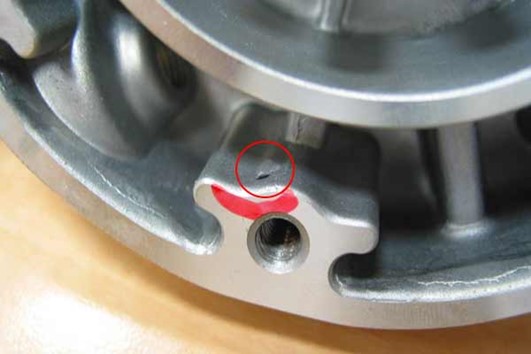
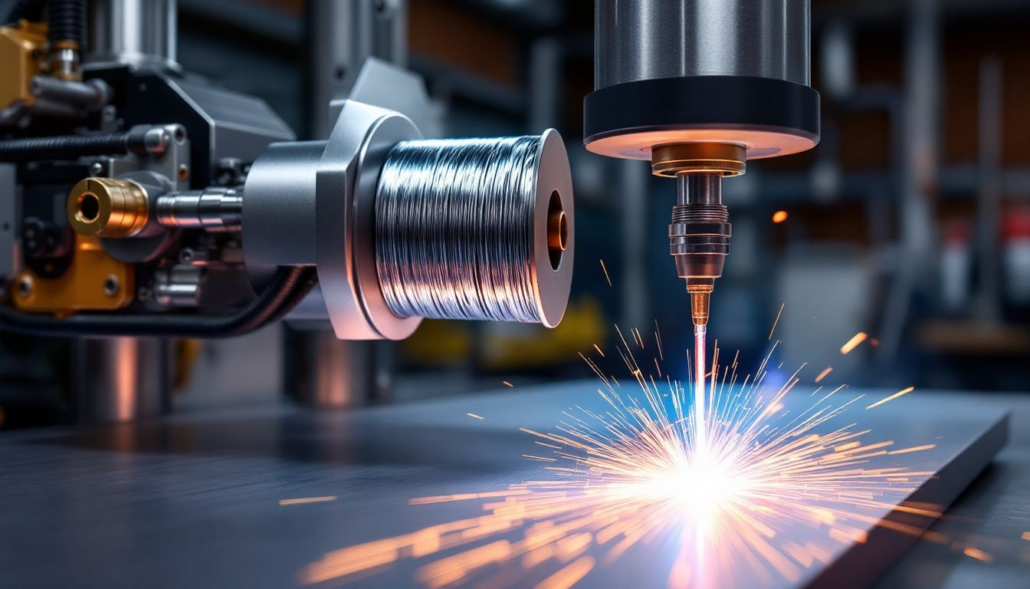
There are very few places one can go to learn about welding cast aluminum, and the skill set needed to do so is highly specialized. However, cast aluminum is a material created by pouring molten aluminum into a mold, which results in a porous material with impurities. This does not occur with standard aluminum alloys. Because of these characteristics, welding is more difficult, and preparing carefully, keeping the heat precisely in check, and using the appropriate techniques is necessary to produce strong, robust welds. Oxidation is one of the greatest hurdles when welding cast aluminum. This thin oxide layer, formed when exposed to air is much thicker than what naturally forms on aluminum, and it melts at a much higher temperature than aluminum itself, making fusion difficult. Furthermore, the presence of impurities and trapped gases in the cast aluminum can result in porosity, which provides weak welds if not properly cleaned and preheated. TIG (Tungsten Inert Gas) is the method of choice for precision and cleanliness, while MIG (Metal Inert Gas) is useful for speed and thicker material. To obtain a strong and defect-free weld, it is necessary to use the correct filler metal (such as 4045, 5356, or 4047) and shielding gas combination (of pure argon or argon-helium mixtures). Good preparation includes adequately cleaning and preheating as far as possible to minimize cracking, porosity and lack of fusion. Endurance and life of the welded joints is further improved by post-weld treatments like stress relief, grinding and corrosion protection after welding. While the majority of cast aluminum welders are welded steel, welders can successfully work with cast aluminum using the right techniques, tools, and attention to detail so long as lightweight, high strength components are required in industries. This is a masterable process that leads to further development of aluminum welding applications and to a reliable and predictable performance of aluminum structures in critical environments. Understanding Cast Aluminum  However, before proceeding with the welding techniques needed for cast aluminum, it is crucial to have a firm understanding of what constitutes cast aluminum and what makes it unique from other metals. Cast aluminum differs from wrought aluminum, which is mechanically shaped by using rolling or extruding, in that cast aluminum can be formed in complex shapes of high precision by melting aluminum and pouring this molten form into a mold. The unique internal structure so produced, usually characterized by porosity, impurities and varying alloy composition, has an important effect on weldability. To be able to weld cast aluminum successfully, one should know its chemical and physical properties, its pros and cons as well as the different types of cast aluminium alloys from various industries. These factors will be taken into consideration for the determining the necessary welding method, selection of filler material and preweld preparation techniques to make strong and defect free welds. Cast aluminum properties: What makes a cast different? Another important consideration that use of cast aluminum has several properties that make it light weight, anti- corrosive and very flexible. However, the same properties also pose some difficulties when welding is being done, provided that proper measures are not taken. 1. Porosity: The Hidden Challenge Possibly one of the biggest concerns about welding cast aluminum is porosity; it is known as the small bubbles of gas that get trapped in the metal when it is being cast. These eight are resulted from the entrapment of gases such as hydrogen, formation of small pores as a result of shrinkage during cooling of the aluminum metal and impurities. ???? How Porosity Affects Welding ???? How to Minimize Porosity During Welding 2. Oxidation: The Barrier to Clean Welds It is an element that reacts with other elements particularly oxygen found in the space surrounding the metal. This oxidation generates a very thin but extremely hard skin of aluminum oxide (Al₂O₃) through which the further corrosion of aluminum is prevented. Nevertheless, oxide layer is a critical issue when welding since its melting temperature is around 3700°F (2037°C), which is much higher than that of aluminum, 1221°F (660°C). Investigation on Why Oxidation is a Problem in Welding ???? Different Techniques of Removing and Controlling Oxidation 3. Heat Sensitivity: Managing Thermal Conductivity Different from steel, aluminum has high thermal conductivity and it can easily absorb and emit heat. This has always been a problem in maintaining a standard welding temperature; this tends to cause the following: ???? How to Overcome Heat Sensitivity Challenges Common Types of Cast Aluminum Alloys Various types of cast aluminum alloys can be cast according to their chemical composition and mechanical properties. Here are a few of the advantages and disadvantages of each type, as well as applications where they would be most useful. 1. A356 Cast Aluminum: The High-Strength Alloy  Its composition: Mainly encompasses aluminum (Al), silicon (Si) and magnesium (Mg). ???? Key Features ???? Common Applications 2. 319 Cast Aluminum: The Wear-Resistant Allo Composition: Contains higher levels of silicon (Si) and copper (Cu) than A356. ???? Key Features ???? Common Applications 3. 535 Cast Aluminum: The Marine-Grade Alloy Composition: Contains a high percentage of magnesium (Mg) for corrosion resistance. ???? Key Features ???? Common Applications Why Understanding Cast Aluminum Matters for Welding Starting with cast aluminum welding mastery is all about determining what cast aluminum is made of, its properties, and associated challenges. Therefore, as cast aluminum is used extensively in automotive, aerospace and marine engineering, welders require strategies for casting porosity, oxidation and sensitivity to heat. Different types of cast aluminum alloys respond to welding differently, and you should choose the correct filler materials, shielding gas and welding technique means the difference between a strong, reliable weld or a weak, porous joint. With preparation of the material, using the correct cleaning procedures, and regulating heat input, welders can address the issues associated with cast aluminum and generate powerful, long lasting welds that comply with harsh applications. Challenges in Welding Cast Aluminum  Welding of cast aluminum is notoriously difficult because of the unique physical and chemical properties of
알루미늄 주조: 종합 가이드

알루미늄 주조: 종합 가이드 

알루미늄 주조 금형

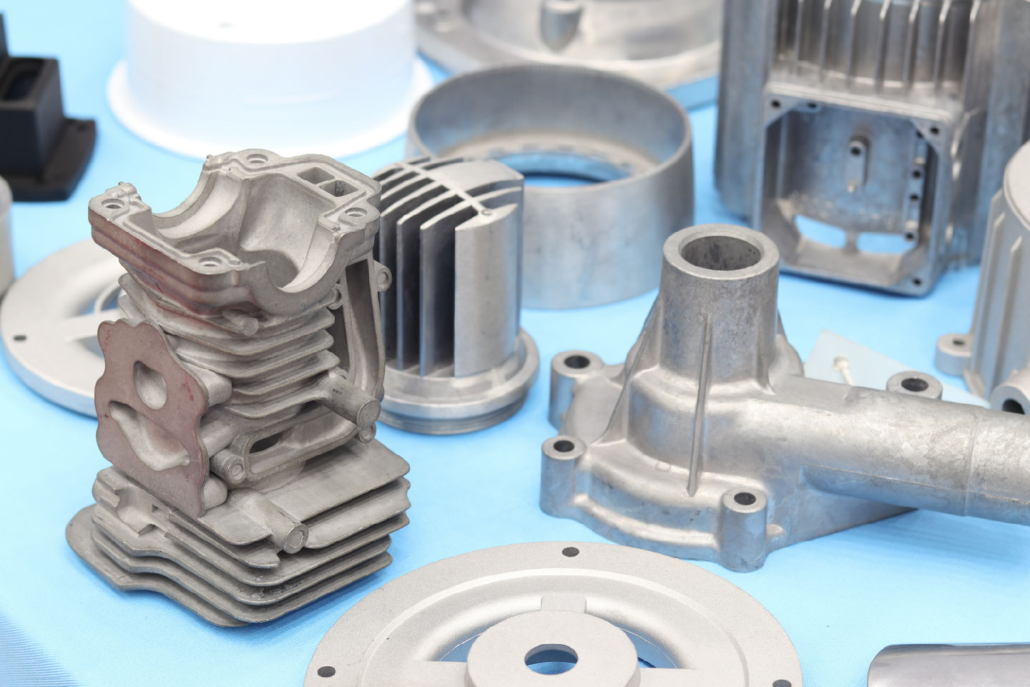
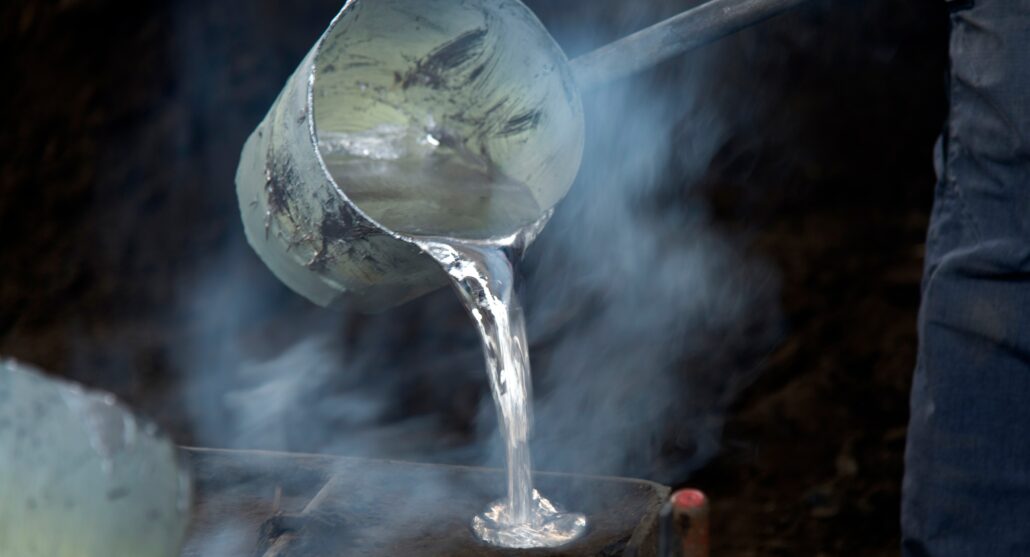
Current industries extensively use aluminium because of its strength combined with its low weight along with its ability to resist heat effectively. The production of aluminium components achieves its best results through the casting aluminium process. The procedure enables users to produce intricate complex shapes which work perfectly for industrial needs and commercial environments. Manufacturers widely employ the casting aluminum method to create complex and resilient components by pouring molten aluminum into designed moulds. Produced components through casting aluminium are widely used across the automotive, aerospace, construction and cookware sectors because aluminium offers excellent thermal conductivity together with lightweight construction and corrosion resistance properties. The essential basis for understanding casting aluminium demands an initial definition of what cast aluminium represents. Castaluminiumm represents metaaluminiumum processed through thermal melting followed by mould filling which results in its transformation into precise configurations. Industrial producers use this method to achieve precise detailed designs which suit engine parts together with machinery parts as well as heat exchangers. Cast aluminium stands out because its strength-to-weight ratio outperforms every other metal thus making it suitable for applications that require lightweight construction. Three main techniques include die casting, sand casting and investment casting that manufacturers use to perform the casting aluminium process with their specific advantages. Die casting performs high-speed precise processing that matches well with mass production but sand casting delivers versatile low-cost benefits suitable for low-volume manufacturing. The investment casting method can deliver both high accuracy and elaborate details in finished products. Knowledge about cast aluminium composition along with manufacturing methods enables industry professionals to pick suitable production systems. Global industries choose to castg aluminium as their standard procedure because it provides lightweight durability with corrosion protection in addition to cost efficiency. What Is Cast Aluminum? Aluminium becomes cast aluminium when manufacturers melt the aluminium metal to pour it into specific moulds for product creation. The unique aspect of aluminium casting enables manufacturers to create complex shapes while reducing material waste better than machine orextrudedealuminiumm methods. What purposes does aluminum casting serve? Different industries use cast aluminum as a primary material to create automotive parts and cookware together with furniture, machinery and aerospace components. Through its production method the product results in strong yet lightweight performance which makes it ideal for efficiency and durability applications. Key Characteristics of Cast Aluminum: Step-by-Step Guide to Casting Aluminum Working with molten aluminium needs severe safety precautions because it creates danger when mishandled. Every step should begin with putting on gloves along with heatproof clothes and face protection. This manual presents a simple method of aluminum casting that protects both workers and equipment. These specific die-casting steps work the same way in other aluminium casting processes. Step 1: Begin By Creating The Mold For Your Project Design The beginning of aluminium casting starts with developing and readying the mould design. The mould selection process controls how the casted aluminium item looks and behaves. Cutting tools must match the chosen mold material which could be sand, steel, ceramic, plaster or aluminum. The mould design must precisely match all details and requirements of the final aluminium product. To produce precise molds manufacturers use CAD system software. The software helps designers build an exact 3D representation of their product before making it. After the digital design is ready CNC machines accurately make and form the mold. The user applies a release agent to the inside of the mould before production starts. The coating applied to the mold prevents aluminum from bonding to it so the cast part can be easily removed. After application of the coating the mold is tightly closed before continuing. Step 2: Melting the Aluminum The following step is to heat the aluminum until it liquefies. The metal reaches melting temperature of 660 degrees Celsius (1220°F) very fast due to its low melting point.The furnace heats up aluminum metal to its melting temperature before electricity or gas power is used to transform it into a fluid substance. The liquid aluminum moves from the furnace to a storage area where it remains usable until deployment into the mold. Step 3: We pour the melted aluminum into the mold The ready molten aluminium can flow smoothly into the mould since its temperature is optimal. Our team pours the aluminium with exact movements to avoid creating defects from trapped air in the finished item. The gate system is specially designed to let aluminium metal flow smoothly into the mould’s cavity. Once the mould reaches its capacity all additional aluminum drains out. After pouring ends the mold stays untouched as the metal starts to cool and harden. Step 4: Cooling and Solidification Casting aluminum needs proper temperature reduction and solidification steps. The casting process takes a period that depends on how thick and intricate the part is.Proper temperature reduction steps are needed to create parts with the needed strength and capacity. A steady temperature needs to stay constant during metal cooling to prevent parts like warping or internal stress from developing.Manufacturers employ cooling tools like air, water and furnace temperature control during aluminum solidification. Step 5: After Solidification the Casting Leaves the Mold  When aluminum solidifies completely we extract the casting out of its mold. We need to cut away the leftover material known as flash sprues from the product. Included finishing actions to produce the desired outcome are water cooling and heating control in the furnace process. We use machining tools to create exact dimensions after product processing. To make surface texture easy to work with. Using polishing or coating techniques makes aluminum surfaces shine better while increasing their resistance to wear. The casting of aluminum production ends when quality finishing techniques produce a ready-to-use item. Great! Your existing steps explain how aluminium castings are made yet producers mostly complete their procedure using more steps. Several additional methods help enhance the quality of final cast aluminum parts. Step 6:  heat treatment improves metal quality though it is optional. Manufacturers enhance aluminum mechanical properties by implementing a heat treatment process after casting ends.

아노다이징 알루미늄 소재: 속성, 이점 및 응용 분야

아노다이징 알루미늄 소재: 속성, 이점 및 응용 분야

알루미늄 다이캐스팅, 알루미늄 표면 마감

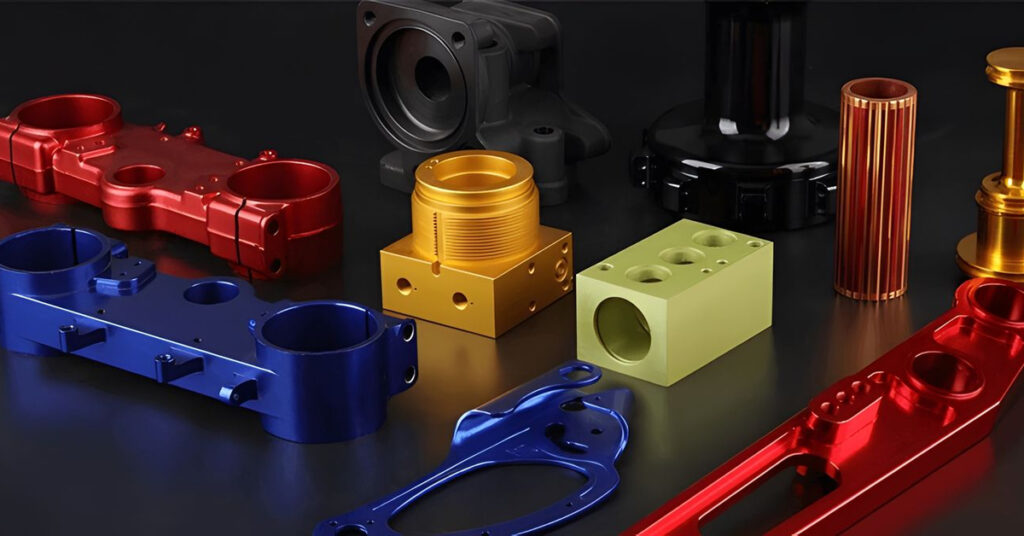
양극산화 처리된 알루미늄 소재는 가볍고 강하며 부식에 강하기 때문에 주로 사용됩니다. 원시 알루미늄은 어느 정도의 내구성과 긁힘 방지 기능을 제공하지만 산화, 찌그러짐, 긁힘이 발생하기 쉬워 장기적으로 외관을 손상시킬 수 있습니다. 알루미늄을 더 강하고 튼튼하게 만들기 위해 표면에 보호용 산화막을 형성하는 양극 산화 처리를 합니다. 이 층은 금속을 단단하게 만들어 부식되지 않고 마모되지 않는 표면과 더 쾌적한 외관을 제공하기 때문입니다. 이러한 요인으로 인해 아노다이징 알루미늄이 선호되며 항공우주, 자동차, 건설 및 가전 산업 전반에 걸쳐 널리 사용됩니다. 아노다이징은 표면 세척, 전해질 용액에 담그기, 전류를 이용한 산화, 밀봉 등 여러 단계의 공정으로 이루어집니다. 이 처리는 소재를 더 강하게 만드는 것 외에도 다양한 색조와 마감으로 착색할 수 있습니다. 전해 착색, 딥 착색, 일체형 착색 및 간섭 착색은 서로 다른 일반적인 착색 기법입니다. 일반 아노다이징과 하드 아노다이징은 아노다이징의 두 가지 주요 유형입니다. 일반적으로 마감 및 경량화에 주로 사용되는 일반 아노다이징과 군사, 산업 및 항공우주 분야에 뛰어난 내구성, 마모성 및 강도를 제공하는 하드 아노다이징의 두 가지 공정을 사용할 수 있습니다. 알루미늄은 아노다이징 외에도 전기 도금, 분말 코팅, 크로메이트 변환 코팅, PVD 코팅, 세라믹 코팅 또는 용융 아연 도금과 같은 다른 표면 처리를 통해 가공할 수 있습니다. 양극산화 처리된 알루미늄은 이러한 특성이 균일하지 않기 때문에 여러 산업 분야에서 다양하고 신뢰할 수 있는 재료로 사용되며, 각 방법에 따라 내식성, 경도, 전도성 등 특정 특성이 향상됩니다. 이 글에서는 양극산화 처리된 알루미늄의 특성, 장점, 적용 분야 및 유지 관리와 관련된 사항과 양극산화 처리된 알루미늄이 다른 금속 및 처리 방법에 비해 더 나은 대안인 이유에 대해 설명합니다. 이러한 측면을 이해하면 특정 산업과 소비자를 위해 어떤 소재를 사용할지 이해할 수 있습니다. 양극산화 알루미늄이란? 양극 산화 처리된 알루미늄은 표면에 더 두껍고 내구성이 강한 산화막을 생성하기 위해 전기 화학 공정을 거친 알루미늄입니다. 이 양극 산화층이 존재하면 금속의 부식에 대한 저항성이 증가하고 표면 경도가 향상되며 염료 및 코팅에 대한 금속의 접착력이 증가합니다. 아노다이징 공정 즉, 아노다이징 공정에는 몇 가지 주요 단계가 포함됩니다. 양극산화 알루미늄 소재 주요 특성 1. 향상된 내식성 아노다이징 알루미늄은 부식에 가장 잘 견디는 소재 중 하나입니다. 산화물 층이 습기와 환경으로부터 금속을 보호하기 때문에 실외나 물에 잠겼을 때 거의 쓸모가 없습니다. 2. 표면 경도 증가 아노다이징은 알루미늄의 경도를 크게 향상시켜 알루미늄이 긁힘, 찌그러짐, 마모에 더 강해집니다. 이러한 경질 알루마이트 처리된 알루미늄은 내구성이 뛰어나며 실제로 고성능 애플리케이션에 사용됩니다. 3. 미적 매력과 다양한 색상 또한 아노다이징 알루미늄은 금속의 자연스러운 질감을 그대로 유지하면서 블랙, 골드, 브론즈, 실버 등의 색상으로 제공됩니다. 이 때문에 건축 및 장식용으로 선호되는 이유입니다. 4. 가벼우면서도 튼튼한 알루미늄 위에 산화물 층을 입혀도 알루미늄이 크게 무거워지지 않으며 스테인리스 스틸과 같은 무거운 소재보다 여전히 가볍습니다. 5. 전기 절연성 양극산화 처리된 알루미늄은 처리되지 않은 알루미늄에 비해 전기가 잘 통하지 않기 때문에 전기 또는 전자 목적으로 절연이 필요한 용도에 사용하기에 매력적인 소재입니다. 6. 환경 친화적이고 지속 가능한 양극산화 알루미늄은 완전히 무독성이며 재활용이 가능하고 위험하고 건강에 해로운 VOC(휘발성 유기 화합물)를 배출하지 않으므로 친환경적입니다. 양극산화 알루미늄 부품에 색상을 추가하는 방법은? 아노다이징 알루미늄은 색상을 매우 선명하게 유지할 수 있는 것으로 잘 알려져 있습니다. 전해 착색과 딥 착색은 양극산화 알루미늄에 색을 입히는 데 사용되는 많은 기술 중 두 가지입니다. 1. 전해 착색 양극 산화 처리된 알루미늄을 아름답게 만드는 인기 있는 방법 중 하나는 전해 착색으로 양극 산화 처리된 알루미늄에 내구성이 강하고 자외선에 강한 색조를 입히는 것입니다. 알루미늄이 아노다이징 공정을 거치고 나면 금속염이 담긴 욕조에 넣습니다. 지난 몇 년 동안 금속염이 개발되어 전류를 가하면 양극 산화 처리된 표면의 열린 기공에 침전되어 영구적으로 금속 색상의 표면을 생성합니다. 마지막으로, 색상은 관련된 금속염의 종류에 따라 달라집니다. 예를 들어 구리 염은 용액의 색조를 붉은색으로 만들고 다른 금속은 다른 색조로 만들 수 있습니다. 이렇게 만든 색상은 오래 지속되고 변색되지 않으므로 실외 또는 노출이 많은 용도에 적합하기 때문에 널리 사용됩니다. 2. 딥 컬러링 또 다른 컬러링 방법은 다양한 색상을 선택할 수 있는 ‘딥 컬러링'입니다. 이러한 처리 과정에서 다공성 층을 염료 용액에 담그면 양극 산화 처리된 알루미늄이 안료를 흡수합니다. 색상에 도달하면 알루미늄을 물로 밀봉하여 반응이 계속되지 않도록 합니다. 딥 컬러링은 훨씬 더 생생하고 사용자 지정 가능한 대비 색조를 제공하지만 자외선 차단 기능이 없으며 햇빛에 노출되면 색이 훨씬 덜 바래게 됩니다. 그러나 이러한 내구성 부족은 부품의 내구성이 중요한 응용 분야에서는 일반적으로 사용되지 않는 주된 이유입니다. 3. 일체형 착색(원스텝 공정) 일체형 착색은 아노다이징과 착색을 하나의 공정으로 통합하는 독특한 공정으로, 다단계 방식보다 효율적입니다. 다른 기법과 달리 알루미늄 표면과 반응하고 빠르게 건조되는 전해질은 블랙, 골드, 브론즈 등 깊고 풍부한 메탈 톤을 만들어냅니다. 색상은 산화물 층에서 형성되기 때문에 내구성이 뛰어나 긁히지 않고 부식되지 않으며 색이 바래지 않습니다. 일체형 컬러링은 고품질의 마감을 얻을 수 있지만 비용과 복잡성 때문에 드물게 사용됩니다. 건축 부품, 고급 전자 제품, 산업 장비 등 부품이 다음과 같은 까다로운 조건을 견딜 수 있어야 합니다.

알루미늄 다이캐스팅 재료: 종합 가이드

알루미늄 다이캐스팅 재료: 종합 가이드 

알루미늄 주조, 알루미늄 다이캐스팅

The role of aluminum die casting is a widely used, highly efficient manufacturing process capable of producing complex, high-strength, and lightweight components with good dimensional accuracy. It is the mass production of durable and precise parts and is based on the principle of injecting molten aluminum into MOULD under high pressure. In these industries where performance or longevity depends on material properties, this technique is used in a wide variety. Aluminum alloy is a key factor in choosing what the final product is going to be, which includes strength, corrosion resistance, thermal properties, and machinability. The characteristics of different aluminum alloys are different some of which include A380, the balance of strength and castability; A383, superior fluidity for complex parts; and A360, high corrosion resistance. Moreover, copper, manganese, magnesium, and silicon elements can also further increase mechanical properties. Besides alloy selection, manufacturers may also strengthen aluminum die-casting parts through surface treatment such as anodizing, plating, or powder coating to achieve higher wear resistance, corrosion protection, and hardness. Additionally, uniform wall thickness, draft angles, and reinforcement ribs do reduce high-quality and defect-free components at low cost. Through the right selection of the right aluminum alloy, through suitable strengthening techniques and in consideration of aluminum diecast part design sizing, manufacturers of high-performance aluminum die-cast parts can be tailored specifically to the required industrial issues. In this guide, we explore the best materials, alloy properties, and methods for strengthening and considering the design of aluminum die-casting components that will improve their durability and efficiency. This article explains about aluminum die casting materials, properties of alloys used in die casting processes, strengthen methods and surface treatments, as well as design considerations to improve the performance, durability and operation efficiency of die cast components. What is Aluminum die casting?   Aluminum die casting is the process of injecting molten aluminum at high pressure into a steel mould (die) to produce precision moulded complex and durable metal parts. The lightweight properties it has, strength, corrosion resistance, and excellent thermal conductivity make it commonly used in automotive, aerospace, electronics, and industrial applications. High-speed production, good cost efficiency and good dimensional accuracy are possible as it is a process. Aluminum Die Casting Parts Design 3 Factors to Consider  To achieve high quality, tough and economical aluminum die casting parts, careful planning is necessary. An appropriate design can increase manufacturing efficiency, reduce defects and augment the overall performance. Aluminum die casting parts have three parameters, among which the key factors are given below as. 1. Wall Thickness and Uniformity Why It Matters: Proper mold filling, cooling, and solidification are maintained with consistent wall thickness. Thickness changes can occur suddenly and produce warping, shrinkage and porosity in the final part. Best Practices Example As with automotive engine brackets, the wall thickness must be constant to maintain strength and thermal stability in all materials. 2. Draft Angles and Fillets Why It Matters Simple draft angles assist in the removal of the part from the die mould, preventing sticking, surface defects. Fillets (rounded edges) avoid stress concentration and are more durable in the mold. Best Practices Example Various types of electronic enclosures use rounded edges, draft angles, etc. for manufacturability and strength. 3. Ribs and Reinforcements  Why It Matters By adding ribs the weight remains light but the strength is gained. Such reinforcement also maintains shape and strength under pressure. Best Practices Example Ribs are used to maintain lightweight strength for automotive transmission cases while reducing the amount of material needed. The Primary Attributes of Aluminum Die Casting Alloys The material properties of aluminum die-casting alloys consist of high strength along with low weight and excellent corrosion protection. Every aluminum alloy maintains distinct material properties which determine its practical usage. Table 1 displays the Aluminum die casting which includes their essential material attributes. Property    Description Impact on Die Casting Lightweight  Aluminum weighs only one-third as much as steel does.        Reduces overall component weight High Strength-to-Weight Ratio  Being lightweight, it offers good mechanical strength.  Applications are used in the automotive and aerospace industries.  Corrosion Resistance   Is naturally formed to form an oxide layer for protection    Ideal for marine and outdoor applications  Excellent Thermal Conductivity Distributes heat efficiently They are used in engine components and electronics.  Good Machinability Easily processed and shaped    Reduces manufacturing costs          . Products created through Aluminum die casting demonstrate higher strength than those made by sand casting because their production method results in rapid cooling and refined grain arrangement. Common Aluminum Alloys Used indie-casting Several aluminium alloys are commonly used in die-casting operations, each providing certain unique properties, which ultimately define the performance and durability of the product. The Aluminum casting alloys that are most widely used are: 1. A380 Aluminum Alloy  Properties: A380 is one of the most widely used aluminum die casting alloys because of its excellent ‘strength, corrosion resistance and thermal conductivity’. Additionally, it has good fluidly, which allows it to be cast into complex shapes. Applications: The automotive parts, electronic housings, gear cases and engine brackets are widely used this alloy. 2. A383 Aluminum Alloy  A383 properties: Similar to A380 but better resistance to hot cracking and improved die-filling properties. This offers benefits when the final components are intricate and require powerful precision. Applications: In thin-walled and complex parts it is used; in detailed electronic casings and appliance components. 3. A360 Aluminum Alloy Properties: A380 has better ductility and higher corrosion resistance and pressure tightness than this alloy. It is, however, more difficult to cast. Applications: Suitable for high-performance applications such as aerospace components and marine equipment. 4. ADC12 Aluminum Alloy  Properties: Widely used in Japan, and other Asian markets with good casting characteristics, good thermal stability, and high strength. It also offers good machinability. Applications: Used in automotive engine components, bicycle parts, and power tools. 5. AlSi10Mg Aluminum Alloy  Properties: A high strength and good combination of mechanical properties, good thermal and wear properties. In 3D printing and die-casting applications, this one is often used. Applications: Common in aerospace,

중국과 미국의 10대 다이캐스팅 기업

중국과 미국의 10대 다이캐스팅 기업

다이 캐스팅, 다이캐스팅 회사, 다이캐스팅 회사

The die-casting production method remains a fundamental process in making various products throughout multiple industries including automotive production together with aerospace applications and electronic components together with industrial machinery production. It is the process of injecting molten metal into a mold cavity under high pressure to obtain high precision and durable metal components. Numerous die-casting service companies emerged due to rising market demand for high-quality manufacturing solutions. The world’s most accomplished die-casting producers operate from China and the USA driven by both advances in their technological capabilities and strong dedication to manufacturing excellence. The Chinese market functions as a worldwide center for die casting where businesses deliver affordable services with stringent industry requirements. These manufacturers deliver whole service packages that include mold design alongside production services together with surface finishing and assembly solutions. The USA operates through an innovation-focused system while maintaining strict quality standards in addition to precise engineering practices. The die-casting companies in America provide solutions across various industry sectors which deliver exceptional performance qualities. This post is a list of the top 10 die-casting companies in China and the USA, with a history, and capabilities, and serves as a list. The mentioned companies lead the industry because they provide dependable production services at every scale together with specialized die-casting expertise. 1. Sincere Tech Year of Establishment: 2005Number of Employees: 100-200Business Type: Sincere Tech is one of the china’s largest plastic injection mold manufacturers, die-casting producers, machining providers and assembly providers. Website and Contact Website: https://plas.co/Phone: +86 135 30801277Email: steve@sincere-tech.comAddress: Rm101, N041, Donghu road, JingLian cun, qiaotou town, Donggguan City, Guangdong Province, China. 523000. Company Profile A Chinese supplier of plastic injection moulds and moulding services, Sincere Tech is a leading Chinese company. This company was founded in 2005, and stamping metal and plastic, precision plastic injection moulds, CNC machining, die casting and silicone moulding are its competitive edge in the market. Sincere Tech has advanced equipment, NDA protection, competitive prices and 18 years of experience in high-quality production. With injection moulding machines for 60 to 1800 tons that serve electronics, medical, automotive, or cosmetics industries, its components of under 1 gram to 8 kilograms are produced efficiently. Their Quality Commitments Sincere Tech is dedicated to creating products that meet international quality standards as per ISO 9001:2015 and QS 9000:2015. They have been dedicated to quality and this has enabled the company to cultivate a massive demand, exporting it to Finland and other countries. Amongst all the plastic injection molding industry partners that are providing almost the same quality of services, it is sincere Tech that stands out as a trustworthy and innovative partner for plastic injection moulding. Why Choose Sincere Tech? Customers seeking die-casting services from China or the USA should get in touch with these trustworthy manufacturing companies that will provide professional assistance. 2.  CNM Tech Co., Ltd. Year of Establishment: 20+Number of Employees: 100-200Business Type: CNM Tech Co., Ltd. is a precision manufacturing company focused on die casting, CNC machining and assembly services. Website and Contact Website: https://www.thediecasting.com/Contact: +86 13045898002Email: sales@thediecasting.comAddress: Factory Address: Rm 101, No.40, Donghu Road, Jinglian, Qiaotou town, Dongguan city, Guangdong Province, China. 523520. Company Profile Thediecasting.com is the official domain that CNM Tech Co., Ltd. operates under, which is an outstanding Chinese manufacturer of die-casting solutions. The company is a China-based aluminium, magnesium, and zinc die casting; CNC machining; surface finishing, and assembly business headquartered in Dongguan, China. CNM Tech has more than 20 years of experience in the fields of automotive, aerospace, electronics, etc. Due to the high precision manufacturing their in-house tooling shop and advanced CNC machines also ensure. CNM Tech provides all types of polishing, sandblasting, powder coating, oil painting etc. with high-quality finish products matching the needs of users worldwide. Their Quality Commitments CNM Tech Co., Ltd. is provided ISO 9001:2008, TS16949, and ISO 14001:2015 documents. In most cases, these will provide you with the assurance that the management of your company is top-notch and also will guarantee compliance with automotive industry standards and environmentally friendly activities undertaken by the company involved. As a result of strictly following quality and environmental regulations, CNM Tech provides great die-casting solutions with a minimal environmental impact with its excellent reputation in the market. Why Choose CNM Tech Co., Ltd? Customers seeking die-casting services from China or the USA should get in touch with these trustworthy manufacturing companies that will provide professional assistance. 3.  GC Precision Mold Co., Ltd. Year of Establishment: 1999Number of Employees: 100-200Business Type: Our company GC Precision Mold Co., Ltd. do aluminium, zinc and magnesium die casting, CNC machining, and plastic injection moulding. Website and Contact Website: https://aludiecasting.com/Contact: +86 131 4886 5556Email: info@aludiecasting.comAddress: Factory Address 1: No. 30 Huan Zhen Rd, Qi Shi Town, Dongguan City, Guangdong Province China, 523516 Company Profile GC Precision Mold Co., Ltd., operates under Aludiecasting.com is a die casting and precision machining manufacturing site that is one of the leading Chinese manufacturers. The company was founded in 1999 and the services include aluminium, zinc and magnesium die casting, plastic injection moulding, and CNC machining and surface finishing. They have state-of-the-art art machinery such as high-pressure die casting machines (120 – 1600 tons) and injection moulding machines (80 – 2800 tons connected to industries like automotive, aerospace and electronics. They have a very strict quality to provide the exact, durable and cheaper manufacturing solutions throughout the world. Their Quality Commitments GC Precision Mold Co Ltd provides the best die casting and machining solutions as specified in the ISO 9001 certification their quality control is so strict that they test for precision, CMM machines, X-rays and spectrometers to ensure a reliable product. Through strict adherence to international standards, the company ensures delivery of consistent, high-quality components with minimum customer complaints due to the reliability aspect for the reasons indicated in every project. Why choose GC Precision Mold Co., Ltd.? Customers seeking die-casting services from China or the USA should get in touch with these trustworthy manufacturing companies that will provide professional assistance. 4.

중국과 미국의 상위 10개 알루미늄 제품 제조업체

중국과 미국의 상위 10개 알루미늄 제품 제조업체

알루미늄 주조

Aluminum Product Manufacturers are crucial in the industries of automotive, aerospace, electronics, packaging, etc. Therefore, many top-tier aluminum product manufacturers have risen in China and the USA due to the growing demand for lightweight, durable, and recyclable materials. Innovative, with high-quality standards, and dedicated to sustainability, these companies are known for their innovation.   Other leading metal manufacturing countries include China and the USA, where the most important players have been developing new methods of manufacturing aluminum. Some of the companies that have aluminum die casting, CNC machining, and precision molding’ are CNM Tech Co., Ltd., GC Precision Mold Co., Ltd., and Sincere Tech in China. With the industry demanding strict quality for high-performance aluminum components, these firms focus on various industries.Major manufacturers such as United Aluminum Corporation, Arconic Corporation, Kaiser Aluminum, and JW Aluminum have stood out as pioneers in aluminum rolling, extrusion, and fabrication in the USA. These companies operate in the field of cutting-edge aluminum solutions for aerospace, automotive, and industrial applications. This article presents 10 of the top aluminum product manufacturers based on innovation, sustainability, and excellent quality of their wares in different worlds 1.  CNM Tech Co., Ltd. Year of Establishment: 20+Number of Employees: 100-200Business Type: CNM Tech is focused on aluminum, magnesium, and zinc die casting, CNC machining, surface finishing, and assembly. Website and Contact Website: https://www.thediecasting.com/Contact: +86 13045898002Email: sales@thediecasting.comAddress: Factory Address: Rm 101, No.40, Donghu Road, Jinglian, Qiaotou town, Dongguan city, Guangdong Province, China. 523520. Company Profile Founded over 20 years ago, CNM Tech Co., Ltd., is one of the leading Chinese manufacturers of die-casting solutions. The company is based in Dongguan, China, where it provides a thorough assortment of services including aluminum, magnesium, and zinc die casting, precision CNC machining, surface finishing, and assembly. They have expertise in automobile, electronics, aerospace, and hospitality appliance markets, to name a few.  Their Quality Commitments CNM Tech is dedicated to providing high-quality, low-cost products while abiding by extremely tight quality control standards under the auspices of ISO 9001. They take a customer-centric approach, providing personalized services from the time of initial consultation and beyond, from availability to post-production support services to maintain long-term partnerships all over the world.  Why Choose CNM Casting? As a name known in the die-casting industry, CNM Tech specializes in providing high-quality manufacturing solutions with advanced technology, and a customer-oriented approach. These are reasons why CNM Tech is your number one reason. The choice of CNM Tech guarantees a reliable manufacturing partner that implements innovations and focuses on quality and customer success. 2.  GC Precision Mold Co., Ltd. Year of Establishment: 1999Number of Employees: 100-200Business Type: Serving industries such as the auto, aero, and electronics industries, the company has gained international market trust. Website and Contact: Website: https://aludiecasting.com/Contact: +86 131 4886 5556Email: info@aludiecasting.comAddress: Factory Address 1: No. 30 Huan Zhen Rd, Qi Shi Town, Dongguan City, Guangdong Province China, 523516 Company Profile Founded in 1999, GC Precision Mold Co., Ltd. is a global leader in high-quality aluminum die casting and nonferrous metal products. It has two special properties plants located in Dongguan, China, and offers services including high-pressure die casting, sand casting, and forging. As a result of over two decades of experience, the company delivers precision, consistent quality, and flexible material offerings to a variety of industries such as automotive, aerospace, and electronics. Both client satisfaction and GC Precision Mold commit to honorable words and behavior in providing the best product. Their Quality Commitments Its various certificates are proof that GC Precision Mold Co., Ltd. adheres to the highest standards of quality and operational excellence. The company possesses certificates from ISO 9001 on Quality Management Systems, which demonstrates the company’s ability to provide the product according to customer requirements at all stages and to enhance quality systematically. Why Choose GC Precision Mold Co., Ltd.? When you are choosing a company in pursuit of top-grade die casting and metal products, there are many benefits to choosing GC Precision Mold Co., Ltd. 3. Sincere Tech Year of Establishment: 2005Number of Employees: 100-200Business Type: Sincere Tech, is a leading Chinese manufacturer of custom plastic injection molds and aluminum product manufacturer. Website and Contact Website: https://plas.co/Phone: +86 135 30801277Email: steve@sincere-tech.comAddress: Rm101, N041, Donghu road, JingLian cun, qiaotou town, Donggguan City, Guangdong Province, China. 523000. Company Profile We are Sincere Tech, a world-renowned leading Chinese manufacturer of custom plastic injection molds and aluminum die-casting solution Injection Molding services. The company was founded in 2005 and has successfully established itself as a professional and highly reliable, high-precision, cost-effective, and high-quality production service provider to the world. From automotive, medical, electronics, home appliances, food packaging, cosmetics, etc. industries, Sincere Tech is equipped with state-of-the-art technology, expert engineering, and strict quality control. Their Quality Commitments ISO 9001:2015 and QS 9000:2015 standards are the only hallmarks we take seriously to maintain high-quality standards for our products and services since Sincere Tech. Their investment in advanced technologies, such as 5-axis CNC machines and FANUC systems, underscores their commitment to precision and efficiency. Confidentiality is also a company standard, promising Non-Disclosure Agreements (NDAs) for the protection of client projects. Why Choose Sincere Tech? 4. United Aluminum Corporation Year of Establishment: 1981Number of Employees: 1000+Business Type: Custom Rolled® Aluminum Coil Manufacturer and Supplier, Precision Slitting, Annealing, Surface Finishing. Website and Contact Website: https://unitedaluminum.com/Phone: 800-243-2515 / 203-239-5881Email: Sales@UnitedAluminum.comAddress: 100 United Drive, PO Box 215 North Haven, CT 06473 Company Profile United Aluminum (founded in 1891) is a leading supplier of Custom Rolled® Aluminum Coil to industries such as automotive, aerospace, medical, and packaging. These alloys are 3003, 2024, and 7075 and these guys offer precision slitting, annealing, and surface finishing. They have advanced facilities in which they produce high quality at very cheap rates. Additionally, United Aluminum supplies an Aluminum Coil Calculator resource to help its clients make educated choices. Their Quality Commitments Commitment to Quality and Customer Satisfaction a very high standard of quality is maintained by United Aluminum and the company is ISO 9001:2015 certified. Other than this, they concentrate

중국과 미국의 상위 10개 알루미늄 주조 제조업체

알루미늄 주조

Because it is lightweight, strong, and durable, aluminum casting is widely used throughout different industries from automotive to aerospace, electronics to consumer goods. The manufacturing process calls for aluminum parts to be made by pouring molten metal into molds for the production of highly detailed and precise components. Aluminum is a very versatile metal as it is easily recyclable and corrosion resistant and hence provides an excellent option for many applications. China and the USA, in recent years, are the two major global hubs for aluminum casting production and they both have a wide manufacturer range in the various industries and sectors. Mass production is the hallmark of China, which can then deliver reasonable prices and a variety of casting solutions for large production. However, the USA boasts a great number of top-tier companies that specialize in high quality, precision casting, advanced technology, and ecofriendly approaches, working with those industries that require sophisticated and custom-made aluminum cast components. In this article, we will overview the top 10 aluminum casting companies in China and the USA describing their capabilities, experience in the industry, and something unique to help the companies choose the right aluminum casting manufacturing partner. 1.  GC Precision Mold Co., Ltd. Year of Establishment: 1999Number of Employees: 100-200Business Type: Serving industries such as the auto, aero, and electronics industries, the company has gained international market trust. Website and Contact: Website: https://aludiecasting.com/Contact: +86 131 4886 5556Email: info@aludiecasting.comAddress: Factory Address 1: No. 30 Huan Zhen Rd, Qi Shi Town, Dongguan City, Guangdong Province China, 523516 Company Profile Founded in 1999, GC Precision Mold Co., Ltd. is a global leader in high-quality aluminum die casting and nonferrous metal products. It has two special properties plants located in Dongguan, China, and offers services including high-pressure die casting, sand casting, and forging. As a result of over two decades of experience, the company delivers precision, consistent quality, and flexible material offerings to a variety of industries such as automotive, aerospace, and electronics. Both client satisfaction and GC Precision Mold commit to honorable words and behavior in providing the best product. Their Quality Commitments Its various certificates are proof that GC Precision Mold Co., Ltd. adheres to the highest standards of quality and operational excellence. The company possesses certificates from ISO 9001 on Quality Management Systems, which demonstrates the company’s ability to provide the product according to customer requirements at all stages and to enhance quality systematically. Why Choose GC Precision Mold Co., Ltd.? When you are choosing a company in pursuit of top-grade die casting and metal products, there are many benefits to choosing GC Precision Mold Co., Ltd. 2.  CNM Tech Co., Ltd. Year of Establishment: 20+Number of Employees: 100-200Business Type: CNM Tech is focused on aluminum, magnesium, and zinc die casting, CNC machining, surface finishing, and assembly. Website and Contact: Website: https://www.thediecasting.com/Contact: +86 13045898002Email: sales@thediecasting.comAddress: Factory Address: Rm 101, No.40, Donghu Road, Jinglian, Qiaotou town, Dongguan city, Guangdong Province, China. 523520. Company Profile Founded over 20 years ago, CNM Tech Co., Ltd., is one of the leading Chinese manufacturers of die-casting solutions. The company is based in Dongguan, China, where it provides a thorough assortment of services including aluminum, magnesium, and zinc die casting, precision CNC machining, surface finishing, and assembly. They have expertise in automobile, electronics, aerospace, and hospitality appliance markets, to name a few.  Their Quality Commitments CNM Tech is dedicated to providing high-quality, low-cost products while abiding by extremely tight quality control standards under the auspices of ISO 9001. They take a customer-centric approach, providing personalized services from the time of initial consultation and beyond, from availability to post-production support services to maintain long-term partnerships all over the world.  Why Choose CNM Casting? As a name known in the die-casting industry, CNM Tech specializes in providing high-quality manufacturing solutions with advanced technology, and a customer-oriented approach. These are reasons why CNM Tech is your number one reason. The choice of CNM Tech guarantees a reliable manufacturing partner that implements innovations and focuses on quality and customer success. 3. Delron Industrial Co., ltd Year of Establishment: 1990Number of Employees: 300+Business Type: Delron Industrial Co., Ltd. provides die casting, CNC machining, precision forging, assembly, and automotive, LED lighting solutions. Website and Contact: Website: https://www.delron.com.cn/Contact: +86-574-88106850Email: info@delron.com.cnAddress: South Building, No. 1299, East Yinxian Avenue, Ningbo, China, 315100. Company Profile Founded in 1990, Delron Industrial Co., Ltd. is recognized as one of the top die-casting and precision machining service providers in China (Ningbo). With subsidiary activities including CNC machining, die casting, turning, milling, forging, etc., the company serves diverse industries like automotive, LED lighting, aviation, etc. Delron emphasizes a high-quality product, and on-time delivery, at a competitive price. Using the most advanced technology to provide a variety of services such as heat treatment, chrome plating, and assembling.  Their Quality Commitments Delron Industrial Co., Ltd. strives to supply high-quality merchandise utilizing advanced manufacturing know-how while following rigorous standards. As the company is customer-oriented and as the company puts very much emphasis on precision and reliability, it has strict quality control procedures in place for all products. They aim to always keep and satisfy customer expectations, all in a cost-efficient and timely manner. Why Choose Delron industrial Co., ltd Casting? 4.  American Precision Die Casting Year of Establishment: 2006Number of Employees: 150-300Business Type: Suppliers of high-impact components for the automotive, military, industrial, and consumer business sectors. Website and Contact: Website: https://apdiecasting.com/Contact: (573) 885-0018Email: lhoffman@apdiecasting.comAddress: 100 American Way, Cuba, MO 65453 Company Profile American Precision Die Casting (APDC), started in 2006 in Cuba, Missouri (USA), is a leading aluminum die casting maker. APDC has over 200 years of combined expertise serving these industries, automotive, military, and consumer products. Precision Aluminum die-cast parts formed by the company are durable, lightweight, and precise components using tight tolerances. APDC carries out high-volume as well as low-quantity specialized projects using advanced technology which provides cost efficiency quality and customer satisfaction. Their Quality Commitments APDC strictly practices to guarantee that each product exceeds customer expectations and exceeds or matches standards.

아연 다이캐스팅 회사

아연 다이캐스팅 회사 산업 개요

알루미늄 주조

Zinc die casting is a manufacturing process that involves the production of intricate and strong metal parts using molten zinc. This is one of the most economical and efficient ways of making high-quality components with high dimensional accuracy. It is a process of injecting molten zinc into a steel mold under high pressure to create parts that are strong, lightweight, and corrosion-resistant. The characteristics of zinc die casting make it suitable for use in industries like automotive, electronics, aerospace, consumer goods and industrial equipment. In today’s manufacturing world, zinc die casting companies are critical because they provide high-quality precision-engineered components specifically what industries need. The majority of these kinds of companies specialize in creating parts with sophisticated shapes, fine surfaces, and tight tolerances. Besides producing high-performance die-cast components, most zinc die casting manufacturers also provide value-added services like designing, tooling, machining and finishing to satisfy customer’s requirements. The zinc die-casting market is spread wide across the globe, from North America to Asia and Europe, and companies are bringing their expertise, technological advancements and manufacturing capabilities to the table. The companies in these regions are known for their innovation, quality and sustainability in the manufacturing process. Using state-of-the-art equipment and advanced technologies they guarantee that each product will be of the highest standard in terms of strength, durability and precision. Zinc die casting is of utmost importance as it is the central process of producing components that enable the functionality of many products we use daily. Zinc die casting companies are important suppliers for industries that need automotive parts such as gears and engine components, electronic housings and medical devices. The demand for high-quality, low-cost components is expected to continue to rise and these zinc die casting companies are expected to be the leaders in innovation, product development and sustainability practices of the die-casting industry. The following sections will cover some of the major players in the zinc die-casting industry, their capabilities and how they contribute to the zinc die-casting market. What is Zinc Die Casting? The manufacturing process of zinc die casting is to inject molten zinc or a zinc alloy under high pressure into pre pre-designed steel mold or die. It quickly solidifies into a metal part that is detailed and uniform without much post-processing. The process, which is very fast, precise, and able to produce lightweight metal parts that are strong enough, is called this. Because of zinc’s unusual properties, such as its low melting point and high fluidity, intricate designs that are difficult to produce with other metals can be made using zinc. Zinc Die Casting Key Characteristics: Because it is repeatable and can produce large amounts of identical parts with very little variation, the process is widely used in mass production. The History and Evolution of Zinc Die Casting The history of zinc die casting goes back to the early 19th century. With the evolution over time, the process has gone through a lot of evolution with the move of the advancement in the materials, machinery and the manufacturing techniques. Early Developments (19th Century) The first die-casting processes occurred in the 1830s and were used to make movable type for printing presses. Although an important printing industry has existed since ancient times, the introduction of die casting substantially changed the printing industry by making the manufacture of metal parts more rapid and more exact. Growth in the 20th Century By the early 1900s, die casting had grown beyond printing to other industries such as automotive and consumer goods. Stronger, more versatile die-cast products were invented in the 1920s when zinc and aluminium alloys were invented. Zinc die casting was all the more essential in World War II since manufacturers required lightweight, tough and high-precision components for military and aircraft production. After the war, the technologies of die casting grew with the expansion of post-war industrial growth. Modern Advancements (21st Century) Today, cutting-edge innovations like automated machines, computer-aided design (CAD) and 3D printing for mod development exist in the use of zinc die casting. The use of recycled zinc has also increased sustainability efforts, which has made die-casting more environmentally friendly. However, due to Industry 4.0, manufacturers are joining robotics, AI autonomous quality control and real-time data monitoring to boost the efficiency of production and decrease defects. This is what has made zinc die casting such an important part of modern manufacturing. Importance of Zinc Die Casting in Modern Manufacturing Zinc die casting is an important part of many industries as it offers manufacturers a dependable, efficient and cost-effective way of producing precision-engineered parts. As such, it becomes increasingly important as industries require lighter, stronger and more complex components for modern applications. 1. Automotive Industry In the automotive sector, zinc die casting is widely used to manufacture: Zinc’s durability, lightweight properties and corrosion resistance make these parts more efficient and more durable, which in turn makes vehicles more efficient and more durable. 2. Electronics and Telecommunications Zinc is a preferred material for electronic devices due to its excellent thermal and electrical conductivity. The following uses zinc die-cast parts: 3. Consumer Goods and Home Appliances Zinc die-cast components are used in many everyday household products such as: Manufacturers can produce durable and aesthetically pleasing components having smooth surface finish using zinc die casting. 4. Industrial and Aerospace Applications Zinc die casting also leads to the production of high precision, lightweight parts that can withstand harsh environments and extreme temperatures and find its use in industrial and aerospace applications. These parts are critical parts for safety and reliability in the critical area. 5. Environmental and Sustainability Benefits Zinc is a fully recyclable metal, so there is less waste produced and reduced manufacturing and sustainability costs. Zinc die casting requires lower energy consumption than other metals and is therefore an eco-friendly option for mass production. The Zinc Die Casting Process There are several critical steps in zinc die casting: 1. The steel mold is coated with a lubricant to ease the release of cast parts during mold preparation. 2. Molten zinc is injected into the

고압 다이캐스팅의 일반적인 제조 결함: 원인, 예방 및 해결 방법

알루미늄 주조, 다이 캐스팅, 고압 다이캐스팅

High-pressure die Casting (HPDC) is one of the most frequently utilized metal casting processes in current manufacturing. Manufacturers choose HPDC because it enables the production of complex metal parts that achieve both high precision and rapid production rates superior dimensional accuracy and smooth finishes. HPDC enables automotive and aerospace industries and the production of electronics components and consumer goods to manufacture lightweight durable parts for applications like engines and housings, structural elements, and mechanical assemblies. The manufacturing process of high-pressure die casting faces numerous risks that create substantial defects that decrease product quality while shortening the lifespan and compromising performance. Various defects form from improper mold design, turbulent molten metal flow, trapped gases, inconsistent cooling rates, and thermal stress during the production process. HPDC technology encounters seven primary defects which include porosity, cold shuts, shrinkage defects, flash formation, surface defects, misruns, die erosion, and soldering. These types of manufacturing defects cause deterioration of material strength while producing irregular dimensions and undesirable visual effects which can instigate component breakdown. Manufacturers combat production problems through the optimization of processing parameters and better-undermining methods along with controlled temperature systems and vacuum-assisted casting procedures. Real-time monitoring and simulation software are advanced quality control methods with further efficiency and reliability in the die-casting process. This article provides a comprehensive analysis of standard manufacturing issues during high-pressure die-casting technology with explanations of root causes and solution strategies to decrease these defects. It is only by understanding these challenges and applying best practices that manufacturers can improve the quality, longevity, and, of course, the performance of their die-cast components and simultaneously cut down on waste, and production costs. Proficiency in these manufacturing defects will assist die-casting engineers, production managers, and quality control specialists to optimize their processes for the best die-casting outcomes. 1. Porosity Porosity is defined by small holes or gas inclusions found within the metal matrix, and as a result, affects the mechanical properties, decreasing the strength, including allowing for air and gasses to pass through the structure, and leading to visible surface defects in die-casted products. Causes: Prevention & Solutions: 2. Cold Shut A cold shut is created when two streams of molten metal do not fuse properly and form weak bonding areas or visible seams in the casting. This defect not only decreases the mechanical strength but also increases the risk of a fracture, as well as negatively affects the component’s durability and appearance. Causes: Prevention & Solutions: 3. Shrinkage Defects Shrinkage defects occur due to shrinkage of metal during cooling which leads to internal voids or cavities, which deteriorate the structural integrity of casting. As a result, these defects reduce the mechanical strength of the final product, cause potential failure under stress, and cause poor surface quality, thus affecting both the functionality and aesthetics of the final products. Causes: Prevention & Solutions: 4. Flash Formation Excess thin metal layers formed at the parting line or die gap due to high-pressure metal escape are referred to as flash. Although flash can be trimmed off post-casting, over-flash leads to increased material waste, tool wear, and associated production costs and thus reduces the overall efficiency of the die-casting process. Causes: Prevention & Solutions: 5. Inspection of Surface Defects (Blisters, Crack and Wrinkles) A variety of surface defects, blisters, cracks, and wrinkles, degrade the visual appearance and mechanical strength of the casting and need to be prevented and eliminated. It causes weld defects that reduce the durability of the product, increase the rejection rate, and make the product stick poorly after post-casting treatments such as painting or coating. Causes: Prevention & Solutions: 6. Inclusions and Contamination Unwanted foreign particles, such as slag, oxide films, dirt, or other impurities, which are trapped in a final casting, create poor mechanical properties, weak structural integrity, and surface defects and are called inclusions. The presence of these contaminants can reduce die-cast component performance and durability so that they are not suitable for high-precision applications. Causes: Prevention & Solutions: 7. Misruns and Incomplete Fill A misrun occurs where there is a short filling of the mold cavity, which causes missing sections, thin walls, and weak points in the final component. Negative effects on the structural integrity and functionality of the part and in this way unsuitable for performance applications. Causes: Prevention & Solutions: 8. Die Erosion and Wear Molten erosion dies wear is the loss of the mold surfaces due to the high-speed metal continuously wearing the mold part surfaces until the required dimensions are achieved, which results in poor surface finish and short mold tool life. If this defect occurs, die replacement is common and consequently, production costs increase while casting quality varies. Causes: Prevention & Solutions: 9. Hot Cracking Cracks that occur during the semi-solid state of the metal, is due to high thermal stress and excessive shrinkage are known as hot cracking. These cracks degrade the mechanical integrity of the casting that is increase the chance of failure of the casting at the place where the cracks are present under stress or load. Causes: Prevention & Solutions: 10. Soldering The molten metal adheres to the die surface, which is difficult to remove with casting, causing surface defects, die wear as well as prolonged production downtime. Dimensional inaccuracies and poor surface finish are also caused by this defect, as it results in the overall compromised quality of the final product. Causes: Prevention & Solutions: Conclusion The high-pressure die casting is a powerful manufacturing process that creates complex metal parts at high accuracy at maximum efficiency. However, different kinds of defects arise using improper process parameters, material issues, and/or mold design flaws. Manufacturers can take preventive measures, e.g. optimal process control mold, properly selected material, etc., after understanding these usual manufacturing defects. A company can improve product quality, lower production costs, and achieve higher production efficiency in die-casting operations by emphasizing continuous process improvement as well as defect prevention strategies. Frequently Asked Questions (FAQs) 1. What are the major reasons for defects in high-pressure die casting? The main causes

올바른 합금 다이캐스팅 회사 선택하기: 완벽한 가이드

올바른 합금 다이캐스팅 회사 선택하기: 완벽한 가이드

알루미늄 다이캐스팅, 다이캐스팅 회사

Alloy die casting is essential to the manufacturing industry because it relies heavily on high precision, durable, and cost-effective metal components. In a revolutionary impact on modern manufacturing, this process has made possible the mass production of intricate metal parts to a very high standard of accuracy and consistency. By specialized companies which as alloy die casting companies, in service industries which as automotive, aerospace, electronics, medical, and heavy machines for building tailor resultant metal components in their specific areas of needs. A professional alloy die casting company makes use of the latest technologies and high-quality materials coupled with a strict quality control process to deliver your products that suit industry standards. If choosing the right company matters, you may choose, one way or another, between a truly reliable product that will last for years and a faulty component that will fail early. The article gives you a detailed overview of Alloy die casting, emphasizing its importance, benefits and the most essential factors to consider when choosing the best Alloy die casting company. Alloy die casting knowledge is essential if you’re a manufacturer seeking the manufacture of precisely engineered parts or a business in search of economic manufacturing options. What is Alloy Die Casting? The metal manufacturing process in which molten metal is injected into a mold (die) under high pressure is called alloy die casting. Implementation of this method is widely used for the production of complex shapes with tight tolerances. The common use of various metal alloys, such as aluminium, zinc, and magnesium, in die casting is because of their good strength properties and corrosion resistance. Types of Alloys Used in Die Casting Alloys used in die casting have a great effect on the selections in the process of die casting, it leads directly to the strength and weight, corrosion resistance and overall performance of the final product. Alloys that differ vary by different industries based on their mechanical properties, durability, and the end use necessary to them. The most commonly used alloys in die casting are mentioned below. 1. Aluminum Alloys A good thermal conductivity, combined with corrosion resistance and lightweight strength, means aluminium die casting is preferred by researchers and manufacturers the world over. In industries that require durable and relatively light components, this alloy type is used. Key Features: Applications: 2. Zinc Alloys Since it has high strength, low melting point and excellent precision, zinc is another commonly used alloy in die casting. For manufacturing small, detailed parts it is ideal. Key Features: Applications: 3. Magnesium Alloys Its lightness makes it extremely suitable to be used for industries seeking to cut weight without compromising on strength, hence this metal is named magnesium. Key Features: Applications: 4. Copper-Based Alloys Brass and bronze are examples of copper-based alloys which are high electrical conductors, corrosion resistant, and good wear resistors. Such alloys are used for applications where the electrical and thermal performance have to be superb. Key Features: Applications: Benefits of Working with a Reliable Alloy Die Casting Company The right alloy die company allows you to select high-quality products that follow industry standards. Here are the key benefits: 1. High Precision and Consistency A top die-casting company has good machinery and rigorous quality control measures to produce the dimensions with very few defects. 2. Cost-Effectiveness Die casting is a very efficient process that also reduces the material and energy costs of the final product significantly compared to other metal-forming processes. 3. Customization and Versatility A custom solution-based casting company is a reputable company that provides custom solutions that are based on particular industry necessities and provides different alloy options. 4. Faster Production and Short Lead Times Automated systems are used in modern die-casting companies to increase their speed of production and meet strict deadlines. 5. Durability and Strength Alloy die-cast parts are well known to be very durable, and thus suitable for use under demanding conditions. How to Choose the Best Alloy Die Casting Company When you select a die-casting manufacturer, you should consider the following: 1. Experience and Industry Expertise Check with the company’s track record, if it had experienced years doing alloy die casting, if its attempt in your industry was proven. 2. Quality Certifications and Standards Make sure the business follows the codec of the industry which might be: 3. Advanced Technology and Equipment To maintain accuracy and reduce the need for physical labor, a modern die-casting company will employ such equipment as a CNC machine, vacuum cast, and robotic automation. 4. Material Selection and Customization Have a company with multiple alloy options and customization so you can find the specific design that your company offers. 5. Strong Supply Chain and On-Time Delivery Efficient logistics and speedy delivery of products are brought about by reliable suppliers. 6. Prototyping and Testing Capabilities Very critical is to prototype and with rigorous quality testing (X-ray inspection and tensile strength) on the product. 7. Competitive Pricing Although price must not be the only consideration, a good die-casting firm can offer competitive prices without sacrificing quality. Industries That Rely on Alloy Die Casting 1. Automotive Industry 2. Aerospace Industry 3. Electronics Industry 4. Medical Equipment 5. Consumer Products Challenges in Alloy Die Casting and How Companies Overcome Them Alloy die casting is a well-known manufacturing process, which faces some challenges and that have an impact on quality, cost and sustainability. Innovative solutions are also implemented by leading alloy die-casting companies to overcome these problems resulting in high-quality production, optimized costs as well and minimized impact on the environment. 1. Managing Porosity and Defects Porosity is one of the most common problems encountered in die casting where gas bubbles or shrinkage cavities occur inside the metal. It can also reduce the structural integrity of the part and impact functionality. This would be addressed by manufacturers using the use of vacuum-assisted die casting, entrapping a minimum amount of air and improved metal density. Moreover, the porosity can be reduced by using pressure-tight casting techniques, design of the mold and proper

위로 스크롤

견적 받기