알루미늄 다이캐스팅 회사

무전해 니켈 도금

무전해 니켈 도금: 완벽한 기술 가이드

니켈 도금

Electroless nickel plating can be considered one of the most accurate, versatile, and reliable processes in the field of surface engineering and metal finishing, which allows improving the surface properties of numerous materials. This, contrary to ordinary electroplating, does not need an outside electric current. It depends instead on a controlled chemical reaction that deposits a uniform film of nickel-phosphorus or nickel-boron by alloying them evenly on a surface. This process provides the best corrosion resistance, wear factor, and consistent thickness, even on intricate shapes. Electroless coating has often been selected by manufacturers, engineers, and designers instead of other coating procedures due to its performance and cosmetic benefits. Regardless, whether they are aerospace, automotive parts, molds, or industrial machinery, the process provides repeatable results capable of prolonging the life of a component and cutting down on the expenses of its maintenance. In this tutorial, we shall delve into the ins and outs of the Electroless nickel plating, its positive attributes, uses, the steps involved, and how it compares with other processes such as the nickel plating, the hard anodizing of die cast aluminum, and nickel chrome plating used in contemporary production. What is Electroless Nickel Plating? Electroless nickel plating refers to the deposition of a nickel alloy onto a metallic or non-metallic surface, since an autocatalytic reaction takes place. The chemical bath includes nickel salts and a reducing agent, usually sodium hypophosphite, which converts the nickel ions to metal, and they are able to adhere to the substrate. In contrast to the electroplating process of deposition called nickel plating, where nickel has to be deposited through the use of electric current, in electroless nickel, the process does not need any outside power supply. This results in uniformity of the thickness of the coating in even recessed sections, threads, or internal cavities. The outcome is a non-porous, hard finish and corrosion-resistant resistant applies to challenging industrial conditions. Major Advantages of Nickel Plating without Electroless 1. Even Coating Thickness The deposition is the same regardless of the part shape or the complexity. 2. Better Corrosion Property The layer of nickel-phosphorus alloy offers superior protection against oxidation and attack by chemicals. 3. Better Hardness and Wear Upon heat-treatment, electroless nickel can hit a hardness very similar to that of hard chrome. 4. Dimensional Precision The uniformity in thickness is small, hence usable in precision engineering applications. 5. Ability to be Compatible with Other Materials It can be used on steel, copper, aluminum, brass, and must be used on some plastics with only a minor surface preparation.  Electroless Nickel Plating Types Electroless nickel plating is commonly classified by the amount of phosphorus in the alloy of nickel and phosphorus. Every type has varied requirements in the case of hardness, corrosion resistance, and wear, hence apt usage in individual applications. 1. Low-phosphorus electroless nickel plating (2 to 5 per cent phosphorus) 2. Med-Phos Electroless Nickel Plating (6-9 percent phosphorus ) 3. High-Phosphorus Electroless Nickel Plating (10 13-per cent phosphorus) Uses Of Electroless Nickel Plating Electroless nickel plating is popular throughout industries because it gives a thick, uniform coating, corrosion resistance, and wear protection. It is all versatile and can serve in numerous engineering and painting needs. 1. Aerospace Industry 2. Automotive Industry 3. Electronics Industry 4. Oil and gas sector 5. Mold & Tooling Industry 6. Marine Applications Electroless Nickel Plating Process Step by Step Comparisons to Nickel chrome plating Nickel chrome plating is effectively a step electroplating, i.e., first depositing a nickel layer and then chromium on top. This forms a great mirror-like finish and is very good in resistance to corrosion. Electroless nickel plating, in contrast, lays down a uniform nickel-phosphorus layer by a non-electric process. This enables the metallization of intricate structures, recessed areas, and fine tolerance and may not be covered uniformly when using nickel chrome plating. Though nickel chrome plating offers better aesthetics, electroless nickel plating has better thickness uniformity, superior wear resistance, and wider substrate compatibility. Electroless nickel plating is widely used in so many industries on those pieces that are critical to performance, but nickel chrome plating is used on decorative items. Electroless Nickel Plating vs Electrolytic Nickel Plating Although both of these processes are categorized to coat a surface using nickel, their working principles exhibit a big difference: Feature Electroless Nickel Plating Electrolytic “nickel plating” Power Source None (autocatalytic) External electric current Coating Uniformity Excellent Less uniform on complex shapes Cost Higher chemical cost Lower chemical cost Precision High Moderate Table of Comparisons Hard Anodizing As has been stated about aluminum parts, in particular, nickel plating is frequently viewed as a substitute for the hard anodizing die cast aluminum. Nevertheless, anodizing forms an oxide layer instead of a deposit. Feature Electroless Nickel Plating “hard anodizing die cast aluminum” Material Compatibility Multiple metals & plastics Only aluminum & titanium Corrosion Resistance Excellent Excellent, but specific to aluminum Wear Resistance High (after heat treatment) High Coating Type Nickel alloy layer Aluminum oxide layer Comparison against Nickel Chrome Plating The process of nickel chrome plating is a two-step electroplating treatment, where the first layer is nickel to prevent corrosion, and a secondary protective finish is a thin layer of chrome. Feature Electroless Nickel Plating Nickel chrome plating Appearance Satin to bright finish Bright, mirror-like finish Corrosion Resistance Excellent Very high Thickness Uniformity Perfect Moderate Durability High High Influences on Plating Quality There are a number of factors that will have an immediate impact on the quality of the performance, appearance, and durability of an electroless nickel coating. Regulation of such parameters will lead to steady results and a lower number of defects. Electroless Nickel Plating Materials Nickel Source A nickel salt, either nickel sulfate or nickel chloride, is present in the plating bath. These give the nickel Ions, which will compose the coating in the reaction. Reducing Agent The most popular reducing agent is the hypophosphite. It also reduces nickel ions to metallic nickel chemically, but does not require electricity. Stabilizers Very little of metallic salts or organic stabilizers
알루미늄 전기 도금

알루미늄 전기 도금: 내구성 및 심미성 향상

알루미늄

전기 도금은 금속의 특성을 개선하는 방법으로 여러 분야에서 중요한 공정으로 자리 잡았습니다. 전기 도금은 알루미늄의 내식성, 표면 경도를 높이고 외관을 개선하는 등 다양한 이점을 제공합니다. 알루미늄을 전기 도금하면 제조업체는 여러 가지 마모 문제를 극복할 수 있으므로 자동차나 전자제품 등 대부분의 응용 분야에서 필수적인 공정입니다. 이 백서에서는 알루미늄을 전기 도금하는 과정, 알루미늄 전기 도금의 장점, 알루미늄 전기 도금 방법에 대한 몇 가지 힌트에 대해 설명합니다. 알루미늄을 기반으로 하는 부품의 효율성과 내구성을 향상시키는 데 있어 전기 도금 알루미늄의 역할은 아무리 강조해도 지나치지 않습니다. 알루미늄은 그 자체로 가볍고 유연한 금속이지만, 표면이 비교적 부드럽기 때문에 일반적으로 얼룩과 마모에 취약합니다. 알루미늄을 니켈, 크롬 또는 금과 같은 도금 금속으로 금속화하면 부식에 강한 마감 처리가 되어 알루미늄 부품의 수명을 크게 늘리고 열악한 조건에서 작업하기에 더 좋은 소재가 됩니다. 또한 전기 도금은 알루미늄의 기능적 이점 외에도 외관을 개선하여 심미적으로도 만족스러운 소재입니다. 알루미늄 전기 도금이라는 특수 기술로 인해 밝은 금속 외관을 가지며, 이는 제품의 외관을 향상시킬 수 있으므로 제품의 외관과 성능이 중요한 산업에서 일반적으로 사용됩니다. 자동차 부품, 가전 제품, 심지어 장식품에 이르기까지 알루미늄 전기 도금 공정은 보호, 내구성, 심미성을 모두 갖춘 패키지를 제공하기 때문에 시장의 수많은 제조 문제에 대한 기성 솔루션이 되고 있습니다. 알루미늄 전기 도금이란? 알루미늄 전기 도금은 전기 화학 반응을 통해 알루미늄에 금속 박막을 증착하는 공정으로, 알루미늄에 얇은 금속 필름을 증착합니다. 이 과정에서 알루미늄으로 만든 부품을 금속 이온이 포함된 전해 용액에 넣습니다. 용액에 전류를 흐르게 하면 이러한 이온이 환원되어 알루미늄 표면에 침착되어 금속 코팅이 형성됩니다. 이 방법은 내화학성, 내마모성, 외관 등 알루미늄 금속의 물리적 특성을 개선합니다. 알루미늄 전기 도금은 자동차 산업 및 전자 산업과 같은 다양한 산업 분야에서 매우 광범위하게 적용 가능한 다목적 공정입니다. 왜 알루미늄을 전기 도금해야 할까요? 전기 도금의 일반적인 응용 분야 전기 도금의 초기 형태는 19세기에 전기 화학 반응의 양상이 발견되면서 시작되었습니다. 초기 전기 도금 방법은 대부분 금과 은 코팅에 적용되었지만, 시간이 지나면서 가볍고 유연한 소재의 특성으로 인해 알루미늄 전기 도금이 도입되었습니다. 그 덕분에 알루미늄은 제조 및 장식용 제품 등 다양한 산업 분야에서 전기 도금의 매력에 빠져들게 되었습니다. 알루미늄 전기 도금의 역사 이러한 전기 도금 기술의 발전 두 번째는 20세기에 전기 도금 기술의 발전을 통해 공정이 더욱 효율적이고 신뢰할 수 있게 되었다는 것입니다. 주요 사건은 다음과 같습니다: 알루미늄 전기 도금 공정은 한 세기 전에 개발된 핵심 가치에서 벗어나지 않고 현대 제조 산업에서 알루미늄 부품을 향상시키기 위한 효율적인 솔루션으로 이러한 혁신을 통해 효율성과 확장성을 갖추게 되었습니다. 알루미늄 전기 도금 공정 알루미늄 전기 도금 공정은 전기 화학 반응을 통해 알루미늄 표면에 얇은 금속 코팅을 입히는 공정을 말합니다. 이 방법은 알루미늄의 특성을 개선하여 금속의 부식에 대한 저항력과 표면의 내구성을 높이고 외관을 더욱 매력적으로 만듭니다. 이 공정은 알루미늄 부품의 내구성과 성능을 향상시키기 위해 자동차부터 전자제품에 이르기까지 다양한 산업에서 필수적으로 사용됩니다. 1. 알루미늄 표면 처리 세척 / 표면 준비 알루미늄의 표면 준비는 알루미늄 전기 도금 공정의 초기 공정입니다. 알루미늄은 또한 전기 도금되는 금속의 적절한 결합을 촉진하기 위해 제거해야 하는 천연 산화물 코팅을 형성합니다. 표면의 기계적 청소는 샌딩 또는 화학약품을 사용하여 기름 자국, 잘 지워지지 않는 먼지 등을 제거하는 방식으로 이루어집니다. 에칭 알루미늄을 세척한 후에는 산성 용액에 산화물 층을 용해하는 과정, 즉 에칭을 거칩니다. 이는 전기 도금된 금속을 알루미늄 기판에 단단히 부착하기 위해 취할 수 있는 가장 중요한 단계 중 하나입니다. 2. 전해질 용액 준비전해질 용액의 배합: 전해질 용액 알루미늄의 전기 도금은 전해질 용액에 따라 달라집니다. 전해질 용액에는 니켈, 크롬, 금 등 도금할 금속의 금속 이온과 코팅 품질을 향상시키는 화학 물질이 들어 있습니다. 이러한 첨가제는 도금 두께, 균일성 및 매끄러움을 조절하고 고품질의 마감재를 만드는 데 기여합니다. 사용되는 전해질 유형 전기 도금 알루미늄의 경우 가장 많이 사용되는 금속은 내식성 측면에서 니켈과 미적 가치를 제공하기 위한 크롬입니다. 전해질의 구성은 특정 금속과 마감에 맞게 조정됩니다. 3. 전기 도금 과정 전기 도금 설정 세척된 알루미늄 부품을 도금하기 위해 먼저 전기 도금 용액에 담그는 것으로 공정이 시작됩니다. 알루미늄은 음극(음극) 전극이 되고 도금 금속은 양극(양극) 전극을 형성합니다. 전류를 가하면 전해질 내의 금속 이온이 환원되기 때문에 알루미늄 표면에 금속 이온이 증착됩니다. 도금의 두께 제어 무전해 알루미늄 층의 두께는 이 금속의 도금에 소요되는 시간과 전류의 강도에 따라 결정됩니다. 필요한 코팅의 두께에 따라 몇 분 또는 몇 시간이 걸릴 수도 있습니다. 그 결과 균일하고 매끄러운 마감 처리로 알루미늄의 특성이 향상됩니다. 4. 도금 후 처리 헹굼 및 건조 전기 도금 절차가 끝나면 전기 도금을 받은 알루미늄 섹션에 남아 있는 전해질을 완전히 헹굽니다. 그런 다음 부품 조각은

주조와 단조

주조와 단조: 주요 제조 공정에 대한 이해

알루미늄 주조

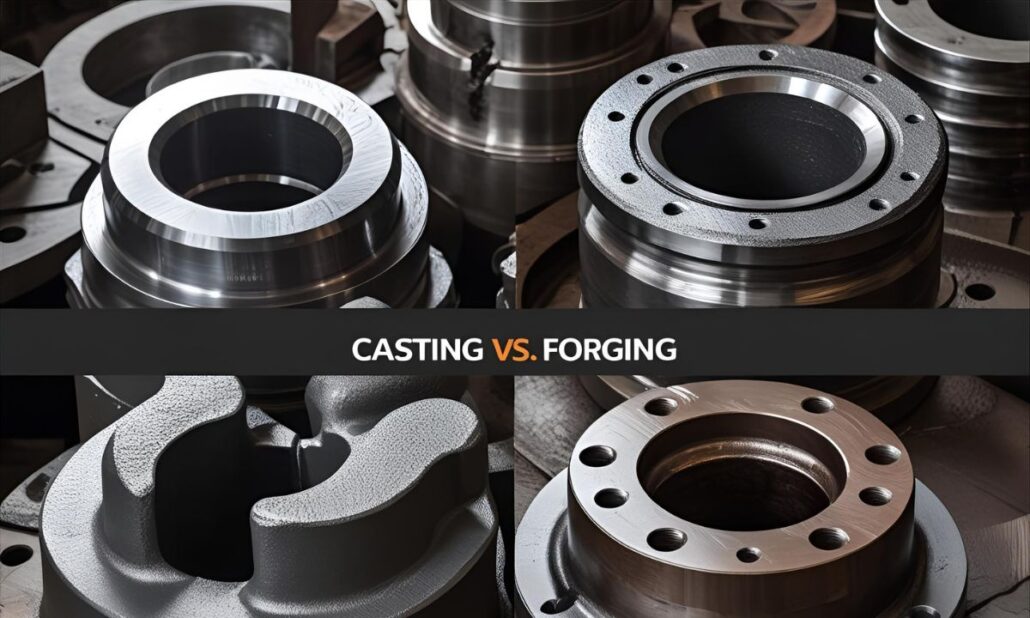
Casting and forging are two of the most commonly used metalworking methods, both of which have different applications in the manufacturing sector. Such techniques are essential in the manufacture of metal parts that diversify in automotive, aerospace, defence, and goliath machinery industries. Although both of them look to create functional parts by shaping metal, they ultimately achieve that goal in definitively different ways, creating different material properties and uses. Casting makes use of processes of melting down metal and pouring it into a mold, where it takes on a permanent shape. It is most suitable for the production of intricate and complicated shapes that would otherwise be difficult to acquire through other machinery. It works very well in mass production, particularly where large volumes of identical parts are manufactured. Casting is very flexible and can use a vast number of metals and alloys, thus casting can be used in industries where fine quality designs matter, aerospace, automotive and art. Forging, on the other hand, is a process of shaping metal through compressive forces, usually when the material is at a high temperature. This process makes the metal stronger by straightening up its grain structure, thus making the parts stronger and durable. The particular benefit of forging is that it is highly applicable in the manufacturing of parts that have to be hardened or exposed to extreme conditions, including high stresses, as in the automotive, aerospace, and defence industries. This article will discuss the main differences concerning casting and forging, the benefits and drawbacks of each, and the areas of application in modern manufacturing and what role each process holds in these processes. What is Casting? A manufacturing process preserved in casting involves pouring a liquid material, typically metallic, into a mold to set and acquire the shape of the mold cavity. It starts as the material is melted, poured into a special shape, and cooled. After this material hardens, the mold is removed, and a solid object is left, which is an almost perfect copy of the mold shape. What is Forging? Forging is a metalworking process that makes use of compressive force, with the metal typically heated to high temperatures. The metal is either beaten, pressed into shape or rolled to the required shape. Forging is commonly done at high temperatures, at which point in time the metal becomes malleable and a lot easier to work with. It is a process that is mostly employed to create robust, wearable components and is widely employed in such industries as automotive, aerospace, as well as heavy machinery. Casting Process The casting involves some major steps: Forging Process Forging is less complicated in the manufacturing process; however, one has to have greater control over temperature and pressure: The Pros of Casting and Forging Casting Advantages: Forging Advantages: Cons of Casting and Forging Casting Disadvantages: Forging Disadvantages: Casting and Forging Materials Casting Materials This casting process is a diverse process that may be conducted using a wide range of materials in relation to the needs of the application. Metals commonly used in casting are aluminum, steel, iron, bronze and brass, which are characterised by unique properties which qualify them to be utilized in various industries. As another example, aluminum is lightweight and has good resistance to corrosion, which will be ideal in automotive and aerospace markets. Steel and iron are more preferred due to their durability and strength, and are usually put to use in components of heavy machinery and industries. Bronze and brass can be seen in the use of metal when the element of strength is needed, but also the need for resistance to corrosion and appealing to the eye has to be considered, like decorative pieces or equipment on ships. Besides these common metals, casting may also entail specialized alloys, such as magnesium, zinc alloys and copper base alloys that are selected to fit certain applications because they possess specific functioning properties. An example of magnesium alloys is employed in the industries that need lightweight components, another example being the zinc alloys that might be applied in various industries where there is a need to cast certain parts that should not be vulnerable to wear and tear. Such copper alloys are dominant in electrical and plumbing works because of their high resistance to corrosion and electrical conductivity. Casting can use different metals and alloys, which means that manufacturers can modify the parts to best suit that application. Forging Materials Materials used to make forgings are usually chosen because of their strength in terms of stress and pressure-resistant properties. Steel alloys comprising carbon steel, stainless steel and tool steel are the most frequently used materials in forging. Carbon steel is strong and hard, and as a result, it is used when building structures and heavy machinery components. The advantage of stainless steel is that it cannot be easily corroded, thus it is ideal in places where parts are inhospitable, like the automotive and medical industries. Tool steel is particularly made and works well against wear and is hence applicable in tools, dies, and other parts of high-performance machines. Uses of Casting and Forging The casting and forging have more similar applications in different industries, and every type is specialized to suit the needs of the end product. The type of casting or forging is determined by strength, complexity, properties of the used material, and end use. The main applications of the processes are the following. Uses of Casting Casting has also proved to come in handy in the production of parts of complex shapes or large volumes. Some of the most important applications in industries are as follows: Uses of Forging Forging. In cases where high strength, durability and material integrity are demanded of the end product, the process is carried out by forging. These are common industries and parts in which forging is important: The Major Distinctions between Forging and Casting Although casting and forging are quite similar manufacturing techniques, it is important to realize the main peculiarities of

알루미늄 서모스탯 하우징

알루미늄 서모스탯 하우징: 엔진 부품의 정밀도와 내구성

알루미늄

알루미늄 서모스탯 하우징은 자동차 및 산업용 엔진의 효과적인 작동과 내구성을 위해 매우 중요합니다. 엔진 냉각 시스템은 심각한 엔진 손상으로 이어질 수 있는 과열 위험을 피하기 위해 엔진을 최적의 온도로 유지해야 할 필요성이 있습니다. 따라서 서모스탯 하우징과 같은 부품을 구성하는 데 사용되는 구조와 소재는 냉각 시스템의 전체 효율성에 매우 중요합니다. 알루미늄은 가벼운 무게와 강도, 뛰어난 방열 특성으로 인해 알루미늄 서모스탯 하우징이 요구되는 상황에서 인기 있는 소재로 발전해 왔습니다. 알루미늄 서모스탯 하우징은 많은 산업 분야에서 고성능의 비용 효율적인 부품을 요구함에 따라 여러 업종에서 인기를 얻고 있습니다. 오토바이, 중장비 및 선박용 엔진 알루미늄 서모스탯 하우징은 자동차 엔진에도 적용되어 고온 및 기타 요소에 대한 저항성을 입증한 소재의 가치를 누리고 있습니다. 이 글에서는 중요한 알루미늄 서모스탯 하우징의 개념, 용도, 장점, 제작 및 엔진 냉각 시스템에서의 적용에 대해 설명합니다. 또한 맞춤형 서모스탯 하우징의 옵션과 서모스탯 하우징 제조가 고품질의 오래 지속되는 부품을 제조하는 데 있어 중요한 요소인 이유에 대해서도 살펴봅니다. 알루미늄 서모스탯 하우징이란? 대부분 알루미늄으로 제작되는 서모스탯 하우징은 내연기관, 특히 자동차 엔진의 냉각 시스템에서 매우 중요한 부품입니다. 주요 역할은 엔진과 라디에이터의 냉각수 흐름을 조절하는 서모스탯을 수용하는 것입니다. 서모스탯은 엔진의 온도를 제어하여 냉각수의 온도에 따라 닫히고 열리면서 엔진의 온도를 최적의 상태로 유지합니다. 하우징은 일반적으로 가벼운 특성, 부식 방지 능력 및 열 전도성 때문에 알루미늄으로 구성됩니다. 고압 냉각수 시스템과 거친 작동 환경에 견딜 수 있도록 만들어져 몇 년이 지나도 성능이 저하되지 않습니다. 알루미늄 서모스탯 하우징은 무게가 가벼울 뿐만 아니라 내열성이 뛰어나 엔진 냉각 시스템을 적절하게 유지하는 데 매우 중요합니다. 서모스탯 하우징을 알루미늄으로 제작해야 하는 이유는 무엇인가요? 서모스탯 하우징 생산에 알루미늄을 선택하는 이유는 다음과 같은 다양한 이점이 있기 때문입니다. 가. 가볍고 강함 알루미늄의 경량 특성으로 인해 부품의 강도와 성능을 저하시키지 않으면서 무게를 줄여야 하는 자동차 부품에 이 소재가 광범위하게 사용되고 있습니다. 무게가 가벼우면 연비가 향상되어 현재 차량에서 중요한 요소입니다. b. 내식성 알루미늄은 자연적으로 부식에 영향을 받지 않으며, 이는 냉각수, 물, 화학물질에 항상 노출되는 자동차 엔진에 매우 중요합니다. 내식성이 있기 때문에 알루미늄 서모스탯의 하우징은 구조적으로 안정적이며 수명 기간 동안 안정적인 성능으로 견딜 수 있습니다. c. 열 발산 알루미늄은 훌륭한 열 전도체 역할을 해왔습니다. 엔진의 열을 멀리 방출하여 서모스탯이 최적의 온도를 유지할 수 있도록 합니다. 이러한 열에너지 전도성은 엔진 온도 조절을 돕고 엔진 부품의 파괴로 이어질 수 있는 과열을 방지합니다. 디. 비용 효율성 알루미늄은 다른 금속에 비해 저렴한 금속이므로 대량 생산 시 비용 효율적인 대안이 될 수 있습니다. 또한 가벼운 가공 및 주조가 가능하여 저렴한 생산 공정이 가능하므로 맞춤형 서모스탯 하우징 솔루션을 제공하는 데 드는 생산 비용을 절감할 수 있습니다. 알루미늄 서모스탯 하우징 소재 알루미늄 서모스탯 하우징 소재는 성능, 내구성 및 가혹한 엔진 작동 조건에 대한 저항성이 중요합니다. 일반적으로 사용되는 합성 합금은 다음과 같습니다: 1. 알루미늄 356 합금 알루미늄 356은 비교할 수 없을 정도로 주조 가능하고 견고하며 부식에 강한 금속으로 잘 알려져 있으며, 뛰어난 품질로 인해 서모스탯 하우징에 선호되는 소재입니다. 극한의 더운 기후 조건에서도 내구성이 뛰어납니다. 2. 알루미늄 6061 합금 이 합금은 중량 대비 강도 비율과 내식성이 우수하여 PMFMI 자동차 또는 산업용 맞춤형 서모스탯 하우징으로 사용하기에 적합한 특성을 가지고 있습니다. 3. 알루미늄 7075 합금 고성능 부품에 적합한 초강력 합금인 알루미늄 7075는 응력과 온도가 매우 높은 엔진의 서모스탯용 맞춤형 하우징으로 이상적입니다. 4. 합금 319 알루미늄 주조 특성이 우수한 알루미늄 319는 장기적인 내마모성을 달성해야 하는 자동차 및 산업용 엔진의 알루미늄 서모스탯 하우징에 사용됩니다. 5. 합금 5083 알루미늄 알루미늄 5083은 내식성이 우수하여 습기 및 열악한 조건으로 인한 부식 요인을 처리해야 하는 해양 산업 및 중장비 산업에서 매우 유용합니다. 이러한 소재를 사용하여 서모스탯 하우징을 제조하면 내구성이 뛰어나고 가볍고 효율적인 엔진 냉각 부품을 제작할 수 있습니다. 알루미늄 서모스탯 하우징 유형 알루미늄 서모스탯 하우징은 제조 공정, 설계 요구 사항 및 해당 엔진 애플리케이션의 특성에 따라 다양한 유형이 있습니다. 대표적인 자동차 및 산업용 소재는 다음과 같습니다: 1. 샌드 캐스팅 서모스탯 인클로저 더 크고 복잡한 부품의 제작은 일반적으로 알루미늄 서모스탯 하우징이 결정되는 항공우주 샌드 캐스팅이라는 공정을 통해 이루어집니다. 여기서 모래 주형을 서모스탯 하우징의 패턴 위에 주조하고 용융 알루미늄을 주형에 부어 부품을 만듭니다. 이 기술은 정교한 패턴과 소량에서 중간 정도의 생산량을 제조하는 데 가장 적합합니다. 2. 다이캐스트 서모스탯 하우징 다이캐스팅에서는 용융 알루미늄을 강철 주형에 반복적으로 강제로 주입하여 일반적으로 정확한 치수와 매끄러운 표면 마감의 알루미늄 서모스탯 하우징을 형성합니다. 이 공정은 대량 생산에 가장 적합하며 일반적으로 구체적이고 엄격한 허용 오차와 균일성을 충족해야 하는 경우에 사용됩니다. 3. 서모 스탯 하우징 영구 금형 주조 퍼미언트 금형 주조는 서모 스탯 하우징 생산에 금속 금형을 사용하며이 형태로 제조 된 부품은 매우 중요합니다.

주조 알루미늄

주조 알루미늄이란? 현대 제조에 사용되는 다용도 금속

알루미늄, 알루미늄 주조

알루미늄 주조는 현대 제조업에서 가장 적응력이 뛰어나고 일반적인 재료 중 하나입니다. 알루미늄을 녹여 금형에 부어 원하는 모양을 만드는 데 사용되며, 이 과정에서 다른 기술로는 제작하기 어려운 복잡하고 정교한 부품을 만들 수 있어 상대적으로 저렴한 비용으로 많은 양의 부품을 생산할 수 있습니다. 주조 알루미늄 제품은 자동차 엔진 부품, 항공우주, 커피 포트, 조리기구, 심지어 가정용에 이르기까지 다양한 용도로 그 가치를 인정받고 있습니다. 놀라운 무중력성과 함께 부식에 대한 강도와 저항성, 우수한 열전도율로 인해 다양한 산업 분야에서 최고의 공급업체로 인정받고 있습니다. 또한 주조 알루미늄은 제조업체에게 많은 설계 유연성을 제공하여 많은 재료를 사용하지 않고도 성능을 최적화할 수 있는 복잡한 형상을 만들 수 있습니다. 또한 주조 공정은 매우 효율적이고 경제적으로 실행 가능하며, 특히 부품 대량 생산이 필요한 경우 더욱 그렇습니다. 또한 알루미늄은 재활용이 쉬운 금속 범주 중 하나이기 때문에 생산에 드는 환경 비용을 줄일 수 있습니다. 주조 알루미늄은 많은 장점을 가지고 있지만 단조 알루미늄에 비해 부서지기 쉽고 용접이 어렵다는 단점도 있습니다. 특정 용도에 맞게 주조 알루미늄을 선택할 때는 이러한 요소를 고려해야 합니다. 이 글에서는 현대 세계에서 가장 흔한 물질 중 하나인 주조 알루미늄의 특성, 장점 및 응용 분야에 대한 폭넓은 관점을 제공합니다. 주조 알루미늄이란? 주조 알루미늄은 매우 액체 상태의 알루미늄을 제품을 형성하는 모양으로 다시 성형한 것입니다. 이 공정, 즉 주조는 매우 오래된 제조 공정으로 오늘날의 관행에 맞게 변형된 것입니다. 압연 공정이나 압출을 통해 주조하는 단조 알루미늄과 달리 알루미늄을 용융 금속으로 금형에 부은 후 굳히기만 하면 됩니다. 주조는 액체로 시작하기 때문에 기계 가공이나 단조로는 쉽게 만들 수 없거나 비용이 많이 드는 복잡하고 속이 빈 3차원 형상도 만들 수 있습니다. 이러한 다용도성 덕분에 주조 알루미늄 제품은 엔진 부품, 전자 장비, 조리기구 등 다양한 제품군에 걸쳐 널리 사용되고 있습니다. 간단한 주조 알루미늄 구성 대부분의 경우 알루미늄은 순수한 알루미늄이 아닙니다. 대신 합금, 즉 강도나 유동성 또는 두 가지 모두를 향상시키기 위해 알루미늄과 다른 재료를 혼합한 것입니다. 합금의 가장 빈번한 측면은 용도에 따라 조합이 달라진다는 것입니다. 예를 들어, 자동차 부품과 같은 고온 장비에는 열전도율과 내식성이 높은 합금을 사용하고, 조리기구에는 열 성능과 내마모성이 높은 실리콘-알루미늄 함량이 높은 합금을 사용합니다. 주조 알루미늄의 역사와 발전 금속 주조는 초기 사회에서 청동과 주철을 주조하여 도구와 무기를 생산한 것으로 알려진 이래 수천 년의 역사를 가지고 있습니다. 알루미늄은 19세기 초까지 추출되지 않았으며, 19세기 후반에 홀-헤울트 공법이 개발되기 전까지는 알루미늄을 추출하는 것이 비경제적이었습니다. 알루미늄 주조는 20세기 초에 이르러 항공 및 조리기구 산업의 공정 중 하나가 되었습니다. 제2차 세계대전 당시에는 무게 대비 강도가 높아 비행기에 가장 적합했기 때문에 알루미늄 수요가 가장 많았습니다. 전쟁 이후 알루미늄 주조는 소비재, 자동차 제조 및 건축 분야에서 더 많은 상업적 용도로 사용되었으며 금형, 야금 및 주조의 설계 엔지니어링의 발전으로 인해 주조 알루미늄은 오늘날 생산의 일부가 되었습니다. 주조 알루미늄의 공정 주조 알루미늄은 녹은 알루미늄을 특정 모양의 형태로 사용할 수 있는 부품으로 만들기 위해 여러 주요 단계를 거쳐야 하는 공정입니다. 공정에 대한 기본적인 설명은 다음과 같이 진행됩니다. 금형 준비 주조의 초기 절차는 용융된 알루미늄을 주조할 금형을 만드는 것입니다. 주조 방법에 따라 금형은 모래, 금속 또는 세라믹 등의 재료로 구성될 수 있습니다. 또한 알루미늄이 올바른 모양으로 굳을 수 있도록 원하는 모양을 갖도록 좋은 금형을 설계합니다. 2. 알루미늄 녹이기 금형이 준비되면 알루미늄 조각이나 알루미늄 잉곳을 용광로에 넣고 660~750°C(1220~1382°F)의 온도 범위에서 녹입니다. 용융된 알루미늄은 적절한 주입 온도와 품질을 얻기 위해 지속적으로 관찰됩니다. 3. 용융 알루미늄을 금형에 붓기 용융 알루미늄을 금형 캐비티에 붓고 나면 용융 금속을 금형 캐비티에 붓습니다. 주조의 종류에 따라 다이캐스팅, 샌드캐스팅, 인베스트먼트 주조 등 다양한 방법으로 부어 넣습니다. 다이캐스팅은 용융 알루미늄을 압력 하에서 주입하는 반면, 다른 기술에서는 용융 알루미늄을 금형에 붓고 식히기만 하면 됩니다. 4. 냉각 및 응고 구축 및 감독: 부품이 너무 두껍거나 복잡하면 냉각하는 데 시간이 오래 걸립니다. 이 단계에서 녹아내린 알루미늄은 필요한 모양으로 냉각되고 내부 압력을 배출합니다. 5. 설치 및 검사 알루미늄이 식고 굳으면 금형이 풀리고 주조 부품이 남게 됩니다. 경우에 따라 금형 조각을 부수어 분리하기도 하고, 특히 모래 주조와 다이캐스팅, 금형 개방 및 부품 배출과 같은 다른 기술을 사용하여 분리하기도 합니다. 6. 마감 및 검사 부품을 절단한 후에는 일반적으로 표면을 매끄럽게 하거나 더 정밀한 공차를 얻기 위해 연삭, 연마, 기계 가공 등의 마감 작업을 통해 추가 가공을 진행합니다. 그런 다음 부품을 검사합니다.

주조 알루미늄 조리기구란?

주조 알루미늄 조리기구란 무엇인가요?

알루미늄

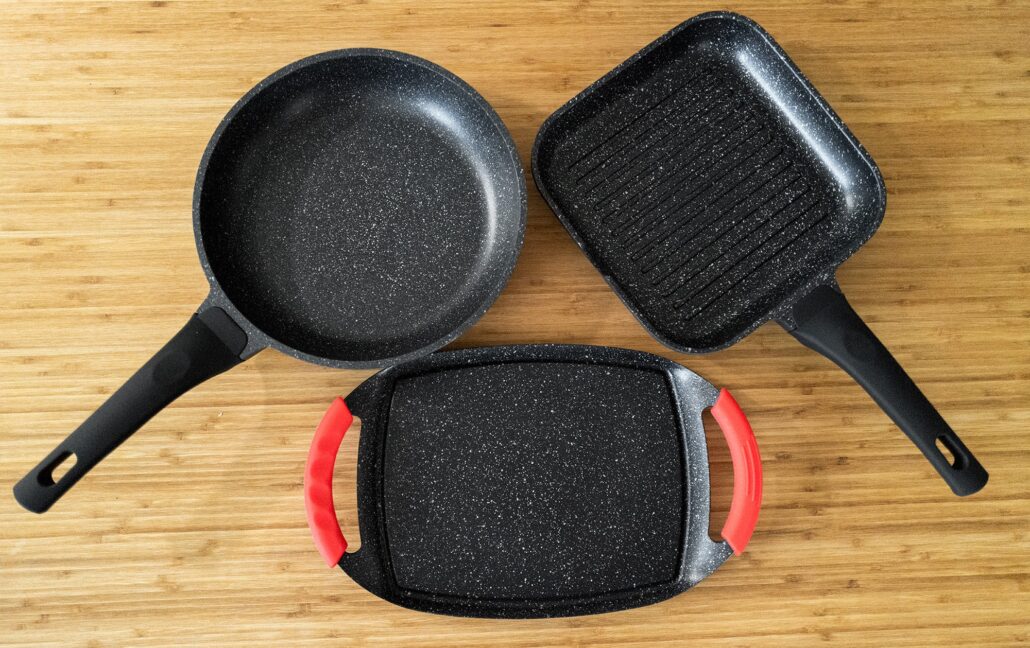
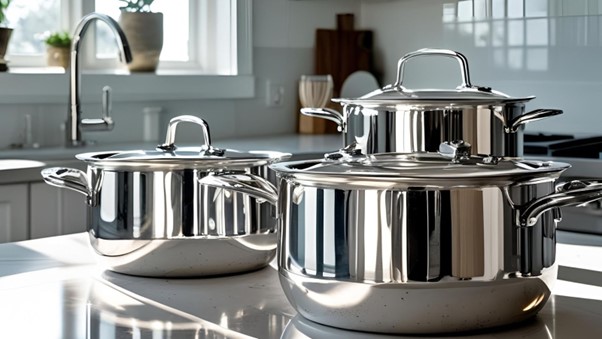
주조 알루미늄 조리기구는 가정 요리사와 전문 요리사가 자주 사용하며 내구성이 뛰어나고 가벼우면서 동시에 열 분포가 높기 때문에 유명하고 높이 평가됩니다. 주조 알루미늄 조리기구는 용융 알루미늄을 몰딩에 부어 제조되며, 이러한 조리기구의 주요 목표는 고르게 가열하고 뒤틀리지 않아야 하며 오래 사용할 수 있어야 한다는 것입니다. 튀김과 볶음, 베이킹 및 로스팅과 같은 대부분의 요리 방법에 적용 할 수 있기 때문에 주방에서 다목적 요소가되었으며 주조 알루미늄 조리기구의 가장 주목할만한 장점 중 하나는 빠르고 균등하게 예열된다는 사실입니다. 주조 알루미늄 조리기구는 스탬핑 알루미늄과 같은 얇은 조리기구보다 두껍기 때문에 균일 한 조리 온도를 유지하기 위해 좋은 두께를 가지고 있다고 할 수 있습니다. 또한 일반적으로 붙지 않는 층을 가지도록 제조되어 기름 사용량을 줄이고 청소가 더 쉬워지며 시간이 지남에 따라 주조 알루미늄 조리기구 제조업체는 새로운 재료, 환경 친화적 인 코팅 및 기타 비 스틱 기술을 통해 발전하고 예외적으로 발전해 왔습니다. 이러한 발전으로 인해 주물 냄비는 더욱 인기를 얻고 있으며, 고객들에게 보다 효율적이고 건강하며 지속 가능한 요리 과정을 제공하고 있습니다. 친구를 초대하거나 간단한 식사를 준비 중이거나 복잡한 식사를 준비 중일 때 주조 알루미늄 조리기구는 그 성능이 신뢰할 수 있고 현대 주방의 요구 사항과 함께 작동하기 때문에 작업을 수행하는 데 편리합니다. 주조 알루미늄 조리기구의 이해 주조 알루미늄 조리기구는 용융 알루미늄을 금형에 부어 현지에서 제조한 냄비, 프라이팬, 프라이팬 및 기타 주방 장비를 말합니다. 주조 조리기구는 구조가 매우 견고하기 때문에 일반 알루미늄에 비해 상당히 강합니다. 스탬핑 알루미늄(얇은 시트에 제조)에 비해 주조 알루미늄 조리기구는 훨씬 더 두껍기 때문에 열 유지 및 분배가 더 뛰어납니다. 시간이 지남에 따라 휘어지는 문제는 얇은 소재에서 흔히 발생하는 문제이기 때문에 사람들이 주조 알루미늄 조리기구를 선호하는 주요 요인 중 하나입니다. 또한 조리 온도를 균일하게 유지하여 다양한 요리를 조리해도 비슷한 결과를 얻을 수 있습니다. 다이캐스트 알루미늄 조리기구 다이캐스트 알루미늄 조리기구는 다이캐스팅 공정을 거친 알루미늄을 사용합니다. 이 공정은 용융 및 가압된 알루미늄을 캐비티에 붓는 방식으로 이루어집니다. 이렇게 하면 조리기구의 모양과 두께를 정확하게 제어할 수 있습니다. 다이캐스트 알루미늄 조리기구는 일반적으로 세련된 질감과 매끄러운 표면을 가지고 있기 때문에 일반 주조 알루미늄에 비해 더 정교하며 다이캐스트 알루미늄 조리기구의 장점은 주철과 같은 다른 재료만큼 무겁지 않다는 것입니다. 이것은 요리하고 청소할 때 더 편리하므로 특히 품질이 좋지만 무겁지 않은 조리기구가 필요할 때 요리 선택에 이상적이며 다이 캐스트 알루미늄 조리기구의 또 다른 속성은 다재다능하다는 것입니다. 튀김, 베이킹 및 끓이기와 같은 많은 절차에 적용됩니다. 또한 일반적으로 붙지 않는 코팅이 추가되어 사용과 청소가 쉽습니다. 하지만 논스틱 코팅은 세심하게 관리하지 않으면 시간이 지남에 따라 마모될 수 있다는 점을 염두에 두어야 합니다. 쿡웨어란 무엇인가요? 쿡웨어는 음식을 조리하는 데 사용되는 다양한 종류의 냄비, 프라이팬 및 기타 조리 도구로 정의할 수 있습니다. 이러한 조리기구는 스테인리스 스틸, 알루미늄, 주철, 세라믹, 논스틱 커버, 구리 등의 재질로 제작되는 경우가 많습니다. 조리기구의 주요 목적은 끓이기, 튀기기, 볶기, 굽기, 굽기 등 다양한 방법을 사용하여 식재료를 준비하고 조리하는 데 도움을 주는 것입니다. 조리기구의 종류: 1. 냄비와 프라이팬: 요리는 가장 기본적인 두 가지 냄비를 사용해 조리합니다. 프라이팬, 냄비, 스톡팬, 소테팬 등 다양한 모양과 크기의 냄비가 있습니다.2. 베이킹 접시: 이 카테고리에는 베이킹에만 사용되는 트레이, 파이 접시, 케이크 팬이 포함됩니다.3. 특수 조리기구: 웍, 그릴, 더치 오븐 및 압력솥입니다. 조리기구에 사용되는 재료 주조 알루미늄 조리기구 제조 과정 주조 알루미늄 조리기구 제조는 알루미늄 용융, 성형, 마감 및 코팅을 포함한 다음 단계로 구성됩니다. 주조 알루미늄 조리기구 제조 절차는 아래에 가능한 한 많은 단계로 설명되어 있습니다: 1. 알루미늄 녹이기 알루미늄 금속을 녹여 준비해야 하며, 이는 주조 알루미늄 조리기구 생산의 첫 번째 단계입니다. 모래, 금속 또는 세라믹은 이러한 종류의 주형을 구성하는 대표적인 재료입니다. 온도 조절은 알루미늄이 주조하기에 적합한 점도에 도달할 수 있도록 정확하게 이루어집니다. 2. 금형 준비하기 알루미늄이 녹은 후에는 원하는 형태의 조리기구로 성형하기 위한 성형이 시작됩니다. 알루미늄은 알루미늄 형태로 부어집니다. 주조 알루미늄 자체를 사용하는 경우 금형은 종종 모래 주조되며 개별 조리기구(프라이팬, 냄비, 프라이팬 등)를 만들도록 특별히 설계되며, 금형이 준비되면 용융 알루미늄을 금형 구멍에 부어 넣어야 합니다. 이 함몰부는 생산할 조리기구의 형태를 취합니다. 금속 몰드: 재사용이 가능하고 더 높은 온도에서 열을 유지할 수 있는 금속 몰드가 있습니다. 3. 녹은 알루미늄 붓기 알루미늄을 금형에 붓고 나면 식힙니다. 액체 금속이 금형의 모든 영역에 추가되고 조리기구의 형태를 갖추게 됩니다. 이 붓는 과정은 조리기구의 모양이 적절하고 완벽하게 형성되도록 정확해야하며,이 단계에서 알루미늄을 금형에 붓는 것은 수동 또는 자동으로 수행됩니다 (

아노다이징 알루미늄: 공정 및 다양한 이점 이해

아노다이징 알루미늄: 공정 및 다양한 이점 이해

알루미늄

양극산화 알루미늄은 알루미늄 고유의 산화물 층을 발전시키는 전기화학 공정을 통해 형성되는 매우 탄력 있고 부식에 강한 소재입니다. 이는 알루미늄을 황산과 같은 전해질에 담그고 전류를 흘려보내면 이루어집니다. 이렇게 하면 알루미늄 산화물이 더 두꺼워지고 단순히 재료 표면이 아닌 재료 내부에 결합하게 됩니다. 아노다이징 처리된 알루미늄은 더 강하고 마모와 부식에 강하며 혹독한 기후 조건에서도 견딜 수 있으며, 아노다이징 처리 과정에서 알루미늄을 사용할 수 있는 일부 특성이 향상되고 이 외에도 심미적으로 맞춤화할 수 있습니다. 아노다이징으로 형성된 다공성 산화물 층에 염료가 흡수되어 선명하고 안정적인 색상을 얻을 수 있습니다. 이러한 특성 덕분에 건축, 자동차, 가전제품 등 내구성과 미관의 균형을 맞춰야 하는 분야에서 아노다이징 알루미늄을 사용할 수 있으며, 내식성은 아노다이징 알루미늄의 가장 큰 장점 중 하나입니다. 이 산화 알루미늄 층은 습기, 염분 및 화학 물질로부터 알루미늄을 보호하므로 실외 조건은 물론 해양 조건에서도 가장 잘 작동합니다. 또한 아노다이징 처리된 알루미늄은 내마모성이 뛰어나 자동차 부품, 산업용 공구, 주방용품 등 마모에 노출되는 제품에서 오래 사용할 수 있도록 설계되었습니다. 아노다이징이란? 알루미늄의 천연 산화물 층을 두껍게 만드는 공정을 아노다이징이라고 하며, 전기 화학적 공정입니다. 알루미늄을 전해질 용액(일반적으로 황산 용액)에 넣고 전류를 가하면 부식에 강한 마감 처리가 이루어집니다. 이 과정을 통해 금속의 강도와 내마모성이 향상될 뿐만 아니라 색상 염색이 가능해집니다. 최종 제품은 양극산화 처리된 알루미늄으로, 처리되지 않은 알루미늄보다 더 강하고 오래 지속됩니다. 양극산화 알루미늄이란? 양극산화 알루미늄은 양극산화 처리 공정을 통해 이미 가공된 알루미늄을 의미합니다. 이는 두꺼운 저항성 산화물 층을 형성하여 알루미늄의 표면을 변화시킴으로써 이루어집니다. 일반 코팅은 표면에만 코팅이 되어 있고 양극 산화 처리된 알루미늄에 형성된 산화물 층은 알루미늄 자체의 일부가 됩니다. 그 결과 내구성이 뛰어나고 부식에 강하며 긁힘에 강한 소재가 됩니다. 일반적인 아노다이징 공정에서는 알루미늄 현탁액을 황산인 전해액에 넣고 전류를 흘려보내는 과정을 거칩니다. 그 결과 금속 표면에 산화 알루미늄이 형성됩니다. 산화물 층은 다양할 수 있으며, 다른 상황에서는 공정에 염료를 추가하여 유색 산화물을 얻을 수 있습니다. 양극산화 알루미늄의 주요 파라미터는 다음과 같습니다: 양극산화 알루미늄은 생산 방법에 따라 항공우주, 자동차, 건축 및 전자 산업에서 매우 일반적이며 강도, 기능성 및 미학의 시너지 효과를 제공합니다. 아노다이징 알루미늄은 고성능 부품, 장식용 알루미늄 애플리케이션 또는 극한의 환경에 노출되는 제품에 사용되어 실용적이고 심미적인 이점을 제공합니다. 알루미늄 아노다이징 아노다이징 공정: 알루미늄 표면을 매우 강하고 부식에 강한 산화물 층으로 변환하는 전기 화학적 마감 처리 방법입니다. 이 공정에는 수많은 중요한 단계가 포함되며, 이러한 모든 단계는 기능적 및 미적 요구 측면에서 완제품에 기여합니다. 다음은 알루미늄 아노다이징 공정의 개요입니다: 1단계: 알루미늄 준비 알루미늄을 준비하는 과정에서 다음과 같은 조치를 취할 수 있습니다: 먼저 아노다이징 전에 알루미늄을 세척하여 먼지, 기름 또는 오염 물질을 제거합니다. 일반적으로 알칼리성 용액이나 화학 세정제를 사용하여 이 작업을 수행할 수 있습니다. 불순물이 아노다이징에 닿으면 산화막의 품질에 문제가 생길 수 있으므로 표면을 깨끗하게 청소하는 것이 중요합니다. 2단계: 전해조 청소 후 알루미늄을 황산과 같은 전해 용액에 담그고 전류를 흘려보냅니다. 이 전기 화학 반응의 결과는 알루미늄의 산화이며, 단단한 산화물 층이 이 요소의 표면을 덮고 그 위에 두꺼운 보호 층을 형성하여 알루미늄이 산화됩니다. 수조 내 전압, 온도 및 지속 시간에 따라 산화물 층의 두께가 결정됩니다. 3단계: 검사 이 단계에서는 양극 산화 처리된 알루미늄을 컬러 안료로 염색하여 색상을 확인할 수 있습니다. 염료가 다공성 산화물 층에 흡수되어 아름다운 색상을 형성합니다. 염료는 알루미늄 표면이 양극 산화 처리된 후에 사용할 수 있으며, 색상이 산화막에 내장되어 오래 지속되고 변색되지 않습니다. 4단계: 밀봉 아노다이징 및 염색 후 컬러 알루미늄을 밀봉하여 산화물 층의 기공을 밀봉합니다. 이는 내식성을 높이고 색상을 유지하는 데 매우 중요합니다. 이 과정에는 니켈 아세테이트 또는 끓는 물 실란트가 사용됩니다. 이 재료는 밀봉 시에도 내구성이 뛰어나 다양한 용도로 사용할 수 있습니다. 5단계: 검사 알루미늄의 품질 검사는 아노다이징, 착색 및 밀봉 공정이 완료되고 고품질 부품이 완성된 후에 이루어집니다. 이 검사에서는 산화물 층의 두께, 색상 및 전체적인 마감의 균일성을 확인합니다. 결함이나 불일치가 발견되면 이를 해결한 후 알루미늄을 출고하여 만족스러운 용도로 사용할 수 있도록 합니다. 아노다이징 알루미늄의 종류 아노다이징 알루미늄은 필요한 용도에 따라 다양한 종류가 있습니다. 대부분의 변형은 양극 산화 처리된 층의 두께, 마감 및 구현되는 전해 공정에 따라 달라집니다. 양극산화 처리된 알루미늄의 주요 형태는 다음과 같습니다: 1. 유형 I: 슐체 크롬산 아노다이징 알루미늄 아노다이징에서 가장 오래된 기술 중 하나는 크롬산 아노다이징 기술입니다. 여기서 크롬산 욕조

주조 알루미늄 베이킹웨어

주조 알루미늄 베이크웨어가 더 잘 가열되고 더 오래 지속되는 이유는 무엇인가요?

알루미늄 주조

Due to the features of lightweight, strength, and dense heat distribution, cast aluminum bakeware has been getting popular among bakers, especially with those who want first-rate and durable products. Cast aluminum is the right balance of performance and effortless use, unlike other traditional bakeware materials such as cast iron and stainless steel. It is cast in molten aluminum molds and comes out as one strong, durable and convenient to use even to an amateur baker. Cast aluminum has excellent heat conductivity, which guarantees even cooking of edibles, especially baked goods, to prevent overcooking and non-uniform browning. The great one among the benefits of cast aluminum bakeware is the consistency of temperature, which is the key element of impeccable baking. It heats faster than others; therefore, it is available sooner, and its light weight makes it easier to handle around the kitchen. Most pieces of aluminum bakeware that are cast also possess a non-stick coating, which makes the release of food even easier and the after-baking clean up much easier. Cast aluminum bakeware also provides greater durability and strength with resistance to warping as compared to glass and stainless steel. Although cast iron is unparalleled in heat retention, cast aluminum has close to the same amount of heat distribution but with less weight. Cast Aluminum bakeware has been of great favourite among professional bakers, and also among people cooking at home, all because of the desire to have effective and durable baking tools. What is cast aluminum bakeware? Based on the bakeware molding method, casting aluminum, this is produced through the use of molten aluminum poured into already prepared molds to produce baking trays, cake moulds, pie dishes and various other cooking necessities. The process makes the bakeware strong but light in weight, such that there is efficient handling of the bakeware during baking and during serving. Among the best features of the so-called cast aluminum bakeware is its even heat-conducting properties. This implies that baked products like cakes, cookies and breads are well-cooked with no hot areas or burned sides. There are additional advantages to the speed at which the metal heats and cools off, which in turn saves some time in cooking, and this is a plus to busy bakers. The material is so strong and does not rust or corrode easily, hence this would make it last longer in the kitchen. In addition, it does not involve a lot of maintenance and wear and tear as compared to some of the other materials that will wear with time, as there will be a lot of usage. Advantages of Cast aluminum Bakeware 1. Durability Bakeware is made of cast aluminum, so it lasts a long time. The aluminum is almost immune to wear and tear, i.e. it will not crack or warp with frequent usage. Your bakeware will last even if you are using it on a daily basis or irregularly. 2. Uniform Distribution of heat Among the most striking properties of the term cast aluminum bakeware is that it transfers the heat all over the surface. This reduces inconsistent baking, as the end product is regular in texture and color. It is ideal among bakers who aspire to bring consistency in performance. 3. Lightweight The cast aluminum bakeware is much lighter as compared to other bulkier materials, such as cast iron and therefore easy to handle. The heavy-duty baking trays or cake pans can be lifted, transferred, and stored very easily, and that is ideal for any baker, whether they are professional or not. 4. Non-stick Properties Also, most products of the “cast aluminum bakeware” are equipped with a non-stick coating, which makes them even more convenient to use. The presence of this feature will make it easy to cook baked goods; therefore, less oil or spray will be used. It also makes cleanup effortless since there is little residue that stays after baking. 5. Corrosion Resistance Contrary to most metals, cast aluminum bakeware does not easily rust. It does not corrode, and therefore it is the ideal material to use when one wants to use it in the long term. This aspect comes in handy particularly in areas that experience different degrees of humidity and temperature. Cast aluminum bakeware: Making Process Manufacturing of cast aluminum bakeware entails careful and very consistent production devised to maintain quality and performance. The most important ones are: 1. Die Casting Die casting will be the first stage of the process, i.e. molten aluminum will be injected into steel molds at high pressure. This technique is a way of ensuring that the bakeware is shaped and molded in a very accurate and consistent manner. The molten metal enters all the mold cavity spaces, resulting in complex shapes and minute details of the various bakeware, including cake pans, muffin trays, and loaf pans. 1. Solidification and Cooling After the molten aluminum has been injected into the mold, it is left to cool and harden. The cooling is also regulated so as to have the desired properties of the aluminum, like strength and heat resistance. As the bakeware hardens, it slowly assumes its final form, and it normally requires only a few minutes to some hours, depending on how thick and elaborate the shape is. 2. Ejection and Inspection Once the aluminum pieces have cooled completely, they are removed and the mould is opened, releasing the cast aluminum bakeware. The second procedure consists of a complete inspection of the defect, such as the presence of air bubbles and cracks, or the presence of roughness. Any bakeware that is flawed is either repaired or discarded, and only good-quality bakeware would be passed further into the production process. 3. Surface Finishing After the inspection is over, the bakeware is provided with surface finishing treatments. These may involve such things as anodizing, making the surface rougher to resist corrosion and abrasion, or coating it with non-stick material so that it is easier to release baked goods and to clean up after baking. The finishing on the

콜드 챔버 다이 캐스팅

콜드 챔버 다이캐스팅 기술의 최신 동향

다이 캐스팅, 다이캐스팅 제조업체, 다이캐스팅 부품

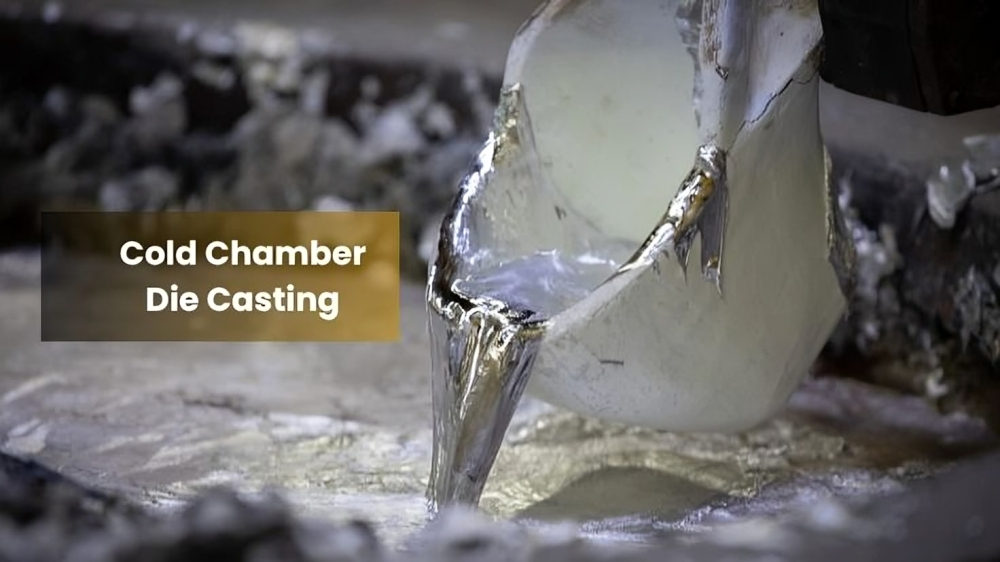
Cold Chamber Die Casting is a precision type of manufacturing technique applied in the manufacture of complicated metal components characterized by high levels of strength and precision. This process can best be used in metals having a high threshold of the melting point, like aluminum, brass, and copper alloys. Cold chamber die casting systems are not placed into molten metal like a hot chamber die casting system; instead, the metal is put into the cold chamber die casting machine by manually ladling metal into the cold chamber die casting machine after it is melted in another furnace. The arrangement wears less on the machine and uses alloys that are tougher. Among the important factors that make companies opt to use this method are the special cold chamber die casting advantages and disadvantages. It has top dimensional accuracy, smooth surface finishes, as well as long cycle times. Nevertheless, its strength and durability of the constituents are its favorites in the automotive, aerospace, and electronic markets. The difference between hot and cold chamber die casting is crucial to make the right choice of the process. Hot chamber die casting is more rapid and applied to metals of low-melting point, such as zinc, whereas the cold chamber die casting system is designed to handle higher temperatures and stronger metals. Manufacturers will also be able to manufacture long-lasting and reliable parts with this process that have a high degree of precision in their specifications. In the present article, we are going to discuss the principle of operation of cold chamber die casting, its main parts, the nature of the metal employed, and technological parameters of cold chamber die casting, including clamping force and cycle time. The cold chamber die casting advantages and disadvantages will also be considered to provide you with a full picture of this important manufacturing process. What is the Cold Chamber Die Casting? Cold Chamber Die Casting: A cold chamber die casting process is a metal casting process where molten metal is ladled either manually or automatically into a separate cold chamber outside the injection system. Thereafter, the metal is pushed with high pressure into a mold cavity, which causes the metal to cool and crystallize in the desired shape. It is usually applied to metal with a large melting point, like brass, aluminum, and copper alloys. The purpose of avoiding corrosion and thermal fatigue that can result in improper working of components of the injection system, unlike in the hot chamber die casting process, where the injection mechanism is suspended in molten metal, the cold chamber process keeps the injection facilities segregated. The application of the practice of the latter, i.e., Cold Chamber Die Casting, is especially advantageous, where the metals used would harm the components, contacting them. High pressure can be used in the injection process itself, and denser, stronger components with a brilliant surface finish and dimensional stability would be possible. Die Casting Process- Step by Step The object of the Cold Chamber Die Casting technique is to make highly accurate and hard metal parts that are frequently composed of alloys that have melt-points that are at high temperatures, such as aluminum and brass. Let us have a step-by-step breakdown of how it works: 1. The External Furnace is used to melt the Metal The process is similar to that of hot chamber casting except that the melting of metal is done in a separate furnace outside. This is required in that the molten metal in the cold chamber casting will cause a high level of heat to be experienced internally that cannot be handled. The metal is melted, after which it is able to be transferred into the casting machine. 2. Pouring the molten metal into the Shot Sleeve Thereafter, the molten metal is ladled into the shot sleeve in the die casting machine. This is manually done or arm-driven. The shot sleeve is a strong, resistant to heat tube into which the metal rests and is later injected. This should be taken very fast to prevent premature solidification. 3. Plunger forces the metal into the die. A steel plunger travels into the shot sleeve and presses the molten metal at high pressure in the die cavities. The force makes sure that the metal fills the mold even in any complicated pattern or with a very thin wall, and decreases the chances of any flaws, such as air pockets. 4. There is the Solidification of Metal within the Die When the mold is filled, the metal starts cooling and solidifying within the die. This solidification step is very important in coming up with a good and precise part. The cooling time is dependent on the part metal, part thickness, and die temperature. 5. The Brass Die and Ejector Pins Force-Out the Casting When the part has solidified, the clamping unit of the machine opens the die, and ejection pins force the casting out of the mold cavity. The portion is then moved to a cooler station or a trimming station. 6. Removal of Flash (Removal of Excess Metal) There is some over metal on the sides called flash that is around the edges of the casting where the halves of the die come together. This is then removed by mechanical trimming, grinding, or machining, depending on what the finish requires. This will prevent the final works from being below the intended shape and tolerance. 7. Die cycle reset and Lubrication The die is washed and greased before entering the next cycle in order to be of good quality and avoid sticking. When the oiling is done, the die is again clamped, and the machine is switched to reset for more cycles. 8. Quality Inspection and finishing This is a complete part that is checked to ensure quality defects do not exist, like cracks, shrinkage, or abnormalities on the surface. Depending on the end-use requirement of the part, it can be subjected to additional machining, surface treatment, or assembled (if required). Metals to be used in the

핫 챔버 다이 캐스팅

핫 챔버 다이 캐스팅: 중요한 제조 공정에 대한 심층 분석

다이 캐스팅

Hot Chamber Die Casting is a very effective manufacturing process which is used very widely to produce metal parts to very high precision and an excellent finish on the surface. It is particularly suitable for casting metals with low melting points like zinc, magnesium and some alloys containing lead. It is typified by the fact that the injection system is immersed in molten metal, and so, high-speed cycle times and economy of mass manufacturing are possible. One similar place of comparison always pops up when the castings are considered regarding cold chamber die casting versus hot chamber. Although they are both variations of pressure die casting, they differ so much in terms of design, applications, and compatibility of materials used. An example is the hot chamber die casting, which is high-speed die casting where the furnace has been replaced with a machine. That comes with the limitation of the lower-melting-point metals. Conversely, the cold chamber type of machines is more aptly used with those liquids of a high melting point, such as aluminium and brass, since the hot metal does not come in direct contact with the equipment. Hot Chamber Die Casting process is characterised by minimal waste of material, low costs of labour, and complex shapes manufacture with high tolerances. It is popular in such industries as automotive, electronics, plumbing and consumer products. Nevertheless, the decision on whether to use cold chamber die casting or hot chamber is also dependent on the type of material used and the part design aspect. The article examines the important details of Hot Chamber Die Casting, its parts, materials, process description, constraints, and reasons as to why it is an essential process in the contemporary manufacturing industry. What is Hot Chamber Die Casting? Hot Chamber Die Casting is a metal casting technique where the molten metal is injected into a mould cavity at high pressure. The unique part of the given method is where the injection mechanism is placed: It goes directly to the molten metal. Cycle times and production efficiency are high with this setup, especially in metals of low melting point like zinc, magnesium and some lead alloys. Hot chamber. The name describes the system’s hot chamber as the injection mechanism (a plunger and gooseneck) is in constant contact (filled) with the molten metal area. As the plunger descends, it compresses the molten metal through the gooseneck and into the die cavity. As the metal sets, the mould opens, and the part is ejected, and this process is repeated innumerable times. Hot Chamber Die Casting Process Hot Chamber Die Casting Process is a process of high-precision and speed manufacturing technology utilised in the manufacture of metal parts, where the accuracy of the tool is very important, with great surface finishing. It is most appropriate in the alloys of low melting points; zinc, magnesium, and lead are examples of low melting point alloys. Its main characteristics are short cycle times and great material efficiency. The process is extensive in the manufacturing of a variety of products mainly found in the automotive, electronic, appliance, and hardware industry because of its capability to create complicated ends easily at an affordable per-piece price. The hot chamber die casting process is listed below in a stepwise manner: Hot Chamber Die Casting Process- Step by Step Overview 1. The Metal is melted It starts with the molten moulding of the metal (which is usually zinc or magnesium), in an incorporated furnace of the die casting machine. The molten metal is kept at a constant temperature within the metal pot that is directly connected to the casting machine. This unending heat provision ensures that the casting processes are continuous. 2. The process of filling the Injection System In hot chamber systems, there is a portion of the molten metal with a part of a component known as the gooseneck submerged. The plunger, which runs inside the cylinder of injection, is pulled backwards to a position where the molten metal may gush down to the gooseneck into the inlet hole of injection. The next step will involve injecting this metal into the die cavity. 3. Molten Metal injection When the gooseneck is filled, the plunger is either pushed forward by hydraulic or pneumatic pressure, which forces the molten metal through the gooseneck channel into the mould cavity (also called the die). This is done at a high rate and pressure to make sure that the cavity is totally filled before the metal begins to harden. 4. Casting and solidifying in the mould This hot metal in the die is quickly cooled down by the comparatively cold steel of the mould. Solidification takes several seconds, based on the size and complexity of the part. In this step, die cooling channels assist in the removal of heat to ensure that the cycle speed is not reduced and defects such as shrinkage or porosity are avoided. 5. Ejecting and opening of the mould Once the metal has been solidified, the die halves are opened. The ejector system is placed on the movable half of the mould, and it operates under force via the use of ejector pins and forces the completed casting out of the cavity. It is ensured that the part can come out without being damaged during ejection. 6. Secondary operation and Trimming After it is ejected, the piece might contain an extra material called flash, runners or sprues. These are either hand-trimmed or auto-trimmed. The part can be processed further depending on the application, like surface finishing, machining or coating. 7. Repeat Cycle The machine clears and cleans up to be used again. Hot chamber die casting is characterised by having such a quick cycle time, sometimes creating a few finished parts in just 10 to 20seconds according to the complexity and size of the part. Cycle Time and Efficiency The speed is the greatest advantage of the process of hot chamber process. Hot chamber machines. Unlike cold chamber die casting, where the metal has to be ladled

위로 스크롤

견적 받기