오늘 플럭스에 대해 이야기하는 이유는 알루미늄으로 멋진 로고나 자동차 부품을 주조하고 싶은 분들 중 일부는 올바른 방법으로 주조하고 싶어하기 때문입니다. 여러분은 제대로 하고 싶어 하죠. 그래서 저희는 알루미늄을 녹이는 데 가장 적합한 플럭스를 찾기 위해 인터넷에서 몇 가지 조사를 했습니다. 솔직히 그렇게 많은 것을 찾을 수는 없었습니다. 일반 플럭스에 대해 이야기하는 웹 사이트가 몇 개 있는데, 주로 붕사에 대해 이야기합니다. 붕사는 인터넷 어디에나 있지만 붕사는 알루미늄에 좋지 않다고 들었습니다.
용광로를 들여다보면 녹은 알루미늄 위에 칙칙하고 울퉁불퉁해 보이는 물질이 보입니다. 그것을 옆으로 밀어내면 그 아래에 반짝이는 금속이 보이지만, 그냥 섞는다고 해서 그 쓰레기가 제거되지는 않습니다. 알루미늄을 녹이는 데 가장 적합한 플럭스가 있어야 그 “쓰레기'를 금속의 좋은 ”고기'와 분리할 수 있습니다.
1. 기본 정의: 알루미늄을 녹이는 데 가장 적합한 플럭스는 무엇인가요?
정의를 살펴보면 알루미늄을 녹이는 데 가장 적합한 플럭스는 불순물을 제거하거나 용융물의 산화를 줄이는 데 사용되는 고체 물질입니다. 요점은 금속에 대한 “대기의 반응”을 최소화하는 것입니다. 알루미늄은 뜨거워지면 수소와 산소를 흡수하는 스펀지와 같은 역할을 합니다. 알루미늄 용융에 가장 적합한 플럭스를 사용하면 이러한 반응을 최소화하고 최종 부품의 다공성을 최소화하는 데 도움이 됩니다.
알루미늄을 녹이는 데 가장 적합한 용융물의 개념은 용광로에 산화물이 쌓이지 않도록 깨끗하게 유지하고 쇳물에 갇히는 좋은 알루미늄의 양을 줄이는 것입니다. 금속을 “정제'하여 가공 단계에 이르렀을 때 공구를 망가뜨리는 단단한 쓰레기 덩어리에 부딪히지 않도록 하는 것입니다. 매끄러운 마감을 원한다면 특정 합금에 가장 적합한 알루미늄 용융 플럭스를 사용해야 합니다.
자세히 알아보기 알루미늄의 녹는점.
2. 붕사가 알루미늄 용융에 가장 적합한 플럭스가 아닌 이유
앞서 말했듯이 붕사는 인터넷에서 사람들이 가장 많이 언급하는 물질이지만, 알루미늄에는 적합한 화학 물질이 아닙니다. 몇 개의 웹사이트를 방문하고 Google에서 “알루미늄 플럭스'에 대해 검색해 본 결과, 알루미늄을 녹이는 데 가장 적합한 플럭스는 염화물과 불소 염의 혼합물이라는 결론에 도달했습니다.
이것은 “많은 화학”처럼 들리지만 실제로는 특정 염을 다루는 것일 뿐입니다. 알루미늄을 녹이는 데 가장 적합한 플럭스를 만들기 위해서는 염화나트륨과 염화칼륨 같은 염류를 사용해야 합니다. 염화나트륨과 칼륨은 구하기 어렵지 않으며, 용융된 금속에 거울처럼 반짝이는 광택을 내는 데 붕사보다 훨씬 더 좋습니다. “올바른 방법'을 사용하려면 부엌 찬장 용액을 지나쳐야 합니다.
3. 커버 플럭스: 알루미늄 표면 용융에 가장 적합한 플럭스 찾기
우리가 이야기해야 할 첫 번째 유형의 플럭스는 “커버 플럭스”입니다. 보시다시피, 이 범주에서 알루미늄을 녹이는 데 가장 적합한 플럭스의 융점은 알루미늄 자체의 융점보다 낮습니다. 이는 용융조의 표면에 적용되어 액체 층을 형성하기 때문에 중요합니다.
어떤 기능을 하나요? 산화와 “대기 중 수소의 빨아들이기”를 방지합니다. 기본적으로 용융물 위에 “밀봉”을 만들어 산화가 일어나지 않도록 합니다. 100% 고체여야 하는 부품을 가공하는 경우, 알루미늄 용융에 가장 적합한 플럭스를 커버로 사용하는 것을 건너뛸 수 없습니다. 염화나트륨과 염화칼륨의 혼합물은 금속을 대기로부터 보호하기 때문에 알루미늄 표면을 녹이는 데 가장 적합한 플럭스인 경우가 많습니다.
4. 드로싱 플럭스: 알루미늄 용융 및 금속 절약을 위한 최고의 플럭스
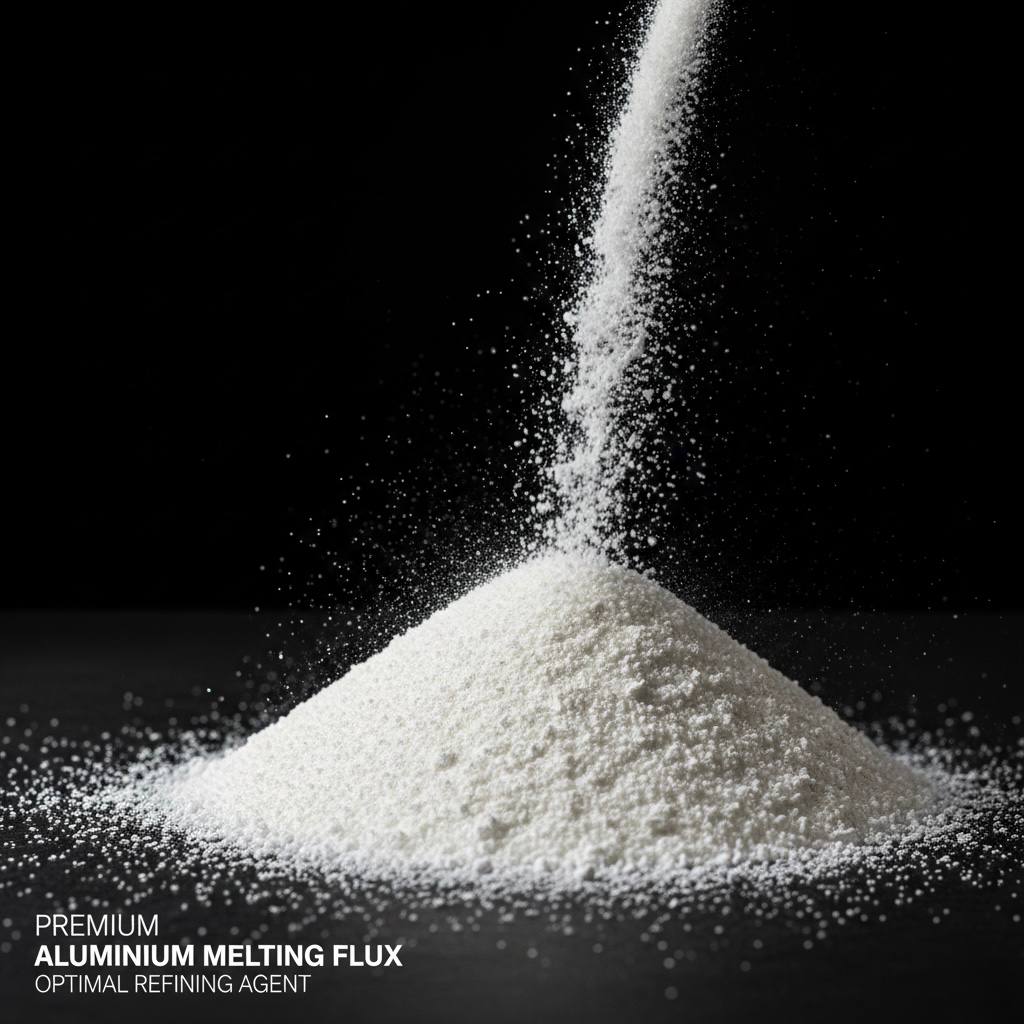
가끔 냄비 윗부분을 훑어보면 좋은 금속을 버리는 경우가 있습니다. 알루미늄을 녹이는 데 가장 적합한 드로싱 타입의 플럭스는 “효율적인 금속-크로스 분리”를 위해 존재합니다. 이 기능이 없으면 최대 80%의 좋은 알루미늄이 찌꺼기에 갇혀 버려질 수 있습니다.
알루미늄을 녹이는 데 가장 적합한 플럭스를 추가하면 금속의 유동성이 증가합니다. 냄비에 더 많은 “녹은 알루미늄”이 돌아오고 쓰레기통에 “쓰레기”가 줄어듭니다. 세계에서 중국 다이캐스팅, 효율성이 가장 중요합니다. 알루미늄 용융에 가장 적합한 플럭스를 사용하여 20%의 금속을 더 많이 회수할 수 있다면 수익에 큰 도움이 됩니다.
5. 플럭스 청소하기: 알루미늄 용융에 가장 적합한 플럭스로 내포물 제거하기
다음은 클리닝 플럭스입니다. 이것은 “불순물 제거”에 관한 것입니다. 산화물이 떠다니는 경우 내부 알루미늄을 녹여 청소하는 데 가장 적합한 용융액이 필요합니다. 플럭스는 염화물, 불소, 때로는 산화제의 혼합물로 구성됩니다.
정밀 가공을 하려면 금속이 가능한 한 깨끗해야 합니다. 알루미늄을 녹일 때 용융물에 떠다니는 산화물을 제거하는 최고의 플럭스가 있다면 완성된 부품은 훨씬 더 강해질 것입니다. 부품을 주조할 때 “에어 포켓'이나 ”기포'가 생기지 않도록 금속이 순수한지 확인하는 데 중점을 둡니다.
6. 가스 제거: 정제가 알루미늄 가스 용융에 가장 적합한 플럭스인 이유
가장 큰 문제 중 하나는 “기포” 또는 “에어 포켓”입니다. 다이 캐스팅을 만들 때 스위스 치즈처럼 보이지 않게 하려면 알루미늄을 녹여 가스를 제거할 수 있는 최고의 플럭스가 필요합니다. 보통 정제 형태로 제공됩니다.
제가 하는 일은 가스 제거 혼합물을 알루미늄 호일에 넣은 다음 “교반 막대'를 사용하여 용융물의 바닥으로 내려 보내는 것입니다. 알루미늄을 녹이는 데 가장 적합한 플럭스는 금속과 반응하여 불화 알루미늄과 같은 가스 기포를 형성하고 이 기포가 알루미늄에서 가스를 ”추출“합니다. 말 그대로 수소를 빼내어 주물이 단단하게 만들어집니다. 많은 주조소에서 헥사클로로에탄 정제는 알루미늄 가스 문제를 녹이는 데 가장 적합한 플럭스로 간주됩니다.
자세히 알아보기 정제제 또는 융합 플럭스.
7. 유동성과 “더 높은 수준의” 캐스팅
알루미늄 용융에 가장 적합한 플럭스를 사용하면 금속을 세척하는 것뿐만 아니라 금속의 흐름 방식도 바뀝니다. 금속의 유동성이 “더 높은 수준”에 있으면 금형을 훨씬 더 잘 채울 수 있습니다. 복잡한 부품을 붓는 경우 “더 유동적”이기를 원할 것입니다.”
질산칼륨(KNO3)과 같은 성분이 포함된 알루미늄 용융에 가장 적합한 플럭스를 사용하면 금형의 좁은 모서리로 금속이 흐르도록 도울 수 있습니다. 이것이 바로 실패한 주조와 완벽한 부품의 차이입니다. 그래서 “중요한 것은 내부의 내용물”이라고 말하는 것입니다. 높은 수준의 유동성에 도달하려면 알루미늄을 녹이는 데 가장 적합한 플럭스가 필요합니다.
8. 비용 관리: 알루미늄 용융에 프로페셔널 플럭스가 최고의 플럭스인가요?
인터넷에서 이런 재료 중 일부는 비싸다는 것을 알았습니다. 100g을 구입하면 비용이 많이 들기 때문에 “너무 비싸다”고 생각할 수 있습니다. 하지만 알루미늄을 녹이는 데 가장 적합한 플럭스를 제대로 구하면 스크랩 비용을 많이 절약할 수 있습니다.
| 플럭스 유형 | 주요 목적 | 알루미늄 용융에 가장 적합한 플럭스인 이유 |
| 플럭스 정제 | 하드 스팟 제거 | CNC 가공 비트를 보호합니다. |
| 퓨즈 플럭스 | 무수 세척 | 수분이 없다는 것은 수소 기포가 없다는 뜻입니다. |
| 태블릿 가스 제거 | 가스 제거 | “스위스 치즈” 다공성을 제거합니다. |
전문가용 알루미늄 다이캐스팅, 알루미늄을 녹이는 데 가장 적합한 플럭스를 “추가 비용”으로 보지 않습니다. 우리는 이를 보험으로 간주합니다. 공구 소음이나 부품 파편 없이 가공 단계가 원활하게 진행되도록 보장합니다.
9. 소싱: 중국에서 알루미늄 용융에 가장 적합한 플럭스 찾기
다음과 함께 작업하는 경우 중국의 다이캐스팅 제조업체, 의 플럭스 공정에 대해 물어볼 필요가 있습니다. 알루미늄 용융에 가장 적합한 플럭스를 사용하고 있나요? 커버 플럭스와 가스 제거제를 사용하고 있나요?
대부분의 경우, 파운드리의 “지식과 경험'은 고객이 지불하는 대가입니다. 용융물에 넣을 각 화학 물질의 ”양'을 정확히 알고 있는 파트너가 필요합니다. 염화나트륨이든 불화칼슘이든 그 비율은 정확해야 합니다. 이것이 바로 산업 규모의 생산을 위한 알루미늄 용융에 가장 적합한 플럭스를 정의하는 방법입니다.
10. 결론: 알루미늄 용융에 가장 적합한 플럭스 찾기
그렇다면 플럭스란 무엇일까요? 알루미늄 주물을 “올바른 방법”으로 주조할 수 있도록 하는 비결입니다. 커버 플럭스, 드로싱 플럭스, 가스 제거 정제제 또는 용융 플럭스를 사용하든, 주조를 “더 높은 수준”으로 끌어올리는 것입니다.”
에서 diecastingschina.com 그리고 aludiecasting.com, 는 단순히 금속을 녹이는 것이 아니라 정제합니다. “쓰레기'는 제거하고 반짝이는 순수한 합금은 남겨두기 위해 노력합니다. 이 가이드가 ”화학'에 대한 이해를 돕고 불쾌한 에어포켓을 방지하는 데 도움이 되길 바랍니다.