
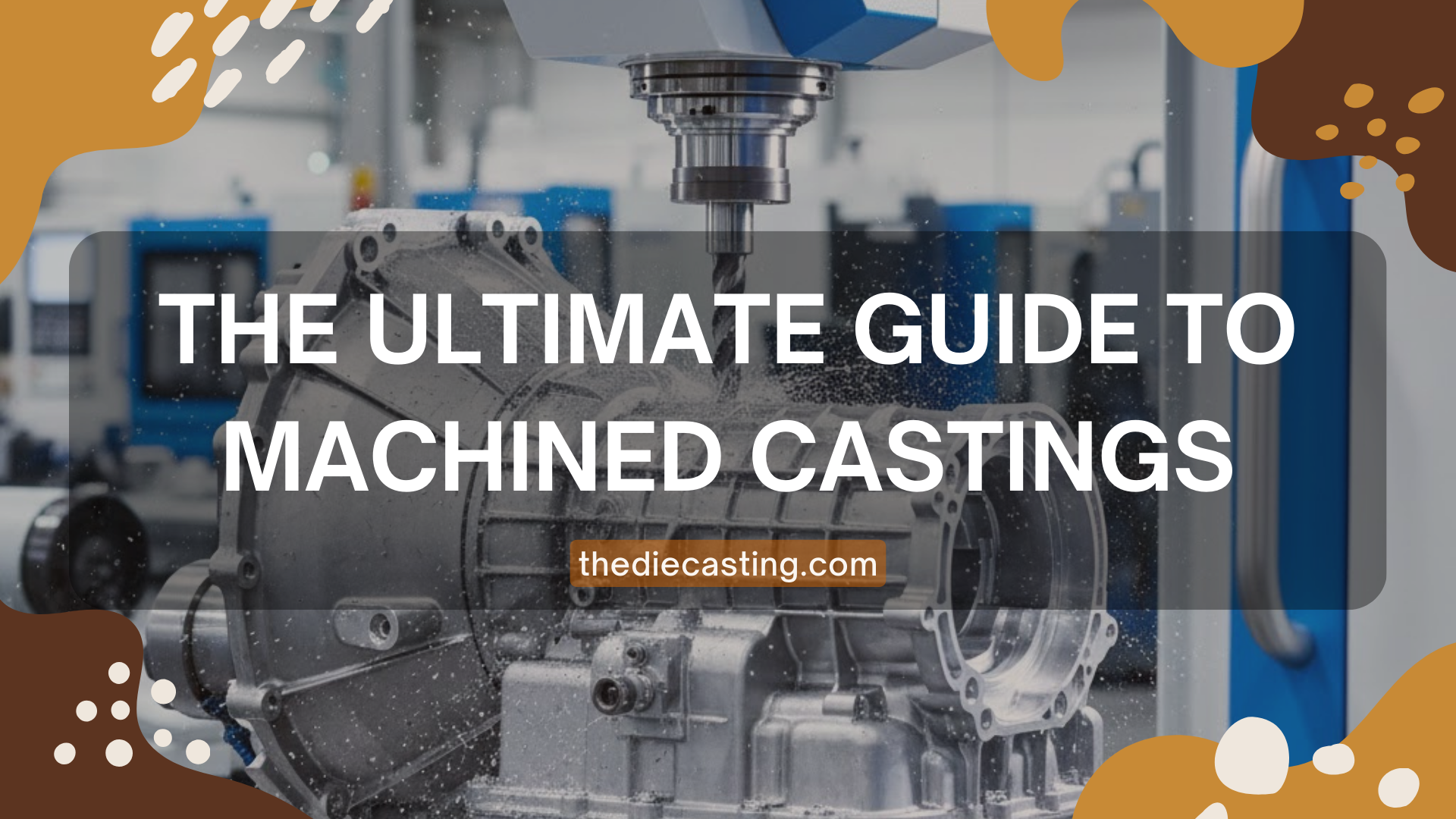
Maskinering av støpegods er den kritiske prosessen som bygger bro mellom en rå metalldel og en industriell komponent med høy presisjon. I denne økten tar vi deg gjennom trinnene i pressstøpemaskinering for enkle støpegods, og spesielt hvordan du får vinklene mellom flatene til å stemme. I denne artikkelen utforsker vi produksjonsteknologien og går nærmere inn på den praktiske siden av pressstøpemaskinering og hvordan den kan brukes i den virkelige verden.
For å kunne produsere deler av høy kvalitet ved hjelp av pressstøping trenger du et mønster. Dette er utgangspunktet for hele prosessen. Disse modellene kan være laget av tre av dyktige modellmakere fra gamle dager, men i dag er det like sannsynlig at modellene blir 3D-printet for rask prototyping for å effektivisere arbeidsflyten ved støpemaskinbearbeiding.
Vitenskapen om mønsterproduksjon og krymping
Det modellmakerne gjør, er å ta høyde for en viss krymping som oppstår ved støping. Hvis du har ujevne seksjoner, vil de avkjøles raskere og kan forvrenge seg. Virkelig dyktige modellmakere kunne forutse det i hodet.
Det er ikke sikkert at mønsteret du har fått, ser nøyaktig ut som den ferdige delen; det kan ha en liten kurve som er utformet slik at når den kommer ut av støpeformen og er ferdig nedkjølt, får den den ferdige formen som designet krevde. Denne guiden tar for seg fagets hemmeligheter og forklarer hvorfor pressstøping er et stort sprang i forhold til tradisjonelle metoder.
Hva er maskinbearbeidet støpegods?

Maskinert støpegods er enkelt sagt resultatet av en produksjonsprosess der smeltet metall føres inn i en form og deretter bearbeides med presisjonsskjæreverktøy. Prosessen går ut på at metallet kommer inn, delen formes og deretter bearbeides nedover i linjen gjennom ulike trinn av maskinell støping. En støpegods vil imidlertid komme ut av sanden med “trekk”, en svak avsmalning og vanligvis litt for stor størrelse med noen få radier.
Utkastet er kun for at mønsteret skal kunne komme ut av formen. Vanligvis har du tre grader eller noe sånt, noe som betyr at det blir vanskelig å prøve å klemme på det. Det er den første store ledetråden når det gjelder å sette opp støpegods: Du trenger en parallell side hvis designeren har tenkehattene sine på. Hvis ikke, må maskinisten skape en parallell side ved hjelp av pressstøping.
Vanligvis er huden på disse tingene ganske tøff; den har sand iblandet, den er avkjølt raskest, og den nærmer seg hvitt jern. Derfor kreves det spesialisert støpemaskinering for å oppnå de endelige spesifikasjonene. I følge Den nordamerikanske støperiforeningen, For å oppfylle funksjonstoleransene er det nødvendig med sekundær bearbeiding av ca. 50% av alle trykkstøpte deler.
Rollen til maskinering av støpegods
Når vi snakker om maskinering av støpegods, tar vi utgangspunkt i den rå, ubearbeidede formen og gjør den om til noe funksjonelt. Støperiet vil vanligvis pynte litt på den, men i bunn og grunn er det opp til deg som maskinist å gjøre din greie. Du må rense flatene for å få en anstendig overflate som du kan bruke som grunnlag for fastspenningen. Enten du jobber med en fiksturblokk eller et komplekst girkassehus, er målet å få den første nullpunktflaten flat, slik at alt annet kan følge etter.
Håndtering av toleranser ved støping og maskinering
Når en ny kunde kommer til oss, ser vi på toleranser, emnestørrelse og ulike egenskaper for å finne den rette legeringen. Å oppnå en tett toleranse for støpebearbeiding er ofte en kamp mot de indre spenningene i metallet. På grunn av støpeprosessen er det først og fremst overflaten som avkjøles når metallet kjøles ned, og deretter innsiden.
Stressavlastning og utjevning
Hvis du kan forestille deg at det smeltede metallet på innsiden trekker seg sammen, kommer det til å prøve å trekke i huden. Det finnes en historie om en viss luksusbilprodusent som pleide å støpe motorblokkene sine og deretter sette dem ut på baksiden i en paddock i et tiår eller så, bare for å la spenningene utjevne seg. Det finnes også moderne prosesser for å avlaste støpegods, men i verkstedet håndterer vi dette ved å ta et minimum av rensing på alle flater under støpebearbeidingen.
Hvis du bruker all denne tiden på å få én flate helt flat og glatt, og så bearbeider den neste flaten, kan det hende at delen vrir seg litt fordi du har fjernet materiale her og ikke der. Ved å gjøre en grovbearbeiding på alle tre flatene og deretter komme tilbake når støpegodset har fått en sjanse til å “finne ut hvor det er”, kan du opprettholde en mye bedre toleranse for støpegodsbearbeiding. Dette er avgjørende for høy presisjon trykkstøping av aluminium prosjekter.
Faktorer som påvirker kostnadene ved støping og maskinering
Hvis du vil holde kostnadene for støpebearbeiding nede, må du være smart med tanke på hvor mye materiale du fjerner. Støpestykket bør være konstruert slik at det er mulig å maskinere bort tre millimeter (en åttendedel av en tomme) eller noe sånt hvis du vil ha en god bearbeidingsoverflate.
| Utfordring | Innvirkning på kostnadene ved støping og maskinering | Løsning |
| Utkast til vinkler | Høy (vanskelig å klemme fast) | Design parallelle klemmebaner i mønsteret. |
| Harde flekker | Høy (verktøybrudd) | Bruk hardmetallfreser og lavere overflatehastigheter. |
| Porøsitet/Voider | Svært høy (utrangerte deler) | Bruk vakuumstøping for å sikre tetthet. |
| Oppsetttid | Medium | Bruk vinkelplater og vater for å finne nullpunktene raskt. |
Spesielt grått støpejern er ganske grisete saker. Du bør ha støvsugeren over stedet for å ta opp spon for å forhindre slitasje på maskineriet. På diecastingschina.com, hjelper vi kundene med å minimere kostnadene ved støpemaskinering ved å optimalisere “as-cast”-geometrien for å redusere antall CNC-oppsett som kreves for støpemaskinering.
Maskinering av støpegods for utskifting og reparasjon
Noen ganger har vi en ødelagt støpegods, kanskje et utilsiktet brudd på jobben der en bit har brukket av. I slike tilfeller må vi kanskje bruke en prøve av en identisk del for å få et virkelig godt hullmønster. Når du borer i disse maskinbearbeidede støpegodsene, må du være forberedt på det uventede. Du kan støte på et hardt punkt som begynner å gjøre det nye boret sløvt.
Hvis du treffer et hardt sted på flaten, kan det hende du må bruke et rett fløytebor i hardmetall. Det var definitivt ikke forventet, men karbid vil skjære gjennom der høyhastighetsstål bare skrangler. Hvis støpegodset er så hardt at det ødelegger borene, kan det ha blitt trukket ut av formen for fort. Vanligvis må denne typen støpegods ligge og trekke i støpeformen i ca. 24 timer, slik at de ikke blir harde på utsiden. Hvis de blir harde, kan det hende de må glødes.
Reparasjonsmetoden for lodding
Hvis et støpegods går i stykker under boring på grunn av tynne vegger og høyt trykk, kan man forsøke å redde det ved å lodde det opp igjen. Du bygger opp metallet, pakker det inn i et glassfiberteppe med isolerende fliser og lar det ligge over natten for å kjøle det sakte ned. Denne langsomme nedkjølingen bidrar til å gløde delen, noe som gjør det lettere å bearbeide flaten senere. På diecastingschina.com, Vi har som mål å få mest mulig igjen for pengene ved å unngå disse feilene gjennom riktig varmestyring under den første støpingen.
Tekniske oppsett: Maskinistens triks
Det viktigste trikset for å maskinere avflater på maskinbearbeidede støpegods er å få delen i vater. Maskinens understell er ikke alltid helt flatt, så du kan bruke et justerbart vater for å få det i vater.
- Datum Faces: Velg en flate, kanskje den med den tynneste veggen, som skal være nullpunkt. Rengjør den slik at du får en brukbar flate å klemme på.
- Oppsett av vinkelplate: Monter en hardmetallfres og bruk en vinkelplate for å holde alt sammen. Hvis delen vrir seg når kutteren treffer, må du kanskje legge til en vinkelplate til.
- Overflatehastighet: Husk at den anbefalte overflatehastigheten for grått støpejern er omtrent halvparten av den for stål, så juster ned hastigheten tilsvarende.
- Spalling: Støpejern er sterkt i kompresjon og svakt i strekk. Når du kjører kutteren din, kjør den inn i arbeidet. Hvis du kjører det ut av arbeidet, vil du ha en tendens til å få det chipping og spalling på kanten.
Oppnå parallellitet og matchende vinkler
Når du har en maskinert blokk og en som ikke er det, kan det hende at vinklene ikke stemmer overens. For å få dem til å passe sammen, tar du den du kaller “bra” og legger den oppå den andre. Du må kanskje jekke opp det bakre hjørnet med mellomlegg for ikke å ta for mye av, men fordi vinklene er like, blir overflatene parallelle.
Hvis du vil være skikkelig pedantisk og få bedre nøyaktighet enn med en vanlig vinkelmåler, kan du sette en sinuskloss på den og kjøre en indikator langs den. Bruk mellomlegg til å løfte den litt til du får den flat. Da vet du at vinkelen er nøyaktig den samme som designet krever i forhold til fresens vandring. Det er på dette presisjonsnivået vi garanterer en høy toleranse ved støpebearbeiding av industriarmaturer.
Sourcing maskinbearbeidede støpegods fra Kina
For globale produsenter er innkjøp fra trykkstøping av aluminium eksperter i Kina gir en betydelig fordel. Moderne anlegg bruker AI-drevet vakuumstøping for å sikre at det indre “kjøttet” i metallet er solid. Dette er avgjørende for maskinering av støpegods, fordi maskinering i en gasslomme eller et “tomrom” kan resultere i en utrangert del.
Moderne støpemaskinering i Kina benytter spesialiserte hardmetallskjær. Husk at den anbefalte overflatehastigheten for grått støpejern er omtrent halvparten av den for stål, så juster ned hastigheten tilsvarende for bearbeiding av støpejern. På diecastingschina.com, Vi har den tekniske erfaringen som trengs for å navigere i disse komplekse oppsettene og hjelpe deg med å få mest mulig ut av hvert eneste maskineringsprosjekt for trykkstøping.
Verdiskapende prosesser og kvalitetssikring
Utover det første snittet består støpebearbeidingen av mange trinn:
- Intern CNC-maskinering: Fra enkle bore-/tappestasjoner til komplekst 5-akset arbeid.
- Lekkasjetesting: Vi injiserer delen med luft og måler forfallet for å bekrefte et lekkasjefritt produkt.
- Overflatebehandlinger: Fra vibrasjonsavgrading til korrosjonsbeskyttelse på høyt nivå.
Vi bruker tilpasset måling og røntgen av deler for å sikre at det ikke er noen mikrohull. Hvis en del har små hull, kan vi utføre harpiksimpregnering, noe som bidrar til å fylle eventuelle hulrom for å oppfylle kravet om lekkasjefrihet. Målet vårt er å forenkle konstruksjonen slik at sluttproduktet blir både holdbart og kostnadseffektivt.
Hvorfor bli partner for maskinbearbeidet støpegods?
I denne økten diskuterte vi hvordan modeller lages, hvorfor utkast er viktig, og hvordan man mestrer pressstøpemaskinering for enkle og komplekse støpegods. Vi elsker å jobbe med disse delene og å snakke med kundene om deres nye bruksområder innen pressstøpemaskinering. Hvis en del ikke passer godt for pressstøpemaskinering, hjelper vi deg med å finne den riktige produksjonsprosessen som passer til din del.
Hos The Die Casting tilbyr vi den tekniske erfaringen som trengs for den stadig økende mengden elektronikk og mekaniske deler i verden i dag. Enten du trenger en komplisert konstruksjonsdel eller maskinering av støpegods i store volumer, vil vi gi deg en ærlig vurdering og hjelpe deg med å finne den ideelle løsningen.