Aluminium

aluminiumslegering

Hvilke aluminiumslegeringer er de beste for pressstøping?

Aluminium, aluminiumsstøping, AlZn10Si8Mg-legeringer

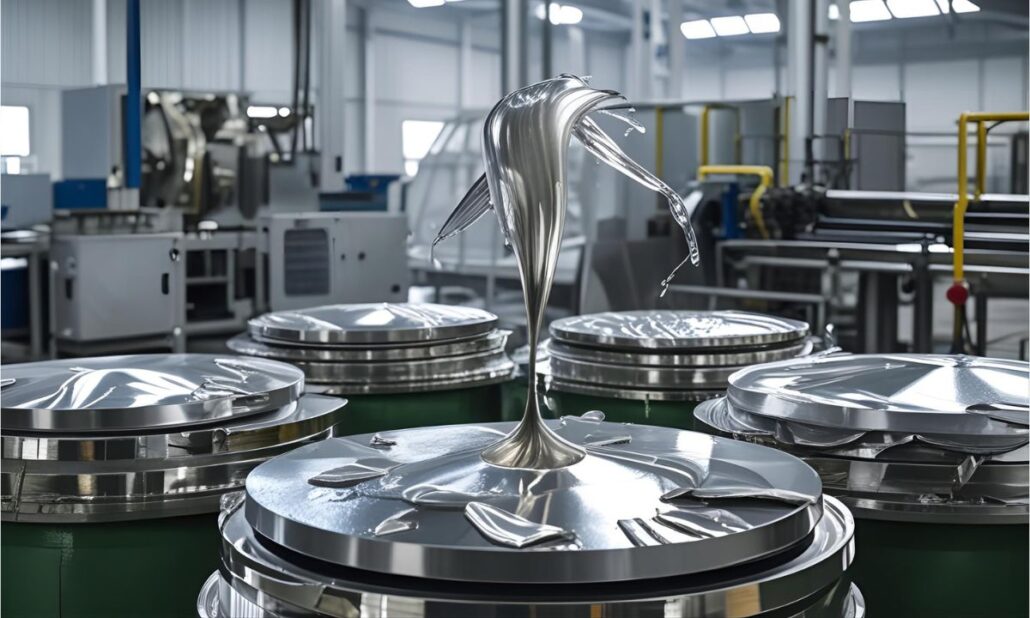
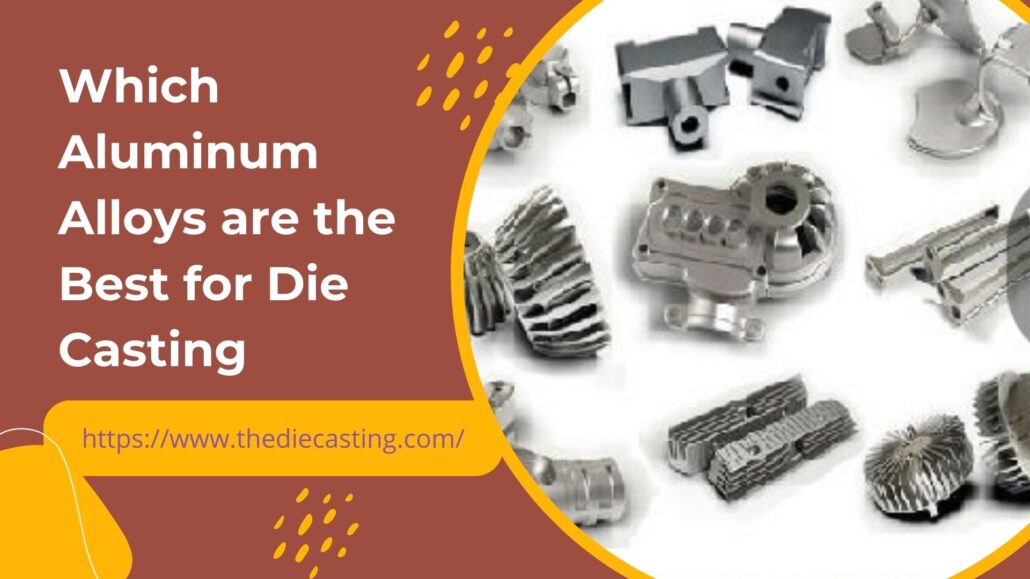
Introduksjon til pressstøping av aluminium Pressstøping av aluminiumslegeringer er en svært effektiv produksjonsprosess som brukes til å produsere komplekse metallkomponenter i store volumer. Det er en prosess der smeltet aluminiumslegering sprøytes inn i en herdet stålform (ofte kalt en dyse) ved høyt trykk. Prosessen er spesielt populær i bil-, elektronikk-, telekommunikasjons- og industriutstyrsindustrien, ettersom den gir lette komponenter med god dimensjonsnøyaktighet og overflatefinish. Det utmerkede forholdet mellom styrke og vekt er en viktig årsak til at aluminium er et foretrukket metall for pressstøping. Komponentene i aluminiumslegeringer kan gi den mekaniske ytelsen som kreves for den strukturelle anvendelsen, og er samtidig et materiale som gir en høy grad av vektreduksjon. Støpegods gjør det også mulig for produsentene å innlemme flere funksjoner i én enkelt del. Ribber, bosses, monteringspunkter og tynne vegger kan støpes i én og samme operasjon, noe som eliminerer behovet for sekundær maskinering og montering. Dette reduserer produksjonskostnadene og øker konsistensen og repeterbarheten. På grunn av disse fordelene har trykkstøping av aluminium vokst frem som en av de mest populære metallformingsprosessene for produksjon av mellomstore og store volumer. Støpeprosessen for aluminiumsformer Forberedelse og oppsett av støpeformen Det starter med å klargjøre stålformen. Formen er en todelt støpeform: en stasjonær halvdel og en bevegelig halvdel. Formhulen sprøytes og rengjøres etter hver støping. Dette belegget gjør det mulig å kontrollere temperaturen i støpeformen og gjør det lett å støpe ut støpegodset uten at det fester seg til formoverflaten eller blir skadet. Injeksjon av smeltet aluminium I en smelteovn smeltes aluminiumslegeringen og holdes på en kontrollert temperatur for å oppnå riktig flytbarhet. Ved høytrykksstøping sprøytes en spesifisert mengde smeltet metall inn i formhulen under høyt trykk ved hjelp av et hydraulisk stempel. Trykket kan variere fra flere tusen til mer enn 20 000 psi, slik at metallet kan fylle små områder og komplekse geometrier før det størkner. Størkning og avkjøling Trykket opprettholdes etter at hulrommet er fylt opp, helt til aluminiumet er avkjølt og størknet. Den raske avkjølingen av stålformen gir en fin mikrostruktur som forbedrer de mekaniske egenskapene og overflatefinishen. Kanalavkjøling i matrisen regulerer temperaturen og sikrer jevn syklustid. Utstøting og etterbehandling Når matrisen er herdet, åpnes halvdelene, og matrisen støtes ut av formen ved hjelp av utstøtingspinner. Alt unødvendig materiale, inkludert meder, grinder og flammer, blir trimmet bort. Avhengig av bruksområde kan det deretter utføres ytterligere bearbeiding, for eksempel maskinering, overflatebehandling eller varmebehandling. Resultatet er en nesten nettformet aluminiumsdel som egner seg for krevende industrielle bruksområder. Aluminiumslegeringer i trykkstøping Legeringsbaserte støpegods: Aluminiumslegeringer for trykkstøping er utformet for å balansere støpbarhet, mekanisk styrke, korrosjonsbestandighet og termisk ytelse. I motsetning til ren aluminium har disse legeringene kontrollerte nivåer av silisium, kobber, magnesium, jern og andre legeringselementer for å forbedre væskestrømmen, størkningen og bruksegenskapene til det smeltede metallet. Det er viktig å velge riktig legering, siden hver sammensetning gir en unik balanse mellom styrke, holdbarhet, vekt, kostnad og produserbarhet. Her ser vi nærmere på de mest populære høyytelseslegeringene for trykkstøping av aluminium og hva som gjør hver enkelt legering egnet for et bestemt bruksområde. A380 Aluminiumslegering Mekanisk ytelse og styrke A380 har blitt omtalt som arbeidshesten innen trykkstøping av aluminium. Den har god strekkfasthet (ca. 320 MPa) og flytegrense (ca. 160 MPa) i støpt form. Selv om den ikke er den beste aluminiumslegeringen på markedet, tilbyr den den beste kombinasjonen av styrke og duktilitet for strukturelle hus, deksler og braketter. Fordeler A360 Aluminiumslegering Mekanisk ytelse og styrke A360 har samme strekkfasthet som A380 og bedre ytelse ved høyere temperaturer. Strekkfastheten er vanligvis 170 MPa, og denne aluminiumslegeringen er stabil under varmbearbeiding, for eksempel i motorrom. Fordeler ADC12 (A383-ekvivalent) aluminiumslegering Mekanisk ytelse og styrke Motstykket til A383 er ADC12, som har moderat styrke, og strekkfastheten er vanligvis 180230 Mpa. Selv om den er litt svakere enn A380, er den fortsatt tilstrekkelig for den strukturelle ytelsen til en rekke industri- og bilkomponenter. Fordeler Al-Si11Cu3 aluminiumslegering Mekanisk ytelse og styrke De balanserte mekaniske egenskapene kjennetegner Al-Si11Cu3. Strekkfastheten er vanligvis over 300 MPa, med god hardhet og moderat duktilitet. Den er sterkere enn ADC12 og ligner på A380 i de fleste strukturelle bruksområder. Fordeler B390 Aluminiumslegering Mekanisk ytelse og styrke B390 er produsert for å være så hard og slitesterk som mulig. Den har en utrolig høy flytegrense (ca. 240 MPa) og en strekkfasthet på 350 MPa. Den er hard nok, opp til 120 Brinell, noe som er svært høyt i forhold til de fleste pressstøpelegeringer. Fordeler Sammenlignende sammendrag Legeringene av aluminiumstøpegods brukes som følger: Valget av en passende legering bestemmes av designfaktoren, som kan være styrke, korrosjonsbestandighet, slitestyrke, vektreduksjon eller støpekompleksitet. Sammendrag av fysiske og kjemiske egenskaper for aluminiumslegeringer Legering A380 A360 ADC12 / A383 Al-Si11Cu3 B390 Silisium % 7,5-9,5 9-10 9,5-11,5 9,6-12 16-18 Kobber % 3-4 ≤0,6 2-3 1,5-3,5 4-5 Magnesium % ≤0.1 0,4-0,6 ≤0,3 ≤0,35 ≤0,1 Tetthet (g/cm³) 2,71 2,63 2,70 2,70 2,70 2,75 Strekkfasthet (MPa) ~324 ~317 180-230 ~300 320-360 Strekkfasthet (MPa) ~160 ~170 ~150 ~140 240-250 Forlengelse (%) ~3,5 ~3.5 ~3 ~2-3 <1 Hardhet ~80 ~75 ~75 ~75 ~85 ~120 Korrosjonsbestandighet Moderat Utmerket Middels Middels Middels Middels Støpbarhet Utmerket Utmerket Middels Utmerket Meget god Moderat Slitestyrke God God God Middels God Utmerket Bruksområder for aluminiumslegeringer Bilindustrien Lette konstruksjons- og drivlinjekomponenter Aluminiumslegeringer til bilindustrien brukes i stor utstrekning til produksjon av motorblokker, girkasser, fjæringskomponenter og konstruksjonsbraketter til bilindustrien. De er kraftige per vektenhet, noe som reduserer kjøretøyets totale masse og forbedrer drivstoffeffektiviteten, og dermed øker rekkevidden et elektrisk kjøretøy kan kjøre. Aluminiumslegeringen forbedrer også varmespredningen i motorer og batterisystemer, noe som gir bedre ytelse og holdbarhet. Luft- og romfartssektoren Flyskrogstrukturer og innvendige strukturer Egenskapene som gjør aluminium
Hva er kokekar av støpt aluminium?

Hva er kokekar av støpt aluminium? En komplett guide

Aluminium, aluminiumsstøping

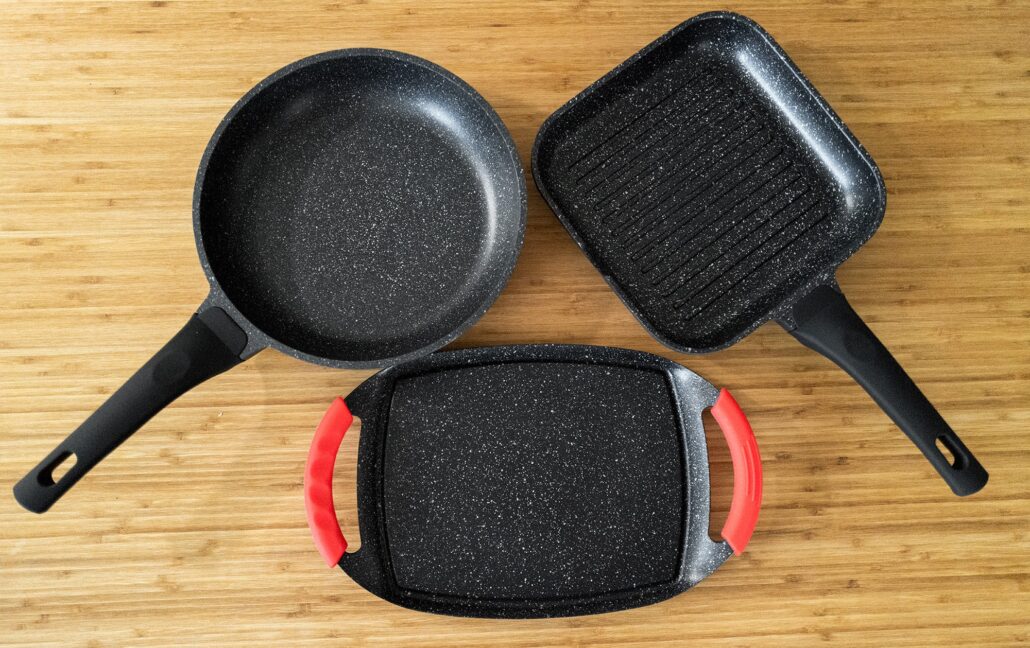
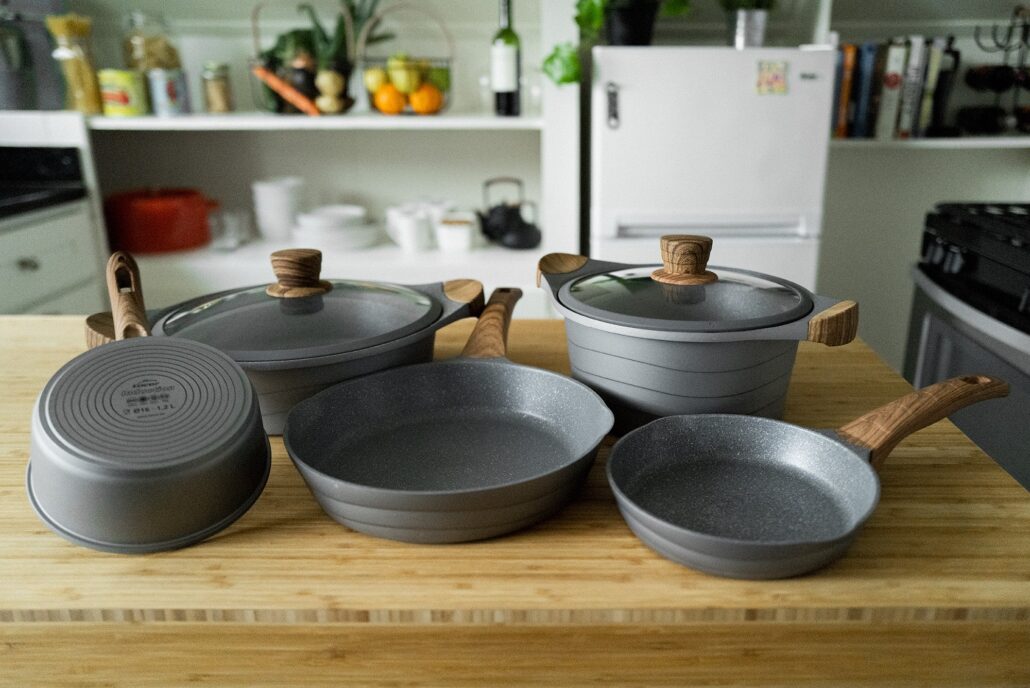
Kokekar i støpt aluminium blir stadig mer populært på kjøkken verden over. Det er lett, billig og enkelt å bruke. Maten kan få en annen smak avhengig av kokekaret som brukes, inkludert den enkle tilberedningsprosessen. Kokekar er også tidsbesparende og har lang holdbarhet. Støpt aluminium lages ved å helle smeltet aluminium i en form. Metoden gir kokekaret både en konkret struktur og konsistens i tykkelsen. Det gjør at pannen eller gryten varmes opp raskt og sprer varmen jevnt. Dette forenkler og reduserer tiden man bruker på å tilberede de daglige måltidene. Støpt aluminium er et annet relativt lett materiale som mange har tatt i bruk siden det er relativt billig sammenlignet med rustfritt stål. Det kan også tilberedes i forskjellige former og størrelser, og kan derfor stekes, bakes og kokes. Støpt aluminium har imidlertid sine negative sider. Det er ikke like slitesterkt som rustfritt stål og heller ikke like slitesterkt som støpejern. Det er også noen typer kjøkkenredskaper som trenger et non-stick eller anodisert belegg slik at maten ikke fester seg eller kommer i kontakt med sure matvarer. I denne artikkelen vil alle disse bli forklart på et enkelt språk. Du vil bli introdusert til fordelene, ulempene, sikkerheten og behandlingen av kokekar av støpt aluminium. Hvordan lages kokekar av støpt aluminium? Kokekar av støpt aluminium produseres som et resultat av å helle det smeltede aluminiumet i en form. Metallet (aluminium) vil da ha form av en panne, gryte eller bakebolle etter avkjøling. Prosessen gjør kokekaret tøffere og tyngre enn tradisjonelt presset eller valset aluminium. De to store trinnene i prosessen er En slik støping gjør kokekaret sterkt nok til at det kan brukes daglig. Andre er non-stick-konvolutter på dem for å forhindre at maten fester seg, og for å lette rengjøringen. Støpt aluminium Prosessen med kokekar Forberedelse av aluminium Det første trinnet innebærer valg av aluminium. Rent aluminium eller resirkulert aluminium kan brukes av produsentene. Aluminiumet legges i store ovner der det varmes opp til over 660 °C til det smelter og blir flytende. Det er i denne fasen at aluminiumet renses for å sikre at det blir sterkt og trygt i det endelige produktet. Når aluminiumet er på plass, skapes støpeformen. Formen bestemmes av støpeformen, og det kan være en stekepanne, en gryte eller en bakepanne. Disse formene er for det meste av sand eller stål. Tynnheten, balansen og holdbarheten til kopopotteren bestemmes av typen form og graden av utsøkthet. Helling av smeltet aluminium Formen fylles deretter med flytende aluminium. Den fylles helt til randen i hver eneste designspalte. Det er denne prosessen som også gjør at kokekar av støpt aluminium er tyngre og sterkere enn kokekar av presset aluminium. Avkjøling og størkning Etter at aluminiumet er støpt, forventes det å kjøle seg ned. Det stivner og presses ned når det avkjøles og får formen til formen. Avkjølingen er nødvendig fordi den fjerner sprekker, luftbobler eller svake områder som kan sette kvaliteten på kokekaret i fare. Trimming og etterbehandling Når kokekaret er herdet, tas det ut av formen. Det er her den rå overflaten blir kuttet og polert. Andre detaljer som håndtak og bunner blir også innlemmet. Dette er for å sikre at kokekarets uniform er glatt, trygg og klar til å bli belagt. Overflatebelegg og etterbehandling De fleste kokekar av støpt aluminium er overflatebehandlet. De har de fleste av dem forsynt med ikke-klebende overflater, slik at maten ikke fester seg på overflatene, og rengjøringen tar ikke mye tid. De kan også være anodisert, noe som øker motstanden mot korrosjon og riper. Disse overflatene er også motstandsdyktige mot reaktivitet med sure matvarer. Kvalitetstesting Kvalitetskontrollen er den siste. Alle verkene inspiseres med hensyn til balanse, holdbarhet og beleggets sikkerhet. Kokekar som er nøye kontrollert, pakkes og sendes bare ut på markedet. Det vil sikre at kundene får holdbart, kvalitet og trygt kokekar. Fordeler med kokekar av støpt aluminium Hva er grunnen til ikke å bruke andre materialer, for å bruke støpt aluminium? Her er de viktigste fordelene: Lett I forhold til støpejern er det veldig lett i støpt aluminium. Det tar ikke mye tid åcleanna, og det er mer når man har en kokk som tilbereder måltider regelmessig for eldre. Suveren varmedistribusjon Aluminium er en god varmeleder. Støpte aluminiumsredskaper er raske å tilberede og tilbereder jevnt. Det betyr at det blir færre varmepunkter og jevn tilberedning. Rimelig Det er normalt billigere enn kokekar i rustfritt stål eller kobber. Det har anstendig ytelse til en overkommelig pris. Allsidig Støpt aluminium kan stekes, bakes, kokes eller småkokes. Noen er til og med ovnsikre. Rask oppvarming Aluminiumet gjør at maten tilberedes raskere siden det reagerer raskere på varme. Dette sparer tid og energi. Ulemper med kokekar av støpt aluminium Til tross for flere fordeler med kokekar av støpt aluminium, har det også flere begrensninger: Holdbarhetsproblemer Støpt aluminium er mykere enn støpejern eller rustfritt stål. Til slutt vil det sannsynligvis bli bulket eller riper, spesielt når det ikke håndteres riktig. Reaktivitet med matvarer Ubelagt aluminium kan reagere med syrer som tomater eller eddik. Dette kan enten gjøre det metallisk eller misfarget. De fleste moderne stekepanner i støpt aluminium er belagt for å unngå slike reaksjoner. Problemer med belegget Non-stick-belegget på pannen kan være av dårlig kvalitet, og dermed kan det slites bort med tiden. Den kan skrubbes med harde svamper eller metallredskaper, og det reduserer levetiden. Aluminiumstøpt og annet kokekar Valget av kokekar er mer et valg. Ytelsen til støpt aluminium sammenlignet med de populære erstatningene står som følger: Støpt aluminium og rustfritt stål Den første forskjellen som skiller seg ut når det gjelder støpt aluminium og rustfritt stål er varmen

Maling Anodisert aluminium

Kan du male anodisert aluminium? En komplett guide

Aluminium

Anodisert aluminium brukes i stor utstrekning i både husholdnings- og industriprodukter siden det er sterkt, motstandsdyktig mot korrosjon og har et glatt metallisk utseende. Motstandsdyktigheten gjør det til en favoritt i vinduer, dører, bildeler, kjøkkenapparater og innredning. Et av de vanligste spørsmålene blant gjør-det-selv-folk og fagfolk er likevel: Kan man male anodisert aluminium? Svaret er ja, selv om det må forberedes skikkelig på overflaten, med riktig maling, og påføres med forsiktighet for å oppnå en langvarig og profesjonell jobb. Sammenlignet med ubehandlet aluminium har anodisert aluminium et beskyttende oksidlag som forhindrer korrosjon og slitasje, men som samtidig øker malingens vedheftingsmotstand. Dette er grunnen til at mange er redde for å prøve å male anodisert aluminium selv, siden de er redde for avskalling, avskalling eller flekkete teksturer. Heldigvis kan alle male anodiserte aluminiumsoverflater på en tilfredsstillende måte ved hjelp av de riktige tiltakene. Valget av riktig maling er like viktig som forberedelsene. Alternativene er maling for anodisert aluminium (formulert for å feste seg på anodiserte overflater) eller spraymaling for anodisert aluminium, som er praktisk når det kreves en jevn finish på en kompleks eller detaljert overflate. Allsidig maling kan også brukes, selv om det kreves mer grunning og håndtering for å unngå vedheftsproblemer. I denne trinn-for-trinn-veiledningen går vi gjennom materialer, forberedelser, malingsmetoder, vanlige feil og vedlikehold som kreves for å gjøre et maleprosjekt vellykket. Du kan være en dyktig gjør-det-selv-maler eller en nybegynner, men denne artikkelen vil gi deg svaret på spørsmålet: Kan du male anodisert aluminium, og gir deg praktiske tips til hvordan du kan gå frem for å få en holdbar og vakker finish på objektet ditt? Fakta om anodisert aluminium Det er bra å forstå hva anodisert aluminium er før vi diskuterer spørsmålet: Kan man male anodisert aluminium? En prosess som kalles elektrokjemisk oksidasjon, kjent som anodisering, produserer et beskyttende oksidbelegg på overflaten av aluminium. Laget øker korrosjonsbestandigheten og styrker aluminiumet. Det samme laget kan imidlertid føre til at malingen fester seg hardt, og derfor er det viktig med riktig forbehandling. Anodisert aluminium er ikke porøst fra naturens side, slik som bart metall, så maling og grunning har vanskelig for å feste seg uten riktig overflatebehandling. Når vi snakker om maling av anodisert aluminium, er det viktig å være klar over materialets beskaffenhet for å oppnå en profesjonell finish. Kan du male anodisert aluminium? Ja, man kan male anodisert aluminium, men det må forberedes, og man må bruke riktig materiale. På grunn av egenskapene til anodisert aluminium, som gjør det motstandsdyktig mot korrosjon og slitasje, er det ikke lett for maling å feste seg til det. Hvis man unnlater å utføre prosesser som rengjøring, sliping eller grunning, kan det føre til avskalling eller avflassing over tid. Mange kan være i tvil om hvorvidt de selv er i stand til å male anodisert aluminium, eller om de bør bruke en profesjonell. Selv om det finnes profesjonelle metoder, kan gjør-det-selv-folk også oppnå svært gode resultater hjemme ved å være tålmodige og tenke nøye gjennom detaljene. Maling Forberedelse Forberedelse er et av de viktigste trinnene i en vellykket prosess med å male anodisert aluminium. Riktig forarbeid er avgjørende for at malingen skal treffe og holde. Her er en trinnvis tilnærming: Manglende vedheft og avflassing kan skje når disse forberedelsestrinnene hoppes over, og det er derfor alle som sier Kan du male anodisert aluminium bør vurdere disse trinnene seriøst. Trinn-for-trinn-prosess for å male anodisert aluminium Det kan virke ganske skremmende å male anodisert aluminium, men de riktige trinnene kan gjøre det enkelt. For å få en jevn, langvarig finish er riktig forberedelse, riktig maling og riktig påføring nøkkelen. Her er en detaljert veiledning: Samle materialene dine Det er bedre å forberede alle materialene før du begynner. Du trenger et mildt rengjøringsmiddel eller aluminiumsrens for å fjerne fett og smuss, overflatebehandling med fint sandpapir (korn 400-600), en klut for å fjerne støv og en grunning som kan brukes på metall eller på anodiserte overflater. Når det gjelder selve malingen, kan du velge mellom to typer: anodisert aluminiumsmaling eller spraymaling for anodisert aluminium, som kan brukes enten med pensel eller sprøyteteknikk. Et alternativ er klarlakk, som bidrar til økt holdbarhet og et levende utseende. Dette gjøres ved å sørge for at alle materialer er klargjort på forhånd, noe som gir en jevn malingsprosess uten å bli avbrutt. Rengjør overflaten Vellykket anodisert aluminiumsmaling er basert på rengjøring. Selv rester, olje eller fingeravtrykk på overflaten kan gjøre at malingen ikke fester seg. Vask aluminiumet med en liten mengde vaskemiddel i vann. Tørk av og la det tørke. Etter at det har tørket, tar du en klut og tørker det rent. Nøye rengjøring er avgjørende for et profesjonelt resultat når du prøver å male anodisert aluminium. Hvis du ikke gjør dette, blir malingen ujevn eller flasser av. Slip overflaten Det er viktig å slipe aluminiumet litt for å danne en struktur som grunning og maling kan feste seg til. Bruk sandpapir med en kornstørrelse på 400-600 til å slipe overflaten forsiktig i sirkelbevegelser eller frem og tilbake. Hensikten er ikke å fjerne det anodiserte laget, men å gjøre det litt grovere. Når det er pusset, rengjør du støvet med en klut. En vanlig feil blant nybegynnere er at de ikke sliper ordentlig for å gi det anodiserte aluminiumet god vedheft når det er malt. Sliping er en ekstra teknikk for å ta seg tid til å sikre at finishen blir jevn og holdbar. Påfør grunning Bruk av grunning er blant de viktigste tiltakene når du maler. Grunning lukker mikroskopiske porer i aluminiumsoverflaten, noe som gir bedre vedheft og en stabil base der malingen påføres. Påfør et jevnt lag med metallgrunning over

Kan du pulverlakkere aluminium?

Kan du pulverlakkere aluminium?

Aluminium

Aluminum is one of the most significant materials in the industry. It has become essential in everything from construction to the automotive industry, aerospace to consumer goods, because of the combination of its light weight, its resistance to corrosion, and its strength. However, in cases where the customers desire a more stable, colored, and protective finish, one single question is always raised: Can you powder coat aluminum? The brief response is: yes. There is no doubt that to increase the durability, corrosion resistance, as well as overall appearance, one may powder coat aluminum. Aluminum, however, has a natural layer of oxide that causes proper preparation to be important, as sufficient adhesion is concerned. Otherwise, without going through the correct steps, your finish can peel off or rather come out early. Here we go in depth on what exactly powder coating is, why it works so well on aluminum, the process, advantages, uses, and maintenance advice, including that of the differences between powder coating and anodizing. At the end, you will already know about the effective powder coating of aluminum. What is Powder Coating? Powder coating is a finishing procedure that entails the use of a dry powder (derived from finely ground resin, pigments, and additives) on a metal surface with the help of electrostatic attraction. One then heats the coated section in an oven where the melted powder flows and cures into a solid, hard protective material. Powder coating is devoid of solvents and emits few volatile organic compounds (VOCs) as compared to liquid paint. In the case of aluminum, a more wear-resistant, UV-resistant and decorative option is known as powder coated aluminum. Why Powder Coated Aluminium? Manufacturers decide to undergo the process of coating called powder coating aluminum for several reasons: As compared with the traditional painting, powder coating aluminum has the advantage of being able to provide a more uniform coverage and generally thicker, more reliable and durable coating. Learning about Aluminum as a Coating Surface Talking about coating, but first, we should know about the physical and chemical properties of aluminum: Though this oxide coating acts as a defensive mechanism, it may impose difficulties on coating procedures. The key point of great aluminum powder coating is to prepare the surface well to make the powder stick well to the surface. The Step by Step Procedure of Powder Coating Aluminum 1. Surface Preparation Powder coating of aluminum starts with surface preparation, which is the most important step. Relevant cleaning will guarantee that the powder sticks well and gives a lasting finish. Dirt and grease, oils, and oxidations must not be present on the aluminum surface. This is normally attained through detergents, solvents, or alkaline cleaners. In certain situations, there is chemical and ultrasonic cleaning done in order to remove any microscopic residues. It is also possible to perform surface etching to roughen the aluminum a bit, to increase adhesion. Once the cleaning has been done, the aluminum is then rinsed and dried to eliminate any defects on the coating. 2. Pretreatment Metallic pretreatment: Chemical Aluminum may be chemically pretreated to increase its resistance to corrosion and to provide appropriate bonding of powders. One of the common techniques is conversion coating that provides a thin protective film on the surface of the aluminum. This can be carried out with chromate or non-chromate treatments. Besides enhancing adhesion, these pretreatments will prolong the lifetime of the coating since aluminum will not be exposed to the elements. Phosphate coating is also an option on some applications, but less so than on steel since at least chromium would have to be used in a multi-coat procedure. 3. Powder Application The powder coating is then applied after the aluminum has been made ready and treated. The most common method is electrostatic spraying. In this technique, aluminum components are grounded and dust particles become charged due to electrodynamics with the help of a spray gun. The positively charged particles are drawn towards the aluminum surface resulting in a level and smooth coating. Another technique is known as the fluidized bed method: here the parts can be aluminum, heated and placed into a bath of powder, which melts when contacted and forms a coating. This provides one hundred percent coverage even on complicated shapes and corners. 4. Curing Coating formed by using the powder needs to be cured after which a durable finish is obtained. Aluminum components are then placed in a curing oven and baked between 180200 o C in 1020 minutes, depending on the powder employed. The powder particles melt, flow and chemically cross link into a uniform and hard coating due to the heat. When the cure is complete, the parts are cooled slowly down to room temperature, hence the coating is even and without defects. 5. Quality Inspection Every aluminum part is then tested to make sure the coating is of a quality nature after curing. Eye examination is done to verify consistency of color and smoothness free of sags, runs, and uncovered spots. This coating thickness is checked, which is between 50 and 150 microns generally. Examination of durability of the coating is done through adhesion and hardness tests like tape test or impact test. Corrosion resistance tests will also be conducted where tests like salt spray tests will be conducted, in critical applications in order to ascertain long-term protection. 6. Optional Final Finishing Sometimes further finishing is done to the coated parts of aluminum. This could be in the form of polishing, embossing or laser marking to either enhance decorative or practical purposes. Lastly, the parts are packed and cushioned well to store or ship and the finish is not damaged until the end user receives the product. Benefits of Aluminum Powder Coated There are numerous advantages of using powder coated aluminum that would make it very attractive to most industries. Its major plus is superb corrosion resistance. It offers protection in that the coating is done in the powder form, and it becomes a shield, and this protects

Galvanisering av aluminium

Galvanisering av aluminium: Forbedret holdbarhet og estetikk

Aluminium

Electroplating has become an important process in many sectors, providing a way of improving metal properties. Electroplating offers numerous advantages when it comes to aluminum; it offers better corrosion resistance, greater hardness of its surface hardness, as well as a better appearance. Electroplating aluminum enables the manufacturers to overcome several wear and tear issues, hence it is a vital process to use in most applications, whether automotive or electronics. This paper is going to discuss the process of electroplating aluminum, the advantages of aluminum electroplating, and some hints on how to electroplate aluminum. The role of electroplated aluminum cannot possibly be overemphasized because it is vital in the enhancement of efficiency and durability of the components that are based on aluminum. Aluminum in itself is a lightweight and flexible metal, though it is usually susceptible to staining and wear, given the fact that it has a comparatively soft surface. Metallization of aluminum with plating metals such as nickel, chrome, or gold will provide a strong corrosion-resistant finish, which greatly increases the lifespan of aluminum components and makes it a finer material to work in harsh conditions. Besides, it is aesthetically pleasing; electroplating improves the appearance of aluminum in addition to its functional benefits. It has a bright metallic appearance due to a special technique called aluminum electroplating; this could enhance the product’s appearance and is therefore common in industries where the product’s appearance and performance are important. Be it on an automotive component, a piece of consumer electronic product, or even an ornament, the procedure of electroplating aluminum provides a package of protection, durability, and aesthetics, which is why it is a ready-made solution to numerous manufacturing problems in the market. What is Electroplating Aluminum? Electroplating aluminium is the process where a metal film is deposited onto aluminium using an electrochemical reaction that deposits a thin film of metal on the aluminium. In the process, components made of aluminum are put in an electrolytic solution that contains metal ions. By running an electric current through the solution, these ions are reduced and deposited on the aluminum surface, forming a metal coating. The method improves the physical characteristics of the aluminum metal, including its chemical resistance, wear resistance, and cosmetic appeal. Aluminum electroplating is a very widely applicable and versatile process for many applications in industries such as the automotive industry and the electronics industry. Why Electroplate Aluminum? Typical Applications History of Electroplating Electroplating in its early form originated in the 19thcentury when the aspect of electrochemical reactions was discovered. The initial methods of electroplating were mostly applied about gold and silver coating, but with time, aluminum electroplating got to be introduced because of the lightweight and flexible character of the used material. It made aluminum a favourite attraction to be electroplated into many different industries, including manufacturing and even decorating items. History of Aluminum Electroplating Such developments in Electroplating Technology The second was that the process was made more efficient and reliable through the advancements of the electroplating techniques in the 20th century. Major events are: The process of electroplating aluminum has been made efficient and scalable using these innovations as an efficient solution to enhance aluminum parts in contemporary manufacturing industries without departing from the core values that were developed a century earlier. Electroplating Aluminum Process The process is denoted as electroplating aluminum, whereby a thin coating of metal is applied to the surface of aluminum by passing an electrochemical reaction. The method improves the properties of the aluminum, as it makes the metal more corrosion-resistant, durable on the surface, and more attractive. This process is indispensable in manufacturing different industries, such as cars to electronic appliances, to enhance the durability and performance of aluminum components. 1. Surface Treatment of Aluminum Cleaning / Surface Preparation Surface preparation of the aluminum is the initial process in the procedure of electroplating aluminum. Aluminum also develops a natural oxide coating that has to be removed to facilitate proper binding of the metal being electroplated. Mechanical cleaning of the surface is also done by either sanding or using chemicals to eliminate any grease marks, stubborn dirt, or otherwise. Etching Once the aluminum is cleaned, it is put through a process of dissolving the oxide layer in an acidic solution, in this case, etching. This will be one of the most important steps that can be taken in regard to firmly making the electroplated metal adhere to the aluminum substrate. 2. The Electrolyte Solution Preparationon Formulation of electrolyte solutions: Electrolyte solutions Electroplating of aluminum is dependent on the electrolyte solution. It has metal ions of the metal to be plated, e.g., nickel, chromium, or gold, and chemicals to enhance the quality of the coating. These additions contribute to the regulation of plating thickness, uniformity, and smoothness, and produce high quality finish. Electrolyte used Types In the case of the term electroplated aluminum, some of the most used metals are nickel in terms of corrosion resistance and chrome to provide an aesthetic value. The composition of the electrolyte is adjusted to suit a particular metal and finish. 3. The process of Electroplating Electroplating Setup To plate the cleaned aluminum component, the process begins by immersing it in the electroplating solution. The aluminum is the cathode (negative) electrode, and the plating metal forms the anode (positive) electrode. Applying the electric current, ions of metal are deposited on the surface of the aluminum since ions of metal within the electrolyte are being reduced. Thickness Control of Plating The thickness of the electroless aluminum layer is determined by the time spent on the plating of this metal and also by the strength of the current. It may take only a few minutes or hours, depending on the thickness of the coating required. The outcome is a uniform and smooth finish, which improves the properties of aluminum. 4. Post-Plating Treatments Rinsing and Drying Following the electroplating procedure, the section of the aluminum that has received electroplating is thoroughly rinsed of any remaining electrolyte. The component piece is then

Termostathus i aluminium

Termostathus i aluminium: Presisjon og holdbarhet for motorkomponenter

Aluminium

The aluminum thermostat housing is extremely important for the effective working and the endurance of automobile and industrial engines. The necessity to keep the engine at an optimum temperature to avoid the risk of overheating, which can lead to serious engine damage, is necessitated by engine cooling systems. Consequently, the structure and materials employed to make up parts like the thermostat housing are vital to the entire efficiency of the cooling system. Aluminum has evolved to be a popular material because of its light weight, strength, and excellent heat dissipation qualities; therefore, aluminum is a popular choice of material when demanded under the circumstance known as an aluminum thermostat housing. Aluminum thermostat housing has gained increased popularity in a number of trade verticals as many industries demand high-performance and cost-effective parts. Motorcycles, heavy machinery, and marine engine aluminum thermostat housings also enjoy the value of resistance to high temperatures and other elements that the material has demonstrated in its application in automotive engines as well. The concept of the significant aluminum thermostat housing, its use, advantages, fabrication, and application in the engine cooling system will be discussed in this article. We shall also explore the option of custom thermostat housing and how thermostat housing manufacturing is a crucial element when it comes to manufacturing high-quality and long-lasting components. What is an Aluminum Thermostat Housing? A thermostat housing, most often made of aluminum, is a very important part of the cooling system of an internal combustion engine, especially an automotive engine. Its major role is to accommodate the thermostat, which regulates the flow of coolant in the engine and the radiator. The thermostat controls the temperature of the engine, shutting down and opening up depending on the temperature of the coolant, and the temperature of the engine is at optimum. Housing usually is composed of aluminum due to its lightweight attributes, ability to resist corrosion and thermal conductivity. It is made to be able to resist high-pressure coolant systems and rough operating environments, and cause no degradation after several years. Not only is an aluminum thermostat housing light in weight, but it is also highly temperature resistant, which is critical to ensuring proper engine cooling system. Why should thermostat housing be made of aluminum? The selection of aluminum in the production of thermostat housing has tremendously been in favour, as it comes with numerous benefits, namely: a. Light and Strong The lightweight nature of aluminum has seen this material being extensively used in automotive parts that require reduced weight without compromising the strength and performance of the parts. The lower weight will lead to more fuel efficiency, which is important among current vehicles. b. Corrosion Resistance Aluminum is naturally unaffected by corrosion, which is quite essential in automotive engines where there is always exposure to coolants, water, and chemicals. The presence of corrosion resistance makes the housing of the aluminum thermostat structurally stable and gives it the capacity to endure with reliable performance during its lifetime. c. Dissipation of Heat Aluminum has been a great heat conductor. It allows cooling of the engine away, making the thermostat have an optimum temperature. This conductivity of thermal energy assists in adjusting the engine temperatures and avoids overheating, which will lead to the destruction of engine parts. d. Cost-Effective Aluminum is a cheap metal when compared to other metals, hence it is a cost-effective alternative when mass production is involved. Furthermore, it can be lightly machined and cast, enabling affordable production procedures; therefore, it has reduced the production cost of offering a solution of a custom thermostat housing. The Aluminum Thermostat Housing Materials Aluminum thermostat housing materials are important in performance, durability and resistance to harsh engine operating conditions. Synthetic alloys that are common are: 1. Aluminum 356 Alloy Aluminum 356 is famously known to be an incomparable castable, sturdy, corrosion-resistant metal that makes it a favourite medium in thermostat housing due to its admirable qualities. It is durably performing in extreme hot climate conditions. 2. Aluminum 6061 Alloy This alloy has a good strength-to-weight ratio and corrosion resistance, which are suitable traits to be used as a custom thermostat housing for PMFMI automotives or industries. 3. Aluminum 7075 Alloy Aluminum 7075, a super-strong alloy that fits on high-performance components, is ideal as a custom housing for a thermostat in engines where stress and temperatures are extremely high. 4. Alloy 319 Aluminum With superior casting properties, Aluminum 319 is used in aluminum thermostat housings on automobiles and industrial engines where long-term wear resistance must be achieved. 5. Alloy 5083 Aluminum The aluminum 5083 has good corrosion resistance, which makes it highly useful in the marine industry and heavy machinery industries, where it has to deal with corrosive factors due to moisture and harsh conditions. These materials guarantee that thermostat housing manufacturing will generate durable, light and efficient engine cooling parts. Aluminum Thermostat Housing Types Aluminum thermostat housing is also of various types, depending on the manufacturing process, design requirement and the nature of the engine application in question. The typical automotive and industrial materials are listed below: 1. Sand Casting Thermostat Enclosure The creation of larger and more complex parts is usually done through a process known as aerospace sand casting, where an aluminum thermostat housing is determined. Here, a sand mold is cast over the pattern of the thermostat housing, and molten aluminum is poured into the mold so as to create the part. The technique is best suited for manufacturing elaborate patterns and low to medium volume of production. 2. Die Cast Thermostat Housing In die casting, molten aluminum is repeatedly forcefully injected into a steel mold, forming an aluminum thermostat housing of usually accurate dimensions and smooth surface finishes. This process is most suited to large volume manufacturing and is normally employed in instances where specific, strict tolerances and uniformity must be met. 3. Thermostat Housing Permanent Mold Casting Permeant mold casting employs the use of metal molds in thermostat housing production, and parts manufactured in this form have very

Støpt aluminium

Hva er støpt aluminium? Det allsidige metallet som brukes i moderne produksjon

Aluminium, aluminiumsstøping

Aluminium castings are one of the most adaptable and common materials in contemporary manufacturing. It is used to melt and pour molten aluminum into moulds to adopt desired shapes, and in this process, complex and intricate parts can be constructed that would otherwise have a tough time coming out using alternative techniques, and hence, the process can generate a lot of such parts at a relatively lower cost. The cast aluminum products have found their value through various purposes that stretch to auto engine parts, aerospace, coffee pots, cookware and even household. The incredible weightlessness, plus concurrent strengths and resistances against corrosion and good thermal conductivity, make it the best supplier to numerous industries. Cast aluminum also provides the manufacturer with a lot of design flexibility, allowing the creation of complex geometries that can optimise performance without using a lot of material.  The process of casting is also very efficient and economically viable, particularly when mass production of parts is involved. Moreover, aluminium is one of the categories of metal that is easy to recycle, which means it can decrease the ecological costs of production. Although cast aluminum has a lot of advantages, it also has some shortfalls, such as its brittle nature when compared to wrought aluminum and that it is difficult to weld. These factors have to be taken into consideration when choosing cast aluminum for particular applications. This article will give a broad perspective of the properties, advantages and applications of cast aluminum, one of the most common substances in the contemporary world. What is Aluminium Cast? Cast aluminum consists of the quite liquid appearance of aluminum that has been remoulded into a shape that forms a product. This process, or casting, is a very old manufacturing process adapted to present-day practices. Unlike wrought aluminum, which is cast using the rolling process or extrusion, aluminum is poured into the mould as molten metal, after which it is left to harden. Casting provides more complex, hollow and even three dimensional shapes that could not be readily or cost within easy reach to form by machining or forging, since it begins as a liquid. It is this versatility that makes cast aluminum products so widely used right across our spectrum of products; that is, engine parts, as well as electronic equipment and cookware, to name a few. Simple Cast Aluminum Composition Aluminum, most of the time, is not pure aluminum. Instead, it is an alloy, i.e. a mixture of aluminum and other materials in order to improve strength or fluidity, or both. The most frequent aspect of the alloy is The combination is particular, which is dependent on use. To illustrate, alloys with high heat conductivity and corrosion resistance would be used on high-temperature equipment like automotive parts, and cookware would take the one with the high silicon-aluminium content that has high thermal performance and wear resistance. History and Development of Cast Aluminum Casting of metals has a history in the order of thousands of years since the early societies were known to cast bronze and cast iron to produce tools and weapons. Aluminum was not extracted until the early 19th century, and it was uneconomical to do so until the creation of the Hall-Héoult process late in the 19th century. The casting of aluminum became one of the processes of the aviation and cookware industries by the beginning of the 20th century. It is during the World War II era that aluminum demand was at its highest because of its strength-to-weight ratio that made it most suitable in aeroplanes. After the war, aluminum casting had more commercial applications in consumer products, automobile manufacturing and architecture.Due to the advancement of the design engineering of moulds, metallurgy, and castings, cast aluminum is part of the present-day production. Process of Cast Aluminum  Cast aluminum is a process which requires a number of major steps to turn melted aluminum into parts that can be used in the form of specific shapes. The work of the basic explanation of the process goes in the following way: 1. Mould Preparation The initial procedure of casting is making a mould in which molten aluminum will be cast. Depending on the casting method, the mould may consist of such materials as sand, metal or ceramic, among others. It is also designed with a good mould to have the desired shape to ensure that the aluminum solidifies in the right shape. 2. Melting Aluminum When the mould is ready, some scraps of aluminum or aluminum ingots are placed in a furnace where they are melted at a temperature range of 660 to 750 °C (1220 to 1382 o F). The molten aluminum is also continuously watched with the aim of obtaining the right pouring temperature and quality. 3. Pouring the Molten Aluminum into its Mold Once the melted aluminium is poured into the cavity of the mould, the molten metal is poured into the cavity of the mould. The pouring is done, depending on the kind of casting, i.e. die casting, sand casting or investment casting. Some of the techniques used include die casting, where molten aluminum is injected under pressure, whereas in other techniques, the molten aluminum is just poured into the mould and left to cool. 4. Cooling and Solidification Building and Overseeing: Having too thick or complicated a part will take a long time to cool. At this stage, the melted-down aluminum cools into the required shape and expels internal pressure. 5. Installation and Inspection After the aluminum is cooled down and solidified, the mould is then released, and the cast part remains. The separation in some cases is done by breaking the mould piece, particularly with casting in sand, and with other techniques such as die casting, mould opening and the part is ejected. 6. Finishing and Inspection After cutting the part, it is usually processed further using finishing operations such as grinding, polishing, machining, etc., in order to smooth the surface or attain closer tolerances. With the part, it is then checked

hva er kokekar av støpt aluminium

Hva er kokekar av støpt aluminium?

Aluminium

The cast aluminum cookware is often used by home cooks and professional chefs and is known and appreciated because it is durable and lightweight at the same time, with a high distribution of heat. Cast aluminum cookware is manufactured by pouring molten aluminum into moldings; the main aim of such cookware is to ensure that it gives even heating, it should not warp, and it should be able to last a long time. Its application has made it an all-purpose element in the kitchen since it is applicable in most of the cooking methods, such as frying and sauteing, baking and roasting.Among the most notable benefits of cast aluminum cookware is the fact that it warms up fast and equally. Cast aluminum cookware can also be said to be thicker than its thinner counterparts, such as the stamped aluminum, which makes them have good thickness to maintain a homogenous cooking temperature. It is also usually manufactured to have non-stick layers, and thus also lowers the amount of oil used, and cleaning becomes easier.Over time, cast aluminum cookware manufacturers have been advancing and making it exceptional through new materials, environmentally friendly coatings and other non-stick technologies. These developments also make it even more popular and provide its customers with a more efficient, healthier, and more sustainable process of cooking. You invite your friends over, you are in the process of putting together a simple meal or a complicated one; cast aluminum cookware comes in handy to do the job, this is because its performance is dependable and works in tandem with the demands of a modern kitchen.  Understanding Cast Aluminum Cookware Cast aluminum cookware refers to pots, pans and skillets, plus the other kitchen equipment manufactured at the local level by pouring molten aluminum into moulds. The casting of the cookware makes it quite robust in structure, which therefore makes it considerably stronger as compared to ordinary aluminum. In comparison to stamped aluminum (prepared on thin sheets), cast aluminum cookware is far thicker, hence offering more heat retention and distribution. The warp factor as time passes is one of the primary factors people love using cast aluminum cookware, as the problem is prevalent with thin material. This also assists in even cooking temperature, so that cooking of different dishes is likely to give more similar results.  Die-cast aluminum cookware Die-cast aluminum cookware follows the use of aluminum that undergoes the die-casting procedure. It is done through the pouring of molten and pressurised aluminium into a cavity. This way, the shape and the thickness of the cookware can be controlled accurately. The die-cast aluminum cookware is usually more sophisticated as compared to the regular cast aluminum since it has a refined texture and smooth surface.The advantage of the die-cast aluminum cookware is that it is not as heavy as some of the other materials, such as cast iron. This is more convenient when cooking and cleaning up, thus Ideal in cooking choice, especially when one requires cookware that is of good quality but not heavy.The other attribute of die-cast aluminum cookware is that it is versatile. It applies to a large number of procedures such as frying, baking and simmering. It also usually has a non-stick coating added to it, which contributes to it being easy to use and clean. Nevertheless, one should keep in mind that the non-stick coating may wear down over time, unless it is maintained carefully. What is Cookware? Cookware can also be defined as the different kinds of pots, pans and other cooking utensils that are employed in the preparation of food. Such objects are frequently produced with such materials as stainless steel, aluminum, cast iron, ceramic, non-stick covered items, and copper. The primary aim of cookware is to assist in preparing and cooking food materials by using different methods, i.e., boiling, frying, sauteing, baking, or grilling. The kind of cookware: 1. Cooking Pots and Pans: Cooking is done using the two most basic cooking pots. They are of different shapes and sizes, such as frying pans, saucepans, stockpots and saute pans.2. Baking Dishes: This category will be trays, pie dishes, and cake pans, which are only used to bake.3. Speciality Cookware: These are woks, grills, Dutch ovens and pressure cookers. Materials Used in Cookware The process of manufacturing cast aluminum cookware  Manufacturing of cast aluminum cookware consists of the following steps, which include melting of aluminium, molding, finishing and coating. The procedure of manufacturing cast aluminum cookware is described in as many steps as possible below: 1. Melting the Aluminum The aluminum metal has to be melted to prepare it, and that is the first stage of its production of cast aluminum cookware. Sand, metal, or ceramics are typical materials that make up this kind of mould. The temperature regulation is done with accuracy to ensure that the aluminum reaches the correct viscosity to be cast with. 2. Preparing the Mould After the aluminum has been melted, a form is initiated to shape it into the preferred form of cookware. Aluminum is poured in the form of Aluminum. Where cast aluminum itself is used, the moulds are often sandcast, and they are specifically designed to make an individual piece of cookware (a frying pan, a pot, a skillet, etc.).Once the mould is prepared, the molten aluminum is supposed to be poured into the mould cavity. This depression takes the form of the cookware to be produced. Metal Moulds: There are metal moulds that can be reused, which are reused and are able to hold the heat at greater temperatures. 3. Pouring the Molten Aluminum Once the aluminum has been poured into the mould, it is cooled down. The liquid metal is added to all the areas of the mould, and it assumes the form of the cookware. This pouring process should be accurate so that the cookware is also shaped properly and flawlessly.At this phase, the pouring of the aluminum into the mould is done either manually or automatically (depending on the magnitude of the

Anodisert aluminium: Forstå prosessen og dens mange fordeler

Anodisert aluminium: Forstå prosessen og dens mange fordeler

Aluminium

Anodized aluminum is an extremely resilient and resistant to corrosion type of material that is formed by a process of electrochemical engineering that advances the inherent oxide layer on aluminum. This is done by dipping aluminum into an electrolyte, i.e., sulfuric acid, and passing an electric current. This leads to an aluminum oxide that is thicker and bonds internally in the material and not simply upon the surface of the material. It has made anodized aluminum to be more strong, resistant to wear and corrosion, and able to survive in harsh weather conditions.During anodizing, some characteristics of aluminum that make it usable are enhanced, and in addition to this, they can be customized aesthetically. It is possible to obtain clear and stable colours by absorption of dyes into the porous oxide layer formed by anodizing. This characteristic enables the use of anodized aluminum in architecture, automobiles, and consumer electronics applications, where it is needed to balance durability with good looks.Corrosion resistance is one of the greatest advantages of anodized aluminum. This layer of aluminum oxide covers the aluminum against moisture, salt, and chemicals, and as such, the aluminum works best in outdoor conditions as well as in marine conditions. Also, aluminum anodized is highly abrasion resistant which means that the required matter is designed to last long on a product that is exposed to wear and tear, like automotive components, industrial tools, or even kitchenware. What is Anodizing? A process that thickens the natural oxide layer on aluminum and is known as anodizing, is an electrochemical process. The aluminum is placed in an electrolyte solution, generally a sulfuric acid solution, and an electric current is applied to it, thereby producing a strong corrosion-resistant finish. This procedure increases the strength of the metal and wear resistance, as well as enabling the dyeing of colors. The end product is anodized aluminum, and it is stronger and lasts longer than untreated aluminum. What is Aluminum Anodized? Anodized aluminum means aluminum that has already been processed using a so-called anodizing process. This is achieved by altering the surface of aluminum through the formation of a thick, resistant layer of oxide. Normal coats just lie on the surface, and the oxide layer formed on anodized aluminum becomes part of the aluminum itself. The effect of this is a more durable, corrosion-resistant, and scratch-resistant material. In a typical process of anodizing, a suspension of aluminum is placed in an electrolytic dip, which is usually sulfuric acid, and the process is made to pass an electric current. It results in the formation of the aluminum oxide on the metal surface. The oxide layer can be varied, and in other situations, you can add dyes to the process in order to gain a colored oxide. The major parameters of the Anodized Aluminum are the following: Depending on the method of its production, anodized aluminum is quite common in aerospace, automotive, architecture, and electronics industries, offering a synergy of strength, functionality, and aesthetics. Anodizing aluminum comes with practical and aesthetic benefits, whether it is used in high-performance components, decorative aluminum applications, or products that are subjected to environments that are extreme environments. Process of Aluminum Anodizing Anodizing: An electrochemical finishing method in which the aluminum surface is converted into a very strong and corrosion-resistant oxide layer. There are numerous important steps involved in the process, and all these steps contribute to the finished product in terms of functional and aesthetic needs. This is an outline of the anodizing of aluminum process: Step one: Preparation of Aluminum In the course of the preparation of aluminum, the following may be taken: The aluminum is first cleaned before anodizing to eliminate any dirt, oil, or contaminants. Usually, this can be done by making use of an alkaline solution or a chemical cleaner. It is important that the surface be cleaned, as any impurity will reach into the anodizing and create difficulties in the quality of the oxide layer. Step 2: Electrolytic Bath After cleaning, the aluminum is dipped into an electrolytic solution, which can be sulfuric acid, and an electric current is run through it. The result of this electrochemical reaction is the oxidation of the aluminum; a rigid layer of oxide covers the surface of this element, forming a thick protective layer over it, and the aluminum oxidizes. The voltage, temperature, and duration in the bath result in the thickness of the oxide layer. Step 3: Inspection During this step, the anodized aluminum can be stained with a color pigment to achieve it. The absorption of the dye leads to its absorption by the porous oxide layer to form the beautiful colors. The dye can be used after the surface of the aluminum has been anodized, and the color is built into the oxide film, making it long-lasting and not susceptible to fading. Step 4: Sealing The coloured aluminum is sealed after anodizing and dyeing to seal the pores in the oxide layer. This is totally important in enhancing corrosion resistance and in maintaining the color. Nickel acetate or even boiling water sealants are used in this procedure. The material is also durable when sealed and thus has a variety of applications. Step 5: Check-up Quality inspection of the aluminum is done after the anodizing, coloring, and sealing processes have been done, and quality parts have been achieved. In this inspection, uniformity of the oxide layer in thickness, color, and the overall finish is being checked. Any impairments or discrepancies are tackled, and then the aluminum is shipped out to be put in its contented applications. Types of Anodizing Aluminum Anodized aluminum comes in varieties depending on what is needed and depending on application. Most of the variations are based on the thickness of the anodized layer, the finish, and the electrolytic process that is implemented. The principal forms of anodized aluminum are the following: 1. Type I: Schulze chrome acid anodizing One of the oldest techniques in anodizing aluminum is the chromic acid anodizing technique. Here, chromic acid bath

Skroll til toppen

Få et tilbud