aluminiumsstøping

Støping i Kina

Produsent av støpeformer

aluminiumsstøping

En omfattende guide til produksjon av støpeformer fra CNM TECH I produksjonsverdenen er det støpeformene som er de ukjente heltene bak den upåklagelige presisjonen og effektiviteten til ulike produkter. I hjertet av denne kompliserte prosessen ligger ekspertisen til produsenter av støpeformer, og CNM TECH fremstår som en fremtredende aktør på dette dynamiske feltet. Typer støpeformer Støpeformer finnes i ulike typer, hver og en tilpasset spesifikke produksjonsbehov. Støpeformer med kaldt kammer, støpeformer med varmt kammer og støpeformer med flere glidere er grunnpilarene i denne bransjen. CNM TECH, en ledende produsent av støpeformer, spesialiserer seg på å lage disse formene med enestående presisjon og pålitelighet. Kjennetegn ved en pålitelig produsent av støpeformer Når du skal velge en produsent av støpeformer, er det visse egenskaper som skiller de beste fra resten. CNM TECH eksemplifiserer disse egenskapene med sin dype ekspertise innen støpeteknologi, bruk av førsteklasses materialer, presise toleransenivåer, kundetilpassede løsninger og et plettfritt rykte for å levere det ypperste. Viktige faktorer ved valg av støpeformprodusent Å velge riktig støpeformprodusent er en kritisk beslutning som kan ha stor betydning for hvor vellykket produksjonsprosessen din blir. Det er flere viktige faktorer som bør være styrende for beslutningsprosessen, slik at du er sikker på at du samarbeider med en pålitelig og kompetent produsent. Nedenfor er de viktigste faktorene du bør huske på: Bransjeerfaring: Vurder produsentens erfaring fra støpeindustrien. Et selskap som har lang erfaring, vil sannsynligvis ha møtt ulike utfordringer og utviklet effektive løsninger. Teknologi og utstyr: Undersøk teknologien og utstyret som produsenten benytter. Moderne maskiner og avansert teknologi bidrar til presisjon og effektivitet i støpeprosessen. Overholdelse av bransjestandarder: Sørg for at produsenten overholder relevante bransjestandarder og sertifiseringer. Overholdelse av standarder som ISO og andre kvalitetssertifiseringer er et tegn på at produsenten forplikter seg til å produsere støpeformer av høy kvalitet. Kostnads- og prisstruktur: Selv om kostnadene er en viktig faktor, bør de ikke være den eneste avgjørende faktoren. Vurder den samlede verdien som tilbys, inkludert kvalitet, tilpasningsmuligheter og leveringstider. Transparente prisstrukturer og ingen skjulte kostnader er et tegn på en pålitelig partner. Ledetider og produksjonskapasitet: Vurder produsentens produksjonskapasitet og ledetider. En pålitelig produsent av støpeformer bør være i stand til å oppfylle dine produksjonskrav innen en rimelig tidsramme, samtidig som kvalitetsstandardene opprettholdes. Tilpasningsmuligheter: Vurder produsentens evne til å levere kundetilpassede løsninger. Ulike bransjer og bruksområder kan kreve unike spesifikasjoner, og en produsent som kan skreddersy produktene sine for å møte spesifikke behov, tilfører betydelig verdi. Omdømme og merittliste: Undersøk produsentens omdømme i bransjen. Kundeomtaler, anbefalinger og referanser kan gi innsikt i selskapets pålitelighet, konsistens og forpliktelse til kundetilfredshet. Kvaliteten på materialene som brukes: Materialvalget har stor betydning for støpeformenes holdbarhet og ytelse. Sørg for at produsenten bruker materialer av høy kvalitet som egner seg for din spesifikke applikasjon. Kommunikasjon og samarbeid: Effektiv kommunikasjon er avgjørende for et vellykket partnerskap. Velg en produsent som verdsetter samarbeid og opprettholder åpne kommunikasjonslinjer gjennom hele design-, produksjons- og leveringsfasen. Støtte etter salg: Vurder nivået på produsentens ettersalgsstøtte. Et selskap som tilbyr løpende støtte, vedlikehold og assistanse, kan bidra til å løse eventuelle problemer som kan oppstå etter at formene er tatt i bruk. Ved å vurdere disse nøkkelfaktorene nøye kan du ta en informert beslutning når du skal velge støpeformprodusent. CNM TECH, med sin bransjeerfaring, banebrytende teknologi og kvalitetsforpliktelse, står som et eksempel på en pålitelig partner innen produksjon av støpeformer. Støpeprosessen Det er viktig å forstå støpeprosessen for å forstå betydningen av støpeformene. CNM TECHs ekspertise omfatter alle stadier av støpeprosessen, fra den første utformingen til implementeringen av strenge kvalitetskontrolltiltak, noe som sikrer at sluttproduktet oppfyller de høyeste kravene til presisjon og holdbarhet. Casestudier CNM TECHs suksesshistorier er et bevis på deres engasjement for kvalitet. Gjennom grundige casestudier utforsker vi hvordan CNM TECHs støpeformer har spilt en sentral rolle i å forbedre effektiviteten og produktkvaliteten i ulike bransjer. Selskapets portefølje demonstrerer allsidighet og innovasjon når det gjelder å møte unike produksjonsutfordringer. Nye trender innen produksjon av støpeformer I takt med at teknologien utvikler seg, gjør også industrien for produksjon av støpeformer det. CNM TECH holder seg i forkant ved å ta i bruk nye materialer, integrere automatisering og Industri 4.0-praksiser og innlemme bærekraftige produksjonsmetoder. Selskapets fremtidsrettede tilnærming sikrer at kundene drar nytte av de nyeste innovasjonene. Utfordringer i produksjonen av støpeformer Selv i møte med utfordringer tar CNM TECH utfordringene på strak arm. I dette avsnittet ser vi nærmere på vanlige problemer som produsenter av støpeformer står overfor, og hvordan CNM TECH håndterer disse utfordringene ved hjelp av innovative løsninger. Selskapets motstandsdyktighet og evne til å løse problemer understreker dets engasjement for kundetilfredshet. Fremtidsutsikter for produksjon av støpeformer I et landskap som er i rask utvikling, byr fremtiden for produksjon av støpeformer på spennende muligheter. CNM TECH forutser og forbereder seg på kommende teknologiske fremskritt, bidrar til bransjens vekst og tilbyr kundene banebrytende løsninger som oppfyller morgendagens krav. Konklusjon CNM TECH fremstår som en pioner innen produksjon av støpeformer. De skiller seg ut ved å satse på presisjon, innovasjon og kundetilfredshet. For bedrifter som søker pålitelighet, effektivitet og en partner for fremtiden, står CNM TECH som et fyrtårn for fortreffelighet i den intrikate kunsten å produsere støpeformer. Har du behov for høykvalitets aluminiumstøpetjenester? Se ikke lenger enn CNM Tech China die casting produsent! Vårt team av eksperter spesialiserer seg på støping av aluminium, sink og magnesium, samt maskinering av deler, metallstempling og plastformer. Med over 18 års erfaring kan du stole på at våre støpeprodukter er eksemplariske og kostnadseffektive. Vi bruker avansert utstyr og maskiner for å sikre løsninger av høyeste kvalitet. Vi har laget mange typer aluminiumstøping, sinkstøping,
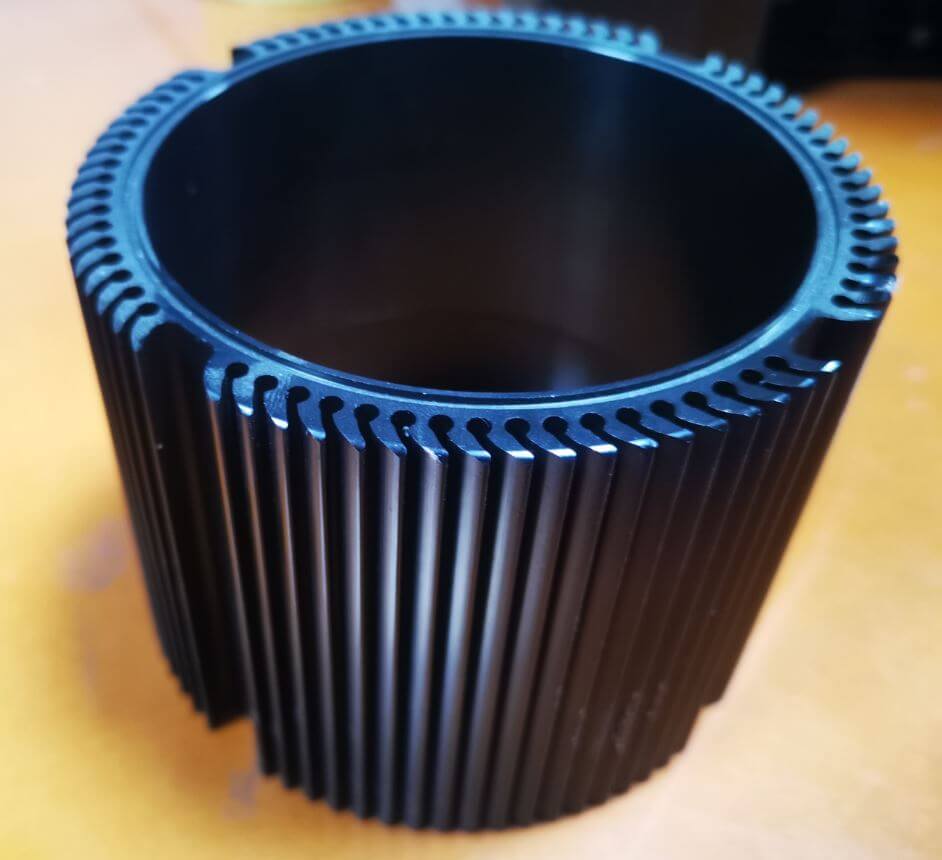
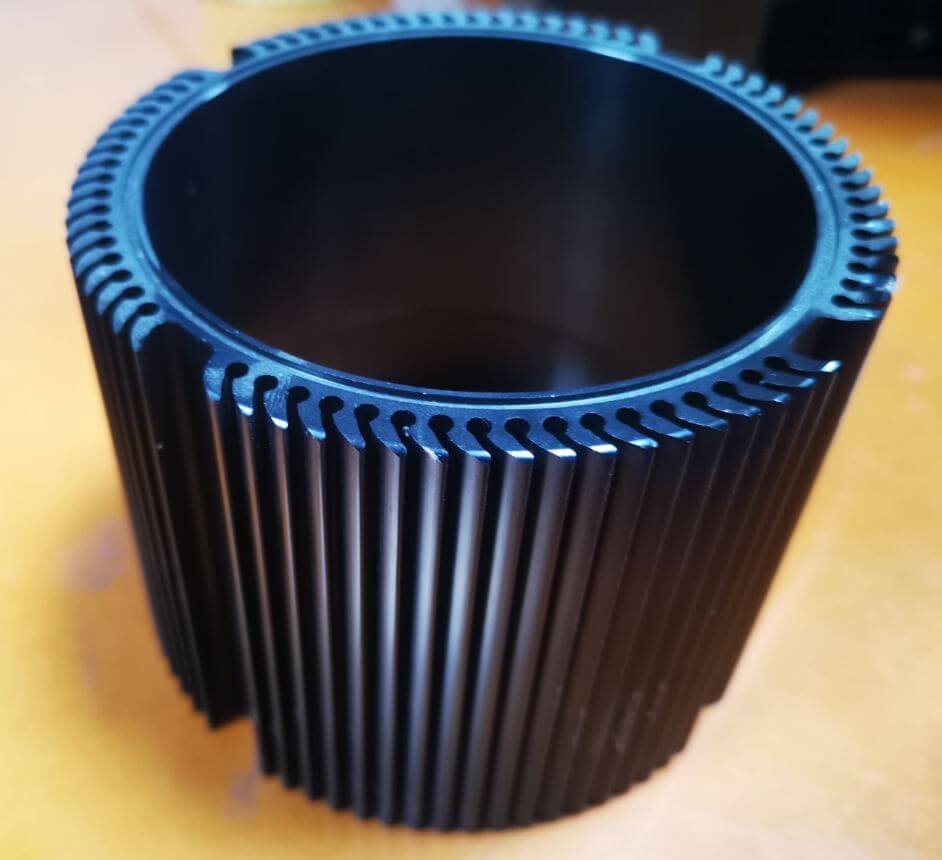
Ekstrudering av svart anodisert aluminium

Halvfast pressstøping av aluminium

aluminiumsstøping

Hva er halvfast aluminiumstøping Halvfast aluminiumstøping er en avansert produksjonsprosess som kombinerer prinsippene for tradisjonell pressstøping med de unike materialegenskapene til halvfaste legeringer. I denne prosessen sprøytes en delvis størknet aluminiumslegering, ofte i en slurry- eller pastalignende tilstand, inn i et formhulrom for å skape komplekse og presise metallkomponenter. Denne innovative teknikken har flere fordeler i forhold til konvensjonelle støpemetoder, noe som gjør den spesielt godt egnet for bruksområder der høy mekanisk ytelse, reduserte defekter og intrikat design er avgjørende. I produksjonsverdenen spiller støpeprosessen en sentral rolle når det gjelder å skape komplekse metallkomponenter med høy presisjon og effektivitet. Nylige fremskritt har imidlertid gitt opphav til en innovativ tilnærming kjent som halvfast støping av aluminium. Denne artikkelen tar for seg utviklingen, grunnleggende prinsipper, fordeler, bruksområder og utfordringer knyttet til halvfast støping av aluminium. I. Oversikt over pressstøpeprosessen Pressstøping er en produksjonsprosess som innebærer at smeltet metall sprøytes inn i et formhulrom for å produsere intrikate former med bemerkelsesverdig nøyaktighet. Halvfast støping bygger på dette grunnlaget ved å manipulere legeringens materialegenskaper for å oppnå forbedrede resultater. II. Grunnleggende prinsipper for halvfast støping av aluminium A. Grunnleggende prinsipper for trykkstøping Tradisjonell trykkstøping innebærer at man sprøyter flytende smeltet metall inn i en form. Ved halvfast støping brukes imidlertid en slurry som er delvis fast og delvis flytende, noe som gir klare fordeler i form av færre defekter og bedre mekaniske egenskaper. B. Den reologiske oppførselen til halvfaste legeringer Halvfaste legeringer har unike reologiske egenskaper, noe som gjør dem mer motstandsdyktige mot krymping og gassporøsitet under størkningsprosessen. Dette resulterer i et ferdig produkt av høyere kvalitet. C. Typer halvfaste aluminiumslegeringer Ulike aluminiumslegeringer kan tilpasses for halvfast støping, avhengig av de spesifikke kravene til bruksområdet. Noen legeringer egner seg bedre til bilkomponenter, mens andre utmerker seg i romfartsapplikasjoner. III. Fordeler og fordeler med halvfast støping av aluminium A. Forbedrede mekaniske egenskaper Halvfast støping gir komponenter med forbedret mekanisk styrke, noe som gjør dem ideelle for sikkerhetskritiske bruksområder som f.eks. strukturkomponenter i bilindustrien. B. Mindre porøsitet og defekter Den halvfaste slurryens unike egenskaper minimerer dannelsen av hulrom og porøsitet, noe som resulterer i komponenter som krever mindre etterbehandling og har en overlegen overflatefinish. C. Forbedret dimensjonsnøyaktighet Semi-solid pressstøping reduserer problemer knyttet til krymping, noe som fører til komponenter med strammere dimensjonstoleranser og konsekvent geometri. D. Større designfleksibilitet Designerne får større frihet til å forme intrikate komponenter, ettersom den halvfaste prosessen gir mulighet for mer intrikate og tynnveggede konstruksjoner. IV. Semifast støpeprosess i aluminium A. Fremstilling av halvfast slurry Thixocasting og rheocasting er to primære metoder for å fremstille den halvfaste slurryen. Thixocasting bruker mekanisk omrøring for å indusere den halvfaste tilstanden, mens rheocasting er avhengig av kontrollert kjøling og klipping. B. Injeksjon av halvfast slurry Den halvfaste slurryen injiseres i formhulen ved hjelp av konvensjonelt støpeutstyr, men med spesifikke justeringer for å ta hensyn til de unike materialegenskapene. C. Formfylling og størkning Den halvfaste slurryens kontrollerte flyt og reduserte viskositet gjør det enklere å fylle formen, noe som fører til mindre turbulens og bedre overflatefinish. D. Avkjøling og utstøping Etter at formen er fylt, gjennomgår komponenten en kontrollert størkning som sikrer jevn avkjøling og minimerer indre spenninger. Utstøtingen blir jevnere på grunn av redusert krymping. E. Etterbehandling Selv om halvfast pressstøping reduserer behovet for omfattende etterbehandling, kan det likevel være nødvendig med etterbehandlingstrinn som trimming, avgrading og overflatebehandling. V. Sammenligning med tradisjonelle støpemetoder A. Sammenligning med høytrykksstøping Semi-solid støping skiller seg fra tradisjonell høytrykksstøping ved at den har flere fordeler, blant annet færre defekter og bedre mekaniske egenskaper. B. Sammenligning med lavtrykksstøping Halvfast støping er en mellomting mellom høytrykksstøping og lavtrykksstøping, og kombinerer fordelene ved begge metodene. C. Styrker og svakheter ved halvfast pressstøping En balansert vurdering av fordelene og ulempene ved halvfast pressstøping kan hjelpe produsentene med å velge den metoden som passer best til deres spesifikke behov. VI. Bruksområder for halvfast støping av aluminium A. Motorkomponenter til bilindustrien: Semi-solid støping produserer slitesterke motordeler som tåler de krevende forholdene under panseret. Overføringsdeler: Forbedrede mekaniske egenskaper gjør halvfaste komponenter ideelle for transmisjonssystemer. Fjæringskomponenter: Kombinasjonen av styrke og dimensjonsnøyaktighet er en fordel for fjæringsdeler. B. Strukturelle komponenter til romfartsindustrien: Halvfast støping sikrer integriteten til kritiske flystrukturer. Motordeler: Flymotorer krever robuste komponenter som tåler ekstreme temperaturer og trykk. C. Kjøleribber for elektronikkindustrien: Halvfaste komponenter leder effektivt bort varme, noe som forbedrer ytelsen og levetiden til elektroniske enheter. Kapslinger: Fleksibel design gjør det mulig å designe kompliserte kabinetter som beskytter sensitiv elektronikk. D. Forbruksvarer og sportsutstyr: De lette, men robuste egenskapene til halvfaste komponenter passer til ulike bruksområder for sportsutstyr. Hvitevarer: Halvfaste komponenter bidrar til holdbarheten og effektiviteten til husholdningsapparater. VII. Utfordringer og framtidige veivalg A. Materialvalg og legeringsutvikling Forskningen på legeringssammensetninger som maksimerer fordelene med halvfast støping, fortsetter å utvikle seg. B. Prosessoptimalisering og simulering Avanserte simuleringsverktøy bidrar til å optimalisere den halvfaste støpeprosessen for ulike bruksområder. C. Kostnadsaspekter Selv om halvfast støping gir mange fordeler, må produsentene veie disse opp mot de tilhørende kostnadene. D. Miljøpåvirkning og bærekraft Bransjen utforsker måter å minimere miljøavtrykket fra halvfast støpeprosesser på. VIII. Casestudier A. Bedrift A: Bilkomponent Fremhever en suksesshistorie fra den virkelige verden der halvfast pressstøping førte til forbedret ytelse og levetid for bilkomponenter. B. Bedrift B: Flykomponent Illustrerer hvordan halvfast støping sikret presisjon og pålitelighet for en kritisk flykomponent. IX. Forskning og innovasjoner innen halvfast støping av aluminium A. Nye teknologier Utforsker banebrytende fremskritt som lover å revolusjonere landskapet innen halvfast støping. B. Fremskritt innen utstyr og verktøy Utviklingen av spesialisert utstyr og verktøy fortsetter å forbedre den halvfaste støpeprosessen. C. Integrasjon med Industri 4.0 Sammensmeltingen av halvfast støping med smarte produksjonsprinsipper forbedrer prosesskontrollen og datadrevet beslutningstaking. X. Konklusjon A. Oppsummering av hovedpunkter Oppsummering av fordelene, bruksområdene og utfordringene ved halvfast støping av aluminium. B. Fremtidsutsikter for halvfast støping av aluminium

tilpasset kjøleribbe

Anodisering av pressstøpt aluminium

aluminiumsstøping

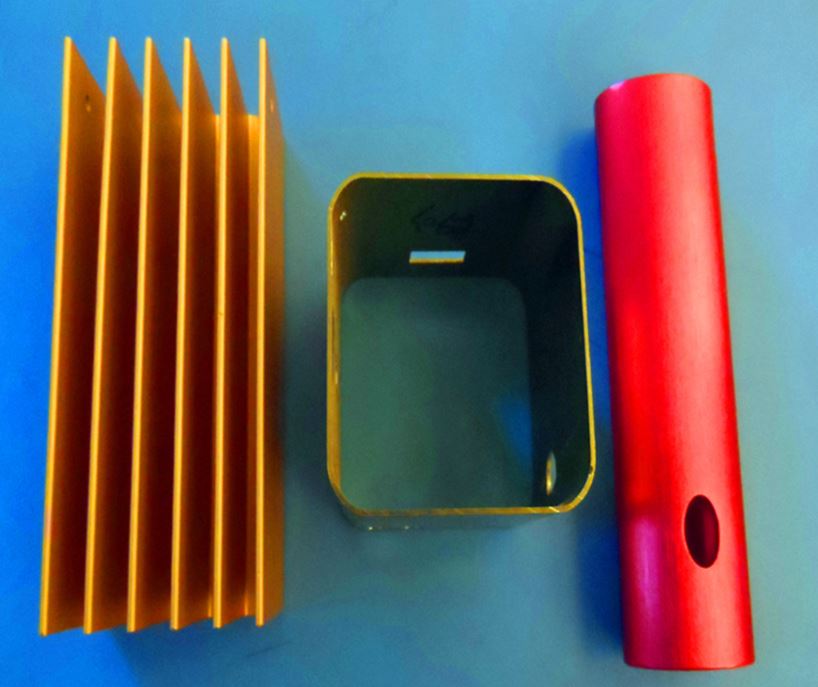
Anodizing Die Cast Aluminum: Enhancing Durability and Aesthetics Anodizing is a crucial surface finishing process that offers numerous benefits to die cast aluminum components. By subjecting aluminum to an electrochemical process, anodizing creates a protective layer that enhances corrosion resistance, wear resistance, and even allows for aesthetic customization. In this article, we will delve into the anodizing process for die cast aluminum, explore its benefits, discuss considerations for successful anodizing, and examine its applications across various industries. Anodizing die cast aluminum Process To prepare die cast aluminum for anodizing, meticulous cleaning and degreasing are vital. This step ensures the removal of any contaminants that could affect the adhesion and quality of the anodized layer. Surface preparation techniques like etching and polishing may also be employed to achieve the desired surface finish. The anodizing process offers three main methods: Type I, Type II, and Type III anodizing. Type I, known as chromic acid anodizing, produces a thin, non-decorative, and corrosion-resistant layer. Type II, sulfuric acid anodizing, is the most common method and creates a thicker layer suitable for aesthetic finishes. Type III, also known as hardcoat anodizing, results in a considerably thicker and harder layer, offering exceptional wear resistance. Various parameters and variables play crucial roles in the anodizing process. Voltage and current density determine the thickness and quality of the anodized layer. Anodizing time and temperature are carefully controlled to achieve the desired results. Specialized equipment and setup ensure consistent and efficient anodizing. Benefits of Anodizing Die Cast Aluminum Enhanced Corrosion Resistance: Anodizing forms a protective oxide layer that shields die cast aluminum from environmental factors, such as moisture and chemicals. This greatly enhances the material’s corrosion resistance, making it suitable for applications in harsh environments. Improved Wear Resistance: Hardcoat anodizing creates an exceptionally durable surface that offers resistance against abrasion, reducing wear and extending the lifespan of die cast aluminum components. Aesthetic Options and Color Choices: Anodizing allows for a wide range of aesthetic options, including different finishes and color choices. By utilizing dyes or pigments during the anodizing process, die cast aluminum components can be customized to match branding or design requirements. Electrical Insulation Properties: Anodized die cast aluminum exhibits excellent electrical insulation properties. This makes it ideal for applications where electrical conductivity needs to be minimized or eliminated. Increased Surface Hardness: Hardcoat anodizing significantly increases the surface hardness of die cast aluminum, making it more resistant to scratches, dents, and other forms of physical damage. Considerations for Anodizing Die Cast Aluminum Proper alloy selection is crucial for successful Anodizing die cast aluminum. Different aluminum alloys respond differently to the anodizing process, so it’s essential to choose the appropriate alloy to achieve the desired results. Design considerations are also important. The thickness and dimensions of the component must be carefully evaluated to ensure uniform and consistent anodized coatings. Masking requirements should be addressed to protect specific areas that shouldn’t be anodized. Furthermore, the accessibility of the component’s surfaces must be taken into account to ensure proper coating coverage. Surface defects can occur during the anodizing process. To mitigate these issues, thorough inspection and quality control measures are implemented to identify and address any defects that may compromise the integrity of the anodized layer. Post-Anodizing Processes After anodizing, sealing the anodized surface further improves its durability and corrosion resistance. Sealing involves closing the pores of the anodized layer, preventing the ingress of contaminants and enhancing the overall performance of the anodized die cast aluminum component. Sealing can be achieved through various methods, including hot water sealing, nickel acetate sealing, or proprietary sealing processes, depending on the specific requirements of the application. In addition to sealing, there are additional post-anodizing processes that can be employed to further enhance the appearance and functionality of die cast aluminum components. Dyeing allows for the introduction of vibrant colors to the anodized surface, providing greater design flexibility and aesthetic appeal. Laser etching can be utilized to add precise markings, logos, or serial numbers to the anodized surface, allowing for easy identification and traceability. Quality control and inspection techniques play a vital role in ensuring the overall quality and performance of anodized die cast aluminum components. These processes involve visual inspection, thickness measurement, adhesion testing, and other rigorous assessments to ensure that the anodized coating meets the required specifications and standards. Applications of Anodized Die Cast Aluminum The benefits of anodized die cast aluminum make it a preferred choice in various industries: Automotive Industry: Anodized die cast aluminum components find extensive use in automotive applications, such as engine parts, transmission housings, and decorative trim. The enhanced corrosion resistance and aesthetic customization options make anodized die cast aluminum ideal for automotive designs. Aerospace Industry: Anodized die cast aluminum plays a crucial role in aerospace applications, where lightweight materials with excellent corrosion resistance are paramount. Components like aircraft interior panels, structural elements, and landing gear parts benefit from the protective anodized layer. Consumer Electronics: Anodized die cast aluminum is widely utilized in the consumer electronics industry for products like smartphones, laptops, and audio equipment. Its combination of durability, aesthetics, and electrical insulation properties makes it an ideal choice for these applications. Building and Construction: Anodized die cast aluminum finds use in architectural applications, such as window frames, door handles, and exterior cladding. The ability to customize colors and finishes allows architects and designers to achieve their desired aesthetic while ensuring durability and longevity. Other Industrial Applications: Anodized die cast aluminum is also employed in various industrial sectors, including machinery, furniture, sports equipment, and lighting fixtures. Its corrosion resistance, wear resistance, and aesthetic options make it a versatile material for a wide range of applications. Comparison with Other Surface Finishing Techniques While Anodizing die cast aluminum offers significant advantages, it’s important to consider alternative surface finishing techniques for specific applications: Powder Coating: Powder coating provides a durable and visually appealing finish, but it may not offer the same level of corrosion resistance or wear resistance as anodizing. The choice between anodizing and powder coating depends on the

maling anodisering av aluminium

Maling Anodisert aluminium

aluminiumsstøping

Painting Anodized Aluminum: A Comprehensive Guide Painting Anodized aluminum is a popular choice due to its durability, corrosion resistance, and aesthetic appeal. However, there may come a time when you want to change the color of your anodized aluminum or simply refresh its appearance. In such cases, painting anodized aluminum is a viable option. In this blog post, we will provide a comprehensive guide on how to paint anodized aluminum, including the preparation, painting, and maintenance processes. I. Introduction Anodized aluminum is a type of aluminum that has undergone an electrochemical process to create a protective layer of oxide on its surface. This layer makes the aluminum more resistant to corrosion, scratches, and wear, while also enhancing its appearance. Anodized aluminum is commonly used in architectural, automotive, and aerospace applications, among others. However, its color options are limited, and it may fade or become damaged over time. Painting anodized aluminum can address these issues and provide a new look to your metal surfaces. II. Preparing the Surface Before painting anodized aluminum, it is crucial to prepare the surface properly. This involves cleaning the surface, sanding it, and applying a primer. Cleaning the Surface: The first step is to clean the anodized aluminum surface thoroughly. You can use a degreaser, such as trisodium phosphate (TSP), to remove any dirt, oil, or grime. Rinse the surface with water and let it dry completely. Sanding the Surface: Next, you need to sand the anodized aluminum surface to create a rough texture that can help the paint adhere better. You can use a fine-grit sandpaper, such as 220-grit, to sand the surface gently. Be careful not to sand too hard, as this can damage the anodized layer. Applying a Primer: Once the surface is clean and sanded, you should apply a primer to promote adhesion and improve the paint’s durability. Choose a primer that is compatible with anodized aluminum and follow the manufacturer’s instructions for application. Allow the primer to dry completely before painting. III. Choosing the Right Paint When it comes to painting anodized aluminum, not all paints are created equal. You need to choose a paint that is suitable for metal surfaces and can adhere well to the anodized layer. Here are some factors to consider when choosing paint: Type of Paint: There are different types of paint suitable for anodized aluminum, including acrylic, epoxy, and polyurethane. Each type has its advantages and disadvantages, so you should choose the one that best suits your needs. Acrylic paint is easy to apply and dries quickly, but it may not be as durable as other types. Epoxy paint is highly resistant to chemicals and abrasion, but it requires a longer curing time. Polyurethane paint is the most durable and glossy, but it is also the most expensive. Color and Finish: You should also consider the color and finish of the paint. Anodized aluminum can be painted in any color, but you should choose a color that complements the surrounding environment or matches your design preferences. The finish can be matte, satin, or glossy, depending on your desired look. IV. Painting the Anodized Aluminum Once you have prepared the surface and chosen the right paint, you can start painting the anodized aluminum. Here are the steps to follow: Applying the First Coat of Paint: Use a brush, roller, or spray gun to apply the first coat of paint. Apply the paint evenly and avoid drips or bubbles. Let the first coat dry according to the manufacturer’s instructions. Applying Subsequent Coats of Paint: Depending on the type of paint and the desired thickness, you may need to apply one or more additional coats of paint. Sand the surface lightly between coats to create a smooth finish. Allow each coat to dry completely before applying the next one. Drying and Curing the Paint: After the final coat, let the paint dry for at least 24 hours before handling or exposing it to moisture. Some paints may require a longer curing time, so check the manufacturer’s instructions. Once the paint is fully cured, you can enjoy your newly painted anodized aluminum surface. V. Maintenance and Care To ensure that your painted anodized aluminum surface lasts for a long time, you should follow some maintenance and care tips: Clean the surface regularly with a mild detergent and water to remove dirt and debris. Avoid using abrasive cleaners or tools that can scratch or damage the paint. Inspect the surface periodically for signs of wear, fading, or peeling. Touch up any damaged areas with paint as needed. Protect the surface from exposure to harsh chemicals, extreme temperatures, or direct sunlight, which can cause the paint to deteriorate. When do you need painting anodized aluminum Painting anodized aluminum may be necessary for a variety of reasons, including: Changing the color: Anodized aluminum is available in a limited range of colors, so painting it can provide more color options to match your design preferences. Restoring the appearance: Over time, anodized aluminum may become faded, scratched, or damaged, making it look dull or unattractive. Painting can restore the surface’s appearance and make it look new again. Protecting the surface: While anodized aluminum is more resistant to corrosion and wear than untreated aluminum, it may still be susceptible to damage in harsh environments. Painting can provide an additional layer of protection to the surface, making it more durable and long-lasting. Customizing the surface: Painting anodized aluminum can allow you to customize the surface with unique designs, patterns, or logos, making it stand out and reflect your brand or personality. Painting anodized aluminum can be a practical and aesthetic solution for enhancing the surface’s appearance and performance. Conclusion Painting anodized aluminum can be a rewarding DIY project that can transform your metal surfaces into a new and vibrant look. By following the steps outlined in this guide, you can prepare, paint, and maintain your anodized aluminum surfaces with ease and confidence. Remember to choose the right paint, prepare the surface properly, and take care

ADC12 Trykkstøping

ADC12 trykkstøping

aluminiumsstøping

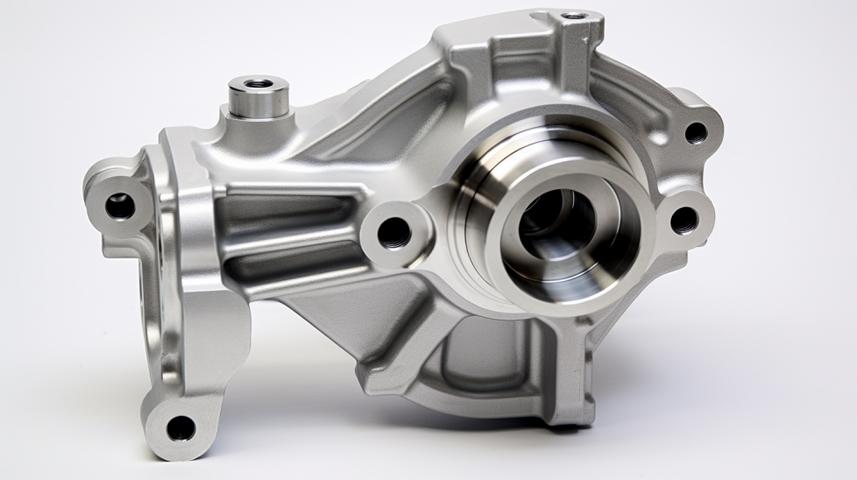
What is ADC12 die casting? ADC12 die casting is one of the most commonly used aluminum alloy die casting materials, and it is used in a wide variety of industries, including the automotive, consumer electronics, and aerospace industries. This process involves the injection of molten metal into a mold at high pressure, which creates complex geometric shapes with excellent dimensional accuracy. In this article, we will provide you with an overview of the ADC12 aluminum alloy die casting process, including the materials used, the equipment required, and the benefits of the process. Materials Used in ADC12 Die Casting ADC12 is an aluminum alloy that is primarily composed of aluminum, silicon, and magnesium. This alloy has a high strength-to-weight ratio and good corrosion resistance, making it ideal for use in a wide range of applications. Compared to other alloys such as A380 aluminum die casting, ADC12 aluminum alloy has higher silicon content, which results in better fluidity during the casting process. This alloy is also more cost-effective compared to other similar alloys. Equipment Required for Aluminum ADC12 Die Casting To carry out the aluminum ADC12 die casting process, various equipment is required, including injection molding machines, die casting molds, and other necessary tools. The injection molding machine is used to inject the molten metal into the mold, while the die casting mold is used to create the shape of the finished product. Other necessary tools include cooling systems, ejection mechanisms, and quality control equipment. Process of Aluminum ADC12 Die Casting The process of aluminum ADC12 die casting involves several steps, including the preparation of materials, injection of molten metal, cooling and ejection of finished products, and quality control measures. The preparation of materials involves melting the ADC12 alloy and preparing the mold for casting. The molten metal is then injected into the mold at high pressure, which creates the desired shape of the finished product. After the metal has solidified, the mold is opened, and the finished product is ejected from the mold. Quality control measures are carried out throughout the entire process to ensure that the finished product meets the required specifications. Applications of aluminum ADC12 Die Casting Aluminum ADC12 die casting is widely used in various industries, including the automotive, consumer electronics, and aerospace industries. In the automotive industry, ADC12 die casting is used to manufacture a wide variety of components, including engine blocks, transmission cases, and suspension parts. In the consumer electronics industry, ADC12 die casting is used to create high-quality products such as laptop frames, smartphone cases, and tablet casings. In the aerospace industry, ADC12 die casting is used to manufacture parts such as aircraft engine components and structural components. Benefits of aluminum ADC12 Die Casting Aluminum ADC12 die casting offers a wide range of benefits, including a high strength-to-weight ratio, good corrosion resistance, improved dimensional accuracy, and mass production capability. The high strength-to-weight ratio of ADC12 makes it an ideal material for producing lightweight components that require high strength, such as those used in the aerospace industry. The good corrosion resistance of ADC12 aluminum alloy also makes it ideal for use in applications where protection from the elements is required. The improved dimensional accuracy of ADC12 aluminum alloy allows for the manufacture of complex components with tight tolerances, which is essential in many industries. Finally, the mass production capability of ADC12 die casting makes it an efficient and cost-effective process for producing large quantities of components. When should we use adc12 aluminum alloy die casting parts? ADC12 die casting aluminum alloy parts are used in a variety of applications. Here are some situations where you should consider using them: Where a High Strength-to-Weight Ratio is Needed: ADC12 die casting aluminum alloy parts offer an excellent strength-to-weight ratio, which makes them ideal for use in aircraft and automotive industries, where lightweight but strong components are required. Where Corrosion Resistance is Important: ADC12 die casting aluminum alloy parts contain high levels of silicon, which offers better corrosion resistance than other aluminum alloys. They are an excellent choice for applications that require protection against the elements, such as marine or outdoor applications. Where Complex Geometric Shapes are Required: ADC12 die casting aluminum alloy parts can be cast in intricate and complex shapes, with high dimensional accuracy. As such, they are ideal for use in the production of components that require tight tolerances, such as automotive and aerospace parts. Where Mass Production is Required: ADC12 die casting aluminum alloy parts can be produced in high volumes with low-cost tooling. As such, they are a cost-effective choice for large production runs. Where Surface Finish is Important: ADC12 die casting aluminum alloy parts can be finished to provide a high-quality surface finish, suitable for use in consumer applications such as smartphones, tablets, and laptops. ADC12 die casting aluminum alloy parts are an excellent choice for many applications. They offer a good strength-to-weight ratio, high corrosion resistance, can be cast into complex shapes with high dimensional accuracy, are cost-effective for mass production, and allow for the production of high-quality surface finishes. Consider using ADC12 die casting aluminum alloy parts when these benefits meet your specific requirements. Conclusion Aluminum ADC12 die casting is a highly versatile manufacturing process with a wide range of applications in various industries. By using this process and choosing the appropriate ADC12 aluminum alloy, manufacturers can create high-quality components that meet their specific requirements. Whether you are in the automotive, consumer electronics, or aerospace industry, aluminum ADC12 die casting can provide you with the benefits you need to succeed. CNM TECH is a premier China die casting manufacturer, offering a wide range of casting products that cater to the needs of our clients. Our products include high-quality aluminum ADC12 die casting, A380 die casting, zinc die casting, magnesium die casting, aluminum hot forging, aluminum warm forging, aluminum cold forging, aluminum paste manufacturing and various other casting services. We have been in the industry long enough to understand the requirements of our clients and, as such, have invested in state-of-the-art

Halvfast pressstøping av aluminium

Kaldsmidd aluminium

aluminiumsstøping

Cold Forging Aluminum: An Overview of Benefits, Process and Applications Cold forging aluminum is an effective way to produce shaped aluminum parts with high strength, denseness, and accuracy. Aluminum is one of the most commonly used materials in cold forging due to its versatility in terms of its characteristics and alloy permutations. This article provides a comprehensive understanding of the benefits, process, and applications of cold forging aluminum. Advantages of Cold Forging Aluminum When compared to other metal forming methods, cold forging aluminum has a number of advantages, including: Increased strength and durability: Cold forging aluminum can create parts with greater strength and durability than can ever be achieved through castings or other manufacturing methods. Improved surface finish and precision: Because the forging process requires the material to be compressed, cast parts may often require additional machining, while cold forged aluminum has a high surface finish already built into the process. Cost-effective compared to other techniques: Cold forging aluminum only requires modest pressure to make the necessary changes in the metal, In turn save costs in comparison to other techniques. Reduction in material waste and energy consumption: With no material waste during the forging process, and the energy needed, as compared to other methods, it adds up to cost savings over the long-term. Process of Cold Forging Aluminum The cold forging process of aluminum involves several steps: Preparation of aluminum billets Prior to starting the cold forging process, aluminum billets must first be prepared. Billets are pre-made shapes that are used in the manufacturing of parts. The billets will be heated and placed into the cold forging press later on in the process. Loading and clamping of billets in the press The billets are loaded into the press at room temperature, which is why it is called ‘cold forging’. To ensure that the billets do not move or wriggle during the press process, they are clamped down tightly. Forging process using a cold forging press The most important part of the cold forging aluminum process is creating the desired shape of the part. The process involves applying controlled pressure to the billet from all angles while the press shapes the metal to the desired shape. Cooling and trimming of the forged aluminum parts After the parts have been successfully cold forged, they are left to cool down for a few moments and then trimmed to remove excess material. Applications of Cold Forged Aluminum Cold forged aluminum is widely used in various industries: Automotive industry – Engine parts, suspension components, and other car parts that require strong, durable metal can be cold forged from aluminum. The aluminum parts produced through cold forging have higher strength and durability than other manufacturing methods, at lower costs. Aerospace industry – Aluminum bolts, screws, aircraft parts, and other equipment are made using cold forging. The benefit of cold forging in the aerospace industry is that parts can be produced to exact specifications and tolerances without warping or defects. Consumer electronics – Smartphones cases, frames for laptops, and other computing devices are often made through cold forging. The process ensures that the final products are durable and lightweight. Cold forged aluminum heat sink -Cold forged aluminum heat sinks are commonly used in electronic devices, such as computers and telecommunication devices, to help manage the heat generated by electronic components during operation. The heat sink is designed to absorb the heat from the electronic device, and then dissipate it into the ambient environment through fins or other means of heat transfer. The cold forging manufacturing process is well-suited for producing heat sinks because it allows for tight tolerances, high production rates, and excellent surface finish. The process involves shaping a heated aluminum blank using a die and punch, which compresses the material to form the desired shape. The material is then cooled rapidly, which improves the strength and hardness of the aluminum. Cold forged aluminum heat sinks have several advantages over other materials such as copper or magnesium. Aluminum is lightweight, which makes it easy to manage and install in electronic devices. It is also highly conductive, which allows it to absorb and distribute heat quickly. Aluminum heat sinks can have a relatively large surface area for their size, which provides an effective cooling solution in a small space. Cold forged aluminum heat sinks can also be customized into various shapes and sizes to fit the specific requirements of different electronic devices. They can be designed to have different fin patterns and thicknesses to optimize their heat dissipating performance. Other industries – In the medical device sector, cold forged aluminum can be used in the production of prostheses, bone screws and other equipment. In the sports equipment sector, golf club heads, racket frames and other sporting equipment may necessitate the use of cold forged aluminum materials. Challenges and Limitations of Cold Forging Aluminum While cold forging aluminum offers a wide range of benefits, the process also has its challenges and limitations: Complexity of the process and equipment needed – The process of cold forging aluminum can be complex, which means that the necessary equipment is much more expensive than alternative production methods. Limited to simple and symmetrical shapes – In some cases, the design of a part may not be possible through cold forging. Cold forging can only be used for symmetrical shapes, which means that complex designs cannot be created. Surface defects and cracks in the forged parts may occur – Due to the high pressure exerted during the forging process, minor surface defects such as rough surfaces or small cracks can occur. When do you need aluminum cold forged parts? Aluminum cold forged parts may be needed in certain situations where specific properties or characteristics are required in the finished product. Cold forging is a process where the metal is formed under high pressure at or near room temperature, without the use of heat. There are certain advantages to cold forging aluminum parts compared to hot forging, including: Cost-effectiveness: Aluminum cold forged parts can

cnc-maskinering av komponenter

CNC-maskineringstjenester Kina

aluminiumsstøping, CNC-maskinering

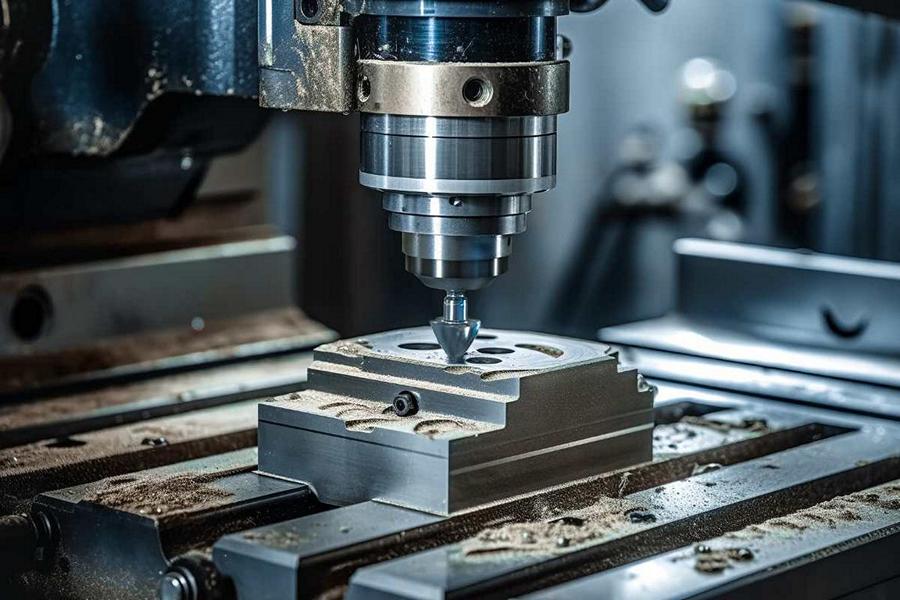
Do you need a fast and effective cnc machining china service provider? CNM is your reliable cnc machining china factory. Our highly specialized machinists, engineers, quality control personnel, and CNC technology provide high-quality manufacturing for your products. CNM provides CNC milling, CNC turning, CNC grinding, and wire EDM services and aims to deliver precise and quality work. At CNM, our CNC manufacturing facility is certified ISO 9001:2015, based on the company’s core competency of tooling and manufacturing small quantity end-use parts. We also offer 3D printing and injection molding services to meet our china cnc machining and manufacturing solutions. We also provide a variety of materials for a machined part and a variety of surface finishes based on your needs. CNC is an acronym for Computer Numerical Control. It is a process that employs machines operated by instructions in G-code to cut and shape materials. These are the multi-axial milling machines, lathes, and routers, all CNC-based but with a different strategy. In CNC milling machines, the workpiece is held in place while the cutter shapes it, while in CNC turning machines, the cutting tool and the material are turned to create the part. Choosing CNM for your cnc machining needs ensures that you get efficient performance, modern technology, and assurance of quality and niche products for different sectors. Our China CNC Machining Service At the CNC machine shop in China, CNM possesses a modern CNC machine shop equipped with different kinds of precision CNC machines. We provide 3-axis- to 5-axis machining to ensure precision in cutting complex components. Comprehensive In-House Machining We adhere to ISO 2768-F machining standards; we are in a position to offer all-round machining services for parts of various sizes and shapes. Our CNC milling can take in workpieces with diameters ranging from 2mm to 350mm to suit our customers’ needs and accuracy levels. For more information about CNM’s diverse skills and services, please visit. Quality Assured Raw Materials CNM also confirms that all the materials used conform to the provisions of the RoHS directive and any other specifications as may be provided by the client. We also offer material certificates and SGS reports for your reference; we have a wide range of steel, aluminum, stainless steel, titanium, and engineering plastics like PEEK, PC, and POM. ISO Certified Precision CNM is an ISO-approved CNC machine shop in China; therefore, it has to adhere to strict quality control measures. Today’s testing equipment supports this commitment to accuracy, which is why we are the best for precision milling services. Learn more about our quality assurance procedures. Flexible Order Quantities CNM can satisfy any small or large order of many units to be manufactured. Our critical services are short-run precision CNC milling, turning, and mass production, which enable us to meet different customer needs in the best way possible. Rapid Turnaround CNM offers a quotation for the work within a single day, and the work can be commenced and completed quickly. A highly qualified and experienced staff, including a separate R&D department, ensures proper work and high performance. Global Customer Base CNM is ready to work with clients from the EU and North America, providing them with the best quality CNC machining according to global standards. Precision & High Quality CNC Machining Services at CNM At CNM, our CNC machines can work with high accuracy to give various features and components. CNC milling machines are particularly suitable for making deep recesses, inclined planes, holes, and slots, while CNC lathes make round, similar-shaped parts. The tolerances that can be held on our CNC milling and turning machines are minimal, sometimes as good as ±0. 001mm. They can only work with metals and plastics, provided that the latter are solid blocks. This capability makes CNC machining different from other additive manufacturing technologies like 3D printing, mainly dealing with plastics and a few metals. Why Choose CNM cnc machining services china for Your Projects? At CNM, we ensure that all the products produced are accurate and of the highest quality. Our engineers, machinists, and quality control staff collaborate to ensure that all the projects are done to the required standard. Nothing but the best is offered here, from the latest CNC technologies to the most rigorous quality control measures. Diverse Material Expertise We deal in a wide range of materials to guarantee that our clients receive their desired products for their projects. Starting from aluminum to stainless steel, brass, or even titanium and Inconel, CNM has it all for you. We also have specialities in plastics like POM, PTFE, and PC, and we ensure you get all the required materials. Certified Excellence Our facilities adhere to rigorous industry standards, including ISO 9001:For quality management, ISO 9001:2015, and ISO 14001:2015 for environmental practices. ISO 13485:CNM is a 2016 medical device manufacturing certification that ensures all procedures’ conformity and quality.  Cost-Effective Solutions In the manufacturing processes, we use DFM principles to minimize manufacturing costs while ensuring that the quality of the product is not compromised. CNM has cost-effective manufacturing solutions that are within your budget and ensure efficient manufacturing from the ground up. Swift Turnaround Times Located near the major transport hubs in the southern region of China, CNM guarantees the speedy production and shipment of products. We appreciate the speed without sacrificing quality so your products reach you as soon as possible. Customized CNC Machining Services CNM provides custom parts and complex materials for special projects where certain parts must be machined. The flexibility and the orientation to the client’s needs ensure that all the features will be considered and solved effectively and efficiently. CNM’s Advanced CNC Machining Services CNM mainly specializes in providing high accuracy cnc machined parts for metals and plastics. In both cases, whether it is prototype or production parts, CNM makes sure that the cycle times are short and that there is no compromise on the quality. Benefit from our commitment to excellence, including free standard shipping on all orders and compliance with ISO 9001:2015, ISO 13485:2003, AS9100D, and

Led-lys-innkapsling-aluminium

Kjøleribber for LED-lys

aluminiumsstøping

What is LED light heat sinks LED light heat sinks are components designed to dissipate heat generated from LED modules to prevent overheating and ensure proper functioning. LED lights generate heat during operation, and if this heat is not effectively dissipated, it can lead to premature failure of the LED module. LED light heat sinks transfer heat away from the LED module through passive or active means, using materials with high thermal conductivity, such as aluminum, copper, graphite, or ceramic. They play an important role in increasing Types of LED Light Heat Sinks: There are two main types of LED light heat sinks: passive and active. Passive heat sinks passively dissipate heat by conducting it away from the LED module through heat pipes or fins. Active heat sinks, on the other hand, use fans or pumps to actively move air or liquid through the heat sink to enhance heat transfer. Passive heat sinks are simpler in design and construction and generally cost less than active heat sinks. However, they are limited in their ability to dissipate heat quickly, especially in high-powered LED applications. Active heat sinks are more complex in design and have a higher initial cost, but they offer better heat dissipation and are better suited for high-powered LED applications. Materials used in LED Light Heat Sinks: The most common materials used in LED light heat sink construction are aluminum and copper due to their excellent thermal conductivity. Aluminum heatsink is lightweight, inexpensive, and easy to manufacture, making it a popular choice for passive heat sinks. Copper, on the other hand, is more expensive, harder to manufacture, and heavier, but it has a higher thermal conductivity than aluminum, making it ideal for use in active heat sinks. Other materials used in LED light heat sink construction include graphite and ceramic. Graphite is a lightweight alternative to aluminum that has good thermal conductivity and is often used in low-power LED applications. Ceramic materials are used in high-power LED applications due to their excellent thermal shock resistance and thermal conductivity. Factors to Consider when Choosing LED Light Heat Sinks: When selecting an LED light heat sink, several factors should be considered to ensure proper functionality. The most important factor is thermal conductivity, as it directly affects the heat dissipation capability of the heat sink. The shape and size of the heat sink should also be considered, as they affect heat transfer and compatibility with the LED module. It is essential to choose a heat sink that is compatible with the LED module to ensure optimal heat dissipation and maximum efficiency. Finally, cost-effectiveness should be taken into account, as heat sinks can vary significantly in price depending on the material and complexity of the design. Benefits of LED Light Heat Sinks: Using LED light heat sinks in lighting applications offers several key benefits. First, they protect against overheating, which can lead to premature failure of the LED module. Secondly, they increase energy efficiency by reducing the amount of power wasted as heat. Finally, LED light heat sinks prolong the lifespan of LED lighting, reducing the frequency of replacement and reducing overall costs. Applications of LED Light Heat Sinks: LED light heat sinks are used in a wide range of applications, including indoor and outdoor lighting, automotive lighting, medical lighting, and commercial and industrial lighting. In indoor and outdoor lighting, LED light heat sinks are used to reduce heat buildup and prolong the lifespan of LED lamps. Automotive lighting often requires high-powered LED modules that generate significant heat, making active heat sinks crucial for proper operation. Medical lighting requires high-quality, reliable lighting with low heat output, making passive heat sinks ideal for use in these applications. Finally, commercial and industrial lighting applications often require high-powered lighting with effective heat dissipation, making active heat sinks the most appropriate choice. Conclusion: LED light heat sinks are essential components in LED lighting applications, playing a vital role in preventing overheating and prolonging the lifespan of LED modules. Choosing the right type of heat sink and material for your particular application can be challenging, but considering the factors outlined in this article will ensure optimal performance. LED light heat sinks offer numerous benefits, including energy efficiency, reduced maintenance costs, and increased reliability. They are used in a diverse range of applications and will continue to play a critical role in the future of LED lighting. If you are looking for LED light heat sinks products, welcome to contact us.

tilpasset kjøleribbe

Spesialtilpassede kjøleribber i aluminium

aluminiumsstøping

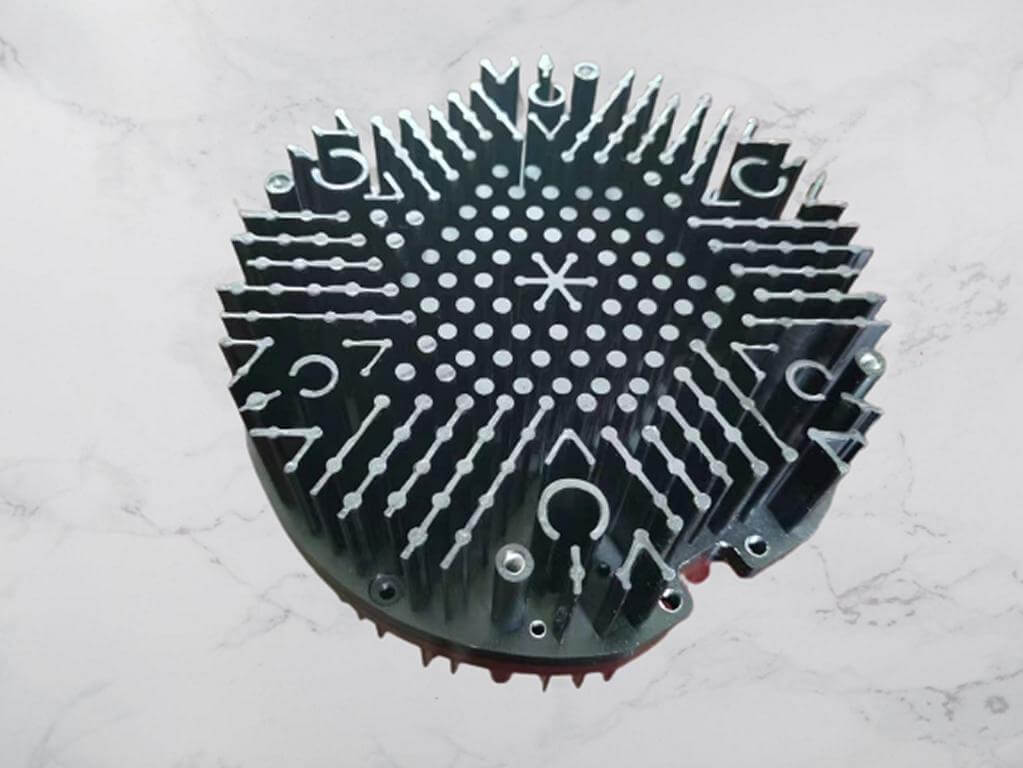
What is custom aluminum heat sinks Custom aluminum heat sinks or custom made heat sinks refer to heat sinks made from aluminum that are custom-designed and manufactured to specific size, shape, and thermal performance requirements for a particular application. Custom aluminum heat sinks are used to dissipate heat generated by electronic devices such as CPUs, graphics cards, power supplies, and LED lights, among others, to ensure optimal performance and prevent damage to the devices. The aluminum material used in heat sinks has high thermal conductivity, which allows it to effectively transfer heat away from the device and into the surrounding environment, where it can be dissipated. The customization of aluminum heat sinks includes various design aspects such as fin structure, surface finish, color, and material choice. Custom aluminum heat sinks are widely used in industrial and commercial applications due to their efficiency, durability, and cost-effectiveness. In today’s world, electronic devices are becoming more and more complex. As the amount of power that these devices require increases, the need for efficient heat dissipation becomes even more important. Custom heat sinks play a critical role in dissipating heat in electronic devices, and are a popular choice due to their high thermal conductivity and excellent durability. In this page, we will explore the benefits of custom extrusion heat sinks, the factors to consider when choosing them, the different types of custom aluminum heat sinks available, and their applications. Factors to consider when choosing custom aluminum heat sinks Thermal conductivity – The thermal conductivity of aluminum is very high, which makes it an excellent choice for heat sinks. When selecting a custom aluminum heat sink, it is important to consider the specific thermal conductivity required for your application. Higher thermal conductivity means that heat is transferred more efficiently, but it may also increase the cost of the heat sink. Durability – Aluminum heat sinks are known for their excellent durability and long lifespan. However, some applications may require additional durability due to harsh environmental conditions or high levels of vibration. In these cases, it may be necessary to choose a specialized type of aluminum alloy or to add a protective coating to the heat sink. Cost-effectiveness – As with any engineering design decision, cost is always a consideration. Aluminum heat sinks are generally more affordable than heat sinks made from other materials, but the cost can still vary widely depending on the size, shape, and complexity of the heat sink. Size and shape – Custom aluminum heat sinks can be made in many different shapes and sizes. When choosing a heat sink, it is important to consider the size and shape requirements of your application. A heat sink that is too small may not provide enough cooling, while a heat sink that is too large may be too heavy or take up too much space. Types of custom aluminum heat sinks Extruded custom made heat sinks – Extruded heat sinks are a popular choice for many applications due to their cost-effectiveness and ease of customization. These heat sinks are made by pushing heated aluminum through a die, which forms the heat sink into a specific shape. Extruded heat sinks can have fins of varying heights and widths. Bonded fin custom made heat sinks – Bonded fin heat sinks are created by combining a base plate with specialized fins that are bonded to the plate. This process creates a heat sink with superior thermal performance and excellent structural strength. Bonded fin heat sinks can be customized to have almost any desired fin shape and thickness, which makes them a popular choice for many different applications. Folded fin custom made heat sinks – Folded fin heat sinks are made by taking a flat sheet of aluminum and folding or bending it into the desired shape. This process creates a very durable and lightweight heat sink, but it is also more expensive and difficult to manufacture than other types of heat sinks. Skived fin custom made heat sinks – Skived fin heat sinks are manufactured by shaving or cutting fins into a solid block of aluminum. This process creates a very efficient and lightweight heat sink that is ideal for applications with limited space. However, skived fin heat sinks are generally more expensive than other types of heat sinks. The Custom extruded heat sink processing Custom extruded heat sink processing involves the creation of a custom heatsink from raw aluminum materials through extrusion. Extrusion is a manufacturing process that involves pushing a heated billet or slug of material through a die to create a desired shape and size. Here are the steps involved in the Custom extruded heat sink processing: Design the heatsink: The first step is to design the heatsink according to the specifications and requirements of the intended application. The design should include details such as size, shape, and the number of fins. Prepare the billet: A billet is a cylindrical block of aluminum that is heated to a temperature required for extrusion. The billet is then loaded into the extrusion press. Extrusion process: The billet is pushed through the die under high pressure, causing it to take on the shape and size of the die. As the aluminum passes through the die, it is cooled and solidified into the desired shape. Cutting and finishing: Once the extrusion process is complete, the heatsink is cut to the required length and the edges are finished using a cutting or sawing process. Sandblasting and anodizing: Sandblasting is used to remove any surface impurities and smooth out any rough edges, and anodizing is used to add a protective layer to the aluminum heatsink extrusion. The anodizing process can also add color to the surface of the heatsink. Quality Control: The finished heatsink is inspected to ensure it meets the required specifications. Checks are carried out to ensure that the size, shape, and any other features of the heatsink are within the required tolerances. By following these steps, a custom aluminum heatsink can be produced through extrusion processing.

A356 støping av aluminiumslegering

Utforske produksjonsprosessen for støping av aluminiumslegering A356

aluminiumsstøping

Manufacturing processes are essential for producing a variety of goods and services. A356 aluminum alloy casting is no exception. This type of casting is used in the automotive, aerospace, and medical industries, and is known for its strength and lightweight properties. Manufacturing A356 alloy castings involves a series of steps, such as melting, pouring, cooling, and finishing. Each step has its own challenges and requires specific processes to be successful. In this article, we’ll explore the entire manufacturing process of A356 aluminum alloy casting, from start to finish. We’ll discuss the various stages, the challenges each stage presents, and the solutions manufacturers use to ensure the highest quality of product. By the end of this article, you’ll have a better understanding of how A356 alloy castings are made and why they are so valuable in the industries they serve. What are A356 Aluminum Alloy Casting? A356 aluminum alloy castings are hollow-shaped pieces of metal that can be opened and closed. They’re most often used in the automotive and aerospace industries. A356 alloy castings are made from steel with a controlled amount of carbon, which makes them stronger and lighter than other steels. Alloy castings are also corrosion-resistant, non-magnetic, and highly resistant to wear. They are often used for bushings, brake calipers, steering components, steering wheels, and other steering components. Alloy castings can also be used for other purposes, such as making metal parts for cars, machines, and equipment. A356 aluminum alloy casting is usually made from steel with a controlled carbon amount of 0.35% to 0.45% to obtain the required strength and toughness. Alloy castings can also be made from stainless steel or other materials. A356 aluminum alloy is composed of 92.5% aluminum, 6.5% silicon, and 1% magnesium. It is a commonly used alloy in the aluminum gravity and sand  casting industry because of its good casting properties and excellent mechanical properties. The Manufacturing Process of A356 Aluminum Alloy Castings As we mentioned earlier, the manufacturing process of A356 alloy castings involves several stages. there are below some steps no matter you use gravity casting or sand casting process. Let’s explore these stages in more detail. a. Melting – A356 alloy castings are made from steel with a controlled carbon amount. The first step in the manufacturing process of A356 alloy castings is melting the steel. This creates a liquid steel slurry that is then poured into a mold. The mold is a hollow container with a pattern on its inside that creates the desired shape of the casting when the liquid steel hardens. b. Pouring – After the liquid steel has reached the right temperature, it’s poured into the mold. This is accomplished with the use of a ladle, which is a large container with a long handle. The ladle is lifted up, then swung over the mold, pouring the steel into the mold. This is a process that is done by hand, which requires careful attention and skill. If the ladle is filled too high or swung too quickly, the steel will spill over the top of the mold. If the ladle is too low, the steel will be too cold and won’t flow into the mold properly. c. Cooling – After the liquid steel has been poured into the mold, it’s important to cool it down quickly to prevent defects from forming. There are several cooling methods that manufacturers can choose from depending on the size and shape of their casting. The most common cooling methods are water cooling and sonic cooling. Water cooling involves spraying water on the surface of the steel casting to help it cool down more quickly. Sonic cooling involves blasting the bean with sound waves to help it cool down more quickly. d. Finishing – After the liquid steel has been cooled, the mold is opened. The steel inside the mold has hardened into a solid, but rough, shape. At this point, the steel needs to be cut and shaped to form the final castings. This is done with the use of various industrial cutting machines, such as mills, lathes, and grinders. Challenges of Manufacturing A356 aluminum Alloy Castings As we’ve discussed, there are a variety of challenges that manufacturers need to face when creating A356 alloy castings. Below are some of the most common challenges. – Poor cooling – If the liquid steel doesn’t cool down correctly, it can lead to defects in the final castings. If the steel doesn’t cool down quickly enough, it might cool too slowly and become brittle and prone to breakage. If the steel cools too quickly, it can form gases that create pores in the casting. When cooling, it’s important to keep the steel covered so it can absorb the heat and cool down correctly. This is especially important when cooling large castings. – Poor design – Another challenge that manufacturers face when creating A356 alloy castings is poor design. If the design of the model isn’t precise, it can affect the overall quality of the castings. If the model is too heavy, it can make the castings difficult to pour. If the model has too much draft, it can cause the castings to be too thin. In addition, the model may require more time to cast than the manufacturer has available. – Low-quality steel – Another challenge is using low-quality steel. Using poor-quality steel for the castings can cause the finished products to break or wear out too quickly Solutions to the Challenges As we’ve discussed, there are a number of challenges that manufacturers face when creating A356 alloy castings. The best way to overcome these challenges is to follow a strict production process. By following a strict production process, manufacturers can maintain consistency throughout the manufacturing process and ensure the best possible quality of product. The following table details the stages of the production process, the challenges they face, and the solutions they provide. Stage Challenges Solutions Casting design Draft required to make the model lighter The model is too heavy Too

Skroll til toppen

Få et tilbud