Halvfast pressstøping av aluminium

Kaldsmidd aluminium

aluminiumsstøping

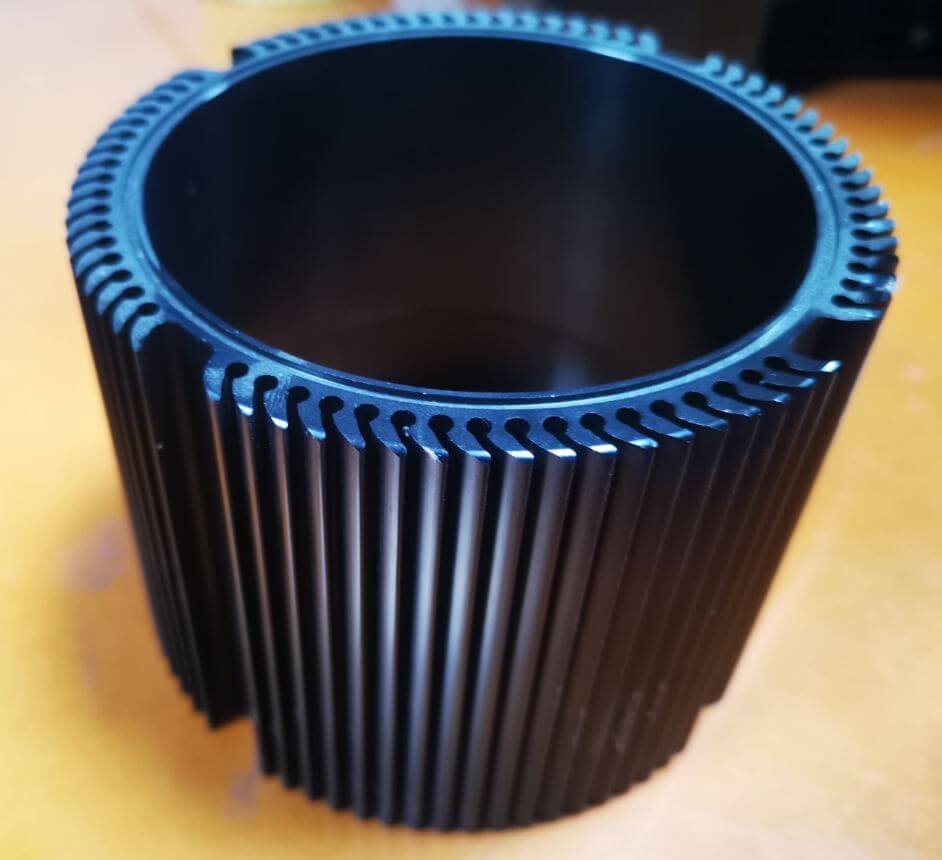
Kaldsmiing av aluminium: En oversikt over fordeler, prosesser og bruksområder Kaldsmiing av aluminium er en effektiv måte å produsere formede aluminiumsdeler med høy styrke, tetthet og nøyaktighet. Aluminium er et av de mest brukte materialene i kaldsmiing på grunn av sin allsidighet når det gjelder egenskaper og legeringspermutasjoner. Denne artikkelen gir en omfattende forståelse av fordelene, prosessen og bruksområdene ved kaldsmiing av aluminium. Fordeler med kaldsmiing av aluminium Sammenlignet med andre metallformingsmetoder har kaldsmiing av aluminium en rekke fordeler, blant annet Økt styrke og holdbarhet: Med kaldsmiing av aluminium kan man lage deler med større styrke og holdbarhet enn det som noensinne kan oppnås med støpegods eller andre produksjonsmetoder. Forbedret overflatefinish og presisjon: Fordi smiingsprosessen krever at materialet komprimeres, kan støpte deler ofte kreve ytterligere bearbeiding, mens kaldsmidd aluminium har en høy overflatefinish som allerede er innebygd i prosessen. Kostnadseffektivt sammenlignet med andre teknikker: Kaldsmiing av aluminium krever bare et beskjedent trykk for å gjøre de nødvendige endringene i metallet, noe som igjen sparer kostnader sammenlignet med andre teknikker. Reduksjon i materialavfall og energiforbruk: Siden det ikke oppstår materialavfall under smiingsprosessen, og energiforbruket er lavere enn ved andre metoder, gir det kostnadsbesparelser på lang sikt. Prosessen med kaldsmiing av aluminium Kaldsmiingsprosessen av aluminium består av flere trinn: Klargjøring av aluminiumsblokker Før kaldsmiingsprosessen starter, må aluminiumsblokker først klargjøres. Billets er ferdiglagde former som brukes i produksjonen av deler. Billettene blir varmet opp og plassert i kaldsmiepressen senere i prosessen. Lasting og fastspenning av billettene i pressen Billettene lastes inn i pressen ved romtemperatur, og det er derfor det kalles ‘kaldsmiing’. For å sikre at billettene ikke beveger seg eller vrir seg under presseprosessen, klemmes de godt fast. Smiing ved hjelp av en kaldpresse Den viktigste delen av prosessen med kaldsmiing av aluminium er å skape den ønskede formen på delen. Prosessen innebærer å legge kontrollert trykk på emnet fra alle vinkler mens pressen former metallet til ønsket form. Avkjøling og trimming av de smidde aluminiumsdelene Etter at delene er kaldsmidd, avkjøles de i noen øyeblikk og trimmes deretter for å fjerne overflødig materiale. Bruksområder for kaldsmidd aluminium Kaldsmidd aluminium er mye brukt i ulike bransjer: Bilindustrien - Motordeler, fjæringskomponenter og andre bildeler som krever sterkt og holdbart metall, kan kaldsmides av aluminium. Aluminiumsdelene som produseres gjennom kaldsmiing har høyere styrke og holdbarhet enn andre produksjonsmetoder, til lavere kostnader. Flyindustrien - Bolter, skruer, flydeler og annet utstyr i aluminium fremstilles ved hjelp av kaldsmiing. Fordelen med kaldsmiing i luftfartsindustrien er at delene kan produseres i henhold til nøyaktige spesifikasjoner og toleranser uten skjevheter eller defekter. Forbrukerelektronikk - Smarttelefoner, rammer til bærbare datamaskiner og andre dataenheter blir ofte laget ved hjelp av kaldsmiing. Prosessen sikrer at sluttproduktene er holdbare og lette. Kaldsmidde kjøleribber i aluminium - Kaldsmidde kjøleribber i aluminium brukes ofte i elektroniske enheter, for eksempel datamaskiner og telekommunikasjonsenheter, for å håndtere varmen som genereres av elektroniske komponenter under drift. Kjøleribben er designet for å absorbere varmen fra den elektroniske enheten, og deretter spre den ut i omgivelsene gjennom finner eller andre varmeoverføringsmidler. Produksjonsprosessen med kaldsmiing er godt egnet for produksjon av kjøleribber fordi den gir mulighet for små toleranser, høy produksjonshastighet og utmerket overflatefinish. Prosessen innebærer å forme et oppvarmet aluminiumsemne ved hjelp av en matrise og et stempel, som komprimerer materialet slik at det får ønsket form. Materialet avkjøles deretter raskt, noe som forbedrer aluminiumets styrke og hardhet. Kaldsmidde kjøleribber i aluminium har flere fordeler i forhold til andre materialer som kobber eller magnesium. Aluminium er lett, noe som gjør det enkelt å håndtere og installere i elektroniske enheter. Det er også svært ledende, noe som gjør at det absorberer og fordeler varmen raskt. Kjøleribber i aluminium kan ha et relativt stort overflateareal i forhold til størrelsen, noe som gir en effektiv kjøleløsning på liten plass. Kaldsmidde kjøleribber i aluminium kan også tilpasses i ulike former og størrelser for å passe til de spesifikke kravene til ulike elektroniske enheter. De kan utformes med ulike lamellmønstre og tykkelser for å optimalisere varmespredningsevnen. Andre bransjer - I sektoren for medisinsk utstyr kan kaldsmidd aluminium brukes til produksjon av proteser, beinskruer og annet utstyr. I sportsutstyrssektoren kan golfkøllehoder, racketrammer og annet sportsutstyr kreve bruk av kaldsmidde aluminiummaterialer. Utfordringer og begrensninger ved kaldsmiing av aluminium Selv om kaldsmiing av aluminium byr på en rekke fordeler, har prosessen også sine utfordringer og begrensninger: Kompleksiteten i prosessen og utstyret som trengs - Prosessen med kaldsmiing av aluminium kan være kompleks, noe som betyr at det nødvendige utstyret er mye dyrere enn alternative produksjonsmetoder. Begrenset til enkle og symmetriske former - I noen tilfeller er det ikke mulig å designe en del ved hjelp av kaldsmiing. Kaldsmiing kan bare brukes til symmetriske former, noe som betyr at det ikke er mulig å lage komplekse design. Overflatefeil og sprekker i de smidde delene kan forekomme - På grunn av det høye trykket som utøves under smiingsprosessen, kan det oppstå mindre overflatefeil som ru overflater eller små sprekker. Når trenger du kaldsmidde deler i aluminium? Kaldsmidde deler i aluminium kan være nødvendig i visse situasjoner der det kreves spesifikke egenskaper eller karakteristikker i det ferdige produktet. Kaldsmiing er en prosess der metallet formes under høyt trykk ved eller nær romtemperatur, uten bruk av varme. Det er visse fordeler med kaldsmiing av aluminiumsdeler sammenlignet med varmsmiing, blant annet Kostnadseffektivitet: Kaldsmidde deler av aluminium kan
cnc-maskinering av komponenter

CNC-maskineringstjenester Kina

aluminiumsstøping, CNC-maskinering

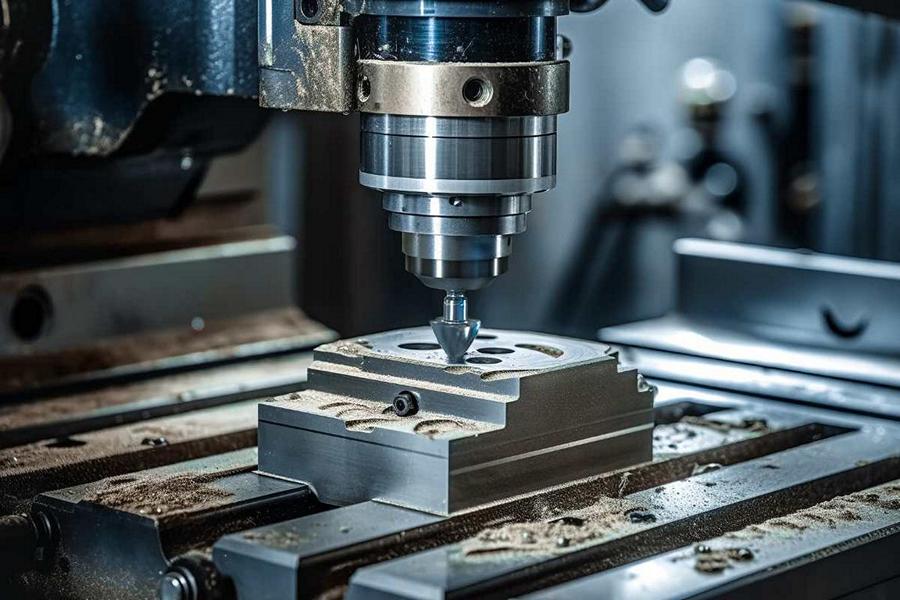
Do you need a fast and effective cnc machining china service provider? CNM is your reliable cnc machining china factory. Our highly specialized machinists, engineers, quality control personnel, and CNC technology provide high-quality manufacturing for your products. CNM provides CNC milling, CNC turning, CNC grinding, and wire EDM services and aims to deliver precise and quality work. At CNM, our CNC manufacturing facility is certified ISO 9001:2015, based on the company’s core competency of tooling and manufacturing small quantity end-use parts. We also offer 3D printing and injection molding services to meet our china cnc machining and manufacturing solutions. We also provide a variety of materials for a machined part and a variety of surface finishes based on your needs. CNC is an acronym for Computer Numerical Control. It is a process that employs machines operated by instructions in G-code to cut and shape materials. These are the multi-axial milling machines, lathes, and routers, all CNC-based but with a different strategy. In CNC milling machines, the workpiece is held in place while the cutter shapes it, while in CNC turning machines, the cutting tool and the material are turned to create the part. Choosing CNM for your cnc machining needs ensures that you get efficient performance, modern technology, and assurance of quality and niche products for different sectors. Our China CNC Machining Service At the CNC machine shop in China, CNM possesses a modern CNC machine shop equipped with different kinds of precision CNC machines. We provide 3-axis- to 5-axis machining to ensure precision in cutting complex components. Comprehensive In-House Machining We adhere to ISO 2768-F machining standards; we are in a position to offer all-round machining services for parts of various sizes and shapes. Our CNC milling can take in workpieces with diameters ranging from 2mm to 350mm to suit our customers’ needs and accuracy levels. For more information about CNM’s diverse skills and services, please visit. Quality Assured Raw Materials CNM also confirms that all the materials used conform to the provisions of the RoHS directive and any other specifications as may be provided by the client. We also offer material certificates and SGS reports for your reference; we have a wide range of steel, aluminum, stainless steel, titanium, and engineering plastics like PEEK, PC, and POM. ISO Certified Precision CNM is an ISO-approved CNC machine shop in China; therefore, it has to adhere to strict quality control measures. Today’s testing equipment supports this commitment to accuracy, which is why we are the best for precision milling services. Learn more about our quality assurance procedures. Flexible Order Quantities CNM can satisfy any small or large order of many units to be manufactured. Our critical services are short-run precision CNC milling, turning, and mass production, which enable us to meet different customer needs in the best way possible. Rapid Turnaround CNM offers a quotation for the work within a single day, and the work can be commenced and completed quickly. A highly qualified and experienced staff, including a separate R&D department, ensures proper work and high performance. Global Customer Base CNM is ready to work with clients from the EU and North America, providing them with the best quality CNC machining according to global standards. Precision & High Quality CNC Machining Services at CNM At CNM, our CNC machines can work with high accuracy to give various features and components. CNC milling machines are particularly suitable for making deep recesses, inclined planes, holes, and slots, while CNC lathes make round, similar-shaped parts. The tolerances that can be held on our CNC milling and turning machines are minimal, sometimes as good as ±0. 001mm. They can only work with metals and plastics, provided that the latter are solid blocks. This capability makes CNC machining different from other additive manufacturing technologies like 3D printing, mainly dealing with plastics and a few metals. Why Choose CNM cnc machining services china for Your Projects? At CNM, we ensure that all the products produced are accurate and of the highest quality. Our engineers, machinists, and quality control staff collaborate to ensure that all the projects are done to the required standard. Nothing but the best is offered here, from the latest CNC technologies to the most rigorous quality control measures. Diverse Material Expertise We deal in a wide range of materials to guarantee that our clients receive their desired products for their projects. Starting from aluminum to stainless steel, brass, or even titanium and Inconel, CNM has it all for you. We also have specialities in plastics like POM, PTFE, and PC, and we ensure you get all the required materials. Certified Excellence Our facilities adhere to rigorous industry standards, including ISO 9001:For quality management, ISO 9001:2015, and ISO 14001:2015 for environmental practices. ISO 13485:CNM is a 2016 medical device manufacturing certification that ensures all procedures’ conformity and quality.  Cost-Effective Solutions In the manufacturing processes, we use DFM principles to minimize manufacturing costs while ensuring that the quality of the product is not compromised. CNM has cost-effective manufacturing solutions that are within your budget and ensure efficient manufacturing from the ground up. Swift Turnaround Times Located near the major transport hubs in the southern region of China, CNM guarantees the speedy production and shipment of products. We appreciate the speed without sacrificing quality so your products reach you as soon as possible. Customized CNC Machining Services CNM provides custom parts and complex materials for special projects where certain parts must be machined. The flexibility and the orientation to the client’s needs ensure that all the features will be considered and solved effectively and efficiently. CNM’s Advanced CNC Machining Services CNM mainly specializes in providing high accuracy cnc machined parts for metals and plastics. In both cases, whether it is prototype or production parts, CNM makes sure that the cycle times are short and that there is no compromise on the quality. Benefit from our commitment to excellence, including free standard shipping on all orders and compliance with ISO 9001:2015, ISO 13485:2003, AS9100D, and

Led-lys-innkapsling-aluminium

Kjøleribber for LED-lys

aluminiumsstøping

What is LED light heat sinks LED light heat sinks are components designed to dissipate heat generated from LED modules to prevent overheating and ensure proper functioning. LED lights generate heat during operation, and if this heat is not effectively dissipated, it can lead to premature failure of the LED module. LED light heat sinks transfer heat away from the LED module through passive or active means, using materials with high thermal conductivity, such as aluminum, copper, graphite, or ceramic. They play an important role in increasing Types of LED Light Heat Sinks: There are two main types of LED light heat sinks: passive and active. Passive heat sinks passively dissipate heat by conducting it away from the LED module through heat pipes or fins. Active heat sinks, on the other hand, use fans or pumps to actively move air or liquid through the heat sink to enhance heat transfer. Passive heat sinks are simpler in design and construction and generally cost less than active heat sinks. However, they are limited in their ability to dissipate heat quickly, especially in high-powered LED applications. Active heat sinks are more complex in design and have a higher initial cost, but they offer better heat dissipation and are better suited for high-powered LED applications. Materials used in LED Light Heat Sinks: The most common materials used in LED light heat sink construction are aluminum and copper due to their excellent thermal conductivity. Aluminum heatsink is lightweight, inexpensive, and easy to manufacture, making it a popular choice for passive heat sinks. Copper, on the other hand, is more expensive, harder to manufacture, and heavier, but it has a higher thermal conductivity than aluminum, making it ideal for use in active heat sinks. Other materials used in LED light heat sink construction include graphite and ceramic. Graphite is a lightweight alternative to aluminum that has good thermal conductivity and is often used in low-power LED applications. Ceramic materials are used in high-power LED applications due to their excellent thermal shock resistance and thermal conductivity. Factors to Consider when Choosing LED Light Heat Sinks: When selecting an LED light heat sink, several factors should be considered to ensure proper functionality. The most important factor is thermal conductivity, as it directly affects the heat dissipation capability of the heat sink. The shape and size of the heat sink should also be considered, as they affect heat transfer and compatibility with the LED module. It is essential to choose a heat sink that is compatible with the LED module to ensure optimal heat dissipation and maximum efficiency. Finally, cost-effectiveness should be taken into account, as heat sinks can vary significantly in price depending on the material and complexity of the design. Benefits of LED Light Heat Sinks: Using LED light heat sinks in lighting applications offers several key benefits. First, they protect against overheating, which can lead to premature failure of the LED module. Secondly, they increase energy efficiency by reducing the amount of power wasted as heat. Finally, LED light heat sinks prolong the lifespan of LED lighting, reducing the frequency of replacement and reducing overall costs. Applications of LED Light Heat Sinks: LED light heat sinks are used in a wide range of applications, including indoor and outdoor lighting, automotive lighting, medical lighting, and commercial and industrial lighting. In indoor and outdoor lighting, LED light heat sinks are used to reduce heat buildup and prolong the lifespan of LED lamps. Automotive lighting often requires high-powered LED modules that generate significant heat, making active heat sinks crucial for proper operation. Medical lighting requires high-quality, reliable lighting with low heat output, making passive heat sinks ideal for use in these applications. Finally, commercial and industrial lighting applications often require high-powered lighting with effective heat dissipation, making active heat sinks the most appropriate choice. Conclusion: LED light heat sinks are essential components in LED lighting applications, playing a vital role in preventing overheating and prolonging the lifespan of LED modules. Choosing the right type of heat sink and material for your particular application can be challenging, but considering the factors outlined in this article will ensure optimal performance. LED light heat sinks offer numerous benefits, including energy efficiency, reduced maintenance costs, and increased reliability. They are used in a diverse range of applications and will continue to play a critical role in the future of LED lighting. If you are looking for LED light heat sinks products, welcome to contact us.

tilpasset kjøleribbe

Spesialtilpassede kjøleribber i aluminium

aluminiumsstøping

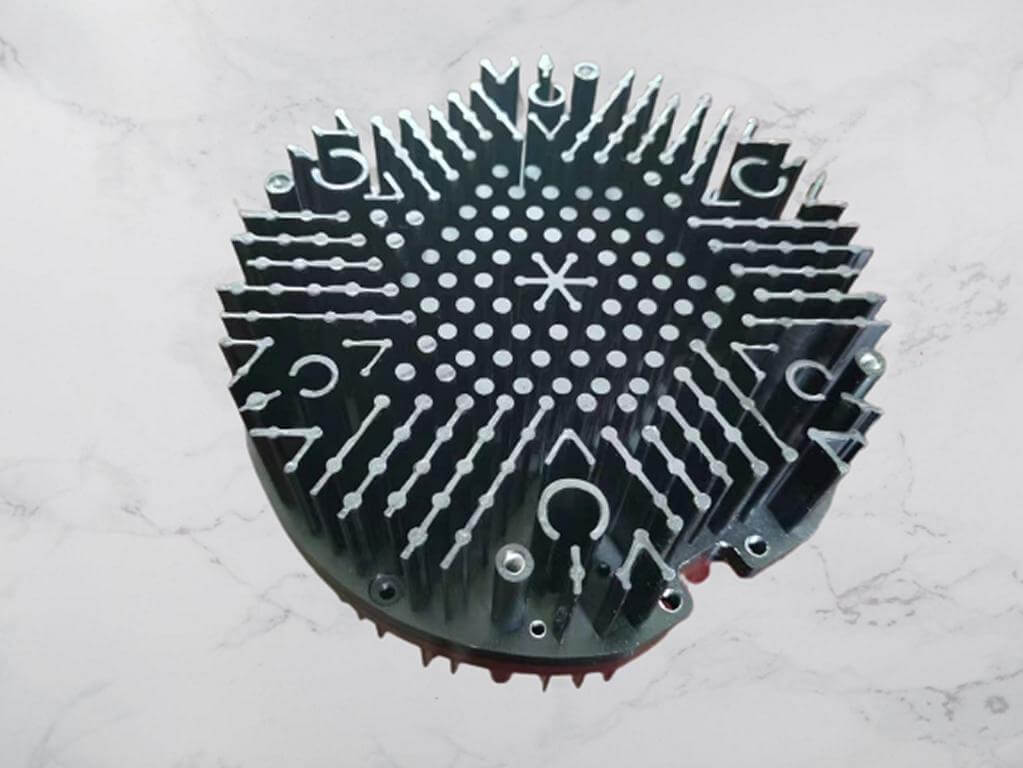
What is custom aluminum heat sinks Custom aluminum heat sinks or custom made heat sinks refer to heat sinks made from aluminum that are custom-designed and manufactured to specific size, shape, and thermal performance requirements for a particular application. Custom aluminum heat sinks are used to dissipate heat generated by electronic devices such as CPUs, graphics cards, power supplies, and LED lights, among others, to ensure optimal performance and prevent damage to the devices. The aluminum material used in heat sinks has high thermal conductivity, which allows it to effectively transfer heat away from the device and into the surrounding environment, where it can be dissipated. The customization of aluminum heat sinks includes various design aspects such as fin structure, surface finish, color, and material choice. Custom aluminum heat sinks are widely used in industrial and commercial applications due to their efficiency, durability, and cost-effectiveness. In today’s world, electronic devices are becoming more and more complex. As the amount of power that these devices require increases, the need for efficient heat dissipation becomes even more important. Custom heat sinks play a critical role in dissipating heat in electronic devices, and are a popular choice due to their high thermal conductivity and excellent durability. In this page, we will explore the benefits of custom extrusion heat sinks, the factors to consider when choosing them, the different types of custom aluminum heat sinks available, and their applications. Factors to consider when choosing custom aluminum heat sinks Thermal conductivity – The thermal conductivity of aluminum is very high, which makes it an excellent choice for heat sinks. When selecting a custom aluminum heat sink, it is important to consider the specific thermal conductivity required for your application. Higher thermal conductivity means that heat is transferred more efficiently, but it may also increase the cost of the heat sink. Durability – Aluminum heat sinks are known for their excellent durability and long lifespan. However, some applications may require additional durability due to harsh environmental conditions or high levels of vibration. In these cases, it may be necessary to choose a specialized type of aluminum alloy or to add a protective coating to the heat sink. Cost-effectiveness – As with any engineering design decision, cost is always a consideration. Aluminum heat sinks are generally more affordable than heat sinks made from other materials, but the cost can still vary widely depending on the size, shape, and complexity of the heat sink. Size and shape – Custom aluminum heat sinks can be made in many different shapes and sizes. When choosing a heat sink, it is important to consider the size and shape requirements of your application. A heat sink that is too small may not provide enough cooling, while a heat sink that is too large may be too heavy or take up too much space. Types of custom aluminum heat sinks Extruded custom made heat sinks – Extruded heat sinks are a popular choice for many applications due to their cost-effectiveness and ease of customization. These heat sinks are made by pushing heated aluminum through a die, which forms the heat sink into a specific shape. Extruded heat sinks can have fins of varying heights and widths. Bonded fin custom made heat sinks – Bonded fin heat sinks are created by combining a base plate with specialized fins that are bonded to the plate. This process creates a heat sink with superior thermal performance and excellent structural strength. Bonded fin heat sinks can be customized to have almost any desired fin shape and thickness, which makes them a popular choice for many different applications. Folded fin custom made heat sinks – Folded fin heat sinks are made by taking a flat sheet of aluminum and folding or bending it into the desired shape. This process creates a very durable and lightweight heat sink, but it is also more expensive and difficult to manufacture than other types of heat sinks. Skived fin custom made heat sinks – Skived fin heat sinks are manufactured by shaving or cutting fins into a solid block of aluminum. This process creates a very efficient and lightweight heat sink that is ideal for applications with limited space. However, skived fin heat sinks are generally more expensive than other types of heat sinks. The Custom extruded heat sink processing Custom extruded heat sink processing involves the creation of a custom heatsink from raw aluminum materials through extrusion. Extrusion is a manufacturing process that involves pushing a heated billet or slug of material through a die to create a desired shape and size. Here are the steps involved in the Custom extruded heat sink processing: Design the heatsink: The first step is to design the heatsink according to the specifications and requirements of the intended application. The design should include details such as size, shape, and the number of fins. Prepare the billet: A billet is a cylindrical block of aluminum that is heated to a temperature required for extrusion. The billet is then loaded into the extrusion press. Extrusion process: The billet is pushed through the die under high pressure, causing it to take on the shape and size of the die. As the aluminum passes through the die, it is cooled and solidified into the desired shape. Cutting and finishing: Once the extrusion process is complete, the heatsink is cut to the required length and the edges are finished using a cutting or sawing process. Sandblasting and anodizing: Sandblasting is used to remove any surface impurities and smooth out any rough edges, and anodizing is used to add a protective layer to the aluminum heatsink extrusion. The anodizing process can also add color to the surface of the heatsink. Quality Control: The finished heatsink is inspected to ensure it meets the required specifications. Checks are carried out to ensure that the size, shape, and any other features of the heatsink are within the required tolerances. By following these steps, a custom aluminum heatsink can be produced through extrusion processing.

A356 støping av aluminiumslegering

Utforske produksjonsprosessen for støping av aluminiumslegering A356

aluminiumsstøping

Manufacturing processes are essential for producing a variety of goods and services. A356 aluminum alloy casting is no exception. This type of casting is used in the automotive, aerospace, and medical industries, and is known for its strength and lightweight properties. Manufacturing A356 alloy castings involves a series of steps, such as melting, pouring, cooling, and finishing. Each step has its own challenges and requires specific processes to be successful. In this article, we’ll explore the entire manufacturing process of A356 aluminum alloy casting, from start to finish. We’ll discuss the various stages, the challenges each stage presents, and the solutions manufacturers use to ensure the highest quality of product. By the end of this article, you’ll have a better understanding of how A356 alloy castings are made and why they are so valuable in the industries they serve. What are A356 Aluminum Alloy Casting? A356 aluminum alloy castings are hollow-shaped pieces of metal that can be opened and closed. They’re most often used in the automotive and aerospace industries. A356 alloy castings are made from steel with a controlled amount of carbon, which makes them stronger and lighter than other steels. Alloy castings are also corrosion-resistant, non-magnetic, and highly resistant to wear. They are often used for bushings, brake calipers, steering components, steering wheels, and other steering components. Alloy castings can also be used for other purposes, such as making metal parts for cars, machines, and equipment. A356 aluminum alloy casting is usually made from steel with a controlled carbon amount of 0.35% to 0.45% to obtain the required strength and toughness. Alloy castings can also be made from stainless steel or other materials. A356 aluminum alloy is composed of 92.5% aluminum, 6.5% silicon, and 1% magnesium. It is a commonly used alloy in the aluminum gravity and sand  casting industry because of its good casting properties and excellent mechanical properties. The Manufacturing Process of A356 Aluminum Alloy Castings As we mentioned earlier, the manufacturing process of A356 alloy castings involves several stages. there are below some steps no matter you use gravity casting or sand casting process. Let’s explore these stages in more detail. a. Melting – A356 alloy castings are made from steel with a controlled carbon amount. The first step in the manufacturing process of A356 alloy castings is melting the steel. This creates a liquid steel slurry that is then poured into a mold. The mold is a hollow container with a pattern on its inside that creates the desired shape of the casting when the liquid steel hardens. b. Pouring – After the liquid steel has reached the right temperature, it’s poured into the mold. This is accomplished with the use of a ladle, which is a large container with a long handle. The ladle is lifted up, then swung over the mold, pouring the steel into the mold. This is a process that is done by hand, which requires careful attention and skill. If the ladle is filled too high or swung too quickly, the steel will spill over the top of the mold. If the ladle is too low, the steel will be too cold and won’t flow into the mold properly. c. Cooling – After the liquid steel has been poured into the mold, it’s important to cool it down quickly to prevent defects from forming. There are several cooling methods that manufacturers can choose from depending on the size and shape of their casting. The most common cooling methods are water cooling and sonic cooling. Water cooling involves spraying water on the surface of the steel casting to help it cool down more quickly. Sonic cooling involves blasting the bean with sound waves to help it cool down more quickly. d. Finishing – After the liquid steel has been cooled, the mold is opened. The steel inside the mold has hardened into a solid, but rough, shape. At this point, the steel needs to be cut and shaped to form the final castings. This is done with the use of various industrial cutting machines, such as mills, lathes, and grinders. Challenges of Manufacturing A356 aluminum Alloy Castings As we’ve discussed, there are a variety of challenges that manufacturers need to face when creating A356 alloy castings. Below are some of the most common challenges. – Poor cooling – If the liquid steel doesn’t cool down correctly, it can lead to defects in the final castings. If the steel doesn’t cool down quickly enough, it might cool too slowly and become brittle and prone to breakage. If the steel cools too quickly, it can form gases that create pores in the casting. When cooling, it’s important to keep the steel covered so it can absorb the heat and cool down correctly. This is especially important when cooling large castings. – Poor design – Another challenge that manufacturers face when creating A356 alloy castings is poor design. If the design of the model isn’t precise, it can affect the overall quality of the castings. If the model is too heavy, it can make the castings difficult to pour. If the model has too much draft, it can cause the castings to be too thin. In addition, the model may require more time to cast than the manufacturer has available. – Low-quality steel – Another challenge is using low-quality steel. Using poor-quality steel for the castings can cause the finished products to break or wear out too quickly Solutions to the Challenges As we’ve discussed, there are a number of challenges that manufacturers face when creating A356 alloy castings. The best way to overcome these challenges is to follow a strict production process. By following a strict production process, manufacturers can maintain consistency throughout the manufacturing process and ensure the best possible quality of product. The following table details the stages of the production process, the challenges they face, and the solutions they provide. Stage Challenges Solutions Casting design Draft required to make the model lighter The model is too heavy Too

aluminium trykkstøping ledet skjermkabinetthus

Engros produsent av støpegods i aluminium

aluminiumsstøping

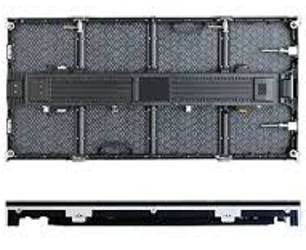
Wholesale aluminum die casting manufacturer will offer wholesale price for aluminum die casting parts to save your cost with any custom die casting products, contact us to get a price Introduction to Aluminum Die Casting Aluminum die casting is a manufacturing process in which molten aluminum is injected into a mold or die to produce parts and components. This process is ideal for producing high volume, complex parts with tight tolerances and a smooth finish. Aluminum is a popular choice for die casting because it is lightweight, corrosion resistant, and has good mechanical properties. Benefits of Using an Aluminum Die Casting There are several benefits to using an aluminum die casting manufacturer for your production needs: Speed and efficiency: Aluminum die casting allows for fast production of high volume orders. The process is automated, which helps to reduce lead times and increase efficiency. Cost effectiveness: Aluminum die casting is a cost-effective solution for producing parts in high volumes. The initial setup costs may be higher than other manufacturing processes, but the cost per part is much lower due to the high production rates. Precision: Aluminum die casting produces parts with tight tolerances and a smooth finish. This level of precision is difficult to achieve with other manufacturing processes. Versatility: Aluminum die casting can be used to produce a wide range of parts and components, including those with complex geometries and thin walls. What to Look for in a Wholesale Aluminum Die Casting Manufacturer When selecting a wholesale aluminum die casting manufacturer, there are a few key factors to consider: Experience: Choose a manufacturer with a proven track record in the industry. Look for a company with a history of producing high quality parts and meeting customer deadlines. Capabilities: Make sure the manufacturer has the necessary equipment and expertise to produce the parts you need. Consider factors such as the size and complexity of the parts, the volume you need, and the materials you will be using. Quality control: Quality control is crucial in the die casting industry. Look for a manufacturer with a robust quality control process in place, including inspections at various stages of production. Customer service: Good communication and customer service are essential when working with a wholesale manufacturer. Look for a company that is responsive and easy to work with. Examples of Quality Components Made with Aluminum Die Casting There are many examples of high quality components that are produced using aluminum die casting, including: Automotive parts: Aluminum die casting is widely used in the automotive industry to produce parts such as engine blocks, transmission housings, and suspension components. Electronic components: Aluminum die casting is used to produce a variety of electronic components, including connectors, housings, and heatsinks. Aerospace components: The aerospace industry relies on aluminum die casting for the production of parts such as landing gear components and structural components. Military components: The military also relies on aluminum die casting for the production of parts such as weapon systems and aircraft components. Advantages of Working with a Wholesale Aluminum Die Casting Manufacturer There are several advantages to working with a wholesale aluminum die casting manufacturer or other wholesale aluminum die casting factories: Cost savings: Wholesale aluminum die casting pricing can be significantly lower than retail pricing, which can help to reduce your overall production costs. Quality control: A reputable wholesale aluminum die casting manufacturer will have strict quality control measures in place to ensure that the parts they produce meet the highest standards. Expertise: wholesale aluminum die casting factories typically have a deep understanding of the die casting process and can offer valuable insights and solutions to help improve your production process. Customization: Many wholesale aluminum die casting factories offer customization options to meet the specific needs of their customers. Tips on Selecting the Right Wholesale Aluminum Die Casting Manufacturer Research the manufacturer’s experience and capabilities: Look for a aluminum die casting manufacturer with a proven track record in the industry and the necessary equipment and expertise to produce the parts you need. Consider the quality control process: Choose a manufacturer with a robust quality control process to ensure that you receive high quality parts. Look for good customer service: Good communication and customer service are essential when working with a wholesale manufacturer. Look for a company that is responsive and easy to work with. Get quotes from multiple manufacturers: It’s a good idea to get quotes from multiple wholesale aluminum die casting factories to ensure that you are getting the best price and value. Don’t be afraid to ask questions: Don’t be afraid to ask the manufacturer any questions you may have about their processes, capabilities, or pricing. This will help you to make an informed decision. In conclusion, aluminum die casting is a fast and efficient manufacturing process that produces high quality parts with tight tolerances and a smooth finish. Working with a reputable wholesale aluminum die casting manufacturer can provide cost savings, quality control, expertise, and customization options. When selecting a wholesale manufacturer, it’s important to consider their experience, capabilities, quality control processes, and customer service, and to get quotes from multiple manufacturers. By following these tips, you can choose the right wholesale aluminum die casting manufacturer to meet your production needs. If you are looking for wholesale aluminum die casting manufacturer for your Customized aluminum die casting parts, welcome to send us your RFQ, we will quote you the best price with fast lead time.

aluminium-Druckguss

Tilpasset støpeform i sink

aluminiumsstøping

Hva er tilpasset sinkstøpeform: Fordeler, design og valg av riktig produsent Tilpassede støpeformer i sink er spesialiserte støpeformer som er skreddersydd til spesifikke produksjonsbehov for støpte deler i sink. Disse formene er designet for å gi forbedret formytelse og produktkvalitet, samtidig som de reduserer ledetider og kostnadseffektivitet. Denne artikkelen tar for seg fordelene med spesialtilpassede støpeformer i sink, hvilke faktorer man bør ta hensyn til når man designer en slik form, og hvordan man velger riktig produsent. Fordelene med spesialtilpassede støpeformer i sink Forbedret formytelse Spesialtilpassede støpeformer i sink gir bedre formytelse, noe som gjør det mulig for produsentene å oppnå større produksjon og bedre produktkvalitet. Ved å skreddersy formen til spesifikke produksjonskrav kan bedrifter forbedre holdbarheten til formene, redusere skrap og øke levetiden til formene betydelig. I tillegg sørger spesialtilpassede former også for at delene støpes mer nøyaktig og minimerer sjansene for feil, noe som kan påvirke den endelige produksjonskvaliteten. Økt produktkvalitet og konsistens Støping av sink krever en høy grad av nøyaktighet, siden selv små feil i de støpte delene kan føre til defekter eller produkter som ikke fungerer som de skal. Tilpassede støpeformer i sink gir større konsistens og nøyaktighet i den endelige delen som produseres. Ved å bruke avanserte designteknologier kan produsentene redusere muligheten for feil i designen, noe som gir bedre produktkvalitet, høyere utbytte og mindre avfall. Kortere ledetider Tilpassede støpeformer i sink reduserer produksjonstiden betydelig, siden de er skreddersydd for å passe til spesifikke produksjonskrav. Den reduserte produksjonstiden gjør det mulig for produsentene å redusere produksjonskostnadene og tilfredsstille kundenes krav på en mer effektiv måte ved å levere produkter av høy kvalitet på kortere tid. Forbedret kostnadseffektivitet Tilpassede støpeformer i sink gir bedrifter betydelige kostnadsbesparelser i materialbruk, produksjon og vedlikeholdskostnader. Tradisjonelle støpeformer har en tendens til å gå i stykker flere ganger, noe som fører til hyppige utskiftninger, mens spesialtilpassede støpeformer har færre feil og krever mindre utskiftninger. I tillegg reduserer disse formene kassasjonsratene betydelig, noe som reduserer de totale materialhåndteringskostnadene over tid. Faktorer å ta hensyn til ved valg av materiale i spesialtilpassede støpeformer for sinkstøping Utformingen av støpeformer for sinkstøping påvirkes av hvilken type materiale som ønskes brukt til støpegods. Materialtypen og -kvaliteten bestemmer formens overordnede struktur og eventuelle spesifikke designkrav som kan gi mer ensartede og tettere støpegods. Produsenter bør ta hensyn til materialets konsistens, varmeledningsevne og formens design når de velger riktig materiale for sin tilpassede sinkstøpeform. Krav til overflatefinish Kravene til delutforming dikterer formdesignet for passende overflatebehandling. Formene skal sørge for enkel utstøting av de støpte delene uten å forårsake forvrengning eller skade. Som et resultat bør tilpassede sinkstøpeformdesign inneholde spesifikke overflatebehandlinger, for eksempel polering eller teksturering. Dimensjonstoleranse Graden av variasjon i dimensjonstoleranse skyldes tilpasningsevnen til formen som brukes. Produsentene bør forstå hva slags deler som skal produseres, og vurdere toleranser for maksimums- og minimumsdimensjoner, ettersom strammere toleranser kan påvirke produksjonskostnadene. Delkompleksitet Deldesignene er av varierende kompleksitet, og noen deler krever at man er svært nøye med detaljene. Komplekse konstruksjoner øker formens kompleksitet og kostnader. Det er derfor viktig for produsentene å evaluere komponentene og velge den mest levedyktige designen som oppfyller de overordnede produksjonsmålene. Design av kundetilpassede støpeformer i sink Forstå kravene og spesifikasjonene Det første trinnet i design av kundetilpassede støpeformer i sink er å ha en omfattende forståelse av kravene og spesifikasjonene. Produsenter bør involvere kvalifiserte ingeniører og dyktige modelleringsdesignere når de utarbeider spesifikasjoner, da disse fagfolkene vil gi innsikt og veiledning i utformingen av de beste støpeformene. Utvikle en designplan Produsentene bør utvikle en solid designplan som tar hensyn til alle spesifikasjonene. Designplanen bør omfatte generelle designkrav, tekniske aspekter, foretrukne materialer, støpeformenes dimensjoner og egenskaper samt produksjonsteknikker. Bruk simuleringsprogramvare til testing Å designe en støpeform krever mange iterasjoner for å komme frem til den perfekte designen. Simuleringsprogramvare kan identifisere potensielle støpeproblemer, noe som gjør det mulig å gjøre endringer før selve støpeprosessen. Simuleringsprogramvaren kan også identifisere potensielle skaderisikoer på støpeformen og gi de nødvendige dataene for å avgjøre om det er mulig å bruke den aktuelle formen. Velge riktig produsent av spesialtilpassede støpeformer i sink Omdømme og erfaring Støpeprodusentens omdømme og erfaring er avgjørende når man skal velge riktig leverandør. Produsenter bør undersøke potensielle leverandørers prestasjonshistorikk og snakke direkte med referanser. Teknisk kapasitet Det er viktig at produsenten har teknisk kapasitet og teknologi til å produsere kundetilpassede støpeformer i sink. Leverandøren bør ha tilgang til den nyeste teknologien i bransjen og, viktigst av alt, forstå designkravene som følger med bruk av avansert teknologi. Kommunikasjon og samarbeid Produsentene bør velge en leverandør som har gode kommunikasjons- og samarbeidsevner. Formdesign kan være en komplisert prosess som krever kontinuerlig kommunikasjon mellom produsenten og leverandøren. Den valgte leverandøren bør legge til rette for kommunikasjon gjennom hele prosessen for å sikre at designmålene nås. Konklusjon Tilpassede støpeformer i sink gir bedre formytelse, forbedret produktkvalitet og -konsistens, kortere ledetider og økt kostnadseffektivitet. For å designe disse formene må man forstå kravene og spesifikasjonene, utvikle en designplan og bruke simuleringsprogramvare for testing. Det er avgjørende å velge riktig produsent, og de viktigste faktorene er omdømme og erfaring, teknisk kompetanse samt kommunikasjon og samarbeid. Produsenter som ønsker å oppnå et konkurransefortrinn i bransjen, bør derfor utforske fordelene med kundetilpassede støpeformer i sink og ta hensyn til de grunnleggende faktorene som diskuteres i denne artikkelen for å oppnå sine unike produksjonsbehov. Tilpassede støpeformer i sink er spesialiserte verktøy som er spesielt designet og produsert for et bestemt sinkstøpeprosjekt. Disse formene lages ved hjelp av programvare for datastøttet design (CAD) og er vanligvis laget av høykvalitetsstål for å tåle de høye trykkene og temperaturene i støpeprosessen. Med spesialtilpassede støpeformer for sinkstøping kan produsenter av støpeformer i Kina produsere deler med nøyaktige dimensjoner og intrikate detaljer som kanskje ikke er mulig med standardformer.

Hus for gatelys

Tilpassede støpegodsdeler i aluminium

aluminiumsstøping

What is Customized aluminum die casting parts Customized aluminum die casting parts are parts that have been specifically designed and manufactured to meet the specific requirements of a particular customer or application. These parts are typically created using the aluminum die casting process, in which molten aluminum is forced into a steel mold or die to create a precise and repeatable finished product. There are many advantages to using customized aluminum die casting parts. One of the primary benefits is the ability to create parts with a high degree of accuracy and detail. The aluminum die casting process allows for precise control over the shape and size of the final product, as well as its surface finish and any additional features such as holes, threads, or undercuts. This level of precision is particularly useful in industries where parts need to fit together accurately, such as in the automotive or aerospace sectors. Customized aluminum die casting parts are also known for their strength and durability. Aluminum is a strong and lightweight material, making it an ideal choice for parts that need to withstand high levels of stress or wear and tear. In addition, the die casting process itself helps to create parts with a high level of structural integrity, as the molten aluminum is able to flow and fill the mold or die completely. Another advantage of customized aluminum die casting parts is the ability to produce large quantities of parts with consistent dimensions and properties. This makes it an ideal choice for high volume production runs, as it allows for efficient and cost-effective mass production. Customized aluminum die casting parts offer a range of benefits, including accuracy, strength, durability, and repeatability. These characteristics make them well-suited for a wide variety of applications, including in the automotive, aerospace, and construction industries. When do you need customized aluminum die casting parts Customized aluminum die casting parts are ideal for industrial applications where high precision and strength are required. Below are some situations when you may need customized aluminum die casting parts: When you require high-strength parts: Aluminum is a highly robust and durable metal, and the die casting process makes it even more robust. Thus, if you need a part that can withstand harsh conditions, customized aluminum die casting parts are an excellent choice. When dimensional accuracy is crucial: Custom aluminum die casting parts are perfect when you need exact measurements and consistent quality. Each aluminum die casting part is identical in size, shape, and dimension, making it ideal for applications where precision and repeatability are vital. When you need parts with intricate design features: Customized aluminum die casting parts can be designed to have intricate shapes, forms, and designs. This makes them ideal when you need parts with complex geometries that are difficult to machine or manufacture using other methods. When you need high volume production: The aluminum die casting process is excellent for high-volume production runs. This process allows for quick, reliable, and cost-effective production, making it ideal for industries that require large quantities of parts. When you need fast turnaround: Customized aluminum die casting parts can be produced rapidly, which is vital when you need parts quickly to minimize production downtime. In general, if you need parts that are strong, accurate, and have a high degree of repeatability, customized aluminum die casting parts are an excellent choice. These parts have numerous applications in various industries, including the automotive, aerospace, healthcare, and telecommunications sectors. Partnering with a professional manufacturer can ensure that you get high-quality customized aluminum die casting parts that meet your exact specifications. What cost have in making customized aluminum die casting parts The cost of making customized aluminum die casting parts can vary depending on several factors, including: Part complexity: The complexity of the part will affect the time and resources required to design and manufacture it, which will impact the cost. Simple parts that require minimal machining or finishing will cost less than complex parts with intricate shapes or features. Part size: Larger parts will require more material and resources, making them more expensive to produce. Production volume: The cost of producing customized aluminum die casting parts decreases as the production volume increases. High-volume production runs will typically have a lower cost per part than small-scale production runs. Material cost: The price of aluminum can vary depending on the alloy, purity, and market demand. Some alloys may be more expensive than others, which can affect the overall cost of the parts. Tooling cost: The cost of designing and manufacturing the tooling required for the die casting process can be a significant factor in the cost of customized aluminum die casting parts. Tooling costs typically decrease as the production volume increases. It is essential to work with an experienced and reputable manufacturer who can provide you with a detailed, itemized quote for the customized aluminum die casting parts you need. This way, you can have a clear understanding of the cost drivers and make informed decisions about the most cost-effective way to produce your parts. How to find custom aluminum die casting manufacturers There are a few different ways to find custom aluminum die casting manufacturers, including the following: Online search: One of the easiest ways to find custom aluminum die casting manufacturers is to search online. There are many websites and directories that list die casting companies and manufacturers, and you can use keywords such as “custom aluminum die casting” or “custom die casting manufacturer” to find relevant results, of course one of the best country to make your customized aluminum die casting parts will be China. Industry associations: Another option is to contact industry associations or trade organizations related to the die casting industry. These organizations can often provide lists of member companies that offer custom die casting services. Manufacturing marketplaces: Online manufacturing marketplaces and platforms are another way to find custom aluminum die casting manufacturers. These platforms connect buyers with manufacturers and can be a convenient way to find a supplier for your

LED-gatelyshus

Tilpasset støpeform av aluminium

aluminiumsstøping

Custom aluminum die casting molds are a vital component in the production of high-quality aluminum parts. These specialized molds are designed to meet the unique and specific requirements of each project, ensuring that the finished product meets the highest standards of accuracy and precision. In this article, we will delve deeper into the world of custom aluminum die casting molds, exploring their key features, benefits, and applications. What is a Custom Aluminum Die Casting Mold? A custom aluminum die casting mold is a specialized tool that is used to produce high-quality aluminum parts through the process of die casting. Die casting is a manufacturing method in which molten aluminum is injected into a mold cavity under high pressure. The aluminum then solidifies into the desired shape, creating a precision-engineered part with excellent dimensional accuracy. Custom aluminum die casting molds are typically made from high-grade steel or other durable materials, and are carefully machined to precise specifications. They are designed to withstand the high temperatures and pressures involved in the die casting process, and are capable of producing parts with complex shapes and fine detail. Benefits of Custom Aluminum Die Casting Molds There are many benefits to using custom aluminum die casting molds in the manufacturing process. Some of the key advantages include: Precision: Custom aluminum die casting molds are designed to produce customized aluminum die casting parts with excellent dimensional accuracy and tolerance. This makes them ideal for applications where precise parts are required, such as in the aerospace and automotive industries. Speed: Die casting is a fast and efficient manufacturing method, and custom molds can help to further streamline the process. With a well-designed mold, it is possible to produce high volumes of parts in a short period of time, reducing lead times and improving turnaround times. Cost-effectiveness: Custom aluminum die casting molds can offer significant cost savings compared to other manufacturing methods. Because they are designed to produce large volumes of parts, the per-unit cost of each part is often lower than with other methods. Additionally, the long lifespan of custom molds means that they can be used to produce parts for many years, further reducing costs over time. Applications of Custom Aluminum Die Casting Molds Custom aluminum die casting molds are used in a wide range of applications across many different industries. Some common examples include: Aerospace: The aerospace industry requires precision parts with tight tolerances, and custom aluminum die casting molds are often used to produce these parts. Components such as engine and structural parts can be manufactured using die casting, providing the strength and accuracy needed for critical applications. Automotive: The automotive industry is another major user of custom aluminum die casting molds. Parts such as engine blocks, transmission housings, and wheels can all be produced using this method, providing the strength and durability needed for use in vehicles. Medical: The medical industry also relies on custom aluminum die casting molds to produce a range of parts and components. Devices such as orthopedic implants and surgical instruments can be made using die casting, providing the precision and consistency needed for these applications. Electronics: The electronics industry uses custom aluminum die casting molds to produce a variety of parts, including connectors, switches, and housings. The precision and consistency provided by die casting makes it well-suited for use in these applications. Conclusion Custom aluminum die casting moulds are a vital component in the production of high-quality aluminum parts. They offer numerous benefits, including precision, speed, and cost-effectiveness, making them an attractive option for a wide range of industries. With the ability to produce parts with complex shapes and fine detail, custom aluminum die casting molds are a versatile and essential tool. If you are looking for die casting China manufacturer for your custom aluminum die casting project, welcome to contact us.

Pressstøping av sink

Hvordan lage tilpasset bronsestøping

aluminiumsstøping

Custom bronze casting is the process of creating a unique, one-of-a-kind bronze piece based on a specific design or concept. This can include creating sculptures, figurines, architectural elements, and other objects using the lost-wax casting process. The process of custom bronze casting typically begins with the creation of a detailed design or concept for the piece. This can be done using traditional drawing or modeling techniques, or by using 3D modeling software. The design should include all of the details and features of the finished piece, including dimensions, proportions, and any other specific requirements. If you are interested in learning how to make custom bronze casting, there are a few key steps you will need to follow. While the process can be complex and time-consuming, the end result is a unique and beautiful piece that can be treasured for generations. Step 1: Create a Detailed Design or Concept The first step in making custom bronze casting is to create a detailed design or concept for the piece. This can be done using traditional drawing or modeling techniques, or by using 3D modeling software. The design should include all of the details and features of the finished piece, including dimensions, proportions, and any other specific requirements. It is a good idea to spend some time gathering inspiration and looking at examples of bronze casting work that you like. This will help you to better understand the possibilities of the medium and give you ideas for your own project. Step 2: Create a Wax Model Once you have a clear idea of what you want your custom bronze casting to look like, the next step is to create a wax model of the piece. This can be done using a variety of techniques, including hand carving, 3D printing, or lost-wax casting. If you are using hand carving or 3D printing techniques, you will need to create a detailed model of the piece using wax. This can be done by sculpting the wax by hand or using a 3D printer to produce the model. If you are using the lost-wax casting technique, you will need to create a mold of the piece using a special wax. This can be done by creating a detailed model of the piece using wax, which is then coated in clay and fired in a kiln. The wax melts away, leaving a hollow space in the clay mold which can be used to create a casting of the piece. Step 3: Create a Clay Mold Once you have created a wax model of the piece, the next step is to create a clay mold. This involves coating the wax model in clay and allowing it to dry. The clay mold should be thick enough to withstand the heat of the kiln and the pressure of the molten bronze. Step 4: Fire the Clay Mold Once the clay mold is complete, the next step is to fire it in a kiln. The kiln should be heated to a high temperature, typically around 1200-1400 degrees Fahrenheit. The heat causes the wax to melt and drain out of the clay mold, leaving a hollow space in the shape of the piece. Step 5: Cast the Bronze Once the clay mold is fired and the wax has been melted away, the next step is to cast the bronze. This involves heating the bronze to a liquid state and carefully pouring it into the hollow space in the clay mold. The bronze should be allowed to cool and solidify before the clay mold is broken away to reveal the finished piece. Step 6: Finish and Polish the Piece Once the bronze casting is complete, the next step is to finish and polish the piece. This can involve a variety of techniques, including sanding, buffing, and patination. The specific techniques used will depend on the desired finish and the overall aesthetic of the piece. Sanding is a process that involves using fine-grit sandpaper to smooth and refine the surface of the bronze. This can be done by hand or with the use of a sanding machine. Sanding is typically used to remove any rough or uneven edges and to create a smooth finish on the piece. Buffing is a process that involves using a soft cloth or buffing wheel to polish the surface of the bronze. This can be done by hand or with the use of a buffing machine. Buffing is typically used to create a high shine on the piece and to remove any scratches or imperfections. Patination is a process that involves applying a chemical solution to the surface of the bronze to create a range of colors and finishes. This can be done by hand or with the use of a spraying machine. Patination is typically used to create a specific finish or color on the piece, such as a green or blue patina. Once the finishing and polishing process is complete, the custom bronze casting is ready to be displayed or used as intended. With proper care and maintenance, a bronze casting can last for generations and become a treasured heirloom or work of art. In conclusion, custom bronze casting is a complex and time-consuming process that requires a high level of skill and expertise. However, the end result is a unique and beautiful piece that can be treasured for generations. By following the steps outlined above, you can learn how to make custom bronze casting and create your own beautiful and enduring works of art. If you are looking for custom bronze casting from China die casting manufacturer, welcome to contact us.

Skroll til toppen

Få et tilbud