fundição sob pressão de alumínio

Empresas de fundição sob pressão de alumínio nos EUA

Empresas de fundição sob pressão de alumínio nos EUA

fundição sob pressão de alumínio, empresas de fundição sob pressão, empresa de fundição sob pressão

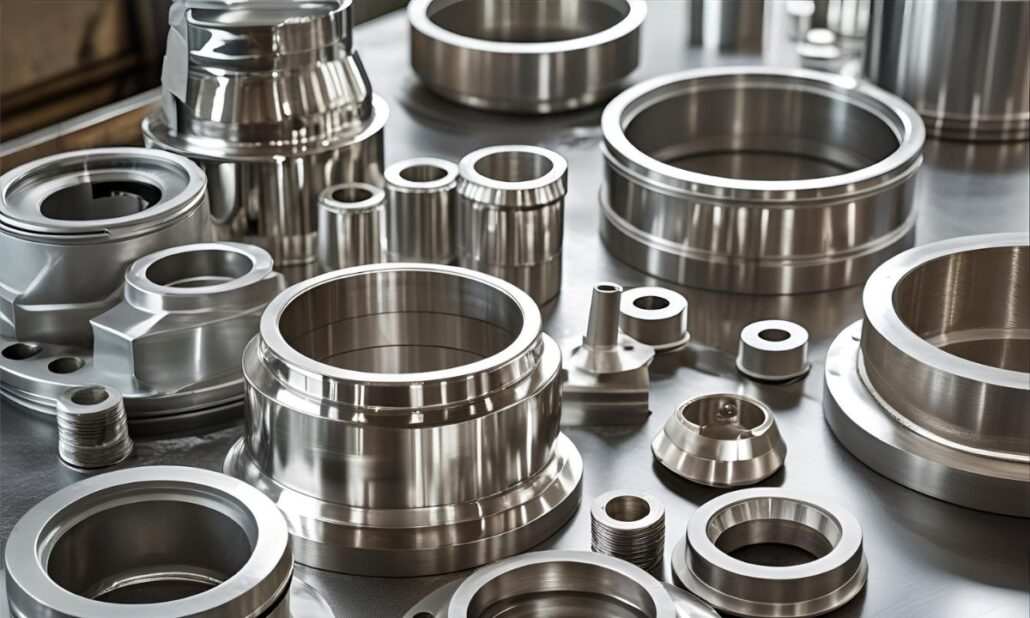
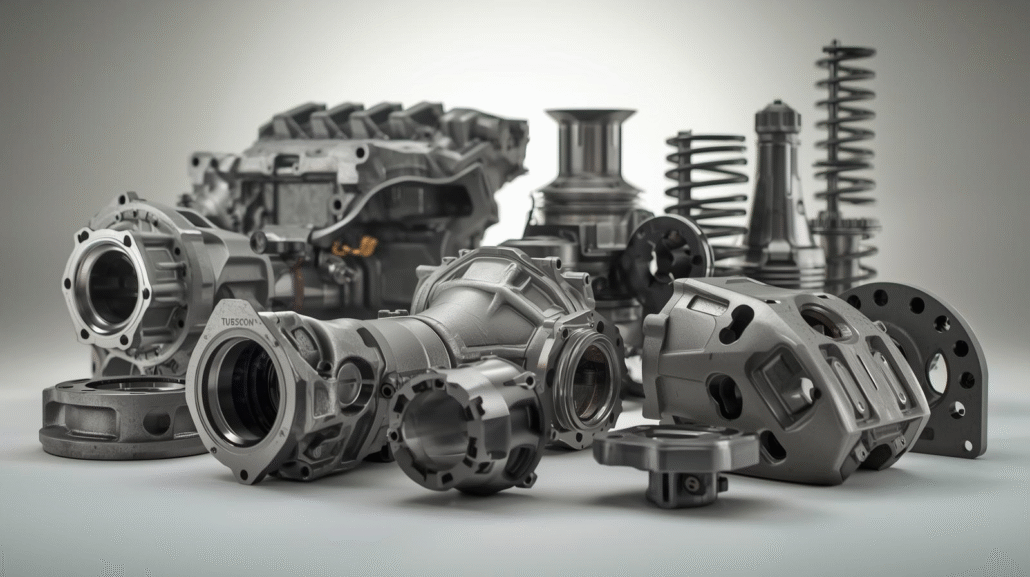
A fundição sob pressão de alumínio é hoje um dos procedimentos de produção mais seguros e econômicos nos Estados Unidos da América, especialmente para fabricantes que exigem robustez, longevidade e precisão. Isso é feito por meio da injeção de alta pressão de alumínio fundido em peças fundidas de aço, o que produz peças que não são apenas leves, mas também dimensionalmente precisas e duráveis. É essa resistência e esse baixo peso que fazem da fundição de alumínio o material preferido nos setores automotivo e aeroespacial, eletrônico, de máquinas industriais e de bens de consumo. O mercado dos EUA se orgulha de ter um dos setores de fundição sob pressão de alumínio mais estabelecidos do mundo, na forma de fabricantes de grande porte com presença global e empresas pequenas e especializadas em peças customizadas e aplicações de nicho. Essas empresas são muito importantes para o sustento do setor principal, fornecendo segmentos do setor como blocos de motor, caixas de transmissão, gabinetes eletrônicos e peças estruturais. Os fabricantes sediados nos EUA conquistaram sua reputação de confiabilidade e produtos inovadores no mundo por meio de suas tecnologias de alta qualidade, certificação e foco em produtos de qualidade. A tendência nos últimos anos tem visto um aumento maciço na demanda de peças de alumínio fundido devido aos recentes desenvolvimentos na redução do peso dos veículos, à produção de veículos elétricos e ao esforço para fabricar com eficiência energética. As empresas americanas estão adotando a automação, as peças fundidas sustentáveis e as ligas superiores para obter resultados elevados e atender a esses requisitos. Este artigo lista alguns dos melhores fabricantes de fundição sob pressão de alumínio dos EUA e suas realizações, potencial e contribuições para o setor atual. Não importa se você está adquirindo peças para realizar um processo de fabricação em larga escala ou uma aplicação altamente técnica, esses fabricantes são a personificação da melhor tecnologia americana em fundição sob pressão de alumínio. O que é fundição sob pressão de alumínio? A fundição de alumínio é uma técnica de produção em que a alta pressão sobre o alumínio fundido é forçada em um molde de aço, também chamado de matriz. Quando o metal esfria e se solidifica, o molde é aberto e a peça completa é ejetada. Esse é o processo com o qual os fabricantes podem criar componentes fortes, leves e altamente detalhados com alto nível de precisão dimensional e acabamentos de superfície suaves. O principal benefício é o fato de que a fundição de alumínio pode produzir formas complexas que, de outra forma, seriam difíceis ou caras de produzir usando outros processos de fabricação. Ela encontra ampla aplicação na fabricação de peças como blocos de motor, carcaças de transmissão, gabinetes eletrônicos, dissipadores de calor e componentes estruturais. A fundição sob pressão de alumínio tem várias vantagens importantes: Graças a esses pontos fortes, a fundição sob pressão de alumínio surgiu como uma alternativa melhor nos setores que exigem componentes confiáveis e eficientes de alta qualidade para atender às suas necessidades técnicas e econômicas. Principais empresas de fundição de alumínio dos EUA 1. Dynacast International A Dynacast International é uma das empresas mais conhecidas na área de fundição sob pressão de precisão em todo o mundo. A empresa tem décadas de experiência na produção de componentes pequenos e complexos com o uso de ligas de alumínio, zinco e magnésio. Eles são bons na produção de componentes com tolerâncias rigorosas e com características complexas, que são necessárias para os setores automotivo, de eletrônicos de consumo, telecomunicações e dispositivos médicos. O fato de ser global também significa que a Dynacast é capaz de atender a pequenas empresas e multinacionais com a flexibilidade, as inovações e a qualidade que não variam entre os projetos. 2. Pace Industries Tendo se tornado a maior empresa de fundição sob pressão da América do Norte, a Pace Industries estabeleceu uma boa reputação de oferecer soluções completas. Suas linhas de serviços incluem projetos e suporte de engenharia, fundição sob pressão, usinagem, acabamento de superfície e montagem final; elas têm fornecido uma solução completa para clientes dos setores automotivo, industrial e de consumo. É possível lidar com projetos de alto volume e projetos personalizados devido à escala de suas operações. A Pace também segue a cultura de investir em tecnologia moderna e práticas sustentáveis, de modo que possa se manter competitiva no setor em rápida mudança. 3. Ryobi Die Casting (USA), Inc. A Ryobi é uma marca renomada no segmento mundial de fundição sob pressão e tem uma presença importante nos Estados Unidos. Suas operações nos EUA estão centradas em componentes de alumínio fundido em média e grande escala, principalmente para o setor automotivo. A Ryobi fabrica blocos de motor, carcaças de transmissão e peças estruturais que precisam ser duráveis e precisas. A empresa tem utilizado tecnologia de ponta e gerenciamento de qualidade, o que a levou a se tornar a fornecedora preferida dos principais fabricantes de automóveis do mundo. 4. Gibbs Die Casting A Gibbs Die Casting, a outra líder no mercado americano, está sediada em Henderson, Kentucky. A empresa é especializada em fundição sob pressão de alumínio e magnésio para o setor automotivo, especialmente carcaças de transmissão e peças de trem de força. A Gibbs dá grande ênfase à inovação, onde a automação e as técnicas sofisticadas de fabricação estão sendo usadas para garantir altos padrões de eficiência e qualidade de trabalho. A empresa também incorpora o conceito de sustentabilidade em seus negócios, reduzindo o desperdício e incentivando práticas comerciais que respeitam o meio ambiente. 5. Apex Aluminum Die Casting Co., Inc. A Apex Aluminum Die Casting está situada em Ohio e é usada nos setores automotivo, eletrônico e de eletrodomésticos. A empresa tem a reputação de trabalhar com lotes de produção de volume médio, o que a torna a opção perfeita para empresas que precisam de uma qualidade de produção estável, mas que não precisam dos enormes poderes de importadores maiores. A equipe da Apex se preocupa com a satisfação do cliente, a confiabilidade do serviço, a engenharia e a precisão na fabricação. Eles se estabeleceram como um parceiro confiável para várias empresas dos EUA devido à sua boa reputação de fornecer resultados consistentes. 6. KenWalt Die Casting Company A KenWalt Die Casting está sediada na Califórnia e tem mais de várias décadas de experiência na produção de peças fundidas em alumínio e zinco. A empresa também se concentra em trabalhos sob medida e atende aos setores de equipamentos industriais e bens de consumo. A KenWalt se destaca por ser uma empresa que colabora estreitamente com o cliente durante o processo de produção.
Peças automotivas de alumínio fundido sob pressão

Peças automotivas de alumínio fundido sob pressão de alta pressão: Durável e eficiente

fundição sob pressão de alumínio, Fundição sob pressão de alta pressão

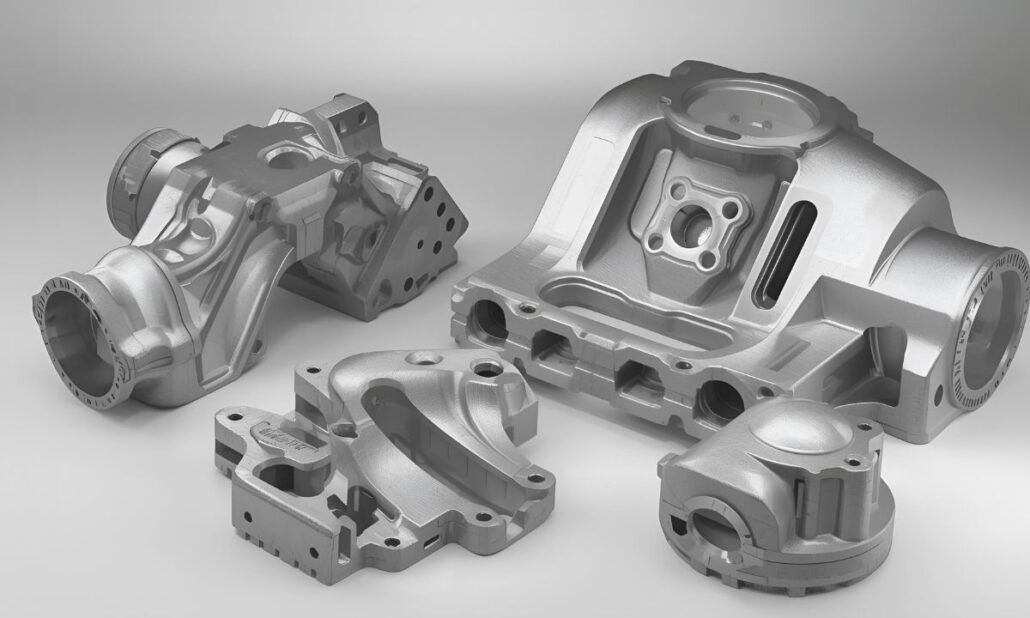
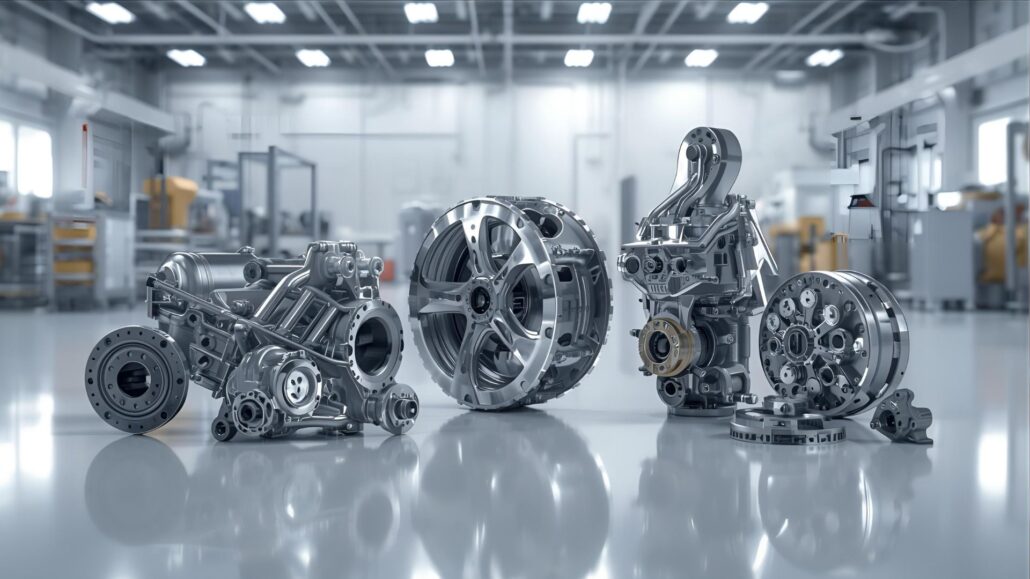
The automotive industry is changing due to the use of aluminum high pressure die-casting auto parts. They provide manufacturers with the power to design lighter, stronger and more efficient cars. With this technology, the car manufacturers can save on weight, become fuel efficient and have green mobility without compromising on the durability of the car. Auto parts die casting is the process whereby molten aluminum is injected into a steel mold at a very high pressure. This produces a strong shape that is smooth and sharp. The method allows faster production, reduced machining and consistent quality. In die casting auto parts, the companies are able to design complex components in a single step, which saves them time and money. Auto parts made in aluminium die casting are now much needed in modern vehicles. This is a frequent method of producing engine blocks, transmission housings, brake parts, and battery casings in electric cars. Lightweight, but tough, corrosion-resistant, and designed to meet tough conditions on the road, these parts are made. Auto parts made with aluminum die casting are increasing in demand rapidly, particularly as we move to electric and hybrid cars. Loss of total weight of cars increases battery life, performance and reduces emissions. This makes aluminum die casting a major component of green production. In brief, the use of aluminum high pressure die-casting auto parts in car manufacturing is no longer a choice. They have played a key role in creating the modern vehicles, which will not only be up to the present performance standards, but also be green. Powerful, effective, and stable, they will also be at the very centre of automotive design in the future. What Is Aluminum High Pressure Die-Casting? Die casting is a process of molding metal. In this, molten aluminum is forced under a very high pressure into a cavity in a steel mold. When cooled, the metal hardens in the same shape as the mold. The outcome is smooth, accurate and long-lasting. That is why die casting became one of the most popular ways of producing modern car parts. In comparison with the traditional technique, high pressure die casting can make complicated parts in one time. This saves time, machining requirements and costs to manufacturers. Why Aluminum for Auto Parts? The reason why aluminum high pressure die-casting auto parts are so popular is that there is no other material that has a combination of qualities as much as aluminum. It is green and rough; therefore, it is light and, therefore, can be used in the automobile industry. Increasing efficiency and environmental requirements have made aluminum the die casting of choice in auto parts. Weight loss is one of the largest benefits. Steel is a lot heavier than aluminum. Carmakers can lighten an overall vehicle by incorporating die casting auto parts produced using aluminum. The lighter a car is, the better its fuel economy, emissions, and performance. This would be important in both a conventional and an electric vehicle. Meanwhile, aluminum does not lose strength. It has a good strength-to-weight ratio, and this is good because even when the part is strained, it does not become soft. This is what renders aluminium die cast auto parts so useful in engines, transmission and chassis parts. The other important advantage is corrosion resistance. Aluminum does not rust and wear out like other metals. This provides increased life to aluminum die casting auto parts and decreased maintenance expenses to vehicle owners. Major Auto Parts are produced using Die Casting Automobile manufacturers cast most of their components using aluminum die casting. These are lightweight yet powerful parts that can be used in conventional as well as electric cars. Engine Blocks Engine blocks have to deal with heat, vibration and pressure. When it comes to auto parts die casting, aluminum blocks weigh less but are firm enough to work in very harsh conditions. This will conserve the overall weight of the engine and fuel consumption. Transmission Housings The transmission housings have to be precise and durable. Die casting auto parts are used in order to achieve the accuracy of smooth-running gears. This guarantees high reliability over time, and minimal machining is required. Brake Components Brakes face constant stress. Manufacturers produce strong components that are not heavy since they use aluminum die casting auto parts. This balance is applied to increase the braking force and to decrease the vehicle’s weight. Chassis Parts The chassis parts are used to provide safety and stability. They are strong but not bulky when made using aluminium die casting auto parts. This increases the management and productivity. EV Electric Housing’s motor and battery The auto parts that shield the motors and batteries are constructed using aluminum high pressure die-casting in electric vehicles. The housings protect delicate systems and still provide a lightweight frame, increasing the distance covered during driving. Collectively, these elements bring out the role of auto parts die casting in helping to design new cars. Aluminum die casting has made engines, EV batteries, and more perform efficiently, last longer, and be durable. Process of Aluminum High Pressure Die Casting 1. Mold Preparation Preparation of the moulds starts. The die of steel is thoroughly washed in order to eliminate all materials that are impurities and heated to the appropriate temperature. A protective coating is applied to the surface that prevents the sticking of the molten aluminum to the surface, and helps in controlling the cooling rate. This is done to ensure enhanced circulation of metals and longer life of moulds and consistency of parts per production cycle. 2. Melting the Aluminum These aluminum alloys are melted in a furnace with specific controlled temperatures. But sufficient temperature is also required, as that prevents oxidation, and the molten metal will flow easily into the mold cavity. Any impurities are removed by refining the agents or filters. This ensures that aluminum die cast auto parts contain no defects and are of good and consistent properties. 3. Under high pressure injection. Then the molten aluminum is forced into

Peças automotivas fabricadas por fundição:

Peças automotivas feitas por fundição: Seleção de materiais e processos

peças de fundição sob pressão

O automóvel moderno é uma máquina sofisticada que consiste em milhares de peças separadas, cada uma com sua própria finalidade de proporcionar segurança, desempenho e confiabilidade. A fundição é um dos vários processos de fabricação empregados no setor automotivo. A fundição é agora um procedimento irreversível em que as principais peças de um veículo são formadas pela moldagem de metal fundido em peças extremamente detalhadas e resistentes. Os motores, as transmissões e os sistemas de freio da maioria dos veículos estão entre os sistemas mais importantes que exigem peças feitas por fundição. De fato, quando os projetistas e construtores discutem a eficiência, a durabilidade e a relação custo-benefício na produção, a fundição de peças automotivas geralmente está no centro do debate. A arte da fundição não é nova; ela foi inventada há milhares de anos. No entanto, sua aplicação no setor automobilístico passou por uma mudança revolucionária para aproveitar as tecnologias de alta tecnologia e as ligas mais recentes que podem atender às altas demandas dos carros modernos. A fundição tem sido fundamental para permitir que os carros mantenham padrões de alto desempenho a um custo relativamente baixo por meio de blocos de motor de alumínio leve que são resistentes e componentes de freio de ferro fundido resilientes. O artigo analisará a história das peças fundidas para automóveis, os processos, as vantagens e as tendências futuras das peças fundidas para automóveis e revelará os motivos pelos quais as peças fundidas para automóveis continuam a ser um pilar no setor de fabricação de automóveis. História da fundição Na verdade, foi o processo de fundição de alumínio que penetrou na esfera em meados do século XX. A fundição tem sido usada em veículos desde o final do século XIX e início do século XX, quando o automóvel foi desenvolvido para substituir a carruagem puxada por cavalos. Os primeiros motores exigiam peças potentes, mas baratas, e a fundição era o caminho certo a seguir. Um dos primeiros métodos para fabricar blocos de motor, virabrequins e carcaças foi a fundição de ferro. Com o crescimento do setor automobilístico, as técnicas de fundição aumentaram e se tornaram avançadas. Os fabricantes de automóveis descobriram que poderiam aumentar a eficiência do combustível sem reduzir a vida útil dos veículos devido a motores e peças estruturais mais leves. A fundição é aplicada a diferentes sistemas de veículos de acordo com sua aplicação e importância. Por fim, as peças de fundição automotiva têm a importante função de proporcionar resistência, precisão e economia para reduzir o custo, razão pela qual as peças automotivas são os gigantes do setor automotivo. O que são peças de fundição para automóveis? As peças de fundição automotiva podem ser definidas como peças de um veículo que são produzidas por meio do derramamento de metal fundido em um molde, e o metal fundido resultante endurece em um formato desejado. Isso possibilitou a fabricação de componentes robustos, resistentes e intrincados que são utilizados em automóveis, incluindo blocos de motor, cabeçotes de cilindro, carcaças de transmissão, tambores de freio e rodas. Eles são muito populares porque são oferecidos por fundição: No caso de um bloco de motor, o bloco tem várias câmaras e passagens de líquido de arrefecimento com aberturas rosqueadas que podem ser fundidas corretamente. O que é fundição? O processo de fundição é um tipo de manufatura em que o metal fundido é despejado em um molde e deixado esfriar no formato do molde. Após o resfriamento, a fundição é removida, usinada (quando necessário) e encaixada no produto acabado. Essa é uma operação na qual é possível produzir peças resistentes e geometricamente complexas. O motivo pelo qual os fabricantes de automóveis gostam de usar a fundição é que eles podem produzir grandes quantidades de peças complicadas com qualidade uniforme. A temperatura de fusão adequada também deve ser mantida para remover defeitos como porosidade ou enchimento insuficiente. Estamos discutindo não apenas as peças estruturalmente importantes dos automóveis, mas também aquelas que devem ser precisas e duráveis sob condições severas de altas temperaturas, pressões e desgaste constante. Processo de fundição de peças automotivas A produção de alto volume também automatiza máquinas ou sistemas de alta pressão para garantir um alto nível de precisão e consistência. 1. Fabricação de padrões Começa com a produção de um padrão, uma imitação da peça acabada. Os padrões tendem a ser feitos de madeira, metal ou plástico. Eles também determinam a forma e o tamanho exatos da cavidade do molde na qual o metal fundido será derramado. 2. Preparação do molde Materiais como areia, metal ou cerâmica são usados para formar um molde. As duas metades do molde formam a cavidade para moldar a peça. Também podem ser introduzidas cavidades no molde, como passagens internas em um bloco de motor. 3. Derretimento do metal Em um forno, uma temperatura controlada é usada para derreter o metal ou a liga selecionada (ferro fundido, alumínio ou magnésio). Isso serve para conferir propriedades mecânicas a aplicações de alto desempenho, como motores ou caixas de câmbio. 4. Derramamento Quando o metal é derretido, ele é colocado no molde. Os tamanhos e acabamentos adequados são garantidos durante a perfuração, o fresamento e o torneamento. 5. Solidificação e resfriamento O material aquecido é deixado para esfriar e endurecer dentro do molde, assumindo a forma do molde. A peça deve evitar defeitos de contração ou rachaduras devido a taxas de resfriamento descontroladas. 6. Remoção do molde Durante a solidificação, o molde é quebrado (na fundição em areia) ou o molde é aberto (na fundição permanente e sob pressão). Um molde bruto é então removido e processado posteriormente como uma peça bruta de fundição. 7. Fettling e limpeza O material desnecessário, incluindo sprues, risers ou flash, é eliminado. A peça fundida pode ser jateada ou retificada para limpar a superfície e facilitar a usinagem. 8. Tratamento térmico (se necessário) As peças fundidas podem ser tratadas termicamente para aumentar sua resistência, dureza ou tenacidade. Fundição em areia - A fundição em areia é uma das formas mais antigas e comuns em que um molde de areia é moldado em uma forma mais complicada. 9. Usinagem e acabamento Apesar do fato de a fundição gerar formas quase líquidas, muitas peças automotivas precisam ser usinadas para serem precisas. É usado com o bloco do motor, o cabeçote do cilindro e o coletor. 10. Inspeção e teste Por fim, são feitas verificações de qualidade na peça fundida. Testes não destrutivos (NDT), testes dimensionais e inspeção de materiais são realizados para garantir que a peça esteja de acordo com os padrões do setor antes da montagem.

Por que o alumínio forjado é melhor do que o metal fundido?

Por que o alumínio forjado é melhor do que o metal fundido?

Alumínio forjado

Forged aluminum is among the most trusted materials in contemporary engineering practice. It is formed by pressing solid aluminum with a high amount of heat and pressure. It alters the internal structure of the metal and makes it stronger and tougher than cast aluminum. Due to this, industries that require safety and durability use forged aluminum. Aluminum in itself is already rated as lightweight, resistant to corrosion and versatile. It is present in vehicles, aircraft, buildings, electronics and even in common tools. Not everything that is made of aluminum is the same, though. The performance of the metal is directly affected by how the metal is formed. Aluminium is melted and poured into molds when it is cast. This may cause flaws such as air bubbles and holes. Forging eliminates those issues. Rather than melting, the aluminum is pressed into form so that the grain is forced to conform to the design of the part. This yields a very powerful and homogeneous material. Forged aluminum has become popular now that industries are shifting to lighter, safer and more efficient solutions. This paper tells us why it is better than cast metal, the process involved in forging metals, where it is applied and the future of forging of aluminum. What Is Forged Aluminum? Forged aluminum is done by pressing solid aluminum under high pressure. The metal is not melted all the way as in casting. Rather, it is heated till it turns soft and malleable. After being softened, the aluminum is stamped or beaten into the required shape by means of heavy forging machines. This stress flattens the metal and also perfects its internal grains. The grain is oriented in the shape direction, and it contributes to the part’s better strength and toughness. Such a fine structure also removes numerous defects present in cast aluminum, including pores or cracks. Consequently, forged aluminum is safer, more durable and stronger. How an Aluminum Forge Works? Forging is done in an aluminum forge. There are a few steps involved in the process: This process ends up with a thick, solid, and homogeneous portion. It does not have weak spots or air bubbles like casting. Benefits of Forged Aluminum Cast metal and other materials cannot do what forged aluminum can do. It has become the tool of preference in industries where we cannot afford to compromise on performance and safety. Superior Strength Forged aluminum is very strong, and this is one of the key benefits of forged aluminum. The grain structure of the metal is refined through the forging process. The tensile and fatigue strength are enhanced by this alignment. False components can bear heavy loads as well as stresses and strains repeatedly without failure. This also positions them very well in high-performance activities like plane landing gear, suspension systems, and industrial machinery. Lightweight but Tough Aluminum is inherently lighter than steel, and forging goes even deeper with it. Forged aluminum is very strong for its weight. This enables engineers to ensure that they make lighter machines and vehicles that are still safe and strong. The weight loss makes cars and aeroplanes more fuel efficient, but also gives them durability. Increased Resistance to Fatigue Cast parts wear out much more than forged aluminum. Fatigue is a condition in which a part has worn out due to multiple stress cycles. Due to weak grain structure, cast parts tend to crack. Aluminum that has been forged does not crack easily, and thus parts made with this material will survive long in the hands of those who use them. Uniform Grain Structure The forging process is used to match the part shape with the grain in the metal. Such homogeneous graining makes it harder and harder to strike. Quite the contrary, casting gives arbitrary grain structures that create weak positions. Safety and Reliability Safety is the first priority in high-pressure industries like aerospace, automotive and defense. Forged aluminum is reliable as it provides power, hardness and steadiness over time, even in extreme circumstances. Aluminum Forging uses Aluminum forging has made an impression in the world where weightless, powerful and enduring parts are required. Forged aluminum parts are believed to be safe and, therefore, are commonly trusted in critical applications related to safety. Automotive Industry Modern automobiles are involved in fraudulent aluminum. A very common application is in wheels. Compared to cast wheels, forged wheels are lighter, more durable and safer. This type of weight loss improves manoeuvrability and fuel efficiency. Suspension parts are another significant use that should resist heavy loads, impact, and vibration on the road. The aluminum used is forged, so they are not stressed. Moreover, most engine parts, including connecting rods and pistons, are forged. These sections can withstand high pressure and hot temperatures with long durability. Concisely, forged aluminum improves the automobile’s performance and safety. Aerospace Industry Aircraft require components that are lightweight in nature and strong. Forged aluminum fits this specification. It applies to landing gears, which are supposed to withstand high levels of impact during landing and takeoff. It also occurs in wing structures where efficiency depends on lightness. Forged aluminum parts deal with pressure, heat and vibration in aircraft engines. Failure is not an option in flight; this is why the aerospace industry relies on forging. Military and Defense Defense applications require forged aluminum. Forged parts of tanks, aircraft, and naval ships have to endure the extreme conditions of combat. Forging guarantees maximum toughness, strength and reliability even in the most strenuous conditions. Industrial Machinery Major equipment is usually operated at full load. Forged aluminum products are wear-resistant and minimize downtime. This makes them cost-effective and long-term solutions for manufacturers. Sports and Lifestyle The sports and lifestyle items also use forged aluminum. Forged components are used to manufacture high-end bicycles, climbing gear and sports equipment. Such objects need to be lightweight and durable over a long period of time, which is why forging is the best method. The Reason Why Industries use forging rather than casting? Forging is the option

Futuro das fundições automotivas

O futuro das peças fundidas automotivas: Inovação, eficiência e desempenho

Fabricante de fundição sob pressão, fundição sob pressão

Automobiles have never been left behind in technological development. Since the first steel framing in automobile manufacturing up to the latest lightweight alloys, each part of a car has been improved through innovation to enhance safety, durability and performance. One of the most significant areas of progress lies in the world of automotive castings. This has helped in the designing, production, and optimization of vehicles. In plain terms, the term automotive castings can be defined as the process through which the molten metal is measured and poured into the moulds to shape intricate parts of the vehicle. The method is precise, cost-efficient and can be scaled to mass production. These processes are important in the industry because almost all vehicles on the road today have several parts that have been cast. This article examines the history, manufacturing, advantages, and future of the so-called automotive castings, and also takes a look at how the so-called automotive casting, die casting automotive parts, and cast automotive parts contributed to the shaping of the modern automobile. The History of Automotive Castings The methods of casting date back several thousand years, although it was not until the end of the 19th and very early 20th centuries that they were used in the automotive industry. The first automobiles were ineffective and weighed a lot, with mostly forged steel components. With the increased need to produce in large quantities, manufacturers were required to find a cheaper and quicker solution. Then is the period when the techniques of automotive casting started to substitute traditional ones. Through casting, car manufacturers would be able to create numerous of the same parts in large quantities with less wastage of materials. This brought about mass production, one of the reasons why automobiles became affordable to ordinary people in the industrial boom. Modern automotive castings today use state-of-the-art alloys, accurate moulds, and automation to satisfy the high standards of the international automotive standards.  What is Automotive Casting? Automotive casting is a manufacturing process that is applied in automobile manufacturing to make parts of their vehicles through pouring of molten metal into the moulds, where it solidifies and hardens into the desired shape. This is a technique that enables manufacturers to make complex, long-lasting and accurate parts cost-effectively and with less effort as compared to traditional machining or forging. It finds application in engine block parts, cylinder head parts, transmission housing parts, brake parts, and suspension parts. Through various alloys such as aluminum, cast iron, steel, and magnesium, the automotive casting offers the strength, lightweight design, and durability needed in modern automobiles. This technique is popular because: Common Automotive Parts Made by Casting: Types of Automotive Casting Concisely, automotive casting is necessary since it assists automakers in developing dependable, lightweight, and cost-effective components on a mass basis. Modern cars cannot be produced in mass without it. Materials in the automotive castings Aluminum A lightweight and corrosion-resistant glass, aluminum is among the most favoured materials in the field of automotive castings. It makes huge savings in the total weight of cars, enhancing fuel efficiency and manoeuvrability. Aluminum is also a good thermal conductor and therefore it is good on engine blocks, cylinder heads and transmission housings. Aluminum is used to create many die-casting automotive parts since it enables manufacturers to create high-precision and lightweight components without losing strength. With its flexibility and stability, aluminum is one of the best materials in contemporary automobile manufacturing. Cast Iron Other popular materials in automotive castings are cast iron because the material has high strength, heat resistance, and wear properties. Cast iron is heavier than aluminum, and it is suitable for structural and heavy-duty applications as engine blocks, brake drums and other parts of the suspension. The structure is very durable, which means that such parts can resist the pressures of long-term service and high-temperature conditions, making it vital to vehicles that need strong and reliable performance. Steel In the automotive castings, steel has been preferred due to its high strength and flexibility. Heat-treatment of steel parts increases toughness, so they are ideal in chassis parts, brackets, and structural frames. Although steel weighs more than aluminum, it offers the strength and carrying capacity to some of the safety-critical parts of the car. It is flexible, and engineers can come up with components that satisfy both the performance and regulatory requirements. Magnesium Alloys Magnesium alloys are finding increased applications in so-called automotive castings where weight loss is a priority. These alloys are very light, yet offer sufficient strength to non-structural parts. Magnesium parts may be used in interior fittings, engine covers, and certain structural parts, especially in high-performance vehicles and electric vehicles, where minimizing total weight is important to performance and handling. Copper Alloys Copper alloys are sometimes made into so-called automotive castings due to their high electrical and thermal conductivity. These are resistant to corrosion and strong materials that can be applied to certain electrical components or heat-sensitive parts of the modern vehicle. Copper alloys are not as widely used as aluminum or steel, but have niche uses, such as where performance and conductivity are important. Composite Materials Some manufacturers are experimenting with composite materials in cast automotive parts with the development of automotive technology. These materials are developed to save weight and still offer strength, and can be very handy in electric and hybrid vehicles. Composites also have better thermal regulation and corrosion resistance, and are a new technology in the next-generation car parts. Types of Automotive Casting Processes The automotive industry employs a number of casting techniques, each with its own parts and materials. We will consider the most popular ones: Sand Casting One of the oldest techniques is sand casting, in which large, intricate components are made by means of sand moulds. It is most suitable for prototypes and heavy parts such as engine blocks. Die Casting Die casting is the process that requires high-pressure injection of molten metal into reusable steel moulds. It is a technique that is especially relevant in fabricating light but

Zincagem x Niquelagem: Qual deles você deve escolher?

Zincagem x Niquelagem: Qual deles você deve escolher?

moldes para fundição de alumínio, fundição sob pressão de alumínio, Acabamento da superfície de alumínio

A zincagem versus a niquelagem é um ponto de referência frequente em termos de acabamento de metais. Esses dois métodos são aplicados para proteger os metais, aprimorar seu desempenho e fazer com que seus produtos durem mais. As diferenças entre esses dois tipos dependem do custo, da durabilidade e da aparência. O acabamento de superfície não se resume à aparência. Ele se preocupa com a precisão com que um produto pode combater a ferrugem, o desgaste e os danos. Até mesmo metais resistentes podem ser danificados se não houver um revestimento adequado. Essa é a razão pela qual a galvanização tem sido um processo importante nos setores automotivo, aeroespacial, de construção e eletrônico. O revestimento de zinco é conhecido por ser barato e eficaz. Ele forma um revestimento protetor fino e funcional que resiste aos danos causados pela ferrugem no metal subjacente. Isso lhe dá preferência em fixadores, porcas, parafusos e muitos outros elementos de produtos pequenos usados em itens do dia a dia. Por outro lado, o revestimento de níquel é mais forte e durável. Ele não se desgasta facilmente e é resistente a ácidos. A niquelagem também é um acabamento brilhante e atraente, por isso é ideal quando é necessária em peças decorativas ou visíveis, como guarnições de carros e acessórios de eletrodomésticos ou em carcaças de eletrônicos. Ao considerar a zincagem versus a niquelagem, surge a pergunta: o que funciona melhor em sua situação? Dependendo do local em que a peça será aplicada, da quantidade de proteção necessária e de quanto você está disposto a gastar, isso determina a resposta. Neste blog, vamos desvendar os dois processos, suas vantagens, limitações e as principais áreas em que eles podem ser mais bem utilizados para ajudá-lo a tomar a decisão mais adequada. O que é zincagem? A zincagem é uma técnica de revestimento amplamente utilizada e econômica. Ela é feita por meio da deposição de uma fina camada de zinco na superfície do metal, geralmente aço ou ferro, por um processo conhecido como galvanoplastia. No processo, uma solução de sal de zinco é usada para imergir o metal de base e uma corrente elétrica é passada. As soluções de zinco se deslocam até a superfície da peça, deixando um revestimento uniforme e fino. Benefícios da zincagem Limitações da zincagem O que é niquelagem? A niquelagem também é uma técnica de acabamento comum, mas, em comparação com o zinco, oferece uma superfície mais dura, durável e esteticamente agradável. O processo é realizado de duas maneiras principais: Niquelagem eletrolítica (galvanoplastia) - Assim como no processo de zincagem, o metal bruto é colocado em uma solução de sal de níquel, e o níquel é depositado na superfície por meio da aplicação de uma corrente elétrica no metal. A niquelagem sem eletrólito é um método que não precisa de eletricidade. Em vez disso, ele usa um processo químico para depositar níquel de forma capaz de cobrir a superfície uniformemente, inclusive em estruturas complexas ou locais inacessíveis. Benefícios da niquelagem Limitações da niquelagem O processo de niquelagem Processo de zincagem A preparação da superfície é muito meticulosa no caso da zincagem. Antes que uma chapa possa ser feita, a superfície, que na maioria dos casos é de metal, normalmente aço ou ferro, deve ser limpa de óleo, sujeira, ferrugem e óxidos. Para isso, os componentes são limpos em fluidos ácidos ou alcalinos e, em seguida, enxaguados para que nenhum resíduo permaneça. Após a limpeza, o componente é inserido em um banho eletrolítico que contém uma solução de sal de zinco, principalmente sulfato de zinco ou cloreto de zinco. A eletricidade é então carregada através do banho. Esse movimento faz com que os íons de zinco no meio se movam e se depositem na superfície do metal base. O efeito é um revestimento muito fino e uniforme de zinco que cobre o zinco abaixo dele. Geralmente, é realizado um processamento pós-etapa do componente galvanizado, o que pode proporcionar um efeito mais resistente à corrosão e também pode alterar a aparência do revestimento, proporcionando um acabamento amarelo, preto ou transparente. A zincagem é comparativamente rápida, tem preço baixo e é altamente aplicável na produção em massa de peças de hardware e veículos. Processo de niquelagem A niquelagem é preparada de maneira quase semelhante, sendo a etapa inicial a limpeza. As superfícies das peças são bem tratadas e limpas para garantir que a adesão não seja comprometida por resíduos. Niquelagem eletrolítica: A peça entra em um banho de soluções de sais de níquel, por exemplo, sulfato de níquel, e uma corrente elétrica é aplicada. Isso faz com que os íons de níquel se depositem na superfície, formando uma camada dura e protetora. Outra abordagem, que é o niquelamento e não requer energia, é o niquelamento sem eletrólito. Em vez disso, a peça é imersa em alguns produtos químicos sob sais de níquel e uma solução redutora, como hipofosfito de sódio. Também ocorre uma reação química de revestimento, e o níquel é depositado uniformemente na peça. Esse processo tem uma vantagem sobre a galvanização eletrolítica, pois cobre com uniformidade até mesmo reentrâncias, ranhuras e outras geometrias complexas. Os depósitos de níquel sem eletrólito são altamente duros e resistentes à corrosão, mas esse processo é mais caro do que o método de galvanoplastia e exige muito mais cuidado com a química do banho, o nível de pH e a temperatura. Zincagem x Niquelagem: Principais diferenças Na escolha entre zincagem e niquelagem, o custo, a durabilidade, a aparência, a resistência à corrosão e a adequação da aplicação são aspectos que podem ser levados em consideração. Vamos examiná-los um a um. 1. Vencedor da resistência à corrosão: Niquelagem para servir de proteção contra corrosão a longo prazo. 2. Resistência/desgaste Vencedor: Niquelagem; dureza, resistência ao desgaste. 3. Vencedor em custo: Zincagem para soluções econômicas. 4. Vencedor em aparência: Niquelagem - para ter boa aparência. 5. Vencedor do impacto ambiental: Zincagem por ser mais ecológica. Tabela de comparação rápida Característica Zincagem Niquelagem Resistência à corrosão Boa, mas limitada em condições adversas Excelente, especialmente em níquel sem eletrólito Durabilidade Moderada - desgasta mais rápido Alta - resistente a arranhões e desgaste Custo Baixo (econômico) Mais alto (opção premium) Aparência Acabamento brilhante, mas básico Acabamento decorativo liso e espelhado Impacto ambiental Tratamento de resíduos mais fácil São necessários controles ambientais mais rígidos Melhor para Fixadores, parafusos, ferragens em geral Aeroespacial, eletrônica, usos decorativos Aplicações industriais de zincagem e niquelagem Ambas as técnicas de galvanização são muito comuns nas indústrias;

O que é o processo de extrusão de alumínio? 

fundição de alumínio, fundição sob pressão de alumínio

Aluminum extrusion has not only been appreciated in the respect that it makes a strong, yet lightweight part, but also its flexible and cost-effective designs are a factor. It is used in construction, aerospace, automotive and electronic industries, and nearly everywhere in between. Aluminium extrusion is among the processes that indicate an equalization between innovative designs and effective production, which is just about to become one of the dominating procedures of the manufacturing industry. Aluminum is one of the most popular metals in the modern industries, being appreciated because of its light weight, strength, durability and also its capacity to resist corrosion. Aluminum is more conspicuous in our lives; in the construction of skyscrapers in our cities, the cars we drive and other gadgets that we use in our daily lives. One of the most vital processes of manufacturing that has ensured the versatility is the aluminum extrusion process. Extrusion refers broadly to methods of metal deformation whereby metal is pushed or squeezed through a die in a similar fashion to toothpaste. In aluminum, longer continuous sections of final, predetermined cross-sectional shapes are formed by ramming solid block-like objects (known as billets) through an already heated die. These profiles may be plain rods, tubes or highly complex and specially made to the extent that they will meet the demands of a given industry. In this article, we will learn everything about the aluminium extrusion process; its history, the extrusion process, types, applications, advantages and limitations and its rising capabilities in future of manufacturing. Historical Background The idea of extrusion as a manufacturing process has been traced back to the late 18th century. The first well-known extrusion was that of the British inventor Joseph Bramah, who patented his exactly in 1797. Instead, he used a process that involved pushing pliable metals such as lead through a die to shape long, identical-looking pieces and primarily pipes. The preconditioning of the process of extrusion was an invention. Until much of the 19th century, the extrusion of softer metals had been inhibited by technology. The real breakthrough came about in the early 220thcenturies when economical ways of producing aluminium were discovered. The acquisition of aluminium was brought to lower prices and large-scale production by the invention in 1886 by Charles Martin Hall in the United States and separately by Paul H. Roult in France of the Hall-Heroult process. After the invention of aluminum, it did not take long before scientists and manufacturers saw the potential extrusion had to offer. The use of aluminum extrusion technology began gaining steam in the 20s, especially coming into force in Europe and North America. It was on a large scale utilized in the Second World War when the industries required a lightweight but durable material in aircraft, vehicles used by the military, and buildings. Since then, the line-casting technology has been invented and has been extended far farther than the aluminum extrusion that first emerged in the military sectors. What is Aluminum extruded? Aluminum extrusion is the commercial physical method that is used in plasticizing solid aluminum into shapes that are long with specific cross-sections. The idea is simple: a block of aluminum (a billet) is heated to a malleable stage and forced under intense pressure of a die made of steel. In pressing through the die, the aluminum takes on the shape of the opening, either straight, hollow, or solid, or in a highly complicated profile. The analogy that is best applied in extrusion is the extrusion of a toothpaste tube. Same as the toothpaste- it takes the shape of the nozzle, and similarly, the extruded aluminum takes the shape of the die. The advantage of aluminium extrusion is the ability to manufacture lightweight yet strong components of the exact shape. The resultant extruded profiles can be strippable to various lengths and are also subjected to further finishing, including anodising, powder coating, and finishing. All these upgrades raise performance, wear and look. Due to its flexibility, it has become one of the extrusion processes whose scope has been resorted to within different discourses like the construction industry, the aviation industry, the electronic industry, the transport and even the consumer products industry. It is not just the process but a vital bridge between the native stainless steel and absorbed functionality that defines the current engineering and high-construction. Aluminium Extrusion Process in Steps Characterise the Profile & Select the Alloy Cast and Christen the Billet Scalp or Saw Inspect Billet Heat the Billet Make the Die & Tooling Lubricate and Prepare the Press Load the Billet and QC Start the Press Breakthrough Extrusion, Steady Chinking on the Table Fast Cooling (Immediate Quenching) Handling temperature for cooling Profiles cool on the table after quenching until they are able to be handled without imprint or warping. Soft, controlled cooling minimises residual stress. Stretching / Straightening Cutting Back to Length Heat Treatment (Where Necessary) Surface Finish (Optional) Machining & Fabrication (As required) Profiles are CNC-machined, punched, drilled, tapped or bent. Jigs/ fixtures provide repeatability of tolerance control on thin or complex sections. Test and On-Quality Control Die Tuning & Maintenance When dimension control or surface finish is out of control, the length of the bearings and flow balance can be modified; dies may be polished and, when absolutely not required, nitrided; dies are polished and cleaned. Packing & Logistics Why every step counts The Components Used in Aluminum Extrusion Aluminum extrusion draws on choosing the correct aluminum alloy to suit the mechanical, thermal, and corrosion requirements. The properties required by different industries differ, thus selection of alloys is determined by strength, ductility, corrosion resistance and heat-treatability. 1000 Series (Practically Pure Aluminum) 3000 Series (Al-Mn Alloys) 5000 Series (Al-Mg Alloys) 6000 Series (Al-Mg-Si Alloys) 7000 Series (Al-Zn-Mg-Cu Alloys) Allothers Speciality Alloys To keep composition similarity, recyclable aluminum scrap containing the same alloy is frequently reused. Aluminum Extrusion Materials Quick Reference Table A technical table of probable common aluminum alloys used in extrusions, major properties and established extrusion parameters as follows: Alloy Series

Fundição sob pressão de zinco:

Revestimento de fundição sob pressão de zinco: Técnicas, benefícios e aplicações industriais

Fundição sob pressão de zinco

Zinc die casting is a common method of production commonly applied in industries where speed, accuracy, strength, and affordability really matter. Zinc alloys are used in automotive, aerospace, consumer electronics applications and more because of their high casting properties, dimensional control, strength and versatility. They can be used to make complicated shapes with smooth surfaces, and it makes they highly demanded to be used in mass production. Bare zinc surfaces tend to be easily corroded, tarnished and generally worn with exposure to adverse environments, necessitating the need to apply a protective finish. It is here that plating becomes one of the most important steps, both in the usability and the lifetime of the products, as well as in the attractiveness and professional appearance of the products in the market. When addressing such as surface finishing, plating zinc die cast parts guarantees enhanced resistance to ageing environments, appearance and durability. The more common processes in the manufacturing industry across the world are chrome plating, zinc die casting, and nickel plating on zinc die cast. Besides lifespan, plating also creates commercial value because customers always want products that are strong yet possess a lustrous, high-quality finish. This renders plating to be a fundamental activity in the current industries. In this article, I will give a detailed extrapolation of arguments as to why plating is necessary, how the technical process works, challenges, and the industrial benefits attached to the process. What is Zinc Plating Die Casting? Zinc die casting is the process used to evenly coat a protective and decorative metal coating on components that were cast using zinc die casting. Given that zinc alloys are strong and cost-effective, but corrosive and wear-dependent, plating extends the durability, appearance and operation. Put simply, zinc die casting is the process that produces the real part or component, whereas plating applies an extra layer, which places a protective coating on the surface and provides the needed finishing. Plating and plating zinc die cast products to achieve a mirror finish through chrome plating zinc die casting, or a protective, up-market finish through nickel plating, zinc die cast. This composite leads to the plated zinc die casting finding a wide range of applications in automotive trim, electronic housings, household and industrial equipment, where good appearance and strength are potential requirements. What is plating? Plating is the addition of a thin layer of metal over the surface of another material, either by electroplating (use of electric current) or by chemical plating (not using electric current). Plating is done to enhance the aesthetic, abrasion resistance, corrosion resistance, conductivity and wear resistance of the substrate. An example is when we use nickel or chrome over zinc die cast parts to add protection and lustre to the base zinc, which offers the strength and shape. The glossy surface of a car’s shiny chrome handle or a bathroom feature is a direct result of plating. In brief, plating is a similar process of providing a product with a shield and a beautiful finish to make things appear more lasting and attractive. The Reason Why Zinc Die Casting need Plating Despite the strengths of zinc alloys that may be used in a variety of applications, there are some limitations when they are raw. Uncoated zinc is subject to tarnishing or corrosive attack by moisture, chemicals and thermal change. The plain, uncoated part is not sufficient in many industries to use long-term reliability. Surface finishes by plating not only serve the cosmetic purpose they also bring about various advantages in engineering. Manufacturers increase the precautionary measures against corrosion, abrasion, and oxidation by the use of the so-called plating zinc die cast techniques. This guarantees the durability of the product in terms of both the integrity of its structure and its aesthetic appeal in the long run. Besides, special coatings such as chrome plating, zinc die casting, which provides a high gloss finish best suited to consumer product components, as well as nickel plating on zinc die cast, which is both protective as well as a decorative coating, are possible. The Process of Plating on Zinc Die Castings Plating is a complicated process that takes delicate preparation and implementation. Unlike aluminium and steel, zinc alloys pose unusual challenges because of the reactivity of zinc. As such, plating on zinc presupposes special treatment in order to guarantee a good adhesion. Surfacing 1: Surface Preparation The initial process is degreasing, where oil, lubricant and impurities are removed from the casting. Without strict cleansing, peeling or flaking would occur, which means a poor adhesion on the use of zinc die cast parts. Step 2: Selecting The castings are deoxidised and cleaned off by immersion in acid. This makes the surface clean, active and capable of accepting plating layers. Step 3: Apply Strike Layer The zinc alloys are very reactive; thus, a thin strike coat of copper or nickel is normally used to enhance the adhesion before finishing. This is a crucial step to both the chrome plating, zinc die casting, and nickel plating on zinc die cast. Step 4, final plating layer Non-resistant metals, chrome, nickel or other alloys are electroplated to cover the surface. Durability and appearance of the finished product are dependent on this layer and its thickness and quality. Chrome Plating of Zinc Die Castings The most appreciated finishing technique applied to zinc die casting is called chrome plating; this type of finishing is used in order to increase the durability of the zinc part, its functionality, as well as its beauty. Chrome plating refers to the adherence of a very thin film of chromium metal on the surface of zinc die-cast objects through an electroplating process. The outcome is a shiny, mirror-like coating that can enhance the aesthetics of it but also reinforces the part against corrosion, scratches, and day-in, day-out wear. Origins have been found that chrome-plated objects will protect a raw zinc surface that has the propensity to tarnish quickly in more difficult conditions, and the products are durable. Important Advantages of

É possível revestir alumínio com tinta em pó?

É possível revestir alumínio com tinta em pó?

Alumínio

Aluminum is one of the most significant materials in the industry. It has become essential in everything from construction to the automotive industry, aerospace to consumer goods, because of the combination of its light weight, its resistance to corrosion, and its strength. However, in cases where the customers desire a more stable, colored, and protective finish, one single question is always raised: Can you powder coat aluminum? The brief response is: yes. There is no doubt that to increase the durability, corrosion resistance, as well as overall appearance, one may powder coat aluminum. Aluminum, however, has a natural layer of oxide that causes proper preparation to be important, as sufficient adhesion is concerned. Otherwise, without going through the correct steps, your finish can peel off or rather come out early. Here we go in depth on what exactly powder coating is, why it works so well on aluminum, the process, advantages, uses, and maintenance advice, including that of the differences between powder coating and anodizing. At the end, you will already know about the effective powder coating of aluminum. What is Powder Coating? Powder coating is a finishing procedure that entails the use of a dry powder (derived from finely ground resin, pigments, and additives) on a metal surface with the help of electrostatic attraction. One then heats the coated section in an oven where the melted powder flows and cures into a solid, hard protective material. Powder coating is devoid of solvents and emits few volatile organic compounds (VOCs) as compared to liquid paint. In the case of aluminum, a more wear-resistant, UV-resistant and decorative option is known as powder coated aluminum. Why Powder Coated Aluminium? Manufacturers decide to undergo the process of coating called powder coating aluminum for several reasons: As compared with the traditional painting, powder coating aluminum has the advantage of being able to provide a more uniform coverage and generally thicker, more reliable and durable coating. Learning about Aluminum as a Coating Surface Talking about coating, but first, we should know about the physical and chemical properties of aluminum: Though this oxide coating acts as a defensive mechanism, it may impose difficulties on coating procedures. The key point of great aluminum powder coating is to prepare the surface well to make the powder stick well to the surface. The Step by Step Procedure of Powder Coating Aluminum 1. Surface Preparation Powder coating of aluminum starts with surface preparation, which is the most important step. Relevant cleaning will guarantee that the powder sticks well and gives a lasting finish. Dirt and grease, oils, and oxidations must not be present on the aluminum surface. This is normally attained through detergents, solvents, or alkaline cleaners. In certain situations, there is chemical and ultrasonic cleaning done in order to remove any microscopic residues. It is also possible to perform surface etching to roughen the aluminum a bit, to increase adhesion. Once the cleaning has been done, the aluminum is then rinsed and dried to eliminate any defects on the coating. 2. Pretreatment Metallic pretreatment: Chemical Aluminum may be chemically pretreated to increase its resistance to corrosion and to provide appropriate bonding of powders. One of the common techniques is conversion coating that provides a thin protective film on the surface of the aluminum. This can be carried out with chromate or non-chromate treatments. Besides enhancing adhesion, these pretreatments will prolong the lifetime of the coating since aluminum will not be exposed to the elements. Phosphate coating is also an option on some applications, but less so than on steel since at least chromium would have to be used in a multi-coat procedure. 3. Powder Application The powder coating is then applied after the aluminum has been made ready and treated. The most common method is electrostatic spraying. In this technique, aluminum components are grounded and dust particles become charged due to electrodynamics with the help of a spray gun. The positively charged particles are drawn towards the aluminum surface resulting in a level and smooth coating. Another technique is known as the fluidized bed method: here the parts can be aluminum, heated and placed into a bath of powder, which melts when contacted and forms a coating. This provides one hundred percent coverage even on complicated shapes and corners. 4. Curing Coating formed by using the powder needs to be cured after which a durable finish is obtained. Aluminum components are then placed in a curing oven and baked between 180200 o C in 1020 minutes, depending on the powder employed. The powder particles melt, flow and chemically cross link into a uniform and hard coating due to the heat. When the cure is complete, the parts are cooled slowly down to room temperature, hence the coating is even and without defects. 5. Quality Inspection Every aluminum part is then tested to make sure the coating is of a quality nature after curing. Eye examination is done to verify consistency of color and smoothness free of sags, runs, and uncovered spots. This coating thickness is checked, which is between 50 and 150 microns generally. Examination of durability of the coating is done through adhesion and hardness tests like tape test or impact test. Corrosion resistance tests will also be conducted where tests like salt spray tests will be conducted, in critical applications in order to ascertain long-term protection. 6. Optional Final Finishing Sometimes further finishing is done to the coated parts of aluminum. This could be in the form of polishing, embossing or laser marking to either enhance decorative or practical purposes. Lastly, the parts are packed and cushioned well to store or ship and the finish is not damaged until the end user receives the product. Benefits of Aluminum Powder Coated There are numerous advantages of using powder coated aluminum that would make it very attractive to most industries. Its major plus is superb corrosion resistance. It offers protection in that the coating is done in the powder form, and it becomes a shield, and this protects

Niquelagem sem eletrólito

Niquelagem sem eletrólito: Um guia técnico completo

Niquelagem

A niquelagem eletrolítica pode ser considerada um dos processos mais precisos, versáteis e confiáveis no campo da engenharia de superfície e do acabamento de metais, que permite melhorar as propriedades da superfície de vários materiais. Esse processo, ao contrário da galvanoplastia comum, não precisa de uma corrente elétrica externa. Em vez disso, depende de uma reação química controlada que deposita uma película uniforme de níquel-fósforo ou níquel-boro, ligando-os uniformemente em uma superfície. Esse processo oferece a melhor resistência à corrosão, fator de desgaste e espessura consistente, mesmo em formas complexas. Os fabricantes, engenheiros e projetistas sempre escolhem o revestimento eletrolítico em vez de outros procedimentos de revestimento devido a seus benefícios cosméticos e de desempenho. Independentemente de se tratar de peças aeroespaciais, automotivas, moldes ou maquinário industrial, o processo fornece resultados repetíveis capazes de prolongar a vida útil de um componente e reduzir as despesas com sua manutenção. Neste tutorial, vamos nos aprofundar nas vantagens e desvantagens da niquelagem eletrolítica, seus atributos positivos, usos, as etapas envolvidas e como ela se compara a outros processos, como a niquelagem, a anodização dura de alumínio fundido e a niquelagem cromada usada na produção contemporânea. O que é niquelagem sem eletrólito? A niquelagem sem eletrólito refere-se à deposição de uma liga de níquel em uma superfície metálica ou não metálica, pois ocorre uma reação autocatalítica. O banho químico inclui sais de níquel e um agente redutor, geralmente hipofosfito de sódio, que converte os íons de níquel em metal, e eles podem aderir ao substrato. Em contraste com o processo de deposição por galvanoplastia chamado niquelagem, em que o níquel precisa ser depositado por meio do uso de corrente elétrica, no níquel sem eletrólito, o processo não precisa de nenhuma fonte de alimentação externa. Isso resulta em uniformidade da espessura do revestimento mesmo em seções rebaixadas, roscas ou cavidades internas. O resultado é um acabamento duro, não poroso e resistente à corrosão que se aplica a condições industriais desafiadoras. Principais vantagens da niquelagem sem eletroless 1. Espessura uniforme do revestimento A deposição é a mesma, independentemente do formato ou da complexidade da peça. 2. Melhor propriedade de corrosão A camada de liga de níquel-fósforo oferece proteção superior contra oxidação e ataque de produtos químicos. 3. Melhor dureza e desgaste Após o tratamento térmico, o níquel eletrolítico pode atingir uma dureza muito semelhante à do cromo duro. 4. Precisão dimensional A uniformidade da espessura é pequena e, portanto, pode ser usada em aplicações de engenharia de precisão. 5. Capacidade de compatibilidade com outros materiais Pode ser usado em aço, cobre, alumínio, latão e deve ser usado em alguns plásticos com apenas uma pequena preparação de superfície. Tipos de niquelagem sem eletrólito A niquelagem sem eletrólito é comumente classificada pela quantidade de fósforo na liga de níquel e fósforo. Cada tipo tem requisitos variados em termos de dureza, resistência à corrosão e desgaste, o que justifica o uso adequado em aplicações individuais. 1. Niquelagem eletrolítica com baixo teor de fósforo (2 a 5 por cento de fósforo) 2. Niquelagem eletrolítica de fósforo médio (6 a 9% de fósforo) 3. Niquelagem eletrolítica com alto teor de fósforo (10% a 13% de fósforo) Usos da niquelagem eletrolítica A niquelagem eletrolítica é popular em todos os setores porque proporciona um revestimento espesso e uniforme, resistência à corrosão e proteção contra desgaste. É versátil e pode atender a várias necessidades de engenharia e pintura. 1. Indústria aeroespacial 2. Indústria automotiva 3. Indústria eletrônica 4. Setor de petróleo e gás 5. Setor de moldes e ferramentas 6. Aplicações marítimas Processo de niquelagem sem eletrólito Passo a passo Comparações com a niquelagem de cromo A niquelagem de cromo é, na verdade, uma galvanoplastia em etapas, ou seja, primeiro deposita-se uma camada de níquel e, em seguida, de cromo. Isso forma um excelente acabamento espelhado e é muito bom em termos de resistência à corrosão. A niquelagem eletrolítica, por outro lado, deposita uma camada uniforme de níquel-fósforo por um processo não elétrico. Isso permite a metalização de estruturas complexas, áreas rebaixadas e tolerância fina, que podem não ser cobertas uniformemente com o uso da niquelagem de cromo. Embora o revestimento de níquel-cromo ofereça melhor estética, o revestimento de níquel sem eletrólito tem melhor uniformidade de espessura, resistência superior ao desgaste e maior compatibilidade com o substrato. A niquelagem eletrolítica é amplamente usada em muitos setores nas peças que são essenciais para o desempenho, mas a niquelagem cromada é usada em itens decorativos. Niquelagem sem eletrólito vs. Niquelagem eletrolítica Embora esses dois processos sejam categorizados para revestir uma superfície com níquel, seus princípios de funcionamento apresentam uma grande diferença: Característica Niquelagem sem eletrólito “Niquelagem” eletrolítica Fonte de energia Nenhuma (autocatalítica) Corrente elétrica externa Uniformidade do revestimento Excelente Menos uniforme em formas complexas Custo Custo químico mais alto Custo químico mais baixo Precisão Alta Moderada Tabela de comparações Anodização dura Como já foi dito sobre peças de alumínio, em particular, a niquelagem é frequentemente vista como um substituto para a anodização dura de alumínio fundido. No entanto, a anodização forma uma camada de óxido em vez de um depósito. Característica Niquelagem sem eletrólise “anodização dura de alumínio fundido” Material Compatibilidade Vários metais e plásticos Somente alumínio e titânio Resistência à corrosão Excelente Excelente, mas específica para alumínio Resistência ao desgaste Alta (após tratamento térmico) Alta Tipo de revestimento Camada de liga de níquel Camada de óxido de alumínio Comparação com a niquelagem de cromo O processo de niquelagem de cromo é um tratamento de galvanoplastia de duas etapas, em que a primeira camada é de níquel para evitar a corrosão, e o acabamento protetor secundário é uma fina camada de cromo. Característica Niquelagem sem eletrólito Niquelagem com cromo Aparência Acabamento acetinado a brilhante Acabamento brilhante e espelhado Resistência à corrosão Excelente Muito alta Uniformidade de espessura Perfeita Moderada Durabilidade Alta Alta Influências na qualidade da niquelagem Há vários fatores que terão um impacto imediato na qualidade do desempenho, na aparência e na durabilidade de um revestimento de níquel sem eletrólito. A regulamentação desses parâmetros levará a resultados estáveis e a um número menor de defeitos. Materiais para niquelagem eletrolítica Fonte de níquel Um sal de níquel, seja sulfato de níquel ou cloreto de níquel, está presente no banho de revestimento. Esses sais fornecem os íons de níquel, que comporão o revestimento na reação. Agente redutor O agente redutor mais popular é o hipofosfito. Ele também reduz quimicamente os íons de níquel a níquel metálico, mas não requer eletricidade. Estabilizadores Muito pouco de sais metálicos ou estabilizadores orgânicos

Rolar para cima

Obter uma cotação