fabricante de componentes torneados

O que é polimento de alumínio

fundição de alumínio, Acabamento da superfície

Aluminum Polishing is a process that makes aluminum look shiny and new. There are two main ways to polish aluminum: mechanical polishing and chemical polishing. Both methods can be done by hand or with machines. Aluminum polishing is often used in automotive and aerospace factories. This guide will teach you how to turn dull aluminum into a mirror-like finish. We’ll cover surface prep, tools, and techniques. Get ready to make your aluminum shine. Importance of Surface Preparation The surface preparation of items results in flawless aluminum polish. Skipping this step is not beneficial. Because it may result in uneven, dull, or inconsistent finishes. Discover key factors, why they matter, and how to do it right. Why Surface Preparation is important Ensures a Smooth Finish Prevents Damage Enhances Effectiveness Ensures a Smooth Finish Proper preparation removes contaminants and imperfections. This step helps achieve a mirror-like shine. Prevents Damage Properly preparing the surface prevents further damage during polishing. It avoids scratching and maintains the aluminum’s integrity. Enhances Effectiveness A clean, well-prepared surface allows aluminum polishing compounds to work efficiently. It ensures even application and better results. Impact of Poor Preparation Uneven Finish Increased Effort Reduced Longevity Uneven Finish Dust, grime, or old coatings can create a blotchy appearance. This uneven surface leads to a lackluster shine. Increased Effort Inadequate preparation forces you to work harder during the polishing stage. That can result in an inconsistent finish. Reduced Longevity The polish may only last briefly with proper cleaning and sanding. Preparation can prevent the finish from degrading faster. Preparation Before Aluminum Polishing Getting ready before polishing is crucial for the best results. Follow these steps to prepare your aluminum surface. Tools and Materials Required Cleaners Sandpapers Scouring Pads Cleaning Rags Metal Polish Microfiber Cloths Buckets and Clean Water Cleaners Use degreasing cleaners to remove grease and dirt. It ensures no contaminants impact the polishing process. Sandpapers Smooth the surfaces of parts using different grits of sandpaper. They will help you effectively remove scratches and old coatings.  Sanding Blocks Sanding blocks or pads help achieve an even sanding pressure. They ensure a uniform surface by conforming to the shape of the aluminum. Scouring Pads Use non-metallic pads for oxidation and corrosion. They are effective for preparing larger, flat areas. Cleaning Rags Use lint-free rags to wipe down the surface and remove any remaining residues after cleaning and sanding. Metal Polish The metal polish is also technically part of the polishing stage. It is used to check the surface condition during preparation. Microfiber Cloths Microfiber will not scratch the aluminum surface. Soft and practical, these clothes work best for cleaning and drying.  Buckets and Clean Water Fill a bucket with clean water for rinsing. Use fresh water to avoid reapplying dirt to the surface. Surface Inspection Check for Imperfections Identify Problem Areas Test the Surface Check for Imperfections Check the surface for dents, scratches, or areas of oxidation. Use a bright light to see minor imperfections. Identify Problem Areas Mark any imperfections that need attention. Plan to sand or clean these areas more thoroughly. Test the Surface Run your hand over the aluminum. Check for any rough surfaces or raised areas that need extra work. Types of Aluminum Polishes Choosing the suitable aluminum polish is essential to getting the right finish. Below is an overview of various types of polishes. Cream Polishes Cream polishes are thick and easy to apply. They provide a deep shine and are ideal for small areas. Use them to remove minor scratches and oxidation. Liquid Polishes Liquid polishes are versatile and quick to apply. They cover large surfaces well and dry fast. Choose liquid polishes for regular maintenance and a glossy finish. Paste Polishes Paste polishes are dense and long-lasting. They offer superior shine and protection. Apply them for heavy-duty polishing on stubborn tarnish. Spray Polishes Spray polishes are convenient and fast. They reach tight spots easily and leave a smooth, even coat. You can use sprays for minor adjustments and hard-to-reach areas. Polishing Waxes Polishing waxes combine polishing and protection. They provide a durable shine and a protective layer. Apply them for a lasting finish that resists dirt and moisture. Metal Polishing Kits Metal polishing kits include all the essentials for a complete polishing process. They offer a combination of tools and polishes for different needs. Use kits for comprehensive care and achieving a professional-grade finish. Choosing the Right Polish Selecting the appropriate polish depends on your specific application. Here’s a comparison to help you choose: Types of Polish Best Use Application Method Pros Cons Cream Polishes Heavy oxidation and deep cleaning Use a cloth or pad to apply. Long-lasting shine, deep clean It requires more effort to buff out Liquid Polishes Regular maintenance Apply it with a soft cloth. Easy to apply, quick results It may require frequent application. Paste Polishes Tough stains and oxidation Apply using a pad or brush. Strong cleaning power It can be abrasive and more challenging to work with. Spray Polishes Large surfaces, quick touch-ups Spray directly and wipe. Fast application, even coverage It provides a lighter finish. Polishing Waxes Protection and shine Apply with a cloth or pad. Polishes and protects in one step It may not remove heavy oxidation. Metal polishing kits Comprehensive polishing Follow the kit Instructions. All-in-one solution, versatile It is more expensive and requires multiple steps. Commercial vs. Homemade Polishes Factor Commercial Polishes Homemade Polishes Ingredients Specially formulated for specific results Made from household items like baking soda, vinegar, or lemon juice Ease of Use Ready-to-use, consistent results Requires preparation, and results may vary. Cost It can be expensive but often highly effective. Usually cheaper and more cost-effective for small tasks Performance Designed for maximum shine and protection It works well for minor cleaning but only lasts for a short time. Availability Widely available in stores and online. It requires making or mixing at home. Environmental Impact Some may contain harsh chemicals. Usually made from eco-friendly, natural components Versatility There is an extensive choice of products for

fabricante de componentes torneados para o setor médico

Fabricante de componentes torneados

Usinagem CNC

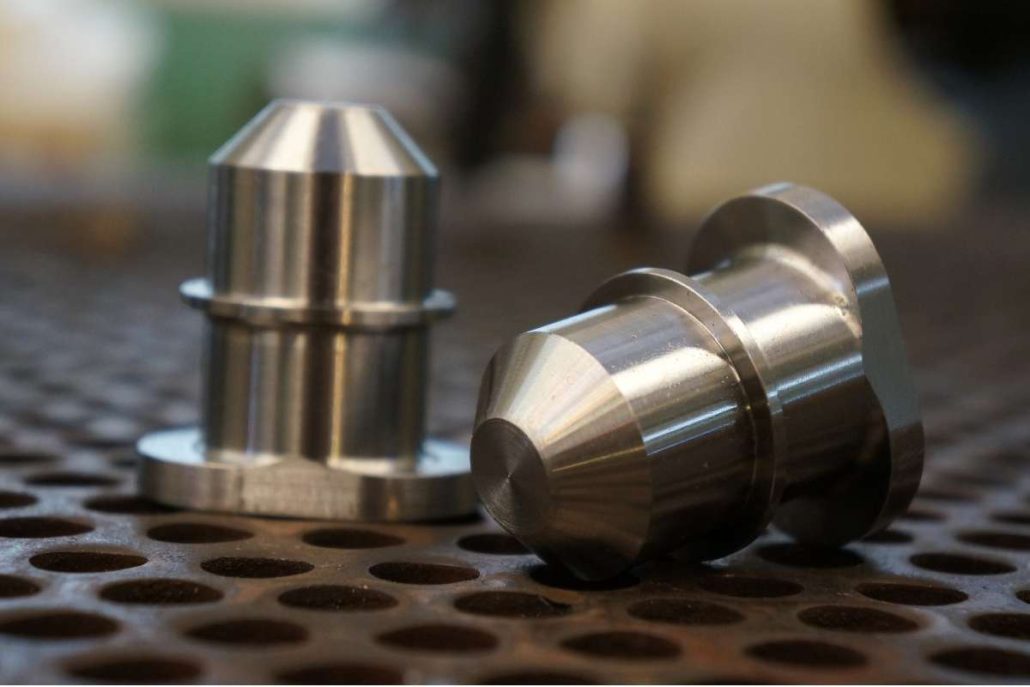
Turning parts are products made through CNC turning, a process in which lathes or turning-milling centers shape workpieces using turning tools. These chisels revolve at a speed higher than 1,000 rpm and shave the workpiece to remove the unwanted material. The speed of turning and the feed rate depends on the material to be machined, the type of cutting tool, and the diameter of the workpiece. It is vital in forming rotationally symmetrical parts with high accuracy and productivity. In this article, you will find information about CNC manufacturer of turned components. in the medical, aerospace, connectors, and defense industries and the peculiarities of their production. Specialist in the Supply of Turned Parts for Medical Applications CNM focuses on cnc machining tight tolerance medical components for surgical tools, apparatuses, and equipment use. CNM has over thirty years of experience in manufacturing and can ensure that the tolerance of each part is precise and very, very tight. Our specialties include Ventricle Assist Devices (VADs), Lasik eye surgery equipment, CT & MRI scanner equipment, and surgical equipment, including Trocar/Cannula systems and biopsy cutters. Our core competencies include 5-axis milling and electrical discharge machining (EDM) services, and thus we are the preferred partner for cardiovascular devices, orthopedic implants, and dental equipment. Our metals and alloys are Titanium, Stainless Steel, Invar, Kovar, and Inconel; thus, all our parts, such as medical screws, implant prototypes, and custom molds, are precise. Our clean, temperature- and dust-controlled environment ensures we can achieve the closest tolerances required for medical use. The precision machining services offered by the company also include manufacturing surgical scissors, cannulas, biopsy tubes, and saw guides for bone surgery that require compliance with medical standards. Whether the application is micromachining or manufacturing of surgical instruments, CNM offers reliable and quality medical machining services for your needs worldwide. CNC Turning Aerospace Parts Manufacturer CNM specializes in manufacturing CNC-turned parts for aerospace, automobile, electronics, mechanical, medical, and dental instruments, military and defense, hunting, and fishing. We deal with materials like brass, stainless steel, plastic, aluminum alloy, steel, and titanium and manufacture items like pipe joints, connector joints, servo motor shafts, and anodized aluminum tubes. In aerospace cnc machining, CNM can manufacture parts used in different kinds of aircraft; military, commercial, and glider. We pay great attention to such issues as durability, compliance with the declared characteristics, and batch marking to obtain the high rates of performance and protection that are typical for aviation. Backed by advanced technology and a stringent machining system, CNM maintains precision with tight tolerances and offers comprehensive services under ISO9001:Certification in 2015. This involves the type of material to be used, the quality of the material, the labeling of all the materials used in the production, and the delivery time as per the client’s request. CNM has a good record and credible partners across the globe; America, Europe, the Middle East, Southeast Asia, Japan, and many more. The company takes pride in quality and reliability in all its activities to satisfy customers and achieve high performance in aerospace parts. Manufacturer of Turned Components For the Connector Industry CNM is a precision-turned components manufacturer particularly suited to the connector industry. Being a quality-conscious company focusing on cost and time, we use our vast experience in the industry and sophisticated machining technology to produce parts to your requirements. We have CNC sliding headstock machines for the connector dimensions from Ø5 mm up to Ø36 mm, and for some particular types of connectors, we have fixed headstock machines. However, for the dimensions up to Ø80 mm are also possible. Machining complex geometries is one of our strengths, as we use machines with up to 10 numerical axes, including B axes. CNM has the flexibility of batch sizes ranging from 500 to 20,000 and above, thus making it possible to meet the needs of small and large-scale projects. Our materials include aluminum, copper alloys, copper, brass, and ceiling, therefore affording flexibility and satisfying the requirements of the connector component industry. Some of the precision parts we offer are terminal blocks, connectors, adapters, sensor bodies, connection plugs, and sockets, all made to precise industry standards. In addition to machining, CNM provides a wide range of additional services with the help of reliable subcontractors: silvering, gilding, annealing, laser engraving, tribofinishing, and deburring. Also, we offer kit assembly services, strengthening our capacity to offer bundled services. Suppose you are in the connector industry and you need superior turned components for your turned parts. In that case, CNM is ready to serve you. Get in touch with us today to understand how we can help you with your manufacturing projects and improve them. Manufacturer of Turned Components For the Defense Industry CNM TECH.CO.,LTD is one of top 10 CNC machining services in the world, we specialize in CNC machining for accurate and high-quality defense parts and components. The authors are proud of the team of professional employees and the effective system of controls in the company. CNM is equipped with modern technology tools, CNM is ISO 9001, AS 9100D, and ITAR registered to supply aerospace and defense parts. Comprehensive Program Management Services  CNM offers numerous services in program management apart from CNC machining. We have a well-trained staff that can meet the rugged demands of the supply chain partners. Therefore, customer relations and their feedback are underlined as significant in developing sound program management systems. Our ISO 9001:The 2000, AS9100D, and ITAR certifications demonstrate the company’s commitment to timely, professional, and focused work. We very closely control our production process with the help of Epicor ERP/MRP system software. This means we can schedule and track parts in this integrated system from the shop floor, as shown below. It effectively manages various aspects, including It helps manage several aspects such as: Engineering support Kanban Pull Systems The first article inspections, or FAI for short. AOGs (Aircraft on the Ground) DX/DO requirements Forecasting is related to supplier portals Raw material sourcing Part machining Special process management Quality assurance Documentation Packaging & Shipment

Usinagem CNC de magnésio

Usinagem de magnésio

Usinagem CNC

O magnésio tem características excepcionais, notadamente baixa densidade e boa usinabilidade, para criar resistência à corrosão em peças de alta resistência por meio de usinagem CNC. No entanto, o processo de usinagem do magnésio é um grande desafio devido à inflamabilidade do material. Ao lidar com o magnésio, são tomadas medidas de segurança para reduzir os riscos provavelmente associados a ele. A usinagem do magnésio gera aparas e poeira, que podem se inflamar facilmente, o que é um grande perigo para os operadores de máquinas CNC. Se não for bem controlado, o processo de usinagem provavelmente causará incêndios ou explosões na oficina. Este artigo descreve as principais medidas de segurança para trabalhar corretamente com magnésio e outros metais inflamáveis. Ele se concentra nos métodos adequados de remoção de cavacos e nas medidas e precauções para evitar incêndios em uma oficina mecânica. Desafios na usinagem de magnésio O trabalho com ligas de magnésio é sempre acompanhado de riscos que devem ser gerenciados adequadamente. Estes são alguns dos riscos que devem ser compreendidos quando se está envolvido na usinagem CNC de magnésio. Risco de incêndio Um dos problemas significativos na usinagem de ligas de magnésio é a inflamabilidade dos cavacos finos e da poeira produzida durante o processo. Essas partículas são altamente inflamáveis e até mesmo pequenas faíscas ou calor excessivo podem facilmente fazer com que elas se incendeiem, o que é um grande perigo na oficina. Desgaste da ferramenta Devido à sua natureza macia e abrasiva, o material de magnésio pode desgastar a ferramenta de corte durante a usinagem CNC. Isso resulta em uma taxa de usinagem mais baixa e mais ferramentas que precisam ser trocadas com mais frequência. Geração de calor Também está claro que as ligas de magnésio têm baixa condutividade térmica e, portanto, o calor é localizado na zona de corte. Essa alta temperatura de corte também afeta negativamente a vida útil da ferramenta. Além disso, aumenta a possibilidade de empenamento da peça de trabalho e acelera a taxa de desgaste da ferramenta. Desafios do acabamento de superfície Obter um alto acabamento de superfície em ligas de magnésio é um desafio devido à presença de rebarbas e à deformação da usinagem. Todos esses problemas devem ser resolvidos aplicando os métodos de usinagem corretos e selecionando as ferramentas certas para obter o acabamento de superfície de alta qualidade desejado. Para resolver esses problemas, é necessário aderir a todas as medidas de segurança, ao uso correto das ferramentas e às informações sobre as características do magnésio e sua usinagem para obter segurança e eficácia. Enormes benefícios da usinagem CNC de magnésio No entanto, há algumas vantagens em usar a usinagem CNC de magnésio, apesar dos riscos acima. É por isso que o magnésio é apropriado para uso em setores que requerem luz, como os setores aeroespacial e automobilístico, pois aumenta a eficiência e o uso de combustível. É um material muito leve, mas ao mesmo tempo tem alta resistência. Assim, as estruturas podem ser sólidas e finas, exigindo menos material. O magnésio é facilmente usinado e, portanto, pode ser produzido em grandes quantidades. As ferramentas usadas não se danificam facilmente, reduzindo o custo. Devido à sua boa condutividade térmica, ele é adequado para aplicações em que o calor deve ser conduzido para longe do produto, como a carcaça de equipamentos eletrônicos. Além disso, o magnésio tem características inerentes de vedação EMI que protegem os eletrônicos sensíveis contra interferências. Do ponto de vista ambiental, o magnésio é abundante. Ele pode ser reciclado e, nos processos de usinagem, a quantidade de emissões é insignificante. Além disso, a energia utilizada é menor do que a de outros metais. Essa sustentabilidade, aliada à flexibilidade no tipo de acabamento de superfície que pode ser aplicado, como pintura ou anodização, faz do magnésio o material preferido pelos fabricantes que desejam alto desempenho e, ao mesmo tempo, querem reduzir os impactos de sua usinagem CNC no meio ambiente. Medidas de segurança a serem adotadas na usinagem CNC de ligas de magnésio A usinagem CNC de ligas de magnésio pode ser segura se forem observadas as seguintes medidas de segurança na usinagem de magnésio: Aqui estão dicas vitais para garantir a usinagem segura do magnésio. Mantenha as ferramentas afiadas: Um dos desafios associados à usinagem de magnésio é a produção de calor - o uso de ferramentas afiadas durante o corte também é essencial para evitar o acúmulo de calor. As ferramentas cegas provavelmente criarão muito atrito e poderão causar faíscas que levarão à ignição dos cavacos de magnésio. As ferramentas com ponta de carboneto são preferíveis porque são duras e não produzem faíscas rapidamente em altas temperaturas. Evite ângulos de folga apertados: Um dos principais aspectos a serem considerados na usinagem de ligas de magnésio é evitar ângulos de tolerância estreitos. Ângulos de corte altos resultam em cavacos maciços e consecutivos que aumentam o calor e a possibilidade de incêndio devido à natureza do elemento magnésio. Produza cavacos quebrados: Configure sua máquina CNC para produzir cavacos pequenos e intermitentes. Isso ajuda a remover o calor da ferramenta de corte e da peça de trabalho, de modo que haja chances mínimas de o material pegar uma chama aberta. Isso deve ser feito empregando pequenos ângulos de inclinação para trás, baixas taxas de avanço e velocidades de corte moderadas a altas. Use líquidos de arrefecimento à base de óleo mineral: Ao usinar magnésio, recomenda-se usar refrigerantes à base de óleo mineral em vez de água. O óleo mineral reduz os riscos de incêndio e explosão e melhora o acabamento da superfície. As soluções aquosas de refrigerantes podem corroer o magnésio e causar a formação de gás hidrogênio inflamável. Empregue sistemas de vácuo à prova de explosão: Use sistemas de vácuo à prova de explosão para ajudar a extrair lascas de magnésio e poeira das máquinas CNC. Os cavacos de magnésio descontínuos também são inflamáveis; removê-los na oficina é fundamental para não causar um princípio de incêndio. Evite água em caso de incêndio: Não tente apagar o fogo com água em um incêndio de magnésio, pois isso só vai piorar a situação. Os incêndios de magnésio devem ser combatidos com extintores de incêndio secos Classe D ou areia seca. Assim, seguindo as medidas acima, a usinagem cnc de magnésio pode ser feita com segurança e com menos riscos no local de trabalho. Escolha da ferramenta de corte correta na usinagem CNC de ligas de magnésio A seleção das ferramentas de corte adequadas é fundamental para obter os melhores resultados e segurança ao usar a usinagem CNC em ligas de magnésio. Veja abaixo a categorização das ferramentas que são utilizadas com frequência: Ferramentas de aço rápido (HSS): As ferramentas de aço de alta velocidade são fáceis de usar e

Usinagem de cobre-berílio

Usinagem de cobre

Usinagem CNC

Os metais de cobre são altamente valorizados por sua aparência. Ele é usado principalmente na arte cotidiana e em utensílios. O cobre tem melhores características materiais e elétricas em comparação com o alumínio ou o alumínio. Isso o torna essencial para a produção de peças complexas. Essas peças são usadas em aplicações como eletrodos de EDM. No entanto, o cobre é geralmente difícil de usinar. Essa dureza apresenta vários problemas, como segue. Os aditivos incluem alumínio, zinco, silício e estanho. Essas combinações resultam na formação de ligas, como latão e bronze. As ligas de níquel-prata também são produzidas para atender a requisitos específicos. Cada uma das ligas é, portanto, projetada para aplicações exatas de usinagem. Portanto, elas desempenham um papel importante em muitos campos. A usinagem de peças de liga de cobre se torna mais acessível, permitindo uma produção mais eficiente. Isso, por sua vez, permite que a produção seja feita de forma mais eficiente. O cobre ainda é valioso para todas as áreas devido à sua versatilidade. Ele é ainda mais útil quando combinado com outros metais. No entanto, o cobre é insubstituível, e o setor continuará a encontrá-lo no futuro. Este artigo se concentrará nos métodos de usinagem cnc do cobre, nos fatores essenciais a serem considerados, nos vários usos do cobre e nos serviços de usinagem necessários. Portanto, vamos ajudá-lo a decodificar as informações de que você precisa para aproveitar ao máximo esse metal instrumental. Usinagem CNC de cobre: Quando se trata de usinagem CNC de cobre, há dois fatores essenciais a serem considerados para obter os melhores resultados: Seleção ideal do material da ferramenta: Lidar com cobre bruto é problemático porque o material é muito macio, o que faz com que as ferramentas se desgastem muito rapidamente e dificulta a remoção de cavacos. Um dos problemas enfrentados com frequência é a criação de uma borda acumulada, que é uma condição em que as partículas de cobre se prendem à ferramenta e produzem superfícies irregulares. Para eliminar esses problemas, é necessário usar ferramentas de corte fabricadas com materiais como aço rápido (HSS). As ferramentas HSS são famosas especificamente para o corte de cobre, já que se trata de um metal macio e as ferramentas HSS não se desgastam rapidamente durante o uso de máquinas CNC. Definição da taxa de avanço ideal: A taxa de avanço determina a velocidade com que a ferramenta de corte CNC se desloca sobre a peça de cobre. Quando se trata de usinagem de cobre, é aconselhável manter a taxa de avanço entre moderada e baixa. Altas taxas de avanço podem produzir muito calor, o que não é preferível em aplicações de usinagem de precisão. Um dos aspectos críticos do controle da taxa de avanço é que ela é vital para a precisão e o acabamento da superfície durante a usinagem. Se forem necessárias taxas de avanço mais altas em seu projeto, será obrigatório o uso de fluidos de corte ou refrigerantes, pois o calor precisa ser retirado para melhorar a precisão do processo de usinagem. Selecionando o grau correto de material A escolha do grau correto de cobre é uma das decisões mais importantes tomadas durante a concepção de qualquer projeto. O cobre eletrolítico de passo rígido (ETPC), também conhecido como cobre puro (C101), tem uma pureza de 99%. A confiabilidade do 99% pode ser problemática e cara, principalmente em relação aos componentes mecânicos. Ao comparar os dois materiais, o C110 é mais condutor do que o C101, mais acessível às máquinas do que o C101 e, às vezes, mais barato. A seleção do grau correto do material é fundamental para atender às necessidades do projeto da maneira adequada. A capacidade de fabricação deve ser considerada independentemente do tipo de material incorporado no desenvolvimento de um produto. É preciso seguir à risca os princípios do DFM para obter o melhor resultado. Algumas recomendações incluem o controle rigoroso da tolerância de desempenho e das verificações dimensionais. Não faça paredes finas com raios pequenos para melhorar a usinagem. As espessuras das paredes devem ser mantidas em um mínimo de 0,5 mm para garantir a resistência estrutural. Para fresamento CNC, o limite de tamanho é de 1200 mm x 500 mm x 152 mm, enquanto para torneamento CNC é de 152 mm x 394 mm. Projete rebaixos com perfis quadrados, raios completos ou caudas de andorinha para reduzir as operações de usinagem. Essas diretrizes são específicas para componentes de cobre e são essenciais para aumentar a produtividade e a qualidade dos componentes. As ligas de cobre para usinagem Os materiais de cobre incluem vários metais comerciais usados em diferentes setores, dependendo das propriedades necessárias para uma aplicação específica. Cobre puro: O cobre é conhecido por estar na forma mais pura, ser macio e poder ser facilmente moldado. Ele pode conter uma pequena porcentagem de adições de ligas para melhorar suas características, como maior resistência. O cobre de alta pureza é usado em aplicações elétricas, incluindo fiação, motores, outros equipamentos e aplicações industriais, como trocadores de calor. Os graus comerciais de cobre puro são classificados pelos números UNS C10100 a C13000. Para aplicações que exigem maior resistência e dureza, como a usinagem de cobre-berílio, a liga de cobre puro com berílio é uma prática comum. Cobre eletrolítico: O cobre eletrolítico de passo duro é obtido do cobre catódico, refinado por eletrólise, e contém impurezas deficientes. O grau mais usado é o C11000, que oferece condutividade elétrica de até 100% IACS e alta flexibilidade, o que o torna adequado para aplicações elétricas, como enrolamentos, cabos e barramentos. Cobre livre de oxigênio: Devido ao seu baixo teor de oxigênio, os tipos de cobre sem oxigênio, como o C10100 (eletrônico sem oxigênio) e o C10200 (sem oxigênio), são caracterizados pelo baixo teor de oxigênio e pela alta condutividade elétrica. Esses cobres são fabricados em condições não oxidantes e são usados em produtos eletrônicos de alto vácuo, como tubos transmissores e vedações de vidro para metal. Cobre de usinagem livre: Essas ligas à base de cobre contêm adições de níquel, estanho, fósforo e zinco, com o objetivo de melhorar a usinabilidade. Algumas ligas bem conhecidas incluem bronze, cobre-estanho-fósforo, latão e cobre-zinco, caracterizadas por alta dureza, resistência ao impacto, trabalhabilidade e resistência à corrosão. Ele é usado em várias operações de usinagem, como na usinagem de moedas, peças elétricas usinadas, engrenagens, rolamentos e peças hidráulicas automotivas. Técnicas de usinagem de cobre A seguir estão algumas das formas mais eficientes de usinagem de cobre: A usinagem do cobre como material é um processo que está associado a algumas dificuldades devido à flexibilidade, maleabilidade e durabilidade do material. No entanto, o cobre pode ser ligado a outros elementos, como zinco, estanho, alumínio, silício e níquel, melhorando a possibilidade de usinagem do cobre. Em geral, essas ligas são mais fáceis de cortar do que os materiais de

componentes de usinagem cnc

Componentes usinados em CNC

Usinagem CNC

Numerous engineers in various branches value the role of metal parts that are expected to have certain levels of precision and efficiency. This is especially the case in industries such as aerospace and transportation, where the components’ quality, safety, and functionality are paramount. In such circumstances, CNC-machined components are unavoidable. These are the reasons why CNC machining is widespread; it is fast, accurate, and precise, and this has made it famous all over the world. Below are some factors that you should put into consideration when selecting cnc machined parts for delicate operations. Use of CNC Machining in the Development of Complicated Parts CNC (Computer Numerical Control) machines operate with the help of instructions from a computer that controls the position of the cutting tools. The two most common categories of CNC machines are 3-axis and 5-axis machines, but contemporary CNC systems can have up to 12 axes. These multiple axes make it possible to create complex metal parts. For instance, a 3-axis CNC machine moves the cutting tool along three primary directions: The first one is the X-axis which is also known as the lengthwise movement; the second one is the Y-axis which is also known as the widthwise movement and the third one is the Z-axis which is used for the depth control. With these axes, cutting the required parts at a high speed and with precision of form is possible. In addition, several operations can be done in one setup because of the characteristics like the automatic tool change. This capability allows the company to produce cnc precision machined components faster and cheaper. Moreover, the company has always been able to create complex parts with tight tolerance. Tolerances for CNC Machined Parts However, there are several other factors that engineers have to consider concerning CNC machined parts other than their functionality and durability. When designing for the manufacturing process, the following factors should be taken into consideration: Cost Efficiency: Several factors that affect the cost of the CNC machined parts include setup cost, programming cost, cost of material, complexity of the part design, and the number of parts to be manufactured. These aspects should be controlled during a product’s design phase because this is when the best production methods at the least cost are defined. Lead Time: Based on the tolerance, complexity of the part, time taken to set up the CNC machine, and whether standard or special tools are used, the time taken to complete the machining process will vary. It is also important to realize that detailed design planning reduces lead time and overall productivity. Design Feasibility: Make sure your part is ready for CNC machining. For instance, making the cavities to be less than 2. It is important to point out that if one is making a hole of 5mm diameter and below, it may be considered micro-machining and may need some special tools. One has to consider the design option within the CNC machining process to shape cnc machined components. Tolerances: Tolerances depend on the construction material, the tools to produce the particular part in question, and the specific part being produced. Therefore, CNC machining can be precise to tiny tolerances, which, in turn, cost more than parts with less tolerance. Pros and Cons of CNC Machined Parts CNC-machined parts are ideal under certain conditions: However, CNC-machined parts are suitable under the following circumstances: Low to Medium Volume Production: CNC is most suitable for low to medium-volume production since the cost of setting up and the cost of the tools is recovered by the time it takes to produce each part. Complex Geometries: Due to the kind of technology that is applied in CNC machining, it is ideal for use in making parts that have complex shapes. Prioritizing Short Lead Times: This implies that in one cycle of the CNC machining process, several operations can be performed, which can be very beneficial in terms of the time taken to manufacture compared to other methods. Hence, if the above-mentioned design and tolerance factors are considered, coupled with the circumstances under which CNC machining should be applied, engineers can be assured that they will produce accurate, high-quality, and relatively cheaper cnc machining components.     CNC machining and its Alternatives CNC machining is a very efficient and accurate method of manufacturing however it is not always applicable for all projects. Even though using techniques like metal stamping for significant production needs, such as mass production, is more appropriate and cost-effective. If cost is a problem, you may have to opt for manufacturing processes that do not necessarily need a lot of capital, such as stamping or sheet metal forming. These methods can be very cheap while at the same time yielding good results. It is also important to note that CNC machining is not rigid on the type of material that can be processed, but some of the materials may not be very suitable since heat is used. Evaluating the appropriateness of the material is very crucial when it comes to manufacturing to produce the best results and, at the same time, minimize the costs. Machining Industries and Their Function CNC machining companies do not only provide precision parts but also manufacturing tools and devices that are needed by other industries of precision manufacturing. The following is a breakdown of CNC machined parts: This manufacturing process involves the removal of material from the raw material to give highly accurate parts. CNC Drill CNC drills are used for dulling, milling, and any other required shape on the workpiece. They cut through materials to the depth that was set earlier. This makes it possible to accurately position and dimension the holes, especially for assembly and fit in large structures. CNC drills are flexible since they can drill on various materials based on the required job. They are essential in developing the precision and accuracy of the produced parts. CNC drills are precise and ensure the holes are drilled to the standard. This method is appropriate for

Cromagem Alumínio

Revestimento em pó preto

Acabamento da superfície

Black powder coating process are mostly used in metal parts finish, it is one of the most preferred surface treatment techniques in the metal rapid prototyping, metal fabrication sheet, and die casting industry which provides improved physical and mechanical characteristics to the custom machined or casted parts. This powder coating technique which has its origin from the early development of powder metallurgy has received a lot of acceptance in the recent past. It is widely utilized in the modern industry because of the following advantages: high corrosion protection, fine surface finish, and long-enduring, eco-friendly impact. This article will take a closer look at the various kinds of powder coating surface finished, how the coating process is done, and some useful tips for a perfect powder coating. This is where you will find all your answers concerning black chrome powder coating, and sprays. If you have any metal parts that needs develop with black powder coating surface finish, you are welcome to contact us, we are die casting manufacturing company in China, we offer one stop services from die casting tooling manufacturing, mass production, post machining, surface finish, packing, and delivery. Contact us to get free quote in 24 hours. What Is Black Powder Coating Finish? Black Powder coating is a process of applying dry black color of powder on the surface of the material and then using heat to set it. The powder that is employed can be thermoplastic or a thermoset polymer powder. This method forms a strong and long-lasting layer which is stronger than the liquid varnish and ideal for use on plastic, glass, and metal. Powder coating is usually done by electrostatic spray deposition (ESD) or fluidized bed technique. Both methods provide high gloss, different kinds of surface, a wide range of color and high quality of the surface. Because of these characteristics, black powder coating finish is applied in many industries such as medical, architectural, automotive, fiberboard avionics, and many others, of course there are many other powder coating solors, you can go to our powder coating services pages to know more.   The Different Types of Powder Coatings Another effective painting technique that provides a very good and quite a durable coat is called powder coating. Whether you are a first time user of powder coatings or you have been using it for a long time, you will find it very strong and versatile. It remains the same from having one spray gun and a small oven to running a large line with automation. Here’s how it works: A powder spray gun is used to spray the powder particles and at the same time charges them with an electrostatic charge. The grounded areas draw the charged powder on it to ensure that an even layer of the powder is achieved. After the powder application, the parts are taken to an oven where the powder melts and fuses to the surface giving the part a hard, scratch resistant, and aesthetically appealing surface. It is mostly used on metals and for this reason it is very useful. Some of the areas that apply black powder coating spray paint are the industrial parts, medical equipment, architectural structures, automobiles, bicycles, home appliances, furniture, enclosures, trailers, and lighting among others. The possibilities are endless! Powder coatings are of different types; and each type has its own features and uses. The type of powder to be used should be chosen before the color to be used is chosen. It is, therefore, necessary that one knows the characteristics of the different types of powders to be able to get the best outcomes. The last advantage of powder coatings is that it does not have solvent at all in its formulation. This means no organic volatile compounds or VOCs are emitted, making powder coatings safer to apply, to get rid of and to ship than liquid paints. This is a green factor that has a lot of advantages to the environment for both the user and the customer. Epoxies Epoxies were the first powders in the market and are still widely used due to their high level of hardness. They provide excellent hardness and are reported to have better chemical and corrosion resistance than the other available powders. Another benefit of epoxy powders is that they are easy to apply and are available in many cure schedules. Epoxies cure very well on metals particularly when the metal has been prepared by methods like phosphate coating and sand blasting. However, one of the main disadvantages of epoxy powders is their rather low resistance to the effects of natural factors. Epoxies when left exposed to the outdoor environment turn to fade and chalk under the sun and the surface turns bad within few months. This limitation makes epoxies more appropriate for interior use where they are protected from the UV light. However, due to high adhesion and good corrosion resistance, many primers are based on epoxies. When applied as a base coat to another type of paint they offer a strong base, utilizing their advantages but at the same time minimizing their vulnerability to sunlight. Polyesters Polyesters are the most popular powders in powder coating since they are cheap and can be used in most applications. There are two main types: TGIC and TGIC-free, called ‘Primid’ In general, both types have good mechanical properties such as flexibility and impact strength, and good chemical resistance. Polyester powders also have the advantage of low curing temperatures, which makes them ideal for use on items that cannot be exposed to high temperatures. Polyesters also do not overbake and do not yellow and are easy to apply on different surfaces. Standard polyesters have UV resistance of 1-3 years and are used for indoor applications as well as some outdoor applications. Another essential aspect of polyester powders is the ability to vary the color, gloss and the special effects, which makes the list almost endless. Owing to their good general characteristics, polyesters are used most often in various coating

Alumínio ou alumínio

Usinagem de extrusão de alumínio

fundição de alumínio

Understanding the Aluminum Extrusion Process Aluminium extrusion machining is a process of manufacturing products with a cross-sectional profile by forcing the material through a die. This process can be likened to putting toothpaste in a tube, in this case, the toothpaste is the heated cylindrical aluminum bar also called an ingot and the tube is the die. Here’s a step-by-step breakdown: Heating and Pressing: The aluminum ingot is then heated and passed through the die which gives it the required profile of the product. Cooling: After the shaped material has come out of the die it is cooled by air or water. Stretching: Although not fully set, the profiles are pulled to relieve internal stresses and achieve the proper dimensions. Cutting and Aging: The profiles are cut and then aged – hot or cold to reach their final strength. Finishing and Surface Treatment: The last processes include polishing or other treatments meant to improve the looks and protect against corrosion. What is an Aluminum Extrusion Machining Center? An extrusion machining center is a specific type of machining center that is used to accurately process extruded aluminium profiles into the final required parts. Sawing, deburring, drilling, turning, milling, and tapping are some of the techniques used to give the required shape with features such as pockets and holes. At CNM, we have different types of extrusion machining centers that are highly accurate, fast, and very reliable. These machines are very efficient in cutting down production time and minimizing wastage during the processing of the products and are thus very suitable for use by manufacturers. CNM’s extrusion machining centers facilitate the manufacturing process and produce quality work that guarantees the aluminum extrusions are cut and profiled to the required specifications. Factors Consideration For Machining Aluminium and Aluminium Alloys The below-mentioned factors greatly influence the cnc extrusion machining of aluminum alloys. Cutting Force The cutting force needed when machining aluminum alloys is much less compared to the force needed when machining steel. For instance, the force required to machine aluminum is about one-third of that required for low-carbon steel thus chip removal is three times more efficient. For instance, aluminum alloy 2017A has the same cutting force as low-carbon steel but has similar mechanical properties as the latter. Tooling The cutting tools used in the machining of aluminium alloys must have a certain geometry. The cutting edges should be as sharp as possible and the tool faces must be smooth so that they can shed the swarf and not stick to it. The cutting angles are different according to the type of alloy, but the rake angle should be more than 6° and can be even 12°. In the case of alloys with up to 7% silicon content, it is suggested to use the tools with the application of TiN or TiCN coatings using PVD deposition. For diamond coated carbide tools and polycrystalline diamond (PCD) tools, the recommended rake angle is 15 degrees. It is much longer than the ones used for machining steel due to the proper tools being used in this process. In the special machines, the high-speed spindles can attain the machining speed of 2000 to 3000 m/min for the 2000 and 7000 series alloys. For instance, a 12 mm diameter tool can reach 50,000 rpm of cutting speed with a feed rate of 10 m/min, which results in very thin sheets and lightweight components. Cutting Speed and Feed Rate Because of the low modulus of elasticity of aluminium alloys, it is recommended to avoid high rates of advance even in roughing operations. The feed rate should be limited to 0. 3 mm per revolution. For finishing operations, the feed rate will be affected by the required surface finish. The depth of cut will be influenced by the level of accuracy that is needed on the final product. Lubrication Lubrication is crucial in machining aluminium alloys for several reasons: it reduces the temperature of the cutting area, keeps the swarf from sticking to the tools, and clears the swarf from the machining area. There are three primary types of lubrication: The three types of cutting fluids are spray mists, full cutting oil, and oil emulsions, of which the oil emulsions are most frequently used because of the heat dissipation of approximately 200 kg/J. Coolants help in reducing friction and also in tapping operations. Spray mists are not very effective when there is high heat involved. The cutting fluid composition should not react with aluminum alloys, cause stains or corrosion, contain anti-bacterial agents to discourage fungal growth, and be environmentally friendly. Benefits of Aluminum Extrusion Machining: The following are the benefits of machined aluminum extrusion: Aluminum extrusion is a process that is commonly practiced in the present generation due to the following benefits associated with aluminum extrusion. It also allows one to achieve complex and accurate forms of the needed shapes and also to produce them in a way that they will fit the intended use, thus increasing productivity and saving money. The outcome is strong and light structures that are suitable for industries that require light structures such as the aeronautics, automobile, and construction industries. Also, it is an efficient technique, which does not require a lot of material and energy and generates a small amount of waste. In conclusion, machined aluminum extrusion is cost-efficient and sustainable which improves the quality of the end product and production process. Suitability of Aluminum for Cold Extrusion Cold extrusion is a process of extruding aluminum through a mold at a temperature of not more than 150°C (300°F). The aluminum remains rigid and thin-walled parts can be fabricated as in the case of radiators, windows, and door frames. This process is slower than hot extrusion but the surface quality is high and the shapes are more accurate therefore less post-processing is required. Warm Aluminum Extrusion Warm extrusion is done at moderate temperatures while the rate of hot extrusion and the accuracy of cold extrusion are intermediate. The exact temperature is therefore arrived at

usinagem de fundição de alumínio

Peças fundidas usinadas

fundição de alumínio

For fabricators, metal machining and casting operations are sometimes shown as binary alternatives. However, there are many circumstances in which using both casting and machining is the most efficient in terms of production, as the recent essay on casting vs. machining made clear. The advantages of machining castings are covered in this article, and the application of these production techniques to your next project is discussed. What Is Casting CNC Machining? Machined castings are components that is initially manufactured through casting and subsequently refined through CNC machining. Die casting, investment casting, or sand casting may be implemented to generate the initial casting. Every casting process has drawbacks, such as poor surface finish or restricted design. CNC machining solves the above problems by improving the quality of products and adding more complex designs. Some possible machining operations include Computer Numerical Control Milling, Turning, Drilling, Sawing, and other non-conventional castings machined operations to get a premium surface. Machining of Casting Parts Advantages. There are several benefits to machine-castable parts. Some of the commonest include; 1. Modifying As-Cast Parts Those casting machined parts produced directly from their casting molds are known as “as-cast” These parts contain extra material from the gating system, parting lines, and other casting features. To increase the quality, the fabricators have to get rid of this unwanted material, which can be done by a simple hacksaw for roughing or by using CNC for accuracy. For example, in the case of aluminum casting machining, aluminum CNC machining helps achieve high dimensions and accuracy. Casting flaws can be easily camouflaged through CNC machining, and the quality of the final product can be significantly improved. Also, it allows the development of features that cannot be created using casting only, such as the curved fins of a turbine. Some of the design issues can be solved by techniques like investment casting, but in most cases, the holes, grooves, and threads produced by machining are of better quality. 2. Improving Finished Quality However, if casting and machining do not need extra features and the material that has to be removed is easily removable, it is still important to use precision CNC machining to obtain high-quality parts. Some processes, such as die casting, can deliver relatively smooth surfaces that only require slight machining. However, the parts produced through sand casting or investment casting require a significant amount of machining to achieve a flat surface. CNC machining also improves the quality of the parts that have tight tolerances. Casting can be economical when the production is significant, and CNC machining guarantees that every part is correctly shaped. Machining allowances have to be taken into consideration during the casting stage to have a smooth integration. It is wise to incorporate sheet metal fabrication services into your production line. The main benefit is the capacity to rapidly and precisely create lightweight parts from numerous materials employing various techniques. Knowledge of these techniques and their specific use is vital in attaining the best outcomes and shortening production time. How To Machine Casting Parts? During machining, useless material is removed from casting to make it more accurate in size. This process is beneficial in removing excess material on cast parts after casting and before finishing. Machining is helpful because it is almost impossible to get tiny variations in a complex casting, and thus, the final product has to be machined to the required specifications. It is usually done after the heat treatment but before the final surface treatment, like painting, anodizing, or plating. As for the current world, the application of technology in machining castings has adopted computer numerical control (CNC). Machining can be classified into many subcategories, which include the following: Drilling Drilling is the creation of holes in the cast parts with the help of a drill bit. Lathes and cutting machines can also be used, but drill presses are the main tools used in this process. This process is crucial in the casting process since it assists in the making of holes in the casting. Milling A cutter, a fixture, an object, and a milling machine are all things that are used for milling. The piece of work is clamped down during this cutting process, and the milling machine’s cutter takes off the extra material. It can be said that it is one of the most frequently applied methods in the subsequent adjustment of the shape and size of the cast parts. Turning In turning, the workpiece rotates on its axis while the cutting tool is stationary or does not move. The most critical equipment employed in this process is the lathe machine. Turning is appropriate for generating the internal and external profiles of cast parts and is very precise. Other Machining Processes In addition to drilling, milling, and turning, several other machining processes are used for refining cast parts: Besides drilling, milling, and turning, several other machining processes are used in the finishing of cast parts: Boring: It enlarges and increases the accuracy of a part’s pre-drilled holes. It is useful in attaining the correct dimensional and positional tolerances for parts that require high precision and polished surface textures. Broaching: Broaching is a process of cutting shapes and designs on cast parts with the help of a cutting tool with teeth. The broach has progressive teeth that shave the material and can make internal and external shapes. Therefore, it is ideal for keyways, splines, and other shapes. Grinding: Grinding employs an abrasive wheel that rotates and brings the part’s surface to the required actual position. This process is helpful in offering high surface quality and near tolerance. The cutting points of the grinding wheel abrade the surface, shave off the unevenness, and provide a polished surface. All these machining methods are important in ensuring that cast parts are of the right quality and size for use or other processes. Benefits of Machining After Casting Machined casting parts offer numerous advantages, such as Machined casting parts, therefore, have the following benefits: Enhancing Precision The die-casting and

Custo de paletes de níquel

Quanto custa a cromagem?

fundição de alumínio

Quanto custa a cromagem Diferentes peças são empregadas em complexos industriais e de manufatura para que as estruturas funcionem de forma ideal. Na maioria das vezes, as peças de alumínio, aço inoxidável e cobre são adequadas para atender às necessidades de usinagem. Setores como o automotivo, aeroespacial e eletrônico utilizam materiais de metal duro para formar peças internas e externas. Mas eles não podem ser usados em sua forma usinada pura. É aí que entra a cromagem. As hastes cromadas são particularmente importantes devido à sua função. As hastes acima estão disponíveis na Índia e o custo varia de acordo com o material, as dimensões, a forma, o comprimento e a qualidade do revestimento. Essas hastes cromadas duras são aplicadas em muitos campos devido às suas propriedades de alta resistência, flexibilidade, abrasão e resistência à corrosão. O fato de poderem ser personalizadas ainda mais as torna ainda mais valiosas, especialmente em muitos setores considerados pesados. Essas hastes são amplamente utilizadas em aplicações pneumáticas, automotivas, hidráulicas, de impressão, têxteis e muitas outras. Muitas organizações as preferem porque são resistentes e podem se adaptar a qualquer clima. A CNM tem uma vasta capacidade de produção para todos os seus produtos e opera de acordo com as normas e leis indianas e internacionais. Isso possibilita a produção de hastes cromadas duras de alta qualidade que atendem às exigências dos clientes e, ao mesmo tempo, são relativamente mais baratas. Este artigo discutirá quanto custa a cromagem, os fatores que a influenciam e as técnicas de cromagem. Fatores que influenciam o custo da cromagem O custo da cromagem de um determinado item depende dos seguintes fatores importantes. O primeiro é o tamanho e o nível de complexidade do item que precisa ser transportado. Itens grandes geralmente precisam de mais material e tempo, o que encarece a cromagem. Além disso, itens com design complexo ou assimétrico podem exigir trabalho extra durante a fase de preparação e durante o processo de cromagem, o que aumentará o custo. Outro fator que deve ser levado em conta é o tipo de cromagem que está sendo feita. Há dois tipos principais: cromagem decorativa e cromagem dura. Esse tipo de cromagem é aplicado em camadas mais finas e é mais uma aplicação ornamental, usada em acabamentos de carros e eletrodomésticos, entre outros. Esse tipo de cromagem é relativamente mais barato em comparação com a cromagem dura, em que uma camada mais espessa de cromo é aplicada para criar uma superfície dura e mais resistente à corrosão. A cromagem dura é frequentemente aplicada em indústrias e pode custar mais caro devido ao procedimento complexo e ao tipo de material usado. O custo também pode ser afetado pela qualidade do cromo usado no processo de revestimento da válvula. O cromo de qualidade superior pode ser mais puro e ter um acabamento melhor, o que pode custar mais caro no estágio inicial. No entanto, ele pode ter vantagens que incluem maior vida útil do produto, melhor aparência e menor suscetibilidade a desbotamento ou rachaduras. O uso de cromagem de melhor qualidade proporcionará ao seu item um acabamento melhor e mais duradouro em comparação com a cromagem de baixa qualidade. Entretanto, antes do processo real de cromagem, é necessário preparar a superfície do item a ser cromado. Essa preparação normalmente envolve a remoção de camadas antigas, o alisamento da superfície para remover quaisquer defeitos e, em seguida, a lavagem da superfície para que a camada de cromo tenha uma superfície adequada para aderir. O estado da superfície também determina o grau de preparação que precisa ser feito devido a rachaduras ou ferrugem existentes. Os produtos que estão em um estado ruim podem exigir mais preparação do que os que estão em bom estado. Por isso, o custo da cromagem pode ser alto. A quantidade de artigos que estão sendo cromados e o tamanho do lote também podem influenciar o custo. Quando vários itens são cromados ao mesmo tempo devido a um pedido de lote, o custo por item normalmente é mais barato do que quando se croma um único item. Como os prestadores de serviços de cromagem podem comprar os suprimentos em grandes quantidades, eles podem oferecê-los a preços mais baixos. A quantidade necessária deve ser levada em conta ao procurar cotações para serviços de cromagem. O local onde o serviço de cromagem será realizado e a credibilidade do prestador de serviços são outros fatores determinantes do preço. Os preços podem variar dependendo das taxas salariais, das leis ambientais e de outras despesas gerais nas regiões de operação. Além disso, vale a pena entender que a maior qualidade do trabalho e a maior experiência do prestador de serviços podem resultar em preços mais altos para os serviços. Na medida do possível, recomenda-se comparar diferentes prestadores de serviços de cromagem para entender melhor a qualidade do serviço que eles podem oferecer em relação ao custo dos serviços. Entretanto, há outros serviços que podem ser oferecidos pelos prestadores de serviços e que podem afetar o custo de todo o processo de cromagem. Esses serviços podem incluir mascaramento seletivo, aplicação de películas protetoras ou tratamentos pós-revestimento para melhorar a dureza, a aparência etc. do revestimento. Esses serviços podem aumentar o custo total, mas podem ser úteis, dependendo da natureza do projeto e do resultado pretendido. Para obter uma cotação de preço clara e razoável para a cromagem, é necessário descrever seu projeto o máximo possível para os possíveis contratantes. Isso inclui o tipo de item, as dimensões, o tipo de acabamento, a quantidade e quaisquer necessidades ou desejos especiais que o cliente possa ter. Por meio dessa comunicação e comparação de orçamentos com base nos detalhes fornecidos, é possível obter o melhor valor para o dinheiro a ser gasto em cromagem. Tipos de cromagem O custo também depende do tipo de cromagem; Cromagem dura A cromagem dura é um procedimento mais complexo de cromagem que é feito por meio da passagem de uma corrente elétrica pela solução e é aplicado em muitas aplicações.

fundição de precisão

Usinagem CNC de alumínio

fundição de alumínio, Usinagem CNC

O alumínio é amplamente utilizado na usinagem CNC devido às vantagens das peças usinadas em diferentes setores. Este artigo é dedicado à usinagem cnc de peças de alumínio e suas características, tipos de ligas, métodos de usinagem, ferramentas e usos. Alumínio na usinagem CNC A usinagem de alumínio por meio de CNC é preferida porque o alumínio é altamente usinável; ele está entre os materiais mais usinados do mundo depois do aço. Algumas de suas propriedades são: macio, dúctil e não magnético, e sua forma pura é de cor branca prateada. Entretanto, a verdadeira beleza do alumínio é que ele pode ser ligado a outros elementos, como manganês, cobre e magnésio, para criar uma série de ligas de alumínio com características aprimoradas. Usinagem CNC de alumínio: Obtendo o máximo Os benefícios incluem: 1. Usinabilidade: O alumínio é relativamente fácil de usinar porque é macio e pode ser facilmente lascado; portanto, pode ser usinado mais rapidamente e com menos potência do que o aço a um preço mais barato. Também facilita a deformação durante o processo de usinagem, o que torna mais fácil para as máquinas CNC produzirem peças altamente precisas com tolerâncias mais estreitas. 2. Relação entre resistência e peso: O alumínio é um terço mais leve que o aço e tem uma resistência de um décimo da do aço. Portanto, ele é adequado para uso em peças que precisam de uma alta relação resistência/peso. Alguns dos setores que se beneficiam muito do alumínio são a produção de peças de alumínio usinadas em cnc para os setores automotivo e aeroespacial, pois ele é leve, mas extremamente resistente. 3. Resistência à corrosão: O alumínio tem a característica inerente de não corroer em condições ambientais normais e pode ser protegido ainda mais por anodização, portanto, o material pode ser usado em ambientes expostos a condições marinhas ou atmosféricas. 4. Desempenho em baixas temperaturas: Alguns materiais sofrem uma alteração em suas propriedades mecânicas e se tornam tão resistentes quanto papel em baixas temperaturas, mas esse não é o caso do alumínio. 5. Condutividade elétrica: Embora o alumínio puro tenha alta condutividade elétrica, as ligas de alumínio também têm condutividade adequada para uso elétrico, atendendo às necessidades de diferentes setores. 6. Reciclabilidade e respeito ao meio ambiente: O alumínio é um material reciclável, o que permite a preservação do meio ambiente por meio da redução de resíduos e da energia usada no processo de usinagem. 7. Potencial de anodização: O fato de a anodização poder ser feita nas superfícies de alumínio também aumenta a resistência ao desgaste e à corrosão das peças de alumínio usinadas. A capacidade de anodizar o alumínio em diferentes cores brilhantes aborda o aspecto estético. Aplicações em abundância O alumínio é popular na usinagem CNC devido à sua versatilidade e a outras propriedades adequadas em muitos setores. De peças de automóveis a peças de aviões, peças elétricas e até mesmo peças mecânicas complexas, a durabilidade e o desempenho do alumínio em diferentes usos são evidentes, o que leva à criatividade. Portanto, a popularidade do alumínio na usinagem CNC não é acidental - ela se deve aos benefícios, às possibilidades e às perspectivas que esse material oferece na esfera da manufatura. O alumínio ainda é amplamente utilizado para peças usinadas devido ao seu desempenho, ecologia e flexibilidade à medida que os setores evoluem. Ligas de alumínio típicas usadas na usinagem CNC As ligas de alumínio são os materiais mais preferidos na usinagem CNC devido à sua flexibilidade e às boas características mecânicas. Veja a seguir alguns tipos de alumínio usados com frequência nos processos de usinagem CNC: 1. EN AW-2007 / 3.1645 / AlCuMgPb Essa liga contém cobre em uma faixa de 4-5% e é famosa por sua resistência, leveza e alta utilidade. É aplicada principalmente na fabricação de peças de máquinas, parafusos, rebites, porcas, parafusos e barras roscadas. Também é relativamente frágil, tem baixa soldabilidade e resistência à corrosão e, portanto, requer anodização após a usinagem. 2. EN AW-5083 / 3.3547 / Al-Mg4,5Mn Essa liga é conhecida por ter um desempenho excepcional em condições extremas; ela tem magnésio, cromo e manganês. É usada em equipamentos criogênicos, estruturas marítimas, equipamentos de pressão, aplicações químicas e muitos outros. 3. EN AW 5754 / 3. 3535 / Al-Mg3 Essa liga de alumínio-magnésio forjado tem boa resistência à corrosão e alta resistência, sendo usada em estruturas soldadas, pisos, carrocerias de veículos e equipamentos de processamento de alimentos. 4. EN AW-6060 / 3. 3206 / Al-MgSi Essa liga pode ser tratada termicamente e tem boa conformabilidade. É amplamente utilizada nos setores de construção, equipamentos médicos e engenharia automotiva. 5. EN AW-7075 / 3.4365 / Al-Zn6MgCu Embora essa liga seja apenas mediana em termos de usinabilidade, ela tem uma alta relação resistência/densidade e boa resistência às condições atmosféricas, sendo usada nos setores aeroespacial, de armamentos e de ferramentas de moldagem. 6. EN AW-6061 / 3. 3211 / Al-Mg1SiCu Essa liga tem uma resistência à tração muito alta e é usada em estruturas com cargas pesadas, como vagões de trem, peças de máquinas e estruturas aeroespaciais. 7. EN AW-6082 / 3. 2315 / Al-Si1Mg Essa liga tem resistência média e boa soldabilidade e é usada em estruturas e contêineres offshore porque resiste a rachaduras por corrosão sob tensão. Essas ligas de alumínio oferecem uma variedade de propriedades mecânicas. Elas são selecionadas de acordo com as demandas das aplicações de usinagem CNC para garantir o melhor desempenho e a longevidade no uso pretendido. Técnicas comuns para usinagem CNC de alumínio Na usinagem CNC de alumínio, há várias técnicas que podem ser usadas para obter alta exatidão e precisão nas peças de alumínio. Esses processos são destinados a atender a várias necessidades e demandas, o que proporcionaria o melhor resultado em termos de qualidade e desempenho. O torneamento CNC continua sendo uma das operações básicas na usinagem de alumínio. Nessa operação, a peça de trabalho gira em torno de seu eixo e a ferramenta de corte permanece fixa. Assim, a remoção de material e a modelagem da peça de trabalho são possíveis. Esse método é amplamente aplicado na produção de formas cilíndricas ou cônicas em peças de alumínio. Outra técnica comum é o fresamento CNC de alumínio, no qual a ferramenta é mantida estacionária enquanto a ferramenta de corte é girada para cortar a peça de trabalho. Esse processo permite ações de corte em diferentes direções e é ideal para cortar formas e desenhos em peças de alumínio. O Pocketing ou fresamento de bolsos é um tipo específico de fresamento CNC de alumínio

Rolar para cima

Obter uma cotação