Usinagem CNC de bronze

Usinagem de bronze

Usinagem CNC

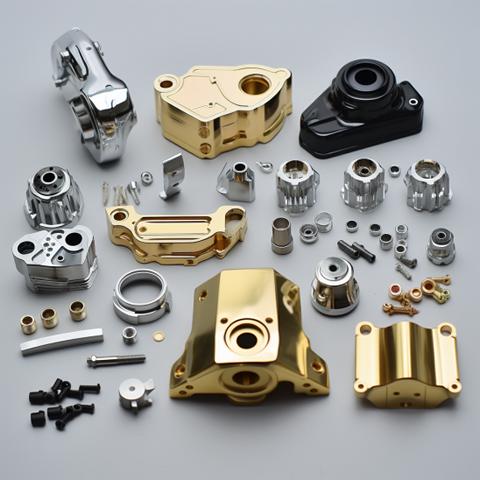
Bronze de cobre na usinagem CNC O bronze é um metal usado em uma ampla variedade de setores e aplicações. Ele é feito de cobre, estanho e outras ligas para proporcionar força, durabilidade e resistência à corrosão. Devido à sua versatilidade, é amplamente utilizado em aplicações de usinagem CNC, especialmente na fabricação de peças de alta precisão, como rolamentos, engrenagens e outras peças complexas. Usinabilidade e aplicações do bronze O bronze tem boa usinabilidade, o que permite que ele seja facilmente cortado, perfurado e moldado usando máquinas computadorizadas, como CNC, o que o torna vital em setores que exigem alta precisão, como o aeroespacial, o automobilístico e a fabricação de equipamentos médicos. Aprimoramento das propriedades do bronze É por esse motivo que, ao alterar a composição e os tratamentos do bronze, suas características mecânicas e de desempenho podem ser aprimoradas. Por exemplo, o fósforo melhora a resistência ao desgaste, enquanto o alumínio aumenta a resistência e a dureza para se adequar a uma determinada aplicação. Usinagem CNC de bronze: as etapas do processo A usinagem CNC de bronze envolve o uso de máquinas de controle numérico computadorizado (CNC). O processo começa com um modelo CAD, e o software CAM cria percursos de ferramentas. Em seguida, o material de bronze é condicionado e posicionado na mesa de trabalho da máquina CNC para fresagem, torneamento, perfuração e outros trabalhos detalhados, como gravação ou decapagem. Controle de qualidade e polimento Após a usinagem, a inspeção é feita com ferramentas de medição precisas para verificar a conformidade com as tolerâncias e a qualidade definidas. Algumas das últimas operações, como polimento ou lixamento, podem ser feitas para dar o acabamento superficial necessário antes da embalagem adequada para transporte ou para operações subsequentes. Os operadores CNC especializados e otimizados são muito importantes no processo de utilização de máquinas CNC para usinar bronze, pois ajudam a obter os melhores resultados em termos de precisão, desempenho e durabilidade dos componentes usinados. Benefícios da usinagem CNC de bronze A usinagem CNC de bronze tem muitas vantagens que a tornam amplamente utilizada em vários setores. A primeira vantagem é que seu coeficiente de atrito é baixo e, portanto, não há necessidade de aplicar lubrificante com frequência durante o corte, como ocorre com outros metais mais densos. Esse recurso não só aumenta a eficácia do processo de produção, mas também afeta os custos de forma positiva. Além disso, o bronze tem alta resistência ao desgaste e é aplicado às peças que precisam ser mais duráveis do que outros elementos de uma máquina. No caso da usinagem, os seguintes benefícios podem ser atribuídos ao uso do bronze de várias maneiras. Ele tem alta capacidade de usinagem e, portanto, pode ser facilmente trabalhado na forma e no formato necessários. Também pode ser moldado em formas complexas sem embotar as ferramentas de corte. Isso não apenas economiza tempo, mas também as ferramentas de corte, o que, por sua vez, ajuda a reduzir o custo em longo prazo. Outra propriedade desse metal, conforme mencionado acima, é sua altíssima resistência à corrosão. Isso o torna o material preferido para peças que estão em contato com o meio ambiente ou com agentes corrosivos. Além disso, o bronze é bastante resistente e, ao mesmo tempo, bastante maleável, o que o torna bastante versátil. Ele não é o mais duro de todos os metais, mas sua resistência satisfatória, aliada à sua flexibilidade, o torna adequado para peças estruturais e ornamentos. No campo da condutividade térmica, uma vantagem do bronze é que ele tem alta condutividade térmica. Ela também ajuda no resfriamento durante o processo de usinagem do bronze, de modo que a peça de trabalho não esquenta e reduz a possibilidade de encolhimento ou expansão do tamanho. Isso é importante para garantir que haja precisão nos processos de fabricação e para evitar casos de desperdício de materiais e ferramentas. Componentes como rolamentos, engrenagens e elementos deslizantes são particularmente adequados para uso em bronze devido ao seu baixo coeficiente de atrito, por meio do qual as peças deslizam suavemente e por períodos mais longos. Desvantagens da usinagem CNC de bronze De fato, a usinagem CNC de bronze tem suas vantagens, mas também tem suas desvantagens que devem ser consideradas. O problema com o bronze é que, em primeiro lugar, é relativamente caro obter os materiais certos para trabalhar. O bronze é uma combinação de cobre e estanho e, como tal, é relativamente mais caro do que outros materiais que podem ser usados na usinagem CNC de bronze, o que faz com que o custo geral dos projetos que exigem o uso do bronze seja alto. Outra desvantagem é o problema de quando as ferramentas ficam cegas e precisam ser afiadas. O bronze é relativamente mais macio e, como resultado, causa um desgaste mais rápido das ferramentas de usinagem e, portanto, sua substituição é frequente. Isso aumenta o custo de produção e exige o monitoramento das ferramentas de tempos em tempos. Quando se trata de usinagem de bronze versus latão, a usinagem CNC de bronze também é relativamente mais fácil de obter detalhes e formas finas do que outros metais. Isso se deve à sua maciez. O material não é tão duro quanto o metal e, por isso, pode não reter tão bem os detalhes mais finos; isso pode ser uma desvantagem, especialmente para projetos detalhados. A última desvantagem do uso do bronze na usinagem CNC é que a usinagem do material levará mais tempo. A outra desvantagem do bronze é que o tempo necessário para realizar as operações de usinagem é relativamente maior do que o do aço, o que aumenta o tempo de produção. Isso pode afetar o cronograma do projeto e exigir algumas mudanças no planejamento e na programação do projeto. Além disso, a usinagem de buchas de bronze gera mais calor do que a usinagem de outros metais duros, como alumínio e aço. Esse calor pode ser muito destrutivo para as ferramentas e para a qualidade do corte e, portanto, pode ser necessário monitorar com frequência e diminuir a velocidade da usinagem para garantir que os problemas relacionados ao calor sejam bem controlados. Esses desafios indicam a necessidade de levar em conta e criar estratégias quando se deseja realizar a usinagem CNC de bronze em projetos. Ligas comuns de bronze para usinagem CNC Aqui estão algumas
HPDC

Os 10 maiores fabricantes de fundição sob pressão de alumínio do mundo

fundição de alumínio

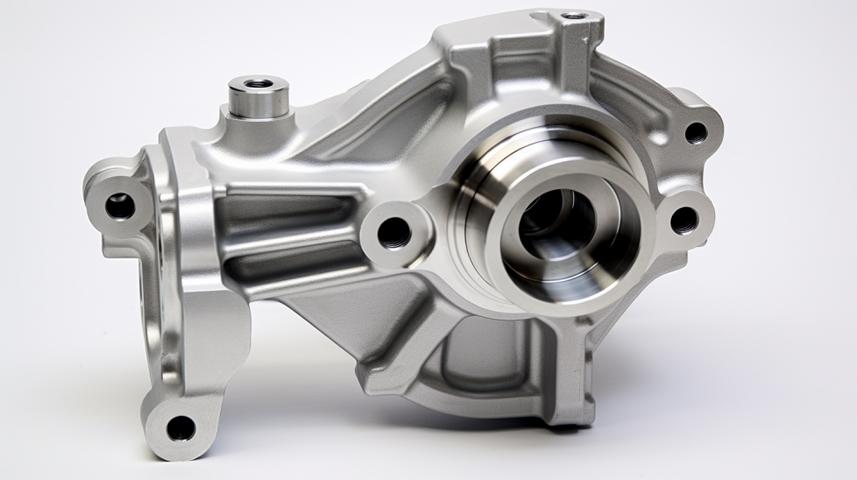
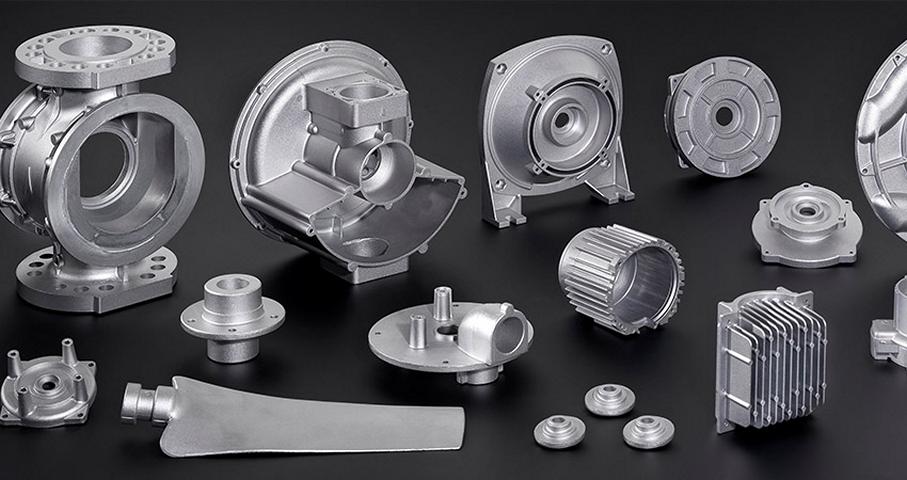
Are you looking for the right aluminum die casting manufacturers? You may have scrolled a lot but can not decide which is the best. If I am right, then you are definitely in the right place. We have brought you this guide to help you in this case. It mainly highlights the top 10 aluminum die-casting suppliers worldwide in 2024. Top 10 Aluminum Die Casting Manufacturers in The World 2024 Deciding between aluminum die-casting manufacturers is always challenging. Some foundries might not do die-casting, while others may only focus on die-casting. In addition, it usually takes time to research through Google. In each section below, we will mainly highlight four primary aspects of a factory. First, we will discuss the company and its main services. Does the company only focus on aluminum die-casting? What other casting methods does it usually provide? You can also check whether the factory offers surface finishes for aluminum parts. Later, we will learn their pros and cons. All these factors can help you find the best aluminum die-casting manufacturers for your project. Castiny Factory #1 CNM TECH Co. Ltd. This die casting factory is the best on the list. It offers all the necessary services to prepare an aluminum metal part, from design to finishing. This factory is in Guangdong, China. Since 2005, it has been one of the top 10 aluminum die-casting manufacturers in China. Note that this company always tries to follow the latest technology. To keep the standards, they keep the latest machinery. As a result, it ensures the highest quality of the metal parts. The best thing is that you can achieve up to ±0.01mm tolerance in each metal part. Main Services Aluminum die casting: prototyping, tooling, aluminum die-casting, machining, and surface finish. Zinc, Bronze, and Magnesium die-casting: You can create HPDC and LPDC aluminum die-casting metal parts. Aluminum gravity casting Aluminum sand casting Precision CNC Machining die casting mold Pros This aluminum die-casting factory provides a full range of services from casting to finishing. It also offers rapid prototyping with a step-by-step development process. Diverse die-casting capabilities Multiple casting methods High tolerance machining services: you can achieve tolerance up to ± 0.01 mm. Excellent customer service Excellent customer feedback The cost is relatively cheaper than other brands mentioned on this list. Cons They usually don’t offer other casting services, like investment casting or shell mold casting. From this factory, you will mostly find aluminum die-casting products. Some are made of zinc, magnesium, and Bronze. CNM TECH Co., Ltd may not be suitable for steel or other metals. However, you can get various steel forging services from this factory. Foundry #2 Ryobi Limited Japanese Ryobi Limited can be your next best pick. This aluminum die-casting supplier started its business in 1943. You may find them as one of the leading aluminum die-casting manufacturers worldwide in 2024. The company is in Hiroshima-ken, Japan. Regarding aluminum die-casting products, it mainly focuses on vehicle parts. Honda, Volkswagen, and Ford are some of its everyday customers. Main Services All metals die casting services for vehicles only Builders Hardware Printing Equipment Pros This factory mainly supplies products to automotive industries. They can make various metal parts, including aluminum die casting. Advanced machinery and technology for precision casting Excellent customer feedback. Cons Other casting methods, such as sand casting, gravity casting, and investment casting, are not included in their service list. You can only get vehicle parts, so customers from different industries may not benefit from this factory. The product service list on the website is unclear, making it difficult to understand their primary services. Contacting customer support is relatively tricky. Foundry #3 SintoKogio Our next best pick is another Japanese aluminum die casting manufacturer. While the company was founded in 1934, Sintokogio was reborn in 1960. Their headquarters is in Aichi, Japan. Regarding aluminum casting, Sintokogio mainly focuses on cold box molding and shell molds. Their products are widely used in aircraft and car engine parts. However, you may have limited options here. But for car parts, this factory can be your good choice. Main services Foundry: Aluminum casting, green sand molding, v-process, and chemically bonded metals Surface Treatments Powder treatment, force sensors, electric cylinders, material handling, and flooring Pros Multiple casting capabilities. After casting, this factory also offers extensive surface treatment options. Their latest technology ensures high-precision metal parts. Excellent customer support services. Cons For aluminum casting, you can only get aluminum gravity casting and low-pressure aluminum casting. Therefore, you can get limited options for aluminum die-casting parts. The cost is relatively higher. Their surface treatment involves removing, peeling, roughening, polishing, strengthening, micromachining, and seeing. However, anodizing, e-coating, and other finishing methods are crucial for aluminum die-casting parts. Foundry #4 Redstone’s President Eric Milling This plant is one of the new aluminum die-casting manufacturers. It opened in 2018 and has its headquarters in Ohio, USA. It has four main branches: Brazil, China, India, and Mexico. Aluminum die casting is one of this company’s main products. Although the website doesn’t mention it, they mentioned that they can take mass production orders. You can get all types of services, from design to manufacturing and testing. Main Services Die casting services include zinc die casting, aluminum die casting, and copper die casting. Investment casting Sand casting Metal Fabrication: sheet metal fab, CNC machining, and metal injection molding services Plastic injection molding services Pros This aluminum die-casting manufacturer offers zinc, aluminum, and copper die-casting. They specialize in aluminum die-casting services. High-quality metal parts with tight tolerances Additional casting methods are also present. You can work with other metals like steel, copper, and titanium. Cons Although they offer CNC machining for surface treatment, it is not enough. As you know, aluminum metal parts need other types of finishing methods. Typical examples are anodizing, e-coating, polishing, painting, and more. The website doesn’t talk about different aluminum casting services. Their aluminum die-casting parts are relatively expensive. In this case, GC precision mold aluminum casting parts are much better. Unable to create

peças de alumínio anodizado

Alumínio anodizado preto

Acabamento da superfície de alumínio

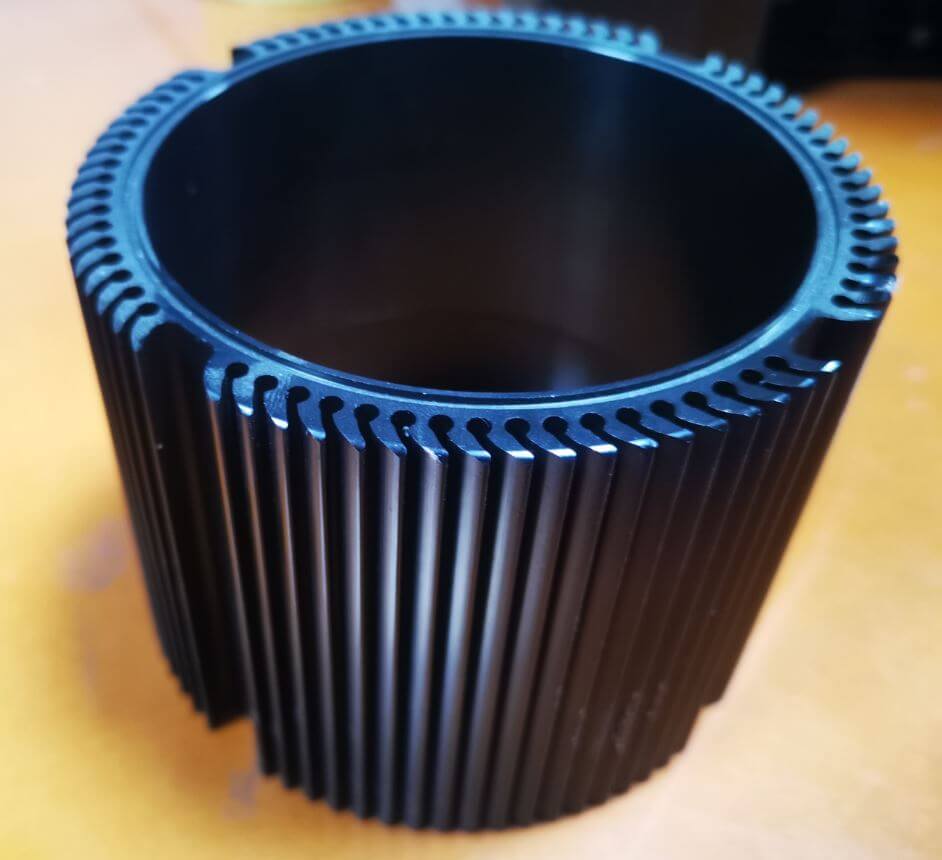
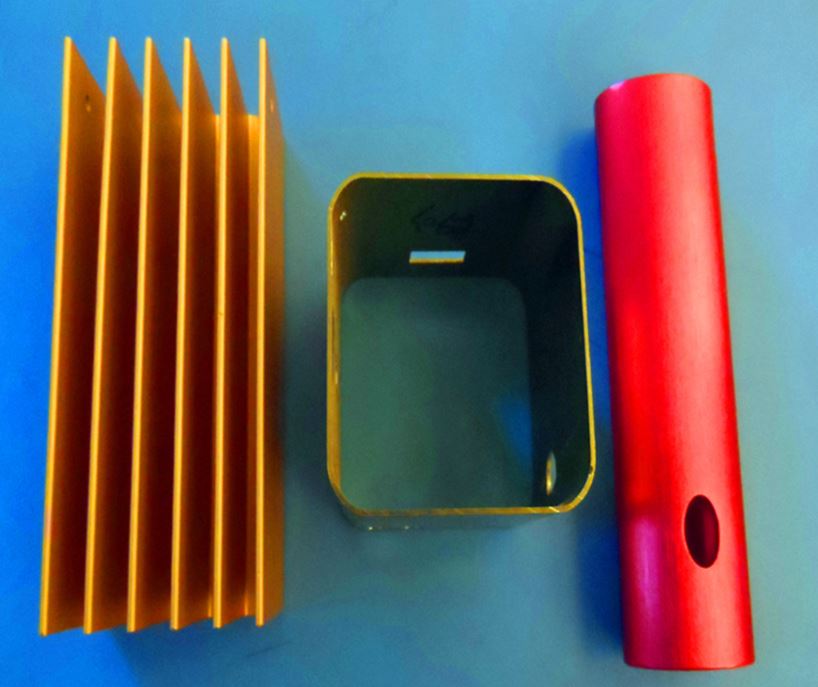
What is black anodized aluminum Black anodized aluminum is basically the aluminum which went through anodizing process and then subsequently dyed into black color. The natural and porous oxide layer on the surface of the aluminum part is increased by an electrochemical process called anodizing. In this way this layer becomes durable, thicker and harder. This oxide layer is achieved by dipping aluminum part in an electrolytic bath and passing electric current through it. Anodized aluminum black is considered important because of its corrosion resistance, durability and aesthetics attraction and uniqueness. Aluminum has prominent properties such as light weight, high strength to weight ratio, corrosion resistance and thermal conductivity. All of these properties remain intact and a sleek black finish is provided as well. This finish is more durable and is less likely to chip off or peel off as compared to finish which is achieved by plating or coating. This is extensively used in automotive parts, aerospace industry, household components and electronics parts. How aluminum is anodized? This includes a method in which a decorative as well as protective layer is produced on the aluminum part surface. Many important factors need to be considered in this process which is the following: Equipment and Material Anodizing tank Aluminum objects Sodium Hydroxide Distilled water Electric current source Nitric acid or sulfuric acid Degreaser Anodizing black dye Cathode material i.e. lead or aluminum Protective gears How to prepare Aluminum Part Surface? Surface preparation is a prominent factor before carrying out anodizing process. It comprises of various steps including cleaning, etching and desmutting. First of all surface of the aluminum object is completely cleaned by using acidic or alkaline cleaners. This will thoroughly remove all kinds of contaminations such as dirt, grease or oil. Now the cleaned aluminum object is subjected to etching process. During this process the aluminum part is etched in sodium hydroxide solution. Etching process will remove the natural oxide layer and will create a smooth surface finish. Etching process often leaves residual particles on the surface. In order to remove those residues, desmutting process is carried out. In this process aluminum part after the etching process is dipped in an acidic solution i.e. nitric acid. How to carry out black anodizing aluminum process? This process is carried out in an electrolytic cell which comprises of an anode, cathode and an electrolytic solution in the bath. This bath most of the times contains sulfuric acid however phosphoric acid and chromic acid are also used. The aluminum object whose preparation is completed is dipped in the bath. In the electrolytic cell positive electrode is the aluminum object which will act as anode. The negative electrode which is made of stainless steel or lead will act as cathode. This will complete the circuit and an electric current is passed through this circuit. During this process oxygen ions from the electrolytic bath combine with the aluminum atoms on the surface area of the aluminum object and will form aluminum oxide. This process continues and thickness of this oxide layer keeps increasing. It is important to note that growth of this oxide layer takes place inward and outward from the aluminum surface and ultimately this will result in the formation of a porous structure. Factors which affects the formation of Oxide layer The thickness of the oxide layer is controlled by the following factors. The temperature of the electrolyte The duration of the process Current density The type of the acid which is used How to dye aluminum black? This process is carried out after the anodizing of aluminum object. At the end of anodizing process a porous oxide layer is formed on the aluminum object which is able to absorb and accept dyes. During the dyeing process the aluminum object is immersed in a dye bath. This dye bath contains the black dye. The black dye penetrates into the pores of the porous oxide layer which was formed from anodizing process. In order to achieve the required black shade and uniform dyeing the immersion time and temperature must be carefully controlled. After achieving the desired color and its shade the sealing process is carried out. In this process the absorbed dye is locked by closing the pores of the oxide layer and aluminum object is sealed. Following materials are generally used for sealing purpose. Nickel acetate solution Ionized water Steam The aluminum object is subjected to thorough rinsing to remove any residues. After that the part is completely dried. Subsequently this will increase the corrosion resistance, durability and the surface finish. Defining the black anodized aluminum pipe This is a hollow and cylindrical tube made from aluminum and is in shape of a pipe. This aluminum pipe is first subjected to anodizing process in which oxide layer is increased in thickness and after that it is dyed into black color to get a better finish. Anodized aluminum black pipe have the combination of aluminum properties such as corrosion resistance, light weight, durability and advantages of anodization along with black finishing. These pipes find their applications extensively in construction sector, marine applications, automotive industry and for decoration purposes. Definition of the aluminum anodized black sheet An aluminum sheet is a flat and thin aluminum metal piece which possesses the prominent properties such as corrosion resistance, light weight and high strength. This aluminum sheet undergoes anodizing process which ultimately enhances the surface hardness and corrosion resistance of the aluminum sheet. Additionally this process also increases the ability of the sheet to absorb dyes and coatings. After that this sheet is dyed into black color. Subsequently this will provide aesthetics and protection against wear and corrosion. Major applications of these sheets include areas where durability and appearance are of prime importance such as architecture, electronics, signage and decorative needs. Advantages of Black Anodized Aluminum Black anodized aluminum provides many advantages making it suitable to be utilized in numerous applications. Some benefits are as follows. Improved Mechanical Properties: Black anodized aluminum offers better wear resistance and

Usinagem de protótipos CNC

Usinagem CNC de protótipos

fundição de alumínio, Usinagem CNC

Um guia abrangente para a usinagem CNC de protótipos A usinagem CNC de protótipos é uma opção valiosa para a produção de pequenas quantidades de protótipos para grandes volumes rapidamente, em comparação com outros métodos. Vários tipos de protótipos podem ser feitos simplesmente pela usinagem de protótipos CNC. Os protótipos de aparência, como nos casos de carros automotivos, oferecem pistas visuais sobre a aparência e o comportamento da peça final. Por outro lado, os protótipos funcionais precisam de mais precisão e, portanto, enfatizam a estrutura e a estabilidade do produto. O artigo demonstra os protótipos usinados em CNC, bem como suas vantagens e desvantagens. Além disso, ele destacará os principais aspectos, incluindo: O que é usinagem CNC de protótipos? A usinagem CNC de protótipos é um processo de fabricação subtrativo para a produção precisa de componentes de protótipos que podem ser utilizados para diferentes fins. Esses protótipos de componentes são empregados nas fases de teste e projeto das funcionalidades das peças. Além disso, os principais objetivos de tais testes são identificar visuais, marketing ou captação de recursos. Basicamente, a usinagem de protótipos CNC produz as amostras de um produto ou máquina que, se aprovadas, seguirão para os estágios de finalização do projeto, fabricação e vendas. A versatilidade do CNC permite que você faça protótipos de diferentes materiais, como plásticos econômicos e metais de alta resistência, para criar protótipos. Por que a usinagem CNC é um processo valioso? A usinagem CNC é uma opção excepcional para a criação de protótipos de peças com características detalhadas. Em primeiro lugar, ela proporciona alta precisão, exatidão e estabilidade dimensional às peças devido aos seus controles computadorizados que supervisionam rigorosamente o movimento da peça de trabalho e da ferramenta de corte. Esse grau de controle garante que o protótipo produzido seja exatamente igual ao projeto. Além disso, a usinagem rápida de protótipos é notavelmente rápida e ajuda a replicar protótipos de padrões complicados com tolerâncias de até +/- 0,005x. Por outro lado, processos como moldagem por injeção, forjamento ou impressão 3D, que geralmente levam meses para atender a requisitos de tolerâncias e moldes rigorosos. Assim, as máquinas CNC avançadas permitem a criação de protótipos imediatamente após o modelo CAD ser convertido em arquivos CAM ou códigos g. Tipos de máquinas CNC usadas para prototipagem: Há várias abordagens de usinagem usadas para moldar protótipos funcionais e produtos de uso final. Prototipagem por torneamento CNC: O torneamento CNC, usando uma máquina rotativa chamada tornos, para a criação da prototipagem CNC de componentes arredondados ou simétricos. O processo é uma combinação do material sendo girado rapidamente e uma ferramenta de corte de acordo com o código programado para moldar peças ou produtos de especificação exata de alta qualidade. As máquinas de torno são consideradas máquinas ideais para protótipos com seções médias redondas devido à sua especialização em componentes redondos. Protótipo de fresagem CNC: Para protótipos complexos, pode ser necessária uma máquina CNC que tenha até cinco eixos, o fresamento CNC é confiável. Os eixos extras são os que possibilitam um corte mais preciso e, portanto, a criação de peças complicadas, mas o custo é mais alto. Nas operações de protótipo de fresamento CNC, o cabeçote da ferramenta controlado por computador corta o protótipo final a partir de um grande bloco de material. O bloco inicial é a base para todo o processo de usinagem. Roteadores CNC O roteador CNC é a melhor maneira de criar um protótipo, pois permite que você faça o design do produto exatamente como deseja. Os roteadores CNC são como os moinhos e máquinas CNC, mas são mais econômicos e têm um sistema de pórtico que torna a área de trabalho maior do que o tamanho da máquina. No entanto, esse layout restringe sua complexidade. Os roteadores são a melhor opção para trabalhar com materiais como madeira, plástico e metais macios, como alumínio. Em geral, são adotadas por operadores industriais e amadores de pequenas empresas para replicar produtos com características de design exatas. Normalmente, os roteadores de 3 eixos ou de 2 eixos são amplamente usados para projetos complexos. Entre eles, os roteadores bidimensionais são usados para componentes geométricos mais simples, enquanto as peças tridimensionais são feitas usando componentes tridimensionais. No entanto, elas não podem ser tão precisas quanto as fresadoras CNC. Isso porque o processo de criar ou transformar arquivos CNC detalhados com base na ferramenta e na máquina requer muita habilidade ou profissionais qualificados. Cortador a laser CNC O cortador a laser CNC é uma técnica que emprega um feixe de alta energia de corte a laser para moldar um protótipo de produto, que é então testado e aprimorado até que o produto final seja fabricado. Os cortadores a laser que são fortes o suficiente para serem usados por pequenas empresas podem lidar com metais como o alumínio, bem como com plásticos resistentes, como acrílico, têxteis, compostos e madeira para usinagem CNC de protótipos. Sua flexibilidade é a razão pela qual são os mais populares entre as pequenas empresas que desejam fazer muitos protótipos sem ultrapassar o orçamento. No entanto, os cortadores a laser podem apresentar “marcas de queimadura” na superfície da peça do protótipo devido ao calor gerado durante o processo de corte. Além disso, a complexidade do projeto geralmente é limitada, pois a maioria desses cortadores CNC pode usar com precisão vários eixos para o desenvolvimento do produto. A usinagem CNC é considerada um processo ideal aplicado em diferentes campos de fabricação. Ela ajuda a formar peças altamente detalhadas e complexas com excepcional estabilidade dimensional e alto grau de precisão. Na maioria dos setores, um protótipo funcional, ou mesmo uma versão que mostre a funcionalidade do produto, é o máximo. Por outro lado, para os protótipos funcionais que exigem resistência rigorosa, estabilidade mecânica e recursos específicos que os métodos aditivos não podem fornecer, as ferramentas usinadas geralmente são a escolha. Aplicações da usinagem CNC de protótipos de precisão Vamos discutir vários setores que usam a usinagem de protótipos de precisão para moldar componentes leves para testes e validar projetos antes de iniciar seus projetos de produção de peças em escalas maiores. Aqui estão alguns dos setores mais comuns que usam a usinagem CNC como fonte primária para fabricar peças ou produtos com especificações exatas de qualidade padrão rigorosa. Setor médico Na área médica, a usinagem CNC é o fator mais importante que agiliza o processo de prototipagem. Por exemplo, as empresas farmacêuticas geralmente precisam de protótipos para demonstrar o funcionamento do produto antes da produção final. A precisão e a exatidão são os fatores mais importantes, especialmente nos dispositivos médicos, e a usinagem CNC garante que os protótipos sejam cópias exatas do produto final e possam funcionar perfeitamente em seus respectivos locais de produção.

Fundição sob pressão de liga de zinco na China

fundição de zinco na China

fundição de alumínio

Exploring the Dynamics of Zinc Die Casting China Zinc die casting China stands as a pivotal process in the manufacturing industry, providing unparalleled precision, cost-effectiveness, and durability. Within this realm, China emerges as a key player, contributing significantly to the global zinc die casting market. One notable company making waves in this industry is CNM TECH, a leading zinc die casting manufacturer in China. In this comprehensive article, we will delve into the intricacies of zinc die casting, the advantages it offers, and China’s prominent role in this dynamic sector. Advantages of Zinc Die Casting comparing to aluminum die casting: Zinc die casting and aluminum die casting are both popular methods for producing high-quality metal components, each with its unique advantages. Here, we’ll explore the advantages of zinc die casting in comparison to aluminum die casting: Cost-Effectiveness: Zinc Die Casting: Zinc is generally more cost-effective than aluminum. The lower melting point of zinc allows for faster production cycles, reducing energy consumption and overall production costs. The tooling and machining processes are also typically less expensive. Aluminum Die Casting: Aluminum has a higher melting point than zinc, which can result in longer production cycles and higher energy costs. The tooling and machining processes may be more complex and costly. Precision and Detail: Zinc Die Casting: Zinc offers excellent dimensional stability and intricate detailing capabilities. The fluidity of molten zinc allows for the production of complex and detailed parts with tight tolerances. Aluminum Die Casting: While aluminum can achieve precision, zinc tends to provide better results when it comes to intricate designs and fine details due to its lower melting point. Surface Finish: Zinc Die Casting: Zinc produces high-quality surface finishes with minimal post-processing required. The fine-grain structure of zinc allows for smoother and more aesthetically pleasing surfaces. Aluminum Die Casting: While aluminum can achieve good surface finishes, zinc often requires less post-casting finishing to achieve a polished and visually appealing look. Strength and Durability: Zinc Die Casting: Zinc alloys exhibit excellent strength and durability, making them suitable for a wide range of applications. The inherent strength of zinc allows for the production of robust and long-lasting components. Aluminum Die Casting: Aluminum also offers good strength, but zinc’s higher hardness and wear resistance can be advantageous in certain applications. Thin-Wall Casting: Zinc Die Casting: Zinc’s low melting point and excellent fluidity make it well-suited for thin-wall casting. This is particularly advantageous in applications where lightweight and intricate designs are essential. Aluminum Die Casting: While aluminum can achieve thin-wall casting, zinc often outperforms in terms of ease and precision in creating intricate and lightweight components. Corrosion Resistance: Zinc Die Casting: Zinc alloys provide good corrosion resistance, especially when properly coated. This is beneficial in applications where exposure to harsh environmental conditions is a concern. Aluminum Die Casting: Aluminum also offers corrosion resistance, but the specific alloy and surface treatments may be required to enhance this property. While both zinc and aluminum die casting methods have their merits, zinc die casting excels in terms of cost-effectiveness, precision, surface finish, and specific applications where thin-wall casting and corrosion resistance are critical factors. The choice between zinc and aluminum ultimately depends on the specific requirements of the project and the desired characteristics of the final product. Zinc Die Casting Process: The zinc die casting process is a highly efficient and versatile manufacturing method used to produce intricate metal components with excellent dimensional accuracy and surface finish. Here is an overview of the typical steps involved in the zinc die casting process: Mold Design and Tooling: The process begins with the design of molds that will shape the final product. These molds are typically made of hardened steel and consist of two halves – the “die” – which, when closed, form a cavity in the shape of the desired part. CNC machining or other precision techniques are used to create the mold with exact specifications. Melting and Injecting Zinc: Zinc, a low-melting-point metal, is then heated to its liquid state in a furnace. The temperature typically ranges from 780 to 950 degrees Fahrenheit (415 to 510 degrees Celsius). Once molten, the liquid zinc is injected into the mold under high pressure using a hydraulic press or a specialized zinc die casting machine. The pressure ensures that the molten metal fills the entire cavity of the mold. Cooling and Solidification: After injection, the molten zinc rapidly cools and solidifies within the mold cavity. The cooling time is carefully controlled to achieve the desired material properties and prevent defects. The solidification process is crucial for maintaining the structural integrity and dimensional accuracy of the final component. Ejection and Removal: Once the zinc has solidified, the two halves of the mold are separated, and the newly formed part, now known as the casting or die casting, is ejected from the mold. Automated ejector pins or mechanisms are often used to facilitate the removal of the casting from the mold. Trimming and Finishing: The castings may have excess material or imperfections, known as flash, which is removed through trimming or other post-casting processes. Additional finishing processes, such as machining, shot blasting, or vibratory finishing, may be employed to achieve the desired surface finish and dimensional precision. Quality Control: Stringent quality control measures are implemented throughout the zinc die casting process. Inspections and tests may include dimensional checks, visual inspections, and material testing to ensure that the components meet specified requirements. Modern technologies, such as X-ray or ultrasound inspections, may also be used to detect internal defects. Surface Coating (Optional): Depending on the application, the zinc die-cast components may undergo surface coating or finishing treatments to enhance corrosion resistance, improve appearance, or provide additional functionalities. The entire zinc die casting process is characterized by its speed, repeatability, and ability to produce complex shapes with high precision. It is widely used in various industries, including automotive, electronics, and consumer goods, where the advantages of zinc, such as cost-effectiveness and superior casting properties, are highly beneficial. Companies like CNM TECH zinc die casting

Fundição sob pressão China

Fabricante de moldes de fundição sob pressão

fundição de alumínio

A Comprehensive Guide to Die Casting Mould Manufacturing by CNM TECH In the realm of manufacturing, die casting moulds stand as the unsung heroes behind the impeccable precision and efficiency of various products. At the heart of this intricate process lies the expertise of die casting mould manufacturers, with CNM TECH emerging as a prominent player in this dynamic field. Types of Die Casting Moulds Die casting moulds come in various types, each catering to specific manufacturing needs. Cold chamber die casting moulds, hot chamber die casting moulds, and multi-slide die casting moulds are the pillars of this industry. CNM TECH, a leading die casting mould manufacturer, specializes in crafting these moulds with unparalleled precision and reliability. Characteristics of a Reliable Die Casting Mould Manufacturer When it comes to choosing a die casting mould manufacturer, certain characteristics set the best apart from the rest. CNM TECH exemplifies these traits with its profound expertise in die casting technology, utilization of top-notch materials, precise tolerance levels, customizable solutions, and an unblemished reputation for delivering excellence. Key Considerations in Choosing a Die Casting Mould Manufacturer Choosing the right die casting mould manufacturer is a critical decision that can significantly impact the success of your manufacturing processes. Several key considerations should guide your decision-making process to ensure you partner with a reliable and competent manufacturer. Below are the essential factors to keep in mind: Industry Experience: Assess the manufacturer’s experience in the die casting industry. A company with a proven track record is more likely to have encountered various challenges and developed effective solutions. Technology and Equipment: Investigate the technology and equipment employed by the manufacturer. State-of-the-art machinery and advanced technology contribute to the precision and efficiency of the die casting process. Compliance with Industry Standards: Ensure that the manufacturer adheres to relevant industry standards and certifications. Compliance with standards such as ISO and other quality certifications is indicative of a commitment to producing high-quality moulds. Cost and Pricing Structure: While cost is a significant factor, it should not be the sole determinant. Consider the overall value offered, including quality, customization capabilities, and delivery timelines. Transparent pricing structures and no hidden costs are indicative of a trustworthy partner. Lead Times and Production Capacity: Evaluate the manufacturer’s production capacity and lead times. A reliable die casting mould manufacturer should be able to meet your production requirements within a reasonable timeframe while maintaining quality standards. Customization Capabilities: Assess the manufacturer’s ability to provide customized solutions. Different industries and applications may require unique specifications, and a manufacturer capable of tailoring their products to meet specific needs adds significant value. Reputation and Track Record: Research the manufacturer’s reputation in the industry. Customer reviews, testimonials, and references can provide insights into the company’s reliability, consistency, and commitment to customer satisfaction. Quality of Materials Used: The choice of materials significantly influences the durability and performance of die casting moulds. Ensure that the manufacturer uses high-quality materials suitable for your specific application. Communication and Collaboration: Effective communication is crucial for a successful partnership. Choose a manufacturer that values collaboration and maintains open lines of communication throughout the design, production, and delivery phases. After-Sales Support: Evaluate the level of after-sales support provided by the manufacturer. A company that offers ongoing support, maintenance, and assistance can help address any issues that may arise after the moulds are in operation. By carefully considering these key factors, you can make an informed decision when selecting a die casting mould manufacturer. CNM TECH, with its industry experience, cutting-edge technology, and commitment to quality, stands as an example of a reliable partner in the world of die casting mould manufacturing. The Die Casting Process Understanding the die casting process is vital to appreciate the significance of the moulds. CNM TECH’s expertise extends to every stage of die casting, from the initial design to the implementation of stringent quality control measures, ensuring that the final product meets the highest standards of precision and durability. Case Studies CNM TECH’s success stories serve as testaments to their commitment to excellence. Through in-depth case studies, we explore how CNM TECH’s die casting moulds have played pivotal roles in enhancing efficiency and product quality across diverse industries. The company’s portfolio demonstrates versatility and innovation in meeting unique manufacturing challenges. Emerging Trends in Die Casting Mould Manufacturing As technology evolves, so does the die casting mould manufacturing industry. CNM TECH stays at the forefront by embracing advancements in materials, integrating automation and Industry 4.0 practices, and incorporating sustainable manufacturing methods. The company’s forward-thinking approach ensures clients benefit from the latest innovations. Challenges in Die Casting Mould Manufacturing Even in the face of challenges, CNM TECH rises to the occasion. This section delves into common issues faced by die casting mould manufacturers and how CNM TECH navigates these challenges through innovative solutions. The company’s resilience and problem-solving capabilities underscore its commitment to customer satisfaction. Future Outlook for Die Casting Mould Manufacturing In a rapidly evolving landscape, the future of die casting mould manufacturing holds exciting possibilities. CNM TECH anticipates and prepares for upcoming technological advancements, contributing to the industry’s growth and offering clients cutting-edge solutions that meet the demands of tomorrow. Conclusion In conclusion, CNM TECH emerges as a trailblazer in the world of die casting mould manufacturing. Their commitment to precision, innovation, and customer satisfaction sets them apart. For businesses seeking reliability, efficiency, and a partner for the future, CNM TECH stands as the beacon of excellence in the intricate art of die casting mould production. Are you in need of high-quality aluminum die casting services? Look no further than CNM Tech China die casting manufacturer! Our team of experts specializes in aluminum, zinc, and magnesium die casting, as well as machining parts, metal stamping, and plastic molds making. With over 18 years of experience, you can trust that our die casting products are exemplary and cost-effective. We employ advanced equipment and machinery to ensure the highest quality solutions. We have been made many type of aluminum die casting, zinc die casting,

Extrusão de alumínio anodizado preto

Fundição sob pressão de alumínio semissólido

fundição de alumínio

What is Semi-solid aluminum die casting Semi-solid aluminum die casting is an advanced manufacturing process that combines the principles of traditional die casting with the unique material characteristics of semi-solid alloys. In this process, a partially solidified aluminum alloy, often in a slurry or paste-like state, is injected into a mold cavity to create complex and precise metal components. This innovative technique offers several advantages over conventional die casting methods, making it particularly well-suited for applications where high mechanical performance, reduced defects, and intricate designs are crucial. In the world of manufacturing, the process of die casting plays a pivotal role in creating complex metal components with high precision and efficiency. However, recent advancements have given rise to an innovative approach known as semi-solid aluminum die casting. This article delves into the evolution, fundamentals, advantages, applications, and challenges associated with semi-solid aluminum die casting. I. Overview of Die Casting Process Die casting is a manufacturing process that involves injecting molten metal into a mold cavity to produce intricate shapes with remarkable accuracy. Semi-solid die casting builds upon this foundation by manipulating the alloy’s material properties to achieve improved results. II. Fundamentals of Semi-Solid Aluminum Die Casting A. Basic Principles of Die Casting Traditional die casting involves injecting fully liquid molten metal into a mold. Semi-solid casting, however, uses a slurry that maintains a partially solid and partially liquid state, offering distinct advantages in terms of reduced defects and enhanced mechanical properties. B. Rheological Behavior of Semi-Solid Alloys Semi-solid alloys exhibit unique rheological properties, making them more resistant to shrinkage and gas porosity during the solidification process. This results in a higher-quality finished product. C. Types of Semi-Solid Aluminum Alloys Different aluminum alloys can be adapted for semi-solid casting, depending on the specific application requirements. Some alloys are better suited for automotive components, while others excel in aerospace applications. III. Advantages and Benefits of Semi-Solid Aluminum Die Casting A. Improved Mechanical Properties Semi-solid die casting yields components with enhanced mechanical strength, making them ideal for safety-critical applications such as automotive structural components. B. Reduced Porosity and Defects The semi-solid slurry’s unique properties minimize the formation of voids and porosity, resulting in components that require less post-processing and exhibit superior surface finish. C. Enhanced Dimensional Accuracy Semi-solid die casting reduces shrinkage-related issues, leading to components with tighter dimensional tolerances and consistent geometry. D. Increased Design Flexibility Designers benefit from greater freedom in shaping intricate components, as the semi-solid process allows for more intricate and thin-walled designs. IV. Semi-Solid Aluminum Die Casting Process A. Preparation of Semi-Solid Slurry Thixocasting and rheocasting are two primary methods to prepare the semi-solid slurry. Thixocasting employs mechanical stirring to induce the semi-solid state, while rheocasting relies on controlled cooling and shearing. B. Injection of Semi-Solid Slurry The semi-solid slurry is injected into the mold cavity using conventional die casting equipment, but with specific adjustments to accommodate the unique material characteristics. C. Mold Filling and Solidification The semi-solid slurry’s controlled flow and reduced viscosity facilitate smoother mold filling, leading to reduced turbulence and better surface finish. D. Cooling and Ejection After the mold is filled, the component undergoes controlled solidification, ensuring uniform cooling and minimizing internal stresses. Ejection is smoother due to reduced shrinkage. E. Post-Casting Processing Although semi-solid die casting reduces the need for extensive post-processing, finishing steps such as trimming, deburring, and surface treatment might still be necessary. V. Comparison with Traditional Die Casting Methods A. Comparison with High-Pressure Die Casting Semi-solid casting’s advantages, including reduced defects and enhanced mechanical properties, set it apart from traditional high-pressure die casting. B. Comparison with Low-Pressure Die Casting Semi-solid casting offers a middle ground between high-pressure and low-pressure die casting, combining the benefits of both methods. C. Strengths and Weaknesses of Semi-Solid Die Casting A balanced assessment of semi-solid die casting’s pros and cons can guide manufacturers in choosing the most suitable method for their specific needs. VI. Applications of Semi-Solid Aluminum Die Casting A. Automotive Industry Engine Components: Semi-solid casting produces durable engine parts that can withstand the demanding conditions under the hood. Transmission Parts: Enhanced mechanical properties make semi-solid components ideal for transmission systems. Suspension Components: The combination of strength and dimensional accuracy benefits suspension parts. B. Aerospace Industry Structural Components: Semi-solid die casting ensures the integrity of critical aircraft structures. Engine Parts: Aerospace engines demand robust components that can handle extreme temperatures and pressures. C. Electronics Industry Heat Sinks: Semi-solid components efficiently dissipate heat, improving the performance and longevity of electronic devices. Enclosures: Design flexibility allows for intricate enclosure designs that protect sensitive electronics. D. Consumer Goods Sporting Equipment: The lightweight yet sturdy properties of semi-solid components suit various sporting equipment applications. Appliances: Semi-solid components contribute to the durability and efficiency of household appliances. VII. Challenges and Future Directions A. Material Selection and Alloy Development Research into alloy compositions that maximize the benefits of semi-solid casting continues to evolve. B. Process Optimization and Simulation Advanced simulation tools aid in optimizing the semi-solid casting process for different applications. C. Cost Considerations While semi-solid casting offers many advantages, manufacturers must weigh these against associated costs. D. Environmental Impact and Sustainability The industry explores ways to minimize the environmental footprint of semi-solid die casting processes. VIII. Case Studies A. Company A: Automotive Component Highlighting a real-world success story where semi-solid die casting led to improved automotive component performance and longevity. B. Company B: Aerospace Component Illustrating how semi-solid casting ensured the precision and reliability of a critical aerospace component. IX. Research and Innovations in Semi-Solid Aluminum Die Casting A. Emerging Technologies Exploring cutting-edge advancements that promise to revolutionize the semi-solid casting landscape. B. Advances in Equipment and Tooling The development of specialized equipment and tooling continues to refine the semi-solid casting process. C. Integration with Industry 4.0 The fusion of semi-solid casting with smart manufacturing principles enhances process control and data-driven decision-making. X. Conclusion A. Recap of Key Points Summarizing the benefits, applications, and challenges of semi-solid aluminum die casting. B. Future Prospects of Semi-Solid Aluminum Die Casting

dissipador de calor personalizado

Anodização de alumínio fundido sob pressão

fundição de alumínio

Anodizing Die Cast Aluminum: Enhancing Durability and Aesthetics Anodizing is a crucial surface finishing process that offers numerous benefits to die cast aluminum components. By subjecting aluminum to an electrochemical process, anodizing creates a protective layer that enhances corrosion resistance, wear resistance, and even allows for aesthetic customization. In this article, we will delve into the anodizing process for die cast aluminum, explore its benefits, discuss considerations for successful anodizing, and examine its applications across various industries. Anodizing die cast aluminum Process To prepare die cast aluminum for anodizing, meticulous cleaning and degreasing are vital. This step ensures the removal of any contaminants that could affect the adhesion and quality of the anodized layer. Surface preparation techniques like etching and polishing may also be employed to achieve the desired surface finish. The anodizing process offers three main methods: Type I, Type II, and Type III anodizing. Type I, known as chromic acid anodizing, produces a thin, non-decorative, and corrosion-resistant layer. Type II, sulfuric acid anodizing, is the most common method and creates a thicker layer suitable for aesthetic finishes. Type III, also known as hardcoat anodizing, results in a considerably thicker and harder layer, offering exceptional wear resistance. Various parameters and variables play crucial roles in the anodizing process. Voltage and current density determine the thickness and quality of the anodized layer. Anodizing time and temperature are carefully controlled to achieve the desired results. Specialized equipment and setup ensure consistent and efficient anodizing. Benefits of Anodizing Die Cast Aluminum Enhanced Corrosion Resistance: Anodizing forms a protective oxide layer that shields die cast aluminum from environmental factors, such as moisture and chemicals. This greatly enhances the material’s corrosion resistance, making it suitable for applications in harsh environments. Improved Wear Resistance: Hardcoat anodizing creates an exceptionally durable surface that offers resistance against abrasion, reducing wear and extending the lifespan of die cast aluminum components. Aesthetic Options and Color Choices: Anodizing allows for a wide range of aesthetic options, including different finishes and color choices. By utilizing dyes or pigments during the anodizing process, die cast aluminum components can be customized to match branding or design requirements. Electrical Insulation Properties: Anodized die cast aluminum exhibits excellent electrical insulation properties. This makes it ideal for applications where electrical conductivity needs to be minimized or eliminated. Increased Surface Hardness: Hardcoat anodizing significantly increases the surface hardness of die cast aluminum, making it more resistant to scratches, dents, and other forms of physical damage. Considerations for Anodizing Die Cast Aluminum Proper alloy selection is crucial for successful Anodizing die cast aluminum. Different aluminum alloys respond differently to the anodizing process, so it’s essential to choose the appropriate alloy to achieve the desired results. Design considerations are also important. The thickness and dimensions of the component must be carefully evaluated to ensure uniform and consistent anodized coatings. Masking requirements should be addressed to protect specific areas that shouldn’t be anodized. Furthermore, the accessibility of the component’s surfaces must be taken into account to ensure proper coating coverage. Surface defects can occur during the anodizing process. To mitigate these issues, thorough inspection and quality control measures are implemented to identify and address any defects that may compromise the integrity of the anodized layer. Post-Anodizing Processes After anodizing, sealing the anodized surface further improves its durability and corrosion resistance. Sealing involves closing the pores of the anodized layer, preventing the ingress of contaminants and enhancing the overall performance of the anodized die cast aluminum component. Sealing can be achieved through various methods, including hot water sealing, nickel acetate sealing, or proprietary sealing processes, depending on the specific requirements of the application. In addition to sealing, there are additional post-anodizing processes that can be employed to further enhance the appearance and functionality of die cast aluminum components. Dyeing allows for the introduction of vibrant colors to the anodized surface, providing greater design flexibility and aesthetic appeal. Laser etching can be utilized to add precise markings, logos, or serial numbers to the anodized surface, allowing for easy identification and traceability. Quality control and inspection techniques play a vital role in ensuring the overall quality and performance of anodized die cast aluminum components. These processes involve visual inspection, thickness measurement, adhesion testing, and other rigorous assessments to ensure that the anodized coating meets the required specifications and standards. Applications of Anodized Die Cast Aluminum The benefits of anodized die cast aluminum make it a preferred choice in various industries: Automotive Industry: Anodized die cast aluminum components find extensive use in automotive applications, such as engine parts, transmission housings, and decorative trim. The enhanced corrosion resistance and aesthetic customization options make anodized die cast aluminum ideal for automotive designs. Aerospace Industry: Anodized die cast aluminum plays a crucial role in aerospace applications, where lightweight materials with excellent corrosion resistance are paramount. Components like aircraft interior panels, structural elements, and landing gear parts benefit from the protective anodized layer. Consumer Electronics: Anodized die cast aluminum is widely utilized in the consumer electronics industry for products like smartphones, laptops, and audio equipment. Its combination of durability, aesthetics, and electrical insulation properties makes it an ideal choice for these applications. Building and Construction: Anodized die cast aluminum finds use in architectural applications, such as window frames, door handles, and exterior cladding. The ability to customize colors and finishes allows architects and designers to achieve their desired aesthetic while ensuring durability and longevity. Other Industrial Applications: Anodized die cast aluminum is also employed in various industrial sectors, including machinery, furniture, sports equipment, and lighting fixtures. Its corrosion resistance, wear resistance, and aesthetic options make it a versatile material for a wide range of applications. Comparison with Other Surface Finishing Techniques While Anodizing die cast aluminum offers significant advantages, it’s important to consider alternative surface finishing techniques for specific applications: Powder Coating: Powder coating provides a durable and visually appealing finish, but it may not offer the same level of corrosion resistance or wear resistance as anodizing. The choice between anodizing and powder coating depends on the

pintura de alumínio anodizado

Pintura Alumínio anodizado

fundição de alumínio

Painting Anodized Aluminum: A Comprehensive Guide Painting Anodized aluminum is a popular choice due to its durability, corrosion resistance, and aesthetic appeal. However, there may come a time when you want to change the color of your anodized aluminum or simply refresh its appearance. In such cases, painting anodized aluminum is a viable option. In this blog post, we will provide a comprehensive guide on how to paint anodized aluminum, including the preparation, painting, and maintenance processes. I. Introduction Anodized aluminum is a type of aluminum that has undergone an electrochemical process to create a protective layer of oxide on its surface. This layer makes the aluminum more resistant to corrosion, scratches, and wear, while also enhancing its appearance. Anodized aluminum is commonly used in architectural, automotive, and aerospace applications, among others. However, its color options are limited, and it may fade or become damaged over time. Painting anodized aluminum can address these issues and provide a new look to your metal surfaces. II. Preparing the Surface Before painting anodized aluminum, it is crucial to prepare the surface properly. This involves cleaning the surface, sanding it, and applying a primer. Cleaning the Surface: The first step is to clean the anodized aluminum surface thoroughly. You can use a degreaser, such as trisodium phosphate (TSP), to remove any dirt, oil, or grime. Rinse the surface with water and let it dry completely. Sanding the Surface: Next, you need to sand the anodized aluminum surface to create a rough texture that can help the paint adhere better. You can use a fine-grit sandpaper, such as 220-grit, to sand the surface gently. Be careful not to sand too hard, as this can damage the anodized layer. Applying a Primer: Once the surface is clean and sanded, you should apply a primer to promote adhesion and improve the paint’s durability. Choose a primer that is compatible with anodized aluminum and follow the manufacturer’s instructions for application. Allow the primer to dry completely before painting. III. Choosing the Right Paint When it comes to painting anodized aluminum, not all paints are created equal. You need to choose a paint that is suitable for metal surfaces and can adhere well to the anodized layer. Here are some factors to consider when choosing paint: Type of Paint: There are different types of paint suitable for anodized aluminum, including acrylic, epoxy, and polyurethane. Each type has its advantages and disadvantages, so you should choose the one that best suits your needs. Acrylic paint is easy to apply and dries quickly, but it may not be as durable as other types. Epoxy paint is highly resistant to chemicals and abrasion, but it requires a longer curing time. Polyurethane paint is the most durable and glossy, but it is also the most expensive. Color and Finish: You should also consider the color and finish of the paint. Anodized aluminum can be painted in any color, but you should choose a color that complements the surrounding environment or matches your design preferences. The finish can be matte, satin, or glossy, depending on your desired look. IV. Painting the Anodized Aluminum Once you have prepared the surface and chosen the right paint, you can start painting the anodized aluminum. Here are the steps to follow: Applying the First Coat of Paint: Use a brush, roller, or spray gun to apply the first coat of paint. Apply the paint evenly and avoid drips or bubbles. Let the first coat dry according to the manufacturer’s instructions. Applying Subsequent Coats of Paint: Depending on the type of paint and the desired thickness, you may need to apply one or more additional coats of paint. Sand the surface lightly between coats to create a smooth finish. Allow each coat to dry completely before applying the next one. Drying and Curing the Paint: After the final coat, let the paint dry for at least 24 hours before handling or exposing it to moisture. Some paints may require a longer curing time, so check the manufacturer’s instructions. Once the paint is fully cured, you can enjoy your newly painted anodized aluminum surface. V. Maintenance and Care To ensure that your painted anodized aluminum surface lasts for a long time, you should follow some maintenance and care tips: Clean the surface regularly with a mild detergent and water to remove dirt and debris. Avoid using abrasive cleaners or tools that can scratch or damage the paint. Inspect the surface periodically for signs of wear, fading, or peeling. Touch up any damaged areas with paint as needed. Protect the surface from exposure to harsh chemicals, extreme temperatures, or direct sunlight, which can cause the paint to deteriorate. When do you need painting anodized aluminum Painting anodized aluminum may be necessary for a variety of reasons, including: Changing the color: Anodized aluminum is available in a limited range of colors, so painting it can provide more color options to match your design preferences. Restoring the appearance: Over time, anodized aluminum may become faded, scratched, or damaged, making it look dull or unattractive. Painting can restore the surface’s appearance and make it look new again. Protecting the surface: While anodized aluminum is more resistant to corrosion and wear than untreated aluminum, it may still be susceptible to damage in harsh environments. Painting can provide an additional layer of protection to the surface, making it more durable and long-lasting. Customizing the surface: Painting anodized aluminum can allow you to customize the surface with unique designs, patterns, or logos, making it stand out and reflect your brand or personality. Painting anodized aluminum can be a practical and aesthetic solution for enhancing the surface’s appearance and performance. Conclusion Painting anodized aluminum can be a rewarding DIY project that can transform your metal surfaces into a new and vibrant look. By following the steps outlined in this guide, you can prepare, paint, and maintain your anodized aluminum surfaces with ease and confidence. Remember to choose the right paint, prepare the surface properly, and take care

ADC12 Fundição sob pressão

Fundição sob pressão ADC12

fundição de alumínio

What is ADC12 die casting? ADC12 die casting is one of the most commonly used aluminum alloy die casting materials, and it is used in a wide variety of industries, including the automotive, consumer electronics, and aerospace industries. This process involves the injection of molten metal into a mold at high pressure, which creates complex geometric shapes with excellent dimensional accuracy. In this article, we will provide you with an overview of the ADC12 aluminum alloy die casting process, including the materials used, the equipment required, and the benefits of the process. Materials Used in ADC12 Die Casting ADC12 is an aluminum alloy that is primarily composed of aluminum, silicon, and magnesium. This alloy has a high strength-to-weight ratio and good corrosion resistance, making it ideal for use in a wide range of applications. Compared to other alloys such as A380 aluminum die casting, ADC12 aluminum alloy has higher silicon content, which results in better fluidity during the casting process. This alloy is also more cost-effective compared to other similar alloys. Equipment Required for Aluminum ADC12 Die Casting To carry out the aluminum ADC12 die casting process, various equipment is required, including injection molding machines, die casting molds, and other necessary tools. The injection molding machine is used to inject the molten metal into the mold, while the die casting mold is used to create the shape of the finished product. Other necessary tools include cooling systems, ejection mechanisms, and quality control equipment. Process of Aluminum ADC12 Die Casting The process of aluminum ADC12 die casting involves several steps, including the preparation of materials, injection of molten metal, cooling and ejection of finished products, and quality control measures. The preparation of materials involves melting the ADC12 alloy and preparing the mold for casting. The molten metal is then injected into the mold at high pressure, which creates the desired shape of the finished product. After the metal has solidified, the mold is opened, and the finished product is ejected from the mold. Quality control measures are carried out throughout the entire process to ensure that the finished product meets the required specifications. Applications of aluminum ADC12 Die Casting Aluminum ADC12 die casting is widely used in various industries, including the automotive, consumer electronics, and aerospace industries. In the automotive industry, ADC12 die casting is used to manufacture a wide variety of components, including engine blocks, transmission cases, and suspension parts. In the consumer electronics industry, ADC12 die casting is used to create high-quality products such as laptop frames, smartphone cases, and tablet casings. In the aerospace industry, ADC12 die casting is used to manufacture parts such as aircraft engine components and structural components. Benefits of aluminum ADC12 Die Casting Aluminum ADC12 die casting offers a wide range of benefits, including a high strength-to-weight ratio, good corrosion resistance, improved dimensional accuracy, and mass production capability. The high strength-to-weight ratio of ADC12 makes it an ideal material for producing lightweight components that require high strength, such as those used in the aerospace industry. The good corrosion resistance of ADC12 aluminum alloy also makes it ideal for use in applications where protection from the elements is required. The improved dimensional accuracy of ADC12 aluminum alloy allows for the manufacture of complex components with tight tolerances, which is essential in many industries. Finally, the mass production capability of ADC12 die casting makes it an efficient and cost-effective process for producing large quantities of components. When should we use adc12 aluminum alloy die casting parts? ADC12 die casting aluminum alloy parts are used in a variety of applications. Here are some situations where you should consider using them: Where a High Strength-to-Weight Ratio is Needed: ADC12 die casting aluminum alloy parts offer an excellent strength-to-weight ratio, which makes them ideal for use in aircraft and automotive industries, where lightweight but strong components are required. Where Corrosion Resistance is Important: ADC12 die casting aluminum alloy parts contain high levels of silicon, which offers better corrosion resistance than other aluminum alloys. They are an excellent choice for applications that require protection against the elements, such as marine or outdoor applications. Where Complex Geometric Shapes are Required: ADC12 die casting aluminum alloy parts can be cast in intricate and complex shapes, with high dimensional accuracy. As such, they are ideal for use in the production of components that require tight tolerances, such as automotive and aerospace parts. Where Mass Production is Required: ADC12 die casting aluminum alloy parts can be produced in high volumes with low-cost tooling. As such, they are a cost-effective choice for large production runs. Where Surface Finish is Important: ADC12 die casting aluminum alloy parts can be finished to provide a high-quality surface finish, suitable for use in consumer applications such as smartphones, tablets, and laptops. ADC12 die casting aluminum alloy parts are an excellent choice for many applications. They offer a good strength-to-weight ratio, high corrosion resistance, can be cast into complex shapes with high dimensional accuracy, are cost-effective for mass production, and allow for the production of high-quality surface finishes. Consider using ADC12 die casting aluminum alloy parts when these benefits meet your specific requirements. Conclusion Aluminum ADC12 die casting is a highly versatile manufacturing process with a wide range of applications in various industries. By using this process and choosing the appropriate ADC12 aluminum alloy, manufacturers can create high-quality components that meet their specific requirements. Whether you are in the automotive, consumer electronics, or aerospace industry, aluminum ADC12 die casting can provide you with the benefits you need to succeed. CNM TECH is a premier China die casting manufacturer, offering a wide range of casting products that cater to the needs of our clients. Our products include high-quality aluminum ADC12 die casting, A380 die casting, zinc die casting, magnesium die casting, aluminum hot forging, aluminum warm forging, aluminum cold forging, aluminum paste manufacturing and various other casting services. We have been in the industry long enough to understand the requirements of our clients and, as such, have invested in state-of-the-art

Rolar para cima

Obter uma cotação