литье под высоким давлением

Алюминий высокого давления литья под давлением автозапчасти

Алюминиевые автозапчасти высокого давления литья под давлением: Прочные и эффективные

литьё алюминия под давлением, литье под высоким давлением

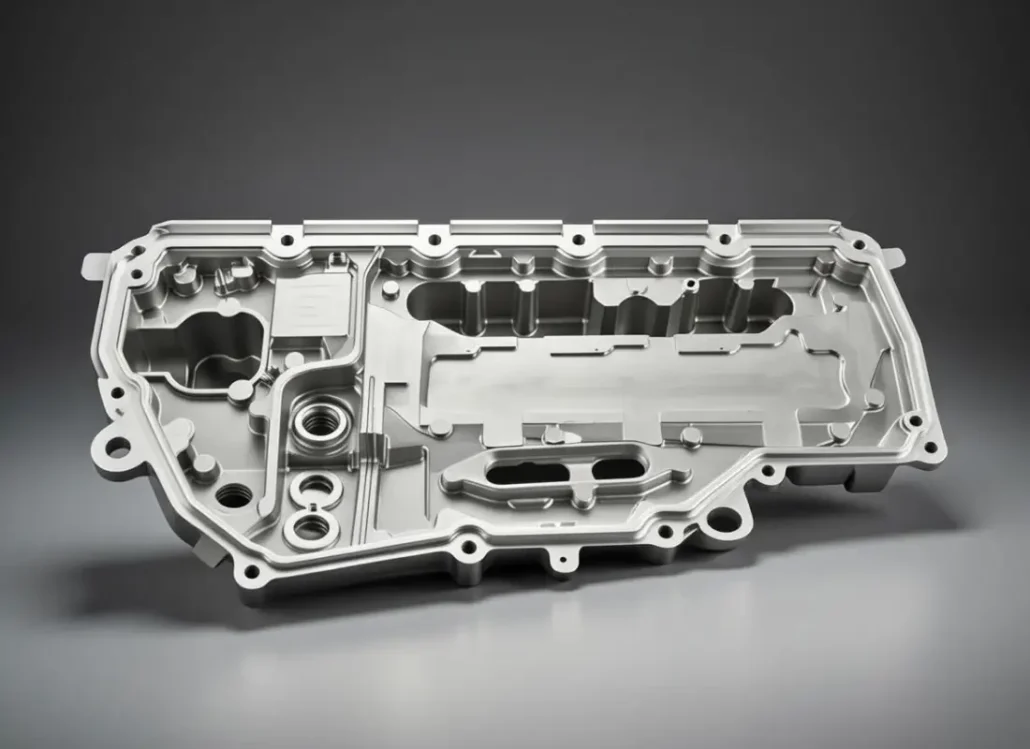
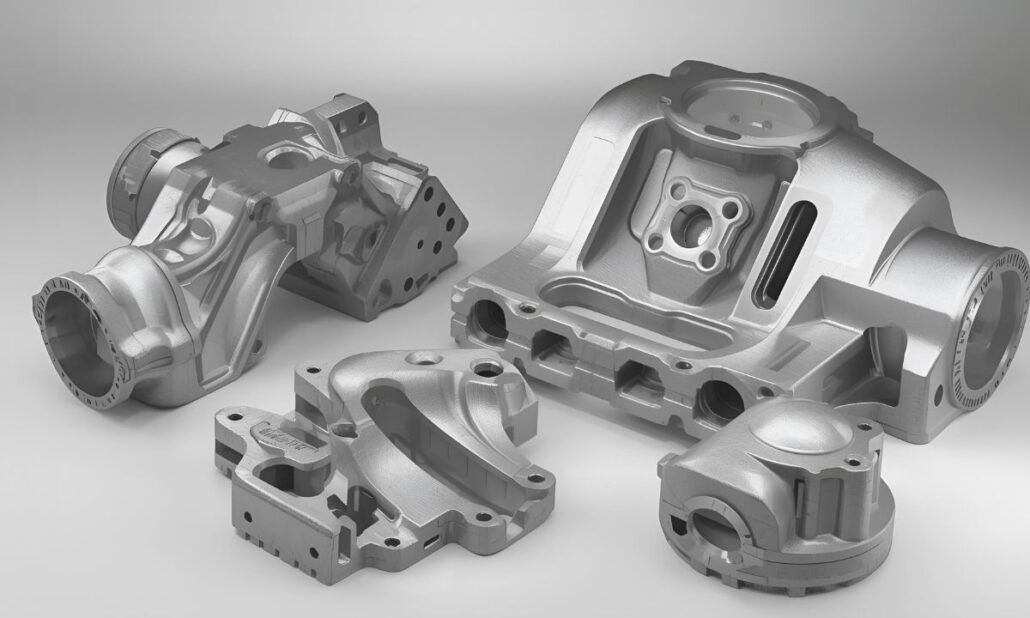
The automotive industry is changing due to the use of aluminum high pressure die-casting auto parts. They provide manufacturers with the power to design lighter, stronger and more efficient cars. With this technology, the car manufacturers can save on weight, become fuel efficient and have green mobility without compromising on the durability of the car. Auto parts die casting is the process whereby molten aluminum is injected into a steel mold at a very high pressure. This produces a strong shape that is smooth and sharp. The method allows faster production, reduced machining and consistent quality. In die casting auto parts, the companies are able to design complex components in a single step, which saves them time and money. Auto parts made in aluminium die casting are now much needed in modern vehicles. This is a frequent method of producing engine blocks, transmission housings, brake parts, and battery casings in electric cars. Lightweight, but tough, corrosion-resistant, and designed to meet tough conditions on the road, these parts are made. Auto parts made with aluminum die casting are increasing in demand rapidly, particularly as we move to electric and hybrid cars. Loss of total weight of cars increases battery life, performance and reduces emissions. This makes aluminum die casting a major component of green production. In brief, the use of aluminum high pressure die-casting auto parts in car manufacturing is no longer a choice. They have played a key role in creating the modern vehicles, which will not only be up to the present performance standards, but also be green. Powerful, effective, and stable, they will also be at the very centre of automotive design in the future. What Is Aluminum High Pressure Die-Casting? Die casting is a process of molding metal. In this, molten aluminum is forced under a very high pressure into a cavity in a steel mold. When cooled, the metal hardens in the same shape as the mold. The outcome is smooth, accurate and long-lasting. That is why die casting became one of the most popular ways of producing modern car parts. In comparison with the traditional technique, high pressure die casting can make complicated parts in one time. This saves time, machining requirements and costs to manufacturers. Why Aluminum for Auto Parts? The reason why aluminum high pressure die-casting auto parts are so popular is that there is no other material that has a combination of qualities as much as aluminum. It is green and rough; therefore, it is light and, therefore, can be used in the automobile industry. Increasing efficiency and environmental requirements have made aluminum the die casting of choice in auto parts. Weight loss is one of the largest benefits. Steel is a lot heavier than aluminum. Carmakers can lighten an overall vehicle by incorporating die casting auto parts produced using aluminum. The lighter a car is, the better its fuel economy, emissions, and performance. This would be important in both a conventional and an electric vehicle. Meanwhile, aluminum does not lose strength. It has a good strength-to-weight ratio, and this is good because even when the part is strained, it does not become soft. This is what renders aluminium die cast auto parts so useful in engines, transmission and chassis parts. The other important advantage is corrosion resistance. Aluminum does not rust and wear out like other metals. This provides increased life to aluminum die casting auto parts and decreased maintenance expenses to vehicle owners. Major Auto Parts are produced using Die Casting Automobile manufacturers cast most of their components using aluminum die casting. These are lightweight yet powerful parts that can be used in conventional as well as electric cars. Engine Blocks Engine blocks have to deal with heat, vibration and pressure. When it comes to auto parts die casting, aluminum blocks weigh less but are firm enough to work in very harsh conditions. This will conserve the overall weight of the engine and fuel consumption. Transmission Housings The transmission housings have to be precise and durable. Die casting auto parts are used in order to achieve the accuracy of smooth-running gears. This guarantees high reliability over time, and minimal machining is required. Brake Components Brakes face constant stress. Manufacturers produce strong components that are not heavy since they use aluminum die casting auto parts. This balance is applied to increase the braking force and to decrease the vehicle’s weight. Chassis Parts The chassis parts are used to provide safety and stability. They are strong but not bulky when made using aluminium die casting auto parts. This increases the management and productivity. EV Electric Housing’s motor and battery The auto parts that shield the motors and batteries are constructed using aluminum high pressure die-casting in electric vehicles. The housings protect delicate systems and still provide a lightweight frame, increasing the distance covered during driving. Collectively, these elements bring out the role of auto parts die casting in helping to design new cars. Aluminum die casting has made engines, EV batteries, and more perform efficiently, last longer, and be durable. Process of Aluminum High Pressure Die Casting 1. Mold Preparation Preparation of the moulds starts. The die of steel is thoroughly washed in order to eliminate all materials that are impurities and heated to the appropriate temperature. A protective coating is applied to the surface that prevents the sticking of the molten aluminum to the surface, and helps in controlling the cooling rate. This is done to ensure enhanced circulation of metals and longer life of moulds and consistency of parts per production cycle. 2. Melting the Aluminum These aluminum alloys are melted in a furnace with specific controlled temperatures. But sufficient temperature is also required, as that prevents oxidation, and the molten metal will flow easily into the mold cavity. Any impurities are removed by refining the agents or filters. This ensures that aluminum die cast auto parts contain no defects and are of good and consistent properties. 3. Under high pressure injection. Then the molten aluminum is forced into
Обычные производственные дефекты при литье под высоким давлением: Причины, профилактика и решения

алюминиевое литьё, литьё под давлением, литье под высоким давлением

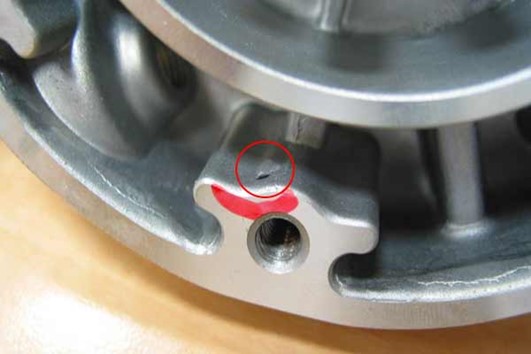
High-pressure die Casting (HPDC) is one of the most frequently utilized metal casting processes in current manufacturing. Manufacturers choose HPDC because it enables the production of complex metal parts that achieve both high precision and rapid production rates superior dimensional accuracy and smooth finishes. HPDC enables automotive and aerospace industries and the production of electronics components and consumer goods to manufacture lightweight durable parts for applications like engines and housings, structural elements, and mechanical assemblies. The manufacturing process of high-pressure die casting faces numerous risks that create substantial defects that decrease product quality while shortening the lifespan and compromising performance. Various defects form from improper mold design, turbulent molten metal flow, trapped gases, inconsistent cooling rates, and thermal stress during the production process. HPDC technology encounters seven primary defects which include porosity, cold shuts, shrinkage defects, flash formation, surface defects, misruns, die erosion, and soldering. These types of manufacturing defects cause deterioration of material strength while producing irregular dimensions and undesirable visual effects which can instigate component breakdown. Manufacturers combat production problems through the optimization of processing parameters and better-undermining methods along with controlled temperature systems and vacuum-assisted casting procedures. Real-time monitoring and simulation software are advanced quality control methods with further efficiency and reliability in the die-casting process. This article provides a comprehensive analysis of standard manufacturing issues during high-pressure die-casting technology with explanations of root causes and solution strategies to decrease these defects. It is only by understanding these challenges and applying best practices that manufacturers can improve the quality, longevity, and, of course, the performance of their die-cast components and simultaneously cut down on waste, and production costs. Proficiency in these manufacturing defects will assist die-casting engineers, production managers, and quality control specialists to optimize their processes for the best die-casting outcomes. 1. Porosity Porosity is defined by small holes or gas inclusions found within the metal matrix, and as a result, affects the mechanical properties, decreasing the strength, including allowing for air and gasses to pass through the structure, and leading to visible surface defects in die-casted products. Causes: Prevention & Solutions: 2. Cold Shut A cold shut is created when two streams of molten metal do not fuse properly and form weak bonding areas or visible seams in the casting. This defect not only decreases the mechanical strength but also increases the risk of a fracture, as well as negatively affects the component’s durability and appearance. Causes: Prevention & Solutions: 3. Shrinkage Defects Shrinkage defects occur due to shrinkage of metal during cooling which leads to internal voids or cavities, which deteriorate the structural integrity of casting. As a result, these defects reduce the mechanical strength of the final product, cause potential failure under stress, and cause poor surface quality, thus affecting both the functionality and aesthetics of the final products. Causes: Prevention & Solutions: 4. Flash Formation Excess thin metal layers formed at the parting line or die gap due to high-pressure metal escape are referred to as flash. Although flash can be trimmed off post-casting, over-flash leads to increased material waste, tool wear, and associated production costs and thus reduces the overall efficiency of the die-casting process. Causes: Prevention & Solutions: 5. Inspection of Surface Defects (Blisters, Crack and Wrinkles) A variety of surface defects, blisters, cracks, and wrinkles, degrade the visual appearance and mechanical strength of the casting and need to be prevented and eliminated. It causes weld defects that reduce the durability of the product, increase the rejection rate, and make the product stick poorly after post-casting treatments such as painting or coating. Causes: Prevention & Solutions: 6. Inclusions and Contamination Unwanted foreign particles, such as slag, oxide films, dirt, or other impurities, which are trapped in a final casting, create poor mechanical properties, weak structural integrity, and surface defects and are called inclusions. The presence of these contaminants can reduce die-cast component performance and durability so that they are not suitable for high-precision applications. Causes: Prevention & Solutions: 7. Misruns and Incomplete Fill A misrun occurs where there is a short filling of the mold cavity, which causes missing sections, thin walls, and weak points in the final component. Negative effects on the structural integrity and functionality of the part and in this way unsuitable for performance applications. Causes: Prevention & Solutions: 8. Die Erosion and Wear Molten erosion dies wear is the loss of the mold surfaces due to the high-speed metal continuously wearing the mold part surfaces until the required dimensions are achieved, which results in poor surface finish and short mold tool life. If this defect occurs, die replacement is common and consequently, production costs increase while casting quality varies. Causes: Prevention & Solutions: 9. Hot Cracking Cracks that occur during the semi-solid state of the metal, is due to high thermal stress and excessive shrinkage are known as hot cracking. These cracks degrade the mechanical integrity of the casting that is increase the chance of failure of the casting at the place where the cracks are present under stress or load. Causes: Prevention & Solutions: 10. Soldering The molten metal adheres to the die surface, which is difficult to remove with casting, causing surface defects, die wear as well as prolonged production downtime. Dimensional inaccuracies and poor surface finish are also caused by this defect, as it results in the overall compromised quality of the final product. Causes: Prevention & Solutions: Conclusion The high-pressure die casting is a powerful manufacturing process that creates complex metal parts at high accuracy at maximum efficiency. However, different kinds of defects arise using improper process parameters, material issues, and/or mold design flaws. Manufacturers can take preventive measures, e.g. optimal process control mold, properly selected material, etc., after understanding these usual manufacturing defects. A company can improve product quality, lower production costs, and achieve higher production efficiency in die-casting operations by emphasizing continuous process improvement as well as defect prevention strategies. Frequently Asked Questions (FAQs) 1. What are the major reasons for defects in high-pressure die casting? The main causes

О службе литья металлов

литьё алюминия под давлением, литейные предприятия, литейные детали, литье под высоким давлением, Литье магния, Магниевое литье под давлением, Литье под давлением с цинком

Услуги по литью металлов подразумевают придание формы свободно текущим жидким металлам с помощью штампов, форм или шаблонов. Отливки, как правило, имеют грубую отделку из-за особенностей их производства. Во многих случаях требуется дополнительная отделка для удаления заусенцев и других артефактов процесса литья. Услуги по литью металлов используются для создания широкого спектра компонентов и готовых изделий. Все - от простых гвоздей и крепежа до блоков двигателей - может быть изготовлено с помощью литья металлов. Распространенные процессы литья металлов включают в себя литье в песчаные формы, литье под давлением, литье в постоянные формы, литье по выплавляемым моделям, центробежное литье и литье с потерей пены. Литье в песчаные формы Литье в песчаные формы используется для изготовления крупных деталей (обычно из чугуна, но также из бронзы, латуни, алюминия). Расплавленный металл заливается в полость формы, сформированной из песка (природного или синтетического). Отливки из песка обычно имеют шероховатую поверхность, иногда с поверхностными загрязнениями и отклонениями. Литье под давлением включает в себя ряд процессов, в которых для производства отливок используются многоразовые штампы или формы. Форма содержит оттиск готового изделия, а также системы подачи, питания и выпуска воздуха. Форма способна совершать регулярные циклы и (быстро) отводить тепло залитого в нее металла. После того как жидкий металл достаточно остынет, форму открывают, и отливку можно извлекать и доделывать. Литье в постоянные формы При литье в постоянные формы расплавленный металл заливается в чугунные формы, покрытые керамической смывкой. В качестве стержня может использоваться металл, песок, песчаная ракушка или другие материалы. По окончании литья формы открываются, и отливки извлекаются. Услуги литья по выплавляемым моделям подразумевают формовку деталей путем впрыска специального воска в металлическую форму. Шаблоны собираются в группу вокруг системы подачи воска. Затем ‘дерево’ деталей покрывается 8-10 слоями огнеупорного материала. Сборка нагревается для удаления воска. Горячая форма заливается, а после остывания материал формы удаляется ударом, вибрацией, пескоструйной обработкой, струей воды под высоким давлением или химическим растворением, оставляя отливки, которые затем удаляются из системы бегунов. Центробежное литье Услуги центробежного литья используются для получения отливок цилиндрической формы. При центробежном литье постоянная форма вращается вокруг своей оси с высокой скоростью по мере заливки расплавленного металла. Расплавленный металл под действием центробежной силы отбрасывается к внутренней стенке формы, где и застывает. Обычно отливка представляет собой мелкозернистое литье с очень тонким наружным диаметром, который устойчив к атмосферной коррозии, что обычно необходимо для труб. Внутренний диаметр имеет больше примесей и включений, которые могут быть удалены механической обработкой. Литье по выплавляемым моделям Литье по выплавляемым моделям (ЛВМ) - это услуги по литью металлов, при которых для получения отливок используются модели, заполненные пеной. Пена впрыскивается в деталь, заполняя все участки, не оставляя пустот. Когда расплавленный металл впрыскивается в шаблон, пена сгорает, позволяя отливке принять форму. Литье под давлением Литье под давлением и литье металлов включает в себя ряд процессов, в которых для производства отливок используются многоразовые штампы или формы. Форма способна совершать регулярные циклы и (быстро) рассеивать тепло залитого в нее металла. После того как жидкий металл достаточно остынет, форму открывают и отливку можно извлечь и закончить. В процессе литья под давлением расплавленный металл впрыскивается в форму или штамп многоразового использования. Форма содержит оттиск отливки, а также системы подачи, питания и выпуска воздуха. Литейная форма способна к регулярному циклу и к (быстрому) отводу тепла залитого в нее металла. После того как жидкий металл достаточно остынет, форма открывается, и отливка может быть извлечена и закончена. литье под высоким давлением Процесс литья под высоким давлением является наиболее широко используемым, на него приходится около 50% всего производства литья легких сплавов. На долю литья под низким давлением в настоящее время приходится около 20% продукции, и его использование растет. На долю гравитационного литья приходится остальная часть, за исключением небольшого, но растущего вклада недавно появившихся вакуумного литья и литья под давлением. Конструкция литейных форм для литья под низким давлением и гравитационного литья обеспечивает улучшенное заполнение формы, оптимизированную схему затвердевания и максимальный выход продукции. Гравитационное литье подходит для массового производства и полностью механизированного литья. Литье под низким давлением особенно подходит для производства деталей, симметричных относительно оси вращения. По этой технологии обычно изготавливаются легкие автомобильные колеса. Металлы для литья под давлением могут быть самыми разными, и разные компании, занимающиеся литьем под давлением, могут работать с любым или несколькими из них. Некоторые из наиболее распространенных видов литья металлов включают литье алюминия под давлением, литье латуни под давлением, литье свинца под давлением (наиболее популярное для литья моделей под давлением), литье магния под давлением и литье цинка под давлением. Надеюсь, всей этой информации достаточно для вашей справки, но если вы хотите узнать больше информации, вы можете связаться с нами по телефону или электронной почте.

литье и обработка алюминия

Литье под высоким давлением

литье алюминия под давлением, литейные предприятия, литье под высоким давлением, литьё под давлением

Литье металлов играет важнейшую роль в современном производстве. Оно технически формирует весь мир. Как известно, с помощью этого метода можно создавать самые разные металлические детали. Литье под высоким давлением - один из самых популярных методов литья металла. При типичном методе литья металла расплавленный металл заливается в форму для создания сложных и точных форм. Эти литые детали нужны каждой отрасли промышленности для различных целей. Они могут понадобиться для структурной поддержки или в основной продукции. Одним из популярных способов придания формы металлу является литье под давлением, а литье под высоким давлением - один из самых распространенных методов литья под давлением. Именно об этом методе и пойдет речь в данной статье. Вы узнаете о том, как они производятся, в чем их преимущества и как их можно использовать. Вы также узнаете, чем отличаются HPDC и LPDC. Обзор литья под высоким давлением (HPDC) HPDC означает High-Pressure Die Casting. Как следует из названия, этот метод литья металлов требует высокого давления. Литье под высоким давлением подходит для изготовления многих металлических деталей с высокими допусками. При литье под давлением HPDC расплавленный металл впрыскивается в стальную форму или штамп при высокой скорости и давлении. В результате вы можете создать сотни деталей за меньшее время. Давление здесь необходимо для того, чтобы расплавленный металл заполнил все детали формы. Поэтому литье под высоким давлением подходит для крупносерийного производства. Машина для литья под высоким давлением состоит из нескольких основных компонентов. Все они очень важны для системы. Однако вы можете найти и другие детали. Однако эти четыре компонента являются наиболее важными в процессе литья под высоким давлением. Именно они обычно решают, насколько качественными в итоге получаются литые детали. Формы для литья под давлением Формы для литья под давлением, или матрицы, - это детали машины для литья под высоким давлением, которые обычно определяют конечную форму. Они состоят из двух основных половин: неподвижной и подвижной. Обычно они изготавливаются из высокопрочной стали. Изготовление этих форм для литья под давлением HPDC называется оснасткой для литья под высоким давлением. Обратите внимание, что оснастка HPDC имеет решающее значение для обеспечения наилучшего качества литья металлов. Выталкивающие штифты Выталкивающие штифты - еще один важный компонент формы для литья под высоким давлением. Они облегчают извлечение затвердевшей отливки из формы. Эти штифты можно найти в подвижной половине формы. После охлаждения и затвердевания отливки вы можете привести в действие эти штифты, чтобы извлечь ее. В основном это играет решающую роль в производственном цикле. Машина для литья под давлением с холодной камерой Машина для литья под давлением с холодной камерой является наиболее важной машиной, которая имеет систему впрыска, систему прессования, системы выталкивания и т.д. Весь процесс литья под давлением будет выполняться этой машиной для литья под давлением с холодной камерой. Нагревательные компоненты Нагревательные компоненты могут включать печи и нагревательные элементы. Как правило, они не расплавляют металл, а поддерживают постоянную температуру. Основная цель этой части машины для литья под высоким давлением - обеспечить жидкую форму металла. Обратите внимание, что постоянный нагрев имеет решающее значение для качества и постоянства конечных отливок. Как работает литье под высоким давлением? Как правило, литье под высоким давлением состоит из пяти этапов. Каждый этап имеет решающее значение для конечного качества отливок. Поэтому, приступая к процессу литья под давлением, всегда осматривайте устройство. Проверьте, нет ли дефектов или ослабленных винтов. Всегда настраивайте устройство на оптимальные параметры. Проверьте, правильно ли работает система охлаждения. После того как вы проверили устройство, можно приступать к первичному процессу литья под высоким давлением. Всегда надевайте средства защиты, такие как перчатки, одежда и очки. Шаг #1 Подготовка формы для литья под давлением Подготовить форму для литья под высоким давлением можно в два основных этапа. Во-первых, если она уже изготовлена, проверьте ее на наличие дефектов и загрязнений перед использованием. Во-вторых, проектирование пресс-формы необходимо для изготовления изделий по индивидуальному заказу. Проектирование литейной формы состоит из нескольких этапов. Во-первых, вы можете нарисовать проект с помощью 3D-программ, таких как SolidWorks, AutoCAD и других. При проектировании убедитесь, что вы правильно организовали бегунок затвора и основание пресс-формы. Система охлаждения также является важной частью процесса проектирования. Наконец, проверьте систему вентиляции и выброса. Закончив проектирование, приступайте к анализу проекта. Вы можете проверить его функциональность в различных программах моделирования. После тестирования и проверки качества вы можете использовать литейную оснастку для окончательного производства. Шаг #2 Впрыск расплавленного металла В этом процессе литья под высоким давлением машина впрыскивает расплавленный металл в полость формы. В отличие от других методов, литье под высоким давлением использует высокое давление и скорость для этой работы, поэтому оно и называется литьем под высоким давлением. Сначала плотно соединяют две половины литейной формы. Затем, нажав на кнопку, машина HPDC подает расплавленный металл в камеру. Это давление технически гарантирует, что расплавленный металл заполнит всю полость. После впрыска расплавленному металлу дают остыть и затвердеть. В системе литья под давлением HPDC используются два основных метода впрыска. Вы можете выбрать подходящий метод в зависимости от потребностей вашего проекта. Впрыск в горячую камеру Когда механизм впрыска погружен в резервуар с расплавленным металлом, это называется впрыском в горячую камеру. Когда плунжер движется, он втягивает расплавленный металл в камеру и впрыскивает его в полость штампа. Этот тип впрыска подходит для металлов с низкой температурой плавления. Часто в этой машине для литья под давлением с горячей камерой используются цинковые и магниевые сплавы. Впрыск в холодную камеру Впрыск в холодную камеру, с другой стороны, использует отдельную плавильную печь. Вы можете заливать расплавленный металл с помощью ручной или автоматизированной системы. В производстве автоматическая система обычно управляется гидравлическим плунжером. Он заставляет расплавленный металл вливаться в полость формы. Впрыск в холодную камеру - распространенная технология литья алюминия HPDC. Шаг #3 Охлаждение и затвердевание После впрыска расплавленный металл быстро охлаждается в полости формы. Некоторые

литьё алюминия под давлением

Алюминиевое литье под давлением

алюминиевое литьё, алюминиевые литейные формы, литьё алюминия под давлением, литьё под давлением, литье алюминия под давлением, литейные предприятия, литейная форма, литейные детали, литье под высоким давлением, Магниевое литье под давлением, литьё под давлением

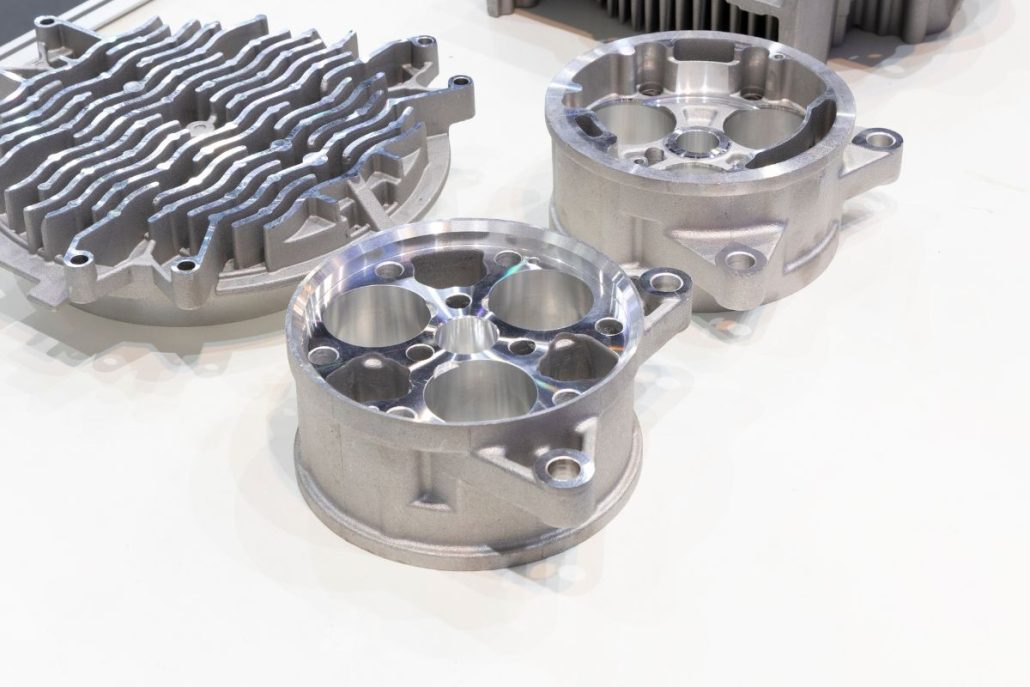
What is Aluminum die Casting Aluminum die casting can be understood as a highly controlled metal “injection” process rather than a simple pouring method. In a typical aluminum die casting manufacturing company, molten aluminum is forced into a hardened steel die under high pressure, allowing the metal alloys to fill even very thin sections and complex geometries within milliseconds. What makes this process valuable is not just speed, but repeatability—once the mold is tuned, thousands of parts can be produced with consistent dimensions and surface quality. From a practical manufacturing perspective, die casting is often chosen when a part demands tight tolerances, good surface finish, and minimal secondary machining. The upfront investment in tooling is relatively high, but it is offset by lower per-unit cost in volume production. Engineers also favor aluminum die casting because it combines lightweight properties with decent strength, corrosion resistance, and thermal conductivity. Benefits of aluminum die casting Metals and precautions related to aluminium die casting. Different types of aluminium alloys can be used in die Casting and aluminium molds, types of casting methods are used for making aluminum die casting, zinc die casting, magnesium die casting and many more. Type of Die Casting process Die Casting is the process of making Aluminium suitable for producing different types of products. It is a simple and inexpensive way to provide a wide variety of aluminium products. Some of the examples are Washington Monument, car engines, and power transmissions, etc, which were all produced through aluminum casting alloys process. Aluminium casting can be done in 3 ways:- Auminum die casting Mold Casting Sand Casting DIE CASTING Die casting is a manufacturing process for producing metal parts.  In die casting, die or mold cavities are created with hardened tool steel that has been previously machined to a particular shape. Here in die casting, Aluminium is melted first and is poured into a steel die under high pressure forcefully. This manufacturing technique is normally used for high volume production, the process we normally called high pressure die casting or pressure die casting process MOLD CASTING About mold casting, mold and cores can be of either steel or any other metal. Here also the aluminium is melted first and is poured in the mold provided. Sometimes vacuum is also applied. In some situations, Permanent mold casting is seemed to be stronger than both die casting and sand casting methods. Semi-permanent mold casting techniques are used when permanent cores are impossible to remove from the finished part. SAND CASTING: Sand casting is the most versatile method of producing aluminium products. Usually, the molted aluminium is poured into a mold which is virtually pressed into a fine sand mixture. The pattern will be little larger than which needed for the aluminium shrinkage during solidification and cooling. Sand Casting is usually a slow process than both die casting and mold casting. Usually, it is used for small quantity products. Aluminum Casting Alloys The most important cast aluminum casting alloys system is Al-Si. Here high levels of Silicon contribute to give good casting characteristics. aluminum casting alloys are widely used in engineering structures and components where lightweight or corrosion-resistant is required. Methods and benefits of Aluminium die casting Metals and precautions related with aluminium die casting Different types of aluminium can be used for die Casting, Aluminum casting manufacturer & aluminum casting is used in order to cover different types of metals by using different types of methods. There are many methods used for aluminum casting and different types of benefits are obtained. With the help of aluminum casting and aluminum die casting it is possible to increase the life of metals and these can be used for a long time period with an amazing look and charm of metal. Methods Different types of methods are used for aluminium die casting. The main thing is to melt aluminum. High temperature is needed for melting aluminum. Special structures are used for the melting of aluminum. When aluminum casting is melted then it is poured on the target metals. Then the melted aluminum casting is allowed to get hard and it is ready to be used after some time period. There are special containers that are made to be used for the melting of aluminum. These structures are available in the market in different shapes and sizes. You are also able to make these structures at home by using the desired ingredients. You have many options in making these structures. If you are going to buy this structure from the market then you have to make a selection of the size and shapes. There are many options in terms of sizes and shapes and different types of prices are charged by makers. Working of these structures is also different as some use fuels and some use manual efforts for getting heat to make sure that aluminum casting could be heated and melted effectively. High temperatures are obtained in these structures and then aluminum casting is melted and then used on the target metals for the casting process. Benefits Aluminium Die Casting There are many types of benefits of aluminum die casting. Mainly this type of casting is done to make sure that the metal can remain safe from corrosion. Atmosphere conditions and moisture is bad for iron and casting can help to protect iron and increase its useful life. aluminium die casting is able to resist moisture and other harmful effects of the environment due to which it can be used on metals through casting. The protective shield is made on iron to make sure that it can be used for a long time period. aluminium die casting companies can be cast on iron and make a protective sheet. This protection is in the form of a shining layer which is obtained by using high temperatures. This layer is permanent and good looking along with increasing strength and useful life of metal. Mostly iron is cast with the help of aluminum. This is a cheap process and the user is able

Прокрутить вверх

Получить цитату