алюминиевое литьё

Что такое литая алюминиевая посуда?

Что такое литая алюминиевая посуда? Полное руководство

Алюминий, алюминиевое литьё

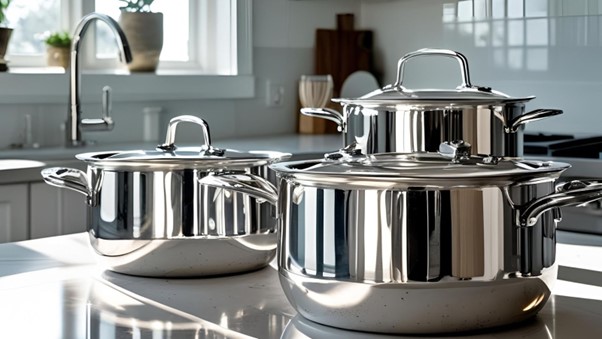
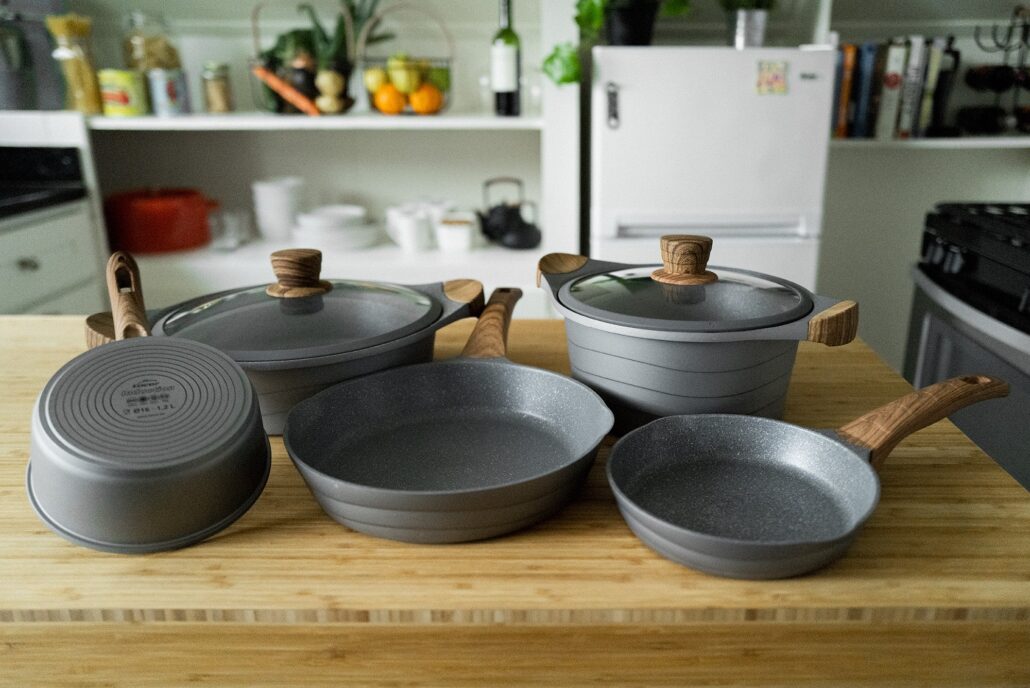
Посуда из литого алюминия становится популярной на кухнях всего мира. Она легкая, недорогая и простая в использовании. В зависимости от используемой посуды еда может иметь разный вкус, в том числе благодаря легкости процесса приготовления. Посуда также экономит время и долговечна. Литой алюминий изготавливается путем заливки расплавленного алюминия в форму. Этот метод придает посуде конкретную структуру и постоянную толщину. Это позволяет сковороде или кастрюле быстро нагреваться и равномерно распределять тепло. Это упрощает и сокращает время приготовления повседневных блюд. Литой алюминий - еще один относительно легкий материал, который многие используют, поскольку он относительно недорог по сравнению с нержавеющей сталью. Кроме того, его можно готовить в различных формах и размерах, поэтому его можно жарить, запекать и варить. Однако у литого алюминия есть и отрицательные стороны. Он не такой прочный, как нержавеющая сталь, и не такой прочный, как чугун. Кроме того, некоторые виды кухонной утвари нуждаются в антипригарном или анодированном покрытии, чтобы пища не прилипала и не контактировала с кислыми продуктами. В этой статье все это будет рассказано простым языком. Вы узнаете о преимуществах, недостатках, безопасности и способах обработки литой алюминиевой посуды. Как изготавливается посуда из литого алюминия? Литая алюминиевая посуда производится в результате заливки расплавленного алюминия в форму. После остывания металл (алюминий) принимает форму сковороды, кастрюли или посуды для выпечки. Этот процесс делает посуду более прочной и тяжелой, чем традиционный прессованный или прокатный алюминий. Процесс состоит из двух основных этапов: Такое литье делает посуду достаточно прочной, чтобы ее можно было использовать ежедневно. На другие наносится антипригарное покрытие, предотвращающее пригорание пищи и облегчающее их чистку. Литой алюминий Процесс изготовления посуды Подготовка алюминия На начальном этапе необходимо выбрать алюминий. Производители могут использовать чистый или переработанный алюминий. Его помещают в большие печи, где нагревают до температуры более 660 °C, пока он не расплавится и не превратится в жидкость. На этом этапе происходит очистка алюминия, чтобы убедиться, что он будет прочным и безопасным в конечном продукте. Создание формы После того как алюминий готов, создается форма. Форма определяется формой, это может быть сковорода, кастрюля или противень. Эти формы чаще всего бывают песчаными или стальными. Тонкость, баланс и прочность копоттера определяются типом формы и уровнем изысканности. Заливка расплавленного алюминия Затем форму заполняют жидким алюминием. Она заполняется до краев во всех щелях конструкции. Именно благодаря этому процессу посуда из литого алюминия тяжелее и прочнее посуды из прессованного алюминия. Охлаждение и застывание После заливки алюминий должен остыть. При остывании он застывает и оседает, приобретая форму формы. Охлаждение необходимо, так как оно устраняет трещины, пузырьки воздуха или слабые места, которые могут поставить под угрозу качество посуды. Обрезка и отделка После затвердевания посуда извлекается из формы. На этом этапе грубая поверхность обрезается и полируется. Также добавляются другие элементы, такие как ручки и дно. Это делается для того, чтобы форма для приготовления пищи была гладкой, безопасной и готовой к нанесению покрытия. Покрытие и отделка поверхности Большинство литых алюминиевых кухонных принадлежностей подвергаются поверхностной обработке. Большинство из них имеют антипригарную поверхность, благодаря чему пища не прилипает к поверхности, а чистка не занимает много времени. Кроме того, они могут быть анодированы, что повышает их устойчивость к коррозии и царапинам. Такие покрытия также устойчивы к реакции с кислой пищей. Проверка качества Контроль качества - последний. Все работы проверяются на сбалансированность, прочность и безопасность покрытия. Посуда, прошедшая тщательную проверку, упаковывается и только после этого отправляется на рынок. Это гарантирует, что покупатели получат долговечную, качественную и безопасную посуду. Преимущества литой алюминиевой посуды В чем причина отказа от использования других материалов в пользу литого алюминия? Вот основные преимущества: Легкость По сравнению с чугуном, литой алюминий очень легкий. Это не занимает много времени, а тем более, если у вас есть повар, который регулярно готовит еду для пожилых людей. Превосходное распределение тепла Алюминий является теплопроводником. Посуда из литого алюминия быстро готовит и равномерно распределяет тепло. Это означает, что горячих точек будет меньше, а приготовление будет равномерным. Доступная цена Обычно она дешевле, чем посуда из нержавеющей стали или меди. Она обладает достойными характеристиками по доступной цене. Универсальность Литой алюминий можно жарить, запекать, варить или тушить. Некоторые из них даже пригодны для духовки. Быстрый нагрев Благодаря алюминию пища готовится быстрее, так как он быстрее реагирует на тепло. Это экономит время и энергию. Недостатки литой алюминиевой посуды Несмотря на ряд преимуществ литой алюминиевой посуды, она также обладает рядом недостатков: Проблемы с долговечностью Литой алюминий мягче, чем чугун или нержавеющая сталь. В итоге на нем могут появиться вмятины или царапины, особенно при неправильном обращении. Реакция с продуктами питания Алюминий без покрытия может вступать в реакцию с кислотами, такими как томат или уксус. В результате он может стать металлическим или обесцветиться. Большинство современных литых алюминиевых сковородок имеют покрытие, предотвращающее подобные эффекты. Проблемы с покрытием Антипригарная пленка на сковороде может быть плохого качества, и поэтому со временем она может стираться. Ее можно оттереть жесткой губкой или металлической посудой, и это сокращает срок ее службы. Литая алюминиевая и другая посуда Выбор посуды - это скорее выбор. Алюминиевая литая посуда в сравнении с популярными заменителями выглядит следующим образом: Литой алюминий и нержавеющая сталь Первое заметное различие в случае с литым алюминием и нержавеющей сталью - это нагрев.
Какие алюминиевые сплавы лучше всего подходят для сварки?

Какие алюминиевые сплавы лучше всего подходят для сварки?

алюминиевое литьё, литьё алюминия под давлением

Which Aluminum Alloys Are Best for Welding? Aluminum has become the most popular of the metals used in contemporary industries because of its high portability, strong resistance to the elements and ease of fabrication. Its alloys are invaluable in the aerospace, automotive and marine as well as housing and building industries. But the challenges created by welding aluminum are different to welding other metals, in part because of the high thermal conductivity, speed of oxide formation and distortion and cracking characteristics of aluminum in the welding process. Knowledge of the properties and the characteristics of various aluminum alloys is important in the choice of the material that suits a particular task. Not every aluminum alloy is equally weldable, whereas some are well-adapted to traditional welding, others need some special welding procedure like friction stir welding. The alloy selection and method of welding depends on such factors as strength, resistance to corrosion, ductility, and the ability of heat-treating. Surfaces must also be properly prepared, filler metals need to be compatible and post-weld treatments must consider to achieve high-quality junctions. The article will give an in-depth report on the best types of aluminum alloy to be welded, their characteristics, the benefits associated with their usage, recommendations to follow and the challenges to expect when welding these types of aluminium alloy. Based on such knowledge, professionals will be in a position to achieve durable, reliable and good performing welded structures across diverse industrial and structural applications. What is aluminum alloys Aluminum alloys are the materials used by adding other metals to the aluminum to enhance its qualities like strength, corrosion resistant, machinability or weldability. Pure aluminum is weak, lightweight, soft, and very well resistant to corrosion. By mixing additional elements (such as copper (Cu), magnesium (Mg), silicon (Si), manganese (Mn), or zinc (Zn)), engineers can make alloys suitable to a variety of types of applications, including aerospace, automotive parts, marine and building structures. A few points of aluminum alloys Simply put, aluminum alloys have the lightweight, corrosion-resistant properties of aluminum with extra favorable qualities needed to suit the needs of an industrial application. Knowing the Aluminum Alloys Aluminum alloys have been divided into wrought alloys and cast alloys. Mechanically worked alloys are wrought into sheets, plates or extrusions but casting alloys are in form of poured molten aluminum into molds. The wrought alloys are further divided into series according to the alloying elements: Conditions which Affect Weldability Aluminum alloys can be welded, depending upon a variety of factors: The best Aluminum Alloys to weld on 5052 Alloy Al-Mg (aluminum-magnesium) alloy 5052 is considered by many to be one of the most welding friendly alloys. This is due to its high magnesium content and therefore it has good resistance to corrosion, especially in marine environments and applications in chemical processing. Applications: Moderate-to-high strength, high ductile and above-average corrosion resistance. Advantages: Materials: Marine structures, Chemical tanks, automotive panels, roofing sheets and industrial equipment. Alloy 5083 Aluminum-magnesium alloy 5083 has high strength at low temperatures and thus is applicable in marine and cryogenics. It resists corrosion especially in industrial and seawater. Characteristics: Extra-high strength, good corrosion protection, good fatigue resistance. Advantages: Applications: Shipbuilding, pressure vessels and tanks, automotive frames and equipment and transportation equipment. 5754 Alloy Another Al-Mg alloy is A-Mg 5754 which can be described as medium strength with high corrosion resistance and high formability. It also achieves structural strength, as well as, weldability and that is why it is commonly used where structural strength is key as well as weldability. Characteristics: Moderate strength, high ductility, is corrosion resistant. Advantages: Applications: Auto Body panels, structural panels, construction cladding, and marine. 6061 Alloy Al-Mg-Si alloy with the composition 6061 has found wide usage in the structural and aerospace fields. It is a compromise between toughness, corrosion resistance and utility. Type of properties: Medium-high strength, very good corrosion resistance, and moderate ductility. Advantages: Applications: Aircraft structures, pipeline, automotive components, bridge structures and structural products. 6063 Alloy Al-Mg-Si alloy (6063) is another architectural and decorative Al alloy that is noted to have a smooth finish on its surface and the ability to resist corrosion. Properties: A strong or moderate strength, good corrosion resistance, a good surface finish. Advantages: Applications: Architectural structure, window frames, doors, curtain walls and extrusions. Alloy 1100 Aluminum alloy 1100 can almost seem a pure aluminum alloy (it is 99% aluminum). It is soft, ductile and very easy to weld so it is suitable where resistivity is the issue rather than strength. High ductility: Excellent corrosion resistance, Low strength. Advantages: 1350 Alloy Another aluminum alloy of high purity applicable in the electrical and chemical industries is1350. It is incredibly strong and has great corrosion resistance as well as being very weldable and is a very dependable metal when used in specialized settings. Advantages: Immune to corrosion, excellent welding ability and low weight. Advantages: Aluminum Alloys, as well as of their major properties and the ability to be welded The technical table below contains the list of the full proper names of the aluminum alloys, as well as of their major properties and the ability to be welded: Alloy (Proper Name) Density (g/cm³) Melting Temp (°C) Tensile Strength (MPa) Yield Strength (MPa) Elongation (%) Hardness (HB) Weldability Aluminium 1100 (Commercially Pure Aluminum) 2.71 640 90 35 35 40 Excellent Aluminium 1350 (High Purity Aluminum, Electrical Grade) 2.71 640 110 40 20 50 Excellent Aluminium 5052 (Aluminium-Magnesium Alloy) 2.68 607–650 228 193 12 60 Excellent Aluminium 5083 (Aluminium-Magnesium Alloy, Marine Grade) 2.66 635 317 228 12 70 Excellent Aluminium 5754 (Aluminium-Magnesium Alloy) 2.67 637 250 190 15 60 Excellent Aluminium 6061 (Aluminium-Magnesium-Silicon Alloy) 2.70 582–652 310 276 12 95 Good Aluminium 6063 (Aluminium-Magnesium-Silicon Alloy, Architectural Grade) 2.70 615 241 214 8 90 Good Aluminium 2024 (Aluminium-Copper Alloy, Aerospace Grade) 2.78 500–640 483 345 20 120 Difficult Aluminium 2219 (Aluminium-Copper Alloy, High Strength Aerospace) 2.84 509–638 470 330 18 130 Difficult Aluminium 7075 (Aluminium-Zinc-Copper Alloy, Aerospace Grade) 2.81 477–635 572 503 11 150 Very Difficult This is

Что такое процесс экструзии алюминия? 

алюминиевое литьё, литьё алюминия под давлением

Алюминиевая экструзия ценится не только за то, что из нее получаются прочные, но легкие детали, но и за гибкость и экономичность конструкции. Он используется в строительстве, аэрокосмической, автомобильной и электронной промышленности и почти везде между ними. Экструзия алюминия относится к процессам, которые свидетельствуют о равновесии между инновационными разработками и эффективным производством, которое вот-вот станет одной из доминирующих процедур в обрабатывающей промышленности. Алюминий - один из самых популярных металлов в современной промышленности, который ценят за его легкий вес, прочность, долговечность, а также способность противостоять коррозии. Алюминий находит свое отражение в нашей жизни: в строительстве небоскребов в городах, автомобилях, на которых мы ездим, и других гаджетах, которые мы используем в повседневной жизни. Одним из наиболее важных процессов производства, обеспечивающих универсальность, является процесс экструзии алюминия. Экструзия в широком смысле относится к методам деформации металла, при которых металл продавливается или выдавливается через фильеру подобно зубной пасте. В алюминии длинные непрерывные профили конечной, заранее определенной формы поперечного сечения формируются путем продавливания твердых блоков (известных как заготовки) через уже нагретую фильеру. Эти профили могут быть обычными стержнями, трубами или очень сложными и специально изготовленными в соответствии с требованиями конкретной отрасли. В этой статье мы узнаем все о процессе экструзии алюминия: его историю, процесс экструзии, типы, области применения, преимущества и ограничения, а также его растущие возможности в будущем производстве. Историческая справка Идея экструзии как производственного процесса возникла еще в конце XVIII века. Первым известным экструдером стал британский изобретатель Джозеф Брамах, который запатентовал свой метод в 1797 году. Вместо этого он использовал процесс, в котором податливые металлы, такие как свинец, продавливались через фильеру для формирования длинных, одинаковых на вид деталей, в первую очередь труб. Предварительная подготовка к процессу экструзии была изобретением. Вплоть до XIX века экструзия более мягких металлов была затруднена технологией. Настоящий прорыв произошел в начале 220 века, когда были открыты экономичные способы производства алюминия. Приобретение алюминия стало возможным благодаря изобретению в 1886 году Чарльзом Мартином Холлом в США и отдельно Полем Х. Рультом во Франции процесса Холла-Герольта, который позволил снизить цены и наладить крупномасштабное производство. После изобретения алюминия ученые и производители не сразу увидели потенциал экструзии. Технология экструзии алюминия начала набирать обороты в 20-х годах прошлого века, особенно активно применяясь в Европе и Северной Америке. Широкое применение она получила во время Второй мировой войны, когда промышленности потребовался легкий, но прочный материал для самолетов, транспортных средств, используемых военными, и зданий. С тех пор была изобретена технология линейного литья, которая распространилась гораздо дальше, чем алюминиевая экструзия, впервые появившаяся в военном секторе. Что такое экструзия алюминия? Экструзия алюминия - это коммерческий физический метод, который используется для пластификации твердого алюминия в формы определенной длины и сечения. Идея проста: блок алюминия (заготовка) нагревается до податливой стадии и продавливается под сильным давлением стальной матрицей. При продавливании через штамп алюминий принимает форму отверстия - прямого, полого, сплошного или сложного профиля. Аналогия, которую лучше всего использовать при экструзии, - это экструзия тюбика зубной пасты. Как зубная паста принимает форму сопла, так и экструдированный алюминий принимает форму фильеры. Преимущество экструзии алюминия заключается в возможности изготовления легких, но прочных деталей точной формы. Полученные в результате экструзии профили могут иметь различную длину, а также подвергаться дальнейшей обработке, включая анодирование, порошковое покрытие и финишную обработку. Все эти усовершенствования повышают эксплуатационные характеристики, улучшают износостойкость и внешний вид. Благодаря своей гибкости этот процесс стал одним из видов экструзии, к которому прибегают в различных сферах, таких как строительство, авиационная промышленность, электронная промышленность, транспорт и даже производство потребительских товаров. Это не просто процесс, а жизненно важный мост между родной нержавеющей сталью и поглощенной функциональностью, которая определяет современное машиностроение и высокое строительство. Процесс экструзии алюминия по этапам Характеристика профиля и выбор сплава Литье и христианизация заготовки Скальп или пила Проверка заготовки Нагрев заготовки Изготовление матрицы и оснастки Смазка и подготовка пресса Загрузка заготовки и контроль качества Запуск пресса Прорывная экструзия, устойчивое охлаждение на столе Быстрое охлаждение (немедленная закалка) Температура обработки для охлаждения Профили охлаждаются на столе после закалки, пока их можно обрабатывать без отпечатков и деформации. Мягкое, контролируемое охлаждение минимизирует остаточное напряжение. Растяжение / выпрямление Обрезка по длине Термообработка (при необходимости) Финишная обработка поверхности (по желанию) Обработка и изготовление (по необходимости) Профили обрабатываются на станках с ЧПУ, перфорируются, сверлятся, нарезаются резьбы или гнутся. Приспособления обеспечивают повторяемость и контроль допусков на тонких или сложных участках. Испытания и контроль качества Настройка и обслуживание штампов Если контроль размеров или качество поверхности не поддаются контролю, можно изменить длину подшипников и баланс потока; штампы могут быть отполированы и, если это совершенно не требуется, азотированы; штампы полируются и очищаются. Упаковка и логистика Почему важен каждый шаг Компоненты, используемые при экструзии алюминия Экструзия алюминия предполагает выбор правильного алюминиевого сплава, отвечающего механическим, термическим и коррозионным требованиям. Свойства, необходимые для различных отраслей промышленности, отличаются, поэтому выбор сплава определяется прочностью, пластичностью, коррозионной стойкостью и возможностью термообработки. Серия 1000 (практически чистый алюминий) Серия 3000 (Al-Mn сплавы) Серия 5000 (Al-Mg сплавы) Серия 6000 (Al-Mg-Si сплавы) Серия 7000 (Al-Zn-Mg-Cu сплавы) Другие специальные сплавы Для сохранения сходства состава часто повторно используется перерабатываемый алюминиевый лом, содержащий тот же сплав. Краткая справочная таблица материалов для экструзии алюминия Ниже приведена техническая таблица вероятных распространенных алюминиевых сплавов, используемых в экструзии, основные свойства и установленные параметры экструзии: Серия сплава

Литье и ковка

Литье и ковка: Понимание основных производственных процессов

алюминиевое литьё

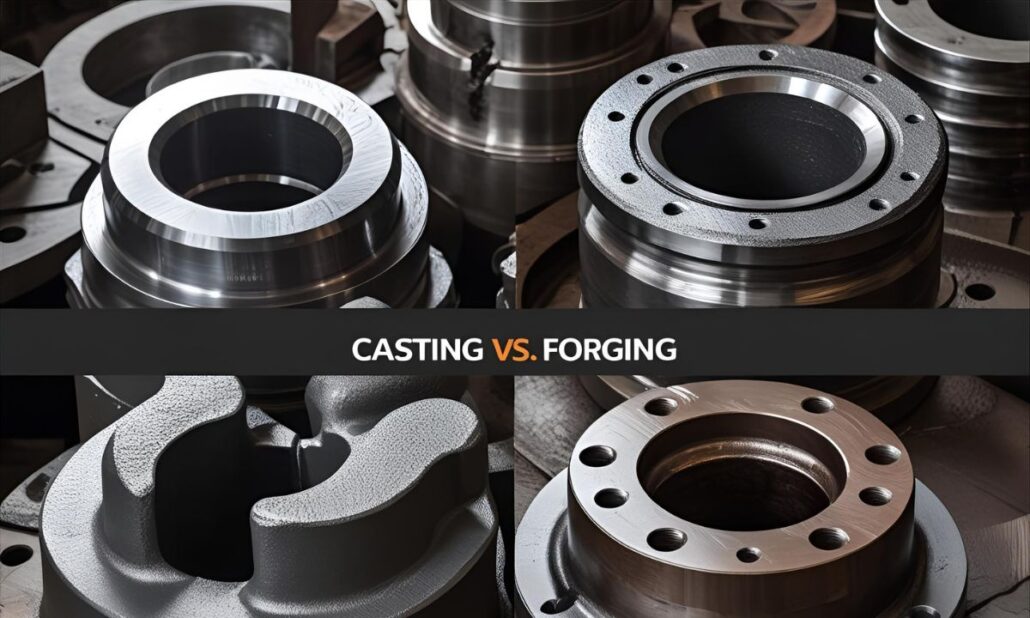
Литье и ковка - два наиболее распространенных метода металлообработки, которые находят различное применение в производственном секторе. Эти методы необходимы для изготовления металлических деталей, которые используются в автомобильной, аэрокосмической, оборонной и машиностроительной промышленности. Хотя оба метода направлены на создание функциональных деталей путем придания им формы металла, в конечном итоге они достигают этой цели совершенно разными способами, создавая различные свойства материалов и области их применения. Литье использует процессы расплавления металла и заливки его в форму, где он приобретает постоянную форму. Оно наиболее подходит для производства сложных и замысловатых форм, которые иначе было бы трудно получить с помощью других механизмов. Он очень хорошо работает в массовом производстве, особенно там, где изготавливаются большие объемы одинаковых деталей. Литье очень гибко и может использовать огромное количество металлов и сплавов, поэтому оно может применяться в отраслях, где важно высокое качество дизайна, в аэрокосмической, автомобильной и художественной промышленности. С другой стороны, ковка - это процесс придания металлу формы под действием сжимающих сил, обычно при высокой температуре материала. Этот процесс делает металл более прочным, выпрямляя его зернистую структуру, что делает детали более прочными и долговечными. Особое преимущество ковки заключается в том, что она широко применяется при изготовлении деталей, которые должны быть закалены или подвержены экстремальным условиям, в том числе высоким нагрузкам, как, например, в автомобильной, аэрокосмической и оборонной промышленности. В этой статье мы рассмотрим основные различия между литьем и ковкой, преимущества и недостатки каждого из них, а также области применения в современном производстве и роль каждого процесса в этих процессах. Что такое литье? Производственный процесс, сохранившийся в литье, включает в себя заливку жидкого материала, обычно металлического, в форму для застывания и приобретения формы полости формы. Процесс начинается с того, что материал расплавляется, заливается в специальную форму и охлаждается. После того как материал затвердевает, форму удаляют, и остается твердый предмет, который является почти идеальной копией формы. Что такое ковка? Ковка - это процесс металлообработки, в котором используется сила сжатия, а металл обычно нагревается до высоких температур. Металл либо бьется, либо прессуется в форму, либо прокатывается до нужной формы. Ковка обычно осуществляется при высоких температурах, в этот момент металл становится податливым и гораздо легче поддается обработке. Этот процесс в основном используется для создания прочных, износостойких компонентов и широко применяется в таких отраслях, как автомобильная, аэрокосмическая, а также тяжелое машиностроение. Процесс литья Литье включает в себя несколько основных этапов: Процесс ковки Ковка менее сложна в производственном процессе; однако, необходимо иметь больший контроль над температурой и давлением: Плюсы литья и ковки Преимущества литья: Преимущества ковки: Минусы литья и ковки Недостатки литья: Недостатки ковки: Материалы для литья и ковки Материалы для литья Процесс литья - это разнообразный процесс, который может проводиться с использованием широкого спектра материалов в зависимости от потребностей применения. В литье обычно используются такие металлы, как алюминий, сталь, железо, бронза и латунь, которые характеризуются уникальными свойствами, позволяющими использовать их в различных отраслях промышленности. Например, алюминий имеет небольшой вес и хорошую устойчивость к коррозии, что идеально подходит для автомобильной и аэрокосмической промышленности. Сталь и железо более предпочтительны благодаря своей долговечности и прочности и обычно используются в компонентах тяжелого оборудования и промышленности. Бронзу и латунь можно увидеть в использовании металла, когда требуется элемент прочности, но также необходимо учитывать устойчивость к коррозии и привлекательность для глаз, например, декоративные элементы или оборудование на кораблях. Помимо этих распространенных металлов, в литье могут использоваться и специализированные сплавы, такие как магний, цинковые сплавы и сплавы на основе меди, которые выбираются для определенных целей, поскольку обладают особыми эксплуатационными свойствами. Например, магниевые сплавы используются в отраслях, где требуются легкие компоненты, другой пример - цинковые сплавы, которые могут применяться в различных отраслях, где требуется отливать определенные детали, которые не должны быть уязвимы к износу. Такие медные сплавы преобладают в электротехнических и сантехнических работах благодаря их высокой устойчивости к коррозии и электропроводности. При литье могут использоваться различные металлы и сплавы, а это значит, что производители могут модифицировать детали, чтобы они лучше всего подходили для конкретного применения. Материалы для ковки Материалы, используемые для изготовления поковок, обычно выбираются из-за их прочности в плане напряжения и устойчивости к давлению. Стальные сплавы, включающие углеродистую, нержавеющую и инструментальную сталь, являются наиболее часто используемыми материалами для ковки. Углеродистая сталь отличается прочностью и твердостью, поэтому ее используют при изготовлении конструкций и деталей тяжелого машиностроения. Преимущество нержавеющей стали в том, что она не поддается коррозии, поэтому идеально подходит для использования в негостеприимных местах, например, в автомобильной и медицинской промышленности. Инструментальная сталь отличается особой прочностью и износостойкостью, поэтому применяется в инструментах, штампах и других деталях высокопроизводительных машин. Применение литья и ковки Литье и ковка имеют более схожее применение в различных отраслях промышленности, и каждый вид специализируется в соответствии с потребностями конечного продукта. Тип литья или ковки определяется прочностью, сложностью, свойствами используемого материала и конечным применением. Основными областями применения этих процессов являются следующие. Применение литья Литье также оказалось полезным при производстве деталей сложной формы или больших объемов. Ниже перечислены наиболее важные области применения в промышленности: Применение ковки Ковка. В тех случаях, когда от конечного продукта требуется высокая прочность, долговечность и целостность материала, процесс осуществляется с помощью ковки. Основные отличия ковки от литья Несмотря на то, что литье и ковка являются довольно схожими технологиями производства, важно понимать, что основные особенности

Как анодировать алюминий? Основные этапы и лучшие практики

Как анодировать алюминий? Основные этапы и лучшие практики

алюминиевое литьё

Anodize aluminum is one of the most popular electrochemical processes that are aimed at improving the surface characteristics of aluminum and aluminum alloys. Through the increment of the natural oxide layer on the surface of the aluminum, anodizing contributes largely to the durability of the material, corrosion resistance, and wear resistance. It also increases the aesthetic quality of the aluminum, providing a range of different looks and shine, and even the capability of taking on a dyed color. This is achieved by dipping aluminum in an acidic electrolyte bath (acidic), and an electric current is then introduced to react the aluminum with oxygen to form a denser oxide layer. Not only is this associated oxide layer tough and durable, but it also bonds well with the base metal. Anodizing has seen a wide, or rather, the highest demand in cases where the aluminum parts are exposed to extreme environments, like in the construction of aerospace, automobile, and building bodies. An example of where the anodized aluminum is utilized includes aircraft components, automobile wheels, facades, and consumer electronics, where not only does appearance matter, but functionality is also essential. Anodizing offers flexibility and invaluable diversity in today’s manufacturing because of the capacity to enhance physical qualities and aesthetic improvement of aluminum. What is Aluminum Anodizing? Anodizing is an electrochemical process of increasing the thickness of the native oxide film existing on the surface of aluminum. Oxygen gets mixed with the aluminum metal during an acidic bath, and using an electric current, the oxide structure of aluminum is formed, which gives the metal excellent properties of resistance to acid and oxygen. The process increases the material’s resistance to corrosion, hit resistance, and durability. Dyes can also be used on anodized aluminum because the oxide layer on anodized aluminum is porous, which enables rich colors to be used. The industries typically utilizing the process include aerospace, automotive, architecture, and consumer electronics industries because the process is able to add better performance and visual elements to aluminum materials used in harsh conditions. Fundamentals of Aluminum Anodizing The basis of anodizing is to immerse aluminum in a sulfuric acid electrolyte and then subject it to an electric current. This makes the oxygen react with the aluminum surface to form aluminum oxide (Al2O3) that is far more solid and tougher compared with the actual metal beneath it. This delivers a corrosion-resistant, wear-resistant finish, usually of matte, satin, or shiny finish. The anodized layer is subject to variation with reference to the time of the anodizing process, and sometimes the temperature and voltage. Anodizing Materials Required There are a couple of materials you are going to require before you proceed with the anodizing process: Step-by-Step Process of Anodizing Aluminum  1. Surface Treatment of Aluminum Preparing the aluminum surface is the initial stage of anodizing. This will be done by cleaning the aluminum by removing any dirt, grease, or oxidation that would be in it. Wet anecdote loss may be wiped off with a mixture of mild detergents and rinsed off using distilled water. A more rigorous cleaning should be done with a caustic soda solution to etch the surface and rinse off any naturally occurring aluminum oxide. Examine the cleaned surface of the aluminum and remove any flaws in it because anodizing would not conceal marks and dents. Care should also be taken to make sure that the aluminum is not covered in oils or grease that would impede the anodization process. 2. Anodizing Bath Preparation Then, an anodizing bath should be prepared by adding distilled water and sulfuric acid. The acid ought to have a concentration of about 15-20 percent. In a small batch, the usual plastic or glass container will do, but it should be inert to the acid. Make sure that the aluminum piece is in the bath, and the anode (positive lead) is touching / in contact with the aluminum using a conducting lead. 3. The Electrical Current Applied When the aluminum portion is clamped inside the bath, the electric current is administered. The aluminum will be the cathode ( negative ) terminal, and the anode is a lead or stainless steel electrode. The actual current density (amperage) and voltage are of the utmost importance as the parameters to control the quality of the anodized layer. With more current, we shall have a thicker oxide and lesser currents finer detailing. The anodizing process is about 30 minutes or one hour, depending on how thick the oxide layer is. In the process, aluminum is bound to the oxygen ions to make the aluminum oxide on the surface. 4. Neutralizing and Rinsing After the anodizing has finished, carefully take the aluminum out of the bath and rinse out under running distilled water to get rid of any acid on it. This will be imperative in avoiding any acid residue that may cause damage to the surface in a later period. In case of a required neutralizing step, the aluminum can be put in a neutralizing bath, which is usually in a mild alkaline solution to restore a neutral pH on the surface. 5. Finish of the Anodized Layer Anodizing is completed with the last process of sealing the aluminum oxide film. This process assists in raising the level of corrosion resistance of the anodized surface by sealing the holes of the oxide coat. The aluminum is normally sealed by soaking it in hot distilled water (about 95 °C or 203 o F) within a span of half an hour. The incident results in a hydrated aluminum oxide, which is corrosion and wear-resistant. Some of them you can even choose to dye the anodized aluminum, preferably before sealing. An oxide layer has a porous nature, which enables it to absorb dye, hence its ability to have a broad spectrum of surface colors. It is permanently colored by sealing, and the surface is very strong. Anodizing Process Factors Several factors can affect the result of the anodizing process, which include: Uses of anodized Aluminium Aerospace Industry 

Литой алюминий

Что такое литой алюминий? Универсальный металл, используемый в современном производстве

Алюминий, алюминиевое литьё

Алюминиевое литье - один из наиболее адаптируемых и распространенных материалов в современном производстве. Он используется для расплавления и заливки расплавленного алюминия в формы для принятия желаемых форм, и в этом процессе могут быть созданы сложные и замысловатые детали, которые в противном случае было бы трудно получить, используя альтернативные методы, и, следовательно, этот процесс может генерировать много таких деталей по относительно низкой цене. Изделия из литого алюминия нашли свое применение в различных областях, включая детали автомобильных двигателей, аэрокосмическую промышленность, кофейники, посуду и даже бытовую технику. Невероятная невесомость, а также одновременная прочность, устойчивость к коррозии и хорошая теплопроводность делают его лучшим поставщиком для многочисленных отраслей промышленности. Литой алюминий также предоставляет производителю большую гибкость в проектировании, позволяя создавать сложные геометрические формы, которые позволяют оптимизировать эксплуатационные характеристики без использования большого количества материала. Процесс литья также очень эффективен и экономически выгоден, особенно когда речь идет о массовом производстве деталей. Кроме того, алюминий относится к категории металлов, которые легко перерабатываются, что позволяет снизить экологические издержки производства. Хотя литой алюминий обладает массой преимуществ, у него есть и недостатки, например, хрупкость по сравнению с кованым алюминием и сложность сварки. Эти факторы необходимо учитывать при выборе литого алюминия для конкретного применения. В этой статье мы рассмотрим свойства, преимущества и области применения литого алюминия, одного из самых распространенных веществ в современном мире. Что такое литой алюминий? Литой алюминий представляет собой довольно жидкий на вид алюминий, который был перелит в форму, образующую изделие. Этот процесс, или литье, является очень старым производственным процессом, адаптированным к современным условиям. В отличие от кованого алюминия, который отливается с помощью прокатки или экструзии, алюминий заливается в форму в виде расплавленного металла, после чего остается затвердевать. Литье позволяет получать более сложные, полые и даже трехмерные формы, которые невозможно легко или дорого сформировать с помощью механической обработки или ковки, поскольку оно начинается как жидкость. Именно эта универсальность делает изделия из литого алюминия столь широко используемыми во всем спектре нашей продукции: это и детали двигателей, и электронное оборудование, и посуда, и многое другое. Простой состав литого алюминия Алюминий в большинстве случаев не является чистым алюминием. Вместо этого он представляет собой сплав, то есть смесь алюминия и других материалов для повышения прочности или текучести, или и того, и другого. Чаще всего сплав представляет собой определенную комбинацию, которая зависит от использования. Например, сплавы с высокой теплопроводностью и коррозионной стойкостью будут использоваться в высокотемпературном оборудовании, например, в автомобильных деталях, а для посуды возьмут сплав с высоким содержанием кремния-алюминия, который обладает высокими тепловыми характеристиками и износостойкостью. История и развитие литого алюминия Литье металлов имеет тысячелетнюю историю с тех пор, как ранние общества начали отливать бронзу и чугун для производства инструментов и оружия. Алюминий не добывали до начала XIX века, и это было нерентабельно до тех пор, пока в конце XIX века не был создан процесс Холла-Хеульта. К началу XX века литье алюминия стало одним из процессов авиационной и посудной промышленности. Именно в эпоху Второй мировой войны спрос на алюминий был максимальным из-за его соотношения прочности и веса, что делало его наиболее подходящим для использования в самолетах. После войны алюминиевое литье нашло более широкое коммерческое применение в потребительских товарах, автомобилестроении и архитектуре. Благодаря совершенствованию конструкции форм, металлургии и литья, литой алюминий является частью современного производства. Процесс литья алюминия Литье алюминия - это процесс, который требует ряда основных шагов для превращения расплавленного алюминия в детали, которые могут быть использованы в виде определенных форм. Работа по основному объяснению процесса проходит следующим образом: 1. Подготовка формы Первоначальная процедура литья заключается в изготовлении формы, в которую будет заливаться расплавленный алюминий. В зависимости от метода литья форма может состоять из таких материалов, как песок, металл, керамика и др. Кроме того, хорошая форма должна иметь желаемую форму, чтобы алюминий застыл в нужной форме. 2. Плавление алюминия Когда форма готова, несколько обрезков алюминия или алюминиевых слитков помещают в печь, где они расплавляются при температуре от 660 до 750 °C (от 1220 до 1382 o F). За расплавленным алюминием также постоянно наблюдают, чтобы добиться нужной температуры и качества заливки. 3. Заливка расплавленного алюминия в форму После того как расплавленный алюминий залит в полость формы, расплавленный металл заливается в полость формы. Заливка производится в зависимости от вида литья, то есть литья под давлением, литья в песок или литья по выплавляемым моделям. Некоторые из используемых методов включают литье под давлением, при котором расплавленный алюминий впрыскивается в форму, в то время как при других методах расплавленный алюминий просто заливается в форму и оставляется остывать. 4. Охлаждение и затвердевание Создание и контроль: Слишком толстая или сложная деталь требует много времени для охлаждения. На этом этапе расплавленный алюминий остывает до нужной формы и сбрасывает внутреннее давление. 5. Установка и проверка После того как алюминий остыл и затвердел, форма освобождается, и остается литая деталь. В некоторых случаях отделение происходит путем разрушения части формы, особенно при литье в песок, а при других методах, таких как литье под давлением, форма открывается и деталь выбрасывается. 6. Отделка и контроль После вырезания детали ее обычно подвергают дальнейшей обработке с помощью таких операций, как шлифование, полирование, механическая обработка и т. д., чтобы сгладить поверхность или добиться более точных допусков. Затем деталь проверяется

Алюминиевая посуда для запекания

Почему посуда для запекания из литого алюминия лучше нагревается и дольше служит?

алюминиевое литьё

Due to the features of lightweight, strength, and dense heat distribution, cast aluminum bakeware has been getting popular among bakers, especially with those who want first-rate and durable products. Cast aluminum is the right balance of performance and effortless use, unlike other traditional bakeware materials such as cast iron and stainless steel. It is cast in molten aluminum molds and comes out as one strong, durable and convenient to use even to an amateur baker. Cast aluminum has excellent heat conductivity, which guarantees even cooking of edibles, especially baked goods, to prevent overcooking and non-uniform browning. The great one among the benefits of cast aluminum bakeware is the consistency of temperature, which is the key element of impeccable baking. It heats faster than others; therefore, it is available sooner, and its light weight makes it easier to handle around the kitchen. Most pieces of aluminum bakeware that are cast also possess a non-stick coating, which makes the release of food even easier and the after-baking clean up much easier. Cast aluminum bakeware also provides greater durability and strength with resistance to warping as compared to glass and stainless steel. Although cast iron is unparalleled in heat retention, cast aluminum has close to the same amount of heat distribution but with less weight. Cast Aluminum bakeware has been of great favourite among professional bakers, and also among people cooking at home, all because of the desire to have effective and durable baking tools. What is cast aluminum bakeware? Based on the bakeware molding method, casting aluminum, this is produced through the use of molten aluminum poured into already prepared molds to produce baking trays, cake moulds, pie dishes and various other cooking necessities. The process makes the bakeware strong but light in weight, such that there is efficient handling of the bakeware during baking and during serving. Among the best features of the so-called cast aluminum bakeware is its even heat-conducting properties. This implies that baked products like cakes, cookies and breads are well-cooked with no hot areas or burned sides. There are additional advantages to the speed at which the metal heats and cools off, which in turn saves some time in cooking, and this is a plus to busy bakers. The material is so strong and does not rust or corrode easily, hence this would make it last longer in the kitchen. In addition, it does not involve a lot of maintenance and wear and tear as compared to some of the other materials that will wear with time, as there will be a lot of usage. Advantages of Cast aluminum Bakeware 1. Durability Bakeware is made of cast aluminum, so it lasts a long time. The aluminum is almost immune to wear and tear, i.e. it will not crack or warp with frequent usage. Your bakeware will last even if you are using it on a daily basis or irregularly. 2. Uniform Distribution of heat Among the most striking properties of the term cast aluminum bakeware is that it transfers the heat all over the surface. This reduces inconsistent baking, as the end product is regular in texture and color. It is ideal among bakers who aspire to bring consistency in performance. 3. Lightweight The cast aluminum bakeware is much lighter as compared to other bulkier materials, such as cast iron and therefore easy to handle. The heavy-duty baking trays or cake pans can be lifted, transferred, and stored very easily, and that is ideal for any baker, whether they are professional or not. 4. Non-stick Properties Also, most products of the “cast aluminum bakeware” are equipped with a non-stick coating, which makes them even more convenient to use. The presence of this feature will make it easy to cook baked goods; therefore, less oil or spray will be used. It also makes cleanup effortless since there is little residue that stays after baking. 5. Corrosion Resistance Contrary to most metals, cast aluminum bakeware does not easily rust. It does not corrode, and therefore it is the ideal material to use when one wants to use it in the long term. This aspect comes in handy particularly in areas that experience different degrees of humidity and temperature. Cast aluminum bakeware: Making Process Manufacturing of cast aluminum bakeware entails careful and very consistent production devised to maintain quality and performance. The most important ones are: 1. Die Casting Die casting will be the first stage of the process, i.e. molten aluminum will be injected into steel molds at high pressure. This technique is a way of ensuring that the bakeware is shaped and molded in a very accurate and consistent manner. The molten metal enters all the mold cavity spaces, resulting in complex shapes and minute details of the various bakeware, including cake pans, muffin trays, and loaf pans. 1. Solidification and Cooling After the molten aluminum has been injected into the mold, it is left to cool and harden. The cooling is also regulated so as to have the desired properties of the aluminum, like strength and heat resistance. As the bakeware hardens, it slowly assumes its final form, and it normally requires only a few minutes to some hours, depending on how thick and elaborate the shape is. 2. Ejection and Inspection Once the aluminum pieces have cooled completely, they are removed and the mould is opened, releasing the cast aluminum bakeware. The second procedure consists of a complete inspection of the defect, such as the presence of air bubbles and cracks, or the presence of roughness. Any bakeware that is flawed is either repaired or discarded, and only good-quality bakeware would be passed further into the production process. 3. Surface Finishing After the inspection is over, the bakeware is provided with surface finishing treatments. These may involve such things as anodizing, making the surface rougher to resist corrosion and abrasion, or coating it with non-stick material so that it is easier to release baked goods and to clean up after baking. The finishing on the

Анодирование литого алюминия: Техники, проблемы и применение

Анодирование литого алюминия: Техники, проблемы и применение

алюминиевое литьё, литьё алюминия под давлением

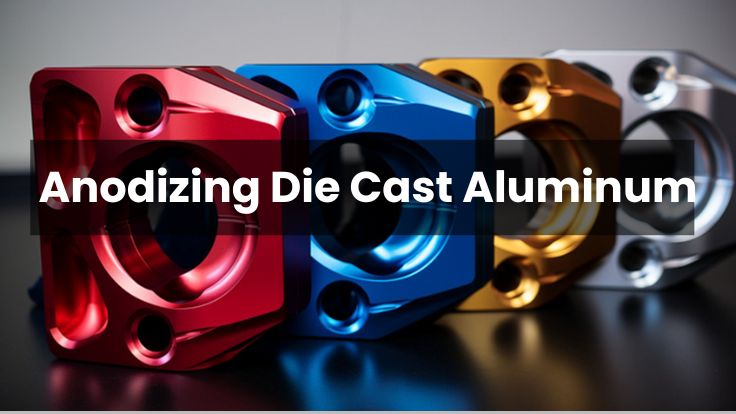
Anodizing die cast aluminum is a key metal finishing process that enhances durability, anti-seizing/corrosion and the looks of aluminum products that are extracted through die casting. With the ever-increasing demands of the industry to produce lighter-weight high-strength components for everything from car parts to electronics housing, its surface properties have become one of the most important things to add to it. Working behind the anodizing process is a controlled oxide layer that forms on the surface of aluminum by a technique of electrochemistry. Although the method has been thoroughly developed with regard to pure aluminum, its use with the alloy that is created in die casting has particular difficulties associated with it due to the inclusion of other elements such as silicon and zinc. This then brings the question to the mind of manufacturers as to whether you can anodise die-cast aluminum without sacrificing quality and appearance. To achieve performance levels under severe conditions, a combination of the techniques will be used by some industries that today are referred to as aluminum alloy die casting, plating anodizing. The technique is a combination of the strength of electroplating and anodizing, therefore, presenting better surface hardness, conductivity, and corrosion resistance. This article presents the science, techniques, and differences in anodizing die cast aluminum in order to give the complete picture to engineers, designers, and manufacturers who want to use a reliable and long-lasting surface finishing technology. What is die cast aluminum? Die casting entails pressing molten metal into a cavity of the mold at high pressure. Aluminum is lightweight and strong, making it an effective material for making durable parts with high dimensional accuracy. Nevertheless, due to a few impurities and porosities found in the process, surface finishing procedures such as anodizing die cast aluminum are made complex. It is also common to add silicon and other additives to die-casting alloys of aluminium in order to improve fluidity and other mechanical properties. However, it complicates the work on surface treatment, because these very additives will disturb the process of anodizing.  The Science of Anodizing Anodizing is an electrochemical treatment to strengthen and thicken the oxide film that occurs naturally on metal and makes it harder. The method will increase service life/durability, resistance to corrosion, and appearance. Anodized finish on aluminum has a porous structure that is perfect to absorb sealed dyes and sealants, thus they provide good decorative and functional applications. The difficulty with anodizing die cast aluminum lies in its composition. High-silicon alloy does not anodize well, and a blotchy finish or diminished corrosion resistance can be a consequence. Therefore, alloy composition is important to get a successful anodized finish. What is an Anodizing Die Cast Aluminum? Anodizing die cast aluminum. The anodizing of die-cast aluminium is the electrochemical treatment of die-cast aluminium parts to produce a permanent, protective, frequently decorative layer of corrosion-resistant oxide on the surface. The technique comes in handy, especially in areas that require protection against corrosion, advancement of surface hardness, and a limited aesthetic effect. In the process known as the anodizing die cast aluminum, the aluminum part is inserted into an electrolytic bath of acid, usually sulfuric acid, and an electric current is generated in it. This leads to the oxidation of surface of the aluminium to produce an oxide film, which is controlled and uniform. The process can be complicated, though, given the particular make-up of die-cast aluminum, commonly containing high silicon and other alloying components. Nonetheless, industries keep on investing in technologies that help to maximize the quality of anodizing die cast aluminum. The final preparation of anodized finishing is performed by methods of surface preparation like polishing, acid etching and smutting to remove the contaminants. The list of items where anodising die cast aluminum is used and utilized is long, including automotive parts, consumer electronics and many more, either to serve some functional purpose, or as an ornament. Its capability to augment the life span of parts, as well as their vulnerability to environmental degradation, makes it a vital surface treatment technique in the contemporary manufacturing industry. Process The anodizing of die cast aluminium process consists of various important steps that must be followed to achieve a good, uniform, and quality finish, even though this is a challenging process due to factors that surround the use of die-cast metals. All steps should be well-regulated in order to address such challenges as porosity of the surface and inconsistency of alloys. 1. Cleaning & Degreasing Paint, grease and oil stick to a surface and need to be removed before anodising through cleaning. This will make the process of having the oxide formed over the surface of the material even throughout the process of the anodising die die-cast aluminium. 2. Etching And De-Smuttering The outer layer is then removed, leaving a clean metallic surface by etching using an alkaline solution. This is followed by a de-smutting process to remove the residues left over by the alloying elements, a common occurrence in anodising die cast aluminium. 3. Anodising ( Electrolytic Oxidation ) The component is immersed in an electrolytic solution, normally sulfuric acid, and attached as an anode. A controlled layer of oxide is generated by the use of an electric current. This step lies at the heart of the process of anodising die cast aluminium, because it defines the thickness, porosity and longevity of the final finish. 4. Colouring (Optional) Where the finish is colored, dyes may be added to the porous anodised surface. This process is normally applied in decorative processes where looks count as much as performance in anodising die cast aluminium. 5. Sealing Lastly, the part is sealed using hot water or nickel acetate; frequently, the sealing is done in hot water or nickel acetate to seal the pores and improve corrosion resistance. This process seals dyes and reinforces the oxide layer, nd the process of anodising die-cast aluminium is complete. All the steps of this process must be controlled accurately, and so must the types of die-cast materials which are

Лучшие металлические петли для ворот, обеспечивающие долговечность, безопасность и стиль

алюминиевое литьё

The metal gate hinges are of various designs, styles and types to cover the varied requirements of the installation of gates. They are normally constructed using such sturdy elements as steel, stainless steel, or wrought iron, which are weather-resistant and durable. The right hinge would make a gate swing easily and safely, so that the gate will not sag and fall. A hinge is one of the most fundamental parts of gates that are usually ignored. The hinge is considered to be an essential thing in the work of any gate, its durability and performance in general. In both a residential garden gate, a heavy-duty commercial barrier and an ornamental entry, it is crucial to select the correct hinges.  The most popular of all the other options comprising the metal gate hinges are solid and durable, as well as versatile. These hinges are used to take the weight and the movement of gates and offer long-term performance. Custom hinges are the best way to get homeowners and the ones wishing to own a particular appearance, or hardness to use. Custom-made hinges can be made to suit specific needs, e.g. to accommodate unusual gate sizes, weights and weather conditions. This is also done in order to make sure that the hinge fits in the aesthetics of the gate. In this article, we are going to take the time to explore the world of what is known as metal gate hinges, what types of them there are and what the advantages are of having your set of hinges customised to fit what you need. What are the Metal Gate Hinges? Essentially, metal gate hinges are mechanisms that enable the movement of a gate on a swinging motion, as well as to fix a gate to a post, a wall, or a frame. The parts used in its making are usually sturdy metals like steel, brass, or even wrought iron, and these kinds are sure to sustain any form of weight or movement of gates in the coming years. The selection of the right type of metal gate hinges should depend on the description of the gate being applied, whether it is some kind of residential garden gate, a heavy-duty commercial gate, or some ornamental driveway gate. Metal gate hinges have various designs, all of which fit different types of gates and the climates of places where they are being installed. Butt hinges, continuous hinges and heavy-duty are the most prevalent types of designs. All these hinges have different functions associated with them that help in the performance of the gate in a way that it can tolerate the bad weather and corrosion over a period of time.  What are Hinges? The concept of the hinge is a mechanical attachment between one objects, and each one can move and pivot around the other. They are widely applied pins to be employed to fix doors, gates, cabinets, lids on movable parts of a structure, and other movable sections on immovable structures, so that there can be easy movement as well as controlled movement. The hinge is made up of two moving parts, with one of these parts fastened to the thing that is moving (such as a door or gate), and the other part fastened to whatever is not moving (such as a door frame or gate post). Upon affixing these components, this enables the object to swing closed and open. The kinds of Metal Gate Hinges are 1. Butt Hinges Hinging. Most gates, perhaps, use butt hinges. Such hinges are constructed in pairs, and they consist of two parts which fit together so that one of them is attached to the gate and another is attached to the post or the wall. They are also designed simply, thus can be installed easily and used on most gates since they will last a long time. In the case of residential and light commercial installations, butt hinges represent the most desirable option that fits into the category of the so-called metal gate hinges. 2. Continuous Hinges Continuous hinges are the perfect ones for bigger gates that demand more power and steadiness. The full length of the gate is hinged, and this offers even support at all parts of the gate to avoid sagging of the gate. In case of heavy gates or oversized gates, continuous hinges are particularly of use in the construction of such a gate. 3. Heavy-Duty Hinges Heavy-duty (metal gate hinges) are necessary in gates which receive a lot of traffic or are required to support a heavy weight. These are normally constructed of reinforced steel and are applied in industrial or commercial buildings, which offers the highest strength and hardness to heavy loads. 4. T-Hinges T hinges are pa rettier form of hinge which can be found in both useful and decorative gates. Because of their characteristically shaped T, they make excellent fits on gates where aesthetics concerns must be as much a focal point as performance. The most usual are the residential and aesthetic metal gate hinges. The Reason to Use Metal Door Hinges on Your Gate As metal door hinges are constructed and made in a similar way, they all have much in common. Although the metal gate hinges are exclusively made to work with gates, they are still similar to their door colleagues in many aspects. A smaller gate or the ones that require being closed and opened with ease, such as doors, can be fitted with what is described as metal door hinges. Although these hinges have the same kind of structure as the ones found in regular doors, they are normally built to carry bigger, heavier gates. Metal door hinges are available in a few types,s one is the concealed type, the pivoting type and the usual butt hinges. In case you want to install a gate that would require ease of use and an attractive image, then you can consider using the metal door hinges, which can give you the best solution. Although they

Техники резки алюминия: От базовых до продвинутых методов

Техники резки алюминия: От базовых до продвинутых методов

алюминиевое литьё

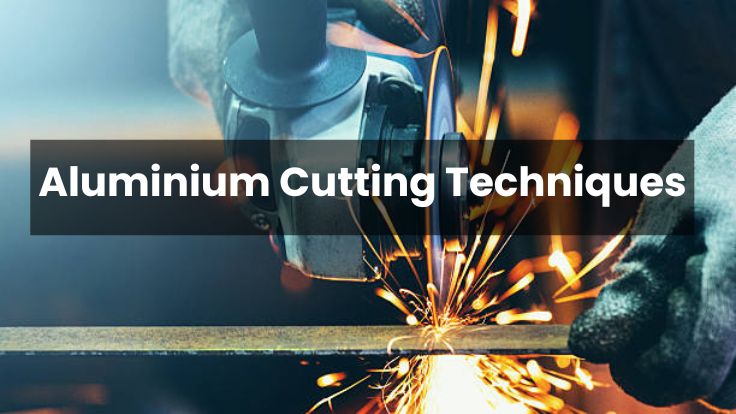
In numerous industries, such as the automotive or aerospace industries, electronics or construction, aluminum cutting is a significant process. The lightweight strength of aluminum and its corrosion resistance have made it a preference to manufacturers as well as to do-it-yourselfers. However, aluminum has to be cut with proper tools and a defensible strategy, so as to attain perfect cuts without destroying the material. Being a hobbyist or a professional fabricator, this knowledge will make your choices better, mistake-free, and the most excellent results in every aluminium cutting project. The hand tools, power saws and more recently, more sophisticated such as the aluminum laser cutting, are some modes of aluminum cutting. Laser-cut aluminum is a new and currently fast-growing alternative to classic techniques (that can complement more basic shapes). In case you intend to incorporate in your next project the so-called aluminium laser cutting, we will also present some design suggestions and cost-conscious recommendations. Here in this article, we will see all about what you need to know about the process of aluminum cutting, starting with the ancient ways of doing it, to the new form of laser process. We will discuss the advantages and disadvantages of each of the techniques, typical issues of the so-called laser cut aluminium, safety precautions to consider and which tools and equipment will be required.  What Is Aluminum Cutting? Cutting of aluminum material is the act of shaping, trimming or cutting aluminum material pieces, or proportioning the material into particular sizes or shapes through different tools and strategies. Since aluminium is light, strong, and corrosion-resistant, it finds its applications across a variety of industries: construction, aerospace, automotive, electronics, home DIY projects, etc. A lot of cutting methods of aluminium exist, depending on the thickness of the material, the shape wanted, or the required accuracy. Possible ways are: Pros and cons can be attributed to both of them, yet about the intention of cutting aluminum, there can never be a difference, and that is to get clean, precise and safe cuts with minimum waste and maximum productivity. Some of the Main Properties of Aluminium We cannot ignore the material before we start discussing the process of cutting it in the name of aluminium cutting. Aluminium is soft in its strength and more robust than numerous metals. It transfers heat fast, and this may be a source of challenge during the use of the cutting tools. Left unchecked, aluminium can clog up tools or give a poor finish. These properties have led to the involvement of various methods that facilitate in the cutting of aluminum in a better and precise manner. The selection of the method is based on the thickness of material, precision needed and the tools available. Conventional Names for Aluminium Cutting Before the invention of advanced machines and laser technologies, aluminium cutting was performed using primitive, manual methods. Although such techniques cannot bring the accuracy of the modern instruments, they are still commonly used in small projects, repairs and where cheapness and simplicity are essential interests. What about the old ways of aluminium cutting that have survived the test of time? 1. Hacksaws A hacksaw is a low mechanism, hand operated equipment manufactured to cut aluminium. It involves finely toothed blade which cuts soft metals. It is suitable in thin sheets, pipes or bars and cutting straight cuts on small aluminum pieces. Advantages   Disadvantages   2. Aviation Shears and Tin Snips   Tin snips, or aviation shears, can be used on thin aluminium. They are available in straight-cut, left-cut and right-cut versions of these scissors-like tools designed to work in sheet metal and, therefore, allow working with curves and angles that are very tight.   Advantages   Disadvantages   3. Handheld Nibblers   A portable nibbler nips off tiny bits of the aluminium as it travels over a line. It is perfect to cut curves, circles, or various patterns on sheet aluminium.   Advantages   Disadvantages   4. Jigsaws   A jigsaw is a power type of tool which can move in the up and down direction. it can cut through aluminum sheet or tubing when supplied with a fine-tooth metal blade. Jigsaws are quite handy in cutting customized shapes or curves.   Advantages   Disadvantages   5. Circular Saws   If a thicker sheet of aluminium is to be cut, a non-ferrous metal blade section can be mounted on a circular saw. These are the tools which are commonly used in construction and fabrication to cut straight lines.   Advantages   Disadvantages   6. Bandsaws   A bandsaw is a type of saw and incorporates a continuous looped blade that makes it suitable when cutting thicker stock and when straight lines or Geometry are needed. A lot of metal shops use bandsaws due to their flexibility and speed. Advantages Disadvantages Best Traditional Cutting Practices Typical Issues of Laser Cutting Aluminium  1. Reflective Surface On older CO 2 machines, lasers are reflected by aluminium, and fewer watts irradiate the material.Solution: Go with fibre lasers and adjust the angle or coat it. 2. Rough or hough Edges The edges are scorched or jagged on occasion.Fix: An alternative would be to use nitrogen rather than oxygen in the fixing phase, also to change the laser speed and power. 3. Heat Warping Aluminium can conduct heat very fast, and therefore, thin layers can get curved or warped during the cutting process.Solution: Employ less power and speedier speeds. Crimp the workpiece. 4. Sticky residue, Dross  Molten aluminium may attach to the bottom edge, resulting in a rough termination.Fix: Run high pressure of gas and maintain a clean as well as straight nozzle. 5. Unfinished or Unsuccessful Cuts The laser, in some cases, does not pierce well, or it leaves parts incomplete.Repair: Wash the metal, upgrade the software and check all worn components. 6. Discolouration and Oxidation Oxidation tends to darken or wear out a cut surface.Fix: clean the edges afterwards (if necessary) with nitrogen gas. 7. Cracks on the Edges Cuts that are very fast or hot may produce minute cracks and make the aluminium weak. New Technologies: Laser Cut Aluminium In laser-cut aluminium, a

Прокрутить вверх

Получить цитату