литье под высоким давлением

Алюминий высокого давления литья под давлением автозапчасти

Алюминиевые автозапчасти высокого давления литья под давлением: Прочные и эффективные

литьё алюминия под давлением, литье под высоким давлением

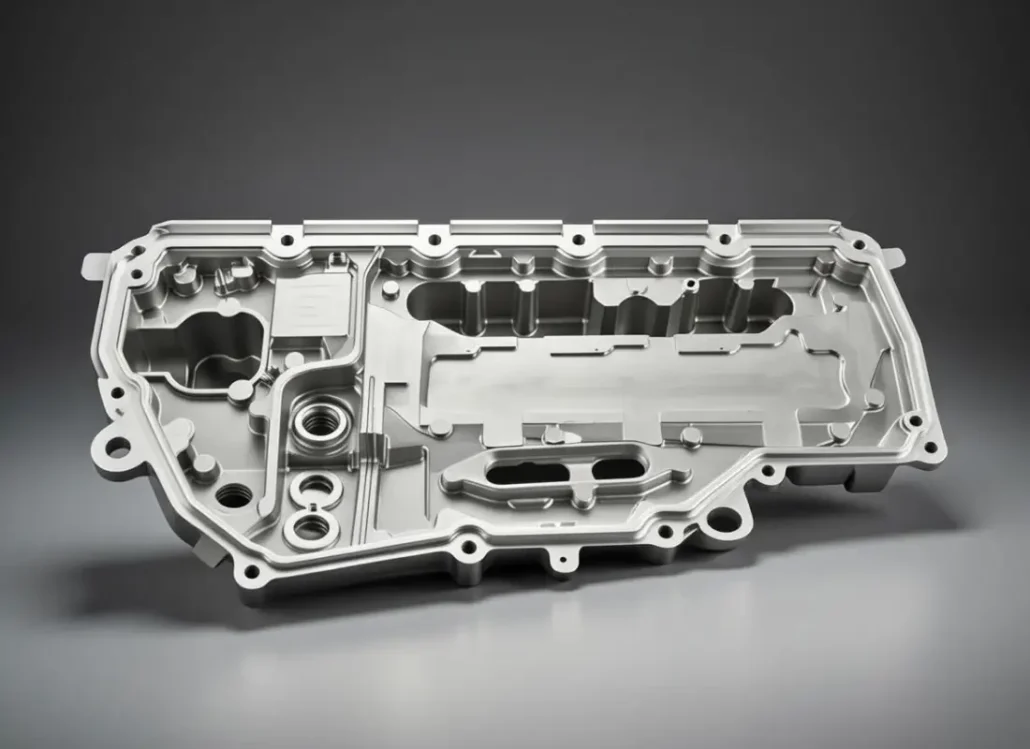
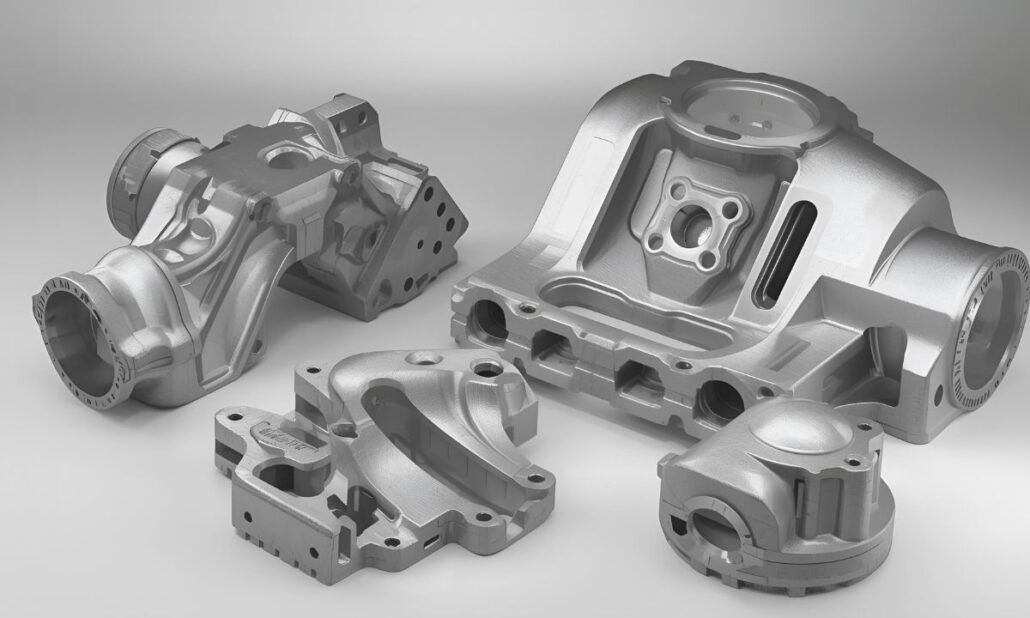
The automotive industry is changing due to the use of aluminum high pressure die-casting auto parts. They provide manufacturers with the power to design lighter, stronger and more efficient cars. With this technology, the car manufacturers can save on weight, become fuel efficient and have green mobility without compromising on the durability of the car. Auto parts die casting is the process whereby molten aluminum is injected into a steel mold at a very high pressure. This produces a strong shape that is smooth and sharp. The method allows faster production, reduced machining and consistent quality. In die casting auto parts, the companies are able to design complex components in a single step, which saves them time and money. Auto parts made in aluminium die casting are now much needed in modern vehicles. This is a frequent method of producing engine blocks, transmission housings, brake parts, and battery casings in electric cars. Lightweight, but tough, corrosion-resistant, and designed to meet tough conditions on the road, these parts are made. Auto parts made with aluminum die casting are increasing in demand rapidly, particularly as we move to electric and hybrid cars. Loss of total weight of cars increases battery life, performance and reduces emissions. This makes aluminum die casting a major component of green production. In brief, the use of aluminum high pressure die-casting auto parts in car manufacturing is no longer a choice. They have played a key role in creating the modern vehicles, which will not only be up to the present performance standards, but also be green. Powerful, effective, and stable, they will also be at the very centre of automotive design in the future. What Is Aluminum High Pressure Die-Casting? Die casting is a process of molding metal. In this, molten aluminum is forced under a very high pressure into a cavity in a steel mold. When cooled, the metal hardens in the same shape as the mold. The outcome is smooth, accurate and long-lasting. That is why die casting became one of the most popular ways of producing modern car parts. In comparison with the traditional technique, high pressure die casting can make complicated parts in one time. This saves time, machining requirements and costs to manufacturers. Why Aluminum for Auto Parts? The reason why aluminum high pressure die-casting auto parts are so popular is that there is no other material that has a combination of qualities as much as aluminum. It is green and rough; therefore, it is light and, therefore, can be used in the automobile industry. Increasing efficiency and environmental requirements have made aluminum the die casting of choice in auto parts. Weight loss is one of the largest benefits. Steel is a lot heavier than aluminum. Carmakers can lighten an overall vehicle by incorporating die casting auto parts produced using aluminum. The lighter a car is, the better its fuel economy, emissions, and performance. This would be important in both a conventional and an electric vehicle. Meanwhile, aluminum does not lose strength. It has a good strength-to-weight ratio, and this is good because even when the part is strained, it does not become soft. This is what renders aluminium die cast auto parts so useful in engines, transmission and chassis parts. The other important advantage is corrosion resistance. Aluminum does not rust and wear out like other metals. This provides increased life to aluminum die casting auto parts and decreased maintenance expenses to vehicle owners. Major Auto Parts are produced using Die Casting Automobile manufacturers cast most of their components using aluminum die casting. These are lightweight yet powerful parts that can be used in conventional as well as electric cars. Engine Blocks Engine blocks have to deal with heat, vibration and pressure. When it comes to auto parts die casting, aluminum blocks weigh less but are firm enough to work in very harsh conditions. This will conserve the overall weight of the engine and fuel consumption. Transmission Housings The transmission housings have to be precise and durable. Die casting auto parts are used in order to achieve the accuracy of smooth-running gears. This guarantees high reliability over time, and minimal machining is required. Brake Components Brakes face constant stress. Manufacturers produce strong components that are not heavy since they use aluminum die casting auto parts. This balance is applied to increase the braking force and to decrease the vehicle’s weight. Chassis Parts The chassis parts are used to provide safety and stability. They are strong but not bulky when made using aluminium die casting auto parts. This increases the management and productivity. EV Electric Housing’s motor and battery The auto parts that shield the motors and batteries are constructed using aluminum high pressure die-casting in electric vehicles. The housings protect delicate systems and still provide a lightweight frame, increasing the distance covered during driving. Collectively, these elements bring out the role of auto parts die casting in helping to design new cars. Aluminum die casting has made engines, EV batteries, and more perform efficiently, last longer, and be durable. Process of Aluminum High Pressure Die Casting 1. Mold Preparation Preparation of the moulds starts. The die of steel is thoroughly washed in order to eliminate all materials that are impurities and heated to the appropriate temperature. A protective coating is applied to the surface that prevents the sticking of the molten aluminum to the surface, and helps in controlling the cooling rate. This is done to ensure enhanced circulation of metals and longer life of moulds and consistency of parts per production cycle. 2. Melting the Aluminum These aluminum alloys are melted in a furnace with specific controlled temperatures. But sufficient temperature is also required, as that prevents oxidation, and the molten metal will flow easily into the mold cavity. Any impurities are removed by refining the agents or filters. This ensures that aluminum die cast auto parts contain no defects and are of good and consistent properties. 3. Under high pressure injection. Then the molten aluminum is forced into
Обычные производственные дефекты при литье под высоким давлением: Причины, профилактика и решения

алюминиевое литьё, литьё под давлением, литье под высоким давлением

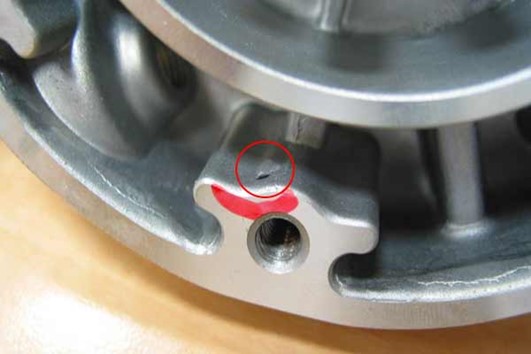
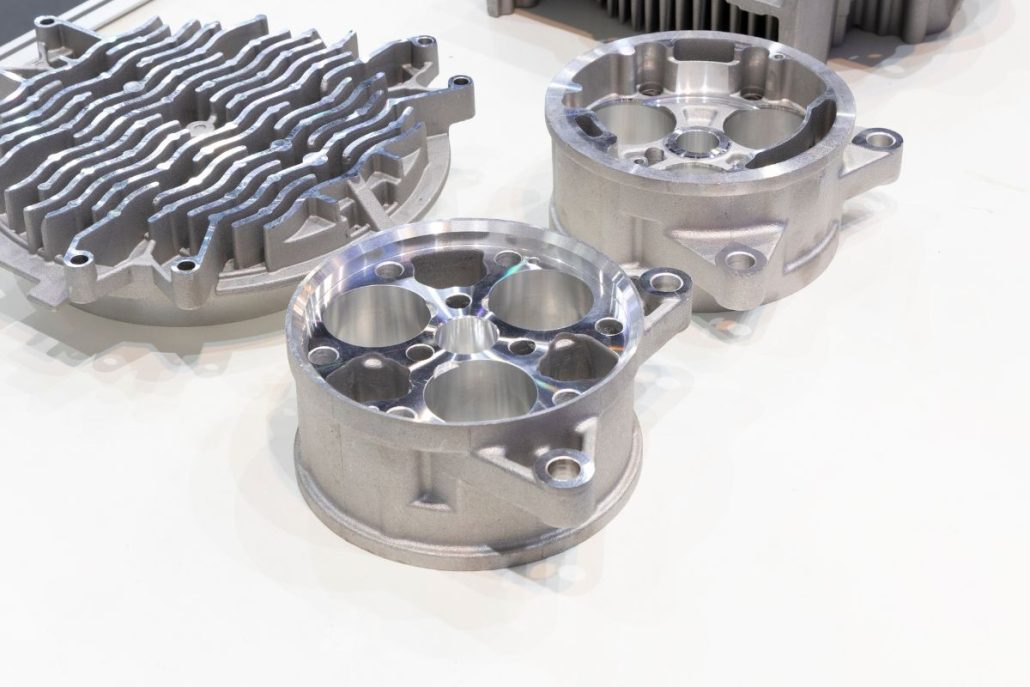
High-pressure die Casting (HPDC) is one of the most frequently utilized metal casting processes in current manufacturing. Manufacturers choose HPDC because it enables the production of complex metal parts that achieve both high precision and rapid production rates superior dimensional accuracy and smooth finishes. HPDC enables automotive and aerospace industries and the production of electronics components and consumer goods to manufacture lightweight durable parts for applications like engines and housings, structural elements, and mechanical assemblies. The manufacturing process of high-pressure die casting faces numerous risks that create substantial defects that decrease product quality while shortening the lifespan and compromising performance. Various defects form from improper mold design, turbulent molten metal flow, trapped gases, inconsistent cooling rates, and thermal stress during the production process. HPDC technology encounters seven primary defects which include porosity, cold shuts, shrinkage defects, flash formation, surface defects, misruns, die erosion, and soldering. These types of manufacturing defects cause deterioration of material strength while producing irregular dimensions and undesirable visual effects which can instigate component breakdown. Manufacturers combat production problems through the optimization of processing parameters and better-undermining methods along with controlled temperature systems and vacuum-assisted casting procedures. Real-time monitoring and simulation software are advanced quality control methods with further efficiency and reliability in the die-casting process. This article provides a comprehensive analysis of standard manufacturing issues during high-pressure die-casting technology with explanations of root causes and solution strategies to decrease these defects. It is only by understanding these challenges and applying best practices that manufacturers can improve the quality, longevity, and, of course, the performance of their die-cast components and simultaneously cut down on waste, and production costs. Proficiency in these manufacturing defects will assist die-casting engineers, production managers, and quality control specialists to optimize their processes for the best die-casting outcomes. 1. Porosity Porosity is defined by small holes or gas inclusions found within the metal matrix, and as a result, affects the mechanical properties, decreasing the strength, including allowing for air and gasses to pass through the structure, and leading to visible surface defects in die-casted products. Causes: Prevention & Solutions: 2. Cold Shut A cold shut is created when two streams of molten metal do not fuse properly and form weak bonding areas or visible seams in the casting. This defect not only decreases the mechanical strength but also increases the risk of a fracture, as well as negatively affects the component’s durability and appearance. Causes: Prevention & Solutions: 3. Shrinkage Defects Shrinkage defects occur due to shrinkage of metal during cooling which leads to internal voids or cavities, which deteriorate the structural integrity of casting. As a result, these defects reduce the mechanical strength of the final product, cause potential failure under stress, and cause poor surface quality, thus affecting both the functionality and aesthetics of the final products. Causes: Prevention & Solutions: 4. Flash Formation Excess thin metal layers formed at the parting line or die gap due to high-pressure metal escape are referred to as flash. Although flash can be trimmed off post-casting, over-flash leads to increased material waste, tool wear, and associated production costs and thus reduces the overall efficiency of the die-casting process. Causes: Prevention & Solutions: 5. Inspection of Surface Defects (Blisters, Crack and Wrinkles) A variety of surface defects, blisters, cracks, and wrinkles, degrade the visual appearance and mechanical strength of the casting and need to be prevented and eliminated. It causes weld defects that reduce the durability of the product, increase the rejection rate, and make the product stick poorly after post-casting treatments such as painting or coating. Causes: Prevention & Solutions: 6. Inclusions and Contamination Unwanted foreign particles, such as slag, oxide films, dirt, or other impurities, which are trapped in a final casting, create poor mechanical properties, weak structural integrity, and surface defects and are called inclusions. The presence of these contaminants can reduce die-cast component performance and durability so that they are not suitable for high-precision applications. Causes: Prevention & Solutions: 7. Misruns and Incomplete Fill A misrun occurs where there is a short filling of the mold cavity, which causes missing sections, thin walls, and weak points in the final component. Negative effects on the structural integrity and functionality of the part and in this way unsuitable for performance applications. Causes: Prevention & Solutions: 8. Die Erosion and Wear Molten erosion dies wear is the loss of the mold surfaces due to the high-speed metal continuously wearing the mold part surfaces until the required dimensions are achieved, which results in poor surface finish and short mold tool life. If this defect occurs, die replacement is common and consequently, production costs increase while casting quality varies. Causes: Prevention & Solutions: 9. Hot Cracking Cracks that occur during the semi-solid state of the metal, is due to high thermal stress and excessive shrinkage are known as hot cracking. These cracks degrade the mechanical integrity of the casting that is increase the chance of failure of the casting at the place where the cracks are present under stress or load. Causes: Prevention & Solutions: 10. Soldering The molten metal adheres to the die surface, which is difficult to remove with casting, causing surface defects, die wear as well as prolonged production downtime. Dimensional inaccuracies and poor surface finish are also caused by this defect, as it results in the overall compromised quality of the final product. Causes: Prevention & Solutions: Conclusion The high-pressure die casting is a powerful manufacturing process that creates complex metal parts at high accuracy at maximum efficiency. However, different kinds of defects arise using improper process parameters, material issues, and/or mold design flaws. Manufacturers can take preventive measures, e.g. optimal process control mold, properly selected material, etc., after understanding these usual manufacturing defects. A company can improve product quality, lower production costs, and achieve higher production efficiency in die-casting operations by emphasizing continuous process improvement as well as defect prevention strategies. Frequently Asked Questions (FAQs) 1. What are the major reasons for defects in high-pressure die casting? The main causes

О службе литья металлов

литьё алюминия под давлением, литейные предприятия, литейные детали, литье под высоким давлением, Литье магния, Магниевое литье под давлением, Литье под давлением с цинком

Metal casting services involve the shaping of free-flowing liquid metals through the use of dies, molds, or patterns.  Castings are generally roughly finished due to the nature of their production.  In many cases, additional finishing is required to remove burrs and other artefacts of the casting process.  Metal castings services are used to design a wide range of components and finished products.  Everything from simple nails and fasteners to engine blocks can be fabricated using metal casting services.  Common metal casting processes include sand casting, die casting, permanent mold casting, investment casting, centrifugal casting, and lost foam casting. Sand Casting Sand casting is used to make large parts (typically iron, but also bronze, brass, aluminum). Molten metal is poured into a mold cavity formed out of sand (natural or synthetic). Sand castings generally have a rough surface, sometimes with surface impurities and surface variations. Die-casting includes a number of processes in which reusable dies or molds are used to produce casting.  The die contains an impression of the finished product together with it’s running, feeding and venting systems.  The die is capable of a regular cycle and of (quickly) dissipating the heat of the metal poured into it.  Once the liquid metal has cooled sufficiently, the mold is opened and the casting can be removed and finished. Permanent Mold Casting In permanent mold casting, molten metal is poured into cast iron molds, coated with a ceramic mold wash. Cores can be a metal, sand, sand shell, or other materials. When completed, the molds are opened and the castings are ejected.   Investment casting services involve molding patterns by the injection of a special wax into a metal die.  The patterns are assembled into a cluster around a wax runner system. The ‘tree’ of patterns is then coated with 8-10 layers of refractory material. The assembly is heated to remove the wax.  The hot mold is cast, and when cool, the mold material is removed by impact, vibration, grit blasting, high-pressure water blasting or chemical dissolution leaving the castings, which are then removed from the runner system. Centrifugal casting Centrifugal casting services are used to produce castings that are cylindrical in shape.  In centrifugal casting, a permanent mold is rotated about its axis at high speeds as the molten metal is poured. The molten metal is centrifugally thrown towards the inside mold wall, where it solidifies. The casting is usually a fine grain casting with a very fine-grained outer diameter, which is resistant to atmospheric corrosion, a typical need with pipes. The inside diameter has more impurities and inclusions, which can be machined away. Lost foam casting Lost foam casting (LFC) is metal casting services that use foam filled patterns to produce castings.  Foam is injected into a pattern, filling all areas, leaving no cavities.  When molten metal is injected into the pattern, the foam is burned off allowing the casting to take shape. Die casting Die casting and metal casting includes a number of processes in which reusable dies or molds are used to produce casting. The die is capable of a regular cycle and of (quickly) dissipating the heat of the metal poured into it. Once the liquid metal has cooled sufficiently, the mold or is opened and the casting can be removed and finished.   In the die casting process, molten metal is injected under pressure into a reusable mold or die. The die contains an impression of the casting together with it’s running, feeding and venting systems. The die is capable of a regular cycle and of (quickly) dissipating the heat of the metal poured into them. Once the liquid metal has cooled sufficiently, the mold or is opened and the metal casting can be removed and finished. high pressure die casting The high pressure die casting process is the most widely used, representing about 50% of all light alloy casting production. Low pressure die casting currently accounts for about 20% of production and its use is increasing. Gravity die casting accounts for the rest, with the exception of a small but growing contribution from the recently introduced vacuum die casting and squeeze casting process. the design of low pressure and gravity die casting dies for improved die filling, optimized solidification pattern and maximum yield. Gravity die-casting is suitable for mass production and for fully mechanized casting. Low-pressure die casting is especially suited to the production of components that are symmetric about an axis of rotation. Light automotive wheels are normally manufactured by this technique. Die casting metals can vary widely, and different die casting companies may have the ability to work with anyone or number of them. Some of the most common metal casting types include aluminum die casting, brass die casting, lead die casting (the most popular for model die casting), magnesium die casting, and zinc die casting. Hope all of that information is enough for your reference, but if you want to know more information, you are welcome to contact us by phone or email.

литье и обработка алюминия

Литье под высоким давлением

литье алюминия под давлением, литейные предприятия, литье под высоким давлением, литьё под давлением

Metal casting is highly crucial in modern manufacturing. It is technically shaping the whole world. As you know, you can create a wide range of metal parts from this method. High Pressure Die Casting is one of the most popular metal casting methods here. A typical metal casting method pours molten metal into a mold to create complex and precise shapes. Every industry needs these casting parts for many applications. They may need them for structural support or in their main products. One popular way to shape metal is through die-casting, and high pressure die casting is one of the most common die-casting methods. This method is what this article is mostly about. You will learn about how they are made, their benefits, and how they can be used. You will also find out how HPDC and LPDC are different. Overview of High Pressure Die Casting (HPDC) HPDC stands for High-Pressure Die Casting. As the name suggests, this metal casting method needs high pressure. HPDC casting is suitable for making many metal parts with high tolerances. In HPDC die casting, molten metal is injected into a steel mold or die at high speeds and pressure. As a result, you can create hundreds of casting parts in less time. The pressure needed here is to ensure that the molten metal fills the detailed feature of the die. Because of this, high-pressure die casting is suitable for high-volume production. An high pressure die casting machine is made up of several primary components. All of them are very important to the system. You might also find other parts, though. However, these four parts are the most important things in high pressure die casting process. They usually decide how good the casting parts are in the end. Die Cast Molds Die-cast molds, or dies, are high pressure die casting machine parts that generally determine the final shape. They have two main halves: stationery and movable. They are usually made from high-strength steel. Making these HPDC die-cast molds is called high pressure die casting tooling. Note that HPDC tooling is crucial for the best quality of metal casting. Ejector Pins Ejector Pins are another important components in high pressure die casting mold. They facilitate the removal of the solidified cast from the die. You can find these pins within the movable die half. Once your metal casting is cooled and solidified, you can actuate these pins to remove it. It mainly plays a crucial role in the production cycle. Cold chamber die casting machine Cold chamber die casting machine is a most important machinie which has injection system, press system, ejection systems and so on. all of die casting process will be done by this cold chamber die casting machine. Heating Components Heating components may include furnaces and heating elements. They typically do not melt the metal but keep the temperature constant. The main goal of this high pressure die casting machine part is to ensure the metal is in liquid form. Note that consistent heating is crucial for the quality and consistency of the final castings. How DoesHigh Pressure Die Casting Work? Generally, high pressure die casting works in five steps. Each step is crucial for the final quality of the castings. Therefore, when starting a die-casting process, always inspect the device. Check for any defects or loose screws. Always tune your device to its optimal settings. Check whether the cooling system is properly working or not. Once you have checked your device correctly, you can proceed to the primary high pressure die casting process. Always wear safety gear, such as gloves, clothes, and glasses. Step #1 Preparing the Die Cast Mold You can prepare the high pressure die casting mold in two main steps. First, if it has already been made, check it for defects and contamination before using it. Second, designing the mold is necessary for customized products. Designing a die-cast mold has several stages. First, you can draw your design using 3D software like SolidWorks, AutoCAD, and more. Ensure you have properly organized the gate runner and mold base when designing it. The cooling system is also a crucial part of this design process. Finally, check the venting & ejection system. Once you are done with the design, proceed with the draft analysis. You can check its functionality on various simulation software. After testing and quality inspection, you can use the die casting tooling for your final production. Step #2 Molten Metal Injection In this HPDC casting process, the machine injects molten metal into the die cavity. Unlike other methods, high-pressure casting uses high pressure and speed for this job, which is why it is called high-pressure die casting. First, tightly connect the two halves of the die-casting mold. Then, with a button push, the HPDC machine forces the molten metal into the chamber. This pressure technically ensures that the molten metal fills the entire cavity. Once the injection is done, the molten metal is allowed to cool and solidify. Two primary injection methods are used in the HPDC die-casting system. You can choose the correct method for the job based on your project needs. Hot Chamber Injection When your injection mechanism is immersed in the molten metal reservoir, it is called hot chamber injection. When the plunger moves, it draws the molten metal into the chamber and injects it into the die cavity. This type of injection is suitable for metals with low melting points. You may often find this hot chamber die casting machine is used zinc and magnesium alloys. Cold Chamber Injection Cold chamber injection, on the other hand, uses a separate melting furnace. You can pour the molten metal using a manual or automated system. In manufacturing, the automatic system is generally operated by a hydraulic plunger. It forces the molten metal to insert into the mold cavity. Cold chamber injection is a common technique for aluminum HPDC casting. Step #3 Cooling & Solidification After injection, the molten metal quickly cools within the die cavity. Some

Литье алюминия под давлением

Алюминиевое литье под давлением

алюминиевое литьё, алюминиевые литейные формы, литьё алюминия под давлением, литьё под давлением, литье алюминия под давлением, литейные предприятия, литейная форма, литейные детали, литье под высоким давлением, Магниевое литье под давлением, литьё под давлением

Что такое литье алюминия под давлением Литье алюминия под давлением - это литье жидкого штампа методом ковки. Процесс литья под давлением является своего рода специальная машина высокого давления литья под давлением для выполнения процесса. Его основной технологический процесс: первый металл или алюминиевый сплав жидкости в низкой или высокоскоростной заливки литья в полость формы, умирают с подвижным типом поверхности полости. Он с жидким алюминиевым сплавом охлаждения процесса давления ковки заготовки, как устранение дефектов усадки, а также сделать грубый внутренний Алюминиевая организация литья под давлением для ковки сломанной кристалла. Грубые комплексные механические свойства значительно улучшаются. Преимущества литья алюминия под давлением Металлы и меры предосторожности, связанные с литьем алюминия под давлением. Различные типы алюминиевых сплавов могут быть использованы в литье под давлением и алюминиевых форм, типы методов используются для алюминиевых форм литья, цинка литья под давлением, алюминия литья под давлением и многое другое Тип процесса литья Литье является процесс изготовления алюминия подходит для производства различных типов продуктов. Это простой и недорогой способ получения широкого ассортимента алюминиевых изделий. В качестве примера можно привести монумент Вашингтона, автомобильные двигатели, трансмиссии и т.д., которые были изготовлены с помощью процесса литья алюминиевых сплавов. Алюминиевое литье может быть выполнено тремя способами:- Литье алюминия под давлением Литье в пресс-формы Литье в песок Литье под давлением - это производственный процесс для изготовления металлических деталей. При литье под давлением полости формы создаются с помощью закаленной инструментальной стали, которая была предварительно обработана до определенной формы. При литье под давлением алюминий сначала расплавляется, а затем под высоким давлением заливается в стальную форму. Эта технология производства обычно используется для крупносерийного производства, процесс обычно называется литьем под высоким давлением или литьем под давлением Процесс литья по выплавляемым моделям ЛИТЬЕ ПО ЛИТЕЙНЫМ МЕТОДАМ Литье по выплавляемым моделям, формы и стержни могут быть либо из стали, либо из любого другого металла. Здесь также сначала расплавляется алюминий и заливается в форму. Иногда также применяется вакуум. В некоторых ситуациях литье в постоянные формы кажется более прочным, чем методы литья под давлением и литья в песчаные формы. Полупостоянная технология литья в форму используется, когда постоянные стержни невозможно удалить из готовой детали. ЛИТЬЕ В ПЕСЧАНЫЕ ФОРМЫ: Литье в песчаные формы - наиболее универсальный метод производства алюминиевых изделий. Обычно расплавленный алюминий заливается в форму, которая практически вдавливается в мелкозернистую песчаную смесь. Размер формы будет немного больше, чем требуется для усадки алюминия во время застывания и охлаждения. Литье в песчаные формы - это, как правило, более медленный процесс, чем литье под давлением и литье в формы. Обычно оно используется для изготовления небольших партий изделий. Сплавы для литья алюминия Наиболее важной системой сплавов для литья алюминия является Al-Si. Здесь высокое содержание кремния способствует хорошим литейным характеристикам. Алюминиевые литейные сплавы широко используются в инженерных конструкциях и компонентах, где требуется легкость или коррозионная стойкость. Методы и преимущества литья алюминия под давлением Металлы и меры предосторожности, связанные с литьем алюминия под давлением Различные типы алюминия могут быть использованы для литья под давлением, производитель алюминиевого литья и алюминиевого литья используется для того, чтобы покрыть различные типы металлов с помощью различных типов методов. Есть много методов, используемых для литья алюминия и различные типы выгоды получены. С помощью алюминиевого литья и алюминиевого литья под давлением можно увеличить срок службы металлов и они могут быть использованы в течение длительного периода времени с удивительным видом и очарованием металла. Методы Для литья алюминия под давлением используются различные методы. Главное - расплавить алюминий. Для плавления алюминия необходима высокая температура. Для плавления алюминия используются специальные конструкции. Когда алюминиевое литье расплавлено, его выливают на целевые металлы. Затем расплавленному алюминиевому литью дают застыть, и через некоторое время оно готово к использованию. Существуют специальные емкости, которые используются для плавки алюминия. Эти конструкции доступны на рынке в различных формах и размерах. Вы также можете изготовить эти конструкции в домашних условиях, используя необходимые ингредиенты. У вас есть множество вариантов изготовления этих конструкций. Если вы собираетесь купить эту конструкцию на рынке, то вам нужно сделать выбор размера и формы. Существует множество вариантов размеров и форм, и производители устанавливают различные цены. Работа этих конструкций также отличается: некоторые используют топливо, а некоторые - ручные усилия для получения тепла, чтобы алюминиевое литье могло эффективно нагреваться и плавиться. В этих структурах достигается высокая температура, после чего алюминиевое литье расплавляется и затем используется на целевых металлах для процесса литья. Преимущества литья алюминия под давлением Существует множество видов преимуществ литья алюминия под давлением. В основном этот тип литья выполняется для того, чтобы убедиться, что металл может оставаться в безопасности от коррозии. Атмосферные условия и влага вредны для железа, а литье может помочь защитить железо и увеличить срок его службы. Алюминиевое литье способно противостоять влаге и другим вредным воздействиям окружающей среды, благодаря чему оно может быть использовано на металлах посредством литья. Защитный экран делается на чугуне, чтобы убедиться, что он может быть использован в течение длительного периода времени. алюминиевые компании литья под давлением могут быть отлиты на чугуне и сделать защитный лист. Эта защита имеет вид блестящего слоя, который получается при использовании высоких температур. Этот слой является постоянным и хорошо выглядит, а также увеличивает прочность и срок службы металла. Чаще всего чугун отливают с помощью алюминия. Это дешевый процесс, и пользователь может получить преимущества, так как срок службы железа увеличивается. Заключение Алюминиевая литейная форма может быть использована для литья железа и других металлов. Существует множество методов, доступных для этого процесса. Используя любой надежный метод, пользователь может получить преимущества, поскольку металл сохраняется от коррозии и других воздействий.

Прокрутить вверх

Получить цитату