Обработка на станках с ЧПУ

Обработка титана

Металлообработка деталей

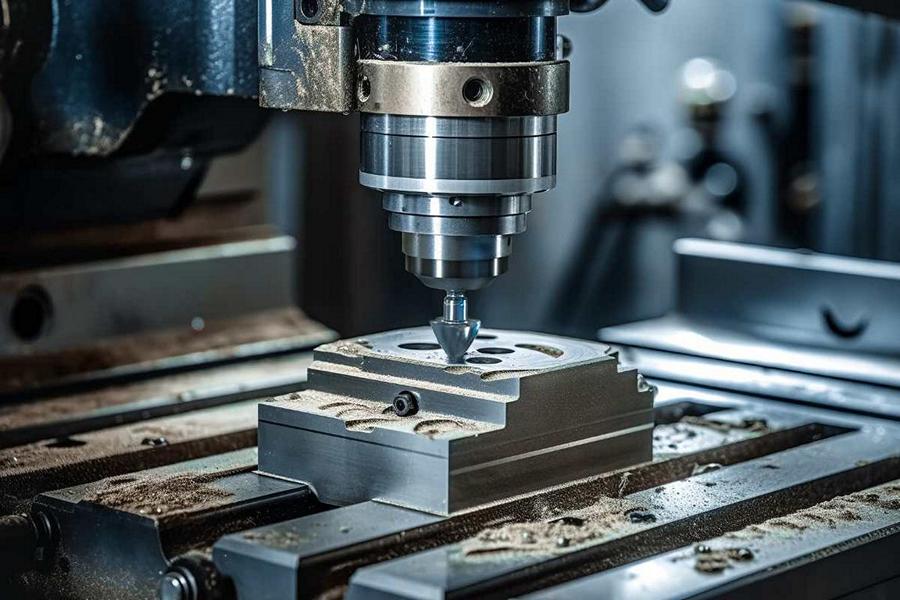
Titanium was once a material that was used by only a few select shops and was rarely touched by the average machinist, but now it is used much more frequently and has been used by many machinists over the course of their careers. The machining of titanium is not similar to that of standard materials such as aluminum and steel in the industry. However, because of their enormous profits, more shops are beginning to express an interest in these jobs. In this article, we will cover successful practices for cnc machining titanium, how to select the appropriate cutting tools, and things that need to be considered by machinists. wanto know more about other machining process, please go to Manufacturer of Turned Components page. Machining Titanium: Key Considerations CNC Machining with titanium is a complex process because of its strength, making it appropriate for most demanding applications while simultaneously being difficult to machine. It is vital to comprehend the details of the machining process to get the best outcome and extend the tool’s lifespan. Selection of Cutting Tools Machining titanium requires considering cutting tools. Since titanium is resistant to heat and hard, it is crucial to choose tools that can withstand these properties. Coated high-speed steel tools with tungsten, carbon, and vanadium are suitable because of their hardness retention at temperatures up to 600°C. These tools allow for better cutting and reduce the chances of chipped edges, improving the machining processes. Importance of Tool Coatings The coating of cutting tools is significant, and applying the correct type of coating will improve the cutting tools’ performance during titanium machining. Coatings such as titanium aluminum nitride (TiAlN) reduce heat generation by creating a layer of aluminum oxide on the tool’s surface. This layer minimizes heat conduction and chemical interaction between the tool and workpiece, increasing tool life and chip removal. Ensuring Stability in Machining Stability during titanium machining is vital to reduce vibration and increase the accuracy of the cutting. Due to the flexibility of titanium and high forces, chattering is likely to occur, which is detrimental to the quality of the machined surface. Work with more giant core-diameter end mills to improve stability and ensure the shortest distance between the spindle nose and the tooltip. Using constant machining feeds and speeds also reduces heat and strain hardening on the tool, thus maintaining the tool’s functionality and durability. Advantages of Climb Milling Climb milling has several benefits when used in custom titanium machining. In climb milling, the chip thickness starts from a wider one and gradually reduces, while in down milling, the opposite is true. This helps enhance the heat transfer to the chips rather than the workpiece, thus minimizing thermal stress and tool wear. Climb milling enhances shear and proper chip clearing behind the cutter, improving machining and surface finish efficiency. Knowledge of these strategies is crucial to the successful machining of titanium. Thus, selecting proper tools, appropriate coatings, stability, and adequate milling strategy will enable the machinists to obtain the desired dimensions and efficiency of the titanium components under the industrial requirements. Common Grades Used For CNC Machining Let’s discuss some common grades typically used in cnc titanium machining. Grade 1: Commercially pure titanium containing not more than 0.3% of Oxygen. Some of the most common types include grade 1 titanium with high ductility and low oxygen content. It has good machinability, high impact toughness, and high corrosion resistance and is applied in the medical, automobile, and aerospace industries. However, Grade 1 titanium has some drawbacks; it has lower strength than the other grades of titanium and thus cannot be used in areas where stress is applied. Grade 2 (Commercially Pure Titanium containing a standard amount of Oxygen) The second grade of titanium is also known as the workhorse titanium because of its average oxygen content, high corrosion resistance, formability, weldability, and ductility. It is widely used in the medical and aerospace industries, especially in aircraft engine parts, due to its mechanical characteristics that enable it to withstand the applied conditions. Grade 3(Pure titanium with a moderate quantity of oxygen) Grade 3 titanium is considered to have moderate mechanical properties such as corrosion, workability, and strength. It is not as commonly used in commercial applications as Grade 1 and 2. Still, it is used in medical, marine, and aerospace industries where consistent performance of parts and assemblies is required. Grade 4 (Pure Titanium with high oxygen content) Grade 4 titanium is one of the most powerful and chemically stable materials for cnc titanium machining. it is appreciated for its ability to work in harsh environments. Nonetheless, it has a high oxygen content, which makes it rather difficult to machine. It uses a lot of coolant and has high feed rates during machining. This grade is used in cryogenic vessels, chemical processing equipment, and airframe parts where high strength and toughness are essential. Grade 5 (Ti6Al4V) Ti6Al4V is an alpha-beta titanium alloy with 6% Al and 4% V; this material has good mechanical properties, including high strength, reasonable formability, and good corrosion resistance. It is used in power plants, offshore platforms, ships and ship parts, high-strength aerospace products, and so on.  The grade 5 titanium is applied in all the areas where high performance is needed in various conditions of the environment. Grade 6 (Ti 5Al-2.5Sn) Grade 6 titanium alloy has good stability and high strength and can quickly be joined, especially at high operating temperatures. This makes it ideal for use in airframes, jet engines, and other aerospace parts and components where the strength of the material is of utmost consideration. Due to its ability to handle high temperatures and stress conditions, it is suitable for rigorous conditions. Grade 7 (Ti-0.15Pd) When comparing Grade 2 with Grade 7, the latter contains palladium to improve the corrosion properties, particularly in chemical applications. It has good forming and welding characteristics, and because of its resistance to corrosive agents, it is extensively used in chemical processing equipment where strength and durability are essential.
производитель токарных изделий

Что такое полировка алюминия

алюминиевое литьё, Отделка поверхности

Полировка алюминия - это процесс, благодаря которому алюминий выглядит блестящим и новым. Существует два основных способа полировки алюминия: механическая и химическая. Оба способа могут выполняться вручную или с помощью машин. Полировка алюминия часто используется на автомобильных и аэрокосмических заводах. Из этого руководства вы узнаете, как превратить тусклый алюминий в зеркальный. Мы расскажем о подготовке поверхности, инструментах и методах. Приготовьтесь к тому, что ваш алюминий будет сиять. Важность подготовки поверхности Подготовка поверхности изделий приводит к безупречной полировке алюминия. Пропускать этот шаг нежелательно. Ведь это может привести к неровной, тусклой или несовместимой отделке. Узнайте о ключевых факторах, почему они важны и как сделать это правильно. Почему подготовка поверхности важна Обеспечивает гладкую поверхность Предотвращает повреждения Повышает эффективность Обеспечивает гладкую поверхность Правильная подготовка удаляет загрязнения и дефекты. Этот шаг помогает добиться зеркального блеска. Предотвращает повреждения Правильная подготовка поверхности предотвращает дальнейшие повреждения во время полировки. Она позволяет избежать царапин и сохраняет целостность алюминия. Повышает эффективность Чистая, хорошо подготовленная поверхность позволяет полировальным составам для алюминия работать эффективно. Это обеспечивает равномерное нанесение и лучшие результаты. Влияние плохой подготовки Неровная поверхность Повышенные усилия Снижение долговечности Неровная поверхность Пыль, грязь или старое покрытие могут создать пятнистый вид. Неровная поверхность приводит к тусклому блеску. Повышенные усилия Недостаточная подготовка заставляет вас прилагать больше усилий на этапе полировки. Это может привести к неравномерной отделке. Снижение долговечности Полировка может продержаться недолго при правильной очистке и шлифовке. Подготовка может предотвратить ускоренное разрушение покрытия. Подготовка перед полировкой алюминия Подготовка перед полировкой имеет решающее значение для достижения наилучших результатов. Выполните следующие шаги, чтобы подготовить алюминиевую поверхность. Необходимые инструменты и материалы Чистящие средства Шлифовальные губки Чистящие тряпки Полироль для металла Микрофибровые салфетки Ведра и чистая вода Чистящие средства Используйте обезжиривающие чистящие средства для удаления жира и грязи. Это позволит избежать влияния загрязнений на процесс полировки. Шлифовальная бумага Шлифуйте поверхности деталей с помощью наждачной бумаги различной зернистости. Они помогут эффективно удалить царапины и старые покрытия. Шлифовальные блоки Шлифовальные блоки или колодки помогают добиться равномерного давления при шлифовании. Они обеспечивают равномерную поверхность, повторяя форму алюминия. Шлифовальные пады Используйте неметаллические пады для удаления окисления и коррозии. Они эффективны для подготовки больших плоских участков. Тряпки для очистки Используйте безворсовые тряпки, чтобы протереть поверхность и удалить остатки после очистки и шлифовки. Полировка металла Полировка металла также технически является частью этапа полировки. Она используется для проверки состояния поверхности во время подготовки. Салфетки из микрофибры Микрофибра не поцарапает алюминиевую поверхность. Мягкие и практичные, они лучше всего подходят для чистки и сушки. Ведра и чистая вода Наполните ведро чистой водой для ополаскивания. Используйте свежую воду, чтобы избежать повторного попадания грязи на поверхность. Проверка поверхности Проверка на наличие дефектов Выявление проблемных зон Проверка поверхности Проверка на наличие дефектов Проверьте поверхность на наличие вмятин, царапин или участков окисления. Используйте яркий свет, чтобы увидеть мелкие дефекты. Выявление проблемных зон Отметьте все недостатки, требующие внимания. Запланируйте более тщательную шлифовку или очистку этих участков. Проверьте поверхность Проведите рукой по алюминию. Проверьте, нет ли на поверхности шероховатостей или рельефных участков, требующих дополнительной обработки. Типы полиролей для алюминия Выбор подходящей полироли для алюминия очень важен для получения правильной отделки. Ниже приведен обзор различных типов полиролей. Кремовые полироли Кремовые полироли густые и легко наносятся. Они придают глубокий блеск и идеально подходят для небольших участков. Используйте их для удаления мелких царапин и окисления. Жидкие полироли Жидкие полироли универсальны и быстро наносятся. Они хорошо покрывают большие поверхности и быстро сохнут. Выбирайте жидкие полироли для регулярного ухода и придания блеска. Пастообразные полироли Пастообразные полироли плотные и долговечные. Они обеспечивают превосходный блеск и защиту. Применяйте их для интенсивной полировки потускневших изделий. Полироли-спреи Полироли-спреи удобны и быстры. Они легко проникают в труднодоступные места и оставляют гладкий, ровный слой. Спреи можно использовать для мелких корректировок и полировки труднодоступных мест. Полировочные воски Полировочные воски сочетают в себе полировку и защиту. Они обеспечивают стойкий блеск и защитный слой. Нанесите их, чтобы получить долговечное покрытие, устойчивое к загрязнениям и влаге. Наборы для полировки металла Наборы для полировки металла включают все необходимое для полноценного процесса полировки. Они предлагают сочетание инструментов и полиролей для различных нужд. Используйте наборы для комплексного ухода и достижения профессионального уровня отделки. Выбор подходящего полироля Выбор подходящего полироля зависит от конкретной задачи. Вот сравнение, которое поможет вам сделать выбор: Типы полиролей Лучший способ применения Плюсы и минусы Кремовые полироли Сильное окисление и глубокая очистка Для нанесения используйте ткань или подушечку пальца. Долговечный блеск, глубокая очистка Требуется больше усилий для удаления полироли Жидкие полироли Регулярный уход Нанесите ее мягкой тканью. Легко наносится, быстро дает результат Может потребовать частого нанесения. Пастообразные полироли Стойкие пятна и окисления Наносите с помощью пасты или щетки. Сильная чистящая способность Может быть абразивной и более сложной в работе. Спрей Полировка больших поверхностей, быстрая обработка Нанесите непосредственно на поверхность и протрите. Быстрое нанесение, равномерное покрытие Обеспечивает более светлое покрытие. Полировочные воски Защита и блеск Наносятся тканью или падом. Полирует и защищает за один прием Не удаляет сильное окисление. Наборы для полировки металла Комплексная полировка Следуйте инструкциям набора. Универсальное решение "все в одном" Стоит дороже и требует нескольких этапов. Коммерческие и самодельные полироли Фактор Коммерческие полироли Самодельные полироли Ингредиенты Специально разработанные для достижения конкретных результатов Изготовлены из бытовых предметов, таких как пищевая сода, уксус или лимонный сок Простота использования Готовые к использованию, устойчивые результаты Требуется подготовка, и результаты могут варьироваться. Стоимость Это может быть дорого, но часто очень эффективно. Обычно дешевле и экономичнее для небольших задач Характеристики Предназначен для максимального блеска и защиты Хорошо подходит для легкой очистки, но хватает его ненадолго. Доступность Широко доступны в магазинах и онлайн. Требуется изготовление или смешивание в домашних условиях. Влияние на окружающую среду Некоторые могут содержать агрессивные химические вещества. Обычно изготавливаются из экологически чистых, натуральных компонентов Универсальность Существует широкий выбор продуктов для

производитель точеных компонентов для медицинского сектора

Производитель точеных компонентов

Обработка на станках с ЧПУ

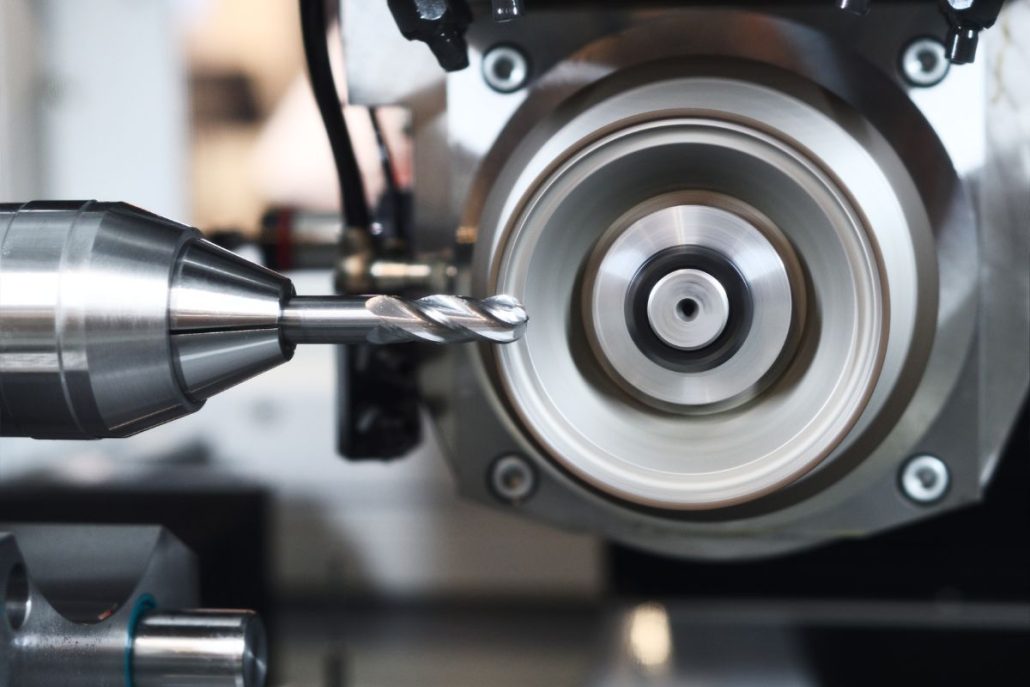
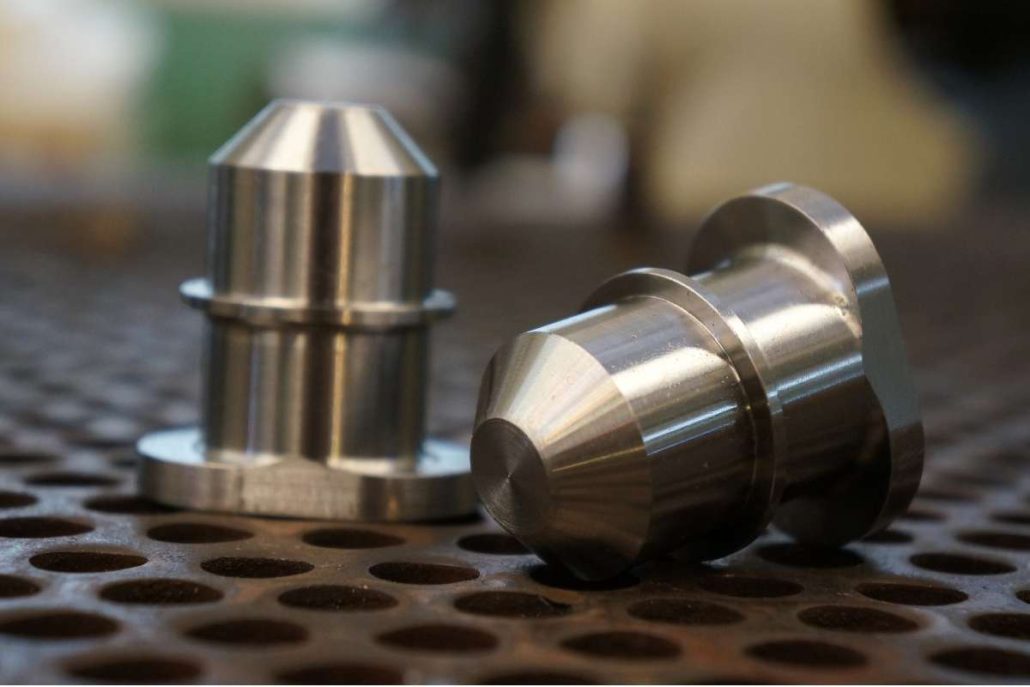
Turning parts are products made through CNC turning, a process in which lathes or turning-milling centers shape workpieces using turning tools. These chisels revolve at a speed higher than 1,000 rpm and shave the workpiece to remove the unwanted material. The speed of turning and the feed rate depends on the material to be machined, the type of cutting tool, and the diameter of the workpiece. It is vital in forming rotationally symmetrical parts with high accuracy and productivity. In this article, you will find information about CNC manufacturer of turned components. in the medical, aerospace, connectors, and defense industries and the peculiarities of their production. Specialist in the Supply of Turned Parts for Medical Applications CNM focuses on cnc machining tight tolerance medical components for surgical tools, apparatuses, and equipment use. CNM has over thirty years of experience in manufacturing and can ensure that the tolerance of each part is precise and very, very tight. Our specialties include Ventricle Assist Devices (VADs), Lasik eye surgery equipment, CT & MRI scanner equipment, and surgical equipment, including Trocar/Cannula systems and biopsy cutters. Our core competencies include 5-axis milling and electrical discharge machining (EDM) services, and thus we are the preferred partner for cardiovascular devices, orthopedic implants, and dental equipment. Our metals and alloys are Titanium, Stainless Steel, Invar, Kovar, and Inconel; thus, all our parts, such as medical screws, implant prototypes, and custom molds, are precise. Our clean, temperature- and dust-controlled environment ensures we can achieve the closest tolerances required for medical use. The precision machining services offered by the company also include manufacturing surgical scissors, cannulas, biopsy tubes, and saw guides for bone surgery that require compliance with medical standards. Whether the application is micromachining or manufacturing of surgical instruments, CNM offers reliable and quality medical machining services for your needs worldwide. CNC Turning Aerospace Parts Manufacturer CNM specializes in manufacturing CNC-turned parts for aerospace, automobile, electronics, mechanical, medical, and dental instruments, military and defense, hunting, and fishing. We deal with materials like brass, stainless steel, plastic, aluminum alloy, steel, and titanium and manufacture items like pipe joints, connector joints, servo motor shafts, and anodized aluminum tubes. In aerospace cnc machining, CNM can manufacture parts used in different kinds of aircraft; military, commercial, and glider. We pay great attention to such issues as durability, compliance with the declared characteristics, and batch marking to obtain the high rates of performance and protection that are typical for aviation. Backed by advanced technology and a stringent machining system, CNM maintains precision with tight tolerances and offers comprehensive services under ISO9001:Certification in 2015. This involves the type of material to be used, the quality of the material, the labeling of all the materials used in the production, and the delivery time as per the client’s request. CNM has a good record and credible partners across the globe; America, Europe, the Middle East, Southeast Asia, Japan, and many more. The company takes pride in quality and reliability in all its activities to satisfy customers and achieve high performance in aerospace parts. Manufacturer of Turned Components For the Connector Industry CNM is a precision-turned components manufacturer particularly suited to the connector industry. Being a quality-conscious company focusing on cost and time, we use our vast experience in the industry and sophisticated machining technology to produce parts to your requirements. We have CNC sliding headstock machines for the connector dimensions from Ø5 mm up to Ø36 mm, and for some particular types of connectors, we have fixed headstock machines. However, for the dimensions up to Ø80 mm are also possible. Machining complex geometries is one of our strengths, as we use machines with up to 10 numerical axes, including B axes. CNM has the flexibility of batch sizes ranging from 500 to 20,000 and above, thus making it possible to meet the needs of small and large-scale projects. Our materials include aluminum, copper alloys, copper, brass, and ceiling, therefore affording flexibility and satisfying the requirements of the connector component industry. Some of the precision parts we offer are terminal blocks, connectors, adapters, sensor bodies, connection plugs, and sockets, all made to precise industry standards. In addition to machining, CNM provides a wide range of additional services with the help of reliable subcontractors: silvering, gilding, annealing, laser engraving, tribofinishing, and deburring. Also, we offer kit assembly services, strengthening our capacity to offer bundled services. Suppose you are in the connector industry and you need superior turned components for your turned parts. In that case, CNM is ready to serve you. Get in touch with us today to understand how we can help you with your manufacturing projects and improve them. Manufacturer of Turned Components For the Defense Industry CNM TECH.CO.,LTD is one of top 10 CNC machining services in the world, we specialize in CNC machining for accurate and high-quality defense parts and components. The authors are proud of the team of professional employees and the effective system of controls in the company. CNM is equipped with modern technology tools, CNM is ISO 9001, AS 9100D, and ITAR registered to supply aerospace and defense parts. Comprehensive Program Management Services  CNM offers numerous services in program management apart from CNC machining. We have a well-trained staff that can meet the rugged demands of the supply chain partners. Therefore, customer relations and their feedback are underlined as significant in developing sound program management systems. Our ISO 9001:The 2000, AS9100D, and ITAR certifications demonstrate the company’s commitment to timely, professional, and focused work. We very closely control our production process with the help of Epicor ERP/MRP system software. This means we can schedule and track parts in this integrated system from the shop floor, as shown below. It effectively manages various aspects, including It helps manage several aspects such as: Engineering support Kanban Pull Systems The first article inspections, or FAI for short. AOGs (Aircraft on the Ground) DX/DO requirements Forecasting is related to supplier portals Raw material sourcing Part machining Special process management Quality assurance Documentation Packaging & Shipment

Обработка магния с ЧПУ

Обработка магния

Обработка на станках с ЧПУ

Magnesium has exceptional characteristics, notably low density, and good machinability, for creating corrosion resistance in high-strength parts through CNC machining. However, the process of machining magnesium is quite a challenge because of the flammability of the material. When dealing with magnesium, safety measures are taken to reduce any risks likely associated with it. The machining of magnesium generates shavings and dust, which can easily be ignited, which is a great danger to CNC machinists. If not well controlled, the machining process will likely cause fires or explosions in the workshop. This article describes the main safety measures for working correctly with magnesium and other flammable metals. It focuses on proper methods of chip clearance and measures and precautionary measures to avoid fire in a machine shop. Challenges in Magnesium Machining Working with magnesium alloys is always accompanied by risks that must be managed adequately. These are some of the risks that should be understood when involved in the CNC machining of magnesium. Fire Hazard One of the significant problems in machining magnesium alloys is the flammability of the fine chips and dust produced during the process. These particles are highly inflammable, and even tiny sparks or excessive heat can easily cause them to catch fire, which is a big danger in the workshop. Tool Wear Due to its soft and abrasive nature, the magnesium material can wear out the cutting tool during CNC machining. This results in a lower machining rate and more tools that must be changed more often than not. Heat Generation It is also clear that magnesium alloys have low thermal conductivity, and therefore, heat is localized to the cutting zone. This high cutting temperature also negatively affects the tool’s life. Also, it increases the possibility of warping the workpiece and accelerates the tool wear rate. Surface Finish Challenges Achieving a high surface finish on magnesium alloys is challenging due to the presence of burr and machining deformation. All these issues must be addressed by applying the correct machining methods and selecting the right tools to achieve the desired high-quality surface finish. To address these issues, it is required to adhere to all the safety measures, correct use of tools, and information on the characteristics of magnesium and its machining for safety and effectiveness. Enormous Benefits CNC Magnesium Machining However, there are some advantages of using CNC machining magnesium despite the above risks. This is why magnesium is appropriate for use in industries that require light, such as the aerospace and automobile industries, whereby it enhances efficiency and fuel usage. It is a very lightweight material, but at the same time it has high strength. Thus, structures can be solid and slim, requiring less material. Magnesium is easily machined and thus can be produced in large quantities. The tools used are not easily damaged, cutting the cost. Because of its good thermal conductivity, it is suitable for applications where heat is to be conducted away from the product, such as the casing of electronic equipment. Also, magnesium has inherent EMI gasketing characteristics that shield sensitive electronics from interference. From the environmental point of view, magnesium is in abundance. It can be recycled, and in the machining processes, the amount of emission is negligible. Additionally, the energy used is less than that of other metals. This sustainability, coupled with flexibility in the type of surface finish that can be applied, such as painting or anodizing, makes magnesium a preferred material by manufacturers who desire high performance and, simultaneously want to reduce the impacts of their CNC machining on the environment. Safety Measures to be Adopted in CNC Machining of Magnesium Alloys CNC machining of magnesium alloys can be safe if the following measures for machining magnesium safety are observed: Here are vital tips to ensure the safe machining of magnesium. Keep Tools Sharp: One of the challenges that are associated with the machining of magnesium is heat production—using sharp tools when cutting is also essential to avoid heat accumulation. Blunt tools are likely to create a lot of friction and may cause sparks that lead to the ignition of magnesium chips. Carbide-tipped tools are preferred because they are hard and do not spark quickly at high temperatures. Avoid Tight Clearance Angles: One of the crucial things to consider when machining magnesium alloys is to avoid close tolerance angles. High cutting angles result in massive and consecutive chips that increase heat and the possibility of a fire outbreak due to the nature of the element magnesium. Produce Broken Chips: Set up your CNC machine to produce small and intermittent chips. This assists in removing heat from the cutting tool and the workpiece so that there are minimal chances of the material catching an open flame. This should be done by employing small back rake angles, low feed rates, and moderate to high cutting speeds. Use Mineral Oil-Based Coolants: When machining magnesium, it is recommended to use mineral oil coolants instead of water. Mineral oil reduces fire and explosion risks and enhances the surface finish. Aqueous solutions of coolants may corrode magnesium and cause the formation of flammable hydrogen gas. Employ Explosion-Proof Vacuum Systems: Employ explosion-proof vacuum systems to help extract magnesium chips and dust from the CNC machines. Discontinuous magnesium chips are also flammable; removing them in the workshop is crucial without causing a fire outbreak. Avoid Water in Case of Fire: Do not attempt to put the fire out with water during a magnesium fire, as this will only worsen it. Magnesium fires should be fought with dry Class-D fire extinguishers or dry sand. Thus, following the above measures, magnesium cnc machining can be done safely with less risk in the workplace. Choosing the Right Cutting Tool in CNC Machining of Magnesium Alloy Selecting the appropriate cutting tools is crucial to achieve the best results and safety when using CNC machining on magnesium alloys. Below is the categorization of the tools that are frequently utilized: High-Speed Steel (HSS) Tools: High-speed steel tools are easy to use and

обработка бериллиевой меди

Обработка меди

Обработка на станках с ЧПУ

Медные металлы высоко ценятся за свой внешний вид. В основном она используется в повседневном искусстве и для изготовления посуды. Медь обладает лучшими материальными и электрическими характеристиками по сравнению с алюминием. Это делает ее незаменимой для производства сложных деталей. Эти детали используются в таких областях, как электроды для электроэрозионной обработки. Однако медь обычно трудно поддается обработке. Эта твердость создает ряд следующих проблем. В состав добавок входят алюминий, цинк, кремний и олово. Их комбинации приводят к образованию таких сплавов, как латунь и бронза. Никель-серебряные сплавы также производятся в соответствии со специфическими требованиями. Каждый из сплавов предназначен для точной обработки. Поэтому они играют важную роль во многих областях. Обработка деталей из медных сплавов становится более доступной, что позволяет повысить эффективность производства. Это, в свою очередь, позволяет сделать производство более эффективным. Медь по-прежнему ценна для всех областей благодаря своей универсальности. Она становится еще более полезной в сочетании с другими металлами. Тем не менее медь незаменима, и промышленность будет продолжать сталкиваться с ней и в будущем. В этой статье мы рассмотрим методы обработки меди на станках с ЧПУ, основные факторы, которые необходимо учитывать, различные виды использования меди и необходимые услуги по обработке. Итак, позвольте нам помочь вам расшифровать информацию, необходимую для того, чтобы извлечь максимум пользы из этого инструментального металла. Обработка меди с ЧПУ: Когда речь заходит об обработке меди на станках с ЧПУ, необходимо учитывать два важнейших фактора для достижения оптимальных результатов: Оптимальный выбор инструментального материала: Работа с необработанной медью проблематична, поскольку этот материал очень мягкий, что приводит к быстрому износу инструмента и затрудняет удаление стружки. Одна из проблем, с которой часто сталкиваются, - это образование нарастающей кромки, когда частицы меди цепляются за инструмент и создают неровную поверхность. Чтобы устранить эти проблемы, необходимо использовать режущие инструменты, изготовленные из таких материалов, как быстрорежущая сталь (HSS). Инструменты из быстрорежущей стали особенно хорошо подходят для резки меди, поскольку это мягкий металл, и при использовании станков с ЧПУ инструменты из быстрорежущей стали не затупляются. Установка идеальной скорости подачи: Скорость подачи определяет скорость, с которой режущий инструмент с ЧПУ перемещается по медной заготовке. Когда речь идет об обработке меди, рекомендуется поддерживать скорость подачи между умеренной и низкой. Высокая скорость подачи может привести к сильному нагреву, что нежелательно при прецизионной обработке. Одним из важнейших аспектов контроля скорости подачи является то, что она жизненно важна для точности и чистоты поверхности при обработке. Если в вашем проекте требуются более высокие скорости подачи, то использование смазочно-охлаждающих жидкостей становится обязательным, поскольку тепло должно отводиться для повышения точности процесса обработки. Выбор правильной марки материала Выбор правильной марки меди - одно из самых важных решений, принимаемых при разработке любого проекта. Электролитическая медь с жестким шагом (ETPC), также известная как чистая медь (C101), имеет чистоту 99%. Надежность 99% может быть проблемой и дорогостоящей, особенно в отношении механических компонентов. Если сравнивать эти два материала, то C110 более проводящий, чем C101, более доступный для машин, чем C101, и иногда более дешевый. Выбор правильной марки материала имеет решающее значение для достижения необходимых конструктивных требований надлежащим образом. Производственная пригодность должна рассматриваться независимо от типа материала, используемого при разработке изделия. Для достижения наилучшего результата необходимо в точности следовать принципам DFM. Некоторые рекомендации включают тщательный контроль допусков на характеристики и проверку размеров. Не делайте тонкие стенки с малым радиусом для улучшения обработки. Толщина стенок должна составлять не менее 0,5 мм для обеспечения прочности конструкции. Для фрезерования с ЧПУ предельные размеры составляют 1200 мм x 500 мм x 152 мм, а для токарной обработки с ЧПУ - 152 мм x 394 мм. Для уменьшения количества операций обработки проектируйте подрезы с квадратным профилем, полным радиусом или "ласточкин хвост". Эти рекомендации относятся именно к медным деталям и необходимы для повышения производительности и качества деталей. Медные сплавы для обработки Медные материалы включают в себя различные коммерческие металлы, используемые в различных отраслях промышленности в зависимости от требуемых свойств для конкретного применения. Чистая медь: Медь известна тем, что она находится в чистом виде, мягкая и легко поддается формовке. Она может содержать небольшой процент легирующих добавок для улучшения ее характеристик, например, повышения прочности. Медь высокой чистоты используется в электротехнике, включая проводку, двигатели, другое оборудование, а также в промышленности, например, в теплообменниках. Коммерческие сорта чистой меди классифицируются по номерам UNS от C10100 до C13000. В случаях, когда требуется повышенная прочность и твердость, например, при обработке бериллиевой меди, обычно применяется легирование чистой меди бериллием. Электролитическая медь: Электролитическая прочная медь получается из катодной меди, рафинированной электролизом, и содержит недостаточное количество примесей. Наиболее широко используется марка C11000, которая обладает электропроводностью до 100% IACS и высокой гибкостью, что делает ее пригодной для электротехнических применений, таких как обмотки, кабели и шины. Бескислородная медь: Благодаря низкому содержанию кислорода, бескислородные марки меди, такие как C10100 (бескислородная электронная) и C10200 (бескислородная), характеризуются низким содержанием кислорода и высокой электропроводностью. Эти меди производятся в неокислительных условиях и используются в высоковакуумной электронике, например, в трубках передатчиков и уплотнениях "стекло-металл". Меди свободной обработки: Эти сплавы на основе меди содержат добавки никеля, олова, фосфора и цинка, которые улучшают обрабатываемость. Некоторые известные сплавы включают бронзу, медь-олово-фосфор, латунь и медь-цинк, характеризующиеся высокой твердостью, ударной вязкостью, обрабатываемостью и коррозионной стойкостью. Медь используется в различных видах обработки, например, для изготовления монет, электрических деталей, зубчатых колес, подшипников и деталей автомобильной гидравлики. Методы обработки меди Ниже приведены некоторые из наиболее эффективных способов обработки меди: Обработка меди как материала - это процесс, который связан с некоторыми трудностями из-за гибкости, податливости и прочности материала. Тем не менее, медь можно легировать другими элементами, такими как цинк, олово, алюминий, кремний и никель, что улучшает возможности обработки меди. Такие сплавы обычно легче режутся, чем аналогичные материалы.

компоненты для обработки на станках с ЧПУ

Компоненты, обработанные на станках с ЧПУ

Обработка на станках с ЧПУ

Numerous engineers in various branches value the role of metal parts that are expected to have certain levels of precision and efficiency. This is especially the case in industries such as aerospace and transportation, where the components’ quality, safety, and functionality are paramount. In such circumstances, CNC-machined components are unavoidable. These are the reasons why CNC machining is widespread; it is fast, accurate, and precise, and this has made it famous all over the world. Below are some factors that you should put into consideration when selecting cnc machined parts for delicate operations. Use of CNC Machining in the Development of Complicated Parts CNC (Computer Numerical Control) machines operate with the help of instructions from a computer that controls the position of the cutting tools. The two most common categories of CNC machines are 3-axis and 5-axis machines, but contemporary CNC systems can have up to 12 axes. These multiple axes make it possible to create complex metal parts. For instance, a 3-axis CNC machine moves the cutting tool along three primary directions: The first one is the X-axis which is also known as the lengthwise movement; the second one is the Y-axis which is also known as the widthwise movement and the third one is the Z-axis which is used for the depth control. With these axes, cutting the required parts at a high speed and with precision of form is possible. In addition, several operations can be done in one setup because of the characteristics like the automatic tool change. This capability allows the company to produce cnc precision machined components faster and cheaper. Moreover, the company has always been able to create complex parts with tight tolerance. Tolerances for CNC Machined Parts However, there are several other factors that engineers have to consider concerning CNC machined parts other than their functionality and durability. When designing for the manufacturing process, the following factors should be taken into consideration: Cost Efficiency: Several factors that affect the cost of the CNC machined parts include setup cost, programming cost, cost of material, complexity of the part design, and the number of parts to be manufactured. These aspects should be controlled during a product’s design phase because this is when the best production methods at the least cost are defined. Lead Time: Based on the tolerance, complexity of the part, time taken to set up the CNC machine, and whether standard or special tools are used, the time taken to complete the machining process will vary. It is also important to realize that detailed design planning reduces lead time and overall productivity. Design Feasibility: Make sure your part is ready for CNC machining. For instance, making the cavities to be less than 2. It is important to point out that if one is making a hole of 5mm diameter and below, it may be considered micro-machining and may need some special tools. One has to consider the design option within the CNC machining process to shape cnc machined components. Tolerances: Tolerances depend on the construction material, the tools to produce the particular part in question, and the specific part being produced. Therefore, CNC machining can be precise to tiny tolerances, which, in turn, cost more than parts with less tolerance. Pros and Cons of CNC Machined Parts CNC-machined parts are ideal under certain conditions: However, CNC-machined parts are suitable under the following circumstances: Low to Medium Volume Production: CNC is most suitable for low to medium-volume production since the cost of setting up and the cost of the tools is recovered by the time it takes to produce each part. Complex Geometries: Due to the kind of technology that is applied in CNC machining, it is ideal for use in making parts that have complex shapes. Prioritizing Short Lead Times: This implies that in one cycle of the CNC machining process, several operations can be performed, which can be very beneficial in terms of the time taken to manufacture compared to other methods. Hence, if the above-mentioned design and tolerance factors are considered, coupled with the circumstances under which CNC machining should be applied, engineers can be assured that they will produce accurate, high-quality, and relatively cheaper cnc machining components.     CNC machining and its Alternatives CNC machining is a very efficient and accurate method of manufacturing however it is not always applicable for all projects. Even though using techniques like metal stamping for significant production needs, such as mass production, is more appropriate and cost-effective. If cost is a problem, you may have to opt for manufacturing processes that do not necessarily need a lot of capital, such as stamping or sheet metal forming. These methods can be very cheap while at the same time yielding good results. It is also important to note that CNC machining is not rigid on the type of material that can be processed, but some of the materials may not be very suitable since heat is used. Evaluating the appropriateness of the material is very crucial when it comes to manufacturing to produce the best results and, at the same time, minimize the costs. Machining Industries and Their Function CNC machining companies do not only provide precision parts but also manufacturing tools and devices that are needed by other industries of precision manufacturing. The following is a breakdown of CNC machined parts: This manufacturing process involves the removal of material from the raw material to give highly accurate parts. CNC Drill CNC drills are used for dulling, milling, and any other required shape on the workpiece. They cut through materials to the depth that was set earlier. This makes it possible to accurately position and dimension the holes, especially for assembly and fit in large structures. CNC drills are flexible since they can drill on various materials based on the required job. They are essential in developing the precision and accuracy of the produced parts. CNC drills are precise and ensure the holes are drilled to the standard. This method is appropriate for

Хромирование Алюминий

Черное порошковое покрытие

Отделка поверхности

Black powder coating process are mostly used in metal parts finish, it is one of the most preferred surface treatment techniques in the metal rapid prototyping, metal fabrication sheet, and die casting industry which provides improved physical and mechanical characteristics to the custom machined or casted parts. This powder coating technique which has its origin from the early development of powder metallurgy has received a lot of acceptance in the recent past. It is widely utilized in the modern industry because of the following advantages: high corrosion protection, fine surface finish, and long-enduring, eco-friendly impact. This article will take a closer look at the various kinds of powder coating surface finished, how the coating process is done, and some useful tips for a perfect powder coating. This is where you will find all your answers concerning black chrome powder coating, and sprays. If you have any metal parts that needs develop with black powder coating surface finish, you are welcome to contact us, we are die casting manufacturing company in China, we offer one stop services from die casting tooling manufacturing, mass production, post machining, surface finish, packing, and delivery. Contact us to get free quote in 24 hours. What Is Black Powder Coating Finish? Black Powder coating is a process of applying dry black color of powder on the surface of the material and then using heat to set it. The powder that is employed can be thermoplastic or a thermoset polymer powder. This method forms a strong and long-lasting layer which is stronger than the liquid varnish and ideal for use on plastic, glass, and metal. Powder coating is usually done by electrostatic spray deposition (ESD) or fluidized bed technique. Both methods provide high gloss, different kinds of surface, a wide range of color and high quality of the surface. Because of these characteristics, black powder coating finish is applied in many industries such as medical, architectural, automotive, fiberboard avionics, and many others, of course there are many other powder coating solors, you can go to our powder coating services pages to know more.   The Different Types of Powder Coatings Another effective painting technique that provides a very good and quite a durable coat is called powder coating. Whether you are a first time user of powder coatings or you have been using it for a long time, you will find it very strong and versatile. It remains the same from having one spray gun and a small oven to running a large line with automation. Here’s how it works: A powder spray gun is used to spray the powder particles and at the same time charges them with an electrostatic charge. The grounded areas draw the charged powder on it to ensure that an even layer of the powder is achieved. After the powder application, the parts are taken to an oven where the powder melts and fuses to the surface giving the part a hard, scratch resistant, and aesthetically appealing surface. It is mostly used on metals and for this reason it is very useful. Some of the areas that apply black powder coating spray paint are the industrial parts, medical equipment, architectural structures, automobiles, bicycles, home appliances, furniture, enclosures, trailers, and lighting among others. The possibilities are endless! Powder coatings are of different types; and each type has its own features and uses. The type of powder to be used should be chosen before the color to be used is chosen. It is, therefore, necessary that one knows the characteristics of the different types of powders to be able to get the best outcomes. The last advantage of powder coatings is that it does not have solvent at all in its formulation. This means no organic volatile compounds or VOCs are emitted, making powder coatings safer to apply, to get rid of and to ship than liquid paints. This is a green factor that has a lot of advantages to the environment for both the user and the customer. Epoxies Epoxies were the first powders in the market and are still widely used due to their high level of hardness. They provide excellent hardness and are reported to have better chemical and corrosion resistance than the other available powders. Another benefit of epoxy powders is that they are easy to apply and are available in many cure schedules. Epoxies cure very well on metals particularly when the metal has been prepared by methods like phosphate coating and sand blasting. However, one of the main disadvantages of epoxy powders is their rather low resistance to the effects of natural factors. Epoxies when left exposed to the outdoor environment turn to fade and chalk under the sun and the surface turns bad within few months. This limitation makes epoxies more appropriate for interior use where they are protected from the UV light. However, due to high adhesion and good corrosion resistance, many primers are based on epoxies. When applied as a base coat to another type of paint they offer a strong base, utilizing their advantages but at the same time minimizing their vulnerability to sunlight. Polyesters Polyesters are the most popular powders in powder coating since they are cheap and can be used in most applications. There are two main types: TGIC and TGIC-free, called ‘Primid’ In general, both types have good mechanical properties such as flexibility and impact strength, and good chemical resistance. Polyester powders also have the advantage of low curing temperatures, which makes them ideal for use on items that cannot be exposed to high temperatures. Polyesters also do not overbake and do not yellow and are easy to apply on different surfaces. Standard polyesters have UV resistance of 1-3 years and are used for indoor applications as well as some outdoor applications. Another essential aspect of polyester powders is the ability to vary the color, gloss and the special effects, which makes the list almost endless. Owing to their good general characteristics, polyesters are used most often in various coating

Алюминий или алюминий

Экструзионная обработка алюминия

алюминиевое литьё

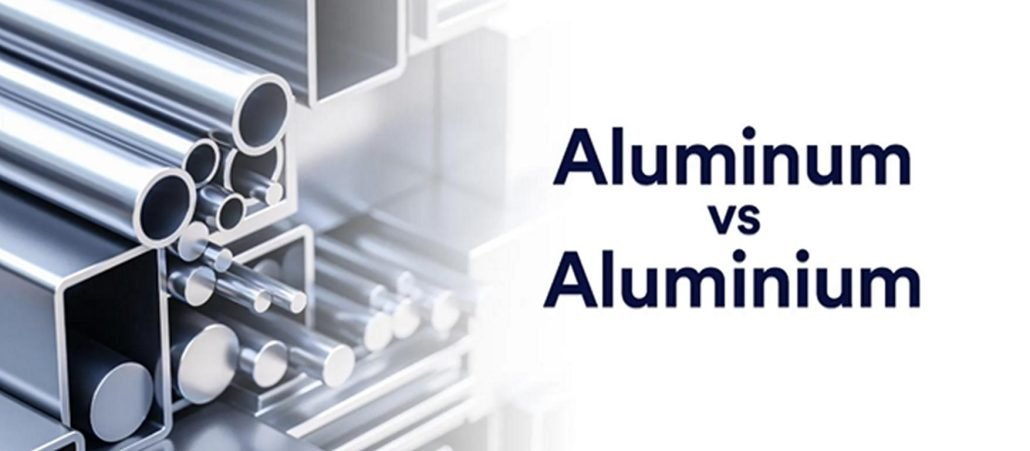
Understanding the Aluminum Extrusion Process Aluminium extrusion machining is a process of manufacturing products with a cross-sectional profile by forcing the material through a die. This process can be likened to putting toothpaste in a tube, in this case, the toothpaste is the heated cylindrical aluminum bar also called an ingot and the tube is the die. Here’s a step-by-step breakdown: Heating and Pressing: The aluminum ingot is then heated and passed through the die which gives it the required profile of the product. Cooling: After the shaped material has come out of the die it is cooled by air or water. Stretching: Although not fully set, the profiles are pulled to relieve internal stresses and achieve the proper dimensions. Cutting and Aging: The profiles are cut and then aged – hot or cold to reach their final strength. Finishing and Surface Treatment: The last processes include polishing or other treatments meant to improve the looks and protect against corrosion. What is an Aluminum Extrusion Machining Center? An extrusion machining center is a specific type of machining center that is used to accurately process extruded aluminium profiles into the final required parts. Sawing, deburring, drilling, turning, milling, and tapping are some of the techniques used to give the required shape with features such as pockets and holes. At CNM, we have different types of extrusion machining centers that are highly accurate, fast, and very reliable. These machines are very efficient in cutting down production time and minimizing wastage during the processing of the products and are thus very suitable for use by manufacturers. CNM’s extrusion machining centers facilitate the manufacturing process and produce quality work that guarantees the aluminum extrusions are cut and profiled to the required specifications. Factors Consideration For Machining Aluminium and Aluminium Alloys The below-mentioned factors greatly influence the cnc extrusion machining of aluminum alloys. Cutting Force The cutting force needed when machining aluminum alloys is much less compared to the force needed when machining steel. For instance, the force required to machine aluminum is about one-third of that required for low-carbon steel thus chip removal is three times more efficient. For instance, aluminum alloy 2017A has the same cutting force as low-carbon steel but has similar mechanical properties as the latter. Tooling The cutting tools used in the machining of aluminium alloys must have a certain geometry. The cutting edges should be as sharp as possible and the tool faces must be smooth so that they can shed the swarf and not stick to it. The cutting angles are different according to the type of alloy, but the rake angle should be more than 6° and can be even 12°. In the case of alloys with up to 7% silicon content, it is suggested to use the tools with the application of TiN or TiCN coatings using PVD deposition. For diamond coated carbide tools and polycrystalline diamond (PCD) tools, the recommended rake angle is 15 degrees. It is much longer than the ones used for machining steel due to the proper tools being used in this process. In the special machines, the high-speed spindles can attain the machining speed of 2000 to 3000 m/min for the 2000 and 7000 series alloys. For instance, a 12 mm diameter tool can reach 50,000 rpm of cutting speed with a feed rate of 10 m/min, which results in very thin sheets and lightweight components. Cutting Speed and Feed Rate Because of the low modulus of elasticity of aluminium alloys, it is recommended to avoid high rates of advance even in roughing operations. The feed rate should be limited to 0. 3 mm per revolution. For finishing operations, the feed rate will be affected by the required surface finish. The depth of cut will be influenced by the level of accuracy that is needed on the final product. Lubrication Lubrication is crucial in machining aluminium alloys for several reasons: it reduces the temperature of the cutting area, keeps the swarf from sticking to the tools, and clears the swarf from the machining area. There are three primary types of lubrication: The three types of cutting fluids are spray mists, full cutting oil, and oil emulsions, of which the oil emulsions are most frequently used because of the heat dissipation of approximately 200 kg/J. Coolants help in reducing friction and also in tapping operations. Spray mists are not very effective when there is high heat involved. The cutting fluid composition should not react with aluminum alloys, cause stains or corrosion, contain anti-bacterial agents to discourage fungal growth, and be environmentally friendly. Benefits of Aluminum Extrusion Machining: The following are the benefits of machined aluminum extrusion: Aluminum extrusion is a process that is commonly practiced in the present generation due to the following benefits associated with aluminum extrusion. It also allows one to achieve complex and accurate forms of the needed shapes and also to produce them in a way that they will fit the intended use, thus increasing productivity and saving money. The outcome is strong and light structures that are suitable for industries that require light structures such as the aeronautics, automobile, and construction industries. Also, it is an efficient technique, which does not require a lot of material and energy and generates a small amount of waste. In conclusion, machined aluminum extrusion is cost-efficient and sustainable which improves the quality of the end product and production process. Suitability of Aluminum for Cold Extrusion Cold extrusion is a process of extruding aluminum through a mold at a temperature of not more than 150°C (300°F). The aluminum remains rigid and thin-walled parts can be fabricated as in the case of radiators, windows, and door frames. This process is slower than hot extrusion but the surface quality is high and the shapes are more accurate therefore less post-processing is required. Warm Aluminum Extrusion Warm extrusion is done at moderate temperatures while the rate of hot extrusion and the accuracy of cold extrusion are intermediate. The exact temperature is therefore arrived at

обработка алюминиевого литья

Обработанное литье

алюминиевое литьё

For fabricators, metal machining and casting operations are sometimes shown as binary alternatives. However, there are many circumstances in which using both casting and machining is the most efficient in terms of production, as the recent essay on casting vs. machining made clear. The advantages of machining castings are covered in this article, and the application of these production techniques to your next project is discussed. What Is Casting CNC Machining? Machined castings are components that is initially manufactured through casting and subsequently refined through CNC machining. Die casting, investment casting, or sand casting may be implemented to generate the initial casting. Every casting process has drawbacks, such as poor surface finish or restricted design. CNC machining solves the above problems by improving the quality of products and adding more complex designs. Some possible machining operations include Computer Numerical Control Milling, Turning, Drilling, Sawing, and other non-conventional castings machined operations to get a premium surface. Machining of Casting Parts Advantages. There are several benefits to machine-castable parts. Some of the commonest include; 1. Modifying As-Cast Parts Those casting machined parts produced directly from their casting molds are known as “as-cast” These parts contain extra material from the gating system, parting lines, and other casting features. To increase the quality, the fabricators have to get rid of this unwanted material, which can be done by a simple hacksaw for roughing or by using CNC for accuracy. For example, in the case of aluminum casting machining, aluminum CNC machining helps achieve high dimensions and accuracy. Casting flaws can be easily camouflaged through CNC machining, and the quality of the final product can be significantly improved. Also, it allows the development of features that cannot be created using casting only, such as the curved fins of a turbine. Some of the design issues can be solved by techniques like investment casting, but in most cases, the holes, grooves, and threads produced by machining are of better quality. 2. Improving Finished Quality However, if casting and machining do not need extra features and the material that has to be removed is easily removable, it is still important to use precision CNC machining to obtain high-quality parts. Some processes, such as die casting, can deliver relatively smooth surfaces that only require slight machining. However, the parts produced through sand casting or investment casting require a significant amount of machining to achieve a flat surface. CNC machining also improves the quality of the parts that have tight tolerances. Casting can be economical when the production is significant, and CNC machining guarantees that every part is correctly shaped. Machining allowances have to be taken into consideration during the casting stage to have a smooth integration. It is wise to incorporate sheet metal fabrication services into your production line. The main benefit is the capacity to rapidly and precisely create lightweight parts from numerous materials employing various techniques. Knowledge of these techniques and their specific use is vital in attaining the best outcomes and shortening production time. How To Machine Casting Parts? During machining, useless material is removed from casting to make it more accurate in size. This process is beneficial in removing excess material on cast parts after casting and before finishing. Machining is helpful because it is almost impossible to get tiny variations in a complex casting, and thus, the final product has to be machined to the required specifications. It is usually done after the heat treatment but before the final surface treatment, like painting, anodizing, or plating. As for the current world, the application of technology in machining castings has adopted computer numerical control (CNC). Machining can be classified into many subcategories, which include the following: Drilling Drilling is the creation of holes in the cast parts with the help of a drill bit. Lathes and cutting machines can also be used, but drill presses are the main tools used in this process. This process is crucial in the casting process since it assists in the making of holes in the casting. Milling A cutter, a fixture, an object, and a milling machine are all things that are used for milling. The piece of work is clamped down during this cutting process, and the milling machine’s cutter takes off the extra material. It can be said that it is one of the most frequently applied methods in the subsequent adjustment of the shape and size of the cast parts. Turning In turning, the workpiece rotates on its axis while the cutting tool is stationary or does not move. The most critical equipment employed in this process is the lathe machine. Turning is appropriate for generating the internal and external profiles of cast parts and is very precise. Other Machining Processes In addition to drilling, milling, and turning, several other machining processes are used for refining cast parts: Besides drilling, milling, and turning, several other machining processes are used in the finishing of cast parts: Boring: It enlarges and increases the accuracy of a part’s pre-drilled holes. It is useful in attaining the correct dimensional and positional tolerances for parts that require high precision and polished surface textures. Broaching: Broaching is a process of cutting shapes and designs on cast parts with the help of a cutting tool with teeth. The broach has progressive teeth that shave the material and can make internal and external shapes. Therefore, it is ideal for keyways, splines, and other shapes. Grinding: Grinding employs an abrasive wheel that rotates and brings the part’s surface to the required actual position. This process is helpful in offering high surface quality and near tolerance. The cutting points of the grinding wheel abrade the surface, shave off the unevenness, and provide a polished surface. All these machining methods are important in ensuring that cast parts are of the right quality and size for use or other processes. Benefits of Machining After Casting Machined casting parts offer numerous advantages, such as Machined casting parts, therefore, have the following benefits: Enhancing Precision The die-casting and

Стоимость упаковки никеля

Сколько стоит хромирование

алюминиевое литьё

Сколько стоит хромирование В промышленных и производственных комплексах используются различные детали, обеспечивающие оптимальную работу конструкций. В основном для обработки используются детали из алюминия, нержавеющей стали и меди. В таких отраслях, как автомобильная, аэрокосмическая и электронная, твердые металлы используются для изготовления внутренних и наружных деталей. Но они не могут использоваться в чистом виде для механической обработки. Именно здесь на помощь приходит хромирование. Хромированные стержни особенно важны из-за их функциональности. Вышеуказанные стержни доступны в Индии, и их стоимость зависит от материала, размеров, формы, длины и качества покрытия. Эти твердые хромированные стержни применяются во многих областях благодаря своей высокой прочности, гибкости, износостойкости и коррозионной стойкости. Возможность дополнительной настройки делает их еще более ценными, особенно во многих отраслях промышленности, которые считаются тяжелыми. Эти стержни широко используются в пневматике, автомобильной, гидравлической, полиграфической, текстильной и многих других сферах. Многие организации предпочитают их потому, что они выносливы и подходят для любого климата. Компания CNM располагает огромными производственными мощностями для выпуска всей своей продукции и работает в соответствии с индийскими и международными стандартами и законами. Это позволяет производить высококачественные твердые хромированные стержни, которые отвечают требованиям клиентов и при этом стоят относительно дешевле. В этой статье мы рассмотрим, сколько стоит хромирование, факторы, влияющие на его стоимость, и технологии хромирования. Факторы, влияющие на стоимость хромирования Стоимость хромирования конкретного изделия зависит от следующих важных факторов. Первый - это размер и уровень сложности предмета, который необходимо транспортировать. Крупные предметы обычно требуют больше материалов и времени, что делает хромирование дорогим. Кроме того, предметы со сложным или асимметричным дизайном могут потребовать дополнительной работы на этапе подготовки и в процессе нанесения покрытия, что увеличит стоимость. Еще один фактор, который необходимо учитывать, - это вид хромирования. Существует два основных вида: декоративное хромирование и твердое хромирование. Этот вид хромирования наносится более тонкими слоями и носит скорее декоративный характер, используется, в частности, на отделке автомобилей и бытовой техники. Этот вид хромирования относительно дешевле по сравнению с твердым хромированием, при котором наносится более толстый слой хрома, чтобы создать твердую и более устойчивую к коррозии поверхность. Твердое хромирование часто применяется в промышленности, и его стоимость может быть выше из-за сложности процедуры и типа используемых материалов. На стоимость также может повлиять качество хрома, используемого в процессе покрытия арматуры. Хром более высокого качества может быть более чистым и иметь более качественную отделку, а это может стоить дороже на начальном этапе. Однако у него могут быть и преимущества: увеличенный срок службы изделия, лучший внешний вид, меньшая подверженность выцветанию или растрескиванию. Использование высококачественного хромированного покрытия обеспечит вашему изделию более качественную и долговечную отделку по сравнению с низкосортным хромированным покрытием. Однако прежде чем приступить к процессу нанесения покрытия, необходимо подготовить поверхность предмета, на который наносится покрытие. Такая подготовка обычно включает в себя удаление старых слоев, выравнивание поверхности с целью устранения любых дефектов, а затем промывку поверхности, чтобы хромированный слой имел надлежащую поверхность для сцепления с поверхностью. Состояние поверхности также определяет степень подготовки, которую необходимо провести из-за имеющихся трещин или ржавчины. Изделия, находящиеся в плохом состоянии, могут потребовать большей подготовки, чем те, которые находятся в хорошем состоянии. Поэтому стоимость хромирования может быть высокой. Количество изделий, на которые наносится покрытие, и размер партии также могут повлиять на стоимость. При одновременном нанесении покрытия на несколько изделий в результате заказа партии стоимость одного изделия обычно дешевле, чем при нанесении покрытия на одно изделие. Поскольку поставщики услуг по хромированию могут закупать материалы оптом, они могут предлагать их по более низким ценам. При поиске предложений на услуги хромирования следует учитывать необходимое количество. Место, где будет выполняться хромирование, и надежность поставщика услуг - еще один фактор, определяющий цену. Цены могут отличаться в зависимости от ставок заработной платы, экологического законодательства и других накладных расходов в регионах, где проводятся работы. Кроме того, стоит понимать, что более высокое качество работы и больший опыт поставщика услуг могут привести к повышению цен на услуги. Рекомендуется по возможности сравнивать различных поставщиков услуг по хромированию, чтобы лучше понять качество услуг, которые они могут предложить, в соотношении со стоимостью услуг. Однако существуют и другие услуги, которые могут быть предложены поставщиками услуг, и они могут повлиять на стоимость всего процесса хромирования. К таким услугам можно отнести выборочное маскирование, нанесение защитных пленок или постгальваническую обработку для улучшения твердости покрытия, его внешнего вида и т. д. Эти услуги могут увеличить общую стоимость, но могут быть полезны в зависимости от характера проекта и предполагаемого результата. Чтобы получить четкое и разумное ценовое предложение по хромированию, необходимо как можно подробнее описать потенциальным подрядчикам свой проект. Это включает в себя тип изделия, размеры, тип отделки, количество, а также любые особые потребности или пожелания, которые могут быть у клиента. Благодаря такому общению и сравнению расценок на основе предоставленной информации можно получить наилучшее соотношение цены и качества за деньги, которые будут потрачены на хромирование. Виды хромирования Стоимость также зависит от типа покрытия; Твердое хромирование Твердое хромирование - это более сложная процедура хромирования, которая осуществляется путем пропускания электрического тока через раствор и применяется во многих

Прокрутить вверх

Получить цитату