Лучшие компании по производству автомобильного литья под давлением в Китае и мире 

литьё алюминия под давлением, литейные предприятия, литейная компания, Производитель литья под давлением

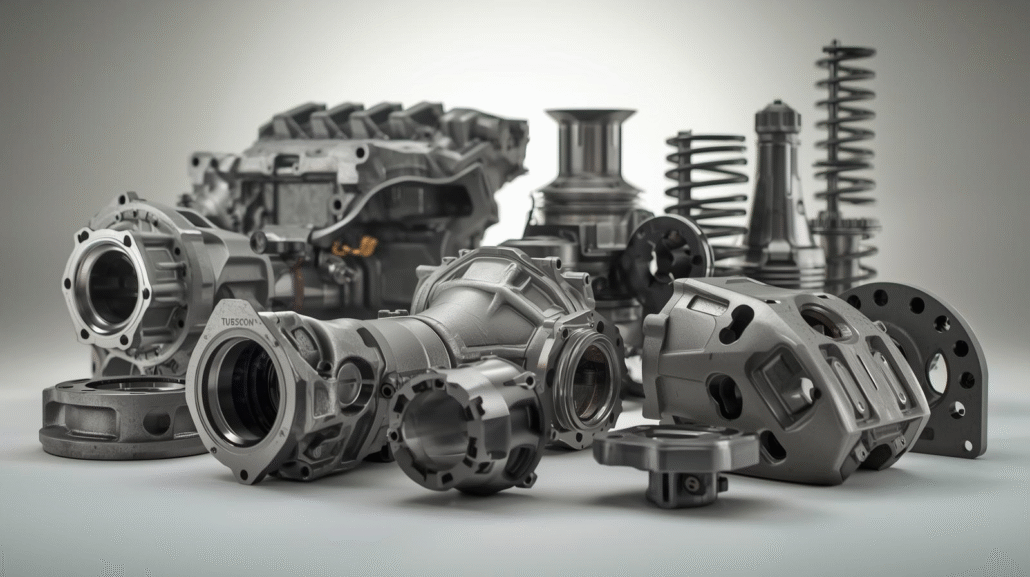
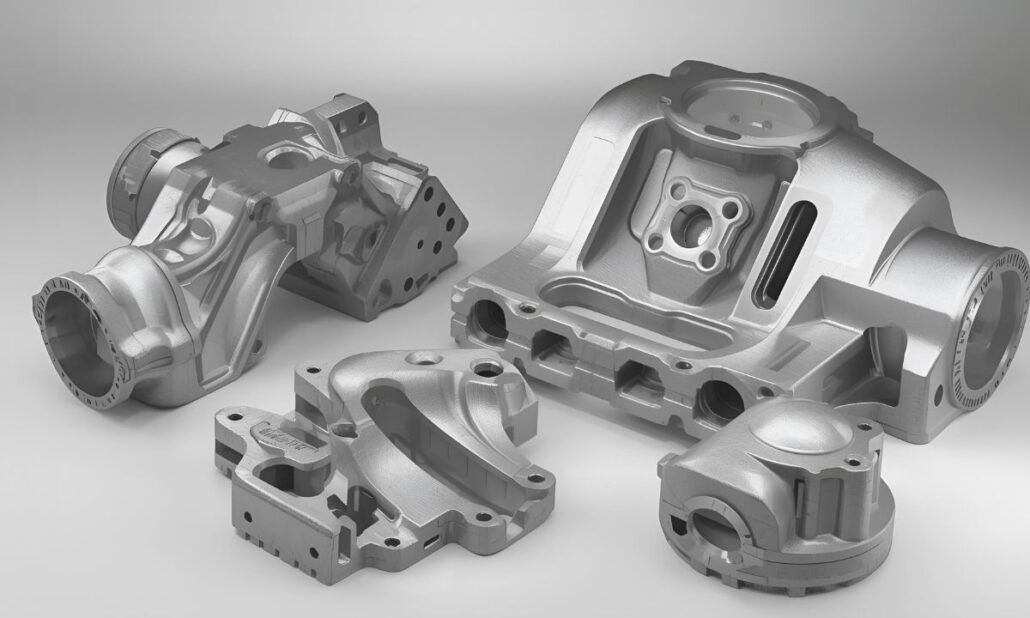
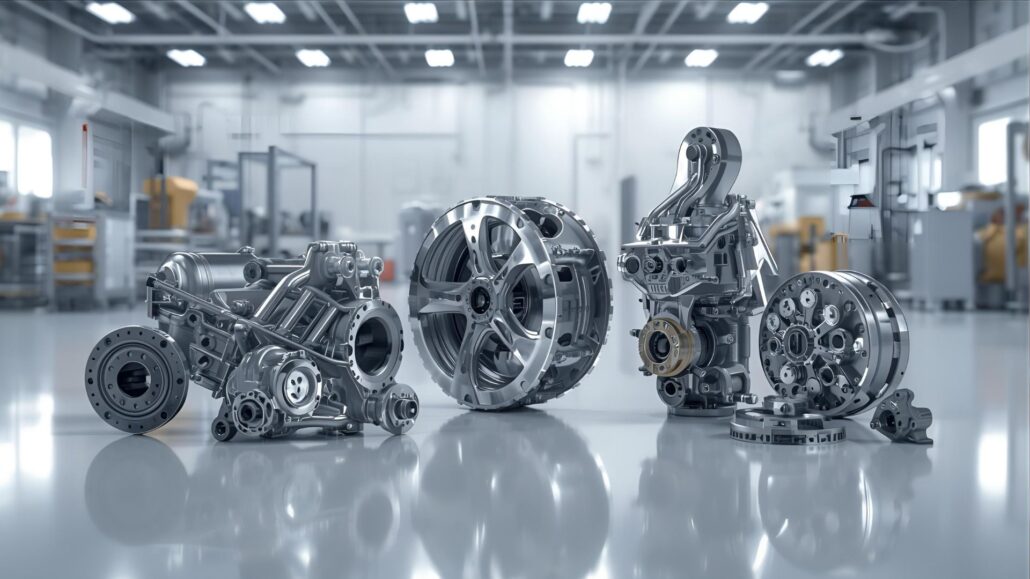
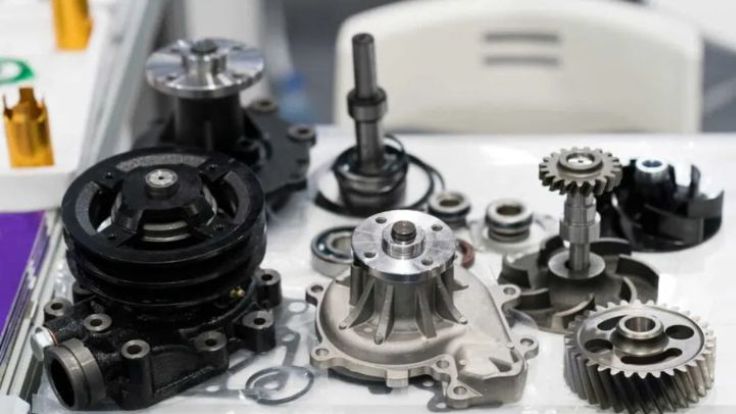
Литье алюминия под давлением - один из самых надежных и экономически эффективных производственных процессов в современной промышленности. Это процесс впрыска под высоким давлением расплавленного при высокой температуре алюминия в точную форму для создания мощных, легких и точных по размерам деталей. Он особенно полезен при производстве деталей сложной формы с высокой степенью обработки поверхности, и поэтому является одним из самых популярных процессов в автомобильной, аэрокосмической, электронной промышленности, производстве потребительских товаров и промышленного оборудования. В последние годы литье алюминия под давлением пользуется большим спросом. Тенденция мира к электромобилям, легким конструкциям и энергоэффективности вывела алюминиевые сплавы на передовую линию инноваций. Производители разработали такие высокотехнологичные компоненты, как блоки двигателей, корпуса трансмиссий, корпуса аккумуляторов и радиаторы, которые одновременно прочные и легкие. Возможность вторичной переработки и устойчивость к коррозии делают алюминий также полезным в рамках общемировых тенденций к производству экологически чистых продуктов. Двумя основными центрами литья алюминия под давлением являются Соединенные Штаты Америки и Китай. Компании в США известны своими инновациями, высокими стандартами качества, высоким уровнем автоматизации и могут рассматриваться как хорошие инвестиции в высокоточные отрасли. Напротив, китайские производители завоевали большую конкурентоспособность на мировом рынке, предлагают экономически эффективные решения, высокие производственные мощности и более передовые технологии. В этой статье мы рассмотрим некоторые из наиболее успешных предприятий по литью алюминия под давлением в США и Китае, их сильные стороны, возможности и факторы, которые делают их самыми надежными партнерами, предпочитаемыми предприятиями по всему миру в качестве поставщиков в обрабатывающей промышленности. Что такое автомобильное литье под давлением? Литье под давлением - это производственный процесс, при котором расплавленный металл, обычно алюминий, магний или цинк, под большим давлением заливается в форму с открытым пространством. Это позволяет массово производить высокопрочные компоненты сложного назначения с хорошей обработкой поверхности и точностью размеров. Литье под давлением в автомобильной промышленности позволяет производить компоненты, которые: Использование литья под давлением произвело революцию в конструкции современных автомобилей, позволяя экономить вес и одновременно сохранять эксплуатационные характеристики. Спрос способствовал высоким темпам развития основных фирм, занимающихся литьем под давлением для автомобильной промышленности в Китае, Европе, Америке и Японии. Почему Китай является лидером в области автомобильного литья под давлением Китай является одним из крупнейших в мире производителей автомобильного литья под давлением благодаря своим сильным сторонам: Такой набор сильных сторон позволил китайским фирмам, занимающимся литьем под давлением для автомобильной промышленности, стать лидерами не только на местном рынке, но и на международном уровне в цепочке поставок. Компания CNM Tech Diecasting является ведущим производителем превосходных изделий из алюминия, изготовленных методом литья под давлением. Они предлагают нескольким отраслям, таким как автомобилестроение, электроника и телекоммуникации, прецизионные компоненты, которые направлены на поддержание высочайших стандартов качества. Они могут производить легкие и прочные детали, используя свои передовые производственные процессы, такие как литье под высоким давлением и обработка с ЧПУ. Компания Diecasting Company верит в силу постоянных инноваций и поэтому инвестирует в современное оборудование, автоматизированные производственные линии и, что более важно, системы контроля качества, которые помогают всегда добиваться одинаковых результатов. В число клиентов компании входят как OEM-производители, так и поставщики уровня Tier-1, поэтому компания является надежным партнером в удовлетворении сложных и крупносерийных производственных потребностей. Веб-сайт: https://www.thediecasting.com/ Почему стоит выбрать именно их Компания Diecasting предпочитают предприятия, потому что она ориентирована на качество, точность и инновации. Применение современных технологий литья под давлением, строгий контроль качества и своевременная доставка обеспечивают клиентам получение компонентов, отвечающих международным стандартам, и делают их предпочтительным выбором, когда речь идет об автомобильных OEM-производителях и производителях, которые хотят найти надежного поставщика решений для литья под давлением. Sincere Tech Sincere Tech является одним из производителей высокоточных пресс-форм для литья пластмасс под давлением и литья под давлением. Они занимаются проектированием пресс-форм, созданием прототипов и производством конечного продукта, что обеспечивает универсальное решение для клиентов по всему миру. Они используют компьютеризированное программное обеспечение CAD/CAM и автоматизированную обработку, поэтому все производимые пресс-формы очень точны. Plastic Mold может похвастаться многолетним опытом в обслуживании потребностей автомобильной промышленности, бытовой электроники и медицинского оборудования, способным обеспечить эффективное производство сложных пресс-форм. Они выделяются своими инновациями, контролем качества и скоростью доставки, что делает их надежным поставщиком для компаний, которые хотели бы иметь индивидуальное решение по производству пресс-форм. Веб-сайт: https://www.plasticmold.net/ Почему выбирают их Plastic Mold выбирают благодаря их полным системам изготовления пресс-форм, техническим навыкам и способности вписаться в ограниченное время производства. Их высококачественные пресс-формы минимизируют ошибки, повышают производительность и помогают клиентам получать точные и надежные изделия, изготовленные методом литья под давлением или под давлением. Обслуживаемые отрасли GC Precision Mould GC Precision Mould является производителем литья под давлением в Китае, который предоставляет алюминиевые, цинковые и магниевые литые формы. Они имеют репутацию производителя высококачественных, экономически эффективных и легких деталей для автомобильной, электронной и осветительной промышленности. Они обладают возможностями литья под высоким давлением, обработки на станках с ЧПУ и вторичных отделочных операций. Alu Diecasting ориентирована на точность, долговечность и производительность. Они всегда соответствуют международным стандартам благодаря использованию современного оборудования, автоматизированных линий и квалифицированных инженеров. Они обслуживают клиентов как на местном, так и на международном уровне, таких как OEM-производители и поставщики Tier-1, и позиционируются как ведущий китайский производитель литья под давлением для автомобильной промышленности. Веб-сайт: https://aludiecasting.com/ Почему стоит выбрать именно их Они используют Alu Diecasting, поскольку предлагают сочетание конкурентоспособных цен, высококачественных стандартов и технологий. Они используют различные сплавы, точную обработку и своевременное производство, что обеспечивает надежность, долговечность и легкость деталей, которые удовлетворяют требованиям мировой автомобильной промышленности. Обслуживаемые отрасли Get It Made Get It Made является производителем механической обработки с ЧПУ, 3D-печати, литья под давлением и формовки металла, расположенным в Великобритании. Они поддерживают как создание прототипов, так и мелкосерийное производство,

Что такое литье под высоким давлением?

алюминиевое литьё

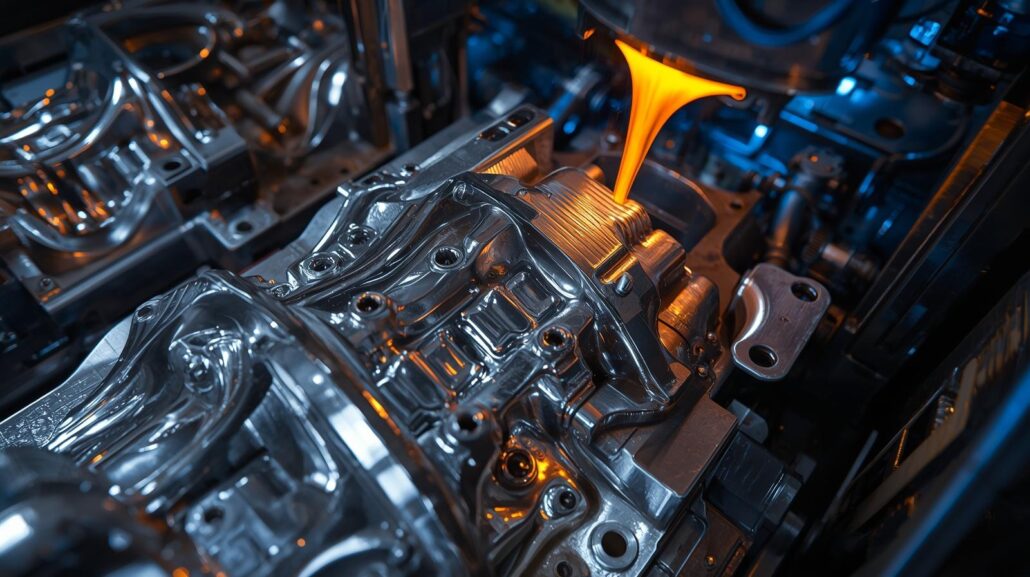
One of the most important metal processes, which is used today, is high pressure die casting. It is characterized by the capability to manufacture high-precision components. It is a process that manufacturers resort to when they require quality parts in large quantities. The process is achieved by placing a lot of pressure on molten metal and forcing it into a steel mold, referred to as a die. The pressure is used to maintain the flow of the metal to all corners of the mold. It produces components of small details, narrow walls and smooth surfaces. Because of this, the high pressure die casting would be a convenient choice in the case of an industry that has to be precise and uniform. Examples of the metals that are usually utilized during the process are aluminum, zinc, and magnesium. The materials have their own advantages. Die casting Aluminum is light and undergoes no corrosion. The reason is that Zinc die casting can be cast in thin and intricate designs. The strength of magnesium die casting is very light. High pressure die casting serves most industries. It provides vital parts in automotive, aerospace, electronic and consumer goods manufacturing industries.  This process provides durability and performance in engine housings, and in electronics cases, among other things. This article will discuss the functionality of high-pressure die casting, the material used, its advantages, constraints and its numerous applications. High Pressure Die Casting Die casting under high pressure has a history of over 100 years. Its creation dates back to the 19th century when it was used to create printing type. With time, technology was enhanced and became an essential procedure in the automotive and aerospace industries. One of the most effective methods of producing composite metal parts nowadays is high pressure die casting. It can be employed in cases where accuracy, durability, and speed are needed. This process has been adopted by manufacturers because it provides substantial production which is regular in quality, smooth, and detailed shapes which are in line with the requirements of modern engineering. The Die Casting Process of High Pressure High-pressure die casting is a rapid process that is accurate and applicable in mass production. It is a combination of high machines with molten metal that makes accurate and detailed parts. This is made efficient as the whole process enables the manufacturers to produce thousands of components of similar quality. Die Preparation It starts with the preparation of the die. The steel mold or die is meticulously washed and sprayed with a lubricant. This is to regulate the temperature and ensure that the metal does not adhere to the die surface. It should be properly prepared since it is the way to a smooth ejection of the final casting. Metal Melting After reading a die, the preferred material- aluminum, zinc or magnesium is molten down in a furnace. The metal should be heated to the right degree of temperature to attain a complete liquid state. The strength and the finish of the final casting largely depend on the quality of the melting. Metal Injection The molten metal is then forced into the die under a very high pressure. This pressure presses the metal in all corners of the mold cavity. It enables the process to make thin walls, sharp edges and complex shapes which are hard to make in other casting processes. Cooling and Solidification The metal freezes quickly within the steel mold after injection. Cooling periods are also extremely short; they may take only a few seconds. Quick cooling provides the part with its strength and assists in keeping the part at the proper size. Ejection from the Die When the solidification of the metal is done, the die is opened. The casting is forced out of the mold by ejector pins. The part is shaped at this phase except that it still contains additional material that must be eliminated. Trimming and Finishing The last phase is finishing and preparing. The metal that is kept in excess is removed, known as flash. Depending on the needs, the part can then be machined, polished, painted or coated. This will guarantee that the component is prepared to be used. Automation in Modern Factories The high pressure die casting is completely automated in modern factories. The steps of injection, cooling and ejection are performed with accuracy by robots. Automation enhances consistency, lowers labour expenses, and makes it an ideal way of undertaking mass production. Raw Materials of High Pressure Die Casting High pressure die casting is ideal for non-ferrous metals that have relatively low melting points. The most frequent are: Aluminum The most popular one is aluminum die casting. It is a low-weight, high-strength combination. Aluminum products are also resistant to corrosion, thus suitable for cars, aeroplanes and electronics. Zinc Small parts that are fine and precise are best cast with zinc. Zinc is of good toughness and strength. Thin walls and fine details are also enabled. That is why it is suitable for connectors, housings and decorative parts. Magnesium Magnesium is the lightest structural die cast metal. It possesses a good strength-to-weight ratio. It is commonly applied in aerospace, automobile, and consumer electronics in areas where a lightweight is a factor. Copper Alloys Alloys can also be made of copper, but this is not common. They are very hard, have high wear resistance and high electrical conductivity. All the materials possess their strengths depending on the usage. Aluminum is selected as a strong and corrosion-resistant material, zinc as an accurate one, and magnesium as a lightweight component. High Pressure Die Casting Tooling and Dies The most important aspect of the process is the die, or the mold. Hardened tool steel is used in making dies, and it is constructed to resist excessive heat and pressure. Dies are of two major types: It is also possible to design a die that will transfer the creation of a variety of parts in a single cycle, a combination die. The tooling costs are also expensive,

Литье под давлением

Аппаратное литье под давлением: Полное руководство по современному производству

литьё под давлением

The modern competitive environment in the manufacturing industry has put industries under continuous pressure to manufacture hardware components that are robust, resilient, accurate, and economical. To attain these, firms use contemporary production methods that are quality and efficient. One of the most successful and popular processes is that of hardware die casting among them. Manufacturers are able to create hardware components that bring together complex detail with excellent strength by placing molten metal under high pressure into a mold made of steel. This process is used to produce both elements that have a smooth finish and even quality, as well as producing a significant number of elements at a reasonably low unit price. The relevance of hardware die casting is widespread in an array of industries. It is used in the automotive industry in the manufacture of light but strong components that result in fuel efficiency and safety. It can be used in electronics to make sustained housings, connectors and heat sinks. Precision parts are advantageous to aerospace companies in that they can withstand the harsh conditions, but the construction and furniture industries use them in their functional and decorative fittings. The article will be a complete investigation of the process of hardware die casting and its benefits, process, and materials. We shall also look at the position of the aluminum die casting hardware, the distinct advantages of the use of zinc die casting hardware and the increasing uses of the various parts of die casting hardware in the current industries. What is Hardware Die Casting? Hardware die casting is a specialized manufacturing method, which involves steel molds, otherwise molds, called dies, to form metal parts. This is done by melting metals like aluminum, zinc or magnesium and then forcing the molten metal into a die cavity at high pressure. After hardening of the metal, the mold is opened, and the component is forced out. The word hardware used here means minor yet vital parts such as hinges, brackets, handles, and locks, among other fittings. By casting them in die, the products are uniform, strong and cost-effective in contrast to other traditional methods of production like forging or machining. The Hardware Die Casting Process Design and Mold Preparation Hardware die casting- The die casting process starts by designing and preparing the mold, or die. A mold is designed by engineers using high-quality steel, which is hard enough to endure a higher number of molten metal injection cycles. The two halves of the mold are then molded and assembled to create a hollow into which the part will be shaped. To be efficient, the die will have inbuilt cooling channels to maintain its temperature and ejector pins, which will enable it to be easily released once it has solidified. Melting the Metal Once the mold is ready, the chosen metal is melted in a furnace at well-monitored temperatures. Aluminum and zinc are the most used, and it is important to maintain the appropriate molten state. The constant temperature enables the flowing molten material to fill the mold without forming defects and air bubbles. Injection into the Die After getting the metal to the correct molten state, it is forced into the die cavity with extremely high pressure that may range between 1500 and 25000 psi, depending on the material to be used and the intricacy of the design. It is a high-pressure injection method, which guarantees that all the sections of the mold are filled to the last detail, and the outcome is extremely precise. Cooling and Solidification Immediately the molten metal gets into the mold, it starts cooling and hardening. This process has to be well regulated since either rapid or slow cooling can lead to changes in the quality of the end product in terms of strength and precision. When an appropriate cooling cycle is maintained, the hardware components will be powerful and dimensionally accurate. Ejection and Finishing When the part is solid, the mold is opened, and the component is literally ejected by ejector pins. This is where the product is shaped, but it has excess material commonly referred to as a flash. This is removed and the portion can be subjected to further finishing processes of polishing, anodizing or coating to enhance its looks and workability. The cycle can be subsequently repeated continuously, and the manufacturers can manufacture huge numbers of the same type of die casting hardware parts with very high efficiency. Benefits of Hardware Die Casting Precision and Accuracy Among the most powerful positive aspects of the hardware die casting is the high precision that the process can provide. Complicated designs that are tightly tolerated can be generated in the process, and this can avoid further machining or even completely do away with it. This precision means that all the components fit in their use, be it in a vehicle, an electronic product, or building hardware. The manufacturers also like the fact that they are able to create complex shapes in the same process instead of using various manufacturing processes. Strength and Durability Die-cast metals are recognized to have a strong mechanical ability and outstanding endurance. Hardware components manufactured under the process of hardware die casting are capable of sustaining high weight, repeated application and subject to wear and tear without their functionality being affected. This is the reason why these parts tend to be applied in the most reliable industries, such as automotive and aerospace. Its durability also implies that there is a reduced need to replace products, and this is a value addition to the manufacturer and the end-users as well. Economical when dealing with large quantities The casting process is very cheap when mass production has to be done after the die has been produced. Firms can manufacture thousands or millions of parts of the same type with a very small variation. This capability to produce on a large scale and at a low cost per unit is among the factors that make hardware die casting more desirable compared to other

Что такое литая алюминиевая посуда?

Что такое литая алюминиевая посуда? Полное руководство

Алюминий, алюминиевое литьё

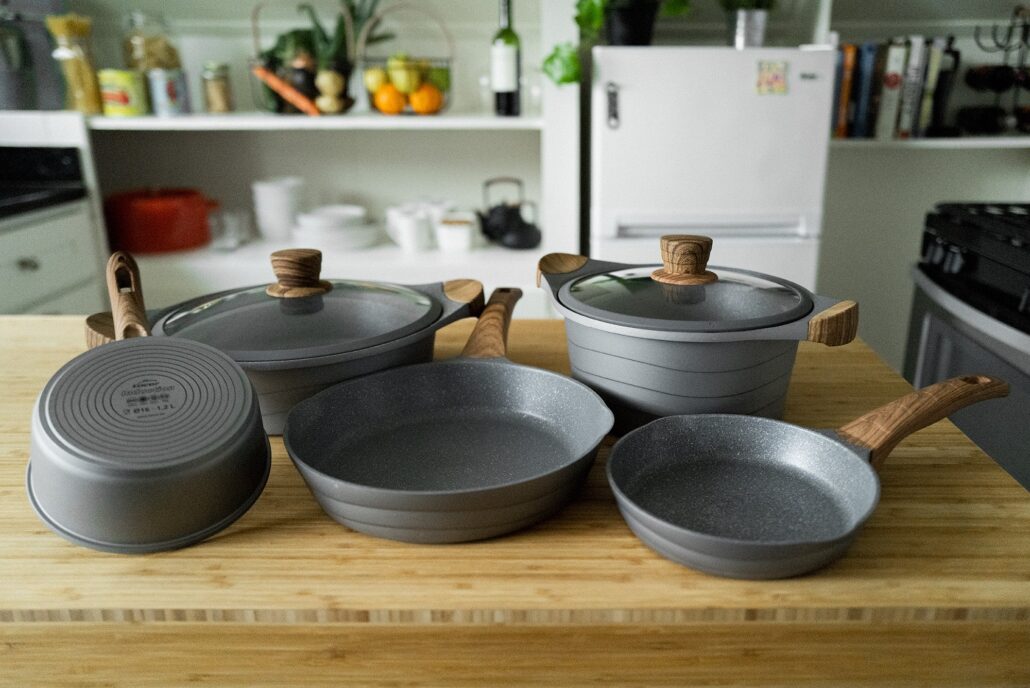
Посуда из литого алюминия становится популярной на кухнях всего мира. Она легкая, недорогая и простая в использовании. В зависимости от используемой посуды еда может иметь разный вкус, в том числе благодаря легкости процесса приготовления. Посуда также экономит время и долговечна. Литой алюминий изготавливается путем заливки расплавленного алюминия в форму. Этот метод придает посуде конкретную структуру и постоянную толщину. Это позволяет сковороде или кастрюле быстро нагреваться и равномерно распределять тепло. Это упрощает и сокращает время приготовления повседневных блюд. Литой алюминий - еще один относительно легкий материал, который многие используют, поскольку он относительно недорог по сравнению с нержавеющей сталью. Кроме того, его можно готовить в различных формах и размерах, поэтому его можно жарить, запекать и варить. Однако у литого алюминия есть и отрицательные стороны. Он не такой прочный, как нержавеющая сталь, и не такой прочный, как чугун. Кроме того, некоторые виды кухонной утвари нуждаются в антипригарном или анодированном покрытии, чтобы пища не прилипала и не контактировала с кислыми продуктами. В этой статье все это будет рассказано простым языком. Вы узнаете о преимуществах, недостатках, безопасности и способах обработки литой алюминиевой посуды. Как изготавливается посуда из литого алюминия? Литая алюминиевая посуда производится в результате заливки расплавленного алюминия в форму. После остывания металл (алюминий) принимает форму сковороды, кастрюли или посуды для выпечки. Этот процесс делает посуду более прочной и тяжелой, чем традиционный прессованный или прокатный алюминий. Процесс состоит из двух основных этапов: Такое литье делает посуду достаточно прочной, чтобы ее можно было использовать ежедневно. На другие наносится антипригарное покрытие, предотвращающее пригорание пищи и облегчающее их чистку. Литой алюминий Процесс изготовления посуды Подготовка алюминия На начальном этапе необходимо выбрать алюминий. Производители могут использовать чистый или переработанный алюминий. Его помещают в большие печи, где нагревают до температуры более 660 °C, пока он не расплавится и не превратится в жидкость. На этом этапе происходит очистка алюминия, чтобы убедиться, что он будет прочным и безопасным в конечном продукте. Создание формы После того как алюминий готов, создается форма. Форма определяется формой, это может быть сковорода, кастрюля или противень. Эти формы чаще всего бывают песчаными или стальными. Тонкость, баланс и прочность копоттера определяются типом формы и уровнем изысканности. Заливка расплавленного алюминия Затем форму заполняют жидким алюминием. Она заполняется до краев во всех щелях конструкции. Именно благодаря этому процессу посуда из литого алюминия тяжелее и прочнее посуды из прессованного алюминия. Охлаждение и застывание После заливки алюминий должен остыть. При остывании он застывает и оседает, приобретая форму формы. Охлаждение необходимо, так как оно устраняет трещины, пузырьки воздуха или слабые места, которые могут поставить под угрозу качество посуды. Обрезка и отделка После затвердевания посуда извлекается из формы. На этом этапе грубая поверхность обрезается и полируется. Также добавляются другие элементы, такие как ручки и дно. Это делается для того, чтобы форма для приготовления пищи была гладкой, безопасной и готовой к нанесению покрытия. Покрытие и отделка поверхности Большинство литых алюминиевых кухонных принадлежностей подвергаются поверхностной обработке. Большинство из них имеют антипригарную поверхность, благодаря чему пища не прилипает к поверхности, а чистка не занимает много времени. Кроме того, они могут быть анодированы, что повышает их устойчивость к коррозии и царапинам. Такие покрытия также устойчивы к реакции с кислой пищей. Проверка качества Контроль качества - последний. Все работы проверяются на сбалансированность, прочность и безопасность покрытия. Посуда, прошедшая тщательную проверку, упаковывается и только после этого отправляется на рынок. Это гарантирует, что покупатели получат долговечную, качественную и безопасную посуду. Преимущества литой алюминиевой посуды В чем причина отказа от использования других материалов в пользу литого алюминия? Вот основные преимущества: Легкость По сравнению с чугуном, литой алюминий очень легкий. Это не занимает много времени, а тем более, если у вас есть повар, который регулярно готовит еду для пожилых людей. Превосходное распределение тепла Алюминий является теплопроводником. Посуда из литого алюминия быстро готовит и равномерно распределяет тепло. Это означает, что горячих точек будет меньше, а приготовление будет равномерным. Доступная цена Обычно она дешевле, чем посуда из нержавеющей стали или меди. Она обладает достойными характеристиками по доступной цене. Универсальность Литой алюминий можно жарить, запекать, варить или тушить. Некоторые из них даже пригодны для духовки. Быстрый нагрев Благодаря алюминию пища готовится быстрее, так как он быстрее реагирует на тепло. Это экономит время и энергию. Недостатки литой алюминиевой посуды Несмотря на ряд преимуществ литой алюминиевой посуды, она также обладает рядом недостатков: Проблемы с долговечностью Литой алюминий мягче, чем чугун или нержавеющая сталь. В итоге на нем могут появиться вмятины или царапины, особенно при неправильном обращении. Реакция с продуктами питания Алюминий без покрытия может вступать в реакцию с кислотами, такими как томат или уксус. В результате он может стать металлическим или обесцветиться. Большинство современных литых алюминиевых сковородок имеют покрытие, предотвращающее подобные эффекты. Проблемы с покрытием Антипригарная пленка на сковороде может быть плохого качества, и поэтому со временем она может стираться. Ее можно оттереть жесткой губкой или металлической посудой, и это сокращает срок ее службы. Литая алюминиевая и другая посуда Выбор посуды - это скорее выбор. Алюминиевая литая посуда в сравнении с популярными заменителями выглядит следующим образом: Литой алюминий и нержавеющая сталь Первое заметное различие в случае с литым алюминием и нержавеющей сталью - это нагрев.

Фурнитура для кабинета из латуни: Полное руководство по стилю, функциональности и долговечности

Фурнитура для кабинета из латуни: Полное руководство по стилю, функциональности и долговечности

Латунная фурнитура для шкафов

Cabinet hardware can be viewed as minor detail, yet it can change the appearance and functionality of a room. Of the numerous finishes that can be used, the brass cabinet hardware is a test of time in terms of beauty, strength, and versatility. Considering remodeling the kitchen, upgrading the bathroom vanity, or even refreshing the storage furniture, the brass finish is the one that will be durable and, at the same time, very stylish. Both designers and homeowners still prefer the useof brass hardware as it has added significance to modern and traditional interiors. Its warm tones, which are of gold, also match well with wood, stone, or painted cabinets, making it one of the most adaptive finishes. As simple, modern pulls as fancy, vintage knobs, brass cabinet hardware is a feature that gives the whole design of a space an upscale look. Brass, unlike other metals, is a good-looking item, but it provides long-lasting value. The quality of brass kitchen hardware and brushed brass hardware resists corrosion, can be used in everyday life, and acquiress the status of timeless. Such a blend of style and performance makes brass an investment that enhances the appearance and functionality of the cabinets so that they are refined over the years to come. History and popularity of Brass in Design Brass is a copper-zinc alloy and has been applied in various structures, furniture, and ornaments forcenturies. Brass used to be a common decorative fitting and fixtureas it was deemed highly beautiful and elegant once. The brass hardware is also still used in the present daydue to its appearance and its durability and strength, and it is also used in the current-day interiors due to the practicality in its usage and its appearance,, which is more than impressive. The timeless quality of the brass cabinet hardware is its flexibility. It may be shined brightly and reflective like a mirror, or it may have a more subdued look and be finished in muted colors. Since the shift of interior decor towards warmer metallics, brass remains one of the finishes that can be mixed with light and dark cabinets. What does Brass Cabinet Hardware mean? Brass cabinet hardware is knobs, pulls, hinges, handles, and other fittings manufactured out of the alloy of copper and zinc, known as brass. Such hardware is very common in the kitchen, bathroom, and furniture since it is strong, durable, and not out of fashion. Compared to cheaper metals, brass does not corrode and will naturally age with a patina, and it can be polished, left in a satin finish, or antique, or left in the so-called brushed brass hardware. The designers and owners of homes prefer the use of brass hardware due to its diversity. Specifically, brass kitchen hardware is functional and stylish, and it has become one of the most popular options to upgrade the cabinets. Types of Brass Hardware Cabinet accessories come in an array of different forms made out of brass, with each being used in a different way. The most popular ones are: In any design project, brass cabinet hardware, regardless of its type, is a useful addition in terms of decorative and functional purposes. The manufacturing of Brass Cabinet Hardware The production of so-called brass cabinet hardware is a long-stage product manufacturing process based on the requirements of durability, usefulness, and beauty. It is a process that uses a mixture of both traditional and modern metal finishing techniques. Alloy Preparation It starts with the melting of a mixture of copper and zinc to form brass. Additional elements can be added depending on what finish is desired. This makes the brass hardware with the correct strength, machinability, and color. Casting or Forging After preparation of the brass alloy, it is then cast (molten brass poured into castings) or forged (pressed and heated brass compressed into castings). Copies of brass kitchen hardware are more powerful and sturdier. Machining and Shaping These are then turned into accurate shapes, knobs, pulls, handles, or hinges. CNC machines and old-fashioned lathes tend to build uniformity in the so-called brass cabinet hardware. Surface Finishing When the pieces have been shaped, they are automatically ground and polished to a smooth finish. Finishes applied at this stage include polished, antique, satin, or brushed brass hardware to give it the desired appearance. Plating or Coating (Optional) In other instances, a protective coating of lacquer or further plating is made to increase resistance to corrosion. It is common to leave solid brass unlacquered in the natural patina style. Mechanical Assembly and Quality Control Lastly, the quality, fit, and finish of every item of the brass cabinet hardware are checked. Assembling screws and fittings and packaging them are done before distributing. Advantages of Brass Cabinet Hardware Durability Brass is a material that has been known to have strength and endurance. Solid brass, unlike cheaper alloys does not bend, bend, and break, meaning your cabinets will be useful over time. It is particularly significant that brass kitchen hardware has to stand up to daily wear. Timeless Aesthetics Interiors are made warm and rich with the golden hues of brass. It has smooth finishes and polishing that is elegant, and the hardware is brushed brass, giving it a modern, subtle look. Corrosion Resistance The inherent nature of brass is such that it is resistant to tarnish and corrosion and should therefore be used in the kitchen and bathroom where moisture is abundant. Versatility Ranging from coarse farmhouse kitchens to polished modern bathrooms, brass cabinet hardware goes well with all kinds of styles. It has been flexible, which is why it is still used in various projects of brass hardware by designers. Usage in Bathrooms and in Kitchens One of the most noticeable details in the kitchens and bathrooms is cabinet hardware, where functionality and design should be in harmony. Brass cabinet hardware offers the strength needed in busy areas, as well as serving as a decorative center stage. Kitchens The contemporary kitchen styles are more than pleased with the

Компании по литью алюминия под давлением в США

Компании по литью алюминия под давлением в США

литьё алюминия под давлением, литейные предприятия, литейная компания

Литье алюминия под давлением - одна из самых надежных и экономичных производственных процедур в Соединенных Штатах Америки, особенно для производителей, которым требуется прочность, долговечность и точность. Это происходит путем впрыска расплавленного алюминия под высоким давлением в стальные отливки, в результате чего получаются детали, которые не только легкие, но и точные по размерам и прочные. Именно эта прочность и малый вес делают литье алюминия под давлением материалом, который выбирают в автомобильной и аэрокосмической промышленности, электронике, промышленном оборудовании и потребительских товарах. Американский рынок может похвастаться одними из самых развитых в мире предприятий по литью алюминия под давлением: от крупных производителей с глобальным присутствием до небольших и специализированных фирм, специализирующихся на изготовлении деталей на заказ и нишевых приложениях. Эти фирмы играют очень важную роль в поддержании ключевой отрасли, поставляя такие сегменты промышленности, как блоки двигателей, корпуса трансмиссий, электронные корпуса и структурные детали. Производители из США заслужили репутацию надежных и инновационных компаний в мире благодаря своим высококачественным технологиям, сертификации и ориентации на качество продукции. В последние несколько лет наблюдается огромный всплеск спроса на литые алюминиевые детали из-за последних разработок в области облегчения автомобилей, производства электромобилей и стремления к энергоэффективному производству. Американские компании внедряют автоматизацию, устойчивое литье и превосходные сплавы, чтобы добиться высоких результатов и соответствовать этим требованиям. В этой статье перечислены некоторые из лучших производителей литья алюминия под давлением в США, а также их достижения, потенциал и вклад в современную индустрию. Неважно, приобретаете ли вы детали для крупномасштабного производственного процесса или для высокотехнического применения, эти производители являются воплощением лучших американских технологий в области литья алюминия под давлением. Что такое литье алюминия под давлением? Литье алюминия под давлением - это технология производства, при которой расплавленный алюминий под высоким давлением подается в стальную форму, называемую также матрицей. Когда металл остывает и затвердевает, форма открывается, и готовая деталь выбрасывается. Это процесс, с помощью которого производители могут создавать прочные, легкие и высокодетализированные компоненты с высоким уровнем точности размеров и гладкой поверхностью. Ключевым преимуществом алюминиевого литья под давлением является то, что оно позволяет получать сложные формы, которые в противном случае было бы сложно или дорого изготовить с помощью других производственных процессов. Оно находит широкое применение в производстве таких деталей, как блоки двигателей, корпуса трансмиссий, электронные корпуса, радиаторы и структурные компоненты. Алюминиевое литье под давлением имеет несколько основных преимуществ: Благодаря этим преимуществам литье алюминия под давлением стало лучшей альтернативой в отраслях, где требуются надежные и эффективные компоненты высокого качества, соответствующие техническим и экономическим требованиям. Лучшие компании США по литью алюминия под давлением 1. Dynacast International Dynacast International является одной из самых известных компаний в области точного литья под давлением во всем мире. Компания имеет десятилетия опыта в производстве небольших сложных компонентов с использованием алюминиевых, цинковых и магниевых сплавов. Они отлично справляются с производством компонентов с жесткими допусками и сложными характеристиками, которые необходимы для автомобильной промышленности, бытовой электроники, телекоммуникаций и медицинского оборудования. Глобальность компании также означает, что Dynacast может обслуживать как малые предприятия, так и транснациональные компании, обеспечивая гибкость, инновации и качество, которые не варьируются между проектами. 2. Pace Industries Став крупнейшей компанией по литью под давлением в Северной Америке, Pace Industries завоевала хорошую репутацию, предлагая комплексные решения. Их услуги включают проектирование и инженерную поддержку, литье под давлением, механическую обработку, обработку поверхности и окончательную сборку; они предоставляют универсальное решение для клиентов в автомобильной, промышленной и потребительской отраслях. Благодаря масштабу своей деятельности компания Pace может работать с крупносерийными проектами и проектами на заказ. Pace также следует культуре инвестирования в современные технологии и устойчивые практики, чтобы оставаться конкурентоспособными в быстро меняющейся отрасли. 3. Ryobi Die Casting (USA), Inc. Ryobi - известный бренд в мировом сегменте литья под давлением, и он широко представлен в США. Ее деятельность в США сосредоточена на производстве средних и крупных алюминиевых литых компонентов, в основном для автомобильного сектора. Ryobi производит блоки двигателей, корпуса трансмиссий и структурные детали, которые должны быть прочными и точными. Компания использует передовые технологии и управление качеством, что позволило ей стать предпочтительным поставщиком для крупнейших мировых автопроизводителей. 4. Gibbs Die Casting Gibbs Die Casting, другой лидер на американском рынке, базируется в Хендерсоне, штат Кентукки. Компания специализируется на литье алюминия и магния под давлением для автомобильной промышленности, особенно корпусов трансмиссий и деталей силовых агрегатов. Gibbs уделяет большое внимание инновациям, где используются автоматизация и сложные технологии производства для обеспечения высоких стандартов эффективности и качества работы. Компания также внедряет концепцию устойчивого развития в свой бизнес, ограничивая потери и поощряя экологически чистые методы ведения бизнеса. 5. Apex Aluminum Die Casting Co., inc. Apex Aluminum Die Casting находится в штате Огайо и используется в автомобильной, электронной и бытовой промышленности. Компания известна тем, что работает со среднесерийными партиями, что делает ее идеальным вариантом для фирм, которым требуется стабильное качество продукции, но не нужны огромные мощности крупных импортеров. Команда Apex заботится об удовлетворении потребностей клиентов, надежности обслуживания, инженерных разработках и точности производства. Они зарекомендовали себя как надежный партнер для ряда американских компаний благодаря своей хорошей репутации, обеспечивающей стабильные результаты. 6. KenWalt Die Casting Компания KenWalt Die Casting базируется в Калифорнии и имеет более чем десятилетний опыт производства литья под давлением; алюминия и цинка. Компания также специализируется на изготовлении изделий на заказ и обслуживает как промышленное оборудование, так и потребительские товары. KenWalt выделяется как компания, которая тесно сотрудничает с клиентом во время

Полное руководство по литью под давлением автомобильных деталей

Полное руководство по литью под давлением автомобильных деталей

литьё алюминия под давлением

Die Casting Automotive Parts has been involved in automobile production for over one hundred years. With the course of time, the process has been advanced with better materials and technology. It is also now more prominent today in decreasing vehicle weight and enhancing fuel efficiency. The contemporary automobile sector relies on accuracy and power. The cars of the modern world have to be safe, reliable, and efficient. A method of doing this with a lot of trust is by casting an automotive part through die casting. This process is a combination of precision and high manufacturing. It provides automakers with strong, lightweight, and uniform parts. The increased use of automotive die casting is not merely about performance. It is also cost savings, increased speed of production, and sustainability. Automakers are able to create thousands of the same parts and of the same quality. This is necessary in mass production. In the present paper, we are going to discuss the significance of automotive casting. We are going to watch its work, its importance, and what tendencies of the future are influencing the industry. At the conclusion, you will know the reason why the contemporary manufacturing of vehicles is supported by automotive die casting. Automotive Die Casting Car manufacturing is one of the most sophisticated technologies through which parts are manufactured by a process known as automotive die casting. It is contrasting to the traditional casting as it operates under high pressure. Molten metal is injected into a steel mold known as a die in this process. The die is extremely precise, and hence the section that is produced is of specific dimensions. This is done by first melting the metal. The most common ones are aluminum and magnesium. After the liquid metal is melted, it is forced to fill the die at an extremely high rate. The die is filled with the metal that solidifies. Upon opening the die, the completed part is cut off. Two systems of automotive die casting are in existence: The principal advantages of automotive die casting are speed, accuracy, and strength. Thousands of parts could be made using one die. All sections are emerging virtually the same. It has smooth surfaces, and this means that it does not require additional machining. When it comes to large-scale production, automotive die casting will do. It is used by car companies to manufacture engine blocks, gear houses, wheels, and even structural parts. It is economical in both time and cost, besides providing powerful yet lightweight components. The die casting automotive parts Process The die casting automotive parts making process follows a number of steps. Every step is significant so as to be accurate, strong, and reliable. Preparing the Die It starts with the design and fabrication of the die. A die is a form of hardened steel. It consists of two parts that join each other. The die is designed with the specifics of the part by engineers. The die should be powerful enough to endure pressure and heat. Melting the Metal The second step entails melting the metal that was selected. The most common are aluminum, magnesium, and zinc. The heated metal is taken through a furnace where it is melted into a liquid. The temperature should be under control to avoid impurities. Injecting the Metal After being molten, the metal is forced into the die at very high pressure. This is the most important process in die casting the automotive parts. High pressure is used to make sure that the liquid metal fills all the corners of the die. This imprints analytical lines, flattened areas, and exact forms. Cooling and Solidifying Once injected, the metal solidifies rapidly in the die. The metal is solidified through cooling and gives the part strength. Cooling time is determined by the size and thickness of the part. Starting the Die and Ejection of the Part When the metal is solidified, the die opens. The part is forced out of the mold by special ejector pins. The section is now in its overall shape, but it can still require finishing. Trimming and Cleaning Excessive metal that results is called flash, and can occur within the edges of the casting. This is trimmed away. It is followed by cleaning the part and heating it occasionally to achieve additional strength. Finishing and Inspection Surface finishing and inspection are the last. Certain portions can be painted, polished, or coated. Each section is thoroughly screened against flaws. Only the ones that are of quality are passed to be used. What happens to be a die-casting automotive part? Die casting automotive parts- are those components made with molten metal that is pressed into a mold under pressure. This produces components whose shapes and dimensions are accurate. The molds, referred to as dies, are made with great accuracy to fit the part that is needed. The most used metals are aluminum, magnesium, and zinc. These are lightweight and strong metals. Automakers like them due to the fact that they make the vehicle lighter without sacrificing durability. Typically used die-casting automotive parts are: This is because, through this process, automakers can manufacture cars that are of high quality in terms of safety and efficiency. The Industry of Automotive Casting Role One of the most traditional and consistent processes of car production is called automotive casting. It works molten metal into components of complicated forms. Engines, transmissions, suspensions, and many other systems require these parts. The contemporary automobile sector cannot operate without this procedure. The primary purpose of the automotive casting is to make strong parts at a reduced cost. With casting, the car companies can make thousands of similar parts at a time. This is significant since automobiles need accuracy and stability. One fault may have an impact on the safety or performance. Flexibility is another application of the automotive casting. The ability to design more complex shapes that otherwise were too costly to machine is possible for engineers. Through casting, thin walls, hollow, and delicate details can

Алюминиевое литье под давлением в Китае

Алюминиевое литье под давлением в Китае

литьё алюминия под давлением, литейные детали

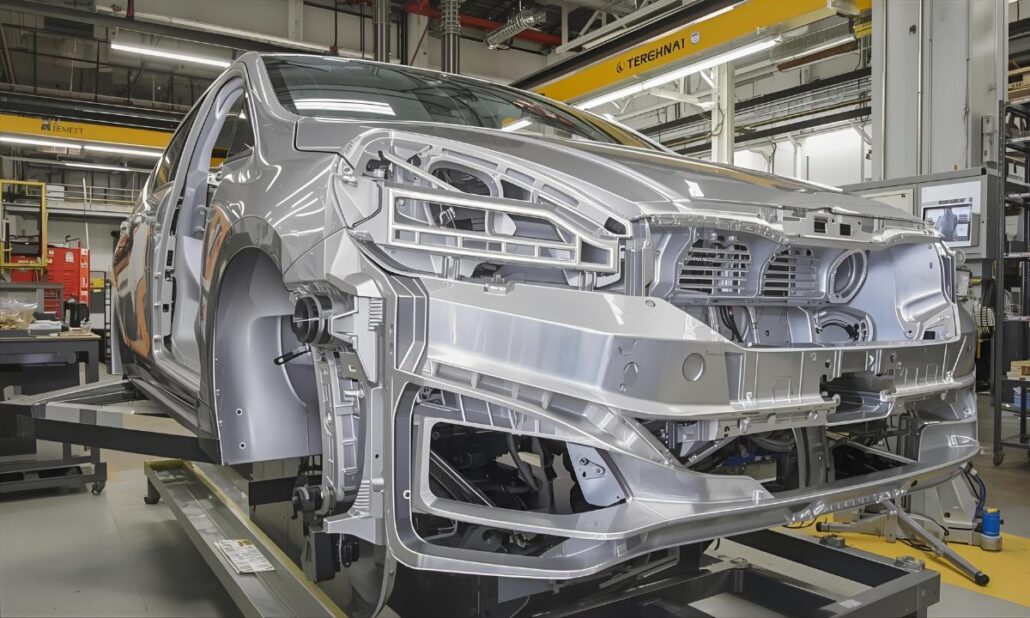
Aluminium automotive die casting in China has become an essential process within the international automotive supply chain that contributes to efficiency, sustainability, and innovation in vehicle production. Lightweight and strong, aluminium provides a special balance between mechanical performance and fuel consumption, which contemporary car manufacturers require. Through minimised vehicle weight, aluminium die-cast components have a direct impact on reducing fuel consumption, longer battery range in electric vehicles (EVs), and carbon emissions. This not only renders the technology significant to the manufacturers, but also to environmental regulations across the world. This domination in the automotive industry of China is a natural extension of aluminium die casting. Being the largest producer, the country with huge production rates, with its large supply chain and the support of the government through industrial policy, China has already established itself as the largest producer and one of the greatest innovators in the area. The die casting sector of the country serves both local car manufacturing industries and foreign brands, and it provides engine blocks and transmission housings, as well as high-tech giga castings, applied to the body of EVs. The development of lightweight materials and more environmentally friendly production technologies has become even faster. This congruence between industrial competency and the world sustainability targets will keep China on the frontline of the technology of aluminium die casting, which is the future of automotive engineering. What is Die Casting of Aluminium? Aluminium die casting is the production technique where molten aluminium is pressurized and injected into a high-pressure steel mold (die). Upon cooling and solidification, the metal produces complex and precise components with very favourable strength-to-weight ratios. The automotive parts that are commonly manufactured are engine blocks, transmission housings, wheels, brackets, and structural body parts. Why China Leads in Aluminium Die Casting? Aluminium Die Casting Process Aluminium die casting is one of the most specialized manufacturing techniques that allows the creation of complex and accurate automotive components with great mechanical properties. It does include several well-regulated phases, and each of them can be seen as a step toward the quality, strength, and durability of a final product. The following is a discussion of each of the stages: 1. Mold Preparation The steel mold, usually of hardened tool steel, is completely cleaned and checked before production starts and should be free of wear or damage. Then the release agent or lubricant is applied to the cavity of the mold, which has a variety of significant purposes. It avoids the sticking of the molten aluminium to the die, provides smooth part ejection and assists in maintaining mold temperature in successive casting cycles. It is important to prepare the mold properly, as this has a direct relation to the surface quality and dimensional accuracy of the finished component. 2. Melting & Alloy Preparation It begins with the melting of aluminium ingots or recycled scrap in a high-temperature furnace that can be either gas-powered, electrically powered or induced. At this phase, molten aluminium is observed keenly to maintain an optimal temperature range of around 660 to 700 °C to provide a fluid mass and reduce defects. Elements like silicon, magnesium, and copper are alloyed in order to improve certain properties such as strength, corrosion resistance, or thermal conductivity. It is important to keep the chemical composition accurate since a slight change in it might greatly affect the functionality of automotive elements. 3. High-Pressure Die Casting (injection) After the molten aluminium attains the desired state, it is poured into the prepared steel casting mould by a high-pressure die casting (HPDC) machine. The pressure of injection is usually between 110 and 175 MPa, and this makes the liquid metal fill even in the most complex molding cavities with accuracy. High pressure also aids in reducing porosity and shrinkage flaws to produce high-strength and dense parts. This is regarded as the centre point of the process since it determines the quality of the casting and whether complicated shapes can be produced without breaking the structural integrity. 4. Cooling & Solidification The molten aluminium is then injected and quickly cools down and hardens in the steel mould. The rate of cooling is maintained throughout to make sure that the crystallization is uniform and internal stresses or warping are minimized. Cooling time varies greatly with the thickness and intricacy of the component being cast; a thin-walled component could be solidified in a matter of seconds, whereas a more complex part could take a longer cycle to solidify. Well-organised cooling circuits (water channels or oil circuits built into the die) are commonplace with the aim of ensuring consistency throughout the production runs. It is essential to attain a balance of strength, ductility, and dimensional accuracy by proper solidification. 5. Ejection After the part has hardened, ejector pins in the mold force the casting out. In this step, accuracy is needed to prevent burning sensitive areas or thin walls of the part. Large-scale automotive manufacturing often relies on automated ejection systems, which guarantee the consistency of cycle times and minimize manual work. The process of ejection may appear to be easy, yet with improper application, it might cause surface defects, cracks or misalignment, which will adversely affect the usability of the final product. 6. Trimming & Finishing Raw casting may contain large quantities of extraneous material, such as flash, runners or even gates, after ejection, and this needs to be removed. A hydraulic press or a CNC machine is usually used in trimming to attain an accurate edge line. Other finishing processes like shot blasting enhance the texture of the surface, and machining provides the high dimensional tolerance needed by engine or transmission components. They can be heat-treated to increase strength and hardness, and coating or anodizing may increase corrosion resistance. These are the necessary secondary processes because through them the raw casting is taken to the next level, where it is turned into a functional and reliable automotive component. 7. Inspection & Quality Control The last step is the intensive inspection, whereby all castings will be

Алюминий высокого давления литья под давлением автозапчасти

Алюминиевые автозапчасти высокого давления литья под давлением: Прочные и эффективные

литьё алюминия под давлением, литье под высоким давлением

The automotive industry is changing due to the use of aluminum high pressure die-casting auto parts. They provide manufacturers with the power to design lighter, stronger and more efficient cars. With this technology, the car manufacturers can save on weight, become fuel efficient and have green mobility without compromising on the durability of the car. Auto parts die casting is the process whereby molten aluminum is injected into a steel mold at a very high pressure. This produces a strong shape that is smooth and sharp. The method allows faster production, reduced machining and consistent quality. In die casting auto parts, the companies are able to design complex components in a single step, which saves them time and money. Auto parts made in aluminium die casting are now much needed in modern vehicles. This is a frequent method of producing engine blocks, transmission housings, brake parts, and battery casings in electric cars. Lightweight, but tough, corrosion-resistant, and designed to meet tough conditions on the road, these parts are made. Auto parts made with aluminum die casting are increasing in demand rapidly, particularly as we move to electric and hybrid cars. Loss of total weight of cars increases battery life, performance and reduces emissions. This makes aluminum die casting a major component of green production. In brief, the use of aluminum high pressure die-casting auto parts in car manufacturing is no longer a choice. They have played a key role in creating the modern vehicles, which will not only be up to the present performance standards, but also be green. Powerful, effective, and stable, they will also be at the very centre of automotive design in the future. What Is Aluminum High Pressure Die-Casting? Die casting is a process of molding metal. In this, molten aluminum is forced under a very high pressure into a cavity in a steel mold. When cooled, the metal hardens in the same shape as the mold. The outcome is smooth, accurate and long-lasting. That is why die casting became one of the most popular ways of producing modern car parts. In comparison with the traditional technique, high pressure die casting can make complicated parts in one time. This saves time, machining requirements and costs to manufacturers. Why Aluminum for Auto Parts? The reason why aluminum high pressure die-casting auto parts are so popular is that there is no other material that has a combination of qualities as much as aluminum. It is green and rough; therefore, it is light and, therefore, can be used in the automobile industry. Increasing efficiency and environmental requirements have made aluminum the die casting of choice in auto parts. Weight loss is one of the largest benefits. Steel is a lot heavier than aluminum. Carmakers can lighten an overall vehicle by incorporating die casting auto parts produced using aluminum. The lighter a car is, the better its fuel economy, emissions, and performance. This would be important in both a conventional and an electric vehicle. Meanwhile, aluminum does not lose strength. It has a good strength-to-weight ratio, and this is good because even when the part is strained, it does not become soft. This is what renders aluminium die cast auto parts so useful in engines, transmission and chassis parts. The other important advantage is corrosion resistance. Aluminum does not rust and wear out like other metals. This provides increased life to aluminum die casting auto parts and decreased maintenance expenses to vehicle owners. Major Auto Parts are produced using Die Casting Automobile manufacturers cast most of their components using aluminum die casting. These are lightweight yet powerful parts that can be used in conventional as well as electric cars. Engine Blocks Engine blocks have to deal with heat, vibration and pressure. When it comes to auto parts die casting, aluminum blocks weigh less but are firm enough to work in very harsh conditions. This will conserve the overall weight of the engine and fuel consumption. Transmission Housings The transmission housings have to be precise and durable. Die casting auto parts are used in order to achieve the accuracy of smooth-running gears. This guarantees high reliability over time, and minimal machining is required. Brake Components Brakes face constant stress. Manufacturers produce strong components that are not heavy since they use aluminum die casting auto parts. This balance is applied to increase the braking force and to decrease the vehicle’s weight. Chassis Parts The chassis parts are used to provide safety and stability. They are strong but not bulky when made using aluminium die casting auto parts. This increases the management and productivity. EV Electric Housing’s motor and battery The auto parts that shield the motors and batteries are constructed using aluminum high pressure die-casting in electric vehicles. The housings protect delicate systems and still provide a lightweight frame, increasing the distance covered during driving. Collectively, these elements bring out the role of auto parts die casting in helping to design new cars. Aluminum die casting has made engines, EV batteries, and more perform efficiently, last longer, and be durable. Process of Aluminum High Pressure Die Casting 1. Mold Preparation Preparation of the moulds starts. The die of steel is thoroughly washed in order to eliminate all materials that are impurities and heated to the appropriate temperature. A protective coating is applied to the surface that prevents the sticking of the molten aluminum to the surface, and helps in controlling the cooling rate. This is done to ensure enhanced circulation of metals and longer life of moulds and consistency of parts per production cycle. 2. Melting the Aluminum These aluminum alloys are melted in a furnace with specific controlled temperatures. But sufficient temperature is also required, as that prevents oxidation, and the molten metal will flow easily into the mold cavity. Any impurities are removed by refining the agents or filters. This ensures that aluminum die cast auto parts contain no defects and are of good and consistent properties. 3. Under high pressure injection. Then the molten aluminum is forced into

Автомобильные детали, изготовленные методом литья:

Автомобильные детали, изготовленные методом литья: Выбор материала и технологического процесса

литейные детали

Современный автомобиль - это сложная машина, состоящая из тысяч отдельных деталей, цель которых - обеспечить безопасность, производительность и надежность. Литье - один из различных производственных процессов, используемых в автомобильной промышленности. Литье - это необратимая процедура, в ходе которой основные части автомобиля формируются путем придания расплавленному металлу формы чрезвычайно детализированных и прочных деталей. Двигатели, трансмиссии и тормозные системы большинства автомобилей - одни из самых важных систем, для которых требуются детали, изготовленные методом литья. Действительно, когда дизайнеры и конструкторы обсуждают эффективность, долговечность и экономичность производства, литье автомобильных деталей часто занимает центральное место в дискуссии. Искусство литья не ново, оно было изобретено тысячи лет назад. Однако его применение в автомобильной промышленности претерпело революционные изменения, что позволило использовать высокотехнологичные технологии и новейшие сплавы, отвечающие высоким требованиям современного автомобиля. Литье сыграло важную роль в обеспечении высоких эксплуатационных характеристик автомобилей при относительно низких затратах благодаря легким алюминиевым блокам двигателя, которые отличаются прочностью, и упругим чугунным компонентам тормозов. В этой статье мы рассмотрим историю автомобильного литья, процессы, преимущества и будущие тенденции автомобильного литья, а также выясним причины, по которым автомобильное литье продолжает оставаться основой автомобильной промышленности. История литья Именно процесс литья алюминия проник в эту сферу в середине 20-го века. Литье используется в автомобилях с конца XIX и начала XX века, когда впервые был разработан автомобиль, заменивший конную повозку. Ранние двигатели требовали мощных, но недорогих деталей, и литье оказалось верным решением. Одним из первых методов изготовления блоков, коленчатых валов и корпусов двигателей было чугунное литье. С развитием автомобильной промышленности технологии литья стали более совершенными. Автопроизводители поняли, что благодаря более легким двигателям и конструктивным элементам можно повысить эффективность использования топлива без сокращения срока службы автомобилей. Литье применяется к различным системам автомобилей в соответствии с их применением и важностью. Наконец, автомобильные литые детали играют важную роль, обеспечивая прочность, точность и экономичность для снижения стоимости, поэтому автомобильные детали являются гигантами автомобильной промышленности. Что такое автомобильные литые детали? Автомобильные литые детали можно определить как части автомобиля, которые производятся путем заливки расплавленного металла в форму, в результате чего расплавленный металл застывает, приобретая нужную форму. Это позволяет изготавливать надежные, прочные и сложные детали, используемые в автомобилях, включая блоки цилиндров, головки блока цилиндров, корпуса коробок передач, тормозные барабаны и колеса. Они очень популярны, поскольку предлагают литье: Если взять блок двигателя, то в нем имеются различные камеры и каналы для охлаждающей жидкости с резьбовыми отверстиями, которые можно правильно отлить. Что такое литье? Процесс литья - это вид производства, при котором расплавленный металл заливают в форму и дают ему остыть в форме. После охлаждения отливку извлекают, обрабатывают (при необходимости) и вставляют в готовое изделие. Это операция, в ходе которой можно получить как прочные, так и геометрически сложные детали. Причина, по которой производители автомобилей предпочитают использовать литье, заключается в том, что они могут производить большое количество сложных деталей одинакового качества. Также необходимо поддерживать правильную температуру плавления, чтобы устранить такие дефекты, как пористость или недоливы. Мы обсуждаем не только конструктивно важные детали автомобилей, но и те, которые должны быть точными и долговечными в суровых условиях высоких температур, давления и постоянного износа. Процесс литья автомобильных деталей В крупносерийном производстве также используются автоматизированные машины или системы высокого давления для обеспечения высокого уровня точности и согласованности. 1. Изготовление лекал Начинается с изготовления лекала - имитации готовой детали. Как правило, детали изготавливаются из дерева, металла или пластика. Они также определяют точную форму и размер полости пресс-формы, в которую будет заливаться расплавленный металл. 2. Подготовка пресс-формы Для изготовления пресс-формы используются песок, металл или керамические материалы. Две половины формы образуют полость для придания детали формы. Внутри формы также могут быть сделаны пустоты, например, внутренние проходы в блоке двигателя. 3. Плавление металла В печи при контролируемой температуре расплавляется выбранный металл или сплав (чугун, алюминий или магний). Это необходимо для придания механических свойств высокопроизводительным изделиям, таким как двигатели или коробки передач. 4. Заливка Когда металл расплавлен, его заливают в форму. При сверлении, фрезеровании и токарной обработке обеспечиваются правильные размеры и отделка. 5. Затвердевание и охлаждение Нагретый материал оставляют остывать и затвердевать в форме, принимая ее форму. Деталь не должна иметь дефектов усадки или трещин из-за неконтролируемой скорости охлаждения. 6. Удаление формы После затвердевания форма разбивается (при литье в песчаные формы) или открывается (при литье в постоянные формы и литье под давлением). Затем сырая отливка извлекается и подвергается дальнейшей обработке в качестве заготовки для отливки. 7. Удаление и очистка ненужного материала, включая литники, стояки или вспышки. Отливка может быть подвергнута дробеструйной обработке или шлифовке для очистки поверхности, чтобы облегчить обработку. 8. Термообработка (если требуется) Литые детали могут подвергаться термообработке для повышения их прочности, твердости или вязкости. Литье в песчаные формы - один из старейших и наиболее распространенных способов, при котором из песчаной формы отливается деталь сложной формы. 9. Обработка и отделка Несмотря на то, что при литье получаются практически чистые формы, многие автомобильные детали приходится подвергать точной механической обработке. Она используется при изготовлении блока двигателя, головки блока цилиндров и коллектора. 10. Контроль и испытания Наконец, литая деталь проверяется на качество. Неразрушающий контроль (NDT), проверка размеров и проверка материалов проводятся для того, чтобы убедиться, что деталь соответствует промышленным стандартам перед сборкой.

Прокрутить вверх

Получить цитату