Литье под высоким давлением находит все более широкое применение в процессах и технологиях производства автомобилей. С увеличением количества электроники в легковых и грузовых автомобилях возрастает потребность в системах механического типа, способных рассеивать тепло, обеспечивать структурную целостность и другие факторы, которые делают литье под высоким давлением очень популярным продуктом и компонентом для автомобильного сектора. В этом руководстве раскрываются секреты профессии, объясняется, почему автомобильное литье под давлением - это большой скачок по сравнению с традиционными методами.
Что такое автомобильное литье под давлением?
Проще говоря, автомобильное литье под давлением - это производственный процесс, в котором расплавленный металл вводится в форму для создания детали, застывающей за доли секунды. По ходу процесса металл поступает в форму, деталь формируется, а затем обрабатывается на линии. Это высокоскоростная, высокоточная и невероятно эффективная технология для массового производства.
Существует два основных типа этого процесса:
Литье под давлением (PDC): В стальную форму под высоким давлением впрыскивается расплавленный металл. В соответствии с Североамериканская ассоциация литья под давлением (NADCA), Это по-прежнему самый быстрый способ производства сложных деталей из цветных металлов.
Гравитационное литье под давлением: Когда расплавленный металл стекает в форму под действием силы тяжести. Это часто используется для деталей, для которых предпочтительны механические свойства более медленного затвердевания.
Гигареволюция 2026 года
Промышленность вышла далеко за пределы небольших кронштейнов. Сегодня мы определяем, является ли литье под высоким давлением правильным процессом для объединения деталей в одну литую деталь, чтобы сэкономить деньги заказчика. Мы боремся за всю отрасль, чтобы все больше и больше деталей поступало в литье под высоким давлением. Это особенно актуально для заднего или переднего днища в сборе, которые теперь отливаются за один прием на машинах, достигающих усилия смыкания до 9 000 тонн. Эта тенденция “мегалитья” значительно снижает углеродный след от сборки автомобилей, как отмечают Автомобильные новости.
Выбор правильного сплава для автомобильного литья под давлением
Когда к нам обращается новый клиент, мы смотрим на допуски, размер детали и различные характеристики, чтобы точно определить нужный сплав. В компании The Die Casting мы можем отливать все три основных типа сплавов, обеспечивая соответствие материала конкретному применению:
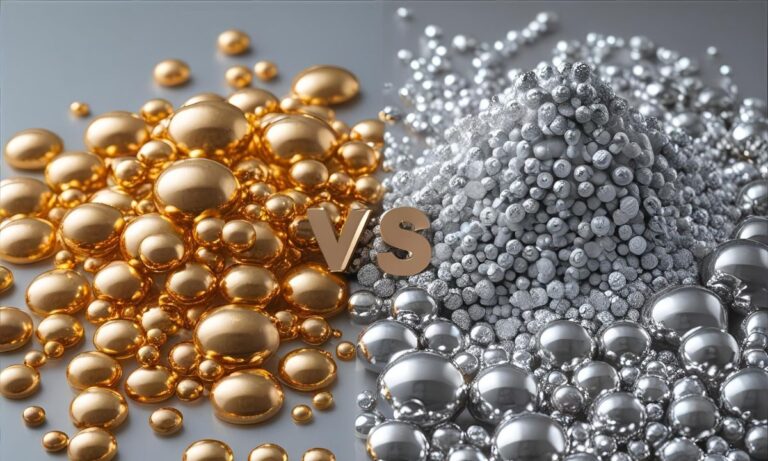
- Алюминий: Это своего рода "палочка-выручалочка". Он обеспечивает наилучшее общее соотношение свойств и экономичности. Он обладает отличными свойствами теплопроводности для отвода тепла от электроники.
- Магний: Если речь идет об очень чувствительном к весу изделии и вам нужен очень, очень легкий вес, мы предлагаем магний. Он обладает невероятным соотношением прочности и веса и отлично подходит для балластов фар.
- Цинк: Тяжелый сплав, примерно в два с половиной раза тяжелее алюминия. Однако вы можете делать более тонкие стенки и меньшую тягу, а срок службы инструмента у цинка намного, намного выше.
Автомобильное литье алюминия под давлением в эпоху электромобилей
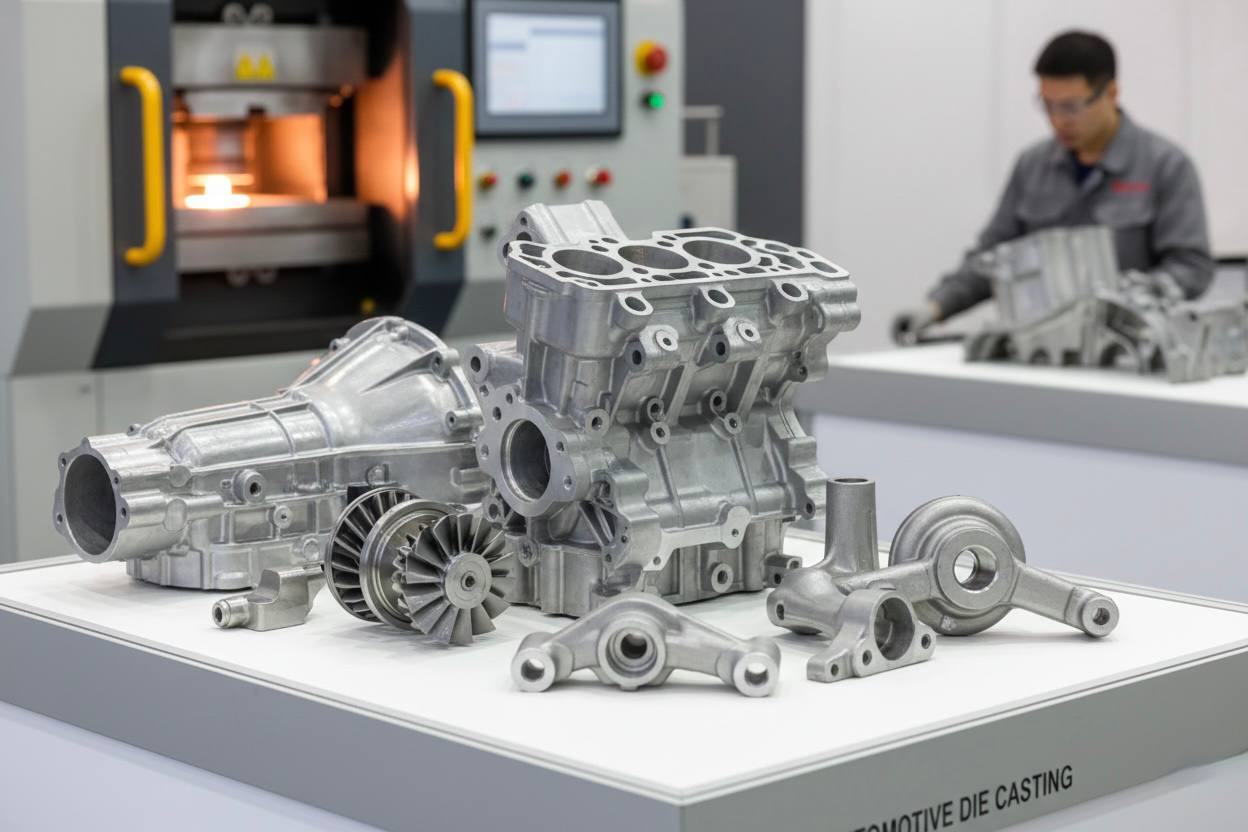
Будущее автомобильной промышленности - это электромобили на аккумуляторах. В эту новую эпоху автомобильная литьё алюминия под давлением это важно, потому что трансмиссия выглядит совершенно иначе. В подавляющем большинстве электромобилей есть только одна передача, поэтому коробка передач намного меньше и менее сложная.
Однако у нас есть и новые детали, связанные с электронной мобильностью. Инвертор, расположенный сверху, содержит множество электронных компонентов и должен быть полностью герметичным. Мы не можем допустить никаких утечек; если утечка масла в двигателе внутреннего сгорания - это неприятно, то утечка воды может убить двигатель электромобиля, как только он заполнится водой. Поэтому автомобильное алюминиевое литье под давлением должно отвечать самым высоким стандартам структурной целостности.
Производство сложных автомобильных деталей методом литья под давлением
Автомобильные детали для литья под давлением используются в современном автомобиле с головы до хвоста. Поскольку все, что делается для снижения веса, помогает экономить топливо и уменьшает количество вредных выбросов, эти компоненты жизненно важны.
Силовая электроника и корпуса электромобилей
Электроника электромобиля выделяет тепло, и вы хотите отвести это тепло. Мы используем литье автомобильного алюминия под давлением для:
- Модули TCM: Модули управления трансмиссией для систем shift-by-wire.
- Корпуса для электромобилей: Большие корпуса, которые должны быть герметичными, чтобы предотвратить проникновение воды.
- Экранирование ЭМИ/РФИ: По сравнению с пластмассой литье под давлением надежно защищает электронику от помех.
Конструкционное и механическое литье под давлением Автомобильные детали
- Ударные башни: Отливки под высоким давлением, которые заменяют сборку и сварку листового металла, повышая жесткость.
- Корпуса двигателей: В связи с переходом на электромобили значительная часть бизнеса по литью под давлением остается.
- Аккумуляторные ящики: Крупные детали, которые теперь отливаются как единое целое, чтобы обеспечить их водонепроницаемость.
Инвестиционное литье и автомобильное литье под давлением
Если литье под давлением автомобильных деталей требует очень высокой точности размеров или представляет собой небольшой и сложный дизайн, мы можем рассмотреть метод литья по выплавляемым моделям, также известный как метод потерянного воска.
Этапы производственного процесса:
- Создание узоров: Шаблон сделан из воска, и его форма в точности повторяет конечный продукт.
- Сборка деталей: Восковые узоры собираются на центральном бегунке, часто называемом “деревом”.”
- Керамическое покрытие: Сборка погружается в керамический раствор; повторное нанесение покрытия увеличивает толщину оболочки.
- Сушка и депарафинизация: Керамическая оболочка высушивается, а воск расплавляется и сливается.
- Заливка: Расплавленный металл заливается в керамическую форму. После затвердевания керамическая оболочка разбивается, чтобы обнажить деталь.
Центробежное литье: Принцип и назначение
Для производства осесимметричных деталей, таких как трубы, трубки и полые цилиндрические детали, мы используем центробежное литье. В этом процессе форма изготавливается из металла и вращается с высокой скоростью.
Конструкция и работа машин
Форма установлена на роликах, а вращение обеспечивается двигателем. Когда расплавленный металл заливается во вращающуюся форму, центробежная сила выталкивает его наружу. Металл распределяется равномерно, обеспечивая перемещение примесей и легких частиц к внутренней поверхности. Таким образом, создается центральная полая полость без использования сердечника, в результате чего получается плотная, прочная внешняя поверхность с равномерной зернистой структурой.
Совершенство производства: Холодная камера против горячей камеры
При литье автомобилей под давлением способ введения металла в форму имеет решающее значение для качества конечной детали.
Горячее камерное литье под давлением
Системы впрыска, используемые для цинка и магния, фактически физически находятся внутри расплавленного металла. Плунжер опускается вниз, забирает определенное количество материала и выталкивает его в матрицу. Это очень быстрый процесс, иногда он похож на высыпание попкорна, потому что все происходит очень быстро.
Холодное камерное литье под давлением
Как правило, для алюминия металл находится в отдельной печи. Ковш набирает определенное количество жидкости и помещает ее в дробовую втулку. Это предотвращает воздействие расплавленного алюминия на плунжерные механизмы.
Процессы с добавленной стоимостью: За пределами литья
В компании thediecasting.com мы любим заниматься инженерными и техническими разработками. Мы смотрим на общее применение, чтобы понять, можем ли мы объединить части в одну литую деталь для снижения затрат.
- Внутренняя обработка с ЧПУ: Мы можем выполнять самые разные виды обработки, от простых сверлильных/нарезных станций до сложных 5-осевых работ.
- Проверка на герметичность: Для деталей, которые должны быть герметичными, мы проводим испытания на герметичность под давлением. Мы нагнетаем в деталь воздух и измеряем количество выходящего воздуха, чтобы убедиться, что мы поставляем деталь без утечек.
- Обработка поверхности: Мы применяем различные виды обработки поверхности и различные виды отделки, от виброгашения до высокоуровневой защиты от коррозии.
Поиск производителей автомобильного литья под давлением в Китае
Для глобальных производителей, сорсинг от автомобильных производителей литья под давлением в Китае обеспечивает значительное преимущество. В thediecasting.com мы гордимся тем, что помогаем вам получить “наибольшую выгоду” от литья под давлением. Наш завод в Китае позволяет нам быть очень конкурентоспособными по цене деталей, поскольку мы уделяем первостепенное внимание эффективности проектирования.
При современном литье автомобилей в Китае используется вакуумное литье с приводом AI. Вакуум применяется для удаления воздуха, что уменьшает пористость и улучшает прочность и качество поверхности. Это позволяет нам предлагать предложения, которые могут помочь сэкономить деньги заказчика за счет выполнения деталей “как отливка”, а не за счет вторичной обработки.
Дополнительные технические ресурсы можно найти на сайте diecastingschina.com и aludiecasting.com.
Обеспечение качества и устойчивость
Устойчивость - это баланс возможностей Люди, планета и прибыль.
- Планета: Мы должны думать об окружающей среде. Литьевые формы 100% можно перерабатывать, предлагая экологичное решение для рынка 2026 года.
- Люди: Совершенствование транспортных средств помогает построить лучшее общество с более безопасным и эффективным транспортом.
- Прибыль: Снижение сложности сборки за счет интегрированного литья под давлением приводит к прямой экономии.
Мы используем специальные измерительные приборы и рентгеновские снимки деталей, чтобы убедиться в отсутствии микропустот. Если в детали есть крошечные отверстия, мы можем выполнить пропитку смолой, которая поможет заполнить все пустоты, чтобы удовлетворить требование герметичности. Наша цель - облегчить проектирование, чтобы конечный продукт был долговечным и экономически эффективным.
Почему стоит сотрудничать с The Die Casting?
На этой сессии мы обсудили центробежное литье, литье по выплавляемым моделям и литье под давлением. Мы любим работать с литьем под давлением и обсуждать с клиентами их новые применения. Если литье под давлением не подходит, мы поможем вам найти правильный процесс, который подойдет для вашей детали.
На сайте thediecasting.com мы предоставляем технический опыт, необходимый для постоянно растущего количества электроники в автомобильном мире. Если вам нужно высокопрочное литье автомобильного алюминия под давлением или сложное структурное автомобильное литье под давлением, мы дадим вам честное мнение и поможем довести деталь до идеального решения.