CNC işleme bronz

Bronz İşleme

CNC işleme

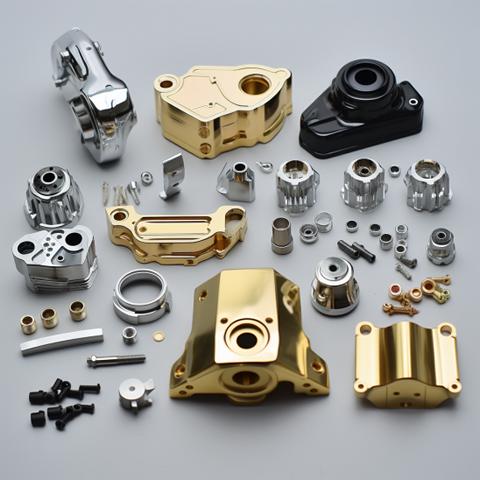
Copper Bronze in CNC Machining Bronze is a metal that is used in a wide variety of industries and applications. It is made of copper, tin, and other alloys to provide strength, durability, and resistance to corrosion. Due to its versatility, it is widely used in CNC machining applications, particularly in manufacturing high-accuracy parts such as bearings, gears, and other complex parts. Bronze’s Machinability and Applications Bronze has good machinability that allows it to be easily cut, drilled, and shaped using computerized machines such as CNC, thus making it vital in industries that require high accuracy, such as aerospace, automobile, and manufacturing of medical equipment. Enhancing Bronze’s Properties It is for this reason that by changing the composition and treatments of bronze, its mechanical and performance characteristics can be enhanced. For instance, phosphorus improves wear resistance while aluminum increases strength and hardness to suit a given application. CNC machining bronze: The Process Steps Bronze CNC machining involves the use of Computer Numerical Control (CNC) machines. The process begins with a CAD model, and CAM software creates toolpaths. The bronze material is then conditioned and positioned on the work table of the CNC machine for milling, turning, drilling, and other detailed work like engraving or etching. Quality Control and Polishing Subsequent to machining, inspection is done using accurate measuring tools to check for compliance with the set tolerances and quality. Some of the last operations, such as polishing or sanding, may be done to give the required surface finish before proper packing for transport or for subsequent operations. Expertise and Optimization CNC operators are very important in the process of using CNC machines to machine bronze since they help in achieving the best results as far as accuracy, performance, and durability of the machined components are concerned. Benefits of CNC Bronze Machining Bronze CNC machining has many advantages that make it widely used in various industries. The first advantage is that its coefficient of friction is low, and hence, there is no need to apply lubricant frequently during cutting, as is the case with other metals that are denser. This feature not only increases the effectiveness of the production process but also affects the costs in a positive way. Also, bronze has high wear resistance and is applied to the parts that have to be more durable than other elements of a machine. In the case of machining, the following benefits can be attributed to the use of bronze in a number of ways. It has high machinability and hence can be easily worked into the required form and shape. It can also be formed into intricate forms without dulling the cutting tools. This not only saves time but also the cutting tools which in turn helps in reducing the cost in the long run. It also has a very high corrosion resistance as another property of this metal as mentioned above. This makes it a preferred material for parts that are in contact with the environment or corrosive agents. Moreover, bronze is quite resistant and, at the same time, quite malleable, which makes it quite versatile. It is not the hardest of all metals, but its satisfactory strength, coupled with its flexibility, makes it suitable for structural parts and ornaments. In the field of thermal conductivity, it is an advantage of bronze that it has high thermal conductivity. It also assists in cooling during the process of bronze machining so that the workpiece does not get hot and reduces the possibility of it shrinking or expanding in size. This is important in a bid to ensure that there is accuracy in the manufacturing processes and to avoid cases of wastage of materials and tools. Components such as bearings, gears, and sliding elements are particularly suitable for use in bronze because of their low coefficient of friction through which the parts glide smoothly and for longer periods. Disadvantages of CNC Machining Bronze In fact, Bronze CNC machining has its advantages, but it also has its disadvantages that should be considered. The problem with bronze is that it is relatively costly to obtain the right materials to work with in the first place. Bronze is a combination of copper and tin, and as such it is relatively costly than other materials that can be used in bronze CNC machining hence making the overall cost of projects that require the use of bronze high. Another disadvantage is the problem of when the tools become dull and need sharpening. Bronze is relatively softer, and as a result, it causes faster wear and tear of the machining tools hence frequent replacement. This raises the cost of production and requires the monitoring of the tools from time to time. When it comes to machining bronze vs brass, CNC machining bronze is also relatively easier to get fine details and shapes than other metals. It is because of its softness. The material is not as hard as metal and, as such, may not hold finer details as well; this may be a disadvantage, especially for detailed projects. The last disadvantage of using bronze in CNC machining is that it will take a longer time to machine the material. The other disadvantage of bronze is that the time that is taken in performing machining operations on it is relatively longer than that of steel hence increasing the time taken in production. This may impact the project time line and may require some changes in the planning and programming of the project. Also, machining bronze bushings generates more heat than machining other hard metals like aluminum and steel. This heat can be very destructive to the tools and the quality of the cut, and as such, it may need to be monitored frequently and slow down the rate of machining to ensure that heat-related issues are well controlled. These challenges indicate a need to factor in and strategize when one is to perform bronze CNC machining on projects. Common Alloys of Bronze for CNC Machining Here are some
HPDC

Dünyanın En İyi 10 Alüminyum Döküm Üreticisi

alümi̇nyum döküm

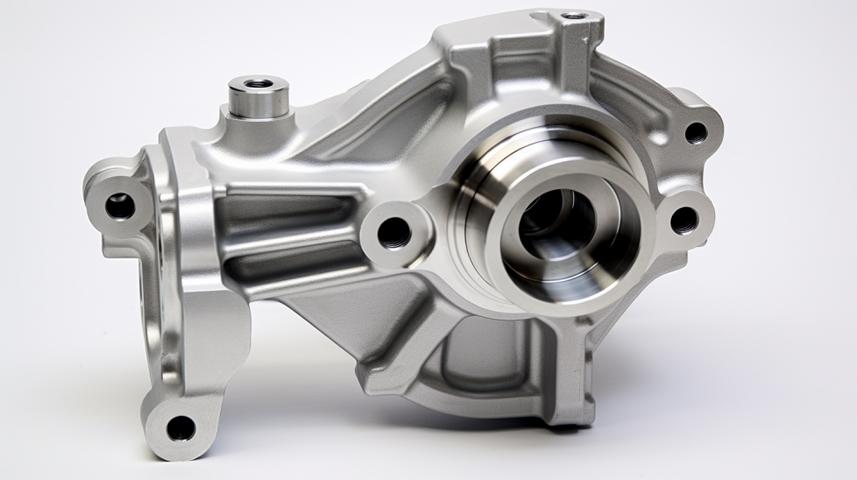
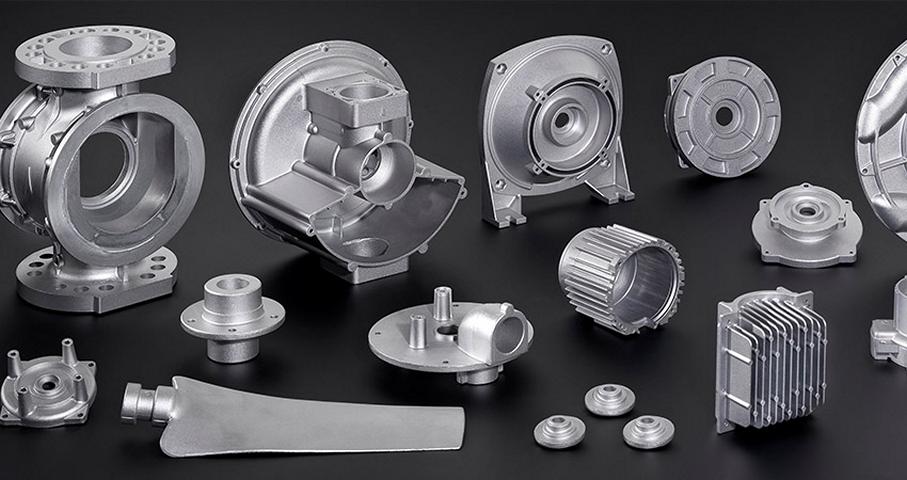
Are you looking for the right aluminum die casting manufacturers? You may have scrolled a lot but can not decide which is the best. If I am right, then you are definitely in the right place. We have brought you this guide to help you in this case. It mainly highlights the top 10 aluminum die-casting suppliers worldwide in 2024. Top 10 Aluminum Die Casting Manufacturers in The World 2024 Deciding between aluminum die-casting manufacturers is always challenging. Some foundries might not do die-casting, while others may only focus on die-casting. In addition, it usually takes time to research through Google. In each section below, we will mainly highlight four primary aspects of a factory. First, we will discuss the company and its main services. Does the company only focus on aluminum die-casting? What other casting methods does it usually provide? You can also check whether the factory offers surface finishes for aluminum parts. Later, we will learn their pros and cons. All these factors can help you find the best aluminum die-casting manufacturers for your project. Castiny Factory #1 CNM TECH Co. Ltd. This die casting factory is the best on the list. It offers all the necessary services to prepare an aluminum metal part, from design to finishing. This factory is in Guangdong, China. Since 2005, it has been one of the top 10 aluminum die-casting manufacturers in China. Note that this company always tries to follow the latest technology. To keep the standards, they keep the latest machinery. As a result, it ensures the highest quality of the metal parts. The best thing is that you can achieve up to ±0.01mm tolerance in each metal part. Main Services Aluminum die casting: prototyping, tooling, aluminum die-casting, machining, and surface finish. Zinc, Bronze, and Magnesium die-casting: You can create HPDC and LPDC aluminum die-casting metal parts. Aluminum gravity casting Aluminum sand casting Precision CNC Machining die casting mold Pros This aluminum die-casting factory provides a full range of services from casting to finishing. It also offers rapid prototyping with a step-by-step development process. Diverse die-casting capabilities Multiple casting methods High tolerance machining services: you can achieve tolerance up to ± 0.01 mm. Excellent customer service Excellent customer feedback The cost is relatively cheaper than other brands mentioned on this list. Cons They usually don’t offer other casting services, like investment casting or shell mold casting. From this factory, you will mostly find aluminum die-casting products. Some are made of zinc, magnesium, and Bronze. CNM TECH Co., Ltd may not be suitable for steel or other metals. However, you can get various steel forging services from this factory. Foundry #2 Ryobi Limited Japanese Ryobi Limited can be your next best pick. This aluminum die-casting supplier started its business in 1943. You may find them as one of the leading aluminum die-casting manufacturers worldwide in 2024. The company is in Hiroshima-ken, Japan. Regarding aluminum die-casting products, it mainly focuses on vehicle parts. Honda, Volkswagen, and Ford are some of its everyday customers. Main Services All metals die casting services for vehicles only Builders Hardware Printing Equipment Pros This factory mainly supplies products to automotive industries. They can make various metal parts, including aluminum die casting. Advanced machinery and technology for precision casting Excellent customer feedback. Cons Other casting methods, such as sand casting, gravity casting, and investment casting, are not included in their service list. You can only get vehicle parts, so customers from different industries may not benefit from this factory. The product service list on the website is unclear, making it difficult to understand their primary services. Contacting customer support is relatively tricky. Foundry #3 SintoKogio Our next best pick is another Japanese aluminum die casting manufacturer. While the company was founded in 1934, Sintokogio was reborn in 1960. Their headquarters is in Aichi, Japan. Regarding aluminum casting, Sintokogio mainly focuses on cold box molding and shell molds. Their products are widely used in aircraft and car engine parts. However, you may have limited options here. But for car parts, this factory can be your good choice. Main services Foundry: Aluminum casting, green sand molding, v-process, and chemically bonded metals Surface Treatments Powder treatment, force sensors, electric cylinders, material handling, and flooring Pros Multiple casting capabilities. After casting, this factory also offers extensive surface treatment options. Their latest technology ensures high-precision metal parts. Excellent customer support services. Cons For aluminum casting, you can only get aluminum gravity casting and low-pressure aluminum casting. Therefore, you can get limited options for aluminum die-casting parts. The cost is relatively higher. Their surface treatment involves removing, peeling, roughening, polishing, strengthening, micromachining, and seeing. However, anodizing, e-coating, and other finishing methods are crucial for aluminum die-casting parts. Foundry #4 Redstone’s President Eric Milling This plant is one of the new aluminum die-casting manufacturers. It opened in 2018 and has its headquarters in Ohio, USA. It has four main branches: Brazil, China, India, and Mexico. Aluminum die casting is one of this company’s main products. Although the website doesn’t mention it, they mentioned that they can take mass production orders. You can get all types of services, from design to manufacturing and testing. Main Services Die casting services include zinc die casting, aluminum die casting, and copper die casting. Investment casting Sand casting Metal Fabrication: sheet metal fab, CNC machining, and metal injection molding services Plastic injection molding services Pros This aluminum die-casting manufacturer offers zinc, aluminum, and copper die-casting. They specialize in aluminum die-casting services. High-quality metal parts with tight tolerances Additional casting methods are also present. You can work with other metals like steel, copper, and titanium. Cons Although they offer CNC machining for surface treatment, it is not enough. As you know, aluminum metal parts need other types of finishing methods. Typical examples are anodizing, e-coating, polishing, painting, and more. The website doesn’t talk about different aluminum casting services. Their aluminum die-casting parts are relatively expensive. In this case, GC precision mold aluminum casting parts are much better. Unable to create

anodize alüminyum parçalar

Siyah Eloksallı Alüminyum

Alüminyum yüzey kaplaması

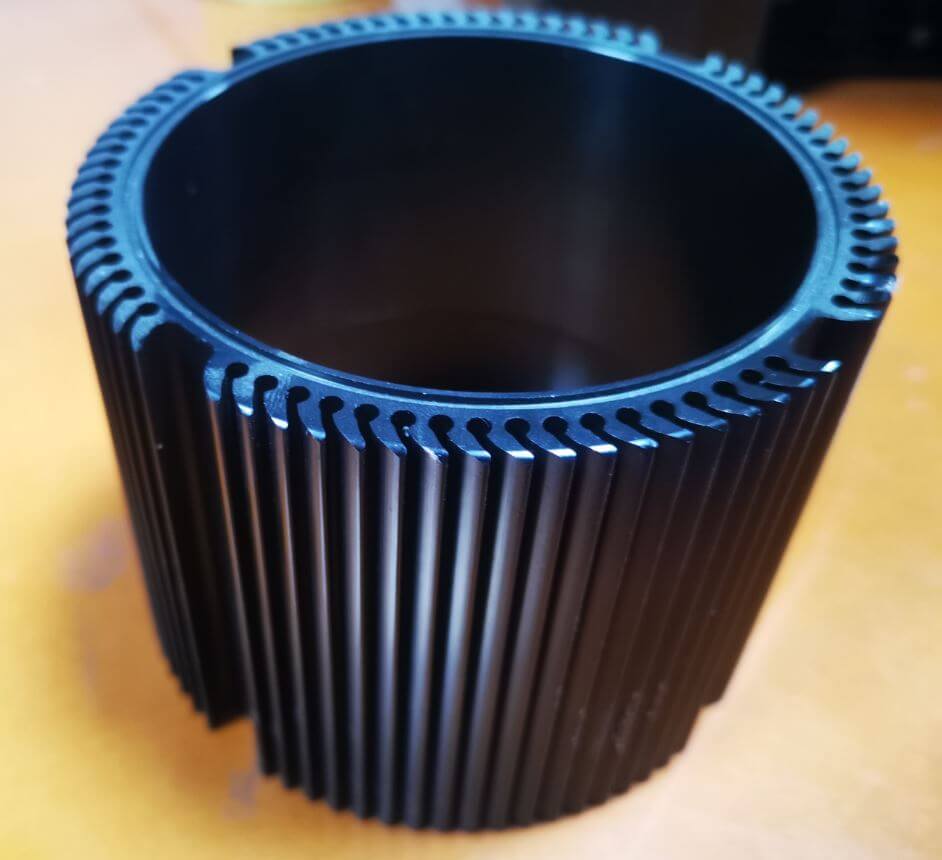
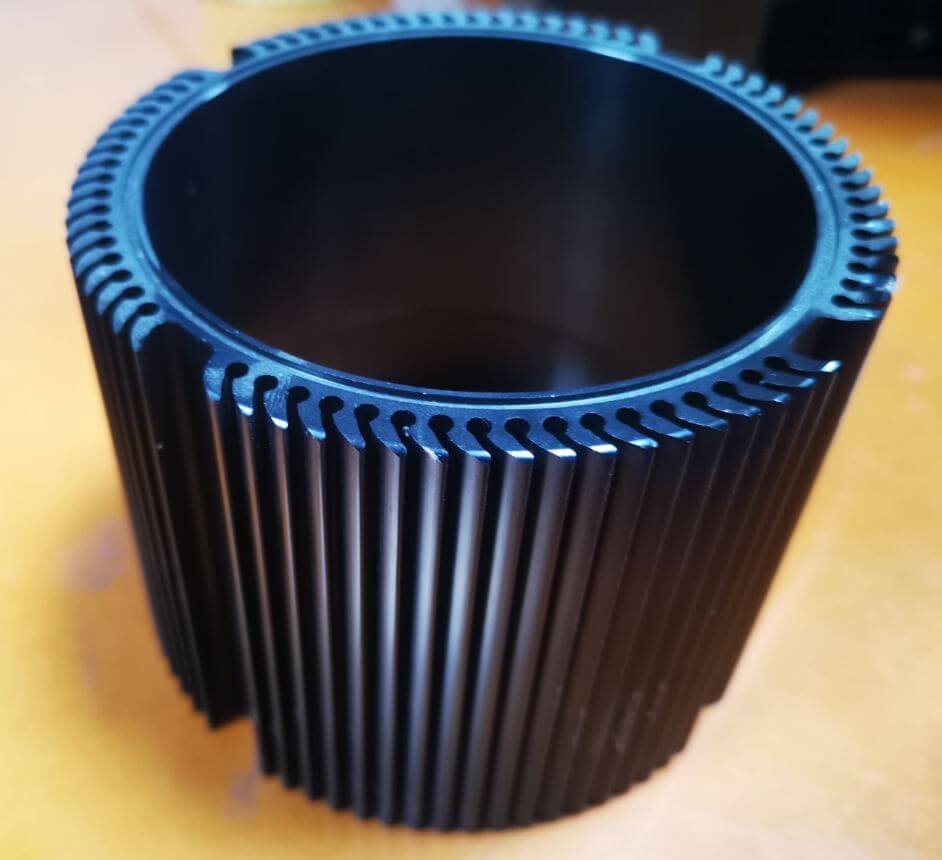
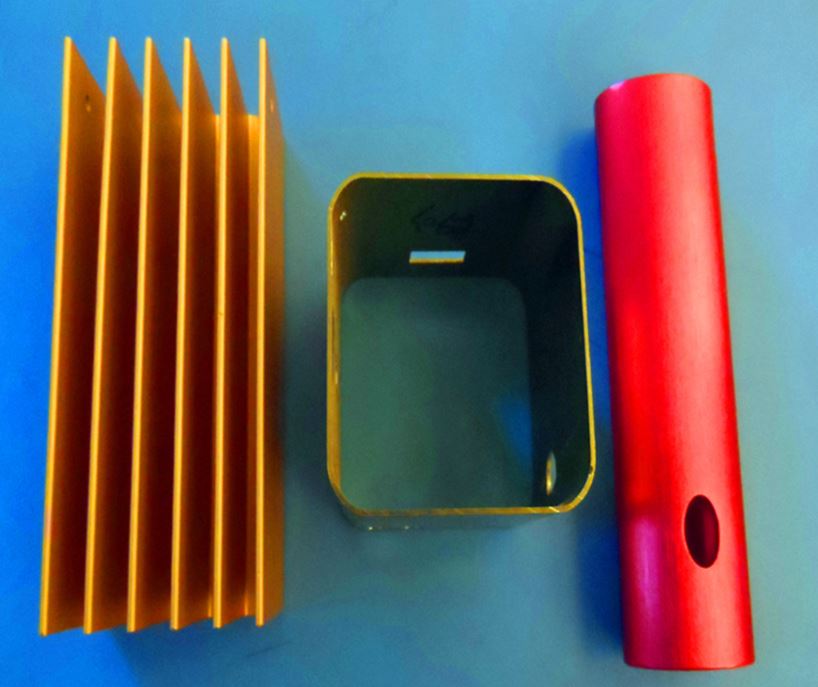
Siyah eloksallı alüminyum nedir Siyah eloksallı alüminyum temel olarak eloksal işleminden geçirilen ve daha sonra siyah renge boyanan alüminyumdur. Alüminyum parçanın yüzeyindeki doğal ve gözenekli oksit tabakası, eloksal adı verilen elektrokimyasal bir işlemle arttırılır. Bu sayede bu tabaka daha dayanıklı, kalın ve sert hale gelir. Bu oksit tabakası, alüminyum parçanın elektrolitik bir banyoya daldırılması ve üzerinden elektrik akımı geçirilmesi ile elde edilir. Eloksallı alüminyum siyahı, korozyon direnci, dayanıklılığı ve estetik çekiciliği ve benzersizliği nedeniyle önemli kabul edilir. Alüminyum hafiflik, yüksek mukavemet/ağırlık oranı, korozyon direnci ve termal iletkenlik gibi öne çıkan özelliklere sahiptir. Tüm bu özellikler bozulmadan kalır ve şık bir siyah kaplama da sağlanır. Bu kaplama daha dayanıklıdır ve kaplama veya kaplama ile elde edilen kaplamaya kıyasla daha az yongalanma veya soyulma olasılığı vardır. Bu yöntem otomotiv parçaları, havacılık ve uzay endüstrisi, ev bileşenleri ve elektronik parçalarda yaygın olarak kullanılmaktadır. Alüminyum nasıl anodize edilir? Bu, alüminyum parça yüzeyinde dekoratif ve aynı zamanda koruyucu bir tabakanın üretildiği bir yöntemi içerir. Bu işlemde aşağıda belirtilen birçok önemli faktörün göz önünde bulundurulması gerekir: Ekipman ve Malzeme Eloksal tankı Alüminyum objeler Sodyum Hidroksit Damıtılmış su Elektrik akım kaynağı Nitrik asit veya sülfürik asit Yağ çözücü Eloksal siyah boya Katot malzemesi, yani kurşun veya alüminyum Koruyucu dişliler Alüminyum Parça Yüzeyi Nasıl Hazırlanır? Eloksal işlemi gerçekleştirilmeden önce yüzey hazırlığı önemli bir faktördür. Temizleme, aşındırma ve desmutting gibi çeşitli adımlardan oluşur. Öncelikle alüminyum nesnenin yüzeyi asidik veya alkali temizleyiciler kullanılarak tamamen temizlenir. Bu, kir, gres veya yağ gibi her türlü kirliliği tamamen ortadan kaldıracaktır. Şimdi temizlenmiş alüminyum nesne aşındırma işlemine tabi tutulur. Bu işlem sırasında alüminyum parça sodyum hidroksit çözeltisi içinde aşındırılır. Aşındırma işlemi doğal oksit tabakasını kaldıracak ve pürüzsüz bir yüzey kalitesi oluşturacaktır. Aşındırma işlemi genellikle yüzeyde kalıntı parçacıklar bırakır. Bu kalıntıları gidermek için desmutting işlemi gerçekleştirilir. Bu işlemde, aşındırma işleminden sonra alüminyum parça asidik bir çözeltiye, yani nitrik aside daldırılır. Siyah eloksal alüminyum işlemi nasıl yapılır? Bu işlem, bir anot, katot ve banyoda bir elektrolitik çözeltiden oluşan bir elektrolitik hücrede gerçekleştirilir. Bu banyo çoğu zaman sülfürik asit içerir ancak fosforik asit ve kromik asit de kullanılır. Hazırlığı tamamlanan alüminyum obje banyoya daldırılır. Elektrolitik hücrede pozitif elektrot anot görevi görecek olan alüminyum cisimdir. Paslanmaz çelik veya kurşundan yapılmış negatif elektrot ise katot görevi görecektir. Böylece devre tamamlanır ve bu devreden bir elektrik akımı geçirilir. Bu işlem sırasında elektrolitik banyodan gelen oksijen iyonları alüminyum nesnenin yüzey alanındaki alüminyum atomları ile birleşerek alüminyum oksit oluşturacaktır. Bu süreç devam eder ve bu oksit tabakasının kalınlığı artmaya devam eder. Bu oksit tabakasının büyümesinin alüminyum yüzeyinden içe ve dışa doğru gerçekleştiğini ve sonuçta bunun gözenekli bir yapı oluşumuyla sonuçlanacağını belirtmek önemlidir. Oksit tabakasının oluşumunu etkileyen faktörler Oksit tabakasının kalınlığı aşağıdaki faktörler tarafından kontrol edilir. Elektrolitin sıcaklığı İşlemin süresi Akım yoğunluğu Kullanılan asidin türü Alüminyum nasıl siyaha boyanır? Bu işlem alüminyum nesnenin eloksallanmasından sonra gerçekleştirilir. Eloksal işleminin sonunda alüminyum obje üzerinde boyaları emebilen ve kabul edebilen gözenekli bir oksit tabakası oluşur. Boyama işlemi sırasında alüminyum obje bir boya banyosuna daldırılır. Bu boya banyosu siyah boya içerir. Siyah boya, eloksal işleminden oluşan gözenekli oksit tabakasının gözeneklerine nüfuz eder. İstenilen siyah tonu ve homojen boyamayı elde etmek için daldırma süresi ve sıcaklığı dikkatlice kontrol edilmelidir. İstenilen renk ve ton elde edildikten sonra mühürleme işlemi gerçekleştirilir. Bu işlemde emilen boya, oksit tabakasının gözeneklerini kapatarak kilitlenir ve alüminyum nesne mühürlenir. Sızdırmazlık amacıyla genellikle aşağıdaki malzemeler kullanılır. Nikel asetat çözeltisi İyonize su Buhar Alüminyum nesne, kalıntıları gidermek için iyice durulamaya tabi tutulur. Bundan sonra parça tamamen kurutulur. Daha sonra bu işlem korozyon direncini, dayanıklılığı ve yüzey kalitesini artıracaktır. Siyah anodize alüminyum borunun tanımlanması Bu, alüminyumdan yapılmış içi boş ve silindirik bir borudur ve boru şeklindedir. Bu alüminyum boru önce oksit tabakasının kalınlığının arttırıldığı eloksal işlemine tabi tutulur ve daha sonra daha iyi bir yüzey elde etmek için siyah renge boyanır. Eloksallı alüminyum siyah boru, korozyon direnci, hafiflik, dayanıklılık ve anodizasyonun avantajları gibi alüminyum özelliklerinin siyah kaplama ile birleşimine sahiptir. Bu borular, inşaat sektöründe, denizcilik uygulamalarında, otomotiv endüstrisinde ve dekorasyon amaçlı olarak yaygın bir şekilde uygulama alanı bulmaktadır. Alüminyum eloksallı siyah sacın tanımı Alüminyum sac, korozyon direnci, hafiflik ve yüksek mukavemet gibi öne çıkan özelliklere sahip düz ve ince bir alüminyum metal parçadır. Bu alüminyum levha, sonuçta alüminyum levhanın yüzey sertliğini ve korozyon direncini artıran anotlama işlemine tabi tutulur. Ayrıca bu işlem, levhanın boya ve kaplamaları emme kabiliyetini de artırır. Bundan sonra bu levha siyah renge boyanır. Daha sonra bu, estetik ve aşınma ve korozyona karşı koruma sağlayacaktır. Bu levhaların başlıca uygulamaları arasında mimari, elektronik, tabela ve dekoratif ihtiyaçlar gibi dayanıklılık ve görünümün birinci derecede önemli olduğu alanlar yer alır. Siyah Eloksallı Alüminyumun Avantajları Siyah eloksallı alüminyum, çok sayıda uygulamada kullanılmaya uygun hale getiren birçok avantaj sağlar. Bazı avantajlar aşağıdaki gibidir. Geliştirilmiş Mekanik Özellikler: Siyah eloksallı alüminyum daha iyi aşınma direnci sunar ve

CNC prototip işleme

Prototip CNC İşleme

alümi̇nyum döküm, CNC işleme

A Comprehensive Guide To Prototype CNC Machining Prototype cnc machining is a valueable choice for producing small quantities of prototypes to large volumes quickly as compared to the other methods. Several kinds of prototypes can be simply made by CNC prototype machining. Appearance prototypes, like the cases of auto cars, offer visual clues on the final part’s look and behavior. On the contrary, functional prototypes need more precision, thus, they stress the product structure and the stability. The article demonstates about CNC machined prototypes, as well as their advantages, and disadvantages. Moreover, it will highlight the key aspects including; What is  Prototype CNC Machining? The prototype cnc machining is a subtractive manufacturing process for precisely producing prototype components that can be utilized for different purposes. These prototype components are employed for testing, and designing phases for parts functionalities. In addition, the primary purposes of such tests for identifying visuals, marketing, or fundraising. Basically, cnc prototype machining produces the samples of a product or a machine that, if approved, will continue to the stages of design finalization, manufacturing, and sales. CNC’s versatility enables you to make prototypes from different materials such as economical plastics to high strength metals to create prototypes. Why CNC Machining Is a Valuable Process? CNC machining is an exceptional option for prototyping detailed feature parts. Firstly, it provides high precision, accuracy, and dimensional stability to parts because of its computerized controls that strictly supervise the movement of the workpiece and cutting tool. This degree of control guarantees that the prototype that is produced is exactly the same as the design. Alongside this, the rapid prototype machining is notably fast, and helps replicate complicated patterns prototypes down to tolerances upto +/- 0.005x. Conversely, processes like injection molding, , and forging or 3d printing which often take months to meet tight tolerances requirements, and molds. Thus, advanced CNC machines let you prototype immediately after the CAD model is converted into the CAM files or g-codes. Types Of CNC Machines Used For Prototyping: There are various machining approaches used for shaping functional prototypes, and end-use products. CNC Turning Prototyping: CNC turning, using a rotating machine called lathes, for the creation of the cnc prototyping of rounded or symmetrical components. The process is a combination of the material being spun fast and a cutting tool as per programmed code to shape high quality exact specification parts or products. The lathe machines are considered ideal machines for prototypes with round mid-sections because of their specialization in round components. CNC Milling Prototype: For intricate prototypes, a CNC machine that has up to five axes may be needed, cnc milling is credible. The extra axes are the ones that make it possible to have a more accurate cutting, thus, the creation of the complicated parts, but the cost is higher. In the CNC milling prototype operations, the computer-controlled tool head cuts the final prototype from the large block of material. The starting block is the basis for the whole machining process. CNC Routers The CNC Router is the best way to prototype because it allows you to make the design of the product exactly as you want it to be. CNC routers are like CNC mills and machines but they are more affordable, and they have a gantry system which makes the work area bigger than the machine’s size. Nevertheless, this layout restricts their complexity. Routers are the best option for working with materials like wood, plastic, and soft metals like aluminum. They are usually adopted by industrial machinists and small business hobbyists for replicating exact design feature products. Usually, 3-axes, or 2-axis routers are widely used for intricate designs. Among these, 2-dimensional routers are used for simpler geometrical components, while 3-dimensional parts are made by using 3-dimensional components. Nevertheless, they cannot be as precise as CNC mills. Because, the process of creating or turning detailed CNC files based on the tool and machine acquires a lot of skill or skilled professionals. CNC Laser Cutter The CNC Laser Cutter is a technique that employs a high energy beam of laser cut to shape a prototype product, which is then tested and improved until the final product is made. The laser cutters that are strong enough to be used by small companies can handle metals like aluminum, as well as sturdy plastics such as; acrylics, textiles, composites, and wood for prototype CNC machining. Their flexibility is the reason why they are the most popular among the small firms that want to make a lot of prototypes without going beyond their budget. Nevertheless, laser cutters can pose “scorch marks” on the prototype part surface because of generated heat during the cutting process. In addition, the design complexity is usually limited as mostly these CNC cutters can precisely use multiple axes for product development. CNC machining is considered as an ideal process applied in different manufacturing fields. It helps to form highly detailed and complex feature parts with exceptional dimensional stability, and high degree of precision. In the majority of the industries, a working prototype, or even a version that shows the product’s functionality, is utmost. In contrast, for the functional prototypes that requires rigrous strength, mechanical stability and specific features that additive methods cannot provide, machined tooling is usually the choice. Applications of Precision Prototype CNC Machining Lets discuss various industries that use precision prototyping machining for shaping lightweight components for testing, and validating designs before initialising their part production projects on larger scales. Here are some of the commonest industries that use CNC machining as a primary source to manufacture stringent standard quality exact specification parts or products. Medical Industry In the medical field, CNC machining is the most crucial factor that makes the prototyping process faster. For instance, pharmaceutical companies usually need prototypes to demonstrate the product’s working before the final production. Precision and accuracy are the most important factors, especially in the medical devices, and CNC machining ensures that the prototypes are the exact copies of the final product and can work perfectly in their

Çin çinko alaşımlı döküm

çinko döküm Çin

alümi̇nyum döküm

Exploring the Dynamics of Zinc Die Casting China Zinc die casting China stands as a pivotal process in the manufacturing industry, providing unparalleled precision, cost-effectiveness, and durability. Within this realm, China emerges as a key player, contributing significantly to the global zinc die casting market. One notable company making waves in this industry is CNM TECH, a leading zinc die casting manufacturer in China. In this comprehensive article, we will delve into the intricacies of zinc die casting, the advantages it offers, and China’s prominent role in this dynamic sector. Advantages of Zinc Die Casting comparing to aluminum die casting: Zinc die casting and aluminum die casting are both popular methods for producing high-quality metal components, each with its unique advantages. Here, we’ll explore the advantages of zinc die casting in comparison to aluminum die casting: Cost-Effectiveness: Zinc Die Casting: Zinc is generally more cost-effective than aluminum. The lower melting point of zinc allows for faster production cycles, reducing energy consumption and overall production costs. The tooling and machining processes are also typically less expensive. Aluminum Die Casting: Aluminum has a higher melting point than zinc, which can result in longer production cycles and higher energy costs. The tooling and machining processes may be more complex and costly. Precision and Detail: Zinc Die Casting: Zinc offers excellent dimensional stability and intricate detailing capabilities. The fluidity of molten zinc allows for the production of complex and detailed parts with tight tolerances. Aluminum Die Casting: While aluminum can achieve precision, zinc tends to provide better results when it comes to intricate designs and fine details due to its lower melting point. Surface Finish: Zinc Die Casting: Zinc produces high-quality surface finishes with minimal post-processing required. The fine-grain structure of zinc allows for smoother and more aesthetically pleasing surfaces. Aluminum Die Casting: While aluminum can achieve good surface finishes, zinc often requires less post-casting finishing to achieve a polished and visually appealing look. Strength and Durability: Zinc Die Casting: Zinc alloys exhibit excellent strength and durability, making them suitable for a wide range of applications. The inherent strength of zinc allows for the production of robust and long-lasting components. Aluminum Die Casting: Aluminum also offers good strength, but zinc’s higher hardness and wear resistance can be advantageous in certain applications. Thin-Wall Casting: Zinc Die Casting: Zinc’s low melting point and excellent fluidity make it well-suited for thin-wall casting. This is particularly advantageous in applications where lightweight and intricate designs are essential. Aluminum Die Casting: While aluminum can achieve thin-wall casting, zinc often outperforms in terms of ease and precision in creating intricate and lightweight components. Corrosion Resistance: Zinc Die Casting: Zinc alloys provide good corrosion resistance, especially when properly coated. This is beneficial in applications where exposure to harsh environmental conditions is a concern. Aluminum Die Casting: Aluminum also offers corrosion resistance, but the specific alloy and surface treatments may be required to enhance this property. While both zinc and aluminum die casting methods have their merits, zinc die casting excels in terms of cost-effectiveness, precision, surface finish, and specific applications where thin-wall casting and corrosion resistance are critical factors. The choice between zinc and aluminum ultimately depends on the specific requirements of the project and the desired characteristics of the final product. Zinc Die Casting Process: The zinc die casting process is a highly efficient and versatile manufacturing method used to produce intricate metal components with excellent dimensional accuracy and surface finish. Here is an overview of the typical steps involved in the zinc die casting process: Mold Design and Tooling: The process begins with the design of molds that will shape the final product. These molds are typically made of hardened steel and consist of two halves – the “die” – which, when closed, form a cavity in the shape of the desired part. CNC machining or other precision techniques are used to create the mold with exact specifications. Melting and Injecting Zinc: Zinc, a low-melting-point metal, is then heated to its liquid state in a furnace. The temperature typically ranges from 780 to 950 degrees Fahrenheit (415 to 510 degrees Celsius). Once molten, the liquid zinc is injected into the mold under high pressure using a hydraulic press or a specialized zinc die casting machine. The pressure ensures that the molten metal fills the entire cavity of the mold. Cooling and Solidification: After injection, the molten zinc rapidly cools and solidifies within the mold cavity. The cooling time is carefully controlled to achieve the desired material properties and prevent defects. The solidification process is crucial for maintaining the structural integrity and dimensional accuracy of the final component. Ejection and Removal: Once the zinc has solidified, the two halves of the mold are separated, and the newly formed part, now known as the casting or die casting, is ejected from the mold. Automated ejector pins or mechanisms are often used to facilitate the removal of the casting from the mold. Trimming and Finishing: The castings may have excess material or imperfections, known as flash, which is removed through trimming or other post-casting processes. Additional finishing processes, such as machining, shot blasting, or vibratory finishing, may be employed to achieve the desired surface finish and dimensional precision. Quality Control: Stringent quality control measures are implemented throughout the zinc die casting process. Inspections and tests may include dimensional checks, visual inspections, and material testing to ensure that the components meet specified requirements. Modern technologies, such as X-ray or ultrasound inspections, may also be used to detect internal defects. Surface Coating (Optional): Depending on the application, the zinc die-cast components may undergo surface coating or finishing treatments to enhance corrosion resistance, improve appearance, or provide additional functionalities. The entire zinc die casting process is characterized by its speed, repeatability, and ability to produce complex shapes with high precision. It is widely used in various industries, including automotive, electronics, and consumer goods, where the advantages of zinc, such as cost-effectiveness and superior casting properties, are highly beneficial. Companies like CNM TECH zinc die casting

Basınçlı döküm Çin

Basınçlı döküm kalıp üreticisi

alümi̇nyum döküm

A Comprehensive Guide to Die Casting Mould Manufacturing by CNM TECH In the realm of manufacturing, die casting moulds stand as the unsung heroes behind the impeccable precision and efficiency of various products. At the heart of this intricate process lies the expertise of die casting mould manufacturers, with CNM TECH emerging as a prominent player in this dynamic field. Types of Die Casting Moulds Die casting moulds come in various types, each catering to specific manufacturing needs. Cold chamber die casting moulds, hot chamber die casting moulds, and multi-slide die casting moulds are the pillars of this industry. CNM TECH, a leading die casting mould manufacturer, specializes in crafting these moulds with unparalleled precision and reliability. Characteristics of a Reliable Die Casting Mould Manufacturer When it comes to choosing a die casting mould manufacturer, certain characteristics set the best apart from the rest. CNM TECH exemplifies these traits with its profound expertise in die casting technology, utilization of top-notch materials, precise tolerance levels, customizable solutions, and an unblemished reputation for delivering excellence. Key Considerations in Choosing a Die Casting Mould Manufacturer Choosing the right die casting mould manufacturer is a critical decision that can significantly impact the success of your manufacturing processes. Several key considerations should guide your decision-making process to ensure you partner with a reliable and competent manufacturer. Below are the essential factors to keep in mind: Industry Experience: Assess the manufacturer’s experience in the die casting industry. A company with a proven track record is more likely to have encountered various challenges and developed effective solutions. Technology and Equipment: Investigate the technology and equipment employed by the manufacturer. State-of-the-art machinery and advanced technology contribute to the precision and efficiency of the die casting process. Compliance with Industry Standards: Ensure that the manufacturer adheres to relevant industry standards and certifications. Compliance with standards such as ISO and other quality certifications is indicative of a commitment to producing high-quality moulds. Cost and Pricing Structure: While cost is a significant factor, it should not be the sole determinant. Consider the overall value offered, including quality, customization capabilities, and delivery timelines. Transparent pricing structures and no hidden costs are indicative of a trustworthy partner. Lead Times and Production Capacity: Evaluate the manufacturer’s production capacity and lead times. A reliable die casting mould manufacturer should be able to meet your production requirements within a reasonable timeframe while maintaining quality standards. Customization Capabilities: Assess the manufacturer’s ability to provide customized solutions. Different industries and applications may require unique specifications, and a manufacturer capable of tailoring their products to meet specific needs adds significant value. Reputation and Track Record: Research the manufacturer’s reputation in the industry. Customer reviews, testimonials, and references can provide insights into the company’s reliability, consistency, and commitment to customer satisfaction. Quality of Materials Used: The choice of materials significantly influences the durability and performance of die casting moulds. Ensure that the manufacturer uses high-quality materials suitable for your specific application. Communication and Collaboration: Effective communication is crucial for a successful partnership. Choose a manufacturer that values collaboration and maintains open lines of communication throughout the design, production, and delivery phases. After-Sales Support: Evaluate the level of after-sales support provided by the manufacturer. A company that offers ongoing support, maintenance, and assistance can help address any issues that may arise after the moulds are in operation. By carefully considering these key factors, you can make an informed decision when selecting a die casting mould manufacturer. CNM TECH, with its industry experience, cutting-edge technology, and commitment to quality, stands as an example of a reliable partner in the world of die casting mould manufacturing. The Die Casting Process Understanding the die casting process is vital to appreciate the significance of the moulds. CNM TECH’s expertise extends to every stage of die casting, from the initial design to the implementation of stringent quality control measures, ensuring that the final product meets the highest standards of precision and durability. Case Studies CNM TECH’s success stories serve as testaments to their commitment to excellence. Through in-depth case studies, we explore how CNM TECH’s die casting moulds have played pivotal roles in enhancing efficiency and product quality across diverse industries. The company’s portfolio demonstrates versatility and innovation in meeting unique manufacturing challenges. Emerging Trends in Die Casting Mould Manufacturing As technology evolves, so does the die casting mould manufacturing industry. CNM TECH stays at the forefront by embracing advancements in materials, integrating automation and Industry 4.0 practices, and incorporating sustainable manufacturing methods. The company’s forward-thinking approach ensures clients benefit from the latest innovations. Challenges in Die Casting Mould Manufacturing Even in the face of challenges, CNM TECH rises to the occasion. This section delves into common issues faced by die casting mould manufacturers and how CNM TECH navigates these challenges through innovative solutions. The company’s resilience and problem-solving capabilities underscore its commitment to customer satisfaction. Future Outlook for Die Casting Mould Manufacturing In a rapidly evolving landscape, the future of die casting mould manufacturing holds exciting possibilities. CNM TECH anticipates and prepares for upcoming technological advancements, contributing to the industry’s growth and offering clients cutting-edge solutions that meet the demands of tomorrow. Conclusion In conclusion, CNM TECH emerges as a trailblazer in the world of die casting mould manufacturing. Their commitment to precision, innovation, and customer satisfaction sets them apart. For businesses seeking reliability, efficiency, and a partner for the future, CNM TECH stands as the beacon of excellence in the intricate art of die casting mould production. Are you in need of high-quality aluminum die casting services? Look no further than CNM Tech China die casting manufacturer! Our team of experts specializes in aluminum, zinc, and magnesium die casting, as well as machining parts, metal stamping, and plastic molds making. With over 18 years of experience, you can trust that our die casting products are exemplary and cost-effective. We employ advanced equipment and machinery to ensure the highest quality solutions. We have been made many type of aluminum die casting, zinc die casting,

Siyah Eloksallı Alüminyum Ekstrüzyon

Yarı Katı Alüminyum Basınçlı Döküm

alümi̇nyum döküm

Yarı katı alüminyum basınçlı döküm nedir Yarı katı alüminyum basınçlı döküm, geleneksel basınçlı döküm ilkelerini yarı katı alaşımların benzersiz malzeme özellikleriyle birleştiren gelişmiş bir üretim sürecidir. Bu süreçte, genellikle bulamaç veya macun benzeri bir durumda olan kısmen katılaşmış bir alüminyum alaşımı, karmaşık ve hassas metal bileşenler oluşturmak için bir kalıp boşluğuna enjekte edilir. Bu yenilikçi teknik, geleneksel basınçlı döküm yöntemlerine göre çeşitli avantajlar sunmakta ve özellikle yüksek mekanik performansın, azaltılmış kusurların ve karmaşık tasarımların çok önemli olduğu uygulamalar için çok uygun hale getirmektedir. Üretim dünyasında basınçlı döküm süreci, yüksek hassasiyet ve verimlilikle karmaşık metal bileşenlerin oluşturulmasında çok önemli bir rol oynamaktadır. Bununla birlikte, son gelişmeler yarı katı alüminyum döküm olarak bilinen yenilikçi bir yaklaşımın ortaya çıkmasına neden olmuştur. Bu makalede yarı katı alüminyum basınçlı dökümün gelişimi, temelleri, avantajları, uygulamaları ve karşılaştığı zorluklar ele alınmaktadır. I. Basınçlı Döküm Sürecine Genel Bakış Basınçlı döküm, dikkate değer bir doğrulukla karmaşık şekiller üretmek için erimiş metalin bir kalıp boşluğuna enjekte edilmesini içeren bir üretim sürecidir. Yarı katı basınçlı döküm, daha iyi sonuçlar elde etmek için alaşımın malzeme özelliklerini manipüle ederek bu temel üzerine inşa edilir. II. Yarı Katı Alüminyum Basınçlı Dökümün Temelleri A. Basınçlı Dökümün Temel İlkeleri Geleneksel basınçlı döküm, tamamen sıvı haldeki erimiş metalin bir kalıba enjekte edilmesini içerir. Yarı katı dökümde ise kısmen katı ve kısmen sıvı halini koruyan bir bulamaç kullanılır, bu da kusurların azaltılması ve mekanik özelliklerin geliştirilmesi açısından belirgin avantajlar sunar. B. Yarı Katı Alaşımların Reolojik Davranışı Yarı katı alaşımlar benzersiz reolojik özellikler sergileyerek katılaşma süreci sırasında büzülmeye ve gaz gözenekliliğine karşı daha dirençli hale gelir. Bu da daha yüksek kalitede bitmiş ürün elde edilmesini sağlar. C. Yarı Katı Alüminyum Alaşım Türleri Özel uygulama gereksinimlerine bağlı olarak farklı alüminyum alaşımları yarı katı döküm için uyarlanabilir. Bazı alaşımlar otomotiv bileşenleri için daha uygunken, diğerleri havacılık ve uzay uygulamalarında mükemmeldir. III. Yarı-Katı Alüminyum Basınçlı Dökümün Avantajları ve Faydaları A. Geliştirilmiş Mekanik Özellikler Yarı-katı basınçlı döküm, gelişmiş mekanik mukavemete sahip bileşenler üretir, bu da onları otomotiv yapısal bileşenleri gibi güvenlik açısından kritik uygulamalar için ideal hale getirir. B. Azaltılmış Porozite ve Kusurlar Yarı-katı bulamacın benzersiz özellikleri boşluk ve porozite oluşumunu en aza indirerek daha az işlem sonrası gerektiren ve üstün yüzey kalitesi sergileyen bileşenler ortaya çıkarır. C. Geliştirilmiş Boyutsal Doğruluk Yarı katı basınçlı döküm, büzülmeyle ilgili sorunları azaltarak daha sıkı boyutsal toleranslara ve tutarlı geometriye sahip bileşenlere yol açar. D. Artan Tasarım Esnekliği Yarı-katı proses daha karmaşık ve ince duvarlı tasarımlara izin verdiğinden, tasarımcılar karmaşık bileşenleri şekillendirmede daha fazla özgürlükten yararlanır. IV. Yarı Katı Alüminyum Basınçlı Döküm Prosesi A. Yarı Katı Bulamacın Hazırlanması Tiksokasting ve reokasting, yarı katı bulamacı hazırlamak için kullanılan iki temel yöntemdir. Tiksokasting, yarı katı durumu indüklemek için mekanik karıştırma kullanırken, reokasting kontrollü soğutma ve kesmeye dayanır. B. Yarı Katı Bulamacın Enjeksiyonu Yarı katı bulamaç, geleneksel basınçlı döküm ekipmanı kullanılarak, ancak benzersiz malzeme özelliklerine uyum sağlamak için özel ayarlamalarla kalıp boşluğuna enjekte edilir. C. Kalıp Doldurma ve Katılaştırma Yarı katı bulamacın kontrollü akışı ve düşük viskozitesi, daha düzgün kalıp doldurmayı kolaylaştırarak türbülansın azalmasını ve daha iyi yüzey kalitesi elde edilmesini sağlar. D. Soğutma ve Fırlatma Kalıp doldurulduktan sonra, bileşen kontrollü katılaşmaya tabi tutularak homojen soğutma sağlanır ve iç gerilmeler en aza indirilir. Azaltılmış büzülme nedeniyle fırlatma daha pürüzsüzdür. E. Döküm Sonrası İşlemler Yarı-katı basınçlı döküm, kapsamlı son işlemlere olan ihtiyacı azaltsa da, düzeltme, çapak alma ve yüzey işleme gibi son işlem adımları hala gerekli olabilir. V. Geleneksel Basınçlı Döküm Yöntemleriyle Karşılaştırma A. Yüksek Basınçlı Dökümle Karşılaştırma Yarı katı dökümün daha az hata ve gelişmiş mekanik özellikler gibi avantajları, onu geleneksel yüksek basınçlı dökümden ayırır. B. Alçak Basınçlı Basınçlı Döküm ile Karşılaştırma Yarı katı döküm, her iki yöntemin avantajlarını birleştirerek yüksek basınçlı ve alçak basınçlı basınçlı döküm arasında bir orta yol sunar. C. Yarı Katı Basınçlı Dökümün Güçlü ve Zayıf Yönleri Yarı katı basınçlı dökümün artıları ve eksilerinin dengeli bir değerlendirmesi, üreticilere özel ihtiyaçları için en uygun yöntemi seçmelerinde rehberlik edebilir. VI. Yarı Katı Alüminyum Basınçlı Döküm Uygulamaları A. Otomotiv Endüstrisi Motor Bileşenleri: Yarı katı döküm, kaputun altındaki zorlu koşullara dayanabilecek dayanıklı motor parçaları üretir. Şanzıman Parçaları: Gelişmiş mekanik özellikler yarı-katı bileşenleri şanzıman sistemleri için ideal hale getirir. Süspansiyon Bileşenleri: Dayanıklılık ve boyutsal doğruluk kombinasyonu süspansiyon parçalarına fayda sağlar. B. Havacılık ve Uzay Endüstrisi Yapısal Bileşenleri: Yarı katı basınçlı döküm, kritik uçak yapılarının bütünlüğünü sağlar. Motor Parçaları: Havacılık ve uzay motorları, aşırı sıcaklık ve basınçlara dayanabilen sağlam bileşenler gerektirir. C. Elektronik Endüstrisi Isı Emiciler: Yarı katı bileşenler ısıyı verimli bir şekilde dağıtarak elektronik cihazların performansını ve uzun ömürlülüğünü artırır. Muhafazalar: Tasarım esnekliği, hassas elektronikleri koruyan karmaşık muhafaza tasarımlarına olanak tanır. D. Tüketim Malları Spor Ekipmanları: Yarı katı bileşenlerin hafif ancak sağlam özellikleri çeşitli spor ekipmanı uygulamalarına uygundur. Beyaz Eşyalar: Yarı katı bileşenler ev aletlerinin dayanıklılığına ve verimliliğine katkıda bulunur. VII. Zorluklar ve Gelecek Yönelimleri A. Malzeme Seçimi ve Alaşım Geliştirme Yarı-katı dökümün faydalarını en üst düzeye çıkaran alaşım bileşimlerine yönelik araştırmalar gelişmeye devam etmektedir. B. Süreç Optimizasyonu ve Simülasyon Gelişmiş simülasyon araçları, farklı uygulamalar için yarı katı döküm sürecinin optimize edilmesine yardımcı olur. C. Maliyet Değerlendirmeleri Yarı katı döküm birçok avantaj sunarken, üreticiler bunları ilgili maliyetlere karşı tartmalıdır. D. Çevresel Etki ve Sürdürülebilirlik Sektör, yarı-katı basınçlı döküm proseslerinin çevresel ayak izini en aza indirmenin yollarını araştırmaktadır. VIII. Vaka Çalışmaları A. Şirket A: Otomotiv Bileşeni Yarı-katı basınçlı dökümün otomotiv bileşenlerinin performansını ve uzun ömürlülüğünü artırdığı gerçek bir başarı öyküsünün vurgulanması. B. Şirket B: Havacılık ve Uzay Bileşeni Yarı katı dökümün kritik bir havacılık ve uzay bileşeninin hassasiyetini ve güvenilirliğini nasıl sağladığını göstermektedir. IX. Yarı Katı Alüminyum Basınçlı Dökümde Araştırma ve Yenilikler A. Gelişen Teknolojiler Yarı katı döküm alanında devrim yaratmayı vaat eden en son gelişmeleri keşfetmek. B. Ekipman ve Aletlerdeki Gelişmeler Özel ekipman ve aletlerin geliştirilmesi yarı-katı döküm sürecini iyileştirmeye devam ediyor. C. Endüstri 4.0 ile Entegrasyon Yarı katı dökümün akıllı üretim prensipleriyle birleşmesi, proses kontrolünü ve veriye dayalı karar vermeyi geliştirmektedir. X. Sonuç A. Önemli Noktaların Özeti Yarı-katı alüminyum basınçlı dökümün faydaları, uygulamaları ve zorluklarının özetlenmesi. B. Yarı Katı Alüminyum Basınçlı Dökümün Gelecek Beklentileri

özel soğutucu

Eloksal Döküm Alüminyum

alümi̇nyum döküm

Anodizing Die Cast Aluminum: Enhancing Durability and Aesthetics Anodizing is a crucial surface finishing process that offers numerous benefits to die cast aluminum components. By subjecting aluminum to an electrochemical process, anodizing creates a protective layer that enhances corrosion resistance, wear resistance, and even allows for aesthetic customization. In this article, we will delve into the anodizing process for die cast aluminum, explore its benefits, discuss considerations for successful anodizing, and examine its applications across various industries. Anodizing die cast aluminum Process To prepare die cast aluminum for anodizing, meticulous cleaning and degreasing are vital. This step ensures the removal of any contaminants that could affect the adhesion and quality of the anodized layer. Surface preparation techniques like etching and polishing may also be employed to achieve the desired surface finish. The anodizing process offers three main methods: Type I, Type II, and Type III anodizing. Type I, known as chromic acid anodizing, produces a thin, non-decorative, and corrosion-resistant layer. Type II, sulfuric acid anodizing, is the most common method and creates a thicker layer suitable for aesthetic finishes. Type III, also known as hardcoat anodizing, results in a considerably thicker and harder layer, offering exceptional wear resistance. Various parameters and variables play crucial roles in the anodizing process. Voltage and current density determine the thickness and quality of the anodized layer. Anodizing time and temperature are carefully controlled to achieve the desired results. Specialized equipment and setup ensure consistent and efficient anodizing. Benefits of Anodizing Die Cast Aluminum Enhanced Corrosion Resistance: Anodizing forms a protective oxide layer that shields die cast aluminum from environmental factors, such as moisture and chemicals. This greatly enhances the material’s corrosion resistance, making it suitable for applications in harsh environments. Improved Wear Resistance: Hardcoat anodizing creates an exceptionally durable surface that offers resistance against abrasion, reducing wear and extending the lifespan of die cast aluminum components. Aesthetic Options and Color Choices: Anodizing allows for a wide range of aesthetic options, including different finishes and color choices. By utilizing dyes or pigments during the anodizing process, die cast aluminum components can be customized to match branding or design requirements. Electrical Insulation Properties: Anodized die cast aluminum exhibits excellent electrical insulation properties. This makes it ideal for applications where electrical conductivity needs to be minimized or eliminated. Increased Surface Hardness: Hardcoat anodizing significantly increases the surface hardness of die cast aluminum, making it more resistant to scratches, dents, and other forms of physical damage. Considerations for Anodizing Die Cast Aluminum Proper alloy selection is crucial for successful Anodizing die cast aluminum. Different aluminum alloys respond differently to the anodizing process, so it’s essential to choose the appropriate alloy to achieve the desired results. Design considerations are also important. The thickness and dimensions of the component must be carefully evaluated to ensure uniform and consistent anodized coatings. Masking requirements should be addressed to protect specific areas that shouldn’t be anodized. Furthermore, the accessibility of the component’s surfaces must be taken into account to ensure proper coating coverage. Surface defects can occur during the anodizing process. To mitigate these issues, thorough inspection and quality control measures are implemented to identify and address any defects that may compromise the integrity of the anodized layer. Post-Anodizing Processes After anodizing, sealing the anodized surface further improves its durability and corrosion resistance. Sealing involves closing the pores of the anodized layer, preventing the ingress of contaminants and enhancing the overall performance of the anodized die cast aluminum component. Sealing can be achieved through various methods, including hot water sealing, nickel acetate sealing, or proprietary sealing processes, depending on the specific requirements of the application. In addition to sealing, there are additional post-anodizing processes that can be employed to further enhance the appearance and functionality of die cast aluminum components. Dyeing allows for the introduction of vibrant colors to the anodized surface, providing greater design flexibility and aesthetic appeal. Laser etching can be utilized to add precise markings, logos, or serial numbers to the anodized surface, allowing for easy identification and traceability. Quality control and inspection techniques play a vital role in ensuring the overall quality and performance of anodized die cast aluminum components. These processes involve visual inspection, thickness measurement, adhesion testing, and other rigorous assessments to ensure that the anodized coating meets the required specifications and standards. Applications of Anodized Die Cast Aluminum The benefits of anodized die cast aluminum make it a preferred choice in various industries: Automotive Industry: Anodized die cast aluminum components find extensive use in automotive applications, such as engine parts, transmission housings, and decorative trim. The enhanced corrosion resistance and aesthetic customization options make anodized die cast aluminum ideal for automotive designs. Aerospace Industry: Anodized die cast aluminum plays a crucial role in aerospace applications, where lightweight materials with excellent corrosion resistance are paramount. Components like aircraft interior panels, structural elements, and landing gear parts benefit from the protective anodized layer. Consumer Electronics: Anodized die cast aluminum is widely utilized in the consumer electronics industry for products like smartphones, laptops, and audio equipment. Its combination of durability, aesthetics, and electrical insulation properties makes it an ideal choice for these applications. Building and Construction: Anodized die cast aluminum finds use in architectural applications, such as window frames, door handles, and exterior cladding. The ability to customize colors and finishes allows architects and designers to achieve their desired aesthetic while ensuring durability and longevity. Other Industrial Applications: Anodized die cast aluminum is also employed in various industrial sectors, including machinery, furniture, sports equipment, and lighting fixtures. Its corrosion resistance, wear resistance, and aesthetic options make it a versatile material for a wide range of applications. Comparison with Other Surface Finishing Techniques While Anodizing die cast aluminum offers significant advantages, it’s important to consider alternative surface finishing techniques for specific applications: Powder Coating: Powder coating provides a durable and visually appealing finish, but it may not offer the same level of corrosion resistance or wear resistance as anodizing. The choice between anodizing and powder coating depends on the

eloksal alümi̇nyum boyama

Boyama Eloksallı alüminyum

alümi̇nyum döküm

Painting Anodized Aluminum: A Comprehensive Guide Painting Anodized aluminum is a popular choice due to its durability, corrosion resistance, and aesthetic appeal. However, there may come a time when you want to change the color of your anodized aluminum or simply refresh its appearance. In such cases, painting anodized aluminum is a viable option. In this blog post, we will provide a comprehensive guide on how to paint anodized aluminum, including the preparation, painting, and maintenance processes. I. Introduction Anodized aluminum is a type of aluminum that has undergone an electrochemical process to create a protective layer of oxide on its surface. This layer makes the aluminum more resistant to corrosion, scratches, and wear, while also enhancing its appearance. Anodized aluminum is commonly used in architectural, automotive, and aerospace applications, among others. However, its color options are limited, and it may fade or become damaged over time. Painting anodized aluminum can address these issues and provide a new look to your metal surfaces. II. Preparing the Surface Before painting anodized aluminum, it is crucial to prepare the surface properly. This involves cleaning the surface, sanding it, and applying a primer. Cleaning the Surface: The first step is to clean the anodized aluminum surface thoroughly. You can use a degreaser, such as trisodium phosphate (TSP), to remove any dirt, oil, or grime. Rinse the surface with water and let it dry completely. Sanding the Surface: Next, you need to sand the anodized aluminum surface to create a rough texture that can help the paint adhere better. You can use a fine-grit sandpaper, such as 220-grit, to sand the surface gently. Be careful not to sand too hard, as this can damage the anodized layer. Applying a Primer: Once the surface is clean and sanded, you should apply a primer to promote adhesion and improve the paint’s durability. Choose a primer that is compatible with anodized aluminum and follow the manufacturer’s instructions for application. Allow the primer to dry completely before painting. III. Choosing the Right Paint When it comes to painting anodized aluminum, not all paints are created equal. You need to choose a paint that is suitable for metal surfaces and can adhere well to the anodized layer. Here are some factors to consider when choosing paint: Type of Paint: There are different types of paint suitable for anodized aluminum, including acrylic, epoxy, and polyurethane. Each type has its advantages and disadvantages, so you should choose the one that best suits your needs. Acrylic paint is easy to apply and dries quickly, but it may not be as durable as other types. Epoxy paint is highly resistant to chemicals and abrasion, but it requires a longer curing time. Polyurethane paint is the most durable and glossy, but it is also the most expensive. Color and Finish: You should also consider the color and finish of the paint. Anodized aluminum can be painted in any color, but you should choose a color that complements the surrounding environment or matches your design preferences. The finish can be matte, satin, or glossy, depending on your desired look. IV. Painting the Anodized Aluminum Once you have prepared the surface and chosen the right paint, you can start painting the anodized aluminum. Here are the steps to follow: Applying the First Coat of Paint: Use a brush, roller, or spray gun to apply the first coat of paint. Apply the paint evenly and avoid drips or bubbles. Let the first coat dry according to the manufacturer’s instructions. Applying Subsequent Coats of Paint: Depending on the type of paint and the desired thickness, you may need to apply one or more additional coats of paint. Sand the surface lightly between coats to create a smooth finish. Allow each coat to dry completely before applying the next one. Drying and Curing the Paint: After the final coat, let the paint dry for at least 24 hours before handling or exposing it to moisture. Some paints may require a longer curing time, so check the manufacturer’s instructions. Once the paint is fully cured, you can enjoy your newly painted anodized aluminum surface. V. Maintenance and Care To ensure that your painted anodized aluminum surface lasts for a long time, you should follow some maintenance and care tips: Clean the surface regularly with a mild detergent and water to remove dirt and debris. Avoid using abrasive cleaners or tools that can scratch or damage the paint. Inspect the surface periodically for signs of wear, fading, or peeling. Touch up any damaged areas with paint as needed. Protect the surface from exposure to harsh chemicals, extreme temperatures, or direct sunlight, which can cause the paint to deteriorate. When do you need painting anodized aluminum Painting anodized aluminum may be necessary for a variety of reasons, including: Changing the color: Anodized aluminum is available in a limited range of colors, so painting it can provide more color options to match your design preferences. Restoring the appearance: Over time, anodized aluminum may become faded, scratched, or damaged, making it look dull or unattractive. Painting can restore the surface’s appearance and make it look new again. Protecting the surface: While anodized aluminum is more resistant to corrosion and wear than untreated aluminum, it may still be susceptible to damage in harsh environments. Painting can provide an additional layer of protection to the surface, making it more durable and long-lasting. Customizing the surface: Painting anodized aluminum can allow you to customize the surface with unique designs, patterns, or logos, making it stand out and reflect your brand or personality. Painting anodized aluminum can be a practical and aesthetic solution for enhancing the surface’s appearance and performance. Conclusion Painting anodized aluminum can be a rewarding DIY project that can transform your metal surfaces into a new and vibrant look. By following the steps outlined in this guide, you can prepare, paint, and maintain your anodized aluminum surfaces with ease and confidence. Remember to choose the right paint, prepare the surface properly, and take care

ADC12 Basınçlı döküm

ADC12 basınçlı döküm

alümi̇nyum döküm

What is ADC12 die casting? ADC12 die casting is one of the most commonly used aluminum alloy die casting materials, and it is used in a wide variety of industries, including the automotive, consumer electronics, and aerospace industries. This process involves the injection of molten metal into a mold at high pressure, which creates complex geometric shapes with excellent dimensional accuracy. In this article, we will provide you with an overview of the ADC12 aluminum alloy die casting process, including the materials used, the equipment required, and the benefits of the process. Materials Used in ADC12 Die Casting ADC12 is an aluminum alloy that is primarily composed of aluminum, silicon, and magnesium. This alloy has a high strength-to-weight ratio and good corrosion resistance, making it ideal for use in a wide range of applications. Compared to other alloys such as A380 aluminum die casting, ADC12 aluminum alloy has higher silicon content, which results in better fluidity during the casting process. This alloy is also more cost-effective compared to other similar alloys. Equipment Required for Aluminum ADC12 Die Casting To carry out the aluminum ADC12 die casting process, various equipment is required, including injection molding machines, die casting molds, and other necessary tools. The injection molding machine is used to inject the molten metal into the mold, while the die casting mold is used to create the shape of the finished product. Other necessary tools include cooling systems, ejection mechanisms, and quality control equipment. Process of Aluminum ADC12 Die Casting The process of aluminum ADC12 die casting involves several steps, including the preparation of materials, injection of molten metal, cooling and ejection of finished products, and quality control measures. The preparation of materials involves melting the ADC12 alloy and preparing the mold for casting. The molten metal is then injected into the mold at high pressure, which creates the desired shape of the finished product. After the metal has solidified, the mold is opened, and the finished product is ejected from the mold. Quality control measures are carried out throughout the entire process to ensure that the finished product meets the required specifications. Applications of aluminum ADC12 Die Casting Aluminum ADC12 die casting is widely used in various industries, including the automotive, consumer electronics, and aerospace industries. In the automotive industry, ADC12 die casting is used to manufacture a wide variety of components, including engine blocks, transmission cases, and suspension parts. In the consumer electronics industry, ADC12 die casting is used to create high-quality products such as laptop frames, smartphone cases, and tablet casings. In the aerospace industry, ADC12 die casting is used to manufacture parts such as aircraft engine components and structural components. Benefits of aluminum ADC12 Die Casting Aluminum ADC12 die casting offers a wide range of benefits, including a high strength-to-weight ratio, good corrosion resistance, improved dimensional accuracy, and mass production capability. The high strength-to-weight ratio of ADC12 makes it an ideal material for producing lightweight components that require high strength, such as those used in the aerospace industry. The good corrosion resistance of ADC12 aluminum alloy also makes it ideal for use in applications where protection from the elements is required. The improved dimensional accuracy of ADC12 aluminum alloy allows for the manufacture of complex components with tight tolerances, which is essential in many industries. Finally, the mass production capability of ADC12 die casting makes it an efficient and cost-effective process for producing large quantities of components. When should we use adc12 aluminum alloy die casting parts? ADC12 die casting aluminum alloy parts are used in a variety of applications. Here are some situations where you should consider using them: Where a High Strength-to-Weight Ratio is Needed: ADC12 die casting aluminum alloy parts offer an excellent strength-to-weight ratio, which makes them ideal for use in aircraft and automotive industries, where lightweight but strong components are required. Where Corrosion Resistance is Important: ADC12 die casting aluminum alloy parts contain high levels of silicon, which offers better corrosion resistance than other aluminum alloys. They are an excellent choice for applications that require protection against the elements, such as marine or outdoor applications. Where Complex Geometric Shapes are Required: ADC12 die casting aluminum alloy parts can be cast in intricate and complex shapes, with high dimensional accuracy. As such, they are ideal for use in the production of components that require tight tolerances, such as automotive and aerospace parts. Where Mass Production is Required: ADC12 die casting aluminum alloy parts can be produced in high volumes with low-cost tooling. As such, they are a cost-effective choice for large production runs. Where Surface Finish is Important: ADC12 die casting aluminum alloy parts can be finished to provide a high-quality surface finish, suitable for use in consumer applications such as smartphones, tablets, and laptops. ADC12 die casting aluminum alloy parts are an excellent choice for many applications. They offer a good strength-to-weight ratio, high corrosion resistance, can be cast into complex shapes with high dimensional accuracy, are cost-effective for mass production, and allow for the production of high-quality surface finishes. Consider using ADC12 die casting aluminum alloy parts when these benefits meet your specific requirements. Conclusion Aluminum ADC12 die casting is a highly versatile manufacturing process with a wide range of applications in various industries. By using this process and choosing the appropriate ADC12 aluminum alloy, manufacturers can create high-quality components that meet their specific requirements. Whether you are in the automotive, consumer electronics, or aerospace industry, aluminum ADC12 die casting can provide you with the benefits you need to succeed. CNM TECH is a premier China die casting manufacturer, offering a wide range of casting products that cater to the needs of our clients. Our products include high-quality aluminum ADC12 die casting, A380 die casting, zinc die casting, magnesium die casting, aluminum hot forging, aluminum warm forging, aluminum cold forging, aluminum paste manufacturing and various other casting services. We have been in the industry long enough to understand the requirements of our clients and, as such, have invested in state-of-the-art

Üste Kaydır

Fiyat teklifi alın