زماك 5

صب الزنك بالقالب

إرشادات تصميم قوالب الزنك المصبوبة بالزنك للأجزاء الدقيقة

زماك 5, صب الزنك بالقالب

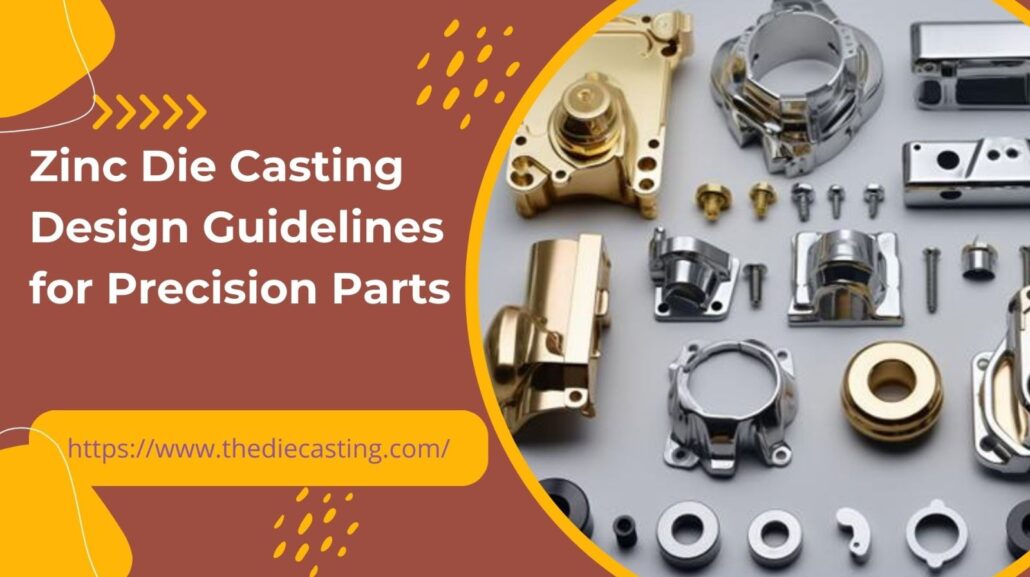
Zinc die casting is a flexible production method which entails an injection of zinc alloy molten matter into a specially designed mold with high pressure in order to create complex and high-precision parts. Such an approach is especially appropriate for precision parts because zinc has high fluidity, a low melting point, and can be machined to tight tolerances without much post-processing. Zamak die casting is used in industries such as automotive, electronics, consumer goods, and medical devices for parts, including connectors, gears, housings, and complex mechanisms that require dimensional tolerances and longevity. Most zinc alloys are processed using hot-chamber machines, which enable quick cycle times and a steady quality. Accurate parts benefit from zinc’s ability to produce thin walls, complex geometries, and net-shape parts, reducing material waste and assembly time. Nevertheless, high success rates are achieved when specific design rules are followed, and material properties, shape, form, and processing parameters are considered. These rules help reduce defects, improve manufacturability, and enhance precision. This article identifies major guidelines supported by industry standards set by organizations to help engineers design zinc die-cast precision parts. Advantages of Zinc Die Casting of Precision Parts The use of zinc die casting offers several benefits, making it one of the best materials for precision applications. Selection Material: Zinc Alloys Selecting the correct zinc alloy is important for precision parts because it affects mechanical properties, castability, and tolerances. The Zamak die-casting series (2, 3, 5, 7) and the ZA series (8, 12, 27) have specific compositions and performance properties. The table below will summarize the kinds of zinc alloy used in the manufacture of precision parts: Types of Zinc Alloy Tensile strength (ksi/MPa) Elongation % Hardness (BHN)   Density g/cm³   Yield strength (MPa) Melting point °C Zamak 2 52/359 7 100 6.6 283 379-390 Zamak 3 41/283 10 82 6.6 269 381-387 Zamak 5 48/328 7 91 6.6 283-269 380-386 Zamak 7 41/283 13 80 6.6 310-331 381-387 ZA 8 54/372 6-10 100-106 6.3 359-379 375-404 ZA-12 59/400 4-7 95-105 6.03 145 377-432 ZA-27 62/426 2.0-3.5 116-122 5.3 N/A 372-484 These properties can be used to ensure that zinc alloys meet precision specifications and that complex parts have high fluidity scores (1-2 on a 1-4 scale; 1 best). To be more exact, manufacturers would want to choose alloys such as Zamak 3 or ZA-8 due to their stability and ability to withstand tight tolerances. Key Design Guidelines Good zinc die casting is designed to facilitate flow and ejection while maintaining strength at minimal cost. Wall Thickness The wall thickness should be uniform to avoid porosity and distortion. For precision parts, keep it within +/-10% and use a minimum thickness of 0.040 inches (1 mm) for a good surface finish, and as fine as 0.020 inches (0.5 mm) in miniature models. Ratios of thick to thin sections should be kept to less than 3:1 to minimize the chance of porosity; preferably the inscribed sphere diameter ratios should not exceed 6:1. Thickening walls enhances flow but raises the cycle time and consumption. To distances away from the ingate, minimum thickness changes: below 0.5 mm in areas less than 50 mm, up to 2 mm at 200 mm. Different simulations can be used to check designs. In zinc casting, specify a minimum of 0.025 inches (0.635 mm) in selected locations, but 0.040 inches (1.016 mm) in best-as-cast locations. Draft Angles Draft angles help eject parts and prevent damage to the die. For zinc, the minimum drafts are 0.5 ° -1 on outside surfaces, 1- -1 on internal surfaces, and 0.1 ° -1 on round holes. Short features that use moving parts (die elements) can be printed in zero, but it is more expensive. For ribs, a 5-10 taper is used when it is not parallel to the shrinkage. Different standards give draft calculations: standard tolerances are 50 (draft angle approximately 1.9 degrees at a 1-inch depth) for inside walls and 100 for outside walls. There are also precision tolerances that permit 60 and 120 constant drafts. Fillets and Radii Fillets and radii should always be added since sharp edges lead to stress concentrations and die erosion. Minimum radius of inside fillet is 0.016 inches (0.4 mm), and outside 0.031 inches (0.8 mm). Radii of larger size (up to 0.063 inches or 1.6 mm) enhance flow and strength. Minimum radii should be used (0.060 inches (1.5 mm) for bosses and ribs). Radius at high stress should not be less than 1 mm; standards suggest ±0.08/±0.04 inches (±2/±1 mm) in fillets. This improves the part’s life and reduces cracking. Ribs and Bosses Ribs enhance reinforcement without adding bulk. Create shallow, rounded ribs (height-to-thickness ratio no more than 3:1) and evenly space them so they are not distorted. Adhesion ribs to walls with fillets to avoid porosity in the intersection. The height of bosses used to mount or thread must be equal to their diameter, and when the diameter is large, they must have ribs. Keep 0.25 inches (6.5 mm) distance between bosses. Tolerances of critical heights can be contained in ribs, such as in the precision designs of ±0.001 inches (±0.025 mm) ribs. Cored Holes and Threads Holes made in the core make it lighter and allow elements such as threads. Maximum depths are around 3 mm diameter, 9 mm blind or 24 mm through; up to 12 mm diameter with larger openings. At least 0.25 inches (6 mm) in diameter, L/D ratio not more than 4:1 in small holes. Parting Line Considerations It is best to place the parting line in the largest section possible to produce the least amount of flash and to allow easy trimming. Vertical or complicated lines should be avoided; die motion plane right angles are best. Tolerances on parting lines are the sum of linear ones, by projected area. Projected area Tolerance (+in) Upto 10 +0.0045 11-20 +0.005 21-50 +0.006 51-100 +0.009 Tolerances of Precision Parts Zinc die casting has even higher precision tolerances than standard, and sometimes 65% of those special controls are
ما هو الزاماك؟ ما هو ولماذا يستخدم على نطاق واسع في التصنيع

ما هو الزاماك؟ ما هو ولماذا يستخدم على نطاق واسع في التصنيع

زماك 5, زاماك 2 قالب الصب بالقالب, زماك 3, زاماك 3 للقالب الصب بالقالب, زماك 3 مسبوك زنك 3

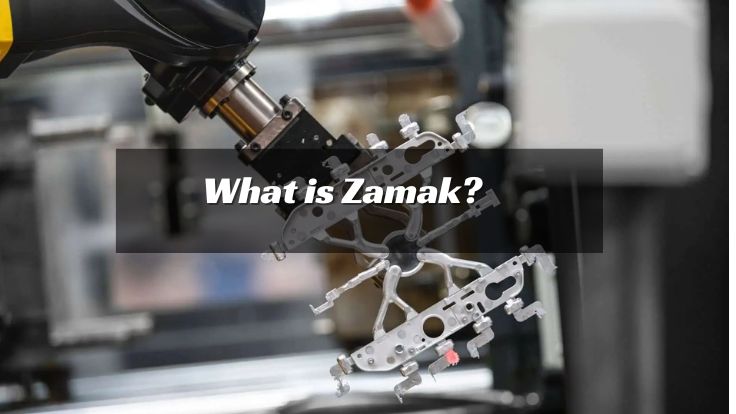
Alloys contribute significantly to the development of delicate electronic parts as well as heavy parts used in vehicles. For example, zamak metal has quietly changed the way many industries operate.  This metal is renowned because it is strong, can be molded easily and is versatile. The word Zamak originates from German and stands for zinc, aluminum, magnesium and copper. During the early years of the 20th century, the production of brass alloys aimed to improve on the brittleness found in previous zinc-based products. Today, zamak is used widely in vehicle, electronic device, and hardware manufacturing. It is appreciated both for its sturdy structure and for finishing smoothly with only a little work. Producing aluminum requires less energy than other materials since it melts easily, and it is also attractive because it can be recycled. Each different grade of zamak fits various needs, such as zamak 3 being softer than zamak 5, which is stronger than zamak 12. Most household goods and industrial products made with zamak metal meet the rising needs of manufacturing because they are practical and of good quality. Here, we will explain what zamak metal is made from, types such as zamak 3, zamak 5, and zamak 12, its functions, plus the positives and negatives. Zamak is a type of zinc alloy Zamak is made from zinc, mixed with a small amount of aluminum, magnesium, and copper. The word Zamak stands for Zink, Aluminum, Magnesium, and Kupfer, which are the German names for the metals involved. Due to its high-quality casting and appearance, zamak metal is popular in manufacturing automotive, electronic, furniture, and consumer goods. The process called die casting allows Zamak metal to shape complex, strong, and cost-efficient parts. Bending zamak into steel forms shaped like the finished goods is done at high pressure, producing many complex shapes very rapidly while needing only a minimal amount of machining. Because its melting temperature (around 385°C) is lower, zinc is more efficiently shaped than metals such as steel or aluminum in a foundry. What is Zamak, and how is it made? Zamak is a name formed from the German words for the main metals: Zink (zinc), Aluminium (aluminum), Magnesium, and Kupfer (copper). In the 1920s, the New Jersey Zinc Company created zamak to help overcome brittleness that affected some zinc alloys. It is viewed as a high-quality type of zinc that gives better die casting than most other materials. The usual elements in zamak metal are 96% zinc, 4% aluminum, a little bit of magnesium and some copper. As a result of this mix, its metal product is very strong, lasts a long time and can be formed into exact shapes with high precision. Key points about Zamak Metal A highlight of zamak metal is that it is very easy to cast. Manufacturers can create shapes with thin walls out of aluminum that would usually be pricey or difficult to produce using other materials. In addition, zamak has a polished surface, which makes it suitable for use in parts that need painting or plating. One more advantage is that steel retains its shape. Because Zamak does not change shape easily, it is commonly used in car and electronics manufacturing. The material is strong relative to its weight, making it attractive. Unlike aluminum, zamak does not weigh very little, but it offers a good level of durability that makes it useful for items that must be manageable. Uses of Zamak Metal Because it has great mechanical characteristics, zamak metal is applied in many products. In this industry, stainless steel is found in door handles, mirrors and several interior parts. A variety of electronic parts use Zamak because it is both precise and can resist heat. The furniture sector uses zamak because it is so versatile, fitting into hinges, brackets, and other decorations. Many fancy pieces in fashion include zamak since it is shiny and does not get tarnished easily. The process of making Zamak metal by casting 1. Alloy Preparation To produce zamak metal, you need to combine zinc, aluminum, magnesium and copper in the right ratios. To extract metals from these ones, the raw materials are melted at moderate temperatures. The right ratios are necessary to ensure that zamak 3, zamak 5 and zamak 12 provide the desired qualities. 2. Melting The blend of materials is put into a furnace and brought up to the zamak melting point of 385°C (725°F). During this step, the alloy flows very well and is therefore excellent for high-pressure die casting. 3. Die Casting The zamak is melted and then put into a die casting machine to be injected into a metal mold. Thanks to this process, items are shaped into very detailed and sturdy forms. Depending on how the casting will be used, manufacturers select from products classified as zamak 3, zamak 5, or zamak 12, since each is meant for a different purpose. 4. Injection and Outflow As soon as the zamak is injected, cooling the mold causes the metal to harden fast. After removing the part from the mold, it may not need machining because the alloy has a clean finish. 5. Finished and Plated When the model is cast, it might be polished, painted, or electroplated in materials such as nickel or chrome. The processes improve the look and resilience to corrosion of the manufactured product, mostly when used outside. Applications of Zamak Metal Zamak metal is used in several industries because of its superior casting, its strong properties and attractive smoothness. Even in the automotive industry, zamak metal plays a key role by being useful and attractive. 1. Automotive Industry Many door handles, emblems, mirror housings and interior details in motor vehicles are manufactured using zamak metal. Because it can be designed intricately and held to small measurements, it’s useful in parts that are either noticeable or not. The reason Zamak 5 is used most often here is that it is more durable and wears less easily. 2. Consumer Electronics Its stable dimensions and smooth appearance

أجزاء الصب بالقالب

الفروق بين سبيكة زماك 3 وسبائك زماك 5

زماك 3, زماك 5

Zamak alloys used commonly in die casting have attractive characteristics which include versatility, strength, and durability. Of all the Zinc die-casting alloys, Zamak3 and Zamak5 are the most prevalent due to their special characteristics and the versatility of the application areas. To avoid compromising its functions, it is important for manufacturers and engineers who make choices to learn and distinguish the various qualities of those alloys. This guide discusses all the differences and similarities between Zamak 3 and Zamak 5 as well as their use in multiple settings and their capabilities. What is Zamak? Zamak, a term that is an acronym for Zinc, Aluminum, Magnesium, and Kupfer, (original German for copper), denotes a group of zinc-based alloys widely used for die casting. Some of the properties that make these alloys desirable is; polished appearance, precise dimension, and high corrosion resistance. The Zamak type of alloy varies depending on the proportion of aluminum, magnesium, and copper it contains. The two common forms are Zamak 3 and Zamak 5, which have Different settings of parameters for different industries. Chemical Composition of Zamak 3 and Zamak 5 This is because the performance of Zamak 3 and Zamak 5 depends on the chemical composition. These two alloys contain major proportions of zinc but they differ in secondary elements which result in different properties. Element Zamak 3 Composition (%) Zamak 5 Composition (%)   Zinc (Zn) ~96 ~95.5 Aluminum (Al) ~3.9 ~3.9 Magnesium (Mg) ~0.04 ~0.04 Copper (Cu) 0 ~0.75 Key Differences Zamak 3 lacks copper, giving it slightly better corrosion resistance in specific environments. Zamak 5 contains about 0.75% copper, enhancing its strength and hardness. Mechanical Properties Comparison It is for this reason that Zamak 3 and Zamak 5 have some variations of the mechanical properties, which are a result of the differences in their formulation. This affects their usage as well as working efficiency under different circumstances. Table: Mechanical Properties of Zamak 3 vs. Zamak 5 Property Zamak 3 Zamak 5   Density (g/cm³) 6.6 6.7 Yield Strength (Mpa) 220 250 Elongation (%) 10 7 Hardness (Brinell) 82 90 Impact Strength (J) Higher than Zamak 5 Lower than Zamak 3 Analysis Strength: Zamak 5 has higher tensile and yield strength, making it more robust for demanding applications. Ductility: Zamak 3 exhibits better elongation and impact resistance, suitable for parts requiring flexibility. Hardness: Zamak 5’s higher hardness ensures better wear resistance. Applications of Zamak 3 and Zamak 5 die casting products Namely, the properties of Zamak 3 and Zamak 5 make them suitable for particular uses. Zamak 3 casting Applications Consumer Goods: Commonly seen on die-cast end products such as car door handles, zippers, and other small ornamental parts. Electronics: Zamak 3 die casting parts can also maintain a more stable dimension than other die-cast alloys, especially for housing or enclosure applications. Toys: Otherwise known for its good surface finish and easy-to-machine material, many die cast toys made with zamak 3 die casting process Zamak 5 die casting Applications Automotive Industry: Owing to high strength, Zamak 5 alloy die casting parts are used in the structural and functional parts of a variety of apparatus. Hardware: Writing instrument parts – zinc die casting hinges, brackets, locks, benefit from its increased hardness. Industrial Equipment: Zamak 5 die casting parts are the choice for all the zinc alloy parts experiencing high stresses. Table: Applications by Industry Industry Zamak 3 die casting   Zamak 5 die casting Consumer Goods Small decorative items Heavy-duty functional parts Automotive Low-stress interior parts High-stress structural parts Electronics Precision housings Heat-resistant components Advantages and Limitations Advantages of Zamak 3 die casting products Cost-Effective: Lower material cost compared to Zamak 5 alloys. Corrosion Resistance: Excellent in environments where copper would accelerate corrosion. Ease of Casting: Offers better fluidity during zinc die casting manufacturing process. Advantages of Zamak 5 die casting products Strength and Hardness: Higher mechanical strength and wear resistance. Durability: Better suited for high-stress applications. Surface Treatment: Enhanced suitability for plating and finishing. Limitations Zamak 3:      Maintenance of limited power when required to operate under high stress conditions. Zamak 5: This is another reason for a slightly lower corrosion resistance at higher concentrations of                                        copper present in the alloy. Die Casting Zamak 3 vs. Die Casting Zamak 5                Die casting is a process of forcing a metal at high pressure into a mold cavity. Both die-casting Zamak 3 and die-casting Zamak 5 excel in producing intricate shapes with tight tolerances, but there are notable differences: Parameter Die Casting Zamak 3 Die Casting Zamak 5 Fluidity Superior Slightly lower Shrinkage Minimal Slightly higher Casting Temperature Lower (~380°C) Slightly higher (~385°C) Machinability Excellent Good Die Casting Process Overview  Key Considerations: Ease of Use: Zamak 3 die casting also has drawing advantages over the other because of its comparatively lower casting temperature and better fluidity. Stress Tolerance: Therefore, Zamak 5 die casting can be used in an application with robust parts and components. Choosing the Right Alloy Factors to Consider Application Requirements: For applications that need high dimensional stability, corrosion resistance, and low-stress bearing: the Zamak 3 alloy material should be used. When selecting for strength and hardness choose Zamak 5 alloy for parts that require high levels of durability, and lower stress tolerance. Cost: It is observed that Zamak 3 alloy is slightly cheaper than Zamak 5 alloy. Environment: Zamak 3 may do better in corrosive circumstances because of a lack of copper in the alloy. Decision Table: Zamak 3 vs. Zamak 5 Requirement Recommended Alloy   High strength Zamak 5 alloy Cost efficiency Zamak 3 alloy Corrosion resistance Zamak 3 alloy Wear resistance Zamak 5 alloy Practical Use Cases for Zamak 3 and Zamak 5 Thus, we will investigate how adopted scenarios of Zamak 3 and Zamak 5 work in practice. This will also make clear to them the benefits and the nature of their applicability to certain functions. Zamak 3 in Practice  Electronics Industry: Zamak 3 die casting is used predominantly for applications in

صب الزنك بالقالب

أهمية صب قوالب الزنك في صناعة السيارات

ألومنيوم الصب بالقالب, شركات صب القوالب, شركة صب القوالب, مُصنِّع قوالب الصب بالقالب, أجزاء الصب بالقالب, زاماك 3 للقالب الصب بالقالب, زماك 3 مسبوك زنك 3, زماك 5, زاماك 5 للقالب الصب بالقالب, زاماك لصب القوالب, سبائك الزنك المسبوكة بالقالب, صب الزنك بالقالب

ما هو الصب بالقالب؟ الصب بالقالب هو عملية صب المعادن التي تتميز بضغط المعدن المنصهر في تجويف القالب. يُصنع تجويف القالب باستخدام قالبين من الفولاذ المقوى للأدوات يتم العمل عليهما أثناء المعالجة ويعملان بشكل مشابه لقوالب الحقن. تُصنع معظم عمليات الصب بالقالب من المعادن غير الحديدية، وخاصة الزنك والنحاس والألومنيوم والمغنيسيوم والقصدير والرصاص والسبائك القائمة على القصدير. واعتمادًا على نوع المعدن الذي يتم طرحه، يتم استخدام محرك حراري أو بارد. تحظى عملية صب الزنك بالقالب بشعبية كبيرة في صناعة الأجزاء في مجالات البناء والمجالات الصناعية، ولكن التطبيق الأكثر شيوعًا هو في صناعة السيارات. في الواقع، تحتوي السيارات على أجزاء مختلفة يمكن تصنيعها من خلال الصب بالقالب، بحيث أن عملية الصب بالقالب الحديثة بدأت في الأصل لصناعة السيارات. مع عملية الصب غالبًا ما لا تكون هناك حاجة إلى مزيد من المعالجة الآلية بعد الصب: لا تصل الدقة إلى 99.8% فحسب، بل يمكن أيضًا استخدام المنتجات المصبوبة خامًا لأنها تتمتع بلمسة نهائية لطيفة. يبلغ استخدام الزنك المصبوب بالقالب 28% تقريبًا في صناعة السيارات، يليه قطاع البناء والأجهزة. وقد أصبح الزنك أحد أهم المعادن في صناعة قطع غيار السيارات، خاصة بالنسبة لمنتجات مثل مبيت قفل الباب، والدبابيس، والتروس، وبكرات السحب في أنظمة أحزمة الأمان، وكذلك بالنسبة لمكونات عمود الكامات والمستشعرات. وباستخدام هذا المعدن وسبائكه، من الممكن تحقيق القوة والليونة والمرونة التي لا يمكن تحقيقها باستخدام مواد أخرى. بالإضافة إلى ذلك، يمكن أن يكون الزنك هو الخيار الصحيح للحصول على مكونات جمالية عالية الجودة، مع تفاوتات ضيقة غير ممكنة مع المواد الأخرى، وللحصول على نقوش وأخاديد للمكونات الميكانيكية أو التروس. آليات صب الزنك بالقالب في السيارات كما ذكرنا سابقًا، فإن صناعة السيارات هي أكثر تطبيقات الصب بالقالب شيوعًا: يتيح استخدام الزنك وسبائكه إنتاج مكونات قادرة على تحقيق جودة جمالية عالية، مع تفاوتات ضيقة وضيقة للتشكيل الشكلي. كما تُستخدم سبائك الزنك أيضًا في الطلاء نظرًا لفوائدها العديدة، مثل تحسين الخصائص المضادة للتآكل للزنك والتي هي بالفعل مثيرة للإعجاب. يمكنك العثور أدناه على عدد من الأمثلة الممكنة لطلاء الزنك: القسم الجمالي الداخلي قسم فتحة السقف قسم الأجزاء الميكانيكية المحرك والمكونات الأخرى أسفل هيكل السيارة أجزاء نظام التوجيه الكهربائي ونظام المكابح ومكونات وأنظمة تكييف الهواء أجزاء في نظام حزام الأمان مكونات نظام التحكم في المناخ نظام الوقود مزايا صب الزنك بالقالب: عملية فعالة واقتصادية تقدم أشكالاً وأشكالاً متنوعة ممكنة. سرعة عالية في الإنتاج دقة الأبعاد والثبات القوة والوزن تتوفر العديد من تقنيات التشطيب التجميع البسيط بدأت عملية الصب بالقالب باستخدام سبائك الرصاص والرصاص وسبائك المغنيسيوم والنحاس التي سرعان ما تبعتها سبائك الرصاص، وفي الثلاثينيات من القرن الماضي، وتتوفر العديد من السبائك الحديثة التي لا تزال مستخدمة حتى اليوم. تطورت هذه العملية من صب الحقن بالضغط المنخفض إلى الحقن الحديث بالضغط العالي الذي يبلغ 4500 رطل لكل بوصة مربعة. إن العملية الحديثة قادرة على إنتاج أشكال صب عالية التكامل ونظيفة مع تشطيبات سطحية ممتازة. سبائك صب الزنك هي مادة هندسية قوية ومتينة وفعالة من حيث التكلفة. خواصها الميكانيكية تنافسية وعادةً ما تكون أعلى من الألومنيوم المصبوب والمغنيسيوم والبرونز والبلاستيك ومعظم الحديد المصبوب.

زماك 3 مسبوك زنك 3

زماك 3 قالب الصب بالقالب

صب الألومنيوم, زماك 3, زاماك 3 للقالب الصب بالقالب, زماك 3 مسبوك زنك 3, زماك 5, زاماك لصب القوالب, سبائك الزنك المسبوكة بالقالب, صب الزنك بالقالب

نحن نقدم قالب الصب ZAMAK 3 لتصنيع منتجات ZAMAK 3. ستمنحك منتجاتنا من ZAMAK 3 وقدراتنا الإنتاجية ومرافق التخزين لدينا قطعًا عالية الجودة بأسعار تنافسية. ZAMAK 3 هو الأكثر شيوعًا من سلسلة سبائك ZAMAK لسبائك الزنك المصبوبة بالزنك نظرًا لقابليتها للصب وثبات أبعادها. خصائص ZAMAK 3: قوة الشد القصوى: رطل لكل بوصة مربعة × 103 (ميجا باسكال) 41 (283) قوة الخضوع - 0.2% الإزاحة: رطل لكل بوصة مربعة × 103 (ميجا باسكال) 32 (221) استطالة: % في 2 "10" قوة القص: رطل × 103 (ميجا باسكال) 31 (214) صلابة: برينل 82 قوة التصادم: قدم رطل (J) 432 (58) قوة التعب الانحناء الدوارة - 5 × 10⁸ دورات: رطل × 103 (MPa) 6.9 (48) قوة العائد الانضغاطي 0.1% الإزاحة: رطل × 103 (MPa) 604 (414) معامل المرونة - رطل × 106 (MPa × 103) 12.46 (85.5) نسبة بواسون 0.27 الكثافة: رطل/وحدة مكعبة (جم/سم3) .24 (6.6) مدى الانصهار: ⊽فهرنهايت (⊽ج) 718-728 (381-387) الموصلية الكهربائية: %IACS 27 الموصلية الحرارية: وحدة حرارية بريطانية / قدم / ساعة / 𠯟 فهرنهايت (واط / م / ساعة / ⃟) 65.3 (113.0) معامل التمدد الحراري: 68-212 ȍ ⃛ في / ⃛ (100-200 ⃛ ⃛ ⃛) 15.2 (27.4) الحرارة النوعية: وحدة حرارية بريطانية / رطل / ⃛ فهرنهايت (J / كجم / ⃛) .10 (419) نمط انكماش القالب: في / ⃛.007 تطبيقات مصبوبات الزنك المصبوبة بالقالب 007 السلع الرياضية - طرق موفرة للتكلفة للمكونات المشكّلة آليًا؛ - طلاءات لمطابقة أجزاء الزنك المتزاوجة؛ - القوة للتطبيقات الصعبة؛ الطب - قدرات مبتكرة؛ - تصميمات دقيقة كمسبوكات؛ - للاستخدام في العديد من التطبيقات الصعبة؛ التبديل - تجاويف متعددة لتوفير التكاليف؛ - متعدد الشرائح؛ السحابات - العديد من أحجام صواميل الألواح المجهزة بالفعل؛ - قدرات التنصت عالية السرعة؛ الموصل - تقنية الشرائح الأربع للتخلص من الثانوية المكلفة؛ - طلاء البرميل بالنيكل عديم الكهرباء يوفر حماية وجماليات فعالة من حيث التكلفة; - السبائك الموصلة الممتازة؛ الألياف البصرية - القدرة على صب التصاميم المعقدة؛ - مكونات متقاربة التحمل، كما هي مصبوبة؛ - المعدات والخبرة لتوفير مكونات صغيرة؛ الأجهزة - مصبوبات رقيقة الجدران ذات قوة تتحمل التطبيقات؛ - التشطيبات السطحية توفر مقاومة التآكل؛ - السبائك المصممة لخصائص التطبيقات؛ السيارات - القدرة على دمج مكونات متعددة في مصبوب زنك واحد؛ - المسبوكات والصفائح المقاومة للتآكل؛ - قدرات التنصت الثانوية؛ - الزنك مادة تخميد ممتازة؛ تفاصيل مسبوكات الزنك زماك 3 رقم الموديل: زماك 3 مسبوكات الزنك المصبوبة بالزنك اسم المنتج: زماك 3 أو 5 يموت الصب المنتج الصب المنتج المنشأ: الصين اسم العلامة التجارية: CNM TECH شروط السعر: فوب SZ شروط الدفع: T / T CIF L / C القدرة على التوريد: 300،000-400،000 مجموعة / شهر مهلة التسليم: حوالي 30 يومًا إذا كنت ترغب في شراء أو معرفة المزيد من المعلومات حول صب الزنك Zamak 3,

أجزاء الصب بالقالب الزنك

سبائك الزنك المسبوكة بالقالب Zamak 3 Zamak 5

صب الألومنيوم, زاماك 2 قالب الصب بالقالب, زماك 3, زاماك 3 للقالب الصب بالقالب, زماك 5, زاماك 5 للقالب الصب بالقالب, زاماك لصب القوالب, سبائك الزنك المسبوكة بالقالب, صب الزنك بالقالب

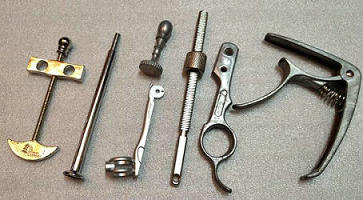
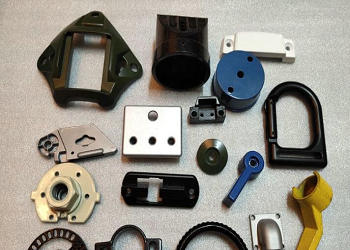
وصف سبائك الزنك المصبوبة بالقالب: نستخدم أربع سبائك زنك عالية الجودة لأجزاء مصبوبات الزنك المصبوبة بالقالب - زاماك 3، وزاماك 5، وزاماك 8، وزاماك 2 - لأنها توفر مزايا فريدة لصنع مصبوبات عالية الدقة. Zamak 3: باعتبارها سبيكة الزنك الأكثر شيوعًا، تتميز Zamak 3 بالليونة الاستثنائية وقوة الصدم. وهي تعمل بشكل جيد للغاية مع خيارات الطلاء والتشطيب المتعددة، زاماك 5: تُستخدم عادةً في تطبيقات السيارات والمحركات الصغيرة، وتتميز زاماك 5 بمقاومة ممتازة للزحف والصلابة والقوة. أجزاء زاماك 3 أو 5 المصبوبة بالقالب؟ بالنسبة لجميع مصبوبات الزنك المصبوبة بالقالب لدينا، نستخدم إما سبيكة الزنك Zamak 3 أو Zamak 5. خاص. تتم عملية السبائك في قسم سبائك الزنك الداخلي الأوتوماتيكي بالكامل حيث نقوم بتصنيع جميع أنواع سبائك الزنك لسبائك القوالب. تبلغ سعة سبائك الزنك اليومية لدينا 16 طنًا متريًا. يتم اختبار كل سبيكة من السبائك بواسطة مطياف محوسب للتركيب المعدني. يسعدنا تقديم عروض أسعار لمتطلباتك من مكونات صب الزنك بالقالب منخفضة التكلفة وعالية الدقة وصغيرة الحجم، والتي يتراوح وزنها بين 0.25 جرام إلى 125 جرام. نحن متخصصون في مزيج نادر من الاثنين - الأحجام الدقيقة والتشطيب السطحي الزنك ZA-8: حتى أنه أقوى من الزنك 3 و5، فإن الزنك ZA-زاماك 8 هو الخيار المثالي لمشاريع الصب بالغرفة الساخنة. كما أنه يعمل بشكل جيد مع خيارات الطلاء والتشطيب المتعددة. Zamak 2: بالمقارنة مع سبائك Zamak الأخرى، يوفر Zamak 2 أداء زحف أعلى وقوة وصلابة طويلة الأجل. وهي بمثابة مادة تحمل ممتازة ومعروف أنها تلغي الحاجة إلى البطانات وإدخالات التآكل في مكونات الصب بالقالب. زاماك 3، وزاماك 5، وزاماك 8، وزاماك 2 مناسبة تمامًا لعملية الصب بالقالب نظرًا لقدرتها على: - إنتاج جدران رقيقة للغاية وأشكال قريبة من الصافي - تحقيق مستويات عالية من الدقة - توفير مرونة في درجات الحرارة تصل إلى 150 درجة فهرنهايت - توفير الموثوقية مع خصائص تحمل فائقة - إظهار مقاومة متزايدة للتآكل يرجى إرسال العينات والرسم والتفاصيل الأخرى الخاصة بك وسوف نرسل لك عرض الأسعار على الفور.

انتقل إلى الأعلى

احصل على عرض أسعار