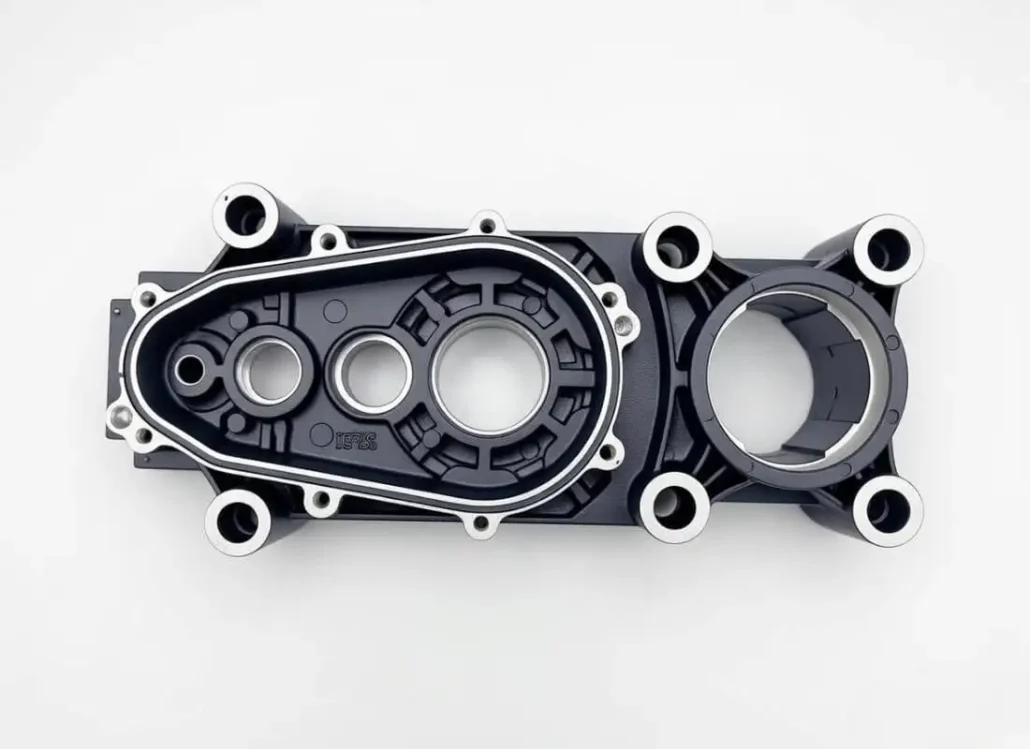
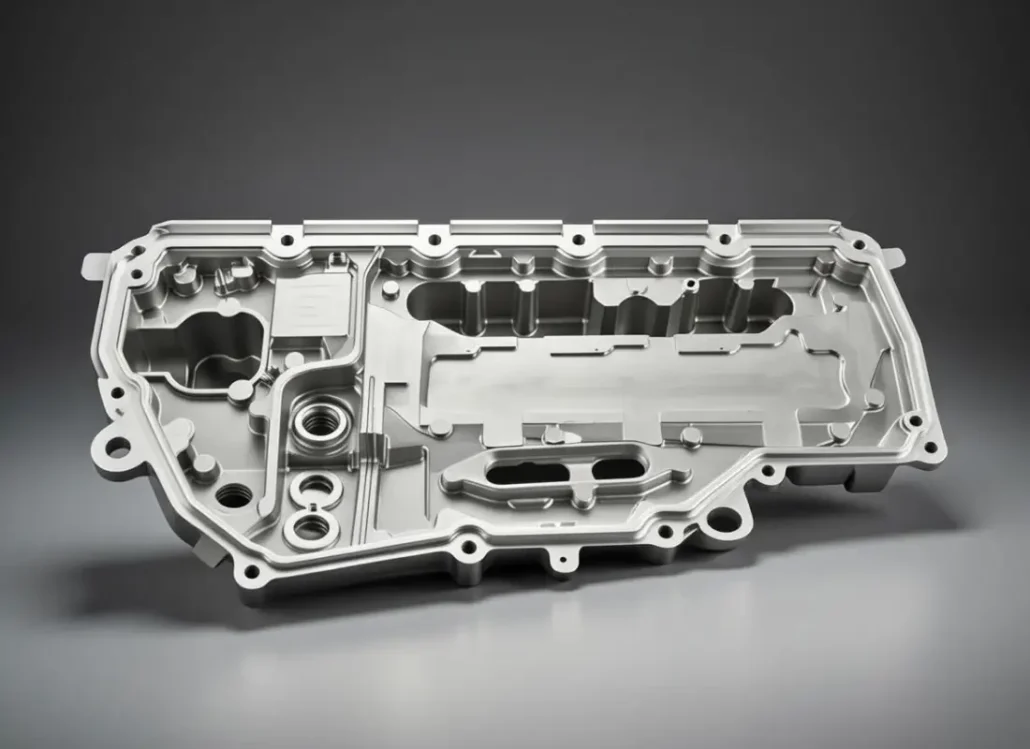
قوالب صب الألومنيوم

إذا كنت بحاجة إلى قوالب الصب بالقالب وقوالب الصب بالقالب عالية الجودة، فيُرجى الاتصال بـ The diecasting. انقر وتعرف على عملية صب القوالب.

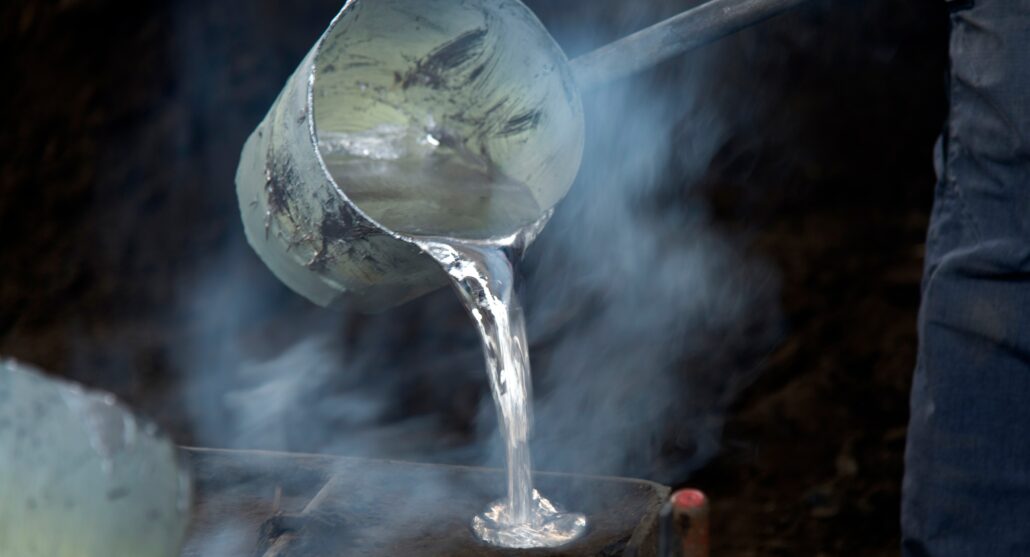
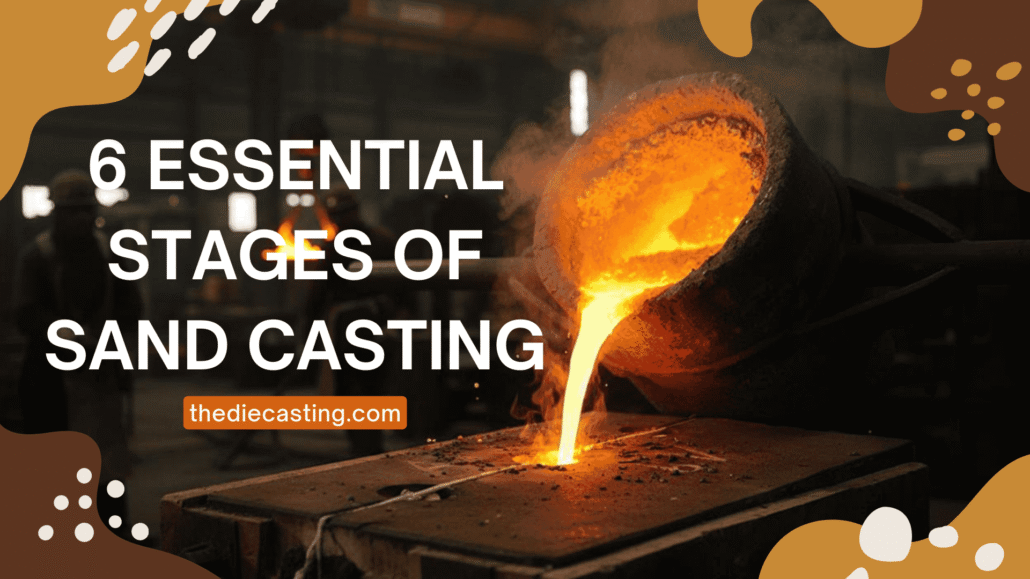
المعدن المنصهر الذي يتم سكبه في قالب رملي، وهي خطوة رئيسية في تقنية تصنيع الصب بالرمل

6 مراحل أساسية للصب بالرمل: درس خطوة بخطوة للمبتدئين

صب الألومنيوم, قوالب صب الألومنيوم

أتقن فن صناعة شيء من لا شيء مع هذا الدليل الشامل لصب الألومنيوم بالرمل. اكتشف المراحل الست الأساسية لسبك الألومنيوم بالرمل بدءاً من تحضير قوالب الصب بالرمل الأخضر وحتى الانتهاء من مكونات الألومنيوم المصبوبة بالرمل عالية الدقة.

الطلاء بالزنك مقابل الطلاء بالنيكل: أيهما يجب أن تختار؟

الطلاء بالزنك مقابل الطلاء بالنيكل: أيهما يجب أن تختار؟

قوالب صب الألومنيوم, صب القوالب الألومنيوم, تشطيب سطح الألومنيوم

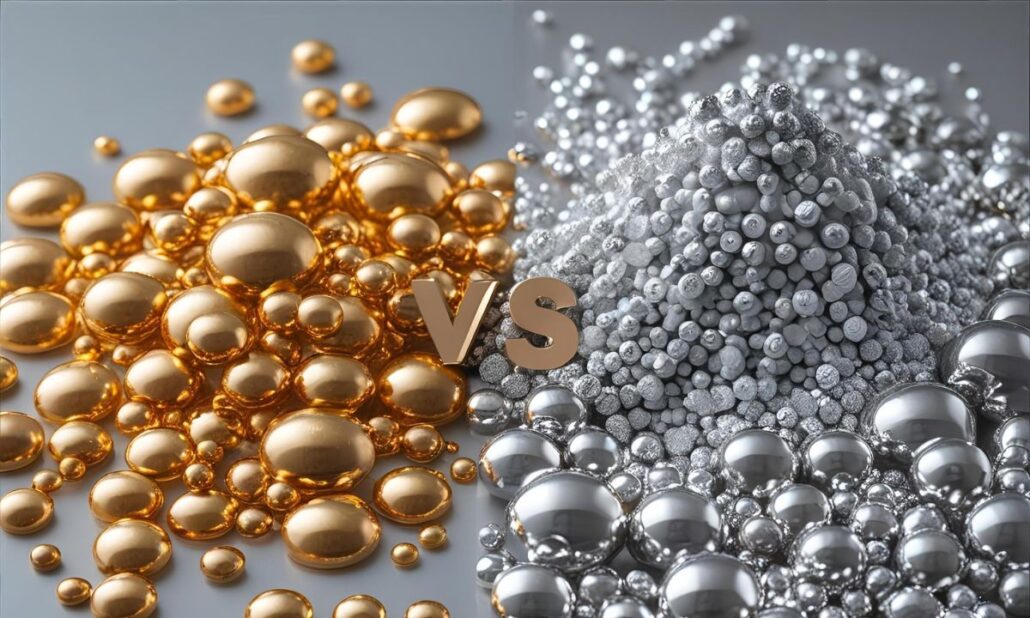
يعد طلاء الزنك مقابل طلاء النيكل نقطة مرجعية متكررة فيما يتعلق بتشطيب المعادن. يتم تطبيق هاتين الطريقتين لحماية المعادن وتحسين أدائها وجعل منتجاتها تدوم لفترة أطول. تعتمد الاختلافات بين هذين النوعين على التكلفة والمتانة والمظهر. لا يتعلق تشطيب الأسطح بالمظهر الخارجي فقط. فهو يتعلق بالدقة التي يمكن للمنتج من خلالها مواجهة الصدأ والتآكل والتلف. حتى المعادن القوية يمكن هزيمتها في حالة عدم وجود طلاء مناسب. وهذا هو السبب الذي جعل الطلاء عملية مهمة في صناعات السيارات والفضاء والبناء والصناعات الإلكترونية. ومن المعروف أن طلاء الزنك رخيص وفعال. فهو يشكل طبقة واقية رقيقة وقابلة للتطبيق تقاوم تلف الصدأ على المعدن الموجود تحته. وهذا يمنحه الأفضلية في السحابات والصواميل والمسامير والعديد من عناصر المنتجات الصغيرة الأخرى المستخدمة في العناصر اليومية. ومن ناحية أخرى، فإن طلاء النيكل أقوى وأكثر متانة. ولا يمكن أن يتآكل بسهولة، كما أنه يقاوم الأحماض. كما أن الطلاء بالنيكل هو أيضاً طلاء لامع وجذاب، لذا فهو مثالي عند الحاجة إليه على الأجزاء الزخرفية أو المرئية مثل حواف السيارات وتجهيزات الأجهزة أو على الأغلفة الإلكترونية. وعند التفكير في الطلاء بالزنك مقابل الطلاء بالنيكل، يصبح السؤال: أيهما أفضل في حالتك؟ اعتمادًا على الموقع الذي سيتم فيه استخدام الجزء، ومقدار الحماية التي يحتاجها، والكمية التي أنت مستعد للتخلي عنها، يحدد الإجابة. في المدونة الحالية، سوف نكشف النقاب عن كلتا العمليتين ومزاياها وقيودها والمجالات الرئيسية التي يمكن استخدامها فيها بشكل أفضل لمساعدتك في اتخاذ القرار الأنسب. ما هو طلاء الزنك؟ طلاء الزنك هو تقنية طلاء مستخدمة على نطاق واسع وفعالة من حيث التكلفة. ويتم ذلك عن طريق ترسيب طبقة رقيقة من الزنك على سطح المعدن، الأكثر شيوعًا الفولاذ أو الحديد، من خلال عملية تُعرف باسم الطلاء الكهربائي. في هذه العملية، يُستخدم محلول ملح الزنك لغمر المعدن الأساسي ويتم تمرير تيار كهربائي. ينتقل محلول الزنك إلى سطح القطعة تاركاً طبقة رقيقة ومتساوية. فوائد الطلاء بالزنك حدود الطلاء بالزنك ما هو الطلاء بالنيكل؟ الطلاء بالنيكل هو أيضاً تقنية تشطيب شائعة، ولكن بالمقارنة مع الزنك، فإنه يوفر سطحاً أكثر صلابة ومتانة وجمالاً. يتم تحقيق هذه العملية بإحدى طريقتين رئيسيتين: الطلاء بالنيكل الإلكتروليتي (الطلاء الكهربائي) - على غرار عملية الطلاء بالزنك، يتم وضع المعدن الخام في محلول ملح النيكل، ويتم ترسيب النيكل على السطح من خلال تطبيق تيار كهربائي على المعدن. الطلاء بالنيكل غير الكهربائي هو طريقة لا تحتاج إلى الكهرباء. وبدلاً من ذلك، فإنها تستخدم عملية كيميائية لترسيب النيكل بشكل متساوٍ لتغطية السطح بشكل متساوٍ، بما في ذلك الهياكل المعقدة أو الأماكن التي يتعذر الوصول إليها. فوائد الطلاء بالنيكل حدود الطلاء بالنيكل عملية الطلاء عملية الطلاء بالزنك عملية الطلاء بالزنك إعداد السطح دقيق للغاية في حالة الطلاء بالزنك. قبل أن يتم طلاء اللوحة، يجب تنظيف السطح، الذي يكون في معظم الحالات معدنياً، وعادةً ما يكون من الفولاذ أو الحديد، من الزيوت والأوساخ والصدأ والأكاسيد. ولتحقيق ذلك، يتم تنظيف المكونات إما في سوائل حمضية أو قلوية ثم يتم شطفها بحيث لا تبقى أي بقايا. بعد التنظيف، يتم إدخال المكوّن في حمّام إلكتروليتي يحتوي على محلول ملح الزنك، معظمه كبريتات الزنك أو كلوريد الزنك. ثم يتم شحن الكهرباء من خلال الحمام. تؤدي هذه الحركة إلى تحرك أيونات الزنك في الوسط وترسبها على سطح المعدن الأساسي. ويكون التأثير عبارة عن طبقة رقيقة جدًا ومتساوية من الزنك تغطي الزنك الموجود تحته. وغالبًا ما يتم إجراء معالجة لاحقة للمكون المطلي بعد خطوة الطلاء، والتي يمكن أن تعطي تأثيرًا أكثر مقاومة للتآكل، كما أنها قادرة على تغيير مظهر الطلاء، مما يوفر لمسة نهائية صفراء أو سوداء أو شفافة. طلاء الزنك سريع نسبيًا، وسعره منخفض، وقابل للتطبيق بدرجة كبيرة في الإنتاج الضخم للأجهزة وقطع غيار المركبات. عملية الطلاء بالنيكل يتم تحضير الطلاء بالنيكل بطريقة مماثلة تقريبًا، حيث تكون الخطوة الأولى هي التنظيف. تتم معالجة أسطح الأجزاء بشكل جيد وتنظيفها لضمان عدم تعريض الالتصاق للخطر بسبب البقايا. الطلاء الكهربائي بالنيكل: يدخل الجزء في حمام من محاليل أملاح النيكل، على سبيل المثال، كبريتات النيكل، ويتم تطبيق تيار كهربائي. وهذا يجعل أيونات النيكل تترسب على السطح مكونة طبقة صلبة وواقية. وهناك طريقة أخرى، وهي الطلاء بالنيكل ولا تتطلب طاقة كهربائية، وهي الطلاء بالنيكل غير الكهربائي. وبدلاً من ذلك، يتم غمر الجزء في بعض المواد الكيميائية تحت أملاح النيكل ومحلول مختزل مثل هيبو فوسفيت الصوديوم. ويحدث تفاعل كيميائي مطلي أيضاً، حيث يتم ترسيب النيكل بشكل موحد على الجزء. وتتميز هذه العملية عن الطلاء الإلكتروليتي بأنها ستغطي بشكل موحد حتى في التجاويف والأخاديد وغيرها من الأشكال الهندسية المعقدة. ويلاحظ أن رواسب النيكل عديم الإلكتروليت تكون شديدة الصلابة ومقاومة للتآكل، ولكن هذه العملية أكثر تكلفة من طريقة الطلاء الكهربائي وتتطلب عناية أكبر بكثير في كيمياء الحمام ومستوى الأس الهيدروجيني ودرجة الحرارة. الطلاء بالزنك مقابل الطلاء بالنيكل: الاختلافات الرئيسية مع الاختيار بين الطلاء بالزنك والطلاء بالنيكل، فإن التكلفة والمتانة والمظهر ومقاومة التآكل وملاءمة التطبيق كلها جوانب قد تكون في الاعتبار. دعونا ننظر إليها واحدًا تلو الآخر. 1. الفائز بمقاومة التآكل: طلاء النيكل لخدمة الحماية من التآكل على المدى الطويل. 2. الفائز بالقدرة على التحمل / قابلية التآكل: طلاء النيكل؛ الصلابة ومقاومة التآكل. 3. الفائز من حيث التكلفة: طلاء الزنك لحلول فعالة من حيث التكلفة. 4. الفائز بالمظهر: الطلاء بالنيكل- للمظهر الجيد. 5. الفائز بالأثر البيئي: الطلاء بالزنك على خضرته. جدول المقارنة السريعة الميزة جدول مقارنة سريعة طلاء الزنك طلاء النيكل طلاء النيكل مقاومة التآكل جيد، ولكنه محدود في الظروف القاسية ممتاز، خاصةً النيكل عديم الإلكتروليت المتانة معتدلة - يبلى أسرع عالية - مقاومة للخدش والتآكل التكلفة منخفضة (مناسبة للميزانية) أعلى (خيار ممتاز) المظهر لامع ولكن بلمسة نهائية أساسية لمسة نهائية زخرفية ناعمة تشبه المرآة التأثير البيئي التأثير البيئي معالجة النفايات أسهل هناك حاجة إلى ضوابط بيئية أكثر صرامة أفضل للمثبتات والمسامير والأجهزة العامة الفضاء الجوي والإلكترونيات والاستخدامات الزخرفية التطبيقات الصناعية لطلاء الزنك والنيكل كلا تقنيتي الطلاء شائعة جدًا في الصناعات;

صب الألومنيوم: دليل شامل

صب الألومنيوم: دليل شامل 

قوالب صب الألومنيوم

Current industries extensively use aluminium because of its strength combined with its low weight along with its ability to resist heat effectively. The production of aluminium components achieves its best results through the casting aluminium process. The procedure enables users to produce intricate complex shapes which work perfectly for industrial needs and commercial environments. Manufacturers widely employ the casting aluminum method to create complex and resilient components by pouring molten aluminum into designed moulds. Produced components through casting aluminium are widely used across the automotive, aerospace, construction and cookware sectors because aluminium offers excellent thermal conductivity together with lightweight construction and corrosion resistance properties. The essential basis for understanding casting aluminium demands an initial definition of what cast aluminium represents. Castaluminiumm represents metaaluminiumum processed through thermal melting followed by mould filling which results in its transformation into precise configurations. Industrial producers use this method to achieve precise detailed designs which suit engine parts together with machinery parts as well as heat exchangers. Cast aluminium stands out because its strength-to-weight ratio outperforms every other metal thus making it suitable for applications that require lightweight construction. Three main techniques include die casting, sand casting and investment casting that manufacturers use to perform the casting aluminium process with their specific advantages. Die casting performs high-speed precise processing that matches well with mass production but sand casting delivers versatile low-cost benefits suitable for low-volume manufacturing. The investment casting method can deliver both high accuracy and elaborate details in finished products. Knowledge about cast aluminium composition along with manufacturing methods enables industry professionals to pick suitable production systems. Global industries choose to castg aluminium as their standard procedure because it provides lightweight durability with corrosion protection in addition to cost efficiency. What Is Cast Aluminum? Aluminium becomes cast aluminium when manufacturers melt the aluminium metal to pour it into specific moulds for product creation. The unique aspect of aluminium casting enables manufacturers to create complex shapes while reducing material waste better than machine orextrudedealuminiumm methods. What purposes does aluminum casting serve? Different industries use cast aluminum as a primary material to create automotive parts and cookware together with furniture, machinery and aerospace components. Through its production method the product results in strong yet lightweight performance which makes it ideal for efficiency and durability applications. Key Characteristics of Cast Aluminum: Step-by-Step Guide to Casting Aluminum Working with molten aluminium needs severe safety precautions because it creates danger when mishandled. Every step should begin with putting on gloves along with heatproof clothes and face protection. This manual presents a simple method of aluminum casting that protects both workers and equipment. These specific die-casting steps work the same way in other aluminium casting processes. Step 1: Begin By Creating The Mold For Your Project Design The beginning of aluminium casting starts with developing and readying the mould design. The mould selection process controls how the casted aluminium item looks and behaves. Cutting tools must match the chosen mold material which could be sand, steel, ceramic, plaster or aluminum. The mould design must precisely match all details and requirements of the final aluminium product. To produce precise molds manufacturers use CAD system software. The software helps designers build an exact 3D representation of their product before making it. After the digital design is ready CNC machines accurately make and form the mold. The user applies a release agent to the inside of the mould before production starts. The coating applied to the mold prevents aluminum from bonding to it so the cast part can be easily removed. After application of the coating the mold is tightly closed before continuing. Step 2: Melting the Aluminum The following step is to heat the aluminum until it liquefies. The metal reaches melting temperature of 660 degrees Celsius (1220°F) very fast due to its low melting point.The furnace heats up aluminum metal to its melting temperature before electricity or gas power is used to transform it into a fluid substance. The liquid aluminum moves from the furnace to a storage area where it remains usable until deployment into the mold. Step 3: We pour the melted aluminum into the mold The ready molten aluminium can flow smoothly into the mould since its temperature is optimal. Our team pours the aluminium with exact movements to avoid creating defects from trapped air in the finished item. The gate system is specially designed to let aluminium metal flow smoothly into the mould’s cavity. Once the mould reaches its capacity all additional aluminum drains out. After pouring ends the mold stays untouched as the metal starts to cool and harden. Step 4: Cooling and Solidification Casting aluminum needs proper temperature reduction and solidification steps. The casting process takes a period that depends on how thick and intricate the part is.Proper temperature reduction steps are needed to create parts with the needed strength and capacity. A steady temperature needs to stay constant during metal cooling to prevent parts like warping or internal stress from developing.Manufacturers employ cooling tools like air, water and furnace temperature control during aluminum solidification. Step 5: After Solidification the Casting Leaves the Mold  When aluminum solidifies completely we extract the casting out of its mold. We need to cut away the leftover material known as flash sprues from the product. Included finishing actions to produce the desired outcome are water cooling and heating control in the furnace process. We use machining tools to create exact dimensions after product processing. To make surface texture easy to work with. Using polishing or coating techniques makes aluminum surfaces shine better while increasing their resistance to wear. The casting of aluminum production ends when quality finishing techniques produce a ready-to-use item. Great! Your existing steps explain how aluminium castings are made yet producers mostly complete their procedure using more steps. Several additional methods help enhance the quality of final cast aluminum parts. Step 6:  heat treatment improves metal quality though it is optional. Manufacturers enhance aluminum mechanical properties by implementing a heat treatment process after casting ends.

قطع الألومنيوم للفضاء الجوي

صب الألومنيوم بالقالب وأهميته في صناعة الطيران والفضاء

صب الألومنيوم, قوالب صب الألومنيوم, صب القوالب الألومنيوم, ألومنيوم الصب بالقالب, شركات صب القوالب, شركة صب القوالب

Aluminum die casting items are of remarkable use in different industry sectors and more so in the aerospace engineering where precision and top standard items is of greatest significance. These items are used in building both little as well as the big components in the aviation industry. Additional, die casting aluminum are used both in the pivotal military sector as well as commercial. The reason for this is easy – they are cost-friendly solutions and provide amazing outcomes. Apart from being cost effect, the parts made from die casting aluminum are additionally prepared to endure extreme weather situations and increased damages. Another vital reason for using aluminum products in aircraft is that the meal is comparatively affordable than other metals that are die casted. Additional,  aluminum has the potential to get with other metals in order to provide durability and much flexible. With aluminum casted products, you do not have to compromise on the standard yet can them at much affordable production cost. Further, all the standards that have been set for using of metal components, aluminum relax the need to the utmost. Hence, they are certified secure for use in planes, affordable and have all the qualities that are needed for flying crafts. So casting aluminum is on the boost like never before. Further, the top thing about an aluminum die cast part is that its weight is favorable for the aircraft works. So, how actually is casting Aluminum done and what are the processes involved? Well, the reply is simple. Aluminum alloy is first forced into a top-grade steel at high speed and force in a high temperature. This outcomes in superior standard products that are very light and thin walled perfect for use as aircraft components. It is to be mentioned here that Aluminum diet casting is a hard technique. Only a truly experienced and top standard team of engineers can make sure that the parts come with top volumes or with excellent tolerances and surface finish. Actually, this type of force casting is far more famous than gravity die casting or sand casting. This is because the need for machining is this type weather for Zinc or aluminum casting is extremely low due to the close casting tolerances. Though the tooling cost in casting Aluminum or rather any metal are considerably higher than the other 2 types yet, the mechanical properties achieved thus are far excellent in terms of functionality.

ما هي قوة لقط الصب بالقالب

صب الألومنيوم A380 بالقالب A380, قوالب صب الألومنيوم, صب القوالب الألومنيوم, شركات صب القوالب

Die Casting clamping force is the force applied to a mold by clamping unit of HPDC die casting machine. The clamping force must be grater their separating force. Which applied by the injection of molten metal into the mold The clamping fore > separating force How to calculate the separating force (opening force)? Opening force is the force acting on the cavity to make the die expand during the production of die casting part. The opening force can be calculated by the following formula: F=PXA F: opening force P: specific injection pressure A: Total projected area What is Specific injection pressure? Molten metal is ladled through the shot hole into the cold chamber and the shot plunger pushes the metal into the die. The pressure applied by plunger to push the metal into the die is specific injection pressure. Injection pressure use for different type of casting: For standard casting =600 kg/cm2 For technical casting =600−800 kg/cm2 For pressure testing casting =800 kg/cm2 What is projected area? The anticipated region is a two-dimensional zone estimation of a three-dimensional article by anticipating its shape on the plane. Total projected area =casting projected area + slide projected area + runner projected area + overflow projected area Example Casting projected areas =56000mm2 Overflow + runner projected area =22400mm2 (40% of total casting projected area ) Slide projected area=projected area must be selected in the plane that is normal to be direction of core travel x tanꬾ Angle of wedge = angle of finger cam angle + 2degree Force FY = F X Tan ꬾ ꬾ = angle of wedge lock Example: Slide core 1 projected area=area normal to direction of travel × tanꬾ =5000× tan20 degree =5000× 0.36 =1800 m2 Slide core 2 projected area=4500×tan 20degree= 1620mm2 so, Total projected area= 56000+22400+1800+1620mm2                                                                        =81820 mm2 What is separating force (Opening force)? (For technical casting=600−800 kg/cm2) (800 kg/cm2       =8kg/mm2) Opening force = specific pressure ×total projected area =8 kg/mm2 × 81820mm2 =654560 kg/mm2 (1 ton = 1000kg) =654.56 T Die clamping force The clamping force must be grater then the separating force. Locking force require =F×1.2 =654.56×1.2 =785.472 tons We select the 900T machine What is fill ratio, how it is important for selecting machine tonnage? It is the percent of liquid metal vulnerable chamber contrasted with the absolute volume of the virus chamber. Another method for saying it would be the level of metal contrasted with the level of air exposed to the harsh elements chamber For Example 50% full (of metal) = 50% air remaining The level of fill is significant in light of the fact that it is utilized to ascertain the ideal moderate shot speed. This can have a quality impact on the casting. Fill ratio (30-40%) is good for automobile die casting component quality.

شركة تصنيع قوالب الصب بالقالب

عملية الصب بالقالب خطوة بخطوة

قوالب صب الألومنيوم, صب القوالب الألومنيوم, صب القوالب, ألومنيوم الصب بالقالب, شركات صب القوالب, شركة صب القوالب, مُصنِّع قوالب الصب بالقالب

مرحلة التسلق: تتمثل الخطوة الأولى في إعداد نصفي القالب للصب عن طريق تنظيف أوجه كل قالب ثم وضع عامل التشحيم أو عامل التحرير. وبمجرد تجهيز القالب، يتم إغلاق نصفي القالب وتثبيتهما معًا بالضغط من ماكينة صب القالب. تعتمد قوة التثبيت على حجم الماكينة ولكن يجب أن تكون أكثر من القوة المعاكسة التي تحاول فتح القالب أثناء عملية الصب. مرحلة الحقن: تُضاف السبائك إلى الفرن وتبقى منصهرة عند درجة حرارة محددة وفقًا للمعدن المستخدم. يتم نقل المعدن المنصهر إلى حجرة الحقن ويتم حقنه في القالب المغلق بضغط يتراوح بين 1000 إلى 20,000 رطل لكل بوصة مربعة. يتم الحفاظ على الضغط أثناء تصلب المعدن. وتُعرف الكمية التي يتم حقنها في القالب باسم ‘الحقنة’ يكون حقن المعدن في القالب قصيرًا جدًا، وهذا يضمن عدم بدء تصلب المعادن قبل ملء القالب بالكامل. مرحلة التبريد: بعد اكتمال الحقن، يحتاج المعدن المنصهر إلى التصلب قبل فتح القالب. يعتمد وقت التبريد على هندسة الجزء وكذلك الخصائص الديناميكية الحرارية للمعدن. تلعب سماكة جدار القِطع عاملًا كبيرًا في وقت التبريد، فكلما كان الجزء أكثر سمكًا كلما كان وقت التبريد المطلوب أطول. مرحلة الطرد: بعد انقضاء وقت التبريد، يمكن فتح نصفي القالب. ثم تقوم آلية الطرد بدفع الصب المتصلب خارج القالب. يتم تحديد قوة الطرد حسب حجم الجزء، مع الأخذ في الاعتبار أن الجزء يتقلص أثناء عملية التبريد ويميل إلى الالتصاق بسطح القالب. بمجرد أن يتم إخراج الجزء، يمكن إغلاق القالب استعدادًا لدورة الحقن التالية. مرحلة التشذيب أثناء مرحلة التبريد والتصلب، سوف يتصلب الصب كوحدة صب كاملة تشمل الجزء والوميض وأي نظام عداء يجب تشذيب هذه المادة الزائدة لترك المنتج المصبوب الرئيسي فقط. تشمل طريقة التشذيب أدوات التشذيب، ومنشار الشريط، والقص يدويًا. يتم التخلص من أي معدن مشذّب أو إعادة تدويره إذا كان ذلك مسموحًا به. مزايا الصب بالقالب: الصب بالقالب سريع يمكن إنتاج الصب بالقالب في ثوانٍ لكل جزء وبكميات تتراوح بين مئات إلى آلاف الأجزاء المعدنية كل يوم. يتم إنتاج القوالب المصبوبة بالقالب “بأشكال قريبة من الشكل الصافي” بغض النظر عن مدى تعقيد الشكل ومدى ضيق التفاوتات المسموح بها. الأوزان الأخف وزناً تكون القوالب المصبوبة بالقالب أقوى بسبب جلد سطح المادة وليس سمك المواد، لذا يمكن أن يكون وزن الأجزاء أقل مع سماكة جدار الصب الأقل سمكاً. الصب بالقالب متعدد الاستخدامات يمكن إنتاج العديد من أشكال وأحجام الأجزاء باستخدام عملية تصنيع الصب بالقالب. أجزاء مصبوبات القوالب متينة أجزاء مصبوبات القوالب معدنية ولها عمر خدمة طويل. مصبوبات القوالب رخيصة الثمن مصبوبات القوالب سريعة الإنتاج وعديمة الفائدة. عادة ما تكون مصبوبات القوالب أقل تكلفة من معظم عمليات تصنيع الأجزاء المعدنية الأخرى.    

ما هو صب الجاذبية؟

صب الألومنيوم, قوالب صب الألومنيوم, صب القوالب الألومنيوم, صب القوالب, ألومنيوم الصب بالقالب, شركات صب القوالب, قالب الصب بالقالب, أجزاء الصب بالقالب, صب الجاذبية, قالب الحقن الصين, صنع القوالب بالحقن

Different Between Aluminum Die Casting and Gravity Casting Aluminium Die Casting is more than just an excuse to play with the molten metal it is actually a great way to create art and complicated pieces of machinery or other items that would otherwise be nearly impossible to make. Aluminum die Casting is really a great way to save money…while playing with molten metal. The reason that aluminum die Casting has survived the test of time is a matter of efficiency. Some of the earliest casting examples have been found in China dating back thousands and thousands of years. In fact, every major civilization from the Egyptians to the Romans practised aluminum casting. This skill came back into vogue during the Renaissance and has continued to advance and evolve from there. While Sand Casting is the most popular casting process there are many, many more processes available to the backyard foundries. Not everyone is going to be casting heavy pieces like engine parts or cast their own motorcycles. So for those that just want to make decorative pieces, you will not be using the same casting process as these heavy duty casters.  For artists creating small scale statues or embellishes and for hobbyists that need a decorative touch to their model plane or boat might want to consider using gravity casting for their needs. What is Gravity Casting Gravity Casting seems to be especially useful when dealing with aluminum and other light alloys. The basic idea behind this casting process is pretty much exactly what the name suggests. The metal is introduced into the mold by the force of gravity. Most other casting process either use natural pressure difference like the kind in certain sand casting procedures or they use forced pressure like in centrifugal casting to get the molten metal into the mold. One of the most common uses for gravity casting is when permanent molds are going to be used. Also called a die, the permanent mold is really only economical for those planning on using the same mold numerous times and will need to keep the quality at a constant level. While some temporary molds can be repeatedly used the quality of the finished product will begin to suffer over time. With die molds the quality will remain the same. Die molds should be seen as an investment. Yes, they will be more costly than other molds; however, they will outlast cheaper options for molds. With Permanent molds, they are created using cast iron, steel, and other metals. Gravity casting is used for the permanent mold process with pleasing results. Gravity casting is usually used when the finished product is more visually based then structurally based which is why this method is a favourite of artists and even some jewellers. The loss of strength is due to the lack of pressure used in this process. For those that need the strength but still want to use gravity casting, more of the molten metal will need to be used which will increase the weight. go to https://www.aludiecasting.com/ to know more about gravity casting Relying on gravity will take patience, although it will be needed for larger products. If you need gravity casting or aluminum die casting, magnesium die casting or zinc die casting service for your business. You are welcome to send us your requirement for quote, you only need to send us your 3D part design and your requirement, then you can sit back and we will do there rest for you, to work with us you only need to take care of the market at your side, and we will be your back up to take care of lead time, shipment, quality and technical.

تصنيع آلات الصب بالقالب

صب القوالب

صب الألومنيوم, قوالب صب الألومنيوم, صب القوالب الألومنيوم, صب القوالب, ألومنيوم الصب بالقالب, شركات صب القوالب, قالب الصب بالقالب, أجزاء الصب بالقالب

What is die casting? Die casting, from a mold shop perspective, is less about simply shaping molten metal and more about repeatedly “copying” a part using a hardened steel tool. In daily production, molten alloy is injected into the die cavity under high pressure, filling the geometry in a fraction of a second. Once the metal solidifies, the mold opens and the part is ejected, ready for the next cycle. The whole process runs fast, but the real work is in the tooling and process setup rather than the machine alone. On the die casting shop floor, what matters most is consistency. After the die is properly tuned, the process can deliver thousands of identical parts with stable dimensions and surface quality. However, this reliability depends heavily on early-stage mold design—issues like venting, shrinkage, and flow balance must be solved upfront, because they are difficult to fix later in production. What is Aluminum die casting? Aluminum die casting is a casting liquid die forging method. Die casting process is a kind of special high pressure die casting machine to accomplish the process. Its basic technological process is: first metal or aluminium alloy liquid in low or high-speed casting filling into the die mold cavity, die with a moveable type cavity surface. It with the liquid aluminum alloy cooling process pressure forging blank, both the elimination of shrinkage defects, also make the rough internal Aluminum Die Casting organization to forge the broken crystal. Rough comprehensive mechanical properties are improved significantly. How To Find Right Aluminum Die Casting Sources Are you looking for the high quality and ultimate die casting services for your business? Well, you better need to hire the right service provider who must be experienced in the very same domain. Yes, it is highly necessary to invest some time who can offer very high-quality results and that is by paying the very affordable amount. Before we talk about how to find the right company, it is highly necessary to know more about Die casting. Well, this is the most important manufacturing technology which is used by many industries which are looking for all sorts of parts to commence the work and for that it is necessary to go with the aluminum die casting process. With the help of die casting mold, it will help in molding the complexity of the metal substance exactly in the same manner as you are looking to have. Yes, the final product can have virtually any size depending on what designer desires, thus there is nothing impossible for the best and great service providers at all. When it comes to finding a right service provider for aluminum casting parts, you better invest time over the net and find out the most experienced, reliable and friendly service provider to meet the exact requirements without any fail. Also, you better find out someone who can easily work on any customized requirements of the clients as well as they must possess great goodwill in the market. Also, you can investigate their previous projects and check how best they are in the die casting and how they have helped other companies to complete their requirements. Not only this, even, you need to disclose them the complete information about your project requirements and check how well they are in offering you the correct guidance as well as what price they are quoting you up. Even, you can do this with different sources and go up with the best one who offers great services at the best prices. Moving up with the pro means they will consider mechanical properties, including tensile strength, yield, impact, hardness, and other various specifications in advance to offer you the best solutions. Not only this, pros will help in picking up the right metal which they perform by checking out the physical properties of the metal. Yes, before going up with the aluminum die casting, it is very important to know more about its conductivity or how it behaves under extreme stress or heat. Pros also determine the composition of different alloys, check what are the common uses for the primary element, they also check out a complete list of die-cast alloys, check out the needed properties, and everything to offer you something the best to meet your exact requirements. Why don’t you check out to go to the suggested source? Well, it will offer you the best services by offering you the casting of metal in the shortest possible of time, will make everything from the scratch and the best part is everything will be done in a budget-friendly manner. Technology is improving day by day and we are the one enjoying it up fully. Today, we can have every possible thing to make our work the best as well as offer us full convenience and complete peace of mind. Apart from others, talking about Die casting, it is a manufacturing process that can produce geometrically unique and impossible metal parts with the best use of reusable molds, called dies. The die casting process is very important and pros always make sure to use all the necessary things, called- furnace, metal, die casting machine, die and other various materials. The metal which is used here is always non-ferrous alloy, like- Zinc and aluminum, later it is melted in the furnace and then injected into the dies in the die casting machine for producing very complex metal parts. It is always better to approach the right company for aluminum casting parts as they always go with the best and authentic procedures in order to produce something the best. They may use different types of die casting machines, called – hot chamber machines and cold chamber machines for a perfect die casting solution. Hot chamber machines are used for those alloys which have low melting temperatures, such as zinc. And Cold chamber machines are used for those alloys with high melting temperatures, such as aluminum. Both machines work the same and once they are done with the molten metal, they inject the same

ألومنيوم الصب بالقالب

صب الألومنيوم بالقالب

صب الألومنيوم, قوالب صب الألومنيوم, صب القوالب الألومنيوم, صب القوالب, ألومنيوم الصب بالقالب, شركات صب القوالب, قالب الصب بالقالب, أجزاء الصب بالقالب, صب القوالب بالضغط العالي, صب المغنيسيوم بالقالب المغنيسيوم, صب القوالب بالضغط

What is Aluminum die Casting Aluminum die casting can be understood as a highly controlled metal “injection” process rather than a simple pouring method. In a typical aluminum die casting manufacturing company, molten aluminum is forced into a hardened steel die under high pressure, allowing the metal alloys to fill even very thin sections and complex geometries within milliseconds. What makes this process valuable is not just speed, but repeatability—once the mold is tuned, thousands of parts can be produced with consistent dimensions and surface quality. From a practical manufacturing perspective, die casting is often chosen when a part demands tight tolerances, good surface finish, and minimal secondary machining. The upfront investment in tooling is relatively high, but it is offset by lower per-unit cost in volume production. Engineers also favor aluminum die casting because it combines lightweight properties with decent strength, corrosion resistance, and thermal conductivity. Benefits of aluminum die casting Metals and precautions related to aluminium die casting. Different types of aluminium alloys can be used in die Casting and aluminium molds, types of casting methods are used for making aluminum die casting, zinc die casting, magnesium die casting and many more. Type of Die Casting process Die Casting is the process of making Aluminium suitable for producing different types of products. It is a simple and inexpensive way to provide a wide variety of aluminium products. Some of the examples are Washington Monument, car engines, and power transmissions, etc, which were all produced through aluminum casting alloys process. Aluminium casting can be done in 3 ways:- Auminum die casting Mold Casting Sand Casting DIE CASTING Die casting is a manufacturing process for producing metal parts.  In die casting, die or mold cavities are created with hardened tool steel that has been previously machined to a particular shape. Here in die casting, Aluminium is melted first and is poured into a steel die under high pressure forcefully. This manufacturing technique is normally used for high volume production, the process we normally called high pressure die casting or pressure die casting process MOLD CASTING About mold casting, mold and cores can be of either steel or any other metal. Here also the aluminium is melted first and is poured in the mold provided. Sometimes vacuum is also applied. In some situations, Permanent mold casting is seemed to be stronger than both die casting and sand casting methods. Semi-permanent mold casting techniques are used when permanent cores are impossible to remove from the finished part. SAND CASTING: Sand casting is the most versatile method of producing aluminium products. Usually, the molted aluminium is poured into a mold which is virtually pressed into a fine sand mixture. The pattern will be little larger than which needed for the aluminium shrinkage during solidification and cooling. Sand Casting is usually a slow process than both die casting and mold casting. Usually, it is used for small quantity products. Aluminum Casting Alloys The most important cast aluminum casting alloys system is Al-Si. Here high levels of Silicon contribute to give good casting characteristics. aluminum casting alloys are widely used in engineering structures and components where lightweight or corrosion-resistant is required. Methods and benefits of Aluminium die casting Metals and precautions related with aluminium die casting Different types of aluminium can be used for die Casting, Aluminum casting manufacturer & aluminum casting is used in order to cover different types of metals by using different types of methods. There are many methods used for aluminum casting and different types of benefits are obtained. With the help of aluminum casting and aluminum die casting it is possible to increase the life of metals and these can be used for a long time period with an amazing look and charm of metal. Methods Different types of methods are used for aluminium die casting. The main thing is to melt aluminum. High temperature is needed for melting aluminum. Special structures are used for the melting of aluminum. When aluminum casting is melted then it is poured on the target metals. Then the melted aluminum casting is allowed to get hard and it is ready to be used after some time period. There are special containers that are made to be used for the melting of aluminum. These structures are available in the market in different shapes and sizes. You are also able to make these structures at home by using the desired ingredients. You have many options in making these structures. If you are going to buy this structure from the market then you have to make a selection of the size and shapes. There are many options in terms of sizes and shapes and different types of prices are charged by makers. Working of these structures is also different as some use fuels and some use manual efforts for getting heat to make sure that aluminum casting could be heated and melted effectively. High temperatures are obtained in these structures and then aluminum casting is melted and then used on the target metals for the casting process. Benefits Aluminium Die Casting There are many types of benefits of aluminum die casting. Mainly this type of casting is done to make sure that the metal can remain safe from corrosion. Atmosphere conditions and moisture is bad for iron and casting can help to protect iron and increase its useful life. aluminium die casting is able to resist moisture and other harmful effects of the environment due to which it can be used on metals through casting. The protective shield is made on iron to make sure that it can be used for a long time period. aluminium die casting companies can be cast on iron and make a protective sheet. This protection is in the form of a shining layer which is obtained by using high temperatures. This layer is permanent and good looking along with increasing strength and useful life of metal. Mostly iron is cast with the help of aluminum. This is a cheap process and the user is able

انتقل إلى الأعلى

احصل على عرض أسعار