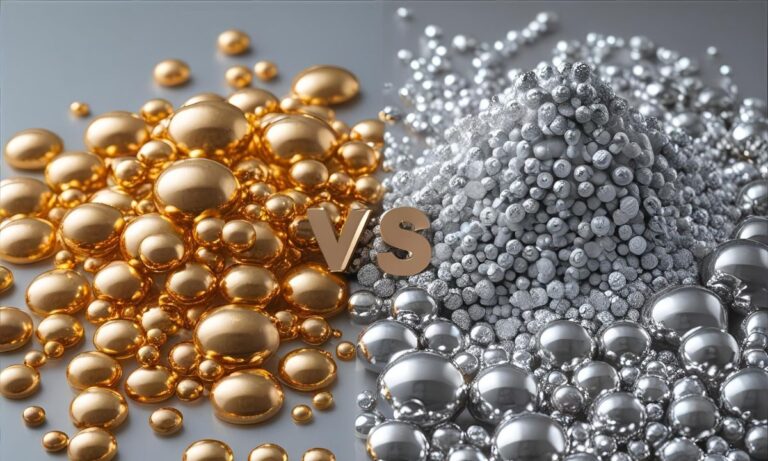
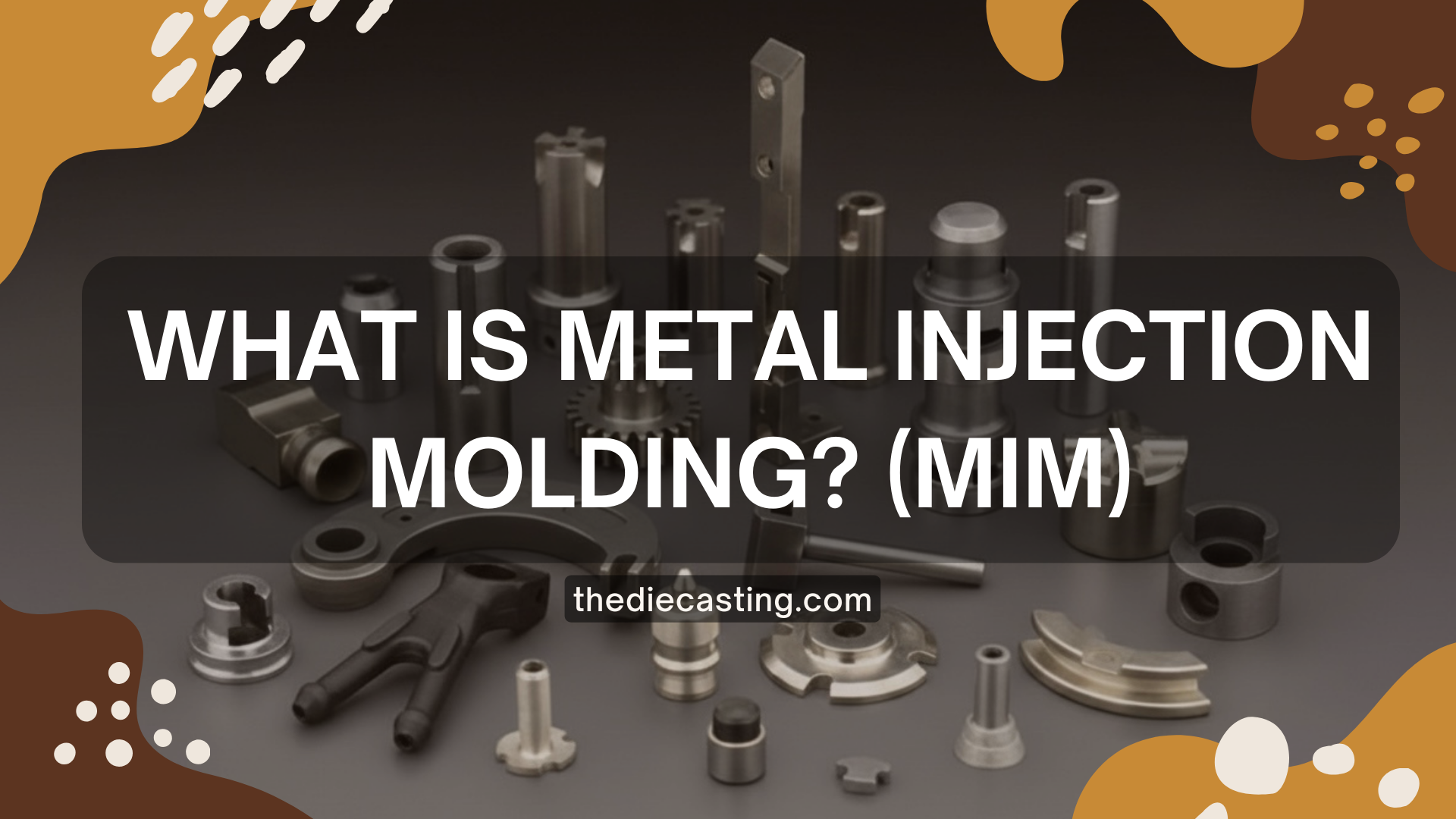
Metal injection molding is a transformative manufacturing technology that utilizes metal powders combined with organic binders using injection molding technology to produce highly complex structural metal components. Within the first 10% of this guide, we will explore why MIM metal injection molding is the “marriage” between two existing technologies: powder metallurgy and plastic injection molding.
Parts are subsequently processed and sintered to yield high-strength, intricately shaped parts. As a solution for high-volume manufacturing, MIM metal injection molding is growing at a very rapid rate because the technology solves a lot of problems that are not easily addressed by other methods. Whether the goal is to produce complex parts for medical devices, automotive assemblies, defense, or consumer electronics, understanding what is MIM metal injection molding is the first step toward leveraging its outstanding value for parts requiring intricate geometry and superior material properties.
For global industries requiring exact specifications, working with experienced manufacturers is essential. Further technical resources on precision manufacturing can be explored at plastikform.net und plas.co.
What is MIM Metal Injection Molding?
In its simplest terms, MIM metal injection molding allows for the injection molding of metal powders instead of just pressing them. By mixing fine metal powders with a plastic binder, the material flows like a semi-solid under heat and pressure. This enables the creation of complex three-dimensional shapes that were previously impossible with conventional powder metal processes.
Conventional powder metallurgy, often called “press and sinter,” takes metal powders and presses them with high pressure in a die using top and bottom punches. While this is a great process, it is limited to two-dimensional shapes and can suffer from lower material properties. MIM molding overcomes these limitations by utilizing the 360-degree design freedom of injection molding.
Read more on Metal Injection Modeling
The Four-Step Process Cycle of MIM Metal Injection Molding
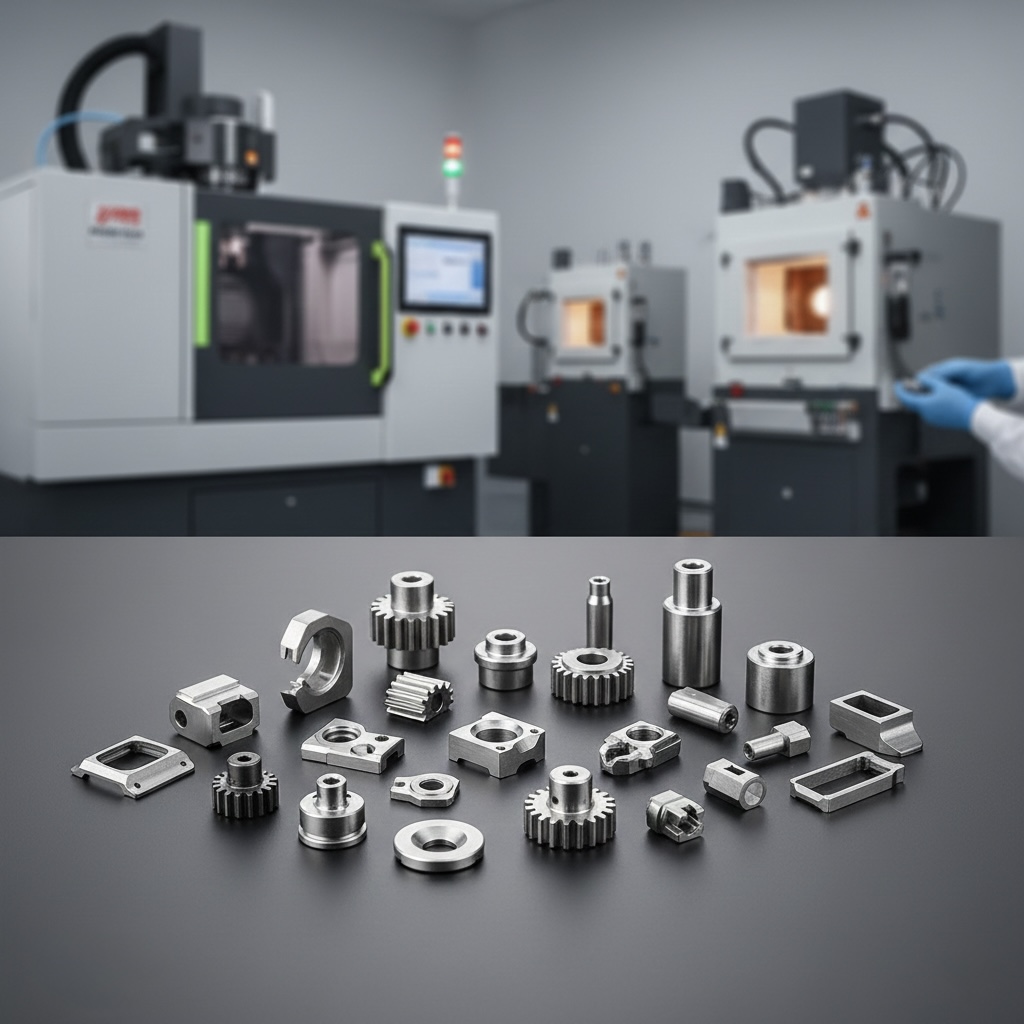
The production cycle for MIM services is generally categorized into four critical stages that ensure the economical manufacturing of high-precision components. Each stage must be meticulously controlled to ensure the final product meets the rigorous standards of modern engineering.
Step 1: Compounding and Feedstock Preparation
The metal injection molding MIM services process begins with the selection of raw materials. Fine metal powders, often produced through gas atomization to ensure spherical particle shapes, are the foundation. This powder is blended with thermoplastic and wax binders in proportional amounts to make the MIM feedstock.
Mixing is performed under heat so the binder material melts and coats each metal particle, producing a homogeneous mix. The mix is then cooled and converted into small pellets for easy storage and transfer. The quality of the feedstock determines the consistency of the final part’s dimensions and strength.
Step 2: MIM Molding (Injection)
The feedstock pellets are fed into an injection molding press where the components are shaped under high pressure. During this stage, the MIM molding feedstock is heated just enough to melt the plastic binders, injecting the semi-solid material into a custom-engineered mold.
The parts produced at this stage are known as green parts. While they possess the final geometry of the component, they are significantly larger (to account for future shrinkage) and consist of approximately 40% binder by volume. Because they are held together only by plastic binders, they are relatively fragile and must be handled with care to avoid structural damage.
Step 3: Debinding (Primary Binder Removal)
This step of metal injection molding MIM services involves removing a significant portion of the binders. This is achieved through solvent extraction, catalytic processing, or thermal evaporation. Once the primary binders are removed, the components are called brown parts.
At this stage, the part is held together by a “backbone” binder and possesses a network of interconnected porosity. This porosity is vital because it allows the remaining binders to escape as gas during the final heating stage without cracking the part. Solvent-based processing is often considered the most economical and efficient method for high-volume MIM services.
Step 4: Sintering (Densification)
The brown parts are moved to batch vacuum furnaces or continuous atmosphere furnaces to remove the secondary binders and densify the component. High temperatures typically between 2300°F and 2500°F (1260°C to 1370°C) enable the metal particles to fuse and diffuse with each other.
This results in 100% metal components with no remaining binder material and a minimum 97% density. During this stage, the part undergoes its final “shrinkage” to reach the specified blueprint dimensions.
Benefits of MIM and Material Performance
One of the primary benefits of MIM is the design freedom to make more complex geometry with tighter tolerances and improved density. Because metal injection molding MIM services utilize a technology that creates a simpler tool with fewer moving parts, engineers can achieve higher cycle rates and better cost controls.
Mechanical and Physical Properties
Components produced by this method lead the industry in mechanical and physical properties. Because the MIM services sintering process achieves high density, the final products display very similar material properties to corresponding wrought materials. Unlike conventional powder metal processes, MIM molding materials achieve nearly 95% to 99% of wrought material properties.
Sintered components are highly versatile and can be:
- Mechanically worked: They can be drilled, tapped, or CNC machined for ultra-precision features.
- Heat treated: To enhance the hardness and tensile strength of the MIM metal injection molding material.
- Surface finished: They can be plated, welded, or shot blasted for various aesthetic and functional finishes, such as mirror polishing or matte textures.
Is My Part a Good Fit for MIM Services?
To determine if a component is a good fit for MIM services, engineers look for the intersection of four factors: material performance, component cost, production quantity, and shape complexity. The closer an application gets to the intersection of these four categories, the better the application is for metal injection molding MIM services.
| Criteria | MIM Compatibility |
| Weight Range | Sweet spot is 0.20g to 30g; viable up to 100g. |
| Wanddicke | Best between 2mm and 4mm; minimum 0.3mm. |
| Produktionsvolumen | Scalable from 5,000 to millions per year. |
| Geometry | High complexity; internal/external threads and logos. |
Generally, components less than 100 grams are economically viable for MIM metal injection molding, with a “sweet spot” weight range between 0.20 to 30 grams. The process is highly scalable, addressing volumes from less than 5,000 pieces per year to several millions per year.
Read more: Hardware Die Casting: A Complete Guide
Common MIM Applications and Industries
Metal injection molding MIM services produce intricate components used by medical, electronics, recreation, and other industries.
- Medical and Dental: This is one of the dominant users of MIM metal injection molding. Applications include endoscopic surgical devices, sound tubes for hearing aids made from 316 stainless steel, and orthodontic appliances using 17-4 PH stainless steel.
- Firearms and Sporting Goods: MIM services are a preferred process for small, intricate steel components in handguns and rifles. A typical handgun may have up to 15 MIM molding components.
- Consumer Electronics: High-volume components, such as the lightning connector on iPhones, are produced using metal injection molding MIM services.
- Automotive: Major companies use a large number of MIM molding components in their assemblies, such as turbocharger parts and sensors.
Generally, the more complex the part is, the better the application is for metal injection molding MIM services. Large size components don’t make good MIM candidates because the powder cost becomes a primary driver.
Limitations of MIM Metal Injection Molding
While powerful, the process has its boundaries. It is important to remember that any metal that melts below 1000°C (1832°F) such as Aluminium, zinc, or copper cannot be processed through MIM metal injection molding easily. The sintering temperatures required for densification would cause these metals to melt and lose their shape entirely.
For projects involving these lower-melting materials, alternative methods like Aluminiumdruckguss or sand casting aluminum are required. For a technical comparison of these technologies and to see which fits your specific alloy requirements, you can read more here
Frequently Asked Questions (FAQ)
Why does the MIM metal injection molding part shrink so much after the sintering process?
As much as 15 to 20 percent shrinkage is common after the MIM services sintering process. This occurs because the component shrinks to squeeze out all the empty space left behind by the binders as the metal particles diffuse with each other. This shrinkage is mostly isotropic.
What typical binders are used in the MIM services feedstock recipe?
Typical binders are polyoxymethylene (POM), polyethylene, or polypropylene, which are synthetic or natural waxes. Stearic acids are also frequently used as binders for MIM molding.
3. What is the difference between a “green part” and a “brown part” in MIM molding?
The molded shape is called a green part; it is a consolidation of the metal powder held together by plastic binders. After the mim services debinding stage, the components are then called brown parts.
Why Choose The Die Casting for MIM Services?
We really like to utilize our experience and our talent to become another resource to help our customers achieve their goals. Whether you want to integrate a multi-piece assembly or convert a plastic molded part into stainless steel, we offer the technical expertise for your MIM metal injection molding needs.
On the right application, MIM services can save up to 80% of the component cost. We encourage you to reach out and inquire about The Die Casting’s MIM services. Just send us a print or CAD model, and our engineers will work with you to solve your problems leveraging our metal injection molding MIM services technology.