Aluminiumdruckguss

Aluminium-Druckguss

Aluminium-Druckguss Hersteller und IATF 16949

Aluminiumdruckguss

Modern manufacturing uses aluminium high-pressure die casting to make parts that are strong, light, and have many complex shapes. The reason automotive, aerospace, telecommunications, and consumer electronics all use it is that it can do both mass production and create very accurate pieces. Because the demand for quality aluminium high-pressure die-cast parts keeps increasing, it is important to deal with a well-known and certified supplier. In this area, the IATF 16949 certification is very important because it is a respected quality management standard used worldwide in the automotive industry. Such certification guarantees that quality control, proper risk handling, and continuous improvement are used during every stage of manufacturing. A certified aluminum die-casting and ISO 16949 company demonstrates its commitment to consistent product quality and customer satisfaction. Being a high precision die casting manufacturer and ITAF 16949 means meeting rigorous international standards and having the processes in place to minimize defects, enhance production efficiency, and ensure complete traceability of components. They can meet Tier 1 suppliers and OEMs by delivering components that exactly follow the business’s specifications. In addition, complying with aluminum die casting and 16949 standards means a manufacturer can meet expectations worldwide, mainly in areas where it is important to focus on safety and secure performance. Working with a suitable aluminium die casing partner that has IATF 16949 certification benefits your products, helps cut costs in the future, and strengthens the links in your supply chain. This article looks into how an aluminium high-pressure die casting manufacturer follows the IATF 16949 standard and its role. Aluminium High Pressure Die Casting  Aluminium high-pressure die casting helps make metal parts that are accurate in shape and have a perfect non-porous surface. When molten aluminium is injected into a steel mold at high pressure, it makes it possible to quickly fabricate complex parts and reduces later processing steps. Because it is strong and light, aluminium is widely used in many industries. The products made from this process are commonly seen in cars’ engines, housings, and brackets. For any aluminum die-casting and ITAF 16949 certified operation, maintaining the integrity of this process is vital to both quality and compliance. How IATF 16949 Helps in Die Casting? IATF 16949 is an international standard made for cars, and it uses quality management to ensure the reliability of products and their processes. Continuous development, prevention of quality issues, and lowering waste in the supply chain are the main elements of the system, which was created by the International Automotive Task Force. For manufacturers engaged in aluminum die-casting and ISO 16949 certification, certification is not just a regulatory requirement; it’s a badge of trust. It guarantees that the manufacturer follows quality rules that are respected everywhere. Besides, since IATF 16949 matches ISO 9001, it ensures full and proper quality management. Why is aluminium used in High Pressure Die Casting? Die casting benefits a lot from aluminium due to its ability to resist corrosion, its strong thermal conductivity, and being lighter than other metals like steel and brass. Because of these qualities, this material is suitable for cars since both light weight and performance depend on fuel efficiency. An IATF 16949 certification shows that all of these benefits are achieved by the business. For instance, manufacturers focusing on “high precision die casting manufacturer and ISO 16949 standards can assure customers of consistent product performance and minimal variance in production. What Makes an Aluminium Die Casting Manufacturer Reliable? Selecting a competent manufacturer is very important for firms doing aluminium die casting. A manufacturer should not only have the necessary know-how but also follow all quality standards. These are some of the essential traits you should notice: Using Precision in Die Casting Good die casting depends mostly on precise engineering. It confirms that components follow the tight guidelines of both dimensions and performance. Manufacturers who identify as high precision die casting manufacturers and ITA 16949 go to great lengths to implement exacting standards across the design and production cycle. Because of CAD/CAM software, quality inspection, and automated processes, production is kept as close as possible to the specific requirements. For applications like transmission housings, electronic enclosures, and important car components, the exactness needed is very important. Why Managing Quality Is Important? A well-structured quality management system (QMS) makes it possible to produce the same quality goods all the time. In the aluminium die casting industry, following the principles of IATF 16949 gives a way to control processes, reduce risks, and improve constantly. By following IATF 16949, a high precision die casting manufacturer and itaf 16949 ensures not only quality but also traceability and accountability. Everything is checked and confirmed along the supply chain to lower the chances of issues and defects. Below is a detailed and professional table that outlines key aspects of Aluminium High Pressure Die Casting Manufacturer and IATF 16949, integrating relevant information across different categories such as process, benefits, certification, and industry relevance. This table is ideal for use on a website, brochure, or presentation. Aluminium High Pressure Die Casting & IATF 16949 – Comprehensive Overview Category Details Manufacturing Process Aluminium is melted and injected into a steel mold under high pressure, producing complex shapes with excellent dimensional accuracy. Key Material Used Aluminium alloys (e.g., A380, ADC12, AlSi10Mg) are known for their strength, light weight, and thermal conductivity. Application Industries Automotive, Aerospace, Electronics, Industrial Equipment, Telecommunications, Consumer Goods. Advantages of Aluminium Die Casting – Lightweight components- High strength-to-weight ratio- Excellent surface finish- High-volume efficiency- Corrosion resistance Importance of Precision Tight tolerances and fine details can be achieved, ideal for engine parts, housings, connectors, brackets, and structural components. What is IATF 16949? A global quality management standard for the automotive industry, based on ISO 9001 with additional requirements specific to auto manufacturing. Benefits of IATF 16949 Certification – Consistent product quality- Risk-based thinking- Defect prevention- Better customer satisfaction- Competitive advantage Why Certification Matters Ensures traceability, standardized procedures, regulatory compliance, and ongoing performance improvement. Target Clients OEMs, Tier 1 & Tier 2 automotive suppliers, industrial system designers, and
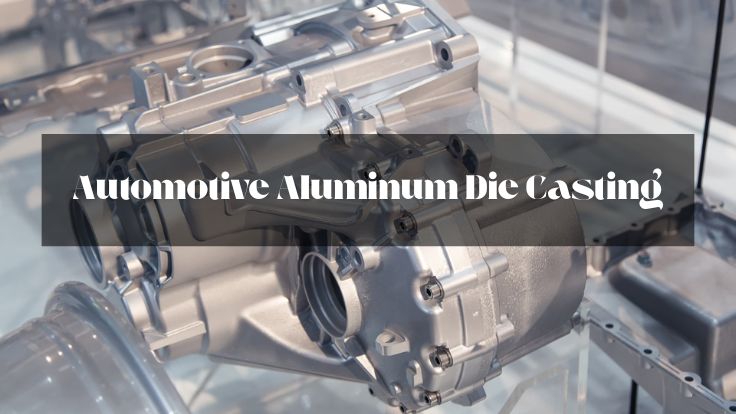
Warum führende Hersteller Autoteile aus Aluminiumdruckguss bevorzugen

Autoteile aus Aluminiumdruckguss: Warum führende Hersteller bevorzugen

Aluminiumdruckguss

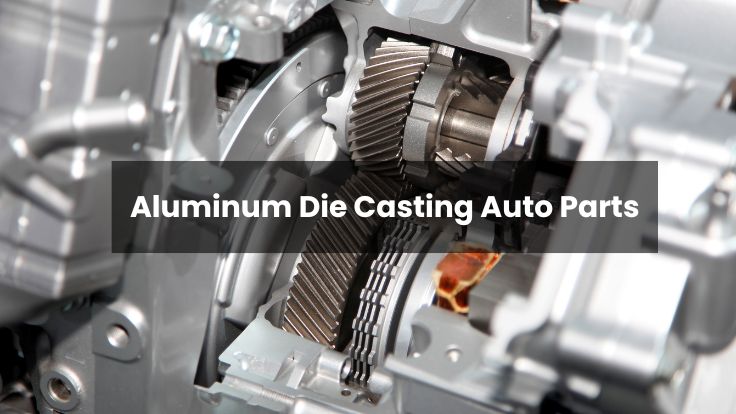
Aluminum Die Casting Auto Parts are now a common practice for industry-leading designs of engine blocks, transmission housings and a wide range of brackets. The method makes it possible to include complex designs and ensures both lightness and durability in parts crucial for strong performance and better fuel efficiency. Because it is fast and produces very little scrap waste, aluminum die casting is widely used by automakers everywhere. Auto diecasting is essential when building parts for modern cars. This manufacturing process melts aluminum into shapes required by dies, since the moulds are strong and reusable. The increasing emphasis on improved and more energy-efficient vehicles has caused companies to use more aluminum. Producing these parts dependably at a high level of accuracy often depends on aluminum die casting. The auto diecasting parts manufacturer is central to these manufacturing developments. Because electric vehicles and hybrids are getting more common, manufacturers will need more aluminum components that are both light and don’t rust or corrode easily. Because of these qualities, aluminum die casting is important to the development of transportation technology. In this article, we will cover the auto diecasting process, its advantages, common applications in automobiles and how leading die casting manufacturers make outstanding diecasting parts for today’s vehicles. What Exactly Is Aluminum Die Casting? Aluminum die casting happens when molten aluminum is pushed under high pressure into a cavity in a mould. Generally, the mould consists of hardened tool steel and shapes repeatable forms of high precision. As soon as the casting is solid and cool, the die is opened so the cast can be removed. Key Features: What Makes Die Casting With Aluminium Useful? Aluminum die casting enables producers to make high-quality components at reasonable and flexible costs. Main Benefits: When several features are present, numerous components can be assembled together into one unit. What is Auto DieCasting? Auto diecasting is the process of forcing liquid aluminum into special die or mold to shape automotive components. Many consider it known for producing extremely detailed and correct parts to tight tolerances. Because it is faster, cleaner and less costly, “auto diecasting” is now used instead of other approaches to make many vehicle components. High quality Steel dies or die casting molds are used in the manufacturing process, allowing them to handle the heat used over and over again. The cooling and ejection of the demolded aluminum part are simple, so very little finishing is needed. Therefore, the process achieves greater efficiency than machining and similar metal-forming techniques. The need for using auto die casting increases as auto designers and engineers try to build lighter, more efficient vehicles with aluminum. Uses of Aluminum Die Casting The reason aluminum die casting is important in several sectors is that it creates parts that are both strong, light and very precise. Since it performs very well mechanically, aluminum is highly appreciated in fields that demand top performance, lasting use and unique geometry. You’ll find ceramics in cars, planes, electronics, appliances and other equipment, and these applications are always increasing. Automotive Industry Aluminum die-cast parts are used most by the automotive industry. The use of this method grows as it helps manufacturers cut vehicle weight, improve mileage and fulfil tight environmental rules. Part of any auto engine, transmission, cylinder head, suspension unit or support structure may be made of aluminium. Increasing numbers of electric vehicles make die casting in aluminum necessary, since lightweight components help prolong battery life and make driving more enjoyable. Good dimensional accuracy in parts allows several components to be shaped into complex shapes, which then saves on costs by needing fewer processes and pieces. Aerospace Industry In aerospace, aluminum die casting is chosen because it gives the best strength and weight reduction. Customers turn to die-cast aluminium for aircraft frames, flight systems, gearbox coverings and engines. They are subjected to tough loads and various oil field conditions while staying the same size and remaining safe. Because of the process, parts for aerospace can be fully customized to meet high standards, all within a quicker timeframe and while working more efficiently. Because commercial and defence aviation is advancing, more demand for advanced aluminium parts is appearing. Consumer Electronics Aluminum die casting is popular in the consumer electronics industry for making parts that are both attractive, durable and good at handling heat. Internal parts of many laptops, tablets, smartphones, and camera bodies are commonly protected by die-cast aluminium housings which also give them an elegant appearance. Apart from how it lookaluminiumnum is great at conducting heat, so it’s often used in heat sinks and cooling systems. Because of die casting, small and complex designs can be manufactured, answering the industry’s desire for gadgets that use less power and take up less space. Lighting Industry There would be no excellent outdoors or industrial lighting without die-cast aluminum. Because of its advantages, aluminum is used to create street lights, LED covers and floodlight covers. That’s why lighting components can last a long time in all sorts of weather conditions. As a result, die casting makes it possible to put detailed features into a single part, so manufacturers may not have to add additional items or assemble different parts, saving them further money. Industrial machinery and equipment Aluminum die-cast parts are frequently employed in machines and equipment in industry because they last, offer high accuracy and protect against environmental damage. Examples of applications include pump housings, valve bases, gearboxes, motor cases and different structural components. Using this type of process allows the production of powerful parts that must function reliably in tough conditions.  Different Types of Aluminum Die Casting Different types of aluminum die casting are chosen based on what type of part, how many and the desired quality. Every process comes with specific pros, and one is picked depending on what the product requires. Die casting that uses high pressure (HPDC) Most of the time, high-pressure die casting is the process used. The aluminium is poured into the mould when pressured at a very high

Die Zukunft der Fertigung: Erforschung des Aluminium-Druckgusses in der Automobilindustrie

Die Zukunft der Fertigung: Erforschung des Aluminium-Druckgusses in der Automobilindustrie

Aluminiumguss, Aluminiumdruckguss

Der rasante Wandel in der Automobilindustrie bedeutet, dass die Automobilhersteller immer leichtere, sicherere und energiesparendere Fahrzeuge bauen müssen. Eine Schlüsseltechnologie für diesen Wandel ist der Aluminiumdruckguss für die Automobilindustrie. Dank dieses Verfahrens können die Hersteller Metallteile formen, die sowohl stabil als auch leicht sind und dabei die notwendigen komplexen Figuren und die Präzision beibehalten, die heute in der Automobilbranche erforderlich sind. Angesichts des wachsenden Interesses an Elektrofahrzeugen, verbesserter Sicherheit und Kraftstoffeinsparungen wird das Druckgussverfahren heute mehr denn je eingesetzt. Beim Druckguss wird Aluminium mit erheblichem Kraftaufwand in eine kleine, hochpräzise Stahlform gegossen. Das Verfahren ermöglicht schnelle und regelmäßig wiederholbare Ergebnisse, und die Teile haben präzise Abmessungen und sehen gut aus. Derzeit werden viele Druckgussprodukte in wichtigen Teilen von Autos wie Motorblöcken, Getriebegehäusen, Fahrzeugaufhängungen und Batteriegehäusen eingesetzt. Die Konstruktion muss solide sein, aber auch hohen Anforderungen in Bezug auf Hitze und Belastung genügen. Da immer mehr Menschen Aluminium gegenüber Stahl bevorzugen, wenden sich viele Hersteller dem Aluminiumdruckguss zu, da er dazu beiträgt, das Fahrzeuggewicht zu senken, ohne die Festigkeit zu beeinträchtigen. Moderne Fortschritte bei Maschinen, Werkstoffen und Nachhaltigkeit ermöglichen es den Herstellern, Aluminiumdruckgussteile für Fahrzeuge herzustellen, die den modernen Vorschriften entsprechen und die Umwelt schonen. Wir gehen auf die wichtigsten Ideen im Automobildruckguss ein, darunter Materialien, Maschinen, Konstruktionskriterien und Beispiele für deren Anwendung. Unabhängig davon, ob Sie in der Branche arbeiten oder nicht, hilft Ihnen das Verständnis des Automobil-Druckgusses, die Entwicklung der Fertigung und die Zukunft der Fahrzeuge zu erkennen. Was ist das Verfahren des Aluminiumdruckgusses in der Automobilindustrie? Beim Aluminiumdruckguss für die Automobilindustrie wird geschmolzenes Aluminium unter hohem Druck in Stahlformen gespritzt. Sobald das Aluminium fest wird, entsteht ein präzises und widerstandsfähiges Teil mit einer feinen Oberflächenbeschaffenheit und guten Abmessungen. Da in der Automobilbranche Sicherheit, Leistung und Effizienz am wichtigsten sind, sind diese Eigenschaften von entscheidender Bedeutung. Mit dieser Art der Herstellung lassen sich komplexe Designs realisieren, die mit der herkömmlichen Produktion nicht möglich sind. Da Aluminium leicht ist, hilft es den Fahrzeugen, Gewicht zu sparen, ohne schwächer zu werden. Konstruktionstechnik Jeder Automobilguss beginnt mit einer vollständigen Konstruktions- und Entwicklungsphase. Mit Hilfe von 3D-CAD-Software können Ingenieure ein Modell erstellen und testen, um das Verhalten in der Realität vorherzusagen. Die Gießsimulationen zeigen, wie das geschmolzene Metall in der Form geformt wird, wie es sich verfestigt und wo mögliche Probleme mit Lufteinschlüssen oder Schrumpfung auftreten können. Das Ziel ist es, die Leistung, die Festigkeit und die einfache Herstellung des Teils zu verbessern. Das Team legt auch das Endverbindungsverfahren und die für die Anwendung geeignete Aluminiumlegierung fest. Der Prozess der Herstellung einer Matrize (Gussform) Nach dem Entwurf wird die Matrize hergestellt, die das geschmolzene Material während des Prozesses formt. Diese Matrizen werden fachmännisch nach Maß mit engen Toleranzen hergestellt und halten vielen Gießversuchen stand. Unabhängig davon, ob es sich um einen komplexen Auftrag oder eine Großserienproduktion handelt, kann die Form für mehr als einen Hohlraum ausgelegt sein. Die Form enthält auch spezielle Kanäle zur Kühlung und Stifte, die das Teil auswerfen, sobald es erstarrt ist. Eine gut konzipierte Matrize trägt dazu bei, dass das Produkt maßhaltig ist, eine gute Oberfläche hat und die Werkzeuge lange halten. Danach werden die Aluminiumbarren in Industrieöfen mit einer Temperatur von über 660 °C (1220 °F), dem Schmelzpunkt von Aluminium, weiter geschmolzen. Das geschmolzene Material wird auf einer konstanten Temperatur gehalten und oft von Wasserstoff befreit, der sonst zu Leerräumen im Inneren führen könnte. Manchmal werden Chemikalien kombiniert, um die Festigkeit zu erhöhen, die Flexibilität zu verbessern oder die Korrosionsanfälligkeit des Aluminiums zu verringern. Da Verunreinigungen im geschmolzenen Metall zu Fehlern im Endprodukt führen können, muss das Metall sauber sein. Einspritzen und Gießen Das Druckgießen ist ein Schlüsselverfahren, da das geschmolzene Aluminium mit extrem hohem Druck und in kürzester Zeit in die Form geschossen wird. Durch das schnelle Einfüllen des Metalls in alle Ecken der Form werden die winzigen Details der Teilekonstruktion erfasst. Die damit verbundenen Spannungen tragen dazu bei, Lufteinschlüsse in den Bauteilen zu reduzieren, was sie stark und stabil macht. Unmittelbar nach dem Füllen der Matrize beginnt das Aluminium in nur wenigen Sekunden abzukühlen und auszuhärten. Die schnelle Abkühlung sorgt für ein gutes Korngefüge und ein perfektes Oberflächenfinish. Die Luft in der Form wird abgelassen, und das Formteil wird mit automatischen Stiften ausgestoßen, nachdem das Aluminium erstarrt ist. In der gesamten Form wird die Temperatur kontrolliert, und die Zykluszeiten werden durch die Kühlkanäle verkürzt. Der Prozess in dieser Phase muss sorgfältig überwacht werden, da eine fehlerhafte Abkühlung zu Rissen oder Verformungen führen kann. Auch nach dem Ausstoßen behält das Gussteil seine Wärme und kann vor dem nächsten Schritt weiter behandelt werden. Oftmals bleiben beim Gießen einige Anguss- und Gratstücke übrig, die abgetrennt werden müssen. Dies geschieht durch Beschneiden oder Bearbeiten der Enden. Manchmal muss gebohrt, ein Gewinde geschnitten, die Oberfläche geschliffen oder eine Beschichtung aufgetragen werden, um das Teil genau für seinen Zweck fertigzustellen. Manchmal führen die Werkstätten auch Wärmebehandlungen durch, um die Festigkeit und Ermüdungsbeständigkeit des Metalls zu erhöhen. Wenn alles fertig ist, werden die Teile mit Hilfe von Messungen, Röntgenstrahlen oder Ultraschallgeräten auf innere und äußere Probleme geprüft. Die Montage oder der Versand von Objekten erfolgt schrittweise. Eine gründliche Prüfung und Endbearbeitung bedeutet, dass das Gussteil entweder an den Kunden geliefert oder für Montagesysteme weitergegeben werden kann. Bevor sie in Fahrzeuge eingebaut werden, werden die Gehäuse, Halterungen und Befestigungen mit vielen anderen mechanischen oder elektronischen Elementen montiert. Die Gussteile sind während des Transports am besten geschützt, und die Lieferkette verläuft reibungslos, wenn Logistik und Verpackung effektiv sind. Vorteile des Automobil-Druckgusses in der Automobilindustrie Immer mehr Automobilhersteller verwenden Aluminiumkomponenten aufgrund der Vorteile, die der Automobil-Druckguss bietet. Der Hauptvorteil ist, dass die Fahrzeuge

Straßenlaternengehäuse aus Aluminiumdruckguss

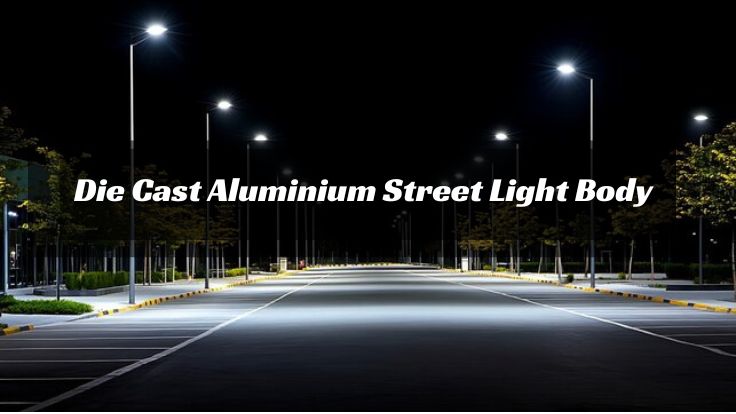
Straßenlaternengehäuse aus Aluminiumdruckguss: Langanhaltende Beleuchtung

Aluminiumdruckguss

Aufgrund der modernen, energiesparenden Technologie ist es heutzutage wichtig, dass Beleuchtungsprodukte robust und zuverlässig sind. Fast alle modernen Außenbeleuchtungssysteme enthalten ein Aluminiumdruckgussgehäuse für ihre Straßenleuchten. Dieses Gehäuse ist thermisch hoch belastbar, korrosionsbeständig und widerstandsfähig, so dass es trotz rauer Umweltbedingungen lange hält. Es schirmt die Schaltkreise der LEDs ab und lässt auch die Wärme entweichen, was ihre Lebensdauer verlängert. Die Aluminiumgehäuse für LED-Straßenleuchten sind so konzipiert, dass sie Sicherheit und Qualität auf globaler Ebene gewährleisten. Da sie gut gebaut und vielseitig einsetzbar sind, sieht man diese Gehäuse oft entlang von Straßen, Autobahnen, in der Industrie und in Parks. Dank des Fortschritts im Design werden heute viele Arten von LED-Straßenlaternengehäusen aus Aluminiumdruckguss hergestellt, um zahlreichen Bedürfnissen und Vorlieben bei Beleuchtungskörpern gerecht zu werden. Während LED-Straßenlampengehäuse früher auf Effizienz ausgelegt waren, bieten sie heute modulare Designs, intelligente Funktionen und ein ansprechendes Aussehen. In diesem Artikel werden die Merkmale, Typen, Serien, Spezifikationen und Vorteile der Verwendung von Aluminiumdruckguss in der Straßenbeleuchtung für diejenigen erörtert, die Straßenbeleuchtungsarmaturen planen, entwerfen und auswählen. Dieser Artikel behandelt die Bedeutung, die Vorteile und die Nachfrage nach Straßenleuchtenkörpern aus Aluminiumdruckguss sowie die Schritte zu ihrer Herstellung und die modernen Trends auf dem Markt. Was versteht man unter einem Straßenleuchtenkörper aus Aluminiumdruckguss? Aluminiumdruckguss ist das Verfahren, mit dem der schützende und tragende Körper von LED-Straßenleuchten hergestellt wird. In diesem Gehäuse befinden sich alle wichtigen Teile der Beleuchtungseinheit, wie z. B. der LED-Treiber, die Platine und die Linse, und sie alle sind vor Dingen wie Staub, Wasser und heißen oder kalten Temperaturen geschützt. Der Aluminiumdruckguss ermöglicht es den Herstellern, LED-Straßenleuchtengehäuse herzustellen, die stark, gleichmäßig, präzise und leicht sind. Das Ergebnis ist nicht nur langlebig, sondern sieht auch stilvoll aus und weist in der Regel glatte, elegante Linien auf. Die Schritte des Druckgussverfahrens Beim Druckguss wird geschmolzenes Aluminium mit hohem Druck in einen Formhohlraum in der Gussform gepresst. Sobald der Vorgang abgeschlossen und das Metall vollständig erstarrt ist, nimmt es die Form der Gussform an und wird anschließend herausgezogen, beschnitten, gereinigt und poliert. Ein wichtiger Grund für den Einsatz dieses Verfahrens in der LED-Straßenbeleuchtung ist die Fähigkeit, Teile mit präziser Genauigkeit, immer gleichen Merkmalen und ausgezeichneten Oberflächen- und physikalischen Eigenschaften herzustellen. Hier ein einfacher Überblick darüber, was Sie tun müssen: Es ermöglicht den Herstellern, viele Produkte zu niedrigen Kosten herzustellen, da es den Abfall minimiert. Warum sollten Sie Aluminiumdruckguss für Straßenleuchtengehäuse verwenden? Die Verwendung eines Aluminiumdruckgussgehäuses für eine Straßenlaterne hat viele Vorteile. 1. Wärmeableitung Aluminium eignet sich hervorragend zur Wärmeableitung. Die von den LEDs erzeugte Wärme wird durch das Gehäuse abgeleitet und verhindert, dass die Komponenten überhitzen und letztendlich beschädigt werden. Dank dieser Eigenschaft kann das Fahrzeug bei verschiedenen Witterungsbedingungen eine stabile Leistung erbringen. 2. Zähigkeit und Robustheit Das Material erhöht nicht das Gewicht, ist aber haltbar genug, um rauen Wetterbedingungen standzuhalten. 3. Korrosionsbeständigkeit Die Beschichtung oder Eloxierung von Aluminium macht es sehr korrosionsbeständig, so dass das Gehäuse für LED-Straßenlampen an rauen Orten, einschließlich am Meer oder in der Nähe von Fabriken, lange Zeit hält. 4. Designflexibilität Mit Druckguss können Objekte mit zusätzlichen Merkmalen und Formen hergestellt werden, was den Bedarf an anderen Montagearten reduziert. 5. Ästhetik Heutzutage bevorzugen moderne Stadtplaner Einrichtungen, die sauber und schlicht sind. LED-Straßenleuchten mit einem Gehäuse aus Aluminiumdruckguss können sowohl den Zweck als auch das Aussehen einer Stadt prägen. Werkzeuge für den Einsatz in städtischen und industriellen Gebieten Das Gehäuse einer Aluminiumdruckguss-Straßenleuchte findet man z. B. an folgenden Orten: Diese Art von Gehäuse kann mit LEDs verwendet werden, die auf allen Ebenen Licht erzeugen, von der Beleuchtung bis hin zu intelligenten Steuerungen. Warum ist das Gehäuse einer LED-Straßenleuchte aus Aluminiumdruckguss auf dem Markt so beliebt? In den letzten Jahren haben mehr und mehr Unternehmen auf Aluminium-Druckguss-LED-Straßenlampengehäuse umgestellt. Dies wird durch eine Vielzahl von verschiedenen Aspekten beeinflusst. Der Trend wird sich fortsetzen, da viele Städte in die Erneuerung ihrer Infrastruktur investieren und energiesparende Beleuchtungssysteme bevorzugen. Die Funktion der Qualitätskontrolle und der Normen Die Hersteller von LED-Straßenbeleuchtungsgehäusen müssen sich streng an die Regeln der Branche halten, um einen sicheren Betrieb, eine einwandfreie Funktion und eine lange Lebensdauer zu gewährleisten. Die Unternehmen sollten die folgenden Eigenschaften überprüfen: Um weltweite Anerkennung und das Vertrauen der Käufer zu gewinnen, sollte eine hochwertige LED-Straßenleuchte die CE-, RoHS- und ISO-Zertifizierungen bestehen. Herstellung einer Serie von Straßenleuchtengehäusen aus Aluminiumdruckguss Viele Hersteller teilen ihre Produkte nach Aussehen, Leistung, Einsatzbereich und technischen Eigenschaften in Serien ein. Dank der Serien von Straßenlaternen können die Käufer leicht ein Produkt auswählen, das ihren Anforderungen entspricht. Im Folgenden sind die am häufigsten anzutreffenden Serien aufgeführt: 1. Miniserie 20W-50W Die Miniserie hat kompakte Gehäuse für LED-Straßenleuchten, die für schmale Straßen, Gehwege und Häuser gedacht sind. Da sie alle sehr leicht und effizient sind, werden diese Modelle häufig an Orten eingesetzt, die nicht viel Licht benötigen. 2. Standard Series (60- 120W) Dies ist die Gruppe der Literatur, die die meisten Menschen lesen. Die LED-Straßenbeleuchtungsgehäuse in dieser Serie sind sowohl stark als auch kostensparend. Sie eignen sich perfekt für Straßen, Parkplätze und die Bewachung von Anlagen und Fabriken. 3. Die Palette reicht von 150W bis 250W Da sie für Autobahnen, breite Straßen und weitläufige Außenbereiche gedacht sind, haben diese Produkte LED-Straßenleuchten in robustem Aluminiumguss mit extra Wärmeableitung. Viele dieser Geräte verfügen über intelligente Funktionen und sind staub- und wasserdicht. 4. Smart/Intelligent Series Diese Geräte sind so konfiguriert, dass sie Bewegungssensoren, IoT-Module oder intelligente Treiber unterstützen. In dieser Serie sind Straßenleuchten aus Aluminium mit drahtloser Technologie ausgestattet, so dass sie auf die Fernsteuerung für die neue Smart-City-Technologie reagieren können. 5. Designer- oder Architekturserie Die Serie verbindet Musik mit der Schönheit der Kunst.

Führende Aluminium-Druckgusshersteller in China und der Welt

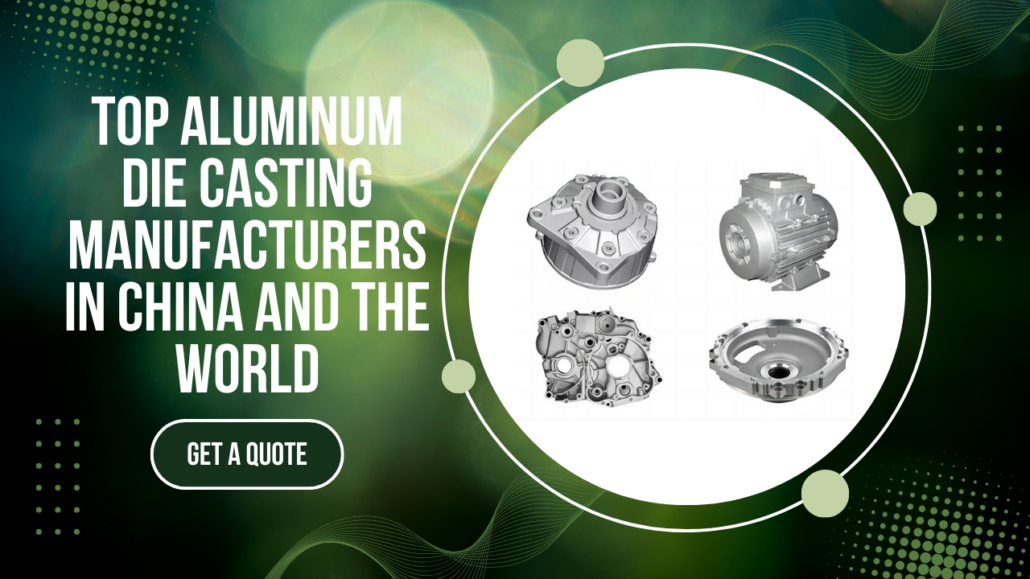
Führende Aluminium-Druckgusshersteller in China und der Welt

Aluminiumdruckguss

Today, aluminum die casting plays a central role in modern manufacturing. The aluminum die casting process is known for its precision, strength, and ability to produce complex shapes with tight tolerances, making it an integral process for industries such as automotive and aerospace, consumer goods and electronics, medical devices, etc. This very dynamic scenario continues to create demand for high-performance and cost-effective components and has led to the importance of aluminum die casting manufacturer partners becoming more critical than ever. Tooling and quality provide higher efficiency, at the same time as scalability, and have been helped along by the advancement of automation. These companies usually provide end-to-end services, from the beginning design and prototyping to mass production and surface finishing, which smoothly cover all the processes to implement according to the demands of the customer. On top of that, as the sustainability standards gain in importance, many die-casting companies take up environmentally friendly ways of working, including material recycling, adopting energy-efficient measures, and getting green certifications. The article reviews some of the best aluminum die casting manufacturers operating around the globe, such as in the US of Europe, and other countries where such a business creates an edge over others due to the value added through their innovation and customer-centric approach. These companies stand high and proud in the automotive parts manufacturing world, and could perfectly serve you if you are looking for high-volume automotive parts, precision medical components, or new ideas to solve the obscure problems in niche applications. In this blog post, we will go over their company profiles, quality commitments, certifications, and how they stand out as a fascinating inconel casting company in such a competitive world. This guide is your complete start to finding a trusted aluminium die casting manufacturer for your next project. What is Aluminum Die Casting? Machines use aluminum die casting to create sophisticated parts of precise definition by forcing molten aluminum into a die under substantial pressure to produce complex shapes. Industrial operations depend upon this method to produce durable, lightweight components having precise dimensions alongside smooth surface texture possibilities. Molten aluminum takes only a fraction of time to fill and solidify in the die cavity before automatic removal from the die and subsequent finishing operations. The automotive as well as aerospace industries, together with electronics and consumer goods sectors, adopt aluminum die casting for their material requirements because this process delivers strong parts with low weight, together with excellent resistance to corrosion and significant thermal performance. Manufacturers choose aluminum die casting because of its efficiency and automatic operation capability to create speedily and repetitively many engine housings as well as heat sinks and brackets, and enclosures. Manufacturing at high volumes becomes more economical through this process because it decreases machine workload and guarantees uniform quality levels. Sincere Tech Year of Establishment: 2005No of Employees: 100-500Business Type: It is one of China’s largest plastic injection mold makers, aluminum die casting producers, CNC machining machine service providers, and product assembly service providers. Website and Contact: Website: plasticmold.netEmail: info@plasticmold.netPhone: +86 135 30801277Address: Building 1, No. 30 Huan Zhen Rd, Shang Dong village, Qi Shi Town, Dongguan City, Guangdong province, China, 523000 Company Profile  Sincere Tech is a member of the leading aluminum die casting enterprise in China, Dongguan City, Guangdong Province, founded in 2005. The company has over 100 employees, over 20 years of plastic injection molding, die casting, precision CNC machining, and full product assembly experience. Sincere Tech works with several industries, including automotive, electronics, and consumer products. The company has established itself as a leader in high precision aluminium die casting parts and complex tool solutions by using advanced technologies and the expertise of craftsmen. Due to its vertically integrated services, the company provides superior quality, timely delivery, and low-cost manufacturing. Their Quality Commitments We (Sincere Tech) take all reasonable steps within our control to provide our customers with unattended aluminium die casting parts, ddefect-freeand and of high quality, through strict process control and continuous improvement. These include state-of-the-art equipment, ISO certified processes, full inspection reports, and in-house testing. Each project of theirs meets exact specifications and receives a good focus on customer satisfaction. Sincere Tech follows the international quality standards, constantly invests in employee training and innovation to supply reliable and durable products to worldwide clients. Why Choose Sincere Tech? GC Precision Mould Year of Establishment: 1999No of Employees: 100-200+Business Type: Plastic injection molding, CNC machining, die casting of aluminium, zinc, and magnesium. Website and Contact: Website: aludiecasting.comEmail: info@aludiecasting.comPhone: +86 131 4886 5556Address: No. 30 Huan Zhen Rd, Qi Shi Town, Dongguan City, Guangdong province China, 523516 Company Profile GC Precision Mould Co., Ltd. (located in Dongguan city, Guangdong province, China) was founded in 1999, and it has a reputation as an aluminum die casting manufacturer. The company does aluminum, zinc, magnesium die casting, and CNC machining, and plastic injection molding. We are a team of more than 100 professionals in the high-performance components and assemblies for automotive, industrial equipment, telecommunications, and electronics industries. The company has a reputation for being a precision tooling machine and an inventor who is dedicated to innovation in engineering to provide a customized solution based on complex engineering project demands and efficient, reliable, and quality production at each stage. Their Quality Commitments GC Precision Mould has a strong quality management system, dedicated to the highest product quality. The company uses advanced equipment and testing methods for incoming raw materials the product delivery, and it implements very strict inspection procedures. They are certified to ISO standards and base their zero-defect manufacturing and continuous improvement focus. Clients are their clients, and their engineering and QA teams work with them closely to fend off all of their technical specifications and provide them with really comprehensive quality documentation, which is fully traceable through to the end of the production cycle. Why Choose GC Precision Mould? CNM Tech Year of Establishment: 20+ yearsNo of Employees: 100-400Business Type: Specializes in die casting, CNC machining, and product assembly Website and Contact:

Schweißen von Aluminiumguss: Ein umfassender Leitfaden

Aluminiumguss, Aluminiumdruckguss

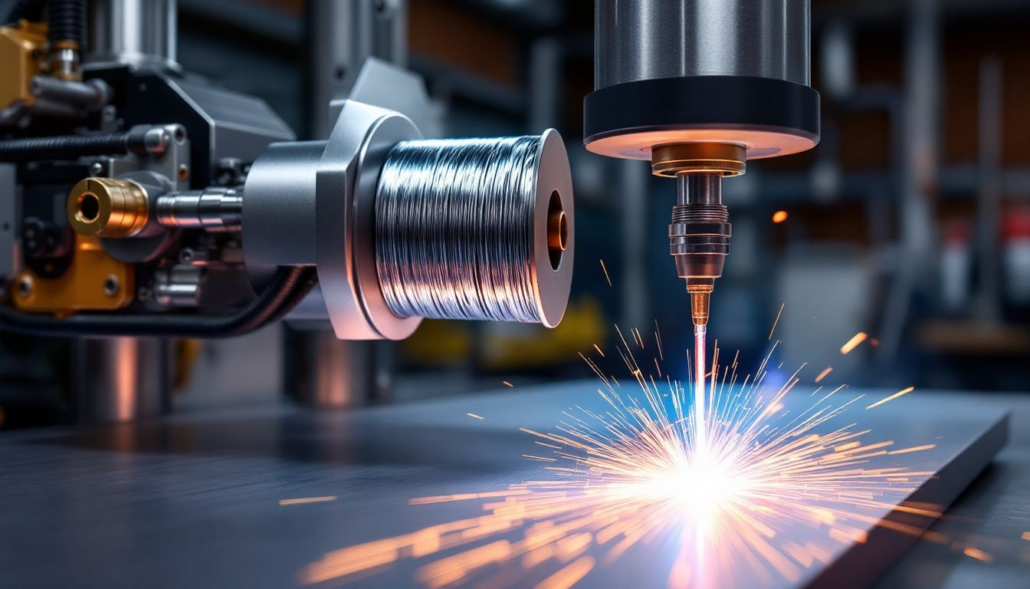
There are very few places one can go to learn about welding cast aluminum, and the skill set needed to do so is highly specialized. However, cast aluminum is a material created by pouring molten aluminum into a mold, which results in a porous material with impurities. This does not occur with standard aluminum alloys. Because of these characteristics, welding is more difficult, and preparing carefully, keeping the heat precisely in check, and using the appropriate techniques is necessary to produce strong, robust welds. Oxidation is one of the greatest hurdles when welding cast aluminum. This thin oxide layer, formed when exposed to air is much thicker than what naturally forms on aluminum, and it melts at a much higher temperature than aluminum itself, making fusion difficult. Furthermore, the presence of impurities and trapped gases in the cast aluminum can result in porosity, which provides weak welds if not properly cleaned and preheated. TIG (Tungsten Inert Gas) is the method of choice for precision and cleanliness, while MIG (Metal Inert Gas) is useful for speed and thicker material. To obtain a strong and defect-free weld, it is necessary to use the correct filler metal (such as 4045, 5356, or 4047) and shielding gas combination (of pure argon or argon-helium mixtures). Good preparation includes adequately cleaning and preheating as far as possible to minimize cracking, porosity and lack of fusion. Endurance and life of the welded joints is further improved by post-weld treatments like stress relief, grinding and corrosion protection after welding. While the majority of cast aluminum welders are welded steel, welders can successfully work with cast aluminum using the right techniques, tools, and attention to detail so long as lightweight, high strength components are required in industries. This is a masterable process that leads to further development of aluminum welding applications and to a reliable and predictable performance of aluminum structures in critical environments. Understanding Cast Aluminum  However, before proceeding with the welding techniques needed for cast aluminum, it is crucial to have a firm understanding of what constitutes cast aluminum and what makes it unique from other metals. Cast aluminum differs from wrought aluminum, which is mechanically shaped by using rolling or extruding, in that cast aluminum can be formed in complex shapes of high precision by melting aluminum and pouring this molten form into a mold. The unique internal structure so produced, usually characterized by porosity, impurities and varying alloy composition, has an important effect on weldability. To be able to weld cast aluminum successfully, one should know its chemical and physical properties, its pros and cons as well as the different types of cast aluminium alloys from various industries. These factors will be taken into consideration for the determining the necessary welding method, selection of filler material and preweld preparation techniques to make strong and defect free welds. Cast aluminum properties: What makes a cast different? Another important consideration that use of cast aluminum has several properties that make it light weight, anti- corrosive and very flexible. However, the same properties also pose some difficulties when welding is being done, provided that proper measures are not taken. 1. Porosity: The Hidden Challenge Possibly one of the biggest concerns about welding cast aluminum is porosity; it is known as the small bubbles of gas that get trapped in the metal when it is being cast. These eight are resulted from the entrapment of gases such as hydrogen, formation of small pores as a result of shrinkage during cooling of the aluminum metal and impurities. ???? How Porosity Affects Welding ???? How to Minimize Porosity During Welding 2. Oxidation: The Barrier to Clean Welds It is an element that reacts with other elements particularly oxygen found in the space surrounding the metal. This oxidation generates a very thin but extremely hard skin of aluminum oxide (Al₂O₃) through which the further corrosion of aluminum is prevented. Nevertheless, oxide layer is a critical issue when welding since its melting temperature is around 3700°F (2037°C), which is much higher than that of aluminum, 1221°F (660°C). Investigation on Why Oxidation is a Problem in Welding ???? Different Techniques of Removing and Controlling Oxidation 3. Heat Sensitivity: Managing Thermal Conductivity Different from steel, aluminum has high thermal conductivity and it can easily absorb and emit heat. This has always been a problem in maintaining a standard welding temperature; this tends to cause the following: ???? How to Overcome Heat Sensitivity Challenges Common Types of Cast Aluminum Alloys Various types of cast aluminum alloys can be cast according to their chemical composition and mechanical properties. Here are a few of the advantages and disadvantages of each type, as well as applications where they would be most useful. 1. A356 Cast Aluminum: The High-Strength Alloy  Its composition: Mainly encompasses aluminum (Al), silicon (Si) and magnesium (Mg). ???? Key Features ???? Common Applications 2. 319 Cast Aluminum: The Wear-Resistant Allo Composition: Contains higher levels of silicon (Si) and copper (Cu) than A356. ???? Key Features ???? Common Applications 3. 535 Cast Aluminum: The Marine-Grade Alloy Composition: Contains a high percentage of magnesium (Mg) for corrosion resistance. ???? Key Features ???? Common Applications Why Understanding Cast Aluminum Matters for Welding Starting with cast aluminum welding mastery is all about determining what cast aluminum is made of, its properties, and associated challenges. Therefore, as cast aluminum is used extensively in automotive, aerospace and marine engineering, welders require strategies for casting porosity, oxidation and sensitivity to heat. Different types of cast aluminum alloys respond to welding differently, and you should choose the correct filler materials, shielding gas and welding technique means the difference between a strong, reliable weld or a weak, porous joint. With preparation of the material, using the correct cleaning procedures, and regulating heat input, welders can address the issues associated with cast aluminum and generate powerful, long lasting welds that comply with harsh applications. Challenges in Welding Cast Aluminum  Welding of cast aluminum is notoriously difficult because of the unique physical and chemical properties of

Eloxierter Aluminiumwerkstoff: Eigenschaften, Vorteile und Anwendungen

Eloxierter Aluminiumwerkstoff: Eigenschaften, Vorteile und Anwendungen

Aluminiumdruckguss, Aluminium-Oberflächenbehandlung

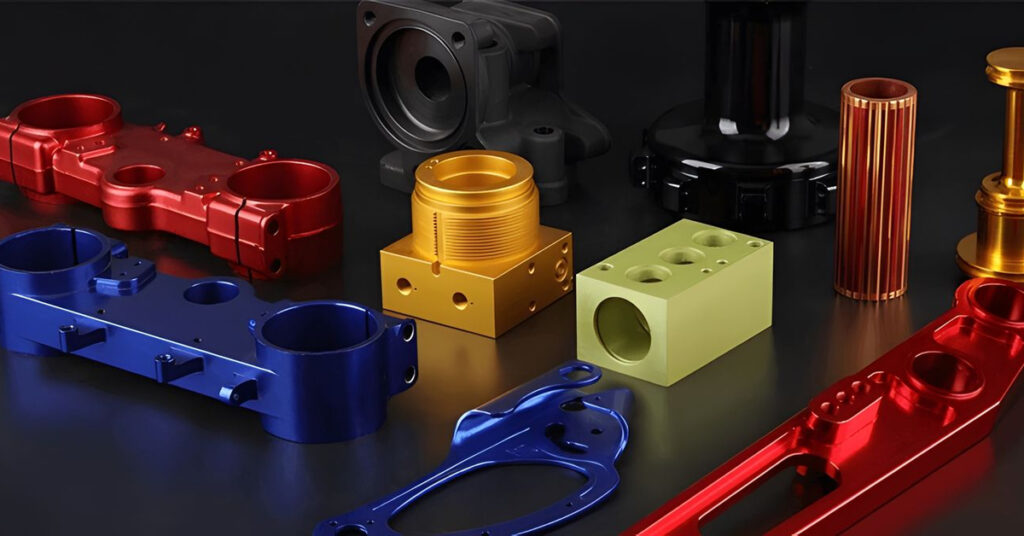
Eloxiertes Aluminium wird vor allem deshalb verwendet, weil es leicht, stabil und korrosionsbeständig ist. Rohes Aluminium bietet zwar ein gewisses Maß an Haltbarkeit und Kratzfestigkeit, ist aber anfällig für Oxidation, Dellen und Kratzer, die es auf Dauer verändern und sein Aussehen beeinträchtigen können. Um das Aluminium stärker und haltbarer zu machen, wird es anschließend eloxiert, um eine schützende Oxidschicht auf der Oberfläche zu bilden. Der Grund für diese Schicht ist, dass sie das Metall härtet und ihm eine korrosions- und verschleißfestere Oberfläche und ein angenehmeres Aussehen verleiht. Eloxiertes Aluminium wird aufgrund dieser Faktoren bevorzugt und findet in der Luft- und Raumfahrt, der Automobilindustrie, dem Bauwesen und der Unterhaltungselektronik breite Anwendung. Die Eloxierung besteht aus mehreren Schritten: Reinigung der Oberfläche, Eintauchen in ein Elektrolytbad, Oxidation durch elektrischen Strom und Versiegelung. Diese Behandlung macht das Material nicht nur widerstandsfähiger, sondern kann auch in verschiedenen Farbtönen und Ausführungen gefärbt werden. Elektrolytische Färbung, Tauchfärbung, Integralfärbung und Interferenzfärbung sind verschiedene gängige Färbetechniken. Gewöhnliches Eloxieren und Harteloxieren sind die beiden Hauptarten des Eloxierens. In der Regel gibt es zwei Verfahren: das gewöhnliche Eloxieren, das vor allem für Oberflächenbehandlungen und Anwendungen mit geringem Gewicht verwendet wird, und das Harteloxieren, das eine hervorragende Haltbarkeit, Strapazierfähigkeit und Festigkeit für militärische, industrielle und Raumfahrtanwendungen bietet. Neben dem Eloxieren kann Aluminium auch durch andere Oberflächenbehandlungen wie Galvanisieren, Pulverbeschichten, Chromatieren, PVD-Beschichten, Keramikbeschichtungen oder Feuerverzinken bearbeitet werden. Eloxiertes Aluminium weist diese Eigenschaften nicht einheitlich auf und wird daher als vielseitiges und zuverlässiges Material in vielen Branchen eingesetzt, wobei jedes Verfahren dem Material bestimmte verbesserte Eigenschaften verleiht - Korrosionsbeständigkeit, Härte, Leitfähigkeit usw. In diesem Artikel gehen wir auf die Eigenschaften, Vorteile, Anwendungen und Wartung von eloxiertem Aluminium ein und erläutern, warum es eine bessere Alternative zu anderen Metallen und Behandlungen ist. Wenn wir diese Aspekte kennen, können wir verstehen, welches Material für eine bestimmte Branche und den Verbraucher zu verwenden ist. Was ist eloxiertes Aluminium? Eloxiertes Aluminium ist ein Aluminium, das einen elektrochemischen Prozess durchlaufen hat, um eine dickere, haltbarere Oxidschicht auf seiner Oberfläche zu erzeugen. Das Vorhandensein dieser anodischen Oxidschicht erhöht die Korrosionsbeständigkeit des Metalls, verbessert die Oberflächenhärte und erhöht die Fähigkeit des Metalls, an Farbstoffen und Beschichtungen zu haften. Der Eloxierungsprozess Der Eloxierungsprozess umfasst also mehrere wichtige Schritte. Wichtige Eigenschaften von eloxiertem Aluminium 1. Erhöhte Korrosionsbeständigkeit Eloxiertes Aluminium ist eines der korrosionsbeständigsten Materialien. Dies macht es im Freien oder beim Eintauchen in Wasser praktisch unbrauchbar, da die Oxidschicht das Metall vor Feuchtigkeit und unserer Umwelt schützt. 2. Erhöhte Oberflächenhärte Durch die Eloxierung wird die Härte des Aluminiums deutlich erhöht und das Aluminium wird widerstandsfähiger gegen Kratzer, Dellen und Abnutzung. Ein solches hart anodisiertes Aluminium ist sehr haltbar und wird in der Tat in Hochleistungsanwendungen eingesetzt. 3. Ästhetik und Farbvielfalt Eloxiertes Aluminium wird auch in Schwarz, Gold, Bronze, Silber usw. angeboten, ohne die natürliche Textur des Metalls zu verändern. Aus diesem Grund ist es eine bevorzugte Wahl für architektonische und dekorative Anwendungen. 4. Leicht und doch stark Während die Oxidschicht auf das Aluminium aufgebracht wird, macht dies das Aluminium nicht wesentlich schwerer und es ist immer noch leichter als schwerere Materialien wie Edelstahl. 5. Elektrische Isolierung Da eloxiertes Aluminium im Vergleich zu unbehandeltem Aluminium ein schlechter Stromleiter ist, ist es ein attraktives Material für Anwendungen, bei denen eine Isolierung für elektrische oder elektronische Zwecke erforderlich ist. 6. Umweltfreundlich und nachhaltig Eloxiertes Aluminium ist völlig ungiftig, recycelbar und gibt keine gefährlichen und gesundheitsschädlichen VOCs (flüchtige organische Verbindungen) ab, ist also umweltfreundlich. Wie fügt man eloxierten Aluminiumteilen Farbe hinzu? Eloxiertes Aluminium ist dafür bekannt, dass es Farben sehr lebhaft halten kann. Elektrolytische Färbung und Tauchfärbung sind zwei der vielen Techniken, die zum Färben von eloxiertem Aluminium verwendet werden. 1. Elektrolytische Einfärbung Eine beliebte Methode zur Verschönerung von eloxiertem Aluminium ist die elektrolytische Einfärbung, bei der eloxiertes Aluminium mit haltbaren und UV-beständigen Farbtönen eingefärbt wird. Nachdem das Aluminium den Eloxierungsprozess durchlaufen hat, wird es in ein Bad mit Metallsalzen gelegt. In den letzten Jahren wurden Metallsalze entwickelt, die sich bei Anlegen eines elektrischen Stroms in die offenen Poren der eloxierten Oberfläche einlagern und dort dauerhaft eine metallfarbene Oberfläche erzeugen. Schließlich hängt die Farbe von der Art der Metallsalze ab. Kupfersalze beispielsweise verleihen der Lösung einen rötlichen Ton, andere Metalle können andere Farbtöne erzeugen. Diese Methode ist weit verbreitet, da die Farben auf diese Weise lange halten und nicht verblassen, was sie für den Einsatz im Freien oder bei starker Sonneneinstrahlung geeignet macht. 2. Tauchfärbung Eine andere Farbmethode ist die ‘Tauchfärbung’, die eine große Auswahl an Farben ermöglicht. Bei dieser Art der Verarbeitung wird die poröse Schicht in eine Farbstofflösung getaucht, in der das eloxierte Aluminium das Pigment absorbiert. Sobald ein bestimmter Farbton erreicht ist, wird das Aluminium mit Wasser versiegelt, um weitere Reaktionen zu verhindern. Die Tauchfärbung bietet viel lebendigere und individuell anpassbare, kontrastreiche Farbtöne, ist aber nicht UV-beständig und die Farben verblassen in geringerem Maße, wenn sie dem Sonnenlicht ausgesetzt werden. Diese mangelnde Beständigkeit ist jedoch der Hauptgrund dafür, dass sie in Anwendungen, bei denen die Haltbarkeit von Teilen ein wichtiger Faktor ist, nicht häufig verwendet wird. 3. Integrale Einfärbung (Ein-Schritt-Verfahren) Die integrale Einfärbung ist ein einzigartiges Verfahren, das Eloxieren und Einfärben in einem Prozess vereint, der effizienter ist als bei mehrstufigen Verfahren. Im Gegensatz zu anderen Verfahren erzeugen die Elektrolyte, die mit der Oberfläche des Aluminiums reagieren und schnell trocknen, tiefe, satte Metalltöne wie Schwarz, Gold oder Bronze. Die Farbe wird direkt in der Oxidschicht gebildet und ist daher sehr haltbar, kratzt nicht, ist nicht korrosionsanfällig und verblasst nicht. Die integrale Färbung führt zwar zu hochwertigen Oberflächen, ist aber aufgrund der Kosten und der Komplexität selten. Architektonische Komponenten, hochwertige Elektronik und Industrieanlagen, bei denen die Teile anspruchsvollen Bedingungen standhalten müssen, wo

Aluminium-Druckgusswerkstoffe: Ein umfassender Leitfaden

Aluminium-Druckgusswerkstoffe: Ein umfassender Leitfaden 

Aluminiumguss, Aluminiumdruckguss

The role of aluminum die casting is a widely used, highly efficient manufacturing process capable of producing complex, high-strength, and lightweight components with good dimensional accuracy. It is the mass production of durable and precise parts and is based on the principle of injecting molten aluminum into MOULD under high pressure. In these industries where performance or longevity depends on material properties, this technique is used in a wide variety. Aluminum alloy is a key factor in choosing what the final product is going to be, which includes strength, corrosion resistance, thermal properties, and machinability. The characteristics of different aluminum alloys are different some of which include A380, the balance of strength and castability; A383, superior fluidity for complex parts; and A360, high corrosion resistance. Moreover, copper, manganese, magnesium, and silicon elements can also further increase mechanical properties. Besides alloy selection, manufacturers may also strengthen aluminum die-casting parts through surface treatment such as anodizing, plating, or powder coating to achieve higher wear resistance, corrosion protection, and hardness. Additionally, uniform wall thickness, draft angles, and reinforcement ribs do reduce high-quality and defect-free components at low cost. Through the right selection of the right aluminum alloy, through suitable strengthening techniques and in consideration of aluminum diecast part design sizing, manufacturers of high-performance aluminum die-cast parts can be tailored specifically to the required industrial issues. In this guide, we explore the best materials, alloy properties, and methods for strengthening and considering the design of aluminum die-casting components that will improve their durability and efficiency. This article explains about aluminum die casting materials, properties of alloys used in die casting processes, strengthen methods and surface treatments, as well as design considerations to improve the performance, durability and operation efficiency of die cast components. What is Aluminum die casting?   Aluminum die casting is the process of injecting molten aluminum at high pressure into a steel mould (die) to produce precision moulded complex and durable metal parts. The lightweight properties it has, strength, corrosion resistance, and excellent thermal conductivity make it commonly used in automotive, aerospace, electronics, and industrial applications. High-speed production, good cost efficiency and good dimensional accuracy are possible as it is a process. Aluminum Die Casting Parts Design 3 Factors to Consider  To achieve high quality, tough and economical aluminum die casting parts, careful planning is necessary. An appropriate design can increase manufacturing efficiency, reduce defects and augment the overall performance. Aluminum die casting parts have three parameters, among which the key factors are given below as. 1. Wall Thickness and Uniformity Why It Matters: Proper mold filling, cooling, and solidification are maintained with consistent wall thickness. Thickness changes can occur suddenly and produce warping, shrinkage and porosity in the final part. Best Practices Example As with automotive engine brackets, the wall thickness must be constant to maintain strength and thermal stability in all materials. 2. Draft Angles and Fillets Why It Matters Simple draft angles assist in the removal of the part from the die mould, preventing sticking, surface defects. Fillets (rounded edges) avoid stress concentration and are more durable in the mold. Best Practices Example Various types of electronic enclosures use rounded edges, draft angles, etc. for manufacturability and strength. 3. Ribs and Reinforcements  Why It Matters By adding ribs the weight remains light but the strength is gained. Such reinforcement also maintains shape and strength under pressure. Best Practices Example Ribs are used to maintain lightweight strength for automotive transmission cases while reducing the amount of material needed. The Primary Attributes of Aluminum Die Casting Alloys The material properties of aluminum die-casting alloys consist of high strength along with low weight and excellent corrosion protection. Every aluminum alloy maintains distinct material properties which determine its practical usage. Table 1 displays the Aluminum die casting which includes their essential material attributes. Property    Description Impact on Die Casting Lightweight  Aluminum weighs only one-third as much as steel does.        Reduces overall component weight High Strength-to-Weight Ratio  Being lightweight, it offers good mechanical strength.  Applications are used in the automotive and aerospace industries.  Corrosion Resistance   Is naturally formed to form an oxide layer for protection    Ideal for marine and outdoor applications  Excellent Thermal Conductivity Distributes heat efficiently They are used in engine components and electronics.  Good Machinability Easily processed and shaped    Reduces manufacturing costs          . Products created through Aluminum die casting demonstrate higher strength than those made by sand casting because their production method results in rapid cooling and refined grain arrangement. Common Aluminum Alloys Used indie-casting Several aluminium alloys are commonly used in die-casting operations, each providing certain unique properties, which ultimately define the performance and durability of the product. The Aluminum casting alloys that are most widely used are: 1. A380 Aluminum Alloy  Properties: A380 is one of the most widely used aluminum die casting alloys because of its excellent ‘strength, corrosion resistance and thermal conductivity’. Additionally, it has good fluidly, which allows it to be cast into complex shapes. Applications: The automotive parts, electronic housings, gear cases and engine brackets are widely used this alloy. 2. A383 Aluminum Alloy  A383 properties: Similar to A380 but better resistance to hot cracking and improved die-filling properties. This offers benefits when the final components are intricate and require powerful precision. Applications: In thin-walled and complex parts it is used; in detailed electronic casings and appliance components. 3. A360 Aluminum Alloy Properties: A380 has better ductility and higher corrosion resistance and pressure tightness than this alloy. It is, however, more difficult to cast. Applications: Suitable for high-performance applications such as aerospace components and marine equipment. 4. ADC12 Aluminum Alloy  Properties: Widely used in Japan, and other Asian markets with good casting characteristics, good thermal stability, and high strength. It also offers good machinability. Applications: Used in automotive engine components, bicycle parts, and power tools. 5. AlSi10Mg Aluminum Alloy  Properties: A high strength and good combination of mechanical properties, good thermal and wear properties. In 3D printing and die-casting applications, this one is often used. Applications: Common in aerospace,

Die Wahl des richtigen Unternehmens für Legierungsdruckguss: Ein vollständiger Leitfaden

Die Wahl des richtigen Unternehmens für Legierungsdruckguss: Ein vollständiger Leitfaden

Aluminiumdruckguss, Druckgussunternehmen

Der Legierungsdruckguss ist für die verarbeitende Industrie unverzichtbar, da sie in hohem Maße auf hochpräzise, langlebige und kostengünstige Metallteile angewiesen ist. Dieses Verfahren hat einen revolutionären Einfluss auf die moderne Fertigung und ermöglicht die Massenproduktion komplizierter Metallteile mit einem sehr hohen Standard an Genauigkeit und Konsistenz. Spezialisierte Unternehmen, wie z. B. Druckgießereien, stellen in Dienstleistungsbranchen wie der Automobilindustrie, der Luft- und Raumfahrt, der Elektronik, der Medizintechnik und dem Schwermaschinenbau maßgeschneiderte Metallkomponenten für ihre spezifischen Anforderungen her. Ein professionelles Druckgussunternehmen nutzt die neuesten Technologien und hochwertige Materialien in Verbindung mit einem strengen Qualitätskontrollverfahren, um Ihre Produkte zu liefern, die den Industriestandards entsprechen. Bei der Wahl des richtigen Unternehmens haben Sie so oder so die Wahl zwischen einem wirklich zuverlässigen Produkt, das jahrelang hält, und einem fehlerhaften Bauteil, das frühzeitig ausfällt. Der Artikel gibt Ihnen einen detaillierten Überblick über den Legierungsdruckguss und hebt seine Bedeutung, seine Vorteile und die wichtigsten Faktoren hervor, die Sie bei der Wahl des besten Legierungsdruckgussunternehmens berücksichtigen sollten. Das Wissen über Legierungsdruckguss ist unerlässlich, wenn Sie ein Hersteller sind, der präzise konstruierte Teile herstellen möchte, oder ein Unternehmen, das nach wirtschaftlichen Fertigungsmöglichkeiten sucht. Was ist Legierungsdruckguss? Das Metallherstellungsverfahren, bei dem geschmolzenes Metall unter hohem Druck in eine Form (Kokille) gespritzt wird, nennt man Legierungsdruckguss. Dieses Verfahren wird häufig für die Herstellung komplexer Formen mit engen Toleranzen eingesetzt. Verschiedene Metalllegierungen wie Aluminium, Zink und Magnesium werden wegen ihrer guten Festigkeitseigenschaften und Korrosionsbeständigkeit häufig für den Druckguss verwendet. Die beim Druckguss verwendeten Legierungen haben einen großen Einfluss auf die Auswahl der Gussteile im Druckgussverfahren und wirken sich direkt auf die Festigkeit und das Gewicht, die Korrosionsbeständigkeit und die Gesamtleistung des Endprodukts aus. Die Legierungen unterscheiden sich je nach Industriezweig in Bezug auf ihre mechanischen Eigenschaften, ihre Haltbarkeit und die erforderliche Endanwendung. Die am häufigsten verwendeten Legierungen für den Druckguss sind im Folgenden aufgeführt. 1. Aluminiumlegierungen Aufgrund der guten Wärmeleitfähigkeit in Verbindung mit Korrosionsbeständigkeit und geringem Gewicht wird Aluminiumdruckguss von Forschern und Herstellern auf der ganzen Welt bevorzugt. In Industrien, die langlebige und relativ leichte Komponenten benötigen, wird diese Legierung verwendet. Hauptmerkmale: Anwendungen: 2. Zinklegierungen Da Zink eine hohe Festigkeit, einen niedrigen Schmelzpunkt und eine ausgezeichnete Präzision aufweist, ist es eine weitere häufig verwendete Legierung für den Druckguss. Für die Herstellung kleiner, detaillierter Teile ist es ideal. Hauptmerkmale: Anwendungen: 3. Magnesiumlegierungen Aufgrund seines geringen Gewichts eignet es sich hervorragend für Industriezweige, die Gewicht einsparen wollen, ohne dabei Kompromisse bei der Festigkeit einzugehen; daher wird dieses Metall Magnesium genannt. Hauptmerkmale: Anwendungen: 4. Legierungen auf Kupferbasis Messing und Bronze sind Beispiele für Legierungen auf Kupferbasis, die hohe elektrische Leitfähigkeit, Korrosionsbeständigkeit und gute Verschleißfestigkeit aufweisen. Solche Legierungen werden für Anwendungen verwendet, bei denen die elektrische und thermische Leistung hervorragend sein muss. Hauptmerkmale: Anwendungen: Vorteile der Zusammenarbeit mit einem zuverlässigen Legierungsdruckgussunternehmen Mit dem richtigen Legierungsdruckgussunternehmen können Sie qualitativ hochwertige Produkte auswählen, die den Industriestandards entsprechen. Hier sind die wichtigsten Vorteile: 1. Hohe Präzision und Konsistenz Ein erstklassiges Druckgussunternehmen verfügt über einen guten Maschinenpark und strenge Qualitätskontrollmaßnahmen, um die Abmessungen mit sehr wenigen Fehlern zu produzieren. 2. Kosteneffizienz Druckguss ist ein sehr effizientes Verfahren, das die Material- und Energiekosten des Endprodukts im Vergleich zu anderen Metallumformungsverfahren erheblich reduziert. 3. Anpassungsfähigkeit und Vielseitigkeit Ein seriöses Unternehmen, das kundenspezifische Lösungen anbietet, die sich an den Bedürfnissen der Industrie orientieren, bietet verschiedene Legierungsoptionen an. 4. Schnellere Produktion und kurze Vorlaufzeiten In modernen Druckgießereien werden automatisierte Systeme eingesetzt, um die Produktionsgeschwindigkeit zu erhöhen und strenge Fristen einzuhalten. 5. Langlebigkeit und Festigkeit Legierte Druckgussteile sind bekanntermaßen sehr langlebig und daher für den Einsatz unter anspruchsvollen Bedingungen geeignet. Auswahl des besten Druckgussunternehmens Bei der Auswahl eines Druckgussunternehmens sollten Sie Folgendes beachten: 1. Erfahrung und Branchenkenntnis Überprüfen Sie die Erfolgsbilanz des Unternehmens, d. h. ob es über langjährige Erfahrung im Legierungsdruckguss verfügt und ob es sich in Ihrer Branche bewährt hat. 2. Qualitätszertifikate und -normen Vergewissern Sie sich, dass das Unternehmen die Vorschriften der Branche einhält: 3. Fortgeschrittene Technologie und Ausrüstung Um die Genauigkeit zu erhalten und den Bedarf an körperlicher Arbeit zu reduzieren, wird ein modernes Druckgussunternehmen Geräte wie CNC-Maschinen, Vakuumguss und Roboterautomation einsetzen. 4. Materialauswahl und -anpassung Wählen Sie ein Unternehmen mit mehreren Legierungsoptionen und Anpassungsmöglichkeiten, damit Sie das spezifische Design finden können, das Ihr Unternehmen anbietet. 5. Starke Lieferkette und pünktliche Lieferung Eine effiziente Logistik und eine schnelle Lieferung der Produkte werden durch zuverlässige Lieferanten gewährleistet. 6. Prototyping und Testkapazitäten Sehr wichtig sind Prototypen und strenge Qualitätstests (Röntgeninspektion und Zugfestigkeit) am Produkt. 7. Wettbewerbsfähige Preise Obwohl der Preis nicht das einzige Kriterium sein darf, kann ein gutes Druckgussunternehmen wettbewerbsfähige Preise anbieten, ohne Abstriche bei der Qualität zu machen. Branchen, die auf Legierungsdruckguss angewiesen sind 1. Automobilindustrie 2. Luft- und Raumfahrtindustrie 3. Elektronikindustrie 4. Medizinische Geräte 5. Konsumgüter Herausforderungen beim Legierungsdruckguss und wie Unternehmen sie überwinden Legierungsdruckguss ist ein bekanntes Herstellungsverfahren, das mit einigen Herausforderungen konfrontiert ist, die sich auf Qualität, Kosten und Nachhaltigkeit auswirken. Führende Druckgussunternehmen setzen innovative Lösungen ein, um diese Probleme zu überwinden, was zu einer qualitativ hochwertigen Produktion, optimierten Kosten und minimierten Auswirkungen auf die Umwelt führt. 1. Umgang mit Porosität und Defekten Porosität ist eines der häufigsten Probleme beim Druckguss, bei dem Gasblasen oder Lunker im Metall auftreten. Sie können auch die strukturelle Integrität des Teils beeinträchtigen und sich auf die Funktionalität auswirken. Diesem Problem können die Hersteller mit dem vakuumunterstützten Druckguss begegnen, bei dem eine minimale Luftmenge eingeschlossen wird und die Metalldichte verbessert wird. Darüber hinaus lässt sich die Porosität durch druckdichte Gießtechniken, die Konstruktion der Form und die richtige

Zinkdruckguss vs. Aluminiumdruckguss

Wie man einen guten Druckgusshersteller in China findet

Aluminiumdruckguss

China has become a world manufacturer been 20 years, that every one wants to buy things from China, Once you have a project that need to make some die casting products, then you need China die casting manufacturer supplier. If you are looking for a good die casting manufacturer in China, there are a few steps you can take to ensure that you find a reputable and reliable company: Research the market: It is important to have a good understanding of the die casting industry in China before starting your search. This will allow you to identify potential manufacturers and evaluate their capabilities. You can do this by reading industry reports, attending trade shows, and speaking with industry experts. Define your needs: Clearly define your requirements for the die casting manufacturer, including the type of die casting process you need (such as aluminum die casting, zinc die casting, etc.), the size and complexity of the parts you need, and your budget. This will help you narrow down your options and find a manufacturer that can meet your needs. Get quotes from multiple manufacturers: Once you have a list of potential manufacturers, request quotes from each of them. This will allow you to compare prices and services offered by different manufacturers. Review the manufacturer’s capabilities: Check the manufacturer’s website and marketing materials to get an idea of their capabilities. Look for information about their equipment, experience, and capacity. You can also request samples of their work to get a sense of their quality. Visit the manufacturer: If possible, visit the manufacturer’s facility to get a firsthand look at their operations. This will allow you to see their equipment and facilities, meet their team, and get a sense of their culture and values. Check references: Ask the manufacturer for references from their previous customers and follow up with those references to get an idea of the manufacturer’s reliability and quality. By following these steps, you can find a good die casting manufacturer in China that is able to meet your needs and deliver high-quality products. Why your should buy die casting products from China supplier? There are a few reasons why you might consider buying die casting parts from China: Cost: China is known for its competitive manufacturing costs, and die casting is no exception. By sourcing die casting parts from China, you may be able to save on material and labor costs, resulting in lower production costs overall. Quality: While there is a common perception that Chinese-made products are of lower quality, this is not always the case. Many Chinese die casting manufacturers have implemented advanced quality control processes and have achieved certifications such as ISO 9001. Experience: China has a long history of manufacturing and a well-developed supply chain. As a result, Chinese die casting manufacturers often have a wealth of experience and can offer a range of manufacturing capabilities. Wide range of suppliers: There are many die casting manufacturers in China, which means you have a wide range of options to choose from. This can make it easier to find a manufacturer that meets your specific needs and requirements. Strong export infrastructure: China has a strong export infrastructure, making it easier to ship products to other countries. This can be especially beneficial if you are located far from China and need to import the parts. Overall, buying die casting parts from China can offer a number of benefits, including cost savings, quality products, and a wide range of supplier options. However, it is important to do your due diligence and carefully research potential suppliers to ensure that you find a reputable and reliable manufacturer.  

Nach oben scrollen

Angebot einholen