Aluminiumguss

Aluminium-Sandguss

Umfassende technische Analyse des Aluminiumsandgusses in der modernen Fertigung

Aluminiumguss

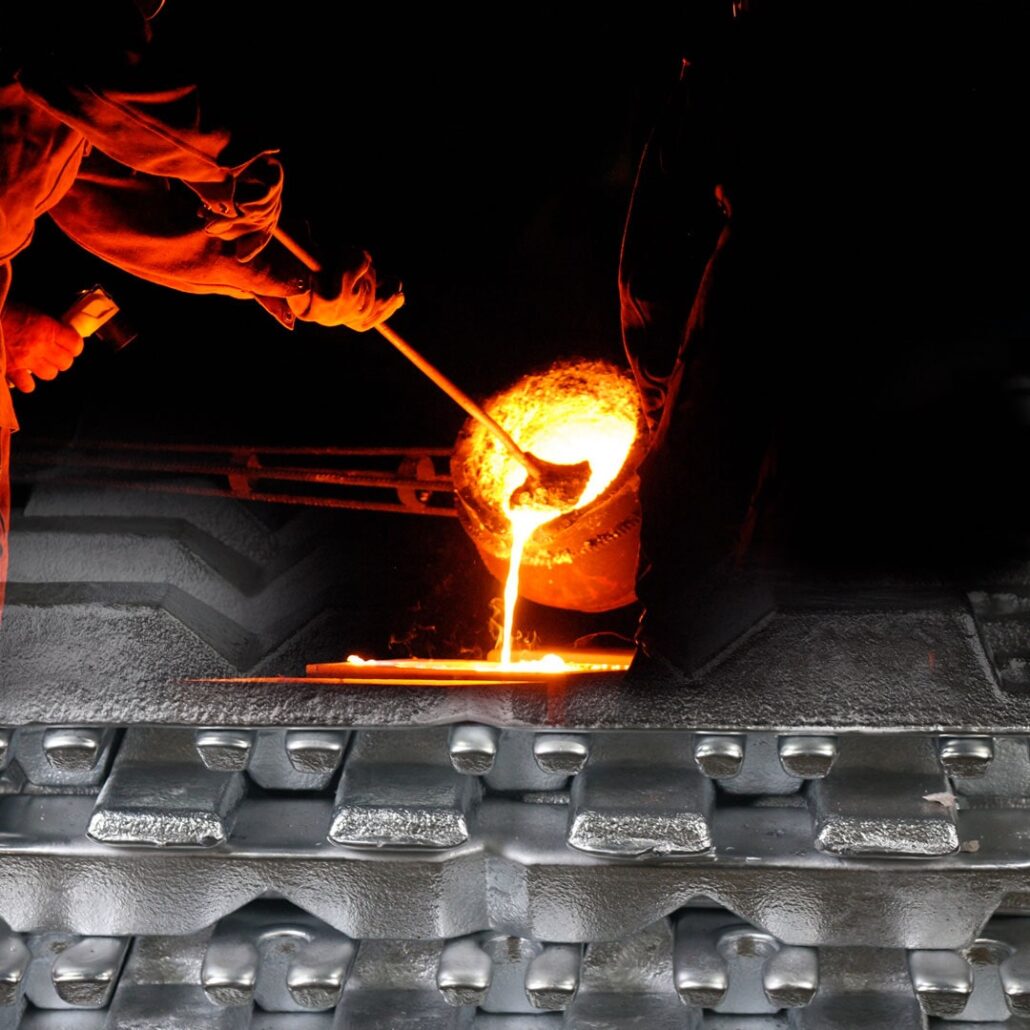
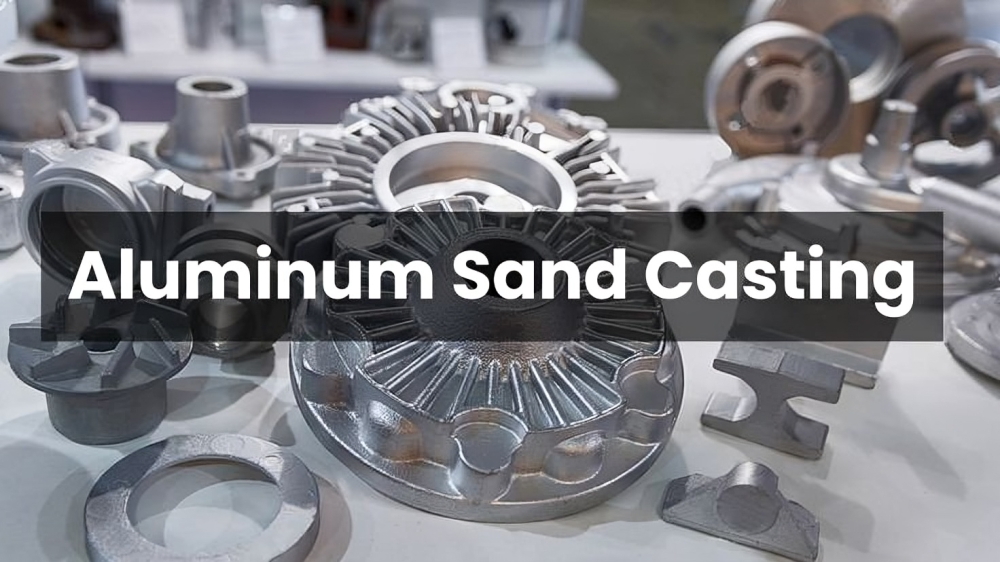
Aluminum sand casting is one of the oldest and most versatile metal casting processes, widely used in modern manufacturing to produce complex, durable, and cost-effective components. Aluminum Sand casting Manufacturers can generate complex geometries with intricate features that would have otherwise been either impractical or unprofitable to machine out of solid material through pouring molten aluminum into prepared sand molds. This method is especially suitable in low to medium-volume production, prototyping, and high structural castings on applications spanning the aerospace, automotive, defence, and energy industries. The most interesting about the sand-casting aluminum is that it is both flexible and functional. Aluminum has a very good strength versus weight, corrosion resistance, and recyclability, and thus makes it an excellent casting material. Together with the thermal resistance of sand and its high moulding capability, the process provides scalable production capability with excellent dimensional accuracy. Pattern design, the makeup of the mold, the quality of the melt, and gating design are key factors to the success of every casting. An excellent foundry of aluminum sand castings has to control not only the classic facts in metal technology but also touch on innovations in the processes. The current facilities apply the latest technology to prevent defects and ensure the best performance of the casting by using 3D sand printing, simulation software, and real-time process monitoring. Precision-engineered and casting aluminum parts are now capable of meeting stringent engineering standards for safety, tolerance, and durability. As demand grows for complex components with faster lead times and lower environmental impact, professional aluminum sand casting services must continue evolving. This article goes into the technical ins and outs of the process itself, its engineering workflow, materials, challenges, innovations, and so on. The Fundamentals of Aluminum Sand Casting At its core, aluminum sand casting involves pouring molten aluminum into a sand mold cavity, which is shaped by a pattern that replicates the final part’s geometry. When the aluminum solidifies, the sand mold is shaken off, leaving the cast piece. The process also has an outstanding dimensional flexibility and scalability capability in high-mix low-volume manufacturing conditions. The process is based on the use of a non-permanent mould, sand, that may be recycled and re-utilized, minimizing the waste of materials and expenses. Sand molds most commonly consist of silica sand with a binder added, and the nature of the binder system generally influences considerably the resulting surface finish, dimensional accuracy, and rate of cooling. The process of Flow in the Engineering of Sand Casting Aluminum Sand casting aluminum is an engineering process that consists of a set of accurately calibrated activities that aim at transforming raw aluminum into specific, well-built, and accurately dimensioned parts. Both the material and mechanical expertise are required to be in-depth to make all of the stages of the process successful. The following is a step-by-step analysis of the way in which sand casting of aluminum is implemented professionally and technically. 1. Pattern Design and making In the sand casting aluminum process, the initial step is designing and manufacturing the pattern, a physical copy of the final casting. The allowances that must be included in patterns are rather critical, such as shrinkage, draft, and machining stock. As aluminum contracts, during cooling patterns are laid out a little bigger than the finished component. The shrinkage rate of aluminum alloys is normally applied at 1.3 per cent; however, depending upon the alloy and the conditions of cooling, it may vary. Vertical portions of moulds are given draft angles, normally a few degrees between 1 and 3, to ensure that the pattern can be removed easily in the sand mold, being careful not to destroy the cavity. Additional allowances (machining allowances) are included such that there is no adverse interaction between the post-processing and the final part. Patterns may be made out of wood, metal, resin, or even 3D-printed polymer materials, depending on the accuracy demands and the needs of the production volume. 2. Mold Making (Molding and Core Setting) After preparing the pattern, the mold is to be prepared. For the sand cast, aluminum mold, there are two separate halves: the cope (upper half) and the drag (lower half). They are produced by stuffing the sand around the mold in a flask. Depending on the application, the sand is generally silica-based and is amalgamated with binders such as clay (green sand) or chemical resins (no-bake sand). In case the part design has internal space and hollow parts, it necessitates the use of sand cores. They are placed in the mold cavity, after which the metal is poured. Cores can be fabricated using core boxes, and in precision production, they can be printed with greater precision using 3D sand printing. The exact footprint of the core is very important in order to have a rigid structure and adherence to the final part dimension. 3. The Design of the Gating System The timeliness and effectiveness of the gating system formed are significant towards the success of the process of sand casting aluminum. This system consists of a pouring basin, sprue, runners, and gates, which coerce the impounded aluminum into the involvement of the mold. Adequate gating will prevent a lot of turbulence, minimize airlock, and also make sure that there is an even fill. Risers (alternatively called feeders) are also required, and these can be seen as a reservoir of molten metal that offsets the direction of shrinkage that comes after solidification. Casting simulation software is usually utilized by engineers to study and optimize the gating and riser systems. Prediction takes place by using simulation tools such as MAGMASoft or ProCAST so that typical defects such as cold shuts, misruns, and shrinkage porosity can all be corrected virtually before any production takes place. 4. Cu Melting and Metal Treating Aluminum is usually melted by a reverberatory furnace, a crucible furnace, or an induction furnace, and the choice depends on the batch volume, alloy needs, and the amount of energy needed. The melting temperature of pure aluminum is about 660 degrees
WIG-Schweißen von Aluminium

WIG-Schweißen von Aluminium: Ein umfassender technischer Leitfaden

Aluminiumguss

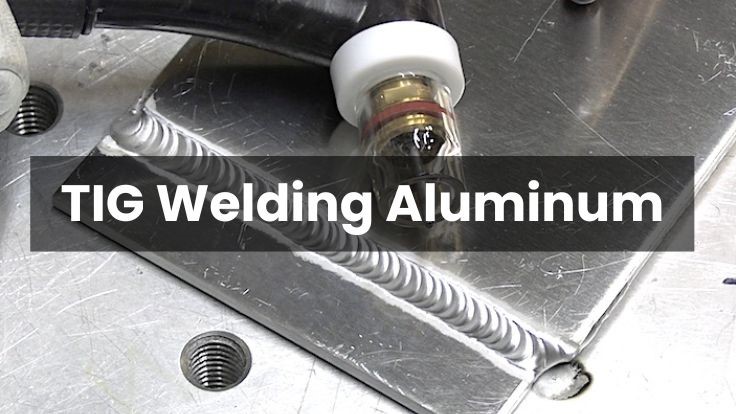
TIG Welding Aluminum is widely regarded as one of the most technically demanding processes in the field of welding. When working with aluminium, the metal that is characterised by its light weight, corrosion resistance, and high conductivity, a set of unprecedented problems emerges, which distinguishes it so much in terms of steel or stainless steel. Poor handling of aluminum can cause the natural oxide layer to provide a weak, porous, or otherwise structurally undesirable weld due to its natural oxide level, low melting point and its ability to absorb hydrogen gas. Thus, the TIG (Tungsten Inert Gas) process, or the Gas Tungsten Arc Welding (GTAW) process, is the process of choice by the industry to use in instances when precision, aesthetics, and weld integrity are the main factors. These will cover the behaviour of materials, selection of equipment, choice of shielding gas, joint preparation and troubleshooting methods, although much emphasis will be placed on quality control and repeatability. Additionally, the article will detail how to correctly select and operate an aluminum tig welder, manage various types of aluminum welding parts, and produce consistent, defect-free joints when attempting to weld aluminium TIG. By the end, the reader will have a thorough knowledge of how to create a good, clean, structurally good-looking tig-welded aluminium assembly as per the industry standard in the aerospace, automotive industry, marine industry, as well as the manufacturing industry.  This article discusses the science, methods as well and practical aspects of TIG welding on aluminium. It is meant to be used by experts and technically trained people who want to extend their knowledge about the welding of aluminium in high-performance or industrial processes. What is TIG Welding Aluminum? TIG Welding Aluminum refers to the process of joining aluminium components using Tungsten Inert Gas (TIG) welding, also known as Gas Tungsten Arc Welding (GTAW). Here, an electric arc is generated by a non-consumable tungsten electrode and aluminium base metal and a filler rod are melted in a protective cover of inert gas, usually argon. Since aluminium has high thermal conductivity, low melting point and a high melting oxide layer, welding aluminium has unique colouring, and drying must be done carefully. TIG welding has a situated control of heat input and weld puddle, which means it is perfect in thin materials, advanced assemblies and other high-performance applications. The aerospace, automotive, and marine industries, among others, use TIG welding to manufacture resistant, non-corrosive, and neat-looking welding video. Successful “TIG Welding Aluminum” requires skilled technique, proper equipment, and careful surface preparation to ensure weld integrity and strength. Why Aluminum TIG Welding? Gas Tungsten Arc Welding (GTAW), which is also known as Tungsten Inert Gas (TIG), is the ideal technique to use where precision, control and a fine look are requisite. It offers unparalleled control in the amount of input heat so that welders have the opportunity to control the fluidity of the weld pool of the aluminum. The TIG welding, when utilized with aluminum is quite convenient mainly because: Welding aluminum involves a better understanding of its physical and chemical properties and which are much different compared to other widely used metals. Below are the key challenges associated with TIG Welding Aluminum. 1. Very High Thermal Conductivity Aluminum carries heat 5 times than steel. This means that heat dissipates quickly from the weld zone, requiring higher amperage when attempting to weld aluminium TIG, especially with thick materials. When not done best can end up in gap fusion or irregular weld penetration. 2. Oxide Layer Problems When aluminum surfaces are exposed to air, a layer of oxide (reliably adherent) forms instantly, and it is thin. This layer is melted at approximately 2050 °C, which is well above the base metal melting point of aluminium, which is 660 °C. TIG welding, when AC mode is used, assists in breaking this layer, but it is also important that pre-cleaning is done to produce high-quality TIG-welded aluminium. 3. Hydrogen Porosity Susceptibility Hydrogen readily absorbs in molten aluminum, and this can create porosity or cause cracks during cooling. Oil, moisture, or dirty filler rods acted as a source of contaminants that caused the hydrogen to get into the weld pool. Proper cleaning and using dry filler rods are essential to avoid defects in aluminum welding parts. Technical Summary Table for TIG Welding Aluminum Here is a comprehensive technical table summarising the key aspects of TIG Welding Aluminum, including welding parameters, joint types, common defects, and how to manage them. In this table, you combine the ideas of your article, and it is original and highly technical. Category Technical Detail Recommendations / Parameters Base Material 1xxx to 6xxx aluminum alloys are most commonly TIG welded Clean all surfaces before welding; avoid 7xxx for high-crack sensitivity Main Process TIG Welding Aluminum using alternating current (AC) Use an inverter TIG with AC balance, high-frequency start, and stable arc control Primary Keyword Weld aluminum tig Use appropriate AC balance and amperage; optimize puddle control and filler deposition Electrode Type 2% Lanthanated or Ceriated Tungsten (1/16″, 3/32″, or 1/8″) Sharpen to a truncated point or ball tip (for AC), depending on application Shielding Gas High-purity Argon (99.99%) Flow rate: 15–20 CFH; add Helium for thicker materials or deeper penetration Filler Rods ER4043, ER5356 Match filler to base alloy and application (ER5356 for strength, ER4043 for crack resistance) Joint Types Butt, Lap, T, Corner Design with small gaps (~1/16”) and allow for thermal expansion Weld Preparation Degrease + stainless steel wire brush No touching after cleaning; remove the oxide layer before welding Torch Technique Short arc length (<1/8”), 10–15° travel angle Keep filler outside the arc cone to prevent oxidation Amperage Settings 1 amp per 0.001” thickness baseline 60–130 amps for most thin-to-mid aluminium applications AC Frequency Controls the arc focus 120–200 Hz for clean, narrow arc on thin aluminum welding parts AC Balance 70% EN / 30% EP typical Adjust toward more EN for deeper penetration; more EP for cleaning oxide Tip: Make sure to calibrate your aluminum tig welder properly

Spindelbefeuchter-Säulenhalterung für John Deere Baumwollpflücker

Aluminiumguss

In the world of modern agriculture, efficiency and reliability are crucial. For cotton growers using John Deere cotton pickers, one often overlooked yet vital component is the spindle moistener column holder. This small but essential part plays a critical role in ensuring high picking efficiency, reduced wear on spindles, and consistent cotton quality. What Is a Spindle Moistener Column Holder? The spindle moistener column holder is a structural support component designed to secure the spindle moistening system in place. In cotton pickers like the John Deere 9976, 9996, and newer CP690 models, the spindle moistener system ensures that the rotating spindles are continuously lubricated and cleaned during operation. The column holder keeps the moistening pads and spray nozzles aligned properly, allowing for precise spindle contact. Key Functions: Why It Matters in Cotton Harvesting Cotton pickers operate in demanding environments. Dust, plant debris, and sticky sap can quickly reduce spindle performance. The spindle moistener system combats this by applying water or a moistening solution to the spindles, keeping them clean and cool. A worn or misaligned column holder can lead to: Replacing or upgrading the spindle moistener column holder as part of regular maintenance is a simple way to avoid these issues. OEM vs Aftermarket Spindle Moistener Column Holders Farmers and equipment maintenance teams can choose between OEM (Original Equipment Manufacturer) parts or aftermarket alternatives. OEM parts from John Deere guarantee compatibility and long-term durability. However, high-quality aftermarket options often offer: When selecting a replacement, always verify the part number and ensure it matches your picker model. Compatibility with John Deere Cotton Pickers The spindle moistener column holder is typically used in models such as: Always consult your equipment manual or supplier to confirm fitment. Maintenance Tips for Long-Term Performance To maximize the lifespan of your spindle moistener system: Proactive maintenance can extend the life of the entire moistening system and reduce costly downtime during peak harvest season. Where to Buy Spindle Moistener Column Holders Quality spindle moistener column holders for John Deere cotton pickers are available from: For international buyers, ensure your supplier provides ISO-certified parts, offers reliable shipping options, and supports bulk orders if needed. Final Thoughts Though small in size, the spindle moistener column holder is a critical component in your cotton harvesting system. Keeping it in good condition ensures your John Deere cotton picker operates at peak efficiency, delivering high-quality cotton with less downtime and maintenance cost. Whether you’re replacing a damaged unit or stocking spares for the next season, choosing the right holder can make a measurable difference in your harvest results. If you are looking for Spindle Moistener Column Holder for your cotton machine, you are welcome to contact us.

Automobil-Druckgussunternehmen in China und der Welt

Automobil-Druckgussunternehmen in China und der Welt

Aluminiumguss, Druckgussunternehmen

The future of the automotive industry is being influenced a great deal by the rise of die casting. Engine components, battery cases for EVs and other parts made by die casting are key to getting strong, precise and lighter vehicles. Because people are buying electric and fuel-saving vehicles in greater numbers, companies in die casting are at the forefront of progress and large-scale solutions in this area. China, more than any other country, has become a top player in die casting because of advanced tools, skilled workforce and affordable manufacturing. Leading companies in this area are Sincere Tech, CNM Tech Co., Ltd. and GC Precision Mould Co., Ltd., which handle mould design as well as CNC machining and surface finishing. Using both quality checks and fast prototyping, these companies make large numbers of parts, which attracts both local and global car manufacturers as partners.  Present in different nations are companies like Wisconsin Aluminium Foundry (USA), Get It Made (UK), and MES Inc. (USA), which are changing the industry. Decades of experience, certifications from ISO 9001 and IATF 16949 and a focus on being green and innovative ensure these firms can support the improved expectations of automakers for accuracy, dependability and caring for the environment. The article points out some key players leading changes in the automotive die casting industry. Because of trends such as electrification, digitalization and the use of sustainable methods, die casting companies globally, including in China, are seen as main players in achieving excellence in cars. 1. Sincere Tech Year of Establishment: 2005Number of Employees: 100-200Business Type: Sincere Tech is one of China’s largest plastic injection mould manufacturers, die-casting producers, machining providers and assembly providers. Website and Contact Website: https://plas.co/Phone: +86 135 30801277Email: steve@sincere-tech.comAddress: Rm101, N041, Donghu road, JingLian cun, Qiaotou town, Dongguan City, Guangdong Province, China. 523000. Company Profile Chinese supplier of plastic injection moulds and moulding services, Sincere Tech, is among the foremost companies in China. From 2005, this company resulted from the combination of stamping metal and plastic, precision plastic injection moulds, CNC machining, die casting and silicone moulding. Advanced machines, protection of information with NDAs, fair pricing and almost two decades in excellent production await our customers at Sincere Tech. Injection moulding is used for 60-1800 ton machines to serve industries such as electronics, medical, auto or cosmetics and its parts range from less than a gram to 8 kilograms in weight. Their top-quality commitments As per ISO 9001:2015 and ISO 9000:2015, Sincere Tech aims to build products that are accepted worldwide. Caring about quality has allowed the company to create a huge demand, so it exports its products to Finland and a number of other countries. Being amongst businesses that give similar services, Sincere Tech is recognized as a trustworthy and innovative partner for plastic injection moulding. Why Choose Us? 2.  CNM Tech Co., Ltd. Year of Establishment: 20+Number of Employees: 100-200Business Type: CNM Tech Co., Ltd. is a precision manufacturing company focused on die casting, CNC machining and assembly services. Website and Contact Website: https://www.thediecasting.com/Contact: +86 13045898002Email: sales@thediecasting.comAddress: Factory Address: Rm 101, No.40, Donghu Road, Jinglian, Qiaotou town, Dongguan city, Guangdong Province, China. 523520. Company Profile Thediecasting.com is the official domain that CNM Tech Co., Ltd. operates under, which is an outstanding Chinese manufacturer of die-casting solutions. The company is a China-based aluminium, magnesium, and zinc die casting; CNC machining; surface finishing, and assembly business headquartered in Dongguan, China. CNM Tech has more than 20 years of experience in the fields of automotive, aerospace, electronics, etc. Due to the high precision manufacturing, their in-house tooling shop and advanced CNC machines also ensure. CNM Tech provides all types of polishing, sandblasting, powder coating, oil painting, etc., with high-quality finish products matching the needs of users worldwide. Their Quality Commitments CNM Tech Co., Ltd. provides ISO 9001:2008, TS16949, and ISO 14001:2015 documents. In most cases, these will provide you with the assurance that the management of your company is top-notch and also will guarantee compliance with automotive industry standards and environmentally friendly activities undertaken by the company involved. As a result of strictly following quality and environmental regulations, CNM Tech provides great die-casting solutions with a minimal environmental impact, with its excellent reputation in the market. Why Choose Us? 3.  GC Precision Mould Co., Ltd. Year of Establishment: 1999Number of Employees: 100-200Business Type: Our company, GC Precision Mould Co., Ltd., do aluminium, zinc and magnesium die casting, CNC machining, and plastic injection moulding. Website and Contact Website: https://aludiecasting.com/Contact: +86 131 4886 5556Email: info@aludiecasting.comAddress: Factory Address 1: No. 30 Huan Zhen Rd, Qi Shi Town, Dongguan City, Guangdong Province, China, 523516 Company Profile GC Precision Mold Co., Ltd., operates under Aludiecasting.com, is a die casting and precision machining manufacturing site that is one of the leading Chinese manufacturers. The company was founded in 1999, and the services include aluminium, zinc, and magnesium die casting, plastic injection moulding, and CNC machining and surface finishing. They have state-of-the-art machinery such as high-pressure die casting machines (120 – 1600 tons) and injection moulding machines (80 – 2800 tons connected to industries like automotive, aerospace and electronics. They have a very strict quality to provide the exact, durable and cheaper manufacturing solutions throughout the world. Their Quality Commitments GC Precision Mold Co., Ltd provides the best die casting and machining solutions as specified in the ISO 9001 certification. Their quality control is so strict that they test for precision, CMM machines, X-rays and spectrometers to ensure a reliable product. Through strict adherence to international standards, the company ensures delivery of consistent, high-quality components with minimum customer complaints due to the reliability aspect, for the reasons indicated in every project. Why choose GC Precision Mould Co., Ltd.? 4. Get It Made Year of Establishment: 2011Number of Employees: 50-100Business Type: Manufacturer and supplier of automotive die casting parts. Website and Contact  Website: https://get-it-made.co.uk/  Email: team@get-it-made.co.ukContact: +44 (0)20 3286 6002Address: Get It Made Ltd, Unit 1 Southbrook Mews, London SE12 8LG. Company Profile  Get It Made was set up in London,

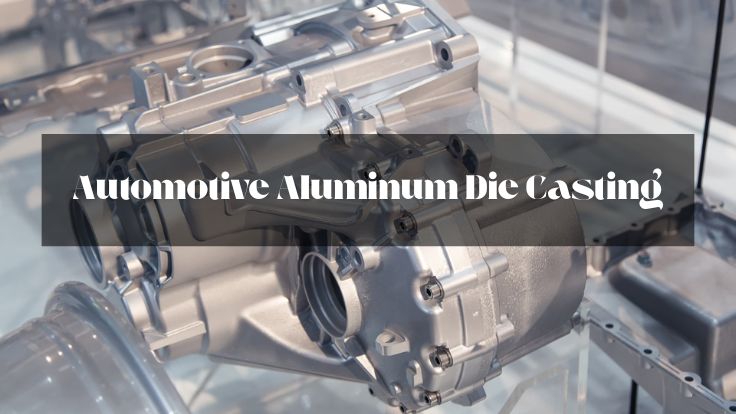
Die Zukunft der Fertigung: Erforschung des Aluminium-Druckgusses in der Automobilindustrie

Die Zukunft der Fertigung: Erforschung des Aluminium-Druckgusses in der Automobilindustrie

Aluminiumguss, Aluminiumdruckguss

Der rasante Wandel in der Automobilindustrie bedeutet, dass die Automobilhersteller immer leichtere, sicherere und energiesparendere Fahrzeuge bauen müssen. Eine Schlüsseltechnologie für diesen Wandel ist der Aluminiumdruckguss für die Automobilindustrie. Dank dieses Verfahrens können die Hersteller Metallteile formen, die sowohl stabil als auch leicht sind und dabei die notwendigen komplexen Figuren und die Präzision beibehalten, die heute in der Automobilbranche erforderlich sind. Angesichts des wachsenden Interesses an Elektrofahrzeugen, verbesserter Sicherheit und Kraftstoffeinsparungen wird das Druckgussverfahren heute mehr denn je eingesetzt. Beim Druckguss wird Aluminium mit erheblichem Kraftaufwand in eine kleine, hochpräzise Stahlform gegossen. Das Verfahren ermöglicht schnelle und regelmäßig wiederholbare Ergebnisse, und die Teile haben präzise Abmessungen und sehen gut aus. Derzeit werden viele Druckgussprodukte in wichtigen Teilen von Autos wie Motorblöcken, Getriebegehäusen, Fahrzeugaufhängungen und Batteriegehäusen eingesetzt. Die Konstruktion muss solide sein, aber auch hohen Anforderungen in Bezug auf Hitze und Belastung genügen. Da immer mehr Menschen Aluminium gegenüber Stahl bevorzugen, wenden sich viele Hersteller dem Aluminiumdruckguss zu, da er dazu beiträgt, das Fahrzeuggewicht zu senken, ohne die Festigkeit zu beeinträchtigen. Moderne Fortschritte bei Maschinen, Werkstoffen und Nachhaltigkeit ermöglichen es den Herstellern, Aluminiumdruckgussteile für Fahrzeuge herzustellen, die den modernen Vorschriften entsprechen und die Umwelt schonen. Wir gehen auf die wichtigsten Ideen im Automobildruckguss ein, darunter Materialien, Maschinen, Konstruktionskriterien und Beispiele für deren Anwendung. Unabhängig davon, ob Sie in der Branche arbeiten oder nicht, hilft Ihnen das Verständnis des Automobil-Druckgusses, die Entwicklung der Fertigung und die Zukunft der Fahrzeuge zu erkennen. Was ist das Verfahren des Aluminiumdruckgusses in der Automobilindustrie? Beim Aluminiumdruckguss für die Automobilindustrie wird geschmolzenes Aluminium unter hohem Druck in Stahlformen gespritzt. Sobald das Aluminium fest wird, entsteht ein präzises und widerstandsfähiges Teil mit einer feinen Oberflächenbeschaffenheit und guten Abmessungen. Da in der Automobilbranche Sicherheit, Leistung und Effizienz am wichtigsten sind, sind diese Eigenschaften von entscheidender Bedeutung. Mit dieser Art der Herstellung lassen sich komplexe Designs realisieren, die mit der herkömmlichen Produktion nicht möglich sind. Da Aluminium leicht ist, hilft es den Fahrzeugen, Gewicht zu sparen, ohne schwächer zu werden. Konstruktionstechnik Jeder Automobilguss beginnt mit einer vollständigen Konstruktions- und Entwicklungsphase. Mit Hilfe von 3D-CAD-Software können Ingenieure ein Modell erstellen und testen, um das Verhalten in der Realität vorherzusagen. Die Gießsimulationen zeigen, wie das geschmolzene Metall in der Form geformt wird, wie es sich verfestigt und wo mögliche Probleme mit Lufteinschlüssen oder Schrumpfung auftreten können. Das Ziel ist es, die Leistung, die Festigkeit und die einfache Herstellung des Teils zu verbessern. Das Team legt auch das Endverbindungsverfahren und die für die Anwendung geeignete Aluminiumlegierung fest. Der Prozess der Herstellung einer Matrize (Gussform) Nach dem Entwurf wird die Matrize hergestellt, die das geschmolzene Material während des Prozesses formt. Diese Matrizen werden fachmännisch nach Maß mit engen Toleranzen hergestellt und halten vielen Gießversuchen stand. Unabhängig davon, ob es sich um einen komplexen Auftrag oder eine Großserienproduktion handelt, kann die Form für mehr als einen Hohlraum ausgelegt sein. Die Form enthält auch spezielle Kanäle zur Kühlung und Stifte, die das Teil auswerfen, sobald es erstarrt ist. Eine gut konzipierte Matrize trägt dazu bei, dass das Produkt maßhaltig ist, eine gute Oberfläche hat und die Werkzeuge lange halten. Danach werden die Aluminiumbarren in Industrieöfen mit einer Temperatur von über 660 °C (1220 °F), dem Schmelzpunkt von Aluminium, weiter geschmolzen. Das geschmolzene Material wird auf einer konstanten Temperatur gehalten und oft von Wasserstoff befreit, der sonst zu Leerräumen im Inneren führen könnte. Manchmal werden Chemikalien kombiniert, um die Festigkeit zu erhöhen, die Flexibilität zu verbessern oder die Korrosionsanfälligkeit des Aluminiums zu verringern. Da Verunreinigungen im geschmolzenen Metall zu Fehlern im Endprodukt führen können, muss das Metall sauber sein. Einspritzen und Gießen Das Druckgießen ist ein Schlüsselverfahren, da das geschmolzene Aluminium mit extrem hohem Druck und in kürzester Zeit in die Form geschossen wird. Durch das schnelle Einfüllen des Metalls in alle Ecken der Form werden die winzigen Details der Teilekonstruktion erfasst. Die damit verbundenen Spannungen tragen dazu bei, Lufteinschlüsse in den Bauteilen zu reduzieren, was sie stark und stabil macht. Unmittelbar nach dem Füllen der Matrize beginnt das Aluminium in nur wenigen Sekunden abzukühlen und auszuhärten. Die schnelle Abkühlung sorgt für ein gutes Korngefüge und ein perfektes Oberflächenfinish. Die Luft in der Form wird abgelassen, und das Formteil wird mit automatischen Stiften ausgestoßen, nachdem das Aluminium erstarrt ist. In der gesamten Form wird die Temperatur kontrolliert, und die Zykluszeiten werden durch die Kühlkanäle verkürzt. Der Prozess in dieser Phase muss sorgfältig überwacht werden, da eine fehlerhafte Abkühlung zu Rissen oder Verformungen führen kann. Auch nach dem Ausstoßen behält das Gussteil seine Wärme und kann vor dem nächsten Schritt weiter behandelt werden. Oftmals bleiben beim Gießen einige Anguss- und Gratstücke übrig, die abgetrennt werden müssen. Dies geschieht durch Beschneiden oder Bearbeiten der Enden. Manchmal muss gebohrt, ein Gewinde geschnitten, die Oberfläche geschliffen oder eine Beschichtung aufgetragen werden, um das Teil genau für seinen Zweck fertigzustellen. Manchmal führen die Werkstätten auch Wärmebehandlungen durch, um die Festigkeit und Ermüdungsbeständigkeit des Metalls zu erhöhen. Wenn alles fertig ist, werden die Teile mit Hilfe von Messungen, Röntgenstrahlen oder Ultraschallgeräten auf innere und äußere Probleme geprüft. Die Montage oder der Versand von Objekten erfolgt schrittweise. Eine gründliche Prüfung und Endbearbeitung bedeutet, dass das Gussteil entweder an den Kunden geliefert oder für Montagesysteme weitergegeben werden kann. Bevor sie in Fahrzeuge eingebaut werden, werden die Gehäuse, Halterungen und Befestigungen mit vielen anderen mechanischen oder elektronischen Elementen montiert. Die Gussteile sind während des Transports am besten geschützt, und die Lieferkette verläuft reibungslos, wenn Logistik und Verpackung effektiv sind. Vorteile des Automobil-Druckgusses in der Automobilindustrie Immer mehr Automobilhersteller verwenden Aluminiumkomponenten aufgrund der Vorteile, die der Automobil-Druckguss bietet. Der Hauptvorteil ist, dass die Fahrzeuge

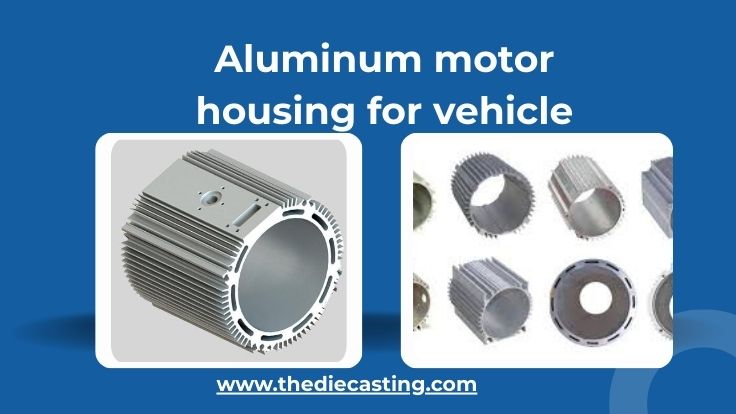
Aluminium-Motorgehäuse für Fahrzeuge

Aluminium-Motorgehäuse für Fahrzeuge

Aluminiumguss

Da das Motorgehäuse aus Aluminium eine entscheidende Komponente bei der Konstruktion von Elektro- und Hybridfahrzeugen ist, ist das Verständnis des Verhaltens für den Produktlebenszyklus wichtig. Als Schutzgehäuse für den Motor schützt es den Motor vor Umweltverschmutzungen, mechanischen Einwirkungen und Hitzestau. Diese Anwendung ist der Grund dafür, dass Aluminium bei seiner Auswahl zum Goldstandard geworden ist. Das geringe Gewicht von Aluminium ist einer der Hauptvorteile, die für den Einsatz dieses Materials sprechen. Bei Aluminium-Motorgehäusen in Elektrofahrzeugen (EVs) zum Beispiel sinkt das Gewicht direkt mit der Reichweite und Leistung der Batterien. Außerdem ist die Wärmeleitfähigkeit von Aluminium hervorragend, da sie für die Ableitung der beim Motorbetrieb entstehenden Wärme von Bedeutung ist. Sie trägt dazu bei, eine optimale Motorleistung aufrechtzuerhalten und Überhitzung zu vermeiden. Aluminium ist nicht nur von Natur aus korrosionsbeständig, sondern auch wichtig für Fahrzeuganwendungen, die großen Schwankungen zwischen heiß und kalt, nass oder trocken ausgesetzt sind. Es ist ein bearbeitbarer Werkstoff, der sich für verschiedene Fertigungsverfahren wie Druckguss, Sandguss und CNC-Bearbeitung eignet. Auf der Grundlage dieser Verfahren lassen sich komplexe Merkmale wie Kühlrippen, Halterungen und Kanäle für ein Flüssigkeitskühlsystem integrieren. Bei der Materialauswahl werden häufig gängige Aluminiumlegierungen wie A356, 6061-T6 und AlSi10Mg verwendet. Jede dieser Legierungen bietet ein ausgewogenes Verhältnis zwischen Festigkeit, Haltbarkeit und einfacher Herstellung. Bei elektrischen Antriebssträngen können auch schwingungsdämpfende und elektromagnetische Interferenz (EMI) Eigenschaften bei der Konstruktion eines Aluminium-Motorgehäuses berücksichtigt werden. Aluminium-Motorgehäuse sind alles in allem besser geeignet, um die Leistung, Zuverlässigkeit und Langlebigkeit von Fahrzeugmotoren zu verbessern. Während sich die Automobilindustrie in Richtung Elektrifizierung und leichtere Materialien bewegt, wird Aluminium aufgrund seiner Leistungsfähigkeit und Anpassungsfähigkeit an moderne Fertigungstechnologien bevorzugt. Ein Aluminium-Motorgehäuse ist ein Schutzgehäuse für einen Motor, das die inneren Komponenten des Motors, d.h. den Rotor, den Stator und die Lager, schützt. Motorgehäuse sind so konzipiert, dass sie sowohl mechanischen Schutz als auch Wärmemanagement bieten und eine entscheidende Rolle bei der Gewährleistung der langfristigen Zuverlässigkeit des Motors spielen. Aufgrund seiner hervorragenden Eigenschaften hat Aluminium bereits einen Marktanteil als bevorzugtes Material für Motorgehäuse in wichtigen Industriezweigen wie der Automobilindustrie, der Luft- und Raumfahrt, der verarbeitenden Industrie sowie der erneuerbaren Energien gewonnen. Ein weiterer großer Vorteil der Verwendung von Aluminium ist sein geringes Gewicht und seine hervorragende Festigkeit. Im Gegensatz zu herkömmlichen Werkstoffen wie Stahl verringert Aluminium das Gesamtgewicht eines Motors erheblich, ohne seine Haltbarkeit zu beeinträchtigen. Vor allem in Branchen wie der Elektromobilität ist eine Gewichtsreduzierung wichtig, da Energieeffizienz und Reichweite gefragt sind. Ein weiterer wichtiger Faktor ist die Wärmeleitfähigkeit. Ein Aluminiumgehäuse dient als effizienter Kühlkörper, der die Wärme schnell ableitet, wodurch eine Überhitzung des Motors vermieden und die dadurch erzeugte Energie gespart wird. Außerdem ist Aluminium ein von Natur aus korrosionsbeständiges Material, was bedeutet, dass das Gehäuse auch den unbeständigsten Tendenzen standhalten kann. In vielen Fällen benötigen Unternehmen spezielle Konstruktionen, die für eine bestimmte Anwendung optimiert wurden. Der kundenspezifische Aluminiumdruckguss ist genau das, was die Hersteller in diesen Fällen brauchen, denn er ermöglicht die Herstellung von Motorgehäuseteilen mit komplexen Formen und integrierten Kühlrippen in einem einzigen Prozess sowie zusätzliche Merkmale für die Montage. Darüber hinaus garantiert die Zusammenarbeit mit dem Hersteller des kundenspezifischen Druckgusses auch, dass das Gehäuse den Qualitäts-, Festigkeits- und Präzisionsstandards entspricht. Weitere Veredelungen durch kundenspezifisch gefertigte Aluminiumteile können bei Bedarf vorgenommen werden und sorgen für eine perfekte Passform und Verarbeitung, die das Aussehen des Motors verbessert und gleichzeitig seine Funktionalität erhöht. Aluminium-Motorgehäuse Das Aluminium-Motorgehäuse eines Fahrzeugs hat die Aufgabe, den Elektro- oder Verbrennungsmotor zu umschließen, zu stützen und zu schützen. Es wird häufig in Elektrofahrzeugen (EVs) und Hybridfahrzeugen oder anderen Arten von Antriebssträngen eingesetzt, um folgende Aufgaben zu erfüllen: Aluminium hat viele wichtige Vorteile für ein Motorgehäuse 1. Leichtes Gewicht: Dadurch verringert sich das Gesamtgewicht des Fahrzeugs, was wiederum die Kraftstoffeffizienz oder die Batteriereichweite erhöht. 2. Thermische Leitfähigkeit: Es leitet die vom Motor erzeugte Wärme effizient ab. 3. Korrosionsbeständigkeit: Reicht tiefer in das Grundwasser; daher verlängert es die Lebensdauer, besonders in rauen Umgebungen. 4. Bearbeitbarkeit: CNC-gesteuert bearbeitbar und leicht gießbar oder druckgegossen für komplexe Geometrien. 5. Verhältnis von Stärke zu Gewicht: Bietet strukturelle Integrität ohne große Masse. Häufig verwendete Aluminiumlegierungen: AlSi10Mg (für Druckguss): Ausgezeichnete thermische und mechanische Eigenschaften. 6061-T6: Üblich für CNC-gefertigte Gehäuse, bietet gute Festigkeit und Korrosionsbeständigkeit. A356: Aufgrund seiner guten Fließfähigkeit und Festigkeit wird es häufig für Gussstücke verwendet. Konstruktive Überlegungen: Integration der Kühlung: Häufig handelt es sich um Rippen, Kanäle oder einen Kühlmantel für aktive/passive Kühlung. Schwingungsdämpfung: Zur Geräusch- und Vibrationsdämpfung können Buchsen oder Halterungen erforderlich sein. EMI-Abschirmung: Bei elektrischen Antriebssträngen kann es erforderlich sein, elektromagnetische Störungen in der Konstruktion zu blockieren. Herstellungsmethoden: Druckgießen: Kostengünstig für die Großserienproduktion. Sandguss: Kleine bis mittlere Stückzahlen, auch für die Herstellung von Prototypen geeignet.CNC-Bearbeitung: Hochpräzise Zerspanung, insbesondere wenn enge Toleranzen bei der Herstellung der Teile erforderlich sind. Warum Aluminium für Motorgehäuse? Aluminium übertrifft alle anderen Materialien wie Stahl, Kunststoffe und Verbundwerkstoffe, wenn es darum geht, welches Material für Motorgehäuse verwendet werden soll. Die besten Eigenschaften von Kupfer machen es zum Material der Wahl für Anwendungen, die Leistung, Haltbarkeit und Kosteneffizienz erfordern. Der zweite Grund, warum Aluminium verwendet wird, ist sein geringes Gewicht. Motoren, insbesondere in Elektrofahrzeugen, Industrieanlagen und in der Luft- und Raumfahrt, müssen so leicht wie möglich sein, ohne dass ihre Festigkeit darunter leidet. Diese Eigenschaften der geringen Dichte von Aluminium verringern das Gesamtgewicht der Motorbaugruppe erheblich, was die Effizienz erhöht, weniger Energie verbraucht und die Entwicklung flexiblerer Lösungen ermöglicht. Die hervorragende Wärmeleitfähigkeit von Aluminium ist ein weiterer sehr überzeugender Vorteil. Alles, was Wärme erzeugt, wie z. B. in einem Motor, kocht sich selbst, wenn die Wärme nicht abgeleitet wird.

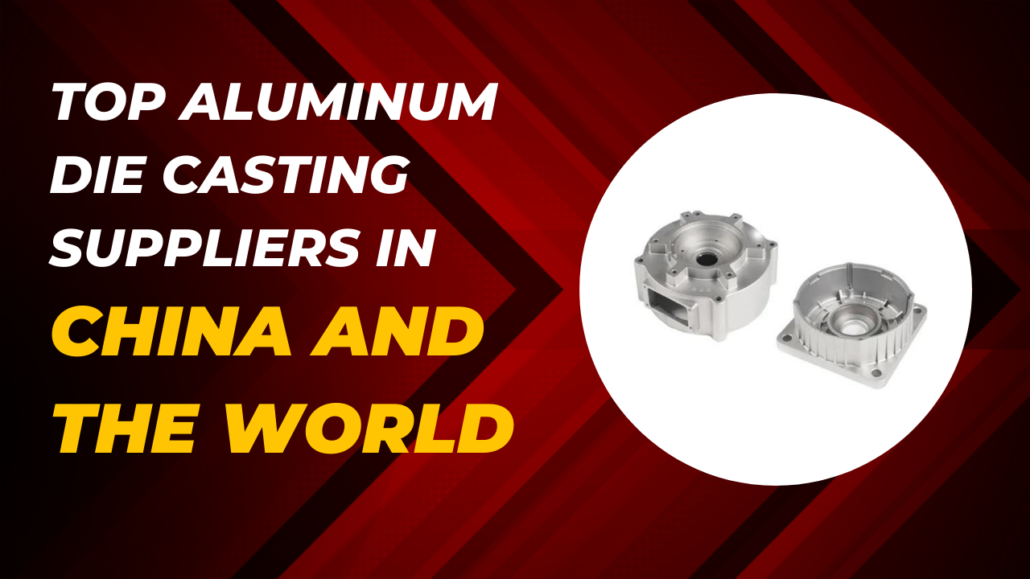
Führende Aluminium-Druckguss-Lieferanten in China und der Welt

Führende Aluminium-Druckguss-Lieferanten in China und der Welt

Aluminiumguss

The precise metal component market experiences rapid growth globally across aerospace technology sectors and industry, including automobile, electronics and medical devices and industrial machinery. Advanced metal parts produced industrially for low-weight applications require the high-pressure die casting method. The superior position among die casting techniques belongs to aluminium since it merges durable performance with weight reduction potential while protecting against corrosion, as well as efficient heat transfer capabilities and the flexibility to shape designs. Organisations pursue efficient manufacturing by choosing experienced die casting suppliers based at locations all across the world. Businesses make their supplier selection choices based on an assessment of engineering competence, combined with quality controls and operational growth capacity and material management capabilities and tooling speed and delivery. The conditions serve as fundamental factors to preserve industry compliance while maintaining consistent, large-scale product outputs. Suppliers emerge as the best options depending on their advanced CNC machinery, as well as their mould development and surface finishing capabilities. Aluminium die casting operations in China bring together people from around the world to maintain low manufacturing costs and a consistent supply system. Performance. The aluminium die casting suppliers Sincere Tech and GC Precision Mould, and CNM Tech have established themselves through impressive manufacturing innovation and industry accreditations, which they match with personalised customer service. Global businesses can access die casting mould suppliers who deliver equal usability through U.S., European, Indian and Mexican operations, which include manufacturers who optimize technology advancement to achieve premium-quality standards. The following article analyses China-based suppliers alongside international suppliers of die casting services. The companies on this list received thorough evaluation based on operational characteristics while also considering their track record of successful projects plus client feedback about quality aluminum die casting and tool development services. What is Aluminium Die Casting? Molten aluminium experiences high-pressure injection into a die mould during aluminium die casting to create precise aluminium components. The production method serves multiple manufacturing sectors because it creates durable metal components with complex shapes and delivers superior finish quality. The production of metal parts through aluminium die casting attracts major demand from automotive and aerospace industries, alongside consumer electronics manufacturers, because of its important advantages. The processing begins with aluminium melting in a furnace until liquefaction, then dies into a steel mould by the force of a die-casting machine. The aluminium solidifies inside the mould when it cools down, since the mould contains a precise representation of the part design. The operator removes the part through the mould opening after casting is complete. Manufacturers achieve parts with complex and precise geometries through this technique, which they cannot create with conventional manufacturing tools. HPDC and low-pressure die casting represent the two principal forms within the die-casting process. HPDC requires high-speed pressures between 1,500 and 20,000 psi to inject molten metal into the mold which generates fine surface details and products with smooth finishing. For producing large-scale products experts employ low-pressure die casting technology because it delivers the metal at reduced pressure thus producing less defective outcomes. Advantages of Aluminium Die Casting The primary reason for aluminium preference as a die casting material is the combined qualities of light weight and a superior strength-to-weight ratio because of the qualities of aluminium to produce items that will have to be durable and light alike. Its good thermal and electrical conductivity, corrosion resistance, and ease of machining also make aluminium popular in industries such as automotive, aerospace, and electronics. Additionally, die-cast aluminium parts are recognised for their exact dimensional accuracy and smooth surface finish, where often their need renders secondary processing in the way of machining unnecessary, saving time and costs. Other than the high-pressure injection method, it also guarantees that all of the components have the same thickness, which reduces the possibility of having weak spots or flaws in the finished part. Applications of Aluminium Die Casting The automotive industry shapes components such as engine blocks and transmission casings, as well as cylinder heads, by using aluminium die casting technology. The aerospace industry employs aluminium die casting for producing lightweight, strong components, which serve to improve product strength, together with lowered fuel usage and safety levels. The process finds great favour in the production of electronic housings as well as heat sinks and a variety of complex elements that require exceptional reliability and strength. Aluminum die casting operates as a flexible production technique that enables the construction of complex intricate products with superior quality characteristics. For achieving durable components and precise product specifications manufacturers must utilize pointed-aluminum from its molten state. The requirement emerges from business demands for top performance quality parts. Sincere Tech Year of Establishment: 2005No. of Employees: 100–500Business Type: Plastic injection mould manufacturing, aluminium die casting, CNC machining, and assembly. Website and Contact: Website: plasticmold.netEmail: info@plasticmold.netPhone: +86 135 30801277Address: Building 1, No. 30 Huan Zhen Rd, Shang Dong village, Qi Shi Town, Dongguan City, Guangdong, China, 523000 Company Profile Sincere Tech is one of China’s top manufacturers of development of plastic moulds, aluminium die casting, high precision CNC machining, and full assembly. Located in Dongguan City, Guangdong Province of China, the company has between 100 and 500 skilled professionals with the capability of providing complete product development solutions from initial concept to final product. Based on a client-centric approach and cutting-edge equipment, Sincere Tech provides precision turning of die-cast aluminium parts to satisfy the stringent requirements of the automotive, electronics, medical and consumer products industries. On top of being an established die casting mould supplier, the company provides added value to customers, with services like surface finishing, prototyping, as well as quality testing. For North America, Europe and Southeast Asia, the clients have relied on sincere tech to build long-term partnerships on top aluminium die casting suppliers. Their Quality Commitments Through the entire manufacturing process, the sincere tech is committed to satisfactory quality without compromise. The company follows international standards such as ISO 9001 and ensures its quality methods, such as in-process inspection, mould flow analysis, and final dimensional validation. Sincere Tech guarantees that

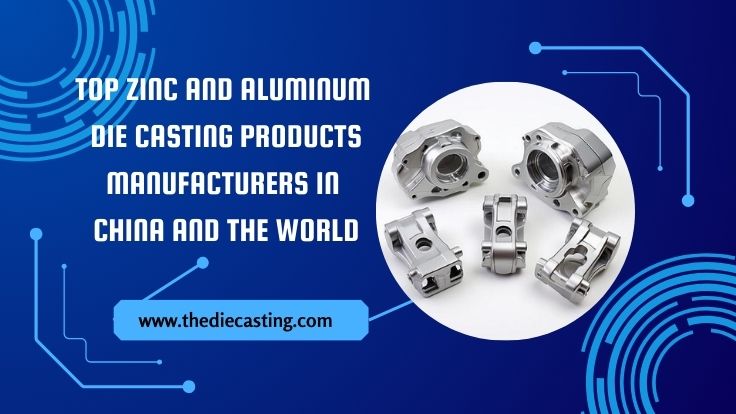
Führende Hersteller von Zink- und Aluminiumdruckgussprodukten in China und der Welt

Führende Hersteller von Zink- und Aluminiumdruckgussprodukten in China und der Welt

Aluminiumguss

The die casting has now evolved into a crucial manufacturing step in today’s rapid, pre-precise computer controlled industrial environment. The die-cast parts can be from automobile components to home appliances, aerospace parts, and even consumer electronics etc., which helps rule out the requirement of heavy machining, making the production of complex metal parts at scale through die casting with consistent quality. As industries increase their demand for lightweight, durable, and complex design products, there is a constant demand for high-performance die casting produced from increasingly exotic alloys. Nowadays, industries require increased quality, cost-efficient, and lightweight components, and hence increasing demand on the zinc and aluminum die casting products manufacturers. Zinc and aluminum alloys are used to produce precision parts that are used in automotive engines, aerospace structures, and also as electronic devices. As businesses push towards sustainability, as well as increased performance, suppliers are becoming more and more sought after by businesses that are looking for the consistency of quality and quick turnaround times. With time, the industries grow and increase demand for die castings, the aforementioned technologies need to be exploited by manufacturers to produce more durable, functional, and aesthetically appealing die castings on a global scale. One of the types of die casting materials that you can opt for is zinc and aluminum metals. Among these two materials, they offer unique advantages: strong, cost-efficient, resistant to corrosion, and suitable for a high volume of production. Both zinc die casting products and aluminium die casting products are gaining more and more applications in the related industries all over the world, under the trend of energy efficiency, electric mobility, and sustainable manufacturing. In this article, we take a deep dive into the world of zinc and aluminum die casting, including manufacturers who are based in China, a global hub for manufacturing, and the top companies throughout the world. In this article, before digging into the most important players in the market, we will explore what die casting is and what roles zinc and aluminum play in the process. What is Die Casting? Die casting is a type of metal casting where molten metal is forced under high pressure at high velocity into a steel mold cavity (may be called ‘die’), known as a die, thus giving the name to this casting process. The two common types of these molds are usually made out of hardened tool steel and they are designed in such a way to produce complex high precision components which are otherwise impossible or would cost very high if produced through other means. Key Characteristics of Die Casting The process of die casting is very efficient and agile with large scale production and hence is widely popular in the automotive, aerospace and consumer electronics industries. Types of Die Casting Materials Die casting can be done with different materials, which have various attributes.  The most common metals include: In all of these, the most widely used are zinc and aluminum because of their superior properties, low cost, and versatility. Zinc Casting Products are created by an economical process The die-casting product is made of zinc or zinc-based alloys using the die-casting process. Zinc is easily cast and offers many desirable properties. Zinc has the following key benefits in the die casting process: The products made from zinc die casting are usually hardware components, automotive parts, connectors, locks and some consumer goods. Products Made From Aluminium Die Casting? Aluminium die casting products are those parts which are made by injecting molten aluminum into steel molds under high pressure. Because aluminum is light and does not corrosion, it is very useful for structural purposes when strength and weight matter. Aluminum is useful for die casting due to the following benefits. Amongst this, aluminium pressure die casting products are a subset of the foregoing, which specifically applies to aluminum cast by the high-pressure die casting (HPDC) method. HPDC is utilized widely for the production of engine blocks, transmission cases, electronic enclosures, and much more. What Are Cast Products? Cast products is a general term for any item formed by pouring molten metal into a mold allowing it to Solidified and then removing the formed objects from the mold. Although die casting is one type of casting method, there are certain other types of casting processes such as sand casting, gravity casting, and investment casting. Difference between General Cast Products and Die Casting Products Feature Die Casting General Cast Products Process High-pressure injection Often relies on gravity or manual pouring Precision Very high Moderate Surface Finish Smooth Usually rougher Production Volume High Medium to low Material Waste Low Higher Cycle Time Fast Slower Zinc die casting, however, is a method of creating zinc parts through high-pressure die casting for cases where the requirement of high precision is present, implying that they are not processed through simpler gravity-based casting methods. Why Are Zinc and Aluminium So Popular in Die Casting?  Here are some of the reasons why these two metals are the main contenders in the die casting industry. 1. Economy & Efficiency Zinc and aluminum are quite cheap, probably cheaper than they would be with other alloys used in casting. Moreover, they allow rapid cycle times and long mold life, which reduces manufacturing costs. 2. Versatility Such material can be used to manufacture micro components, large structural parts, or practically anything else that one might imagine. Zinc and aluminum are dependable choices for such things as making intricate gears or lightweight engine parts. 3. Sustainability Both metals are 100% recyclable. Mostly, it works with recycled aluminum and zinc and is called a greener process than casting. 4. Adaptability to Finishing Processes Zinc and aluminum parts can be finished with, among others, painting, powder coating, plating, and anodizing. That gives functional pluses such as corrosion resistance, together with the eye-pleasing qualities. How to Choose the Right Die Casting Manufacturer? The price discovery is less than finding the right supplier. To wrap up, let us first look at the following: 1. Material Expertise Manufacturers

Was ist Schwerkraftgießen?

Was ist Schwerkraftgießen?

Aluminiumguss

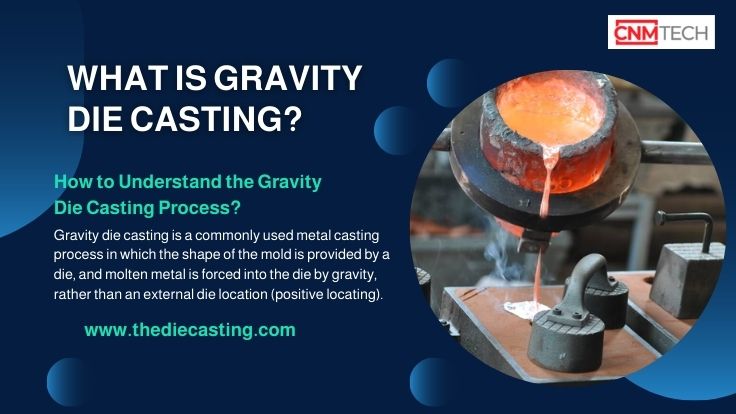
Gravity die casting is a commonly used metal casting process in which the shape of the mold is provided by a die, and molten metal is forced into the die by gravity, rather than an external die location (positive locating). This method differs from high-pressure die casting in that the molten metal is forced into the die under pressure, but using gravity is the only way to feed material into the die. The mold is usually made of durable metals such as steel or cast iron, reusable with high dimensional accuracy and a high surface finish. As well, this technique is very favored in the production of nonferrous metal parts like aluminum, zinc, magnesium, and their alloys. Heating the metal to the metal state and thereafter pouring it into a preheated permanent mold. The molten metal flows toward the gravity and down to the mold cavity, which causes it to fill. Afterwards, the mold is opened and the casting is ejected, which may need to be trimmed, machined, or otherwise treated to improve the surface. One of the most common applications of this process is in aluminum gravity die casting, because aluminum is lightweight, corrosion-resistant, and has good mechanical properties. The technique is extensively used in various industries, including automotive, aerospace, industrial machinery, and consumer goods, to make durable, complex parts, such as engine parts, housings, brackets, and the like. One of the reasons for respecting gravity casting is the ability to cast medium to high volumes of parts of high quality (low porosity) for good mechanical strength. While there are some limitations, such as higher initial tooling costs and less complex products than other casting systems, its advantages make this a suitable and low-cost method for many manufacturing needs. In essence, gravity die casting is a precision, repeatable, and rational material, which is important in modern metal working process. How to Understand the Gravity Die Casting Process? That was an easy, efficient technique at the core of gravity die casting. Preheated metal mold of steel or iron is coated with a release agent, ready to cast, the castings are easily removed. After the mold is ready, molten metal such as aluminum, magnesium or copper alloys, is poured into the mold. In order for the metal to fill the cavity, the mold simply cools and solidifies, with gravity alone. After that, the mold is opened, and the casting is removed. If not, the excess material remains, be it the gate or runner system or some other part, it is cut off, and the casting may be finished by machining or in other ways. Compared to sand casting, moulds in which casts are produced from sand are only used once. The component being cast in a gravity die is significantly improved in terms of production efficiency and product consistency because metal dies in gravity casting can be reused. Various surface finish options for gravity die casting Another of the advantages of gravity die casting is that it can enable parts with smooth, consistent surface finishes directly from the mold. However, other surface finishing techniques (s), depending upon the functional and aesthetic requirements of the final product, may be added to the finishing process to improve the appearance, durability, or prepare the part for further processes such as painting or plating. The most frequently used surface finishes on gravity die-cast parts are listed below: 1. As-Cast Finish It is the natural surface resulting directly from the casting process. If prepared properly, however, and process conditions are optimum, gravity casting can produce a rather smooth surface as compared to sand casting. Internal components or parts for which appearance is not critical usually accept as cast surfaces. 2. Shot Blasting / Grit Blasting This forms the Shot blasting, propelling of small steel or ceramic beads on the casting surface to remove the scale, flash, or any residues. This process makes a uniform matte texture of the surface, as well as cleans the surface better and much suitable for such parts that further go through finishing like powder coating or painting.  3. Polishing Mechanical removal of minor imperfections is used for polishing to improve the surface smoothness and shine. Particularly aesthetic parts and where lower friction is needed. Polishing can be basic buffing, manual or automated, or encompass a mirror finish. 4. Powder Coating In powder coating, powder is applied on the casting surface and cured under heat, forming a hard and protective layer. The excellent resistance to corrosion, impact, and UV has made it suitable for automotive components and outdoor components produced in aluminum gravity die casting. 5. Anodizing Aluminum gravity casting parts have many reasons of choice for choosing anodizing. The surface is thickened by a natural oxide layer electrochemically, which improves corrosion resistance and provides the ability to customize the color. Anodized surfaces are durable, the colors won’t tire, and they have a sleek, professional appearance. 6. Machining for Precision Surfaces In many instances, the gravity cast parts are at least partially machined post-casting casting particularly to exact tolerances or render critical surfaces smooth. CNC machining is utilized to refine flat faces and threads, along with sealing areas where the need for precision is beyond the ability of the die itself. 7. Painting and Coating Parts requiring branding, color coding, or protection can be done in any of the methods used in conventional wet painting. The application of paint coatings is usually done by either applying them manually or using automated spray lines, frequently after surface cleaning or priming. 8. Chromating / Chemical Treatments Chromating or chemical conversion coatings may be applied for enhanced corrosion protection as well as improved paint adhesion. The passive protective film produced by such treatments has little influence on dimensions, but does protect the aluminum surface. Advantages of Gravity Die Casting The superior mechanical properties are one of the main reasons of why manufacturers prefer gravity die casting. As a result, castings produced by this process tend to have fewer air pockets, or porosities, and therefore,

Präzision in Zink: Die Kraft des Zamak-Druckgusses

Präzision in Zink: Die Kraft des Zamak-Druckgusses

Aluminiumguss, Zamak-Druckguss

ZAMAK is the name given to a zinc-based alloy that is used with aluminum, copper (Kupfer), and magnesium. ZAMAK was named in German from these words. This alloy usually contains 94% to 96% zinc, the other material being added to foil or sheet. Several remarkable qualities make ZAMAK alloys good for die casting applications. The fact that these alloys have a low melting point, high fluidity, and high strength per weight makes them extraordinarily useful for making hard, tough and accurate parts. In addition to these key features, ZAMAK alloys offer other features that qualify them for several industrial applications.Zamak die casting has established itself in the world of metal casting as a highly cost-effective and cozy method of metal casting. Zamak is a zinc family of alloys used widely to build complex high quality parts in many industries. The process involves injecting molten Zamak alloy into a metal mold or die under high pressure. The process is capable of making intricate parts to very close tolerances with very good surface finishes, which makes it suitable for manufacturing precision parts. The more critical role of Zamak die casting is here because, as industries evolve with the increased need for durable, lightweight and strong materials. In this article, we analyze the significance of Zamak die casting and why a person should prefer Zamak die casting over other casting methods. ZAMAK alloys are used in die casting foundries for casting parts, and their cast parts comprise many industries such as automotive, electronics and hardware. This also adds an extra edge because these alloys are fully recyclable, as per the sustainability goals. However, ZAMAK die-cast parts have additional surface options, which will be of help to manufacturers to have aesthetically appealing products with a premium look, especially these decorative parts. What Is ZAMAK Die Casting? ZAMAK die casting is a metal casting technique widely used in which molten ZAMAK alloy is injected under high pressure into a mold. Typical in this process is the die or mold made from durable tool steel. Various molds are needed for each shape, and the ZAMAK die casting process just requires a hot chamber die casting machine. A two-halve hot chamber die casting machine is arranged with one stationary half and one movable half. These halves are then closed, and molten metal is injected into the mold by an injection chamber. When the metal is solidified, the cast part is removed from the mold by ejector pins. ZAMAK die casting uses this method on ZAMAK alloys. Hot Chamber Die Casting (HPDC), Low Pressure Die Casting (LPDC), and Gravity Die Casting (GDC) are possible types of ZAMAK alloys suitable for die casting processes with their respective advantages for different applications. 1. The ZAMAK Die Casting Process Like other types of aluminum or magnesium die casting, the ZAMAK die casting method needs attention to be paid wherever possible because the results are only as good as the ZAMAK casting process. The typical ZAMAK die casting process is written below in a breakdown: Step#1: Designing and Creating the Die The process starts with mold or die design and the final part design in the ZAMAK die casting process. It is important as it determines the final result of the casting as such. The first is that engineers first design a 3D model of the part to be cast using specialized CAD software. Typically, a prototype is made and tested, the design is improved until approval of the final version. Secondly, once there is a final part design, the mold is created, which means: The injection type: The melting point of the ZAMAK is low enough that it has to be hot enough to be injected into the mold. Step #2: Preparing the ZAMAK Alloy After that, prepare ZAMAK alloy. The ZAMAK alloy is purified with several refining methods such as thermal refining, chemical reaction, electrolytic refining and zone refining. The alloy is melted in a furnace at strictly controlled temperatures to prevent the alloy from coming to a liquid state with impurities. After the final refining, the molten metal is kept in an injection chamber to control temperature to prevent contamination. Step #3: Injecting the Molten ZAMAK into the Die. One of the critical phases of die casting is the injection of molten ZAMAK into the mold. After preparation and storage of the molten metal in the injection chamber, it is then injected under high pressure into the die with a plunger or piston. The molten alloy undergoes pressure, forcing it into every corner of the mold since all the space of the cavity is filled. In this way, one can have the part’s surface even and smooth, and produce good quality results through proper injection techniques. Also, the design of the mold’s injection channels is a key determinant of accomplishing this. Step 4: Cooling and Solidifying the Part However, as soon as the molten metal enters the mold, cooling begins. They quickly cycle the high-quality tool steel mold to draw the heat of the molten metal quickly enough for it to solidify. The cooling system is also used by many molds to accelerate the solidification process. Simply, to achieve the desired part quality and prevent defects, a consistent cooling rate is required, and are most commonly used are water and air cooling systems. Step #5: Solidified ZAMAK Casting Ejection The next step from the ZAMAK alloy to solidify is to eject the casting from the die. Care is taken in this to retain the quality of the part. To expel the solidified part out of the mold, ejector pins are used. The mold breaks open into two halves, the ejector pin is actuated, and the casting is released. There is a nice degree of precision to do this step, because too much force on the casting cay damage it. Proper alignment of the ejector pin will also ensure no surface imperfections or dents. Step #6: Finishing and Trimming The casting is usually ejected with excess material on it,

Nach oben scrollen

Angebot einholen