zamak 3

Was ist Zamak? Was es ist und warum es in der Fertigung weit verbreitet ist

Was ist Zamak? Was es ist und warum es in der Fertigung weit verbreitet ist

zamak 5, zamak 2 druckguss, zamak 3, zamak 3 druckguss, Zamak 3 Zinkguss

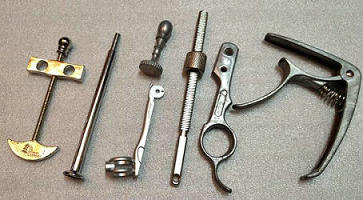
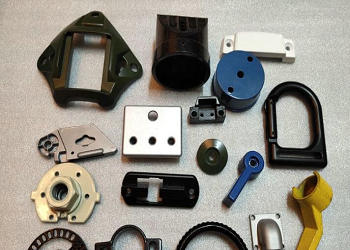
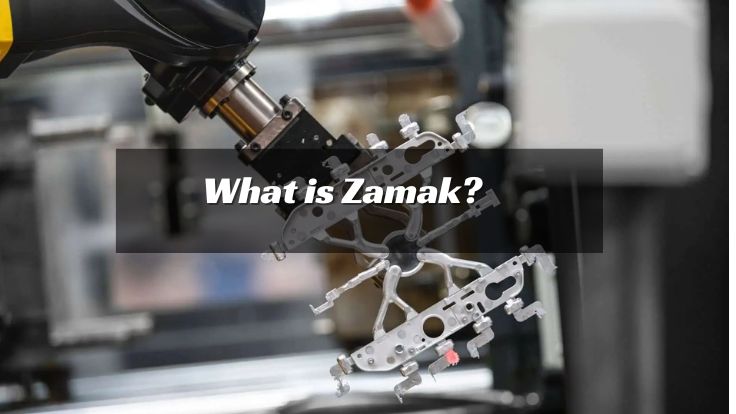
Legierungen leisten einen wichtigen Beitrag zur Entwicklung empfindlicher elektronischer Teile sowie schwerer Teile für Fahrzeuge. Zamak-Metall zum Beispiel hat die Arbeitsweise vieler Branchen verändert. Dieses Metall ist bekannt dafür, dass es stark ist, sich leicht formen lässt und vielseitig einsetzbar ist. Das Wort Zamak stammt aus dem Deutschen und steht für Zink, Aluminium, Magnesium und Kupfer. In den ersten Jahren des 20. Jahrhunderts zielte die Herstellung von Messinglegierungen darauf ab, die Sprödigkeit früherer Produkte auf Zinkbasis zu verbessern. Heute wird Zamak in großem Umfang in der Fahrzeug-, Elektronikgeräte- und Hardwareherstellung verwendet. Es wird sowohl für seine robuste Struktur als auch für seine glatte Oberfläche mit nur wenig Arbeit geschätzt. Die Herstellung von Aluminium erfordert weniger Energie als andere Materialien, da es leicht schmilzt, und es ist auch deshalb attraktiv, weil es recycelt werden kann. Die verschiedenen Zamak-Sorten eignen sich für unterschiedliche Anforderungen, z. B. ist Zamak 3 weicher als Zamak 5, das wiederum stärker ist als Zamak 12. Die meisten Haushaltswaren und Industrieprodukte aus Zamak-Metall erfüllen die steigenden Anforderungen der Industrie, da sie praktisch und von guter Qualität sind. Im Folgenden wird erklärt, woraus Zamak-Metall besteht, welche Arten es gibt (Zamak 3, Zamak 5 und Zamak 12), welche Funktionen es hat und welche Vor- und Nachteile es hat. Zamak ist eine Art Zinklegierung. Zamak wird aus Zink hergestellt, das mit einer kleinen Menge Aluminium, Magnesium und Kupfer vermischt ist. Das Wort Zamak steht für Zink, Aluminium, Magnesium und Kupfer, also die deutschen Bezeichnungen für die beteiligten Metalle. Aufgrund seiner hohen Gussqualität und seines Aussehens wird Zamak-Metall gerne für die Herstellung von Automobilen, Elektronik, Möbeln und Konsumgütern verwendet. Mit dem Druckgussverfahren lassen sich aus Zamak-Metall komplexe, starke und kosteneffiziente Teile formen. Zamak wird unter hohem Druck zu Stahlformen gebogen, die wie das fertige Produkt aussehen, wodurch viele komplexe Formen in kürzester Zeit hergestellt werden können und nur ein minimaler Bearbeitungsaufwand erforderlich ist. Da seine Schmelztemperatur (ca. 385 °C) niedriger ist, lässt sich Zink in einer Gießerei effizienter formen als Metalle wie Stahl oder Aluminium. Was ist Zamak, und wie wird es hergestellt? Der Name Zamak setzt sich aus den deutschen Begriffen für die wichtigsten Metalle zusammen: Zink (Zink), Aluminium (Aluminium), Magnesium und Kupfer (Kupfer). In den 1920er Jahren entwickelte die New Jersey Zinc Company Zamak, um die Sprödigkeit einiger Zinklegierungen zu überwinden. Es gilt als hochwertiges Zink, das sich besser für den Druckguss eignet als die meisten anderen Materialien. Die üblichen Elemente in Zamak-Metall sind 96% Zink, 4% Aluminium, ein wenig Magnesium und etwas Kupfer. Aufgrund dieser Mischung ist das Metallprodukt sehr stark, hält lange und kann mit hoher Präzision in exakte Formen gebracht werden. Das Wichtigste über Zamak-Metall Eine Besonderheit von Zamak-Metall ist, dass es sehr leicht zu gießen ist. Hersteller können Formen mit dünnen Wänden aus Aluminium herstellen, die mit anderen Werkstoffen normalerweise teuer oder schwierig zu produzieren wären. Darüber hinaus hat Zamak eine polierte Oberfläche und eignet sich daher für Teile, die lackiert oder beschichtet werden müssen. Ein weiterer Vorteil ist, dass der Stahl seine Form behält. Da sich Zamak nicht so leicht verformen lässt, wird es häufig in der Automobil- und Elektronikindustrie verwendet. Das Material ist im Verhältnis zu seinem Gewicht stark, was es attraktiv macht. Im Gegensatz zu Aluminium wiegt Zamak nicht sehr wenig, aber es bietet eine gute Haltbarkeit, die es für Gegenstände, die handlich sein müssen, nützlich macht. Verwendung von Zamak-Metall Aufgrund seiner hervorragenden mechanischen Eigenschaften wird Zamak-Metall in vielen Produkten verwendet. In der Industrie findet man den rostfreien Stahl in Türgriffen, Spiegeln und verschiedenen Innenteilen. Für eine Vielzahl von elektronischen Teilen wird Zamak verwendet, weil es sowohl präzise ist als auch Hitze widerstehen kann. Die Möbelbranche verwendet Zamak, weil es so vielseitig ist und in Scharniere, Halterungen und andere Dekorationen passt. In der Modebranche wird Zamak für viele ausgefallene Stücke verwendet, da es glänzt und nicht so leicht anläuft. Der Prozess der Herstellung von Zamak-Metall durch Gießen 1. Vorbereitung der Legierung Um Zamak-Metall herzustellen, muss man Zink, Aluminium, Magnesium und Kupfer im richtigen Verhältnis kombinieren. Um aus diesen Metallen Metalle zu gewinnen, werden die Rohstoffe bei mäßigen Temperaturen geschmolzen. Die richtigen Verhältnisse sind notwendig, um sicherzustellen, dass Zamak 3, Zamak 5 und Zamak 12 die gewünschten Eigenschaften aufweisen. 2. Schmelzen Die Materialmischung wird in einen Ofen gegeben und auf den Zamak-Schmelzpunkt von 385°C (725°F) gebracht. Bei diesem Schritt fließt die Legierung sehr gut und eignet sich daher hervorragend für den Druckguss. 3. Druckguss Das Zamak wird geschmolzen und dann in eine Druckgussmaschine gegeben, um in eine Metallform gespritzt zu werden. Dank dieses Verfahrens werden die Gegenstände in sehr detaillierte und stabile Formen gebracht. Je nach Verwendungszweck des Gussstücks wählen die Hersteller zwischen Produkten, die als Zamak 3, Zamak 5 oder Zamak 12 klassifiziert werden, da jedes für einen anderen Zweck bestimmt ist. 4. Einspritzen und Ausfließen Sobald das Zamak eingespritzt ist, kühlt die Form ab, wodurch das Metall schnell aushärtet. Nach der Entnahme des Teils aus der Form muss es möglicherweise nicht bearbeitet werden, da die Legierung eine saubere Oberfläche aufweist. 5. Nach dem Gießen kann das Modell poliert, lackiert oder galvanisch mit Materialien wie Nickel oder Chrom beschichtet werden. Diese Verfahren verbessern das Aussehen und die Korrosionsbeständigkeit des hergestellten Produkts, vor allem bei Verwendung im Freien. Anwendungen von Zamak-Metall Zamak-Metall wird aufgrund seiner hervorragenden Gussqualität, seiner starken Eigenschaften und seiner attraktiven Glätte in verschiedenen Branchen verwendet. Selbst in der Automobilindustrie spielt Zamakmetall eine wichtige Rolle, da es nützlich und attraktiv ist. 1. Automobilindustrie Viele Türgriffe, Embleme, Spiegelgehäuse und Innenraumdetails in Kraftfahrzeugen werden aus Zamak-Metall hergestellt. Da es kompliziert gestaltet und auf kleine Maße gehalten werden kann, ist es nützlich für Teile, die entweder auffallen oder nicht. Der Grund, warum Zamak 5 hier am häufigsten verwendet wird, ist, dass es haltbarer ist und sich weniger leicht abnutzt. 2. Unterhaltungselektronik Seine stabilen Abmessungen und sein glattes Aussehen
Ein umfassender Leitfaden zu Zamak 3 und seinen Anwendungen

Ein umfassender Leitfaden zu Zamak 3 und seinen Anwendungen

zamak 3

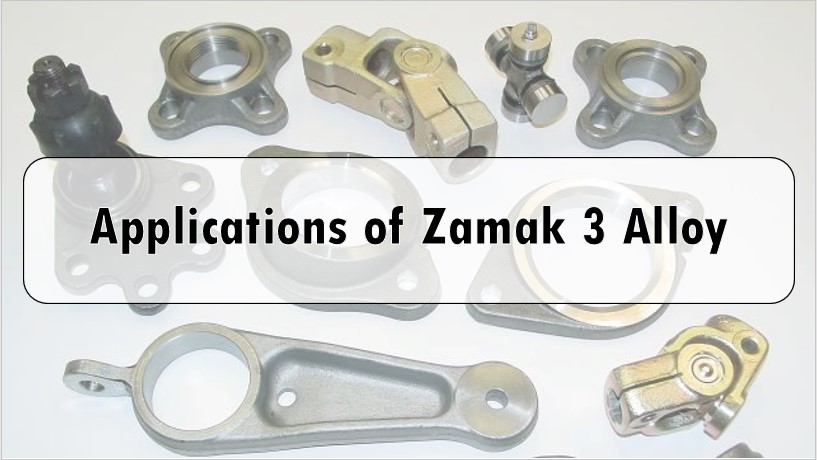
Among the Zamac alloys, Zamak 3 is the most popular due to its well balanced strength, durability and ease of casting. Zinc is the main component of this alloy containing small amounts of aluminum (3.5 -4%), magnesium (0.03 – 0.06%), and copper (0.25%) in all. Because of its very specific composition, it makes this sample more mechanically stable, less prone to corrosion, and capable of retaining dimensions more accurately. Zamak is a group of alloys consisting of zinc, which are widely used in manufacturing as they have good mechanical properties and as also affordable. It is derived from German words Zink (zinc), Aluminum, Magnesium and Kopper (copper) and the term is followed by the name of the symbols of these elements: ‘Zamak’. In the 1920s, these alloys were developed, and today they are now basic in industries that require precision metal components. This is one of the main advantages of Zamak 3 zinc alloy as it can be die cast. The low melting point (around 385°C) means that it was used for relatively low cost manufacturing of parts with intricate and detailed features. When the casting process is completed, it has maintained its fluidity to provide smooth surface finishes that do not require excessive post production treatment. Zamak 3 casting has got such good performance of it that it is used in many industries. It is present in the majority of the automotive component, electrical housing, hardware and consumer goods. Since the material is corrosion resistant and dimensionally accurate, its use is particularly appropriate for such demanding applications where long term reliability is required. Overall, Zamak 3 alloy is a cost effective and a versatile material that has continued to remain in use in modern manufacturing. The strength, durability, casting efficiency combination associated with it makes it most sought after for the industries that are heavily dependent on the quality metal component. What is Zamak 3? It can be described as zinc zinc-based alloy comprising zinc, aluminum and magnesium, with copper. Zamak is a family of alloys, which were invented in the 1920s. The name ‘Zamak’ is based on German expeditions (Zink, Aluminium, and Magnesium) plus (Kopper, or Cu) for the main components of the material.Zamak 3 (also specified as ASTM AG40A, Z33520 UNS) is one of the most commonly used zinc alloys in the die casting industry. Zamak 3 is known for its outstanding mechanical and physical properties and is a preferred choice for many industries across the board. This material has excellent castability, dimensional stability and durability that make it one of the key materials used to manufacture precision parts.Zamak 3 zinc alloy is considered to be among all the Zamak alloys because of its good mechanical properties and low cost. One offers excellent balance between hardness, impact strength, and dimensional stability, thus making this one a good industrial application. Composition and Properties of Zamak 3 Alloy Zamak 3 Alloy Composition Zamak 3 alloy is based on zinc with some aluminum and various trace metals, adding different beneficial properties. Zamak 3 alloy composition is chosen to provide the strength, durability and easy manufacturability of die casting. Zamak 3 consist of the following keys components. They work as a combination to form an alloy that features very excellent mechanical and physical properties and Zamak 3 is very popular in sectors like automotive, electronics and for manufacturing purposes. Chemical Composition of Zamak 3 Alloy The four primary elements of the Zamak 3 alloy are zinc, aluminum, magnesium and copper. The alloy characteristics are defined and its mechanical properties are enhanced by each element playing a particular role. Zamak 3 zinc alloy is normally available with typical compositions comprised of: Zinc (Zn) – 96% Zamak 3 alloy consists of Zinc as the base metal with excellent corrosion resistance, good casting properties and affordability. Additionally, it facilitates easy melting and molding, and can be mass produced in the die casting industry. Aluminum (Al) – 3.5% to 4% Aluminum also increases the strength, hardness and corrosion resistance of the alloy. In addition, it increases the fluidity of molten metal, and this allows Zamak 3 casting to produce precise and complex shapes witha  smooth finish. Magnesium (Mg) – 0.03% to 0.06% Magnesium provides significant improvement to the mechanical strength and impact resistance even in small amounts in Zamak 3 zinc alloy. In addition, the casting of the alloy is also made more stable and durable as it helps reduce oxidation during this process. Copper (Cu) – 0.25% The hardness and tensile strength of the alloy are increased by copper. But, it is kept at a very low percentage to avoid excessive brittleness of Zamak 3 alloy. Key Properties of Zamak 3 Alloy Zamak 3 zinc alloy is carefully balanced to make it a suitable industrial application because of its advantageous properties that include: 1. High Strength and Hardness The characteristics of Zamak 3 alloy produce an excellent balance between strength and ductility suitable forthese typese of components, which require durability under mechanical stress. It has tensile strength of about 283 MPa (41,000 PSI) and a hardness rating of 82 Brinell (HB). This combination makes it wear and tear resistant for such applications as automotive, and structural components. 2. Excellent Dimensional Stability Zamak 3 casting is one of the most valuable casting characteristic for maintaining precise dimensions even at high stress conditions. Zamak 3 zinc alloy is unlike some other metal alloys which expand or contract greatly with the temperature fluctuation. It becomes ideal for the applications where the tolerances should be tight and the fit should get exact, such as gears, locks and industrial machinery parts. 3. Corrosion Resistance Zamak 3 alloy contains aluminum and magnesium it which provide an additional source for oxidation and environmental corrosion. Pure zinc, however, is prone to corrosion over time, and a corrosion-resistant layer is formed on the surface after the additional elements in Zamak 3 zinc alloy. Due to this, it is good for outdoor applications, automotive components, and electrical enclosures. 4. Superior Castability and Fluidity

Druckgussteile

Unterschiede zwischen den Legierungen Zamak 3 und Zamak 5

zamak 3, zamak 5

Zamak alloys used commonly in die casting have attractive characteristics which include versatility, strength, and durability. Of all the Zinc die-casting alloys, Zamak3 and Zamak5 are the most prevalent due to their special characteristics and the versatility of the application areas. To avoid compromising its functions, it is important for manufacturers and engineers who make choices to learn and distinguish the various qualities of those alloys. This guide discusses all the differences and similarities between Zamak 3 and Zamak 5 as well as their use in multiple settings and their capabilities. What is Zamak? Zamak, a term that is an acronym for Zinc, Aluminum, Magnesium, and Kupfer, (original German for copper), denotes a group of zinc-based alloys widely used for die casting. Some of the properties that make these alloys desirable is; polished appearance, precise dimension, and high corrosion resistance. The Zamak type of alloy varies depending on the proportion of aluminum, magnesium, and copper it contains. The two common forms are Zamak 3 and Zamak 5, which have Different settings of parameters for different industries. Chemical Composition of Zamak 3 and Zamak 5 This is because the performance of Zamak 3 and Zamak 5 depends on the chemical composition. These two alloys contain major proportions of zinc but they differ in secondary elements which result in different properties. Element Zamak 3 Composition (%) Zamak 5 Composition (%)   Zinc (Zn) ~96 ~95.5 Aluminum (Al) ~3.9 ~3.9 Magnesium (Mg) ~0.04 ~0.04 Copper (Cu) 0 ~0.75 Key Differences Zamak 3 lacks copper, giving it slightly better corrosion resistance in specific environments. Zamak 5 contains about 0.75% copper, enhancing its strength and hardness. Mechanical Properties Comparison It is for this reason that Zamak 3 and Zamak 5 have some variations of the mechanical properties, which are a result of the differences in their formulation. This affects their usage as well as working efficiency under different circumstances. Table: Mechanical Properties of Zamak 3 vs. Zamak 5 Property Zamak 3 Zamak 5   Density (g/cm³) 6.6 6.7 Yield Strength (Mpa) 220 250 Elongation (%) 10 7 Hardness (Brinell) 82 90 Impact Strength (J) Higher than Zamak 5 Lower than Zamak 3 Analysis Strength: Zamak 5 has higher tensile and yield strength, making it more robust for demanding applications. Ductility: Zamak 3 exhibits better elongation and impact resistance, suitable for parts requiring flexibility. Hardness: Zamak 5’s higher hardness ensures better wear resistance. Applications of Zamak 3 and Zamak 5 die casting products Namely, the properties of Zamak 3 and Zamak 5 make them suitable for particular uses. Zamak 3 casting Applications Consumer Goods: Commonly seen on die-cast end products such as car door handles, zippers, and other small ornamental parts. Electronics: Zamak 3 die casting parts can also maintain a more stable dimension than other die-cast alloys, especially for housing or enclosure applications. Toys: Otherwise known for its good surface finish and easy-to-machine material, many die cast toys made with zamak 3 die casting process Zamak 5 die casting Applications Automotive Industry: Owing to high strength, Zamak 5 alloy die casting parts are used in the structural and functional parts of a variety of apparatus. Hardware: Writing instrument parts – zinc die casting hinges, brackets, locks, benefit from its increased hardness. Industrial Equipment: Zamak 5 die casting parts are the choice for all the zinc alloy parts experiencing high stresses. Table: Applications by Industry Industry Zamak 3 die casting   Zamak 5 die casting Consumer Goods Small decorative items Heavy-duty functional parts Automotive Low-stress interior parts High-stress structural parts Electronics Precision housings Heat-resistant components Advantages and Limitations Advantages of Zamak 3 die casting products Cost-Effective: Lower material cost compared to Zamak 5 alloys. Corrosion Resistance: Excellent in environments where copper would accelerate corrosion. Ease of Casting: Offers better fluidity during zinc die casting manufacturing process. Advantages of Zamak 5 die casting products Strength and Hardness: Higher mechanical strength and wear resistance. Durability: Better suited for high-stress applications. Surface Treatment: Enhanced suitability for plating and finishing. Limitations Zamak 3:      Maintenance of limited power when required to operate under high stress conditions. Zamak 5: This is another reason for a slightly lower corrosion resistance at higher concentrations of                                        copper present in the alloy. Die Casting Zamak 3 vs. Die Casting Zamak 5                Die casting is a process of forcing a metal at high pressure into a mold cavity. Both die-casting Zamak 3 and die-casting Zamak 5 excel in producing intricate shapes with tight tolerances, but there are notable differences: Parameter Die Casting Zamak 3 Die Casting Zamak 5 Fluidity Superior Slightly lower Shrinkage Minimal Slightly higher Casting Temperature Lower (~380°C) Slightly higher (~385°C) Machinability Excellent Good Die Casting Process Overview  Key Considerations: Ease of Use: Zamak 3 die casting also has drawing advantages over the other because of its comparatively lower casting temperature and better fluidity. Stress Tolerance: Therefore, Zamak 5 die casting can be used in an application with robust parts and components. Choosing the Right Alloy Factors to Consider Application Requirements: For applications that need high dimensional stability, corrosion resistance, and low-stress bearing: the Zamak 3 alloy material should be used. When selecting for strength and hardness choose Zamak 5 alloy for parts that require high levels of durability, and lower stress tolerance. Cost: It is observed that Zamak 3 alloy is slightly cheaper than Zamak 5 alloy. Environment: Zamak 3 may do better in corrosive circumstances because of a lack of copper in the alloy. Decision Table: Zamak 3 vs. Zamak 5 Requirement Recommended Alloy   High strength Zamak 5 alloy Cost efficiency Zamak 3 alloy Corrosion resistance Zamak 3 alloy Wear resistance Zamak 5 alloy Practical Use Cases for Zamak 3 and Zamak 5 Thus, we will investigate how adopted scenarios of Zamak 3 and Zamak 5 work in practice. This will also make clear to them the benefits and the nature of their applicability to certain functions. Zamak 3 in Practice  Electronics Industry: Zamak 3 die casting is used predominantly for applications in

Zamak 3 Zinkguss

Zamak 3 Druckguss

Aluminiumguss, zamak 3, zamak 3 druckguss, Zamak 3 Zinkguss, zamak 5, Zamak-Druckguss, Druckguss aus Zinklegierung, Zinkdruckguss

Wir bieten ZAMAK 3-Druckguss für die Herstellung von ZAMAK 3-Produkten an. Mit unseren ZAMAK 3-Produkten, unseren Produktionskapazitäten und unseren Lagermöglichkeiten erhalten Sie Qualitätsteile zu wettbewerbsfähigen Preisen. ZAMAK 3 ist aufgrund seiner Gießbarkeit und Maßhaltigkeit die beliebteste Legierung der ZAMAK-Reihe für den Zinkdruckguss. ZAMAK 3 Eigenschaften: Höchstzugkraft: psi x 103 (MPa) 41 (283) Streckgrenze - 0,2% Versatz: psi x 103 (MPa) 32 (221) Dehnung: % in 2″ 10 Scherfestigkeit: psi x 103 (MPa) 31 (214) Härte: Brinell 82 Schlagzähigkeit: ft-lb (J) 432 (58) Ermüdungsfestigkeit Rotationsbiegung - 5×10⁸ Zyklen: psi x 103 (MPa) 6.9 (48) Druckstreckgrenze 0.1% Offset: psi x 103 (MPa) 604 (414) Elastizitätsmodul - psi x 106 (MPa x 103) 12.46 (85.5) Poisson-Zahl 0.27 Dichte: lb/cu in (g/cm3) .24 (6.6) Schmelzbereich: ¡ãF (¡ãC) 718-728 (381-387) Elektrische Leitfähigkeit: %IACS 27 Wärmeleitfähigkeit: BTU/ft/hr/¡ãF (W/m/hr/¡ãC) 65.3 (113.0 Wärmeausdehnungskoeffizient: 68-212¡ãF µin/in/¡ãF (100-200¡ãC µm/mm/¡ãC) 15.2 (27.4) Spezifische Wärme: BTU/lb/¡ãF (J/kg/¡ãC) .10 (419) Schrumpfungsmuster: in/in .007 Zinkdruckguss Anwendungen Sportartikel - Kostensparende Ansätze für maschinell bearbeitete Komponenten; - Beschichtungen, die zu den entsprechenden Zinkteilen passen; - Festigkeit für schwierige Anwendungen; Medizintechnik - Innovative Fähigkeiten; - Präzisionsdesigns als Guss; - Für den Einsatz in vielen schwierigen Anwendungen; Schalter - Mehrere Hohlräume für Kosteneinsparungen; - Multislide; Befestigungselemente - Viele Größen von Plattenmuttern bereits bearbeitet; - Hochgeschwindigkeits-Gewindeschneiden; Steckverbinder - Vier-Schieber-Technologie, um kostspielige Sekundärteile zu eliminieren; - Trommelbeschichtung für chemisches Nickel bietet kostengünstigen Schutz und Ästhetik; - Hervorragende leitfähige Legierungen; Glasfaseroptik - Fähigkeit zum Gießen komplexer Designs; - Enge Toleranzen, wie gegossen, Komponenten; - Ausrüstung und Erfahrung, um kleine Komponenten zu liefern; Geräte - Dünnwandige Gussteile mit der Festigkeit, um in Anwendungen zu bestehen; - Oberflächenbehandlungen bieten Verschleißfestigkeit; - Legierungen, die für Anwendungsspezifika entwickelt wurden; Automobilindustrie - Fähigkeit, mehrere Komponenten in ein einziges Zinkgussstück zu integrieren; - Korrosionsbeständige Gussteile und Plattierungen; - Sekundärgewindeschneidfähigkeiten; - Zink ist ein ausgezeichnetes Dämpfungsmaterial; Die Details von Zamak 3 Zinkguss Modell-Nr: Zamak 3 Zinkdruckguss Produktname: Zamak 3 oder 5 Druckguss Produktherkunft: China Markenname: CNM TECH Preisbedingungen: FOB SZ Zahlungsbedingungen: T/T CIF L/C Lieferfähigkeit: 300.000-400.000sets/month Delivery Lead Time: rund 30 Tage Wenn Sie kaufen möchten oder mehr Informationen über Zamak 3 Zinkguss,

Zinkdruckgussteile

Druckguss aus Zinklegierung Zamak 3 Zamak 5

Aluminiumguss, zamak 2 druckguss, zamak 3, zamak 3 druckguss, zamak 5, zamak 5 druckguss, Zamak-Druckguss, Druckguss aus Zinklegierung, Zinkdruckguss

Beschreibung von Zinkdruckguss : Wir verwenden vier hochwertige Zinklegierungen für unsere Zinkdruckgussteile - Zamak 3, Zamak 5, ZA-8 und Zamak 2 -, weil sie einzigartige Vorteile für die Herstellung hochpräziser Druckgussteile bieten. Zamak 3: Als beliebteste Zinklegierung zeichnet sich Zamak 3 durch außergewöhnliche Duktilität und Schlagfestigkeit aus. Zamak 5: Zamak 5 wird in der Regel in der Automobilindustrie und für kleine Motoren verwendet und zeichnet sich durch eine hervorragende Kriechfestigkeit, Härte und Festigkeit aus. Druckgussteile aus Zamak 3 oder 5? Für alle unsere Zinkdruckgussteile verwenden wir entweder die Zinklegierung Zamak-3 oder Zamak-5. Das Besondere. Die Legierung erfolgt in unserer vollautomatischen Zinklegierungsabteilung, in der wir alle Arten von Zinklegierungen für Druckgussteile herstellen. Unsere tägliche Zinklegierungskapazität beträgt 16 metrische Tonnen. Jede Legierungsschmelze wird mit einem computergesteuerten Spektrometer auf ihre metallurgische Zusammensetzung geprüft. Gerne unterbreiten wir Ihnen ein Angebot für Ihren Bedarf an kostengünstigen, hochvolumigen, kleinen Präzisionszinkdruckgussteilen mit einem Gewicht von 0,25 g bis 125 g. Wir sind auf eine seltene Kombination aus beidem spezialisiert - genaue Größen und dekorative Oberflächenbeschaffenheit ZA-8: Noch stärker als Zamak 3 und 5 ist ZA-Zamak8 die ideale Wahl für Warmkammer-Gussprojekte. Es eignet sich auch gut für verschiedene Plattierungs- und Oberflächenoptionen. Zamak 2: Im Vergleich zu anderen Zamak-Legierungen bietet Zamak 2 ein höheres Kriechverhalten sowie eine höhere Langzeitfestigkeit und -härte. Es eignet sich hervorragend als Lagerwerkstoff und ist dafür bekannt, dass es Buchsen und Verschleißeinsätze in Druckgussteilen überflüssig macht. Zamak 3, Zamak 5, ZA-8 und Zamak 2 eignen sich gut für das Druckgussverfahren, da sie in der Lage sind: - Herstellung von sehr dünnen Wänden und endkonturnahen Formen - hohe Genauigkeit - Temperaturflexibilität bis zu 150° F - Zuverlässigkeit mit hervorragenden Lagereigenschaften - erhöhte Verschleißfestigkeit Bitte senden Sie uns entweder Ihre Muster, Zeichnungen und andere Details und wir werden Ihnen umgehend ein Angebot zukommen lassen.

Nach oben scrollen

Angebot einholen