Eloxierter Aluminiumwerkstoff: Eigenschaften, Vorteile und Anwendungen

Eloxierter Aluminiumwerkstoff: Eigenschaften, Vorteile und Anwendungen

Aluminiumdruckguss, Aluminium-Oberflächenbehandlung

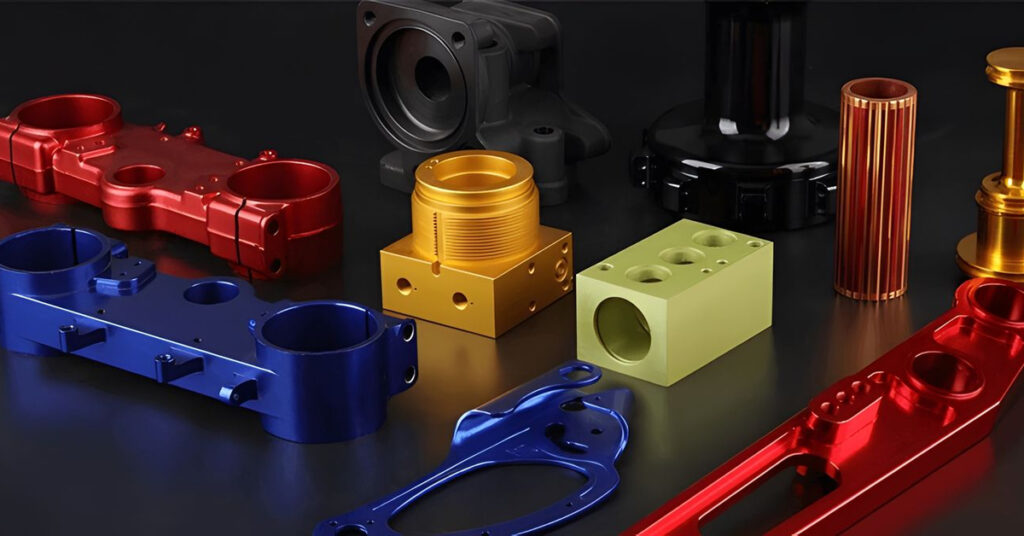
Eloxiertes Aluminium wird vor allem deshalb verwendet, weil es leicht, stabil und korrosionsbeständig ist. Rohes Aluminium bietet zwar ein gewisses Maß an Haltbarkeit und Kratzfestigkeit, ist aber anfällig für Oxidation, Dellen und Kratzer, die es auf Dauer verändern und sein Aussehen beeinträchtigen können. Um das Aluminium stärker und haltbarer zu machen, wird es anschließend eloxiert, um eine schützende Oxidschicht auf der Oberfläche zu bilden. Der Grund für diese Schicht ist, dass sie das Metall härtet und ihm eine korrosions- und verschleißfestere Oberfläche und ein angenehmeres Aussehen verleiht. Eloxiertes Aluminium wird aufgrund dieser Faktoren bevorzugt und findet in der Luft- und Raumfahrt, der Automobilindustrie, dem Bauwesen und der Unterhaltungselektronik breite Anwendung. Die Eloxierung besteht aus mehreren Schritten: Reinigung der Oberfläche, Eintauchen in ein Elektrolytbad, Oxidation durch elektrischen Strom und Versiegelung. Diese Behandlung macht das Material nicht nur widerstandsfähiger, sondern kann auch in verschiedenen Farbtönen und Ausführungen gefärbt werden. Elektrolytische Färbung, Tauchfärbung, Integralfärbung und Interferenzfärbung sind verschiedene gängige Färbetechniken. Gewöhnliches Eloxieren und Harteloxieren sind die beiden Hauptarten des Eloxierens. In der Regel gibt es zwei Verfahren: das gewöhnliche Eloxieren, das vor allem für Oberflächenbehandlungen und Anwendungen mit geringem Gewicht verwendet wird, und das Harteloxieren, das eine hervorragende Haltbarkeit, Strapazierfähigkeit und Festigkeit für militärische, industrielle und Raumfahrtanwendungen bietet. Neben dem Eloxieren kann Aluminium auch durch andere Oberflächenbehandlungen wie Galvanisieren, Pulverbeschichten, Chromatieren, PVD-Beschichten, Keramikbeschichtungen oder Feuerverzinken bearbeitet werden. Eloxiertes Aluminium weist diese Eigenschaften nicht einheitlich auf und wird daher als vielseitiges und zuverlässiges Material in vielen Branchen eingesetzt, wobei jedes Verfahren dem Material bestimmte verbesserte Eigenschaften verleiht - Korrosionsbeständigkeit, Härte, Leitfähigkeit usw. In diesem Artikel gehen wir auf die Eigenschaften, Vorteile, Anwendungen und Wartung von eloxiertem Aluminium ein und erläutern, warum es eine bessere Alternative zu anderen Metallen und Behandlungen ist. Wenn wir diese Aspekte kennen, können wir verstehen, welches Material für eine bestimmte Branche und den Verbraucher zu verwenden ist. Was ist eloxiertes Aluminium? Eloxiertes Aluminium ist ein Aluminium, das einen elektrochemischen Prozess durchlaufen hat, um eine dickere, haltbarere Oxidschicht auf seiner Oberfläche zu erzeugen. Das Vorhandensein dieser anodischen Oxidschicht erhöht die Korrosionsbeständigkeit des Metalls, verbessert die Oberflächenhärte und erhöht die Fähigkeit des Metalls, an Farbstoffen und Beschichtungen zu haften. Der Eloxierungsprozess Der Eloxierungsprozess umfasst also mehrere wichtige Schritte. Wichtige Eigenschaften von eloxiertem Aluminium 1. Erhöhte Korrosionsbeständigkeit Eloxiertes Aluminium ist eines der korrosionsbeständigsten Materialien. Dies macht es im Freien oder beim Eintauchen in Wasser praktisch unbrauchbar, da die Oxidschicht das Metall vor Feuchtigkeit und unserer Umwelt schützt. 2. Erhöhte Oberflächenhärte Durch die Eloxierung wird die Härte des Aluminiums deutlich erhöht und das Aluminium wird widerstandsfähiger gegen Kratzer, Dellen und Abnutzung. Ein solches hart anodisiertes Aluminium ist sehr haltbar und wird in der Tat in Hochleistungsanwendungen eingesetzt. 3. Ästhetik und Farbvielfalt Eloxiertes Aluminium wird auch in Schwarz, Gold, Bronze, Silber usw. angeboten, ohne die natürliche Textur des Metalls zu verändern. Aus diesem Grund ist es eine bevorzugte Wahl für architektonische und dekorative Anwendungen. 4. Leicht und doch stark Während die Oxidschicht auf das Aluminium aufgebracht wird, macht dies das Aluminium nicht wesentlich schwerer und es ist immer noch leichter als schwerere Materialien wie Edelstahl. 5. Elektrische Isolierung Da eloxiertes Aluminium im Vergleich zu unbehandeltem Aluminium ein schlechter Stromleiter ist, ist es ein attraktives Material für Anwendungen, bei denen eine Isolierung für elektrische oder elektronische Zwecke erforderlich ist. 6. Umweltfreundlich und nachhaltig Eloxiertes Aluminium ist völlig ungiftig, recycelbar und gibt keine gefährlichen und gesundheitsschädlichen VOCs (flüchtige organische Verbindungen) ab, ist also umweltfreundlich. Wie fügt man eloxierten Aluminiumteilen Farbe hinzu? Eloxiertes Aluminium ist dafür bekannt, dass es Farben sehr lebhaft halten kann. Elektrolytische Färbung und Tauchfärbung sind zwei der vielen Techniken, die zum Färben von eloxiertem Aluminium verwendet werden. 1. Elektrolytische Einfärbung Eine beliebte Methode zur Verschönerung von eloxiertem Aluminium ist die elektrolytische Einfärbung, bei der eloxiertes Aluminium mit haltbaren und UV-beständigen Farbtönen eingefärbt wird. Nachdem das Aluminium den Eloxierungsprozess durchlaufen hat, wird es in ein Bad mit Metallsalzen gelegt. In den letzten Jahren wurden Metallsalze entwickelt, die sich bei Anlegen eines elektrischen Stroms in die offenen Poren der eloxierten Oberfläche einlagern und dort dauerhaft eine metallfarbene Oberfläche erzeugen. Schließlich hängt die Farbe von der Art der Metallsalze ab. Kupfersalze beispielsweise verleihen der Lösung einen rötlichen Ton, andere Metalle können andere Farbtöne erzeugen. Diese Methode ist weit verbreitet, da die Farben auf diese Weise lange halten und nicht verblassen, was sie für den Einsatz im Freien oder bei starker Sonneneinstrahlung geeignet macht. 2. Tauchfärbung Eine andere Farbmethode ist die ‘Tauchfärbung’, die eine große Auswahl an Farben ermöglicht. Bei dieser Art der Verarbeitung wird die poröse Schicht in eine Farbstofflösung getaucht, in der das eloxierte Aluminium das Pigment absorbiert. Sobald ein bestimmter Farbton erreicht ist, wird das Aluminium mit Wasser versiegelt, um weitere Reaktionen zu verhindern. Die Tauchfärbung bietet viel lebendigere und individuell anpassbare, kontrastreiche Farbtöne, ist aber nicht UV-beständig und die Farben verblassen in geringerem Maße, wenn sie dem Sonnenlicht ausgesetzt werden. Diese mangelnde Beständigkeit ist jedoch der Hauptgrund dafür, dass sie in Anwendungen, bei denen die Haltbarkeit von Teilen ein wichtiger Faktor ist, nicht häufig verwendet wird. 3. Integrale Einfärbung (Ein-Schritt-Verfahren) Die integrale Einfärbung ist ein einzigartiges Verfahren, das Eloxieren und Einfärben in einem Prozess vereint, der effizienter ist als bei mehrstufigen Verfahren. Im Gegensatz zu anderen Verfahren erzeugen die Elektrolyte, die mit der Oberfläche des Aluminiums reagieren und schnell trocknen, tiefe, satte Metalltöne wie Schwarz, Gold oder Bronze. Die Farbe wird direkt in der Oxidschicht gebildet und ist daher sehr haltbar, kratzt nicht, ist nicht korrosionsanfällig und verblasst nicht. Die integrale Färbung führt zwar zu hochwertigen Oberflächen, ist aber aufgrund der Kosten und der Komplexität selten. Architektonische Komponenten, hochwertige Elektronik und Industrieanlagen, bei denen die Teile anspruchsvollen Bedingungen standhalten müssen, wo
Cast and Die: Ein umfassender Leitfaden

Cast and Die: Ein umfassender Leitfaden 

Aluminiumguss

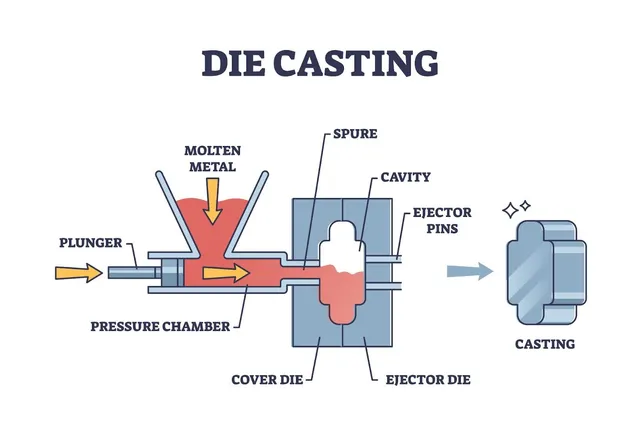
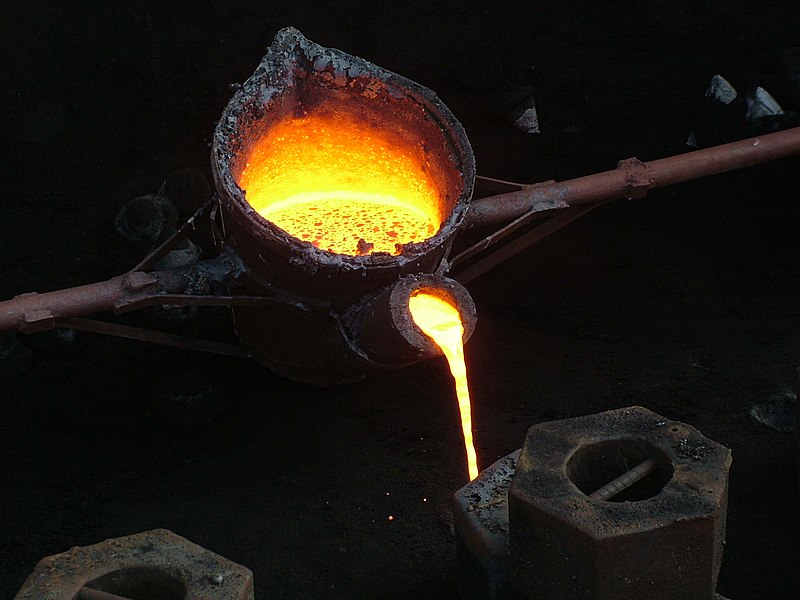
Casting and die casting are two important manufacturing processes which are vital to making metal components with the desired precision, durability and efficiency. Casting involves spending molten material in a mould and letting it cool and solidify.  Sand casting, investment casting and permanent mould casting are some types of casting. However, die casting is a special casting that uses high pressure to inject molten metal into a mould cavity with high precision and a good surface finish. For automotive, aerospace, electronics, and related industry applications wherein lightweight, strong, corrosion resistance parts are needed, die casting is widely utilized. Die casting of different variants over time has been developed to suit different needs of industries. Gravity Die Casting (GDC) depends on gravity to fill the mold and Low Pressure Die Casting (LPDC) eliminates turbulence to achieve a higher quality of material integrity. Extreme pressure applied by Squeeze Die Casting creates high strength, porosity-free parts and trapped air is eliminated in Vacuum Die Casting to get a defect-free component. Furthermore, Semi Solid Die Casting (Rheocasting) is achieved by using partially solidified metal to improve mechanical properties and precision.The general term cast in manufacturing is used to refer to the form of shaping metal by filling it into a mold and letting it solidify. This method is commonly used in the sand casting, investment casting, and permanent mold casting. Die in die casting is the metal mold used in the high pressure casting process while die in die casting process means the metal mold attached to the die face. Hardened steel dies, designed for mass production, are usually made. This article will deal with the concepts behind casting and die casting, the differences between these two concepts and also about the types of each, possible applications of the above, as well as the pros and cons associated with casting this process. 1. What is Casting? Casting is an industrial process where a liquid material is forced into a mold, where it solidifies. The liquid can be basically any metal or plastic or other meltable material. After hardening, the material assumes a shape corresponding to the cavity of the mold. For the past several thousand years, using this technique has created the tools, weapons, and intricate sculptures. The Casting Process Several of these steps play an essential role in the nature of the casting process for a metal or plastic component. With this structured approach, the casting is done with more reliability and quality. 2. What is Die Casting?  Dies means molds, hence the name of the process of die casting where a molten metal is forced under high pressure to fill a mold cavity. It is best suited for making high volume, complex and dimensionally accurate parts. The Die Casting Process Die casting is a manufacturing process in which metal components are formed in the shape of the cavity of a die under high pressure while necessitating high precision and accurate dimensional accuracy and surface finish. This is a follow of the steps below: This process will result in high strength, low weight, complex parts with little post processing. The most common materials die casting is used on include non ferrous metals, such as aluminum, zinc and magnesium. Types of Casting Processes  There are various types of casting depending on the type of method used 1 Sand Casting 2 Investment Casting 3 Centrifugal Casting 4 Permanent Mold Casting Types of die-casting There are mainly two ways to die casting: 1. Hot Chamber Die Casting 2. Cold Chamber Die Casting 5. Differences Between Casting and Die Casting Feature Casting Die Casting process Mould Metal poured into it                Molten metal is injected under high-pressure Materials         Various metals & plastics Mostly non-ferrous metals like aluminium and zinc Precision Moderate   High precision cost Low-cost initial cost High initial tooling cost Applications Large and simple parts Small, complex, high-volume parts Applications of Casting and Die Casting  Casting and die casting, in their ways, have immense roles in different industries and are cost-effective as they facilitate the manufacturing of complex metal components with excellent precision. The application of casting and die casting is widespread and hence, they are indispensable components of modern manufacturing industries. Variants of die-casting One of the most popular manufacturing processes is die casting, in which molten metal gets in the mould to make components with complex and prescribed characteristics. Different variants of die casting have been developed through time to fit in materials, production requirements as well as standards of quality. Each method has its advantages and will be more or less suited for different kinds of applications. The following are the major variants of die casting with their respective process and benefits. Gravity Die Casting (GDC)  Overview Gravity Die Casting (GDC) has the application of pouring molten metal into a mold without the use of high pressure. Rather, gravity helps guide metal into filling the cavity and organizing itself, as if by itself. This process is preferred for alloys of lower melting points, and is commonly used when more controlled solidification process is desired. Key Characteristics Common Applications Low-Pressure Die Casting (LPDC) Overview Low pressure die casting (LPDC) is when molten metal is pressurized into the mold under low pressure in the order of 0.1 to 1 MPa. With this controlled filling, turbulence is minimized and the flow is made smoother thereby keeping these defects to a minimum like air pockets and inclusions. Key Characteristics Common Applications Squeeze Die Casting Overview In the Squeezedie-casting process, high pressure is imposed on molten metal inside the mould cavity. Because the applied force extends to more than 20,000 psi (pounds per square inch), metal fills even the finest detail of the mould and removes porosity. Key Characteristics Common Applications Vacuum Die Casting Overview Vacuum Die Casting uses its design in order to evacuate trapped air and gases out of the mold cavity prior to and during the casting process. This method is implemented by

Aluminium-Druckgusswerkstoffe: Ein umfassender Leitfaden

Aluminium-Druckgusswerkstoffe: Ein umfassender Leitfaden 

Aluminiumguss, Aluminiumdruckguss

The role of aluminum die casting is a widely used, highly efficient manufacturing process capable of producing complex, high-strength, and lightweight components with good dimensional accuracy. It is the mass production of durable and precise parts and is based on the principle of injecting molten aluminum into MOULD under high pressure. In these industries where performance or longevity depends on material properties, this technique is used in a wide variety. Aluminum alloy is a key factor in choosing what the final product is going to be, which includes strength, corrosion resistance, thermal properties, and machinability. The characteristics of different aluminum alloys are different some of which include A380, the balance of strength and castability; A383, superior fluidity for complex parts; and A360, high corrosion resistance. Moreover, copper, manganese, magnesium, and silicon elements can also further increase mechanical properties. Besides alloy selection, manufacturers may also strengthen aluminum die-casting parts through surface treatment such as anodizing, plating, or powder coating to achieve higher wear resistance, corrosion protection, and hardness. Additionally, uniform wall thickness, draft angles, and reinforcement ribs do reduce high-quality and defect-free components at low cost. Through the right selection of the right aluminum alloy, through suitable strengthening techniques and in consideration of aluminum diecast part design sizing, manufacturers of high-performance aluminum die-cast parts can be tailored specifically to the required industrial issues. In this guide, we explore the best materials, alloy properties, and methods for strengthening and considering the design of aluminum die-casting components that will improve their durability and efficiency. This article explains about aluminum die casting materials, properties of alloys used in die casting processes, strengthen methods and surface treatments, as well as design considerations to improve the performance, durability and operation efficiency of die cast components. What is Aluminum die casting?   Aluminum die casting is the process of injecting molten aluminum at high pressure into a steel mould (die) to produce precision moulded complex and durable metal parts. The lightweight properties it has, strength, corrosion resistance, and excellent thermal conductivity make it commonly used in automotive, aerospace, electronics, and industrial applications. High-speed production, good cost efficiency and good dimensional accuracy are possible as it is a process. Aluminum Die Casting Parts Design 3 Factors to Consider  To achieve high quality, tough and economical aluminum die casting parts, careful planning is necessary. An appropriate design can increase manufacturing efficiency, reduce defects and augment the overall performance. Aluminum die casting parts have three parameters, among which the key factors are given below as. 1. Wall Thickness and Uniformity Why It Matters: Proper mold filling, cooling, and solidification are maintained with consistent wall thickness. Thickness changes can occur suddenly and produce warping, shrinkage and porosity in the final part. Best Practices Example As with automotive engine brackets, the wall thickness must be constant to maintain strength and thermal stability in all materials. 2. Draft Angles and Fillets Why It Matters Simple draft angles assist in the removal of the part from the die mould, preventing sticking, surface defects. Fillets (rounded edges) avoid stress concentration and are more durable in the mold. Best Practices Example Various types of electronic enclosures use rounded edges, draft angles, etc. for manufacturability and strength. 3. Ribs and Reinforcements  Why It Matters By adding ribs the weight remains light but the strength is gained. Such reinforcement also maintains shape and strength under pressure. Best Practices Example Ribs are used to maintain lightweight strength for automotive transmission cases while reducing the amount of material needed. The Primary Attributes of Aluminum Die Casting Alloys The material properties of aluminum die-casting alloys consist of high strength along with low weight and excellent corrosion protection. Every aluminum alloy maintains distinct material properties which determine its practical usage. Table 1 displays the Aluminum die casting which includes their essential material attributes. Property    Description Impact on Die Casting Lightweight  Aluminum weighs only one-third as much as steel does.        Reduces overall component weight High Strength-to-Weight Ratio  Being lightweight, it offers good mechanical strength.  Applications are used in the automotive and aerospace industries.  Corrosion Resistance   Is naturally formed to form an oxide layer for protection    Ideal for marine and outdoor applications  Excellent Thermal Conductivity Distributes heat efficiently They are used in engine components and electronics.  Good Machinability Easily processed and shaped    Reduces manufacturing costs          . Products created through Aluminum die casting demonstrate higher strength than those made by sand casting because their production method results in rapid cooling and refined grain arrangement. Common Aluminum Alloys Used indie-casting Several aluminium alloys are commonly used in die-casting operations, each providing certain unique properties, which ultimately define the performance and durability of the product. The Aluminum casting alloys that are most widely used are: 1. A380 Aluminum Alloy  Properties: A380 is one of the most widely used aluminum die casting alloys because of its excellent ‘strength, corrosion resistance and thermal conductivity’. Additionally, it has good fluidly, which allows it to be cast into complex shapes. Applications: The automotive parts, electronic housings, gear cases and engine brackets are widely used this alloy. 2. A383 Aluminum Alloy  A383 properties: Similar to A380 but better resistance to hot cracking and improved die-filling properties. This offers benefits when the final components are intricate and require powerful precision. Applications: In thin-walled and complex parts it is used; in detailed electronic casings and appliance components. 3. A360 Aluminum Alloy Properties: A380 has better ductility and higher corrosion resistance and pressure tightness than this alloy. It is, however, more difficult to cast. Applications: Suitable for high-performance applications such as aerospace components and marine equipment. 4. ADC12 Aluminum Alloy  Properties: Widely used in Japan, and other Asian markets with good casting characteristics, good thermal stability, and high strength. It also offers good machinability. Applications: Used in automotive engine components, bicycle parts, and power tools. 5. AlSi10Mg Aluminum Alloy  Properties: A high strength and good combination of mechanical properties, good thermal and wear properties. In 3D printing and die-casting applications, this one is often used. Applications: Common in aerospace,

Der unverzichtbare Leitfaden für CNC-Werkstätten

Der unverzichtbare Leitfaden für CNC-Werkstätten

CNC-Bearbeitung

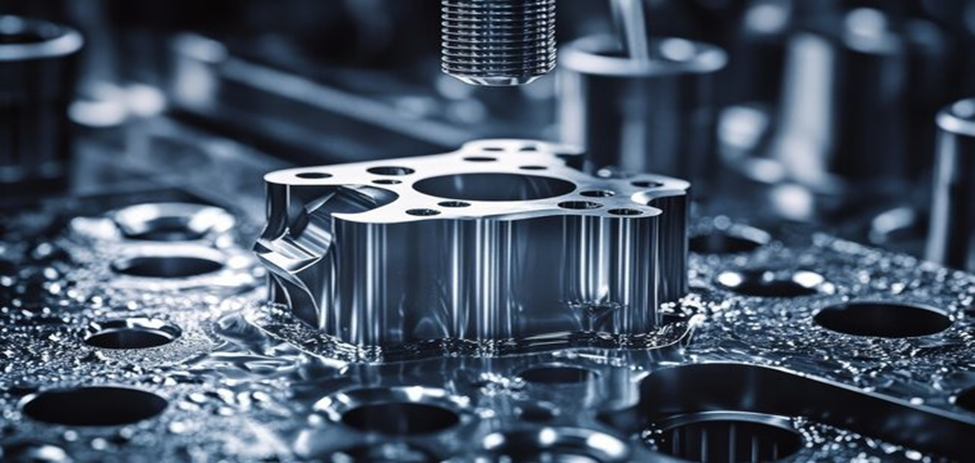
In the fast pace of manufacturing, CNC machine shops are the backbone of precision engineering, efficient machine shops, and technological advancement. The advanced facilities use Computer Numerical Control (CNC) technology to produce highly precise components for aerospace, automotive medical, and other industries. Traditional machining using manual labor and operator knowledge requires constant quality, slower production, less cost-effective. In contrast, CNC machining automates the whole process and has reliable consistency, fast production, and cost efficiency. A CNC machine shop is powered by a variety of super cool high-tech machines including CNC mills, lathes, routers, plasma cutters, and EDM machines that run on a computer with precise, auto-guided functions. The process starts by using computer-aided design (CAD) software and engineers making detailed 3D models of the particular component required in the system.  Using these designs, they are then converted into machine-readable G code that specifies the exact movements of cutting tools to create and shape raw materials products. Each material possessed specific mechanical and physical properties which made them suitable for a particular CNC machine shop. Without CNC machining, it would be difficult to work with such diverse materials and people would require durable, lightweight, heat-resistant, and even corrosion-proof parts when they need them. CNC machine shops have high precision and can be done with high efficiency, besides this, they provide scalability, repeatability and flexibility, enabling businesses to create from prototypes to mass production runs with little human involvement. CNC machining is at the forefront for industries that are actively trying to build more advanced and more complicated designs. This article details the how CNC machine shops operate, what type of machines they use, what materials they work with, and the industries they service. Knowing their role, capabilities, and the advantages the businesses can see who CNC machining service is best for. What is a CNC Machine Shop?  A CNC (Computer Numerical Control) machine shop is a place equipped with modern machine tools controlled by computer programs. They make shop with the sole purpose of producing high precision, complex parts for aerospace, automotive, medical, electronics and industrial manufacturing industries. Unlike traditional machining, which is done with the aid of hands-on operation, CNC machining makes the process automatic and facilitates higher accuracy, efficiency and consistency in production. How CNC Machine Shops Work In CNC machine shops, a computer aided design (CAD) software creates the digital model of the part. The G-code is then generated of this design which the CNC machine reads and uses to make the operations and movements. It precisely cuts, drills, shapes, or mills the material according to programmed instructions thus making the automation repeatable and free of errors. Types of CNC Machines in a CNC Shop There is usually a wide variety of CNC automated machining tools housed in CNC machine shops such as: CNC Milling Machines: are rotary-type cutting tool machines that use them to remove material from the workpiece and create shapes, holes and surface finishes.   CNC Lathes: these machines are meant to make cylindrical parts, by turning the workpiece while cutting tools perform its predefine shaping with high accuracy.  CNC Routers: The CNC router has long been in use for cutting wood, plastic and composites by carving intricate designs and patterns.  CNC Plasma Cutters: They use a high-temperature plasma torch to cut through metal sheets and the most readily useable metal in bulk quantities, depending on their size, is perfect for things like sheet metal fabrication. Electrical Discharge Machines (EDM): EDM uses electric discharges (sparks) to cut away material; thus without using cutting tools, it is ideal for detailing or fine cuts in hardened metals. Materials Used in CNC Machine Shops A huge variety of materials are used in CNC machine shops to produce high precision components for the aerospace, automotive, medical or manufacturing industries. But it is important to select the right material since it determines the durability, functionality and in general, the extent of the performance of the final product. Some of the most commonly used CNC machining materials are mentioned below. Metals  Aluminum:  Aluminum is famous for its lightweight properties, and corrosion resistance features which make the way to aerospace, automotive and consumer electronics. It also has good thermal and electrical conductivity and is therefore useful in heat exchangers and electronic components. Steel & Stainless Steel: It is a very durable metal that does not rust, does not wear out and does not get damaged in heat; hence used for medical tools, food processing machines, structural parts. It is very strong as well as durable. Titanium:  is a strong material with high strength and excellent corrosion resistance, which makes it a top choice for aerospace, medical implant, automotive etc. Extremely high temperature and extremely harsh conditions cause no problem to it. Brass & Copper: A metal commodity that is prized for its outstanding machinability, anti-corrosion and electric conductivity. Electrical fittings, plumbing fixtures and decorative hardware commonly use it. Plastics  Acetal (Branded Delrin): Strong and rigid, with good moisture resistance, acetal is a used in gears, bushings, and similar mechanical components that require low friction and high wear resistance. Polyethylene:  is a lightweight, chemically resistant material that is well suited for piping, containers and insulating parts. Food processing additionally makes use of it and so does medical application. Nylon:  It is known for its toughness and wear resistance and is often used in gears, bearings and automotive parts. It is also used for more industrial machinery components. Acrylic:  This has very good optical properties along with weather resistance. You will commonly find it used in signage, display cases and optical lenses. Composites  Carbon fibre reinforced plastic (CFRP):  material with a very strong and lightweight material, and it is widely used in the aerospace industry, sports equipment, automotive industries, etc. High rigidity and durability are provided. Fiberglass: One of the popular composite materials that’s well known for its strength, low weight and corrosion resistance. It is widely employed in automotive bodies, boat hulls and in industrial applications. Ceramics  Zirconia: the excellent hardness, and wear-resistance

Top 10 der Blechbearbeitungsunternehmen in China und den USA

Top 10 der Blechbearbeitungsunternehmen in China und den USA 

Druckgussunternehmen, Druckguss Hersteller

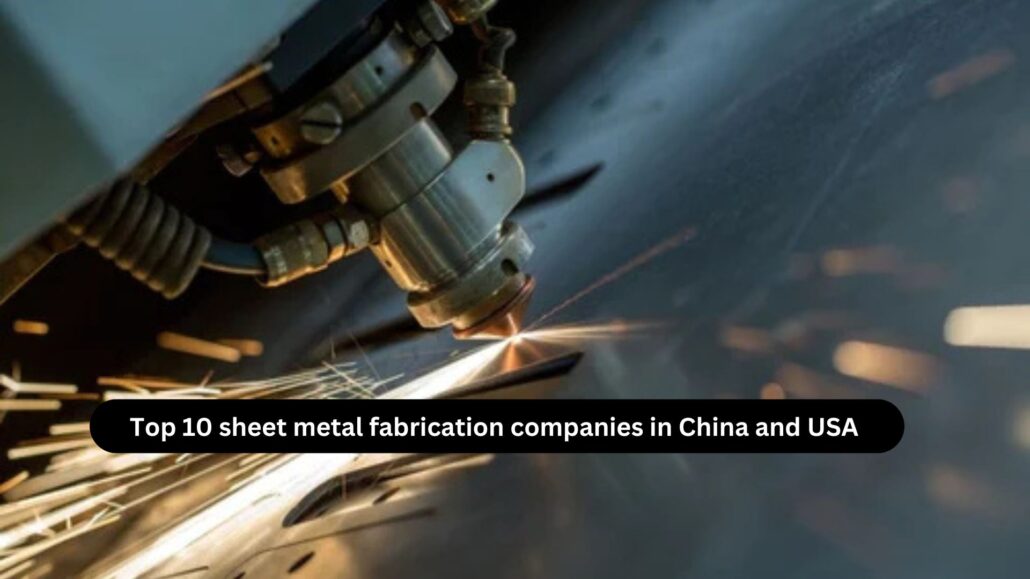
Sheet metal fabrication is described as an essential process in manufacturing in different industries such as automotive, aerospace, electronics, construction, and medical equipment manufacturing. This process includes metal clipping, mainly in the form of sheets that can be shaped and built to produce some accurate and solid parts. For the customers, the improvement of industries also increases the need for high-quality welded sheet metal fabrication services for the construction of improved mechanisms for various markets including automotive industries with high technologies, well-experienced personnel, and machines to increase rates of production. The manufacturing of sheet metal can be carried out in two major locations in the whole world and these are China and the United States of America. Chinese manufacturers are regarded as cheaper, efficient, and have integrated assembly line systems with large capacity, which makes them ideal for large-scale productions. At the same time, American companies focus on quality, innovation, and targeted offerings that meet industries’ requirements and demand. Each area is home to first-rate fabrications for laser cutting, CNC machining, welding, stamping, and assembling services providers.   This article gives insight on the top 10 sheet metal fabrication companies in the China and United States, their specialization, innovation, and their efficiency in providing accurate parts. 1. CNM Tech Co., Ltd. Year of Establishment: 20+Number of Employees: 100-200Business Type: CNM Tech Co., Ltd. is a precision manufacturing company focused on die casting, CNC machining, and assembly services. Website and Contact Website: https://www.thediecasting.com/Contact: +86 13045898002Email: sales@thediecasting.comAddress: Factory Address: Rm 101, No.40, Donghu Road, Jinglian, Qiaotou town, Dongguan City, Guangdong Province, China. 523520. Company Profile Thediecasting.com is the official domain that CNM Tech Co., Ltd. operates under, which is an outstanding Chinese manufacturer of die-casting solutions. The company is a China-based aluminium, magnesium, and zinc die casting; CNC machining; surface finishing, and assembly business headquartered in Dongguan, China. CNM Tech has more than 20 years of experience in the fields of automotive, aerospace, electronics, etc. Due to the high precision manufacturing their in-house tooling shop and advanced CNC machines also ensure. CNM Tech provides all types of polishing, sandblasting, powder coating, oil painting, etc. with high-quality finish products matching the needs of users worldwide. Their Quality Commitments CNM Tech Co., Ltd. is provided ISO 9001:2008, TS16949, and ISO 14001:2015 documents. In most cases, these will provide you with the assurance that the management of your company is top-notch and also will guarantee compliance with automotive industry standards and environmentally friendly activities undertaken by the company involved. As a result of strictly following quality and environmental regulations, CNM Tech provides great die-casting solutions with a minimal environmental impact with its excellent reputation in the market. Why Choose CNM Tech Co., Ltd? Customers seeking sheet metal fabrication services from China or the USA should get in touch with these trustworthy manufacturing companies that will provide professional assistance. 2. Sincere Tech Year of Establishment: 2005Number of Employees: 100-200Business Type: Sincere Tech is one of China’s largest plastic injection mold manufacturers, die-casting producers, machining providers, and assembly providers. Website and Contact Website: https://plas.co/Phone: +86 135 30801277Email: steve@sincere-tech.comAddress: Rm101, N041, Donghu road, JingLian cun, qiaotou town, Dongguan City, Guangdong Province, China. 523000. Company Profile A Chinese supplier of plastic injection molds and molding services, Sincere Tech is a leading Chinese company. This company was founded in 2005, and stamping metal and plastic, precision plastic injection molds, CNC machining, die casting, and silicone molding are its competitive edge in the market. Sincere Tech has advanced equipment, NDA protection, competitive prices, and 18 years of experience in high-quality production. With injection molding machines for 60 to 1800 tons that serve electronics, medical, automotive, or cosmetics industries, its components of under 1 gram to 8 kilograms are produced efficiently. Their Quality Commitments Sincere Tech is dedicated to creating products that meet international quality standards as per ISO 9001:2015 and QS 9000:2015. They have been dedicated to quality and this has enabled the company to cultivate a massive demand, exporting it to Finland and other countries. Amongst all the plastic injection molding industry partners that are providing almost the same quality of services, it is sincere Tech that stands out as a trustworthy and innovative partner for plastic injection moulding. Why Choose Sincere Tech? Customers seeking sheet metal fabrication services from China or the USA should get in touch with these trustworthy manufacturing companies that will provide professional assistance. 3.  GC Precision Mold Co., Ltd. Year of Establishment: 1999Number of Employees: 100-200Business Type: Our company GC Precision Mold Co., Ltd. do aluminium, zinc and magnesium die casting, CNC machining, and plastic injection moulding Website and Contact Website: https://aludiecasting.com/Contact: +86 131 4886 5556Email: info@aludiecasting.comAddress: Factory Address 1: No. 30 Huan Zhen Rd, Qi Shi Town, Dongguan City, Guangdong Province China, 523516 Company Profile GC Precision Mold Co., Ltd., operates under Aludiecasting.com is a die casting and precision machining manufacturing site that is one of the leading Chinese manufacturers. The company was founded in 1999 and the services include aluminium, zinc, and magnesium die casting, plastic injection molding, and CNC machining and surface finishing. They have state-of-the-art art machineries such as high-pressure die casting machines (120 – 1600 tons) and injection molding machines (80 – 2800 tons connected to industries like automotive, aerospace, and electronics. They have a very strict quality to provide the exact, durable, and cheaper manufacturing solutions throughout the world. Their Quality Commitments GC Precision Mold Co Ltd provides the best die casting and machining solutions as specified in the ISO 9001 certification Their quality control is so strict that they test for precision, CMM machines, X-rays, and spectrometers to ensure a reliable product. Through strict adherence to international standards, the company ensures delivery of consistent, high-quality components with minimum customer complaints due to the reliability aspect for the reasons indicated in every project. Why choose GC Precision Mold Co., Ltd.? Customers seeking sheet metal fabrication services from China or the USA should get in touch with these trustworthy manufacturing companies that will provide professional assistance. 4. Robertson Morrison Inc.

Top 10 Druckgussunternehmen in China und den USA

Top 10 Druckgussunternehmen in China und den USA

Druckguss, Druckgussunternehmen, Druckgussunternehmen

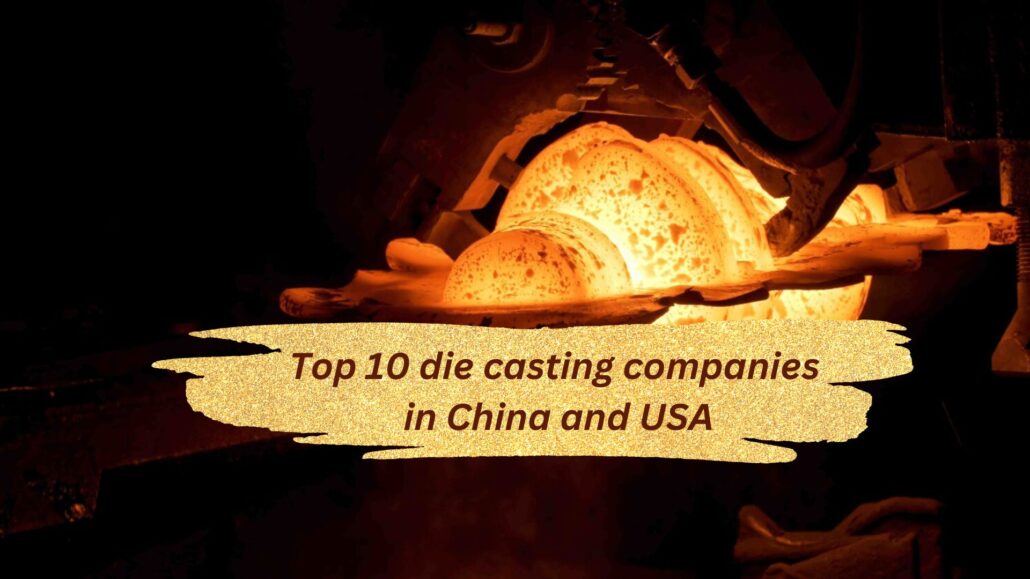
The die-casting production method remains a fundamental process in making various products throughout multiple industries including automotive production together with aerospace applications and electronic components together with industrial machinery production. It is the process of injecting molten metal into a mold cavity under high pressure to obtain high precision and durable metal components. Numerous die-casting service companies emerged due to rising market demand for high-quality manufacturing solutions. The world’s most accomplished die-casting producers operate from China and the USA driven by both advances in their technological capabilities and strong dedication to manufacturing excellence. The Chinese market functions as a worldwide center for die casting where businesses deliver affordable services with stringent industry requirements. These manufacturers deliver whole service packages that include mold design alongside production services together with surface finishing and assembly solutions. The USA operates through an innovation-focused system while maintaining strict quality standards in addition to precise engineering practices. The die-casting companies in America provide solutions across various industry sectors which deliver exceptional performance qualities. This post is a list of the top 10 die-casting companies in China and the USA, with a history, and capabilities, and serves as a list. The mentioned companies lead the industry because they provide dependable production services at every scale together with specialized die-casting expertise. 1. Sincere Tech Year of Establishment: 2005Number of Employees: 100-200Business Type: Sincere Tech is one of the china’s largest plastic injection mold manufacturers, die-casting producers, machining providers and assembly providers. Website and Contact Website: https://plas.co/Phone: +86 135 30801277Email: steve@sincere-tech.comAddress: Rm101, N041, Donghu road, JingLian cun, qiaotou town, Donggguan City, Guangdong Province, China. 523000. Company Profile A Chinese supplier of plastic injection moulds and moulding services, Sincere Tech is a leading Chinese company. This company was founded in 2005, and stamping metal and plastic, precision plastic injection moulds, CNC machining, die casting and silicone moulding are its competitive edge in the market. Sincere Tech has advanced equipment, NDA protection, competitive prices and 18 years of experience in high-quality production. With injection moulding machines for 60 to 1800 tons that serve electronics, medical, automotive, or cosmetics industries, its components of under 1 gram to 8 kilograms are produced efficiently. Their Quality Commitments Sincere Tech is dedicated to creating products that meet international quality standards as per ISO 9001:2015 and QS 9000:2015. They have been dedicated to quality and this has enabled the company to cultivate a massive demand, exporting it to Finland and other countries. Amongst all the plastic injection molding industry partners that are providing almost the same quality of services, it is sincere Tech that stands out as a trustworthy and innovative partner for plastic injection moulding. Why Choose Sincere Tech? Customers seeking die-casting services from China or the USA should get in touch with these trustworthy manufacturing companies that will provide professional assistance. 2.  CNM Tech Co., Ltd. Year of Establishment: 20+Number of Employees: 100-200Business Type: CNM Tech Co., Ltd. is a precision manufacturing company focused on die casting, CNC machining and assembly services. Website and Contact Website: https://www.thediecasting.com/Contact: +86 13045898002Email: sales@thediecasting.comAddress: Factory Address: Rm 101, No.40, Donghu Road, Jinglian, Qiaotou town, Dongguan city, Guangdong Province, China. 523520. Company Profile Thediecasting.com is the official domain that CNM Tech Co., Ltd. operates under, which is an outstanding Chinese manufacturer of die-casting solutions. The company is a China-based aluminium, magnesium, and zinc die casting; CNC machining; surface finishing, and assembly business headquartered in Dongguan, China. CNM Tech has more than 20 years of experience in the fields of automotive, aerospace, electronics, etc. Due to the high precision manufacturing their in-house tooling shop and advanced CNC machines also ensure. CNM Tech provides all types of polishing, sandblasting, powder coating, oil painting etc. with high-quality finish products matching the needs of users worldwide. Their Quality Commitments CNM Tech Co., Ltd. is provided ISO 9001:2008, TS16949, and ISO 14001:2015 documents. In most cases, these will provide you with the assurance that the management of your company is top-notch and also will guarantee compliance with automotive industry standards and environmentally friendly activities undertaken by the company involved. As a result of strictly following quality and environmental regulations, CNM Tech provides great die-casting solutions with a minimal environmental impact with its excellent reputation in the market. Why Choose CNM Tech Co., Ltd? Customers seeking die-casting services from China or the USA should get in touch with these trustworthy manufacturing companies that will provide professional assistance. 3.  GC Precision Mold Co., Ltd. Year of Establishment: 1999Number of Employees: 100-200Business Type: Our company GC Precision Mold Co., Ltd. do aluminium, zinc and magnesium die casting, CNC machining, and plastic injection moulding. Website and Contact Website: https://aludiecasting.com/Contact: +86 131 4886 5556Email: info@aludiecasting.comAddress: Factory Address 1: No. 30 Huan Zhen Rd, Qi Shi Town, Dongguan City, Guangdong Province China, 523516 Company Profile GC Precision Mold Co., Ltd., operates under Aludiecasting.com is a die casting and precision machining manufacturing site that is one of the leading Chinese manufacturers. The company was founded in 1999 and the services include aluminium, zinc and magnesium die casting, plastic injection moulding, and CNC machining and surface finishing. They have state-of-the-art art machinery such as high-pressure die casting machines (120 – 1600 tons) and injection moulding machines (80 – 2800 tons connected to industries like automotive, aerospace and electronics. They have a very strict quality to provide the exact, durable and cheaper manufacturing solutions throughout the world. Their Quality Commitments GC Precision Mold Co Ltd provides the best die casting and machining solutions as specified in the ISO 9001 certification their quality control is so strict that they test for precision, CMM machines, X-rays and spectrometers to ensure a reliable product. Through strict adherence to international standards, the company ensures delivery of consistent, high-quality components with minimum customer complaints due to the reliability aspect for the reasons indicated in every project. Why choose GC Precision Mold Co., Ltd.? Customers seeking die-casting services from China or the USA should get in touch with these trustworthy manufacturing companies that will provide professional assistance. 4.

Die 10 größten Hersteller von Aluminiumprodukten in China und den USA

Die 10 größten Hersteller von Aluminiumprodukten in China und den USA

Aluminiumguss

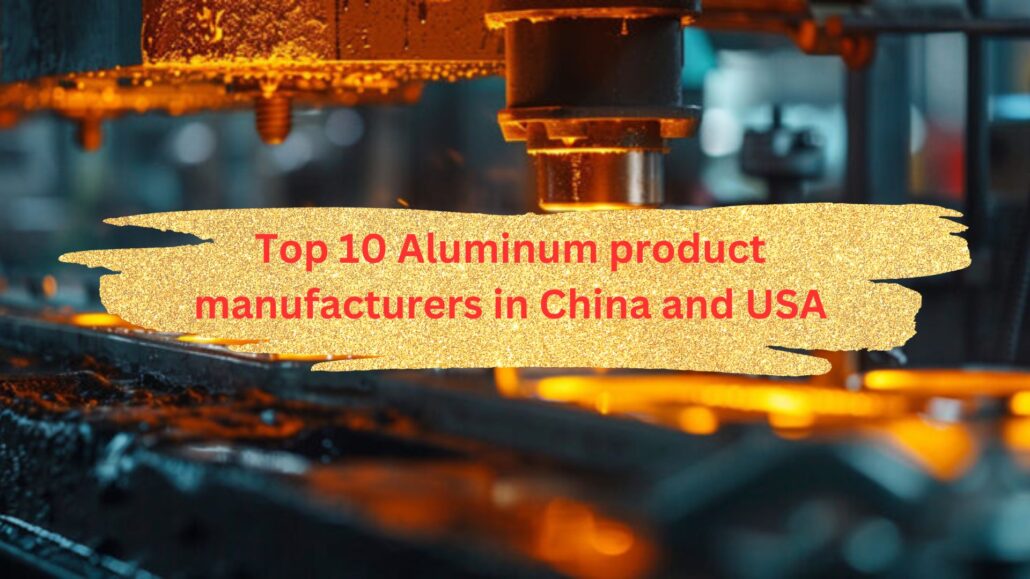
Hersteller von Aluminiumprodukten sind in der Automobil-, Luft- und Raumfahrt-, Elektronik- und Verpackungsindustrie usw. von entscheidender Bedeutung. Aufgrund der wachsenden Nachfrage nach leichten, langlebigen und recycelbaren Materialien sind in China und den USA viele erstklassige Hersteller von Aluminiumprodukten entstanden. Diese Unternehmen sind für ihre Innovation, ihre hohen Qualitätsstandards und ihr Engagement für Nachhaltigkeit bekannt. Andere führende Metallherstellungsländer sind China und die USA, wo die wichtigsten Akteure neue Methoden zur Herstellung von Aluminium entwickelt haben. Einige der Unternehmen, die Aluminiumdruckguss, CNC-Bearbeitung und Präzisionsformenbau betreiben, sind CNM Tech Co. ltd., GC Precision Mold Co. ltd. und Sincere Tech in China. Große Hersteller wie United Aluminum Corporation, Arconic Corporation, Kaiser Aluminum und JW Aluminum haben sich als Pioniere des Aluminiumwalzens, -strangpressens und -verarbeitens in den USA hervorgetan. Diese Unternehmen sind im Bereich hochmoderner Aluminiumlösungen für die Luft- und Raumfahrt, die Automobilindustrie und industrielle Anwendungen tätig. In diesem Artikel werden 10 der besten Hersteller von Aluminiumprodukten auf der Grundlage von Innovation, Nachhaltigkeit und hervorragender Qualität ihrer Produkte in verschiedenen Welten vorgestellt 1. CNM Tech Co. Ltd. Gründungsjahr: 20+Anzahl der Mitarbeiter: 100-200Geschäftsart: CNM Tech konzentriert sich auf Aluminium-, Magnesium- und Zinkdruckguss, CNC-Bearbeitung, Oberflächenbehandlung und Montage. Website und Kontakt Website: https://www.thediecasting.com/Contact: +86 13045898002Email: sales@thediecasting.comAddress: Adresse der Fabrik: Rm 101, No.40, Donghu Road, Jinglian, Qiaotou town, Dongguan city, Guangdong Province, China. 523520. Unternehmensprofil CNM Tech Co. Ltd. wurde vor über 20 Jahren gegründet und ist einer der führenden chinesischen Hersteller von Druckgießlösungen. Das Unternehmen hat seinen Sitz in Dongguan, China, und bietet ein umfassendes Sortiment an Dienstleistungen an, darunter Aluminium-, Magnesium- und Zinkdruckguss, CNC-Präzisionsbearbeitung, Oberflächenbehandlung und Montage. Das Unternehmen verfügt über Fachwissen in den Bereichen Automobil, Elektronik, Luft- und Raumfahrt und Haushaltsgeräte, um nur einige zu nennen. Ihre Qualitätsverpflichtungen CNM Tech ist bestrebt, qualitativ hochwertige und kostengünstige Produkte zu liefern und dabei extrem strenge Qualitätskontrollstandards unter der Schirmherrschaft von ISO 9001 einzuhalten. CNM Tech verfolgt einen kundenorientierten Ansatz und bietet einen persönlichen Service von der ersten Beratung an und darüber hinaus, von der Verfügbarkeit bis zum Support nach der Produktion, um langfristige Partnerschaften auf der ganzen Welt zu pflegen. Warum CNM Casting wählen? CNM Tech ist ein bekannter Name in der Druckgussindustrie und hat sich darauf spezialisiert, hochwertige Fertigungslösungen mit fortschrittlicher Technologie und einem kundenorientierten Ansatz anzubieten. Dies sind die Gründe, warum CNM Tech für Sie die erste Wahl ist. Die Wahl von CNM Tech garantiert einen zuverlässigen Fertigungspartner, der Innovationen umsetzt und sich auf Qualität und Kundenerfolg konzentriert. 2. GC Precision Mold Co. Ltd. Jahr der Gründung: 1999Anzahl der Mitarbeiter: 100-200Geschäftsart: Das Unternehmen beliefert Branchen wie die Automobil-, Luftfahrt- und Elektronikindustrie und hat sich das Vertrauen des internationalen Marktes erworben. Website und Kontakt: Website: https://aludiecasting.com/Contact: +86 131 4886 5556E-Mail: info@aludiecasting.comAddress: Werksadresse 1: No. 30 Huan Zhen Rd, Qi Shi Town, Dongguan City, Guangdong Province China, 523516 Unternehmensprofil GC Precision Mold Co., Ltd. wurde 1999 gegründet und ist ein weltweit führender Hersteller von hochwertigen Aluminiumdruckguss- und Nichteisenmetallprodukten. Das Unternehmen verfügt über zwei Werke für Spezialeigenschaften in Dongguan, China, und bietet Dienstleistungen wie Druckguss, Sandguss und Schmieden an. Dank seiner mehr als zwei Jahrzehnte langen Erfahrung liefert das Unternehmen Präzision, gleichbleibende Qualität und ein flexibles Materialangebot für eine Vielzahl von Branchen wie die Automobil-, Luft- und Raumfahrt- sowie die Elektronikindustrie. Sowohl die Kundenzufriedenheit als auch GC Precision Mold verpflichten sich zu ehrbaren Worten und Verhaltensweisen, um das beste Produkt zu liefern. Ihre Qualitätsverpflichtungen Ihre verschiedenen Zertifikate sind ein Beweis dafür, dass GC Precision Mold Co., Ltd. sich an die höchsten Standards für Qualität und operative Exzellenz hält. Das Unternehmen verfügt über die ISO 9001-Zertifikate für Qualitätsmanagementsysteme, die die Fähigkeit des Unternehmens belegen, das Produkt in allen Phasen gemäß den Kundenanforderungen zu liefern und die Qualität systematisch zu verbessern. Warum GC Precision Mold Co. Ltd. wählen? Wenn Sie sich für ein Unternehmen entscheiden, das erstklassige Druckguss- und Metallprodukte herstellt, bietet die Wahl von GC Precision Mold Co. 3. Sincere TechGründungsjahr: 2005Anzahl der Mitarbeiter: 100-200Geschäftsart: Sincere Tech ist ein führender chinesischer Hersteller von kundenspezifischen Kunststoff-Spritzgussformen und Hersteller von Aluminiumprodukten. Website und Kontakt Website: https://plas.co/Phone: +86 135 30801277Email: steve@sincere-tech.comAddress: Rm101, N041, Donghu road, JingLian cun, qiaotou town, Donggguan City, Guangdong Province, China. 523000. Unternehmensprofil Wir sind Sincere Tech, ein weltbekannter führender chinesischer Hersteller von kundenspezifischen Kunststoff-Spritzgussformen und Aluminium-Druckguss-Lösungen. Das Unternehmen wurde 2005 gegründet und hat sich erfolgreich als professioneller und äußerst zuverlässiger, hochpräziser, kosteneffizienter und qualitativ hochwertiger Produktionsdienstleister in der ganzen Welt etabliert. In der Automobil-, Medizin-, Elektronik-, Haushaltsgeräte-, Lebensmittelverpackungs-, Kosmetikindustrie usw. ist Sincere Tech mit modernster Technologie, fachkundigem Engineering und strenger Qualitätskontrolle ausgestattet. Ihre Qualitätsverpflichtungen ISO 9001:2015 und QS 9000:2015 sind die einzigen Gütesiegel, die wir ernst nehmen, um die hohen Qualitätsstandards für unsere Produkte und Dienstleistungen seit Sincere Tech zu erhalten. Die Investition in fortschrittliche Technologien, wie 5-Achsen-CNC-Maschinen und FANUC-Systeme, unterstreicht das Engagement für Präzision und Effizienz. Vertraulichkeit gehört ebenfalls zum Standard des Unternehmens, das zum Schutz der Kundenprojekte Vertraulichkeitsvereinbarungen (NDAs) verspricht. Warum Sincere Tech wählen? 4. United Aluminum CorporationGründungsjahr: 1981Anzahl der Mitarbeiter: 1000+Geschäftstyp: Hersteller und Lieferant von kundenspezifisch gewalzten® Aluminiumbändern, Präzisionsschneiden, Glühen, Oberflächenveredelung. Website und Kontakt Website: https://unitedaluminum.com/Phone: 800-243-2515 / 203-239-5881Email: Sales@UnitedAluminum.comAddress: 100 United Drive, PO Box 215 North Haven, CT 06473 Unternehmensprofil United Aluminum (gegründet 1891) ist ein führender Anbieter von kundenspezifisch gewalzten® Aluminiumspulen für Branchen wie Automobilbau, Luft- und Raumfahrt, Medizintechnik und Verpackung. Die Legierungen sind 3003, 2024 und 7075, und das Unternehmen bietet Präzisionsschneiden, Glühen und Oberflächenbearbeitung. Sie verfügen über fortschrittliche Anlagen, in denen sie hohe Qualität zu sehr günstigen Preisen produzieren. Darüber hinaus bietet United Aluminum einen Aluminiumspulen-Rechner, um seinen Kunden zu helfen, fundierte Entscheidungen zu treffen. Ihre Qualitätsverpflichtungen Engagement für Qualität und Kundenzufriedenheit ein sehr hoher Standard der Qualität wird von United Aluminum und das Unternehmen ist ISO 9001:2015 zertifiziert beibehalten. Darüber hinaus konzentriert sich das Unternehmen

Die 10 besten Aluminiumgusshersteller in China und den USA

Aluminiumguss

Da es leicht, stabil und haltbar ist, wird Aluminiumguss in vielen verschiedenen Branchen eingesetzt, von der Automobilindustrie über die Luft- und Raumfahrt bis hin zu Elektronik und Konsumgütern. Bei der Herstellung von Aluminiumteilen wird geschmolzenes Metall in Formen gegossen, um hochdetaillierte und präzise Komponenten zu produzieren. Aluminium ist ein sehr vielseitiges Metall, da es leicht recycelbar und korrosionsbeständig ist und sich daher für viele Anwendungen hervorragend eignet. China und die USA sind in den letzten Jahren die beiden wichtigsten globalen Zentren für die Aluminiumgussproduktion, und beide haben ein breites Spektrum an Herstellern in den verschiedenen Branchen und Sektoren. Die Massenproduktion ist das Markenzeichen Chinas, das günstige Preise und eine Vielzahl von Gusslösungen für die Großproduktion anbieten kann. In den USA gibt es jedoch eine große Anzahl von Spitzenunternehmen, die sich auf hohe Qualität, Präzisionsguss, fortschrittliche Technologie und umweltfreundliche Ansätze spezialisiert haben und mit den Branchen zusammenarbeiten, die anspruchsvolle und maßgeschneiderte Aluminiumgusskomponenten benötigen. In diesem Artikel geben wir einen Überblick über die 10 besten Aluminiumgießereien in China und den USA und beschreiben ihre Fähigkeiten, ihre Erfahrung in der Branche und ihre Einzigartigkeit, um den Unternehmen bei der Wahl des richtigen Partners für die Herstellung von Aluminiumgussteilen zu helfen. 1. GC Precision Mold Co. Ltd. Jahr der Gründung: 1999Anzahl der Mitarbeiter: 100-200Geschäftstyp: Das Unternehmen beliefert Branchen wie die Automobil-, Luftfahrt- und Elektronikindustrie und hat sich das Vertrauen des internationalen Marktes erworben. Website und Kontakt: Website: https://aludiecasting.com/Contact: +86 131 4886 5556E-Mail: info@aludiecasting.comAddress: Werksadresse 1: No. 30 Huan Zhen Rd, Qi Shi Town, Dongguan City, Guangdong Province China, 523516 Unternehmensprofil GC Precision Mold Co., Ltd. wurde 1999 gegründet und ist ein weltweit führender Hersteller von hochwertigen Aluminiumdruckguss- und Nichteisenmetallprodukten. Das Unternehmen verfügt über zwei Werke für Spezialeigenschaften in Dongguan, China, und bietet Dienstleistungen wie Druckguss, Sandguss und Schmieden an. Dank seiner mehr als zwei Jahrzehnte langen Erfahrung liefert das Unternehmen Präzision, gleichbleibende Qualität und ein flexibles Materialangebot für eine Vielzahl von Branchen wie die Automobil-, Luft- und Raumfahrt- sowie die Elektronikindustrie. Sowohl die Kundenzufriedenheit als auch GC Precision Mold verpflichten sich zu ehrbaren Worten und Verhaltensweisen, um das beste Produkt zu liefern. Ihre Qualitätsverpflichtungen Ihre verschiedenen Zertifikate sind ein Beweis dafür, dass GC Precision Mold Co., Ltd. sich an die höchsten Standards für Qualität und operative Exzellenz hält. Das Unternehmen verfügt über die ISO 9001-Zertifikate für Qualitätsmanagementsysteme, die die Fähigkeit des Unternehmens belegen, das Produkt in allen Phasen gemäß den Kundenanforderungen zu liefern und die Qualität systematisch zu verbessern. Warum GC Precision Mold Co. Ltd. wählen? Wenn Sie sich für ein Unternehmen entscheiden, das erstklassige Druckguss- und Metallprodukte herstellt, bietet GC Precision Mold Co. viele Vorteile. 2. CNM Tech Co. Ltd. Jahr der Gründung: 20+Anzahl der Mitarbeiter: 100-200Geschäftsart: CNM Tech konzentriert sich auf Aluminium-, Magnesium- und Zinkdruckguss, CNC-Bearbeitung, Oberflächenbehandlung und Montage. Website und Kontakt: Website: https://www.thediecasting.com/Contact: +86 13045898002Email: sales@thediecasting.comAddress: Adresse der Fabrik: Rm 101, No.40, Donghu Road, Jinglian, Qiaotou town, Dongguan city, Guangdong Province, China. 523520. Unternehmensprofil CNM Tech Co. Ltd. wurde vor über 20 Jahren gegründet und ist einer der führenden chinesischen Hersteller von Druckgießlösungen. Das Unternehmen hat seinen Sitz in Dongguan, China, und bietet ein umfassendes Sortiment an Dienstleistungen an, darunter Aluminium-, Magnesium- und Zinkdruckguss, CNC-Präzisionsbearbeitung, Oberflächenbehandlung und Montage. Das Unternehmen verfügt über Fachwissen in den Bereichen Automobil, Elektronik, Luft- und Raumfahrt und Haushaltsgeräte, um nur einige zu nennen. Ihre Qualitätsverpflichtungen CNM Tech ist bestrebt, qualitativ hochwertige und kostengünstige Produkte zu liefern und dabei extrem strenge Qualitätskontrollstandards unter der Schirmherrschaft von ISO 9001 einzuhalten. CNM Tech verfolgt einen kundenorientierten Ansatz und bietet einen persönlichen Service von der ersten Beratung an und darüber hinaus, von der Verfügbarkeit bis zum Support nach der Produktion, um langfristige Partnerschaften auf der ganzen Welt zu pflegen. Warum CNM Casting wählen? CNM Tech ist ein bekannter Name in der Druckgussindustrie und hat sich darauf spezialisiert, hochwertige Fertigungslösungen mit fortschrittlicher Technologie und einem kundenorientierten Ansatz anzubieten. Dies sind die Gründe, warum CNM Tech für Sie die erste Wahl ist. Die Wahl von CNM Tech garantiert einen zuverlässigen Fertigungspartner, der Innovationen umsetzt und sich auf Qualität und Kundenerfolg konzentriert. 3. Delron Industrial Co. ltd. Gründungsjahr: 1990Anzahl der Mitarbeiter: 300+Geschäftsart: Delron Industrial Co., Ltd. bietet Druckguss, CNC-Bearbeitung, Präzisionsschmieden, Montage und Lösungen für die Automobilindustrie und LED-Beleuchtung. Website und Kontakt: Website: https://www.delron.com.cn/Contact: +86-574-88106850Email: info@delron.com.cnAddress: South Building, No. 1299, East Yinxian Avenue, Ningbo, China, 315100. Unternehmensprofil Die 1990 gegründete Delron Industrial Co., Ltd. gilt als einer der führenden Anbieter von Druckguss- und Präzisionsbearbeitungsdienstleistungen in China (Ningbo). Das Unternehmen ist in den Bereichen CNC-Bearbeitung, Druckguss, Drehen, Fräsen, Schmieden usw. tätig und beliefert verschiedene Branchen wie die Automobilindustrie, LED-Beleuchtung, Luftfahrt usw. Delron legt Wert auf ein qualitativ hochwertiges Produkt und eine pünktliche Lieferung zu einem wettbewerbsfähigen Preis. Durch den Einsatz modernster Technologie bietet das Unternehmen eine Vielzahl von Dienstleistungen wie Wärmebehandlung, Verchromung und Montage an. Ihre Qualitätsverpflichtungen Delron Industrial Co., Ltd. ist bestrebt, qualitativ hochwertige Waren zu liefern, indem es fortschrittliches Fertigungs-Know-how nutzt und dabei strenge Standards befolgt. Da das Unternehmen kundenorientiert ist und großen Wert auf Präzision und Zuverlässigkeit legt, gibt es strenge Qualitätskontrollverfahren für alle Produkte. Das Unternehmen ist bestrebt, die Erwartungen der Kunden stets zu erfüllen, und zwar auf kosteneffiziente und zeitnahe Weise. Warum Delron industrial Co. ltd Casting wählen? 4. American Precision Die CastingGründungsjahr: 2006Anzahl der Mitarbeiter: 150-300Geschäftsart: Zulieferer von hochbelastbaren Komponenten für die Automobil-, Militär-, Industrie- und Konsumgüterbranche. Website und Kontakt: Website: https://apdiecasting.com/Contact: (573) 885-0018Email: lhoffman@apdiecasting.comAddress: 100 American Way, Cuba, MO 65453 Firmenprofil American Precision Die Casting (APDC) wurde 2006 in Cuba, Missouri (USA), gegründet und ist ein führender Hersteller von Aluminiumdruckguss. APDC verfügt über mehr als 200 Jahre Erfahrung in der Automobil-, Militär- und Konsumgüterindustrie. Die vom Unternehmen hergestellten Präzisions-Aluminiumdruckgussteile sind langlebige, leichte und präzise Komponenten mit engen Toleranzen. APDC führt sowohl hochvolumige als auch spezialisierte Projekte mit geringen Stückzahlen durch und setzt dabei fortschrittliche Technologien ein, die Kosteneffizienz, Qualität und Kundenzufriedenheit gewährleisten. APDC achtet streng darauf, dass jedes Produkt die Kundenerwartungen übertrifft und die Normen übertrifft oder ihnen entspricht.

Zinkdruckguss Unternehmen

Übersicht der Zinkdruckgussunternehmen Industrie

Aluminiumguss

Zinkdruckguss ist ein Fertigungsverfahren, bei dem komplizierte und stabile Metallteile aus geschmolzenem Zink hergestellt werden. Es ist eines der wirtschaftlichsten und effizientesten Verfahren zur Herstellung hochwertiger Bauteile mit hoher Maßgenauigkeit. Bei diesem Verfahren wird geschmolzenes Zink unter hohem Druck in eine Stahlform gespritzt, um Teile herzustellen, die stabil, leicht und korrosionsbeständig sind. Aufgrund seiner Eigenschaften eignet sich der Zinkdruckguss für Branchen wie Automobilbau, Elektronik, Luft- und Raumfahrt, Konsumgüter und Industrieanlagen. In der heutigen Fertigungswelt sind Zinkdruckgussunternehmen von entscheidender Bedeutung, da sie hochwertige, präzisionsgefertigte Komponenten liefern, die genau auf die Bedürfnisse der Industrie zugeschnitten sind. Die meisten dieser Unternehmen sind auf die Herstellung von Teilen mit anspruchsvollen Formen, feinen Oberflächen und engen Toleranzen spezialisiert. Neben der Herstellung von Hochleistungs-Druckgussteilen bieten die meisten Hersteller von Zinkdruckguss auch Mehrwertdienste wie Design, Werkzeugbau, Bearbeitung und Endbearbeitung an, um die Anforderungen der Kunden zu erfüllen. Der Zinkdruckgussmarkt ist über den gesamten Globus verteilt, von Nordamerika bis Asien und Europa, und die Unternehmen bringen ihr Fachwissen, ihre technologischen Fortschritte und ihre Fertigungskapazitäten in den Markt ein. Die Unternehmen in diesen Regionen sind für ihre Innovation, Qualität und Nachhaltigkeit im Herstellungsprozess bekannt. Durch den Einsatz modernster Anlagen und fortschrittlicher Technologien garantieren sie, dass jedes Produkt in Bezug auf Festigkeit, Haltbarkeit und Präzision den höchsten Standards entspricht. Der Zinkdruckguss ist von größter Bedeutung, da er das zentrale Verfahren zur Herstellung von Bauteilen ist, die die Funktionalität vieler Produkte unseres täglichen Gebrauchs ermöglichen. Zinkdruckgussunternehmen sind wichtige Zulieferer für Branchen, die Automobilteile wie Getriebe und Motorkomponenten, elektronische Gehäuse und medizinische Geräte benötigen. Es wird erwartet, dass die Nachfrage nach qualitativ hochwertigen, kostengünstigen Komponenten weiter steigen wird und dass diese Zinkdruckgussunternehmen bei Innovation, Produktentwicklung und Nachhaltigkeitspraktiken in der Druckgussindustrie führend sein werden. In den folgenden Abschnitten werden einige der wichtigsten Akteure in der Zinkdruckgussbranche, ihre Fähigkeiten und ihr Beitrag zum Zinkdruckgussmarkt vorgestellt. Was ist Zinkdruckguss? Beim Zinkdruckguss wird geschmolzenes Zink oder eine Zinklegierung unter hohem Druck in eine vorgefertigte Stahlform oder Matrize gegossen. Die Schmelze erstarrt schnell zu einem Metallteil, das detailliert und gleichmäßig ist, ohne große Nachbearbeitung. Dieses Verfahren ist sehr schnell und präzise und ermöglicht die Herstellung von leichten Metallteilen mit ausreichender Festigkeit. Aufgrund der ungewöhnlichen Eigenschaften von Zink, wie seinem niedrigen Schmelzpunkt und seiner hohen Fließfähigkeit, lassen sich mit Zink komplizierte Konstruktionen herstellen, die mit anderen Metallen nur schwer zu realisieren sind. Hauptmerkmale des Zinkdruckgusses: Da das Verfahren wiederholbar ist und große Mengen identischer Teile mit sehr geringen Abweichungen hergestellt werden können, wird es häufig in der Massenproduktion eingesetzt. Geschichte und Entwicklung des Zinkdruckgusses Die Geschichte des Zinkdruckgusses reicht bis ins frühe 19. Jahrhundert zurück. Jahrhundert zurück. Im Laufe der Zeit hat sich das Verfahren durch die Weiterentwicklung von Materialien, Maschinen und Fertigungstechniken stark verändert. Frühe Entwicklungen (19. Jahrhundert) Die ersten Druckgussverfahren wurden in den 1830er Jahren eingesetzt, um bewegliche Lettern für Druckmaschinen herzustellen. Obwohl es schon seit der Antike eine bedeutende Druckindustrie gab, veränderte die Einführung des Druckgusses die Druckindustrie grundlegend, da die Herstellung von Metallteilen schneller und genauer wurde. Wachstum im 20. Jahrhundert In den frühen 1900er Jahren hatte sich der Druckguss über die Druckindustrie hinaus auf andere Branchen wie die Automobil- und Konsumgüterindustrie ausgeweitet. Stärkere und vielseitigere Druckgussprodukte wurden in den 1920er Jahren mit der Erfindung von Zink- und Aluminiumlegierungen erfunden. Der Zinkdruckguss war im Zweiten Weltkrieg umso wichtiger, als die Hersteller leichte, robuste und hochpräzise Komponenten für die Militär- und Flugzeugproduktion benötigten. Nach dem Krieg entwickelten sich die Druckgusstechnologien mit dem industriellen Wachstum der Nachkriegszeit weiter. Moderne Fortschritte (21. Jahrhundert) Heute gibt es bei der Verwendung von Zinkdruckguss hochmoderne Innovationen wie automatisierte Maschinen, computergestütztes Design (CAD) und 3D-Druck für die Modellentwicklung. Die Verwendung von recyceltem Zink hat auch die Bemühungen um Nachhaltigkeit verstärkt, wodurch der Druckguss umweltfreundlicher geworden ist. Im Zuge von Industrie 4.0 setzen die Hersteller auf Robotik, autonome KI-Qualitätskontrolle und Datenüberwachung in Echtzeit, um die Effizienz der Produktion zu steigern und Fehler zu reduzieren. Dies hat den Zinkdruckguss zu einem so wichtigen Bestandteil der modernen Fertigung gemacht. Bedeutung des Zinkdruckgusses in der modernen Fertigung Zinkdruckguss ist ein wichtiger Bestandteil vieler Branchen, da er Herstellern eine zuverlässige, effiziente und kostengünstige Möglichkeit zur Herstellung von Präzisionsteilen bietet. Der Zinkdruckguss gewinnt zunehmend an Bedeutung, da die Industrie leichtere, stärkere und komplexere Komponenten für moderne Anwendungen benötigt. 1. Automobilindustrie Im Automobilsektor wird Zinkdruckguss in großem Umfang zur Herstellung verwendet: Die Haltbarkeit, das geringe Gewicht und die Korrosionsbeständigkeit von Zink machen diese Teile effizienter und haltbarer, was wiederum die Fahrzeuge effizienter und haltbarer macht. 2. Elektronik und Telekommunikation Zink ist aufgrund seiner hervorragenden thermischen und elektrischen Leitfähigkeit ein bevorzugtes Material für elektronische Geräte. In folgenden Bereichen werden Zinkdruckgussteile verwendet: 3. Konsumgüter und Haushaltsgeräte Zinkdruckgussteile werden in vielen alltäglichen Haushaltsprodukten verwendet, wie z. B.: Hersteller können mit Zinkdruckguss langlebige und ästhetisch ansprechende Komponenten mit glatter Oberfläche herstellen. 4. Anwendungen in der Industrie und der Luft- und Raumfahrt Zinkdruckguss führt auch zur Herstellung von hochpräzisen, leichten Teilen, die rauen Umgebungen und extremen Temperaturen standhalten und in der Industrie und der Luft- und Raumfahrt Verwendung finden. Diese Teile sind entscheidend für die Sicherheit und Zuverlässigkeit in kritischen Bereichen. 5. Vorteile für Umwelt und Nachhaltigkeit Zink ist ein vollständig recycelbares Metall, so dass weniger Abfall anfällt und die Herstellungs- und Nachhaltigkeitskosten sinken. Zinkdruckguss benötigt weniger Energie als andere Metalle und ist daher eine umweltfreundliche Option für die Massenproduktion. Der Zinkdruckgussprozess Beim Zinkdruckguss gibt es mehrere entscheidende Schritte: 1. Die Stahlform wird mit einem Schmiermittel beschichtet, um das Ablösen der Gussteile während der Formvorbereitung zu erleichtern. 2. Das geschmolzene Zink wird in die Form gespritzt.

Was ist Druckguss? Alles, was Sie über Metallguss wissen müssen

Was ist Druckguss? Alles, was Sie über Metallguss wissen müssen

Druckguss

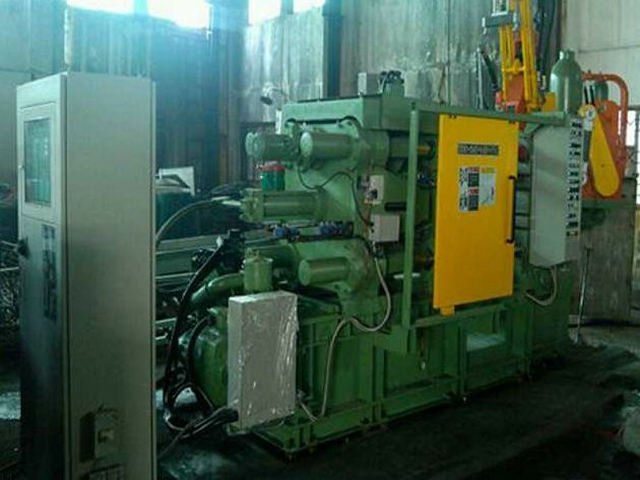
This is a manufacturing process in which molten metal is forced using pressure to fill a mold cavity also known as die casting. The mold is usually of high-quality steel and hence the part can be produced in large quantities the term is used to mean the manufacture of many parts. The finished part is then produced by opening the mold after the molten metal is cooled and forms a solid layer. This kind of use of the process is mostly applied in making intricate metal used in the production of different parts that require high accuracy in measurement and polished surfaces. Die casting can be done on aluminium, zinc, and magnesium but other metals can also be used on a case depending on application and other requirements. Die casting is considered to be one of the expert manufacturing techniques in the conception of mass production of small to medium-sized components out of metals. The popularity of the method has been spread across automotive, aerospace, electronics, and industrial machines due to its ability to produce durable lightweight intricately tailored parts. However, this process is widely recognized for its ability to manufacture products with complex geometry that would be very hard to make using conventional techniques. How Die Casting Works Molding is the first part of the die-casting process. On one side of the mold, there is a half, and it is a half of a particular design to make the mold shaped like the final product. Cavities and cores are designed for the molds that are usually custom-made so that the part can be replicated as closely as possible. 1. Molten Metal Injection: Then the molten metal is injected into the mold cavity under high pressure to form the desired shape. The metal is usually heated to one degree above the melting strain to make it fluid. In die casting, the pressure that the molten metal is pushed into the mold can be from several thousand to tens of thousands of psi (pounds per square inch), to be sure that the molten metal gets into every detail of the mold. 2. Solidification: This occurs when the metal is injected into the casing cavity whereby it cools and the metal hardens. The quality of the casting depends upon the cooling rate. Additional modes of failure (shear, climb, and glide) come into play in this case and result in faster cooling higher strength better surface finish, and slower cooling which could result in more internal defects and lower mechanical properties. Water-cooling systems built into the mold are usually used to assist the cooling process. 3. Ejection: Following this, the metal is allowed to cool and solidify and it is then easy to remove the mold from the larger casting and eject the part. Then most of the time is used in the pushing out part from the mold using a mechanical ejector system. This depends on the complexity of the part that requires other extra steps, namely trimming and machining to deliver the final shape and dimension. 4. Quality Control: A quality check is then performed on a part after ejection. It can involve dimensional verification, visual inspection, and mechanical testing to confirm that the part is equal to or better than the requirements. High precision and repeatability are theoretically achieved in die casting. Types of Die Casting There are two types of Die casting, they are hot chamber die casting and cold chamber die casting. These are all good and have their advantages, limitations and ideal applications. 1. Hot Chamber Die Casting The process most suitable for metals such as zinc, magnesium, and lead is a hot chamber die casting since the process is done at high temperatures, and melting points. The injection system is installed inside the melting furnace in this way, the metal is always in contact with the chamber. Advantages: Disadvantages: 2. Cold Chamber Die Casting The metals that have higher melting points like aluminium, brass and copper are cast in cold chamber die casting. In this case, the molten metal is tapped from a second furnace injected into the cold chamber then into the mold cavity. Advantages: Disadvantages: The Comparison of Die Casting Methods: Hot Chamber vs. Cold Chamber Here is a comparison of the most common types of two die-casting methods, Feature Hot Chamber Die Casting Cold Chamber Die Casting Metal Compatibility Best for low-melting-point metals (e.g., zinc, lead) Best for high-melting-point metals (e.g., aluminium, brass) Cycle Time Faster cycle times Slower cycle times Mold Wear Higher mold wear due to direct contact with molten metal Lower mold wear Cost Lower cost for high-volume production Higher initial cost, but better for high-strength metals Complexity of Parts Good for simpler parts Better for more complex, larger parts Advantages of Die Casting It is one of the largest advantages that die casting is one of the main preferred methods of large-scale production of products from metal alloys. 1. High Precision and Accuracy There are many advantages of die casting, which makes it convenient to offer high die precision. This method of production is also widely used for the production of parts, which requires good dimensional accuracy which is very crucial as it defines tolerance levels required in a specific job. One should note that die casting is the only manufacturing technique that can produce given parts with the utmost complexities such as the intricacies of its geometries.  2. High Production Rates In terms of large volumes, die casting is very efficient. Parts are quickly and cheaply produced once the first mold is created with very little labor involved. The demand for simulated powders is particularly high in industries like automotive and electronics where large volumes of the same parts are required. 3. Complex Designs and Thin Walls Complex design can be achieved by die casting, which would be difficult or impossible to achieve by traditional manufacturing methods. The process can make parts with thin walls, and complex internal structures, and can accommodate undercuts; thus making it the

Nach oben scrollen

Angebot einholen