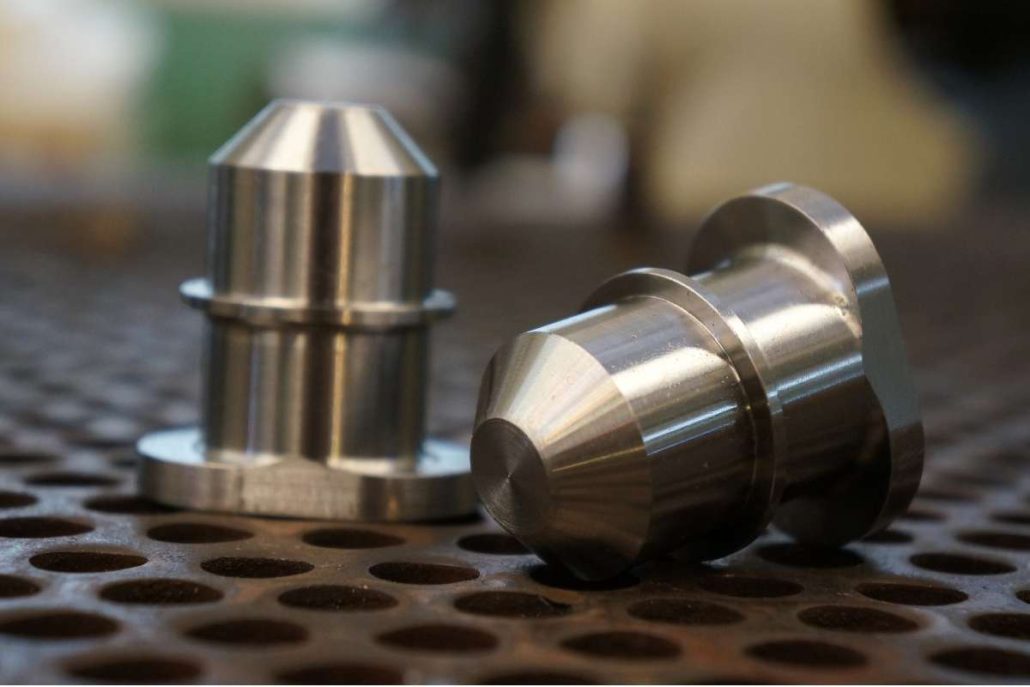
Hersteller von Drehteilen

Was ist Alupolieren?

Aluminiumguss, Oberflächenbehandlung

Das Polieren von Aluminium ist ein Verfahren, das Aluminium glänzend und neu aussehen lässt. Es gibt zwei Hauptmethoden zum Polieren von Aluminium: mechanisches Polieren und chemisches Polieren. Beide Verfahren können von Hand oder mit Maschinen durchgeführt werden. Das Polieren von Aluminium wird häufig in der Automobil- und Luft- und Raumfahrtindustrie eingesetzt. In diesem Leitfaden erfahren Sie, wie Sie stumpfes Aluminium in eine spiegelglatte Oberfläche verwandeln können. Wir behandeln die Vorbereitung der Oberfläche, Werkzeuge und Techniken. Machen Sie sich bereit, Ihr Aluminium zum Glänzen zu bringen. Die Bedeutung der Oberflächenvorbereitung Die Oberflächenvorbereitung von Gegenständen führt zu einer makellosen Aluminiumpolitur. Diesen Schritt zu überspringen, ist nicht von Vorteil. Denn es kann zu ungleichmäßigen, stumpfen oder uneinheitlichen Oberflächen führen. Entdecken Sie die Schlüsselfaktoren, warum sie wichtig sind und wie Sie es richtig machen. Warum die Oberflächenvorbereitung wichtig ist Sorgt für eine glatte Oberfläche Verhindert Schäden Verbessert die Effektivität Sorgt für eine glatte Oberfläche Die richtige Vorbereitung entfernt Verunreinigungen und Unvollkommenheiten. Dieser Schritt trägt dazu bei, einen spiegelglatten Glanz zu erzielen. Beugt Schäden vor Eine ordnungsgemäße Vorbereitung der Oberfläche verhindert weitere Schäden beim Polieren. So werden Kratzer vermieden und die Integrität des Aluminiums bleibt erhalten. Erhöht die Effektivität Eine saubere, gut vorbereitete Oberfläche ermöglicht eine effiziente Anwendung von Aluminium-Polierpasten. Sie gewährleistet ein gleichmäßiges Auftragen und bessere Ergebnisse. Auswirkungen einer schlechten Vorbereitung Ungleichmäßiges Finish Erhöhter Aufwand Reduzierte Lebensdauer Ungleichmäßiges Finish Staub, Schmutz oder alte Beschichtungen können ein fleckiges Aussehen erzeugen. Diese ungleichmäßige Oberfläche führt zu einem stumpfen Glanz. Erhöhter Arbeitsaufwand Eine unzureichende Vorbereitung zwingt Sie, während des Polierens härter zu arbeiten. Das kann zu einem ungleichmäßigen Ergebnis führen. Geringere Haltbarkeit Die Politur hält bei ordnungsgemäßem Reinigen und Schleifen möglicherweise nur kurz an. Eine gute Vorbereitung kann verhindern, dass sich die Oberfläche schneller abnutzt. Vorbereitung vor dem Polieren von Aluminium Die Vorbereitung vor dem Polieren ist entscheidend für ein optimales Ergebnis. Befolgen Sie diese Schritte, um Ihre Aluminiumoberfläche vorzubereiten. Benötigte Werkzeuge und Materialien Reinigungsmittel Schleifpapier Scheuerschwämme Putztücher Metallpolitur Mikrofasertücher Eimer und sauberes Wasser Reinigungsmittel Verwenden Sie entfettende Reinigungsmittel, um Fett und Schmutz zu entfernen. So wird sichergestellt, dass keine Verunreinigungen den Polierprozess beeinträchtigen. Schleifpapiere Glätten Sie die Oberflächen der Teile mit Schleifpapier unterschiedlicher Körnung. Sie helfen Ihnen, Kratzer und alte Beschichtungen effektiv zu entfernen. Schleifklötze Schleifklötze oder -pads tragen zu einem gleichmäßigen Schleifdruck bei. Sie sorgen für eine gleichmäßige Oberfläche, indem sie sich an die Form des Aluminiums anpassen. Scheuerpads Verwenden Sie nicht-metallische Pads für Oxidation und Korrosion. Sie eignen sich für die Bearbeitung größerer, flacher Flächen. Reinigungstücher Verwenden Sie fusselfreie Tücher, um die Oberfläche nach dem Reinigen und Schleifen abzuwischen und eventuelle Rückstände zu entfernen. Metallpolitur Die Metallpolitur ist technisch gesehen ebenfalls Teil der Polierphase. Sie dient dazu, den Zustand der Oberfläche während der Vorbereitung zu überprüfen. Mikrofasertücher Mikrofasern zerkratzen die Aluminiumoberfläche nicht. Diese weichen und praktischen Tücher eignen sich am besten zum Reinigen und Trocknen. Eimer und sauberes Wasser Füllen Sie einen Eimer mit sauberem Wasser zum Abspülen. Verwenden Sie frisches Wasser, um zu vermeiden, dass erneut Schmutz auf die Oberfläche gelangt. Oberflächeninspektion Prüfen Sie die Oberfläche auf Unvollkommenheiten Problembereiche identifizieren Prüfen Sie die Oberfläche auf Unvollkommenheiten Prüfen Sie die Oberfläche auf Dellen, Kratzer oder Bereiche mit Oxidation. Verwenden Sie ein helles Licht, um kleinere Unvollkommenheiten zu erkennen. Problembereiche identifizieren Markieren Sie alle Unvollkommenheiten, die Aufmerksamkeit erfordern. Planen Sie ein gründlicheres Schleifen oder Reinigen dieser Bereiche. Prüfen Sie die Oberfläche Fahren Sie mit der Hand über das Aluminium. Prüfen Sie, ob es raue Oberflächen oder erhabene Stellen gibt, die nachbearbeitet werden müssen. Arten von Aluminiumpolituren Die Wahl der richtigen Aluminiumpolitur ist entscheidend für das richtige Finish. Im Folgenden finden Sie eine Übersicht über die verschiedenen Arten von Polituren. Cremepolituren Cremepolituren sind dickflüssig und lassen sich leicht auftragen. Sie verleihen einen tiefen Glanz und sind ideal für kleine Flächen. Mit ihnen lassen sich kleinere Kratzer und Oxidationen entfernen. Flüssigpolituren Flüssigpolituren sind vielseitig und lassen sich schnell auftragen. Sie decken große Flächen gut ab und trocknen schnell. Wählen Sie Flüssigpolituren für die regelmäßige Pflege und für ein glänzendes Finish. Pastenpolituren Pastenpolituren sind dicht und lang anhaltend. Sie bieten hervorragenden Glanz und Schutz. Sie eignen sich besonders gut für das Polieren von hartnäckigen Verschmutzungen. Sprühpolituren Sprühpolituren sind praktisch und schnell. Sie kommen leicht an enge Stellen und hinterlassen eine glatte, gleichmäßige Schicht. Sie können Sprays für kleinere Korrekturen und schwer zugängliche Stellen verwenden. Polierwachse Polierwachse kombinieren Polieren und Schutz. Sie sorgen für einen dauerhaften Glanz und eine Schutzschicht. Wenn Sie sie auftragen, erhalten Sie ein dauerhaftes Finish, das Schmutz und Feuchtigkeit widersteht. Poliersätze für Metall Poliersätze für Metall enthalten alles, was für einen vollständigen Poliervorgang erforderlich ist. Sie bieten eine Kombination von Werkzeugen und Poliermitteln für unterschiedliche Bedürfnisse. Verwenden Sie die Kits für eine umfassende Pflege und ein professionelles Finish. Die Wahl der richtigen Politur Die Wahl der richtigen Politur hängt von Ihrer speziellen Anwendung ab. Der folgende Vergleich hilft Ihnen bei der Auswahl: Arten von Polituren Beste Anwendung Anwendungsmethode Vorteile Nachteile Cremepolituren Starke Oxidation und Tiefenreinigung Verwenden Sie ein Tuch oder Pad zum Auftragen. Lang anhaltender Glanz, Tiefenreinigung Erfordert mehr Aufwand beim Auspolieren Flüssigpolituren Regelmäßige Pflege Mit einem weichen Tuch auftragen. Leicht aufzutragen, schnelle Ergebnisse Möglicherweise ist eine häufige Anwendung erforderlich. Pastenpolitur Hartnäckige Flecken und Oxidation Mit einem Pad oder einer Bürste auftragen. Starke Reinigungskraft Kann abrasiv sein und ist schwieriger zu verarbeiten. Sprühpolitur Große Flächen, schnelle Ausbesserungen Direkt aufsprühen und abwischen. Schnelles Auftragen, gleichmäßiger Auftrag Sorgt für ein helleres Finish. Polierwachse Schutz und Glanz Mit einem Tuch oder Pad auftragen. Poliert und schützt in einem Schritt. Entfernt möglicherweise keine starke Oxidation. Poliersets für Metall Umfassendes Polieren Befolgen Sie die Anweisungen des Sets. All-in-One-Lösung, vielseitig Es ist teurer und erfordert mehrere Schritte. Kommerzielle vs. selbstgemachte Poliermittel Faktor Kommerzielle Poliermittel Selbstgemachte Poliermittel Inhaltsstoffe Speziell für bestimmte Ergebnisse formuliert Aus Haushaltsgegenständen wie Backpulver, Essig oder Zitronensaft hergestellt Einfache Anwendung Gebrauchsfertig, gleichbleibende Ergebnisse Erfordert Vorbereitung, und die Ergebnisse können variieren. Kosten Es kann teuer sein, ist aber oft sehr effektiv. In der Regel billiger und kosteneffizienter für kleine Aufgaben Leistung Entwickelt für maximalen Glanz und Schutz Es funktioniert gut für kleinere Reinigungsarbeiten, hält aber nur kurze Zeit. Verfügbarkeit Weit verbreitet in Geschäften und online erhältlich. Es muss zu Hause hergestellt oder gemischt werden. Umweltverträglichkeit Einige können scharfe Chemikalien enthalten. Normalerweise aus umweltfreundlichen, natürlichen Komponenten hergestellt Vielseitigkeit Es gibt eine große Auswahl an Produkten für

Hersteller von Drehteilen für den medizinischen Bereich

Hersteller von gedrehten Komponenten

CNC-Bearbeitung

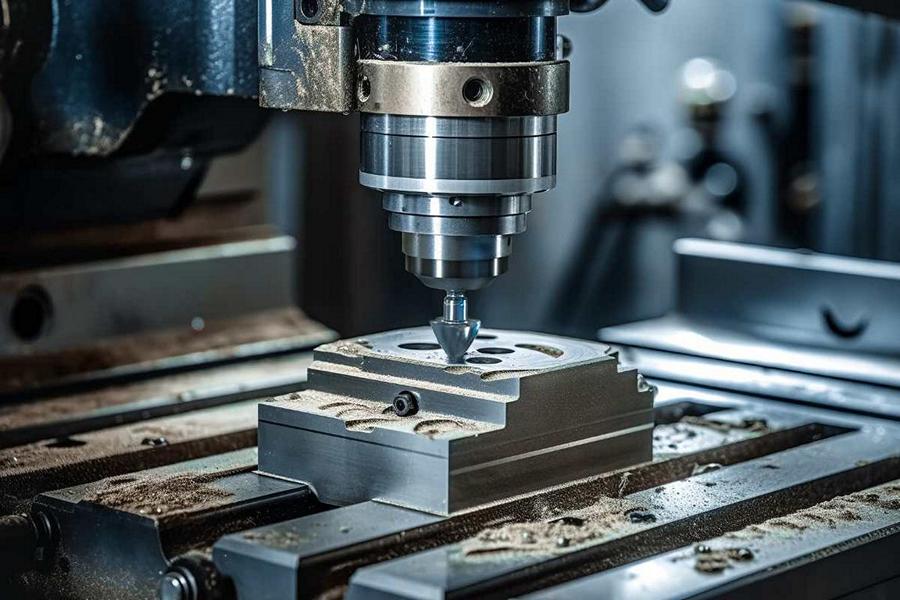
Drehteile sind Produkte, die durch CNC-Drehen hergestellt werden, ein Verfahren, bei dem Drehbänke oder Dreh-Fräszentren Werkstücke mit Hilfe von Drehmeißeln in Form bringen. Diese Meißel drehen sich mit einer Geschwindigkeit von mehr als 1.000 Umdrehungen pro Minute und rasieren das Werkstück, um das unerwünschte Material zu entfernen. Die Drehgeschwindigkeit und der Vorschub hängen von dem zu bearbeitenden Material, der Art des Schneidwerkzeugs und dem Durchmesser des Werkstücks ab. Sie ist entscheidend für die Herstellung rotationssymmetrischer Teile mit hoher Genauigkeit und Produktivität. In diesem Artikel finden Sie Informationen über CNC-Hersteller von Drehteilen für die Medizin-, Luft- und Raumfahrt-, Steckverbinder- und Verteidigungsindustrie sowie über die Besonderheiten ihrer Produktion. Spezialist für die Lieferung von Drehteilen für medizinische Anwendungen CNM konzentriert sich auf die CNC-Bearbeitung von medizinischen Komponenten mit engen Toleranzen für chirurgische Werkzeuge, Apparate und Geräte. CNM verfügt über mehr als dreißig Jahre Erfahrung in der Fertigung und kann sicherstellen, dass die Toleranz jedes Teils präzise und sehr, sehr eng ist. Zu unseren Spezialgebieten gehören Ventrikelunterstützungsgeräte (VADs), Geräte für die Lasik-Augenchirurgie, CT- und MRT-Scanner sowie chirurgische Geräte, einschließlich Trokar-/Kanülensysteme und Biopsieschneider. Zu unseren Kernkompetenzen gehören 5-Achsen-Fräsen und Funkenerosion (EDM), weshalb wir der bevorzugte Partner für kardiovaskuläre Geräte, orthopädische Implantate und zahnmedizinische Geräte sind. Unsere Metalle und Legierungen sind Titan, Edelstahl, Invar, Kovar und Inconel; daher sind alle unsere Teile, wie medizinische Schrauben, Implantatprototypen und kundenspezifische Formen, präzise. Unsere saubere, temperatur- und staubkontrollierte Umgebung gewährleistet, dass wir die engsten Toleranzen einhalten können, die für den medizinischen Einsatz erforderlich sind. Zu den vom Unternehmen angebotenen Präzisionsbearbeitungsdiensten gehört auch die Herstellung von chirurgischen Scheren, Kanülen, Biopsieröhrchen und Sägeführungen für die Knochenchirurgie, die die Einhaltung medizinischer Standards erfordern. Ganz gleich, ob es sich um die Mikrobearbeitung oder die Herstellung von chirurgischen Instrumenten handelt, CNM bietet zuverlässige und qualitativ hochwertige medizinische Bearbeitungsdienstleistungen für Ihren Bedarf weltweit. Hersteller von CNC-Drehteilen für die Luft- und Raumfahrt CNM ist auf die Herstellung von CNC-Drehteilen für die Luft- und Raumfahrt, die Automobilindustrie, die Elektronik, mechanische, medizinische und zahnmedizinische Instrumente, Militär und Verteidigung, Jagd und Fischerei spezialisiert. Wir arbeiten mit Materialien wie Messing, Edelstahl, Kunststoff, Aluminiumlegierungen, Stahl und Titan und fertigen Teile wie Rohrverbindungen, Verbindungsstücke, Servomotorwellen und eloxierte Aluminiumrohre. Im Bereich der CNC-Bearbeitung für die Luft- und Raumfahrt kann CNM Teile herstellen, die in verschiedenen Arten von Flugzeugen verwendet werden: Militär-, Verkehrs- und Segelflugzeuge. Wir legen großen Wert auf die Haltbarkeit, die Einhaltung der deklarierten Eigenschaften und die Chargenkennzeichnung, um die für die Luftfahrt typischen hohen Leistungs- und Schutzraten zu erreichen. Mit Hilfe fortschrittlicher Technologie und eines strengen Bearbeitungssystems sorgt CNM für Präzision mit engen Toleranzen und bietet umfassende Dienstleistungen im Rahmen der ISO9001:Zertifizierung im Jahr 2015. Dazu gehören die Art des zu verwendenden Materials, die Qualität des Materials, die Kennzeichnung aller in der Produktion verwendeten Materialien und die Lieferzeit gemäß den Wünschen des Kunden. CNM kann auf eine gute Bilanz und glaubwürdige Partner auf der ganzen Welt verweisen: Amerika, Europa, der Nahe Osten, Südostasien, Japan und viele mehr. Das Unternehmen ist stolz auf Qualität und Zuverlässigkeit in all seinen Aktivitäten, um die Kunden zufrieden zu stellen und eine hohe Leistung bei Luft- und Raumfahrtteilen zu erreichen. Hersteller von Drehteilen für die Steckverbinderindustrie CNM ist ein Hersteller von Präzisionsdrehteilen, die besonders für die Steckverbinderindustrie geeignet sind. Als qualitätsbewusstes Unternehmen, das sich auf Kosten und Zeit konzentriert, nutzen wir unsere große Erfahrung in der Branche und hochentwickelte Bearbeitungstechnologie, um Teile nach Ihren Anforderungen herzustellen. Wir verfügen über CNC-Maschinen mit beweglichem Spindelstock für die Abmessungen der Steckverbinder von Ø5 mm bis Ø36 mm, und für einige spezielle Steckverbindertypen haben wir Maschinen mit festem Spindelstock. Aber auch Abmessungen bis zu Ø80 mm sind möglich. Die Bearbeitung komplexer Geometrien ist eine unserer Stärken, da wir Maschinen mit bis zu 10 numerischen Achsen, einschließlich B-Achsen, einsetzen. CNM verfügt über die Flexibilität von Losgrößen, die von 500 bis 20.000 und darüber hinaus reichen, so dass wir den Anforderungen von kleinen und großen Projekten gerecht werden können. Zu unseren Werkstoffen gehören Aluminium, Kupferlegierungen, Kupfer, Messing und Decken, wodurch wir flexibel sind und den Anforderungen der Steckverbinderindustrie gerecht werden. Zu den von uns angebotenen Präzisionsteilen gehören Klemmenblöcke, Steckverbinder, Adapter, Sensorkörper, Anschlussstecker und -buchsen, die alle nach präzisen Industriestandards gefertigt werden. Neben der maschinellen Bearbeitung bietet CNM mit Hilfe zuverlässiger Unterlieferanten eine breite Palette zusätzlicher Dienstleistungen an: Versilberung, Vergoldung, Glühen, Lasergravur, Tribofinishing und Entgraten. Außerdem bieten wir die Montage von Bausätzen an und stärken damit unsere Fähigkeit, gebündelte Dienstleistungen anzubieten. Angenommen, Sie sind in der Steckverbinderindustrie tätig und benötigen hochwertige Drehteile für Ihre Drehteile. In diesem Fall ist CNM bereit, Sie zu bedienen. Setzen Sie sich noch heute mit uns in Verbindung, um zu erfahren, wie wir Ihnen bei Ihren Fertigungsprojekten helfen und diese verbessern können. Hersteller von Drehteilen für die Verteidigungsindustrie CNM TECH.CO.,LTD ist einer der 10 besten CNC-Bearbeitungsdienste der Welt. Wir sind auf die CNC-Bearbeitung von präzisen und hochwertigen Teilen und Komponenten für die Verteidigungsindustrie spezialisiert. Die Autoren sind stolz auf das Team von professionellen Mitarbeitern und das effektive Kontrollsystem des Unternehmens. CNM ist mit modernen technologischen Werkzeugen ausgestattet. CNM ist nach ISO 9001, AS 9100D und ITAR für die Lieferung von Teilen für die Luft- und Raumfahrt und das Verteidigungswesen registriert. Umfassende Programmmanagement-Dienstleistungen CNM bietet neben der CNC-Bearbeitung zahlreiche Dienstleistungen im Bereich Programmmanagement an. Wir verfügen über gut ausgebildete Mitarbeiter, die den hohen Anforderungen der Partner in der Lieferkette gerecht werden können. Daher sind Kundenbeziehungen und deren Feedback für die Entwicklung eines soliden Programmmanagementsystems von großer Bedeutung. Unsere ISO 9001:2000-, AS9100D- und ITAR-Zertifizierungen belegen das Engagement des Unternehmens für pünktliche, professionelle und zielgerichtete Arbeit. Mit Hilfe der Epicor ERP/MRP-Systemsoftware kontrollieren wir unseren Produktionsprozess sehr genau. Das bedeutet, dass wir die Teile in diesem integrierten System von der Werkstatt aus planen und verfolgen können, wie unten dargestellt. Es hilft bei der Verwaltung verschiedener Aspekte, wie z. B.: Engineering Support Kanban Pull Systems Die Erstmusterprüfung (First Article Inspection, kurz FAI) AOGs (Aircraft on the Ground) DX/DO-Anforderungen Die Vorhersage steht in Verbindung mit Lieferantenportalen Rohmaterialbeschaffung Teilebearbeitung Sonderprozessmanagement Qualitätssicherung Dokumentation Verpackung & Versand

CNC-Bearbeitung von Magnesium

Spanende Bearbeitung von Magnesium

CNC-Bearbeitung

Magnesium has exceptional characteristics, notably low density, and good machinability, for creating corrosion resistance in high-strength parts through CNC machining. However, the process of machining magnesium is quite a challenge because of the flammability of the material. When dealing with magnesium, safety measures are taken to reduce any risks likely associated with it. The machining of magnesium generates shavings and dust, which can easily be ignited, which is a great danger to CNC machinists. If not well controlled, the machining process will likely cause fires or explosions in the workshop. This article describes the main safety measures for working correctly with magnesium and other flammable metals. It focuses on proper methods of chip clearance and measures and precautionary measures to avoid fire in a machine shop. Challenges in Magnesium Machining Working with magnesium alloys is always accompanied by risks that must be managed adequately. These are some of the risks that should be understood when involved in the CNC machining of magnesium. Fire Hazard One of the significant problems in machining magnesium alloys is the flammability of the fine chips and dust produced during the process. These particles are highly inflammable, and even tiny sparks or excessive heat can easily cause them to catch fire, which is a big danger in the workshop. Tool Wear Due to its soft and abrasive nature, the magnesium material can wear out the cutting tool during CNC machining. This results in a lower machining rate and more tools that must be changed more often than not. Heat Generation It is also clear that magnesium alloys have low thermal conductivity, and therefore, heat is localized to the cutting zone. This high cutting temperature also negatively affects the tool’s life. Also, it increases the possibility of warping the workpiece and accelerates the tool wear rate. Surface Finish Challenges Achieving a high surface finish on magnesium alloys is challenging due to the presence of burr and machining deformation. All these issues must be addressed by applying the correct machining methods and selecting the right tools to achieve the desired high-quality surface finish. To address these issues, it is required to adhere to all the safety measures, correct use of tools, and information on the characteristics of magnesium and its machining for safety and effectiveness. Enormous Benefits CNC Magnesium Machining However, there are some advantages of using CNC machining magnesium despite the above risks. This is why magnesium is appropriate for use in industries that require light, such as the aerospace and automobile industries, whereby it enhances efficiency and fuel usage. It is a very lightweight material, but at the same time it has high strength. Thus, structures can be solid and slim, requiring less material. Magnesium is easily machined and thus can be produced in large quantities. The tools used are not easily damaged, cutting the cost. Because of its good thermal conductivity, it is suitable for applications where heat is to be conducted away from the product, such as the casing of electronic equipment. Also, magnesium has inherent EMI gasketing characteristics that shield sensitive electronics from interference. From the environmental point of view, magnesium is in abundance. It can be recycled, and in the machining processes, the amount of emission is negligible. Additionally, the energy used is less than that of other metals. This sustainability, coupled with flexibility in the type of surface finish that can be applied, such as painting or anodizing, makes magnesium a preferred material by manufacturers who desire high performance and, simultaneously want to reduce the impacts of their CNC machining on the environment. Safety Measures to be Adopted in CNC Machining of Magnesium Alloys CNC machining of magnesium alloys can be safe if the following measures for machining magnesium safety are observed: Here are vital tips to ensure the safe machining of magnesium. Keep Tools Sharp: One of the challenges that are associated with the machining of magnesium is heat production—using sharp tools when cutting is also essential to avoid heat accumulation. Blunt tools are likely to create a lot of friction and may cause sparks that lead to the ignition of magnesium chips. Carbide-tipped tools are preferred because they are hard and do not spark quickly at high temperatures. Avoid Tight Clearance Angles: One of the crucial things to consider when machining magnesium alloys is to avoid close tolerance angles. High cutting angles result in massive and consecutive chips that increase heat and the possibility of a fire outbreak due to the nature of the element magnesium. Produce Broken Chips: Set up your CNC machine to produce small and intermittent chips. This assists in removing heat from the cutting tool and the workpiece so that there are minimal chances of the material catching an open flame. This should be done by employing small back rake angles, low feed rates, and moderate to high cutting speeds. Use Mineral Oil-Based Coolants: When machining magnesium, it is recommended to use mineral oil coolants instead of water. Mineral oil reduces fire and explosion risks and enhances the surface finish. Aqueous solutions of coolants may corrode magnesium and cause the formation of flammable hydrogen gas. Employ Explosion-Proof Vacuum Systems: Employ explosion-proof vacuum systems to help extract magnesium chips and dust from the CNC machines. Discontinuous magnesium chips are also flammable; removing them in the workshop is crucial without causing a fire outbreak. Avoid Water in Case of Fire: Do not attempt to put the fire out with water during a magnesium fire, as this will only worsen it. Magnesium fires should be fought with dry Class-D fire extinguishers or dry sand. Thus, following the above measures, magnesium cnc machining can be done safely with less risk in the workplace. Choosing the Right Cutting Tool in CNC Machining of Magnesium Alloy Selecting the appropriate cutting tools is crucial to achieve the best results and safety when using CNC machining on magnesium alloys. Below is the categorization of the tools that are frequently utilized: High-Speed Steel (HSS) Tools: High-speed steel tools are easy to use and

Bearbeitung von Berylliumkupfer

Bearbeitung von Kupfer

CNC-Bearbeitung

Copper metals are highly valued for their appearance. Primarily, it is used in everyday art and on utensils. Copper has better material and electrical characteristics as compared to aluminum or aluminium. This makes it essential to produce complex parts. These parts are used in applications such as EDM electrodes. However, copper is typically challenging to machine. This hardness poses several problems as follows. The additives include aluminum, zinc, silicon, and tin. These combinations result in the formation of alloys such as brass and bronze. Nickel-silver alloys are also produced to meet specific requirements. Every one of the alloys is thus designed for exact machining applications. Therefore, they play a significant role in many fields. The machining of copper alloy parts becomes more accessible, allowing for more efficient production. This, in turn, enables production to be done more efficiently. Copper is still valuable for all areas because of its versatility. It is even more helpful when combined with other metals. Nevertheless, copper is irreplaceable, and the industry will continue to encounter it in the future. This article will focus on copper cnc machining methods, essential factors to consider, various uses of copper, and necessary machining services. So, let us help you decode the information you need to make the most of this instrumental metal. Copper CNC Machining: When it comes to CNC machining copper, there are two critical factors to keep in mind for optimal results: Optimal Tool Material Selection: Dealing with raw copper is problematic because the material is very soft, making tools wear out very fast and challenging to remove chips. One of the problems often faced is the creation of a built-up edge, which is a condition where copper particles cling to the tool and produce uneven surfaces. To eliminate these problems, it is necessary to employ cutting tools manufactured from materials like high-speed steel (HSS). HSS tools are specifically famous for cutting copper since it is a soft metal and do not blunt HSS tools quickly while using CNC machines. Setting the Ideal Feed Rate: The feed rate determines the speed at which the CNC cutting tool travels on the copper workpiece. When it comes to copper machining, it is advised that one should keep the feed rate between moderate and low. High feed rates can produce much heat, which is not preferred in precision machining applications. One of the critical aspects of controlling the feed rate is that it is vital for precision and surface finish during machining. If higher feed rates are required in your project, then it becomes mandatory to use cutting fluids or coolants because heat has to be taken out for better precision in the machining process. Selecting the Correct Grade of Material Choosing the correct grade of copper is one of the most critical decisions made during the design of any project. Electrolytic rigid pitch copper (ETPC), also known as pure copper (C101), has a purity of 99%. 99% reliability can be a problem and expensive, particularly regarding mechanical components. When comparing the two materials, C110 is more conductive than C101, more accessible to machines than C101, and sometimes cheaper. Selecting the correct material grade is crucial to achieving the design necessities in the proper manner. Manufacturability should be deemed regardless of the type of material incorporated in developing a product. One has to follow the principles of DFM to the letter to get the best outcome. Some recommendations include closely controlling the performance tolerance and dimensional checks. Do not make thin walls with small radii for improved machining. Wall thicknesses should be kept to a minimum of 0.5 mm for structural strength. For CNC milling, the size limit is 1200mm x 500mm x 152mm, while for CNC turning, it is 152mm x 394mm. Design undercuts with square profiles, full radii, or dovetails to reduce the machining operations. These guidelines are specific to copper components and are essential in enhancing on productivity and quality of the components. The Copper Alloys For Machining Copper materials include various commercial metals used in different industries depending on the required properties for a specific application. Pure Copper: Copper is known to be in the purest form, soft, and can be easily molded. It may contain a small percentage of alloying additions to improve its characteristics, such as improved strength. High-purity copper is used in electrical applications, including wiring, motors, other equipment, and industrial applications such as heat exchangers. The commercial grades of pure copper are classified by the UNS numbers C10100 to C13000. For applications requiring higher strength and hardness, such as machining beryllium copper, alloying pure copper with beryllium is a common practice. Electrolytic Copper: Electrolytic tough-pitch copper is obtained from cathode copper, refined by electrolysis, and contains deficient impurities. The most widely used grade is C11000, which offers electrical conductivity of up to 100% IACS and high flexibility, which makes it suitable for electrical applications such as windings, cables, and bus bars. Oxygen-Free Copper: Due to its shallow oxygen content, oxygen-free copper grades such as C10100 (Oxygen-free electronic) and C10200 (Oxygen-free) are characterized by shallow oxygen content and high electrical conductivity. These coppers are made under non-oxidizing conditions and are used in high vacuum electronics such as transmitter tubes and glass-to-metal seals. Free-Machining Coppers: These copper base alloys contain nickel, tin, phosphorus, and zinc additions, which aim to improve the machinability. Some well-known alloys include bronze, copper-tin-phosphorus, brass, and copper-zinc, characterized by high hardness, impact strength, workability, and corrosion resistance. It has uses in various machining operations, such as in machining coins, machined electrical parts, gears, bearings, and automotive hydraulic parts. Techniques of Machining Copper The following are some of the most efficient ways of machining copper: Machining copper as a material is a process that is associated with some difficulties due to the material’s flexibility, pliability, and durability. Nevertheless, copper can be alloyed with other elements such as zinc, tin, aluminum, silicon, and nickel, improving the possibility of machining copper. Such alloys are usually easier to cut than materials of similar

CNC-Bearbeitungskomponenten

CNC-bearbeitete Komponenten

CNC-Bearbeitung

Zahlreiche Ingenieure in verschiedenen Branchen schätzen die Rolle von Metallteilen, von denen ein bestimmtes Maß an Präzision und Effizienz erwartet wird. Dies ist insbesondere in Branchen wie der Luft- und Raumfahrt und dem Transportwesen der Fall, wo die Qualität, Sicherheit und Funktionalität der Komponenten von größter Bedeutung sind. Unter diesen Umständen sind CNC-gefertigte Teile unvermeidlich. Aus diesen Gründen ist die CNC-Bearbeitung weit verbreitet; sie ist schnell, genau und präzise, und das hat sie in der ganzen Welt berühmt gemacht. Im Folgenden finden Sie einige Faktoren, die Sie bei der Auswahl von CNC-gefertigten Teilen für heikle Arbeiten berücksichtigen sollten. Einsatz der CNC-Bearbeitung bei der Entwicklung komplizierter Teile CNC-Maschinen (Computer Numerical Control) arbeiten mit Hilfe von Anweisungen eines Computers, der die Position der Schneidwerkzeuge steuert. Die beiden gängigsten Kategorien von CNC-Maschinen sind 3-Achsen- und 5-Achsen-Maschinen, aber moderne CNC-Systeme können bis zu 12 Achsen haben. Diese vielen Achsen ermöglichen die Herstellung komplexer Metallteile. Eine 3-Achsen-CNC-Maschine beispielsweise bewegt das Schneidwerkzeug in drei Hauptrichtungen: Die erste ist die X-Achse, die auch als Längsbewegung bezeichnet wird; die zweite ist die Y-Achse, die auch als Breitenbewegung bezeichnet wird, und die dritte ist die Z-Achse, die für die Tiefensteuerung verwendet wird. Mit diesen Achsen ist es möglich, die gewünschten Teile mit hoher Geschwindigkeit und Formgenauigkeit zu schneiden. Darüber hinaus können aufgrund von Merkmalen wie dem automatischen Werkzeugwechsel mehrere Arbeitsgänge in einer Aufspannung durchgeführt werden. Diese Fähigkeit ermöglicht es dem Unternehmen, präzisionsgefertigte CNC-Bauteile schneller und kostengünstiger herzustellen. Außerdem ist das Unternehmen seit jeher in der Lage, komplexe Teile mit engen Toleranzen herzustellen. Toleranzen für CNC-gefräste Teile Bei CNC-gefrästen Teilen müssen Ingenieure jedoch neben ihrer Funktionalität und Haltbarkeit noch einige andere Faktoren berücksichtigen. Bei der Konstruktion für den Fertigungsprozess sollten die folgenden Faktoren berücksichtigt werden: Kosteneffizienz: Zu den Faktoren, die sich auf die Kosten der CNC-gefrästen Teile auswirken, gehören Rüstkosten, Programmierkosten, Materialkosten, die Komplexität des Teiledesigns und die Anzahl der herzustellenden Teile. Diese Aspekte sollten während der Entwurfsphase eines Produkts kontrolliert werden, da zu diesem Zeitpunkt die besten Produktionsmethoden mit den geringsten Kosten festgelegt werden. Vorlaufzeit: Je nach Toleranz, Komplexität des Teils, Zeitaufwand für das Einrichten der CNC-Maschine und je nachdem, ob Standard- oder Spezialwerkzeuge verwendet werden, variiert die Zeit für den Abschluss des Bearbeitungsprozesses. Es ist auch wichtig zu wissen, dass eine detaillierte Konstruktionsplanung die Vorlaufzeit und die Gesamtproduktivität reduziert. Durchführbarkeit der Konstruktion: Stellen Sie sicher, dass Ihr Teil für die CNC-Bearbeitung geeignet ist. Es ist wichtig, darauf hinzuweisen, dass die Herstellung von Bohrungen mit einem Durchmesser von 5 mm und weniger als Mikrobearbeitung angesehen werden kann und einige Spezialwerkzeuge erfordert. Bei der CNC-Bearbeitung von Bauteilen muss die Gestaltungsmöglichkeit berücksichtigt werden. Toleranzen: Die Toleranzen hängen vom Konstruktionsmaterial, den Werkzeugen zur Herstellung des betreffenden Teils und dem spezifischen Teil, das hergestellt wird, ab. Daher kann die CNC-Bearbeitung bis auf winzige Toleranzen genau sein, was wiederum mehr kostet als Teile mit weniger Toleranz. Vor- und Nachteile von CNC-gefertigten Teilen CNC-gefertigte Teile sind unter bestimmten Bedingungen ideal: CNC-gefräste Teile eignen sich jedoch unter den folgenden Bedingungen: Geringe bis mittlere Serienproduktion: Die CNC-Bearbeitung eignet sich am besten für die Produktion kleiner bis mittlerer Stückzahlen, da die Kosten für die Einrichtung und die Werkzeuge durch die Zeit, die für die Herstellung jedes Teils benötigt wird, wieder hereingeholt werden. Komplexe Geometrien: Aufgrund der Technologie, die bei der CNC-Bearbeitung zum Einsatz kommt, ist sie ideal für die Herstellung von Teilen mit komplexen Formen. Kurze Vorlaufzeiten werden bevorzugt: Dies bedeutet, dass in einem Zyklus der CNC-Bearbeitung mehrere Arbeitsgänge durchgeführt werden können, was sich im Vergleich zu anderen Methoden sehr vorteilhaft auf die Herstellungszeit auswirken kann. Wenn also die oben genannten Konstruktions- und Toleranzfaktoren sowie die Umstände, unter denen die CNC-Bearbeitung eingesetzt werden soll, berücksichtigt werden, können Ingenieure sicher sein, dass sie präzise, qualitativ hochwertige und relativ kostengünstige CNC-Bauteile herstellen. CNC-Bearbeitung und ihre Alternativen Die CNC-Bearbeitung ist ein sehr effizientes und genaues Fertigungsverfahren, das jedoch nicht immer für alle Projekte geeignet ist. Auch wenn Techniken wie das Stanzen von Metall für große Produktionsanforderungen, wie z. B. die Massenproduktion, angemessener und kostengünstiger sind. Wenn die Kosten ein Problem darstellen, müssen Sie sich vielleicht für Fertigungsverfahren entscheiden, die nicht unbedingt viel Kapital erfordern, wie z. B. das Stanzen oder die Blechumformung. Diese Verfahren können sehr kostengünstig sein und gleichzeitig gute Ergebnisse liefern. Es ist auch wichtig zu wissen, dass die CNC-Bearbeitung nicht starr ist, was die Art des zu bearbeitenden Materials angeht, aber einige Materialien sind möglicherweise nicht sehr gut geeignet, da Wärme eingesetzt wird. Die Bewertung der Eignung des Materials ist sehr wichtig, wenn es um die Herstellung geht, um die besten Ergebnisse zu erzielen und gleichzeitig die Kosten zu minimieren. Bearbeitungsindustrien und ihre Funktion CNC-Bearbeitungsunternehmen liefern nicht nur Präzisionsteile, sondern stellen auch Werkzeuge und Geräte her, die von anderen Industrien der Präzisionsfertigung benötigt werden. Im Folgenden finden Sie eine Aufschlüsselung der CNC-bearbeiteten Teile: Bei diesem Fertigungsverfahren wird Material aus dem Rohmaterial entfernt, um hochpräzise Teile zu erhalten. CNC-Bohrer CNC-Bohrer werden zum Mattieren, Fräsen und für jede andere gewünschte Form des Werkstücks verwendet. Sie schneiden mit der zuvor eingestellten Tiefe durch das Material. Dies ermöglicht eine genaue Positionierung und Dimensionierung der Löcher, insbesondere für die Montage und den Einbau in große Strukturen. CNC-Bohrmaschinen sind flexibel, da sie je nach Aufgabenstellung in verschiedene Materialien bohren können. Sie sind für die Entwicklung der Präzision und Genauigkeit der hergestellten Teile von wesentlicher Bedeutung. CNC-Bohrer sind präzise und stellen sicher, dass die Löcher nach Norm gebohrt werden. Diese Methode ist geeignet für

Verchromung Aluminium

Schwarze Pulverbeschichtung

Oberflächenbehandlung

Black powder coating process are mostly used in metal parts finish, it is one of the most preferred surface treatment techniques in the metal rapid prototyping, metal fabrication sheet, and die casting industry which provides improved physical and mechanical characteristics to the custom machined or casted parts. This powder coating technique which has its origin from the early development of powder metallurgy has received a lot of acceptance in the recent past. It is widely utilized in the modern industry because of the following advantages: high corrosion protection, fine surface finish, and long-enduring, eco-friendly impact. This article will take a closer look at the various kinds of powder coating surface finished, how the coating process is done, and some useful tips for a perfect powder coating. This is where you will find all your answers concerning black chrome powder coating, and sprays. If you have any metal parts that needs develop with black powder coating surface finish, you are welcome to contact us, we are die casting manufacturing company in China, we offer one stop services from die casting tooling manufacturing, mass production, post machining, surface finish, packing, and delivery. Contact us to get free quote in 24 hours. What Is Black Powder Coating Finish? Black Powder coating is a process of applying dry black color of powder on the surface of the material and then using heat to set it. The powder that is employed can be thermoplastic or a thermoset polymer powder. This method forms a strong and long-lasting layer which is stronger than the liquid varnish and ideal for use on plastic, glass, and metal. Powder coating is usually done by electrostatic spray deposition (ESD) or fluidized bed technique. Both methods provide high gloss, different kinds of surface, a wide range of color and high quality of the surface. Because of these characteristics, black powder coating finish is applied in many industries such as medical, architectural, automotive, fiberboard avionics, and many others, of course there are many other powder coating solors, you can go to our powder coating services pages to know more.   The Different Types of Powder Coatings Another effective painting technique that provides a very good and quite a durable coat is called powder coating. Whether you are a first time user of powder coatings or you have been using it for a long time, you will find it very strong and versatile. It remains the same from having one spray gun and a small oven to running a large line with automation. Here’s how it works: A powder spray gun is used to spray the powder particles and at the same time charges them with an electrostatic charge. The grounded areas draw the charged powder on it to ensure that an even layer of the powder is achieved. After the powder application, the parts are taken to an oven where the powder melts and fuses to the surface giving the part a hard, scratch resistant, and aesthetically appealing surface. It is mostly used on metals and for this reason it is very useful. Some of the areas that apply black powder coating spray paint are the industrial parts, medical equipment, architectural structures, automobiles, bicycles, home appliances, furniture, enclosures, trailers, and lighting among others. The possibilities are endless! Powder coatings are of different types; and each type has its own features and uses. The type of powder to be used should be chosen before the color to be used is chosen. It is, therefore, necessary that one knows the characteristics of the different types of powders to be able to get the best outcomes. The last advantage of powder coatings is that it does not have solvent at all in its formulation. This means no organic volatile compounds or VOCs are emitted, making powder coatings safer to apply, to get rid of and to ship than liquid paints. This is a green factor that has a lot of advantages to the environment for both the user and the customer. Epoxies Epoxies were the first powders in the market and are still widely used due to their high level of hardness. They provide excellent hardness and are reported to have better chemical and corrosion resistance than the other available powders. Another benefit of epoxy powders is that they are easy to apply and are available in many cure schedules. Epoxies cure very well on metals particularly when the metal has been prepared by methods like phosphate coating and sand blasting. However, one of the main disadvantages of epoxy powders is their rather low resistance to the effects of natural factors. Epoxies when left exposed to the outdoor environment turn to fade and chalk under the sun and the surface turns bad within few months. This limitation makes epoxies more appropriate for interior use where they are protected from the UV light. However, due to high adhesion and good corrosion resistance, many primers are based on epoxies. When applied as a base coat to another type of paint they offer a strong base, utilizing their advantages but at the same time minimizing their vulnerability to sunlight. Polyesters Polyesters are the most popular powders in powder coating since they are cheap and can be used in most applications. There are two main types: TGIC and TGIC-free, called ‘Primid’ In general, both types have good mechanical properties such as flexibility and impact strength, and good chemical resistance. Polyester powders also have the advantage of low curing temperatures, which makes them ideal for use on items that cannot be exposed to high temperatures. Polyesters also do not overbake and do not yellow and are easy to apply on different surfaces. Standard polyesters have UV resistance of 1-3 years and are used for indoor applications as well as some outdoor applications. Another essential aspect of polyester powders is the ability to vary the color, gloss and the special effects, which makes the list almost endless. Owing to their good general characteristics, polyesters are used most often in various coating

Aluminium oder Aluminium

Aluminium Strangpressen Bearbeitung

Aluminiumguss

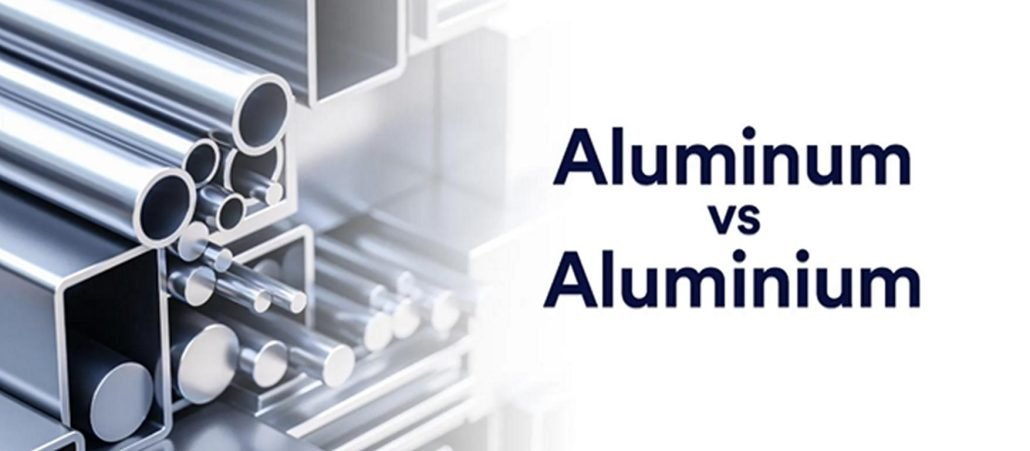
Understanding the Aluminum Extrusion Process Aluminium extrusion machining is a process of manufacturing products with a cross-sectional profile by forcing the material through a die. This process can be likened to putting toothpaste in a tube, in this case, the toothpaste is the heated cylindrical aluminum bar also called an ingot and the tube is the die. Here’s a step-by-step breakdown: Heating and Pressing: The aluminum ingot is then heated and passed through the die which gives it the required profile of the product. Cooling: After the shaped material has come out of the die it is cooled by air or water. Stretching: Although not fully set, the profiles are pulled to relieve internal stresses and achieve the proper dimensions. Cutting and Aging: The profiles are cut and then aged – hot or cold to reach their final strength. Finishing and Surface Treatment: The last processes include polishing or other treatments meant to improve the looks and protect against corrosion. What is an Aluminum Extrusion Machining Center? An extrusion machining center is a specific type of machining center that is used to accurately process extruded aluminium profiles into the final required parts. Sawing, deburring, drilling, turning, milling, and tapping are some of the techniques used to give the required shape with features such as pockets and holes. At CNM, we have different types of extrusion machining centers that are highly accurate, fast, and very reliable. These machines are very efficient in cutting down production time and minimizing wastage during the processing of the products and are thus very suitable for use by manufacturers. CNM’s extrusion machining centers facilitate the manufacturing process and produce quality work that guarantees the aluminum extrusions are cut and profiled to the required specifications. Factors Consideration For Machining Aluminium and Aluminium Alloys The below-mentioned factors greatly influence the cnc extrusion machining of aluminum alloys. Cutting Force The cutting force needed when machining aluminum alloys is much less compared to the force needed when machining steel. For instance, the force required to machine aluminum is about one-third of that required for low-carbon steel thus chip removal is three times more efficient. For instance, aluminum alloy 2017A has the same cutting force as low-carbon steel but has similar mechanical properties as the latter. Tooling The cutting tools used in the machining of aluminium alloys must have a certain geometry. The cutting edges should be as sharp as possible and the tool faces must be smooth so that they can shed the swarf and not stick to it. The cutting angles are different according to the type of alloy, but the rake angle should be more than 6° and can be even 12°. In the case of alloys with up to 7% silicon content, it is suggested to use the tools with the application of TiN or TiCN coatings using PVD deposition. For diamond coated carbide tools and polycrystalline diamond (PCD) tools, the recommended rake angle is 15 degrees. It is much longer than the ones used for machining steel due to the proper tools being used in this process. In the special machines, the high-speed spindles can attain the machining speed of 2000 to 3000 m/min for the 2000 and 7000 series alloys. For instance, a 12 mm diameter tool can reach 50,000 rpm of cutting speed with a feed rate of 10 m/min, which results in very thin sheets and lightweight components. Cutting Speed and Feed Rate Because of the low modulus of elasticity of aluminium alloys, it is recommended to avoid high rates of advance even in roughing operations. The feed rate should be limited to 0. 3 mm per revolution. For finishing operations, the feed rate will be affected by the required surface finish. The depth of cut will be influenced by the level of accuracy that is needed on the final product. Lubrication Lubrication is crucial in machining aluminium alloys for several reasons: it reduces the temperature of the cutting area, keeps the swarf from sticking to the tools, and clears the swarf from the machining area. There are three primary types of lubrication: The three types of cutting fluids are spray mists, full cutting oil, and oil emulsions, of which the oil emulsions are most frequently used because of the heat dissipation of approximately 200 kg/J. Coolants help in reducing friction and also in tapping operations. Spray mists are not very effective when there is high heat involved. The cutting fluid composition should not react with aluminum alloys, cause stains or corrosion, contain anti-bacterial agents to discourage fungal growth, and be environmentally friendly. Benefits of Aluminum Extrusion Machining: The following are the benefits of machined aluminum extrusion: Aluminum extrusion is a process that is commonly practiced in the present generation due to the following benefits associated with aluminum extrusion. It also allows one to achieve complex and accurate forms of the needed shapes and also to produce them in a way that they will fit the intended use, thus increasing productivity and saving money. The outcome is strong and light structures that are suitable for industries that require light structures such as the aeronautics, automobile, and construction industries. Also, it is an efficient technique, which does not require a lot of material and energy and generates a small amount of waste. In conclusion, machined aluminum extrusion is cost-efficient and sustainable which improves the quality of the end product and production process. Suitability of Aluminum for Cold Extrusion Cold extrusion is a process of extruding aluminum through a mold at a temperature of not more than 150°C (300°F). The aluminum remains rigid and thin-walled parts can be fabricated as in the case of radiators, windows, and door frames. This process is slower than hot extrusion but the surface quality is high and the shapes are more accurate therefore less post-processing is required. Warm Aluminum Extrusion Warm extrusion is done at moderate temperatures while the rate of hot extrusion and the accuracy of cold extrusion are intermediate. The exact temperature is therefore arrived at

Aluminiumgussbearbeitung

Bearbeitete Gussteile

Aluminiumguss

For fabricators, metal machining and casting operations are sometimes shown as binary alternatives. However, there are many circumstances in which using both casting and machining is the most efficient in terms of production, as the recent essay on casting vs. machining made clear. The advantages of machining castings are covered in this article, and the application of these production techniques to your next project is discussed. What Is Casting CNC Machining? Machined castings are components that is initially manufactured through casting and subsequently refined through CNC machining. Die casting, investment casting, or sand casting may be implemented to generate the initial casting. Every casting process has drawbacks, such as poor surface finish or restricted design. CNC machining solves the above problems by improving the quality of products and adding more complex designs. Some possible machining operations include Computer Numerical Control Milling, Turning, Drilling, Sawing, and other non-conventional castings machined operations to get a premium surface. Machining of Casting Parts Advantages. There are several benefits to machine-castable parts. Some of the commonest include; 1. Modifying As-Cast Parts Those casting machined parts produced directly from their casting molds are known as “as-cast” These parts contain extra material from the gating system, parting lines, and other casting features. To increase the quality, the fabricators have to get rid of this unwanted material, which can be done by a simple hacksaw for roughing or by using CNC for accuracy. For example, in the case of aluminum casting machining, aluminum CNC machining helps achieve high dimensions and accuracy. Casting flaws can be easily camouflaged through CNC machining, and the quality of the final product can be significantly improved. Also, it allows the development of features that cannot be created using casting only, such as the curved fins of a turbine. Some of the design issues can be solved by techniques like investment casting, but in most cases, the holes, grooves, and threads produced by machining are of better quality. 2. Improving Finished Quality However, if casting and machining do not need extra features and the material that has to be removed is easily removable, it is still important to use precision CNC machining to obtain high-quality parts. Some processes, such as die casting, can deliver relatively smooth surfaces that only require slight machining. However, the parts produced through sand casting or investment casting require a significant amount of machining to achieve a flat surface. CNC machining also improves the quality of the parts that have tight tolerances. Casting can be economical when the production is significant, and CNC machining guarantees that every part is correctly shaped. Machining allowances have to be taken into consideration during the casting stage to have a smooth integration. It is wise to incorporate sheet metal fabrication services into your production line. The main benefit is the capacity to rapidly and precisely create lightweight parts from numerous materials employing various techniques. Knowledge of these techniques and their specific use is vital in attaining the best outcomes and shortening production time. How To Machine Casting Parts? During machining, useless material is removed from casting to make it more accurate in size. This process is beneficial in removing excess material on cast parts after casting and before finishing. Machining is helpful because it is almost impossible to get tiny variations in a complex casting, and thus, the final product has to be machined to the required specifications. It is usually done after the heat treatment but before the final surface treatment, like painting, anodizing, or plating. As for the current world, the application of technology in machining castings has adopted computer numerical control (CNC). Machining can be classified into many subcategories, which include the following: Drilling Drilling is the creation of holes in the cast parts with the help of a drill bit. Lathes and cutting machines can also be used, but drill presses are the main tools used in this process. This process is crucial in the casting process since it assists in the making of holes in the casting. Milling A cutter, a fixture, an object, and a milling machine are all things that are used for milling. The piece of work is clamped down during this cutting process, and the milling machine’s cutter takes off the extra material. It can be said that it is one of the most frequently applied methods in the subsequent adjustment of the shape and size of the cast parts. Turning In turning, the workpiece rotates on its axis while the cutting tool is stationary or does not move. The most critical equipment employed in this process is the lathe machine. Turning is appropriate for generating the internal and external profiles of cast parts and is very precise. Other Machining Processes In addition to drilling, milling, and turning, several other machining processes are used for refining cast parts: Besides drilling, milling, and turning, several other machining processes are used in the finishing of cast parts: Boring: It enlarges and increases the accuracy of a part’s pre-drilled holes. It is useful in attaining the correct dimensional and positional tolerances for parts that require high precision and polished surface textures. Broaching: Broaching is a process of cutting shapes and designs on cast parts with the help of a cutting tool with teeth. The broach has progressive teeth that shave the material and can make internal and external shapes. Therefore, it is ideal for keyways, splines, and other shapes. Grinding: Grinding employs an abrasive wheel that rotates and brings the part’s surface to the required actual position. This process is helpful in offering high surface quality and near tolerance. The cutting points of the grinding wheel abrade the surface, shave off the unevenness, and provide a polished surface. All these machining methods are important in ensuring that cast parts are of the right quality and size for use or other processes. Benefits of Machining After Casting Machined casting parts offer numerous advantages, such as Machined casting parts, therefore, have the following benefits: Enhancing Precision The die-casting and

Kosten der Nickelpalettierung

Wie viel kostet die Verchromung

Aluminiumguss

Wie viel kostet Verchromen Verschiedene Teile werden in Industrie- und Fertigungskomplexen eingesetzt, damit die Strukturen optimal laufen. Meistens sind Aluminium-, Edelstahl- und Kupferteile geeignet, um den Bearbeitungsbedarf zu decken. In Branchen wie der Automobilindustrie, der Luft- und Raumfahrt und der Elektronik werden Hartmetallmaterialien für die Herstellung von Innen- und Außenteilen verwendet. Aber sie können nicht in ihrer reinen, bearbeiteten Form verwendet werden. An dieser Stelle kommt die Verchromung ins Spiel. Verchromte Stäbe sind aufgrund ihrer Funktion besonders wichtig. Die oben genannten Stäbe sind in Indien erhältlich, und die Kosten variieren je nach Material, Abmessungen, Form, Länge und Qualität der Beschichtung. Diese hartverchromten Stäbe werden aufgrund ihrer hohen Festigkeit, Flexibilität, Abriebfestigkeit und Korrosionsbeständigkeit in vielen Bereichen eingesetzt. Die Tatsache, dass sie auch kundenspezifisch angepasst werden können, macht sie noch wertvoller, insbesondere in vielen Branchen, die als schwer gelten. Diese Stangen werden in der Pneumatik, im Automobilbau, in der Hydraulik, in der Druckindustrie, in der Textilindustrie und in vielen anderen Bereichen eingesetzt. Viele Unternehmen bevorzugen sie, weil sie widerstandsfähig sind und in jedem Klima eingesetzt werden können. CNM verfügt über eine große Produktionskapazität für alle seine Produkte und arbeitet in Übereinstimmung mit indischen und internationalen Normen und Gesetzen. Dadurch ist es möglich, hochwertige hartverchromte Stäbe herzustellen, die den Anforderungen der Kunden entsprechen und gleichzeitig relativ kostengünstig sind. In diesem Artikel werden die Kosten für die Verchromung, die Einflussfaktoren und die Techniken der Verchromung erläutert. Faktoren, die die Kosten für die Verchromung beeinflussen Die Kosten für die Verchromung eines bestimmten Gegenstands hängen von den folgenden wichtigen Faktoren ab. Der erste Faktor ist die Größe und der Grad der Komplexität des zu transportierenden Gegenstands. Große Gegenstände benötigen in der Regel mehr Material und Zeit, was das Verchromen teuer macht. Darüber hinaus können Gegenstände mit einem komplexen oder asymmetrischen Design zusätzliche Arbeit während der Vorbereitungsphase und während des Verchromungsprozesses erfordern, was die Kosten zusätzlich erhöht. Ein weiterer Faktor, der berücksichtigt werden muss, ist die Art der Verchromung, die durchgeführt wird. Es gibt zwei Hauptarten: die dekorative Verchromung und die Hartverchromung. Diese Art der Verchromung wird in dünneren Schichten aufgetragen und ist eher eine Zieranwendung, die u. a. auf Autoverkleidungen und Haushaltsgeräten verwendet wird. Diese Art der Verchromung ist relativ billig im Vergleich zur Hartverchromung, bei der eine dickere Chromschicht aufgetragen wird, um eine harte und korrosionsbeständigere Oberfläche zu schaffen. Die Hartverchromung wird häufig in der Industrie angewandt und kann aufgrund des komplexen Verfahrens und der Art der verwendeten Materialien teurer sein. Die Kosten können auch durch die Qualität des Chroms beeinflusst werden, das bei der Verchromung des Ventils verwendet wird. Hochwertigeres Chrom kann reiner sein und eine bessere Oberfläche aufweisen, was in der Anfangsphase teurer sein kann. Dafür hat es aber auch Vorteile wie eine längere Lebensdauer, ein besseres Aussehen und eine geringere Anfälligkeit für Verblassen oder Rissbildung. Die Verwendung einer hochwertigeren Verchromung verleiht Ihrem Produkt im Vergleich zu einer minderwertigen Verchromung eine bessere und länger anhaltende Oberfläche. Vor dem eigentlichen Verchromungsprozess muss jedoch die Oberfläche des zu verchromenden Gegenstands vorbereitet werden. Diese Vorbereitung umfasst in der Regel das Entfernen alter Schichten, das Glätten der Oberfläche zur Beseitigung von Mängeln und das Waschen der Oberfläche, um der Chromschicht eine geeignete Haftfläche zu bieten. Der Zustand der Oberfläche bestimmt auch den Grad der Vorbereitung, die aufgrund vorhandener Risse oder Rost vorgenommen werden muss. Produkte, die sich in einem schlechten Zustand befinden, müssen unter Umständen stärker vorbereitet werden als solche in einem guten Zustand. Daher können die Kosten für die Verchromung hoch sein. Auch die Menge der zu verchromenden Gegenstände und die Größe der Charge können die Kosten beeinflussen. Wenn mehrere Artikel gleichzeitig verchromt werden, sind die Kosten pro Artikel normalerweise niedriger als bei der Verchromung eines einzelnen Artikels. Da die Verchromungsdienstleister die Materialien möglicherweise in großen Mengen einkaufen können, sind sie in der Lage, sie zu günstigeren Preisen anzubieten. Bei der Einholung von Angeboten für Verchromungsdienstleistungen sollte die benötigte Menge berücksichtigt werden. Der Ort, an dem die Verchromungsarbeiten durchgeführt werden sollen, und die Glaubwürdigkeit des Dienstleisters sind weitere Faktoren, die den Preis bestimmen. Die Preise können je nach den Lohnsätzen, Umweltgesetzen und anderen Gemeinkosten in den Regionen, in denen der Betrieb tätig ist, unterschiedlich sein. Außerdem sollte man sich darüber im Klaren sein, dass die höhere Qualität der Arbeit und die längere Erfahrung des Dienstleisters zu höheren Preisen für die Dienstleistungen führen können. Es wird empfohlen, so weit wie möglich verschiedene Verchromungsdienstleister zu vergleichen, um ein besseres Verständnis für die Qualität der Dienstleistungen zu erhalten, die sie im Verhältnis zu den Kosten der Dienstleistungen anbieten können. Es gibt jedoch noch weitere Dienstleistungen, die von den Dienstleistern angeboten werden können und die sich auf die Kosten des gesamten Verchromungsprozesses auswirken können. Dazu gehören selektives Abdecken, das Aufbringen von Schutzfolien oder Nachbehandlungen zur Verbesserung der Härte, des Aussehens usw. der Beschichtung. Diese Leistungen können die Gesamtkosten erhöhen, können aber je nach Art des Projekts und des angestrebten Ergebnisses sinnvoll sein. Um einen klaren und angemessenen Kostenvoranschlag für die Verchromung zu erhalten, müssen Sie den potenziellen Auftragnehmern Ihr Projekt so genau wie möglich beschreiben. Dazu gehören die Art des Gegenstands, die Abmessungen, die Art der Veredelung, die Menge und etwaige besondere Bedürfnisse oder Wünsche des Kunden. Durch eine solche Kommunikation und den Vergleich von Angeboten auf der Grundlage der bereitgestellten Details kann man in der Lage sein, das beste Preis-Leistungs-Verhältnis für die Verchromung zu erhalten. Arten der Verchromung Die Kosten hängen auch von der Art der Verchromung ab; Hartverchromung Hartverchromung ist ein komplizierteres Verfahren der Verchromung, bei dem elektrischer Strom durch die Lösung geleitet wird, und wird in vielen Fällen angewendet.

Präzisionsdruckguss

CNC-Bearbeitung von Aluminium

Aluminiumguss, CNC-Bearbeitung

Aluminum is widely used in CNC machining because of the advantages of machined parts in different industries. This article is devoted to cnc aluminum parts machining and its characteristics, types of alloys, machining methods, tools, and uses. Aluminum in CNC Machining Machining aluminum through CNC is preferred because aluminum is highly machinable; it is among the most machined materials in the world after steel. Some properties include soft, ductile, and non-magnetic, and its pure form is silvery white in color. However, the real beauty of aluminum is that it can be alloyed with other elements like manganese, copper, and magnesium to create a series of aluminum alloys with improved characteristics. Aluminum CNC Machining: Getting the Most The benefits include; 1. Machinability: Aluminum is relatively easy to machine because it is soft and can be made to chip easily therefore, it can be machined faster and with less power than steel at a cheaper price. It also makes it easier to deform during the machining process, making it easier for CNC machines to produce highly accurate parts with closer tolerances. 2. Strength-to-Weight Ratio: Aluminum is lighter than steel by one-third and has a strength of one-tenth of steel. Thus, it is suitable for use in parts that need a high strength-to-weight ratio. Some of the industries that benefit a lot from aluminum are by producing cnc machined aluminum parts for the automotive and aerospace industries because it is light but extremely strong. 3. Corrosion Resistance: Aluminum has an inherent characteristic of not corroding in normal environmental conditions, and it can be further protected by anodizing hence the material can be used in environments that are exposed to marine or atmospheric conditions. 4. Performance in Low Temperatures: There are some materials that undergo a change in their mechanical properties and become as strong as paper at low temperatures, but this is not the case with aluminum. 5. Electrical Conductivity: While pure aluminum has high electrical conductivity, aluminum alloys also have adequate conductivity for electrical use, meeting the needs of different industries. 6. Recyclability and Environmental Friendliness: Aluminum is a recyclable material hence the conservation of the environment through the reduction of waste and energy used in the machining process. 7. Anodization Potential: The fact that anodization can be done on the aluminum surfaces also enhances the wear and corrosion resistance of the machined aluminum parts. The ability to anodize aluminum in different bright colors addresses the aesthetic aspect. Applications Galore Aluminum is popular in CNC machining because of its versatility and other suitable properties in many industries. From car parts to airplane parts, electrical parts, and even complex mechanical parts, the durability and performance of aluminum in different uses are apparent, which leads to creativity. Therefore, the popularity of aluminum in CNC machining is not accidental – it is due to the benefits, possibilities, and perspectives that this material offers in the sphere of manufacturing. Aluminum is still widely used for machined parts due to its performance, eco-friendliness, and flexibility as industries evolve. Typical Aluminum Alloys Used in CNC Machining Aluminum alloys are the most preferred materials in CNC machining because of their flexibility and good mechanical characteristics. Below are some frequently used aluminum grades in CNC machining processes: 1. EN AW-2007 / 3.1645 / AlCuMgPb This alloy contains copper in a range of 4-5% and is famous for its strength, lightweight, and high utility. It is mainly applied in the manufacturing of machine parts, bolts, rivets, nuts, screws, and threaded bars. It is also relatively brittle, has low weldability and corrosion resistance, and therefore requires anodizing after machining. 2. EN AW-5083 / 3.3547 / Al-Mg4,5Mn This alloy is well known for performing exceptionally well in extreme conditions; it has magnesium, chromium, and manga Itboaa has high corrosion resistance and maintains its strength even when welded. It uses cryogenic equipment, marine structures, pressure equipment, chemical applications, and many others. 3. EN AW 5754 / 3. 3535 / Al-Mg3 This wrought aluminum-magnesium alloy has good corrosion and high strength, it is used in welded structures, floorings, vehicle bodies, and food processing equipment. 4. EN AW-6060 / 3. 3206 / Al-MgSi This alloy is heat-treatable and has good formability. It is widely used in the construction, medical equipment, and automotive engineering industries. 5. EN AW-7075 / 3.4365 / Al-Zn6MgCu While this alloy is only average in terms of machinability, it has a high strength-to-density ratio, and good resistance to atmospheric conditions and is used in aerospace, weaponry, and mold tool industries. 6. EN AW-6061 / 3. 3211 / Al-Mg1SiCu This alloy has very high tensile strength and is used for structures that are heavily loaded like rail coaches, machine parts, and aerospace structures. 7. EN AW-6082 / 3. 2315 / Al-Si1Mg This alloy has medium strength and good weldability and is used in offshore structures and containers because it resists stress corrosion cracking. These aluminum alloys provide a variety of mechanical properties. They are selected according to the demands of the CNC machining applications to guarantee the best performance and longevity in the intended use. Common Techniques To CNC Machine Aluminum In aluminum CNC machining, there are several techniques that can be used in order to get high accuracy and precision in the aluminum parts. These processes are intended to meet various needs and demands, which would provide the best outcome in terms of quality and performance. CNC Turning remains one of the basic operations in aluminum machining. In this operation, the workpiece turns around its axis, and the cutting tool remains fixed. Thus, the removal of material and shaping of the workpiece are enabled. This method is widely applied in producing cylindrical or conical shapes in aluminum parts. Another common technique is CNC Milling aluminum, in which the tool is held stationary while the cutting tool is rotated to cut the workpiece. This process enables cutting actions in different directions and is ideal for cutting shapes and designs in aluminum parts. Pocketing or pocket milling is a particular type of CNC aluminum

Nach oben scrollen

Angebot einholen