
Φινίρισμα επιφάνειας αλουμινίου

Επιμετάλλωση ψευδαργύρου έναντι επιμετάλλωσης νικελίου: Ποιο από τα δύο πρέπει να επιλέξετε;

Επιμετάλλωση ψευδαργύρου έναντι επιμετάλλωσης νικελίου: Ποιο από τα δύο πρέπει να επιλέξετε;

καλούπια χύτευσης αλουμινίου, χύτευση αλουμινίου, Φινίρισμα επιφάνειας αλουμινίου

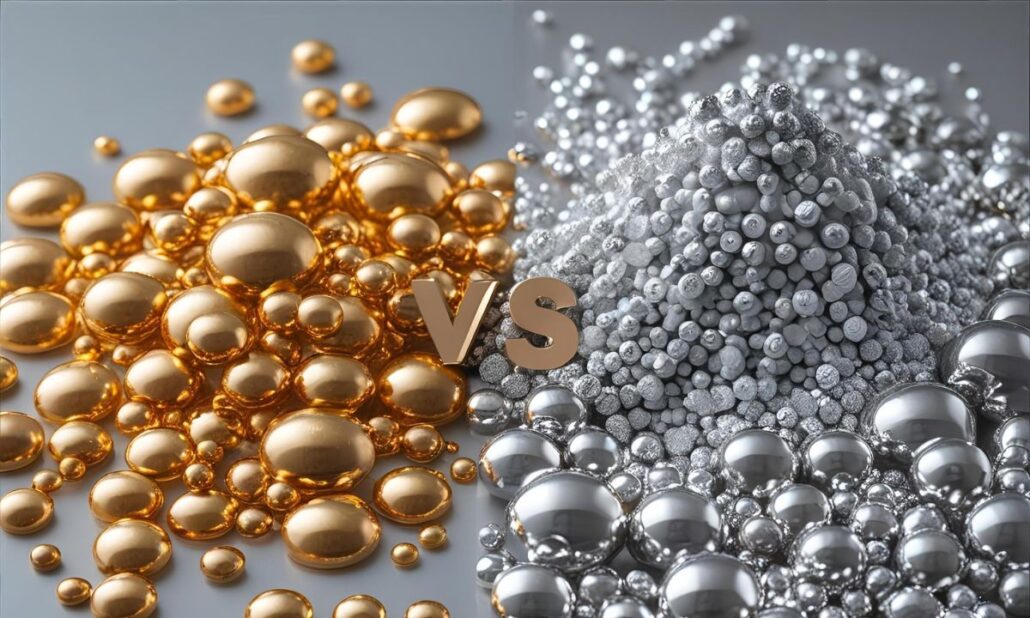
Zinc Plating vs Nickel plating is a frequent point of reference in terms of metal finishing. These two methods are applied to safeguard the metals, enhance their performance, and cause their products to last longer. The differences between these two types depend on cost, durability, and appearance. Surface finishing is not all about appearances. It is concerned with the accuracy with which a product can counter rust, wear, and damage. Even strong metals can be defeated where there is no appropriate coating. This is the reason why plating has been an important process in the automotive, aerospace, construction, and electronic industries. Zinc plating is well known to be cheap and effective. It forms a thin and workable protective coating that resists rust damage on the metal underneath. This gives it preference in fasteners, nuts, bolts, and many other small product elements used in day-to-day items. Nickel plating is stronger and durable, on the other hand. It cannot be worn out easily, and it resists acid. Nickel plating is also a bright, attractive finish, so it is ideal when it is needed on decorative or visible parts such as car trims and appliance fittings or on electronic casings. And when considering Zinc Plating vs Nickel Plating, it becomes the question: which works better in your situation? Depending on the location where the part will find application, how much safeguarding it needs, and how much you are ready to part with, determines the answer. In the current blog, we will unravel both the processes, their advantages, limitations, and major areas where they can be best used to help you make the most appropriate decision. What is Zinc Plating? Zinc plating is a widely used and cost-efficient technique of coating. It is done by depositing a thin coat of zinc on the surface of metal, most commonly steel or iron, by a process known as electroplating. In the process, a zinc salt solution is used to immerse the base metal, and an electrical current is passed. Zinc solutions travel to the surface of the piece leaving an even and thin coating. Benefits of Zinc Plating Limitations of Zinc Plating What is Nickel Plating? Nickel plating is also a common finishing technique, but compared with zinc, it offers a harder, more durable, and aesthetically pleasing surface. The process is achieved in either of two major ways: Electrolytic Nickel Plating (Electroplating) – Much like the zinc plating process, the raw metal is placed into a nickel salt solution, and the nickel is deposited on the surface by applying an electric current to the metal. Electroless Nickel Plating is a method that does not need electricity. Rather, it uses a chemical process to capably deposit nickel to cover the surface evenly, including in complex structures or otherwise inaccessible places. Benefits of Nickel Plating Limitations of Nickel Plating The Plating Process Zinc Plating Process Surface preparation is very meticulous in the case of zinc plating. Before a plate can be done, the surface, which is in most cases metal, normally steel or iron, must be cleaned of oil, dirt, rust, and oxides. To accomplish this, components are either cleaned in acid or alkaline fluids and then rinsed so that no residues remain. After cleaning, the component is inserted into an electrolytic bath that has a zinc salt solution, mostly zinc sulfate or zinc chloride. Electricity is then charged through the bath.. This movement results in zinc ions in the medium to move and being deposited on the surface of the base metal. The effect is a very thin, even coating of zinc covering the zinc below it. A post-step processing of the plated component is often carried out, which can give a more corrosion-resistant effect, also able to change the appearance of the coating, providing a yellow, black, or clear finish. Zinc plating is comparatively quick, price low, and highly applicable in the mass production of hardware and vehicle parts. Nickel Plating Process Nickel plating is prepared in almost a similar manner, with the initial step being cleaning. Part surfaces are well-treated and made clean to ensure adhesion is not compromised by residues. Electrolytic nickel plating: The part enters a bath of solutions of nickel salts, e.g., nickel sulfate, and an electric current is applied. This makes the nickel ions deposit on the surface, forming a hard and protective layer. Another approach, which is nickel plating and does not require power, is electroless nickel plating. Rather, the part is immersed in some chemicals under nickel salts and a reducing solution such as sodium hypophosphite. A plated chemical reaction also occurs, the nickel being deposited uniformly onto the part. This process has an advantage over electrolytic plating in that it will cover with uniformity even in recesses, grooves, and other complex geometries. Electroless nickel deposits are noted to be highly hard and resistant to corrosion, but this process is costlier than the electroplating method and demands much more care over the bath chemistry, pH level, and temperature. Zinc Plating vs Nickel Plating: Key Differences With the choice between zinc plating and nickel plating, cost, durability, appearance, corrosion resistance, and the appropriateness of application are all aspects that may come into consideration. Let us look at them one by one. 1.     Corrosion Resistance Winner: Nickel Plating to serve long-term corrosion protection. 2. Endurance / Wearability Winner: Nickel Plating; Hardness, wear resistance. 3. Cost  Winner: Zinc Plating to cost-effective solutions. 4. Appearance  Winner: Nickel Plating- to look good. 5. Environmental Impact  Winner: Zinc Plating on its greenness. Quick Comparison Table Feature Zinc Plating Nickel Plating Corrosion Resistance Good, but limited in harsh conditions Excellent, especially electroless nickel Durability Moderate – wears faster High – scratch & wear-resistant Cost Low (budget-friendly) Higher (premium option) Appearance Shiny, but basic finish Smooth, mirror-like decorative finish Environmental Impact Easier waste treatment Stricter environmental controls are needed Best For Fasteners, bolts, general hardware Aerospace, electronics, decorative uses Industry Applications of Zinc and Nickel Plating Both plating techniques are very common in industries;
Ανοδιωμένο αλουμίνιο Υλικό: Αλουμίνιο: Ιδιότητες, οφέλη και εφαρμογές

Ανοδιωμένο αλουμίνιο Υλικό: Αλουμίνιο: Ιδιότητες, οφέλη και εφαρμογές

χύτευση αλουμινίου, Φινίρισμα επιφάνειας αλουμινίου

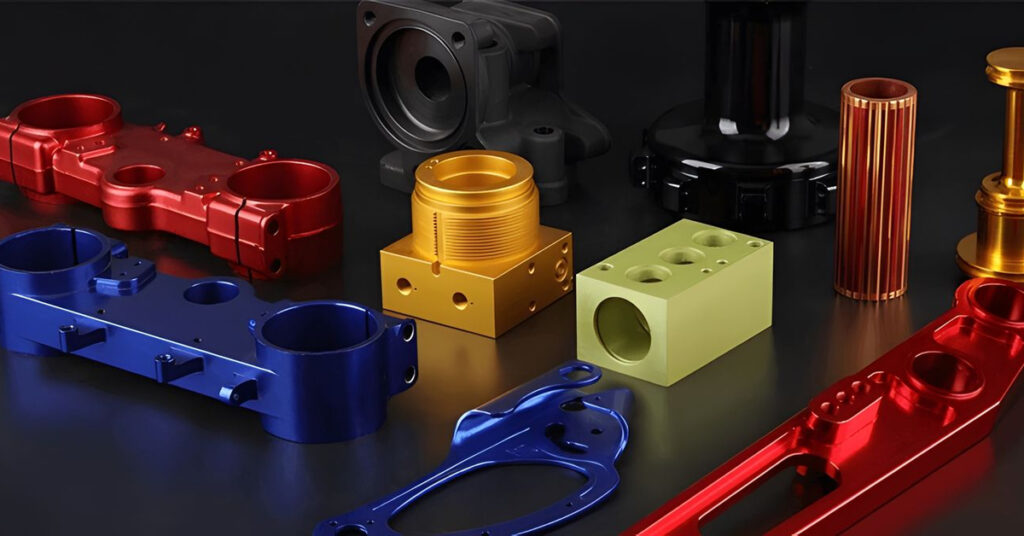
Το ανοδιωμένο αλουμίνιο χρησιμοποιείται κυρίως επειδή είναι ελαφρύ, ισχυρό και ανθεκτικό στη διάβρωση. Ενώ το ακατέργαστο αλουμίνιο προσφέρει μια ορισμένη ανθεκτικότητα και αντοχή στις γρατζουνιές, είναι επιρρεπές σε οξείδωση, βαθουλώματα και γρατζουνιές, τα οποία μπορούν να το αλλάξουν μακροπρόθεσμα και να το διατηρήσουν σε καλή κατάσταση. Για να γίνει το αλουμίνιο ισχυρότερο και ανθεκτικότερο, στη συνέχεια ανοδιωμένο, ώστε να σχηματιστεί ένα προστατευτικό στρώμα οξειδίου στην επιφάνειά του. Ο λόγος για αυτό το στρώμα είναι ότι σκληραίνει το μέταλλο, δίνοντάς του μια επιφάνεια που δεν διαβρώνεται και δεν φθείρεται και μια πιο ευχάριστη εμφάνιση. Το ανοδιωμένο αλουμίνιο προτιμάται λόγω αυτών των παραγόντων και χρησιμοποιείται ευρέως στις βιομηχανίες αεροδιαστημικής, αυτοκινητοβιομηχανίας, κατασκευών και καταναλωτικών ηλεκτρονικών. Η ανοδίωση αποτελείται από διάφορα στάδια καθαρισμού της επιφάνειας, εμβάπτιση σε λουτρό ηλεκτρολύτη, οξείδωση με χρήση ηλεκτρικού ρεύματος και σφράγιση. Εκτός του ότι καθιστά το υλικό ισχυρότερο, η επεξεργασία αυτή μπορεί να χρωματιστεί σε διάφορες αποχρώσεις και τελειώματα. Ο ηλεκτρολυτικός χρωματισμός, ο χρωματισμός εμβάπτισης, ο ολοκληρωτικός χρωματισμός και ο χρωματισμός παρεμβολής είναι διαφορετικές κοινές τεχνικές χρωματισμού. Η συνήθης ανοδίωση και η σκληρή ανοδίωση είναι οι δύο κύριοι τύποι ανοδίωσης. Συνήθως υπάρχουν δύο διαθέσιμες διαδικασίες: η συνηθισμένη ανοδίωση, που χρησιμοποιείται κυρίως για εφαρμογές φινιρίσματος και χαμηλού βάρους, και η σκληρή ανοδίωση που δίνει εξαιρετική αντοχή, φθορά και δύναμη για στρατιωτικές, βιομηχανικές και αεροδιαστημικές εφαρμογές. Εκτός από την ανοδίωση, το αλουμίνιο μπορεί να υποστεί επεξεργασία μέσω άλλων επιφανειακών επεξεργασιών, όπως η ηλεκτρολυτική επίστρωση, η επίστρωση σε σκόνη, η επίστρωση μετατροπής χρωμικού, η επίστρωση PVD, οι κεραμικές επιστρώσεις ή το γαλβάνισμα εν θερμώ. Το ανοδιωμένο αλουμίνιο δεν διαθέτει ομοιόμορφα αυτές τις ιδιότητες και έτσι χρησιμοποιείται ως ένα ευέλικτο και αξιόπιστο υλικό σε πολλές βιομηχανίες, με κάθε μέθοδο να παρέχει στο υλικό συγκεκριμένες βελτιωμένες ιδιότητες - αντοχή στη διάβρωση, σκληρότητα, αγωγιμότητα κ.λπ. Σε αυτό το άρθρο, θα συζητήσουμε ποιες ιδιότητες, οφέλη, εφαρμογές και συντήρηση περιλαμβάνει το ανοδιωμένο αλουμίνιο και γιατί αποτελεί καλύτερη εναλλακτική λύση σε σχέση με άλλα μέταλλα και επεξεργασίες. Εάν γνωρίζουμε αυτές τις πτυχές, μπορούμε να καταλάβουμε ποιο υλικό πρέπει να χρησιμοποιηθεί για μια συγκεκριμένη βιομηχανία και τον καταναλωτή. Τι είναι το ανοδιωμένο αλουμίνιο; Το ανοδιωμένο αλουμίνιο είναι ένα αλουμίνιο που έχει περάσει από μια ηλεκτροχημική διαδικασία για την παραγωγή ενός παχύτερου, πιο ανθεκτικού στρώματος οξειδίου στην επιφάνειά του. Η παρουσία αυτού του ανοδικού στρώματος οξειδίου αυξάνει την αντίσταση του μετάλλου στη διάβρωση, βελτιώνει τη σκληρότητα της επιφάνειας και αυξάνει την ικανότητα του μετάλλου να προσκολλάται σε βαφές και επιστρώσεις. Η διαδικασία ανοδίωσης Με άλλα λόγια, η διαδικασία ανοδίωσης περιλαμβάνει διάφορα βασικά στάδια. Βασικές ιδιότητες του ανοδιωμένου υλικού αλουμινίου 1. Ενισχυμένη αντοχή στη διάβρωση Το ανοδιωμένο αλουμίνιο είναι ένα από τα πιο ανθεκτικά στη διάβρωση. Αυτό το καθιστά πρακτικά άχρηστο σε εξωτερικούς χώρους ή όταν είναι βυθισμένο στο νερό, καθώς το στρώμα οξειδίου προστατεύει το μέταλλο από την υγρασία και το περιβάλλον μας. 2. Αυξημένη επιφανειακή σκληρότητα Η ανοδίωση βελτιώνει σημαντικά τη σκληρότητα του αλουμινίου και το αλουμίνιο γίνεται πιο ανθεκτικό στις γρατζουνιές, τα βαθουλώματα και τη φθορά. Ένα τέτοιο σκληρό ανοδιωμένο αλουμίνιο είναι εξαιρετικά ανθεκτικό και χρησιμοποιείται πράγματι σε εφαρμογές υψηλών επιδόσεων. 3. Αισθητική γοητεία και ποικιλία χρωμάτων Επίσης, το ανοδιωμένο αλουμίνιο προσφέρεται σε μαύρο, χρυσό, μπρούντζο, ασήμι κ.λπ. χωρίς να αλλάζει η φυσική υφή του μετάλλου. Αυτός είναι ο λόγος για τον οποίο αποτελεί προτιμώμενη επιλογή για αρχιτεκτονικές αλλά και διακοσμητικές εφαρμογές. 4. Ελαφρύ αλλά ισχυρό Ενώ το στρώμα οξειδίου τοποθετείται στην κορυφή του αλουμινίου, αυτό δεν κάνει το αλουμίνιο σημαντικά βαρύτερο και εξακολουθεί να είναι ελαφρύτερο από βαρύτερα υλικά όπως ο ανοξείδωτος χάλυβας. 5. Ηλεκτρική μόνωση Επειδή το ανοδιωμένο αλουμίνιο είναι κακός αγωγός του ηλεκτρισμού σε σύγκριση με το μη επεξεργασμένο αλουμίνιο, είναι ένα ελκυστικό υλικό για χρήση σε εφαρμογές όπου απαιτείται μόνωση για ηλεκτρικούς ή ηλεκτρονικούς σκοπούς. 6. Φιλικό προς το περιβάλλον και βιώσιμο Το ανοδιωμένο αλουμίνιο είναι εντελώς μη τοξικό, είναι ανακυκλώσιμο και δεν εκλύει επικίνδυνες και επιβλαβείς για την υγεία πτητικές οργανικές ενώσεις (VOC), επομένως είναι φιλικό προς το περιβάλλον. Πώς να προσθέσετε χρώμα σε εξαρτήματα ανοδιωμένου αλουμινίου; Η ανοδίωση του αλουμινίου είναι γνωστό ότι μπορεί να συγκρατήσει τα χρώματα πολύ έντονα. Ο ηλεκτρολυτικός χρωματισμός και ο χρωματισμός με εμβάπτιση είναι οι δύο από τις πολλές τεχνικές που χρησιμοποιούνται για τον χρωματισμό του ανοδιωμένου αλουμινίου. 1. Ηλεκτρολυτικός χρωματισμός Ένας δημοφιλής τρόπος για τον καλλωπισμό του ανοδιωμένου αλουμινίου είναι ο ηλεκτρολυτικός χρωματισμός, κατά τον οποίο το ανοδιωμένο αλουμίνιο χρωματίζεται με ανθεκτικές και ανθεκτικές στην υπεριώδη ακτινοβολία αποχρώσεις. Μόλις το αλουμίνιο περάσει από τη διαδικασία ανοδίωσης, τοποθετείται σε λουτρό με μεταλλικά άλατα. Τα τελευταία χρόνια έχουν αναπτυχθεί μεταλλικά άλατα, σύμφωνα με τα οποία, όταν εφαρμόζεται ηλεκτρικό ρεύμα, εγκαθίστανται στους ανοιχτούς πόρους της ανοδιωμένης επιφάνειας δημιουργώντας μόνιμα μια επιφάνεια με μεταλλικό χρώμα. Τέλος, το χρώμα εξαρτάται από τον τύπο των μεταλλικών αλάτων που χρησιμοποιούνται. Τα άλατα χαλκού ,για παράδειγμα, κάνουν το διάλυμα κοκκινωπό σε απόχρωση, ενώ άλλα μέταλλα μπορούν να το κάνουν σε άλλες αποχρώσεις. Χρησιμοποιείται ευρέως επειδή τα χρώματα που γίνονται με αυτόν τον τρόπο διαρκούν πολύ και δεν ξεθωριάζουν, γεγονός που το καθιστά εξαιρετικό για εξωτερικούς χώρους ή χρήσεις με υψηλή έκθεση. 2. Χρωματισμός με εμβάπτιση Μια άλλη μέθοδος χρωματισμού είναι ο ‘χρωματισμός με εμβάπτιση’ που δίνει σε κάποιον μια μεγάλη ποικιλία χρωματικών επιλογών. Κατά τη διάρκεια αυτού του είδους επεξεργασίας, το πορώδες στρώμα βυθίζεται σε ένα διάλυμα βαφής όπου το ανοδιωμένο αλουμίνιο απορροφά τη χρωστική ουσία. Μόλις επιτευχθεί μια απόχρωση, το αλουμίνιο σφραγίζεται σε νερό για να σταματήσει η συνέχιση των αντιδράσεων. Η βαφή με εμβάπτιση προσφέρει πολύ πιο ζωντανές και προσαρμόσιμες αποχρώσεις με αντίθεση, αλλά δεν είναι ανθεκτικές στην υπεριώδη ακτινοβολία και τα χρώματα θα ξεθωριάσουν σε πολύ μικρότερο βαθμό όταν εκτεθούν στο ηλιακό φως. Ωστόσο, αυτή η έλλειψη ανθεκτικότητας είναι ο κύριος λόγος για τον οποίο δεν χρησιμοποιείται συνήθως σε εφαρμογές όπου η ανθεκτικότητα των εξαρτημάτων αποτελεί σημαντικό παράγοντα. 3. Ολοκληρωτικός χρωματισμός (διαδικασία ενός σταδίου) Ο ολοκληρωτικός χρωματισμός είναι μια μοναδική διαδικασία που ενσωματώνει την ανοδίωση και τον χρωματισμό σε μια διαδικασία, η οποία είναι πιο αποτελεσματική από ό,τι στις μεθόδους πολλαπλών σταδίων. Σε αντίθεση με ορισμένες άλλες τεχνικές, οι ηλεκτρολύτες, οι οποίοι αντιδρούν με την επιφάνεια του αλουμινίου και στεγνώνουν γρήγορα, δημιουργούν βαθιές, πλούσιες μεταλλικές αποχρώσεις, συμπεριλαμβανομένων του μαύρου, του χρυσού ή του μπρούντζου. Το χρώμα σχηματίζεται στο ίδιο το στρώμα οξειδίου και λόγω αυτού, είναι πολύ ανθεκτικό και δεν γρατζουνάει, δεν είναι επιρρεπές στη διάβρωση και δεν ξεθωριάζει. Ενώ ο ολοκληρωμένος χρωματισμός αποδίδει ποιοτικά φινιρίσματα, είναι σπάνιος λόγω του κόστους και της πολυπλοκότητας. Αρχιτεκτονικά εξαρτήματα, ηλεκτρονικά εξαρτήματα υψηλών προδιαγραφών και βιομηχανικός εξοπλισμός στα οποία τα εξαρτήματα πρέπει να είναι σε θέση να αντέχουν σε απαιτητικές συνθήκες όπου

ανοδιωμένα μέρη αλουμινίου

Μαύρο ανοδιωμένο αλουμίνιο

Φινίρισμα επιφάνειας αλουμινίου

What is black anodized aluminum Black anodized aluminum is basically the aluminum which went through anodizing process and then subsequently dyed into black color. The natural and porous oxide layer on the surface of the aluminum part is increased by an electrochemical process called anodizing. In this way this layer becomes durable, thicker and harder. This oxide layer is achieved by dipping aluminum part in an electrolytic bath and passing electric current through it. Anodized aluminum black is considered important because of its corrosion resistance, durability and aesthetics attraction and uniqueness. Aluminum has prominent properties such as light weight, high strength to weight ratio, corrosion resistance and thermal conductivity. All of these properties remain intact and a sleek black finish is provided as well. This finish is more durable and is less likely to chip off or peel off as compared to finish which is achieved by plating or coating. This is extensively used in automotive parts, aerospace industry, household components and electronics parts. How aluminum is anodized? This includes a method in which a decorative as well as protective layer is produced on the aluminum part surface. Many important factors need to be considered in this process which is the following: Equipment and Material Anodizing tank Aluminum objects Sodium Hydroxide Distilled water Electric current source Nitric acid or sulfuric acid Degreaser Anodizing black dye Cathode material i.e. lead or aluminum Protective gears How to prepare Aluminum Part Surface? Surface preparation is a prominent factor before carrying out anodizing process. It comprises of various steps including cleaning, etching and desmutting. First of all surface of the aluminum object is completely cleaned by using acidic or alkaline cleaners. This will thoroughly remove all kinds of contaminations such as dirt, grease or oil. Now the cleaned aluminum object is subjected to etching process. During this process the aluminum part is etched in sodium hydroxide solution. Etching process will remove the natural oxide layer and will create a smooth surface finish. Etching process often leaves residual particles on the surface. In order to remove those residues, desmutting process is carried out. In this process aluminum part after the etching process is dipped in an acidic solution i.e. nitric acid. How to carry out black anodizing aluminum process? This process is carried out in an electrolytic cell which comprises of an anode, cathode and an electrolytic solution in the bath. This bath most of the times contains sulfuric acid however phosphoric acid and chromic acid are also used. The aluminum object whose preparation is completed is dipped in the bath. In the electrolytic cell positive electrode is the aluminum object which will act as anode. The negative electrode which is made of stainless steel or lead will act as cathode. This will complete the circuit and an electric current is passed through this circuit. During this process oxygen ions from the electrolytic bath combine with the aluminum atoms on the surface area of the aluminum object and will form aluminum oxide. This process continues and thickness of this oxide layer keeps increasing. It is important to note that growth of this oxide layer takes place inward and outward from the aluminum surface and ultimately this will result in the formation of a porous structure. Factors which affects the formation of Oxide layer The thickness of the oxide layer is controlled by the following factors. The temperature of the electrolyte The duration of the process Current density The type of the acid which is used How to dye aluminum black? This process is carried out after the anodizing of aluminum object. At the end of anodizing process a porous oxide layer is formed on the aluminum object which is able to absorb and accept dyes. During the dyeing process the aluminum object is immersed in a dye bath. This dye bath contains the black dye. The black dye penetrates into the pores of the porous oxide layer which was formed from anodizing process. In order to achieve the required black shade and uniform dyeing the immersion time and temperature must be carefully controlled. After achieving the desired color and its shade the sealing process is carried out. In this process the absorbed dye is locked by closing the pores of the oxide layer and aluminum object is sealed. Following materials are generally used for sealing purpose. Nickel acetate solution Ionized water Steam The aluminum object is subjected to thorough rinsing to remove any residues. After that the part is completely dried. Subsequently this will increase the corrosion resistance, durability and the surface finish. Defining the black anodized aluminum pipe This is a hollow and cylindrical tube made from aluminum and is in shape of a pipe. This aluminum pipe is first subjected to anodizing process in which oxide layer is increased in thickness and after that it is dyed into black color to get a better finish. Anodized aluminum black pipe have the combination of aluminum properties such as corrosion resistance, light weight, durability and advantages of anodization along with black finishing. These pipes find their applications extensively in construction sector, marine applications, automotive industry and for decoration purposes. Definition of the aluminum anodized black sheet An aluminum sheet is a flat and thin aluminum metal piece which possesses the prominent properties such as corrosion resistance, light weight and high strength. This aluminum sheet undergoes anodizing process which ultimately enhances the surface hardness and corrosion resistance of the aluminum sheet. Additionally this process also increases the ability of the sheet to absorb dyes and coatings. After that this sheet is dyed into black color. Subsequently this will provide aesthetics and protection against wear and corrosion. Major applications of these sheets include areas where durability and appearance are of prime importance such as architecture, electronics, signage and decorative needs. Advantages of Black Anodized Aluminum Black anodized aluminum provides many advantages making it suitable to be utilized in numerous applications. Some benefits are as follows. Improved Mechanical Properties: Black anodized aluminum offers better wear resistance and

Κύλιση στην κορυφή

Αποκτήστε μια προσφορά