
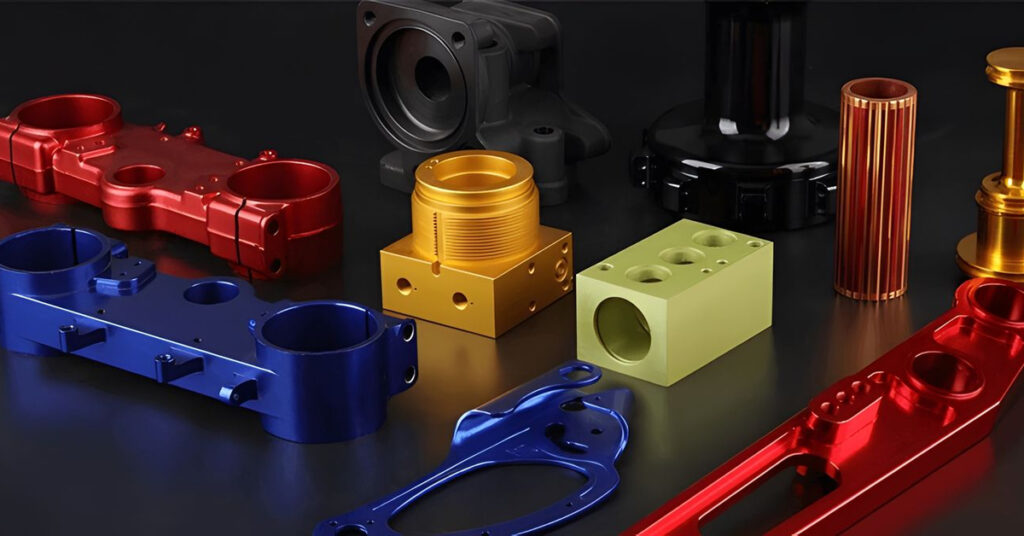
Overflatebehandling av aluminium

Forzinking vs. fornikling: Hvilken bør du velge?

Forzinking vs. fornikling: Hvilken bør du velge?

støpeformer av aluminium, trykkstøping av aluminium, Overflatebehandling av aluminium

Zinc Plating vs Nickel plating is a frequent point of reference in terms of metal finishing. These two methods are applied to safeguard the metals, enhance their performance, and cause their products to last longer. The differences between these two types depend on cost, durability, and appearance. Surface finishing is not all about appearances. It is concerned with the accuracy with which a product can counter rust, wear, and damage. Even strong metals can be defeated where there is no appropriate coating. This is the reason why plating has been an important process in the automotive, aerospace, construction, and electronic industries. Zinc plating is well known to be cheap and effective. It forms a thin and workable protective coating that resists rust damage on the metal underneath. This gives it preference in fasteners, nuts, bolts, and many other small product elements used in day-to-day items. Nickel plating is stronger and durable, on the other hand. It cannot be worn out easily, and it resists acid. Nickel plating is also a bright, attractive finish, so it is ideal when it is needed on decorative or visible parts such as car trims and appliance fittings or on electronic casings. And when considering Zinc Plating vs Nickel Plating, it becomes the question: which works better in your situation? Depending on the location where the part will find application, how much safeguarding it needs, and how much you are ready to part with, determines the answer. In the current blog, we will unravel both the processes, their advantages, limitations, and major areas where they can be best used to help you make the most appropriate decision. What is Zinc Plating? Zinc plating is a widely used and cost-efficient technique of coating. It is done by depositing a thin coat of zinc on the surface of metal, most commonly steel or iron, by a process known as electroplating. In the process, a zinc salt solution is used to immerse the base metal, and an electrical current is passed. Zinc solutions travel to the surface of the piece leaving an even and thin coating. Benefits of Zinc Plating Limitations of Zinc Plating What is Nickel Plating? Nickel plating is also a common finishing technique, but compared with zinc, it offers a harder, more durable, and aesthetically pleasing surface. The process is achieved in either of two major ways: Electrolytic Nickel Plating (Electroplating) – Much like the zinc plating process, the raw metal is placed into a nickel salt solution, and the nickel is deposited on the surface by applying an electric current to the metal. Electroless Nickel Plating is a method that does not need electricity. Rather, it uses a chemical process to capably deposit nickel to cover the surface evenly, including in complex structures or otherwise inaccessible places. Benefits of Nickel Plating Limitations of Nickel Plating The Plating Process Zinc Plating Process Surface preparation is very meticulous in the case of zinc plating. Before a plate can be done, the surface, which is in most cases metal, normally steel or iron, must be cleaned of oil, dirt, rust, and oxides. To accomplish this, components are either cleaned in acid or alkaline fluids and then rinsed so that no residues remain. After cleaning, the component is inserted into an electrolytic bath that has a zinc salt solution, mostly zinc sulfate or zinc chloride. Electricity is then charged through the bath.. This movement results in zinc ions in the medium to move and being deposited on the surface of the base metal. The effect is a very thin, even coating of zinc covering the zinc below it. A post-step processing of the plated component is often carried out, which can give a more corrosion-resistant effect, also able to change the appearance of the coating, providing a yellow, black, or clear finish. Zinc plating is comparatively quick, price low, and highly applicable in the mass production of hardware and vehicle parts. Nickel Plating Process Nickel plating is prepared in almost a similar manner, with the initial step being cleaning. Part surfaces are well-treated and made clean to ensure adhesion is not compromised by residues. Electrolytic nickel plating: The part enters a bath of solutions of nickel salts, e.g., nickel sulfate, and an electric current is applied. This makes the nickel ions deposit on the surface, forming a hard and protective layer. Another approach, which is nickel plating and does not require power, is electroless nickel plating. Rather, the part is immersed in some chemicals under nickel salts and a reducing solution such as sodium hypophosphite. A plated chemical reaction also occurs, the nickel being deposited uniformly onto the part. This process has an advantage over electrolytic plating in that it will cover with uniformity even in recesses, grooves, and other complex geometries. Electroless nickel deposits are noted to be highly hard and resistant to corrosion, but this process is costlier than the electroplating method and demands much more care over the bath chemistry, pH level, and temperature. Zinc Plating vs Nickel Plating: Key Differences With the choice between zinc plating and nickel plating, cost, durability, appearance, corrosion resistance, and the appropriateness of application are all aspects that may come into consideration. Let us look at them one by one. 1.     Corrosion Resistance Winner: Nickel Plating to serve long-term corrosion protection. 2. Endurance / Wearability Winner: Nickel Plating; Hardness, wear resistance. 3. Cost  Winner: Zinc Plating to cost-effective solutions. 4. Appearance  Winner: Nickel Plating- to look good. 5. Environmental Impact  Winner: Zinc Plating on its greenness. Quick Comparison Table Feature Zinc Plating Nickel Plating Corrosion Resistance Good, but limited in harsh conditions Excellent, especially electroless nickel Durability Moderate – wears faster High – scratch & wear-resistant Cost Low (budget-friendly) Higher (premium option) Appearance Shiny, but basic finish Smooth, mirror-like decorative finish Environmental Impact Easier waste treatment Stricter environmental controls are needed Best For Fasteners, bolts, general hardware Aerospace, electronics, decorative uses Industry Applications of Zinc and Nickel Plating Both plating techniques are very common in industries;

Anodisert aluminiummateriale: Egenskaper, fordeler og bruksområder

Anodisert aluminiummateriale: Egenskaper, fordeler og bruksområder

trykkstøping av aluminium, Overflatebehandling av aluminium

Anodized aluminum material is used mainly because it is light, strong, and corrosion-resistant. While raw aluminum does offer a certain amount of durability and scratch resistance, it is prone to oxidation, dents, and scratches, which can change it in the long term and keep it looking good. To make the aluminum stronger and more durable, it is then anodized to form a protective oxide layer on its surface. The reason for this layer is that it hardens the metal, giving it a more noncorroding and nonwear surface and a more pleasant appearance. Anodized aluminum is preferred due to these factors and is used widely across aerospace, automotive, construction, and consumer electronics industries. The anodization consists of several steps cleaning of the surface, immersion into an electrolyte bath, oxidation using electric current, and sealing. Besides making the material stronger, this treatment can be colored in different shades and finishes. Electrolytic coloring, Dip coloring, Integral coloring, and Interference coloring are different common coloring techniques. Ordinary anodizing and hard anodizing are the two main types of anodizing. Typically there are two processes available: ordinary anodizing, used primarily for finish and low-weight applications, and hard anodizing which gives excellent durability, wearer, and strength for military, industrial, and aerospace applications. In addition to anodization, aluminum can be processed through other surface treatments such as electroplating, powder coating, chromate conversion coating, PVD coating, ceramic coatings, or hot dip galvanizing. Anodized aluminum does not possess these properties uniformly and thus is used as a versatile and reliable material in many industries, with each method providing the material with specific enhanced properties—corrosion resistance, hardness, conductivity, etc. In this article, we’ll discuss what properties, benefits, applications, and maintenance of anodized aluminum involve, and why it is a better alternative to other metals and treatments. If we know these aspects we can understand which material to use for a particular industry and the consumer. What is Anodized Aluminum? Aluminum that has been anodized is an aluminum that has been run through an electrochemical process to produce a thicker, more durable oxide layer on its surface. The presence of this anodic oxide layer increases the resistance of the metal to corrosion, improves the surface hardness, and increases the ability of the metal to adhere to dyes and coatings. The Anodization Process In other words, the anodization process includes several key steps. Anodized Aluminum Material Key Properties 1. Enhanced Corrosion Resistance Anodized aluminum is one of the most resistant to corrosion. This makes it practically useless outdoors or when submerged in water, as the oxide layer protects the metal from moisture and our environment. 2. Increased Surface Hardness Anodization improves the hardness of aluminum significantly and aluminum becomes more resistant to scratch, dent, and wear. One such hard anodized aluminum is highly durable and is indeed used in high-performance applications. 3. Aesthetic Appeal and Color Variety Also, anodized aluminum is offered in black, gold, bronze, silver, etc. without changing the natural texture of the metal. This is why it is a preferred choice for architectural as well as decorative applications. 4. Lightweight Yet Strong While the oxide layer is put on top of the aluminum, this doesn’t make the aluminum significantly heavier, and it is still lighter than heavier materials such as stainless steel. 5. Electrical Insulation Because anodized aluminum is a poor conductor of electricity as compared to untreated aluminum, it is an attractive material to use in applications where insulation is needed for electrical or electronic purposes. 6. Environmentally Friendly and Sustainable Anodized aluminum is completely non-toxic, is recyclable, and does not out-gas dangerous and health-harming VOCs (volatile organic compounds), so it is eco-friendly. How to Add Color to Anodized Aluminum Parts? Anodizing aluminum is well known to be able to hold colors very vibrantly. Electrolytic coloring and dip coloring are the two of the many techniques used to color anodized aluminum. 1. Electrolytic Coloring One popular way to beautify anodized aluminum is with electrolytic coloring whereby anodized aluminum is colored with durable and UV-resistant shades. Once the aluminum has gone through the anodizing process, it is placed in a bath with metallic salts. In the last few years metalized salts have been developed whereby, when an electric current is applied, they settle into the open pores of the anodized surface permanently creating a metal-colored surface. Finally, the color depends on the type of metal salts involved. Copper salts ,for instance, make the solution reddish in tone, and other metals can make it in other hues. It is widely used because colors done this way last long and don’t fade, which makes it great for outdoor or high-exposure uses. 2. Dip Coloring Another color method is ‘dip coloring’ which gives one a large variety of color choices. During this kind of processing, the porous layer is submerged in a dye solution where the anodized aluminum absorbs the pigment. Once a shade is reached, the aluminum is sealed in water to stop reactions from continuing. Dip coloring offers much more vibrant and customizable contrasted shades, but they are not UV resistant and the colors will fade to a much lesser extent when exposed to sunlight. However, this lack of durability is the main reason why it is not commonly used in applications where the durability of parts is an important factor. 3. Integral Coloring (One-Step Process) An integral coloring is a unique process that incorporates anodizing and coloring into one process which is more efficient than in multi-step methods. Unlike some other techniques, the electrolytes, which react with the surface of the aluminum and are quick to dry, create deep, rich metallic tones including black, gold, or bronze. The color is formed in the very oxide layer, and due to that, it is very durable and doesn’t scratch, isn’t prone to corrosion, and doesn’t fade away. While integral coloring yields quality finishes, it is rare because of the cost and complexity. Architectural components, high-end electronics, and industrial equipment in which the parts must be able to withstand demanding conditions where

anodiserte aluminiumsdeler

Svart anodisert aluminium

Overflatebehandling av aluminium

Hva er svart anodisert aluminium Svart anodisert aluminium er i utgangspunktet aluminiumet som gikk gjennom anodiseringsprosessen og deretter farget til svart farge. Det naturlige og porøse oksidlaget på overflaten av aluminiumsdelen økes ved hjelp av en elektrokjemisk prosess som kalles anodisering. På denne måten blir dette laget holdbart, tykkere og hardere. Dette oksidlaget oppnås ved å dyppe aluminiumsdelen i et elektrolytisk bad og føre elektrisk strøm gjennom det. Anodisert aluminium svart anses som viktig på grunn av sin korrosjonsbestandighet, holdbarhet og estetiske attraksjon og unikhet. Aluminium har fremtredende egenskaper som lav vekt, høy styrke i forhold til vekt, korrosjonsbestandighet og varmeledningsevne. Alle disse egenskapene forblir intakte, og i tillegg får man en elegant svart finish. Denne finishen er mer holdbar og har mindre sannsynlighet for å flasse av sammenlignet med finish som oppnås ved plettering eller belegg. Dette brukes i stor utstrekning i bildeler, luftfartsindustrien, husholdningskomponenter og elektronikkdeler. Hvordan anodiseres aluminium? Dette inkluderer en metode der det produseres et dekorativt så vel som beskyttende lag på aluminiumsdelens overflate. Mange viktige faktorer må vurderes i denne prosessen, som er følgende: Utstyr og materiale Anodiseringstank Aluminiumsgjenstander Natriumhydroksid Destillert vann Elektrisk strømkilde Salpetersyre eller svovelsyre Avfettingsmiddel Anodiserende svart fargestoff Katodemateriale, dvs. bly eller aluminium Beskyttelsesutstyr Hvordan forberede aluminiumsdelens overflate? Overflatebehandling er en fremtredende faktor før du utfører anodiseringsprosessen. Den består av forskjellige trinn, inkludert rengjøring, etsing og desmutting. Først og fremst rengjøres overflaten på aluminiumsobjektet fullstendig ved hjelp av sure eller alkaliske rengjøringsmidler. Dette vil grundig fjerne alle slags forurensninger som smuss, fett eller olje. Nå blir det rengjorte aluminiumsobjektet utsatt for etseprosessen. Under denne prosessen etses aluminiumsdelen i natriumhydroksidløsning. Etsingsprosessen fjerner det naturlige oksidlaget og skaper en glatt overflatefinish. Etsingsprosessen etterlater ofte restpartikler på overflaten. For å fjerne disse restene, utføres desmutting-prosessen. I denne prosessen dyppes aluminiumsdelen etter etseprosessen i en sur løsning, f.eks. salpetersyre. Hvordan utføre svart anodisering av aluminiumsprosessen? Denne prosessen utføres i en elektrolytisk celle som består av en anode, katode og en elektrolytisk løsning i badet. Dette badet inneholder for det meste svovelsyre, men fosforsyre og kromsyre brukes også. Aluminiumsobjektet som er ferdig preparert dyppes i badet. I den elektrolytiske cellen er den positive elektroden aluminiumsobjektet som vil fungere som anode. Den negative elektroden som er laget av rustfritt stål eller bly vil fungere som katode. Dette vil fullføre kretsen, og en elektrisk strøm føres gjennom denne kretsen. I løpet av denne prosessen vil oksygenioner fra det elektrolytiske badet kombinere seg med aluminiumsatomene på overflaten av aluminiumsobjektet og danne aluminiumoksid. Denne prosessen fortsetter, og tykkelsen på dette oksidlaget fortsetter å øke. Det er viktig å merke seg at veksten av dette oksidlaget skjer innover og utover fra aluminiumsoverflaten, og til slutt vil dette resultere i dannelsen av en porøs struktur. Faktorer som påvirker dannelsen av oksidlaget Tykkelsen på oksidlaget styres av følgende faktorer. Elektrolyttens temperatur Prosessens varighet Strømtetthet Hvilken type syre som brukes Hvordan farges aluminium svart? Denne prosessen utføres etter anodisering av aluminiumsgjenstanden. På slutten av anodiseringsprosessen dannes det et porøst oksidlag på aluminiumsgjenstanden som er i stand til å absorbere og akseptere fargestoffer. Under fargeprosessen senkes aluminiumsgjenstanden ned i et fargebad. Dette fargebadet inneholder det svarte fargestoffet. Det svarte fargestoffet trenger inn i porene i det porøse oksidlaget som ble dannet i anodiseringsprosessen. For å oppnå ønsket svartfarge og jevn farging må nedsenkningstiden og temperaturen kontrolleres nøye. Etter at ønsket farge og nyanse er oppnådd, utføres forseglingsprosessen. I denne prosessen låses det absorberte fargestoffet ved å lukke porene i oksidlaget, og aluminiumsobjektet forsegles. Følgende materialer brukes vanligvis til forseglingsformål. Nikkelacetatoppløsning Ionisert vanndamp Aluminiumsgjenstanden skylles grundig for å fjerne eventuelle rester. Deretter tørkes delen helt. Dette vil øke korrosjonsbestandigheten, holdbarheten og overflatefinishen. Definisjon av det svartanodiserte aluminiumsrøret Dette er et hult og sylindrisk rør laget av aluminium og er formet som et rør. Dette aluminiumsrøret blir først utsatt for anodiseringsprosess der oksidlaget økes i tykkelse og etter det blir det farget i svart farge for å få en bedre finish. Anodisert svart aluminiumsrør har kombinasjonen av aluminiumsegenskaper som korrosjonsbestandighet, lett vekt, holdbarhet og fordelene med anodisering sammen med svart etterbehandling. Disse rørene finner sine anvendelser i stor utstrekning i byggesektoren, marine applikasjoner, bilindustrien og til dekorasjonsformål. Definisjon av anodisert svart aluminiumsark En aluminiumsplate er et flatt og tynt aluminiummetallstykke som har de fremtredende egenskapene som korrosjonsbestandighet, lett vekt og høy styrke. Dette aluminiumsarket gjennomgår anodiseringsprosess som til slutt forbedrer overflatehardheten og korrosjonsbestandigheten til aluminiumsarket. I tillegg øker denne prosessen også arkets evne til å absorbere fargestoffer og belegg. Etter det er dette arket farget i svart farge. Deretter vil dette gi estetikk og beskyttelse mot slitasje og korrosjon. Disse platene brukes blant annet på områder der holdbarhet og utseende er av største betydning, for eksempel arkitektur, elektronikk, skilting og dekorative behov. Fordeler med svart anodisert aluminium Svart anodisert aluminium gir mange fordeler som gjør det egnet til å bli brukt i mange applikasjoner. Noen av fordelene er som følger. Forbedrede mekaniske egenskaper: Svart anodisert aluminium gir bedre slitestyrke og

Skroll til toppen

Få et tilbud