Bronce mecanizado CNC

Mecanizado del bronce

Mecanizado CNC

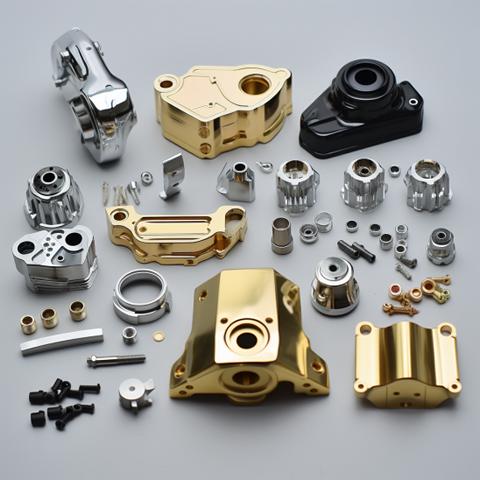
Copper Bronze in CNC Machining Bronze is a metal that is used in a wide variety of industries and applications. It is made of copper, tin, and other alloys to provide strength, durability, and resistance to corrosion. Due to its versatility, it is widely used in CNC machining applications, particularly in manufacturing high-accuracy parts such as bearings, gears, and other complex parts. Bronze’s Machinability and Applications Bronze has good machinability that allows it to be easily cut, drilled, and shaped using computerized machines such as CNC, thus making it vital in industries that require high accuracy, such as aerospace, automobile, and manufacturing of medical equipment. Enhancing Bronze’s Properties It is for this reason that by changing the composition and treatments of bronze, its mechanical and performance characteristics can be enhanced. For instance, phosphorus improves wear resistance while aluminum increases strength and hardness to suit a given application. CNC machining bronze: The Process Steps Bronze CNC machining involves the use of Computer Numerical Control (CNC) machines. The process begins with a CAD model, and CAM software creates toolpaths. The bronze material is then conditioned and positioned on the work table of the CNC machine for milling, turning, drilling, and other detailed work like engraving or etching. Quality Control and Polishing Subsequent to machining, inspection is done using accurate measuring tools to check for compliance with the set tolerances and quality. Some of the last operations, such as polishing or sanding, may be done to give the required surface finish before proper packing for transport or for subsequent operations. Expertise and Optimization CNC operators are very important in the process of using CNC machines to machine bronze since they help in achieving the best results as far as accuracy, performance, and durability of the machined components are concerned. Benefits of CNC Bronze Machining Bronze CNC machining has many advantages that make it widely used in various industries. The first advantage is that its coefficient of friction is low, and hence, there is no need to apply lubricant frequently during cutting, as is the case with other metals that are denser. This feature not only increases the effectiveness of the production process but also affects the costs in a positive way. Also, bronze has high wear resistance and is applied to the parts that have to be more durable than other elements of a machine. In the case of machining, the following benefits can be attributed to the use of bronze in a number of ways. It has high machinability and hence can be easily worked into the required form and shape. It can also be formed into intricate forms without dulling the cutting tools. This not only saves time but also the cutting tools which in turn helps in reducing the cost in the long run. It also has a very high corrosion resistance as another property of this metal as mentioned above. This makes it a preferred material for parts that are in contact with the environment or corrosive agents. Moreover, bronze is quite resistant and, at the same time, quite malleable, which makes it quite versatile. It is not the hardest of all metals, but its satisfactory strength, coupled with its flexibility, makes it suitable for structural parts and ornaments. In the field of thermal conductivity, it is an advantage of bronze that it has high thermal conductivity. It also assists in cooling during the process of bronze machining so that the workpiece does not get hot and reduces the possibility of it shrinking or expanding in size. This is important in a bid to ensure that there is accuracy in the manufacturing processes and to avoid cases of wastage of materials and tools. Components such as bearings, gears, and sliding elements are particularly suitable for use in bronze because of their low coefficient of friction through which the parts glide smoothly and for longer periods. Disadvantages of CNC Machining Bronze In fact, Bronze CNC machining has its advantages, but it also has its disadvantages that should be considered. The problem with bronze is that it is relatively costly to obtain the right materials to work with in the first place. Bronze is a combination of copper and tin, and as such it is relatively costly than other materials that can be used in bronze CNC machining hence making the overall cost of projects that require the use of bronze high. Another disadvantage is the problem of when the tools become dull and need sharpening. Bronze is relatively softer, and as a result, it causes faster wear and tear of the machining tools hence frequent replacement. This raises the cost of production and requires the monitoring of the tools from time to time. When it comes to machining bronze vs brass, CNC machining bronze is also relatively easier to get fine details and shapes than other metals. It is because of its softness. The material is not as hard as metal and, as such, may not hold finer details as well; this may be a disadvantage, especially for detailed projects. The last disadvantage of using bronze in CNC machining is that it will take a longer time to machine the material. The other disadvantage of bronze is that the time that is taken in performing machining operations on it is relatively longer than that of steel hence increasing the time taken in production. This may impact the project time line and may require some changes in the planning and programming of the project. Also, machining bronze bushings generates more heat than machining other hard metals like aluminum and steel. This heat can be very destructive to the tools and the quality of the cut, and as such, it may need to be monitored frequently and slow down the rate of machining to ensure that heat-related issues are well controlled. These challenges indicate a need to factor in and strategize when one is to perform bronze CNC machining on projects. Common Alloys of Bronze for CNC Machining Here are some
HPDC

Los 10 mayores fabricantes de fundición inyectada de aluminio del mundo

fundición de aluminio

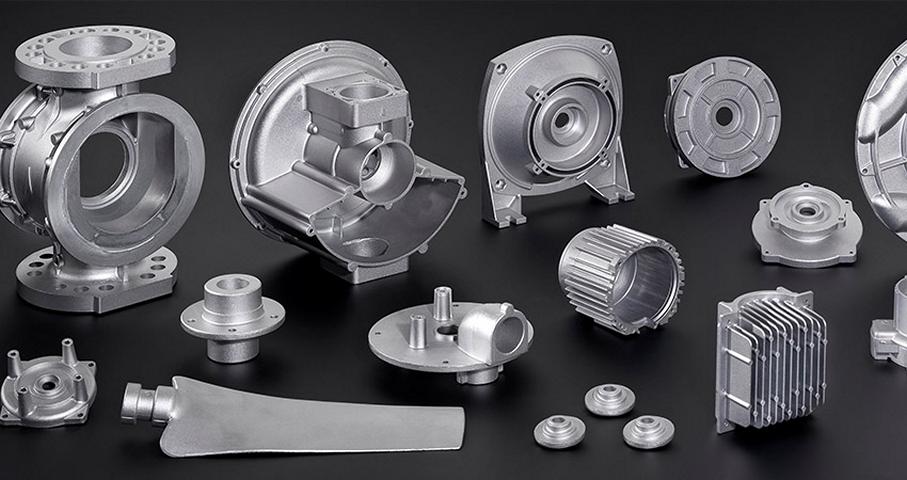
Are you looking for the right aluminum die casting manufacturers? You may have scrolled a lot but can not decide which is the best. If I am right, then you are definitely in the right place. We have brought you this guide to help you in this case. It mainly highlights the top 10 aluminum die-casting suppliers worldwide in 2024. Top 10 Aluminum Die Casting Manufacturers in The World 2024 Deciding between aluminum die-casting manufacturers is always challenging. Some foundries might not do die-casting, while others may only focus on die-casting. In addition, it usually takes time to research through Google. In each section below, we will mainly highlight four primary aspects of a factory. First, we will discuss the company and its main services. Does the company only focus on aluminum die-casting? What other casting methods does it usually provide? You can also check whether the factory offers surface finishes for aluminum parts. Later, we will learn their pros and cons. All these factors can help you find the best aluminum die-casting manufacturers for your project. Castiny Factory #1 CNM TECH Co. Ltd. This die casting factory is the best on the list. It offers all the necessary services to prepare an aluminum metal part, from design to finishing. This factory is in Guangdong, China. Since 2005, it has been one of the top 10 aluminum die-casting manufacturers in China. Note that this company always tries to follow the latest technology. To keep the standards, they keep the latest machinery. As a result, it ensures the highest quality of the metal parts. The best thing is that you can achieve up to ±0.01mm tolerance in each metal part. Main Services Aluminum die casting: prototyping, tooling, aluminum die-casting, machining, and surface finish. Zinc, Bronze, and Magnesium die-casting: You can create HPDC and LPDC aluminum die-casting metal parts. Aluminum gravity casting Aluminum sand casting Precision CNC Machining die casting mold Pros This aluminum die-casting factory provides a full range of services from casting to finishing. It also offers rapid prototyping with a step-by-step development process. Diverse die-casting capabilities Multiple casting methods High tolerance machining services: you can achieve tolerance up to ± 0.01 mm. Excellent customer service Excellent customer feedback The cost is relatively cheaper than other brands mentioned on this list. Cons They usually don’t offer other casting services, like investment casting or shell mold casting. From this factory, you will mostly find aluminum die-casting products. Some are made of zinc, magnesium, and Bronze. CNM TECH Co., Ltd may not be suitable for steel or other metals. However, you can get various steel forging services from this factory. Foundry #2 Ryobi Limited Japanese Ryobi Limited can be your next best pick. This aluminum die-casting supplier started its business in 1943. You may find them as one of the leading aluminum die-casting manufacturers worldwide in 2024. The company is in Hiroshima-ken, Japan. Regarding aluminum die-casting products, it mainly focuses on vehicle parts. Honda, Volkswagen, and Ford are some of its everyday customers. Main Services All metals die casting services for vehicles only Builders Hardware Printing Equipment Pros This factory mainly supplies products to automotive industries. They can make various metal parts, including aluminum die casting. Advanced machinery and technology for precision casting Excellent customer feedback. Cons Other casting methods, such as sand casting, gravity casting, and investment casting, are not included in their service list. You can only get vehicle parts, so customers from different industries may not benefit from this factory. The product service list on the website is unclear, making it difficult to understand their primary services. Contacting customer support is relatively tricky. Foundry #3 SintoKogio Our next best pick is another Japanese aluminum die casting manufacturer. While the company was founded in 1934, Sintokogio was reborn in 1960. Their headquarters is in Aichi, Japan. Regarding aluminum casting, Sintokogio mainly focuses on cold box molding and shell molds. Their products are widely used in aircraft and car engine parts. However, you may have limited options here. But for car parts, this factory can be your good choice. Main services Foundry: Aluminum casting, green sand molding, v-process, and chemically bonded metals Surface Treatments Powder treatment, force sensors, electric cylinders, material handling, and flooring Pros Multiple casting capabilities. After casting, this factory also offers extensive surface treatment options. Their latest technology ensures high-precision metal parts. Excellent customer support services. Cons For aluminum casting, you can only get aluminum gravity casting and low-pressure aluminum casting. Therefore, you can get limited options for aluminum die-casting parts. The cost is relatively higher. Their surface treatment involves removing, peeling, roughening, polishing, strengthening, micromachining, and seeing. However, anodizing, e-coating, and other finishing methods are crucial for aluminum die-casting parts. Foundry #4 Redstone’s President Eric Milling This plant is one of the new aluminum die-casting manufacturers. It opened in 2018 and has its headquarters in Ohio, USA. It has four main branches: Brazil, China, India, and Mexico. Aluminum die casting is one of this company’s main products. Although the website doesn’t mention it, they mentioned that they can take mass production orders. You can get all types of services, from design to manufacturing and testing. Main Services Die casting services include zinc die casting, aluminum die casting, and copper die casting. Investment casting Sand casting Metal Fabrication: sheet metal fab, CNC machining, and metal injection molding services Plastic injection molding services Pros This aluminum die-casting manufacturer offers zinc, aluminum, and copper die-casting. They specialize in aluminum die-casting services. High-quality metal parts with tight tolerances Additional casting methods are also present. You can work with other metals like steel, copper, and titanium. Cons Although they offer CNC machining for surface treatment, it is not enough. As you know, aluminum metal parts need other types of finishing methods. Typical examples are anodizing, e-coating, polishing, painting, and more. The website doesn’t talk about different aluminum casting services. Their aluminum die-casting parts are relatively expensive. In this case, GC precision mold aluminum casting parts are much better. Unable to create

piezas de aluminio anodizado

Aluminio anodizado negro

Acabado de la superficie de aluminio

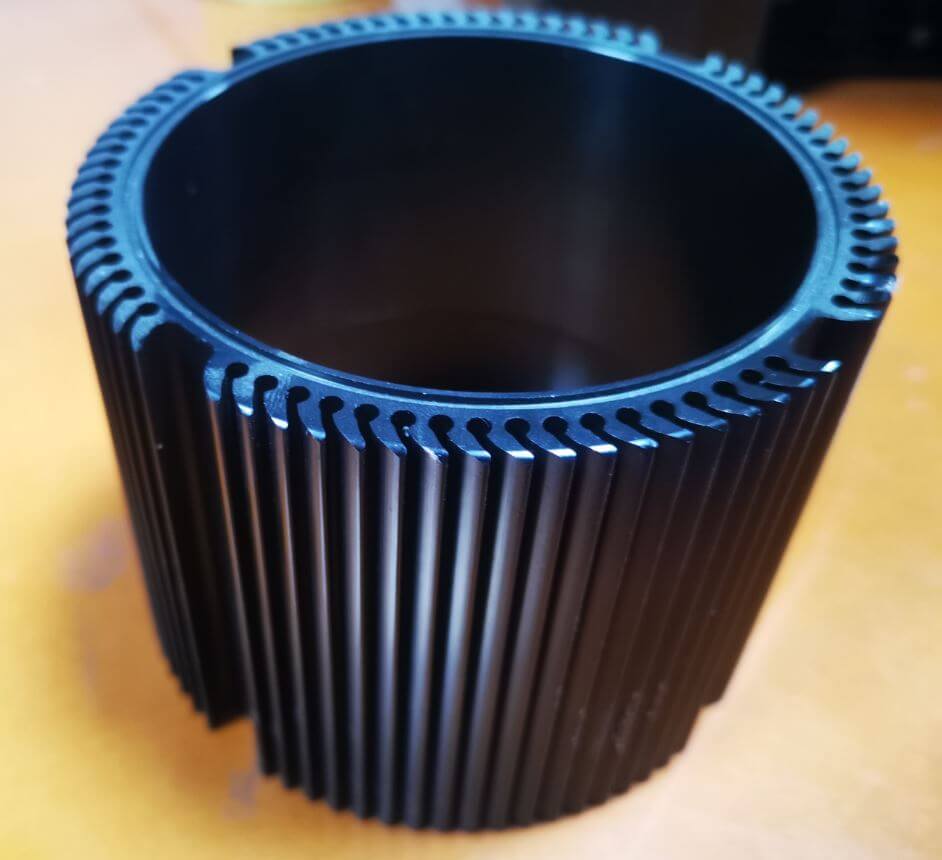
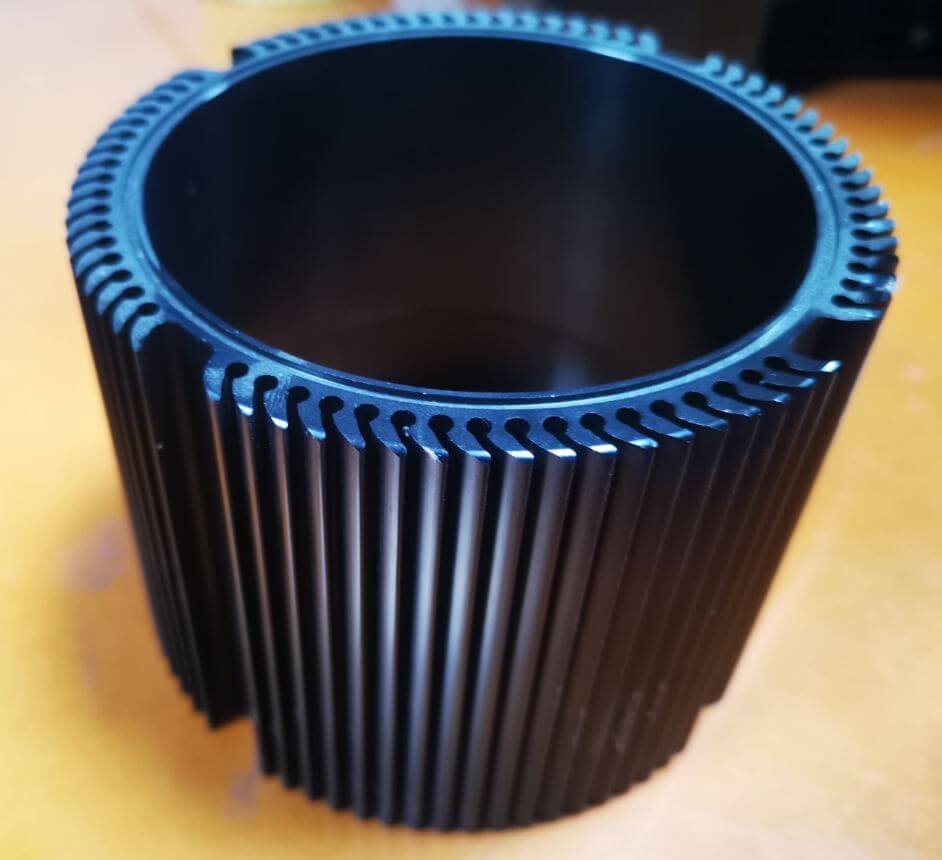
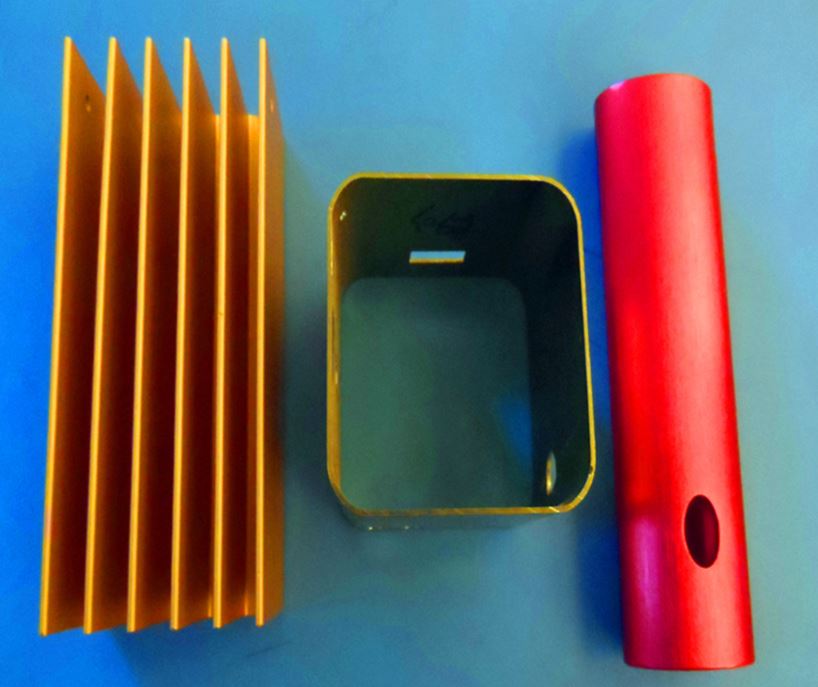
Qué es el aluminio anodizado negro El aluminio anodizado negro es básicamente el aluminio que ha sido sometido a un proceso de anodizado y posteriormente teñido de color negro. La capa de óxido natural y porosa de la superficie de la pieza de aluminio se incrementa mediante un proceso electroquímico denominado anodizado. De este modo, esta capa se hace más duradera, gruesa y dura. Esta capa de óxido se consigue sumergiendo la pieza de aluminio en un baño electrolítico y haciendo pasar corriente eléctrica a través de ella. El aluminio anodizado negro se considera importante por su resistencia a la corrosión, su durabilidad y su atractivo estético y singularidad. El aluminio tiene propiedades destacadas como peso ligero, alta relación resistencia/peso, resistencia a la corrosión y conductividad térmica. Todas estas propiedades permanecen intactas y además se le proporciona un elegante acabado negro. Este acabado es más duradero y es menos probable que se astille o desprenda en comparación con el acabado que se consigue mediante chapado o revestimiento. Se utiliza mucho en piezas de automóviles, la industria aeroespacial, componentes domésticos y piezas electrónicas. ¿Cómo se anodiza el aluminio? Se trata de un método en el que se produce una capa decorativa y protectora en la superficie de la pieza de aluminio. En este proceso hay que tener en cuenta muchos factores importantes, que son los siguientes: Equipo y material Tanque de anodizado Objetos de aluminio Hidróxido de sodio Agua destilada Fuente de corriente eléctrica Ácido nítrico o ácido sulfúrico Desengrasante Tinte negro de anodizado Material del cátodo, es decir, plomo o aluminio Engranajes protectores ¿Cómo preparar la superficie de las piezas de aluminio? La preparación de la superficie es un factor importante antes de llevar a cabo el proceso de anodizado. Consta de varios pasos, como la limpieza, el grabado y el desmuflado. En primer lugar, la superficie del objeto de aluminio se limpia completamente con limpiadores ácidos o alcalinos. Esto eliminará por completo todo tipo de suciedad, grasa o aceite. A continuación, el objeto de aluminio limpio se somete a un proceso de grabado. Durante este proceso, la pieza de aluminio se graba en una solución de hidróxido de sodio. El proceso de grabado eliminará la capa de óxido natural y creará un acabado superficial liso. El proceso de grabado suele dejar partículas residuales en la superficie. Para eliminar esos residuos, se lleva a cabo el proceso de desmutting. En este proceso, la pieza de aluminio después del proceso de grabado se sumerge en una solución ácida, es decir, ácido nítrico. ¿Cómo se lleva a cabo el proceso de anodizado negro del aluminio? Este proceso se lleva a cabo en una célula electrolítica que consta de un ánodo, un cátodo y una solución electrolítica en el baño. La mayoría de las veces este baño contiene ácido sulfúrico, aunque también se utilizan ácido fosfórico y ácido crómico. El objeto de aluminio cuya preparación se ha completado se sumerge en el baño. En la célula electrolítica, el electrodo positivo es el objeto de aluminio que actuará como ánodo. El electrodo negativo, que es de acero inoxidable o plomo, actuará como cátodo. Esto completará el circuito y una corriente eléctrica pasará a través de este circuito. Durante este proceso, los iones de oxígeno del baño electrolítico se combinan con los átomos de aluminio de la superficie del objeto de aluminio y forman óxido de aluminio. Este proceso continúa y el espesor de esta capa de óxido sigue aumentando. Es importante señalar que el crecimiento de esta capa de óxido se produce hacia dentro y hacia fuera de la superficie de aluminio y, en última instancia, esto dará lugar a la formación de una estructura porosa. Factores que afectan a la formación de la capa de óxido El grosor de la capa de óxido está controlado por los siguientes factores. La temperatura del electrolito La duración del proceso La densidad de corriente El tipo de ácido utilizado ¿Cómo teñir de negro el aluminio? Este proceso se lleva a cabo después del anodizado del objeto de aluminio. Al final del proceso de anodizado se forma una capa porosa de óxido en el objeto de aluminio que es capaz de absorber y aceptar colorantes. Durante el proceso de teñido, el objeto de aluminio se sumerge en un baño de tinte. Este baño contiene el colorante negro. El tinte negro penetra en los poros de la capa de óxido poroso que se formó en el proceso de anodizado. Para conseguir el tono de negro deseado y un teñido uniforme, el tiempo de inmersión y la temperatura deben controlarse cuidadosamente. Una vez conseguido el color y el tono deseados, se lleva a cabo el proceso de sellado. En este proceso, el tinte absorbido se bloquea cerrando los poros de la capa de óxido y se sella el objeto de aluminio. Para el sellado se suelen utilizar los siguientes materiales. Solución de acetato de níquel Agua ionizada Vapor El objeto de aluminio se enjuaga a fondo para eliminar cualquier residuo. A continuación, la pieza se seca por completo. Esto aumentará la resistencia a la corrosión, la durabilidad y el acabado de la superficie. Definición del tubo de aluminio anodizado negro Se trata de un tubo hueco y cilíndrico de aluminio con forma de tubo. Este tubo de aluminio se somete primero a un proceso de anodizado en el que se aumenta el espesor de la capa de óxido y después se tiñe de color negro para obtener un mejor acabado. El tubo negro de aluminio anodizado tiene la combinación de propiedades del aluminio tales como resistencia a la corrosión, peso ligero, durabilidad y ventajas de la anodización junto con el acabado negro. Estos tubos encuentran sus aplicaciones ampliamente en el sector de la construcción, aplicaciones marinas, industria automotriz y con fines decorativos. Definición de la hoja de aluminio anodizado negro Una hoja de aluminio es una pieza de metal de aluminio plana y delgada que posee las propiedades prominentes tales como resistencia a la corrosión, peso ligero y alta resistencia. Esta lámina de aluminio se somete a un proceso de anodizado que, en última instancia, mejora la dureza de la superficie y la resistencia a la corrosión de la lámina de aluminio. Además, este proceso también aumenta la capacidad de la chapa para absorber tintes y revestimientos. A continuación, la chapa se tiñe de negro. De este modo se consigue una mayor estética y protección contra el desgaste y la corrosión. Las principales aplicaciones de estas láminas incluyen áreas en las que la durabilidad y la apariencia son de vital importancia, como la arquitectura, la electrónica, la señalización y las necesidades decorativas. Ventajas del aluminio anodizado negro El aluminio anodizado negro ofrece muchas ventajas que lo hacen adecuado para ser utilizado en numerosas aplicaciones. Algunas ventajas son las siguientes Propiedades mecánicas mejoradas: El aluminio anodizado negro ofrece mejor resistencia al desgaste y

Mecanizado de prototipos CNC

Mecanizado CNC de prototipos

fundición de aluminio, Mecanizado CNC

A Comprehensive Guide To Prototype CNC Machining Prototype cnc machining is a valueable choice for producing small quantities of prototypes to large volumes quickly as compared to the other methods. Several kinds of prototypes can be simply made by CNC prototype machining. Appearance prototypes, like the cases of auto cars, offer visual clues on the final part’s look and behavior. On the contrary, functional prototypes need more precision, thus, they stress the product structure and the stability. The article demonstates about CNC machined prototypes, as well as their advantages, and disadvantages. Moreover, it will highlight the key aspects including; What is  Prototype CNC Machining? The prototype cnc machining is a subtractive manufacturing process for precisely producing prototype components that can be utilized for different purposes. These prototype components are employed for testing, and designing phases for parts functionalities. In addition, the primary purposes of such tests for identifying visuals, marketing, or fundraising. Basically, cnc prototype machining produces the samples of a product or a machine that, if approved, will continue to the stages of design finalization, manufacturing, and sales. CNC’s versatility enables you to make prototypes from different materials such as economical plastics to high strength metals to create prototypes. Why CNC Machining Is a Valuable Process? CNC machining is an exceptional option for prototyping detailed feature parts. Firstly, it provides high precision, accuracy, and dimensional stability to parts because of its computerized controls that strictly supervise the movement of the workpiece and cutting tool. This degree of control guarantees that the prototype that is produced is exactly the same as the design. Alongside this, the rapid prototype machining is notably fast, and helps replicate complicated patterns prototypes down to tolerances upto +/- 0.005x. Conversely, processes like injection molding, , and forging or 3d printing which often take months to meet tight tolerances requirements, and molds. Thus, advanced CNC machines let you prototype immediately after the CAD model is converted into the CAM files or g-codes. Types Of CNC Machines Used For Prototyping: There are various machining approaches used for shaping functional prototypes, and end-use products. CNC Turning Prototyping: CNC turning, using a rotating machine called lathes, for the creation of the cnc prototyping of rounded or symmetrical components. The process is a combination of the material being spun fast and a cutting tool as per programmed code to shape high quality exact specification parts or products. The lathe machines are considered ideal machines for prototypes with round mid-sections because of their specialization in round components. CNC Milling Prototype: For intricate prototypes, a CNC machine that has up to five axes may be needed, cnc milling is credible. The extra axes are the ones that make it possible to have a more accurate cutting, thus, the creation of the complicated parts, but the cost is higher. In the CNC milling prototype operations, the computer-controlled tool head cuts the final prototype from the large block of material. The starting block is the basis for the whole machining process. CNC Routers The CNC Router is the best way to prototype because it allows you to make the design of the product exactly as you want it to be. CNC routers are like CNC mills and machines but they are more affordable, and they have a gantry system which makes the work area bigger than the machine’s size. Nevertheless, this layout restricts their complexity. Routers are the best option for working with materials like wood, plastic, and soft metals like aluminum. They are usually adopted by industrial machinists and small business hobbyists for replicating exact design feature products. Usually, 3-axes, or 2-axis routers are widely used for intricate designs. Among these, 2-dimensional routers are used for simpler geometrical components, while 3-dimensional parts are made by using 3-dimensional components. Nevertheless, they cannot be as precise as CNC mills. Because, the process of creating or turning detailed CNC files based on the tool and machine acquires a lot of skill or skilled professionals. CNC Laser Cutter The CNC Laser Cutter is a technique that employs a high energy beam of laser cut to shape a prototype product, which is then tested and improved until the final product is made. The laser cutters that are strong enough to be used by small companies can handle metals like aluminum, as well as sturdy plastics such as; acrylics, textiles, composites, and wood for prototype CNC machining. Their flexibility is the reason why they are the most popular among the small firms that want to make a lot of prototypes without going beyond their budget. Nevertheless, laser cutters can pose “scorch marks” on the prototype part surface because of generated heat during the cutting process. In addition, the design complexity is usually limited as mostly these CNC cutters can precisely use multiple axes for product development. CNC machining is considered as an ideal process applied in different manufacturing fields. It helps to form highly detailed and complex feature parts with exceptional dimensional stability, and high degree of precision. In the majority of the industries, a working prototype, or even a version that shows the product’s functionality, is utmost. In contrast, for the functional prototypes that requires rigrous strength, mechanical stability and specific features that additive methods cannot provide, machined tooling is usually the choice. Applications of Precision Prototype CNC Machining Lets discuss various industries that use precision prototyping machining for shaping lightweight components for testing, and validating designs before initialising their part production projects on larger scales. Here are some of the commonest industries that use CNC machining as a primary source to manufacture stringent standard quality exact specification parts or products. Medical Industry In the medical field, CNC machining is the most crucial factor that makes the prototyping process faster. For instance, pharmaceutical companies usually need prototypes to demonstrate the product’s working before the final production. Precision and accuracy are the most important factors, especially in the medical devices, and CNC machining ensures that the prototypes are the exact copies of the final product and can work perfectly in their

Fundición a presión de aleación de cinc en China

fundición a presión de cinc China

fundición de aluminio

Exploring the Dynamics of Zinc Die Casting China Zinc die casting China stands as a pivotal process in the manufacturing industry, providing unparalleled precision, cost-effectiveness, and durability. Within this realm, China emerges as a key player, contributing significantly to the global zinc die casting market. One notable company making waves in this industry is CNM TECH, a leading zinc die casting manufacturer in China. In this comprehensive article, we will delve into the intricacies of zinc die casting, the advantages it offers, and China’s prominent role in this dynamic sector. Advantages of Zinc Die Casting comparing to aluminum die casting: Zinc die casting and aluminum die casting are both popular methods for producing high-quality metal components, each with its unique advantages. Here, we’ll explore the advantages of zinc die casting in comparison to aluminum die casting: Cost-Effectiveness: Zinc Die Casting: Zinc is generally more cost-effective than aluminum. The lower melting point of zinc allows for faster production cycles, reducing energy consumption and overall production costs. The tooling and machining processes are also typically less expensive. Aluminum Die Casting: Aluminum has a higher melting point than zinc, which can result in longer production cycles and higher energy costs. The tooling and machining processes may be more complex and costly. Precision and Detail: Zinc Die Casting: Zinc offers excellent dimensional stability and intricate detailing capabilities. The fluidity of molten zinc allows for the production of complex and detailed parts with tight tolerances. Aluminum Die Casting: While aluminum can achieve precision, zinc tends to provide better results when it comes to intricate designs and fine details due to its lower melting point. Surface Finish: Zinc Die Casting: Zinc produces high-quality surface finishes with minimal post-processing required. The fine-grain structure of zinc allows for smoother and more aesthetically pleasing surfaces. Aluminum Die Casting: While aluminum can achieve good surface finishes, zinc often requires less post-casting finishing to achieve a polished and visually appealing look. Strength and Durability: Zinc Die Casting: Zinc alloys exhibit excellent strength and durability, making them suitable for a wide range of applications. The inherent strength of zinc allows for the production of robust and long-lasting components. Aluminum Die Casting: Aluminum also offers good strength, but zinc’s higher hardness and wear resistance can be advantageous in certain applications. Thin-Wall Casting: Zinc Die Casting: Zinc’s low melting point and excellent fluidity make it well-suited for thin-wall casting. This is particularly advantageous in applications where lightweight and intricate designs are essential. Aluminum Die Casting: While aluminum can achieve thin-wall casting, zinc often outperforms in terms of ease and precision in creating intricate and lightweight components. Corrosion Resistance: Zinc Die Casting: Zinc alloys provide good corrosion resistance, especially when properly coated. This is beneficial in applications where exposure to harsh environmental conditions is a concern. Aluminum Die Casting: Aluminum also offers corrosion resistance, but the specific alloy and surface treatments may be required to enhance this property. While both zinc and aluminum die casting methods have their merits, zinc die casting excels in terms of cost-effectiveness, precision, surface finish, and specific applications where thin-wall casting and corrosion resistance are critical factors. The choice between zinc and aluminum ultimately depends on the specific requirements of the project and the desired characteristics of the final product. Zinc Die Casting Process: The zinc die casting process is a highly efficient and versatile manufacturing method used to produce intricate metal components with excellent dimensional accuracy and surface finish. Here is an overview of the typical steps involved in the zinc die casting process: Mold Design and Tooling: The process begins with the design of molds that will shape the final product. These molds are typically made of hardened steel and consist of two halves – the “die” – which, when closed, form a cavity in the shape of the desired part. CNC machining or other precision techniques are used to create the mold with exact specifications. Melting and Injecting Zinc: Zinc, a low-melting-point metal, is then heated to its liquid state in a furnace. The temperature typically ranges from 780 to 950 degrees Fahrenheit (415 to 510 degrees Celsius). Once molten, the liquid zinc is injected into the mold under high pressure using a hydraulic press or a specialized zinc die casting machine. The pressure ensures that the molten metal fills the entire cavity of the mold. Cooling and Solidification: After injection, the molten zinc rapidly cools and solidifies within the mold cavity. The cooling time is carefully controlled to achieve the desired material properties and prevent defects. The solidification process is crucial for maintaining the structural integrity and dimensional accuracy of the final component. Ejection and Removal: Once the zinc has solidified, the two halves of the mold are separated, and the newly formed part, now known as the casting or die casting, is ejected from the mold. Automated ejector pins or mechanisms are often used to facilitate the removal of the casting from the mold. Trimming and Finishing: The castings may have excess material or imperfections, known as flash, which is removed through trimming or other post-casting processes. Additional finishing processes, such as machining, shot blasting, or vibratory finishing, may be employed to achieve the desired surface finish and dimensional precision. Quality Control: Stringent quality control measures are implemented throughout the zinc die casting process. Inspections and tests may include dimensional checks, visual inspections, and material testing to ensure that the components meet specified requirements. Modern technologies, such as X-ray or ultrasound inspections, may also be used to detect internal defects. Surface Coating (Optional): Depending on the application, the zinc die-cast components may undergo surface coating or finishing treatments to enhance corrosion resistance, improve appearance, or provide additional functionalities. The entire zinc die casting process is characterized by its speed, repeatability, and ability to produce complex shapes with high precision. It is widely used in various industries, including automotive, electronics, and consumer goods, where the advantages of zinc, such as cost-effectiveness and superior casting properties, are highly beneficial. Companies like CNM TECH zinc die casting

Fundición a presión China

Fabricante de moldes de fundición a presión

fundición de aluminio

A Comprehensive Guide to Die Casting Mould Manufacturing by CNM TECH In the realm of manufacturing, die casting moulds stand as the unsung heroes behind the impeccable precision and efficiency of various products. At the heart of this intricate process lies the expertise of die casting mould manufacturers, with CNM TECH emerging as a prominent player in this dynamic field. Types of Die Casting Moulds Die casting moulds come in various types, each catering to specific manufacturing needs. Cold chamber die casting moulds, hot chamber die casting moulds, and multi-slide die casting moulds are the pillars of this industry. CNM TECH, a leading die casting mould manufacturer, specializes in crafting these moulds with unparalleled precision and reliability. Characteristics of a Reliable Die Casting Mould Manufacturer When it comes to choosing a die casting mould manufacturer, certain characteristics set the best apart from the rest. CNM TECH exemplifies these traits with its profound expertise in die casting technology, utilization of top-notch materials, precise tolerance levels, customizable solutions, and an unblemished reputation for delivering excellence. Key Considerations in Choosing a Die Casting Mould Manufacturer Choosing the right die casting mould manufacturer is a critical decision that can significantly impact the success of your manufacturing processes. Several key considerations should guide your decision-making process to ensure you partner with a reliable and competent manufacturer. Below are the essential factors to keep in mind: Industry Experience: Assess the manufacturer’s experience in the die casting industry. A company with a proven track record is more likely to have encountered various challenges and developed effective solutions. Technology and Equipment: Investigate the technology and equipment employed by the manufacturer. State-of-the-art machinery and advanced technology contribute to the precision and efficiency of the die casting process. Compliance with Industry Standards: Ensure that the manufacturer adheres to relevant industry standards and certifications. Compliance with standards such as ISO and other quality certifications is indicative of a commitment to producing high-quality moulds. Cost and Pricing Structure: While cost is a significant factor, it should not be the sole determinant. Consider the overall value offered, including quality, customization capabilities, and delivery timelines. Transparent pricing structures and no hidden costs are indicative of a trustworthy partner. Lead Times and Production Capacity: Evaluate the manufacturer’s production capacity and lead times. A reliable die casting mould manufacturer should be able to meet your production requirements within a reasonable timeframe while maintaining quality standards. Customization Capabilities: Assess the manufacturer’s ability to provide customized solutions. Different industries and applications may require unique specifications, and a manufacturer capable of tailoring their products to meet specific needs adds significant value. Reputation and Track Record: Research the manufacturer’s reputation in the industry. Customer reviews, testimonials, and references can provide insights into the company’s reliability, consistency, and commitment to customer satisfaction. Quality of Materials Used: The choice of materials significantly influences the durability and performance of die casting moulds. Ensure that the manufacturer uses high-quality materials suitable for your specific application. Communication and Collaboration: Effective communication is crucial for a successful partnership. Choose a manufacturer that values collaboration and maintains open lines of communication throughout the design, production, and delivery phases. After-Sales Support: Evaluate the level of after-sales support provided by the manufacturer. A company that offers ongoing support, maintenance, and assistance can help address any issues that may arise after the moulds are in operation. By carefully considering these key factors, you can make an informed decision when selecting a die casting mould manufacturer. CNM TECH, with its industry experience, cutting-edge technology, and commitment to quality, stands as an example of a reliable partner in the world of die casting mould manufacturing. The Die Casting Process Understanding the die casting process is vital to appreciate the significance of the moulds. CNM TECH’s expertise extends to every stage of die casting, from the initial design to the implementation of stringent quality control measures, ensuring that the final product meets the highest standards of precision and durability. Case Studies CNM TECH’s success stories serve as testaments to their commitment to excellence. Through in-depth case studies, we explore how CNM TECH’s die casting moulds have played pivotal roles in enhancing efficiency and product quality across diverse industries. The company’s portfolio demonstrates versatility and innovation in meeting unique manufacturing challenges. Emerging Trends in Die Casting Mould Manufacturing As technology evolves, so does the die casting mould manufacturing industry. CNM TECH stays at the forefront by embracing advancements in materials, integrating automation and Industry 4.0 practices, and incorporating sustainable manufacturing methods. The company’s forward-thinking approach ensures clients benefit from the latest innovations. Challenges in Die Casting Mould Manufacturing Even in the face of challenges, CNM TECH rises to the occasion. This section delves into common issues faced by die casting mould manufacturers and how CNM TECH navigates these challenges through innovative solutions. The company’s resilience and problem-solving capabilities underscore its commitment to customer satisfaction. Future Outlook for Die Casting Mould Manufacturing In a rapidly evolving landscape, the future of die casting mould manufacturing holds exciting possibilities. CNM TECH anticipates and prepares for upcoming technological advancements, contributing to the industry’s growth and offering clients cutting-edge solutions that meet the demands of tomorrow. Conclusion In conclusion, CNM TECH emerges as a trailblazer in the world of die casting mould manufacturing. Their commitment to precision, innovation, and customer satisfaction sets them apart. For businesses seeking reliability, efficiency, and a partner for the future, CNM TECH stands as the beacon of excellence in the intricate art of die casting mould production. Are you in need of high-quality aluminum die casting services? Look no further than CNM Tech China die casting manufacturer! Our team of experts specializes in aluminum, zinc, and magnesium die casting, as well as machining parts, metal stamping, and plastic molds making. With over 18 years of experience, you can trust that our die casting products are exemplary and cost-effective. We employ advanced equipment and machinery to ensure the highest quality solutions. We have been made many type of aluminum die casting, zinc die casting,

Extrusión de aluminio anodizado negro

Fundición a presión de aluminio semisólido

fundición de aluminio

What is Semi-solid aluminum die casting Semi-solid aluminum die casting is an advanced manufacturing process that combines the principles of traditional die casting with the unique material characteristics of semi-solid alloys. In this process, a partially solidified aluminum alloy, often in a slurry or paste-like state, is injected into a mold cavity to create complex and precise metal components. This innovative technique offers several advantages over conventional die casting methods, making it particularly well-suited for applications where high mechanical performance, reduced defects, and intricate designs are crucial. In the world of manufacturing, the process of die casting plays a pivotal role in creating complex metal components with high precision and efficiency. However, recent advancements have given rise to an innovative approach known as semi-solid aluminum die casting. This article delves into the evolution, fundamentals, advantages, applications, and challenges associated with semi-solid aluminum die casting. I. Overview of Die Casting Process Die casting is a manufacturing process that involves injecting molten metal into a mold cavity to produce intricate shapes with remarkable accuracy. Semi-solid die casting builds upon this foundation by manipulating the alloy’s material properties to achieve improved results. II. Fundamentals of Semi-Solid Aluminum Die Casting A. Basic Principles of Die Casting Traditional die casting involves injecting fully liquid molten metal into a mold. Semi-solid casting, however, uses a slurry that maintains a partially solid and partially liquid state, offering distinct advantages in terms of reduced defects and enhanced mechanical properties. B. Rheological Behavior of Semi-Solid Alloys Semi-solid alloys exhibit unique rheological properties, making them more resistant to shrinkage and gas porosity during the solidification process. This results in a higher-quality finished product. C. Types of Semi-Solid Aluminum Alloys Different aluminum alloys can be adapted for semi-solid casting, depending on the specific application requirements. Some alloys are better suited for automotive components, while others excel in aerospace applications. III. Advantages and Benefits of Semi-Solid Aluminum Die Casting A. Improved Mechanical Properties Semi-solid die casting yields components with enhanced mechanical strength, making them ideal for safety-critical applications such as automotive structural components. B. Reduced Porosity and Defects The semi-solid slurry’s unique properties minimize the formation of voids and porosity, resulting in components that require less post-processing and exhibit superior surface finish. C. Enhanced Dimensional Accuracy Semi-solid die casting reduces shrinkage-related issues, leading to components with tighter dimensional tolerances and consistent geometry. D. Increased Design Flexibility Designers benefit from greater freedom in shaping intricate components, as the semi-solid process allows for more intricate and thin-walled designs. IV. Semi-Solid Aluminum Die Casting Process A. Preparation of Semi-Solid Slurry Thixocasting and rheocasting are two primary methods to prepare the semi-solid slurry. Thixocasting employs mechanical stirring to induce the semi-solid state, while rheocasting relies on controlled cooling and shearing. B. Injection of Semi-Solid Slurry The semi-solid slurry is injected into the mold cavity using conventional die casting equipment, but with specific adjustments to accommodate the unique material characteristics. C. Mold Filling and Solidification The semi-solid slurry’s controlled flow and reduced viscosity facilitate smoother mold filling, leading to reduced turbulence and better surface finish. D. Cooling and Ejection After the mold is filled, the component undergoes controlled solidification, ensuring uniform cooling and minimizing internal stresses. Ejection is smoother due to reduced shrinkage. E. Post-Casting Processing Although semi-solid die casting reduces the need for extensive post-processing, finishing steps such as trimming, deburring, and surface treatment might still be necessary. V. Comparison with Traditional Die Casting Methods A. Comparison with High-Pressure Die Casting Semi-solid casting’s advantages, including reduced defects and enhanced mechanical properties, set it apart from traditional high-pressure die casting. B. Comparison with Low-Pressure Die Casting Semi-solid casting offers a middle ground between high-pressure and low-pressure die casting, combining the benefits of both methods. C. Strengths and Weaknesses of Semi-Solid Die Casting A balanced assessment of semi-solid die casting’s pros and cons can guide manufacturers in choosing the most suitable method for their specific needs. VI. Applications of Semi-Solid Aluminum Die Casting A. Automotive Industry Engine Components: Semi-solid casting produces durable engine parts that can withstand the demanding conditions under the hood. Transmission Parts: Enhanced mechanical properties make semi-solid components ideal for transmission systems. Suspension Components: The combination of strength and dimensional accuracy benefits suspension parts. B. Aerospace Industry Structural Components: Semi-solid die casting ensures the integrity of critical aircraft structures. Engine Parts: Aerospace engines demand robust components that can handle extreme temperatures and pressures. C. Electronics Industry Heat Sinks: Semi-solid components efficiently dissipate heat, improving the performance and longevity of electronic devices. Enclosures: Design flexibility allows for intricate enclosure designs that protect sensitive electronics. D. Consumer Goods Sporting Equipment: The lightweight yet sturdy properties of semi-solid components suit various sporting equipment applications. Appliances: Semi-solid components contribute to the durability and efficiency of household appliances. VII. Challenges and Future Directions A. Material Selection and Alloy Development Research into alloy compositions that maximize the benefits of semi-solid casting continues to evolve. B. Process Optimization and Simulation Advanced simulation tools aid in optimizing the semi-solid casting process for different applications. C. Cost Considerations While semi-solid casting offers many advantages, manufacturers must weigh these against associated costs. D. Environmental Impact and Sustainability The industry explores ways to minimize the environmental footprint of semi-solid die casting processes. VIII. Case Studies A. Company A: Automotive Component Highlighting a real-world success story where semi-solid die casting led to improved automotive component performance and longevity. B. Company B: Aerospace Component Illustrating how semi-solid casting ensured the precision and reliability of a critical aerospace component. IX. Research and Innovations in Semi-Solid Aluminum Die Casting A. Emerging Technologies Exploring cutting-edge advancements that promise to revolutionize the semi-solid casting landscape. B. Advances in Equipment and Tooling The development of specialized equipment and tooling continues to refine the semi-solid casting process. C. Integration with Industry 4.0 The fusion of semi-solid casting with smart manufacturing principles enhances process control and data-driven decision-making. X. Conclusion A. Recap of Key Points Summarizing the benefits, applications, and challenges of semi-solid aluminum die casting. B. Future Prospects of Semi-Solid Aluminum Die Casting

disipador térmico personalizado

Anodizado de aluminio fundido a presión

fundición de aluminio

Anodizado de aluminio fundido a presión: Mejora de la durabilidad y la estética El anodizado es un proceso crucial de acabado de superficies que ofrece numerosas ventajas a los componentes de aluminio fundido a presión. Al someter el aluminio a un proceso electroquímico, el anodizado crea una capa protectora que mejora la resistencia a la corrosión y al desgaste, e incluso permite la personalización estética. En este artículo, nos adentraremos en el proceso de anodizado del aluminio fundido a presión, exploraremos sus beneficios, discutiremos las consideraciones para un anodizado exitoso y examinaremos sus aplicaciones en varias industrias. Proceso de anodizado de aluminio fundido A fin de preparar el aluminio fundido a presión para el anodizado, es fundamental limpiarlo y desengrasarlo meticulosamente. Este paso garantiza la eliminación de cualquier contaminante que pueda afectar a la adherencia y la calidad de la capa anodizada. También pueden emplearse técnicas de preparación de la superficie, como el grabado y el pulido, para conseguir el acabado superficial deseado. El proceso de anodizado ofrece tres métodos principales: Tipo I, Tipo II y Tipo III. El Tipo I, conocido como anodizado con ácido crómico, produce una capa fina, no decorativa y resistente a la corrosión. El Tipo II, anodizado con ácido sulfúrico, es el método más común y crea una capa más gruesa adecuada para acabados estéticos. El tipo III, también conocido como anodizado de capa dura, da lugar a una capa considerablemente más gruesa y dura, que ofrece una excepcional resistencia al desgaste. Diversos parámetros y variables desempeñan un papel crucial en el proceso de anodizado. El voltaje y la densidad de corriente determinan el grosor y la calidad de la capa anodizada. El tiempo y la temperatura de anodizado se controlan cuidadosamente para lograr los resultados deseados. El equipo y la configuración especializados garantizan un anodizado uniforme y eficaz. Ventajas del anodizado del aluminio fundido a presión Mayor resistencia a la corrosión: El anodizado forma una capa protectora de óxido que protege el aluminio de fundición a presión de factores ambientales, como la humedad y los productos químicos. Esto mejora enormemente la resistencia a la corrosión del material, haciéndolo adecuado para aplicaciones en entornos difíciles. Mayor resistencia al desgaste: El anodizado de capa dura crea una superficie excepcionalmente duradera que ofrece resistencia a la abrasión, reduciendo el desgaste y alargando la vida útil de los componentes de aluminio fundido a presión. Opciones estéticas y colores: El anodizado permite una amplia gama de opciones estéticas, incluyendo diferentes acabados y opciones de color. Mediante la utilización de tintes o pigmentos durante el proceso de anodizado, los componentes de aluminio fundido a presión pueden personalizarse para adaptarse a los requisitos de marca o diseño. Propiedades de aislamiento eléctrico: El aluminio anodizado presenta excelentes propiedades de aislamiento eléctrico. Esto lo hace ideal para aplicaciones donde la conductividad eléctrica necesita ser minimizada o eliminada. Mayor dureza superficial: El anodizado de capa dura aumenta significativamente la dureza de la superficie del aluminio fundido a presión, haciéndolo más resistente a arañazos, abolladuras y otras formas de daños físicos. Consideraciones para el anodizado de aluminio fundido a presión La selección adecuada de la aleación es crucial para el éxito del anodizado de aluminio fundido a presión. Las distintas aleaciones de aluminio responden de forma diferente al proceso de anodizado, por lo que es esencial elegir la aleación adecuada para lograr los resultados deseados. Las consideraciones de diseño también son importantes. El grosor y las dimensiones del componente deben evaluarse cuidadosamente para garantizar revestimientos anodizados uniformes y consistentes. Deben tenerse en cuenta los requisitos de enmascaramiento para proteger las zonas específicas que no deben anodizarse. Además, debe tenerse en cuenta la accesibilidad de las superficies del componente para garantizar una cobertura adecuada del revestimiento. Durante el proceso de anodizado pueden producirse defectos en la superficie. Para mitigar estos problemas, se aplican medidas exhaustivas de inspección y control de calidad para identificar y tratar cualquier defecto que pueda comprometer la integridad de la capa anodizada. Procesos posteriores al anodizado Tras el anodizado, el sellado de la superficie anodizada mejora aún más su durabilidad y resistencia a la corrosión. El sellado consiste en cerrar los poros de la capa anodizada, impidiendo la entrada de contaminantes y mejorando el rendimiento general del componente anodizado de aluminio fundido a presión. El sellado puede conseguirse mediante diversos métodos, como el sellado con agua caliente, el sellado con acetato de níquel o procesos de sellado patentados, en función de los requisitos específicos de la aplicación. Además del sellado, existen otros procesos de post-anodizado que pueden emplearse para mejorar aún más el aspecto y la funcionalidad de los componentes de aluminio fundido a presión. El teñido permite introducir colores vivos en la superficie anodizada, lo que proporciona mayor flexibilidad de diseño y atractivo estético. El grabado por láser puede utilizarse para añadir marcas, logotipos o números de serie precisos a la superficie anodizada, lo que facilita la identificación y la trazabilidad. Las técnicas de control de calidad e inspección desempeñan un papel fundamental para garantizar la calidad y el rendimiento generales de los componentes de aluminio anodizado fundido a presión. Estos procesos implican la inspección visual, la medición del espesor, las pruebas de adherencia y otras evaluaciones rigurosas para garantizar que el revestimiento anodizado cumple las especificaciones y normas requeridas. Aplicaciones del aluminio anodizado fundido a presión Los beneficios del aluminio anodizado fundido a presión lo convierten en la opción preferida en varias industrias: Industria del automóvil: Los componentes de aluminio anodizado de fundición a presión se utilizan ampliamente en aplicaciones de automoción, como piezas de motor, carcasas de transmisión y molduras decorativas. La mayor resistencia a la corrosión y las opciones de personalización estética hacen que el aluminio anodizado sea ideal para diseños de automoción. Industria aeroespacial: El aluminio anodizado moldeado a presión desempeña un papel crucial en las aplicaciones aeroespaciales, donde los materiales ligeros con una excelente resistencia a la corrosión son primordiales. Componentes como los paneles interiores de los aviones, los elementos estructurales y las piezas del tren de aterrizaje se benefician de la capa protectora anodizada. Electrónica de consumo: El aluminio anodizado fundido a presión se utiliza ampliamente en la industria de la electrónica de consumo para productos como teléfonos inteligentes, ordenadores portátiles y equipos de audio. Su combinación de durabilidad, estética y propiedades de aislamiento eléctrico lo convierten en una opción ideal para estas aplicaciones. Edificación y construcción: El aluminio anodizado moldeado a presión se utiliza en aplicaciones arquitectónicas, como marcos de ventanas, manillas de puertas y revestimientos exteriores. La posibilidad de personalizar los colores y acabados permite a los arquitectos y diseñadores conseguir la estética deseada al tiempo que se garantiza la durabilidad y la longevidad. Otras aplicaciones industriales: El aluminio anodizado moldeado a presión también se emplea en diversos sectores industriales, como maquinaria, mobiliario, equipamiento deportivo y accesorios de iluminación. Su resistencia a la corrosión y al desgaste y sus opciones estéticas lo convierten en un material versátil para una amplia gama de aplicaciones. Comparación con otras técnicas de acabado superficial Aunque el anodizado del aluminio moldeado a presión ofrece ventajas significativas, es importante tener en cuenta otras técnicas alternativas de acabado superficial para aplicaciones específicas: Recubrimiento en polvo: El recubrimiento en polvo proporciona un acabado duradero y visualmente atractivo, pero puede no ofrecer el mismo nivel de resistencia a la corrosión o al desgaste que el anodizado. La elección entre anodizado y recubrimiento en polvo depende del

pintura anodizado aluminio

Pintura Aluminio anodizado

fundición de aluminio

Painting Anodized Aluminum: A Comprehensive Guide Painting Anodized aluminum is a popular choice due to its durability, corrosion resistance, and aesthetic appeal. However, there may come a time when you want to change the color of your anodized aluminum or simply refresh its appearance. In such cases, painting anodized aluminum is a viable option. In this blog post, we will provide a comprehensive guide on how to paint anodized aluminum, including the preparation, painting, and maintenance processes. I. Introduction Anodized aluminum is a type of aluminum that has undergone an electrochemical process to create a protective layer of oxide on its surface. This layer makes the aluminum more resistant to corrosion, scratches, and wear, while also enhancing its appearance. Anodized aluminum is commonly used in architectural, automotive, and aerospace applications, among others. However, its color options are limited, and it may fade or become damaged over time. Painting anodized aluminum can address these issues and provide a new look to your metal surfaces. II. Preparing the Surface Before painting anodized aluminum, it is crucial to prepare the surface properly. This involves cleaning the surface, sanding it, and applying a primer. Cleaning the Surface: The first step is to clean the anodized aluminum surface thoroughly. You can use a degreaser, such as trisodium phosphate (TSP), to remove any dirt, oil, or grime. Rinse the surface with water and let it dry completely. Sanding the Surface: Next, you need to sand the anodized aluminum surface to create a rough texture that can help the paint adhere better. You can use a fine-grit sandpaper, such as 220-grit, to sand the surface gently. Be careful not to sand too hard, as this can damage the anodized layer. Applying a Primer: Once the surface is clean and sanded, you should apply a primer to promote adhesion and improve the paint’s durability. Choose a primer that is compatible with anodized aluminum and follow the manufacturer’s instructions for application. Allow the primer to dry completely before painting. III. Choosing the Right Paint When it comes to painting anodized aluminum, not all paints are created equal. You need to choose a paint that is suitable for metal surfaces and can adhere well to the anodized layer. Here are some factors to consider when choosing paint: Type of Paint: There are different types of paint suitable for anodized aluminum, including acrylic, epoxy, and polyurethane. Each type has its advantages and disadvantages, so you should choose the one that best suits your needs. Acrylic paint is easy to apply and dries quickly, but it may not be as durable as other types. Epoxy paint is highly resistant to chemicals and abrasion, but it requires a longer curing time. Polyurethane paint is the most durable and glossy, but it is also the most expensive. Color and Finish: You should also consider the color and finish of the paint. Anodized aluminum can be painted in any color, but you should choose a color that complements the surrounding environment or matches your design preferences. The finish can be matte, satin, or glossy, depending on your desired look. IV. Painting the Anodized Aluminum Once you have prepared the surface and chosen the right paint, you can start painting the anodized aluminum. Here are the steps to follow: Applying the First Coat of Paint: Use a brush, roller, or spray gun to apply the first coat of paint. Apply the paint evenly and avoid drips or bubbles. Let the first coat dry according to the manufacturer’s instructions. Applying Subsequent Coats of Paint: Depending on the type of paint and the desired thickness, you may need to apply one or more additional coats of paint. Sand the surface lightly between coats to create a smooth finish. Allow each coat to dry completely before applying the next one. Drying and Curing the Paint: After the final coat, let the paint dry for at least 24 hours before handling or exposing it to moisture. Some paints may require a longer curing time, so check the manufacturer’s instructions. Once the paint is fully cured, you can enjoy your newly painted anodized aluminum surface. V. Maintenance and Care To ensure that your painted anodized aluminum surface lasts for a long time, you should follow some maintenance and care tips: Clean the surface regularly with a mild detergent and water to remove dirt and debris. Avoid using abrasive cleaners or tools that can scratch or damage the paint. Inspect the surface periodically for signs of wear, fading, or peeling. Touch up any damaged areas with paint as needed. Protect the surface from exposure to harsh chemicals, extreme temperatures, or direct sunlight, which can cause the paint to deteriorate. When do you need painting anodized aluminum Painting anodized aluminum may be necessary for a variety of reasons, including: Changing the color: Anodized aluminum is available in a limited range of colors, so painting it can provide more color options to match your design preferences. Restoring the appearance: Over time, anodized aluminum may become faded, scratched, or damaged, making it look dull or unattractive. Painting can restore the surface’s appearance and make it look new again. Protecting the surface: While anodized aluminum is more resistant to corrosion and wear than untreated aluminum, it may still be susceptible to damage in harsh environments. Painting can provide an additional layer of protection to the surface, making it more durable and long-lasting. Customizing the surface: Painting anodized aluminum can allow you to customize the surface with unique designs, patterns, or logos, making it stand out and reflect your brand or personality. Painting anodized aluminum can be a practical and aesthetic solution for enhancing the surface’s appearance and performance. Conclusion Painting anodized aluminum can be a rewarding DIY project that can transform your metal surfaces into a new and vibrant look. By following the steps outlined in this guide, you can prepare, paint, and maintain your anodized aluminum surfaces with ease and confidence. Remember to choose the right paint, prepare the surface properly, and take care

ADC12 Fundición a presión

Fundición a presión ADC12

fundición de aluminio

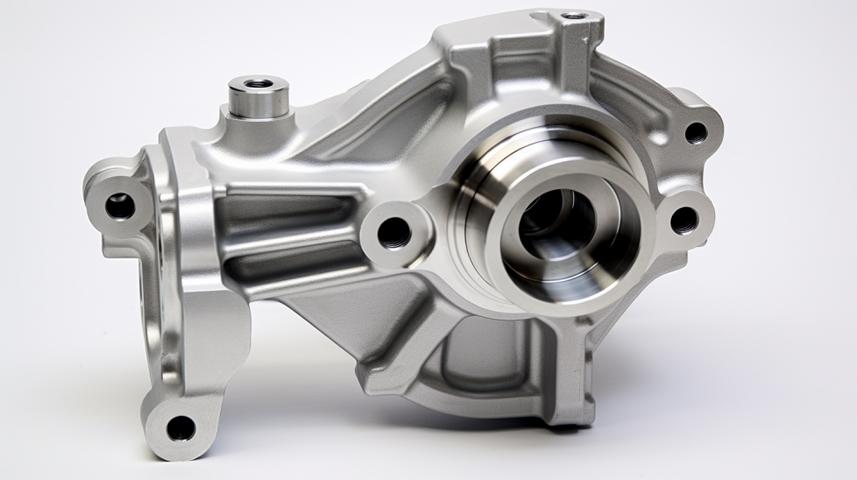
What is ADC12 die casting? ADC12 die casting is one of the most commonly used aluminum alloy die casting materials, and it is used in a wide variety of industries, including the automotive, consumer electronics, and aerospace industries. This process involves the injection of molten metal into a mold at high pressure, which creates complex geometric shapes with excellent dimensional accuracy. In this article, we will provide you with an overview of the ADC12 aluminum alloy die casting process, including the materials used, the equipment required, and the benefits of the process. Materials Used in ADC12 Die Casting ADC12 is an aluminum alloy that is primarily composed of aluminum, silicon, and magnesium. This alloy has a high strength-to-weight ratio and good corrosion resistance, making it ideal for use in a wide range of applications. Compared to other alloys such as A380 aluminum die casting, ADC12 aluminum alloy has higher silicon content, which results in better fluidity during the casting process. This alloy is also more cost-effective compared to other similar alloys. Equipment Required for Aluminum ADC12 Die Casting To carry out the aluminum ADC12 die casting process, various equipment is required, including injection molding machines, die casting molds, and other necessary tools. The injection molding machine is used to inject the molten metal into the mold, while the die casting mold is used to create the shape of the finished product. Other necessary tools include cooling systems, ejection mechanisms, and quality control equipment. Process of Aluminum ADC12 Die Casting The process of aluminum ADC12 die casting involves several steps, including the preparation of materials, injection of molten metal, cooling and ejection of finished products, and quality control measures. The preparation of materials involves melting the ADC12 alloy and preparing the mold for casting. The molten metal is then injected into the mold at high pressure, which creates the desired shape of the finished product. After the metal has solidified, the mold is opened, and the finished product is ejected from the mold. Quality control measures are carried out throughout the entire process to ensure that the finished product meets the required specifications. Applications of aluminum ADC12 Die Casting Aluminum ADC12 die casting is widely used in various industries, including the automotive, consumer electronics, and aerospace industries. In the automotive industry, ADC12 die casting is used to manufacture a wide variety of components, including engine blocks, transmission cases, and suspension parts. In the consumer electronics industry, ADC12 die casting is used to create high-quality products such as laptop frames, smartphone cases, and tablet casings. In the aerospace industry, ADC12 die casting is used to manufacture parts such as aircraft engine components and structural components. Benefits of aluminum ADC12 Die Casting Aluminum ADC12 die casting offers a wide range of benefits, including a high strength-to-weight ratio, good corrosion resistance, improved dimensional accuracy, and mass production capability. The high strength-to-weight ratio of ADC12 makes it an ideal material for producing lightweight components that require high strength, such as those used in the aerospace industry. The good corrosion resistance of ADC12 aluminum alloy also makes it ideal for use in applications where protection from the elements is required. The improved dimensional accuracy of ADC12 aluminum alloy allows for the manufacture of complex components with tight tolerances, which is essential in many industries. Finally, the mass production capability of ADC12 die casting makes it an efficient and cost-effective process for producing large quantities of components. When should we use adc12 aluminum alloy die casting parts? ADC12 die casting aluminum alloy parts are used in a variety of applications. Here are some situations where you should consider using them: Where a High Strength-to-Weight Ratio is Needed: ADC12 die casting aluminum alloy parts offer an excellent strength-to-weight ratio, which makes them ideal for use in aircraft and automotive industries, where lightweight but strong components are required. Where Corrosion Resistance is Important: ADC12 die casting aluminum alloy parts contain high levels of silicon, which offers better corrosion resistance than other aluminum alloys. They are an excellent choice for applications that require protection against the elements, such as marine or outdoor applications. Where Complex Geometric Shapes are Required: ADC12 die casting aluminum alloy parts can be cast in intricate and complex shapes, with high dimensional accuracy. As such, they are ideal for use in the production of components that require tight tolerances, such as automotive and aerospace parts. Where Mass Production is Required: ADC12 die casting aluminum alloy parts can be produced in high volumes with low-cost tooling. As such, they are a cost-effective choice for large production runs. Where Surface Finish is Important: ADC12 die casting aluminum alloy parts can be finished to provide a high-quality surface finish, suitable for use in consumer applications such as smartphones, tablets, and laptops. ADC12 die casting aluminum alloy parts are an excellent choice for many applications. They offer a good strength-to-weight ratio, high corrosion resistance, can be cast into complex shapes with high dimensional accuracy, are cost-effective for mass production, and allow for the production of high-quality surface finishes. Consider using ADC12 die casting aluminum alloy parts when these benefits meet your specific requirements. Conclusion Aluminum ADC12 die casting is a highly versatile manufacturing process with a wide range of applications in various industries. By using this process and choosing the appropriate ADC12 aluminum alloy, manufacturers can create high-quality components that meet their specific requirements. Whether you are in the automotive, consumer electronics, or aerospace industry, aluminum ADC12 die casting can provide you with the benefits you need to succeed. CNM TECH is a premier China die casting manufacturer, offering a wide range of casting products that cater to the needs of our clients. Our products include high-quality aluminum ADC12 die casting, A380 die casting, zinc die casting, magnesium die casting, aluminum hot forging, aluminum warm forging, aluminum cold forging, aluminum paste manufacturing and various other casting services. We have been in the industry long enough to understand the requirements of our clients and, as such, have invested in state-of-the-art

Scroll al inicio

Solicitar presupuesto