Fundición a presión de aluminio semisólido

Aluminio forjado en frío

fundición de aluminio

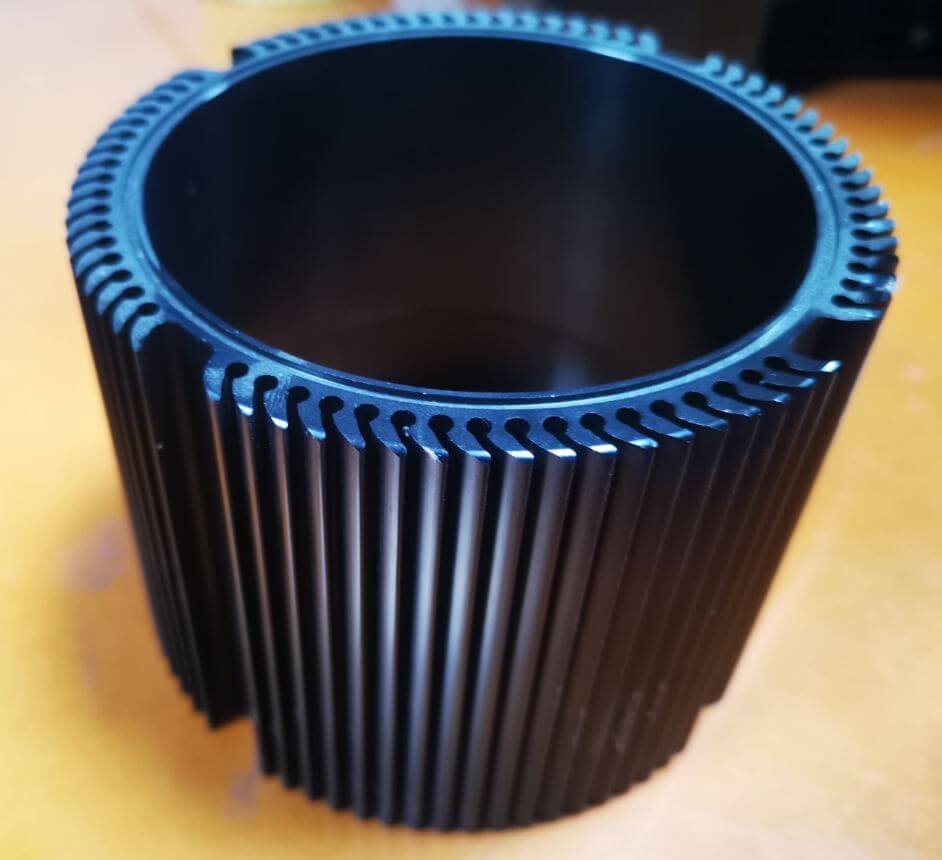
Cold Forging Aluminum: An Overview of Benefits, Process and Applications Cold forging aluminum is an effective way to produce shaped aluminum parts with high strength, denseness, and accuracy. Aluminum is one of the most commonly used materials in cold forging due to its versatility in terms of its characteristics and alloy permutations. This article provides a comprehensive understanding of the benefits, process, and applications of cold forging aluminum. Advantages of Cold Forging Aluminum When compared to other metal forming methods, cold forging aluminum has a number of advantages, including: Increased strength and durability: Cold forging aluminum can create parts with greater strength and durability than can ever be achieved through castings or other manufacturing methods. Improved surface finish and precision: Because the forging process requires the material to be compressed, cast parts may often require additional machining, while cold forged aluminum has a high surface finish already built into the process. Cost-effective compared to other techniques: Cold forging aluminum only requires modest pressure to make the necessary changes in the metal, In turn save costs in comparison to other techniques. Reduction in material waste and energy consumption: With no material waste during the forging process, and the energy needed, as compared to other methods, it adds up to cost savings over the long-term. Process of Cold Forging Aluminum The cold forging process of aluminum involves several steps: Preparation of aluminum billets Prior to starting the cold forging process, aluminum billets must first be prepared. Billets are pre-made shapes that are used in the manufacturing of parts. The billets will be heated and placed into the cold forging press later on in the process. Loading and clamping of billets in the press The billets are loaded into the press at room temperature, which is why it is called ‘cold forging’. To ensure that the billets do not move or wriggle during the press process, they are clamped down tightly. Forging process using a cold forging press The most important part of the cold forging aluminum process is creating the desired shape of the part. The process involves applying controlled pressure to the billet from all angles while the press shapes the metal to the desired shape. Cooling and trimming of the forged aluminum parts After the parts have been successfully cold forged, they are left to cool down for a few moments and then trimmed to remove excess material. Applications of Cold Forged Aluminum Cold forged aluminum is widely used in various industries: Automotive industry – Engine parts, suspension components, and other car parts that require strong, durable metal can be cold forged from aluminum. The aluminum parts produced through cold forging have higher strength and durability than other manufacturing methods, at lower costs. Aerospace industry – Aluminum bolts, screws, aircraft parts, and other equipment are made using cold forging. The benefit of cold forging in the aerospace industry is that parts can be produced to exact specifications and tolerances without warping or defects. Consumer electronics – Smartphones cases, frames for laptops, and other computing devices are often made through cold forging. The process ensures that the final products are durable and lightweight. Cold forged aluminum heat sink -Cold forged aluminum heat sinks are commonly used in electronic devices, such as computers and telecommunication devices, to help manage the heat generated by electronic components during operation. The heat sink is designed to absorb the heat from the electronic device, and then dissipate it into the ambient environment through fins or other means of heat transfer. The cold forging manufacturing process is well-suited for producing heat sinks because it allows for tight tolerances, high production rates, and excellent surface finish. The process involves shaping a heated aluminum blank using a die and punch, which compresses the material to form the desired shape. The material is then cooled rapidly, which improves the strength and hardness of the aluminum. Cold forged aluminum heat sinks have several advantages over other materials such as copper or magnesium. Aluminum is lightweight, which makes it easy to manage and install in electronic devices. It is also highly conductive, which allows it to absorb and distribute heat quickly. Aluminum heat sinks can have a relatively large surface area for their size, which provides an effective cooling solution in a small space. Cold forged aluminum heat sinks can also be customized into various shapes and sizes to fit the specific requirements of different electronic devices. They can be designed to have different fin patterns and thicknesses to optimize their heat dissipating performance. Other industries – In the medical device sector, cold forged aluminum can be used in the production of prostheses, bone screws and other equipment. In the sports equipment sector, golf club heads, racket frames and other sporting equipment may necessitate the use of cold forged aluminum materials. Challenges and Limitations of Cold Forging Aluminum While cold forging aluminum offers a wide range of benefits, the process also has its challenges and limitations: Complexity of the process and equipment needed – The process of cold forging aluminum can be complex, which means that the necessary equipment is much more expensive than alternative production methods. Limited to simple and symmetrical shapes – In some cases, the design of a part may not be possible through cold forging. Cold forging can only be used for symmetrical shapes, which means that complex designs cannot be created. Surface defects and cracks in the forged parts may occur – Due to the high pressure exerted during the forging process, minor surface defects such as rough surfaces or small cracks can occur. When do you need aluminum cold forged parts? Aluminum cold forged parts may be needed in certain situations where specific properties or characteristics are required in the finished product. Cold forging is a process where the metal is formed under high pressure at or near room temperature, without the use of heat. There are certain advantages to cold forging aluminum parts compared to hot forging, including: Cost-effectiveness: Aluminum cold forged parts can
componentes de mecanizado cnc

Servicios de mecanizado CNC China

fundición de aluminio, Mecanizado CNC

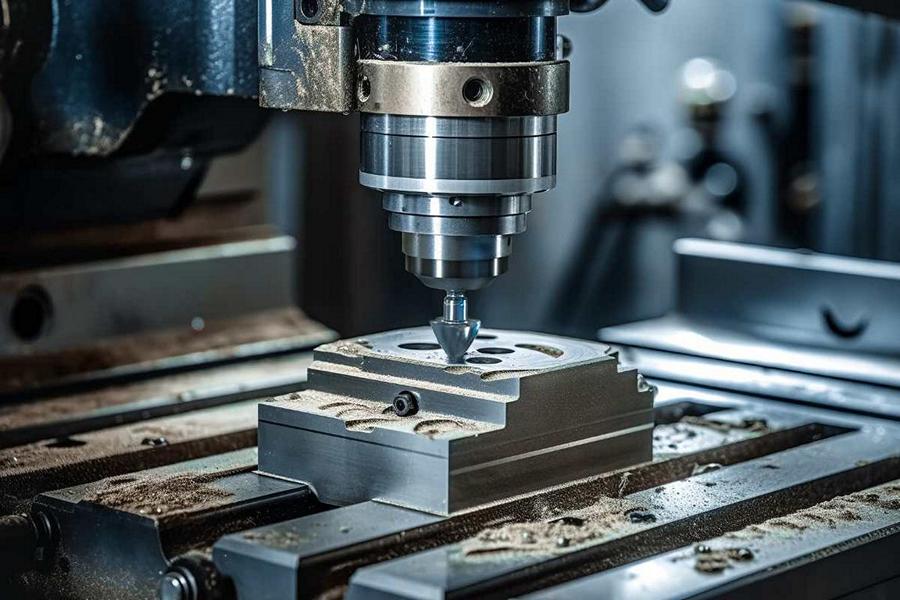
Do you need a fast and effective cnc machining china service provider? CNM is your reliable cnc machining china factory. Our highly specialized machinists, engineers, quality control personnel, and CNC technology provide high-quality manufacturing for your products. CNM provides CNC milling, CNC turning, CNC grinding, and wire EDM services and aims to deliver precise and quality work. At CNM, our CNC manufacturing facility is certified ISO 9001:2015, based on the company’s core competency of tooling and manufacturing small quantity end-use parts. We also offer 3D printing and injection molding services to meet our china cnc machining and manufacturing solutions. We also provide a variety of materials for a machined part and a variety of surface finishes based on your needs. CNC is an acronym for Computer Numerical Control. It is a process that employs machines operated by instructions in G-code to cut and shape materials. These are the multi-axial milling machines, lathes, and routers, all CNC-based but with a different strategy. In CNC milling machines, the workpiece is held in place while the cutter shapes it, while in CNC turning machines, the cutting tool and the material are turned to create the part. Choosing CNM for your cnc machining needs ensures that you get efficient performance, modern technology, and assurance of quality and niche products for different sectors. Our China CNC Machining Service At the CNC machine shop in China, CNM possesses a modern CNC machine shop equipped with different kinds of precision CNC machines. We provide 3-axis- to 5-axis machining to ensure precision in cutting complex components. Comprehensive In-House Machining We adhere to ISO 2768-F machining standards; we are in a position to offer all-round machining services for parts of various sizes and shapes. Our CNC milling can take in workpieces with diameters ranging from 2mm to 350mm to suit our customers’ needs and accuracy levels. For more information about CNM’s diverse skills and services, please visit. Quality Assured Raw Materials CNM also confirms that all the materials used conform to the provisions of the RoHS directive and any other specifications as may be provided by the client. We also offer material certificates and SGS reports for your reference; we have a wide range of steel, aluminum, stainless steel, titanium, and engineering plastics like PEEK, PC, and POM. ISO Certified Precision CNM is an ISO-approved CNC machine shop in China; therefore, it has to adhere to strict quality control measures. Today’s testing equipment supports this commitment to accuracy, which is why we are the best for precision milling services. Learn more about our quality assurance procedures. Flexible Order Quantities CNM can satisfy any small or large order of many units to be manufactured. Our critical services are short-run precision CNC milling, turning, and mass production, which enable us to meet different customer needs in the best way possible. Rapid Turnaround CNM offers a quotation for the work within a single day, and the work can be commenced and completed quickly. A highly qualified and experienced staff, including a separate R&D department, ensures proper work and high performance. Global Customer Base CNM is ready to work with clients from the EU and North America, providing them with the best quality CNC machining according to global standards. Precision & High Quality CNC Machining Services at CNM At CNM, our CNC machines can work with high accuracy to give various features and components. CNC milling machines are particularly suitable for making deep recesses, inclined planes, holes, and slots, while CNC lathes make round, similar-shaped parts. The tolerances that can be held on our CNC milling and turning machines are minimal, sometimes as good as ±0. 001mm. They can only work with metals and plastics, provided that the latter are solid blocks. This capability makes CNC machining different from other additive manufacturing technologies like 3D printing, mainly dealing with plastics and a few metals. Why Choose CNM cnc machining services china for Your Projects? At CNM, we ensure that all the products produced are accurate and of the highest quality. Our engineers, machinists, and quality control staff collaborate to ensure that all the projects are done to the required standard. Nothing but the best is offered here, from the latest CNC technologies to the most rigorous quality control measures. Diverse Material Expertise We deal in a wide range of materials to guarantee that our clients receive their desired products for their projects. Starting from aluminum to stainless steel, brass, or even titanium and Inconel, CNM has it all for you. We also have specialities in plastics like POM, PTFE, and PC, and we ensure you get all the required materials. Certified Excellence Our facilities adhere to rigorous industry standards, including ISO 9001:For quality management, ISO 9001:2015, and ISO 14001:2015 for environmental practices. ISO 13485:CNM is a 2016 medical device manufacturing certification that ensures all procedures’ conformity and quality.  Cost-Effective Solutions In the manufacturing processes, we use DFM principles to minimize manufacturing costs while ensuring that the quality of the product is not compromised. CNM has cost-effective manufacturing solutions that are within your budget and ensure efficient manufacturing from the ground up. Swift Turnaround Times Located near the major transport hubs in the southern region of China, CNM guarantees the speedy production and shipment of products. We appreciate the speed without sacrificing quality so your products reach you as soon as possible. Customized CNC Machining Services CNM provides custom parts and complex materials for special projects where certain parts must be machined. The flexibility and the orientation to the client’s needs ensure that all the features will be considered and solved effectively and efficiently. CNM’s Advanced CNC Machining Services CNM mainly specializes in providing high accuracy cnc machined parts for metals and plastics. In both cases, whether it is prototype or production parts, CNM makes sure that the cycle times are short and that there is no compromise on the quality. Benefit from our commitment to excellence, including free standard shipping on all orders and compliance with ISO 9001:2015, ISO 13485:2003, AS9100D, and

Luces led-carcasa-aluminio

Disipadores de calor para luces LED

fundición de aluminio

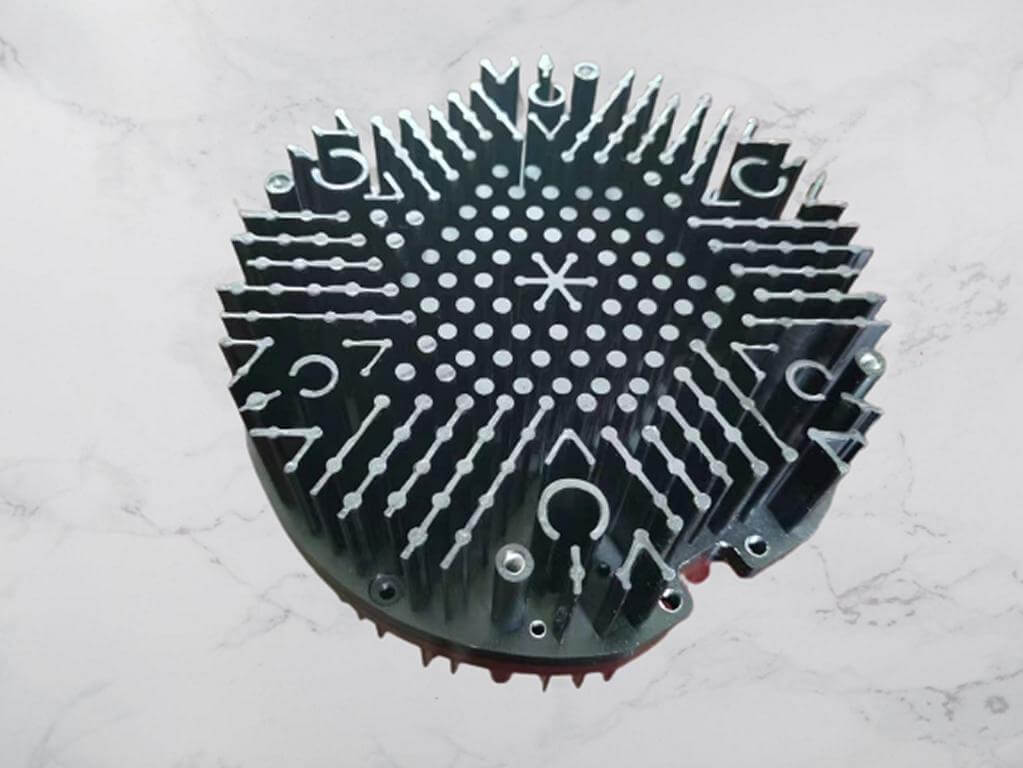
What is LED light heat sinks LED light heat sinks are components designed to dissipate heat generated from LED modules to prevent overheating and ensure proper functioning. LED lights generate heat during operation, and if this heat is not effectively dissipated, it can lead to premature failure of the LED module. LED light heat sinks transfer heat away from the LED module through passive or active means, using materials with high thermal conductivity, such as aluminum, copper, graphite, or ceramic. They play an important role in increasing Types of LED Light Heat Sinks: There are two main types of LED light heat sinks: passive and active. Passive heat sinks passively dissipate heat by conducting it away from the LED module through heat pipes or fins. Active heat sinks, on the other hand, use fans or pumps to actively move air or liquid through the heat sink to enhance heat transfer. Passive heat sinks are simpler in design and construction and generally cost less than active heat sinks. However, they are limited in their ability to dissipate heat quickly, especially in high-powered LED applications. Active heat sinks are more complex in design and have a higher initial cost, but they offer better heat dissipation and are better suited for high-powered LED applications. Materials used in LED Light Heat Sinks: The most common materials used in LED light heat sink construction are aluminum and copper due to their excellent thermal conductivity. Aluminum heatsink is lightweight, inexpensive, and easy to manufacture, making it a popular choice for passive heat sinks. Copper, on the other hand, is more expensive, harder to manufacture, and heavier, but it has a higher thermal conductivity than aluminum, making it ideal for use in active heat sinks. Other materials used in LED light heat sink construction include graphite and ceramic. Graphite is a lightweight alternative to aluminum that has good thermal conductivity and is often used in low-power LED applications. Ceramic materials are used in high-power LED applications due to their excellent thermal shock resistance and thermal conductivity. Factors to Consider when Choosing LED Light Heat Sinks: When selecting an LED light heat sink, several factors should be considered to ensure proper functionality. The most important factor is thermal conductivity, as it directly affects the heat dissipation capability of the heat sink. The shape and size of the heat sink should also be considered, as they affect heat transfer and compatibility with the LED module. It is essential to choose a heat sink that is compatible with the LED module to ensure optimal heat dissipation and maximum efficiency. Finally, cost-effectiveness should be taken into account, as heat sinks can vary significantly in price depending on the material and complexity of the design. Benefits of LED Light Heat Sinks: Using LED light heat sinks in lighting applications offers several key benefits. First, they protect against overheating, which can lead to premature failure of the LED module. Secondly, they increase energy efficiency by reducing the amount of power wasted as heat. Finally, LED light heat sinks prolong the lifespan of LED lighting, reducing the frequency of replacement and reducing overall costs. Applications of LED Light Heat Sinks: LED light heat sinks are used in a wide range of applications, including indoor and outdoor lighting, automotive lighting, medical lighting, and commercial and industrial lighting. In indoor and outdoor lighting, LED light heat sinks are used to reduce heat buildup and prolong the lifespan of LED lamps. Automotive lighting often requires high-powered LED modules that generate significant heat, making active heat sinks crucial for proper operation. Medical lighting requires high-quality, reliable lighting with low heat output, making passive heat sinks ideal for use in these applications. Finally, commercial and industrial lighting applications often require high-powered lighting with effective heat dissipation, making active heat sinks the most appropriate choice. Conclusion: LED light heat sinks are essential components in LED lighting applications, playing a vital role in preventing overheating and prolonging the lifespan of LED modules. Choosing the right type of heat sink and material for your particular application can be challenging, but considering the factors outlined in this article will ensure optimal performance. LED light heat sinks offer numerous benefits, including energy efficiency, reduced maintenance costs, and increased reliability. They are used in a diverse range of applications and will continue to play a critical role in the future of LED lighting. If you are looking for LED light heat sinks products, welcome to contact us.

disipador térmico personalizado

Disipadores de calor de aluminio a medida

fundición de aluminio

What is custom aluminum heat sinks Custom aluminum heat sinks or custom made heat sinks refer to heat sinks made from aluminum that are custom-designed and manufactured to specific size, shape, and thermal performance requirements for a particular application. Custom aluminum heat sinks are used to dissipate heat generated by electronic devices such as CPUs, graphics cards, power supplies, and LED lights, among others, to ensure optimal performance and prevent damage to the devices. The aluminum material used in heat sinks has high thermal conductivity, which allows it to effectively transfer heat away from the device and into the surrounding environment, where it can be dissipated. The customization of aluminum heat sinks includes various design aspects such as fin structure, surface finish, color, and material choice. Custom aluminum heat sinks are widely used in industrial and commercial applications due to their efficiency, durability, and cost-effectiveness. In today’s world, electronic devices are becoming more and more complex. As the amount of power that these devices require increases, the need for efficient heat dissipation becomes even more important. Custom heat sinks play a critical role in dissipating heat in electronic devices, and are a popular choice due to their high thermal conductivity and excellent durability. In this page, we will explore the benefits of custom extrusion heat sinks, the factors to consider when choosing them, the different types of custom aluminum heat sinks available, and their applications. Factors to consider when choosing custom aluminum heat sinks Thermal conductivity – The thermal conductivity of aluminum is very high, which makes it an excellent choice for heat sinks. When selecting a custom aluminum heat sink, it is important to consider the specific thermal conductivity required for your application. Higher thermal conductivity means that heat is transferred more efficiently, but it may also increase the cost of the heat sink. Durability – Aluminum heat sinks are known for their excellent durability and long lifespan. However, some applications may require additional durability due to harsh environmental conditions or high levels of vibration. In these cases, it may be necessary to choose a specialized type of aluminum alloy or to add a protective coating to the heat sink. Cost-effectiveness – As with any engineering design decision, cost is always a consideration. Aluminum heat sinks are generally more affordable than heat sinks made from other materials, but the cost can still vary widely depending on the size, shape, and complexity of the heat sink. Size and shape – Custom aluminum heat sinks can be made in many different shapes and sizes. When choosing a heat sink, it is important to consider the size and shape requirements of your application. A heat sink that is too small may not provide enough cooling, while a heat sink that is too large may be too heavy or take up too much space. Types of custom aluminum heat sinks Extruded custom made heat sinks – Extruded heat sinks are a popular choice for many applications due to their cost-effectiveness and ease of customization. These heat sinks are made by pushing heated aluminum through a die, which forms the heat sink into a specific shape. Extruded heat sinks can have fins of varying heights and widths. Bonded fin custom made heat sinks – Bonded fin heat sinks are created by combining a base plate with specialized fins that are bonded to the plate. This process creates a heat sink with superior thermal performance and excellent structural strength. Bonded fin heat sinks can be customized to have almost any desired fin shape and thickness, which makes them a popular choice for many different applications. Folded fin custom made heat sinks – Folded fin heat sinks are made by taking a flat sheet of aluminum and folding or bending it into the desired shape. This process creates a very durable and lightweight heat sink, but it is also more expensive and difficult to manufacture than other types of heat sinks. Skived fin custom made heat sinks – Skived fin heat sinks are manufactured by shaving or cutting fins into a solid block of aluminum. This process creates a very efficient and lightweight heat sink that is ideal for applications with limited space. However, skived fin heat sinks are generally more expensive than other types of heat sinks. The Custom extruded heat sink processing Custom extruded heat sink processing involves the creation of a custom heatsink from raw aluminum materials through extrusion. Extrusion is a manufacturing process that involves pushing a heated billet or slug of material through a die to create a desired shape and size. Here are the steps involved in the Custom extruded heat sink processing: Design the heatsink: The first step is to design the heatsink according to the specifications and requirements of the intended application. The design should include details such as size, shape, and the number of fins. Prepare the billet: A billet is a cylindrical block of aluminum that is heated to a temperature required for extrusion. The billet is then loaded into the extrusion press. Extrusion process: The billet is pushed through the die under high pressure, causing it to take on the shape and size of the die. As the aluminum passes through the die, it is cooled and solidified into the desired shape. Cutting and finishing: Once the extrusion process is complete, the heatsink is cut to the required length and the edges are finished using a cutting or sawing process. Sandblasting and anodizing: Sandblasting is used to remove any surface impurities and smooth out any rough edges, and anodizing is used to add a protective layer to the aluminum heatsink extrusion. The anodizing process can also add color to the surface of the heatsink. Quality Control: The finished heatsink is inspected to ensure it meets the required specifications. Checks are carried out to ensure that the size, shape, and any other features of the heatsink are within the required tolerances. By following these steps, a custom aluminum heatsink can be produced through extrusion processing.

Fundición de aleación de aluminio A356

Exploración del proceso de fabricación de la fundición de aleaciones de aluminio A356

fundición de aluminio

Manufacturing processes are essential for producing a variety of goods and services. A356 aluminum alloy casting is no exception. This type of casting is used in the automotive, aerospace, and medical industries, and is known for its strength and lightweight properties. Manufacturing A356 alloy castings involves a series of steps, such as melting, pouring, cooling, and finishing. Each step has its own challenges and requires specific processes to be successful. In this article, we’ll explore the entire manufacturing process of A356 aluminum alloy casting, from start to finish. We’ll discuss the various stages, the challenges each stage presents, and the solutions manufacturers use to ensure the highest quality of product. By the end of this article, you’ll have a better understanding of how A356 alloy castings are made and why they are so valuable in the industries they serve. What are A356 Aluminum Alloy Casting? A356 aluminum alloy castings are hollow-shaped pieces of metal that can be opened and closed. They’re most often used in the automotive and aerospace industries. A356 alloy castings are made from steel with a controlled amount of carbon, which makes them stronger and lighter than other steels. Alloy castings are also corrosion-resistant, non-magnetic, and highly resistant to wear. They are often used for bushings, brake calipers, steering components, steering wheels, and other steering components. Alloy castings can also be used for other purposes, such as making metal parts for cars, machines, and equipment. A356 aluminum alloy casting is usually made from steel with a controlled carbon amount of 0.35% to 0.45% to obtain the required strength and toughness. Alloy castings can also be made from stainless steel or other materials. A356 aluminum alloy is composed of 92.5% aluminum, 6.5% silicon, and 1% magnesium. It is a commonly used alloy in the aluminum gravity and sand  casting industry because of its good casting properties and excellent mechanical properties. The Manufacturing Process of A356 Aluminum Alloy Castings As we mentioned earlier, the manufacturing process of A356 alloy castings involves several stages. there are below some steps no matter you use gravity casting or sand casting process. Let’s explore these stages in more detail. a. Melting – A356 alloy castings are made from steel with a controlled carbon amount. The first step in the manufacturing process of A356 alloy castings is melting the steel. This creates a liquid steel slurry that is then poured into a mold. The mold is a hollow container with a pattern on its inside that creates the desired shape of the casting when the liquid steel hardens. b. Pouring – After the liquid steel has reached the right temperature, it’s poured into the mold. This is accomplished with the use of a ladle, which is a large container with a long handle. The ladle is lifted up, then swung over the mold, pouring the steel into the mold. This is a process that is done by hand, which requires careful attention and skill. If the ladle is filled too high or swung too quickly, the steel will spill over the top of the mold. If the ladle is too low, the steel will be too cold and won’t flow into the mold properly. c. Cooling – After the liquid steel has been poured into the mold, it’s important to cool it down quickly to prevent defects from forming. There are several cooling methods that manufacturers can choose from depending on the size and shape of their casting. The most common cooling methods are water cooling and sonic cooling. Water cooling involves spraying water on the surface of the steel casting to help it cool down more quickly. Sonic cooling involves blasting the bean with sound waves to help it cool down more quickly. d. Finishing – After the liquid steel has been cooled, the mold is opened. The steel inside the mold has hardened into a solid, but rough, shape. At this point, the steel needs to be cut and shaped to form the final castings. This is done with the use of various industrial cutting machines, such as mills, lathes, and grinders. Challenges of Manufacturing A356 aluminum Alloy Castings As we’ve discussed, there are a variety of challenges that manufacturers need to face when creating A356 alloy castings. Below are some of the most common challenges. – Poor cooling – If the liquid steel doesn’t cool down correctly, it can lead to defects in the final castings. If the steel doesn’t cool down quickly enough, it might cool too slowly and become brittle and prone to breakage. If the steel cools too quickly, it can form gases that create pores in the casting. When cooling, it’s important to keep the steel covered so it can absorb the heat and cool down correctly. This is especially important when cooling large castings. – Poor design – Another challenge that manufacturers face when creating A356 alloy castings is poor design. If the design of the model isn’t precise, it can affect the overall quality of the castings. If the model is too heavy, it can make the castings difficult to pour. If the model has too much draft, it can cause the castings to be too thin. In addition, the model may require more time to cast than the manufacturer has available. – Low-quality steel – Another challenge is using low-quality steel. Using poor-quality steel for the castings can cause the finished products to break or wear out too quickly Solutions to the Challenges As we’ve discussed, there are a number of challenges that manufacturers face when creating A356 alloy castings. The best way to overcome these challenges is to follow a strict production process. By following a strict production process, manufacturers can maintain consistency throughout the manufacturing process and ensure the best possible quality of product. The following table details the stages of the production process, the challenges they face, and the solutions they provide. Stage Challenges Solutions Casting design Draft required to make the model lighter The model is too heavy Too

carcasa de aluminio para vitrinas de leds

Fabricante mayorista de fundición a presión de aluminio

fundición de aluminio

Wholesale aluminum die casting manufacturer will offer wholesale price for aluminum die casting parts to save your cost with any custom die casting products, contact us to get a price Introduction to Aluminum Die Casting Aluminum die casting is a manufacturing process in which molten aluminum is injected into a mold or die to produce parts and components. This process is ideal for producing high volume, complex parts with tight tolerances and a smooth finish. Aluminum is a popular choice for die casting because it is lightweight, corrosion resistant, and has good mechanical properties. Benefits of Using an Aluminum Die Casting There are several benefits to using an aluminum die casting manufacturer for your production needs: Speed and efficiency: Aluminum die casting allows for fast production of high volume orders. The process is automated, which helps to reduce lead times and increase efficiency. Cost effectiveness: Aluminum die casting is a cost-effective solution for producing parts in high volumes. The initial setup costs may be higher than other manufacturing processes, but the cost per part is much lower due to the high production rates. Precision: Aluminum die casting produces parts with tight tolerances and a smooth finish. This level of precision is difficult to achieve with other manufacturing processes. Versatility: Aluminum die casting can be used to produce a wide range of parts and components, including those with complex geometries and thin walls. What to Look for in a Wholesale Aluminum Die Casting Manufacturer When selecting a wholesale aluminum die casting manufacturer, there are a few key factors to consider: Experience: Choose a manufacturer with a proven track record in the industry. Look for a company with a history of producing high quality parts and meeting customer deadlines. Capabilities: Make sure the manufacturer has the necessary equipment and expertise to produce the parts you need. Consider factors such as the size and complexity of the parts, the volume you need, and the materials you will be using. Quality control: Quality control is crucial in the die casting industry. Look for a manufacturer with a robust quality control process in place, including inspections at various stages of production. Customer service: Good communication and customer service are essential when working with a wholesale manufacturer. Look for a company that is responsive and easy to work with. Examples of Quality Components Made with Aluminum Die Casting There are many examples of high quality components that are produced using aluminum die casting, including: Automotive parts: Aluminum die casting is widely used in the automotive industry to produce parts such as engine blocks, transmission housings, and suspension components. Electronic components: Aluminum die casting is used to produce a variety of electronic components, including connectors, housings, and heatsinks. Aerospace components: The aerospace industry relies on aluminum die casting for the production of parts such as landing gear components and structural components. Military components: The military also relies on aluminum die casting for the production of parts such as weapon systems and aircraft components. Advantages of Working with a Wholesale Aluminum Die Casting Manufacturer There are several advantages to working with a wholesale aluminum die casting manufacturer or other wholesale aluminum die casting factories: Cost savings: Wholesale aluminum die casting pricing can be significantly lower than retail pricing, which can help to reduce your overall production costs. Quality control: A reputable wholesale aluminum die casting manufacturer will have strict quality control measures in place to ensure that the parts they produce meet the highest standards. Expertise: wholesale aluminum die casting factories typically have a deep understanding of the die casting process and can offer valuable insights and solutions to help improve your production process. Customization: Many wholesale aluminum die casting factories offer customization options to meet the specific needs of their customers. Tips on Selecting the Right Wholesale Aluminum Die Casting Manufacturer Research the manufacturer’s experience and capabilities: Look for a aluminum die casting manufacturer with a proven track record in the industry and the necessary equipment and expertise to produce the parts you need. Consider the quality control process: Choose a manufacturer with a robust quality control process to ensure that you receive high quality parts. Look for good customer service: Good communication and customer service are essential when working with a wholesale manufacturer. Look for a company that is responsive and easy to work with. Get quotes from multiple manufacturers: It’s a good idea to get quotes from multiple wholesale aluminum die casting factories to ensure that you are getting the best price and value. Don’t be afraid to ask questions: Don’t be afraid to ask the manufacturer any questions you may have about their processes, capabilities, or pricing. This will help you to make an informed decision. In conclusion, aluminum die casting is a fast and efficient manufacturing process that produces high quality parts with tight tolerances and a smooth finish. Working with a reputable wholesale aluminum die casting manufacturer can provide cost savings, quality control, expertise, and customization options. When selecting a wholesale manufacturer, it’s important to consider their experience, capabilities, quality control processes, and customer service, and to get quotes from multiple manufacturers. By following these tips, you can choose the right wholesale aluminum die casting manufacturer to meet your production needs. If you are looking for wholesale aluminum die casting manufacturer for your Customized aluminum die casting parts, welcome to send us your RFQ, we will quote you the best price with fast lead time.

aluminio-Druckguss

Molde de fundición a presión de zinc personalizado

fundición de aluminio

Qué es el molde de fundición a presión de zinc personalizado: Ventajas, diseño y elección del fabricante adecuado El molde de fundición a presión de zinc personalizado se refiere a la creación de moldes especializados adaptados a las necesidades específicas de fabricación de piezas de fundición a presión de zinc. Estos moldes están diseñados para mejorar el rendimiento del molde y la calidad del producto, reduciendo al mismo tiempo los plazos de entrega y la rentabilidad. Este artículo profundiza en las ventajas de los moldes de fundición a presión de zinc personalizados, los factores a tener en cuenta a la hora de diseñar uno y cómo elegir el fabricante adecuado. Ventajas del molde de fundición a presión de zinc personalizado Mayor rendimiento del molde Los moldes de fundición a presión de zinc personalizados ofrecen mejores capacidades de rendimiento del molde, lo que permite a los fabricantes conseguir mayores rendimientos y una mejor calidad del producto. Al adaptar el molde a los requisitos específicos de fabricación, las empresas pueden mejorar la durabilidad de los moldes, reducir los desechos y aumentar significativamente la vida útil de los moldes. Además, los moldes personalizados también garantizan que las piezas se fundan con mayor precisión y minimizan las posibilidades de defectos, que pueden afectar a la calidad final del producto. Mayor calidad y consistencia del producto La fundición a presión de zinc exige un alto grado de precisión, ya que incluso pequeños errores en las piezas fundidas pueden provocar defectos o un mal funcionamiento de los productos. Los moldes de fundición a presión de zinc personalizados ofrecen una mayor consistencia y precisión de la pieza final producida. Mediante el uso de tecnologías de diseño avanzadas, los fabricantes pueden reducir la posibilidad de errores en su diseño, lo que se traduce en una mejor calidad del producto, mayores índices de rendimiento y una reducción de los residuos. Tiempos de entrega reducidos Los moldes de fundición a presión de zinc personalizados reducen significativamente el tiempo de producción, ya que están hechos a medida para adaptarse a requisitos de fabricación específicos. La reducción del tiempo de producción permite a los fabricantes reducir sus costes de producción y satisfacer las demandas de sus clientes de forma más eficiente, entregando productos de alta calidad en plazos de entrega más cortos. Rentabilidad mejorada Los moldes de fundición a presión de zinc personalizados ofrecen a las empresas importantes ahorros de costes en el uso de materiales, la producción y los costes de mantenimiento. Los moldes tradicionales tienden a causar múltiples fallos, lo que conduce a frecuentes sustituciones, mientras que los moldes personalizados tienen menos fallos y requieren menos sustituciones. Además, estos moldes reducen significativamente las tasas de desecho, lo que reduce los costes generales de manipulación de materiales a lo largo del tiempo. Factores a considerar en la selección del material del molde de fundición a presión de zinc personalizado El diseño del molde de fundición a presión de zinc se ve afectado por el tipo de material deseado para las piezas fundidas. El tipo y el grado del material determinan la estructura general del molde y cualquier requisito de diseño específico que pueda proporcionar piezas fundidas más uniformes y densas. Los fabricantes deben tener en cuenta la consistencia del material, la conductividad térmica y el diseño del molde a la hora de seleccionar el material adecuado para su molde de fundición a presión de zinc personalizado. Requisitos de acabado superficial Los requisitos de diseño de las piezas dictan el diseño del molde para obtener acabados superficiales adecuados. Los moldes deben facilitar la expulsión de las piezas fundidas sin causar ninguna distorsión ni daño. En consecuencia, los diseños personalizados de moldes de fundición a presión de zinc deben incorporar acabados superficiales específicos, como pulido o texturizado. Tolerancia dimensional El grado de variabilidad en la tolerancia dimensional resulta de la adaptabilidad del molde utilizado. Los fabricantes deben conocer la naturaleza de las piezas que van a producir y tener en cuenta las tolerancias de las dimensiones máximas y mínimas, ya que unas tolerancias más estrictas pueden repercutir en los costes de producción. Complejidad de la pieza Los diseños de las piezas varían en complejidad, y algunas de ellas requieren una gran atención al detalle. Los diseños complejos aumentan la complejidad y el coste del molde. Por lo tanto, es esencial que los fabricantes evalúen los componentes y decidan los diseños más viables que cumplan sus objetivos generales de producción. Diseño de moldes de fundición a presión de zinc personalizados Comprender los requisitos y las especificaciones El primer paso en el diseño de moldes de fundición a presión de zinc personalizados es comprender a fondo los requisitos y las especificaciones. Los fabricantes deben involucrar a ingenieros cualificados y a diseñadores expertos en modelado a la hora de preparar las especificaciones, ya que estos profesionales proporcionarán ideas y orientación para diseñar los mejores moldes de fundición. Desarrollo de un plan de diseño Los fabricantes deben desarrollar un plan de diseño sólido que tenga en cuenta todas las especificaciones. El plan de diseño debe incorporar los requisitos generales de diseño, los aspectos técnicos, los materiales preferidos, las dimensiones y propiedades de los moldes y las técnicas de fabricación. Uso de software de simulación para pruebas El diseño de un molde requiere numerosas iteraciones para dar con el diseño perfecto. El software de simulación puede identificar posibles problemas de fundición, permitiendo modificaciones antes del proceso de fundición real. Los resultados de la simulación del software también pueden identificar posibles riesgos de daños en el molde y proporcionar los datos necesarios para determinar la viabilidad del uso de ese molde. Elección del fabricante adecuado de moldes de fundición a presión de zinc personalizados Reputación y experiencia La reputación y la experiencia de un fabricante de moldes de fundición son vitales a la hora de seleccionar el proveedor adecuado. Los fabricantes deben investigar el historial de rendimiento de los posibles proveedores y hablar directamente con las referencias. Capacidades técnicas Es esencial que el fabricante disponga de las capacidades técnicas y la tecnología necesarias para producir moldes de fundición a presión de zinc personalizados. El proveedor debe tener acceso a la última tecnología del sector y, lo que es más importante, comprender los requisitos de diseño que conlleva el uso de tecnología avanzada. Comunicación y colaboración Los fabricantes deben elegir un proveedor con excelentes habilidades de comunicación y colaboración. El diseño de moldes puede ser un proceso complicado que requiere una comunicación continua entre el fabricante y el proveedor. El proveedor elegido debe facilitar la comunicación durante todo el proceso para garantizar el cumplimiento de los objetivos de diseño. Conclusión Los moldes de fundición a presión de zinc personalizados proporcionan un mejor rendimiento del molde, una mayor calidad y consistencia del producto, plazos de entrega más cortos y una mayor rentabilidad. El diseño de estos moldes requiere comprender los requisitos y especificaciones, desarrollar un plan de diseño y utilizar software de simulación para las pruebas. Elegir al fabricante adecuado es crucial, y las consideraciones más críticas son la reputación y la experiencia, las capacidades técnicas y la comunicación y colaboración. Así pues, los fabricantes que deseen obtener una ventaja competitiva en el sector deberían explorar las ventajas de los moldes de zinc personalizados y tener en cuenta los factores fundamentales que se exponen en este artículo para satisfacer sus necesidades de producción específicas. Los moldes de fundición a presión de zinc personalizados son herramientas especializadas que se diseñan y fabrican específicamente para un proyecto concreto de fundición a presión de zinc. Estos moldes se crean utilizando software de diseño asistido por ordenador (CAD) y suelen estar hechos de acero de alta calidad para soportar las altas presiones y temperaturas del proceso de fundición. Los moldes de fundición a presión de zinc personalizados permiten a los fabricantes de fundición a presión de China producir piezas con dimensiones precisas y detalles intrincados que pueden no ser posibles con moldes estándar.

Carcasa de la farola

Piezas de fundición a presión de aluminio personalizadas

fundición de aluminio

What is Customized aluminum die casting parts Customized aluminum die casting parts are parts that have been specifically designed and manufactured to meet the specific requirements of a particular customer or application. These parts are typically created using the aluminum die casting process, in which molten aluminum is forced into a steel mold or die to create a precise and repeatable finished product. There are many advantages to using customized aluminum die casting parts. One of the primary benefits is the ability to create parts with a high degree of accuracy and detail. The aluminum die casting process allows for precise control over the shape and size of the final product, as well as its surface finish and any additional features such as holes, threads, or undercuts. This level of precision is particularly useful in industries where parts need to fit together accurately, such as in the automotive or aerospace sectors. Customized aluminum die casting parts are also known for their strength and durability. Aluminum is a strong and lightweight material, making it an ideal choice for parts that need to withstand high levels of stress or wear and tear. In addition, the die casting process itself helps to create parts with a high level of structural integrity, as the molten aluminum is able to flow and fill the mold or die completely. Another advantage of customized aluminum die casting parts is the ability to produce large quantities of parts with consistent dimensions and properties. This makes it an ideal choice for high volume production runs, as it allows for efficient and cost-effective mass production. Customized aluminum die casting parts offer a range of benefits, including accuracy, strength, durability, and repeatability. These characteristics make them well-suited for a wide variety of applications, including in the automotive, aerospace, and construction industries. When do you need customized aluminum die casting parts Customized aluminum die casting parts are ideal for industrial applications where high precision and strength are required. Below are some situations when you may need customized aluminum die casting parts: When you require high-strength parts: Aluminum is a highly robust and durable metal, and the die casting process makes it even more robust. Thus, if you need a part that can withstand harsh conditions, customized aluminum die casting parts are an excellent choice. When dimensional accuracy is crucial: Custom aluminum die casting parts are perfect when you need exact measurements and consistent quality. Each aluminum die casting part is identical in size, shape, and dimension, making it ideal for applications where precision and repeatability are vital. When you need parts with intricate design features: Customized aluminum die casting parts can be designed to have intricate shapes, forms, and designs. This makes them ideal when you need parts with complex geometries that are difficult to machine or manufacture using other methods. When you need high volume production: The aluminum die casting process is excellent for high-volume production runs. This process allows for quick, reliable, and cost-effective production, making it ideal for industries that require large quantities of parts. When you need fast turnaround: Customized aluminum die casting parts can be produced rapidly, which is vital when you need parts quickly to minimize production downtime. In general, if you need parts that are strong, accurate, and have a high degree of repeatability, customized aluminum die casting parts are an excellent choice. These parts have numerous applications in various industries, including the automotive, aerospace, healthcare, and telecommunications sectors. Partnering with a professional manufacturer can ensure that you get high-quality customized aluminum die casting parts that meet your exact specifications. What cost have in making customized aluminum die casting parts The cost of making customized aluminum die casting parts can vary depending on several factors, including: Part complexity: The complexity of the part will affect the time and resources required to design and manufacture it, which will impact the cost. Simple parts that require minimal machining or finishing will cost less than complex parts with intricate shapes or features. Part size: Larger parts will require more material and resources, making them more expensive to produce. Production volume: The cost of producing customized aluminum die casting parts decreases as the production volume increases. High-volume production runs will typically have a lower cost per part than small-scale production runs. Material cost: The price of aluminum can vary depending on the alloy, purity, and market demand. Some alloys may be more expensive than others, which can affect the overall cost of the parts. Tooling cost: The cost of designing and manufacturing the tooling required for the die casting process can be a significant factor in the cost of customized aluminum die casting parts. Tooling costs typically decrease as the production volume increases. It is essential to work with an experienced and reputable manufacturer who can provide you with a detailed, itemized quote for the customized aluminum die casting parts you need. This way, you can have a clear understanding of the cost drivers and make informed decisions about the most cost-effective way to produce your parts. How to find custom aluminum die casting manufacturers There are a few different ways to find custom aluminum die casting manufacturers, including the following: Online search: One of the easiest ways to find custom aluminum die casting manufacturers is to search online. There are many websites and directories that list die casting companies and manufacturers, and you can use keywords such as “custom aluminum die casting” or “custom die casting manufacturer” to find relevant results, of course one of the best country to make your customized aluminum die casting parts will be China. Industry associations: Another option is to contact industry associations or trade organizations related to the die casting industry. These organizations can often provide lists of member companies that offer custom die casting services. Manufacturing marketplaces: Online manufacturing marketplaces and platforms are another way to find custom aluminum die casting manufacturers. These platforms connect buyers with manufacturers and can be a convenient way to find a supplier for your

Carcasa de farola LED

Molde de fundición a presión de aluminio a medida

fundición de aluminio

Custom aluminum die casting molds are a vital component in the production of high-quality aluminum parts. These specialized molds are designed to meet the unique and specific requirements of each project, ensuring that the finished product meets the highest standards of accuracy and precision. In this article, we will delve deeper into the world of custom aluminum die casting molds, exploring their key features, benefits, and applications. What is a Custom Aluminum Die Casting Mold? A custom aluminum die casting mold is a specialized tool that is used to produce high-quality aluminum parts through the process of die casting. Die casting is a manufacturing method in which molten aluminum is injected into a mold cavity under high pressure. The aluminum then solidifies into the desired shape, creating a precision-engineered part with excellent dimensional accuracy. Custom aluminum die casting molds are typically made from high-grade steel or other durable materials, and are carefully machined to precise specifications. They are designed to withstand the high temperatures and pressures involved in the die casting process, and are capable of producing parts with complex shapes and fine detail. Benefits of Custom Aluminum Die Casting Molds There are many benefits to using custom aluminum die casting molds in the manufacturing process. Some of the key advantages include: Precision: Custom aluminum die casting molds are designed to produce customized aluminum die casting parts with excellent dimensional accuracy and tolerance. This makes them ideal for applications where precise parts are required, such as in the aerospace and automotive industries. Speed: Die casting is a fast and efficient manufacturing method, and custom molds can help to further streamline the process. With a well-designed mold, it is possible to produce high volumes of parts in a short period of time, reducing lead times and improving turnaround times. Cost-effectiveness: Custom aluminum die casting molds can offer significant cost savings compared to other manufacturing methods. Because they are designed to produce large volumes of parts, the per-unit cost of each part is often lower than with other methods. Additionally, the long lifespan of custom molds means that they can be used to produce parts for many years, further reducing costs over time. Applications of Custom Aluminum Die Casting Molds Custom aluminum die casting molds are used in a wide range of applications across many different industries. Some common examples include: Aerospace: The aerospace industry requires precision parts with tight tolerances, and custom aluminum die casting molds are often used to produce these parts. Components such as engine and structural parts can be manufactured using die casting, providing the strength and accuracy needed for critical applications. Automotive: The automotive industry is another major user of custom aluminum die casting molds. Parts such as engine blocks, transmission housings, and wheels can all be produced using this method, providing the strength and durability needed for use in vehicles. Medical: The medical industry also relies on custom aluminum die casting molds to produce a range of parts and components. Devices such as orthopedic implants and surgical instruments can be made using die casting, providing the precision and consistency needed for these applications. Electronics: The electronics industry uses custom aluminum die casting molds to produce a variety of parts, including connectors, switches, and housings. The precision and consistency provided by die casting makes it well-suited for use in these applications. Conclusion Custom aluminum die casting moulds are a vital component in the production of high-quality aluminum parts. They offer numerous benefits, including precision, speed, and cost-effectiveness, making them an attractive option for a wide range of industries. With the ability to produce parts with complex shapes and fine detail, custom aluminum die casting molds are a versatile and essential tool. If you are looking for die casting China manufacturer for your custom aluminum die casting project, welcome to contact us.

Fundición inyectada de zinc

Cómo hacer fundición de bronce a medida

fundición de aluminio

Custom bronze casting is the process of creating a unique, one-of-a-kind bronze piece based on a specific design or concept. This can include creating sculptures, figurines, architectural elements, and other objects using the lost-wax casting process. The process of custom bronze casting typically begins with the creation of a detailed design or concept for the piece. This can be done using traditional drawing or modeling techniques, or by using 3D modeling software. The design should include all of the details and features of the finished piece, including dimensions, proportions, and any other specific requirements. If you are interested in learning how to make custom bronze casting, there are a few key steps you will need to follow. While the process can be complex and time-consuming, the end result is a unique and beautiful piece that can be treasured for generations. Step 1: Create a Detailed Design or Concept The first step in making custom bronze casting is to create a detailed design or concept for the piece. This can be done using traditional drawing or modeling techniques, or by using 3D modeling software. The design should include all of the details and features of the finished piece, including dimensions, proportions, and any other specific requirements. It is a good idea to spend some time gathering inspiration and looking at examples of bronze casting work that you like. This will help you to better understand the possibilities of the medium and give you ideas for your own project. Step 2: Create a Wax Model Once you have a clear idea of what you want your custom bronze casting to look like, the next step is to create a wax model of the piece. This can be done using a variety of techniques, including hand carving, 3D printing, or lost-wax casting. If you are using hand carving or 3D printing techniques, you will need to create a detailed model of the piece using wax. This can be done by sculpting the wax by hand or using a 3D printer to produce the model. If you are using the lost-wax casting technique, you will need to create a mold of the piece using a special wax. This can be done by creating a detailed model of the piece using wax, which is then coated in clay and fired in a kiln. The wax melts away, leaving a hollow space in the clay mold which can be used to create a casting of the piece. Step 3: Create a Clay Mold Once you have created a wax model of the piece, the next step is to create a clay mold. This involves coating the wax model in clay and allowing it to dry. The clay mold should be thick enough to withstand the heat of the kiln and the pressure of the molten bronze. Step 4: Fire the Clay Mold Once the clay mold is complete, the next step is to fire it in a kiln. The kiln should be heated to a high temperature, typically around 1200-1400 degrees Fahrenheit. The heat causes the wax to melt and drain out of the clay mold, leaving a hollow space in the shape of the piece. Step 5: Cast the Bronze Once the clay mold is fired and the wax has been melted away, the next step is to cast the bronze. This involves heating the bronze to a liquid state and carefully pouring it into the hollow space in the clay mold. The bronze should be allowed to cool and solidify before the clay mold is broken away to reveal the finished piece. Step 6: Finish and Polish the Piece Once the bronze casting is complete, the next step is to finish and polish the piece. This can involve a variety of techniques, including sanding, buffing, and patination. The specific techniques used will depend on the desired finish and the overall aesthetic of the piece. Sanding is a process that involves using fine-grit sandpaper to smooth and refine the surface of the bronze. This can be done by hand or with the use of a sanding machine. Sanding is typically used to remove any rough or uneven edges and to create a smooth finish on the piece. Buffing is a process that involves using a soft cloth or buffing wheel to polish the surface of the bronze. This can be done by hand or with the use of a buffing machine. Buffing is typically used to create a high shine on the piece and to remove any scratches or imperfections. Patination is a process that involves applying a chemical solution to the surface of the bronze to create a range of colors and finishes. This can be done by hand or with the use of a spraying machine. Patination is typically used to create a specific finish or color on the piece, such as a green or blue patina. Once the finishing and polishing process is complete, the custom bronze casting is ready to be displayed or used as intended. With proper care and maintenance, a bronze casting can last for generations and become a treasured heirloom or work of art. In conclusion, custom bronze casting is a complex and time-consuming process that requires a high level of skill and expertise. However, the end result is a unique and beautiful piece that can be treasured for generations. By following the steps outlined above, you can learn how to make custom bronze casting and create your own beautiful and enduring works of art. If you are looking for custom bronze casting from China die casting manufacturer, welcome to contact us.

Scroll al inicio

Solicitar presupuesto