alumiini valu yritykset

Top Automotive die casting yritykset Kiinassa ja maailmassa 

alumiinin painevalu, painevaluyritykset, painevaluyritys, Die Casting Valmistaja

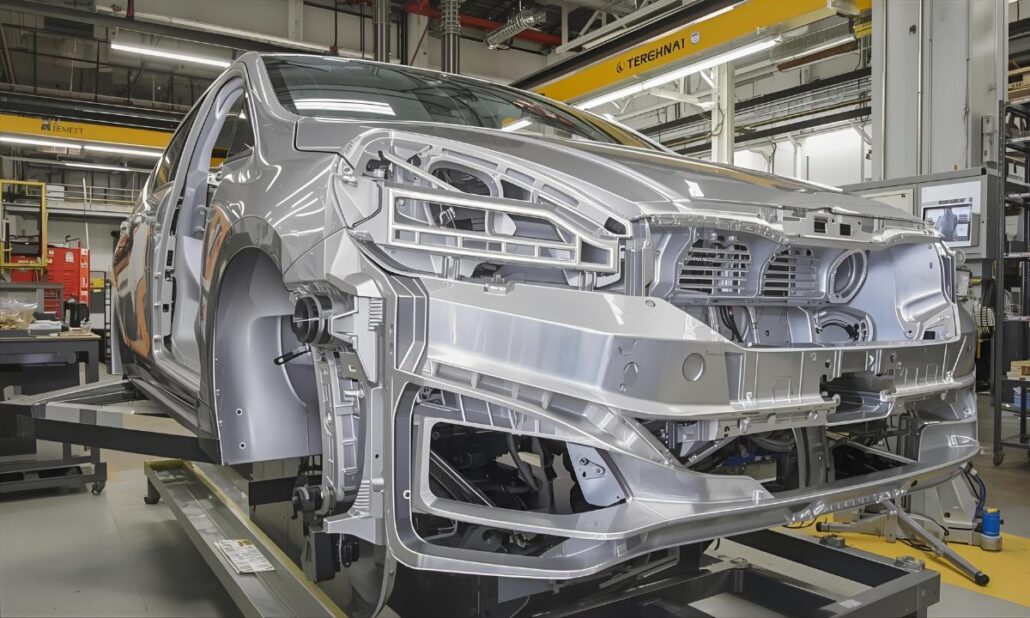
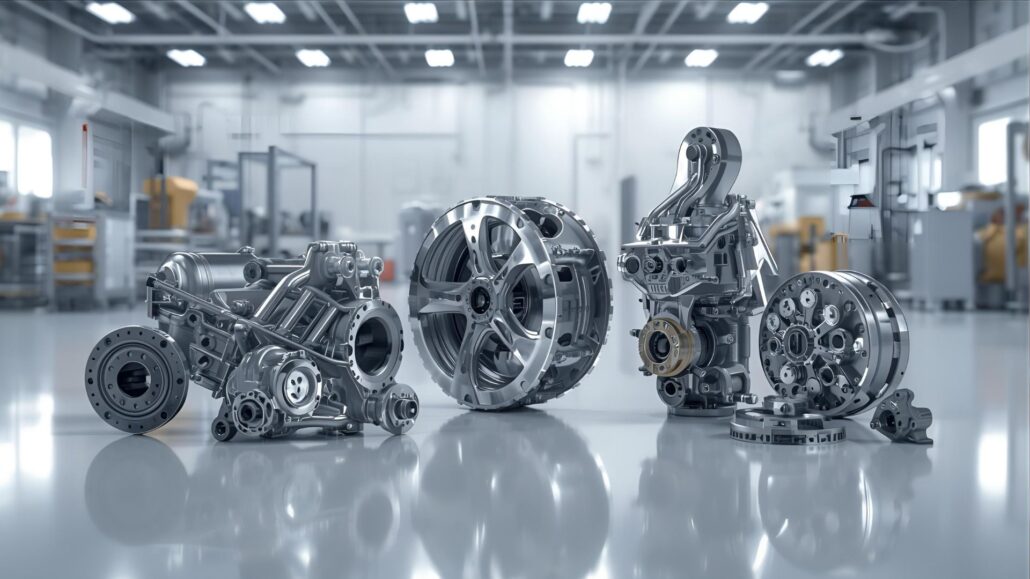
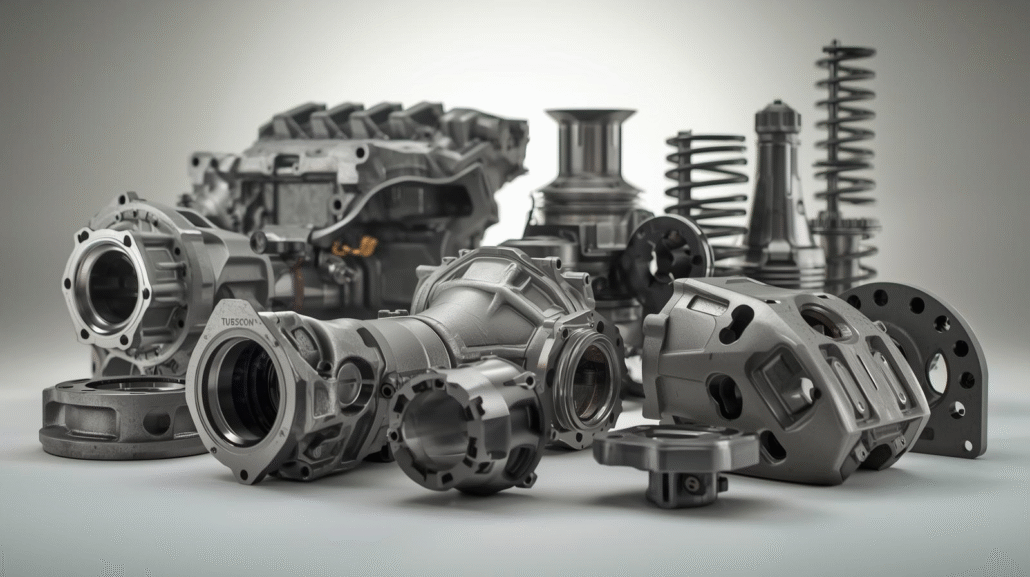
Alumiinin painevalu on yksi nykyajan teollisuuden luotettavimmista ja kustannustehokkaimmista valmistusprosesseista. Se on prosessi, jossa korkeassa lämpötilassa sulatettua alumiinia ruiskutetaan korkealla paineella tarkkaan muottiin tehokkaiden, kevyiden ja mittatarkkojen osien luomiseksi. Se on erityisen käyttökelpoinen erittäin monimutkaisten muotojen valmistuksessa, joissa on korkea pintakäsittely, ja siksi se on suosittu prosessi autoteollisuudessa, ilmailu- ja avaruusteollisuudessa, elektroniikassa, kulutustuoteteollisuudessa ja teollisuuskoneteollisuudessa. Alumiinin painevalun kysyntä on ollut viime vuosina suurta. Maailman suuntaus kohti sähköautoja, kevyitä rakenteita ja energiatehokkuutta on nostanut alumiiniseokset innovaatioiden eturintamaan. Valmistajat ovat nyt kehittäneet korkean teknologian komponentteja, kuten moottorilohkoja, vaihteistokoteloita, akkukoteloita ja jäähdytyslevyjä, jotka ovat sekä kestäviä että kevyitä. Kierrätettävyys ja korroosionkestävyys tekevät alumiinista hyödyllisen myös maailmanlaajuisissa pyrkimyksissä tuottaa kestäviä ja ympäristöystävällisiä tuotteita. Kaksi tärkeintä alumiinin painevalun keskusta ovat Yhdysvallat ja Kiina. Yhdysvalloissa toimivat yritykset ovat tunnetusti innovatiivisia, niillä on korkeat laatuvaatimukset ja ne käyttävät korkeaa automaatioastetta, ja niitä voidaan pitää hyvänä investointikohteena korkean tarkkuuden teollisuudessa. Kiinalaiset valmistajat taas ovat saavuttaneet paljon kilpailukykyä maailmanmarkkinoilla, ne ovat tarjonneet kustannustehokkaita ratkaisuja, suurta tuotantokapasiteettia ja kehittyneempää teknologiaa. Tässä asiakirjassa käsitellään eräitä Yhdysvaltojen ja Kiinan menestyneimpiä alumiinin painevaluteollisuuden yrityksiä, niiden vahvuuksia, kykyjä ja tekijöitä, jotka tekevät niistä luotettavimpia kumppaneita, joita yritykset ympäri maailmaa pitävät ensisijaisina toimittajinaan valmistusteollisuudessa. Mitä on autoteollisuuden painevalu? Muottiinvalu on tuotantoprosessi, jossa sulaa metallia, yleensä alumiinia, magnesiumia tai sinkkiä, pakotetaan suuren paineen alaisena muottiin, jossa on avoin tila. Tämä mahdollistaa monimutkaisia toimintoja sisältävien, lujien komponenttien massatuotannon, joissa on hyvä pinnanlaatu ja mittatarkkuus. Autoteollisuuden painevalu mahdollistaa sellaisten komponenttien valmistuksen, jotka ovat: Muotovalun käyttö on mullistanut nykyaikaisten ajoneuvojen rakentamisen, jolloin voidaan säästää painoa ja silti onnistua samaan aikaan suoriutumaan. Kysyntä on osaltaan vaikuttanut siihen, että suuret autoteollisuuden painevaluyritykset ovat kehittyneet nopeasti Kiinassa, Euroopassa, Amerikassa ja Japanissa. Miksi Kiina on johtava autojen painevalussa Kiinassa on joitakin maailman suurimpia autojen painevalujen valmistajia, koska sen: Tällaisten vahvuuksien ansiosta kiinalaiset autoteollisuuden painevaluyritykset ovat olleet voimanpesiä paitsi paikallisilla markkinoilla myös kansainvälisesti toimitusketjussa. CNM Tech Diecasting Company on johtava ylivoimaisten alumiinisten painevalutuotteiden valmistaja. Se tarjoaa useille aloille, kuten autoteollisuudelle, elektroniikalle ja televiestinnälle, tarkkuutta vaativia komponentteja, joiden tavoitteena on korkeimpien laatuvaatimusten noudattaminen. Yritys pystyy tuottamaan kevyitä ja vahvoja osia hyödyntämällä kehittyneitä tuotantoprosessejaan, kuten korkeapainevalua ja CNC-koneistusta. The Diecasting Company uskoo jatkuvan innovaation voimaan, ja siksi se investoi nykyaikaisiin koneisiin, automatisoituihin tuotantolinjoihin ja ennen kaikkea laadunvalvontajärjestelmiin, jotka auttavat tuottamaan aina samat tulokset. Sekä alkuperäiset laitevalmistajat että Tier-1-toimittajat kuuluvat myös sen maailmanlaajuiseen asiakaskuntaan, ja siksi se on luotettava kumppani monimutkaisten ja suurten tuotantomäärien tarpeiden täyttämisessä. Verkkosivusto: https://www.thediecasting.com/ Miksi valita The Diecasting Company on yritysten suosiossa, koska se keskittyy laatuun, tarkkuuteen ja innovointiin. Heidän uusimpien painevalutekniikoiden soveltaminen, vahva laadunvalvonta ja toimitukset ajallaan varmistavat, että heidän asiakkaansa saavat komponentteja, jotka voisivat täyttää kansainväliset standardit, ja tekevät heistä suosikkivalinnan, kun on kyse autoteollisuuden OEM-valmistajista ja valmistajista, jotka haluavat löytää luotettavan painevaluratkaisujen tarjoajan. Toimialat, joita Sincere Tech palvelee Sincere Tech on yksi muovin ruisku- ja painevalumuottien tarkkojen muottien tuottajista. Heillä on taustaa muotin suunnittelussa, prototyyppien valmistuksessa ja lopputuotteen valmistuksessa, mikä tarjoaa yhden luukun ratkaisun asiakkailleen kaikkialla maailmassa. He käyttävät tietokonepohjaisia CAD/CAM-ohjelmistoja ja automatisoitua koneistusta, jotta kaikki valmistetut muotit ovat erittäin tarkkoja. Plastic Moldilla on vuosien kokemus auto-, kulutuselektroniikka- ja lääkinnällisten laitteiden teollisuuden tarpeiden palvelemisesta, ja se pystyy toimittamaan monimutkaisia muotteja tehokkaasti. He erottuvat innovaatiollaan, laadunvalvonnallaan ja toimitusnopeudellaan, mikä tekee heistä luotettavan toimittajan yrityksille, jotka haluaisivat saada yksilöllisen muottiratkaisun. Verkkosivusto: https://www.plasticmold.net/ Miksi valita heidät Plastic Mold valitaan niiden täydellisten muotinvalmistusjärjestelmien, teknisten taitojen ja kyvyn sovittaa rajoitettuun tuotantoaikaan. Heidän korkealaatuiset muotit minimoivat virheet, parantavat tuottavuutta ja auttavat asiakkaita saamaan tarkkoja ja luotettavia painevalettuja tai ruiskuvalettuja tuotteita. Toimialat, joita GC Precision Mould palvelee GC Precision Mould on Kiinassa toimiva painevalujen valmistaja, joka tarjoaa alumiini-, sinkki- ja magnesiumvaluja. Yrityksellä on maine korkealaatuisten, kustannustehokkaiden ja kevyiden osien valmistajana auto-, elektroniikka- ja valaistusaloilla. Heillä on kyvyt korkeapainevaluun, CNC-koneistukseen ja jälkiviimeistelyyn. Alu Diecasting keskittyy tarkkuuteen, pitkäikäisyyteen ja tuottavuuteen. Ne ovat aina kansainvälisten standardien mukaisia käyttämällä nykyaikaisia tiloja, automatisoituja linjoja ja ammattitaitoisia insinöörejä. Ne palvelevat asiakkaita sekä paikallisesti että kansainvälisesti, kuten OEM-valmistajia ja Tier-1-toimittajia, ja ne ovat asemoituneet parhaaksi kiinalaiseksi painevalujen valmistajaksi autoteollisuudessa. Verkkosivusto: https://aludiecasting.com/ Miksi valita heidät He käyttävät Alu Diecasting -tekniikkaa, koska he tarjoavat kilpailukykyisten hintojen, korkealaatuisten standardien ja teknologian yhdistelmän. Heillä on kokemusta eri seoksista, tarkkuuskoneistuksesta ja ajallaan tapahtuvasta tuotannosta, joka ylläpitää luotettavia, pitkäikäisiä ja kevyitä osia, jotka täyttävät maailman autoteollisuuden vaatimukset. Toimialat, joita Get It Made palvelee Get It Made on Yhdistyneessä kuningaskunnassa toimiva CNC-koneistuksen, 3D-tulostuksen, painevalun ja metallien muokkauksen tuottaja. Se tukee sekä prototyyppien että piensarjatuotantoa,
Mikä on valettu alumiini keittoastia?

Mikä on valettu alumiini keittoastia? Täydellinen opas

Alumiini, alumiinivalu

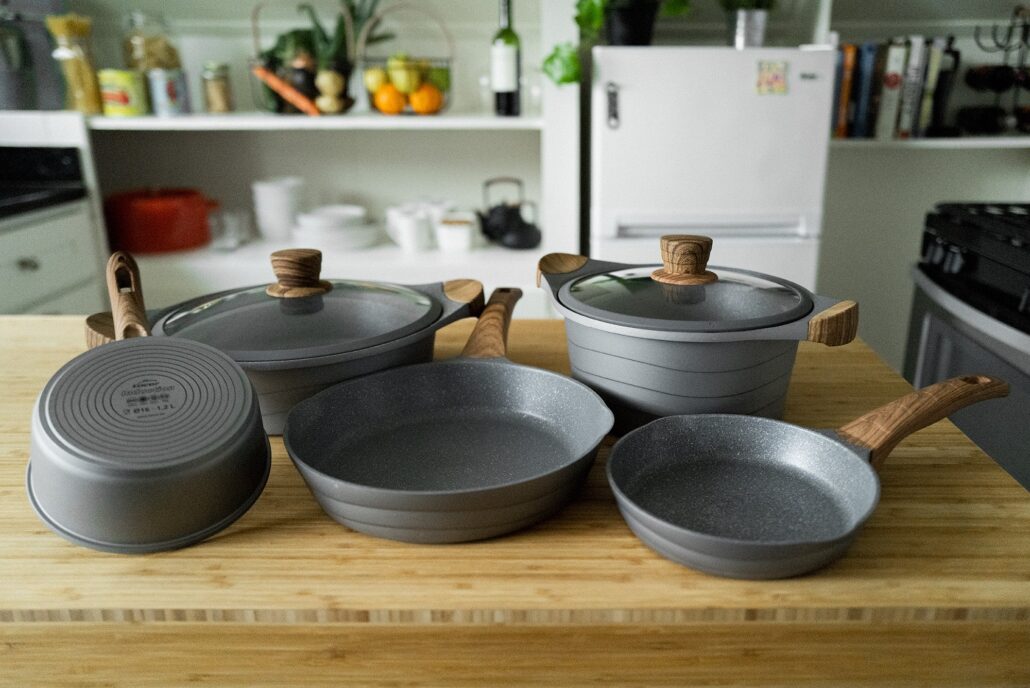
Valualumiiniset keittoastiat ovat tulossa suosituiksi keittiöissä kaikkialla maailmassa. Se on kevyttä, edullista ja helppokäyttöistä. Ruoka voi maistua erilaiselta riippuen käytetystä keittoastiasta, mukaan lukien helppo kypsennysprosessi. Keittoastiat ovat myös aikaa säästäviä ja pitkäikäisiä. Valettu alumiini valmistetaan kaatamalla sulaa alumiinia muottiin. Menetelmä antaa keittoastioille sekä konkreettisen rakenteen että johdonmukaisuuden paksuuden. Sen ansiosta pannu tai kattila lämpiää nopeasti ja lämpö leviää tasaisesti. Tämä yksinkertaistaa ja vähentää päivittäisten aterioiden valmistamiseen kuluvaa aikaa. Valualumiini on toinen suhteellisen kevyt materiaali, jota monet ihmiset ovat käyttäneet, koska se on suhteellisen edullinen verrattuna ruostumattomaan teräkseen. Sitä voidaan myös valmistaa eri muotoisina ja kokoisina; siksi sitä voidaan paistaa, paistaa ja keittää. Alumiinivalulla on kuitenkin myös kielteiset puolensa. Se ei ole yhtä sitkeä kuin ruostumaton teräs eikä yhtä sitkeä kuin valurauta. On myös olemassa joitakin ruoanlaittovälineitä, jotka tarvitsevat tarttumattoman tai anodisoidun pinnoitteen, jotta ruoka ei tartu kiinni tai ole kosketuksissa happamien ruokien kanssa. Tässä artikkelissa näitä kaikkia selitetään yksinkertaista kieltä käyttäen. Sinulle esitellään valualumiinisten keittoastioiden edut, haitat, turvallisuus ja käsittely. Miten valualumiiniset keittoastiat valmistetaan? Valetut alumiiniset keittoastiat valmistetaan kaatamalla sulatettua alumiinia muottiin. Metalli (alumiini) on sitten jäähtymisen jälkeen pannun, kattilan tai leivinpannun muotoinen. Prosessi tekee keittoastioista kovempia ja painavampia kuin perinteinen puristettu tai valssattu alumiini. Prosessin kaksi suurta vaihetta ovat: Tällainen valu tekee keittoastiasta riittävän vahvan, jotta sitä voidaan käyttää päivittäin. Toiset ovat tarttumattomia kuoria niissä, jotka estävät ruoan tarttumisen ja helpottavat niiden puhdistamista. Valettu alumiini Keittoastioiden prosessi Alumiinin valmistelu Alkuvaiheeseen kuuluu alumiinin valinta. Valmistajat voivat käyttää puhdasta alumiinia tai kierrätettyä alumiinia. Alumiini laitetaan suuriin uuneihin, joissa se kuumennetaan yli 660 °C:een, kunnes se sulaa nesteeksi. Tässä vaiheessa alumiini puhdistetaan sen varmistamiseksi, että se on vahvaa ja turvallista lopputuotteessa. Muotin luominen Kun alumiini on käsillä, luodaan muotti. Muotin muoto määräytyy muotin mukaan, ja se voi olla paistinpannu, kattila tai leivinpannu. Nämä muotit ovat useimmiten hiekkaisia tai teräksisiä. Kopopotterin ohuus, tasapaino ja kestävyys määräytyvät muotin tyypin ja hienouden tason mukaan. Sulan alumiinin kaataminen Muotti täytetään nestemäisellä alumiinilla. Se täytetään ääriään myöten jokaiseen muotoilun rakoon. Tämä prosessi aiheuttaa myös sen, että valetut alumiiniset keittoastiat ovat painavampia ja vahvempia kuin puristetut alumiiniset keittoastiat. Jäähtyminen ja jähmettyminen Kun alumiini on valettu, sen odotetaan jäähtyvän. Jäähtyessään se jäykistyy ja painuu ja saa muotin muodon. Jäähtyminen on välttämätöntä, koska se poistaa halkeamat, ilmakuplat tai heikot kohdat, jotka voivat vaarantaa keittoastian laadun. Trimmaus ja viimeistely Kun keittoastia on kovettunut, se irrotetaan muotista. Silloin karkea pinta leikataan ja kiillotetaan. Myös muita ominaisuuksia, kuten kahvoja ja pohjia, lisätään. Näin varmistetaan, että keittoastia on sileä, turvallinen ja valmis päällystettäväksi. Pintakäsittely ja viimeistely Useimmat valetut alumiiniset keittoastiat ovat pintakäsiteltyjä. Ne on useimmiten varustettu tarttumattomilla pinnoilla, jolloin ruoka ei tartu pinnoille, eikä puhdistaminen vie paljon aikaa. Muut voivat anodisoida ne, mikä lisää niiden korroosion- ja naarmunkestävyyttä. Nämä pinnoitteet kestävät myös reaktiivisuutta happamien elintarvikkeiden kanssa. Laadun testaus Laadunvalvonta on viimeinen. Kaikki työt tarkastetaan tasapainon, kestävyyden ja pinnoitteen turvallisuuden osalta. Huolellisesti tarkastetut keittoastiat pakataan ja lähetetään vasta markkinoille. Näin varmistetaan, että asiakkaat saavat kestäviä, laadukkaita ja turvallisia keittoastioita. Valetut alumiiniset keittoastiat edut Mikä on syy olla käyttämättä muita materiaaleja, käyttää valettua alumiinia? Tässä ovat tärkeimmät edut: Kevyt Alumiinivalu on valurautaan verrattuna erittäin kevyttä. Se ei vie paljon aikaa, ja se on sitäkin enemmän, kun on kokki, joka valmistaa aterioita säännöllisesti vanhuksille. Erinomainen lämmönjako Alumiini on lämmönjohdin. Valetut alumiiniset astiat kypsyvät nopeasti ja tasaisesti. Tämä tarkoittaa, että kuumia kohtia olisi vähemmän ja kypsennys olisi tasaista. Edullinen Se on yleensä halvempaa kuin ruostumattomasta teräksestä tai kuparista valmistetut keittoastiat. Siinä on kunnollinen suorituskyky edulliseen hintaan. Monipuolinen Valualumiinia voidaan paistaa, leipoa, keittää tai hauduttaa. Jotkut ovat jopa uuninkestäviä. Nopea kuumeneminen Alumiini saa ruoan kypsymään nopeammin, koska se reagoi lämpöön nopeammin. Tämä säästää aikaa ja energiaa. Alumiinivaluastioiden haitat Alumiinivaluastioiden useista eduista huolimatta niillä on myös useita rajoituksia: Kestävyysongelmat Valualumiini on pehmeämpää kuin valurauta tai ruostumaton teräs. Lopulta se todennäköisesti kolhiintuu tai naarmuuntuu, varsinkin jos sitä ei käsitellä oikein. Reaktiivisuus elintarvikkeiden kanssa Pinnoittamaton alumiini voi reagoida happojen, kuten tomaatin tai etikan, kanssa. Tämä voi tehdä siitä joko metallisen tai värittyneen. Suurin osa nykyaikaisista valualumiinipannuista on pinnoitettu tällaisten vaikutusten varalta. Pinnoitusongelmat Pannun tarttumaton kalvo voi olla huonolaatuinen, ja siksi se voi kulua pois ajan myötä. Sitä voi hangata kovilla sienillä tai metalliastioilla, ja tämä vähentää sen käyttöikää. Alumiinivaletut ja muut keittoastiat Keittoastian valinta on enemmänkin valinta. Alumiinivalun suorituskyky verrattuna suosittuihin korvikkeisiin on seuraava: Alumiinivalu ja ruostumaton teräs Ensimmäinen erottuva ero valualumiinin ja ruostumattoman teräksen tapauksessa on lämpö

Alumiini Die Casting yritykset Yhdysvalloissa

Alumiini Die Casting yritykset Yhdysvalloissa

alumiinin painevalu, painevaluyritykset, painevaluyritys

Alumiininen painevalu on nykyään yksi varmimmista ja taloudellisimmista tuotantomenetelmistä Yhdysvalloissa, erityisesti valmistajille, jotka vaativat kestävyyttä, pitkäikäisyyttä ja tarkkuutta. Tämä tapahtuu ruiskuttamalla sulaa alumiinia korkeapaineella teräsvaluun, ja näin saadaan aikaan osia, jotka ovat paitsi kevyitä myös mittatarkkoja ja kestäviä. Juuri tämä lujuus ja alhainen paino tekevät alumiinin painevalusta valintamateriaalin auto- ja ilmailuteollisuudessa, elektroniikassa, teollisuuskoneissa ja kulutustavaroissa. Yhdysvaltojen markkinoilla on joitakin maailman vakiintuneimpia alumiinin painevaluteollisuuden yrityksiä, jotka ovat niin suuria valmistajia, joilla on maailmanlaajuinen läsnäolo, kuin pieniä ja erikoistuneita yrityksiä, jotka ovat erikoistuneet räätälöityihin osiin ja kapeisiin sovelluksiin. Nämä yritykset ovat erittäin tärkeitä keskeisen teollisuudenalan ylläpidon kannalta, sillä ne toimittavat sellaisia teollisuuden segmenttejä kuin moottorilohkoja, vaihteistokoteloita, elektroniikkakoteloita ja rakenneosia. Yhdysvaltalaiset valmistajat ovat ansainneet maailmalla maineensa luotettavuudesta ja innovatiivisista tuotteista korkealaatuisella teknologiallaan, sertifioinnillaan ja keskittymällä laatutuotteisiin. Viime vuosien suuntaus on ollut painevalettujen alumiiniosien kysynnän valtava kasvu, koska ajoneuvojen keventäminen, sähköajoneuvojen tuotanto ja pyrkimys energiatehokkaaseen valmistukseen ovat viime aikoina kehittyneet. Amerikkalaiset yritykset ovat ottaneet käyttöön automaation, kestävät valukappaleet ja ylivoimaiset seokset, jotta saavutetaan korkeat tulokset näiden vaatimusten täyttämiseksi. Tässä artikkelissa luetellaan joitakin Yhdysvaltojen parhaita alumiinin painevalun valmistajia ja niiden saavutuksia, potentiaalia ja panosta nykyajan teollisuudelle. Sillä ei ole väliä, hankitko osia laajamittaisen valmistusprosessin tai erittäin teknisen sovelluksen suorittamiseen, nämä valmistajat ovat alumiinin painevalun parhaan amerikkalaisen teknologian ruumiillistuma. Mitä on alumiinin painevalu? Alumiinin painevalu on tuotantotekniikka, jossa sulan alumiinin korkea paine pakotetaan teräsmuottiin, jota kutsutaan myös muotiksi. Kun metalli jäähtyy ja jähmettyy, muotti avataan ja valmis osa heitetään ulos. Tämän prosessin avulla valmistajat voivat luoda vahvoja, kevyitä ja erittäin yksityiskohtaisia komponentteja, joilla on korkea mittatarkkuus ja sileä pinta. Keskeinen etu on se, että alumiinin painevalulla voidaan valmistaa monimutkaisia muotoja, joiden tuottaminen muilla valmistusmenetelmillä olisi muuten haastavaa tai kallista. Sitä käytetään laajalti esimerkiksi moottorilohkojen, vaihteistokoteloiden, elektroniikkakoteloiden, jäähdytyslevyjen ja rakenneosien valmistuksessa. Alumiinin painevalulla on useita merkittäviä etuja: Tällaisten vahvuuksien ansiosta alumiinin painevalu on noussut paremmaksi vaihtoehdoksi teollisuudenaloilla, jotka tarvitsevat luotettavia ja tehokkaita korkealaatuisia komponentteja vastaamaan teknisiä ja taloudellisia tarpeitaan. Top USA:n alumiinin painevaluyritykset 1. Dynacast International Dynacast International on ollut maailmanlaajuisesti yksi tunnetuimmista yrityksistä tarkkuusvalun alalla. Yrityksellä on vuosikymmenten kokemus pienten, monimutkaisten komponenttien valmistuksesta alumiini-, sinkki- ja magnesiumseoksia käyttäen. Yritys on hyvä tuottamaan komponentteja, joissa on tiukat toleranssit ja joissa on monimutkaisia ominaisuuksia, joita tarvitaan autoteollisuudessa, kulutuselektroniikassa, televiestinnässä ja lääkinnällisissä laitteissa. Maailmanlaajuinen toiminta tarkoittaa myös sitä, että Dynacast pystyy palvelemaan pienyrityksiä ja monikansallisia yrityksiä joustavuudella, innovaatioilla ja laadulla, jotka eivät vaihtele eri projekteissa. 2. Pace Industries Pohjois-Amerikan suurimmaksi painevaluyritykseksi noussut Pace industries on luonut hyvän maineen tarjoamalla kokonaisvaltaisia ratkaisuja. Heidän palveluvalikoimaansa kuuluvat suunnittelu ja tekninen tuki, painevalut, koneistus, pintakäsittely ja loppukokoonpano; he ovat tarjonneet yhden luukun ratkaisun auto-, teollisuus- ja kuluttajateollisuuden asiakkaille. Yrityksen toiminnan laajuuden ansiosta se voi käsitellä suuria volyymihankkeita ja asiakaskohtaisia hankkeita. Pace noudattaa myös kulttuuria, jonka mukaan se panostaa nykyaikaiseen teknologiaan ja kestäviin käytäntöihin, jotta se voi pysyä kilpailukykyisenä nopeasti muuttuvassa teollisuudessa. 3. Ryobi Die Casting (USA), Inc. Ryobi on tunnettu tuotemerkki maailman painevalusegmentillä, ja sillä on merkittävä läsnäolo Yhdysvalloissa. Sen toiminta Yhdysvalloissa keskittyy keskisuuriin ja suuriin alumiinisiin painevalukomponentteihin, jotka on tarkoitettu pääasiassa autoteollisuudelle. Ryobi valmistaa moottorilohkoja, vaihteistokoteloita ja rakenneosia, joiden on oltava kestäviä ja tarkkoja. Yritys on hyödyntänyt huipputeknologiaa ja laadunhallintaa, minkä ansiosta siitä on tullut maailman suurimpien autonvalmistajien ensisijainen toimittaja. 4. Gibbs Die Casting Gibbs Die Casting, toinen Yhdysvaltain markkinoiden johtava toimija, sijaitsee Hendersonissa, Kentuckyssa. Yritys on erikoistunut autoteollisuuden alumiini- ja magnesiumvaluihin, erityisesti vaihteistokoteloihin ja voimansiirron osiin. Gibbs painottaa voimakkaasti innovointia, jossa käytetään automaatiota ja kehittyneitä valmistustekniikoita korkean tehokkuuden ja työn laadun varmistamiseksi. Yritys sisällyttää liiketoimintaansa myös kestävän kehityksen käsitteen vähentämällä hävikkiä ja edistämällä ympäristöystävällisiä liiketoimintatapoja. 5. Apex Aluminum Die Casting Co., inc. Apex Aluminum Die Casting sijaitsee Ohiossa, ja sitä käytetään auto-, elektroniikka- ja laiteteollisuudessa. Yritys on hyvämaineinen työskennellessään keskivolyymisten tuotantoerien kanssa, mikä tekee siitä täydellisen vaihtoehdon yritysten kanssa, jotka vaativat tasaista tuotantolaatua, mutta eivät vaadi suurempien maahantuojien valtavia valtuuksia. Apexin tiimi pitää huolen asiakastyytyväisyydestä, palvelun luotettavuudesta, suunnittelusta ja valmistuksen tarkkuudesta. Se on vakiinnuttanut asemansa useiden yhdysvaltalaisten yritysten luotettavana kumppanina, koska sillä on hyvä maine tuottaa johdonmukaisia tuloksia. 6. KenWalt Die Casting Company KenWalt Die Casting sijaitsee Kaliforniassa, ja sillä on yli vuosikymmenen kokemus painevalujen; alumiinin ja sinkin valmistuksesta. Yritys keskittyy myös mittatilaustöihin ja palvelee sekä teollisuuslaitteiden että kulutustavaroiden toimialoja. KenWalt erottuu yrityksenä, joka tekee tiivistä yhteistyötä asiakkaan kanssa työn aikana.

Alumiini Automotive Die Casting Kiinassa

Alumiini Automotive Die Casting Kiinassa

alumiinin painevalu, painevalun osat

Aluminium automotive die casting in China has become an essential process within the international automotive supply chain that contributes to efficiency, sustainability, and innovation in vehicle production. Lightweight and strong, aluminium provides a special balance between mechanical performance and fuel consumption, which contemporary car manufacturers require. Through minimised vehicle weight, aluminium die-cast components have a direct impact on reducing fuel consumption, longer battery range in electric vehicles (EVs), and carbon emissions. This not only renders the technology significant to the manufacturers, but also to environmental regulations across the world. This domination in the automotive industry of China is a natural extension of aluminium die casting. Being the largest producer, the country with huge production rates, with its large supply chain and the support of the government through industrial policy, China has already established itself as the largest producer and one of the greatest innovators in the area. The die casting sector of the country serves both local car manufacturing industries and foreign brands, and it provides engine blocks and transmission housings, as well as high-tech giga castings, applied to the body of EVs. The development of lightweight materials and more environmentally friendly production technologies has become even faster. This congruence between industrial competency and the world sustainability targets will keep China on the frontline of the technology of aluminium die casting, which is the future of automotive engineering. What is Die Casting of Aluminium? Aluminium die casting is the production technique where molten aluminium is pressurized and injected into a high-pressure steel mold (die). Upon cooling and solidification, the metal produces complex and precise components with very favourable strength-to-weight ratios. The automotive parts that are commonly manufactured are engine blocks, transmission housings, wheels, brackets, and structural body parts. Why China Leads in Aluminium Die Casting? Aluminium Die Casting Process Aluminium die casting is one of the most specialized manufacturing techniques that allows the creation of complex and accurate automotive components with great mechanical properties. It does include several well-regulated phases, and each of them can be seen as a step toward the quality, strength, and durability of a final product. The following is a discussion of each of the stages: 1. Mold Preparation The steel mold, usually of hardened tool steel, is completely cleaned and checked before production starts and should be free of wear or damage. Then the release agent or lubricant is applied to the cavity of the mold, which has a variety of significant purposes. It avoids the sticking of the molten aluminium to the die, provides smooth part ejection and assists in maintaining mold temperature in successive casting cycles. It is important to prepare the mold properly, as this has a direct relation to the surface quality and dimensional accuracy of the finished component. 2. Melting & Alloy Preparation It begins with the melting of aluminium ingots or recycled scrap in a high-temperature furnace that can be either gas-powered, electrically powered or induced. At this phase, molten aluminium is observed keenly to maintain an optimal temperature range of around 660 to 700 °C to provide a fluid mass and reduce defects. Elements like silicon, magnesium, and copper are alloyed in order to improve certain properties such as strength, corrosion resistance, or thermal conductivity. It is important to keep the chemical composition accurate since a slight change in it might greatly affect the functionality of automotive elements. 3. High-Pressure Die Casting (injection) After the molten aluminium attains the desired state, it is poured into the prepared steel casting mould by a high-pressure die casting (HPDC) machine. The pressure of injection is usually between 110 and 175 MPa, and this makes the liquid metal fill even in the most complex molding cavities with accuracy. High pressure also aids in reducing porosity and shrinkage flaws to produce high-strength and dense parts. This is regarded as the centre point of the process since it determines the quality of the casting and whether complicated shapes can be produced without breaking the structural integrity. 4. Cooling & Solidification The molten aluminium is then injected and quickly cools down and hardens in the steel mould. The rate of cooling is maintained throughout to make sure that the crystallization is uniform and internal stresses or warping are minimized. Cooling time varies greatly with the thickness and intricacy of the component being cast; a thin-walled component could be solidified in a matter of seconds, whereas a more complex part could take a longer cycle to solidify. Well-organised cooling circuits (water channels or oil circuits built into the die) are commonplace with the aim of ensuring consistency throughout the production runs. It is essential to attain a balance of strength, ductility, and dimensional accuracy by proper solidification. 5. Ejection After the part has hardened, ejector pins in the mold force the casting out. In this step, accuracy is needed to prevent burning sensitive areas or thin walls of the part. Large-scale automotive manufacturing often relies on automated ejection systems, which guarantee the consistency of cycle times and minimize manual work. The process of ejection may appear to be easy, yet with improper application, it might cause surface defects, cracks or misalignment, which will adversely affect the usability of the final product. 6. Trimming & Finishing Raw casting may contain large quantities of extraneous material, such as flash, runners or even gates, after ejection, and this needs to be removed. A hydraulic press or a CNC machine is usually used in trimming to attain an accurate edge line. Other finishing processes like shot blasting enhance the texture of the surface, and machining provides the high dimensional tolerance needed by engine or transmission components. They can be heat-treated to increase strength and hardness, and coating or anodizing may increase corrosion resistance. These are the necessary secondary processes because through them the raw casting is taken to the next level, where it is turned into a functional and reliable automotive component. 7. Inspection & Quality Control The last step is the intensive inspection, whereby all castings will be

Valamalla valmistetut autonosat:

Valamalla valmistetut autonosat: Materiaalin ja prosessin valinta

painevalun osat

The modern automobile is a sophisticated machine that consists of thousands of separate parts with their own purpose to provide safety, performance, and reliability. Casting is one of the various manufacturing processes that are employed in the automotive industry. Casting is now an irreversible procedure where major parts of a vehicle are formed by shaping molten metal into extremely detailed and strong parts. The engines, transmissions, and braking systems of most vehicles are among the most significant systems that require parts made by casting. Indeed, when designers and builders discuss efficiency, durability, and cost-effectiveness in the production, casting of automobile parts are often at the centre stage of the debate. The art of casting is not new; it was invented thousands of years ago. However, its application in the motor industry has undergone a revolutionary shift to harness hi-tech technologies and the most recent alloys that can fit the high demands of the modern car. Casting has been instrumental in enabling cars to maintain high-performance standards at a relatively low cost through lightweight aluminum engine blocks that are tough and, resilient cast-iron brake components. The article will review the history of the automobile casting parts, processes, advantages, and future trends of automobile casting parts and reveal the reasons why the automobile casting parts continue to be a pillar in the automotive manufacturing industry. History  of Casting It was actually the aluminum casting process that penetrated the sphere in the middle of the 20th century. Casting has been in use in vehicles since the late 19th and early 20th centuries, when the automobile was first developed to replace the horse-drawn carriage. Early engines demanded powerful but inexpensive parts, and casting was the right way to go. One of the first methods to make engine blocks, crankshafts, and housings was iron casting. With the increase in the automobile industry, casting techniques increased and became advanced. The automobile manufacturers learned that they could increase fuel efficiency without reducing the lifetime of the vehicles due to lighter engines and structural parts. Casting is applied to different systems of vehicles in accordance with their application and importance. Finally, the automobile casting parts have the important role of giving strength, accuracy, and cost-effectiveness to reduce the cost, which is why automobile parts are the giants of the automotive industry. What are Automobile Casting Parts? Automobile Casting Parts can be defined as parts of a vehicle that are produced through pouring molten metal into a mold, and the resulting molten metal hardens into a desired shape. This has enabled the manufacture of robust, sturdy, and intricate components that are utilized in automobiles, including engine blocks, cylinder heads, transmission housings, brake drums, and wheels. They are very popular since casting offers: Taking the case of an engine block, the block has various chambers and coolant passages with threaded openings that can be cast correctly. What is Casting? The process of casting is a type of manufacturing where molten metal is poured into a mold and allowed to cool in the shape of the mold. After cooling, the casting is removed, machined (where needed),, and fitted into the finished product. It is an operation in which it is possible to produce both strong and geometrically complex parts. The reason why automobile manufacturers like to use casting is that they can produce large quantities of complicated parts of uniform quality. The proper melting temperature should also be maintained to remove defects such as porosity or underfill We are discussing not only structurally significant parts of automobiles, but also those that must be precise and durable under severe conditions of high temperatures, pressures, and constant wear. Process of Casting in Automobile Parts High-volume production also automates machines or high-pressure systems to ensure a high level of accuracy and consistency. 1. Pattern Making It starts with the production of a pattern, an imitation of the finished part. Patterns tend to be made of wood, metal, or plastic. They also determine the accurate shape and size of the mold cavity into which the molten metal will be poured. 2. Mold Preparation Sand, metal, or ceramic materials are used to form a mold. The two halves of the mold make the cavity to shape the part. Hollows can also be introduced within the mold,, such as internal passages within an engine block. 3. Melting the Metal In a furnace, a controlled temperature is used to melt the selected metal or alloy (cast iron, aluminum, or magnesium). This is to bring mechanical properties to high-performance applications such as engines or gearboxes. 4. Pouring When the metal is melted, it is filled into the mold. The proper sizes and finishes are ensured during drilling, milling, and turning. 5. Solidification and Cooling The heated material is left to cool and harden within the mold, assuming the shape of the mold. The part should avoid a shrinkage defect or crack due to uncontrolled cooling rates. 6. Mold Removal When solidifying, the mold is broken (in sand casting) or the mold is opened (in permanent and die casting). A raw casting is then removed and processed further as a casting blank. 7. Fettling and Cleaning Unneeded material, including sprues, risers, or flash, is eliminated. The casting could be shot blasted or ground to clean up the surface to make it easy to machine. 8. Heat Treatment (if required) Cast parts can be heat-treated to enhance their strength, hardness, or toughness. Sand Casting – Sand casting is one of the oldest and most common ways in which a mold of sand is molded into a more complicated shape. 9. Machining and Finishing Despite the fact that casting generates near-net shapes, a lot of automobile parts have to be machined to be precise. It is used with the engine block, cylinder head, and manifold. 10. Inspection and Testing Lastly, quality checks are done on the cast part. Non-destructive testing (NDT), dimensional testing, and material inspection are conducted to ensure that the part is up to industry standards before assembly into

Miksi taottu alumiini on parempi kuin valettu metalli?

Miksi taottu alumiini on parempi kuin valettu metalli?

Taottu alumiini

Forged aluminum is among the most trusted materials in contemporary engineering practice. It is formed by pressing solid aluminum with a high amount of heat and pressure. It alters the internal structure of the metal and makes it stronger and tougher than cast aluminum. Due to this, industries that require safety and durability use forged aluminum. Aluminum in itself is already rated as lightweight, resistant to corrosion and versatile. It is present in vehicles, aircraft, buildings, electronics and even in common tools. Not everything that is made of aluminum is the same, though. The performance of the metal is directly affected by how the metal is formed. Aluminium is melted and poured into molds when it is cast. This may cause flaws such as air bubbles and holes. Forging eliminates those issues. Rather than melting, the aluminum is pressed into form so that the grain is forced to conform to the design of the part. This yields a very powerful and homogeneous material. Forged aluminum has become popular now that industries are shifting to lighter, safer and more efficient solutions. This paper tells us why it is better than cast metal, the process involved in forging metals, where it is applied and the future of forging of aluminum. What Is Forged Aluminum? Forged aluminum is done by pressing solid aluminum under high pressure. The metal is not melted all the way as in casting. Rather, it is heated till it turns soft and malleable. After being softened, the aluminum is stamped or beaten into the required shape by means of heavy forging machines. This stress flattens the metal and also perfects its internal grains. The grain is oriented in the shape direction, and it contributes to the part’s better strength and toughness. Such a fine structure also removes numerous defects present in cast aluminum, including pores or cracks. Consequently, forged aluminum is safer, more durable and stronger. How an Aluminum Forge Works? Forging is done in an aluminum forge. There are a few steps involved in the process: This process ends up with a thick, solid, and homogeneous portion. It does not have weak spots or air bubbles like casting. Benefits of Forged Aluminum Cast metal and other materials cannot do what forged aluminum can do. It has become the tool of preference in industries where we cannot afford to compromise on performance and safety. Superior Strength Forged aluminum is very strong, and this is one of the key benefits of forged aluminum. The grain structure of the metal is refined through the forging process. The tensile and fatigue strength are enhanced by this alignment. False components can bear heavy loads as well as stresses and strains repeatedly without failure. This also positions them very well in high-performance activities like plane landing gear, suspension systems, and industrial machinery. Lightweight but Tough Aluminum is inherently lighter than steel, and forging goes even deeper with it. Forged aluminum is very strong for its weight. This enables engineers to ensure that they make lighter machines and vehicles that are still safe and strong. The weight loss makes cars and aeroplanes more fuel efficient, but also gives them durability. Increased Resistance to Fatigue Cast parts wear out much more than forged aluminum. Fatigue is a condition in which a part has worn out due to multiple stress cycles. Due to weak grain structure, cast parts tend to crack. Aluminum that has been forged does not crack easily, and thus parts made with this material will survive long in the hands of those who use them. Uniform Grain Structure The forging process is used to match the part shape with the grain in the metal. Such homogeneous graining makes it harder and harder to strike. Quite the contrary, casting gives arbitrary grain structures that create weak positions. Safety and Reliability Safety is the first priority in high-pressure industries like aerospace, automotive and defense. Forged aluminum is reliable as it provides power, hardness and steadiness over time, even in extreme circumstances. Aluminum Forging uses Aluminum forging has made an impression in the world where weightless, powerful and enduring parts are required. Forged aluminum parts are believed to be safe and, therefore, are commonly trusted in critical applications related to safety. Automotive Industry Modern automobiles are involved in fraudulent aluminum. A very common application is in wheels. Compared to cast wheels, forged wheels are lighter, more durable and safer. This type of weight loss improves manoeuvrability and fuel efficiency. Suspension parts are another significant use that should resist heavy loads, impact, and vibration on the road. The aluminum used is forged, so they are not stressed. Moreover, most engine parts, including connecting rods and pistons, are forged. These sections can withstand high pressure and hot temperatures with long durability. Concisely, forged aluminum improves the automobile’s performance and safety. Aerospace Industry Aircraft require components that are lightweight in nature and strong. Forged aluminum fits this specification. It applies to landing gears, which are supposed to withstand high levels of impact during landing and takeoff. It also occurs in wing structures where efficiency depends on lightness. Forged aluminum parts deal with pressure, heat and vibration in aircraft engines. Failure is not an option in flight; this is why the aerospace industry relies on forging. Military and Defense Defense applications require forged aluminum. Forged parts of tanks, aircraft, and naval ships have to endure the extreme conditions of combat. Forging guarantees maximum toughness, strength and reliability even in the most strenuous conditions. Industrial Machinery Major equipment is usually operated at full load. Forged aluminum products are wear-resistant and minimize downtime. This makes them cost-effective and long-term solutions for manufacturers. Sports and Lifestyle The sports and lifestyle items also use forged aluminum. Forged components are used to manufacture high-end bicycles, climbing gear and sports equipment. Such objects need to be lightweight and durable over a long period of time, which is why forging is the best method. The Reason Why Industries use forging rather than casting? Forging is the option

Autoteollisuuden valukappaleiden tulevaisuus

Autoteollisuuden valukappaleiden tulevaisuus: Innovaatio, tehokkuus ja suorituskyky

Die Casting Valmistaja, painevalu

Automobiles have never been left behind in technological development. Since the first steel framing in automobile manufacturing up to the latest lightweight alloys, each part of a car has been improved through innovation to enhance safety, durability and performance. One of the most significant areas of progress lies in the world of automotive castings. This has helped in the designing, production, and optimization of vehicles. In plain terms, the term automotive castings can be defined as the process through which the molten metal is measured and poured into the moulds to shape intricate parts of the vehicle. The method is precise, cost-efficient and can be scaled to mass production. These processes are important in the industry because almost all vehicles on the road today have several parts that have been cast. This article examines the history, manufacturing, advantages, and future of the so-called automotive castings, and also takes a look at how the so-called automotive casting, die casting automotive parts, and cast automotive parts contributed to the shaping of the modern automobile. The History of Automotive Castings The methods of casting date back several thousand years, although it was not until the end of the 19th and very early 20th centuries that they were used in the automotive industry. The first automobiles were ineffective and weighed a lot, with mostly forged steel components. With the increased need to produce in large quantities, manufacturers were required to find a cheaper and quicker solution. Then is the period when the techniques of automotive casting started to substitute traditional ones. Through casting, car manufacturers would be able to create numerous of the same parts in large quantities with less wastage of materials. This brought about mass production, one of the reasons why automobiles became affordable to ordinary people in the industrial boom. Modern automotive castings today use state-of-the-art alloys, accurate moulds, and automation to satisfy the high standards of the international automotive standards.  What is Automotive Casting? Automotive casting is a manufacturing process that is applied in automobile manufacturing to make parts of their vehicles through pouring of molten metal into the moulds, where it solidifies and hardens into the desired shape. This is a technique that enables manufacturers to make complex, long-lasting and accurate parts cost-effectively and with less effort as compared to traditional machining or forging. It finds application in engine block parts, cylinder head parts, transmission housing parts, brake parts, and suspension parts. Through various alloys such as aluminum, cast iron, steel, and magnesium, the automotive casting offers the strength, lightweight design, and durability needed in modern automobiles. This technique is popular because: Common Automotive Parts Made by Casting: Types of Automotive Casting Concisely, automotive casting is necessary since it assists automakers in developing dependable, lightweight, and cost-effective components on a mass basis. Modern cars cannot be produced in mass without it. Materials in the automotive castings Aluminum A lightweight and corrosion-resistant glass, aluminum is among the most favoured materials in the field of automotive castings. It makes huge savings in the total weight of cars, enhancing fuel efficiency and manoeuvrability. Aluminum is also a good thermal conductor and therefore it is good on engine blocks, cylinder heads and transmission housings. Aluminum is used to create many die-casting automotive parts since it enables manufacturers to create high-precision and lightweight components without losing strength. With its flexibility and stability, aluminum is one of the best materials in contemporary automobile manufacturing. Cast Iron Other popular materials in automotive castings are cast iron because the material has high strength, heat resistance, and wear properties. Cast iron is heavier than aluminum, and it is suitable for structural and heavy-duty applications as engine blocks, brake drums and other parts of the suspension. The structure is very durable, which means that such parts can resist the pressures of long-term service and high-temperature conditions, making it vital to vehicles that need strong and reliable performance. Steel In the automotive castings, steel has been preferred due to its high strength and flexibility. Heat-treatment of steel parts increases toughness, so they are ideal in chassis parts, brackets, and structural frames. Although steel weighs more than aluminum, it offers the strength and carrying capacity to some of the safety-critical parts of the car. It is flexible, and engineers can come up with components that satisfy both the performance and regulatory requirements. Magnesium Alloys Magnesium alloys are finding increased applications in so-called automotive castings where weight loss is a priority. These alloys are very light, yet offer sufficient strength to non-structural parts. Magnesium parts may be used in interior fittings, engine covers, and certain structural parts, especially in high-performance vehicles and electric vehicles, where minimizing total weight is important to performance and handling. Copper Alloys Copper alloys are sometimes made into so-called automotive castings due to their high electrical and thermal conductivity. These are resistant to corrosion and strong materials that can be applied to certain electrical components or heat-sensitive parts of the modern vehicle. Copper alloys are not as widely used as aluminum or steel, but have niche uses, such as where performance and conductivity are important. Composite Materials Some manufacturers are experimenting with composite materials in cast automotive parts with the development of automotive technology. These materials are developed to save weight and still offer strength, and can be very handy in electric and hybrid vehicles. Composites also have better thermal regulation and corrosion resistance, and are a new technology in the next-generation car parts. Types of Automotive Casting Processes The automotive industry employs a number of casting techniques, each with its own parts and materials. We will consider the most popular ones: Sand Casting One of the oldest techniques is sand casting, in which large, intricate components are made by means of sand moulds. It is most suitable for prototypes and heavy parts such as engine blocks. Die Casting Die casting is the process that requires high-pressure injection of molten metal into reusable steel moulds. It is a technique that is especially relevant in fabricating light but

Sinkkivalu:

Sinkkivalu: Tekniikat, hyödyt ja teolliset sovellukset

Sinkkivalu

Zinc die casting is a common method of production commonly applied in industries where speed, accuracy, strength, and affordability really matter. Zinc alloys are used in automotive, aerospace, consumer electronics applications and more because of their high casting properties, dimensional control, strength and versatility. They can be used to make complicated shapes with smooth surfaces, and it makes they highly demanded to be used in mass production. Bare zinc surfaces tend to be easily corroded, tarnished and generally worn with exposure to adverse environments, necessitating the need to apply a protective finish. It is here that plating becomes one of the most important steps, both in the usability and the lifetime of the products, as well as in the attractiveness and professional appearance of the products in the market. When addressing such as surface finishing, plating zinc die cast parts guarantees enhanced resistance to ageing environments, appearance and durability. The more common processes in the manufacturing industry across the world are chrome plating, zinc die casting, and nickel plating on zinc die cast. Besides lifespan, plating also creates commercial value because customers always want products that are strong yet possess a lustrous, high-quality finish. This renders plating to be a fundamental activity in the current industries. In this article, I will give a detailed extrapolation of arguments as to why plating is necessary, how the technical process works, challenges, and the industrial benefits attached to the process. What is Zinc Plating Die Casting? Zinc die casting is the process used to evenly coat a protective and decorative metal coating on components that were cast using zinc die casting. Given that zinc alloys are strong and cost-effective, but corrosive and wear-dependent, plating extends the durability, appearance and operation. Put simply, zinc die casting is the process that produces the real part or component, whereas plating applies an extra layer, which places a protective coating on the surface and provides the needed finishing. Plating and plating zinc die cast products to achieve a mirror finish through chrome plating zinc die casting, or a protective, up-market finish through nickel plating, zinc die cast. This composite leads to the plated zinc die casting finding a wide range of applications in automotive trim, electronic housings, household and industrial equipment, where good appearance and strength are potential requirements. What is plating? Plating is the addition of a thin layer of metal over the surface of another material, either by electroplating (use of electric current) or by chemical plating (not using electric current). Plating is done to enhance the aesthetic, abrasion resistance, corrosion resistance, conductivity and wear resistance of the substrate. An example is when we use nickel or chrome over zinc die cast parts to add protection and lustre to the base zinc, which offers the strength and shape. The glossy surface of a car’s shiny chrome handle or a bathroom feature is a direct result of plating. In brief, plating is a similar process of providing a product with a shield and a beautiful finish to make things appear more lasting and attractive. The Reason Why Zinc Die Casting need Plating Despite the strengths of zinc alloys that may be used in a variety of applications, there are some limitations when they are raw. Uncoated zinc is subject to tarnishing or corrosive attack by moisture, chemicals and thermal change. The plain, uncoated part is not sufficient in many industries to use long-term reliability. Surface finishes by plating not only serve the cosmetic purpose they also bring about various advantages in engineering. Manufacturers increase the precautionary measures against corrosion, abrasion, and oxidation by the use of the so-called plating zinc die cast techniques. This guarantees the durability of the product in terms of both the integrity of its structure and its aesthetic appeal in the long run. Besides, special coatings such as chrome plating, zinc die casting, which provides a high gloss finish best suited to consumer product components, as well as nickel plating on zinc die cast, which is both protective as well as a decorative coating, are possible. The Process of Plating on Zinc Die Castings Plating is a complicated process that takes delicate preparation and implementation. Unlike aluminium and steel, zinc alloys pose unusual challenges because of the reactivity of zinc. As such, plating on zinc presupposes special treatment in order to guarantee a good adhesion. Surfacing 1: Surface Preparation The initial process is degreasing, where oil, lubricant and impurities are removed from the casting. Without strict cleansing, peeling or flaking would occur, which means a poor adhesion on the use of zinc die cast parts. Step 2: Selecting The castings are deoxidised and cleaned off by immersion in acid. This makes the surface clean, active and capable of accepting plating layers. Step 3: Apply Strike Layer The zinc alloys are very reactive; thus, a thin strike coat of copper or nickel is normally used to enhance the adhesion before finishing. This is a crucial step to both the chrome plating, zinc die casting, and nickel plating on zinc die cast. Step 4, final plating layer Non-resistant metals, chrome, nickel or other alloys are electroplated to cover the surface. Durability and appearance of the finished product are dependent on this layer and its thickness and quality. Chrome Plating of Zinc Die Castings The most appreciated finishing technique applied to zinc die casting is called chrome plating; this type of finishing is used in order to increase the durability of the zinc part, its functionality, as well as its beauty. Chrome plating refers to the adherence of a very thin film of chromium metal on the surface of zinc die-cast objects through an electroplating process. The outcome is a shiny, mirror-like coating that can enhance the aesthetics of it but also reinforces the part against corrosion, scratches, and day-in, day-out wear. Origins have been found that chrome-plated objects will protect a raw zinc surface that has the propensity to tarnish quickly in more difficult conditions, and the products are durable. Important Advantages of

Voiko alumiinia pulverimaalata?

Voiko alumiinia pulverimaalata?

Alumiini

Aluminum is one of the most significant materials in the industry. It has become essential in everything from construction to the automotive industry, aerospace to consumer goods, because of the combination of its light weight, its resistance to corrosion, and its strength. However, in cases where the customers desire a more stable, colored, and protective finish, one single question is always raised: Can you powder coat aluminum? The brief response is: yes. There is no doubt that to increase the durability, corrosion resistance, as well as overall appearance, one may powder coat aluminum. Aluminum, however, has a natural layer of oxide that causes proper preparation to be important, as sufficient adhesion is concerned. Otherwise, without going through the correct steps, your finish can peel off or rather come out early. Here we go in depth on what exactly powder coating is, why it works so well on aluminum, the process, advantages, uses, and maintenance advice, including that of the differences between powder coating and anodizing. At the end, you will already know about the effective powder coating of aluminum. What is Powder Coating? Powder coating is a finishing procedure that entails the use of a dry powder (derived from finely ground resin, pigments, and additives) on a metal surface with the help of electrostatic attraction. One then heats the coated section in an oven where the melted powder flows and cures into a solid, hard protective material. Powder coating is devoid of solvents and emits few volatile organic compounds (VOCs) as compared to liquid paint. In the case of aluminum, a more wear-resistant, UV-resistant and decorative option is known as powder coated aluminum. Why Powder Coated Aluminium? Manufacturers decide to undergo the process of coating called powder coating aluminum for several reasons: As compared with the traditional painting, powder coating aluminum has the advantage of being able to provide a more uniform coverage and generally thicker, more reliable and durable coating. Learning about Aluminum as a Coating Surface Talking about coating, but first, we should know about the physical and chemical properties of aluminum: Though this oxide coating acts as a defensive mechanism, it may impose difficulties on coating procedures. The key point of great aluminum powder coating is to prepare the surface well to make the powder stick well to the surface. The Step by Step Procedure of Powder Coating Aluminum 1. Surface Preparation Powder coating of aluminum starts with surface preparation, which is the most important step. Relevant cleaning will guarantee that the powder sticks well and gives a lasting finish. Dirt and grease, oils, and oxidations must not be present on the aluminum surface. This is normally attained through detergents, solvents, or alkaline cleaners. In certain situations, there is chemical and ultrasonic cleaning done in order to remove any microscopic residues. It is also possible to perform surface etching to roughen the aluminum a bit, to increase adhesion. Once the cleaning has been done, the aluminum is then rinsed and dried to eliminate any defects on the coating. 2. Pretreatment Metallic pretreatment: Chemical Aluminum may be chemically pretreated to increase its resistance to corrosion and to provide appropriate bonding of powders. One of the common techniques is conversion coating that provides a thin protective film on the surface of the aluminum. This can be carried out with chromate or non-chromate treatments. Besides enhancing adhesion, these pretreatments will prolong the lifetime of the coating since aluminum will not be exposed to the elements. Phosphate coating is also an option on some applications, but less so than on steel since at least chromium would have to be used in a multi-coat procedure. 3. Powder Application The powder coating is then applied after the aluminum has been made ready and treated. The most common method is electrostatic spraying. In this technique, aluminum components are grounded and dust particles become charged due to electrodynamics with the help of a spray gun. The positively charged particles are drawn towards the aluminum surface resulting in a level and smooth coating. Another technique is known as the fluidized bed method: here the parts can be aluminum, heated and placed into a bath of powder, which melts when contacted and forms a coating. This provides one hundred percent coverage even on complicated shapes and corners. 4. Curing Coating formed by using the powder needs to be cured after which a durable finish is obtained. Aluminum components are then placed in a curing oven and baked between 180200 o C in 1020 minutes, depending on the powder employed. The powder particles melt, flow and chemically cross link into a uniform and hard coating due to the heat. When the cure is complete, the parts are cooled slowly down to room temperature, hence the coating is even and without defects. 5. Quality Inspection Every aluminum part is then tested to make sure the coating is of a quality nature after curing. Eye examination is done to verify consistency of color and smoothness free of sags, runs, and uncovered spots. This coating thickness is checked, which is between 50 and 150 microns generally. Examination of durability of the coating is done through adhesion and hardness tests like tape test or impact test. Corrosion resistance tests will also be conducted where tests like salt spray tests will be conducted, in critical applications in order to ascertain long-term protection. 6. Optional Final Finishing Sometimes further finishing is done to the coated parts of aluminum. This could be in the form of polishing, embossing or laser marking to either enhance decorative or practical purposes. Lastly, the parts are packed and cushioned well to store or ship and the finish is not damaged until the end user receives the product. Benefits of Aluminum Powder Coated There are numerous advantages of using powder coated aluminum that would make it very attractive to most industries. Its major plus is superb corrosion resistance. It offers protection in that the coating is done in the powder form, and it becomes a shield, and this protects

Sähkötön nikkelöinti

Sähkötön nikkelipinnoitus: Nickel Nickel Nicking: Täydellinen tekninen opas

Nikkelöinti

Electroless nickel plating can be considered one of the most accurate, versatile, and reliable processes in the field of surface engineering and metal finishing, which allows improving the surface properties of numerous materials. This, contrary to ordinary electroplating, does not need an outside electric current. It depends instead on a controlled chemical reaction that deposits a uniform film of nickel-phosphorus or nickel-boron by alloying them evenly on a surface. This process provides the best corrosion resistance, wear factor, and consistent thickness, even on intricate shapes. Electroless coating has often been selected by manufacturers, engineers, and designers instead of other coating procedures due to its performance and cosmetic benefits. Regardless, whether they are aerospace, automotive parts, molds, or industrial machinery, the process provides repeatable results capable of prolonging the life of a component and cutting down on the expenses of its maintenance. In this tutorial, we shall delve into the ins and outs of the Electroless nickel plating, its positive attributes, uses, the steps involved, and how it compares with other processes such as the nickel plating, the hard anodizing of die cast aluminum, and nickel chrome plating used in contemporary production. What is Electroless Nickel Plating? Electroless nickel plating refers to the deposition of a nickel alloy onto a metallic or non-metallic surface, since an autocatalytic reaction takes place. The chemical bath includes nickel salts and a reducing agent, usually sodium hypophosphite, which converts the nickel ions to metal, and they are able to adhere to the substrate. In contrast to the electroplating process of deposition called nickel plating, where nickel has to be deposited through the use of electric current, in electroless nickel, the process does not need any outside power supply. This results in uniformity of the thickness of the coating in even recessed sections, threads, or internal cavities. The outcome is a non-porous, hard finish and corrosion-resistant resistant applies to challenging industrial conditions. Major Advantages of Nickel Plating without Electroless 1. Even Coating Thickness The deposition is the same regardless of the part shape or the complexity. 2. Better Corrosion Property The layer of nickel-phosphorus alloy offers superior protection against oxidation and attack by chemicals. 3. Better Hardness and Wear Upon heat-treatment, electroless nickel can hit a hardness very similar to that of hard chrome. 4. Dimensional Precision The uniformity in thickness is small, hence usable in precision engineering applications. 5. Ability to be Compatible with Other Materials It can be used on steel, copper, aluminum, brass, and must be used on some plastics with only a minor surface preparation.  Electroless Nickel Plating Types Electroless nickel plating is commonly classified by the amount of phosphorus in the alloy of nickel and phosphorus. Every type has varied requirements in the case of hardness, corrosion resistance, and wear, hence apt usage in individual applications. 1. Low-phosphorus electroless nickel plating (2 to 5 per cent phosphorus) 2. Med-Phos Electroless Nickel Plating (6-9 percent phosphorus ) 3. High-Phosphorus Electroless Nickel Plating (10 13-per cent phosphorus) Uses Of Electroless Nickel Plating Electroless nickel plating is popular throughout industries because it gives a thick, uniform coating, corrosion resistance, and wear protection. It is all versatile and can serve in numerous engineering and painting needs. 1. Aerospace Industry 2. Automotive Industry 3. Electronics Industry 4. Oil and gas sector 5. Mold & Tooling Industry 6. Marine Applications Electroless Nickel Plating Process Step by Step Comparisons to Nickel chrome plating Nickel chrome plating is effectively a step electroplating, i.e., first depositing a nickel layer and then chromium on top. This forms a great mirror-like finish and is very good in resistance to corrosion. Electroless nickel plating, in contrast, lays down a uniform nickel-phosphorus layer by a non-electric process. This enables the metallization of intricate structures, recessed areas, and fine tolerance and may not be covered uniformly when using nickel chrome plating. Though nickel chrome plating offers better aesthetics, electroless nickel plating has better thickness uniformity, superior wear resistance, and wider substrate compatibility. Electroless nickel plating is widely used in so many industries on those pieces that are critical to performance, but nickel chrome plating is used on decorative items. Electroless Nickel Plating vs Electrolytic Nickel Plating Although both of these processes are categorized to coat a surface using nickel, their working principles exhibit a big difference: Feature Electroless Nickel Plating Electrolytic “nickel plating” Power Source None (autocatalytic) External electric current Coating Uniformity Excellent Less uniform on complex shapes Cost Higher chemical cost Lower chemical cost Precision High Moderate Table of Comparisons Hard Anodizing As has been stated about aluminum parts, in particular, nickel plating is frequently viewed as a substitute for the hard anodizing die cast aluminum. Nevertheless, anodizing forms an oxide layer instead of a deposit. Feature Electroless Nickel Plating “hard anodizing die cast aluminum” Material Compatibility Multiple metals & plastics Only aluminum & titanium Corrosion Resistance Excellent Excellent, but specific to aluminum Wear Resistance High (after heat treatment) High Coating Type Nickel alloy layer Aluminum oxide layer Comparison against Nickel Chrome Plating The process of nickel chrome plating is a two-step electroplating treatment, where the first layer is nickel to prevent corrosion, and a secondary protective finish is a thin layer of chrome. Feature Electroless Nickel Plating Nickel chrome plating Appearance Satin to bright finish Bright, mirror-like finish Corrosion Resistance Excellent Very high Thickness Uniformity Perfect Moderate Durability High High Influences on Plating Quality There are a number of factors that will have an immediate impact on the quality of the performance, appearance, and durability of an electroless nickel coating. Regulation of such parameters will lead to steady results and a lower number of defects. Electroless Nickel Plating Materials Nickel Source A nickel salt, either nickel sulfate or nickel chloride, is present in the plating bath. These give the nickel Ions, which will compose the coating in the reaction. Reducing Agent The most popular reducing agent is the hypophosphite. It also reduces nickel ions to metallic nickel chemically, but does not require electricity. Stabilizers Very little of metallic salts or organic stabilizers

Selaa alkuun

Pyydä tarjous