alumiinin painevaluyritykset

Alumiini Die Casting

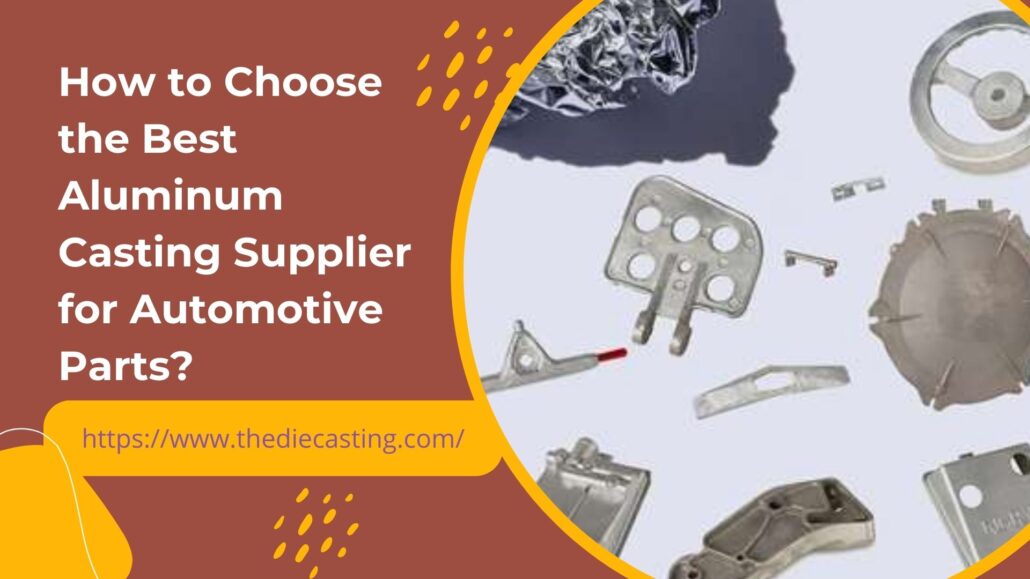
Miten valita paras alumiini valu toimittaja Automotive Parts?

alumiinivalu

The automotive industry in the world is developing fast due to the need for lightweight cars, better fuel efficiency, lower emissions, and high-performance parts. Aluminum die casting has emerged as one of the most important manufacturing processes, which has been amazingly supportive of this transformation. In the electric car design, aluminum die-cast components are crucial in the modern automotive design, including engine housings and transmission cases, as well as structural components of the car. The selection of an appropriate automotive parts aluminum casting supplier is no longer an easy-purchasing choice. It is a strategic alliance that influences the quality of products, production efficiency, cost control, and business success in the long run. This paper describes the steps involved in identifying the most optimal aluminum die-casting supplier, as well as identifies some of the leading manufacturers of aluminum die-casting auto parts in China and globally. Why Automotive Manufacturing Requires Aluminum Die Casting Through aluminum die casting, manufacturers are able to develop complicated, high-precision components at massive volumes with high surface finish and dimensional accuracy. Aluminum has a better strength-to-weight ratio, resistance to corrosion, and thermal conductivity than conventional materials, it is the perfect material to be used in automobiles. Aluminum die casting is becoming even more significant with the emergence of electric vehicles. Die-casting technology is important in battery casings, motor frames, inverter casings, and massive structural parts. With the increased complexity of the automotive designs, the suppliers have to provide casting services along with the engineering services, machining, surface finishing, and quality control. Essential Factors to be Considered When Selecting an Aluminum Casting Supplier Car and Automotive Knowledge and Experience The experience of the aluminum die casting supplier in automotive die casting is one of the first factors that should be considered. Car parts have to be of high safety, durability, and compliance with regulations. A supplier who has been long term in experience in automotive projects knows the choice of materials, control of tolerances, and process stability. The suppliers who have engaged in partnership with automotive OEMs, with Tier-1 or Tier-2 suppliers, tend to produce steady quality and handle complicated production specifications. Production Facilities and Resources A trusted aluminum die-casting company must possess up-to-date production facilities such as high-pressure die-casting machines of different tonnages, CNC machining centres, and surface finishing. It is a great strength to be able to deal with small precision castings as well as large structural castings. Automation, robotics, and digital monitoring are other technologies that are also frequently used by advanced suppliers to attain repeatability and minimize defects in mass production. Quality Control and Certifications In car production, quality control plays a key role. The most effective suppliers have been developed on internationally recognized systems of quality like ISO 9001, IATF 16949 (previously TS 16949), and ISO 14001. These certifications are an indication of quality management, process control, and environmental responsibility. The inspections are also checked in-house by CMM machines, X-ray tests, spectrometers, and pressure leak testing systems, which also ensure that the product has high reliability. Engineering Customisation and Support Automotive projects are normally customized as opposed to off-the-shelf products. An effective supplier of aluminum die-casting must be able to provide engineering services to the initial design phase, such as design of the mould, optimization of materials, and design-for-manufacturing (DFM) analysis. Aluminum die casting suppliers are the ones where customers can find prototyping, rapid tooling, and design validation services, which would reduce the development time and eliminate expensive redesigns. International Supply Chain and Delivery Performance World and China Leaders of Auto Parts Suppliers: Aluminum Die Casting CNM Tech Co., Ltd Company Overview CNM Tech Co., Ltd. is an experienced manufacturer of aluminum die-casting auto parts with over 20 years of working experience in the industry, based in Dongguan, China. The firm deals with aluminum, magnesium, and zinc die casting, CNC machining, surface finishing, and assembly. CNM Tech manufactures components of aluminum, zinc, and some magnesium that weigh not more than 12 kg, 2 kg, and others, respectively. Its vertically integrated production system includes sourcing of raw materials, tooling, casting, machining, finishing, and final packaging. Why Choose CNM Tech CNM Tech has the advantage of end-to-end capabilities of manufacturing. The company has retained tooling, machining, and surface finishing, resulting in complete control of quality and lead times. The company works on the basis of ISO 9001, TS 16949, and ISO 14001 quality systems, which guarantee high-quality production with automotive standards. CNM Tech provides aluminum die-casting auto parts at competitive prices; therefore, it offers its customers a reliable partner in supplying high-precision parts worldwide. Industries Served CNM Tech also deals with the medical equipment, home appliances, LED electronics, power tools, and mechanical equipment segments in the automotive industry. Sincere Tech Company Overview Sincere Tech is a full-service manufacturing firm with its headquarters located in Dongguan, China, and was established in 2005. The company is a specialist in die castings in aluminum, plastic injection molding, CNC machining, silicone rubber components, and entire assembly solutions. Sincere Tech offers small-tolerance parts to the high-pressure industries with highly modernized production equipment like CNC machines, EDM systems, and CMM inspection equipment. Why Choose Sincere Tech Sincere Tech has a real one-stop point of manufacture. All processes are handled in a single location, starting with product designing, prototyping, mould making, die casting, machining, and packaging. This combined solution will minimize the risk of coordination and enhance efficiency in production. The company has excellent project management, English-speaking abilities, and experience in delivering world domination, making it a good partner to automotive customers who want consistency and cost-efficient production. Industries Served Sincere Tech is a manufacturer of die-cast parts made of aluminum and sold to automotive manufacturers, electronic manufacturers, medical equipment manufacturers, home appliances manufacturers, and industrial machinery manufacturers. GC Precision Mould Co., Ltd Company Overview Aludiecasting, the Chinese company is called GC Precision Mould Co. Ltd., a major manufacturer of auto parts under die-casting of aluminum, and is based in Dongguan, Guangdong, China. The company is over 20 years old, ISO 9001
alumiinin painevalu

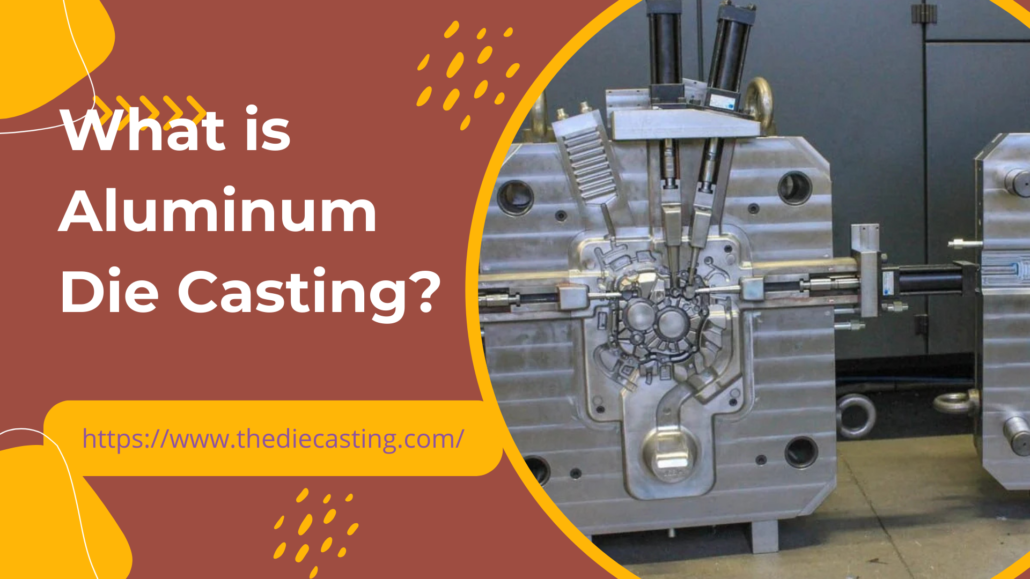
Mikä on alumiinin painevalu?

alumiinivalu

One of the most popular manufacturing processes for producing high-precision metal parts on a large scale is aluminum die casting. It is important in contemporary industries that require high precision in dimensions, mechanical strength, light weight, and cost-effectiveness.

Top Automotive die casting yritykset Kiinassa ja maailmassa 

alumiinin painevalu, painevaluyritykset, painevaluyritys, Die Casting Valmistaja

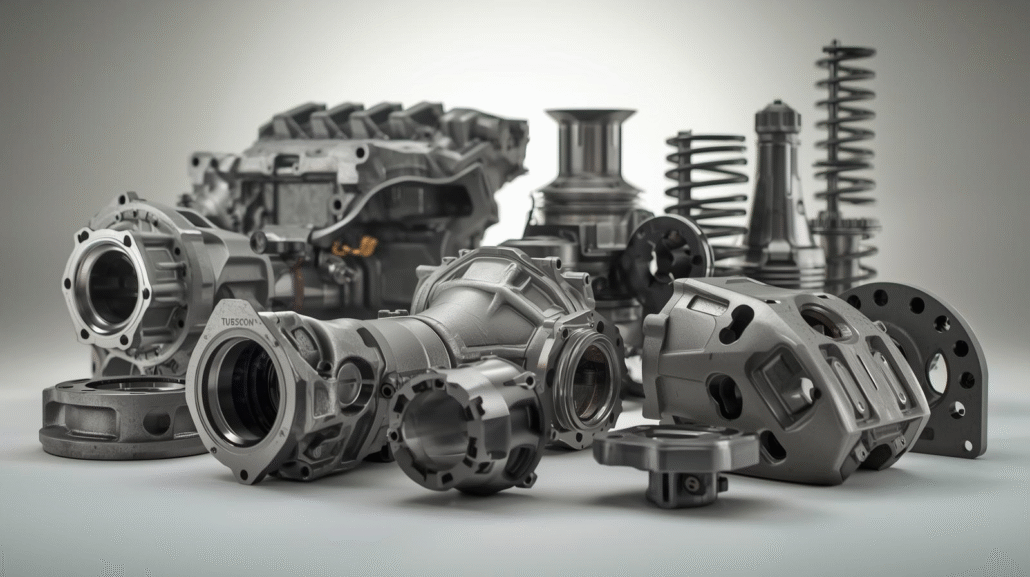
Alumiinin painevalu on yksi nykyajan teollisuuden luotettavimmista ja kustannustehokkaimmista valmistusprosesseista. Se on prosessi, jossa korkeassa lämpötilassa sulatettua alumiinia ruiskutetaan korkealla paineella tarkkaan muottiin tehokkaiden, kevyiden ja mittatarkkojen osien luomiseksi. Se on erityisen käyttökelpoinen erittäin monimutkaisten muotojen valmistuksessa, joissa on korkea pintakäsittely, ja siksi se on suosittu prosessi autoteollisuudessa, ilmailu- ja avaruusteollisuudessa, elektroniikassa, kulutustuoteteollisuudessa ja teollisuuskoneteollisuudessa. Alumiinin painevalun kysyntä on ollut viime vuosina suurta. Maailman suuntaus kohti sähköautoja, kevyitä rakenteita ja energiatehokkuutta on nostanut alumiiniseokset innovaatioiden eturintamaan. Valmistajat ovat nyt kehittäneet korkean teknologian komponentteja, kuten moottorilohkoja, vaihteistokoteloita, akkukoteloita ja jäähdytyslevyjä, jotka ovat sekä kestäviä että kevyitä. Kierrätettävyys ja korroosionkestävyys tekevät alumiinista hyödyllisen myös maailmanlaajuisissa pyrkimyksissä tuottaa kestäviä ja ympäristöystävällisiä tuotteita. Kaksi tärkeintä alumiinin painevalun keskusta ovat Yhdysvallat ja Kiina. Yhdysvalloissa toimivat yritykset ovat tunnetusti innovatiivisia, niillä on korkeat laatuvaatimukset ja ne käyttävät korkeaa automaatioastetta, ja niitä voidaan pitää hyvänä investointikohteena korkean tarkkuuden teollisuudessa. Kiinalaiset valmistajat taas ovat saavuttaneet paljon kilpailukykyä maailmanmarkkinoilla, ne ovat tarjonneet kustannustehokkaita ratkaisuja, suurta tuotantokapasiteettia ja kehittyneempää teknologiaa. Tässä asiakirjassa käsitellään eräitä Yhdysvaltojen ja Kiinan menestyneimpiä alumiinin painevaluteollisuuden yrityksiä, niiden vahvuuksia, kykyjä ja tekijöitä, jotka tekevät niistä luotettavimpia kumppaneita, joita yritykset ympäri maailmaa pitävät ensisijaisina toimittajinaan valmistusteollisuudessa. Mitä on autoteollisuuden painevalu? Muottiinvalu on tuotantoprosessi, jossa sulaa metallia, yleensä alumiinia, magnesiumia tai sinkkiä, pakotetaan suuren paineen alaisena muottiin, jossa on avoin tila. Tämä mahdollistaa monimutkaisia toimintoja sisältävien, lujien komponenttien massatuotannon, joissa on hyvä pinnanlaatu ja mittatarkkuus. Autoteollisuuden painevalu mahdollistaa sellaisten komponenttien valmistuksen, jotka ovat: Muotovalun käyttö on mullistanut nykyaikaisten ajoneuvojen rakentamisen, jolloin voidaan säästää painoa ja silti onnistua samaan aikaan suoriutumaan. Kysyntä on osaltaan vaikuttanut siihen, että suuret autoteollisuuden painevaluyritykset ovat kehittyneet nopeasti Kiinassa, Euroopassa, Amerikassa ja Japanissa. Miksi Kiina on johtava autojen painevalussa Kiinassa on joitakin maailman suurimpia autojen painevalujen valmistajia, koska sen: Tällaisten vahvuuksien ansiosta kiinalaiset autoteollisuuden painevaluyritykset ovat olleet voimanpesiä paitsi paikallisilla markkinoilla myös kansainvälisesti toimitusketjussa. CNM Tech Diecasting Company on johtava ylivoimaisten alumiinisten painevalutuotteiden valmistaja. Se tarjoaa useille aloille, kuten autoteollisuudelle, elektroniikalle ja televiestinnälle, tarkkuutta vaativia komponentteja, joiden tavoitteena on korkeimpien laatuvaatimusten noudattaminen. Yritys pystyy tuottamaan kevyitä ja vahvoja osia hyödyntämällä kehittyneitä tuotantoprosessejaan, kuten korkeapainevalua ja CNC-koneistusta. The Diecasting Company uskoo jatkuvan innovaation voimaan, ja siksi se investoi nykyaikaisiin koneisiin, automatisoituihin tuotantolinjoihin ja ennen kaikkea laadunvalvontajärjestelmiin, jotka auttavat tuottamaan aina samat tulokset. Sekä alkuperäiset laitevalmistajat että Tier-1-toimittajat kuuluvat myös sen maailmanlaajuiseen asiakaskuntaan, ja siksi se on luotettava kumppani monimutkaisten ja suurten tuotantomäärien tarpeiden täyttämisessä. Verkkosivusto: https://www.thediecasting.com/ Miksi valita The Diecasting Company on yritysten suosiossa, koska se keskittyy laatuun, tarkkuuteen ja innovointiin. Heidän uusimpien painevalutekniikoiden soveltaminen, vahva laadunvalvonta ja toimitukset ajallaan varmistavat, että heidän asiakkaansa saavat komponentteja, jotka voisivat täyttää kansainväliset standardit, ja tekevät heistä suosikkivalinnan, kun on kyse autoteollisuuden OEM-valmistajista ja valmistajista, jotka haluavat löytää luotettavan painevaluratkaisujen tarjoajan. Toimialat, joita Sincere Tech palvelee Sincere Tech on yksi muovin ruisku- ja painevalumuottien tarkkojen muottien tuottajista. Heillä on taustaa muotin suunnittelussa, prototyyppien valmistuksessa ja lopputuotteen valmistuksessa, mikä tarjoaa yhden luukun ratkaisun asiakkailleen kaikkialla maailmassa. He käyttävät tietokonepohjaisia CAD/CAM-ohjelmistoja ja automatisoitua koneistusta, jotta kaikki valmistetut muotit ovat erittäin tarkkoja. Plastic Moldilla on vuosien kokemus auto-, kulutuselektroniikka- ja lääkinnällisten laitteiden teollisuuden tarpeiden palvelemisesta, ja se pystyy toimittamaan monimutkaisia muotteja tehokkaasti. He erottuvat innovaatiollaan, laadunvalvonnallaan ja toimitusnopeudellaan, mikä tekee heistä luotettavan toimittajan yrityksille, jotka haluaisivat saada yksilöllisen muottiratkaisun. Verkkosivusto: https://www.plasticmold.net/ Miksi valita heidät Plastic Mold valitaan niiden täydellisten muotinvalmistusjärjestelmien, teknisten taitojen ja kyvyn sovittaa rajoitettuun tuotantoaikaan. Heidän korkealaatuiset muotit minimoivat virheet, parantavat tuottavuutta ja auttavat asiakkaita saamaan tarkkoja ja luotettavia painevalettuja tai ruiskuvalettuja tuotteita. Toimialat, joita GC Precision Mould palvelee GC Precision Mould on Kiinassa toimiva painevalujen valmistaja, joka tarjoaa alumiini-, sinkki- ja magnesiumvaluja. Yrityksellä on maine korkealaatuisten, kustannustehokkaiden ja kevyiden osien valmistajana auto-, elektroniikka- ja valaistusaloilla. Heillä on kyvyt korkeapainevaluun, CNC-koneistukseen ja jälkiviimeistelyyn. Alu Diecasting keskittyy tarkkuuteen, pitkäikäisyyteen ja tuottavuuteen. Ne ovat aina kansainvälisten standardien mukaisia käyttämällä nykyaikaisia tiloja, automatisoituja linjoja ja ammattitaitoisia insinöörejä. Ne palvelevat asiakkaita sekä paikallisesti että kansainvälisesti, kuten OEM-valmistajia ja Tier-1-toimittajia, ja ne ovat asemoituneet parhaaksi kiinalaiseksi painevalujen valmistajaksi autoteollisuudessa. Verkkosivusto: https://aludiecasting.com/ Miksi valita heidät He käyttävät Alu Diecasting -tekniikkaa, koska he tarjoavat kilpailukykyisten hintojen, korkealaatuisten standardien ja teknologian yhdistelmän. Heillä on kokemusta eri seoksista, tarkkuuskoneistuksesta ja ajallaan tapahtuvasta tuotannosta, joka ylläpitää luotettavia, pitkäikäisiä ja kevyitä osia, jotka täyttävät maailman autoteollisuuden vaatimukset. Toimialat, joita Get It Made palvelee Get It Made on Yhdistyneessä kuningaskunnassa toimiva CNC-koneistuksen, 3D-tulostuksen, painevalun ja metallien muokkauksen tuottaja. Se tukee sekä prototyyppien että piensarjatuotantoa,

Messinkiset kaappilaitteet: A Complete Guide to Style, Function, and Durability: A Complete Guide to Style, Function, and Durability.

Messinkiset kaappilaitteet: A Complete Guide to Style, Function, and Durability: A Complete Guide to Style, Function, and Durability.

Messinki kaapin laitteisto

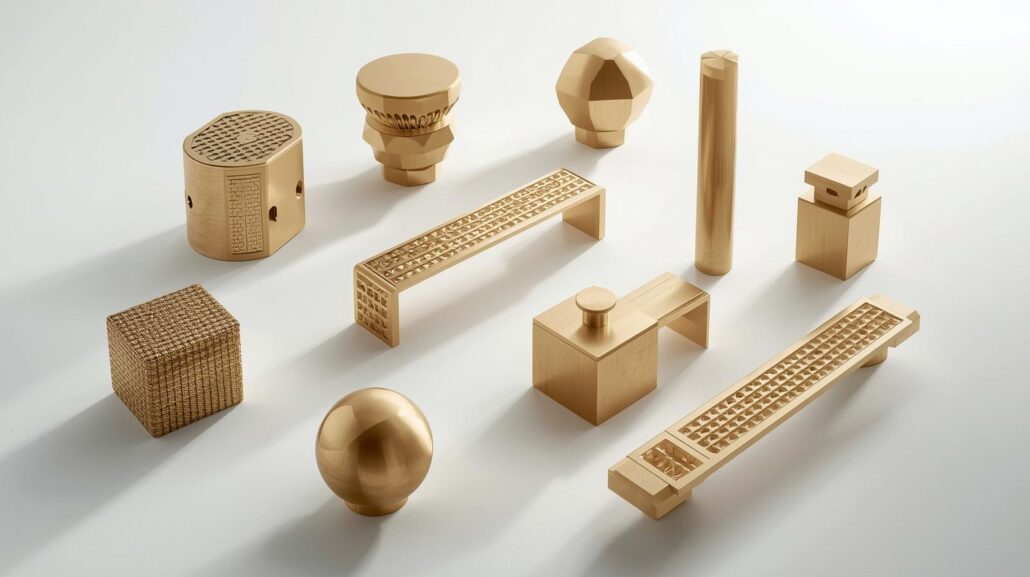
Kaapin kalusteita voidaan pitää vähäpätöisinä yksityiskohtina, mutta ne voivat muuttaa huoneen ulkonäköä ja toimivuutta. Lukuisista pinnoitteista, joita voidaan käyttää, messinkiset kaappilaitteistot ovat kauneuden, lujuuden ja monipuolisuuden osalta ajan testi. Kun harkitset keittiön remonttia, kylpyhuoneen turhamaisuuden päivittämistä tai jopa säilytyskalusteiden päivittämistä, messinkinen viimeistely on se, joka on kestävä ja samalla erittäin tyylikäs. Sekä suunnittelijat että kodinomistajat suosivat edelleen messinkilaitteistojen käyttöä, koska se on lisännyt merkitystä moderniin ja perinteiseen sisustukseen. Sen lämpimät sävyt, jotka ovat kultaa, sopivat hyvin yhteen myös puun, kiven tai maalattujen kaappien kanssa, mikä tekee siitä yhden mukautuvimmista viimeistelyistä. Niin yksinkertaiset, modernit vetimet kuin hienot, vintage-nupit, messinkiset kaappilaitteistot ovat ominaisuus, joka antaa koko tilan suunnittelulle hienostuneen ilmeen. Muista metalleista poiketen messinki on hyvännäköinen esine, mutta se tarjoaa pitkäikäistä arvoa. Messinkiset keittiölaitteistot ja harjattujen messinkilaitteistojen laatu kestää korroosiota, niitä voidaan käyttää jokapäiväisessä elämässä, ja ne hankkivat ajattoman aseman. Tällainen tyylin ja suorituskyvyn yhdistelmä tekee messingistä investoinnin, joka parantaa kaappien ulkonäköä ja toimivuutta niin, että ne jalostuvat tulevina vuosina. Messingin historia ja suosio muotoilussa Messinki on kupari-sinkkiseos, ja sitä on käytetty erilaisissa rakenteissa, huonekaluissa ja koristeissa vuosisatojen ajan. Messinki oli ennen yleinen koristeellinen varuste ja kaluste, koska sitä pidettiin aikoinaan erittäin kauniina ja tyylikkäänä. Messinkilaitteita käytetään edelleen myös nykypäivänä sen ulkonäön, kestävyyden ja lujuuden vuoksi, ja sitä käytetään myös nykypäivän sisätiloissa sen käytön käytännöllisyyden ja ulkonäön vuoksi, joka on enemmän kuin vaikuttava. Messinkisten kaappilaitteiden ajaton ominaisuus on niiden joustavuus. Se voi olla kirkkaasti kiiltävä ja heijastava kuin peili, tai se voi olla hillitymmän näköinen ja viimeistelty hillityillä väreillä. Koska sisustuksessa on siirrytty kohti lämpimämpiä metallivärejä, messinki on edelleen yksi niistä viimeistelyistä, joita voidaan sekoittaa vaaleisiin ja tummiin kaappeihin. Mitä messinkiset kaappirakenteet tarkoittavat? Messinkiset kaappitarvikkeet ovat nuppeja, vetimiä, saranoita, kahvoja ja muita heloja, jotka on valmistettu kuparin ja sinkin seoksesta, jota kutsutaan messingiksi. Tällaiset laitteistot ovat hyvin yleisiä keittiössä, kylpyhuoneessa ja huonekaluissa, koska ne ovat vahvoja, kestäviä eivätkä mene pois muodista. Halvempiin metalleihin verrattuna messinki ei syöpynyt ja ikääntyy luonnollisesti patinoituen, ja se voidaan kiillottaa, jättää satiinipintaiseksi tai antiikkiseksi tai jättää niin sanotuksi harjattuun messinkilaitteistoon. Suunnittelijat ja kodinomistajat suosivat messinkilaitteistoa sen monipuolisuuden vuoksi. Erityisesti messinkiset keittiölaitteistot ovat toimivia ja tyylikkäitä, ja niistä on tullut yksi suosituimmista vaihtoehdoista kaappien päivittämiseksi. Messinkirautatavaroiden tyypit Kaappitarvikkeita on saatavana messingistä valmistettuja erilaisia muotoja, joista jokaista käytetään eri tavalla. Suosituimpia ovat mm: Kaikissa suunnitteluprojekteissa messinkiset kaappitarvikkeet ovat tyypistä riippumatta hyödyllinen lisä koristeellisessa ja toiminnallisessa mielessä. Messinkisten kaappirautojen valmistus Niin sanottujen messinkisten kaappirautojen valmistus on pitkävaiheinen tuotteen valmistusprosessi, joka perustuu kestävyyden, hyödyllisyyden ja kauneuden vaatimuksiin. Prosessissa käytetään sekä perinteisten että nykyaikaisten metallien viimeistelytekniikoiden yhdistelmää. Seoksen valmistus Se alkaa kuparin ja sinkin seoksen sulattamisella messingiksi. Lisäelementtejä voidaan lisätä sen mukaan, mitä viimeistelyä halutaan. Näin messinkilaitteista saadaan oikean vahvuisia, työstettäviä ja värisiä. Valaminen tai takominen Messinkiseoksen valmistuksen jälkeen se valetaan (sula messinki valetaan valukappaleiksi) tai taotaan (puristettu ja kuumennettu messinki puristetaan valukappaleiksi). Messinkisten keittiötarvikkeiden kopiot ovat voimakkaampia ja tukevampia. Koneistus ja muotoilu Nämä sorvataan sitten tarkkoihin muotoihin, nuppiin, vetimiin, kahvoihin tai saranoihin. CNC-koneet ja vanhanaikaiset sorvit pyrkivät rakentamaan yhdenmukaisuutta niin sanottuihin messinkisiin kaappitarvikkeisiin. Pintakäsittely Kun kappaleet on muotoiltu, ne hiotaan ja kiillotetaan automaattisesti sileäksi. Tässä vaiheessa käytettävät viimeistelyt ovat kiillotettuja, antiikkisia, satiinisia tai harjattuja messinkilaitteita, joilla saadaan haluttu ulkonäkö. Pinnoitus tai pinnoitus (valinnainen) Muissa tapauksissa tehdään suojaava lakkapinnoite tai lisäpinnoitus korroosionkestävyyden lisäämiseksi. On yleistä jättää massiivimessinki lakkaamatta luonnollisen patinan tyyliin. Mekaaninen kokoonpano ja laadunvalvonta Lopuksi tarkastetaan messinkisten kaappilaitteiden jokaisen osan laatu, istuvuus ja viimeistely. Ruuvien ja varusteiden kokoaminen ja pakkaaminen tehdään ennen jakelua. Messinkisten kaappirakenteiden edut Kestävyys Messinki on materiaali, jolla tiedetään olevan lujuutta ja kestävyyttä. Massiivimessinki, toisin kuin halvemmat seokset, ei taivu, taivu eikä katkea, mikä tarkoittaa, että kaapistosi ovat käyttökelpoisia ajan myötä. Erityisen merkittävää on, että messinkisten keittiölaitteiden on kestettävä päivittäistä kulutusta. Ajaton estetiikka Sisustuksesta tulee lämmin ja rikas messingin kultaisilla sävyillä. Sen sileät viimeistelyt ja kiillotukset ovat tyylikkäitä, ja laitteisto on harjattua messinkiä, mikä antaa sille modernin, hienovaraisen ilmeen. Korroosionkestävyys Messingin luontainen luonne on sellainen, että se kestää haalistumista ja korroosiota, ja siksi sitä tulisi käyttää keittiössä ja kylpyhuoneessa, joissa kosteutta on runsaasti. Monipuolisuus Messinkiset kaappilaitteistot sopivat kaikenlaisiin tyyleihin karkeista maalaistalon keittiöistä kiillotettuihin moderneihin kylpyhuoneisiin. Se on ollut joustava, minkä vuoksi suunnittelijat käyttävät sitä edelleen erilaisissa messinkilaitteistoprojekteissa. Käyttö kylpyhuoneissa ja keittiöissä Yksi keittiön ja kylpyhuoneen silmiinpistävimmistä yksityiskohdista on kaappilaitteisto, jossa toiminnallisuuden ja muotoilun tulisi olla sopusoinnussa. Messinkiset kaappilaitteistot tarjoavat kiireisissä tiloissa tarvittavaa lujuutta sekä toimivat koristeellisena keskipisteenä. Keittiöt Nykyaikaiset keittiötyylit ovat enemmän kuin mieluisia.

Alumiini Die Casting yritykset Yhdysvalloissa

Alumiini Die Casting yritykset Yhdysvalloissa

alumiinin painevalu, painevaluyritykset, painevaluyritys

Alumiininen painevalu on nykyään yksi varmimmista ja taloudellisimmista tuotantomenetelmistä Yhdysvalloissa, erityisesti valmistajille, jotka vaativat kestävyyttä, pitkäikäisyyttä ja tarkkuutta. Tämä tapahtuu ruiskuttamalla sulaa alumiinia korkeapaineella teräsvaluun, ja näin saadaan aikaan osia, jotka ovat paitsi kevyitä myös mittatarkkoja ja kestäviä. Juuri tämä lujuus ja alhainen paino tekevät alumiinin painevalusta valintamateriaalin auto- ja ilmailuteollisuudessa, elektroniikassa, teollisuuskoneissa ja kulutustavaroissa. Yhdysvaltojen markkinoilla on joitakin maailman vakiintuneimpia alumiinin painevaluteollisuuden yrityksiä, jotka ovat niin suuria valmistajia, joilla on maailmanlaajuinen läsnäolo, kuin pieniä ja erikoistuneita yrityksiä, jotka ovat erikoistuneet räätälöityihin osiin ja kapeisiin sovelluksiin. Nämä yritykset ovat erittäin tärkeitä keskeisen teollisuudenalan ylläpidon kannalta, sillä ne toimittavat sellaisia teollisuuden segmenttejä kuin moottorilohkoja, vaihteistokoteloita, elektroniikkakoteloita ja rakenneosia. Yhdysvaltalaiset valmistajat ovat ansainneet maailmalla maineensa luotettavuudesta ja innovatiivisista tuotteista korkealaatuisella teknologiallaan, sertifioinnillaan ja keskittymällä laatutuotteisiin. Viime vuosien suuntaus on ollut painevalettujen alumiiniosien kysynnän valtava kasvu, koska ajoneuvojen keventäminen, sähköajoneuvojen tuotanto ja pyrkimys energiatehokkaaseen valmistukseen ovat viime aikoina kehittyneet. Amerikkalaiset yritykset ovat ottaneet käyttöön automaation, kestävät valukappaleet ja ylivoimaiset seokset, jotta saavutetaan korkeat tulokset näiden vaatimusten täyttämiseksi. Tässä artikkelissa luetellaan joitakin Yhdysvaltojen parhaita alumiinin painevalun valmistajia ja niiden saavutuksia, potentiaalia ja panosta nykyajan teollisuudelle. Sillä ei ole väliä, hankitko osia laajamittaisen valmistusprosessin tai erittäin teknisen sovelluksen suorittamiseen, nämä valmistajat ovat alumiinin painevalun parhaan amerikkalaisen teknologian ruumiillistuma. Mitä on alumiinin painevalu? Alumiinin painevalu on tuotantotekniikka, jossa sulan alumiinin korkea paine pakotetaan teräsmuottiin, jota kutsutaan myös muotiksi. Kun metalli jäähtyy ja jähmettyy, muotti avataan ja valmis osa heitetään ulos. Tämän prosessin avulla valmistajat voivat luoda vahvoja, kevyitä ja erittäin yksityiskohtaisia komponentteja, joilla on korkea mittatarkkuus ja sileä pinta. Keskeinen etu on se, että alumiinin painevalulla voidaan valmistaa monimutkaisia muotoja, joiden tuottaminen muilla valmistusmenetelmillä olisi muuten haastavaa tai kallista. Sitä käytetään laajalti esimerkiksi moottorilohkojen, vaihteistokoteloiden, elektroniikkakoteloiden, jäähdytyslevyjen ja rakenneosien valmistuksessa. Alumiinin painevalulla on useita merkittäviä etuja: Tällaisten vahvuuksien ansiosta alumiinin painevalu on noussut paremmaksi vaihtoehdoksi teollisuudenaloilla, jotka tarvitsevat luotettavia ja tehokkaita korkealaatuisia komponentteja vastaamaan teknisiä ja taloudellisia tarpeitaan. Top USA:n alumiinin painevaluyritykset 1. Dynacast International Dynacast International on ollut maailmanlaajuisesti yksi tunnetuimmista yrityksistä tarkkuusvalun alalla. Yrityksellä on vuosikymmenten kokemus pienten, monimutkaisten komponenttien valmistuksesta alumiini-, sinkki- ja magnesiumseoksia käyttäen. Yritys on hyvä tuottamaan komponentteja, joissa on tiukat toleranssit ja joissa on monimutkaisia ominaisuuksia, joita tarvitaan autoteollisuudessa, kulutuselektroniikassa, televiestinnässä ja lääkinnällisissä laitteissa. Maailmanlaajuinen toiminta tarkoittaa myös sitä, että Dynacast pystyy palvelemaan pienyrityksiä ja monikansallisia yrityksiä joustavuudella, innovaatioilla ja laadulla, jotka eivät vaihtele eri projekteissa. 2. Pace Industries Pohjois-Amerikan suurimmaksi painevaluyritykseksi noussut Pace industries on luonut hyvän maineen tarjoamalla kokonaisvaltaisia ratkaisuja. Heidän palveluvalikoimaansa kuuluvat suunnittelu ja tekninen tuki, painevalut, koneistus, pintakäsittely ja loppukokoonpano; he ovat tarjonneet yhden luukun ratkaisun auto-, teollisuus- ja kuluttajateollisuuden asiakkaille. Yrityksen toiminnan laajuuden ansiosta se voi käsitellä suuria volyymihankkeita ja asiakaskohtaisia hankkeita. Pace noudattaa myös kulttuuria, jonka mukaan se panostaa nykyaikaiseen teknologiaan ja kestäviin käytäntöihin, jotta se voi pysyä kilpailukykyisenä nopeasti muuttuvassa teollisuudessa. 3. Ryobi Die Casting (USA), Inc. Ryobi on tunnettu tuotemerkki maailman painevalusegmentillä, ja sillä on merkittävä läsnäolo Yhdysvalloissa. Sen toiminta Yhdysvalloissa keskittyy keskisuuriin ja suuriin alumiinisiin painevalukomponentteihin, jotka on tarkoitettu pääasiassa autoteollisuudelle. Ryobi valmistaa moottorilohkoja, vaihteistokoteloita ja rakenneosia, joiden on oltava kestäviä ja tarkkoja. Yritys on hyödyntänyt huipputeknologiaa ja laadunhallintaa, minkä ansiosta siitä on tullut maailman suurimpien autonvalmistajien ensisijainen toimittaja. 4. Gibbs Die Casting Gibbs Die Casting, toinen Yhdysvaltain markkinoiden johtava toimija, sijaitsee Hendersonissa, Kentuckyssa. Yritys on erikoistunut autoteollisuuden alumiini- ja magnesiumvaluihin, erityisesti vaihteistokoteloihin ja voimansiirron osiin. Gibbs painottaa voimakkaasti innovointia, jossa käytetään automaatiota ja kehittyneitä valmistustekniikoita korkean tehokkuuden ja työn laadun varmistamiseksi. Yritys sisällyttää liiketoimintaansa myös kestävän kehityksen käsitteen vähentämällä hävikkiä ja edistämällä ympäristöystävällisiä liiketoimintatapoja. 5. Apex Aluminum Die Casting Co., inc. Apex Aluminum Die Casting sijaitsee Ohiossa, ja sitä käytetään auto-, elektroniikka- ja laiteteollisuudessa. Yritys on hyvämaineinen työskennellessään keskivolyymisten tuotantoerien kanssa, mikä tekee siitä täydellisen vaihtoehdon yritysten kanssa, jotka vaativat tasaista tuotantolaatua, mutta eivät vaadi suurempien maahantuojien valtavia valtuuksia. Apexin tiimi pitää huolen asiakastyytyväisyydestä, palvelun luotettavuudesta, suunnittelusta ja valmistuksen tarkkuudesta. Se on vakiinnuttanut asemansa useiden yhdysvaltalaisten yritysten luotettavana kumppanina, koska sillä on hyvä maine tuottaa johdonmukaisia tuloksia. 6. KenWalt Die Casting Company KenWalt Die Casting sijaitsee Kaliforniassa, ja sillä on yli vuosikymmenen kokemus painevalujen; alumiinin ja sinkin valmistuksesta. Yritys keskittyy myös mittatilaustöihin ja palvelee sekä teollisuuslaitteiden että kulutustavaroiden toimialoja. KenWalt erottuu yrityksenä, joka tekee tiivistä yhteistyötä asiakkaan kanssa työn aikana.

Valamalla valmistetut autonosat:

Valamalla valmistetut autonosat: Materiaalin ja prosessin valinta

painevalun osat

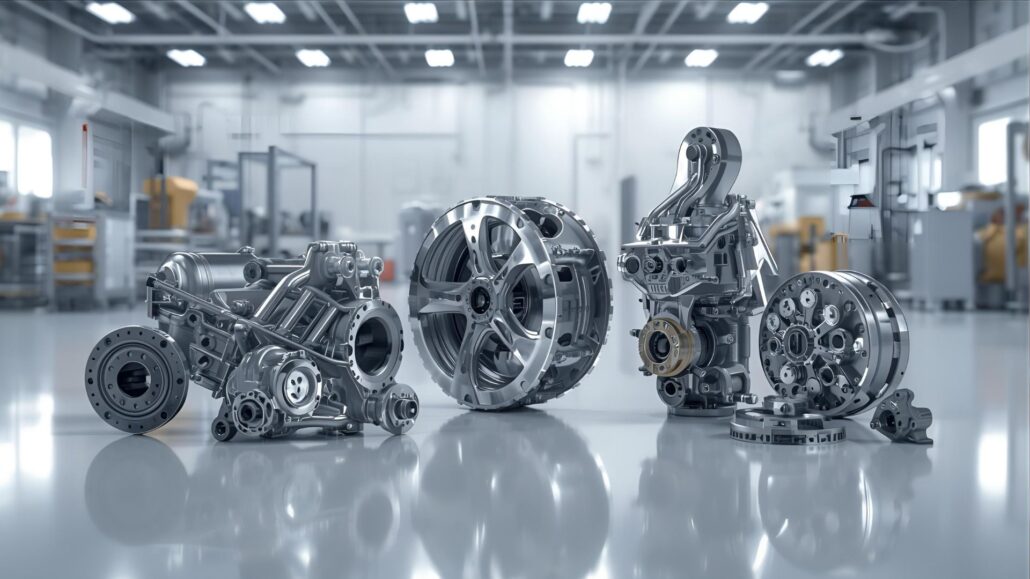
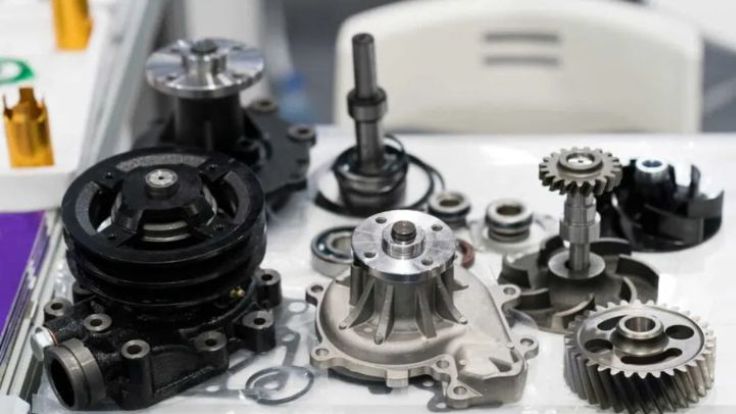
The modern automobile is a sophisticated machine that consists of thousands of separate parts with their own purpose to provide safety, performance, and reliability. Casting is one of the various manufacturing processes that are employed in the automotive industry. Casting is now an irreversible procedure where major parts of a vehicle are formed by shaping molten metal into extremely detailed and strong parts. The engines, transmissions, and braking systems of most vehicles are among the most significant systems that require parts made by casting. Indeed, when designers and builders discuss efficiency, durability, and cost-effectiveness in the production, casting of automobile parts are often at the centre stage of the debate. The art of casting is not new; it was invented thousands of years ago. However, its application in the motor industry has undergone a revolutionary shift to harness hi-tech technologies and the most recent alloys that can fit the high demands of the modern car. Casting has been instrumental in enabling cars to maintain high-performance standards at a relatively low cost through lightweight aluminum engine blocks that are tough and, resilient cast-iron brake components. The article will review the history of the automobile casting parts, processes, advantages, and future trends of automobile casting parts and reveal the reasons why the automobile casting parts continue to be a pillar in the automotive manufacturing industry. History  of Casting It was actually the aluminum casting process that penetrated the sphere in the middle of the 20th century. Casting has been in use in vehicles since the late 19th and early 20th centuries, when the automobile was first developed to replace the horse-drawn carriage. Early engines demanded powerful but inexpensive parts, and casting was the right way to go. One of the first methods to make engine blocks, crankshafts, and housings was iron casting. With the increase in the automobile industry, casting techniques increased and became advanced. The automobile manufacturers learned that they could increase fuel efficiency without reducing the lifetime of the vehicles due to lighter engines and structural parts. Casting is applied to different systems of vehicles in accordance with their application and importance. Finally, the automobile casting parts have the important role of giving strength, accuracy, and cost-effectiveness to reduce the cost, which is why automobile parts are the giants of the automotive industry. What are Automobile Casting Parts? Automobile Casting Parts can be defined as parts of a vehicle that are produced through pouring molten metal into a mold, and the resulting molten metal hardens into a desired shape. This has enabled the manufacture of robust, sturdy, and intricate components that are utilized in automobiles, including engine blocks, cylinder heads, transmission housings, brake drums, and wheels. They are very popular since casting offers: Taking the case of an engine block, the block has various chambers and coolant passages with threaded openings that can be cast correctly. What is Casting? The process of casting is a type of manufacturing where molten metal is poured into a mold and allowed to cool in the shape of the mold. After cooling, the casting is removed, machined (where needed),, and fitted into the finished product. It is an operation in which it is possible to produce both strong and geometrically complex parts. The reason why automobile manufacturers like to use casting is that they can produce large quantities of complicated parts of uniform quality. The proper melting temperature should also be maintained to remove defects such as porosity or underfill We are discussing not only structurally significant parts of automobiles, but also those that must be precise and durable under severe conditions of high temperatures, pressures, and constant wear. Process of Casting in Automobile Parts High-volume production also automates machines or high-pressure systems to ensure a high level of accuracy and consistency. 1. Pattern Making It starts with the production of a pattern, an imitation of the finished part. Patterns tend to be made of wood, metal, or plastic. They also determine the accurate shape and size of the mold cavity into which the molten metal will be poured. 2. Mold Preparation Sand, metal, or ceramic materials are used to form a mold. The two halves of the mold make the cavity to shape the part. Hollows can also be introduced within the mold,, such as internal passages within an engine block. 3. Melting the Metal In a furnace, a controlled temperature is used to melt the selected metal or alloy (cast iron, aluminum, or magnesium). This is to bring mechanical properties to high-performance applications such as engines or gearboxes. 4. Pouring When the metal is melted, it is filled into the mold. The proper sizes and finishes are ensured during drilling, milling, and turning. 5. Solidification and Cooling The heated material is left to cool and harden within the mold, assuming the shape of the mold. The part should avoid a shrinkage defect or crack due to uncontrolled cooling rates. 6. Mold Removal When solidifying, the mold is broken (in sand casting) or the mold is opened (in permanent and die casting). A raw casting is then removed and processed further as a casting blank. 7. Fettling and Cleaning Unneeded material, including sprues, risers, or flash, is eliminated. The casting could be shot blasted or ground to clean up the surface to make it easy to machine. 8. Heat Treatment (if required) Cast parts can be heat-treated to enhance their strength, hardness, or toughness. Sand Casting – Sand casting is one of the oldest and most common ways in which a mold of sand is molded into a more complicated shape. 9. Machining and Finishing Despite the fact that casting generates near-net shapes, a lot of automobile parts have to be machined to be precise. It is used with the engine block, cylinder head, and manifold. 10. Inspection and Testing Lastly, quality checks are done on the cast part. Non-destructive testing (NDT), dimensional testing, and material inspection are conducted to ensure that the part is up to industry standards before assembly into

Miksi taottu alumiini on parempi kuin valettu metalli?

Miksi taottu alumiini on parempi kuin valettu metalli?

Taottu alumiini

Forged aluminum is among the most trusted materials in contemporary engineering practice. It is formed by pressing solid aluminum with a high amount of heat and pressure. It alters the internal structure of the metal and makes it stronger and tougher than cast aluminum. Due to this, industries that require safety and durability use forged aluminum. Aluminum in itself is already rated as lightweight, resistant to corrosion and versatile. It is present in vehicles, aircraft, buildings, electronics and even in common tools. Not everything that is made of aluminum is the same, though. The performance of the metal is directly affected by how the metal is formed. Aluminium is melted and poured into molds when it is cast. This may cause flaws such as air bubbles and holes. Forging eliminates those issues. Rather than melting, the aluminum is pressed into form so that the grain is forced to conform to the design of the part. This yields a very powerful and homogeneous material. Forged aluminum has become popular now that industries are shifting to lighter, safer and more efficient solutions. This paper tells us why it is better than cast metal, the process involved in forging metals, where it is applied and the future of forging of aluminum. What Is Forged Aluminum? Forged aluminum is done by pressing solid aluminum under high pressure. The metal is not melted all the way as in casting. Rather, it is heated till it turns soft and malleable. After being softened, the aluminum is stamped or beaten into the required shape by means of heavy forging machines. This stress flattens the metal and also perfects its internal grains. The grain is oriented in the shape direction, and it contributes to the part’s better strength and toughness. Such a fine structure also removes numerous defects present in cast aluminum, including pores or cracks. Consequently, forged aluminum is safer, more durable and stronger. How an Aluminum Forge Works? Forging is done in an aluminum forge. There are a few steps involved in the process: This process ends up with a thick, solid, and homogeneous portion. It does not have weak spots or air bubbles like casting. Benefits of Forged Aluminum Cast metal and other materials cannot do what forged aluminum can do. It has become the tool of preference in industries where we cannot afford to compromise on performance and safety. Superior Strength Forged aluminum is very strong, and this is one of the key benefits of forged aluminum. The grain structure of the metal is refined through the forging process. The tensile and fatigue strength are enhanced by this alignment. False components can bear heavy loads as well as stresses and strains repeatedly without failure. This also positions them very well in high-performance activities like plane landing gear, suspension systems, and industrial machinery. Lightweight but Tough Aluminum is inherently lighter than steel, and forging goes even deeper with it. Forged aluminum is very strong for its weight. This enables engineers to ensure that they make lighter machines and vehicles that are still safe and strong. The weight loss makes cars and aeroplanes more fuel efficient, but also gives them durability. Increased Resistance to Fatigue Cast parts wear out much more than forged aluminum. Fatigue is a condition in which a part has worn out due to multiple stress cycles. Due to weak grain structure, cast parts tend to crack. Aluminum that has been forged does not crack easily, and thus parts made with this material will survive long in the hands of those who use them. Uniform Grain Structure The forging process is used to match the part shape with the grain in the metal. Such homogeneous graining makes it harder and harder to strike. Quite the contrary, casting gives arbitrary grain structures that create weak positions. Safety and Reliability Safety is the first priority in high-pressure industries like aerospace, automotive and defense. Forged aluminum is reliable as it provides power, hardness and steadiness over time, even in extreme circumstances. Aluminum Forging uses Aluminum forging has made an impression in the world where weightless, powerful and enduring parts are required. Forged aluminum parts are believed to be safe and, therefore, are commonly trusted in critical applications related to safety. Automotive Industry Modern automobiles are involved in fraudulent aluminum. A very common application is in wheels. Compared to cast wheels, forged wheels are lighter, more durable and safer. This type of weight loss improves manoeuvrability and fuel efficiency. Suspension parts are another significant use that should resist heavy loads, impact, and vibration on the road. The aluminum used is forged, so they are not stressed. Moreover, most engine parts, including connecting rods and pistons, are forged. These sections can withstand high pressure and hot temperatures with long durability. Concisely, forged aluminum improves the automobile’s performance and safety. Aerospace Industry Aircraft require components that are lightweight in nature and strong. Forged aluminum fits this specification. It applies to landing gears, which are supposed to withstand high levels of impact during landing and takeoff. It also occurs in wing structures where efficiency depends on lightness. Forged aluminum parts deal with pressure, heat and vibration in aircraft engines. Failure is not an option in flight; this is why the aerospace industry relies on forging. Military and Defense Defense applications require forged aluminum. Forged parts of tanks, aircraft, and naval ships have to endure the extreme conditions of combat. Forging guarantees maximum toughness, strength and reliability even in the most strenuous conditions. Industrial Machinery Major equipment is usually operated at full load. Forged aluminum products are wear-resistant and minimize downtime. This makes them cost-effective and long-term solutions for manufacturers. Sports and Lifestyle The sports and lifestyle items also use forged aluminum. Forged components are used to manufacture high-end bicycles, climbing gear and sports equipment. Such objects need to be lightweight and durable over a long period of time, which is why forging is the best method. The Reason Why Industries use forging rather than casting? Forging is the option

Autoteollisuuden valukappaleiden tulevaisuus

Autoteollisuuden valukappaleiden tulevaisuus: Innovaatio, tehokkuus ja suorituskyky

Die Casting Valmistaja, painevalu

Automobiles have never been left behind in technological development. Since the first steel framing in automobile manufacturing up to the latest lightweight alloys, each part of a car has been improved through innovation to enhance safety, durability and performance. One of the most significant areas of progress lies in the world of automotive castings. This has helped in the designing, production, and optimization of vehicles. In plain terms, the term automotive castings can be defined as the process through which the molten metal is measured and poured into the moulds to shape intricate parts of the vehicle. The method is precise, cost-efficient and can be scaled to mass production. These processes are important in the industry because almost all vehicles on the road today have several parts that have been cast. This article examines the history, manufacturing, advantages, and future of the so-called automotive castings, and also takes a look at how the so-called automotive casting, die casting automotive parts, and cast automotive parts contributed to the shaping of the modern automobile. The History of Automotive Castings The methods of casting date back several thousand years, although it was not until the end of the 19th and very early 20th centuries that they were used in the automotive industry. The first automobiles were ineffective and weighed a lot, with mostly forged steel components. With the increased need to produce in large quantities, manufacturers were required to find a cheaper and quicker solution. Then is the period when the techniques of automotive casting started to substitute traditional ones. Through casting, car manufacturers would be able to create numerous of the same parts in large quantities with less wastage of materials. This brought about mass production, one of the reasons why automobiles became affordable to ordinary people in the industrial boom. Modern automotive castings today use state-of-the-art alloys, accurate moulds, and automation to satisfy the high standards of the international automotive standards.  What is Automotive Casting? Automotive casting is a manufacturing process that is applied in automobile manufacturing to make parts of their vehicles through pouring of molten metal into the moulds, where it solidifies and hardens into the desired shape. This is a technique that enables manufacturers to make complex, long-lasting and accurate parts cost-effectively and with less effort as compared to traditional machining or forging. It finds application in engine block parts, cylinder head parts, transmission housing parts, brake parts, and suspension parts. Through various alloys such as aluminum, cast iron, steel, and magnesium, the automotive casting offers the strength, lightweight design, and durability needed in modern automobiles. This technique is popular because: Common Automotive Parts Made by Casting: Types of Automotive Casting Concisely, automotive casting is necessary since it assists automakers in developing dependable, lightweight, and cost-effective components on a mass basis. Modern cars cannot be produced in mass without it. Materials in the automotive castings Aluminum A lightweight and corrosion-resistant glass, aluminum is among the most favoured materials in the field of automotive castings. It makes huge savings in the total weight of cars, enhancing fuel efficiency and manoeuvrability. Aluminum is also a good thermal conductor and therefore it is good on engine blocks, cylinder heads and transmission housings. Aluminum is used to create many die-casting automotive parts since it enables manufacturers to create high-precision and lightweight components without losing strength. With its flexibility and stability, aluminum is one of the best materials in contemporary automobile manufacturing. Cast Iron Other popular materials in automotive castings are cast iron because the material has high strength, heat resistance, and wear properties. Cast iron is heavier than aluminum, and it is suitable for structural and heavy-duty applications as engine blocks, brake drums and other parts of the suspension. The structure is very durable, which means that such parts can resist the pressures of long-term service and high-temperature conditions, making it vital to vehicles that need strong and reliable performance. Steel In the automotive castings, steel has been preferred due to its high strength and flexibility. Heat-treatment of steel parts increases toughness, so they are ideal in chassis parts, brackets, and structural frames. Although steel weighs more than aluminum, it offers the strength and carrying capacity to some of the safety-critical parts of the car. It is flexible, and engineers can come up with components that satisfy both the performance and regulatory requirements. Magnesium Alloys Magnesium alloys are finding increased applications in so-called automotive castings where weight loss is a priority. These alloys are very light, yet offer sufficient strength to non-structural parts. Magnesium parts may be used in interior fittings, engine covers, and certain structural parts, especially in high-performance vehicles and electric vehicles, where minimizing total weight is important to performance and handling. Copper Alloys Copper alloys are sometimes made into so-called automotive castings due to their high electrical and thermal conductivity. These are resistant to corrosion and strong materials that can be applied to certain electrical components or heat-sensitive parts of the modern vehicle. Copper alloys are not as widely used as aluminum or steel, but have niche uses, such as where performance and conductivity are important. Composite Materials Some manufacturers are experimenting with composite materials in cast automotive parts with the development of automotive technology. These materials are developed to save weight and still offer strength, and can be very handy in electric and hybrid vehicles. Composites also have better thermal regulation and corrosion resistance, and are a new technology in the next-generation car parts. Types of Automotive Casting Processes The automotive industry employs a number of casting techniques, each with its own parts and materials. We will consider the most popular ones: Sand Casting One of the oldest techniques is sand casting, in which large, intricate components are made by means of sand moulds. It is most suitable for prototypes and heavy parts such as engine blocks. Die Casting Die casting is the process that requires high-pressure injection of molten metal into reusable steel moulds. It is a technique that is especially relevant in fabricating light but

Mikä on alumiinin suulakepuristusprosessi? 

alumiinivalu, alumiinin painevalu

Aluminum extrusion has not only been appreciated in the respect that it makes a strong, yet lightweight part, but also its flexible and cost-effective designs are a factor. It is used in construction, aerospace, automotive and electronic industries, and nearly everywhere in between. Aluminium extrusion is among the processes that indicate an equalization between innovative designs and effective production, which is just about to become one of the dominating procedures of the manufacturing industry. Aluminum is one of the most popular metals in the modern industries, being appreciated because of its light weight, strength, durability and also its capacity to resist corrosion. Aluminum is more conspicuous in our lives; in the construction of skyscrapers in our cities, the cars we drive and other gadgets that we use in our daily lives. One of the most vital processes of manufacturing that has ensured the versatility is the aluminum extrusion process. Extrusion refers broadly to methods of metal deformation whereby metal is pushed or squeezed through a die in a similar fashion to toothpaste. In aluminum, longer continuous sections of final, predetermined cross-sectional shapes are formed by ramming solid block-like objects (known as billets) through an already heated die. These profiles may be plain rods, tubes or highly complex and specially made to the extent that they will meet the demands of a given industry. In this article, we will learn everything about the aluminium extrusion process; its history, the extrusion process, types, applications, advantages and limitations and its rising capabilities in future of manufacturing. Historical Background The idea of extrusion as a manufacturing process has been traced back to the late 18th century. The first well-known extrusion was that of the British inventor Joseph Bramah, who patented his exactly in 1797. Instead, he used a process that involved pushing pliable metals such as lead through a die to shape long, identical-looking pieces and primarily pipes. The preconditioning of the process of extrusion was an invention. Until much of the 19th century, the extrusion of softer metals had been inhibited by technology. The real breakthrough came about in the early 220thcenturies when economical ways of producing aluminium were discovered. The acquisition of aluminium was brought to lower prices and large-scale production by the invention in 1886 by Charles Martin Hall in the United States and separately by Paul H. Roult in France of the Hall-Heroult process. After the invention of aluminum, it did not take long before scientists and manufacturers saw the potential extrusion had to offer. The use of aluminum extrusion technology began gaining steam in the 20s, especially coming into force in Europe and North America. It was on a large scale utilized in the Second World War when the industries required a lightweight but durable material in aircraft, vehicles used by the military, and buildings. Since then, the line-casting technology has been invented and has been extended far farther than the aluminum extrusion that first emerged in the military sectors. What is Aluminum extruded? Aluminum extrusion is the commercial physical method that is used in plasticizing solid aluminum into shapes that are long with specific cross-sections. The idea is simple: a block of aluminum (a billet) is heated to a malleable stage and forced under intense pressure of a die made of steel. In pressing through the die, the aluminum takes on the shape of the opening, either straight, hollow, or solid, or in a highly complicated profile. The analogy that is best applied in extrusion is the extrusion of a toothpaste tube. Same as the toothpaste- it takes the shape of the nozzle, and similarly, the extruded aluminum takes the shape of the die. The advantage of aluminium extrusion is the ability to manufacture lightweight yet strong components of the exact shape. The resultant extruded profiles can be strippable to various lengths and are also subjected to further finishing, including anodising, powder coating, and finishing. All these upgrades raise performance, wear and look. Due to its flexibility, it has become one of the extrusion processes whose scope has been resorted to within different discourses like the construction industry, the aviation industry, the electronic industry, the transport and even the consumer products industry. It is not just the process but a vital bridge between the native stainless steel and absorbed functionality that defines the current engineering and high-construction. Aluminium Extrusion Process in Steps Characterise the Profile & Select the Alloy Cast and Christen the Billet Scalp or Saw Inspect Billet Heat the Billet Make the Die & Tooling Lubricate and Prepare the Press Load the Billet and QC Start the Press Breakthrough Extrusion, Steady Chinking on the Table Fast Cooling (Immediate Quenching) Handling temperature for cooling Profiles cool on the table after quenching until they are able to be handled without imprint or warping. Soft, controlled cooling minimises residual stress. Stretching / Straightening Cutting Back to Length Heat Treatment (Where Necessary) Surface Finish (Optional) Machining & Fabrication (As required) Profiles are CNC-machined, punched, drilled, tapped or bent. Jigs/ fixtures provide repeatability of tolerance control on thin or complex sections. Test and On-Quality Control Die Tuning & Maintenance When dimension control or surface finish is out of control, the length of the bearings and flow balance can be modified; dies may be polished and, when absolutely not required, nitrided; dies are polished and cleaned. Packing & Logistics Why every step counts The Components Used in Aluminum Extrusion Aluminum extrusion draws on choosing the correct aluminum alloy to suit the mechanical, thermal, and corrosion requirements. The properties required by different industries differ, thus selection of alloys is determined by strength, ductility, corrosion resistance and heat-treatability. 1000 Series (Practically Pure Aluminum) 3000 Series (Al-Mn Alloys) 5000 Series (Al-Mg Alloys) 6000 Series (Al-Mg-Si Alloys) 7000 Series (Al-Zn-Mg-Cu Alloys) Allothers Speciality Alloys To keep composition similarity, recyclable aluminum scrap containing the same alloy is frequently reused. Aluminum Extrusion Materials Quick Reference Table A technical table of probable common aluminum alloys used in extrusions, major properties and established extrusion parameters as follows: Alloy Series

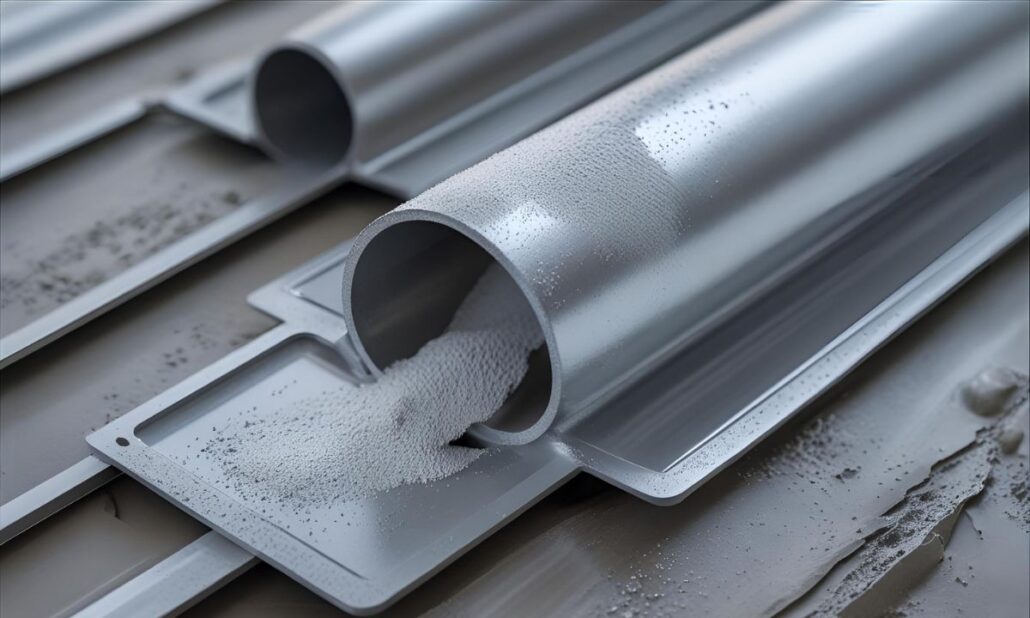
Voiko alumiinia pulverimaalata?

Voiko alumiinia pulverimaalata?

Alumiini

Aluminum is one of the most significant materials in the industry. It has become essential in everything from construction to the automotive industry, aerospace to consumer goods, because of the combination of its light weight, its resistance to corrosion, and its strength. However, in cases where the customers desire a more stable, colored, and protective finish, one single question is always raised: Can you powder coat aluminum? The brief response is: yes. There is no doubt that to increase the durability, corrosion resistance, as well as overall appearance, one may powder coat aluminum. Aluminum, however, has a natural layer of oxide that causes proper preparation to be important, as sufficient adhesion is concerned. Otherwise, without going through the correct steps, your finish can peel off or rather come out early. Here we go in depth on what exactly powder coating is, why it works so well on aluminum, the process, advantages, uses, and maintenance advice, including that of the differences between powder coating and anodizing. At the end, you will already know about the effective powder coating of aluminum. What is Powder Coating? Powder coating is a finishing procedure that entails the use of a dry powder (derived from finely ground resin, pigments, and additives) on a metal surface with the help of electrostatic attraction. One then heats the coated section in an oven where the melted powder flows and cures into a solid, hard protective material. Powder coating is devoid of solvents and emits few volatile organic compounds (VOCs) as compared to liquid paint. In the case of aluminum, a more wear-resistant, UV-resistant and decorative option is known as powder coated aluminum. Why Powder Coated Aluminium? Manufacturers decide to undergo the process of coating called powder coating aluminum for several reasons: As compared with the traditional painting, powder coating aluminum has the advantage of being able to provide a more uniform coverage and generally thicker, more reliable and durable coating. Learning about Aluminum as a Coating Surface Talking about coating, but first, we should know about the physical and chemical properties of aluminum: Though this oxide coating acts as a defensive mechanism, it may impose difficulties on coating procedures. The key point of great aluminum powder coating is to prepare the surface well to make the powder stick well to the surface. The Step by Step Procedure of Powder Coating Aluminum 1. Surface Preparation Powder coating of aluminum starts with surface preparation, which is the most important step. Relevant cleaning will guarantee that the powder sticks well and gives a lasting finish. Dirt and grease, oils, and oxidations must not be present on the aluminum surface. This is normally attained through detergents, solvents, or alkaline cleaners. In certain situations, there is chemical and ultrasonic cleaning done in order to remove any microscopic residues. It is also possible to perform surface etching to roughen the aluminum a bit, to increase adhesion. Once the cleaning has been done, the aluminum is then rinsed and dried to eliminate any defects on the coating. 2. Pretreatment Metallic pretreatment: Chemical Aluminum may be chemically pretreated to increase its resistance to corrosion and to provide appropriate bonding of powders. One of the common techniques is conversion coating that provides a thin protective film on the surface of the aluminum. This can be carried out with chromate or non-chromate treatments. Besides enhancing adhesion, these pretreatments will prolong the lifetime of the coating since aluminum will not be exposed to the elements. Phosphate coating is also an option on some applications, but less so than on steel since at least chromium would have to be used in a multi-coat procedure. 3. Powder Application The powder coating is then applied after the aluminum has been made ready and treated. The most common method is electrostatic spraying. In this technique, aluminum components are grounded and dust particles become charged due to electrodynamics with the help of a spray gun. The positively charged particles are drawn towards the aluminum surface resulting in a level and smooth coating. Another technique is known as the fluidized bed method: here the parts can be aluminum, heated and placed into a bath of powder, which melts when contacted and forms a coating. This provides one hundred percent coverage even on complicated shapes and corners. 4. Curing Coating formed by using the powder needs to be cured after which a durable finish is obtained. Aluminum components are then placed in a curing oven and baked between 180200 o C in 1020 minutes, depending on the powder employed. The powder particles melt, flow and chemically cross link into a uniform and hard coating due to the heat. When the cure is complete, the parts are cooled slowly down to room temperature, hence the coating is even and without defects. 5. Quality Inspection Every aluminum part is then tested to make sure the coating is of a quality nature after curing. Eye examination is done to verify consistency of color and smoothness free of sags, runs, and uncovered spots. This coating thickness is checked, which is between 50 and 150 microns generally. Examination of durability of the coating is done through adhesion and hardness tests like tape test or impact test. Corrosion resistance tests will also be conducted where tests like salt spray tests will be conducted, in critical applications in order to ascertain long-term protection. 6. Optional Final Finishing Sometimes further finishing is done to the coated parts of aluminum. This could be in the form of polishing, embossing or laser marking to either enhance decorative or practical purposes. Lastly, the parts are packed and cushioned well to store or ship and the finish is not damaged until the end user receives the product. Benefits of Aluminum Powder Coated There are numerous advantages of using powder coated aluminum that would make it very attractive to most industries. Its major plus is superb corrosion resistance. It offers protection in that the coating is done in the powder form, and it becomes a shield, and this protects

Selaa alkuun

Pyydä tarjous