sinkkivalu

Mitä on painevalu? Kaikki mitä sinun tarvitsee tietää metallivalusta

Mitä on painevalu? Kaikki mitä sinun tarvitsee tietää metallivalusta

painevalu

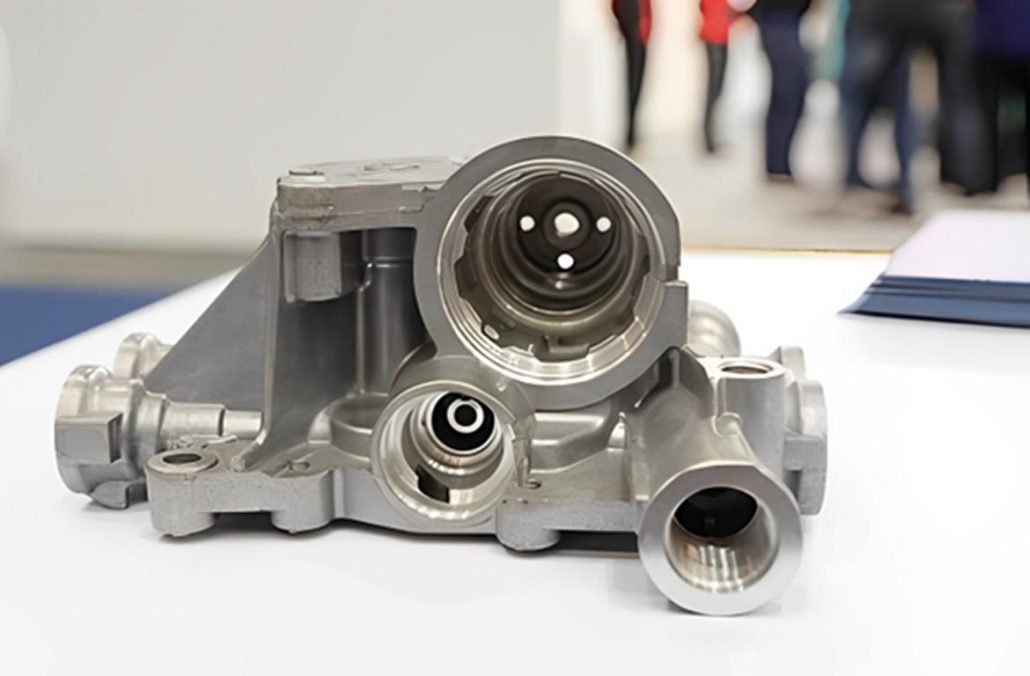
This is a manufacturing process in which molten metal is forced using pressure to fill a mold cavity also known as die casting. The mold is usually of high-quality steel and hence the part can be produced in large quantities the term is used to mean the manufacture of many parts. The finished part is then produced by opening the mold after the molten metal is cooled and forms a solid layer. This kind of use of the process is mostly applied in making intricate metal used in the production of different parts that require high accuracy in measurement and polished surfaces. Die casting can be done on aluminium, zinc, and magnesium but other metals can also be used on a case depending on application and other requirements. Die casting is considered to be one of the expert manufacturing techniques in the conception of mass production of small to medium-sized components out of metals. The popularity of the method has been spread across automotive, aerospace, electronics, and industrial machines due to its ability to produce durable lightweight intricately tailored parts. However, this process is widely recognized for its ability to manufacture products with complex geometry that would be very hard to make using conventional techniques. How Die Casting Works Molding is the first part of the die-casting process. On one side of the mold, there is a half, and it is a half of a particular design to make the mold shaped like the final product. Cavities and cores are designed for the molds that are usually custom-made so that the part can be replicated as closely as possible. 1. Molten Metal Injection: Then the molten metal is injected into the mold cavity under high pressure to form the desired shape. The metal is usually heated to one degree above the melting strain to make it fluid. In die casting, the pressure that the molten metal is pushed into the mold can be from several thousand to tens of thousands of psi (pounds per square inch), to be sure that the molten metal gets into every detail of the mold. 2. Solidification: This occurs when the metal is injected into the casing cavity whereby it cools and the metal hardens. The quality of the casting depends upon the cooling rate. Additional modes of failure (shear, climb, and glide) come into play in this case and result in faster cooling higher strength better surface finish, and slower cooling which could result in more internal defects and lower mechanical properties. Water-cooling systems built into the mold are usually used to assist the cooling process. 3. Ejection: Following this, the metal is allowed to cool and solidify and it is then easy to remove the mold from the larger casting and eject the part. Then most of the time is used in the pushing out part from the mold using a mechanical ejector system. This depends on the complexity of the part that requires other extra steps, namely trimming and machining to deliver the final shape and dimension. 4. Quality Control: A quality check is then performed on a part after ejection. It can involve dimensional verification, visual inspection, and mechanical testing to confirm that the part is equal to or better than the requirements. High precision and repeatability are theoretically achieved in die casting. Types of Die Casting There are two types of Die casting, they are hot chamber die casting and cold chamber die casting. These are all good and have their advantages, limitations and ideal applications. 1. Hot Chamber Die Casting The process most suitable for metals such as zinc, magnesium, and lead is a hot chamber die casting since the process is done at high temperatures, and melting points. The injection system is installed inside the melting furnace in this way, the metal is always in contact with the chamber. Advantages: Disadvantages: 2. Cold Chamber Die Casting The metals that have higher melting points like aluminium, brass and copper are cast in cold chamber die casting. In this case, the molten metal is tapped from a second furnace injected into the cold chamber then into the mold cavity. Advantages: Disadvantages: The Comparison of Die Casting Methods: Hot Chamber vs. Cold Chamber Here is a comparison of the most common types of two die-casting methods, Feature Hot Chamber Die Casting Cold Chamber Die Casting Metal Compatibility Best for low-melting-point metals (e.g., zinc, lead) Best for high-melting-point metals (e.g., aluminium, brass) Cycle Time Faster cycle times Slower cycle times Mold Wear Higher mold wear due to direct contact with molten metal Lower mold wear Cost Lower cost for high-volume production Higher initial cost, but better for high-strength metals Complexity of Parts Good for simpler parts Better for more complex, larger parts Advantages of Die Casting It is one of the largest advantages that die casting is one of the main preferred methods of large-scale production of products from metal alloys. 1. High Precision and Accuracy There are many advantages of die casting, which makes it convenient to offer high die precision. This method of production is also widely used for the production of parts, which requires good dimensional accuracy which is very crucial as it defines tolerance levels required in a specific job. One should note that die casting is the only manufacturing technique that can produce given parts with the utmost complexities such as the intricacies of its geometries.  2. High Production Rates In terms of large volumes, die casting is very efficient. Parts are quickly and cheaply produced once the first mold is created with very little labor involved. The demand for simulated powders is particularly high in industries like automotive and electronics where large volumes of the same parts are required. 3. Complex Designs and Thin Walls Complex design can be achieved by die casting, which would be difficult or impossible to achieve by traditional manufacturing methods. The process can make parts with thin walls, and complex internal structures, and can accommodate undercuts; thus making it the
Oikean metalliseosvalimoyrityksen valinta: Täydellinen opas

Oikean metalliseosvalimoyrityksen valinta: Täydellinen opas

alumiinin painevalu, painevaluyritykset

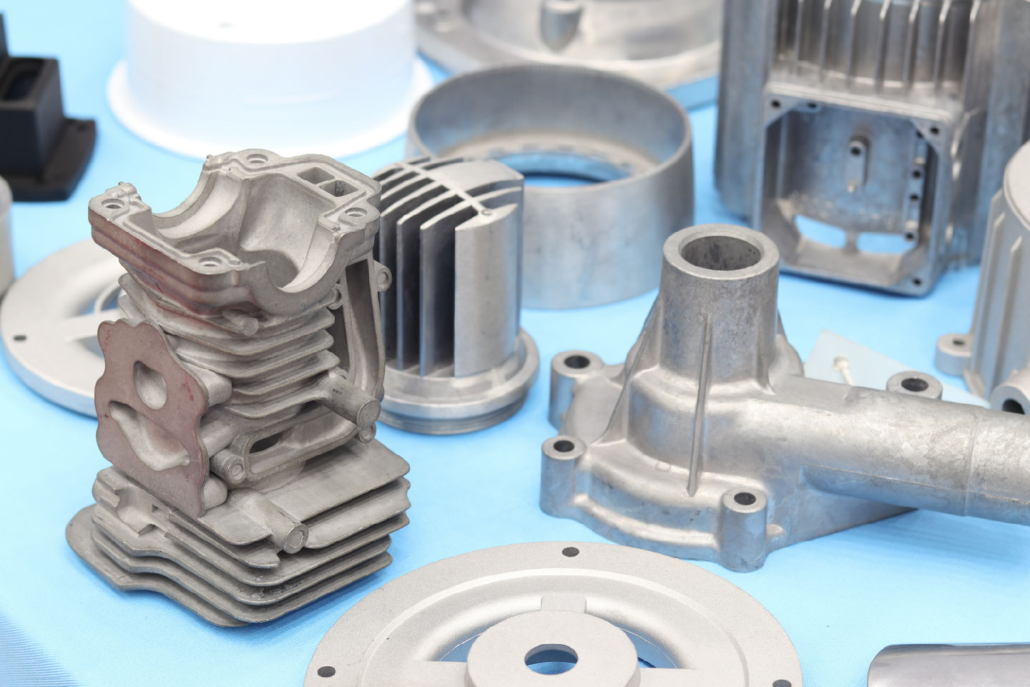
Alloy die casting is essential to the manufacturing industry because it relies heavily on high precision, durable, and cost-effective metal components. In a revolutionary impact on modern manufacturing, this process has made possible the mass production of intricate metal parts to a very high standard of accuracy and consistency. By specialized companies which as alloy die casting companies, in service industries which as automotive, aerospace, electronics, medical, and heavy machines for building tailor resultant metal components in their specific areas of needs. A professional alloy die casting company makes use of the latest technologies and high-quality materials coupled with a strict quality control process to deliver your products that suit industry standards. If choosing the right company matters, you may choose, one way or another, between a truly reliable product that will last for years and a faulty component that will fail early. The article gives you a detailed overview of Alloy die casting, emphasizing its importance, benefits and the most essential factors to consider when choosing the best Alloy die casting company. Alloy die casting knowledge is essential if you’re a manufacturer seeking the manufacture of precisely engineered parts or a business in search of economic manufacturing options. What is Alloy Die Casting? The metal manufacturing process in which molten metal is injected into a mold (die) under high pressure is called alloy die casting. Implementation of this method is widely used for the production of complex shapes with tight tolerances. The common use of various metal alloys, such as aluminium, zinc, and magnesium, in die casting is because of their good strength properties and corrosion resistance. Types of Alloys Used in Die Casting Alloys used in die casting have a great effect on the selections in the process of die casting, it leads directly to the strength and weight, corrosion resistance and overall performance of the final product. Alloys that differ vary by different industries based on their mechanical properties, durability, and the end use necessary to them. The most commonly used alloys in die casting are mentioned below. 1. Aluminum Alloys A good thermal conductivity, combined with corrosion resistance and lightweight strength, means aluminium die casting is preferred by researchers and manufacturers the world over. In industries that require durable and relatively light components, this alloy type is used. Key Features: Applications: 2. Zinc Alloys Since it has high strength, low melting point and excellent precision, zinc is another commonly used alloy in die casting. For manufacturing small, detailed parts it is ideal. Key Features: Applications: 3. Magnesium Alloys Its lightness makes it extremely suitable to be used for industries seeking to cut weight without compromising on strength, hence this metal is named magnesium. Key Features: Applications: 4. Copper-Based Alloys Brass and bronze are examples of copper-based alloys which are high electrical conductors, corrosion resistant, and good wear resistors. Such alloys are used for applications where the electrical and thermal performance have to be superb. Key Features: Applications: Benefits of Working with a Reliable Alloy Die Casting Company The right alloy die company allows you to select high-quality products that follow industry standards. Here are the key benefits: 1. High Precision and Consistency A top die-casting company has good machinery and rigorous quality control measures to produce the dimensions with very few defects. 2. Cost-Effectiveness Die casting is a very efficient process that also reduces the material and energy costs of the final product significantly compared to other metal-forming processes. 3. Customization and Versatility A custom solution-based casting company is a reputable company that provides custom solutions that are based on particular industry necessities and provides different alloy options. 4. Faster Production and Short Lead Times Automated systems are used in modern die-casting companies to increase their speed of production and meet strict deadlines. 5. Durability and Strength Alloy die-cast parts are well known to be very durable, and thus suitable for use under demanding conditions. How to Choose the Best Alloy Die Casting Company When you select a die-casting manufacturer, you should consider the following: 1. Experience and Industry Expertise Check with the company’s track record, if it had experienced years doing alloy die casting, if its attempt in your industry was proven. 2. Quality Certifications and Standards Make sure the business follows the codec of the industry which might be: 3. Advanced Technology and Equipment To maintain accuracy and reduce the need for physical labor, a modern die-casting company will employ such equipment as a CNC machine, vacuum cast, and robotic automation. 4. Material Selection and Customization Have a company with multiple alloy options and customization so you can find the specific design that your company offers. 5. Strong Supply Chain and On-Time Delivery Efficient logistics and speedy delivery of products are brought about by reliable suppliers. 6. Prototyping and Testing Capabilities Very critical is to prototype and with rigorous quality testing (X-ray inspection and tensile strength) on the product. 7. Competitive Pricing Although price must not be the only consideration, a good die-casting firm can offer competitive prices without sacrificing quality. Industries That Rely on Alloy Die Casting 1. Automotive Industry 2. Aerospace Industry 3. Electronics Industry 4. Medical Equipment 5. Consumer Products Challenges in Alloy Die Casting and How Companies Overcome Them Alloy die casting is a well-known manufacturing process, which faces some challenges and that have an impact on quality, cost and sustainability. Innovative solutions are also implemented by leading alloy die-casting companies to overcome these problems resulting in high-quality production, optimized costs as well and minimized impact on the environment. 1. Managing Porosity and Defects Porosity is one of the most common problems encountered in die casting where gas bubbles or shrinkage cavities occur inside the metal. It can also reduce the structural integrity of the part and impact functionality. This would be addressed by manufacturers using the use of vacuum-assisted die casting, entrapping a minimum amount of air and improved metal density. Moreover, the porosity can be reduced by using pressure-tight casting techniques, design of the mold and proper

Sinkkivalu

Sinkkivalun merkitys autoteollisuudessa

alumiinin painevalu, painevaluyritykset, painevaluyritys, Die Casting Valmistaja, painevalun osat, zamak 3 painevalu, Zamak 3 sinkkivalu, zamak 5, zamak 5 painevalu, zamak painevalu, sinkkiseos painevalu, Sinkkivalu

What is Die Casting? Die casting is a metal casting process which is characterized by pressing molten metal into the mold cavity. The mold cavity is made using two hardened tool steel molds that are worked on during processing and work similarly to injection molds. Most die-casting is made from non-ferrous metals, especially zinc, copper, aluminum, magnesium, tin, lead, and tin-based alloys. Depending on the type of metal being thrown, a thermal or cold engine is used. The zinc die casting process is very popular for making parts in building and industrial fields, but the most common application is in the automotive industry. In fact, cars have different parts that can be made through die casting, in such a way that the modern process of die casting was originally started for the automotive industry. With the casting process often no further machining is needed after casting: not only is the accuracy up to 99.8%, but the casted products can also be used raw because they have a pleasant finish. The use of zinc die casting is almost 28% in the automotive industry, followed by the building and hardware sector. Zinc has become one of the most important metals in the auto parts industry, especially for products such as door lock housing, pawl, gears and retractor pulleys in seat belt systems, but also for camshaft and sensor components. By using this metal and its alloys, it is possible to achieve strength, ductility, and flexibility that would not be possible with other materials. In addition, zinc can be the right choice to get high-quality aesthetic components, with tight tolerances that are not possible with other materials, and to get embossing and grooves for mechanical components or gears. Zinc Die Casting Mechanisms in Automotive As said before, the automotive industry is the most common die casting application: using zinc and its alloys makes it possible to produce components that are able to achieve high aesthetic quality, with tight and narrow tolerance for shape morphology. Zinc alloys are also used for coatings because of its many benefits, such as improving the anti-corrosion properties of zinc which are already impressive. Below you can find a number of possible examples of zinc plating: Interior aesthetic section Sunroofs Section Mechanical parts Engine and other underhood components Power steering system Parts and brake system Air conditioning components and systems Chassis hardware Parts in the seat belt system Components of climate control Fuel system Advantages for Zinc Die Casting: An efficient & economical process offering various forms & forms possible. High-Speed ​​Production Dimension Accuracy & Stability Strength & weight Several finishing techniques are available Simple Assembly The Die Casting process began with the use of lead and lead alloys, magnesium and copper alloys which were quickly followed, and in the 1930s, many modern alloys still in use today are available. This process evolved from casting low-pressure injection to modern high-pressure injection of 4,500 pounds per square inch. The modern process is capable of producing high integrity, clean casting forms with excellent surface finishes. Zinc casting alloy is a strong, durable and cost-effective engineering material. Their mechanical properties are competitive and are usually higher than cast aluminum, magnesium, bronze, plastic and most cast iron.

Sinkkivalu

Suotuisa valmistus sinkkivaluprosesseille

alumiinin painevalu, alumiinin painevalu, painevaluyritykset, Sinkkivalu

Painesuihkuvaluprosessia voidaan seurata aina 1800-luvun puoliväliin asti. Komponentteina käytettiin tinaa ja lyijyä, mutta niiden käyttö on kadonnut sinkki- ja alumiiniseosten käyttöönoton myötä. Prosessi on kehittynyt vuosien varrella matalapaineruiskuvalumuotista jopa 4 500 psi:n paineella toimiviin valumuoteihin. Prosessilla voidaan luoda korkealaatuisia tuotteita, joiden loppupinnat ovat erinomaiset. Muottiinvalu on taloudellinen ja tehokas prosessi erilaisten muotojen valmistamiseen. Sitä pidetään muita valmistustekniikoita parempana, sillä se on kestävä ja esteettinen, ja se yhdistyy täydellisesti koneen muihin osiin, jotka ovat osa sitä. Valuvalulla on monia etuja. Näistä tärkein on sen kyky valmistaa monimutkaisia muotoja, joiden toleranssitaso on korkeampi kuin muilla massatuotantomenetelmillä. Tuhansia identtisiä vedoksia voidaan valmistaa ennen kuin uusia muottityökaluja tarvitsee lisätä. Korkeapainevalu on valmistusmenetelmä, jossa sulatettu alumiini ruiskutetaan valukoneella äärimmäisessä paineessa teräkseen tai muotteihin, jotta voidaan valmistaa haluamasi mallin muotoilu- ja yksityiskohtaiset osat. Valu tonnia yleiskiristämällä. Tämä ennätys kuvastaa matriisiin annetun paineen määrää. Moottorin koko vaihtelee 400 tonnista 4000 tonniin. Muottiinvaluprosessin käyttämisessä on monia etuja muihin verrattuna. Muotovalulla saadaan aikaan osia, joiden seinämät ovat ohuemmat, kokorajat ovat kapeammat ja prosesseja voidaan nopeuttaa. Työvoimakustannukset ja viimeistely ovat alhaisimmat noppavalulla. Tämä prosessi helpottaa monimutkaisten muotojen saamista kapeammilla toleransseilla. Toisin kuin väärentämisprosessissa, voit lisätä ytimen tällä prosessilla luotuun tuotteeseen. Muodot, joita ei voida saada sauvoista tai putkista, voidaan helposti saavuttaa valamalla. Toiminnallisten prosessien määrä on pienempi, mikä johtaa jätemateriaalien vähentämiseen. Muottiinvalua käytetään, kun tarvitaan vakaa, mittatarkka ja kestävä komponentti. Ne kestävät kuumuutta ja säilyttävät hyvän toleranssin, mikä on tärkeä edellytys hyvän koneen jokaiselle osalle. Ne ovat vahvempia ja kevyempiä kuin muilla painomenetelmillä valmistettu osa. Sen osia ei hitsata tai ruuvata, mikä lisää huomattavasti sen tehokkuutta. Toinen etu on monet työstömenetelmät, joita voit saada laukaisulla. Pinnat voivat olla sileitä tai kuvioituja, mikä helpottaa soveltamista ja sen käyttöä. Toivottavasti nämä tiedot voivat auttaa sinua ja kiitos, että luit artikkelin sinkkipuristusvalusta.

Mikä on Zamak Sinkki Die Casting osat

painevaluyritys, Die Casting Valmistaja, painevalun osat, painevalutuotteet, Sinkkivalu

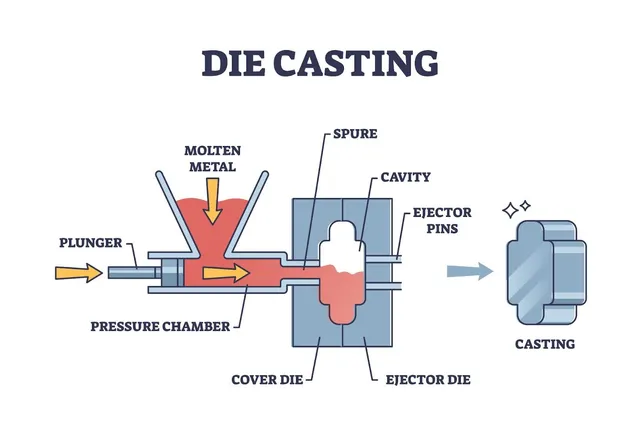
Sinkkipuristusvalu Osat kutsutaan kuumakammiomenetelmäksi. Se on menetelmä, jossa sinkki (zamak) kuumennetaan korkeissa lämpötiloissa ja sula materiaali pakotetaan sinkkivalumuottiin korkeassa paineessa, jotta saadaan aikaan tuote, jonka muoto on samanlainen kuin muotissa. Kun metalli liikkuu muotin läpi, ilma poistuu tuuletusaukkojen kautta. Kun muotti on täynnä, korkeaa painetta ylläpidetään, kunnes se jähmettyy ja muotti irrotetaan, jolloin valmis sinkkivalu vapautuu. Valun jälkeen ei yleensä tarvita muita muutoksia. Sinkkivalun käyttö Sinkki (zamak) tunnetaan suuresta lujuudestaan, tarkkuudestaan, sitkeydestään, valun helppoudestaan, korkeasta lämmön- ja sähkönjohtavuudestaan sekä pitkästä käyttöiästään. Sinkkivalua käytetään korkealaatuisten teollisuus- ja rakennusmateriaalien valmistuksessa. Sinkkivalu sai alkunsa autoteollisuudesta, ja sitä käytetään edelleen laajalti autoteollisuuden komponenttien valmistuksessa. Oven lukkojen kotelo, hihnapyörä ja nokka-akseli ovat joitakin auton osia, jotka valmistetaan sinkkivalusta. Rakennusteollisuudessa sinkkipainevalua hyödynnetään osien, kuten ovenkahvojen, hanojen ja kattorakenteiden valmistuksessa. Toisaalta on olemassa monia sinkkivalukoneiden osia, kuten sähköliittimiä. Sinkkivaluprosessi Sinkkiä valetaan kuumakammiomenetelmällä sen alhaisen sulamislämpötilan vuoksi. Kylmäkammiomenetelmää käytetään valettaessa metalleja, joiden sulamislämpötila on korkea, kuten alumiinia. Sinkin painevaluprosessiin kuuluu metallin valmistaminen, muotin valmistelu ja viimeistely. Se alkaa muotin valmistuksella, jota seuraa metalli. Muottia voidaan käyttää kerran tai useaan kertaan valmistettavasta osasta riippuen. Jos sitä on käytetty aiemmin, se on voideltava valetun metallin irrottamisen helpottamiseksi. Tämän jälkeen ruuvataan ulosheittimen muotin puolikas ja kannen muotin puolikas. Peitemuotin puolikkaassa on ruisku, jonka läpi sula metalli ruiskutetaan, kun taas ulosheittomuotin puolikkaassa on ulosheittotapit valukappaleiden poistamista varten. Muotin valmistusta seuraa ZA- tai ZAMALAK-seoksen sulattaminen uunissa. Seoksen valinta riippuu tuotteen fysikaalisista ominaisuuksista. Metallin kovuuden ja lujuuden vuoksi uunin lämpötila on yleensä hyvin korkea. Metallin hapettuneet osat poistetaan tässä vaiheessa lopputuotteen puhtauden lisäämiseksi. Valmiin seoksen fysikaalisten ominaisuuksien parantamiseksi voidaan lisätä erilaisia kemikaaleja. Kun sula metalli on valmis, se ruiskutetaan syöttöjärjestelmään korkeassa paineessa. Useimmissa järjestelmissä on useita muotteja tehokkuuden ja massatuotannon varmistamiseksi. Korotetulla paineella varmistetaan, että sula sinkkiseos pääsee muottiin mahdollisimman nopeasti, sulaan metalliin ei pääse ilmaa ja että ilma poistuu muotista tuuletusaukkojen kautta. Muotin täytön jälkeen painetta nostetaan edelleen, kunnes sinkkiseosvalu jähmettyy. Prosessiin kuuluu myös jäähdytys veden avulla. Tämän jälkeen molemmat muotit erotetaan toisistaan ja valettu metalli poistetaan. Tämän jälkeen puhdistetaan syöttöjärjestelmä, jotta leimahduksesta päästään eroon. Muita viimeistelyjä voidaan suorittaa tuotteen lopullisen käyttötarkoituksen mukaan. Lopputuotteesta poistettu juoksupala ja leimahdus kierrätetään yleensä.

Alumiinin painevalu

Kiina Die Casting Service

alumiinin painevalu, painevaluyritys, Die Casting Valmistaja, Sinkkivalu

Kapasiteetti täyttää alumiinin, magnesiumin, sinkin ja tyhjiövalun tarpeet. Alumiinin painevalu Laadukkaiden alumiinin painevaluosien tuottaminen kilpailukykyiseen hintaan edellyttää nykyaikaisia painevalulaitteita. Vähentääkseen äärimmäisten jäähdytyslämpötilojen vaikutuksia muottiin CNM TECH on muuttamassa muotin jäähdytysjärjestelmänsä vedestä öljyksi. Öljy pitää yllä lämpimämpää muotin lämpötilaa, mikä edistää tasaisempaa valua ja pidentää muotin käyttöikää, mikä on tärkeä tekijä osien kustannuksissa. CNM TECH Die Casting -yritys mukauttaa robottiohjausta painevalukoneiden toimintaan. Tämä mahdollistaa tuotantonopeuden huomattavan kasvun, mikä on tärkeää sekä kustannusten hallinnan että toimitusvaatimusten täyttämisen kannalta. Se antaa meille myös mahdollisuuden käyttää työntekijöitämme tavalla, jossa heidän taitojaan ja kokemustaan hyödynnetään paremmin. Tuotantokustannusten alentamiseksi CNM TECH Die Casting -valmistaja on kehittänyt ja patentoinut uudet, pienen volyymin energiatehokkaat alumiinisulatusuunit. Koska alumiinia voidaan sulattaa tehokkaasti pieniä määriä, yritys voi toimittaa valukoneisiin samanaikaisesti eri alumiiniseoksia. Valukoneiden ei tarvitse seistä odottamassa, että suuri uuni toimittaa oikean seoksen. Aikatauluja ei rakenneta sen mukaan, mitä seosta uunissa on. Sinkkipainevalu Sinkkipainevalulla on tärkeä rooli sovelluksissa, joissa suuri iskunkestävyys, alhaiset kustannukset ja tiiviit mitoitusrajat ovat tärkeitä suunnittelunäkökohtia. Sinkki mahdollistaa yleensä alumiinia korkeamman tuotantonopeuden, ja osat voidaan suunnitella ohuemmiksi poikkileikkauksiltaan. Tuloksena syntyvät osat ovat erittäin korroosionkestäviä ja niihin voidaan tehdä erilaisia kauniita viimeistelyjä. Korkeat tuotantonopeudet ja tasainen laatu säilyvät painevalukoneilla, joissa on automaattiset ulosvetimet. Tyhjiömuovivalu Monet valun ostajat suosivat tyhjiömuovivalua, koska sen tuloksena on vähemmän huokoinen osa. CNM TECH:n Vert-a-Cast-koneet, joiden puristusvoima on 400 tonnia, pystyvät valmistamaan valukappaleita automaattisesti paljon nopeammin kuin käsikäyttöiset vaakakoneet. Tyhjiövalu, joka on ollut CNM TECH:n ominaisuus jo kymmenen vuoden ajan, on usein ainoa taloudellinen tapa täyttää kriittiset huokoisuusvaatimukset. Muottien huolto, korjaus, muutokset ja korjaukset tehdään nopeasti CNM TECH:n täysin varustetussa työkalupajassa. Seosmateriaalit sulatetaan, fluksataan ja puhdistetaan keskusuunissa ennen niiden siirtämistä painevalulaitteisiin. Jos sinulla on painevalutarve, voit lähettää meille tarjouksen.

Tietoja metallivalupalveluista

alumiinin painevalu, painevaluyritykset, painevalun osat, korkeapainevalu, Magnesiumvalu, Magnesium Die Casting, Sinkkivalu

Metallivalupalveluihin kuuluu vapaasti virtaavien nestemäisten metallien muotoilu muottien, muottien tai mallien avulla. Valut ovat yleensä karkeasti viimeisteltyjä niiden valmistuksen luonteen vuoksi. Monissa tapauksissa tarvitaan lisäkäsittelyä purseiden ja muiden valuprosessista johtuvien artefaktien poistamiseksi. Metallivalupalveluja käytetään monenlaisten komponenttien ja lopputuotteiden suunnitteluun. Kaikkea yksinkertaisista nauloista ja kiinnikkeistä moottorilohkoihin voidaan valmistaa metallivalupalveluiden avulla. Yleisiä metallivaluprosesseja ovat muun muassa hiekkavalu, painevalu, kestomuotti- ja tarkkuusvalu, investointivalu, sentrifugivalu ja hukkavaahtovalu. Hiekkavalu Hiekkavalua käytetään suurten osien valmistukseen (tyypillisesti rauta, mutta myös pronssi, messinki ja alumiini). Sulaa metallia kaadetaan hiekasta (luonnon tai synteettisestä) muodostettuun muottipesään. Hiekkavalukappaleiden pinta on yleensä karkea, ja joskus niissä on pinnan epäpuhtauksia ja pinnan vaihteluita. Muottiinvalu sisältää useita prosesseja, joissa käytetään uudelleenkäytettäviä muotteja tai muotteja valun valmistamiseen. Muotti sisältää valmiin tuotteen jäljen sekä sen juoksu-, syöttö- ja tuuletusjärjestelmät. Muotti kykenee säännölliseen kiertoon ja (nopeaan) lämpöhäviämiseen siihen valetun metallin lämmöstä. Kun nestemäinen metalli on jäähtynyt riittävästi, muotti avataan ja valukappale voidaan poistaa ja viimeistellä. Kestomuottivalu Kestomuottivalussa sula metalli valetaan valurautamuottiin, jotka on päällystetty keraamisella muotinpesuaineella. Ytimet voivat olla metallia, hiekkaa, hiekkakuorta tai muita materiaaleja. Kun valu on valmis, muotit avataan ja valukappaleet poistetaan. Sijoitevalupalveluissa mallit muotoillaan ruiskuttamalla erikoisvahaa metallimuottiin. Mallit kootaan rykelmäksi vahan juoksutusjärjestelmän ympärille. Tämän jälkeen mallien ‘puu’ päällystetään 8-10 kerroksella tulenkestävää materiaalia. Kokoonpano kuumennetaan vahan poistamiseksi. Kuuma muotti valetaan, ja kun se on jäähtynyt, muottimateriaali poistetaan iskemällä, tärisyttämällä, hiekkapuhaltamalla, korkeapainevesipuhaltamalla tai kemiallisella liuottamisella, jolloin jäljelle jäävät valukappaleet, jotka sitten poistetaan juoksuputkijärjestelmästä. Keskipakovalut Keskipakovalupalveluja käytetään sylinterinmuotoisten valukappaleiden valmistukseen. Keskipakovalussa kestomuotti pyörii akselinsa ympäri suurella nopeudella, kun sulaa metallia valetaan. Sula metalli heitetään keskipakoisvoimalla kohti muotin sisäseinämää, jossa se jähmettyy. Valu on yleensä hienorakeista valua, jonka ulkohalkaisija on hyvin hienorakeinen ja joka kestää ilmakehän aiheuttamaa korroosiota, mikä on tyypillinen tarve putkien kohdalla. Sisähalkaisijassa on enemmän epäpuhtauksia ja sulkeumia, jotka voidaan työstää pois. Menetetty vaahtovalu Menetetty vaahtovalu (LFC) on metallivalupalvelu, jossa käytetään vaahtotäytteisiä malleja valukappaleiden valmistukseen. Vaahto ruiskutetaan malliin, jolloin kaikki alueet täyttyvät, eikä onteloita jää. Kun sulaa metallia ruiskutetaan malliin, vaahto palaa pois, jolloin valukappale pääsee muotoutumaan. Muotti- ja metallivalu Muotti- ja metallivalu käsittää useita prosesseja, joissa käytetään uudelleenkäytettäviä muotteja tai muotteja valukappaleiden valmistamiseen. Muotti kykenee säännölliseen sykliin ja (nopeasti) haihduttamaan siihen valetun metallin lämmön. Kun nestemäinen metalli on jäähtynyt riittävästi, muotti tai avataan ja valukappale voidaan poistaa ja viimeistellä. Muottiinvaluprosessissa sula metalli ruiskutetaan paineen alaisena uudelleenkäytettävään muottiin tai muottiin. Muotti sisältää valukappaleen jäljen sekä sen juoksu-, syöttö- ja tuuletusjärjestelmät. Muotti kykenee säännölliseen kiertoon ja (nopeaan) lämpöhäviöön, joka syntyy siihen valetusta metallista. Kun nestemäinen metalli on jäähtynyt riittävästi, muotti tai avataan ja metallivalu voidaan poistaa ja viimeistellä. korkeapainevalu Korkeapainevalu Korkeapainevaluprosessi on yleisimmin käytetty, ja sen osuus kaikesta kevytmetallivalutuotannosta on noin 50%. Matalapainevalun osuus tuotannosta on tällä hetkellä noin 20%, ja sen käyttö lisääntyy. Matalapaine- ja painovoimavalumuottien suunnittelu parantaa muotin täyttöä, optimoi jähmettymiskuvion ja tuottaa mahdollisimman suuren tuoton. Painovoimavalu soveltuu massatuotantoon ja täysin koneelliseen valuun. Matalapainevalu soveltuu erityisesti sellaisten komponenttien valmistukseen, jotka ovat symmetrisiä pyörimisakselin suhteen. Kevyet autojen pyörät valmistetaan yleensä tällä tekniikalla. Muotovalumetallit voivat vaihdella suuresti, ja eri painevaluyrityksillä voi olla kyky työskennellä minkä tahansa tai joidenkin metallien kanssa. Joitakin yleisimpiä metallien valutyyppejä ovat alumiinin painevalu, messingin painevalu, lyijyn painevalu (suosituin mallien painevalussa), magnesiumin painevalu ja sinkin painevalu. Toivottavasti kaikki nämä tiedot riittävät viitteeksi, mutta jos haluat lisätietoja, voit ottaa meihin yhteyttä puhelimitse tai sähköpostitse.

korkeapaine painevalu osa

Mikä on painevalu

painevalu

What is die casting Die casting is a manufacturing process for producing accurately dimension, sharply defined, smooth or textured-surface metal parts. It is accomplished by forcing molten metal under high pressure into reusable metal dies. The process is often described as the shortest distance between raw material and finished product. The term, “die casting,” is also used to describe the finished part. The term “gravity die casting” refers to castings made in metal molds under a gravity head. It is known as permanent mold casting in the U.S.A. and Canada. What we call “die casting” here is known as “high pressure die casting” in Europe. How are die castings produced First, a steel mold capable of producing tens of thousands of castings in rapid succession must be made in at least two sections to permit removal of castings. These sections are mounted securely in a machine and are arranged so that one is stationary (fixed die half) while the other is moveable (injector die half). To begin the casting cycle, the two die halves are clamped tightly together by the die casting machine. Molten metal is injected into the die cavity where it solidifies quickly. The die halves are drawn apart and the casting is ejected. Die casting dies can be simple or complex, having moveable slides, cores, or other sections depending on the complexity of the casting. The complete cycle of the die casting process is by far the fastest known for producing precise non-ferrous metal parts. This is in marked contrast to sand casting which requires a new sand mold for each casting. While the permanent mold process uses iron or steel molds instead of sand, it is considerably slower, and not as precise as die casting. Types of machines for die casting Regardless of the type of machine used, it is essential that die halves, cores and/or other moveable sections be securely locked in place during the casting cycle. Generally, the clamping force of the machine is governed by (a) the projected surface area of the casting (measured at the die parting line) and (b) the pressure used to inject metal into the die. Most machines use toggle type mechanisms actuated by hydraulic cylinders (sometimes air pressure) to achieve locking. Others use direct acting hydraulic pressure. Safety interlock systems are used to prevent the die from opening during the casting cycles. Die casting machines, large or small, very fundamentally only in the method used to inject molten metal into the die. These are classified and described as either hot or cold chamber die casting machines. Hot Chamber die casting machines Hot chamber machines (Fig.1) are used primarily for zinc, and low melting point alloys which do not readily attack and erode metal pots, cylinders and plungers. Advanced technology and development of new, higher temperature materials have extended the use of this equipment for magnesium alloy die casting. Figure 1: Hot Chamber Machine. Diagram illustrates the plunger mechanism which is submerged in molten metal. Modern machines are hydraulically operated and equipped with automatic cycling controls and safety devices. In the hot chamber machine, the injection mechanism is immersed in molten metal in a furnace attached to the machine. As the plunger is raised, a port opens allowing molten metal to fill the cylinder. As the plunger moves downward sealing the port, it forces molten metal through the gooseneck and nozzle into the die. After the metal has solidified, the plunger is withdrawn, the die opens, and the resulting casting is ejected. Hot chamber machines are rapid in operation. Cycle times vary from less than one second for small components weighing less than one ounce to thirty seconds for a casting of several pounds. Dies are filled quickly (normally between five and forty milliseconds) and metal is injected at high pressures (1,500 to over 4,500 psi). Nevertheless, modern technology gives close control over these values, thus producing castings with fine detail, close tolerances and high strength. Cold Chamber die casting machines Cold chamber machines (Fig. 2) differ from hot chamber machines primarily in one respect; the injection plunger and cylinder are not submerged in molten metal. The molten metal is poured into a “cold chamber” through a port or pouring slot by a hand or automatic ladle. A hydraulically operated plunger, advancing forward, seals the port forcing the metal into the locked die at high pressures. Injection pressures range from 3,000 to over 10,000 psi for both aluminum and magnesium alloys, and from 6,000 to over 15,000 psi for copper base alloys. Figure 2: Cold Chamber Machine. Diagram illustrates die, cold chamber and horizontal ram or plunger (in charging position). Die casting provides complex shapes within closer tolerances than many other mass production processes. In a cold chamber machine, more molten metal is poured into the chamber that is needed to fill the die cavity. This helps sustain sufficient pressure to pack the cavity solidly with casting alloy. Excess metal is ejected along with the casting and is part of the complete shot. Operation of a “cold chamber” machine is a little slower than a “hot chamber” machine because of the ladling operation. A cold chamber machine is used for high melting point die casting alloys because plunger and cylinder assemblies are less subject to attack since they are not submerged in molten metal. Die casting and their construction Die casting dies (Fig. 3) are made of alloy tool steels in at least two sections called fixed die half and ejector die half. The fixed die half is mounted on the side toward the molten metal injection system. The ejector die half, to which the die casting adheres, and from which it is ejected when the die is opened, is mounted on the moveable platen of the machine. The fixed die half of the die is designed to contain the sprue hole through which molten metal enters the die. The ejector half usually contains the runners (passageways) and gates (inlets) which route molten metal to the cavity (or cavities) of the die. The ejector

Selaa alkuun

Pyydä tarjous