Tavanomaiset valmistusvirheet korkeapainevalussa: Casting Casting: Syyt, ennaltaehkäisy ja ratkaisut: Syyt, ennaltaehkäisy ja ratkaisut

alumiinivalu, painevalu, korkeapainevalu

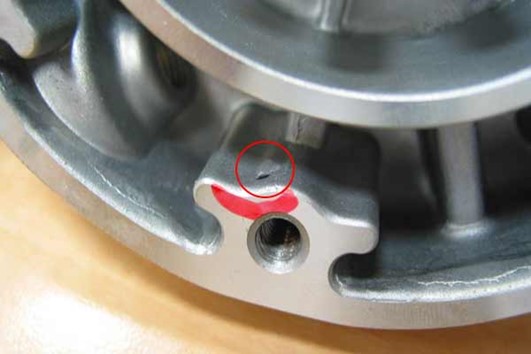
High-pressure die Casting (HPDC) is one of the most frequently utilized metal casting processes in current manufacturing. Manufacturers choose HPDC because it enables the production of complex metal parts that achieve both high precision and rapid production rates superior dimensional accuracy and smooth finishes. HPDC enables automotive and aerospace industries and the production of electronics components and consumer goods to manufacture lightweight durable parts for applications like engines and housings, structural elements, and mechanical assemblies. The manufacturing process of high-pressure die casting faces numerous risks that create substantial defects that decrease product quality while shortening the lifespan and compromising performance. Various defects form from improper mold design, turbulent molten metal flow, trapped gases, inconsistent cooling rates, and thermal stress during the production process. HPDC technology encounters seven primary defects which include porosity, cold shuts, shrinkage defects, flash formation, surface defects, misruns, die erosion, and soldering. These types of manufacturing defects cause deterioration of material strength while producing irregular dimensions and undesirable visual effects which can instigate component breakdown. Manufacturers combat production problems through the optimization of processing parameters and better-undermining methods along with controlled temperature systems and vacuum-assisted casting procedures. Real-time monitoring and simulation software are advanced quality control methods with further efficiency and reliability in the die-casting process. This article provides a comprehensive analysis of standard manufacturing issues during high-pressure die-casting technology with explanations of root causes and solution strategies to decrease these defects. It is only by understanding these challenges and applying best practices that manufacturers can improve the quality, longevity, and, of course, the performance of their die-cast components and simultaneously cut down on waste, and production costs. Proficiency in these manufacturing defects will assist die-casting engineers, production managers, and quality control specialists to optimize their processes for the best die-casting outcomes. 1. Porosity Porosity is defined by small holes or gas inclusions found within the metal matrix, and as a result, affects the mechanical properties, decreasing the strength, including allowing for air and gasses to pass through the structure, and leading to visible surface defects in die-casted products. Causes: Prevention & Solutions: 2. Cold Shut A cold shut is created when two streams of molten metal do not fuse properly and form weak bonding areas or visible seams in the casting. This defect not only decreases the mechanical strength but also increases the risk of a fracture, as well as negatively affects the component’s durability and appearance. Causes: Prevention & Solutions: 3. Shrinkage Defects Shrinkage defects occur due to shrinkage of metal during cooling which leads to internal voids or cavities, which deteriorate the structural integrity of casting. As a result, these defects reduce the mechanical strength of the final product, cause potential failure under stress, and cause poor surface quality, thus affecting both the functionality and aesthetics of the final products. Causes: Prevention & Solutions: 4. Flash Formation Excess thin metal layers formed at the parting line or die gap due to high-pressure metal escape are referred to as flash. Although flash can be trimmed off post-casting, over-flash leads to increased material waste, tool wear, and associated production costs and thus reduces the overall efficiency of the die-casting process. Causes: Prevention & Solutions: 5. Inspection of Surface Defects (Blisters, Crack and Wrinkles) A variety of surface defects, blisters, cracks, and wrinkles, degrade the visual appearance and mechanical strength of the casting and need to be prevented and eliminated. It causes weld defects that reduce the durability of the product, increase the rejection rate, and make the product stick poorly after post-casting treatments such as painting or coating. Causes: Prevention & Solutions: 6. Inclusions and Contamination Unwanted foreign particles, such as slag, oxide films, dirt, or other impurities, which are trapped in a final casting, create poor mechanical properties, weak structural integrity, and surface defects and are called inclusions. The presence of these contaminants can reduce die-cast component performance and durability so that they are not suitable for high-precision applications. Causes: Prevention & Solutions: 7. Misruns and Incomplete Fill A misrun occurs where there is a short filling of the mold cavity, which causes missing sections, thin walls, and weak points in the final component. Negative effects on the structural integrity and functionality of the part and in this way unsuitable for performance applications. Causes: Prevention & Solutions: 8. Die Erosion and Wear Molten erosion dies wear is the loss of the mold surfaces due to the high-speed metal continuously wearing the mold part surfaces until the required dimensions are achieved, which results in poor surface finish and short mold tool life. If this defect occurs, die replacement is common and consequently, production costs increase while casting quality varies. Causes: Prevention & Solutions: 9. Hot Cracking Cracks that occur during the semi-solid state of the metal, is due to high thermal stress and excessive shrinkage are known as hot cracking. These cracks degrade the mechanical integrity of the casting that is increase the chance of failure of the casting at the place where the cracks are present under stress or load. Causes: Prevention & Solutions: 10. Soldering The molten metal adheres to the die surface, which is difficult to remove with casting, causing surface defects, die wear as well as prolonged production downtime. Dimensional inaccuracies and poor surface finish are also caused by this defect, as it results in the overall compromised quality of the final product. Causes: Prevention & Solutions: Conclusion The high-pressure die casting is a powerful manufacturing process that creates complex metal parts at high accuracy at maximum efficiency. However, different kinds of defects arise using improper process parameters, material issues, and/or mold design flaws. Manufacturers can take preventive measures, e.g. optimal process control mold, properly selected material, etc., after understanding these usual manufacturing defects. A company can improve product quality, lower production costs, and achieve higher production efficiency in die-casting operations by emphasizing continuous process improvement as well as defect prevention strategies. Frequently Asked Questions (FAQs) 1. What are the major reasons for defects in high-pressure die casting? The main causes
Oikean metalliseosvalimoyrityksen valinta: Täydellinen opas

Oikean metalliseosvalimoyrityksen valinta: Täydellinen opas

alumiinin painevalu, painevaluyritykset

Alloy die casting is essential to the manufacturing industry because it relies heavily on high precision, durable, and cost-effective metal components. In a revolutionary impact on modern manufacturing, this process has made possible the mass production of intricate metal parts to a very high standard of accuracy and consistency. By specialized companies which as alloy die casting companies, in service industries which as automotive, aerospace, electronics, medical, and heavy machines for building tailor resultant metal components in their specific areas of needs. A professional alloy die casting company makes use of the latest technologies and high-quality materials coupled with a strict quality control process to deliver your products that suit industry standards. If choosing the right company matters, you may choose, one way or another, between a truly reliable product that will last for years and a faulty component that will fail early. The article gives you a detailed overview of Alloy die casting, emphasizing its importance, benefits and the most essential factors to consider when choosing the best Alloy die casting company. Alloy die casting knowledge is essential if you’re a manufacturer seeking the manufacture of precisely engineered parts or a business in search of economic manufacturing options. What is Alloy Die Casting? The metal manufacturing process in which molten metal is injected into a mold (die) under high pressure is called alloy die casting. Implementation of this method is widely used for the production of complex shapes with tight tolerances. The common use of various metal alloys, such as aluminium, zinc, and magnesium, in die casting is because of their good strength properties and corrosion resistance. Types of Alloys Used in Die Casting Alloys used in die casting have a great effect on the selections in the process of die casting, it leads directly to the strength and weight, corrosion resistance and overall performance of the final product. Alloys that differ vary by different industries based on their mechanical properties, durability, and the end use necessary to them. The most commonly used alloys in die casting are mentioned below. 1. Aluminum Alloys A good thermal conductivity, combined with corrosion resistance and lightweight strength, means aluminium die casting is preferred by researchers and manufacturers the world over. In industries that require durable and relatively light components, this alloy type is used. Key Features: Applications: 2. Zinc Alloys Since it has high strength, low melting point and excellent precision, zinc is another commonly used alloy in die casting. For manufacturing small, detailed parts it is ideal. Key Features: Applications: 3. Magnesium Alloys Its lightness makes it extremely suitable to be used for industries seeking to cut weight without compromising on strength, hence this metal is named magnesium. Key Features: Applications: 4. Copper-Based Alloys Brass and bronze are examples of copper-based alloys which are high electrical conductors, corrosion resistant, and good wear resistors. Such alloys are used for applications where the electrical and thermal performance have to be superb. Key Features: Applications: Benefits of Working with a Reliable Alloy Die Casting Company The right alloy die company allows you to select high-quality products that follow industry standards. Here are the key benefits: 1. High Precision and Consistency A top die-casting company has good machinery and rigorous quality control measures to produce the dimensions with very few defects. 2. Cost-Effectiveness Die casting is a very efficient process that also reduces the material and energy costs of the final product significantly compared to other metal-forming processes. 3. Customization and Versatility A custom solution-based casting company is a reputable company that provides custom solutions that are based on particular industry necessities and provides different alloy options. 4. Faster Production and Short Lead Times Automated systems are used in modern die-casting companies to increase their speed of production and meet strict deadlines. 5. Durability and Strength Alloy die-cast parts are well known to be very durable, and thus suitable for use under demanding conditions. How to Choose the Best Alloy Die Casting Company When you select a die-casting manufacturer, you should consider the following: 1. Experience and Industry Expertise Check with the company’s track record, if it had experienced years doing alloy die casting, if its attempt in your industry was proven. 2. Quality Certifications and Standards Make sure the business follows the codec of the industry which might be: 3. Advanced Technology and Equipment To maintain accuracy and reduce the need for physical labor, a modern die-casting company will employ such equipment as a CNC machine, vacuum cast, and robotic automation. 4. Material Selection and Customization Have a company with multiple alloy options and customization so you can find the specific design that your company offers. 5. Strong Supply Chain and On-Time Delivery Efficient logistics and speedy delivery of products are brought about by reliable suppliers. 6. Prototyping and Testing Capabilities Very critical is to prototype and with rigorous quality testing (X-ray inspection and tensile strength) on the product. 7. Competitive Pricing Although price must not be the only consideration, a good die-casting firm can offer competitive prices without sacrificing quality. Industries That Rely on Alloy Die Casting 1. Automotive Industry 2. Aerospace Industry 3. Electronics Industry 4. Medical Equipment 5. Consumer Products Challenges in Alloy Die Casting and How Companies Overcome Them Alloy die casting is a well-known manufacturing process, which faces some challenges and that have an impact on quality, cost and sustainability. Innovative solutions are also implemented by leading alloy die-casting companies to overcome these problems resulting in high-quality production, optimized costs as well and minimized impact on the environment. 1. Managing Porosity and Defects Porosity is one of the most common problems encountered in die casting where gas bubbles or shrinkage cavities occur inside the metal. It can also reduce the structural integrity of the part and impact functionality. This would be addressed by manufacturers using the use of vacuum-assisted die casting, entrapping a minimum amount of air and improved metal density. Moreover, the porosity can be reduced by using pressure-tight casting techniques, design of the mold and proper

Die Casting Supplier: Prosessi, sovellukset ja tärkeimmät näkökohdat

Die Casting Supplier: Prosessi, sovellukset ja tärkeimmät näkökohdat

Die Casting Valmistaja, painevaluprosessi

It is one of the widely used metal manufacturing processes, and it is highly efficient: producing high precision, durable, and complex components for many Industries. It injects molten metal, like aluminium, Zinc, or magnesium, inside of a steel mold (die) at very high pressure. It provides uniformity, internal strength and smashing surface finishes making it the right choice for use in automotive, aerospace, electronics, medical equipment, as well as consumer goods. A die-casting supplier is a very important company for the manufacture of high-quality parts that satisfy the industry requirements. They are suppliers, who are especially involved in designing, manufacturing and finishing the components or parts utilizing metal with strict tolerances and intricate geometries. Choosing the right supplier matters a lot for the success of any die-casting project as a good supplier should possess adequate expertise, state-of-the-art technology, and a history of successfully delivering precise and low-cost parts.Die casting is efficient in mass production and produces lightweight, yet strong parts, and as a result, the demand for die casting is increasing worldwide. Examples include reducing the weight of a vehicle, and enhancing fuel efficiency, through the use of die-cast aluminum and magnesium components in the automotive industry. In the same way, the electronics industry employs die casting to make heat sinks, enclosures and structural parts that are prone to high durability and electrical conductivity. When looking for a die-casting supplier, one should consider not only manufacturing capabilities but, more importantly, their quality control process, material expertise, and anything that may be left up to the supplier, such as machining, coating, and finishing. This provides a well-established supplier, therefore, reducing lead times, minimal defects and cost-effective production.  In this article, the die-casting process, materials used, the applications, advantages and important considerations of choosing a die-casting supplier are covered. Metal parts required to meet industrial applications need high performance and a reliable supplier fulfils this criterion for both small-batch production and large-scale production. The Die Casting Process: Step-by-Step Guide 1. Mold Preparation Mold (die) preparation and design accompany the initial step of this process. The two-part steel dies consist of a stationary cover die section and the movable ejector die section. Applied lubrication helps the molded flow metallic material smoothly while stopping the material from clinging. 2. Molten Metal Injection The chosen metals aluminum and zinc along with magnesium undergo high-temperature melting. Due to high pressure between 1,500 to 25,000 psi the molten metal enters the mold cavity. High injection pressure produces both accurate and even parts with low levels of flaws. 3. Cooling and Solidification The molten metal quickly reaches solid form during this process when forming parts to their designated shape. The components achieve superior high-strength properties because of the fast cooling process. 4. Ejection of the Part After metal solidification, the mold opens while ejector pins extract the completed part from its chamber. One mold cycle ends when it closes before starting another round of production. 5. Trimming and Finishing Machinists remove all undesirable remnants including flash and both sprees and runners from the part. The component requires supplementary finishing actions which involve sandblasting together with powder coating and anodizing operations to develop superior looks alongside functionality. Differences between Hot Chamber and Cold Chamber die-casting The die-casting process operates in either hot chamber die-casting or cold chamber die-casting formats. The main difference exists in how molten metal receives treatment before mould injection during these two techniques. The two methods differ in specific strengths together with restrictions which make them suitable for particular materials and production needs. The following section provides an elaborate comparison between hot chamber die-casting systems along cold chamber die-casting systems. 1. Process Overview Hot Chamber Die Casting • It requires a built-in furnace, which keeps the metal in a molten state. • Injection system is immersed in the molten metal, sucking it through the injection of a center and supplying it to the mold cavity. • The process is faster since there is no need to convey the metal from an independent melting station as in other processes. Cold Chamber Die Casting • Utilizes an external furnace for heating the metal to produce the required change in its state. • The molten metal is either ladled manually or automatically into the injection system and then it is injected into the mold. • The process is slower than the hot chamber one because the extra step of transferring molten metal takes time. 2. Suitable Metals Hot Chamber Die Casting • Like metals that melt below this temperature such as those that are not suitable to erode the injection system. • Common raw materials include: zinc, magnesium, lead and tin. Cold Chamber Die Casting • Applied to work with metals that have high a melting point which tends to deform the hot chamber system. • Common materials: aluminum, brass, copper, and magnesium alloys. 3. Production Speed Hot Chamber Die Casting • Higher speed of operations normally ranging between 5 to 15 operation cycles per minute. • The direct metal feed helps in avoiding the use of the ladling process in the making of the product. Cold Chamber Die Casting • Some of the disadvantages are the slow cycle times because of manual or fully automated metal transfer. • Other factors may take longer in the cooling and solidification process in this case with some of the alloys. 4. Equipment Durability Hot Chamber Die Casting • The submerged injection system has short service life since it deals with low-melting-point metals. • Longer equipment lifespan with proper maintenance. Cold Chamber Die Casting • Wear and tear increases with the rise in high temperatures especially in the case of aluminum and copper alloys. • Furniture and equipment may last for a shorter time and, therefore, may need constant replacement and maintenance. 5. Cost and Efficiency Hot Chamber Die Casting • High production since the time taken to complete a production cycle is short. • Lower operational costs because of integrated metal handling. Cold Chamber Die Casting • Increased energy costs by

Die Cast Tooling: Tarkkuusvalmistuksen kulmakivi

Die Cast Tooling: Tarkkuusvalmistuksen kulmakivi

alumiinivalu

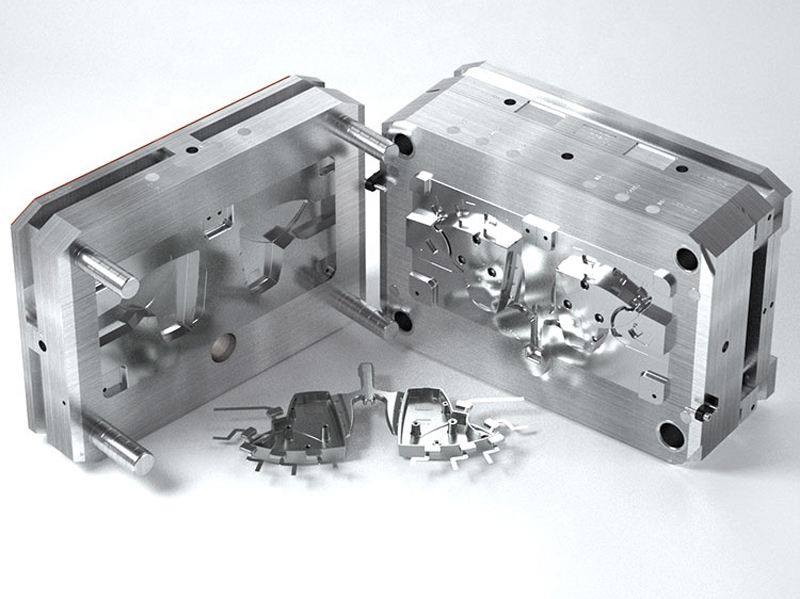
Since the modern manufacturing world is surrounded by die-cast tooling, it is no wonder that die-cast tooling has become a critical step in manufacturing precise and reliable metal components. Whether it be automotive parts or consumer electronics, the aim is that the products are of the highest quality standards as regards durability, function, and appearance. It is this comprehensive guide of every part of die-cast tooling from the types to its advantages and disadvantages to the applications that you will find extremely helpful if you are fully into manufacturing.Although the cost of producing parts out of die-cast tooling is higher initially, on the other hand, it provides you with reduced material waste, faster production cycle time, and being ability to make complex designs with very little post-processing if any at all. Not only did advances in cooling systems and more efficient substitution parts like replacement inserts, surface coatings, and the like increase efficiency and durability but also less worn grids and better purge for the electrical system helped. What is Die Cast Tooling? Die-casting tooling means the tools and processes for die-cast tooling. These dies (molds) also shape molten metal into complex and accurate components under high pressure. The engineering of advanced die-cast tooling requires materials and meticulous design practice, as well as advanced engineering skills to facilitate the production of consistently produced defect-free parts.First, metal (usually aluminium, zinc, or magnesium) is melted and passed under high pressure into the die. The quality of the final product is dependent on the precision of the tooling, and that is why die-cast tooling is vital to industrial manufacturing. Components of Die Cast Tooling The process of die casting is a precision manufacturing process that greatly relies on the array of tools needed to produce high-quality metal parts. The combination of these tools is such that they are accurate, durable and efficient. The most common tools used in die casting are listed below. 1. Dies (Molds) The most critical tool in the process is the die, also called the mold. It consists of two halves: •             The cover die; stays stationary and aligned to the injection system. •             If it is an ejector Die, it moves to release the solidified casting. Hardened steel is used to make dies to withstand extreme pressures and high temperatures. They set what dimensions they will build, the complexity the final product will have and how precise it will be.  2. Cavity Inserts The internal shape of the die is formed by cavity inserts to create the intricate ones. Because of this, these inserts are replaceable, facilitating changing the die for different components without having to fabricate a new tool. 3. Core Pins To manufacture internal holes, slots, or intricate recesses, an internal feature is created with a core pin. To get the finished product or product of the finest quality possible, they are necessary. 4. Ejector Pins The completed casting is removed from the die cavity without damaging it by ejector pins. These pins are used for the ejection system, given for smooth and easy part removal. 5. Cooling Channels The die includes cooling channels to allow for regulating the respective temperature during casting. Because uniform cooling avoids defects like warping, cracking, or shrinkage, it also provides for constant quality. 6. Vents and Overflow Wells Trapped air is released from vents when molten metal is injected into the die and overflow wells are used to collect excess material. The final product is free of voids or air pockets, and both tools lend to that. 7. Trim Dies Trim dies are specialized tools to remove excess material i.e. flash from castings. Clean edges and accurate dimensions for the final product are assured because they promise it. 8. Lubrication Systems The die is lubricated with some aqueous lubricants to minimize wear, reduce friction, and also facilitate the removal of the part. Lubrication in its proper form improves die lifespan, prevents die shutoff and ensures smooth casting operations. 9. Shot Sleeves  Guides to the injection system are shot sleeves that guide the molten metal to the die cavity. The way they are designed to handle extreme heat and pressure means they work to smooth metal flow. 10. Sprayers Release agents are coated in the die using sprayers to prevent the molten metal from sticking to the die and making part removal easier. In order words, these tools work together to deliver consistent parts, high quality and without defects – indispensable for industries such as automotive, aerospace, electronics, etc. Types of Die Cast Tooling From die-cast tooling, there is nothing one size fits all. Depending on production requirements, various types of tooling are designed. Single-Cavity Tooling: This type of tooling produces one part per cycle. A low-volume production or prototyping system will suit. Multi-Cavity Tooling: Multi-cavity tooling enables the simultaneous production of multiple identical parts improving production efficiency. For high volume manufacturing it is very commonly used. Family Tooling: The entire tooling method is innovative, it produces many different parts in one cycle. It is particularly appropriate when assembling components that are to be manufactured together. Unit Die Tooling: Modular unit dies can substitute insert types or portions of the dies without redrawing the entire die. This reduces costs and downtime. Trim Dies: They are used to get rid of excess material (flash) from the finished part, making sure that the finished part meets the exact specifications. Benefits of Die-Cast Tooling Nowadays, die-cast tooling is indispensable because of its many advantages: Precision and Accuracy: High dimensional accuracy is achieved of course with die casting, part production with relatively tight tolerances, and intricate designs. Durability: These tools are from hard steel and are well capable of withstanding the rigours of high-pressure casting and increased use. Efficiency: The process gives a quick, economical way to produce identical parts without much scrap and is thus economical for large-scale production. Design Flexibility: With die-cast tooling, there are complex shapes, thin walls, and intricate details that are not possible under other manufacturing methods. Material Savings:

Jauhemaalattu alumiini: Alumiinialumiinista: Kaikki mitä sinun tarvitsee tietää!

alumiinivalu

Aluminum Powder Coating provides parts with strong protection against corrosion and durability. It is perfect for both residential and commercial-scale projects.  The coating process makes it possible for manufacturers to arrive at reliability and longevity results. Powder coating improves the look of the parts/products, as well as their performance in different situations. Further, it does not wear out easily, peel, or rust. This makes it appropriate for use in areas where it comes into contact with the elements. This is largely due to the flexibility that is associated with powder coated aluminum in different uses. In many potentials, it merges fashion and the necessity to serve as a utility object in various contexts. What is the Aluminium Powder Coating Process? Aluminum powder coating is a process of applying a smooth and tough layer. It is relatively effective and takes several important phases for surface preparation for implementing the coating and curing of the applied coating material for maximizing durability. In the subsequent sections, let’s discuss its detailed process in a few steps:  1. Surface preparation: To appropriately apply powder coat aluminum​, it’s crucial to clean the aluminum surface prior. You can use abrasive blasting and can go with chemical cleaning to rid the surface of oils, grease, dirt, or oxidation. The preparation is imperative. Because all the contaminants can benefit from the adhesive characteristic aluminum powder coated parts. 2. Electrostatic Powder Application: After cleaning, and drying the material, the appropriate powder coating is applied. Operators apply an electrostatic gun to create an electrical discharge using a fine and dry powder on the aluminum surface. The particles of the powder are charged to enable them to cling to the aluminum. So, that the even distribution will give a uniform end to the surface. 3. Final Curing in a High Temperature: After applying the powder the aluminum piece is taken to a curing oven. Here, the fine/accomplishment powder melts and goes into the surface to be coated. While it hardens to form a surface of the coat. Temperature and time are the two most important factors in deciding how hard the coating is and how smooth the surface is after the coating cures. 4. Cooling and Quality inspection: Imperfections that may have occurred after the process. The final product obtained after curing is required to be checked for high quality before it is brought to the market. So, overall from start to end, every stage in the process plays a vital role in establishing a long-lasting, eye-catching layer to the aluminum. In addition, it helps it fight corrosion, scratches, and degradation. Therefore,  powder coated aluminum is suitable for use in different fields, be it in households, outdoors such as in decks and patio sets, or marine industries. Powder Coat Aluminum: What Benefits It Brings For Manufacturers Aluminum powder coating has numerous advantages for manufacturers other than enhancing appearance and performance. It can be highlighted that this type of heating is effective, durable, and very flexible. Now let me highlight the major advantages of the aluminum coat process. 1. Durability and Corrosion Protection: The powder coat used is made of aluminum hence providing a hard-wearing surface layer. This layer is more scratch-resistant, chip-resistant, and abrasion-resistant than any other normal paint. But it does not last for decades! This material also has high performances under different climates and water which leads to corrosion and fading respectively. 2. Eco-Friendly and Safe:  As for the liquid coatings, they contain liquid, solvent, and volatile hazardous components while in the powder coating, there is no one of them. Second, it produces little pollution and does not emit/release toxic gases. Further, the process lessens the blow of harming the environment, thereby the process is relatively safe for the workers handling it. 3. Customizable Finishes: Being a good conductor of heat, powder coat aluminum allows for a wide variety of colors and textures for consumers. No matter whether you like shiny, satin, or perhaps even trowel finish, powder coating provides the latter. Additionally, the coating can be adjusted to meet specific design needs or brand specifications. 4. Cost-Effective Solution: Aluminum is a popular material that can be powder coated at a relatively low rate of cost for large-scale jobs. It is fast, needs less retouching, and has a longer life span compared to the general paints. All these features make it easy to maintain and long lasting for instance ideal for commercial and residential use. What Are The Drawbacks of Powder Coated Aluminum: Although powder coating aluminum has its benefits it also has some demerits. Both options should be considered before concluding. Here are some of the usual ones: 1. Restricted Repair Possibility: The first limitation that comes alongside powder coating is the number of ways to repair a coated surface is relatively small. In general, if the coating is damaged, or says scratched, it is difficult to repair it without making it quite noticeable. The problem with paint is that you cannot go and spot-paint a small area without the texture and color looking different. 2. Initial Cost and Equipment: Another disadvantage involves the major initial cost of powder coating equipment. High-speed electrostatic guns and curing ovens are necessary. However, these tend to incur costlier compared to simple painting methods, especially for moderate or small-scale painting. 3. Complexity Of Surface Preparation: Surface preparation is a critical factor in the application of powder coatings. If the aluminum surface is not well cleaned and prepared well the coating will not stick well to the aluminum surface. The preliminary make-ups took more, and therefore more tiresome and thus took a lot of time to complete the task. 4. Suitable for Some Uses: Aluminum powder coating is only suitable for use on aluminum alloys. However, it may not be beneficial for any other types of material, and complex pattern to be used in the construction of the screen. At very detailed or small parts, the process may not work as intended and often needs further steps. What Does Powder Coating Mean for

alumiiniseos painevalutuotteet

Alumiiniseos Die Casting 101

alumiinivalu

Aluminum alloy die casting is a die casting process that is a widely used process in manufacturing that involves producing accurate and intricate parts of metal with efficiency. In this case, we can list metals that have a variety of applications due to their capacity to be very strong and light simultaneously. Besides this, we can list that practically corrosion-resistant, i.e., aluminum alloys are particularly popular with car manufacturing. This article also looks into such areas as processes, properties, challenges, and applications of aluminum alloy die casting. We will get deep insights into its complete process, types, and differences from other processes. What is Die Casting? It is a manufacturing process that utilizes high pressure to force a molten metal to fill a mold cavity. It also allows the generation of excellent models with near-net shaping, accurate dimensions surface finish, and complicated shapes. Different Types of Die Casting Die-casting has many types. Let’s discuss these types in detail; 1. Hot Chamber Die Casting It is mostly suitable for zinc and magnesium alloys. This process takes submergence of the injection system in the molten metal to facilitate rapid casting. It is ideal for use in a large production but unadapted for utilization in high-melting-point alloys. you can go to zinc die casting to know more detail 2. Cold Chamber Die Casting It is a best fit for metals such as aluminum and brass having high melting points. Here we transfer the molten into a cold chamber and then inject it into the mold. It saves on the heat hazard to the equipment but has longer operating cycles. Got aluminum die casting services page to know more about this process. 3. Low-Pressure Die Casting The low-pressure die casting use with Used with aluminum and magnesium alloys. It causes minimal porosity but good structural quality. Besides this, it is time-consuming but suitable for creating the stronger part of the product. 4. High-Pressure Die Casting (HPDC) Common in aluminum, zinc, and magnesium alloys. Here we inject the molten metal at very high pressure into complicated shapes and fine surface textures. So, it is highly suitable for applications that need parts with large production quantities, and areas with large cross-sections may be porous. Go to high pressure die casting page to know more detail. 5. Gravity Die Casting Standing pressure is used to cast molten metal into a mold thus yielding strong and low porosity objects. It is used in production lines where we need to produce less number of parts at a time but it is comparatively slower than pressure-based processes. 7. Squeeze Die Casting Here we make semi-finished products by the pressure forging method where molten metal is high pressure and can also prevent casting porosity. This is suitable for the structure of a part; however, it has a higher cost and slow cycle time. Define Aluminum Alloy die casting Aluminum alloy die casting is a process in which molten aluminum alloy materials are forced under pressure into molds or dies. So, it can form the desired shape and a very smooth surface finish. It is employed in component manufacturing with complicated shapes that require high strength, stiffness, and low density integrated with good surface finish and accurate dimensions. The aluminum alloy has all the favorable characteristics of high corrosion and heat transfer coefficients and hardness-to-weight ratio. One of the benefits of this process is that die casting is suitable for large-scale production processes. Selecting the Right Material for Aluminium alloy Die Casting Materials used are very vital in the aluminum alloy die-casting business since they determine the efficiency, quality, reliability, and cost of the final product. Properly chosen alloys ensure: Aluminum alloys in die casting Die-casting aluminum alloys are common to many industries because these materials possess qualities that are desirable in dies such as lightweight, high strength, and corrosion resistance. Alloy Key Properties Applications Values A380 Strong, corrosion-resistant Engine blocks, housings Strength: 320 MPa A383 Crack-resistant, castable Electronics, thin parts Strength: 290 MPa A360 Corrosion-resistant, durable Marine, aerospace Strength: 330 MPa ADC12 Castable, corrosion-resistant Automotive, machinery Strength: 310 MPa AlSi9Cu3 Strong, wear-resistant Structural components Strength: 250–280 MPa Complete Process for Aluminum Alloy Die Casting Aluminum die casting entails the formation of elaborate and accurate first parts by the application of pressure on molten aluminum alloys. Below are the key stages: 1. Mold Preparation 2. Melting and Alloy Selection The aluminum alloys are brazed at a temperature of about 660 centigrade (1220 Fahrenheit) in a furnace. This aluminum is then kept at a relatively constant temperature to retain the material properties of the metal. 3. Injection When high pressure is used, it ensures that the molten aluminum flows right to the small crevices resulting in excellent finishes. 4. Cooling and Solidification It is the process during which the obtained molten aluminum cools and solidifies inside the given mold. Cooling minimizes defects such as shrinkage or warping that are brought about by dryness in the cast iron. 5. Ejection Finally when the casting is fully formed its mold is ejected from the casting using the ejector pins. The mold is then ready for the next cycle of use with the Epicor software. 6. Trimming and Finishing If necessary, runners, gates, and flash are removed from the casting leaving only the necessary shape and form of the object. Some of the operations include giving the required surface finishes such as sandblasting, polishing, or coating. Die Casting Aluminum Alloy Properties So, let’s discuss some of the important mechanical, chemical, and thermal properties of Aluminum alloy Diecasting; I. Mechanical Properties These may include; II. Thermal Properties The following are some thermal properties of diecasting aluminum alloy; III. Chemical Resistance: These are generally; These characteristics make aluminum alloys a premium material for die casting whose products are effective in different sectors. Design Guide for Aluminum Alloy Die Casting Design guide and material selection, both features play an important role in aluminum diecasting. So, let’s discuss the design guide properly; Design Factor Guideline Reasoning Wall Thickness Keep

alumiinin painevaluyritykset

Top 10 alumiini Die Casting yritykset Kiinassa ja Yhdysvalloissa

painevaluyritykset

Are you looking for Top Aluminum Die Casting Companies in the world’s industrial powerhouses? The USA and China have become significant participants in global aluminum die-casting services over decades by offering an array of services to fulfill precision-demanding sectors. Like in any business field, the project’s success usually depends on the partner you select. The most reputable, experienced die-cast companies always guarantee high-end products formulations, and satisfied outcomes. Due to diverse aluminum die-casting companies in the USA and China, it sometimes becomes challenging to figure out the right partner for your business. Don’t fret— We will compare the leading 10 Aluminum Die Casting Companies in China & USA in this article. 1. Sincere Tech Co., Ltd. Year Established: Over 15 years Core Business Capabilities: Plastic molding, aluminum, magnesium, and zinc die casting molds/tooling, machining, surface finishing, and Prodcut assembly services. Address: Building 1, No. 30 Huan Zhen Rd, Shang Dong Village, Qi Shi Town, Dongguan City, Guangdong Province, China, P.C.: 523000 Website: www.plasticmold.net Company Overview: Sincere Tech Co., Ltd. is a the leading aluminum die casting and mold facotry in China that is located in Dongguan, China. It mainly focuses on the highly precise plastic injection mold, aluminum die-casting mold, magnesium, and zinc die-casting, and plastic molding. Originally founded over 15 years ago, the company has grown to develop exceptional tooling and die-casting capabilities for a broad range of industries. Established with modern technology and experienced staff, Sincere Tech provides precise products that conform to modern industry standards. For clients in the computer peripheral industry that need die-cast parts and/or plastic injection parts, Sincere Tech can handle design, manufacturing, assembly, and other related services to provide the best quality and lowest cost through one-stop-shopping. Key Services Their Commitment to Quality: Sincere Tech’s team makes sure every product they develop conforms to the high-quality standards of the sphere. They entail sound quality control measures that encompass each stage of product development, including design and physical prototyping, assembly included. The firm employs an automated system and also incorporates manual checks on the products to notice any flaws during the production process. As highlighted, Sincere Tech is an ISO-certified company that helps validate the firm’s anvil on credible and long-lasting products. Industries Served: Sincere Tech serves a diverse range of industries, including: Why Choose Sincere Tech? Sincere Tech is your comprehensive solution provider for Aluminum die-cast part solutions. They have been in the business for over 15 years, and provide custom services such as design, prototyping, tooling, production, and assembly. The company presents its solutions at a lower price while preserving the highest quality level. It also provides good quotes and fast turnaround time for small and large complex projects whether you are planning for a few prototypes or 1000s of production parts. If you are looking for aluminum die casting companies in China that could offer you product design and development, product assembly, aluminum die casting and plastic injection molding, then they will be one of your best options. 2. GC Precision Mold – One of Aluminum Die Casting Companies in China Year Established: 2005Core Business Capabilities: Aluminum die casting (ADC12, A380, AL 6061, 6063 die casting), zinc die casting, precision CNC machining, and assembly.Address: Dongguan City Qiaotou Town, Jinglian No.40, Donghu Road, Guangdong Province, China.Website: www.thediecasting.com Company Introduction: GC Precision Mold is ranked among the large B2B Aluminum China Die Casting Companies. It was established in 1999. The company provides services such as aluminum, magnesium, and zinc-casting services to different industries across the globe. Besides general die casting, they also offer surpassed precision CNC machining, surface finishing as well and assembling services. By employing contemporary means and skilled professionals, GC Precision Mold offers its customers standard-quality products. They produce intricate engineering part and tolerance and with Six Sigma Surface Finish. The company ensures that its clients will obtain solutions including the design processes up to fabrication of the intended parts down to the final assembly of the particular molds, which fits the specific figures to the last detail. Their Commitment to Quality: GC Precision Mold manufactures products that always follow rigorous quality standards like ISO 9001:2015. It dictates high-quality products for its clientele. The company has a comprehensive quality control procedure which guarantees the products meet the set standard and are acceptable to the market. Industries Served: GC Precision Mold serves a wide range of industries, including: Why Choose GC Precision Mold? GC Precision Mold employs modern technology with skilled manpower to ensure a satisfied customer experience. Whether a client needs high-volume production or prototype service, GC Precision Mold provides the best on-demand high-quality service on a constrained budget. If you are looking for accurate aluminum die-casting solutions in China you can trust GC Precision mold. Feel free to request an instant online quote! If you are looking for aluminum die casting companies in China that could offer you 6061 and 6063 high pressure die casting, product assembly and plastic injection molding, then they will be one of your best options. 3. CNM Casting Year Established: Over 20 years Core Business Capabilities: Aluminum, magnesium, and zinc die casting, precision CNC machining, surface finishing, and assembly. Address: Room 101, No. 40, Donghu Road, Jinglian, Qiaotou Town, Dongguan City, Guangdong Province, China, P.C.: 523520 Website: www.thediecasting.com Company Introduction: CNM Tech Co., Ltd. was founded over 20 years ago. The company is located in Dongguan, China, and provides a wide set of die-casting services that involve aluminum, magnesium, as well as zinc alloys. They also make complicated castings and precise casting with the industrial application of automobile, electronics, aerospace, and home electric appliances. CNM Tech aims to deliver forth-durable, and highly complicated parts with fine features and spacial dimensions chiefly attributable to the ultra-modern equipment and human resource capital at its disposal. They serve customers who require modest quantities of prototypes as well as clients who require sizable production batches at inexpensive rates without compromising the quality. Another critical aspect of CNM Tech is close cooperation with the customer, as well as the

painevalun osat

Zamak 3:n ja Zamak 5:n seosten väliset erot

zamak 3, zamak 5

Zamak alloys used commonly in die casting have attractive characteristics which include versatility, strength, and durability. Of all the Zinc die-casting alloys, Zamak3 and Zamak5 are the most prevalent due to their special characteristics and the versatility of the application areas. To avoid compromising its functions, it is important for manufacturers and engineers who make choices to learn and distinguish the various qualities of those alloys. This guide discusses all the differences and similarities between Zamak 3 and Zamak 5 as well as their use in multiple settings and their capabilities. What is Zamak? Zamak, a term that is an acronym for Zinc, Aluminum, Magnesium, and Kupfer, (original German for copper), denotes a group of zinc-based alloys widely used for die casting. Some of the properties that make these alloys desirable is; polished appearance, precise dimension, and high corrosion resistance. The Zamak type of alloy varies depending on the proportion of aluminum, magnesium, and copper it contains. The two common forms are Zamak 3 and Zamak 5, which have Different settings of parameters for different industries. Chemical Composition of Zamak 3 and Zamak 5 This is because the performance of Zamak 3 and Zamak 5 depends on the chemical composition. These two alloys contain major proportions of zinc but they differ in secondary elements which result in different properties. Element Zamak 3 Composition (%) Zamak 5 Composition (%)   Zinc (Zn) ~96 ~95.5 Aluminum (Al) ~3.9 ~3.9 Magnesium (Mg) ~0.04 ~0.04 Copper (Cu) 0 ~0.75 Key Differences Zamak 3 lacks copper, giving it slightly better corrosion resistance in specific environments. Zamak 5 contains about 0.75% copper, enhancing its strength and hardness. Mechanical Properties Comparison It is for this reason that Zamak 3 and Zamak 5 have some variations of the mechanical properties, which are a result of the differences in their formulation. This affects their usage as well as working efficiency under different circumstances. Table: Mechanical Properties of Zamak 3 vs. Zamak 5 Property Zamak 3 Zamak 5   Density (g/cm³) 6.6 6.7 Yield Strength (Mpa) 220 250 Elongation (%) 10 7 Hardness (Brinell) 82 90 Impact Strength (J) Higher than Zamak 5 Lower than Zamak 3 Analysis Strength: Zamak 5 has higher tensile and yield strength, making it more robust for demanding applications. Ductility: Zamak 3 exhibits better elongation and impact resistance, suitable for parts requiring flexibility. Hardness: Zamak 5’s higher hardness ensures better wear resistance. Applications of Zamak 3 and Zamak 5 die casting products Namely, the properties of Zamak 3 and Zamak 5 make them suitable for particular uses. Zamak 3 casting Applications Consumer Goods: Commonly seen on die-cast end products such as car door handles, zippers, and other small ornamental parts. Electronics: Zamak 3 die casting parts can also maintain a more stable dimension than other die-cast alloys, especially for housing or enclosure applications. Toys: Otherwise known for its good surface finish and easy-to-machine material, many die cast toys made with zamak 3 die casting process Zamak 5 die casting Applications Automotive Industry: Owing to high strength, Zamak 5 alloy die casting parts are used in the structural and functional parts of a variety of apparatus. Hardware: Writing instrument parts – zinc die casting hinges, brackets, locks, benefit from its increased hardness. Industrial Equipment: Zamak 5 die casting parts are the choice for all the zinc alloy parts experiencing high stresses. Table: Applications by Industry Industry Zamak 3 die casting   Zamak 5 die casting Consumer Goods Small decorative items Heavy-duty functional parts Automotive Low-stress interior parts High-stress structural parts Electronics Precision housings Heat-resistant components Advantages and Limitations Advantages of Zamak 3 die casting products Cost-Effective: Lower material cost compared to Zamak 5 alloys. Corrosion Resistance: Excellent in environments where copper would accelerate corrosion. Ease of Casting: Offers better fluidity during zinc die casting manufacturing process. Advantages of Zamak 5 die casting products Strength and Hardness: Higher mechanical strength and wear resistance. Durability: Better suited for high-stress applications. Surface Treatment: Enhanced suitability for plating and finishing. Limitations Zamak 3:      Maintenance of limited power when required to operate under high stress conditions. Zamak 5: This is another reason for a slightly lower corrosion resistance at higher concentrations of                                        copper present in the alloy. Die Casting Zamak 3 vs. Die Casting Zamak 5                Die casting is a process of forcing a metal at high pressure into a mold cavity. Both die-casting Zamak 3 and die-casting Zamak 5 excel in producing intricate shapes with tight tolerances, but there are notable differences: Parameter Die Casting Zamak 3 Die Casting Zamak 5 Fluidity Superior Slightly lower Shrinkage Minimal Slightly higher Casting Temperature Lower (~380°C) Slightly higher (~385°C) Machinability Excellent Good Die Casting Process Overview  Key Considerations: Ease of Use: Zamak 3 die casting also has drawing advantages over the other because of its comparatively lower casting temperature and better fluidity. Stress Tolerance: Therefore, Zamak 5 die casting can be used in an application with robust parts and components. Choosing the Right Alloy Factors to Consider Application Requirements: For applications that need high dimensional stability, corrosion resistance, and low-stress bearing: the Zamak 3 alloy material should be used. When selecting for strength and hardness choose Zamak 5 alloy for parts that require high levels of durability, and lower stress tolerance. Cost: It is observed that Zamak 3 alloy is slightly cheaper than Zamak 5 alloy. Environment: Zamak 3 may do better in corrosive circumstances because of a lack of copper in the alloy. Decision Table: Zamak 3 vs. Zamak 5 Requirement Recommended Alloy   High strength Zamak 5 alloy Cost efficiency Zamak 3 alloy Corrosion resistance Zamak 3 alloy Wear resistance Zamak 5 alloy Practical Use Cases for Zamak 3 and Zamak 5 Thus, we will investigate how adopted scenarios of Zamak 3 and Zamak 5 work in practice. This will also make clear to them the benefits and the nature of their applicability to certain functions. Zamak 3 in Practice  Electronics Industry: Zamak 3 die casting is used predominantly for applications in

sinkki painevalu valmistaja Kiinassa

Parhaat 11 Sinkki Die Casting yritykset Kiinassa ja Yhdysvalloissa

painevalun osat, Sinkkivalu

Jos sinulla on metalliseosvaluosia, jotka vaativat laadukasta pintakäsittelyä, kuten kiillotusta, pinnoitusta tai elektronista pinnoitusta, sinun kannattaa valita sinkkivaluosat. Sinkki- tai zamak-merkkistä painevalua käytetään usein juuri koristeosien, rakennustarvikkeiden, ovi- ja ikkunatarvikkeiden, ovisaranoiden, painevalettujen mallien ja muiden vastaavien seosvalutuotteiden valmistuksessa. Tämän artikkelin tarkoituksena on esitellä sinulle lyhyesti 11 parasta sinkkipainevaluyritystä Kiinassa ja Yhdysvalloissa sekä niiden valukyky ja kilpailuedut. Tätä silmällä pitäen tarkastellaan tässä laajassa oppaassa muutamia tunnetuimpia yrityksiä. 1. Dongguan Sincere Tech Co., Ltd Dongguan Sincere Tech Co., Ltd on muottien valmistaja ja sinkkipainevaluyritys, joka sijaitsee Kiinassa. Laadukkaat ruiskuvalumuotit ovat yrityksen erikoisuus. Se tarjoaa alumiinin, sinkin ja magnesiumin painevalumuotteja sekä tarkkuutta muovin valuun sekä valuun. Tarjotut palvelut on tarkoitettu autoteollisuudelle, lääketieteelle ja muille aloille. Asiakkaat saavat tarkkuutta, luotettavuutta ja kilpailukykyisiä maksuja kaikista tarjotuista projekteista. Laadukkaiden koneiden ja laitteiden käyttö tarkoittaa, että tuotos on laadukas ja poikkeamat ovat minimaalisia. Jokaisen projektin valvonta jätetään ammattitaitoisten ammattilaisten käsiin, jotta varmistetaan, että korkeita standardeja noudatetaan. Yritys on saavuttanut maineen yhtenä johtavista yrityksistä, koska kansainväliset asiakkaat luottavat Dongguan Sincere Techin menestykseen. Tarjotut palvelut Dongguan Sincere Tech tarjoaa asiakkaille laajan valikoiman tuotekehitysratkaisuja. Se ulottuu suunnitteluprosessista prototyyppien luomiseen, tuotannonsuunnittelusta varsinaiseen massavalmistukseen. Siksi muottien luomis- ja työkalupalveluiden katsotaan sisältävän korkean tarkkuuden lopputuotteen kokoonpanon, testauksen ja pakkauksen. Yrityksellä on valtavasti kokemusta painevalusta ja muovivalusta. Jokainen liike suoritetaan tarkasti ja selkeästi. Yritys varmistaa, että sen tuotteet ovat alan standardien ja arvojen mukaisia. Nopeat läpimenoajat ja hyvät tulokset taataan. Miksi valita Dongguan Sincere Tech? Laatu, tarkkuus ja luotettavuus ovat Dongguan Sincere Tech -yrityksen keskeisiä arvoja. Laadunvarmistustoimenpiteet, joita sovelletaan suurimmalla mahdollisella tasolla, varmistavat tuotteen korkean laadun ja standardit. Erilaisten tuotteiden tuotannossa käytetään korkealaatuisia raaka-aineita. Valmistusprosessien hienostuneisuutta käytetään parempaan kestävyyteen. Jokaiselle asiakkaalle tarjotaan suorituskykyisiä ja edullisia palveluja. Tarkkuus ja kestävyys ovat tuotteen suunnittelun tärkeimpiä näkökohtia. Ammattilaiset saavat parhaan mahdollisen tyytyväisyyden asiakkaille tarjoamiinsa palveluihin sekä valmistamiinsa tuotteisiin. Jos etsit luotettavia ja edullisia muotteja, Sincere Tech on yritys, jota kannattaa tarkastella. Jos etsit muovin ruiskuvalua, tuotteiden kokoonpanopalveluja Kiinassa ja sinkkivaluyrityksiä Kiinassa, olet tervetullut ottamaan heihin yhteyttä hinnan saamiseksi. 2. GC Precision Mold Co., Ltd. GC Precision Mold Co., Ltd. on johtava sinkkipuristusvaluyritys Kiinassa, jolla on laaja kokemus yli kahden vuosikymmenen ajalta. Se on perustettu vuonna 1999, ja se harjoittaa pääasiassa alumiinin, sinkin ja magnesiumin painevalua. Lisäksi se tarjoaa palveluja muovivaluun, CNC-koneistukseen ja pintakäsittelyyn. GC Precision Mould työskentelee talouden eri sektoreilla, kuten auto-, elektroniikka- ja terveydenhuoltoalalla. Yrityksellä on maine tehokkaasta tuotantolinjastaan. Sen kehittyneet koneet ovat 120 tonnista 1650 tonniin. Yrityksen tarjoamiin palveluihin kuuluvat painovoimavalu, korkeapainevalu ja hiekkavalu. Ne suunnittelevat ja kehittävät erityishuomion kohteena olevia muotteja. Tarkkuus ja laatu varmistetaan jokaisessa projektissa maksimitasolle. GC Precision Mould myy tuotteitaan kansainvälisillä markkinoilla, erityisesti Pohjois-Amerikassa ja Euroopassa. Nämä yritykset tarjoavat tehokkaan ja kätevän toimituksen ja kuljetuksen asiakkailleen eri puolilla maailmaa. Tämän ansiosta ne ovat saaneet kansainvälisen standardisoimisjärjestön (ISO) 9001-laatusertifikaatin. Yritys toimittaa räätälöityjä ratkaisuja asiakkaan kysynnän mukaan, mikä tuo lisäarvoa. Tarjotut ydinpalvelut GC Precision Mould Co., Ltd. tarjoaa laajan valikoiman palveluja: Muotinvalu: Materiaaleina käytetään alumiinia, magnesiumia, sinkkiä ja muita räätälöityjä seoksia. Muovin ruiskupuristus: Korkean tarkkuuden muottivalu erilaisilla pintakäsittelyillä. CNC-työstö: CNC-sorvaus ja komponenttien valmistus suurella tarkkuudella. Pintakäsittely: Anodisointi, jauhemaalaus, maalaus ja kromipinnoitus. Räätälöity painevalutyökalujen valmistus: Laitteet vaikeisiin painevalu- ja valusovelluksiin. Niiden painevalupalvelut on suunnattu auto-, elektroniikka- ja kuluttajatuoteteollisuudelle. He käyttävät jokaisessa projektissa nykyaikaisia työkaluja ja tekniikoita, mikä mahdollistaa korkeimman tuotantotason saavuttamisen. Ne täyttävät asiakkaiden erilaiset tarpeet, sillä valmistuksessa käytettävien koneiden kyky valmistaa osia on jopa 50 kg:n painoisia. Miksi valita GC Precision Mould Co. Ltd? GC Precision Mould on luotettava sinkkipainopalvelujen toimittaja. Ne tarjoavat vakaita ja kohtuuhintaisia palveluja, jotka perustuvat niiden monivuotiseen kokemukseen. Yritys korostaa ja takaa nopean vasteajan ja toimii kohtuullisella budjetilla. GC Precision Mold tarjoaa täyden asiakastuen siitä lähtien, kun projekti aloitetaan. Yritys takaa asiakkailleen tyytyväisyyden aina painevalusta ja CNC-koneistuksesta muovivaluun. G.C Precision Mold Co., Ltd. keskittyy jatkuvaan innovointiin. Se tekee aina parhaansa kehittääkseen tuotantojärjestelmiään ja -tekniikoitaan. Yrityksellä on ISO 9001 -sertifikaatti, ja se noudattaa tuotteissaan tiukkoja kansainvälisiä standardeja. Ne vastaavat sekä pieniin että suuriin tuotantotarpeisiin palveluntarjonnan osalta. Jos etsit muovin ruiskuvalua, CNC-koneistusta, pintakäsittelyä, kuten anodisointia, elektronista muovailua, 6063- tai 6061-korkeapainevalua ja sinkkivalun valmistajia Kiinassa, olet tervetullut ottamaan yhteyttä heihin hintaan. 3. CNM Casting CNM TECH on kehittynyt teollinen sinkki painevalu yritys perustuu Kiinassa, CNM valu yritys on pääasiassa mukana tarkkuus painevalu

Cnc-työstö

Titaanin työstö

Metallien työstö osat

Titaani oli aikoinaan materiaali, jota käytettiin vain muutamissa valikoiduissa liikkeissä ja johon keskivertokoneistaja koski harvoin, mutta nyt sitä käytetään paljon useammin, ja monet koneistajat ovat käyttäneet sitä uransa aikana. Titaanin työstö ei ole samanlaista kuin teollisuudessa tavanomaisten materiaalien, kuten alumiinin ja teräksen, työstö. Niiden valtavien voittojen vuoksi yhä useammat liikkeet alkavat kuitenkin osoittaa kiinnostusta näihin töihin. Tässä artikkelissa käsittelemme menestyksekkäitä käytäntöjä titaanin cnc-koneistuksessa, sopivien leikkuutyökalujen valintaa ja asioita, jotka koneistajien on otettava huomioon. wanto know more about other machining process, please go to Manufacturer of Turned Components page. Titaanin työstö: CNC-työstö titaanilla on monimutkainen prosessi sen lujuuden vuoksi, minkä vuoksi se soveltuu vaativimpiin sovelluksiin, mutta on samalla vaikea työstää. On tärkeää ymmärtää koneistusprosessin yksityiskohdat, jotta saadaan paras lopputulos ja pidennetään työkalun käyttöikää. Leikkaustyökalujen valinta Titaanin työstö edellyttää leikkaustyökalujen harkintaa. Koska titaani kestää kuumuutta ja on kovaa, on ratkaisevan tärkeää valita työkalut, jotka kestävät näitä ominaisuuksia. Pinnoitetut pikaterästyökalut, joissa on volframia, hiiltä ja vanadiinia, ovat sopivia, koska ne säilyttävät kovuutensa jopa 600 °C:n lämpötiloissa. Nämä työkalut mahdollistavat paremman leikkauksen ja vähentävät lohkeilevien reunojen mahdollisuutta, mikä parantaa työstöprosesseja. Työkalupinnoitteiden merkitys Leikkaustyökalujen pinnoitteilla on merkitystä, ja oikeanlaisen pinnoitteen käyttö parantaa leikkaustyökalujen suorituskykyä titaanin työstön aikana. Pinnoitteet, kuten titaanialumiininitridi (TiAlN), vähentävät lämmöntuottoa luomalla alumiini-oksidikerroksen työkalun pinnalle. Tämä kerros minimoi lämmön johtumista ja kemiallista vuorovaikutusta työkalun ja työkappaleen välillä, mikä lisää työkalun käyttöikää ja lastunpoistoa. Vakauden varmistaminen koneistuksessa Vakauden varmistaminen titaanin työstön aikana on elintärkeää tärinän vähentämiseksi ja leikkaustarkkuuden lisäämiseksi. Titaanin joustavuuden ja suurten voimien vuoksi esiintyy todennäköisesti lohkeilua, joka vaikuttaa haitallisesti työstetyn pinnan laatuun. Työskentele jättimäisemmän ydinhalkaisijan omaavilla päätyjyrsimillä vakauden parantamiseksi ja mahdollisimman lyhyen etäisyyden varmistamiseksi karan nokan ja työkalun kärjen välillä. Käyttämällä tasaisia työstösyöttöjä ja -nopeuksia vähennetään myös työkalun lämpö- ja rasituskovettumista, jolloin työkalun toimivuus ja kestävyys säilyvät. Kiipeilyjyrsinnän edut Kiipeilyjyrsinnällä on useita etuja, kun sitä käytetään titaanin asiakaskohtaisessa työstössä. Nousujyrsinnässä lastun paksuus alkaa leveämmästä ja pienenee vähitellen, kun taas laskujyrsinnässä on päinvastoin. Tämä auttaa parantamaan lämmön siirtymistä lastuihin eikä työkappaleeseen, mikä minimoi lämpörasituksen ja työkalujen kulumisen. Kiipeilyjyrsintä tehostaa leikkausta ja lastun kunnollista poistumista jyrsimen takaa, mikä parantaa koneistuksen ja pintakäsittelyn tehokkuutta. Näiden strategioiden tuntemus on ratkaisevan tärkeää titaanin työstön onnistumisen kannalta. Näin ollen oikeiden työkalujen, sopivien pinnoitteiden, vakauden ja asianmukaisen jyrsintästrategian valitseminen antaa koneistajille mahdollisuuden saada titaanikomponenteista halutut mitat ja tehokkuus teollisuuden vaatimusten mukaisesti. CNC-työstössä käytettävät yleiset laadut Keskustellaanpa joistakin yleisistä laaduista, joita tyypillisesti käytetään titaanin CNC-työstössä. Luokka 1: Kaupallisesti puhdas titaani, joka sisältää enintään 0,3% happea. Joitakin yleisimpiä tyyppejä ovat luokan 1 titaani, jolla on korkea sitkeys ja alhainen happipitoisuus. Sillä on hyvä työstettävyys, korkea iskunkestävyys ja korkea korroosionkestävyys, ja sitä käytetään lääketieteellisessä teollisuudessa, autoteollisuudessa ja ilmailu- ja avaruusteollisuudessa. Luokan 1 titaanilla on kuitenkin joitakin haittoja: sen lujuus on alhaisempi kuin muiden titaanilaatujen, eikä sitä näin ollen voida käyttää alueilla, joihin kohdistuu rasitusta. Luokka 2 (kaupallisesti puhdas titaani, joka sisältää vakiomäärän happea) Toista titaaniluokkaa kutsutaan myös työlaji-titaaniksi, koska se sisältää keskimäärin happea, on erittäin korroosionkestävää, muovattavaa, hitsattavaa ja sitkeää. Sitä käytetään laajalti lääketieteellisessä teollisuudessa ja ilmailu- ja avaruusteollisuudessa, erityisesti lentokoneiden moottorien osissa, koska sen mekaanisten ominaisuuksien ansiosta se kestää käytetyt olosuhteet. Luokka 3 (puhdas titaani, jossa on kohtalainen määrä happea) Luokan 3 titaanilla katsotaan olevan kohtalaiset mekaaniset ominaisuudet, kuten korroosio, työstettävyys ja lujuus. Sitä ei käytetä kaupallisissa sovelluksissa yhtä yleisesti kuin luokkia 1 ja 2. Sitä käytetään kuitenkin lääketieteellisessä, merenkulku- ja ilmailu- ja avaruusteollisuudessa, jossa vaaditaan osien ja kokoonpanojen tasaista suorituskykyä. Luokka 4 (puhdas titaani, jossa on korkea happipitoisuus) Luokan 4 titaani on yksi tehokkaimmista ja kemiallisesti vakaimmista materiaaleista cnc-titaanin työstöön. sitä arvostetaan sen kyvystä työskennellä vaativissa ympäristöissä. Sillä on kuitenkin korkea happipitoisuus, mikä tekee siitä melko vaikeasti työstettävän. Se käyttää paljon jäähdytysnestettä ja sen syöttönopeus on suuri koneistuksen aikana. Tätä laatua käytetään kryogeenisissä säiliöissä, kemikaalien käsittelylaitteissa ja lentokoneen runko-osissa, joissa suuri lujuus ja sitkeys ovat välttämättömiä. Luokka 5 (Ti6Al4V) Ti6Al4V on alfa-beeta-titaaniseos, jossa on 6% Al ja 4% V; tällä materiaalilla on hyvät mekaaniset ominaisuudet, kuten korkea lujuus, kohtuullinen muovattavuus ja hyvä korroosionkestävyys. Sitä käytetään voimalaitoksissa, offshore-alustoilla, laivoissa ja laivojen osissa, lujat ilmailu- ja avaruustuotteissa ja niin edelleen. Luokan 5 titaania käytetään kaikilla aloilla, joilla tarvitaan korkeaa suorituskykyä erilaisissa ympäristöolosuhteissa. Luokka 6 (Ti 5Al-2,5Sn) Luokan 6 titaaniseoksella on hyvä stabiilisuus ja korkea lujuus, ja se voidaan liittää nopeasti, erityisesti korkeissa käyttölämpötiloissa. Tämän vuoksi se soveltuu erinomaisesti käytettäväksi lentokoneiden rungoissa, suihkumoottoreissa ja muissa ilmailu- ja avaruusalan osissa ja komponenteissa, joissa materiaalin lujuus on erittäin tärkeää. Koska se kestää korkeita lämpötiloja ja rasitusolosuhteita, se soveltuu vaativiin olosuhteisiin. Luokka 7 (Ti-0,15Pd) Kun verrataan luokkaa 2 ja luokkaa 7, jälkimmäinen sisältää palladiumia korroosio-ominaisuuksien parantamiseksi erityisesti kemiallisissa sovelluksissa. Sillä on hyvät muokkaus- ja hitsausominaisuudet, ja koska se kestää korroosiota aiheuttavia aineita, sitä käytetään laajalti kemiallisissa käsittelylaitteissa, joissa lujuus ja kestävyys ovat välttämättömiä.

Selaa alkuun

Pyydä tarjous