moulage sous pression de l'aluminium

Galvanisation de l'aluminium

Placage électrolytique de l'aluminium : Améliorer la durabilité et l'esthétique

Aluminium

Electroplating has become an important process in many sectors, providing a way of improving metal properties. Electroplating offers numerous advantages when it comes to aluminum; it offers better corrosion resistance, greater hardness of its surface hardness, as well as a better appearance. Electroplating aluminum enables the manufacturers to overcome several wear and tear issues, hence it is a vital process to use in most applications, whether automotive or electronics. This paper is going to discuss the process of electroplating aluminum, the advantages of aluminum electroplating, and some hints on how to electroplate aluminum. The role of electroplated aluminum cannot possibly be overemphasized because it is vital in the enhancement of efficiency and durability of the components that are based on aluminum. Aluminum in itself is a lightweight and flexible metal, though it is usually susceptible to staining and wear, given the fact that it has a comparatively soft surface. Metallization of aluminum with plating metals such as nickel, chrome, or gold will provide a strong corrosion-resistant finish, which greatly increases the lifespan of aluminum components and makes it a finer material to work in harsh conditions. Besides, it is aesthetically pleasing; electroplating improves the appearance of aluminum in addition to its functional benefits. It has a bright metallic appearance due to a special technique called aluminum electroplating; this could enhance the product’s appearance and is therefore common in industries where the product’s appearance and performance are important. Be it on an automotive component, a piece of consumer electronic product, or even an ornament, the procedure of electroplating aluminum provides a package of protection, durability, and aesthetics, which is why it is a ready-made solution to numerous manufacturing problems in the market. What is Electroplating Aluminum? Electroplating aluminium is the process where a metal film is deposited onto aluminium using an electrochemical reaction that deposits a thin film of metal on the aluminium. In the process, components made of aluminum are put in an electrolytic solution that contains metal ions. By running an electric current through the solution, these ions are reduced and deposited on the aluminum surface, forming a metal coating. The method improves the physical characteristics of the aluminum metal, including its chemical resistance, wear resistance, and cosmetic appeal. Aluminum electroplating is a very widely applicable and versatile process for many applications in industries such as the automotive industry and the electronics industry. Why Electroplate Aluminum? Typical Applications History of Electroplating Electroplating in its early form originated in the 19thcentury when the aspect of electrochemical reactions was discovered. The initial methods of electroplating were mostly applied about gold and silver coating, but with time, aluminum electroplating got to be introduced because of the lightweight and flexible character of the used material. It made aluminum a favourite attraction to be electroplated into many different industries, including manufacturing and even decorating items. History of Aluminum Electroplating Such developments in Electroplating Technology The second was that the process was made more efficient and reliable through the advancements of the electroplating techniques in the 20th century. Major events are: The process of electroplating aluminum has been made efficient and scalable using these innovations as an efficient solution to enhance aluminum parts in contemporary manufacturing industries without departing from the core values that were developed a century earlier. Electroplating Aluminum Process The process is denoted as electroplating aluminum, whereby a thin coating of metal is applied to the surface of aluminum by passing an electrochemical reaction. The method improves the properties of the aluminum, as it makes the metal more corrosion-resistant, durable on the surface, and more attractive. This process is indispensable in manufacturing different industries, such as cars to electronic appliances, to enhance the durability and performance of aluminum components. 1. Surface Treatment of Aluminum Cleaning / Surface Preparation Surface preparation of the aluminum is the initial process in the procedure of electroplating aluminum. Aluminum also develops a natural oxide coating that has to be removed to facilitate proper binding of the metal being electroplated. Mechanical cleaning of the surface is also done by either sanding or using chemicals to eliminate any grease marks, stubborn dirt, or otherwise. Etching Once the aluminum is cleaned, it is put through a process of dissolving the oxide layer in an acidic solution, in this case, etching. This will be one of the most important steps that can be taken in regard to firmly making the electroplated metal adhere to the aluminum substrate. 2. The Electrolyte Solution Preparationon Formulation of electrolyte solutions: Electrolyte solutions Electroplating of aluminum is dependent on the electrolyte solution. It has metal ions of the metal to be plated, e.g., nickel, chromium, or gold, and chemicals to enhance the quality of the coating. These additions contribute to the regulation of plating thickness, uniformity, and smoothness, and produce high quality finish. Electrolyte used Types In the case of the term electroplated aluminum, some of the most used metals are nickel in terms of corrosion resistance and chrome to provide an aesthetic value. The composition of the electrolyte is adjusted to suit a particular metal and finish. 3. The process of Electroplating Electroplating Setup To plate the cleaned aluminum component, the process begins by immersing it in the electroplating solution. The aluminum is the cathode (negative) electrode, and the plating metal forms the anode (positive) electrode. Applying the electric current, ions of metal are deposited on the surface of the aluminum since ions of metal within the electrolyte are being reduced. Thickness Control of Plating The thickness of the electroless aluminum layer is determined by the time spent on the plating of this metal and also by the strength of the current. It may take only a few minutes or hours, depending on the thickness of the coating required. The outcome is a uniform and smooth finish, which improves the properties of aluminum. 4. Post-Plating Treatments Rinsing and Drying Following the electroplating procedure, the section of the aluminum that has received electroplating is thoroughly rinsed of any remaining electrolyte. The component piece is then
Coulée et forgeage

Moulage et forgeage : Comprendre les principaux processus de fabrication

fonte d'aluminium

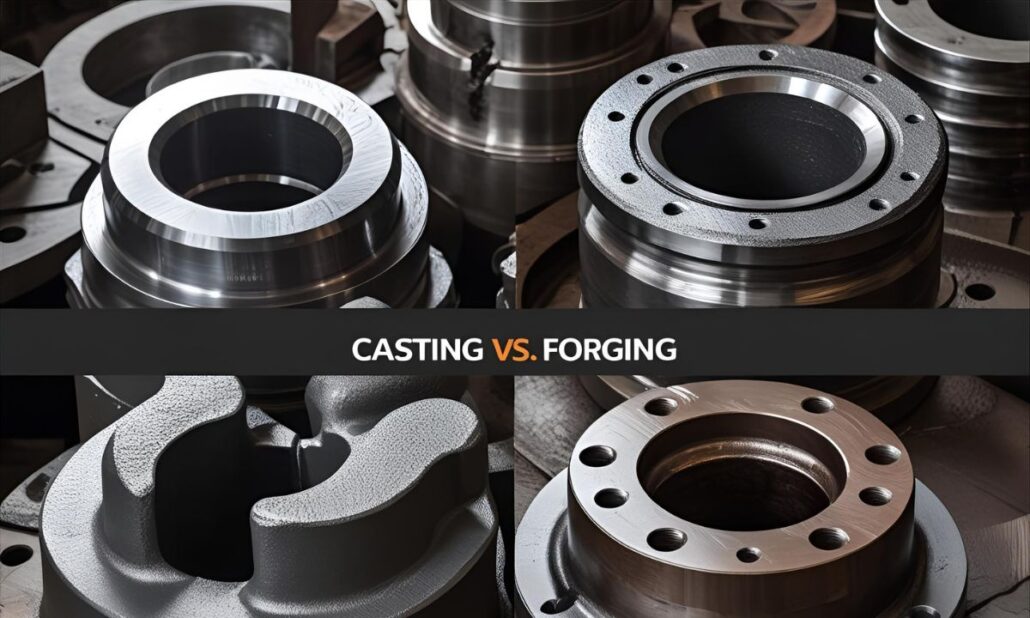
Casting and forging are two of the most commonly used metalworking methods, both of which have different applications in the manufacturing sector. Such techniques are essential in the manufacture of metal parts that diversify in automotive, aerospace, defence, and goliath machinery industries. Although both of them look to create functional parts by shaping metal, they ultimately achieve that goal in definitively different ways, creating different material properties and uses. Casting makes use of processes of melting down metal and pouring it into a mold, where it takes on a permanent shape. It is most suitable for the production of intricate and complicated shapes that would otherwise be difficult to acquire through other machinery. It works very well in mass production, particularly where large volumes of identical parts are manufactured. Casting is very flexible and can use a vast number of metals and alloys, thus casting can be used in industries where fine quality designs matter, aerospace, automotive and art. Forging, on the other hand, is a process of shaping metal through compressive forces, usually when the material is at a high temperature. This process makes the metal stronger by straightening up its grain structure, thus making the parts stronger and durable. The particular benefit of forging is that it is highly applicable in the manufacturing of parts that have to be hardened or exposed to extreme conditions, including high stresses, as in the automotive, aerospace, and defence industries. This article will discuss the main differences concerning casting and forging, the benefits and drawbacks of each, and the areas of application in modern manufacturing and what role each process holds in these processes. What is Casting? A manufacturing process preserved in casting involves pouring a liquid material, typically metallic, into a mold to set and acquire the shape of the mold cavity. It starts as the material is melted, poured into a special shape, and cooled. After this material hardens, the mold is removed, and a solid object is left, which is an almost perfect copy of the mold shape. What is Forging? Forging is a metalworking process that makes use of compressive force, with the metal typically heated to high temperatures. The metal is either beaten, pressed into shape or rolled to the required shape. Forging is commonly done at high temperatures, at which point in time the metal becomes malleable and a lot easier to work with. It is a process that is mostly employed to create robust, wearable components and is widely employed in such industries as automotive, aerospace, as well as heavy machinery. Casting Process The casting involves some major steps: Forging Process Forging is less complicated in the manufacturing process; however, one has to have greater control over temperature and pressure: The Pros of Casting and Forging Casting Advantages: Forging Advantages: Cons of Casting and Forging Casting Disadvantages: Forging Disadvantages: Casting and Forging Materials Casting Materials This casting process is a diverse process that may be conducted using a wide range of materials in relation to the needs of the application. Metals commonly used in casting are aluminum, steel, iron, bronze and brass, which are characterised by unique properties which qualify them to be utilized in various industries. As another example, aluminum is lightweight and has good resistance to corrosion, which will be ideal in automotive and aerospace markets. Steel and iron are more preferred due to their durability and strength, and are usually put to use in components of heavy machinery and industries. Bronze and brass can be seen in the use of metal when the element of strength is needed, but also the need for resistance to corrosion and appealing to the eye has to be considered, like decorative pieces or equipment on ships. Besides these common metals, casting may also entail specialized alloys, such as magnesium, zinc alloys and copper base alloys that are selected to fit certain applications because they possess specific functioning properties. An example of magnesium alloys is employed in the industries that need lightweight components, another example being the zinc alloys that might be applied in various industries where there is a need to cast certain parts that should not be vulnerable to wear and tear. Such copper alloys are dominant in electrical and plumbing works because of their high resistance to corrosion and electrical conductivity. Casting can use different metals and alloys, which means that manufacturers can modify the parts to best suit that application. Forging Materials Materials used to make forgings are usually chosen because of their strength in terms of stress and pressure-resistant properties. Steel alloys comprising carbon steel, stainless steel and tool steel are the most frequently used materials in forging. Carbon steel is strong and hard, and as a result, it is used when building structures and heavy machinery components. The advantage of stainless steel is that it cannot be easily corroded, thus it is ideal in places where parts are inhospitable, like the automotive and medical industries. Tool steel is particularly made and works well against wear and is hence applicable in tools, dies, and other parts of high-performance machines. Uses of Casting and Forging The casting and forging have more similar applications in different industries, and every type is specialized to suit the needs of the end product. The type of casting or forging is determined by strength, complexity, properties of the used material, and end use. The main applications of the processes are the following. Uses of Casting Casting has also proved to come in handy in the production of parts of complex shapes or large volumes. Some of the most important applications in industries are as follows: Uses of Forging Forging. In cases where high strength, durability and material integrity are demanded of the end product, the process is carried out by forging. These are common industries and parts in which forging is important: The Major Distinctions between Forging and Casting Although casting and forging are quite similar manufacturing techniques, it is important to realize the main peculiarities of

Boîtier de thermostat en aluminium

Boîtier de thermostat en aluminium : Précision et durabilité des composants du moteur

Aluminium

The aluminum thermostat housing is extremely important for the effective working and the endurance of automobile and industrial engines. The necessity to keep the engine at an optimum temperature to avoid the risk of overheating, which can lead to serious engine damage, is necessitated by engine cooling systems. Consequently, the structure and materials employed to make up parts like the thermostat housing are vital to the entire efficiency of the cooling system. Aluminum has evolved to be a popular material because of its light weight, strength, and excellent heat dissipation qualities; therefore, aluminum is a popular choice of material when demanded under the circumstance known as an aluminum thermostat housing. Aluminum thermostat housing has gained increased popularity in a number of trade verticals as many industries demand high-performance and cost-effective parts. Motorcycles, heavy machinery, and marine engine aluminum thermostat housings also enjoy the value of resistance to high temperatures and other elements that the material has demonstrated in its application in automotive engines as well. The concept of the significant aluminum thermostat housing, its use, advantages, fabrication, and application in the engine cooling system will be discussed in this article. We shall also explore the option of custom thermostat housing and how thermostat housing manufacturing is a crucial element when it comes to manufacturing high-quality and long-lasting components. What is an Aluminum Thermostat Housing? A thermostat housing, most often made of aluminum, is a very important part of the cooling system of an internal combustion engine, especially an automotive engine. Its major role is to accommodate the thermostat, which regulates the flow of coolant in the engine and the radiator. The thermostat controls the temperature of the engine, shutting down and opening up depending on the temperature of the coolant, and the temperature of the engine is at optimum. Housing usually is composed of aluminum due to its lightweight attributes, ability to resist corrosion and thermal conductivity. It is made to be able to resist high-pressure coolant systems and rough operating environments, and cause no degradation after several years. Not only is an aluminum thermostat housing light in weight, but it is also highly temperature resistant, which is critical to ensuring proper engine cooling system. Why should thermostat housing be made of aluminum? The selection of aluminum in the production of thermostat housing has tremendously been in favour, as it comes with numerous benefits, namely: a. Light and Strong The lightweight nature of aluminum has seen this material being extensively used in automotive parts that require reduced weight without compromising the strength and performance of the parts. The lower weight will lead to more fuel efficiency, which is important among current vehicles. b. Corrosion Resistance Aluminum is naturally unaffected by corrosion, which is quite essential in automotive engines where there is always exposure to coolants, water, and chemicals. The presence of corrosion resistance makes the housing of the aluminum thermostat structurally stable and gives it the capacity to endure with reliable performance during its lifetime. c. Dissipation of Heat Aluminum has been a great heat conductor. It allows cooling of the engine away, making the thermostat have an optimum temperature. This conductivity of thermal energy assists in adjusting the engine temperatures and avoids overheating, which will lead to the destruction of engine parts. d. Cost-Effective Aluminum is a cheap metal when compared to other metals, hence it is a cost-effective alternative when mass production is involved. Furthermore, it can be lightly machined and cast, enabling affordable production procedures; therefore, it has reduced the production cost of offering a solution of a custom thermostat housing. The Aluminum Thermostat Housing Materials Aluminum thermostat housing materials are important in performance, durability and resistance to harsh engine operating conditions. Synthetic alloys that are common are: 1. Aluminum 356 Alloy Aluminum 356 is famously known to be an incomparable castable, sturdy, corrosion-resistant metal that makes it a favourite medium in thermostat housing due to its admirable qualities. It is durably performing in extreme hot climate conditions. 2. Aluminum 6061 Alloy This alloy has a good strength-to-weight ratio and corrosion resistance, which are suitable traits to be used as a custom thermostat housing for PMFMI automotives or industries. 3. Aluminum 7075 Alloy Aluminum 7075, a super-strong alloy that fits on high-performance components, is ideal as a custom housing for a thermostat in engines where stress and temperatures are extremely high. 4. Alloy 319 Aluminum With superior casting properties, Aluminum 319 is used in aluminum thermostat housings on automobiles and industrial engines where long-term wear resistance must be achieved. 5. Alloy 5083 Aluminum The aluminum 5083 has good corrosion resistance, which makes it highly useful in the marine industry and heavy machinery industries, where it has to deal with corrosive factors due to moisture and harsh conditions. These materials guarantee that thermostat housing manufacturing will generate durable, light and efficient engine cooling parts. Aluminum Thermostat Housing Types Aluminum thermostat housing is also of various types, depending on the manufacturing process, design requirement and the nature of the engine application in question. The typical automotive and industrial materials are listed below: 1. Sand Casting Thermostat Enclosure The creation of larger and more complex parts is usually done through a process known as aerospace sand casting, where an aluminum thermostat housing is determined. Here, a sand mold is cast over the pattern of the thermostat housing, and molten aluminum is poured into the mold so as to create the part. The technique is best suited for manufacturing elaborate patterns and low to medium volume of production. 2. Die Cast Thermostat Housing In die casting, molten aluminum is repeatedly forcefully injected into a steel mold, forming an aluminum thermostat housing of usually accurate dimensions and smooth surface finishes. This process is most suited to large volume manufacturing and is normally employed in instances where specific, strict tolerances and uniformity must be met. 3. Thermostat Housing Permanent Mold Casting Permeant mold casting employs the use of metal molds in thermostat housing production, and parts manufactured in this form have very

Aluminium moulé

Qu'est-ce que la fonte d'aluminium ? Le métal polyvalent utilisé dans la fabrication moderne

Aluminium, fonte d'aluminium

Aluminium castings are one of the most adaptable and common materials in contemporary manufacturing. It is used to melt and pour molten aluminum into moulds to adopt desired shapes, and in this process, complex and intricate parts can be constructed that would otherwise have a tough time coming out using alternative techniques, and hence, the process can generate a lot of such parts at a relatively lower cost. The cast aluminum products have found their value through various purposes that stretch to auto engine parts, aerospace, coffee pots, cookware and even household. The incredible weightlessness, plus concurrent strengths and resistances against corrosion and good thermal conductivity, make it the best supplier to numerous industries. Cast aluminum also provides the manufacturer with a lot of design flexibility, allowing the creation of complex geometries that can optimise performance without using a lot of material.  The process of casting is also very efficient and economically viable, particularly when mass production of parts is involved. Moreover, aluminium is one of the categories of metal that is easy to recycle, which means it can decrease the ecological costs of production. Although cast aluminum has a lot of advantages, it also has some shortfalls, such as its brittle nature when compared to wrought aluminum and that it is difficult to weld. These factors have to be taken into consideration when choosing cast aluminum for particular applications. This article will give a broad perspective of the properties, advantages and applications of cast aluminum, one of the most common substances in the contemporary world. What is Aluminium Cast? Cast aluminum consists of the quite liquid appearance of aluminum that has been remoulded into a shape that forms a product. This process, or casting, is a very old manufacturing process adapted to present-day practices. Unlike wrought aluminum, which is cast using the rolling process or extrusion, aluminum is poured into the mould as molten metal, after which it is left to harden. Casting provides more complex, hollow and even three dimensional shapes that could not be readily or cost within easy reach to form by machining or forging, since it begins as a liquid. It is this versatility that makes cast aluminum products so widely used right across our spectrum of products; that is, engine parts, as well as electronic equipment and cookware, to name a few. Simple Cast Aluminum Composition Aluminum, most of the time, is not pure aluminum. Instead, it is an alloy, i.e. a mixture of aluminum and other materials in order to improve strength or fluidity, or both. The most frequent aspect of the alloy is The combination is particular, which is dependent on use. To illustrate, alloys with high heat conductivity and corrosion resistance would be used on high-temperature equipment like automotive parts, and cookware would take the one with the high silicon-aluminium content that has high thermal performance and wear resistance. History and Development of Cast Aluminum Casting of metals has a history in the order of thousands of years since the early societies were known to cast bronze and cast iron to produce tools and weapons. Aluminum was not extracted until the early 19th century, and it was uneconomical to do so until the creation of the Hall-Héoult process late in the 19th century. The casting of aluminum became one of the processes of the aviation and cookware industries by the beginning of the 20th century. It is during the World War II era that aluminum demand was at its highest because of its strength-to-weight ratio that made it most suitable in aeroplanes. After the war, aluminum casting had more commercial applications in consumer products, automobile manufacturing and architecture.Due to the advancement of the design engineering of moulds, metallurgy, and castings, cast aluminum is part of the present-day production. Process of Cast Aluminum  Cast aluminum is a process which requires a number of major steps to turn melted aluminum into parts that can be used in the form of specific shapes. The work of the basic explanation of the process goes in the following way: 1. Mould Preparation The initial procedure of casting is making a mould in which molten aluminum will be cast. Depending on the casting method, the mould may consist of such materials as sand, metal or ceramic, among others. It is also designed with a good mould to have the desired shape to ensure that the aluminum solidifies in the right shape. 2. Melting Aluminum When the mould is ready, some scraps of aluminum or aluminum ingots are placed in a furnace where they are melted at a temperature range of 660 to 750 °C (1220 to 1382 o F). The molten aluminum is also continuously watched with the aim of obtaining the right pouring temperature and quality. 3. Pouring the Molten Aluminum into its Mold Once the melted aluminium is poured into the cavity of the mould, the molten metal is poured into the cavity of the mould. The pouring is done, depending on the kind of casting, i.e. die casting, sand casting or investment casting. Some of the techniques used include die casting, where molten aluminum is injected under pressure, whereas in other techniques, the molten aluminum is just poured into the mould and left to cool. 4. Cooling and Solidification Building and Overseeing: Having too thick or complicated a part will take a long time to cool. At this stage, the melted-down aluminum cools into the required shape and expels internal pressure. 5. Installation and Inspection After the aluminum is cooled down and solidified, the mould is then released, and the cast part remains. The separation in some cases is done by breaking the mould piece, particularly with casting in sand, and with other techniques such as die casting, mould opening and the part is ejected. 6. Finishing and Inspection After cutting the part, it is usually processed further using finishing operations such as grinding, polishing, machining, etc., in order to smooth the surface or attain closer tolerances. With the part, it is then checked

Qu'est-ce qu'une batterie de cuisine en fonte d'aluminium ?

Qu'est-ce qu'un ustensile de cuisine en fonte d'aluminium ?

Aluminium

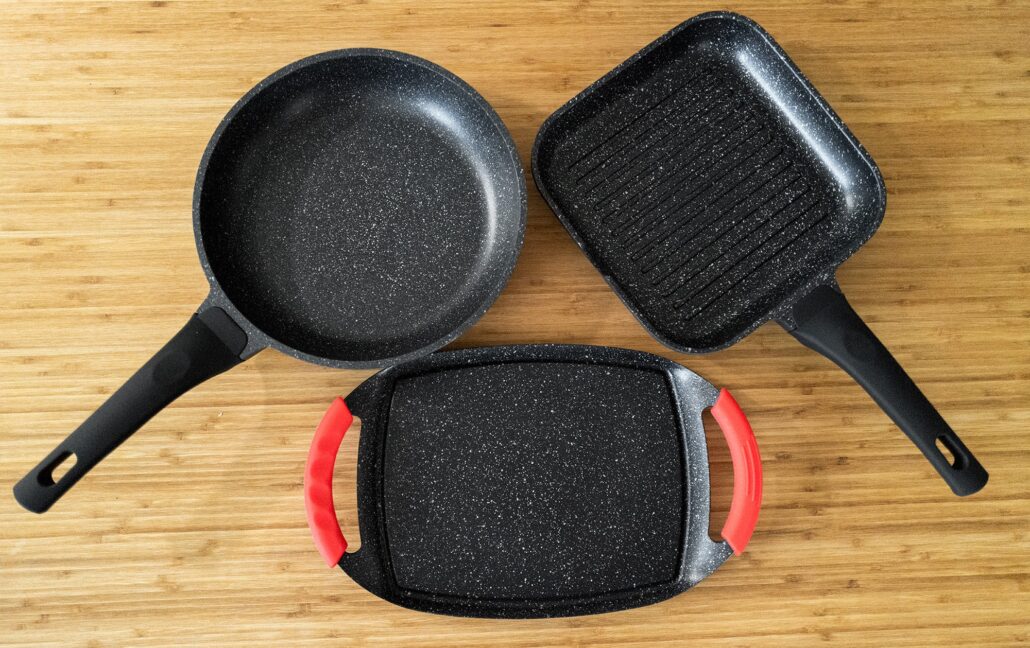
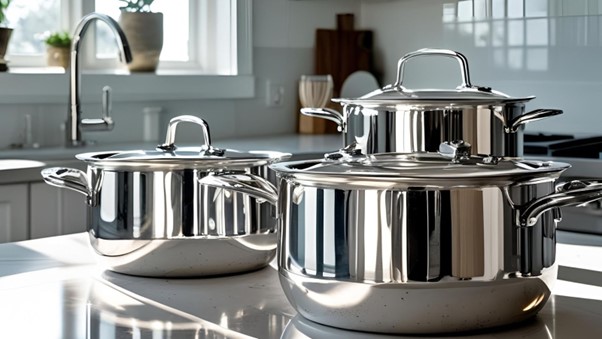
The cast aluminum cookware is often used by home cooks and professional chefs and is known and appreciated because it is durable and lightweight at the same time, with a high distribution of heat. Cast aluminum cookware is manufactured by pouring molten aluminum into moldings; the main aim of such cookware is to ensure that it gives even heating, it should not warp, and it should be able to last a long time. Its application has made it an all-purpose element in the kitchen since it is applicable in most of the cooking methods, such as frying and sauteing, baking and roasting.Among the most notable benefits of cast aluminum cookware is the fact that it warms up fast and equally. Cast aluminum cookware can also be said to be thicker than its thinner counterparts, such as the stamped aluminum, which makes them have good thickness to maintain a homogenous cooking temperature. It is also usually manufactured to have non-stick layers, and thus also lowers the amount of oil used, and cleaning becomes easier.Over time, cast aluminum cookware manufacturers have been advancing and making it exceptional through new materials, environmentally friendly coatings and other non-stick technologies. These developments also make it even more popular and provide its customers with a more efficient, healthier, and more sustainable process of cooking. You invite your friends over, you are in the process of putting together a simple meal or a complicated one; cast aluminum cookware comes in handy to do the job, this is because its performance is dependable and works in tandem with the demands of a modern kitchen.  Understanding Cast Aluminum Cookware Cast aluminum cookware refers to pots, pans and skillets, plus the other kitchen equipment manufactured at the local level by pouring molten aluminum into moulds. The casting of the cookware makes it quite robust in structure, which therefore makes it considerably stronger as compared to ordinary aluminum. In comparison to stamped aluminum (prepared on thin sheets), cast aluminum cookware is far thicker, hence offering more heat retention and distribution. The warp factor as time passes is one of the primary factors people love using cast aluminum cookware, as the problem is prevalent with thin material. This also assists in even cooking temperature, so that cooking of different dishes is likely to give more similar results.  Die-cast aluminum cookware Die-cast aluminum cookware follows the use of aluminum that undergoes the die-casting procedure. It is done through the pouring of molten and pressurised aluminium into a cavity. This way, the shape and the thickness of the cookware can be controlled accurately. The die-cast aluminum cookware is usually more sophisticated as compared to the regular cast aluminum since it has a refined texture and smooth surface.The advantage of the die-cast aluminum cookware is that it is not as heavy as some of the other materials, such as cast iron. This is more convenient when cooking and cleaning up, thus Ideal in cooking choice, especially when one requires cookware that is of good quality but not heavy.The other attribute of die-cast aluminum cookware is that it is versatile. It applies to a large number of procedures such as frying, baking and simmering. It also usually has a non-stick coating added to it, which contributes to it being easy to use and clean. Nevertheless, one should keep in mind that the non-stick coating may wear down over time, unless it is maintained carefully. What is Cookware? Cookware can also be defined as the different kinds of pots, pans and other cooking utensils that are employed in the preparation of food. Such objects are frequently produced with such materials as stainless steel, aluminum, cast iron, ceramic, non-stick covered items, and copper. The primary aim of cookware is to assist in preparing and cooking food materials by using different methods, i.e., boiling, frying, sauteing, baking, or grilling. The kind of cookware: 1. Cooking Pots and Pans: Cooking is done using the two most basic cooking pots. They are of different shapes and sizes, such as frying pans, saucepans, stockpots and saute pans.2. Baking Dishes: This category will be trays, pie dishes, and cake pans, which are only used to bake.3. Speciality Cookware: These are woks, grills, Dutch ovens and pressure cookers. Materials Used in Cookware The process of manufacturing cast aluminum cookware  Manufacturing of cast aluminum cookware consists of the following steps, which include melting of aluminium, molding, finishing and coating. The procedure of manufacturing cast aluminum cookware is described in as many steps as possible below: 1. Melting the Aluminum The aluminum metal has to be melted to prepare it, and that is the first stage of its production of cast aluminum cookware. Sand, metal, or ceramics are typical materials that make up this kind of mould. The temperature regulation is done with accuracy to ensure that the aluminum reaches the correct viscosity to be cast with. 2. Preparing the Mould After the aluminum has been melted, a form is initiated to shape it into the preferred form of cookware. Aluminum is poured in the form of Aluminum. Where cast aluminum itself is used, the moulds are often sandcast, and they are specifically designed to make an individual piece of cookware (a frying pan, a pot, a skillet, etc.).Once the mould is prepared, the molten aluminum is supposed to be poured into the mould cavity. This depression takes the form of the cookware to be produced. Metal Moulds: There are metal moulds that can be reused, which are reused and are able to hold the heat at greater temperatures. 3. Pouring the Molten Aluminum Once the aluminum has been poured into the mould, it is cooled down. The liquid metal is added to all the areas of the mould, and it assumes the form of the cookware. This pouring process should be accurate so that the cookware is also shaped properly and flawlessly.At this phase, the pouring of the aluminum into the mould is done either manually or automatically (depending on the magnitude of the

Aluminium anodisé : Comprendre le processus et ses nombreux avantages

Aluminium anodisé : Comprendre le processus et ses nombreux avantages

Aluminium

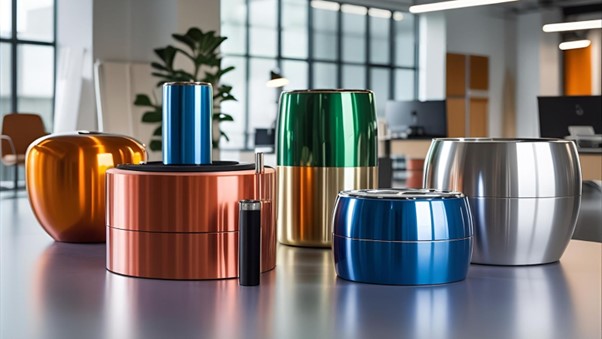
Anodized aluminum is an extremely resilient and resistant to corrosion type of material that is formed by a process of electrochemical engineering that advances the inherent oxide layer on aluminum. This is done by dipping aluminum into an electrolyte, i.e., sulfuric acid, and passing an electric current. This leads to an aluminum oxide that is thicker and bonds internally in the material and not simply upon the surface of the material. It has made anodized aluminum to be more strong, resistant to wear and corrosion, and able to survive in harsh weather conditions.During anodizing, some characteristics of aluminum that make it usable are enhanced, and in addition to this, they can be customized aesthetically. It is possible to obtain clear and stable colours by absorption of dyes into the porous oxide layer formed by anodizing. This characteristic enables the use of anodized aluminum in architecture, automobiles, and consumer electronics applications, where it is needed to balance durability with good looks.Corrosion resistance is one of the greatest advantages of anodized aluminum. This layer of aluminum oxide covers the aluminum against moisture, salt, and chemicals, and as such, the aluminum works best in outdoor conditions as well as in marine conditions. Also, aluminum anodized is highly abrasion resistant which means that the required matter is designed to last long on a product that is exposed to wear and tear, like automotive components, industrial tools, or even kitchenware. What is Anodizing? A process that thickens the natural oxide layer on aluminum and is known as anodizing, is an electrochemical process. The aluminum is placed in an electrolyte solution, generally a sulfuric acid solution, and an electric current is applied to it, thereby producing a strong corrosion-resistant finish. This procedure increases the strength of the metal and wear resistance, as well as enabling the dyeing of colors. The end product is anodized aluminum, and it is stronger and lasts longer than untreated aluminum. What is Aluminum Anodized? Anodized aluminum means aluminum that has already been processed using a so-called anodizing process. This is achieved by altering the surface of aluminum through the formation of a thick, resistant layer of oxide. Normal coats just lie on the surface, and the oxide layer formed on anodized aluminum becomes part of the aluminum itself. The effect of this is a more durable, corrosion-resistant, and scratch-resistant material. In a typical process of anodizing, a suspension of aluminum is placed in an electrolytic dip, which is usually sulfuric acid, and the process is made to pass an electric current. It results in the formation of the aluminum oxide on the metal surface. The oxide layer can be varied, and in other situations, you can add dyes to the process in order to gain a colored oxide. The major parameters of the Anodized Aluminum are the following: Depending on the method of its production, anodized aluminum is quite common in aerospace, automotive, architecture, and electronics industries, offering a synergy of strength, functionality, and aesthetics. Anodizing aluminum comes with practical and aesthetic benefits, whether it is used in high-performance components, decorative aluminum applications, or products that are subjected to environments that are extreme environments. Process of Aluminum Anodizing Anodizing: An electrochemical finishing method in which the aluminum surface is converted into a very strong and corrosion-resistant oxide layer. There are numerous important steps involved in the process, and all these steps contribute to the finished product in terms of functional and aesthetic needs. This is an outline of the anodizing of aluminum process: Step one: Preparation of Aluminum In the course of the preparation of aluminum, the following may be taken: The aluminum is first cleaned before anodizing to eliminate any dirt, oil, or contaminants. Usually, this can be done by making use of an alkaline solution or a chemical cleaner. It is important that the surface be cleaned, as any impurity will reach into the anodizing and create difficulties in the quality of the oxide layer. Step 2: Electrolytic Bath After cleaning, the aluminum is dipped into an electrolytic solution, which can be sulfuric acid, and an electric current is run through it. The result of this electrochemical reaction is the oxidation of the aluminum; a rigid layer of oxide covers the surface of this element, forming a thick protective layer over it, and the aluminum oxidizes. The voltage, temperature, and duration in the bath result in the thickness of the oxide layer. Step 3: Inspection During this step, the anodized aluminum can be stained with a color pigment to achieve it. The absorption of the dye leads to its absorption by the porous oxide layer to form the beautiful colors. The dye can be used after the surface of the aluminum has been anodized, and the color is built into the oxide film, making it long-lasting and not susceptible to fading. Step 4: Sealing The coloured aluminum is sealed after anodizing and dyeing to seal the pores in the oxide layer. This is totally important in enhancing corrosion resistance and in maintaining the color. Nickel acetate or even boiling water sealants are used in this procedure. The material is also durable when sealed and thus has a variety of applications. Step 5: Check-up Quality inspection of the aluminum is done after the anodizing, coloring, and sealing processes have been done, and quality parts have been achieved. In this inspection, uniformity of the oxide layer in thickness, color, and the overall finish is being checked. Any impairments or discrepancies are tackled, and then the aluminum is shipped out to be put in its contented applications. Types of Anodizing Aluminum Anodized aluminum comes in varieties depending on what is needed and depending on application. Most of the variations are based on the thickness of the anodized layer, the finish, and the electrolytic process that is implemented. The principal forms of anodized aluminum are the following: 1. Type I: Schulze chrome acid anodizing One of the oldest techniques in anodizing aluminum is the chromic acid anodizing technique. Here, chromic acid bath

Plat à four en fonte d'aluminium

Pourquoi les ustensiles de cuisson en fonte d'aluminium chauffent-ils mieux et durent-ils plus longtemps ?

fonte d'aluminium

Due to the features of lightweight, strength, and dense heat distribution, cast aluminum bakeware has been getting popular among bakers, especially with those who want first-rate and durable products. Cast aluminum is the right balance of performance and effortless use, unlike other traditional bakeware materials such as cast iron and stainless steel. It is cast in molten aluminum molds and comes out as one strong, durable and convenient to use even to an amateur baker. Cast aluminum has excellent heat conductivity, which guarantees even cooking of edibles, especially baked goods, to prevent overcooking and non-uniform browning. The great one among the benefits of cast aluminum bakeware is the consistency of temperature, which is the key element of impeccable baking. It heats faster than others; therefore, it is available sooner, and its light weight makes it easier to handle around the kitchen. Most pieces of aluminum bakeware that are cast also possess a non-stick coating, which makes the release of food even easier and the after-baking clean up much easier. Cast aluminum bakeware also provides greater durability and strength with resistance to warping as compared to glass and stainless steel. Although cast iron is unparalleled in heat retention, cast aluminum has close to the same amount of heat distribution but with less weight. Cast Aluminum bakeware has been of great favourite among professional bakers, and also among people cooking at home, all because of the desire to have effective and durable baking tools. What is cast aluminum bakeware? Based on the bakeware molding method, casting aluminum, this is produced through the use of molten aluminum poured into already prepared molds to produce baking trays, cake moulds, pie dishes and various other cooking necessities. The process makes the bakeware strong but light in weight, such that there is efficient handling of the bakeware during baking and during serving. Among the best features of the so-called cast aluminum bakeware is its even heat-conducting properties. This implies that baked products like cakes, cookies and breads are well-cooked with no hot areas or burned sides. There are additional advantages to the speed at which the metal heats and cools off, which in turn saves some time in cooking, and this is a plus to busy bakers. The material is so strong and does not rust or corrode easily, hence this would make it last longer in the kitchen. In addition, it does not involve a lot of maintenance and wear and tear as compared to some of the other materials that will wear with time, as there will be a lot of usage. Advantages of Cast aluminum Bakeware 1. Durability Bakeware is made of cast aluminum, so it lasts a long time. The aluminum is almost immune to wear and tear, i.e. it will not crack or warp with frequent usage. Your bakeware will last even if you are using it on a daily basis or irregularly. 2. Uniform Distribution of heat Among the most striking properties of the term cast aluminum bakeware is that it transfers the heat all over the surface. This reduces inconsistent baking, as the end product is regular in texture and color. It is ideal among bakers who aspire to bring consistency in performance. 3. Lightweight The cast aluminum bakeware is much lighter as compared to other bulkier materials, such as cast iron and therefore easy to handle. The heavy-duty baking trays or cake pans can be lifted, transferred, and stored very easily, and that is ideal for any baker, whether they are professional or not. 4. Non-stick Properties Also, most products of the “cast aluminum bakeware” are equipped with a non-stick coating, which makes them even more convenient to use. The presence of this feature will make it easy to cook baked goods; therefore, less oil or spray will be used. It also makes cleanup effortless since there is little residue that stays after baking. 5. Corrosion Resistance Contrary to most metals, cast aluminum bakeware does not easily rust. It does not corrode, and therefore it is the ideal material to use when one wants to use it in the long term. This aspect comes in handy particularly in areas that experience different degrees of humidity and temperature. Cast aluminum bakeware: Making Process Manufacturing of cast aluminum bakeware entails careful and very consistent production devised to maintain quality and performance. The most important ones are: 1. Die Casting Die casting will be the first stage of the process, i.e. molten aluminum will be injected into steel molds at high pressure. This technique is a way of ensuring that the bakeware is shaped and molded in a very accurate and consistent manner. The molten metal enters all the mold cavity spaces, resulting in complex shapes and minute details of the various bakeware, including cake pans, muffin trays, and loaf pans. 1. Solidification and Cooling After the molten aluminum has been injected into the mold, it is left to cool and harden. The cooling is also regulated so as to have the desired properties of the aluminum, like strength and heat resistance. As the bakeware hardens, it slowly assumes its final form, and it normally requires only a few minutes to some hours, depending on how thick and elaborate the shape is. 2. Ejection and Inspection Once the aluminum pieces have cooled completely, they are removed and the mould is opened, releasing the cast aluminum bakeware. The second procedure consists of a complete inspection of the defect, such as the presence of air bubbles and cracks, or the presence of roughness. Any bakeware that is flawed is either repaired or discarded, and only good-quality bakeware would be passed further into the production process. 3. Surface Finishing After the inspection is over, the bakeware is provided with surface finishing treatments. These may involve such things as anodizing, making the surface rougher to resist corrosion and abrasion, or coating it with non-stick material so that it is easier to release baked goods and to clean up after baking. The finishing on the

Anodisation de l'aluminium moulé sous pression : Techniques, défis et applications

Anodisation de l'aluminium moulé sous pression : Techniques, défis et applications

fonte d'aluminium, moulage sous pression de l'aluminium

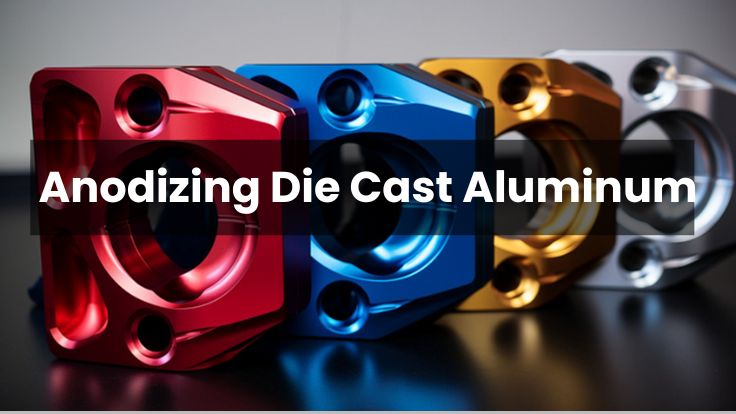
Anodizing die cast aluminum is a key metal finishing process that enhances durability, anti-seizing/corrosion and the looks of aluminum products that are extracted through die casting. With the ever-increasing demands of the industry to produce lighter-weight high-strength components for everything from car parts to electronics housing, its surface properties have become one of the most important things to add to it. Working behind the anodizing process is a controlled oxide layer that forms on the surface of aluminum by a technique of electrochemistry. Although the method has been thoroughly developed with regard to pure aluminum, its use with the alloy that is created in die casting has particular difficulties associated with it due to the inclusion of other elements such as silicon and zinc. This then brings the question to the mind of manufacturers as to whether you can anodise die-cast aluminum without sacrificing quality and appearance. To achieve performance levels under severe conditions, a combination of the techniques will be used by some industries that today are referred to as aluminum alloy die casting, plating anodizing. The technique is a combination of the strength of electroplating and anodizing, therefore, presenting better surface hardness, conductivity, and corrosion resistance. This article presents the science, techniques, and differences in anodizing die cast aluminum in order to give the complete picture to engineers, designers, and manufacturers who want to use a reliable and long-lasting surface finishing technology. What is die cast aluminum? Die casting entails pressing molten metal into a cavity of the mold at high pressure. Aluminum is lightweight and strong, making it an effective material for making durable parts with high dimensional accuracy. Nevertheless, due to a few impurities and porosities found in the process, surface finishing procedures such as anodizing die cast aluminum are made complex. It is also common to add silicon and other additives to die-casting alloys of aluminium in order to improve fluidity and other mechanical properties. However, it complicates the work on surface treatment, because these very additives will disturb the process of anodizing.  The Science of Anodizing Anodizing is an electrochemical treatment to strengthen and thicken the oxide film that occurs naturally on metal and makes it harder. The method will increase service life/durability, resistance to corrosion, and appearance. Anodized finish on aluminum has a porous structure that is perfect to absorb sealed dyes and sealants, thus they provide good decorative and functional applications. The difficulty with anodizing die cast aluminum lies in its composition. High-silicon alloy does not anodize well, and a blotchy finish or diminished corrosion resistance can be a consequence. Therefore, alloy composition is important to get a successful anodized finish. What is an Anodizing Die Cast Aluminum? Anodizing die cast aluminum. The anodizing of die-cast aluminium is the electrochemical treatment of die-cast aluminium parts to produce a permanent, protective, frequently decorative layer of corrosion-resistant oxide on the surface. The technique comes in handy, especially in areas that require protection against corrosion, advancement of surface hardness, and a limited aesthetic effect. In the process known as the anodizing die cast aluminum, the aluminum part is inserted into an electrolytic bath of acid, usually sulfuric acid, and an electric current is generated in it. This leads to the oxidation of surface of the aluminium to produce an oxide film, which is controlled and uniform. The process can be complicated, though, given the particular make-up of die-cast aluminum, commonly containing high silicon and other alloying components. Nonetheless, industries keep on investing in technologies that help to maximize the quality of anodizing die cast aluminum. The final preparation of anodized finishing is performed by methods of surface preparation like polishing, acid etching and smutting to remove the contaminants. The list of items where anodising die cast aluminum is used and utilized is long, including automotive parts, consumer electronics and many more, either to serve some functional purpose, or as an ornament. Its capability to augment the life span of parts, as well as their vulnerability to environmental degradation, makes it a vital surface treatment technique in the contemporary manufacturing industry. Process The anodizing of die cast aluminium process consists of various important steps that must be followed to achieve a good, uniform, and quality finish, even though this is a challenging process due to factors that surround the use of die-cast metals. All steps should be well-regulated in order to address such challenges as porosity of the surface and inconsistency of alloys. 1. Cleaning & Degreasing Paint, grease and oil stick to a surface and need to be removed before anodising through cleaning. This will make the process of having the oxide formed over the surface of the material even throughout the process of the anodising die die-cast aluminium. 2. Etching And De-Smuttering The outer layer is then removed, leaving a clean metallic surface by etching using an alkaline solution. This is followed by a de-smutting process to remove the residues left over by the alloying elements, a common occurrence in anodising die cast aluminium. 3. Anodising ( Electrolytic Oxidation ) The component is immersed in an electrolytic solution, normally sulfuric acid, and attached as an anode. A controlled layer of oxide is generated by the use of an electric current. This step lies at the heart of the process of anodising die cast aluminium, because it defines the thickness, porosity and longevity of the final finish. 4. Colouring (Optional) Where the finish is colored, dyes may be added to the porous anodised surface. This process is normally applied in decorative processes where looks count as much as performance in anodising die cast aluminium. 5. Sealing Lastly, the part is sealed using hot water or nickel acetate; frequently, the sealing is done in hot water or nickel acetate to seal the pores and improve corrosion resistance. This process seals dyes and reinforces the oxide layer, nd the process of anodising die-cast aluminium is complete. All the steps of this process must be controlled accurately, and so must the types of die-cast materials which are

Fabrication d'aluminium sur mesure Tout ce que vous devez savoir

Fabrication d'aluminium sur mesure : Tout ce qu'il faut savoir

Fabrication d'aluminium

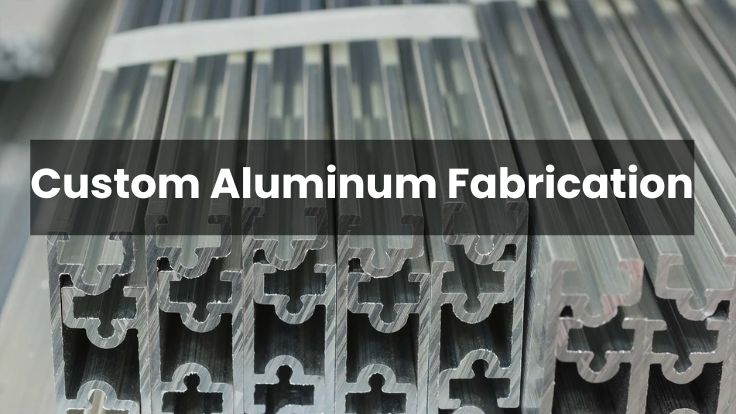
Custom aluminum fabrication has emerged to be a pillar of many industries in the contemporary era of innovation and design. Whether it is used in aircraft parts, buildings, or bridges, aluminum is utilized because of its power, ductility, and corrosion resistance. It does not just relate to getting aluminum but forming it to fit specific requirements. And that is where the notion of custom aluminum fabrication comes out on top, providing a tailor-made approach to the needs of industrial structures, as well as home interiors and exteriors.  Carbon steel is ideal because, in custom fabrication, you can get this kind of flexibility to customize it to address very particular needs, unlike standard metal parts, which are mass-produced with limited flexibility.  In the design and creation of architectural accents, machine enclosures, or custom furniture, aluminum represents the optimal combination of strength and workability. The steps include cutting, shaping, welding, and assembling items made of aluminum into products that look good and serve a purpose. As fabrication technology evolves and as the need to solve more personalized problems grows, citizens are specifically looking at the phrase: custom aluminum fabrication in my area to implement their ideas. As a company seeking reliable business signage or a homeowner with a design in mind, having an experienced custom aluminum fabricator will guarantee a solution to your project that fits your perception and lasts for years. This article talks in depth about the entire custom aluminum fabrication process, its advantages, its applications, and how to find the right partner for your next project. And it is time to enter the fantasy with metal is ready to meet your unique solution. What is Custom Aluminum Fabrication? In its simplest terms, custom aluminum fabrication is simply the design, cutting, and shaping of aluminum, its welding, and assembly into a complete product that can fit the specific needs of a client. This may be as simple bracket or even as complicated as machine pieces. Aluminum is used in these operations since it is light but strong, and does not rust or corrode. What makes aluminum great is that it is workable. It is malleable, can be welded and machined as well as bent easily. It makes it possible to be creative with structural as well as aesthetic use. Experienced personnel handle different tools and machinery to shape aluminum sheets or extrusions into useful products. Why Aluminum? It is also best to know why aluminum has been widely used in custom metalwork before discussing deeper into the:.Weak, yet Stable: Aluminum has a great ratio of strength and weight. These benefits have rendered the term aluminum custom fabrication as one of the options in many industries.  What is the meaning of the word Custom? The term custom is what is produced or created to suit an individual or a purpose, as opposed to something that is generally mass-produced or standard. Otherwise said, when something is custom, then it would be made in order to accommodate just what you require, or what you prefer, or what you would like to be made especially. Examples: Thus, when we speak of custom aluminum fabrication then the term custom underlines the fact that the pieces or products of aluminum are uniquely made to fit a specific customer or application, or design, hence being specific and tailor-made. The Fabricating Process Custom aluminum formation engulfs several distinct vital processes: 1. Design and Planning Clients will come with their idea or drawing, or applications. The fabricator analyses the specifications and recommends the most suitable form of aluminum and the procedure to be used. 2.  Cutting and Shaping Aluminum is cut into required shapes with the help of saws, lasers, or CNC machines. There is bending, forming so as to produce the precise structure or contour required. 3. Assembly and welding Special aluminum welding methods, such as the TIG welding technique, are used to join pieces. Close construction guarantees stability and beauty. 4. Finishing Touches The piece is finally sanded, polished, painted, or anodized ,depending on the look desired and protection. These treatments are value added, particularly to those aluminum products that were to be exposed to the elements or put on display, that would be branded as custom aluminum fabricated products. Common Applications There is hardly a limit to what may be produced using the help of custom aluminum fabricated products: When individuals are going to search on their search engine for custom aluminum fabrication near me, they are usually in need of a qualified local machine shop to execute these visions and turn them into a reality. Selecting The Right Fabricator Not every time is it easy to decide between the alternatives of choosing the custom aluminum fabricators. There are so many shops that would define themselves as freezing shops that it is very important to seek some qualities: Whenever you visit a search engine and type in custom aluminum fabrication near me, you should not consider only the distance. Check the abilities, feedback, and previous work of a shop to make sure that everything fits. Advantages of Going Custom Not being generic is not the only purpose of going custom; it has very real, practical benefits: That is why in the numerous industries, the concepts of custom aluminum fabrication put the money in the parts and installations that are needed. Aluminum vs. Other Metals in Custom Fabrication To select the materials in a fabrication project, it is important to have a background on which metal is better compared to others, and aluminum is not an exception. Metals bear specific characteristics that influence their applications in weight, strength, costs, and the usage they are suitable. This is a breakdown: Aluminum Aluminum is a lightweight material, resistant to rusting, and strong. It is commonly employed in fabrication works that require durability, but do not want the excess weight. It can also be easily cut, bent, and welde,d and this makes it an ideal material in custom aluminum fabrication. Besides, aluminum can be recycled completely and it also

Comment souder l'aluminium : Conseils, outils et techniques

Comment souder l'aluminium : Conseils, outils et techniques

Soudage de l'aluminium

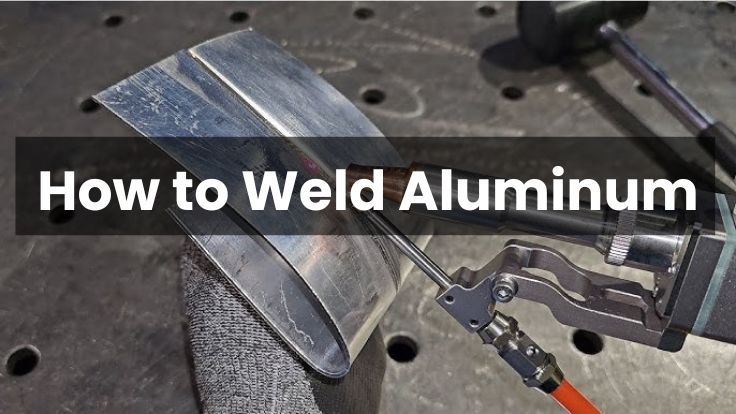
Aluminum is a common metal that has been used over the years due to its lightweight, resistance to corrosion, and strength properties and thus is vital in industries such as automobiles, aerospace, and construction. Nevertheless, the process of learning to weld aluminum is not as stripped down as when you are welding steel or iron. Interesting properties of aluminum like high thermal conductivity and easily formed protective oxide coating demand a special modus operandi and a delicate touch. Aluminum welding can be easily done, even by a novice, as long as you know the correct techniques, equipment, and safety measures.  This requires clean working surfaces, and suitable filler material, whereas the adjustment of equipment is vital.  Aluminum does not turn color before melting its position unlike steel, which makes it difficult to estimate the amount of heat needed. Moreover, it is soft, which is why it can bend or burn down fast unless manipulated properly. The question people frequently come up with is whether it is possible to weld aluminum amid simple, ordinary items associated with welding. Yes, but the result will be based on your preparation, practice, and adjusting of your ways. With TIG and MIG welding to more rare methods such as stick or oxy-fuel, there is a method fit for every task and job. You will find tips, tools, and the most common mistakes in this guide to help you get a firm footing in welding aluminum safely and efficiently. As you gain time and experience, you can make clear, good welds in aluminum no matter at a shop at home. What Is Welding Of Aluminum? A welding process is the joining together of two or more metal pieces of aluminum metal through heat and potentially filler material. It is generally adapted to an automotive company, aerospace industry, marine industry, and construction industries because aluminum is bone-light and does not easily scratch away Nevertheless, the subject of welding aluminum is more complicated as compared to welding steel. This is so because aluminum: What makes Welding Aluminum Different? Aluminum, as a metal, is quite different and before venturing into how to weld aluminum, it is important to establish what makes it unique. Unlike steel, aluminum also melts at a significantly lower temperature (approximately 660 C or 1220 F), and it does not alter in color before melting. This implies that it is prone to overheat and burn when not well handled. Moreover, when aluminum is out in the air, it instantly develops a thin film of oxide film. This layer of oxide melts at a temperature of greater than 2000 (close to 3700 ) so the weld has a hard time penetrating the weld. That is why aluminum welding usually should be carefully prepared and equipped.  Suggestions to a New Weld Aluminum by TIG Welding Welding aluminum using TIG welding is a good skill to have and it can be deceptive to an amateur. Through the proper procedure and preparation, you can achieve clean solid welds. Following are the five important tips, which can put you on the right path. 1. The Metal should be Cleaned Thoroughly During the time before welding, ensure the aluminum is clean. The oxide layer should be removed using a special stainless steel wire brush and then wiped down with acetone so as to clear oils or moisture. Aluminium is highly sensitive to contamination and a single spot of dirt or grease can well destroy your weld. Clean surfaces guarantee improved arc stability and firm bonds. 2. Put your machine in AC and balance it out When welding aluminum, it is always preferable to affect the process with alternating current (AC). AC offers penetration of the base metal and cleaning of the oxide film at the same time. Tune such a cleaning action by using your TIG balance control setting. Most aluminum work benefits by starting the setting at about 65 to 70 percent negative on the electrodes. The correct balance enhances the quality weld and less contamination. 3. Apply Proper Tungsten and Shape It in The Right Way To TIG weld aluminum the best electrodes are pure tungsten or lanthanated tungsten 2%. When compared to steel, the welding of aluminum needs a rounded or balled tip to sustain a stable arc unlike in the case of steel which employs a sharp tungsten tip. In the case where the arc becomes unstable or begins to wander, then it may be high time to regrind or change the tungsten. A well-ground electrode is a key factor in easing and precision of your welds. 4. Foot Pedal Controlled Heat Aluminum warms fast and retains warmth longer in comparison to steel. In excess, heat will result in burn-through or distortion. 1- A foot pedal will enable you to control the amperage during the welding process where you start hot to form a puddle and then back off as much as you want. This will allow you to have greater control of the weld pool and less risk of overheating because it happens to thinner materials. 5. Training on scrap before you weld your project Practice on scrap aluminum of the same type and size as used on the actual project before you start working on your project. This will make you accustomed to the heat control, filler rod technique, and the movement of the torch in order to achieve clean welds. Also, practice will make you confident and less likely to make expensive errors in your end piece.  6. The position of the hand counts as well You should rest your welding hand on the workbench or surface so that it has more control of it. Hold the torch straight in some backward direction in order to have a clear view of your journey. Do not angle too much as the welding pool will run and overheat the metal. The filler rod is fed with one hand; the torch is directed with the other, both without stopping but with no participation in each other. 7.

Retour en haut

Obtenir un devis