zamak szerszámöntés

cink öntvény

Cink Die Casting Defekt hibaelhárítás és minőségbiztosítási tippek

zamak szerszámöntés, Cink öntés

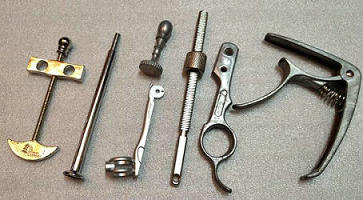
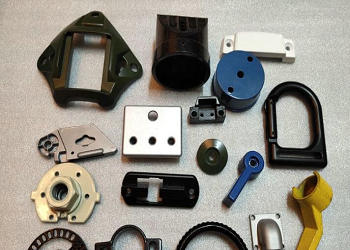
Zinc die casting is a very efficient process of manufacturing, which is widely used in automobile parts, electronic housing, fittings, hardware, medical equipment, and consumer goods. It is appreciated for its ability to create complex geometries with high-quality dimensional accuracy, clean surface finishes, and high production rates. Despite these benefits, zinc die casting is not a technology immune to quality issues. The defects may occur due to irregularities in the materials used, tool capacity, lack of process control, or design. Good defect prevention, problem shooting, and quality control are critical to ensuring uniform quality in production, reducing scrap rates, and enhancing the overall efficiency of the manufacturing process. This paper will provide an in-depth discussion of the most common defects in zinc die casting, their causes, effective corrective actions, and profile best practices to ensure quality in each production cycle. Quality Problems in Zinc Die Casting The process of zinc die casting involves injecting molten zinc alloy under high pressure into a highly machined steel die. The metal’s solidification rate is fast, resulting in short cycle times and high repeatability. Nevertheless, the high pressure and high speed at which the process operates are the same factors that contribute to both its effectiveness and its susceptibility to defects when the parameters are not monitored. Quality control issues in zinc die casting are often associated with mechanical performance, dimensional quality, surface appearance, corrosion resistance, or assembly fit. Most defects are interconnected, as a single root cause can lead to multiple quality issues. It is important to understand the relationships among material behavior, die design, and processing parameters to enable efficient troubleshooting. Zinc Die Casting Defects Most common defects in zinc die casting can be classified by appearance and their effect on part performance. An overview of common defects and their overall effect is given in the following table. Defect type Appearance Impact Porosity Voids or pinhole internally It will reduce the strength It may cause leakage Cold shuts Visible lines and seams This will result in weak bonding between the flow. Shrinkage Cavities and sink marks The dimensions of the parts change. This will lead to measurement inaccuracies. Incomplete filling Missing or thin sections This will cause the functional failure. Soldering Metal adhering to the die This will cause tool damage Cracks Internal or surface fractures This appearance indicates structural damage or failure. Blistering Bubble-like appearance on the surface Poor surface finish Flash Excess of metal at parting lines The aesthetic appearance will be damaged Porosity in Die Castings Zinc Porosity refers to the presence of empty spaces or gas bubbles in the casting. These cavities can be located on the surface or within the body; they are very difficult to detect without sophisticated inspection techniques. Porosity breaks the mechanical integrity of the casting and may result in leakage in pressure-containing components. Porosity type Description Origin Gas Porosity Smooth rounded voids Gas or air gets trapped Shrinkage Porosity Irregular cavities Inadequate feeding Micro Porosity Very fine void Rapid solidification Etiology and Prophylaxis The porosity may result from trapped air during injection, high turbulence in the molten metal flow, or poor die-cavity venting. Gas formation may also be due to high moisture content on die surfaces or due to inappropriate melt temperature. The porosity reduction is achieved by closely controlling injection speed and pressure, venting the dies, and efficiently utilizing vacuum systems where necessary. Maintaining an optimal melt temperature and keeping die surfaces clean and dry will also reduce gas entrapment. In most cases, reconstructing the gating system to facilitate smooth metal flow can go a long way toward minimizing porosity. Cold Shuts and Flow Line Defects Description and Impact Cold shut: This happens when two molten zinc streams meet and do not fuse correctly, leaving a visible seam or line on the casting surface. Such flaws reduce structural integrity and can cause early collapse under mechanical pressure. Root Causes and Solutions Low melt temperature, inadequate injection speed, or long flow paths can lead to premature solidification and cold shuts. Poor positioning of gates and thin wall sections also worsens the matter. To prevent cold shuts, it is necessary to improve the metal’s flow characteristics. These may be accomplished by raising the melt and die temperatures within reasonable ranges, optimizing injection velocity, and redesigning the gates to allow balanced filling. Flow continuity is also enhanced by changing part geometry to eradicate thin sections and acute angles. Zinc Die Casting Defects of Shrinkage Knowledge about Shrinkage Behavior When molten zinc solidifies, it contracts, causing shrinkage. Unless more molten metal is added to offset this contraction, internal cavities or surface sink marks can form. The zinc defects in the form of shrinkage usually arise in the areas of casting that are thick and can be ascertained to have solidified last. Reasons and Remedial Measures Insufficient holding pressure, inadequate feeding system design, or sudden changes in wall thickness are often the causes of shrinkage defects. Uneven cooling rates can also cause localized shrinkage. To prevent it, it is important to design the runners and gates to maintain a constant metal feed throughout the solidification process. By applying higher holding pressure and increasing the time under pressure, molten metal can compensate for shrinkage. Maintaining uniform wall thickness and enhancing thermal balance in the die also minimizes the risk of shrinkage-related defects. Flash Formation and Its Control Description of Flash Flash is in the form of thin layers of excess metal along the die parting line, ejector pin, or in the form of vents. Even though the flash does not necessarily compromise the part’s functionality, it often requires secondary trimming processes and can affect the appearance. Causes and Prevention Flash formation has often been linked to high injection pressure, die component wear, or even die misalignment. Die surfaces can also not seal properly due to foreign material on them. To avoid flash, it is necessary to maintain the correct amount of injection pressure, adequate clamping force, and routine die maintenance. Wearing and damage checking of dies, and
Precizitás cinkben: A Zamak nyomóöntés ereje

Precizitás cinkben: A Zamak nyomóöntés ereje

alumínium öntvény, zamak szerszámöntés

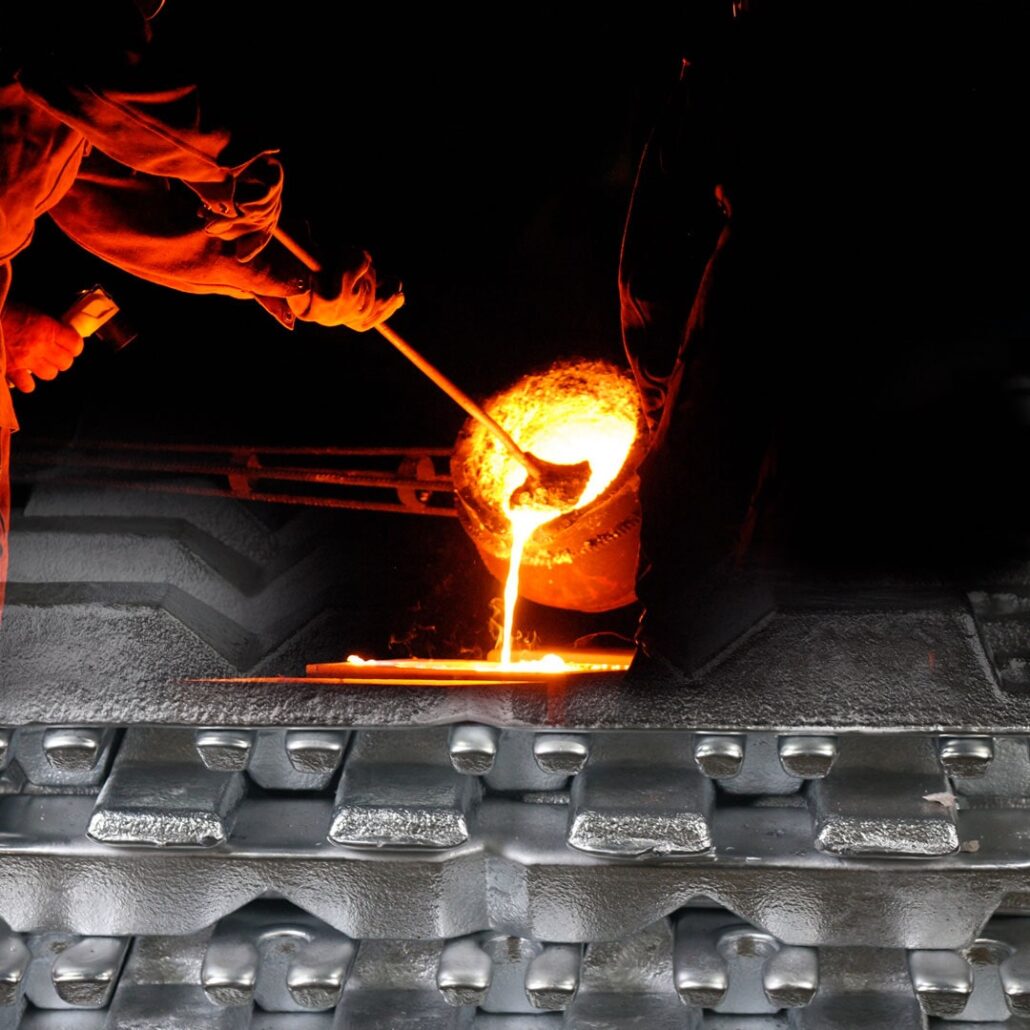
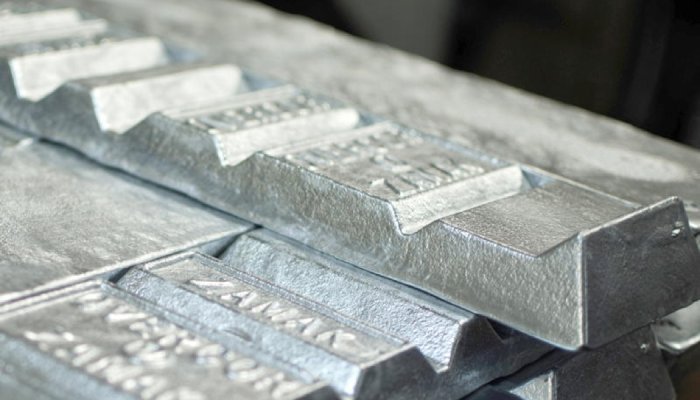
ZAMAK is the name given to a zinc-based alloy that is used with aluminum, copper (Kupfer), and magnesium. ZAMAK was named in German from these words. This alloy usually contains 94% to 96% zinc, the other material being added to foil or sheet. Several remarkable qualities make ZAMAK alloys good for die casting applications. The fact that these alloys have a low melting point, high fluidity, and high strength per weight makes them extraordinarily useful for making hard, tough and accurate parts. In addition to these key features, ZAMAK alloys offer other features that qualify them for several industrial applications.Zamak die casting has established itself in the world of metal casting as a highly cost-effective and cozy method of metal casting. Zamak is a zinc family of alloys used widely to build complex high quality parts in many industries. The process involves injecting molten Zamak alloy into a metal mold or die under high pressure. The process is capable of making intricate parts to very close tolerances with very good surface finishes, which makes it suitable for manufacturing precision parts. The more critical role of Zamak die casting is here because, as industries evolve with the increased need for durable, lightweight and strong materials. In this article, we analyze the significance of Zamak die casting and why a person should prefer Zamak die casting over other casting methods. ZAMAK alloys are used in die casting foundries for casting parts, and their cast parts comprise many industries such as automotive, electronics and hardware. This also adds an extra edge because these alloys are fully recyclable, as per the sustainability goals. However, ZAMAK die-cast parts have additional surface options, which will be of help to manufacturers to have aesthetically appealing products with a premium look, especially these decorative parts. What Is ZAMAK Die Casting? ZAMAK die casting is a metal casting technique widely used in which molten ZAMAK alloy is injected under high pressure into a mold. Typical in this process is the die or mold made from durable tool steel. Various molds are needed for each shape, and the ZAMAK die casting process just requires a hot chamber die casting machine. A two-halve hot chamber die casting machine is arranged with one stationary half and one movable half. These halves are then closed, and molten metal is injected into the mold by an injection chamber. When the metal is solidified, the cast part is removed from the mold by ejector pins. ZAMAK die casting uses this method on ZAMAK alloys. Hot Chamber Die Casting (HPDC), Low Pressure Die Casting (LPDC), and Gravity Die Casting (GDC) are possible types of ZAMAK alloys suitable for die casting processes with their respective advantages for different applications. 1. The ZAMAK Die Casting Process Like other types of aluminum or magnesium die casting, the ZAMAK die casting method needs attention to be paid wherever possible because the results are only as good as the ZAMAK casting process. The typical ZAMAK die casting process is written below in a breakdown: Step#1: Designing and Creating the Die The process starts with mold or die design and the final part design in the ZAMAK die casting process. It is important as it determines the final result of the casting as such. The first is that engineers first design a 3D model of the part to be cast using specialized CAD software. Typically, a prototype is made and tested, the design is improved until approval of the final version. Secondly, once there is a final part design, the mold is created, which means: The injection type: The melting point of the ZAMAK is low enough that it has to be hot enough to be injected into the mold. Step #2: Preparing the ZAMAK Alloy After that, prepare ZAMAK alloy. The ZAMAK alloy is purified with several refining methods such as thermal refining, chemical reaction, electrolytic refining and zone refining. The alloy is melted in a furnace at strictly controlled temperatures to prevent the alloy from coming to a liquid state with impurities. After the final refining, the molten metal is kept in an injection chamber to control temperature to prevent contamination. Step #3: Injecting the Molten ZAMAK into the Die. One of the critical phases of die casting is the injection of molten ZAMAK into the mold. After preparation and storage of the molten metal in the injection chamber, it is then injected under high pressure into the die with a plunger or piston. The molten alloy undergoes pressure, forcing it into every corner of the mold since all the space of the cavity is filled. In this way, one can have the part’s surface even and smooth, and produce good quality results through proper injection techniques. Also, the design of the mold’s injection channels is a key determinant of accomplishing this. Step 4: Cooling and Solidifying the Part However, as soon as the molten metal enters the mold, cooling begins. They quickly cycle the high-quality tool steel mold to draw the heat of the molten metal quickly enough for it to solidify. The cooling system is also used by many molds to accelerate the solidification process. Simply, to achieve the desired part quality and prevent defects, a consistent cooling rate is required, and are most commonly used are water and air cooling systems. Step #5: Solidified ZAMAK Casting Ejection The next step from the ZAMAK alloy to solidify is to eject the casting from the die. Care is taken in this to retain the quality of the part. To expel the solidified part out of the mold, ejector pins are used. The mold breaks open into two halves, the ejector pin is actuated, and the casting is released. There is a nice degree of precision to do this step, because too much force on the casting cay damage it. Proper alignment of the ejector pin will also ensure no surface imperfections or dents. Step #6: Finishing and Trimming The casting is usually ejected with excess material on it,

Mi az a Zamak? Teljes útmutató a sokoldalú cinkötvözetről

Mi az a Zamak? Teljes útmutató a sokoldalú cinkötvözetről

zamak szerszámöntés

What is zamak? Zamak or ‘zinc alloy’ is a family of alloys that are mainly zinc-based with traces of other metals such as aluminum, magnesium and copper. Zamak is a German word made from the short form of zinc (‘Z’) and the word Amak (‘aluminum, magnesium and copper’; the main elements that compose this alloy). Due to its versatility, durability and cost efficiency, the metal is very popular in industries. Zamak (or Zamac, trademarked as ZAMAK before) is a very soft and relatively hard group of alloys, the majority of which comprises of zinc and some smaller amounts of aluminum, copper and magnesium. These alloys are a part of the broader family of zinc-aluminum alloys, but this group is distinct in that the concentration of aluminium is usually consistent and is typically about 4%. This particular combination of elements is what distinguishes Zamak from other alloys within the family and, consequently, results in unique properties that make it suitable for a variety of applications. In this article, we shall discuss Zamak’s composition, characteristics, types, advantages, uses and reasons why it is progressively being employed in various sectors of manufacturing.  Zamak: A Versatile Zinc-Aluminum Alloy Zamak is an acronym for the German names of the metals that comprise its alloy: Zink (zinc), Aluminium (aluminum), Magnesium and Kupfer (copper). First introduced in 1929, the alloy has since proven itself to be a cost-effective, durable, and incredibly versatile material to be used throughout the manufacturing world. Before Zamak was developed, zinc die casting had an issue known as zinc pest. Zinc pest refers to the degradation of zinc components due to the presence of impurities in the alloy. The impurities made the zinc degenerate, and over time, most die-cast parts were rendered unusable. The New Jersey Zinc Company solved this by making Zamak, which was made from very pure zinc – the very most pure zinc – 99.99% pure zinc. Refining was achieved by refluxing, and this was done so that the impurities that caused zinc pest could be removed. The Origins and Evolution of Zamak Alloys  Zamak’s innovation had brought stability to the zinc die casting industry, which was much needed. Zamak was soon widely accepted for its higher purity and its ability to resist zinc pest in a relatively short period for use in die casting and other industrial purposes. This alloy was a real success, as it enabled strong, durable, and long-lasting components even in harsh environments. Zamak has become a well-proven material, qualifying it to endure mechanical stresses while exposed to the environment.  What is zamak? Zamak itself is a zinc-aluminum-based alloy, essentially designed for die casting and precision manufacturing. It is widely used as a result of its strength, corrosion resistance and good casting properties; it was developed in 1929 by the New Jersey Zinc Company. Being able to melt at (380°C or so to 420°C), it has a low melting point and thus is suitable for automotive parts, hardware, electrical components, and consumer goods. It is a preferred choice over pure zinc and other metal alloys because of its durability and low cost in different industries. Composition of Zamak Alloys Zamak is a group of five different alloys of zinc as the base metal and small amounts of added aluminium, magnesium and copper to provide special properties to the metal. The principal elements contained in various Zamak alloys include: 1. Zinc (Zn) is the base metal in all Zamak alloys. The alloy is the second most widely used non-ferrous metal, after aluminum, as it is notable for its corrosion resistance and strength.2. Zamak also often contains Aluminum (Al) to increase the overall strength and resistance to corrosion. Also, it gives a better surface finish, which is worth special attention in casting.3. Magnesium (Mg) – Magnesium is also added to Zamak alloys to enhance the strength and casting properties of the finished alloy. Reducing the brittleness of zinc is also achieved.4. Zamak contains copper (Cu) added in very small amounts to add hardness and increase wear resistance. In general, the composition of the alloy may differ with the type of Zamak, but generally contains about 85–95% zinc, aluminium around 4–8%, copper 1–3%, and magnesium 0,01–0,1 %.  What is the Zamak Melting Point? The melting point of Zamak alloys depends slightly on their composition, but commonly lies between 380°C to 420°C (716°F to 788°F). Zamak is also relatively low in melting point and is a good choice for casting and precision manufacturing. Melting Points of Different Zamak Alloys: Zamak is made of mostly zinc so it melts at a much lower temperature than aluminum or steel. Its property of high precision, fast production and cost-effective manufacturing makes it appropriate for applications having high precision requirements. What is Zamak Powder? Zamak powder is a fine particle structure of Zamak alloy composed of zinc with minor additions of aluminum, magnesium, and copper. This is a fine metallized powder used in industries such as thermal, spraying industries, industries in additive manufacturing and powder metallurgy industries. Properties of Zamak Powder Composition: Same as standard Zamak alloys (Zamak 2, 3, 5, or 7)Melting Point: Approximately 380°C to 420°C (716°F to 788°F)Corrosion Resistance: Excellent resistance to environmental factorsConductivity: Good electrical and thermal conductivityDensity: Like Zamak solid, which makes it suitable for metal plating and sintered parts Uses of Zamak Powder 1. Powder Metallurgy– Applied in the making of sintered components where metal powder is put and it is heated in the formation of solid parts.2. Thermal Spraying – Used as a protective coating of its surface that involves use of sprayed material in protecting the surface against corrosion and wear.3. 3D Printing and Additive Manufacturing – applied in the new generation technologies for manufacturing prototypes.4. Metal Injection Molding (MIM) – This is used in the manufacturing processes of small metal parts with intricate designs. Advantages of Zamak Powder Zamak powder finds its application in automotive, aerospace, electronics and many other industrial applications because of its usefulness and strength. Different Types of Zamak Alloys and

Cink öntés

A cinknyomásos öntés jelentősége az autóiparban

alumínium öntvény, öntvénygyártó cégek, öntvénygyártó vállalat, Die Casting gyártó, öntvény alkatrészek, zamak 3 szerszámöntés, Zamak 3 cinköntvény, zamak 5, zamak 5 szerszámöntés, zamak szerszámöntés, cinkötvözetből készült öntvény, Cink öntés

Mi az öntés? A szerszámöntés olyan fémöntési eljárás, amelynek jellemzője, hogy az olvadt fémet a formaüregbe nyomják. Az öntőüreg két edzett szerszámacél-formával készül, amelyeket a feldolgozás során megmunkálnak, és a fröccsöntőformákhoz hasonlóan működnek. A legtöbb öntvény nemvasfémekből készül, különösen cink, réz, alumínium, magnézium, ón, ólom és ónalapú ötvözetekből. Az öntendő fém típusától függően hő- vagy hideggépet használnak. A cinknyomásos öntési eljárás nagyon népszerű az építőiparban és az iparban használt alkatrészek készítéséhez, de a leggyakoribb alkalmazás az autóiparban. Valójában az autóknak különböző alkatrészei vannak, amelyek öntéssel készíthetők, oly módon, hogy a modern öntési folyamatot eredetileg az autóipar számára indították el. Az öntési eljárással gyakran nincs szükség további megmunkálásra az öntés után: nemcsak a pontosság akár 99,8% is lehet, hanem az öntött termékek nyersen is felhasználhatók, mert kellemes felületűek. A cink nyomásos öntvények felhasználása szinte 28% az autóiparban, ezt követi az építőipar és a vasáruipar. A cink az autóalkatrész-ipar egyik legfontosabb fémévé vált, különösen az olyan termékek esetében, mint az ajtózárház, a mancs, a fogaskerekek és a biztonsági övrendszerek behúzó csigái, de a vezérműtengely és a szenzorok alkatrészei is. Ennek a fémnek és ötvözeteinek használatával olyan szilárdság, alakíthatóság és rugalmasság érhető el, amely más anyagokkal nem lenne lehetséges. Ezenkívül a cink megfelelő választás lehet kiváló minőségű esztétikai alkatrészek előállításához, olyan szűk tűrésekkel, amelyek más anyagokkal nem lehetségesek, valamint domborítások és hornyok kialakításához mechanikus alkatrészekhez vagy fogaskerekekhez. Cink nyomásos öntési mechanizmusok az autóiparban Mint már említettük, az autóipar a leggyakoribb nyomásos öntési alkalmazás: a cink és ötvözeteinek használata lehetővé teszi olyan alkatrészek gyártását, amelyekkel magas esztétikai minőséget lehet elérni, az alakmorfológia szoros és szűk tűréshatáraival. A cinkötvözeteket bevonatokhoz is használják, mivel számos előnye van, például a cink korróziógátló tulajdonságainak javítása, amelyek már most is lenyűgözőek. Az alábbiakban számos lehetséges példát talál a cinkbevonatokra: Belső esztétikai rész Napfénytetők rész Mechanikai alkatrészek Motor és egyéb motorház alatti alkatrészek Szervokormányrendszer alkatrészek és fékrendszer Klímaberendezés alkatrészei és rendszerei Futómű hardverek A biztonsági öv rendszer alkatrészei A klímaberendezés alkatrészei Üzemanyagrendszer A cink nyomóöntés előnyei: Hatékony és gazdaságos eljárás, amely különböző formákat és formákat kínál. Nagysebességű gyártás Méretpontosság és stabilitás Szilárdság és súly Számos befejező technika áll rendelkezésre Egyszerű összeszerelés Az öntési eljárás ólom és ólomötvözetek, magnézium és rézötvözetek használatával kezdődött, amelyeket gyorsan követtek, és az 1930-as években számos, ma is használatos modern ötvözet áll rendelkezésre. Ez a folyamat az alacsony nyomású öntéstől a modern nagynyomású, 4500 font/négyzet hüvelykenkénti injektálásig fejlődött. A modern eljárással nagy integritású, tiszta öntési formák állíthatók elő kiváló felületi felülettel. A cinköntvény ötvözet erős, tartós és költséghatékony műszaki anyag. Mechanikai tulajdonságai versenyképesek és általában magasabbak, mint az öntött alumínium, magnézium, bronz, műanyag és a legtöbb öntöttvas esetében.

Zamak 3 cinköntvény

Zamak 3 Szerszámöntés

alumínium öntvény, zamak 3, zamak 3 szerszámöntés, Zamak 3 cinköntvény, zamak 5, zamak szerszámöntés, cinkötvözetből készült öntvény, Cink öntés

A ZAMAK 3 termékek gyártásához ZAMAK 3 öntvényt kínálunk. ZAMAK 3 termékeink, gyártási kapacitásaink és raktározási lehetőségeink révén minőségi alkatrészeket kínálunk Önnek versenyképes áron. A ZAMAK 3 a legnépszerűbb a ZAMAK sorozatú ötvözetek közül a cink nyomóöntéshez, önthetőségének és méretstabilitásának köszönhetően. A ZAMAK 3 tulajdonságai: Szakítószilárdság: psi x 103 (MPa) 41 (283) folyáshatár - 0,2% Offset: psi x 103 (MPa) 32 (221) Nyúlás: Nyírószilárdság: psi x 103 (MPa) 31 (214) Keménység: % 2″ 10-ben: (J) 432 (58) Fáradási szilárdság Rotációs hajlítás - 5×10⁸ ciklus: psi x 103 (MPa) 6,9 (48) Nyomó folyáshatár 0,1% Offset: psi x 103 (MPa) 604 (414) Rugalmassági modulus - psi x 106 (MPa x 103) 12.46 (85,5) Poisson-tényező 0,27 Sűrűség: lb/cu in (g/cm3) .24 (6,6) Olvadási tartomány: ¡ãF (¡ãC) 718-728 (381-387) Elektromos vezetőképesség: %IACS 27 Hővezető képesség: BTU/ft/hr/¡ãF (W/m/hr/¡ãC) 65,3 (113,0) Hőtágulási együttható: 68-212¡ãF µin/in/¡ãF (100-200¡ãC µm/mm/¡ãC) 15,2 (27,4) Fajlagos hő: BTU/lb/¡ãF (J/kg/¡ãC) .10 (419) A szerszám zsugorodásának mintázata: in/in .007 Cink nyomásos öntvények Alkalmazások Sportcikkek - Költségkímélő megközelítések a megmunkált alkatrészekhez képest; - A cink alkatrészekhez illeszkedő bevonatok; - Szilárdság a kemény alkalmazásokhoz; Orvosi - Innovatív képességek; - Pontos kialakítás öntöttként; - Számos nehéz alkalmazáshoz; Kapcsolók - Több üreg a költségmegtakarítás érdekében; - Többcsúszó; Rögzítők - Számos méretű panelanya már megmunkálva; - Nagy sebességű csapolás; Csatlakozó - Négy csúszó technológia a költséges másodlagos kiküszöbölésére; - A henger bevonása elektornikkelhez költséghatékony védelmet és esztétikát kínál; - Kiváló vezető ötvözetek; Száloptika - Képes összetett minták öntésére; - Szűk tűréshatárú, öntött alkatrészek; - Kis alkatrészek előállításához szükséges berendezések és tapasztalat; Készülékek - Vékony falú öntvények, amelyek szilárdsága lehetővé teszi az alkalmazásokban való helytállást; - A felületi bevonatok kopásállóságot biztosítanak; - Az alkalmazás sajátosságaihoz tervezett ötvözetek; Autóipar - Képes több alkatrész egyetlen cinköntvénybe történő beépítésére; - Korrózióálló öntvények és lemezek; - Másodlagos csapolási lehetőségek; - A cink kiváló csillapító anyag; A Zamak 3 cinköntvény részletei Modellszám: CNM TECH Árfeltételek: Fizetési feltételek: FOB SZ: Ha szeretne vásárolni, vagy további információkat szeretne megtudni a Zamak 3 cink öntésről: T/T CIF L/C Supply Ability: 300,000-400,000sets/hónap Delivery Lead Time: körülbelül 30 nap Ha szeretne vásárolni, vagy több információt tudni a Zamak 3 cink öntésről,

Cink öntvény alkatrészek

Cinkötvözetből készült öntvény Zamak 3 Zamak 5

alumínium öntvény, zamak 2 szerszámöntés, zamak 3, zamak 3 szerszámöntés, zamak 5, zamak 5 szerszámöntés, zamak szerszámöntés, cinkötvözetből készült öntvény, Cink öntés

Cink nyomásos öntvények Leírás : Négy kiváló minőségű cinkötvözetet használunk cink nyomásos öntvény alkatrészeinkhez - Zamak 3, Zamak 5, ZA-8 és Zamak 2 -, mivel ezek egyedülálló előnyöket kínálnak a nagy pontosságú nyomásos öntvények készítéséhez. Zamak 3: A legnépszerűbb cinkötvözetként a Zamak 3 kivételes alakíthatósággal és ütésállósággal rendelkezik. Nagyon jól működik többféle bevonatolási és kikészítési lehetőséggel, Zamak 5: A Zamak 5, amelyet jellemzően autóipari és kismotoros alkalmazásokban használnak, kiváló kúszásállósággal, keménységgel és szilárdsággal rendelkezik. Zamak 3 vagy 5 nyomásos öntvény alkatrészek? Minden cink nyomásos öntvényünkhöz Zamak-3 vagy Zamak-5 cinkötvözetet használunk. Különleges. Az ötvözést a teljesen automatikus házon belüli cinkötvözési részlegünkben végezzük, ahol mindenféle cinkötvözetet gyártunk a nyomásos öntéshez. Napi cinkötvözési kapacitásunk 16 tonna. Minden ötvözet hőjét számítógépes spektrométerrel vizsgáljuk a kohászati összetétel szempontjából. Örömmel adunk árajánlatot az Ön igényeinek kielégítésére, a kis pontosságú, olcsó, nagy volumenű, 0,25 grammtól 125 grammig terjedő súlyú cink nyomóöntvény alkatrészekre. Mindkettő ritka kombinációjára specializálódtunk - Pontos méretek és dekoratív felületkezelés ZA-8: A ZA-8 még a Zamak 3 és 5-nél is erősebb, a ZA-zamak8 ideális választás a forró kamrás öntési projektekhez. Többféle bevonási és befejezési lehetőséggel is jól működik. Zamak 2: A többi Zamak-ötvözettel összehasonlítva a Zamak 2 nagyobb kúszási teljesítményt és hosszú távú szilárdságot és keménységet kínál. Kiváló csapágyanyagként szolgál, és ismert, hogy kiküszöböli a perselyek és kopóbetétek szükségességét a nyomásos öntésű alkatrészeknél. A Zamak 3, Zamak 5, ZA-8 és Zamak 2 jól alkalmazható a nyomásos öntési eljáráshoz, mivel képesek: - Nagyon vékony falú és közel nettó formák előállítása - Nagyfokú pontosság elérése - 150° F-ig terjedő hőmérsékleti rugalmasság - Megbízhatóság biztosítása kiváló csapágyazási tulajdonságokkal - Fokozott kopásállóság Kérem, küldje el nekünk a mintákat, rajzot és egyéb részleteket, és mi azonnal elküldjük Önnek az árajánlatunkat.

Görgessen a tetejére

Kérjen árajánlatot