magnézium öntvény

Cinkelés vs. nikkelezés: Melyiket válassza?

Cinkelés vs. nikkelezés: Melyiket válassza?

alumínium öntőformák, alumínium öntvény, Alumínium felületkezelés

Zinc Plating vs Nickel plating is a frequent point of reference in terms of metal finishing. These two methods are applied to safeguard the metals, enhance their performance, and cause their products to last longer. The differences between these two types depend on cost, durability, and appearance. Surface finishing is not all about appearances. It is concerned with the accuracy with which a product can counter rust, wear, and damage. Even strong metals can be defeated where there is no appropriate coating. This is the reason why plating has been an important process in the automotive, aerospace, construction, and electronic industries. Zinc plating is well known to be cheap and effective. It forms a thin and workable protective coating that resists rust damage on the metal underneath. This gives it preference in fasteners, nuts, bolts, and many other small product elements used in day-to-day items. Nickel plating is stronger and durable, on the other hand. It cannot be worn out easily, and it resists acid. Nickel plating is also a bright, attractive finish, so it is ideal when it is needed on decorative or visible parts such as car trims and appliance fittings or on electronic casings. And when considering Zinc Plating vs Nickel Plating, it becomes the question: which works better in your situation? Depending on the location where the part will find application, how much safeguarding it needs, and how much you are ready to part with, determines the answer. In the current blog, we will unravel both the processes, their advantages, limitations, and major areas where they can be best used to help you make the most appropriate decision. What is Zinc Plating? Zinc plating is a widely used and cost-efficient technique of coating. It is done by depositing a thin coat of zinc on the surface of metal, most commonly steel or iron, by a process known as electroplating. In the process, a zinc salt solution is used to immerse the base metal, and an electrical current is passed. Zinc solutions travel to the surface of the piece leaving an even and thin coating. Benefits of Zinc Plating Limitations of Zinc Plating What is Nickel Plating? Nickel plating is also a common finishing technique, but compared with zinc, it offers a harder, more durable, and aesthetically pleasing surface. The process is achieved in either of two major ways: Electrolytic Nickel Plating (Electroplating) – Much like the zinc plating process, the raw metal is placed into a nickel salt solution, and the nickel is deposited on the surface by applying an electric current to the metal. Electroless Nickel Plating is a method that does not need electricity. Rather, it uses a chemical process to capably deposit nickel to cover the surface evenly, including in complex structures or otherwise inaccessible places. Benefits of Nickel Plating Limitations of Nickel Plating The Plating Process Zinc Plating Process Surface preparation is very meticulous in the case of zinc plating. Before a plate can be done, the surface, which is in most cases metal, normally steel or iron, must be cleaned of oil, dirt, rust, and oxides. To accomplish this, components are either cleaned in acid or alkaline fluids and then rinsed so that no residues remain. After cleaning, the component is inserted into an electrolytic bath that has a zinc salt solution, mostly zinc sulfate or zinc chloride. Electricity is then charged through the bath.. This movement results in zinc ions in the medium to move and being deposited on the surface of the base metal. The effect is a very thin, even coating of zinc covering the zinc below it. A post-step processing of the plated component is often carried out, which can give a more corrosion-resistant effect, also able to change the appearance of the coating, providing a yellow, black, or clear finish. Zinc plating is comparatively quick, price low, and highly applicable in the mass production of hardware and vehicle parts. Nickel Plating Process Nickel plating is prepared in almost a similar manner, with the initial step being cleaning. Part surfaces are well-treated and made clean to ensure adhesion is not compromised by residues. Electrolytic nickel plating: The part enters a bath of solutions of nickel salts, e.g., nickel sulfate, and an electric current is applied. This makes the nickel ions deposit on the surface, forming a hard and protective layer. Another approach, which is nickel plating and does not require power, is electroless nickel plating. Rather, the part is immersed in some chemicals under nickel salts and a reducing solution such as sodium hypophosphite. A plated chemical reaction also occurs, the nickel being deposited uniformly onto the part. This process has an advantage over electrolytic plating in that it will cover with uniformity even in recesses, grooves, and other complex geometries. Electroless nickel deposits are noted to be highly hard and resistant to corrosion, but this process is costlier than the electroplating method and demands much more care over the bath chemistry, pH level, and temperature. Zinc Plating vs Nickel Plating: Key Differences With the choice between zinc plating and nickel plating, cost, durability, appearance, corrosion resistance, and the appropriateness of application are all aspects that may come into consideration. Let us look at them one by one. 1.     Corrosion Resistance Winner: Nickel Plating to serve long-term corrosion protection. 2. Endurance / Wearability Winner: Nickel Plating; Hardness, wear resistance. 3. Cost  Winner: Zinc Plating to cost-effective solutions. 4. Appearance  Winner: Nickel Plating- to look good. 5. Environmental Impact  Winner: Zinc Plating on its greenness. Quick Comparison Table Feature Zinc Plating Nickel Plating Corrosion Resistance Good, but limited in harsh conditions Excellent, especially electroless nickel Durability Moderate – wears faster High – scratch & wear-resistant Cost Low (budget-friendly) Higher (premium option) Appearance Shiny, but basic finish Smooth, mirror-like decorative finish Environmental Impact Easier waste treatment Stricter environmental controls are needed Best For Fasteners, bolts, general hardware Aerospace, electronics, decorative uses Industry Applications of Zinc and Nickel Plating Both plating techniques are very common in industries;
Galvanizáló cink öntés:

Galvanizáló cink öntés: Technika, előnyök és ipari alkalmazások

Cink öntés

Zinc die casting is a common method of production commonly applied in industries where speed, accuracy, strength, and affordability really matter. Zinc alloys are used in automotive, aerospace, consumer electronics applications and more because of their high casting properties, dimensional control, strength and versatility. They can be used to make complicated shapes with smooth surfaces, and it makes they highly demanded to be used in mass production. Bare zinc surfaces tend to be easily corroded, tarnished and generally worn with exposure to adverse environments, necessitating the need to apply a protective finish. It is here that plating becomes one of the most important steps, both in the usability and the lifetime of the products, as well as in the attractiveness and professional appearance of the products in the market. When addressing such as surface finishing, plating zinc die cast parts guarantees enhanced resistance to ageing environments, appearance and durability. The more common processes in the manufacturing industry across the world are chrome plating, zinc die casting, and nickel plating on zinc die cast. Besides lifespan, plating also creates commercial value because customers always want products that are strong yet possess a lustrous, high-quality finish. This renders plating to be a fundamental activity in the current industries. In this article, I will give a detailed extrapolation of arguments as to why plating is necessary, how the technical process works, challenges, and the industrial benefits attached to the process. What is Zinc Plating Die Casting? Zinc die casting is the process used to evenly coat a protective and decorative metal coating on components that were cast using zinc die casting. Given that zinc alloys are strong and cost-effective, but corrosive and wear-dependent, plating extends the durability, appearance and operation. Put simply, zinc die casting is the process that produces the real part or component, whereas plating applies an extra layer, which places a protective coating on the surface and provides the needed finishing. Plating and plating zinc die cast products to achieve a mirror finish through chrome plating zinc die casting, or a protective, up-market finish through nickel plating, zinc die cast. This composite leads to the plated zinc die casting finding a wide range of applications in automotive trim, electronic housings, household and industrial equipment, where good appearance and strength are potential requirements. What is plating? Plating is the addition of a thin layer of metal over the surface of another material, either by electroplating (use of electric current) or by chemical plating (not using electric current). Plating is done to enhance the aesthetic, abrasion resistance, corrosion resistance, conductivity and wear resistance of the substrate. An example is when we use nickel or chrome over zinc die cast parts to add protection and lustre to the base zinc, which offers the strength and shape. The glossy surface of a car’s shiny chrome handle or a bathroom feature is a direct result of plating. In brief, plating is a similar process of providing a product with a shield and a beautiful finish to make things appear more lasting and attractive. The Reason Why Zinc Die Casting need Plating Despite the strengths of zinc alloys that may be used in a variety of applications, there are some limitations when they are raw. Uncoated zinc is subject to tarnishing or corrosive attack by moisture, chemicals and thermal change. The plain, uncoated part is not sufficient in many industries to use long-term reliability. Surface finishes by plating not only serve the cosmetic purpose they also bring about various advantages in engineering. Manufacturers increase the precautionary measures against corrosion, abrasion, and oxidation by the use of the so-called plating zinc die cast techniques. This guarantees the durability of the product in terms of both the integrity of its structure and its aesthetic appeal in the long run. Besides, special coatings such as chrome plating, zinc die casting, which provides a high gloss finish best suited to consumer product components, as well as nickel plating on zinc die cast, which is both protective as well as a decorative coating, are possible. The Process of Plating on Zinc Die Castings Plating is a complicated process that takes delicate preparation and implementation. Unlike aluminium and steel, zinc alloys pose unusual challenges because of the reactivity of zinc. As such, plating on zinc presupposes special treatment in order to guarantee a good adhesion. Surfacing 1: Surface Preparation The initial process is degreasing, where oil, lubricant and impurities are removed from the casting. Without strict cleansing, peeling or flaking would occur, which means a poor adhesion on the use of zinc die cast parts. Step 2: Selecting The castings are deoxidised and cleaned off by immersion in acid. This makes the surface clean, active and capable of accepting plating layers. Step 3: Apply Strike Layer The zinc alloys are very reactive; thus, a thin strike coat of copper or nickel is normally used to enhance the adhesion before finishing. This is a crucial step to both the chrome plating, zinc die casting, and nickel plating on zinc die cast. Step 4, final plating layer Non-resistant metals, chrome, nickel or other alloys are electroplated to cover the surface. Durability and appearance of the finished product are dependent on this layer and its thickness and quality. Chrome Plating of Zinc Die Castings The most appreciated finishing technique applied to zinc die casting is called chrome plating; this type of finishing is used in order to increase the durability of the zinc part, its functionality, as well as its beauty. Chrome plating refers to the adherence of a very thin film of chromium metal on the surface of zinc die-cast objects through an electroplating process. The outcome is a shiny, mirror-like coating that can enhance the aesthetics of it but also reinforces the part against corrosion, scratches, and day-in, day-out wear. Origins have been found that chrome-plated objects will protect a raw zinc surface that has the propensity to tarnish quickly in more difficult conditions, and the products are durable. Important Advantages of

Lehet alumíniumot porfestékkel bevonni?

Lehet alumíniumot porfestékkel bevonni?

Alumínium

Aluminum is one of the most significant materials in the industry. It has become essential in everything from construction to the automotive industry, aerospace to consumer goods, because of the combination of its light weight, its resistance to corrosion, and its strength. However, in cases where the customers desire a more stable, colored, and protective finish, one single question is always raised: Can you powder coat aluminum? The brief response is: yes. There is no doubt that to increase the durability, corrosion resistance, as well as overall appearance, one may powder coat aluminum. Aluminum, however, has a natural layer of oxide that causes proper preparation to be important, as sufficient adhesion is concerned. Otherwise, without going through the correct steps, your finish can peel off or rather come out early. Here we go in depth on what exactly powder coating is, why it works so well on aluminum, the process, advantages, uses, and maintenance advice, including that of the differences between powder coating and anodizing. At the end, you will already know about the effective powder coating of aluminum. What is Powder Coating? Powder coating is a finishing procedure that entails the use of a dry powder (derived from finely ground resin, pigments, and additives) on a metal surface with the help of electrostatic attraction. One then heats the coated section in an oven where the melted powder flows and cures into a solid, hard protective material. Powder coating is devoid of solvents and emits few volatile organic compounds (VOCs) as compared to liquid paint. In the case of aluminum, a more wear-resistant, UV-resistant and decorative option is known as powder coated aluminum. Why Powder Coated Aluminium? Manufacturers decide to undergo the process of coating called powder coating aluminum for several reasons: As compared with the traditional painting, powder coating aluminum has the advantage of being able to provide a more uniform coverage and generally thicker, more reliable and durable coating. Learning about Aluminum as a Coating Surface Talking about coating, but first, we should know about the physical and chemical properties of aluminum: Though this oxide coating acts as a defensive mechanism, it may impose difficulties on coating procedures. The key point of great aluminum powder coating is to prepare the surface well to make the powder stick well to the surface. The Step by Step Procedure of Powder Coating Aluminum 1. Surface Preparation Powder coating of aluminum starts with surface preparation, which is the most important step. Relevant cleaning will guarantee that the powder sticks well and gives a lasting finish. Dirt and grease, oils, and oxidations must not be present on the aluminum surface. This is normally attained through detergents, solvents, or alkaline cleaners. In certain situations, there is chemical and ultrasonic cleaning done in order to remove any microscopic residues. It is also possible to perform surface etching to roughen the aluminum a bit, to increase adhesion. Once the cleaning has been done, the aluminum is then rinsed and dried to eliminate any defects on the coating. 2. Pretreatment Metallic pretreatment: Chemical Aluminum may be chemically pretreated to increase its resistance to corrosion and to provide appropriate bonding of powders. One of the common techniques is conversion coating that provides a thin protective film on the surface of the aluminum. This can be carried out with chromate or non-chromate treatments. Besides enhancing adhesion, these pretreatments will prolong the lifetime of the coating since aluminum will not be exposed to the elements. Phosphate coating is also an option on some applications, but less so than on steel since at least chromium would have to be used in a multi-coat procedure. 3. Powder Application The powder coating is then applied after the aluminum has been made ready and treated. The most common method is electrostatic spraying. In this technique, aluminum components are grounded and dust particles become charged due to electrodynamics with the help of a spray gun. The positively charged particles are drawn towards the aluminum surface resulting in a level and smooth coating. Another technique is known as the fluidized bed method: here the parts can be aluminum, heated and placed into a bath of powder, which melts when contacted and forms a coating. This provides one hundred percent coverage even on complicated shapes and corners. 4. Curing Coating formed by using the powder needs to be cured after which a durable finish is obtained. Aluminum components are then placed in a curing oven and baked between 180200 o C in 1020 minutes, depending on the powder employed. The powder particles melt, flow and chemically cross link into a uniform and hard coating due to the heat. When the cure is complete, the parts are cooled slowly down to room temperature, hence the coating is even and without defects. 5. Quality Inspection Every aluminum part is then tested to make sure the coating is of a quality nature after curing. Eye examination is done to verify consistency of color and smoothness free of sags, runs, and uncovered spots. This coating thickness is checked, which is between 50 and 150 microns generally. Examination of durability of the coating is done through adhesion and hardness tests like tape test or impact test. Corrosion resistance tests will also be conducted where tests like salt spray tests will be conducted, in critical applications in order to ascertain long-term protection. 6. Optional Final Finishing Sometimes further finishing is done to the coated parts of aluminum. This could be in the form of polishing, embossing or laser marking to either enhance decorative or practical purposes. Lastly, the parts are packed and cushioned well to store or ship and the finish is not damaged until the end user receives the product. Benefits of Aluminum Powder Coated There are numerous advantages of using powder coated aluminum that would make it very attractive to most industries. Its major plus is superb corrosion resistance. It offers protection in that the coating is done in the powder form, and it becomes a shield, and this protects

Elektrolízis nélküli nikkelezés

Elektrolízis nélküli nikkelezés: Védőfémezés: Teljes műszaki útmutató

Nikkelezés

Electroless nickel plating can be considered one of the most accurate, versatile, and reliable processes in the field of surface engineering and metal finishing, which allows improving the surface properties of numerous materials. This, contrary to ordinary electroplating, does not need an outside electric current. It depends instead on a controlled chemical reaction that deposits a uniform film of nickel-phosphorus or nickel-boron by alloying them evenly on a surface. This process provides the best corrosion resistance, wear factor, and consistent thickness, even on intricate shapes. Electroless coating has often been selected by manufacturers, engineers, and designers instead of other coating procedures due to its performance and cosmetic benefits. Regardless, whether they are aerospace, automotive parts, molds, or industrial machinery, the process provides repeatable results capable of prolonging the life of a component and cutting down on the expenses of its maintenance. In this tutorial, we shall delve into the ins and outs of the Electroless nickel plating, its positive attributes, uses, the steps involved, and how it compares with other processes such as the nickel plating, the hard anodizing of die cast aluminum, and nickel chrome plating used in contemporary production. What is Electroless Nickel Plating? Electroless nickel plating refers to the deposition of a nickel alloy onto a metallic or non-metallic surface, since an autocatalytic reaction takes place. The chemical bath includes nickel salts and a reducing agent, usually sodium hypophosphite, which converts the nickel ions to metal, and they are able to adhere to the substrate. In contrast to the electroplating process of deposition called nickel plating, where nickel has to be deposited through the use of electric current, in electroless nickel, the process does not need any outside power supply. This results in uniformity of the thickness of the coating in even recessed sections, threads, or internal cavities. The outcome is a non-porous, hard finish and corrosion-resistant resistant applies to challenging industrial conditions. Major Advantages of Nickel Plating without Electroless 1. Even Coating Thickness The deposition is the same regardless of the part shape or the complexity. 2. Better Corrosion Property The layer of nickel-phosphorus alloy offers superior protection against oxidation and attack by chemicals. 3. Better Hardness and Wear Upon heat-treatment, electroless nickel can hit a hardness very similar to that of hard chrome. 4. Dimensional Precision The uniformity in thickness is small, hence usable in precision engineering applications. 5. Ability to be Compatible with Other Materials It can be used on steel, copper, aluminum, brass, and must be used on some plastics with only a minor surface preparation.  Electroless Nickel Plating Types Electroless nickel plating is commonly classified by the amount of phosphorus in the alloy of nickel and phosphorus. Every type has varied requirements in the case of hardness, corrosion resistance, and wear, hence apt usage in individual applications. 1. Low-phosphorus electroless nickel plating (2 to 5 per cent phosphorus) 2. Med-Phos Electroless Nickel Plating (6-9 percent phosphorus ) 3. High-Phosphorus Electroless Nickel Plating (10 13-per cent phosphorus) Uses Of Electroless Nickel Plating Electroless nickel plating is popular throughout industries because it gives a thick, uniform coating, corrosion resistance, and wear protection. It is all versatile and can serve in numerous engineering and painting needs. 1. Aerospace Industry 2. Automotive Industry 3. Electronics Industry 4. Oil and gas sector 5. Mold & Tooling Industry 6. Marine Applications Electroless Nickel Plating Process Step by Step Comparisons to Nickel chrome plating Nickel chrome plating is effectively a step electroplating, i.e., first depositing a nickel layer and then chromium on top. This forms a great mirror-like finish and is very good in resistance to corrosion. Electroless nickel plating, in contrast, lays down a uniform nickel-phosphorus layer by a non-electric process. This enables the metallization of intricate structures, recessed areas, and fine tolerance and may not be covered uniformly when using nickel chrome plating. Though nickel chrome plating offers better aesthetics, electroless nickel plating has better thickness uniformity, superior wear resistance, and wider substrate compatibility. Electroless nickel plating is widely used in so many industries on those pieces that are critical to performance, but nickel chrome plating is used on decorative items. Electroless Nickel Plating vs Electrolytic Nickel Plating Although both of these processes are categorized to coat a surface using nickel, their working principles exhibit a big difference: Feature Electroless Nickel Plating Electrolytic “nickel plating” Power Source None (autocatalytic) External electric current Coating Uniformity Excellent Less uniform on complex shapes Cost Higher chemical cost Lower chemical cost Precision High Moderate Table of Comparisons Hard Anodizing As has been stated about aluminum parts, in particular, nickel plating is frequently viewed as a substitute for the hard anodizing die cast aluminum. Nevertheless, anodizing forms an oxide layer instead of a deposit. Feature Electroless Nickel Plating “hard anodizing die cast aluminum” Material Compatibility Multiple metals & plastics Only aluminum & titanium Corrosion Resistance Excellent Excellent, but specific to aluminum Wear Resistance High (after heat treatment) High Coating Type Nickel alloy layer Aluminum oxide layer Comparison against Nickel Chrome Plating The process of nickel chrome plating is a two-step electroplating treatment, where the first layer is nickel to prevent corrosion, and a secondary protective finish is a thin layer of chrome. Feature Electroless Nickel Plating Nickel chrome plating Appearance Satin to bright finish Bright, mirror-like finish Corrosion Resistance Excellent Very high Thickness Uniformity Perfect Moderate Durability High High Influences on Plating Quality There are a number of factors that will have an immediate impact on the quality of the performance, appearance, and durability of an electroless nickel coating. Regulation of such parameters will lead to steady results and a lower number of defects. Electroless Nickel Plating Materials Nickel Source A nickel salt, either nickel sulfate or nickel chloride, is present in the plating bath. These give the nickel Ions, which will compose the coating in the reaction. Reducing Agent The most popular reducing agent is the hypophosphite. It also reduces nickel ions to metallic nickel chemically, but does not require electricity. Stabilizers Very little of metallic salts or organic stabilizers

Galvanizáló alumínium

Alumínium galvanizálása: A tartósság és az esztétika fokozása

Alumínium

Electroplating has become an important process in many sectors, providing a way of improving metal properties. Electroplating offers numerous advantages when it comes to aluminum; it offers better corrosion resistance, greater hardness of its surface hardness, as well as a better appearance. Electroplating aluminum enables the manufacturers to overcome several wear and tear issues, hence it is a vital process to use in most applications, whether automotive or electronics. This paper is going to discuss the process of electroplating aluminum, the advantages of aluminum electroplating, and some hints on how to electroplate aluminum. The role of electroplated aluminum cannot possibly be overemphasized because it is vital in the enhancement of efficiency and durability of the components that are based on aluminum. Aluminum in itself is a lightweight and flexible metal, though it is usually susceptible to staining and wear, given the fact that it has a comparatively soft surface. Metallization of aluminum with plating metals such as nickel, chrome, or gold will provide a strong corrosion-resistant finish, which greatly increases the lifespan of aluminum components and makes it a finer material to work in harsh conditions. Besides, it is aesthetically pleasing; electroplating improves the appearance of aluminum in addition to its functional benefits. It has a bright metallic appearance due to a special technique called aluminum electroplating; this could enhance the product’s appearance and is therefore common in industries where the product’s appearance and performance are important. Be it on an automotive component, a piece of consumer electronic product, or even an ornament, the procedure of electroplating aluminum provides a package of protection, durability, and aesthetics, which is why it is a ready-made solution to numerous manufacturing problems in the market. What is Electroplating Aluminum? Electroplating aluminium is the process where a metal film is deposited onto aluminium using an electrochemical reaction that deposits a thin film of metal on the aluminium. In the process, components made of aluminum are put in an electrolytic solution that contains metal ions. By running an electric current through the solution, these ions are reduced and deposited on the aluminum surface, forming a metal coating. The method improves the physical characteristics of the aluminum metal, including its chemical resistance, wear resistance, and cosmetic appeal. Aluminum electroplating is a very widely applicable and versatile process for many applications in industries such as the automotive industry and the electronics industry. Why Electroplate Aluminum? Typical Applications History of Electroplating Electroplating in its early form originated in the 19thcentury when the aspect of electrochemical reactions was discovered. The initial methods of electroplating were mostly applied about gold and silver coating, but with time, aluminum electroplating got to be introduced because of the lightweight and flexible character of the used material. It made aluminum a favourite attraction to be electroplated into many different industries, including manufacturing and even decorating items. History of Aluminum Electroplating Such developments in Electroplating Technology The second was that the process was made more efficient and reliable through the advancements of the electroplating techniques in the 20th century. Major events are: The process of electroplating aluminum has been made efficient and scalable using these innovations as an efficient solution to enhance aluminum parts in contemporary manufacturing industries without departing from the core values that were developed a century earlier. Electroplating Aluminum Process The process is denoted as electroplating aluminum, whereby a thin coating of metal is applied to the surface of aluminum by passing an electrochemical reaction. The method improves the properties of the aluminum, as it makes the metal more corrosion-resistant, durable on the surface, and more attractive. This process is indispensable in manufacturing different industries, such as cars to electronic appliances, to enhance the durability and performance of aluminum components. 1. Surface Treatment of Aluminum Cleaning / Surface Preparation Surface preparation of the aluminum is the initial process in the procedure of electroplating aluminum. Aluminum also develops a natural oxide coating that has to be removed to facilitate proper binding of the metal being electroplated. Mechanical cleaning of the surface is also done by either sanding or using chemicals to eliminate any grease marks, stubborn dirt, or otherwise. Etching Once the aluminum is cleaned, it is put through a process of dissolving the oxide layer in an acidic solution, in this case, etching. This will be one of the most important steps that can be taken in regard to firmly making the electroplated metal adhere to the aluminum substrate. 2. The Electrolyte Solution Preparationon Formulation of electrolyte solutions: Electrolyte solutions Electroplating of aluminum is dependent on the electrolyte solution. It has metal ions of the metal to be plated, e.g., nickel, chromium, or gold, and chemicals to enhance the quality of the coating. These additions contribute to the regulation of plating thickness, uniformity, and smoothness, and produce high quality finish. Electrolyte used Types In the case of the term electroplated aluminum, some of the most used metals are nickel in terms of corrosion resistance and chrome to provide an aesthetic value. The composition of the electrolyte is adjusted to suit a particular metal and finish. 3. The process of Electroplating Electroplating Setup To plate the cleaned aluminum component, the process begins by immersing it in the electroplating solution. The aluminum is the cathode (negative) electrode, and the plating metal forms the anode (positive) electrode. Applying the electric current, ions of metal are deposited on the surface of the aluminum since ions of metal within the electrolyte are being reduced. Thickness Control of Plating The thickness of the electroless aluminum layer is determined by the time spent on the plating of this metal and also by the strength of the current. It may take only a few minutes or hours, depending on the thickness of the coating required. The outcome is a uniform and smooth finish, which improves the properties of aluminum. 4. Post-Plating Treatments Rinsing and Drying Following the electroplating procedure, the section of the aluminum that has received electroplating is thoroughly rinsed of any remaining electrolyte. The component piece is then

Öntés vs. kovácsolás

Öntés vs. kovácsolás: A legfontosabb gyártási folyamatok megértése

alumínium öntvény

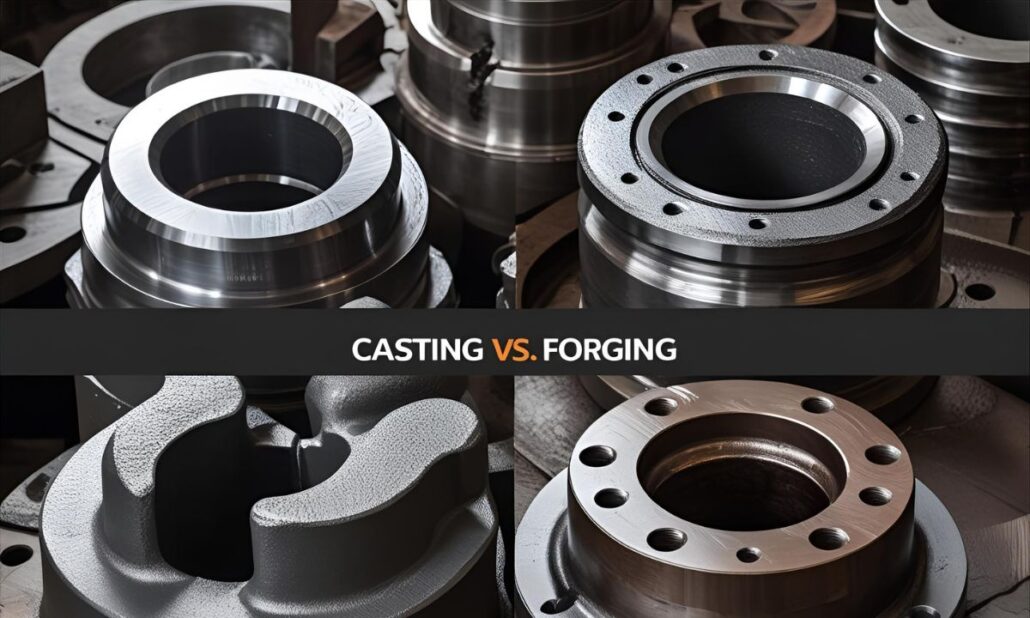
Casting and forging are two of the most commonly used metalworking methods, both of which have different applications in the manufacturing sector. Such techniques are essential in the manufacture of metal parts that diversify in automotive, aerospace, defence, and goliath machinery industries. Although both of them look to create functional parts by shaping metal, they ultimately achieve that goal in definitively different ways, creating different material properties and uses. Casting makes use of processes of melting down metal and pouring it into a mold, where it takes on a permanent shape. It is most suitable for the production of intricate and complicated shapes that would otherwise be difficult to acquire through other machinery. It works very well in mass production, particularly where large volumes of identical parts are manufactured. Casting is very flexible and can use a vast number of metals and alloys, thus casting can be used in industries where fine quality designs matter, aerospace, automotive and art. Forging, on the other hand, is a process of shaping metal through compressive forces, usually when the material is at a high temperature. This process makes the metal stronger by straightening up its grain structure, thus making the parts stronger and durable. The particular benefit of forging is that it is highly applicable in the manufacturing of parts that have to be hardened or exposed to extreme conditions, including high stresses, as in the automotive, aerospace, and defence industries. This article will discuss the main differences concerning casting and forging, the benefits and drawbacks of each, and the areas of application in modern manufacturing and what role each process holds in these processes. What is Casting? A manufacturing process preserved in casting involves pouring a liquid material, typically metallic, into a mold to set and acquire the shape of the mold cavity. It starts as the material is melted, poured into a special shape, and cooled. After this material hardens, the mold is removed, and a solid object is left, which is an almost perfect copy of the mold shape. What is Forging? Forging is a metalworking process that makes use of compressive force, with the metal typically heated to high temperatures. The metal is either beaten, pressed into shape or rolled to the required shape. Forging is commonly done at high temperatures, at which point in time the metal becomes malleable and a lot easier to work with. It is a process that is mostly employed to create robust, wearable components and is widely employed in such industries as automotive, aerospace, as well as heavy machinery. Casting Process The casting involves some major steps: Forging Process Forging is less complicated in the manufacturing process; however, one has to have greater control over temperature and pressure: The Pros of Casting and Forging Casting Advantages: Forging Advantages: Cons of Casting and Forging Casting Disadvantages: Forging Disadvantages: Casting and Forging Materials Casting Materials This casting process is a diverse process that may be conducted using a wide range of materials in relation to the needs of the application. Metals commonly used in casting are aluminum, steel, iron, bronze and brass, which are characterised by unique properties which qualify them to be utilized in various industries. As another example, aluminum is lightweight and has good resistance to corrosion, which will be ideal in automotive and aerospace markets. Steel and iron are more preferred due to their durability and strength, and are usually put to use in components of heavy machinery and industries. Bronze and brass can be seen in the use of metal when the element of strength is needed, but also the need for resistance to corrosion and appealing to the eye has to be considered, like decorative pieces or equipment on ships. Besides these common metals, casting may also entail specialized alloys, such as magnesium, zinc alloys and copper base alloys that are selected to fit certain applications because they possess specific functioning properties. An example of magnesium alloys is employed in the industries that need lightweight components, another example being the zinc alloys that might be applied in various industries where there is a need to cast certain parts that should not be vulnerable to wear and tear. Such copper alloys are dominant in electrical and plumbing works because of their high resistance to corrosion and electrical conductivity. Casting can use different metals and alloys, which means that manufacturers can modify the parts to best suit that application. Forging Materials Materials used to make forgings are usually chosen because of their strength in terms of stress and pressure-resistant properties. Steel alloys comprising carbon steel, stainless steel and tool steel are the most frequently used materials in forging. Carbon steel is strong and hard, and as a result, it is used when building structures and heavy machinery components. The advantage of stainless steel is that it cannot be easily corroded, thus it is ideal in places where parts are inhospitable, like the automotive and medical industries. Tool steel is particularly made and works well against wear and is hence applicable in tools, dies, and other parts of high-performance machines. Uses of Casting and Forging The casting and forging have more similar applications in different industries, and every type is specialized to suit the needs of the end product. The type of casting or forging is determined by strength, complexity, properties of the used material, and end use. The main applications of the processes are the following. Uses of Casting Casting has also proved to come in handy in the production of parts of complex shapes or large volumes. Some of the most important applications in industries are as follows: Uses of Forging Forging. In cases where high strength, durability and material integrity are demanded of the end product, the process is carried out by forging. These are common industries and parts in which forging is important: The Major Distinctions between Forging and Casting Although casting and forging are quite similar manufacturing techniques, it is important to realize the main peculiarities of

Alumínium termosztát ház

Alumínium termosztátház: Motoralkatrészek precizitása és tartóssága

Alumínium

The aluminum thermostat housing is extremely important for the effective working and the endurance of automobile and industrial engines. The necessity to keep the engine at an optimum temperature to avoid the risk of overheating, which can lead to serious engine damage, is necessitated by engine cooling systems. Consequently, the structure and materials employed to make up parts like the thermostat housing are vital to the entire efficiency of the cooling system. Aluminum has evolved to be a popular material because of its light weight, strength, and excellent heat dissipation qualities; therefore, aluminum is a popular choice of material when demanded under the circumstance known as an aluminum thermostat housing. Aluminum thermostat housing has gained increased popularity in a number of trade verticals as many industries demand high-performance and cost-effective parts. Motorcycles, heavy machinery, and marine engine aluminum thermostat housings also enjoy the value of resistance to high temperatures and other elements that the material has demonstrated in its application in automotive engines as well. The concept of the significant aluminum thermostat housing, its use, advantages, fabrication, and application in the engine cooling system will be discussed in this article. We shall also explore the option of custom thermostat housing and how thermostat housing manufacturing is a crucial element when it comes to manufacturing high-quality and long-lasting components. What is an Aluminum Thermostat Housing? A thermostat housing, most often made of aluminum, is a very important part of the cooling system of an internal combustion engine, especially an automotive engine. Its major role is to accommodate the thermostat, which regulates the flow of coolant in the engine and the radiator. The thermostat controls the temperature of the engine, shutting down and opening up depending on the temperature of the coolant, and the temperature of the engine is at optimum. Housing usually is composed of aluminum due to its lightweight attributes, ability to resist corrosion and thermal conductivity. It is made to be able to resist high-pressure coolant systems and rough operating environments, and cause no degradation after several years. Not only is an aluminum thermostat housing light in weight, but it is also highly temperature resistant, which is critical to ensuring proper engine cooling system. Why should thermostat housing be made of aluminum? The selection of aluminum in the production of thermostat housing has tremendously been in favour, as it comes with numerous benefits, namely: a. Light and Strong The lightweight nature of aluminum has seen this material being extensively used in automotive parts that require reduced weight without compromising the strength and performance of the parts. The lower weight will lead to more fuel efficiency, which is important among current vehicles. b. Corrosion Resistance Aluminum is naturally unaffected by corrosion, which is quite essential in automotive engines where there is always exposure to coolants, water, and chemicals. The presence of corrosion resistance makes the housing of the aluminum thermostat structurally stable and gives it the capacity to endure with reliable performance during its lifetime. c. Dissipation of Heat Aluminum has been a great heat conductor. It allows cooling of the engine away, making the thermostat have an optimum temperature. This conductivity of thermal energy assists in adjusting the engine temperatures and avoids overheating, which will lead to the destruction of engine parts. d. Cost-Effective Aluminum is a cheap metal when compared to other metals, hence it is a cost-effective alternative when mass production is involved. Furthermore, it can be lightly machined and cast, enabling affordable production procedures; therefore, it has reduced the production cost of offering a solution of a custom thermostat housing. The Aluminum Thermostat Housing Materials Aluminum thermostat housing materials are important in performance, durability and resistance to harsh engine operating conditions. Synthetic alloys that are common are: 1. Aluminum 356 Alloy Aluminum 356 is famously known to be an incomparable castable, sturdy, corrosion-resistant metal that makes it a favourite medium in thermostat housing due to its admirable qualities. It is durably performing in extreme hot climate conditions. 2. Aluminum 6061 Alloy This alloy has a good strength-to-weight ratio and corrosion resistance, which are suitable traits to be used as a custom thermostat housing for PMFMI automotives or industries. 3. Aluminum 7075 Alloy Aluminum 7075, a super-strong alloy that fits on high-performance components, is ideal as a custom housing for a thermostat in engines where stress and temperatures are extremely high. 4. Alloy 319 Aluminum With superior casting properties, Aluminum 319 is used in aluminum thermostat housings on automobiles and industrial engines where long-term wear resistance must be achieved. 5. Alloy 5083 Aluminum The aluminum 5083 has good corrosion resistance, which makes it highly useful in the marine industry and heavy machinery industries, where it has to deal with corrosive factors due to moisture and harsh conditions. These materials guarantee that thermostat housing manufacturing will generate durable, light and efficient engine cooling parts. Aluminum Thermostat Housing Types Aluminum thermostat housing is also of various types, depending on the manufacturing process, design requirement and the nature of the engine application in question. The typical automotive and industrial materials are listed below: 1. Sand Casting Thermostat Enclosure The creation of larger and more complex parts is usually done through a process known as aerospace sand casting, where an aluminum thermostat housing is determined. Here, a sand mold is cast over the pattern of the thermostat housing, and molten aluminum is poured into the mold so as to create the part. The technique is best suited for manufacturing elaborate patterns and low to medium volume of production. 2. Die Cast Thermostat Housing In die casting, molten aluminum is repeatedly forcefully injected into a steel mold, forming an aluminum thermostat housing of usually accurate dimensions and smooth surface finishes. This process is most suited to large volume manufacturing and is normally employed in instances where specific, strict tolerances and uniformity must be met. 3. Thermostat Housing Permanent Mold Casting Permeant mold casting employs the use of metal molds in thermostat housing production, and parts manufactured in this form have very

Öntött alumínium

Mi az öntött alumínium? A modern gyártásban használt sokoldalú fém

Alumínium, alumínium öntvény

Az alumíniumöntvény az egyik legjobban alkalmazkodó és legelterjedtebb anyag a mai gyártásban. Az olvadt alumíniumot olvasztják és öntik formákba a kívánt formák elfogadásához, és ebben a folyamatban olyan összetett és bonyolult alkatrészek építhetők, amelyek egyébként alternatív technikák alkalmazásával nehezen jönnének ki, és ezért a folyamat sok ilyen alkatrészt viszonylag alacsonyabb költséggel tud létrehozni. Az öntött alumíniumtermékek különböző célokra találták meg értéküket, amelyek az autómotorok alkatrészeire, a repülőgépiparra, a kávéfazekakra, a főzőedényekre és még a háztartásra is kiterjednek. A hihetetlen súlytalanság, valamint az egyidejű szilárdság és a korrózióval szembeni ellenállóképesség és a jó hővezető képesség számos iparág legjobb beszállítójává teszi. Az öntött alumínium emellett nagy tervezési rugalmasságot biztosít a gyártó számára, lehetővé téve olyan összetett geometriák létrehozását, amelyek sok anyag felhasználása nélkül optimalizálhatják a teljesítményt. Az öntési folyamat emellett nagyon hatékony és gazdaságos, különösen akkor, ha az alkatrészek tömeggyártásáról van szó. Ráadásul az alumínium az egyik olyan fémkategória, amely könnyen újrahasznosítható, ami azt jelenti, hogy csökkentheti a gyártás ökológiai költségeit. Bár az öntött alumíniumnak sok előnye van, vannak hiányosságai is, például a kovácsolt alumíniummal összehasonlítva törékeny, és nehezen hegeszthető. Ezeket a tényezőket figyelembe kell venni, amikor az öntött alumíniumot bizonyos alkalmazásokhoz választjuk. Ez a cikk átfogó képet ad az öntött alumínium, a mai világ egyik legelterjedtebb anyagának tulajdonságairól, előnyeiről és alkalmazásairól. Mi az öntött alumínium? Az öntött alumínium a meglehetősen folyékony megjelenésű alumíniumból áll, amelyet újra formába öntöttek, hogy egy terméket formáljon. Ez a folyamat, vagyis az öntés egy nagyon régi gyártási eljárás, amelyet a mai gyakorlathoz igazítottak. A kovácsolt alumíniummal ellentétben, amelyet hengerléssel vagy extrudálással öntenek, az alumíniumot olvadt fémként öntik a formába, majd hagyják megkeményedni. Az öntés olyan összetettebb, üreges, sőt háromdimenziós formákat biztosít, amelyek megmunkálással vagy kovácsolással nem lennének könnyen vagy költséghatékonyan elérhetőek, mivel folyékony halmazállapotban kezdődik. Ez a sokoldalúság az, ami miatt az öntött alumínium termékeket olyan széles körben használják a termékek teljes spektrumában; azaz motoralkatrészek, valamint elektronikus berendezések és főzőedények, hogy csak néhányat említsünk. Egyszerű öntött alumínium összetétel Az alumínium, a legtöbbször, nem tiszta alumínium. Ehelyett ötvözet, azaz alumínium és más anyagok keveréke a szilárdság vagy a folyékonyság, vagy mindkettő javítása érdekében. Az ötvözet leggyakoribb szempontja A kombináció sajátos, ami a felhasználástól függ. Példaként a magas hővezető képességű és korrózióállóságú ötvözeteket használnák a magas hőmérsékletű berendezésekhez, például autóipari alkatrészekhez, a főzőedények pedig a magas szilícium-alumínium tartalmú ötvözetet vennék, amely nagy hőteljesítménnyel és kopásállósággal rendelkezik. Az öntött alumínium története és fejlődése A fémek öntése több ezer éves múltra tekint vissza, mivel a korai társadalmak már ismerték a bronz és az öntöttvas öntését szerszámok és fegyverek előállításához. Az alumíniumot a 19. század elejéig nem nyerték ki, és a 19. század végéig, a Hall-Héoult-eljárás megalkotásáig nem is volt gazdaságos. Az alumíniumöntés a 20. század elejére a repülőgépipar és a főzőedénygyártás egyik eljárása lett. A II. világháború idején volt a legnagyobb az alumínium iránti kereslet, mivel szilárdság/tömeg aránya miatt a repülőgépekben volt a legmegfelelőbb. A háború után az alumíniumöntésnek több kereskedelmi alkalmazása volt a fogyasztási cikkekben, az autógyártásban és az építészetben. a szerszámok, a kohászat és az öntvények tervezőmérnöki fejlődésének köszönhetően az öntött alumínium a mai gyártás része. Az öntött alumínium folyamata Az alumíniumöntés olyan folyamat, amely számos fontos lépést igényel ahhoz, hogy az olvasztott alumíniumból olyan alkatrészekké váljon, amelyek meghatározott alakzatok formájában felhasználhatók. A folyamat alapvető magyarázatának munkája a következőképpen zajlik: 1. Formakészítés Az öntés kezdeti eljárása egy öntőforma készítése, amelybe az olvadt alumíniumot önteni fogják. Az öntési módszertől függően a forma többek között olyan anyagokból állhat, mint a homok, fém vagy kerámia. Egy jó öntőformával is megtervezik a kívánt alakot, hogy az alumínium a megfelelő alakban szilárduljon meg. 2. Az alumínium megolvasztása Amikor a forma készen van, néhány alumíniumdarabot vagy alumíniumtömböt egy kemencébe helyeznek, ahol 660 és 750 °C (1220 és 1382 o F) közötti hőmérsékleten megolvasztják. Az olvadt alumíniumot is folyamatosan figyelik a megfelelő öntési hőmérséklet és minőség elérése érdekében. 3. Az olvadt alumínium öntése a formába Miután az olvadt alumíniumot a forma üregébe öntötték, az olvadt fémet a forma üregébe öntik. Az öntés az öntés fajtájától függően történik, azaz a szerszámöntés, a homoköntés vagy a beruházási öntés. Az alkalmazott technikák közül néhány a szerszámöntés, ahol az olvadt alumíniumot nyomás alatt fecskendezik be, míg más technikáknál az olvadt alumíniumot csak beleöntik a formába, és hagyják kihűlni. 4. Hűtés és megszilárdulás Építés és felügyelet: Ha túl vastag vagy bonyolult alkatrészről van szó, akkor hosszú időbe telik a lehűlés. Ebben a szakaszban az olvasztott alumínium a kívánt formára hűl, és a belső nyomás kiürül. 5. Beépítés és ellenőrzés Miután az alumínium lehűlt és megszilárdult, a szerszámot felszabadítják, és az öntött alkatrész megmarad. A leválasztás egyes esetekben a szerszámdarab megtörésével történik, különösen a homokba öntésnél, más technikáknál, például a szerszámöntésnél pedig a szerszám felnyílik és az alkatrész kilökődik. 6. Befejezés és ellenőrzés Az alkatrészt a vágás után általában befejező műveletekkel, például csiszolással, polírozással, megmunkálással stb. dolgozzák tovább, hogy a felületet kisimítsák, illetve hogy szorosabb tűréseket érjenek el. Az alkatrészt ezután ellenőrzik

mi az öntött alumínium edények

Mi az öntött alumínium főzőedény?

Alumínium

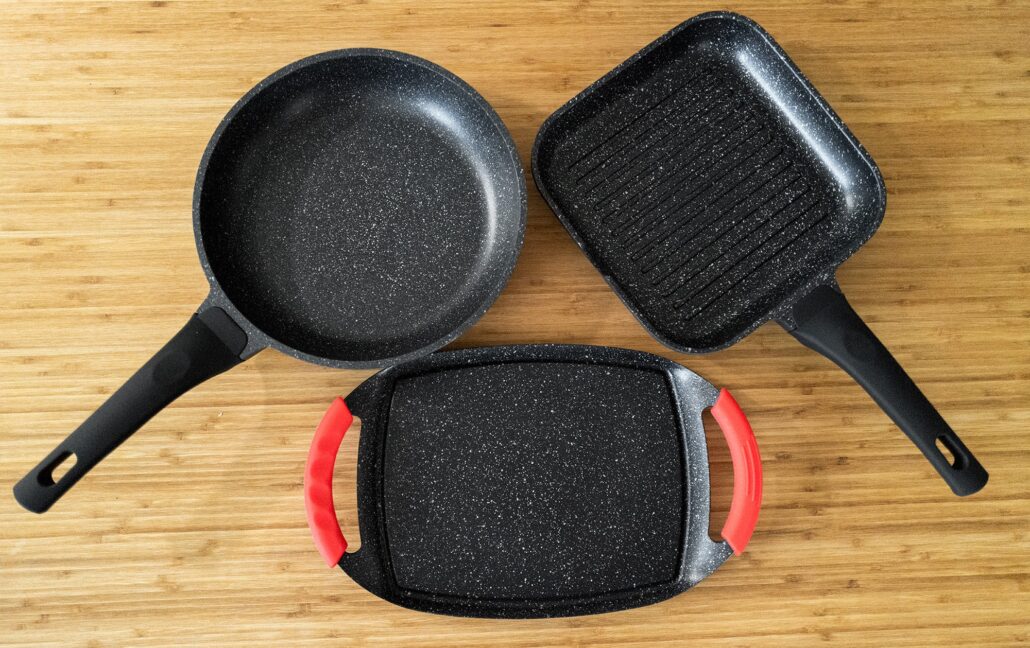
Az öntött alumínium főzőedényeket gyakran használják az otthoni szakácsok és a profi szakácsok, és azért ismert és kedvelt, mert egyszerre tartós és könnyű, és nagy hőeloszlással rendelkezik. Az öntött alumínium főzőedényeket olvasztott alumínium öntvényekbe öntésével állítják elő; az ilyen főzőedények fő célja, hogy egyenletes melegítést adjanak, ne vetemedjenek, és hosszú ideig bírják. Alkalmazása révén a konyha univerzális elemévé vált, mivel a legtöbb főzési módnál alkalmazható, például sütésnél és párolásnál, sütésnél és sütésnél. az öntött alumínium főzőedények legjelentősebb előnyei közé tartozik, hogy gyorsan és egyenletesen melegszik fel. Az öntött alumínium főzőedényekről is elmondható, hogy vastagabbak, mint vékonyabb társaik, például a préselt alumínium, ami miatt jó vastagsággal rendelkeznek a homogén főzési hőmérséklet fenntartásához. Általában úgy is gyártják, hogy tapadásmentes réteggel rendelkezik, és így csökkenti a felhasznált olaj mennyiségét is, és a tisztítás is könnyebbé válik. idővel az öntött alumínium főzőedények gyártói új anyagok, környezetbarát bevonatok és más tapadásmentes technológiák révén fejlődtek és tették kivételessé. Ezek a fejlesztések még népszerűbbé is teszik, és hatékonyabb, egészségesebb és fenntarthatóbb főzési folyamatot biztosítanak vásárlóinak. Meghívja a barátait, éppen egy egyszerű vagy bonyolult ételt állít össze; az öntött alumínium főzőedények jól jönnek a munka elvégzéséhez, ez azért van, mert teljesítménye megbízható, és együtt működik a modern konyha követelményeivel. Az öntött alumínium főzőedények megértése Az öntött alumínium főzőedények az edényekre, serpenyőkre és serpenyőkre, valamint a helyi szinten gyártott egyéb konyhai felszerelésekre utalnak, amelyeket olvasztott alumínium öntőformákba történő öntésével állítanak elő. A főzőedények öntése meglehetősen robosztus szerkezetűvé teszi azokat, ami ezért a közönséges alumíniumhoz képest jelentősen erősebbé teszi őket. A préselt alumíniumhoz képest (amely vékony lemezeken készül) az öntött alumínium főzőedények sokkal vastagabbak, így nagyobb hőtartást és hőeloszlást biztosítanak. A vetemedési tényező az idő múlásával az egyik elsődleges tényező, hogy az emberek szeretik az öntött alumínium főzőedényeket használni, mivel ez a probléma a vékony anyagoknál gyakori. Ez segíti az egyenletes főzési hőmérsékletet is, így a különböző ételek főzése valószínűleg hasonlóbb eredményt ad. Öntött alumínium főzőedények Az öntött alumínium főzőedények az öntött alumínium használatát követik, amely átesik az öntési eljáráson. Ez úgy történik, hogy az olvadt és nyomás alatt lévő alumíniumot egy üregbe öntik. Így a főzőedény alakja és vastagsága pontosan szabályozható. Az öntött alumínium főzőedények általában kifinomultabbak a hagyományos öntött alumíniumhoz képest, mivel kifinomult textúrával és sima felülettel rendelkeznek.Az öntött alumínium főzőedények előnye, hogy nem olyan nehezek, mint néhány más anyag, például az öntöttvas. Ez sokkal kényelmesebb a főzés és a takarítás során, így ideális a főzési választásnál, különösen akkor, ha jó minőségű, de nem nehéz főzőedényeket igényel.A másik tulajdonsága az öntött alumínium főzőedényeknek az, hogy sokoldalú. Számos eljárásra, például sütésre, sütésre és párolásra alkalmazható. Általában tapadásmentes bevonattal is ellátják, ami hozzájárul ahhoz, hogy könnyen használható és tisztítható legyen. Mindazonáltal szem előtt kell tartani, hogy a tapadásmentes bevonat idővel elhasználódhat, hacsak nem gondosan karbantartják. Mi az a főzőedény? A főzőedényeket úgy is definiálhatjuk, mint az ételek elkészítéséhez használt különféle edényeket, serpenyőket és egyéb főzőeszközöket. Az ilyen tárgyakat gyakran olyan anyagokból gyártják, mint a rozsdamentes acél, az alumínium, az öntöttvas, a kerámia, a tapadásmentes bevonatú tárgyak és a réz. A főzőedények elsődleges célja, hogy segítsék az élelmiszer-alapanyagok elkészítését és főzését különböző módszerekkel, azaz forralással, sütéssel, párolással, párolással, sütéssel vagy grillezéssel. A főzőedények fajtái: 1. Főzőedények és serpenyők: A főzés a két legalapvetőbb főzőedény segítségével történik. Ezek különböző formájúak és méretűek, például serpenyők, lábasok, főzőedények és serpenyők. 2. Sütőedények: Ebbe a kategóriába tartoznak a tálcák, piteformák és tortaformák, amelyeket csak sütésre használnak.3. Speciális főzőedények: Ezek a wokok, grillezők, holland sütők és gyorsfőzők. A főzőedényekben használt anyagok Az öntött alumínium főzőedények gyártási folyamata Az öntött alumínium főzőedények gyártása a következő lépésekből áll, amelyek magukban foglalják az alumínium megolvasztását, az öntést, a befejezést és a bevonatot. Az öntött alumínium főzőedények gyártási eljárását az alábbiakban a lehető legtöbb lépésben ismertetjük: 1. Az alumínium megolvasztása Az alumínium fémet az előkészítéshez meg kell olvasztani, és ez az öntött alumínium főzőedények gyártásának első szakasza. A homok, a fém vagy a kerámia tipikus anyagok, amelyekből ez a fajta forma készül. A hőmérséklet szabályozása pontosan történik, hogy az alumínium elérje a megfelelő viszkozitást, amellyel önteni lehet. 2. Az öntőforma előkészítése Az alumínium megolvasztása után egy formát indítanak el, hogy a főzőedény kívánt formájára alakítsák. Az alumíniumot alumínium formájában öntik. Ahol magát az öntött alumíniumot használják, ott a formákat gyakran homokba öntik, és kifejezetten egy-egy főzőedény (serpenyő, fazék, serpenyő stb.) elkészítésére tervezik őket.Miután a formát elkészítették, az olvadt alumíniumot a forma üregébe kell önteni. Ez a mélyedés veszi fel az elkészítendő főzőedény formáját. Fémformák: Vannak olyan fémformák, amelyek újrafelhasználhatók, amelyeket újra felhasználnak, és nagyobb hőmérsékleten is képesek megtartani a hőt. 3. Az olvadt alumínium kiöntése Miután az alumíniumot a formába öntötték, azt lehűtik. A folyékony fém a forma minden területére kerül, és felveszi a főzőedény formáját. Ennek az öntési folyamatnak pontosnak kell lennie, hogy a főzőedény is megfelelően és hibátlanul formázott legyen. ebben a fázisban az alumínium öntése a formába kézzel vagy automatikusan történik (a nagyságrendtől függően).

Eloxált alumínium: A folyamat megértése és számos előnye

Eloxált alumínium: A folyamat megértése és számos előnye

Alumínium

Az eloxált alumínium egy rendkívül rugalmas és korrózióálló anyagtípus, amelyet elektrokémiai eljárással alakítanak ki, amely az alumíniumban rejlő oxidréteget továbbfejleszti. Ez úgy történik, hogy az alumíniumot elektrolitba, azaz kénsavba mártják, és elektromos áramot vezetnek át rajta. Ez egy olyan alumínium-oxidot eredményez, amely vastagabb, és az anyagban belül kötődik, nem pedig egyszerűen az anyag felületén. Ezáltal az eloxált alumínium erősebbé, kopás- és korrózióállóbbá vált, és képes túlélni a zord időjárási körülményeket. az eloxálás során az alumínium néhány olyan tulajdonsága, amely használhatóvá teszi, javul, és emellett esztétikailag is testre szabható. Az eloxálással kialakított porózus oxidrétegbe felszívódó festékanyagokkal tiszta és stabil színeket lehet elérni. Ez a tulajdonság lehetővé teszi az eloxált alumínium felhasználását az építészetben, az autóiparban és a szórakoztatóelektronikai alkalmazásokban, ahol a tartósság és a jó megjelenés egyensúlyára van szükség. a korrózióállóság az eloxált alumínium egyik legnagyobb előnye. Ez az alumínium-oxid réteg védi az alumíniumot a nedvesség, a só és a vegyi anyagok ellen, és mint ilyen, az alumínium a legjobban működik kültéri és tengeri körülmények között is. Emellett az eloxált alumínium rendkívül kopásálló, ami azt jelenti, hogy a szükséges anyagot úgy tervezték, hogy sokáig kitartson egy olyan terméken, amely kopásnak van kitéve, mint például az autóipari alkatrészek, ipari szerszámok vagy akár konyhai eszközök. Mi az eloxálás? Az alumínium természetes oxidrétegét megvastagító, anodizálásnak nevezett eljárás egy elektrokémiai folyamat. Az alumíniumot egy elektrolitoldatba, általában kénsavas oldatba helyezik, és elektromos áramot alkalmaznak rá, ezáltal erős korrózióálló bevonatot kap. Ez az eljárás növeli a fém szilárdságát és kopásállóságát, valamint lehetővé teszi a színek festését. A végtermék az eloxált alumínium, amely erősebb és tartósabb, mint a kezeletlen alumínium. Mi az eloxált alumínium? Az eloxált alumínium olyan alumíniumot jelent, amelyet már feldolgoztak egy úgynevezett eloxálási eljárással. Ezt úgy érik el, hogy az alumínium felületét egy vastag, ellenálló oxidréteg kialakításával módosítják. A normál bevonatok csak fekszenek a felületen, az eloxált alumíniumon kialakult oxidréteg pedig magának az alumíniumnak a részévé válik. Ennek hatására egy tartósabb, korrózióállóbb és karcállóbb anyag jön létre. Az eloxálás tipikus folyamatában az alumínium szuszpenziót elektrolitikus mártásba helyezik, ami általában kénsav, és a folyamat során elektromos áramot vezetnek át. Ennek eredményeképpen a fém felületén alumínium-oxid képződik. Az oxidréteg változhat, más esetekben pedig színezéket adhatunk a folyamathoz, hogy színes oxidot nyerjünk. Az eloxált alumínium főbb paraméterei a következők: Az előállítás módjától függően az eloxált alumínium meglehetősen gyakori a repülőgépiparban, az autóiparban, az építészetben és az elektronikai iparban, mivel az erő, a funkcionalitás és az esztétikum szinergiáját kínálja. Az alumínium eloxálása gyakorlati és esztétikai előnyökkel jár, akár nagy teljesítményű alkatrészeknél, dekoratív alumínium alkalmazásoknál, akár szélsőséges környezetnek kitett termékeknél alkalmazzák. Az alumínium eloxálás folyamata Eloxálás: Elektrokémiai kikészítési módszer, amelynek során az alumínium felületét egy nagyon erős és korrózióálló oxidréteggé alakítják át. A folyamatnak számos fontos lépése van, és mindezek a lépések hozzájárulnak a késztermékhez a funkcionális és esztétikai igények szempontjából. Ez az alumínium eloxálási folyamatának vázlata: Első lépés: Az alumínium előkészítése Az alumínium előkészítése során a következőkre kerülhet sor: Az alumíniumot az eloxálás előtt először megtisztítjuk, hogy eltávolítsuk a szennyeződéseket, az olajat és a szennyeződéseket. Ez általában lúgos oldat vagy kémiai tisztítószer alkalmazásával történhet. Fontos, hogy a felületet megtisztítsuk, mivel minden szennyeződés bejut az eloxálásba, és nehézségeket okoz az oxidréteg minőségében. 2. lépés: elektrolitikus fürdő A tisztítás után az alumíniumot elektrolitikus oldatba mártjuk, amely lehet kénsav, és elektromos áramot vezetünk rajta keresztül. Ennek az elektrokémiai reakciónak az eredménye az alumínium oxidációja; egy merev oxidréteg borítja az elem felületét, vastag védőréteget képezve rajta, és az alumínium oxidálódik. A feszültség, a hőmérséklet és a fürdőben töltött idő eredményezi az oxidréteg vastagságát. 3. lépés: Ellenőrzés E lépés során az eloxált alumíniumot színpigmenttel lehet megfesteni, hogy elérje azt. A festék felszívódása a porózus oxidrétegben történő felszívódásához vezet, így alakulnak ki a szép színek. A festék az alumínium felületének eloxálása után használható, és a szín beépül az oxidrétegbe, így az tartós és nem fakulásra hajlamos. 4. lépés: Tömítés A színezett alumíniumot az eloxálás és a festés után tömítik, hogy az oxidrétegben lévő pórusokat lezárják. Ez teljesen fontos a korrózióállóság fokozásában és a szín megtartásában. Ehhez az eljáráshoz nikkel-acetát vagy akár forrásban lévő vízzel történő tömítőanyagokat használnak. Az anyag pecsételve is tartós, így sokféleképpen alkalmazható. 5. lépés: Ellenőrzés Az alumínium minőségi ellenőrzése az eloxálási, színezési és tömítési folyamatok elvégzése után történik, és minőségi alkatrészeket kapunk. Ebben az ellenőrzésben az oxidréteg vastagságának, színének és a teljes felület egyenletességét ellenőrzik. Minden károsodást vagy eltérést kezelnek, majd az alumíniumot elszállítják, hogy az elégedett alkalmazásokba kerüljön. Az eloxált alumínium típusai Az eloxált alumíniumnak fajtái vannak attól függően, hogy mire van szükség, és az alkalmazástól függően. A legtöbb variáció az eloxált réteg vastagságán, a kivitelen és a végrehajtott elektrolitikus eljáráson alapul. Az eloxált alumínium fő formái a következők: 1. I. típus: Schulze-féle krómsavas eloxálás Az alumínium eloxálásának egyik legrégebbi technikája a krómsavas eloxálási technika. Itt a krómsavfürdő

Görgessen a tetejére

Kérjen árajánlatot