
Finitura superficiale dell'alluminio

Zincatura e nichelatura: Quale scegliere?

Zincatura e nichelatura: Quale scegliere?

stampi per colata di alluminio, pressofusione di alluminio, Finitura superficiale dell'alluminio

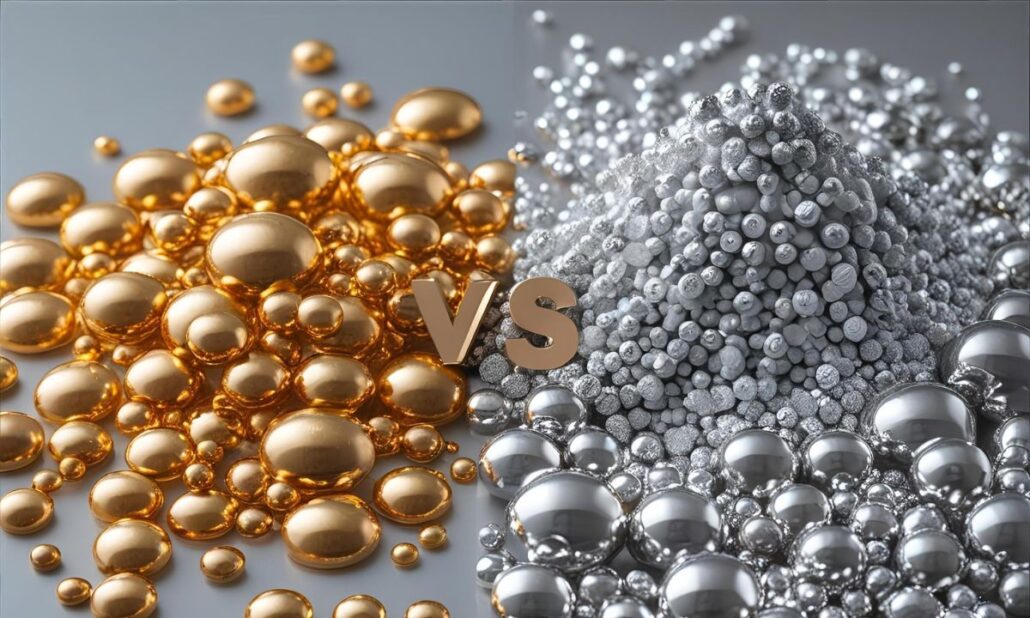
La zincatura e la nichelatura sono un punto di riferimento frequente in termini di finitura dei metalli. Questi due metodi vengono applicati per salvaguardare i metalli, migliorarne le prestazioni e far durare più a lungo i prodotti. Le differenze tra questi due tipi dipendono dal costo, dalla durata e dall'aspetto. La finitura delle superfici non è solo apparenza. Si tratta dell'accuratezza con cui un prodotto può contrastare la ruggine, l'usura e i danni. Anche i metalli più resistenti possono essere sconfitti in assenza di un rivestimento adeguato. Questo è il motivo per cui la placcatura è un processo importante nell'industria automobilistica, aerospaziale, edile ed elettronica. La zincatura è nota per essere economica ed efficace. Forma un rivestimento protettivo sottile e lavorabile che resiste ai danni della ruggine sul metallo sottostante. Per questo motivo è preferito in elementi di fissaggio, dadi, bulloni e molti altri piccoli prodotti utilizzati quotidianamente. La nichelatura, invece, è più resistente e durevole. Non si consuma facilmente e resiste agli acidi. La nichelatura è anche una finitura brillante e attraente, quindi è ideale quando si tratta di parti decorative o visibili, come le finiture delle auto e gli accessori degli elettrodomestici o gli involucri elettronici. Quando si considera la zincatura rispetto alla nichelatura, si pone la domanda: quale funziona meglio nella vostra situazione? La risposta dipende dal luogo di applicazione del pezzo, dalla quantità di protezione di cui ha bisogno e da quanto siete disposti a separarvene. Nel presente blog, illustreremo entrambi i processi, i loro vantaggi, le loro limitazioni e le principali aree in cui possono essere utilizzati al meglio per aiutarvi a prendere la decisione più appropriata. Che cos'è la zincatura? La zincatura è una tecnica di rivestimento molto diffusa ed economica. Si ottiene depositando un sottile strato di zinco sulla superficie di un metallo, in genere acciaio o ferro, mediante un processo noto come galvanoplastica. Nel processo, una soluzione di sali di zinco viene utilizzata per immergere il metallo di base e viene fatta passare una corrente elettrica. Le soluzioni di zinco raggiungono la superficie del pezzo lasciando un rivestimento uniforme e sottile. Vantaggi della zincatura Limitazioni della zincatura Cos'è la nichelatura? Anche la nichelatura è una tecnica di finitura comune, ma rispetto allo zinco offre una superficie più dura, resistente ed esteticamente più gradevole. Il processo si ottiene in due modi principali: Nichelatura elettrolitica (elettroplaccatura) - Come nel caso della zincatura, il metallo grezzo viene posto in una soluzione di sali di nichel e il nichel viene depositato sulla superficie applicando una corrente elettrica al metallo. La nichelatura elettrolitica è un metodo che non necessita di elettricità. Utilizza piuttosto un processo chimico per depositare il nichel in modo da ricoprire uniformemente la superficie, anche in strutture complesse o in luoghi altrimenti inaccessibili. Vantaggi della nichelatura Limitazioni della nichelatura Il processo di placcatura Processo di zincatura La preparazione della superficie è molto meticolosa nel caso della zincatura. Prima di procedere alla placcatura, la superficie, che nella maggior parte dei casi è metallica, normalmente acciaio o ferro, deve essere pulita da olio, sporco, ruggine e ossidi. A tal fine, i componenti vengono puliti con liquidi acidi o alcalini e poi risciacquati in modo che non rimangano residui. Dopo la pulizia, il componente viene inserito in un bagno elettrolitico con una soluzione di sali di zinco, per lo più solfato di zinco o cloruro di zinco. L'elettricità viene quindi caricata attraverso il bagno. Questo movimento fa sì che gli ioni di zinco presenti nel mezzo si spostino e si depositino sulla superficie del metallo di base. L'effetto è un rivestimento molto sottile e uniforme di zinco che copre lo zinco sottostante. Spesso si esegue una lavorazione successiva al componente placcato, che può dare un effetto più resistente alla corrosione e può anche cambiare l'aspetto del rivestimento, fornendo una finitura gialla, nera o trasparente. La zincatura è relativamente rapida, ha un prezzo basso ed è altamente applicabile nella produzione di massa di hardware e parti di veicoli. Processo di nichelatura La nichelatura viene preparata in modo quasi simile, con la fase iniziale di pulizia. Le superfici dei pezzi sono ben trattate e pulite per garantire che l'adesione non sia compromessa dai residui. Nichelatura elettrolitica: Il pezzo entra in un bagno di soluzioni di sali di nichel, ad esempio solfato di nichel, e viene applicata una corrente elettrica. In questo modo gli ioni di nichel si depositano sulla superficie, formando uno strato duro e protettivo. Un altro approccio, che consiste nella nichelatura e non richiede energia, è la nichelatura elettrolitica. Piuttosto, il pezzo viene immerso in alcune sostanze chimiche sotto sali di nichel e una soluzione riducente come l'ipofosfito di sodio. Si verifica una reazione chimica di placcatura e il nichel si deposita uniformemente sul pezzo. Questo processo presenta un vantaggio rispetto alla placcatura elettrolitica, in quanto ricopre in modo uniforme anche le cavità, le scanalature e altre geometrie complesse. I depositi di nichel chimico sono molto duri e resistenti alla corrosione, ma questo processo è più costoso del metodo di galvanizzazione e richiede una maggiore attenzione alla chimica del bagno, al livello di pH e alla temperatura. Zincatura e nichelatura: Differenze chiave Nella scelta tra zincatura e nichelatura, i costi, la durata, l'aspetto, la resistenza alla corrosione e l'adeguatezza dell'applicazione sono tutti aspetti che possono essere presi in considerazione. Esaminiamoli uno per uno. 1. Resistenza alla corrosione Vincitore: La nichelatura per una protezione anticorrosione a lungo termine. 2. Resistenza / Usura Vincitore: Nichelatura; durezza, resistenza all'usura. 3. Vincitore dei costi: Zincatura per soluzioni economicamente vantaggiose. 4. Aspetto Vincitore: Nichelatura - per avere un aspetto gradevole. 5. Impatto ambientale Vincitore: Zincatura per la sua ecologicità. Tabella di confronto rapido Caratteristica Placcatura di zinco Placcatura di nichel Resistenza alla corrosione Buona, ma limitata in condizioni difficili Eccellente, soprattutto per il nichel elettrolitico Durata Moderata - si usura più velocemente Alta - resistente ai graffi e all'usura Costo Basso (economico) Più alto (opzione premium) Aspetto Finitura lucida, ma di base Finitura decorativa liscia e a specchio Impatto ambientale Trattamento dei rifiuti più semplice Sono necessari controlli ambientali più severi Meglio per Elementi di fissaggio, bulloneria, ferramenta in generale Aerospaziale, elettronica, usi decorativi Applicazioni industriali della placcatura di zinco e nichel Entrambe le tecniche di placcatura sono molto comuni nelle industrie;
Materiale in alluminio anodizzato: Proprietà, vantaggi e applicazioni

Materiale in alluminio anodizzato: Proprietà, vantaggi e applicazioni

pressofusione di alluminio, Finitura superficiale dell'alluminio

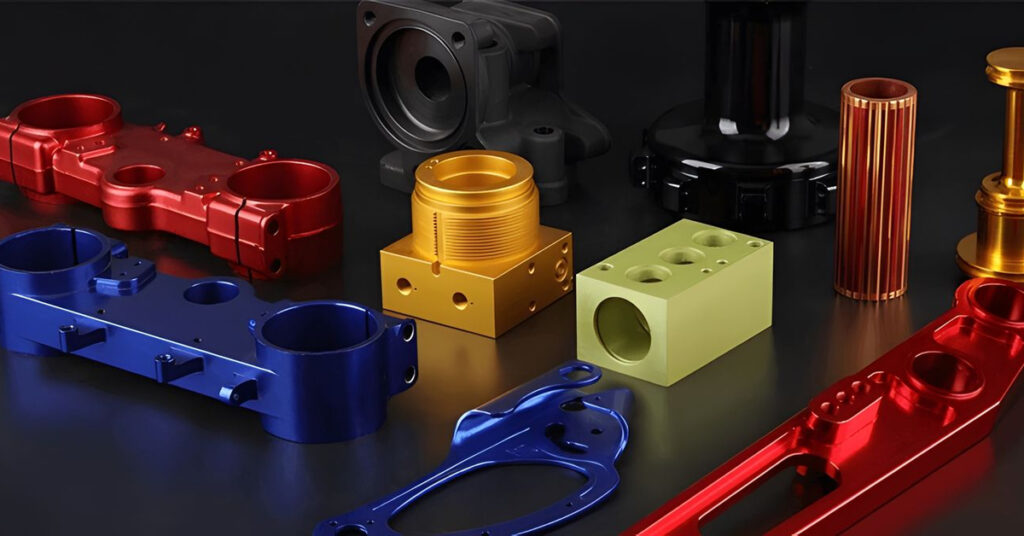
Anodized aluminum material is used mainly because it is light, strong, and corrosion-resistant. While raw aluminum does offer a certain amount of durability and scratch resistance, it is prone to oxidation, dents, and scratches, which can change it in the long term and keep it looking good. To make the aluminum stronger and more durable, it is then anodized to form a protective oxide layer on its surface. The reason for this layer is that it hardens the metal, giving it a more noncorroding and nonwear surface and a more pleasant appearance. Anodized aluminum is preferred due to these factors and is used widely across aerospace, automotive, construction, and consumer electronics industries. The anodization consists of several steps cleaning of the surface, immersion into an electrolyte bath, oxidation using electric current, and sealing. Besides making the material stronger, this treatment can be colored in different shades and finishes. Electrolytic coloring, Dip coloring, Integral coloring, and Interference coloring are different common coloring techniques. Ordinary anodizing and hard anodizing are the two main types of anodizing. Typically there are two processes available: ordinary anodizing, used primarily for finish and low-weight applications, and hard anodizing which gives excellent durability, wearer, and strength for military, industrial, and aerospace applications. In addition to anodization, aluminum can be processed through other surface treatments such as electroplating, powder coating, chromate conversion coating, PVD coating, ceramic coatings, or hot dip galvanizing. Anodized aluminum does not possess these properties uniformly and thus is used as a versatile and reliable material in many industries, with each method providing the material with specific enhanced properties—corrosion resistance, hardness, conductivity, etc. In this article, we’ll discuss what properties, benefits, applications, and maintenance of anodized aluminum involve, and why it is a better alternative to other metals and treatments. If we know these aspects we can understand which material to use for a particular industry and the consumer. What is Anodized Aluminum? Aluminum that has been anodized is an aluminum that has been run through an electrochemical process to produce a thicker, more durable oxide layer on its surface. The presence of this anodic oxide layer increases the resistance of the metal to corrosion, improves the surface hardness, and increases the ability of the metal to adhere to dyes and coatings. The Anodization Process In other words, the anodization process includes several key steps. Anodized Aluminum Material Key Properties 1. Enhanced Corrosion Resistance Anodized aluminum is one of the most resistant to corrosion. This makes it practically useless outdoors or when submerged in water, as the oxide layer protects the metal from moisture and our environment. 2. Increased Surface Hardness Anodization improves the hardness of aluminum significantly and aluminum becomes more resistant to scratch, dent, and wear. One such hard anodized aluminum is highly durable and is indeed used in high-performance applications. 3. Aesthetic Appeal and Color Variety Also, anodized aluminum is offered in black, gold, bronze, silver, etc. without changing the natural texture of the metal. This is why it is a preferred choice for architectural as well as decorative applications. 4. Lightweight Yet Strong While the oxide layer is put on top of the aluminum, this doesn’t make the aluminum significantly heavier, and it is still lighter than heavier materials such as stainless steel. 5. Electrical Insulation Because anodized aluminum is a poor conductor of electricity as compared to untreated aluminum, it is an attractive material to use in applications where insulation is needed for electrical or electronic purposes. 6. Environmentally Friendly and Sustainable Anodized aluminum is completely non-toxic, is recyclable, and does not out-gas dangerous and health-harming VOCs (volatile organic compounds), so it is eco-friendly. How to Add Color to Anodized Aluminum Parts? Anodizing aluminum is well known to be able to hold colors very vibrantly. Electrolytic coloring and dip coloring are the two of the many techniques used to color anodized aluminum. 1. Electrolytic Coloring One popular way to beautify anodized aluminum is with electrolytic coloring whereby anodized aluminum is colored with durable and UV-resistant shades. Once the aluminum has gone through the anodizing process, it is placed in a bath with metallic salts. In the last few years metalized salts have been developed whereby, when an electric current is applied, they settle into the open pores of the anodized surface permanently creating a metal-colored surface. Finally, the color depends on the type of metal salts involved. Copper salts ,for instance, make the solution reddish in tone, and other metals can make it in other hues. It is widely used because colors done this way last long and don’t fade, which makes it great for outdoor or high-exposure uses. 2. Dip Coloring Another color method is ‘dip coloring’ which gives one a large variety of color choices. During this kind of processing, the porous layer is submerged in a dye solution where the anodized aluminum absorbs the pigment. Once a shade is reached, the aluminum is sealed in water to stop reactions from continuing. Dip coloring offers much more vibrant and customizable contrasted shades, but they are not UV resistant and the colors will fade to a much lesser extent when exposed to sunlight. However, this lack of durability is the main reason why it is not commonly used in applications where the durability of parts is an important factor. 3. Integral Coloring (One-Step Process) An integral coloring is a unique process that incorporates anodizing and coloring into one process which is more efficient than in multi-step methods. Unlike some other techniques, the electrolytes, which react with the surface of the aluminum and are quick to dry, create deep, rich metallic tones including black, gold, or bronze. The color is formed in the very oxide layer, and due to that, it is very durable and doesn’t scratch, isn’t prone to corrosion, and doesn’t fade away. While integral coloring yields quality finishes, it is rare because of the cost and complexity. Architectural components, high-end electronics, and industrial equipment in which the parts must be able to withstand demanding conditions where

parti in alluminio anodizzato

Alluminio anodizzato nero

Finitura superficiale dell'alluminio

What is black anodized aluminum Black anodized aluminum is basically the aluminum which went through anodizing process and then subsequently dyed into black color. The natural and porous oxide layer on the surface of the aluminum part is increased by an electrochemical process called anodizing. In this way this layer becomes durable, thicker and harder. This oxide layer is achieved by dipping aluminum part in an electrolytic bath and passing electric current through it. Anodized aluminum black is considered important because of its corrosion resistance, durability and aesthetics attraction and uniqueness. Aluminum has prominent properties such as light weight, high strength to weight ratio, corrosion resistance and thermal conductivity. All of these properties remain intact and a sleek black finish is provided as well. This finish is more durable and is less likely to chip off or peel off as compared to finish which is achieved by plating or coating. This is extensively used in automotive parts, aerospace industry, household components and electronics parts. How aluminum is anodized? This includes a method in which a decorative as well as protective layer is produced on the aluminum part surface. Many important factors need to be considered in this process which is the following: Equipment and Material Anodizing tank Aluminum objects Sodium Hydroxide Distilled water Electric current source Nitric acid or sulfuric acid Degreaser Anodizing black dye Cathode material i.e. lead or aluminum Protective gears How to prepare Aluminum Part Surface? Surface preparation is a prominent factor before carrying out anodizing process. It comprises of various steps including cleaning, etching and desmutting. First of all surface of the aluminum object is completely cleaned by using acidic or alkaline cleaners. This will thoroughly remove all kinds of contaminations such as dirt, grease or oil. Now the cleaned aluminum object is subjected to etching process. During this process the aluminum part is etched in sodium hydroxide solution. Etching process will remove the natural oxide layer and will create a smooth surface finish. Etching process often leaves residual particles on the surface. In order to remove those residues, desmutting process is carried out. In this process aluminum part after the etching process is dipped in an acidic solution i.e. nitric acid. How to carry out black anodizing aluminum process? This process is carried out in an electrolytic cell which comprises of an anode, cathode and an electrolytic solution in the bath. This bath most of the times contains sulfuric acid however phosphoric acid and chromic acid are also used. The aluminum object whose preparation is completed is dipped in the bath. In the electrolytic cell positive electrode is the aluminum object which will act as anode. The negative electrode which is made of stainless steel or lead will act as cathode. This will complete the circuit and an electric current is passed through this circuit. During this process oxygen ions from the electrolytic bath combine with the aluminum atoms on the surface area of the aluminum object and will form aluminum oxide. This process continues and thickness of this oxide layer keeps increasing. It is important to note that growth of this oxide layer takes place inward and outward from the aluminum surface and ultimately this will result in the formation of a porous structure. Factors which affects the formation of Oxide layer The thickness of the oxide layer is controlled by the following factors. The temperature of the electrolyte The duration of the process Current density The type of the acid which is used How to dye aluminum black? This process is carried out after the anodizing of aluminum object. At the end of anodizing process a porous oxide layer is formed on the aluminum object which is able to absorb and accept dyes. During the dyeing process the aluminum object is immersed in a dye bath. This dye bath contains the black dye. The black dye penetrates into the pores of the porous oxide layer which was formed from anodizing process. In order to achieve the required black shade and uniform dyeing the immersion time and temperature must be carefully controlled. After achieving the desired color and its shade the sealing process is carried out. In this process the absorbed dye is locked by closing the pores of the oxide layer and aluminum object is sealed. Following materials are generally used for sealing purpose. Nickel acetate solution Ionized water Steam The aluminum object is subjected to thorough rinsing to remove any residues. After that the part is completely dried. Subsequently this will increase the corrosion resistance, durability and the surface finish. Defining the black anodized aluminum pipe This is a hollow and cylindrical tube made from aluminum and is in shape of a pipe. This aluminum pipe is first subjected to anodizing process in which oxide layer is increased in thickness and after that it is dyed into black color to get a better finish. Anodized aluminum black pipe have the combination of aluminum properties such as corrosion resistance, light weight, durability and advantages of anodization along with black finishing. These pipes find their applications extensively in construction sector, marine applications, automotive industry and for decoration purposes. Definition of the aluminum anodized black sheet An aluminum sheet is a flat and thin aluminum metal piece which possesses the prominent properties such as corrosion resistance, light weight and high strength. This aluminum sheet undergoes anodizing process which ultimately enhances the surface hardness and corrosion resistance of the aluminum sheet. Additionally this process also increases the ability of the sheet to absorb dyes and coatings. After that this sheet is dyed into black color. Subsequently this will provide aesthetics and protection against wear and corrosion. Major applications of these sheets include areas where durability and appearance are of prime importance such as architecture, electronics, signage and decorative needs. Advantages of Black Anodized Aluminum Black anodized aluminum provides many advantages making it suitable to be utilized in numerous applications. Some benefits are as follows. Improved Mechanical Properties: Black anodized aluminum offers better wear resistance and

Torna in alto

Richiedi un preventivo