Esplorare la potenza della pressofusione di zinco personalizzata per le parti di precisione

Esplorare la potenza della pressofusione di zinco personalizzata per le parti di precisione 

colata di alluminio

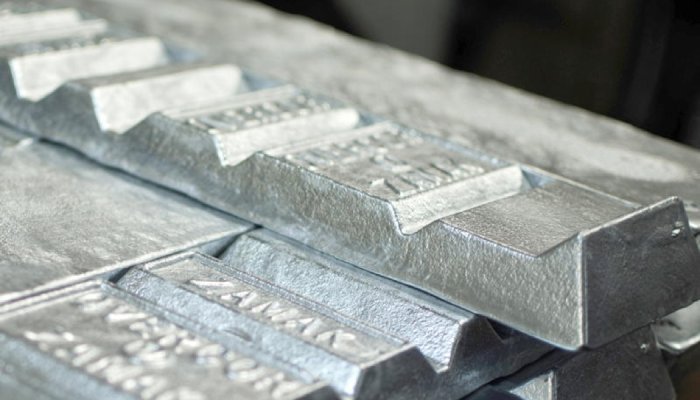
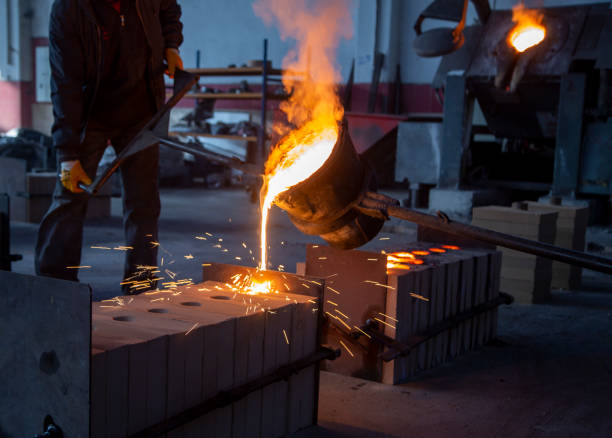
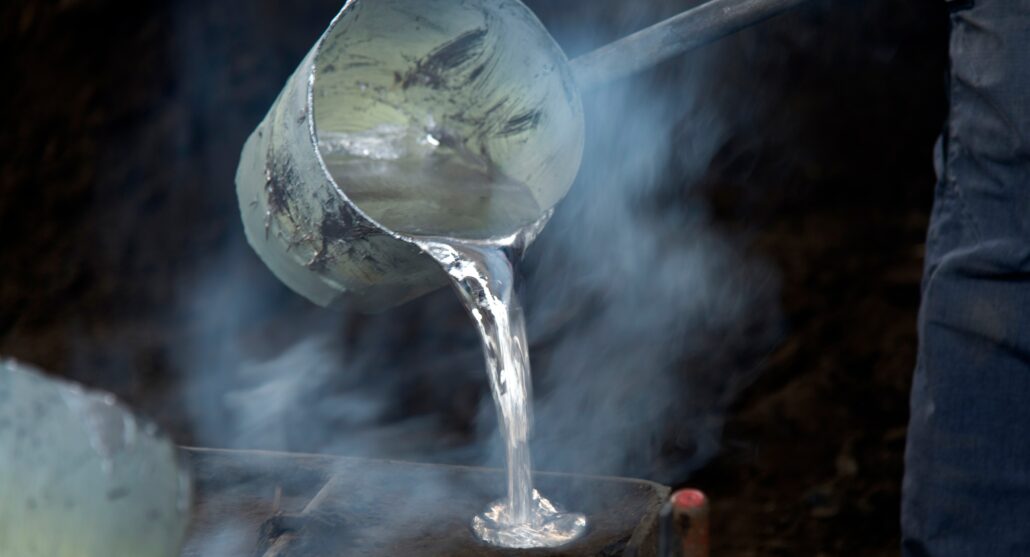
La pressofusione di zinco personalizzata è diventata una pietra miliare della produzione moderna, offrendo alle aziende la possibilità di produrre parti complesse, durevoli e di alta precisione su scala. A differenza dei metodi di fusione standard, la pressofusione di zinco personalizzata consente ai produttori di creare componenti che soddisfano esattamente i requisiti di progettazione, dimensionali e prestazionali. Questa flessibilità la rende una soluzione ideale per settori come l'automotive, l'elettronica, l'aerospaziale e i prodotti di consumo, dove affidabilità e precisione sono fondamentali. Leghe di zinco come Zamak 2, Zamak 3, Zamak 5 e ZA 8 sono leghe di zinco pressofuso comunemente utilizzate, selezionate in base ai loro requisiti meccanici e termici. La Zama 2 contiene circa il 4% di alluminio, circa il 3% di rame e un po' di magnesio, che le conferiscono grande resistenza e durezza, con una resistenza alla trazione molto vicina a 330 MPa. La zama 3 è di gran lunga la più utilizzata ed è praticamente priva di rame (circa 4 % di alluminio e un contenuto simile di magnesio) e quindi dura e facile da colare, con una resistenza alla trazione di circa 280 MPa. Una lega a base di zinco contenente rame 1%, che migliora leggermente la resistenza e la durezza fino a 310 MPa di resistenza alla trazione, è nota come Zamak 5, che ha una buona colabilità. La ZA-8 è una lega di alluminio di circa 8,5% e di rame di circa 1% con una resistenza alla trazione di quasi 390 MPa e una buona resistenza all'usura e prestazioni in condizioni di temperatura elevata. In questo articolo verranno analizzati la pressofusione di zinco personalizzata, il processo in sé e l'utilizzo dei servizi di pressofusione di leghe di zinco personalizzate in Cina. Che cos'è la pressofusione di zinco? La pressofusione di zinco è un metodo di iniezione di zinco fuso ad alta pressione in uno stampo di acciaio. Quando il metallo si solidifica, assume la forma dello stampo creando un pezzo particolare e duraturo. Rispetto ad altri metalli, lo zinco possiede una grande fluidità, un'eccellente resistenza e la capacità di fondere componenti con dettagli precisi. La sua resistenza rende lo zinco un'opzione interessante dal punto di vista delle prestazioni, ma è anche un materiale relativamente a basso costo e rappresenta un'opzione interessante per le aziende che vogliono bilanciare le prestazioni con i costi di produzione. Ciò è particolarmente vero per qualsiasi tipo di pressofusione di zinco personalizzata, poiché questo processo consente alle aziende di progettare componenti su misura per le loro esigenze individuali. Vantaggi della pressofusione di zinco personalizzata 1. Precisione e accuratezza Precisione e accuratezza La personalizzazione della pressofusione di zinco presenta uno dei vantaggi più significativi, ovvero la capacità di realizzare componenti altamente accurati e precisi. Questo processo di pressofusione assicura che i componenti rimangano coerenti nelle dimensioni e nella finitura superficiale, anche per i progetti più complessi. Nei settori dell'elettronica, dell'automotive e dell'aerospaziale, dove sono richieste tolleranze e adattamenti, questa precisione diventa molto importante. I pezzi di precisione che non possono essere creati con altri mezzi e i pezzi con geometrie intricate e dettagliate possono essere prodotti utilizzando la pressofusione di zinco personalizzata. Mentre altri metodi di produzione possono essere in grado di produrre alcuni pezzi con alti volumi di pezzi identici con variazioni minime, la pressofusione è davvero la strada da percorrere per i pezzi che richiedono un alto livello di coerenza. 2. Durevolezza e resistenza È un metallo robusto, molto durevole e resistente alla corrosione. È quindi perfetto per la produzione di pezzi che saranno sottoposti a condizioni abrasive. La pressofusione di zinco offre la possibilità di produrre pezzi personalizzati, progettati per essere utilizzati efficacemente per periodi di tempo prolungati. Le pressofusioni in lega di zinco offrono un eccezionale rapporto resistenza/peso, per cui i prodotti saranno robusti ma non troppo pesanti. Come nella maggior parte dei settori, questo aspetto è fondamentale (in particolare nella produzione automobilistica), dove la riduzione della massa del sistema è fondamentale per le prestazioni, l'efficienza dei consumi, ecc. 3. Per molte aziende il rapporto costo-efficacia è un aspetto molto importante. Questa sfida può essere risolta abbastanza bene utilizzando un processo di pressofusione di zinco personalizzato, grazie alla sua capacità di creare pezzi di alta qualità a un costo relativamente basso. Grazie al costo relativamente basso dei materiali e all'efficienza del processo di pressofusione, lo zinco è una scelta molto conveniente per i produttori. La pressofusione è anche molto precisa e di alto livello, quindi può ridurre i costi di post-produzione o di lavoro secondario della macchina. Inoltre, consente di produrre un elevato numero di pezzi identici in un unico ciclo di produzione e quindi di ridurre ulteriormente i costi, rendendola la soluzione perfetta per la produzione di massa. 4. Flessibilità di progettazione Il principale vantaggio della pressofusione di zinco che utilizza una progettazione personalizzata è la flessibilità di progettazione. Ciò consente ai produttori di creare pezzi con forme complesse, pareti sottili e caratteristiche intricate che altrimenti non sarebbero state realizzabili. Questa flessibilità consente alle aziende di inventare e creare pezzi diversi che offrono funzioni particolari e un aspetto specifico. Inoltre, grazie alla pressofusione di leghe di zinco, i pezzi possono essere creati con varie finiture superficiali, come quelle lisce e lucide, oppure strutturate o opache. La versatilità del design rende la pressofusione di zinco adatta a molte altre applicazioni oltre all'elettronica di consumo: macchinari industriali, parti di veicoli, ecc. 5. Tempi di consegna brevi Oggi, nell'ambiente di produzione ad alta velocità e ad alto volume, il tempo è fondamentale. La pressofusione di zinco personalizzata aiuta le aziende a centrare l'obiettivo con tempi di produzione rapidi e a portare rapidamente i loro prodotti sul mercato. Il processo di fusione è piuttosto rapido una volta realizzati gli stampi, quindi l'intero processo è piuttosto veloce e consente di produrre rapidamente una grande quantità di pezzi in un tempo minimo. Inoltre, è utile nei settori in cui il time to market è critico. L'uso corretto della pressofusione di zinco aiuta le aziende a evitare ritardi e carenze di inventario e a ottenere un'elevata qualità dei pezzi. Il processo di pressofusione di zinco su misura Questo è il caso del processo di pressofusione di zinco su misura di massa, che prevede molte fasi chiave da eseguire per realizzare ciò che è necessario. Queste fasi sono: 1. Progettazione e creazione dello stampo La prima cosa che si fa per creare uno stampo è progettare lo stampo utilizzando l'acciaio. La parte che viene
Guida completa alla lega Zamak 5: Proprietà, colata e applicazioni

Guida completa alla lega Zamak 5: Proprietà, colata e applicazioni

zamak 5 pressofusione

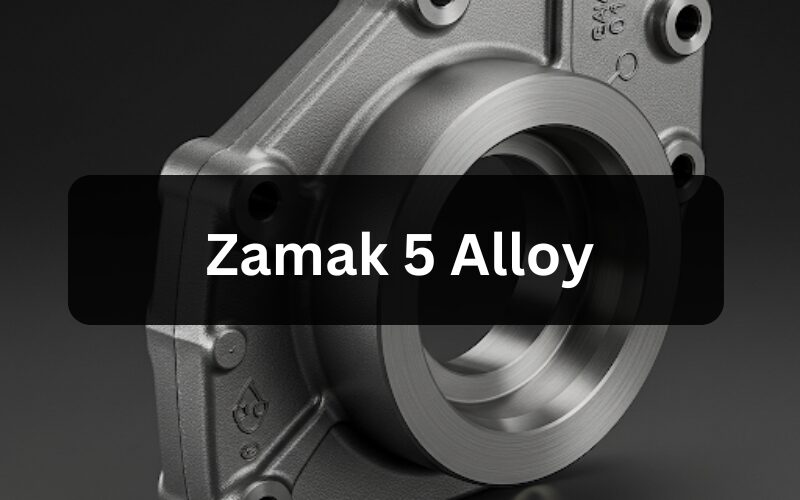
Una di queste leghe, ampiamente utilizzata nelle industrie manifatturiere e di fusione, è la lega Zamak 5, a base di zinco, che presenta alcune caratteristiche uniche. Ciò è dovuto alla grande forza, all'eccellente durata e alla grande resistenza alla corrosione che la Zamak 5 offre, rendendola un materiale ideale per le operazioni di pressofusione. Dopo l'estrazione, lo Zamak 5 è estremamente poco fondente e presenta eccellenti caratteristiche di colata, rendendo così lo Zamak 5 un materiale ideale per la produzione automobilistica e per l'industria dei prodotti di consumo e della ferramenta. Gli operatori del settore avranno la certezza delle proprietà della lega Zamak 5, come la composizione e i vari impieghi concreti, per prendere decisioni sulla produzione e ottimizzare il processo di efficacia operativa. L'articolo analizza la lega Zamak 5 attraverso la sua composizione chimica e i metodi di produzione, oltre al controllo della temperatura e al mantenimento della pressione, e gli attributi della sostanza meccanica sulle prestazioni industriali. Panoramica della lega Zamak 5 Zamak 5 è una lega leader a base di zinco che l'industria definisce lega zinco-alluminio. La Zamak 5 è composta chimicamente dal 3,5 al 4,3% di alluminio, dallo 0,03 allo 0,08% di magnesio e dallo 0,75 all’1,25% di rame. La sua resistenza superiore è dovuta agli elementi che il produttore può utilizzare per creare componenti ad alta resistenza da utilizzare nell'industria automobilistica, aerospaziale e dei beni di consumo. La resistenza alla trazione, la densità di 6,7 g/cm³ e il punto di fusione relativamente ampio di 380-385°C sono presenti in questa lega per la sua buona durata e precisione. Composizione e proprietà della Zamak 5 Composizione chimica della Zamak 5 Le proprietà meccaniche della Zamak 5 sono migliorate dalla miscelazione di una lega a base di zinco in percentuali controllate di zinco, alluminio, rame e magnesio. Questa proprietà di facile fusione è una delle qualità che rende la Zama 5 un'eccellente lega per la pressofusione rispetto alla lega 96-98% di ZINCO. Per ottenere risultati superiori, è fondamentale utilizzare materiale di zinco con purezza 99,99%, per evitare contaminanti che comprometterebbero la resistenza e l'integrità strutturale della lega. La solidificazione del materiale Zamak 5 è migliorata dall'aggiunta di alluminio (da 3,5 a 4,3%), che migliora la microstruttura della lega. Le regioni che le formano hanno una composizione che combina caratteristiche di duttilità e durezza nella struttura del materiale. La presenza di magnesio tra 0,03% e 0,08% nella zama 5 è dovuta al fatto che, grazie a questo elemento, la corrosione delle microfessure nei confini dei grani viene bloccata dalle impurità. Poiché questa aggiunta rende la lega più fluida, lo stampo ne beneficia ottenendo migliori caratteristiche di riempimento. Se si esclude il magnesio, la superficie della Zamak 5 risulterà difettosa e molto difficile da lavorare. La Zamak 5 è fusa in grafite e presenta una buona resistenza all'usura e una buona capacità di trattamento termico quando si aggiunge una quantità di rame compresa tra lo 0,75% e l'1,25%, con una maggiore resistenza al creep, adatta alle applicazioni di variazione termica. Poiché lo Zamak 5 diventa fragile quando si superano i limiti corretti, il rapporto di rame è importante. Proprietà fisiche dello Zamak 5 Il peso del materiale Zamak 5 è di 6,7 g/cm³ con una densità compresa tra quella dell'acciaio e quella delle leghe di alluminio. Il rapporto favorevole tra peso e resistenza rende lo Zamak 5 adatto a molte strutture che prevedono materiali resistenti con pesi ridotti. La zama 5 fonde tra i 380 e i 385 gradi Celsius, il che rende la colata esatta di zama 5 economicamente vantaggiosa rispetto all'alluminio. A una temperatura media di 120 °C, la resistenza alla trazione dello zama 5 è risultata pari a 330 MPa con una resistenza allo snervamento di 220 MPa e un potenziale di allungamento di 7-10%, che soddisfa i requisiti dell'uso industriale. Lo Zamak 5 è forte e adattabile, poiché presenta un'elevata resistenza allo snervamento di 220 MPa e l'allungamento massimo prima del cedimento di 7-10%. Proprietà meccaniche di Zamak 5 Zamak 5 ha livelli di durezza Brinell 91 HB, perfettamente in equilibrio tra resistenza e durezza superficiale, che lo rendono una combinazione eccellente per maniglie decorative o altre parti che richiedono protezione dall'usura. Resistenza agli urti: La misura della resistenza all'impatto Charpy a temperatura ambiente del materiale è di 53 J, mentre a -20°C si riduce a 35 J. La lega ha un'elevata resistenza all'impatto che le consente di proteggersi dalle sollecitazioni meccaniche e dalle vibrazioni in condizioni di forza dinamica. Zamak 5 può resistere a sollecitazioni cicliche di 100 MPa e sopravvivere senza cedimenti fino a 1 milione di cicli. Lo Zamak 5 si comporta in pratica con una stabilità affidabile sotto carico continuo, risultando così adatto per i componenti delle macchine e per le parti delle lavatrici. Proprietà meccaniche della lega Zamak 5 La tabella seguente mostra le caratteristiche meccaniche essenziali della lega di alluminio Zamak 5. Proprietà Valore Durezza Brinell 91 HB Carico di rottura 328 MPa Carico di snervamento (0,2%) 269 MPa Carico di taglio 262 MPa Carico di compressione 600 MPa Carico di fatica 56,5 MPa Carico d'urto 65 J Modulo di elasticità 96 GPa Allungamento 7% in 50 mm I valori di resistenza della lega Zamak dimostrano come essa sia in grado di resistere alle sollecitazioni e la collocano all'interno di altri materiali dove può essere utilizzata in applicazioni impegnative. La Zamak 5 offre una resistenza superiore ai carichi di fatica e agli impatti, ed è quindi adatta a parti sottoposte a carichi di forza ripetuti. Proprietà fisiche della lega Zamak 5 Attraverso l'insieme delle sue caratteristiche, il comportamento dello Zamak 5 è controllato dalle proprietà fisiche. Proprietà Valore Intervallo di fusione 380-386°C Densità 6,60 g/cm³ Conducibilità elettrica 26% IACS Conducibilità termica 109 W/mK Capacità termica specifica 419 J/kg-°C Coefficiente di espansione termica 27,4 µm/m°K Rapporto di Poisson 0,30 La combinazione di proprietà dello Zamak 5 lo fa funzionare bene in diversi contesti e in condizioni di applicazione adatte alla conducibilità termica ed elettrica. Le caratteristiche di densità appropriate e la capacità termica rendono lo Zamak 5 un must per i sistemi sensibili al calore e possiede anche buone proprietà elettriche, che forniscono una varietà nella forma di utilizzo di una parte elettrica. Vantaggi della lega Zamak 5 In confronto, le proprietà di resistenza superiore che lo Zamak 5 presenta a fronte di un peso inferiore sono dovute al fatto che il suo rapporto resistenza-peso è di 49 MPa, superiore a quello dell'alluminio A380. A causa

Guida completa a Zamak 3 e alle sue applicazioni

Guida completa a Zamak 3 e alle sue applicazioni

zamak 3

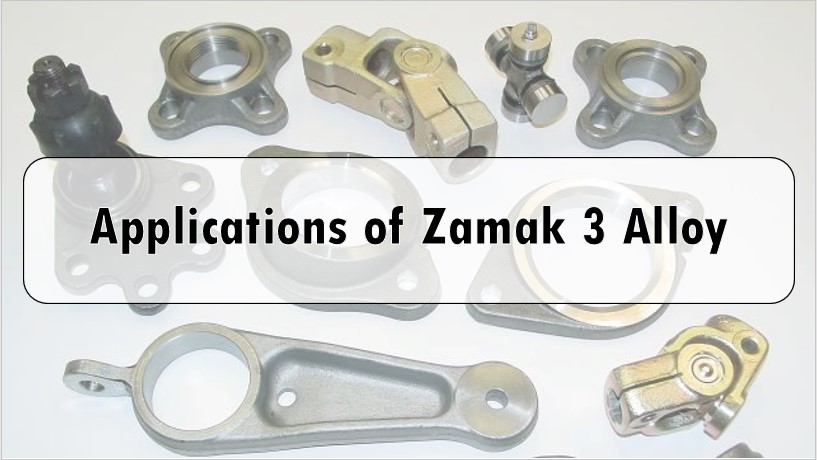
Tra le leghe Zamac, la Zamak 3 è la più popolare per il suo equilibrio di resistenza, durata e facilità di fusione. Lo zinco è il componente principale di questa lega, che contiene piccole quantità di alluminio (3,5 -4%), magnesio (0,03 - 0,06%) e rame (0,25%). Grazie alla sua composizione molto specifica, questo campione è più stabile dal punto di vista meccanico, meno soggetto alla corrosione e in grado di mantenere le dimensioni con maggiore precisione. La zama è un gruppo di leghe composte da zinco, ampiamente utilizzate in ambito manifatturiero in quanto dotate di buone proprietà meccaniche e di un prezzo accessibile. Deriva dalle parole tedesche Zink (zinco), Aluminum (alluminio), Magnesium (magnesio) e Kopper (rame) e il termine è seguito dal nome dei simboli di questi elementi: Zamak‘. Negli anni ’20, queste leghe sono state sviluppate e oggi sono fondamentali nelle industrie che richiedono componenti metallici di precisione. Questo è uno dei principali vantaggi della lega di zinco Zamak 3, in quanto può essere pressofusa. Il basso punto di fusione (circa 385°C) fa sì che venga utilizzata per la produzione a costi relativamente bassi di parti con caratteristiche intricate e dettagliate. Al termine del processo di fusione, la lega ha mantenuto la sua fluidità per fornire finiture superficiali lisce che non richiedono un eccessivo trattamento post-produzione. La colata di Zama 3 ha prestazioni così buone da essere utilizzata in molti settori industriali. È presente nella maggior parte dei componenti automobilistici, negli alloggiamenti elettrici, nella ferramenta e nei beni di consumo. Poiché il materiale è resistente alla corrosione e preciso dal punto di vista dimensionale, il suo utilizzo è particolarmente appropriato per le applicazioni più esigenti, in cui è richiesta un'affidabilità a lungo termine. Nel complesso, la lega Zamak 3 è un materiale conveniente e versatile che ha continuato a essere utilizzato nella produzione moderna. La combinazione di resistenza, durata ed efficienza di fusione ad essa associata la rende molto richiesta dalle industrie che dipendono fortemente da componenti metallici di qualità. Che cos'è lo Zamak 3? Può essere descritta come una lega a base di zinco che comprende zinco, alluminio e magnesio, con rame. La Zamak è una famiglia di leghe inventate negli anni ‘20 del secolo scorso. Il nome ’Zamak" si basa sulle spedizioni tedesche (Zink, Alluminio e Magnesio) più (Kopper, o Cu) per i componenti principali del materiale.Zamak 3 (specificata anche come ASTM AG40A, Z33520 UNS) è una delle leghe di zinco più comunemente utilizzate nell'industria della pressofusione. Lo Zamak 3 è noto per le sue eccezionali proprietà meccaniche e fisiche ed è la scelta preferita da molti settori industriali. La lega di zinco Zamak 3 è considerata tra le leghe Zamak per le sue buone proprietà meccaniche e il suo basso costo. Offre un eccellente equilibrio tra durezza, resistenza agli urti e stabilità dimensionale, che la rendono un'ottima applicazione industriale. Composizione e proprietà della lega Zamak 3 Composizione della lega Zamak 3 La lega Zamak 3 è basata su zinco con alluminio e vari metalli in tracce, che aggiungono diverse proprietà benefiche. La composizione della lega Zamak 3 è stata scelta per garantire la resistenza, la durata e la facile producibilità della pressofusione. La Zamak 3 è composta dai seguenti componenti chiave. La lega Zamak 3 è molto diffusa in settori quali l'automotive, l'elettronica e la produzione. Composizione chimica della lega Zamak 3 I quattro elementi principali della lega Zamak 3 sono zinco, alluminio, magnesio e rame. Le caratteristiche della lega sono definite e le sue proprietà meccaniche sono potenziate da ogni elemento che svolge un ruolo particolare. La lega di zinco Zamak 3 è normalmente disponibile con composizioni tipiche composte da: Zinco (Zn) - 96% La lega Zamak 3 è costituita da zinco come metallo di base con un'eccellente resistenza alla corrosione, buone proprietà di fusione e un prezzo accessibile. Inoltre, facilita la fusione e lo stampaggio e può essere prodotta in massa nell'industria della pressofusione. Alluminio (Al) - da 3,5% a 4% L'alluminio aumenta anche la forza, la durezza e la resistenza alla corrosione della lega. Inoltre, aumenta la fluidità del metallo fuso, consentendo alla colata Zamak 3 di produrre forme precise e complesse con una finitura liscia. Magnesio (Mg) - da 0,03% a 0,06% Il magnesio migliora in modo significativo la resistenza meccanica e la resistenza agli urti anche in piccole quantità nella lega di zinco Zamak 3. Inoltre, la colata della lega è più resistente alla corrosione. Inoltre, la fusione della lega diventa più stabile e duratura, poiché contribuisce a ridurre l'ossidazione durante il processo. Rame (Cu) - 0,25% Il rame aumenta la durezza e la resistenza alla trazione della lega. Tuttavia, viene mantenuto a una percentuale molto bassa per evitare un'eccessiva fragilità della lega Zamak 3. Proprietà chiave della lega Zamak 3 La lega di zinco Zamak 3 è accuratamente bilanciata per renderla un'applicazione industriale adatta grazie alle sue proprietà vantaggiose che includono: 1. Le caratteristiche della lega Zamak 3 producono un eccellente equilibrio tra resistenza e duttilità, adatto a questo tipo di componenti che richiedono una lunga durata sotto stress meccanico. Ha una resistenza alla trazione di circa 283 MPa (41.000 PSI) e una durezza di 82 Brinell (HB). Questa combinazione lo rende resistente all'usura per applicazioni come quelle automobilistiche e per i componenti strutturali. 2. Eccellente stabilità dimensionale La lega di zinco Zamak 3 è una delle caratteristiche di fusione più preziose per il mantenimento di dimensioni precise anche in condizioni di stress elevato. La lega di zinco Zamak 3 è diversa da altre leghe metalliche che si espandono o si contraggono notevolmente con le fluttuazioni di temperatura. È ideale per le applicazioni in cui le tolleranze devono essere strette e l'accoppiamento deve essere preciso, come ingranaggi, serrature e parti di macchinari industriali. 3. Resistenza alla corrosione La lega Zamak 3 contiene alluminio e magnesio che costituiscono un'ulteriore fonte di ossidazione e corrosione ambientale. Lo zinco puro, tuttavia, è soggetto a corrosione nel tempo e, dopo l'aggiunta degli elementi nella lega di zinco Zamak 3, si forma uno strato resistente alla corrosione sulla superficie. Per questo motivo, è indicata per applicazioni all'aperto, componenti automobilistici e involucri elettrici. 4. Elevata colabilità e fluidità

Che cos'è la zama? Guida completa a questa versatile lega di zinco

Che cos'è la zama? Guida completa a questa versatile lega di zinco

zamak pressofusione

What is zamak? Zamak or ‘zinc alloy’ is a family of alloys that are mainly zinc-based with traces of other metals such as aluminum, magnesium and copper. Zamak is a German word made from the short form of zinc (‘Z’) and the word Amak (‘aluminum, magnesium and copper’; the main elements that compose this alloy). Due to its versatility, durability and cost efficiency, the metal is very popular in industries. Zamak (or Zamac, trademarked as ZAMAK before) is a very soft and relatively hard group of alloys, the majority of which comprises of zinc and some smaller amounts of aluminum, copper and magnesium. These alloys are a part of the broader family of zinc-aluminum alloys, but this group is distinct in that the concentration of aluminium is usually consistent and is typically about 4%. This particular combination of elements is what distinguishes Zamak from other alloys within the family and, consequently, results in unique properties that make it suitable for a variety of applications. In this article, we shall discuss Zamak’s composition, characteristics, types, advantages, uses and reasons why it is progressively being employed in various sectors of manufacturing.  Zamak: A Versatile Zinc-Aluminum Alloy Zamak is an acronym for the German names of the metals that comprise its alloy: Zink (zinc), Aluminium (aluminum), Magnesium and Kupfer (copper). First introduced in 1929, the alloy has since proven itself to be a cost-effective, durable, and incredibly versatile material to be used throughout the manufacturing world. Before Zamak was developed, zinc die casting had an issue known as zinc pest. Zinc pest refers to the degradation of zinc components due to the presence of impurities in the alloy. The impurities made the zinc degenerate, and over time, most die-cast parts were rendered unusable. The New Jersey Zinc Company solved this by making Zamak, which was made from very pure zinc – the very most pure zinc – 99.99% pure zinc. Refining was achieved by refluxing, and this was done so that the impurities that caused zinc pest could be removed. The Origins and Evolution of Zamak Alloys  Zamak’s innovation had brought stability to the zinc die casting industry, which was much needed. Zamak was soon widely accepted for its higher purity and its ability to resist zinc pest in a relatively short period for use in die casting and other industrial purposes. This alloy was a real success, as it enabled strong, durable, and long-lasting components even in harsh environments. Zamak has become a well-proven material, qualifying it to endure mechanical stresses while exposed to the environment.  What is zamak? Zamak itself is a zinc-aluminum-based alloy, essentially designed for die casting and precision manufacturing. It is widely used as a result of its strength, corrosion resistance and good casting properties; it was developed in 1929 by the New Jersey Zinc Company. Being able to melt at (380°C or so to 420°C), it has a low melting point and thus is suitable for automotive parts, hardware, electrical components, and consumer goods. It is a preferred choice over pure zinc and other metal alloys because of its durability and low cost in different industries. Composition of Zamak Alloys Zamak is a group of five different alloys of zinc as the base metal and small amounts of added aluminium, magnesium and copper to provide special properties to the metal. The principal elements contained in various Zamak alloys include: 1. Zinc (Zn) is the base metal in all Zamak alloys. The alloy is the second most widely used non-ferrous metal, after aluminum, as it is notable for its corrosion resistance and strength.2. Zamak also often contains Aluminum (Al) to increase the overall strength and resistance to corrosion. Also, it gives a better surface finish, which is worth special attention in casting.3. Magnesium (Mg) – Magnesium is also added to Zamak alloys to enhance the strength and casting properties of the finished alloy. Reducing the brittleness of zinc is also achieved.4. Zamak contains copper (Cu) added in very small amounts to add hardness and increase wear resistance. In general, the composition of the alloy may differ with the type of Zamak, but generally contains about 85–95% zinc, aluminium around 4–8%, copper 1–3%, and magnesium 0,01–0,1 %.  What is the Zamak Melting Point? The melting point of Zamak alloys depends slightly on their composition, but commonly lies between 380°C to 420°C (716°F to 788°F). Zamak is also relatively low in melting point and is a good choice for casting and precision manufacturing. Melting Points of Different Zamak Alloys: Zamak is made of mostly zinc so it melts at a much lower temperature than aluminum or steel. Its property of high precision, fast production and cost-effective manufacturing makes it appropriate for applications having high precision requirements. What is Zamak Powder? Zamak powder is a fine particle structure of Zamak alloy composed of zinc with minor additions of aluminum, magnesium, and copper. This is a fine metallized powder used in industries such as thermal, spraying industries, industries in additive manufacturing and powder metallurgy industries. Properties of Zamak Powder Composition: Same as standard Zamak alloys (Zamak 2, 3, 5, or 7)Melting Point: Approximately 380°C to 420°C (716°F to 788°F)Corrosion Resistance: Excellent resistance to environmental factorsConductivity: Good electrical and thermal conductivityDensity: Like Zamak solid, which makes it suitable for metal plating and sintered parts Uses of Zamak Powder 1. Powder Metallurgy– Applied in the making of sintered components where metal powder is put and it is heated in the formation of solid parts.2. Thermal Spraying – Used as a protective coating of its surface that involves use of sprayed material in protecting the surface against corrosion and wear.3. 3D Printing and Additive Manufacturing – applied in the new generation technologies for manufacturing prototypes.4. Metal Injection Molding (MIM) – This is used in the manufacturing processes of small metal parts with intricate designs. Advantages of Zamak Powder Zamak powder finds its application in automotive, aerospace, electronics and many other industrial applications because of its usefulness and strength. Different Types of Zamak Alloys and

Saldare l'alluminio fuso: Una guida completa

colata di alluminio, pressofusione di alluminio

There are very few places one can go to learn about welding cast aluminum, and the skill set needed to do so is highly specialized. However, cast aluminum is a material created by pouring molten aluminum into a mold, which results in a porous material with impurities. This does not occur with standard aluminum alloys. Because of these characteristics, welding is more difficult, and preparing carefully, keeping the heat precisely in check, and using the appropriate techniques is necessary to produce strong, robust welds. Oxidation is one of the greatest hurdles when welding cast aluminum. This thin oxide layer, formed when exposed to air is much thicker than what naturally forms on aluminum, and it melts at a much higher temperature than aluminum itself, making fusion difficult. Furthermore, the presence of impurities and trapped gases in the cast aluminum can result in porosity, which provides weak welds if not properly cleaned and preheated. TIG (Tungsten Inert Gas) is the method of choice for precision and cleanliness, while MIG (Metal Inert Gas) is useful for speed and thicker material. To obtain a strong and defect-free weld, it is necessary to use the correct filler metal (such as 4045, 5356, or 4047) and shielding gas combination (of pure argon or argon-helium mixtures). Good preparation includes adequately cleaning and preheating as far as possible to minimize cracking, porosity and lack of fusion. Endurance and life of the welded joints is further improved by post-weld treatments like stress relief, grinding and corrosion protection after welding. While the majority of cast aluminum welders are welded steel, welders can successfully work with cast aluminum using the right techniques, tools, and attention to detail so long as lightweight, high strength components are required in industries. This is a masterable process that leads to further development of aluminum welding applications and to a reliable and predictable performance of aluminum structures in critical environments. Understanding Cast Aluminum  However, before proceeding with the welding techniques needed for cast aluminum, it is crucial to have a firm understanding of what constitutes cast aluminum and what makes it unique from other metals. Cast aluminum differs from wrought aluminum, which is mechanically shaped by using rolling or extruding, in that cast aluminum can be formed in complex shapes of high precision by melting aluminum and pouring this molten form into a mold. The unique internal structure so produced, usually characterized by porosity, impurities and varying alloy composition, has an important effect on weldability. To be able to weld cast aluminum successfully, one should know its chemical and physical properties, its pros and cons as well as the different types of cast aluminium alloys from various industries. These factors will be taken into consideration for the determining the necessary welding method, selection of filler material and preweld preparation techniques to make strong and defect free welds. Cast aluminum properties: What makes a cast different? Another important consideration that use of cast aluminum has several properties that make it light weight, anti- corrosive and very flexible. However, the same properties also pose some difficulties when welding is being done, provided that proper measures are not taken. 1. Porosity: The Hidden Challenge Possibly one of the biggest concerns about welding cast aluminum is porosity; it is known as the small bubbles of gas that get trapped in the metal when it is being cast. These eight are resulted from the entrapment of gases such as hydrogen, formation of small pores as a result of shrinkage during cooling of the aluminum metal and impurities. ???? How Porosity Affects Welding ???? How to Minimize Porosity During Welding 2. Oxidation: The Barrier to Clean Welds It is an element that reacts with other elements particularly oxygen found in the space surrounding the metal. This oxidation generates a very thin but extremely hard skin of aluminum oxide (Al₂O₃) through which the further corrosion of aluminum is prevented. Nevertheless, oxide layer is a critical issue when welding since its melting temperature is around 3700°F (2037°C), which is much higher than that of aluminum, 1221°F (660°C). Investigation on Why Oxidation is a Problem in Welding ???? Different Techniques of Removing and Controlling Oxidation 3. Heat Sensitivity: Managing Thermal Conductivity Different from steel, aluminum has high thermal conductivity and it can easily absorb and emit heat. This has always been a problem in maintaining a standard welding temperature; this tends to cause the following: ???? How to Overcome Heat Sensitivity Challenges Common Types of Cast Aluminum Alloys Various types of cast aluminum alloys can be cast according to their chemical composition and mechanical properties. Here are a few of the advantages and disadvantages of each type, as well as applications where they would be most useful. 1. A356 Cast Aluminum: The High-Strength Alloy  Its composition: Mainly encompasses aluminum (Al), silicon (Si) and magnesium (Mg). ???? Key Features ???? Common Applications 2. 319 Cast Aluminum: The Wear-Resistant Allo Composition: Contains higher levels of silicon (Si) and copper (Cu) than A356. ???? Key Features ???? Common Applications 3. 535 Cast Aluminum: The Marine-Grade Alloy Composition: Contains a high percentage of magnesium (Mg) for corrosion resistance. ???? Key Features ???? Common Applications Why Understanding Cast Aluminum Matters for Welding Starting with cast aluminum welding mastery is all about determining what cast aluminum is made of, its properties, and associated challenges. Therefore, as cast aluminum is used extensively in automotive, aerospace and marine engineering, welders require strategies for casting porosity, oxidation and sensitivity to heat. Different types of cast aluminum alloys respond to welding differently, and you should choose the correct filler materials, shielding gas and welding technique means the difference between a strong, reliable weld or a weak, porous joint. With preparation of the material, using the correct cleaning procedures, and regulating heat input, welders can address the issues associated with cast aluminum and generate powerful, long lasting welds that comply with harsh applications. Challenges in Welding Cast Aluminum  Welding of cast aluminum is notoriously difficult because of the unique physical and chemical properties of

La guida definitiva ai mobili per esterni in alluminio fuso

La guida definitiva ai mobili per esterni in alluminio fuso

colata di alluminio, alluminio pressofuso

When in search of good material for outdoor furniture, durability, style, but also low maintenance rates, must be considered. Extensive popularity for cast aluminum outdoor furniture has been for its endurance during plenty of weather situations and gleaming style. However, cast aluminum is different from wood, which can rot, or wrought iron, prone to rust, and it has a perfect balance of strength and longevity. It is one of the greatest advantages of cast aluminum patio furniture to have resistance against rust and corrosion. Since it is water proof, it makes it an excellent choice for locations that are prone to rain often or where constant humidity exists or if the regions are coastal and salt air begins corroding other materials. It is also light and yet sturdy enough to take outdoors, given its aluminum embodiment and also quite easy to move around. Another strong point of cast aluminum is customization. Having a mix of finishes, colors and intricate designs it can go with any outdoor aesthetics from a modern patio to a classic garden setting. The added bonus of being able to customize the furniture even further with cushions, pillows and mixed materials is also appreciated by many homeowners. There are a few common misconceptions about cast aluminum, for instance being too hot to touch in the sun or being more costly than other materials, but this is far from the case. Minimal upkeep and will keep its appearance decade after decade with only simple care. However, cast aluminum offers both cushioned comfort that wood can’t and a stylish affair you won’t regret. What is Cast Aluminum Outdoor Furniture? Sometimes referred to as ‘aluminoxide’, the name cast aluminum refers to a type of metal melted and poured into molds to make sculpted designs. Cast aluminum patio furniture is not rugged like wrought iron or steel, it’s lightweight, rustproof, and can withstand all of the elements. If you desire elegant furniture that takes little maintenance while withstanding harsh out of doors components, it is a very good alternative. What is the Advantage of Cast Aluminum Outdoor Furniture? 1. Weather Resistance Cast aluminum outdoor furniture is unlike wood or wrought iron: it will never rot or rust and is ideal for outdoor use, as it is resistant to moisture. It absorbs no water and thus does not crack, warp, or weaken from exposure to rain, snow and humidity. 2. Rustproof and Corrosion-Resistant Cast aluminum patio furniture has one of the major advantages because it does not rust. Hence, it is the perfect option for humid and coastal regions as it is likely to withstand heavy rainfall. 3. Lightweight Yet Sturdy As you could expect, cast aluminium is very light compared to wrought iron, allowing it to be moved around and rearranged with far less difficulty. The wind and general wear and tear will not get to it, but still sturdy enough. 4. Elegant and Stylish Designs Cast aluminum has its particular style and is often used for patio set furniture, patio furniture, which is mostly decorated or designed carefully with intricate patterns related to some elegance. It has a detailed craftsmanship that gives the patio a sophisticated look, and the process of casting helps achieve this. 5. Low Maintenance Cast aluminum patio furniture is almost maintenance-free as it does not require staining or sealing like wooden furniture does. It will look new with a simple wipe using mild soap and water. 6. Long Lifespan Due to its ultimate durability and the fact that it is not bothered by the outdoor elements, cast aluminum furniture is long-lasting and an investment worth making by homeowners. Types of Cast Aluminum Outdoor Furniture 1. Cast Aluminum Patio Dining Sets A patio set cast aluminum dining set will be a nice addition to any yard or garden. Typically, it’s a table and matching chairs suitable for dining outside, on the patio or enjoying a BBQ with friends and family. 2. Cast Aluminum Lounge Chairs In case they love to lie outside, cast aluminum lounge chairs are a stylish and comfortable optioptionclining feature, and cushions are available in many models. 3. Cast Aluminum Benches Cast aluminum benches look attractive for parks, gardens or patios. On the other hand, they possess classic and timeless appeal and are very durable. 4. Cast Aluminum Coffee Tables Cast aluminum coffee tables are used that fit underneath outdoor seating areas. These are the ideal placplacesstick glasses, snacks or decorative items. 5. Cast Aluminum Bistro Sets If you have a small patio or balcony, a good choice for you is a bistro set that is made from cast aluminum. It adds to your decor with cozy and stylish seating for 2 persons. Cast Aluminum Patio Furniture: The Perfect Blend of Durability and Style Patio furniture made from cast aluminum is the best outdoor choice due to their resistance to rust, light weight and durability. Cast aluminum is much less heavy or prone to rust than wrought iron, and it doesn’t require near constant maintenance, like wood for a patio, garden or outdoor lounge area does. This is something that is done by molding molten aluminum into a desired shape to yield intricate designs and trendy finishes. Why are many homeowners who want a uniform look without the burden of labor preferring cast aluminum? There are many styles to choose from when you need a dining set, lounge chairs or even a decorative bench and cast aluminum furniture is available in all these options. Among its major advantages, weather resistance is one of them. Cast aluminum will not rot, rust away like steel, and will not crumble to dust like wood due to rain, sun, and even salty coastal air. Another benefit, wiping it with soap and water occasionally will keep it looking brand new, far easier than you might expect. Customization features also enable homeowners to personalize the patio furniture with the choice of cushions, pillows, and finishing with various powder-coated finishes. Thus, it is easy to match any outdoor décor. Furthermore,

Si può saldare l'alluminio fuso? Una guida completa

Si può saldare l'alluminio fuso? Una guida completa

colata di alluminio

If you’re thinking, can you weld cast aluminum, the answer is yes, but you have to have the right setup, preparation and equipment to weld to cast aluminum. Welding cast aluminum is different from welding standard aluminum sheets since cast aluminium has impurities and a different grain structure, which impact weldability. The main properties of aluminium make it a popular metal used in industries such as automotive, aerospace and construction. Nevertheless, welding becomes a major issue with aluminum particularly the cast aluminum. Therefore, can you weld cast aluminum? Sure, you can, but there is a right way and a wrong way to do it, and this means you will need some techniques, preparation, and most importantly of all, equipment, to create a strong, durable weld. The problem is that cast aluminum is not regular general aluminum sheets. And is often impure and has a not-so-gripping fusion with a different grain in it, as poor, if not properly handled, this causes cracking, porosity, poor fusion, etc. But one big hurdle is that aluminum oxidizes (oxide layer forms). Your welding creates an inadequate joint because this layer is higher than the melting point of the aluminum itself, and if you don’t clean around it properly before you weld, it will stick. Control of heat is also an issue—it is neither constructive to work with too much heat, nor is it productive to have too little. They can successfully weld cast aluminum if you pick the right filler, temperature and shielding gas. TIG (Tungsten Inert Gas), MIG (Metal Inert Gas), even stick welding, and so on, are various welding methods, but not all are optimal for welding aluminium cast. This is a guide on how to weld cast aluminum with the best techniques, common problems and tips from experts so you get a nice strong and clean weld. When working with a broken aluminum part or your new project, you need to know how it works in order to avoid typical blunders and achieve the best outcomes. Learning About Cast Aluminum and Its Problems Production of cast aluminum, with direction for a specific shape, comes from melting aluminum and pouring the product into a mold. It is a widely used method of making engine blocks, transmission housings and other such mechanical parts. However, since cast aluminum is cast, it is likely to have impurities, porosity and high silicon content and therefore difficult to weld. Common Challenges in Welding Cast Aluminum 1. Shrinkage: After casting, aluminum can shrink in various parts due to its thermal coefficient of expansion. These gas pockets will expand during welding and resulting welds may be weak. 2. Aluminum:  Naturally has an oxide that must be cleaned before welding. It may otherwise interfere with the weld penetration. 3. The cast aluminum parts are also often impure (Oil, grease, dirt) if not cleaned they can pollute the weld. 4. Cracking of Welded Artwork: Some cast aluminum alloys can have high silicon content, which makes cracking during welding more likely. 5. Aluminum is Heat Sensitivity:  Aluminum conducts heat quickly, making it difficult to keep a weld pool stable without overheating. Having an understanding of these challenges will help pick the best welding technique with the most suited prep methods for getting a strong weld. Can You Weld Cast Aluminum? The Best Welding Methods You can perform welds on cast aluminum provided that you implement proper welding methods and proper materials along with appropriate preparations. Cast aluminum material becomes difficult to weld because of its impurities and voids which standard aluminum lacks. The correct weld-forming technique stands essential for creating effective durable welds. Three excellent methods exist for welding cast aluminum, including: 1. The GTAW stands for Gas Tungsten Arc Welding which functions as TIG Welding.   The best application exists for welds made of precise aluminum that require thin sections and produce excellent results. Why Use TIG Welding? Welding cast aluminum requires TIG welding because this process provides accurate heat management which generates clean and high-quality welds with very low staining. How to TIG Weld Cast Aluminum Pros & Cons of TIG Welding for Cast Aluminum 2. MIG welding systems under the name GMAW employ Gas Metal Arc Welding techniques.  The method works best for welding thick aluminum pieces when making big size repairs and demands fast work. Why Use MIG Welding? TIG welding might be slower than MIG welding while MIG welding proves to be excellent for joining thicker cast aluminum parts. MIG welding aluminum wire demands two things: first, extra setup equipment and second, a spool gun to manage wire supply. How to MIG Weld Cast Aluminum Pros & Cons of MIG Welding for Cast Aluminum 3. Shielded Metal Arc Welding operates via Stick Welding to correct broken or compromised areas.  The technique provides optimal benefits during emergency fixes as well as outdoor situations and large-scale metallic pieces. Why Use Stick Welding? Stick welding remains a valid choice for cast aluminum maintenance when no other suitable welding methods are accessible in outdoor emergency applications. Two Steps for Performing Stick Welds on Cast Aluminum Include Pros & Cons of Stick Welding for Cast Aluminum 4. Oxy-Fuel Welding functions under the name OAW (Oxyacetylene Welding) The technique is suitable for fixing minor aluminum components and basic welding jobs. Why Use Oxy-Fuel Welding? The technique of oxy-fuel welding provides a suitable option for doing small repairs on aluminum materials when TIG or MIG systems are not available. How to Oxy-Fuel Weld Cast Aluminum: Pros & Cons of Oxy-Fuel Welding for Cast Aluminum 5. Friction Stir Welding (FSW) Best for: Industrial applications, aerospace, and high-strength welds. Why Use Friction Stir Welding? The aluminum material undergoes friction stir welding in a solid-state fashion because the process heats and joins materials mechanically rather than melting them. Proficient welds without defects develop because of this process. How Friction Stir Welding Works Pros & Cons of Friction Stir Welding for Cast Aluminum Which Welding Method is Best for Cast Aluminum?  Welding Method Best For Pros Cons TIG Welding

Alluminio anodizzato trasparente: vantaggi, finitura superficiale e guida all'anodizzazione fai da te

Alluminio anodizzato trasparente: vantaggi, finitura superficiale e guida all'anodizzazione fai da te 

colata di alluminio

A durable corrosion-resistant metal with a transparent oxide layer over it is clear anodized aluminum. It increases strength, wear resistance, and aesthetic properties making it the choice material across the board in architectural, automotive, aerospace as well as industrial applications. One of the most widely used metals due to its lightweight, strength, and natural corrosion resistance is aluminum. Aluminum, however, can oxidize, wear, and be environmentally degradable unless treated. Clear anodized aluminum is commonly used to enhance its durability and to improve some of its surface properties. Anodization is an electrochemical process, whereby the surface of aluminum is covered with a transparent oxide layer that makes aluminum more resistant to corrosion, scratches, and fading. Anodizing will always bond with the metal which ultimately guarantees protection and aesthetic appeal without coating or painting. In this guide, you will understand the benefits of clear anodized aluminum, different surface finishes, its application in anodizing different aluminum alloys, and various industries that utilize anodizing. It also investigates whether anodized aluminum is safe as well as steps up a DIY anodizing guide for folks interested in trying the process at home. Anodized aluminum is a versatile and durable material that can be used in an architectural, automotive, aerospace or industrial application. What is Clear Anodized Aluminum? Aluminum that has been anodized (electrochemically) to form a transparent oxide layer on the surface is clear anodized aluminum. The metal coating effectively improves the metal’s corrosion resistance, wear resistance, and surface hardness which improves its durability for long-term use in harsh environments. Unlike paint or coatings, when dyeing the metal, it is integrated into the metal, so the finish will live fade-resistant and scratch-resistant for a very long time. General Specifications Material Aluminum alloys are commonly clear anodized. Anodized Layer Thickness The thickness of the anodized layer depends on its application. Surface Appearance Standard Compliance Why Choose Clear Anodized Aluminum? Superior corrosion resistance → Ideal for marine, aerospace, and outdoor applications. Durable and long-lasting → Scratch-resistant and fade-resistant finish. It has low maintenance → It needs only minimal cleaning from time to time to keep its appearance. Anodizing is also an eco-friendly process → This method of finishing is nontoxic and sustainable. As the colored option is opaque, it cannot be anodized, and it will wear very quickly and rarely does it last very long. Clear anodized aluminum is one of the most commonly used finishes in architecture, transportation, consumer electronic products, and industrial machinery, providing an attractive and functional finish that lasts and lasts. Clear Anodized Aluminum Process  Clear anodizing is a specially designed electrochemical treatment which makes the corrosion resistant, durable and hard surface of the anodized aluminum. This is a common process that is applied extensively in industrial, architectural, and decorative applications because this process creates a strong and good-looking aftereffect. 1. Cleaning The first phase of the anodizing process is cleaning the aluminum surface of oil, dust, or natural oxidation. After the degreasing, it is soaked in a degreasing solution (for example, R 105) and then rinsed with clean water to make sure all the contaminants have been washed off. This is one critical step to get a smooth and defect-free anodized finish. 2. Alkali Etching The aluminum is then put into a solution of sodium hydroxide at a controlled temperature of 70 to 90 degrees C to eliminate impurities and surface irregularities. This step removes the natural oxide layer to allow subsequent processing up to a uniform surface. 3. Chemical Polishing After completion of the etching process, chemical polishing is applied to aluminum. This process not only helps to smooth the surface but also serves to remove micro deflections and improve the live nature of the metal. Depending on your final application this step can or not create a matte or gloss finish. 4. Activation The aluminum must be activated before the anodizing step for it to have a uniform conductive surface. In this step the material is prepared to act as the anode of the electrochemical reaction by using a particular electrolyte solution. The activation aids in the coating of the entire aluminum surface with a consistent anodized coating. 5. Anodizing Anodizing is an electrochemical reaction where the aluminum submerges in an electrolytic bath and serves as an anode. When an electric current is applied to the metal, an applied oxide layer (Al₂O₃), increases the corrosion and durability of the metal. The electrolyte used, most commonly, is Sulfuric acid; the process parameters change according to the required finish. The next section speaks at length about these parameters. Key Parameters for Anodizing To ensure a successful clear anodized finish, these process parameters need to be closely controlled: The parameters for the anodized layer are such that the layer is uniform, strong and viable under ambient conditions. The final properties of the anodized aluminum can be changed by changing temperature, voltage and treatment time. Aluminum Alloys for Anodizing The use of aluminum alloys in anodizing develops from their strong resistance to corrosion and their long-standing value with good looks. The multiple aluminum alloy series has unique characteristics which match different product needs. This list shows the main aluminum alloys used in anodizing with their makeup and benefits plus their typical applications. 1. Series 1000 (Pure Aluminum)  The 1000 series contains aluminum at 99% purity blended with minor iron and silicon additives. These metal alloys demonstrate top electrical conductivity and fight against corrosion while keeping their flexibility. During the anodization process, pure aluminum creates a clear or translucent coating that increases its toughness and protects it from outside influences. Series 1000 alloys work well because they possess these characteristics. 2. Series 2000 (Aluminum-Copper Alloys) The 2000 series contains aluminum which is mixed with 2% to 7% copper and small amounts of manganese and magnesium. These alloys offer excellent strength and easy machining but have reasonable protection against corrosion. When aluminum-copper alloys receive anodization they develop better protection against wear and corrosion as well as attractive surface treatment. This makes them ideal for: 3. Series

Alluminio per la fusione: Una guida completa

Alluminio per la fusione: Una guida completa

colata di alluminio

Casting is one of the oldest and most versatile metal working processes that allow manufacturers to produce complex shapes of the highest precision. Because of the excellent properties of aluminum for casting like its lightweight nature, corrosion resistance and high thermal conductivity, among the various metals used in casting, aluminum for casting is special. The article is on the use of aluminium for casting, its benefits, types, applications and techniques. Some of the most commonly used metals in casting are mainly due to Aluminum weight properties, excellent corrosion resistance and high thermal conductivity. To see the desired shape, aluminium is melted and poured or injected into a mould for casting. There are several leading methods of casting like sand casting, die casting, investment casting & permanent mould casting, depending on the requirements of the application. The decision of the method of casting shall be based on the size of components required precision required, mechanical properties and production volume. Aluminium casting alloy composition selection is one of the most critical decisions in the production of aluminium castings. Different common aluminium casting alloys include A356, 319 and 380 as well as 7075 which can provide different strength, ductility, and corrosion resistance for a variety of applications. Temperature control, pressure application, cooling rates and defect mitigation also greatly influence the production of high-quality aluminium castings with little porosity or shrinkage defects. Recent advances in casting technology, including vacuum-assisted casting, semi-solid metal processing and 3D printing of moulds have created great improvements in terms of precision, efficiency and sustainability of aluminium casting. In addition, industries are further focusing on recycling aluminium to reduce environmental impact while still maintaining the same levels of performance. The most comprehensive guide into aluminium for casting covering key factors such as temperature, pressure control, mechanical and chemical properties, defect prevention and alloy selection is explored. Knowledge of these aspects allows engineers and manufacturers to do a productive aluminium casting process, produce better product quality, and they can receive better production effectiveness. Why Use Aluminum for Casting? The excellent properties of aluminum justify its use in the casting industry and because of which it is an appropriate metal choice for manufacturers working in various sectors. There are some of the main reasons when opting for aluminum casting uses. 1. Lightweight Yet Strong: As you may expect, aluminum is very lightweight compared to other metals, and this makes it ideal for being used in industries where weight reduction is important when building vehicles or aircraft. 2. Aluminum offers Excellent Corrosion Resistance: The cast parts benefit from the natural oxide layer which is a barrier to rust and helps extend the life of the cast part. 3. High Thermal and Electrical Conductivity:  This makes aluminium extremely suitable for use in heat exchangers, electronic enclosures and engine components. 4. Aluminum castings – Great Machinability: The cast Aluminum can be easily machined, polished, and finished for a high precision application. 5. Less Expensive:  Aluminum is much less expensive than most other metals and its recyclability makes it environmentally friendly. Types of Aluminum Used in Casting Several different aluminium alloys are used for casting and have characteristics suitable for different applications. Which of the most commonly used aluminum alloys for casting are? 1. Aluminum-Silicon Alloys (Al-Si) 2. Aluminum-Copper Alloys (Al-Cu) 3. Aluminum-Magnesium Alloys (Al-Mg) 4. Aluminum-Zinc Alloys (Al-Zn) Aluminum Alloys for Die Casting   The manufacturing process of die casting is very efficient in which a precision mold is used to inject molten aluminum under high pressure. This has become a well known route to manufacture durable, lightweight, and dimensionally accurate, complex metal components. The low density, good corrosion resistance and excellent thermal conductivity of the aluminum make it the preferred material for die casting. There are specifically several aluminum alloys which are specifically formulated for use in die casting to offer mechanical and physical properties for various applications. We described below the most consumed aluminum die casting alloys. 1. Aluminum Alloy 380 (A380) Aluminium alloy A380 is the most common aluminium alloy employed in die casting because of its versatility and superior casting characteristics. Key Properties Common Applications These properties make A380 extensively used in the automotive, aerospace, and consumer electronics applications, where strength to weight ratio, castability and cost efficiency are required. 2. Aluminum Alloy 383 (A383) A better corrosion resistance and performance in high-temperature conditions alternative to A380 is A383. Key Properties Common Applications Applicable in electrical housings, enclosures, as well as industrial machinery parts requiring dimensional stability and heat resistance. 3. Aluminum Alloy 360 (A360) However, A360 is known to have excellent mechanical properties, such as high strength and ductility. Key Properties Common Applications For example, in the automotive transmission cases, engine housings, aerospace, and parts that need high mechanical integrity A360 is often used. 4. Aluminum Alloy 413 (A413) A413 is a high-pressure material designed for high fluidity and tightness to pressure. Key Properties Common Applications Often used in hydraulic components, pump housings and heat exchangers, where it is used to make parts that are required to leak-proof and high strength. 5. Aluminum Alloy 390 (A390) A390 has been engineered for high load and extreme wear resistance. Key Properties Common Applications A390 is commonly used in automotive engine blocks, high performance pistons and mechanical gears where wear resistance and strength at service temperatures are important. 6. Aluminum Alloy 356 (A356) High-purity aluminium A356 possesses excellent castability as well as good mechanical strength. Key Properties Common Applications Automotive suspension and aerospace parts and high-strength industrial castings are made of A356. 7. Aluminum Alloy 319 (A319) A319 is a medium-strength alloy designed for good castability, corrosion resistance, and thermal conductivity. Key Properties Common Applications A319 is being used widely as automotive cylinder heads, transmission cases, and aircraft components where reliable thermal performance and moderate strength are required. The Right Aluminum Alloy to Select for Die Casting Depending on several factors, we need to choose the appropriate aluminium alloy for die casting. 1. Mechanical Requirements: Strength, hardness, ductility, and wear resistance. 2. Corrosion

Colata di alluminio: Una guida completa

Colata di alluminio: Una guida completa 

stampi per colata di alluminio

Current industries extensively use aluminium because of its strength combined with its low weight along with its ability to resist heat effectively. The production of aluminium components achieves its best results through the casting aluminium process. The procedure enables users to produce intricate complex shapes which work perfectly for industrial needs and commercial environments. Manufacturers widely employ the casting aluminum method to create complex and resilient components by pouring molten aluminum into designed moulds. Produced components through casting aluminium are widely used across the automotive, aerospace, construction and cookware sectors because aluminium offers excellent thermal conductivity together with lightweight construction and corrosion resistance properties. The essential basis for understanding casting aluminium demands an initial definition of what cast aluminium represents. Castaluminiumm represents metaaluminiumum processed through thermal melting followed by mould filling which results in its transformation into precise configurations. Industrial producers use this method to achieve precise detailed designs which suit engine parts together with machinery parts as well as heat exchangers. Cast aluminium stands out because its strength-to-weight ratio outperforms every other metal thus making it suitable for applications that require lightweight construction. Three main techniques include die casting, sand casting and investment casting that manufacturers use to perform the casting aluminium process with their specific advantages. Die casting performs high-speed precise processing that matches well with mass production but sand casting delivers versatile low-cost benefits suitable for low-volume manufacturing. The investment casting method can deliver both high accuracy and elaborate details in finished products. Knowledge about cast aluminium composition along with manufacturing methods enables industry professionals to pick suitable production systems. Global industries choose to castg aluminium as their standard procedure because it provides lightweight durability with corrosion protection in addition to cost efficiency. What Is Cast Aluminum? Aluminium becomes cast aluminium when manufacturers melt the aluminium metal to pour it into specific moulds for product creation. The unique aspect of aluminium casting enables manufacturers to create complex shapes while reducing material waste better than machine orextrudedealuminiumm methods. What purposes does aluminum casting serve? Different industries use cast aluminum as a primary material to create automotive parts and cookware together with furniture, machinery and aerospace components. Through its production method the product results in strong yet lightweight performance which makes it ideal for efficiency and durability applications. Key Characteristics of Cast Aluminum: Step-by-Step Guide to Casting Aluminum Working with molten aluminium needs severe safety precautions because it creates danger when mishandled. Every step should begin with putting on gloves along with heatproof clothes and face protection. This manual presents a simple method of aluminum casting that protects both workers and equipment. These specific die-casting steps work the same way in other aluminium casting processes. Step 1: Begin By Creating The Mold For Your Project Design The beginning of aluminium casting starts with developing and readying the mould design. The mould selection process controls how the casted aluminium item looks and behaves. Cutting tools must match the chosen mold material which could be sand, steel, ceramic, plaster or aluminum. The mould design must precisely match all details and requirements of the final aluminium product. To produce precise molds manufacturers use CAD system software. The software helps designers build an exact 3D representation of their product before making it. After the digital design is ready CNC machines accurately make and form the mold. The user applies a release agent to the inside of the mould before production starts. The coating applied to the mold prevents aluminum from bonding to it so the cast part can be easily removed. After application of the coating the mold is tightly closed before continuing. Step 2: Melting the Aluminum The following step is to heat the aluminum until it liquefies. The metal reaches melting temperature of 660 degrees Celsius (1220°F) very fast due to its low melting point.The furnace heats up aluminum metal to its melting temperature before electricity or gas power is used to transform it into a fluid substance. The liquid aluminum moves from the furnace to a storage area where it remains usable until deployment into the mold. Step 3: We pour the melted aluminum into the mold The ready molten aluminium can flow smoothly into the mould since its temperature is optimal. Our team pours the aluminium with exact movements to avoid creating defects from trapped air in the finished item. The gate system is specially designed to let aluminium metal flow smoothly into the mould’s cavity. Once the mould reaches its capacity all additional aluminum drains out. After pouring ends the mold stays untouched as the metal starts to cool and harden. Step 4: Cooling and Solidification Casting aluminum needs proper temperature reduction and solidification steps. The casting process takes a period that depends on how thick and intricate the part is.Proper temperature reduction steps are needed to create parts with the needed strength and capacity. A steady temperature needs to stay constant during metal cooling to prevent parts like warping or internal stress from developing.Manufacturers employ cooling tools like air, water and furnace temperature control during aluminum solidification. Step 5: After Solidification the Casting Leaves the Mold  When aluminum solidifies completely we extract the casting out of its mold. We need to cut away the leftover material known as flash sprues from the product. Included finishing actions to produce the desired outcome are water cooling and heating control in the furnace process. We use machining tools to create exact dimensions after product processing. To make surface texture easy to work with. Using polishing or coating techniques makes aluminum surfaces shine better while increasing their resistance to wear. The casting of aluminum production ends when quality finishing techniques produce a ready-to-use item. Great! Your existing steps explain how aluminium castings are made yet producers mostly complete their procedure using more steps. Several additional methods help enhance the quality of final cast aluminum parts. Step 6:  heat treatment improves metal quality though it is optional. Manufacturers enhance aluminum mechanical properties by implementing a heat treatment process after casting ends.

Torna in alto

Richiedi un preventivo