Lavorazione personalizzata dell'alluminio Tutto quello che c'è da sapere

Lavorazione personalizzata dell'alluminio: Tutto quello che c'è da sapere

Fabbricazione di alluminio

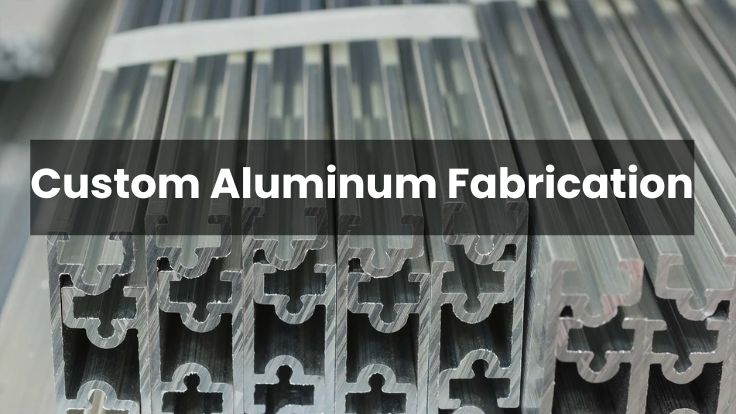
Custom aluminum fabrication has emerged to be a pillar of many industries in the contemporary era of innovation and design. Whether it is used in aircraft parts, buildings, or bridges, aluminum is utilized because of its power, ductility, and corrosion resistance. It does not just relate to getting aluminum but forming it to fit specific requirements. And that is where the notion of custom aluminum fabrication comes out on top, providing a tailor-made approach to the needs of industrial structures, as well as home interiors and exteriors.  Carbon steel is ideal because, in custom fabrication, you can get this kind of flexibility to customize it to address very particular needs, unlike standard metal parts, which are mass-produced with limited flexibility.  In the design and creation of architectural accents, machine enclosures, or custom furniture, aluminum represents the optimal combination of strength and workability. The steps include cutting, shaping, welding, and assembling items made of aluminum into products that look good and serve a purpose. As fabrication technology evolves and as the need to solve more personalized problems grows, citizens are specifically looking at the phrase: custom aluminum fabrication in my area to implement their ideas. As a company seeking reliable business signage or a homeowner with a design in mind, having an experienced custom aluminum fabricator will guarantee a solution to your project that fits your perception and lasts for years. This article talks in depth about the entire custom aluminum fabrication process, its advantages, its applications, and how to find the right partner for your next project. And it is time to enter the fantasy with metal is ready to meet your unique solution. What is Custom Aluminum Fabrication? In its simplest terms, custom aluminum fabrication is simply the design, cutting, and shaping of aluminum, its welding, and assembly into a complete product that can fit the specific needs of a client. This may be as simple bracket or even as complicated as machine pieces. Aluminum is used in these operations since it is light but strong, and does not rust or corrode. What makes aluminum great is that it is workable. It is malleable, can be welded and machined as well as bent easily. It makes it possible to be creative with structural as well as aesthetic use. Experienced personnel handle different tools and machinery to shape aluminum sheets or extrusions into useful products. Why Aluminum? It is also best to know why aluminum has been widely used in custom metalwork before discussing deeper into the:.Weak, yet Stable: Aluminum has a great ratio of strength and weight. These benefits have rendered the term aluminum custom fabrication as one of the options in many industries.  What is the meaning of the word Custom? The term custom is what is produced or created to suit an individual or a purpose, as opposed to something that is generally mass-produced or standard. Otherwise said, when something is custom, then it would be made in order to accommodate just what you require, or what you prefer, or what you would like to be made especially. Examples: Thus, when we speak of custom aluminum fabrication then the term custom underlines the fact that the pieces or products of aluminum are uniquely made to fit a specific customer or application, or design, hence being specific and tailor-made. The Fabricating Process Custom aluminum formation engulfs several distinct vital processes: 1. Design and Planning Clients will come with their idea or drawing, or applications. The fabricator analyses the specifications and recommends the most suitable form of aluminum and the procedure to be used. 2.  Cutting and Shaping Aluminum is cut into required shapes with the help of saws, lasers, or CNC machines. There is bending, forming so as to produce the precise structure or contour required. 3. Assembly and welding Special aluminum welding methods, such as the TIG welding technique, are used to join pieces. Close construction guarantees stability and beauty. 4. Finishing Touches The piece is finally sanded, polished, painted, or anodized ,depending on the look desired and protection. These treatments are value added, particularly to those aluminum products that were to be exposed to the elements or put on display, that would be branded as custom aluminum fabricated products. Common Applications There is hardly a limit to what may be produced using the help of custom aluminum fabricated products: When individuals are going to search on their search engine for custom aluminum fabrication near me, they are usually in need of a qualified local machine shop to execute these visions and turn them into a reality. Selecting The Right Fabricator Not every time is it easy to decide between the alternatives of choosing the custom aluminum fabricators. There are so many shops that would define themselves as freezing shops that it is very important to seek some qualities: Whenever you visit a search engine and type in custom aluminum fabrication near me, you should not consider only the distance. Check the abilities, feedback, and previous work of a shop to make sure that everything fits. Advantages of Going Custom Not being generic is not the only purpose of going custom; it has very real, practical benefits: That is why in the numerous industries, the concepts of custom aluminum fabrication put the money in the parts and installations that are needed. Aluminum vs. Other Metals in Custom Fabrication To select the materials in a fabrication project, it is important to have a background on which metal is better compared to others, and aluminum is not an exception. Metals bear specific characteristics that influence their applications in weight, strength, costs, and the usage they are suitable. This is a breakdown: Aluminum Aluminum is a lightweight material, resistant to rusting, and strong. It is commonly employed in fabrication works that require durability, but do not want the excess weight. It can also be easily cut, bent, and welde,d and this makes it an ideal material in custom aluminum fabrication. Besides, aluminum can be recycled completely and it also
Come trovare i migliori produttori di alluminio vicino a me

Come trovare i migliori produttori di alluminio vicino a me

Fabbricazione di alluminio

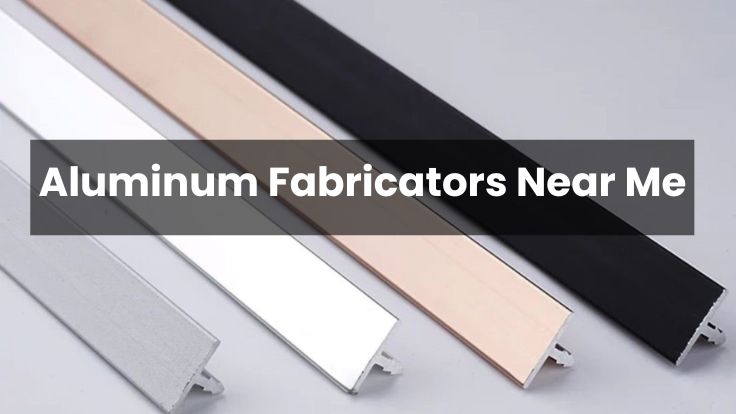
Aluminum fabrication is an important part of present-day construction, manufacturing, and design. In custom gates, machine frames or industrial panels, aluminium is durable, lightweight and resistant to corrosion. It is the most versatile metal in existence, and this flexibility qualifies it to be applied to thousands of uses- from small residential to large commercial projects. When someone uses the internet to find things like where to buy aluminum fabrication near me, one is likely going through local hence local professionals who can cut, form and craft an aluminum so that it fits a particular project. These facilities are offered as complete as the sheet cutting, extrusion to welding, finishing and installation. The ski lift manufacturers are very well trained in the method of working using various grades and thicknesses of aluminum so that there would be accuracy and strength in the end product. A great variety of finishes is also possible (power coating or anodising) to enhance aesthetics and performance in the fabrication process. Regardless of whether you are interested in functionality, beauty, or both, the solution is easy to find when browsing local results with a search for possibilities for aluminum fabricators near me. This article will guide you through all you ought to know about aluminum fabrication, the importance of local expertise and how to select the perfect aluminum fabricators near you when implementing your project or concept. What is Fabrication? Modern construction and development of products require the art of fabrication. It is the procedure that converts raw materials, particularly metals, into useful and tailor-made parts and structures. An insight into the Word Fabrication Fundamentally, fabrication can be described as the action of cutting, shaping, assembling and finishing raw material into a final product. Nevertheless, in contrast to mass production, where the same product is produced anyway, fabrication can be very individual and oriented towards a project. This is particularly so in the aluminum fabrication enterprise, where every piece may be required to be customised as far as strength, aesthetics, and fitting are concerned. The Reasons Aluminum Is Perfect for Fabrication The aluminum has been widely used in fabrication due to its low weight, strength, corrosion-resistant nature and versatility. It can be shaped into complex patterns, and yet it can be durable. This is why, when people want to find some aluminum fabrication, they may type in such a request as aluminum fabrication near me in a search. And people are usually interested in custom production to deal with architectural, industrial, or even artistic needs. The Important Processes in Aluminum Fabrication Aluminum fabrication involves some of the primary techniques, which are as follows: Welding: The joining of pieces with the help of heatCutting: Globally, cutting is done using lasers, pulsed jets or sand.Forming: Bending/rolling of aluminum to get favourable shapesFinishing: appearance, sandblasting, painting, coating, and protection. Apply finishing, such as sandblasting, painting, or coating, to complete the finishing. These procedures require skill, particularly those using aluminum, like aluminum fabricators who are well aware of the special characteristics of aluminum. Any faulty technique may ruin strength or appearance. The part of the local Aluminum specialists Proximity of services through local professionals has the advantage of being accountable and on-ground service. In case you have a time-sensitive or tailored task, you can find time to cooperate offline with the help of the search for the words: aluminum fabricators near me, as it will allow you to discuss the changes in design or even visit the shop. This helps you with faster delivery, enhanced communication and personalised outcomes. What Does Aluminium Fabrication Mean? Before proceeding to tips on how to get services in your local area, it is essential to get a clear picture of what the term aluminum fabrication means. In simple terms, aluminum fabrication involves forming, cutting and joining aluminum to complete the processing of making the finished goods or parts. These may include window frames and signs to sophisticated parts of industrial equipment. As opposed to generic metalwork, a person needs particular knowledge and tools to use in the process of aluminum fabrication. Aluminum is not the same as steel or copper; it is soft, and it is sensitive to heat. It implies that anyone cannot work with it properly. Experienced aluminum fabricators understand just how to manage these properties so as to guarantee long-term outcomes. The Reason to Select Local Aluminum Fabricators Near Me. On searching the term aluminum fabricators near me, you are not only seeking convenience, it is also the quality of work, communication and trust. There are various unique benefits of working with local experts. 1. Face-to-face communication: It is simpler to describe what you need face-to-face, and you can look at references or examples of the previous work.2. reduced turnaround: Local stores eliminate shipping time and delays.3. Convenience in working together: It is easier to make subsequent changes, modifications or follow-up with your fabricator so long as you are around. Above all, something that aluminum fabricators near me comprehend is your local regulations and climatic conditions that imply that they are able to advise on what finish or structural solution is best with regard to what is required where you live. Important Aluminum Fabrication Techniques An aluminum fabrication process encompasses a row of technical and precise operations of transforming aluminum dross into a practical structure or part. By searching the phrase, aluminum fabrication near me, you probably seek experts that provide a variety of such services at one location. Now, we can get acquainted with the most significant processes employed by the industry nowadays. 1. Cutting The initial stage in the fabrication process is cutting, which involves a reduction in aluminum sheets, tubes, or bars to the desired size. Laser, water jets, plasma cutters, and saws are some of the tools that enable fabricators to attain clean and precise cuts. Accuracy during this phase can be considered the key to success in the project, and there is no exception when it comes to the approach of professional aluminum fabricators. 2. Moulding

Come saldare l'alluminio: Consigli, strumenti e tecniche

Come saldare l'alluminio: Consigli, strumenti e tecniche

Saldatura dell'alluminio

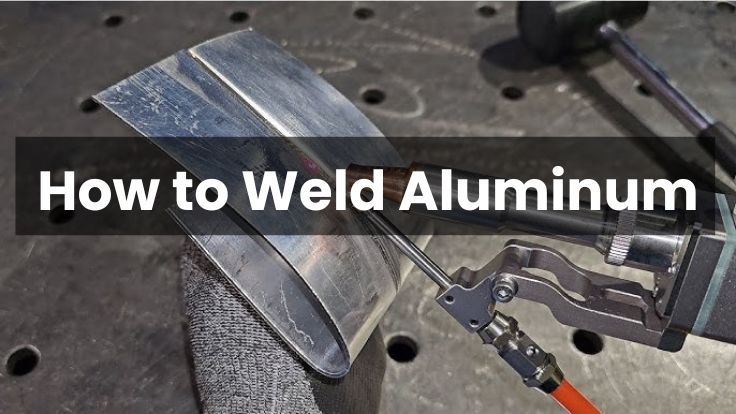
L'alluminio è un metallo comune che è stato utilizzato nel corso degli anni per la sua leggerezza, la resistenza alla corrosione e le proprietà di robustezza, ed è quindi fondamentale in settori come quello automobilistico, aerospaziale e delle costruzioni. Tuttavia, il processo di apprendimento della saldatura dell'alluminio non è così semplice come quello della saldatura dell'acciaio o del ferro. Le interessanti proprietà dell'alluminio, come l'elevata conduttività termica e il rivestimento di ossido protettivo di facile formazione, richiedono un modus operandi speciale e un tocco delicato. La saldatura dell'alluminio può essere eseguita facilmente anche da un principiante, purché si conoscano le tecniche, le attrezzature e le misure di sicurezza corrette. Per questo sono necessarie superfici di lavoro pulite e materiale d'apporto adeguato, mentre la regolazione dell'attrezzatura è fondamentale. A differenza dell'acciaio, l'alluminio non diventa colorato prima di fondere la sua posizione, il che rende difficile stimare la quantità di calore necessaria. Inoltre, essendo morbido, può piegarsi o bruciarsi rapidamente se non viene manipolato correttamente. La domanda che spesso ci si pone è se sia possibile saldare l'alluminio in mezzo a oggetti semplici e comuni associati alla saldatura. Sì, ma il risultato si baserà sulla preparazione, sulla pratica e sull'adattamento dei vostri metodi. Dalla saldatura TIG e MIG ai metodi più rari come lo stick o l'ossitaglio, esiste un metodo adatto a ogni attività e lavoro. In questa guida troverete suggerimenti, strumenti e gli errori più comuni per aiutarvi a ottenere una solida base nella saldatura dell'alluminio in modo sicuro ed efficiente. Con il tempo e l'esperienza acquisita, potrete realizzare saldature chiare e di qualità in alluminio, sia in officina che a casa. Che cos'è la saldatura dell'alluminio? Un processo di saldatura è l'unione di due o più pezzi di metallo in alluminio attraverso il calore e, potenzialmente, il materiale d'apporto. È generalmente adatto alle aziende automobilistiche, all'industria aerospaziale, all'industria navale e all'industria edile perché l'alluminio è leggero come un osso e non si graffia facilmente Tuttavia, il tema della saldatura dell'alluminio è più complicato rispetto alla saldatura dell'acciaio. Questo perché l'alluminio: Cosa rende diversa la saldatura dell'alluminio? L'alluminio, in quanto metallo, è piuttosto diverso e prima di avventurarsi nella spiegazione di come saldare l'alluminio, è importante stabilire cosa lo rende unico. A differenza dell'acciaio, l'alluminio fonde a una temperatura significativamente più bassa (circa 660 C o 1220 F) e non cambia colore prima di fondere. Ciò implica che è soggetto a surriscaldarsi e a bruciare se non viene maneggiato bene. Inoltre, quando l'alluminio è all'aria aperta, sviluppa immediatamente una sottile pellicola di ossido. Questo strato di ossido fonde a una temperatura superiore a 2000 (quasi 3700), per cui la saldatura fa fatica a penetrare. Per questo motivo la saldatura dell'alluminio deve essere preparata e attrezzata con cura. Suggerimenti per una nuova saldatura dell'alluminio con la saldatura TIG Saldare l'alluminio con la saldatura TIG è una buona abilità da possedere e può essere ingannevole per un dilettante. Con una procedura e una preparazione adeguate, è possibile ottenere saldature solide e pulite. Di seguito sono riportati cinque importanti consigli che possono mettervi sulla strada giusta. 1. Il metallo deve essere pulito accuratamente Prima della saldatura, assicurarsi che l'alluminio sia pulito. Lo strato di ossido deve essere rimosso con una speciale spazzola metallica in acciaio inox e poi pulito con acetone per eliminare oli o umidità. L'alluminio è molto sensibile alla contaminazione e una singola macchia di sporco o di grasso può distruggere la saldatura. Le superfici pulite garantiscono una maggiore stabilità dell'arco e legami solidi. 2. Quando si salda l'alluminio, è sempre preferibile utilizzare la corrente alternata (AC). La corrente alternata offre la penetrazione del metallo di base e la pulizia della pellicola di ossido allo stesso tempo. Per sintonizzare tale azione di pulizia, utilizzare l'impostazione di bilanciamento del TIG. La maggior parte delle lavorazioni dell'alluminio traggono vantaggio dall'impostazione di circa il 65-70% di negativo sugli elettrodi. Il bilanciamento corretto migliora la qualità della saldatura e riduce la contaminazione. 3. Per la saldatura TIG dell'alluminio, gli elettrodi migliori sono quelli di tungsteno puro o di tungsteno lantanato 2%. Rispetto all'acciaio, la saldatura dell'alluminio richiede una punta arrotondata o sferica per sostenere un arco stabile, a differenza dell'acciaio che impiega una punta di tungsteno affilata. Nel caso in cui l'arco diventi instabile o inizi a vagare, potrebbe essere giunto il momento di riaffilare o cambiare il tungsteno. Un elettrodo ben rettificato è un fattore chiave per la facilità e la precisione delle saldature. 4. Calore controllato a pedale L'alluminio si scalda rapidamente e mantiene il calore più a lungo rispetto all'acciaio. Un eccesso di calore provoca bruciature o distorsioni. 1- Un pedale vi consentirà di controllare l'amperaggio durante il processo di saldatura: iniziate a scaldare per formare una pozzanghera e poi diminuite quanto volete. In questo modo si avrà un maggiore controllo del bagno di saldatura e si ridurrà il rischio di surriscaldamento, che si verifica con i materiali più sottili. 5. Esercitarsi su rottami prima di saldare il progetto Esercitarsi su rottami di alluminio dello stesso tipo e delle stesse dimensioni di quelli utilizzati per il progetto vero e proprio prima di iniziare a lavorare sul progetto. In questo modo ci si abitua al controllo del calore, alla tecnica del filo d'apporto e al movimento della torcia per ottenere saldature pulite. Inoltre, la pratica vi renderà più sicuri e meno propensi a commettere errori costosi nel pezzo finale. 6. Anche la posizione della mano conta È consigliabile appoggiare la mano di saldatura sul banco di lavoro o sulla superficie in modo da avere un maggiore controllo della stessa. Tenere la torcia dritta in una direzione arretrata per avere una visione chiara del percorso. Non inclinare troppo la torcia per evitare che il bagno di saldatura scorra e surriscaldi il metallo. Il filo di apporto viene alimentato con una mano; la torcia viene diretta con l'altra, entrambe senza fermarsi ma senza partecipare l'una all'altra. 7.

Pressofusione a camera fredda

Tendenze moderne nella tecnologia della pressofusione a camera fredda

pressofusione, Produttore di pressofusioni, parti in pressofusione

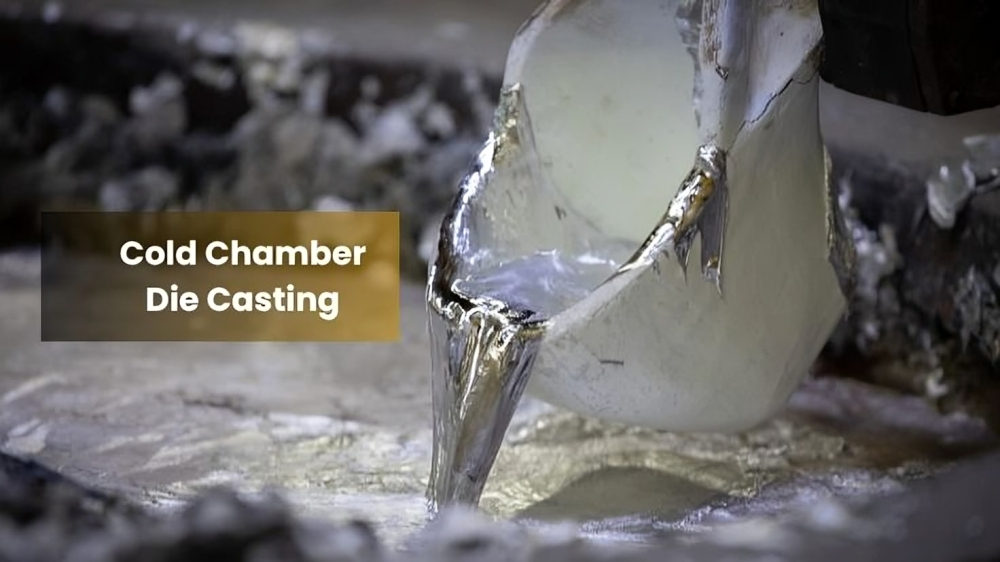
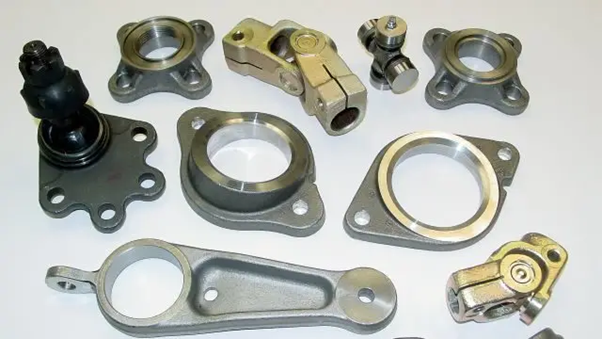
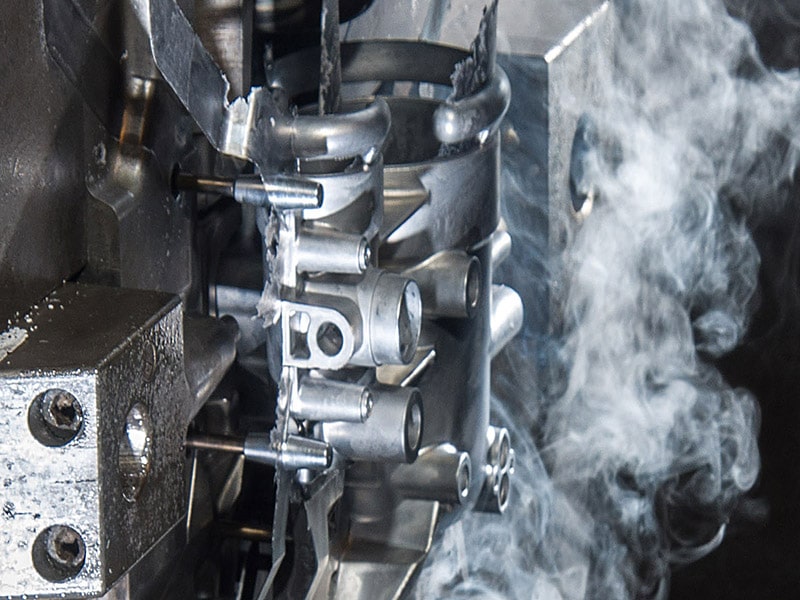
Cold Chamber Die Casting is a precision type of manufacturing technique applied in the manufacture of complicated metal components characterized by high levels of strength and precision. This process can best be used in metals having a high threshold of the melting point, like aluminum, brass, and copper alloys. Cold chamber die casting systems are not placed into molten metal like a hot chamber die casting system; instead, the metal is put into the cold chamber die casting machine by manually ladling metal into the cold chamber die casting machine after it is melted in another furnace. The arrangement wears less on the machine and uses alloys that are tougher. Among the important factors that make companies opt to use this method are the special cold chamber die casting advantages and disadvantages. It has top dimensional accuracy, smooth surface finishes, as well as long cycle times. Nevertheless, its strength and durability of the constituents are its favorites in the automotive, aerospace, and electronic markets. The difference between hot and cold chamber die casting is crucial to make the right choice of the process. Hot chamber die casting is more rapid and applied to metals of low-melting point, such as zinc, whereas the cold chamber die casting system is designed to handle higher temperatures and stronger metals. Manufacturers will also be able to manufacture long-lasting and reliable parts with this process that have a high degree of precision in their specifications. In the present article, we are going to discuss the principle of operation of cold chamber die casting, its main parts, the nature of the metal employed, and technological parameters of cold chamber die casting, including clamping force and cycle time. The cold chamber die casting advantages and disadvantages will also be considered to provide you with a full picture of this important manufacturing process. What is the Cold Chamber Die Casting? Cold Chamber Die Casting: A cold chamber die casting process is a metal casting process where molten metal is ladled either manually or automatically into a separate cold chamber outside the injection system. Thereafter, the metal is pushed with high pressure into a mold cavity, which causes the metal to cool and crystallize in the desired shape. It is usually applied to metal with a large melting point, like brass, aluminum, and copper alloys. The purpose of avoiding corrosion and thermal fatigue that can result in improper working of components of the injection system, unlike in the hot chamber die casting process, where the injection mechanism is suspended in molten metal, the cold chamber process keeps the injection facilities segregated. The application of the practice of the latter, i.e., Cold Chamber Die Casting, is especially advantageous, where the metals used would harm the components, contacting them. High pressure can be used in the injection process itself, and denser, stronger components with a brilliant surface finish and dimensional stability would be possible. Die Casting Process- Step by Step The object of the Cold Chamber Die Casting technique is to make highly accurate and hard metal parts that are frequently composed of alloys that have melt-points that are at high temperatures, such as aluminum and brass. Let us have a step-by-step breakdown of how it works: 1. The External Furnace is used to melt the Metal The process is similar to that of hot chamber casting except that the melting of metal is done in a separate furnace outside. This is required in that the molten metal in the cold chamber casting will cause a high level of heat to be experienced internally that cannot be handled. The metal is melted, after which it is able to be transferred into the casting machine. 2. Pouring the molten metal into the Shot Sleeve Thereafter, the molten metal is ladled into the shot sleeve in the die casting machine. This is manually done or arm-driven. The shot sleeve is a strong, resistant to heat tube into which the metal rests and is later injected. This should be taken very fast to prevent premature solidification. 3. Plunger forces the metal into the die. A steel plunger travels into the shot sleeve and presses the molten metal at high pressure in the die cavities. The force makes sure that the metal fills the mold even in any complicated pattern or with a very thin wall, and decreases the chances of any flaws, such as air pockets. 4. There is the Solidification of Metal within the Die When the mold is filled, the metal starts cooling and solidifying within the die. This solidification step is very important in coming up with a good and precise part. The cooling time is dependent on the part metal, part thickness, and die temperature. 5. The Brass Die and Ejector Pins Force-Out the Casting When the part has solidified, the clamping unit of the machine opens the die, and ejection pins force the casting out of the mold cavity. The portion is then moved to a cooler station or a trimming station. 6. Removal of Flash (Removal of Excess Metal) There is some over metal on the sides called flash that is around the edges of the casting where the halves of the die come together. This is then removed by mechanical trimming, grinding, or machining, depending on what the finish requires. This will prevent the final works from being below the intended shape and tolerance. 7. Die cycle reset and Lubrication The die is washed and greased before entering the next cycle in order to be of good quality and avoid sticking. When the oiling is done, the die is again clamped, and the machine is switched to reset for more cycles. 8. Quality Inspection and finishing This is a complete part that is checked to ensure quality defects do not exist, like cracks, shrinkage, or abnormalities on the surface. Depending on the end-use requirement of the part, it can be subjected to additional machining, surface treatment, or assembled (if required). Metals to be used in the

Pressofusione a camera calda

Pressofusione a camera calda: Un'immersione profonda in un processo produttivo cruciale

pressofusione

Hot Chamber Die Casting is a very effective manufacturing process which is used very widely to produce metal parts to very high precision and an excellent finish on the surface. It is particularly suitable for casting metals with low melting points like zinc, magnesium and some alloys containing lead. It is typified by the fact that the injection system is immersed in molten metal, and so, high-speed cycle times and economy of mass manufacturing are possible. One similar place of comparison always pops up when the castings are considered regarding cold chamber die casting versus hot chamber. Although they are both variations of pressure die casting, they differ so much in terms of design, applications, and compatibility of materials used. An example is the hot chamber die casting, which is high-speed die casting where the furnace has been replaced with a machine. That comes with the limitation of the lower-melting-point metals. Conversely, the cold chamber type of machines is more aptly used with those liquids of a high melting point, such as aluminium and brass, since the hot metal does not come in direct contact with the equipment. Hot Chamber Die Casting process is characterised by minimal waste of material, low costs of labour, and complex shapes manufacture with high tolerances. It is popular in such industries as automotive, electronics, plumbing and consumer products. Nevertheless, the decision on whether to use cold chamber die casting or hot chamber is also dependent on the type of material used and the part design aspect. The article examines the important details of Hot Chamber Die Casting, its parts, materials, process description, constraints, and reasons as to why it is an essential process in the contemporary manufacturing industry. What is Hot Chamber Die Casting? Hot Chamber Die Casting is a metal casting technique where the molten metal is injected into a mould cavity at high pressure. The unique part of the given method is where the injection mechanism is placed: It goes directly to the molten metal. Cycle times and production efficiency are high with this setup, especially in metals of low melting point like zinc, magnesium and some lead alloys. Hot chamber. The name describes the system’s hot chamber as the injection mechanism (a plunger and gooseneck) is in constant contact (filled) with the molten metal area. As the plunger descends, it compresses the molten metal through the gooseneck and into the die cavity. As the metal sets, the mould opens, and the part is ejected, and this process is repeated innumerable times. Hot Chamber Die Casting Process Hot Chamber Die Casting Process is a process of high-precision and speed manufacturing technology utilised in the manufacture of metal parts, where the accuracy of the tool is very important, with great surface finishing. It is most appropriate in the alloys of low melting points; zinc, magnesium, and lead are examples of low melting point alloys. Its main characteristics are short cycle times and great material efficiency. The process is extensive in the manufacturing of a variety of products mainly found in the automotive, electronic, appliance, and hardware industry because of its capability to create complicated ends easily at an affordable per-piece price. The hot chamber die casting process is listed below in a stepwise manner: Hot Chamber Die Casting Process- Step by Step Overview 1. The Metal is melted It starts with the molten moulding of the metal (which is usually zinc or magnesium), in an incorporated furnace of the die casting machine. The molten metal is kept at a constant temperature within the metal pot that is directly connected to the casting machine. This unending heat provision ensures that the casting processes are continuous. 2. The process of filling the Injection System In hot chamber systems, there is a portion of the molten metal with a part of a component known as the gooseneck submerged. The plunger, which runs inside the cylinder of injection, is pulled backwards to a position where the molten metal may gush down to the gooseneck into the inlet hole of injection. The next step will involve injecting this metal into the die cavity. 3. Molten Metal injection When the gooseneck is filled, the plunger is either pushed forward by hydraulic or pneumatic pressure, which forces the molten metal through the gooseneck channel into the mould cavity (also called the die). This is done at a high rate and pressure to make sure that the cavity is totally filled before the metal begins to harden. 4. Casting and solidifying in the mould This hot metal in the die is quickly cooled down by the comparatively cold steel of the mould. Solidification takes several seconds, based on the size and complexity of the part. In this step, die cooling channels assist in the removal of heat to ensure that the cycle speed is not reduced and defects such as shrinkage or porosity are avoided. 5. Ejecting and opening of the mould Once the metal has been solidified, the die halves are opened. The ejector system is placed on the movable half of the mould, and it operates under force via the use of ejector pins and forces the completed casting out of the cavity. It is ensured that the part can come out without being damaged during ejection. 6. Secondary operation and Trimming After it is ejected, the piece might contain an extra material called flash, runners or sprues. These are either hand-trimmed or auto-trimmed. The part can be processed further depending on the application, like surface finishing, machining or coating. 7. Repeat Cycle The machine clears and cleans up to be used again. Hot chamber die casting is characterised by having such a quick cycle time, sometimes creating a few finished parts in just 10 to 20seconds according to the complexity and size of the part. Cycle Time and Efficiency The speed is the greatest advantage of the process of hot chamber process. Hot chamber machines. Unlike cold chamber die casting, where the metal has to be ladled

Lavorazione personalizzata della lamiera nelle industrie moderne

Lavorazione personalizzata della lamiera nelle industrie moderne

pressofusione di alluminio

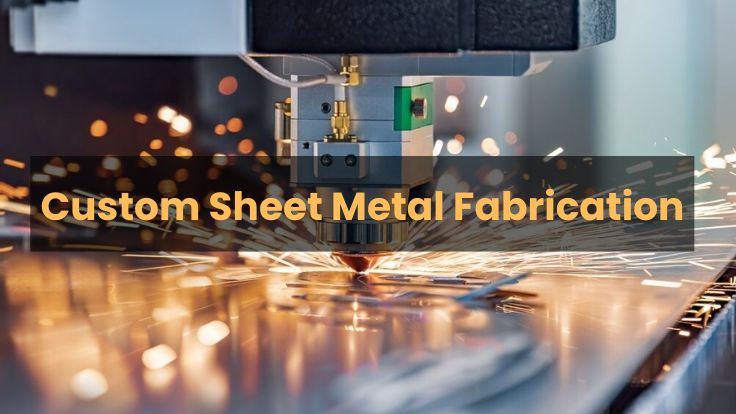
Custom sheet metal fabrication is now an activity that has established manufacturing industries in a variety of categories in the modern face of manufacturing. Whether in the form of cars and electronics, construction and healthcare, fabricated metal components play an essential role in the design, operation and durability of the enormous variety of products. It entails the sheet metal being cut, bent, shaped and assembled, based on specifications to fit the match, and manufacturers can make highly customised, durable and efficient parts. Among the most important industries that depend on this capacity is the automotive industry, in cases where the so-called custom automotive sheet metal fabrication will guarantee the production of high-performance body panels, supporting structure, and engine components. Such components should also have high standards in terms of weight, strength, and safety; hence, precision and customisation are essential. More and more foreign companies are resorting to the services provided by more advanced manufacturers like the car sheet metal fabrication in China because of favourable cost rates. Chinese manufacturers provide comprehensive services using advanced CNC equipment and short production schedules, which makes they useful partners in the global supply chain. Along with cars, the fabrication of sheet metal is a vital aspect in such areas as the aerospace industry, electronics, medical equipment, and the food processing industry. Such industries require great tolerances, corrosion resistance, and customised surface finishes, all of which can be provided by sheet metal fabrication. In this article, we are going to look at the complete range of this discipline, beginning with classic methods to the state of the art automation, mainly concentrating on automotive uses and the contribution of leading world actors, such as China. What is Custom Sheet metal fabrication? The term custom sheet metal fabrication is used when it comes to designing and manufacturing metal members or structures that can meet the specific needs of a particular project. In contrast to the mass-produced components, custom fabrications take unique solutions to specific sizes, materials and applications. This fabrication incorporates laser cutting, water jet cutting, punching, welding, forming and finishing of the surface. The most common ones are stainless steel, aluminum, galvanized steel, copper, and brass, among others, all selected due to their strength, conductivity, corrosion, and weight requirements. Manufacturers and engineers work hand in hand to make sure that all specifications are followed to the micrometre. Main Items in the Process 1. Design and Prototyping: A digital blueprint is sketched with the aid of CAD (Computer-Aided Design) software. Prototypes are frequently manufactured in order to run tests on how they work before large-scale production can commence. 2. Cutting and Shaping: The metal sheet is precisely shaped by using high-precision cutting tools to give very little tolerance. 3. Bending and Forming: The Sheet is curved to form complex shapes by bending and forming equipment, which includes press brakes. 4. Welding and Assembly: There are various parts which are assembled through TIG welding, MIG welding or spot welding. 5. Finishing: Finishing processes such as powder coating, polishing or anodising increase strength and aesthetics. Custom Automotive Sheet Metal Fabrication Rise  The Rise of custom automotive sheet metal fabrication began in the late nineteenth century, which saw the birth of the automobile industry. This period saw many people lose their lives and even more become injured by automobile accidents. This again led to the production and use of automobile insurance as a solution to automobile accidents. Precision and customization are vital in the car manufacturing business.  The custom automotive sheet metal fabrication is a significant element in the production of car body panels, chassis parts, heat shields, as well as engine enclosures. Such parts should be of high safety rating, aerodynamic, and aesthetically pleasing. Customisation gains significant relevance in the performance car, restoration car, electric car, and luxury vehicle production. The engineers may also need some special structural bracing or a project in terms of aerodynamic panels, which cannot be produced by general mass production. The benefits of the exercise of best sheet metal car fabrication are that: Common Materials in Sheet Metal Fabrication One most crucial decisions of the custom sheet metal fabrication is the choice of material. Whether it is carbon steel or stainless steel, it traverses all the aspects, including strength and corrosion resistance and even weight and workability. Knowing the nature of widely used metals enables an engineer to make a wise decision to maximise the efficiency and economic gains. Aluminium: Extremely Light and Non-Corrosive Aluminum is the most common material that is used in fabrication custom sheet metal. It is perfect for aerospace, electronic, and transport application materials because of its inherent corrosion resistance, easy weight, and good formability. It is also a highly conductive material, such that it can be used in enclosures and parts that radiate heat. As per the custom automotive sheet metal fabrication, aluminium is frequently used in the body parts and as a heat deflector to lighten the weight of the vehicle, without compromising its strength. Stainless Steel: Strong and Clean Stainless Steel  The strength of stainless and the fact that stainless is non-corrosive an attributes of the material. It is mainly utilized in food grade, medical and architectural applications where cleanliness and strength are important. Stainless steel may be specified in use of products that are under severe conditions of weather or that need a high-end finish in the custom sheet metal fabrication services. It is resistant to the effects of chemicals, water or high temperatures, hence its common use in many industries. Cold Rolled Steel: Versatile, Tough and Economical In the field of sheet metal custom fabrication, cold rolled steel (CRS) can be a common decision in construction when tight tolerances and a smooth surface are needed. It is cheap to weld or machine. Although it is likely to rust when not coated, it can be applied in buildings or painted. CSR is mostly applied in the cabinet, brackets, as well as enclosures in numerous industries such as the automotive industry, the construction industry and consumer

Colata in sabbia di alluminio

Un'analisi tecnica completa della colata in sabbia di alluminio nella produzione moderna

colata di alluminio

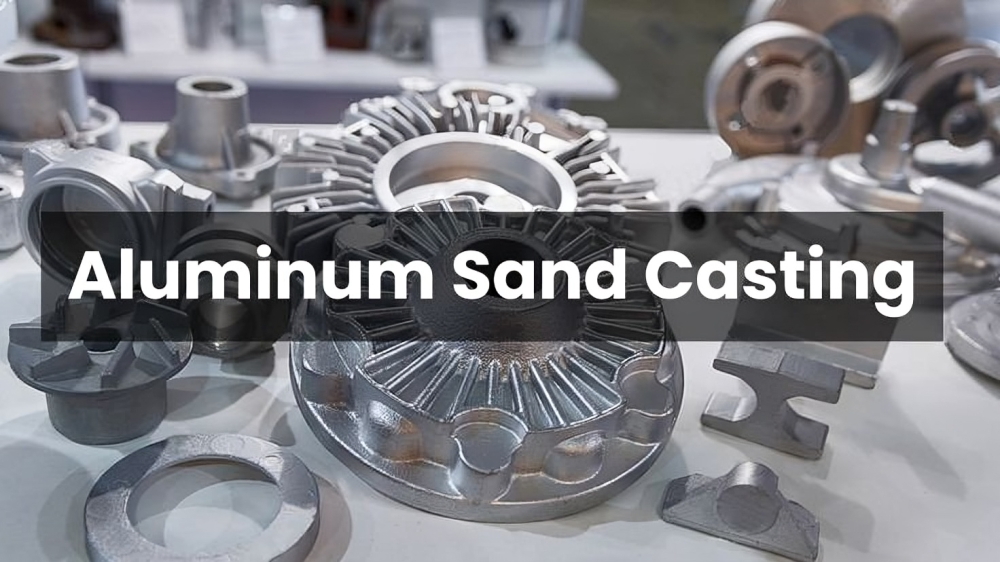
Aluminum sand casting is one of the oldest and most versatile metal casting processes, widely used in modern manufacturing to produce complex, durable, and cost-effective components. Aluminum Sand casting Manufacturers can generate complex geometries with intricate features that would have otherwise been either impractical or unprofitable to machine out of solid material through pouring molten aluminum into prepared sand molds. This method is especially suitable in low to medium-volume production, prototyping, and high structural castings on applications spanning the aerospace, automotive, defence, and energy industries. The most interesting about the sand-casting aluminum is that it is both flexible and functional. Aluminum has a very good strength versus weight, corrosion resistance, and recyclability, and thus makes it an excellent casting material. Together with the thermal resistance of sand and its high moulding capability, the process provides scalable production capability with excellent dimensional accuracy. Pattern design, the makeup of the mold, the quality of the melt, and gating design are key factors to the success of every casting. An excellent foundry of aluminum sand castings has to control not only the classic facts in metal technology but also touch on innovations in the processes. The current facilities apply the latest technology to prevent defects and ensure the best performance of the casting by using 3D sand printing, simulation software, and real-time process monitoring. Precision-engineered and casting aluminum parts are now capable of meeting stringent engineering standards for safety, tolerance, and durability. As demand grows for complex components with faster lead times and lower environmental impact, professional aluminum sand casting services must continue evolving. This article goes into the technical ins and outs of the process itself, its engineering workflow, materials, challenges, innovations, and so on. The Fundamentals of Aluminum Sand Casting At its core, aluminum sand casting involves pouring molten aluminum into a sand mold cavity, which is shaped by a pattern that replicates the final part’s geometry. When the aluminum solidifies, the sand mold is shaken off, leaving the cast piece. The process also has an outstanding dimensional flexibility and scalability capability in high-mix low-volume manufacturing conditions. The process is based on the use of a non-permanent mould, sand, that may be recycled and re-utilized, minimizing the waste of materials and expenses. Sand molds most commonly consist of silica sand with a binder added, and the nature of the binder system generally influences considerably the resulting surface finish, dimensional accuracy, and rate of cooling. The process of Flow in the Engineering of Sand Casting Aluminum Sand casting aluminum is an engineering process that consists of a set of accurately calibrated activities that aim at transforming raw aluminum into specific, well-built, and accurately dimensioned parts. Both the material and mechanical expertise are required to be in-depth to make all of the stages of the process successful. The following is a step-by-step analysis of the way in which sand casting of aluminum is implemented professionally and technically. 1. Pattern Design and making In the sand casting aluminum process, the initial step is designing and manufacturing the pattern, a physical copy of the final casting. The allowances that must be included in patterns are rather critical, such as shrinkage, draft, and machining stock. As aluminum contracts, during cooling patterns are laid out a little bigger than the finished component. The shrinkage rate of aluminum alloys is normally applied at 1.3 per cent; however, depending upon the alloy and the conditions of cooling, it may vary. Vertical portions of moulds are given draft angles, normally a few degrees between 1 and 3, to ensure that the pattern can be removed easily in the sand mold, being careful not to destroy the cavity. Additional allowances (machining allowances) are included such that there is no adverse interaction between the post-processing and the final part. Patterns may be made out of wood, metal, resin, or even 3D-printed polymer materials, depending on the accuracy demands and the needs of the production volume. 2. Mold Making (Molding and Core Setting) After preparing the pattern, the mold is to be prepared. For the sand cast, aluminum mold, there are two separate halves: the cope (upper half) and the drag (lower half). They are produced by stuffing the sand around the mold in a flask. Depending on the application, the sand is generally silica-based and is amalgamated with binders such as clay (green sand) or chemical resins (no-bake sand). In case the part design has internal space and hollow parts, it necessitates the use of sand cores. They are placed in the mold cavity, after which the metal is poured. Cores can be fabricated using core boxes, and in precision production, they can be printed with greater precision using 3D sand printing. The exact footprint of the core is very important in order to have a rigid structure and adherence to the final part dimension. 3. The Design of the Gating System The timeliness and effectiveness of the gating system formed are significant towards the success of the process of sand casting aluminum. This system consists of a pouring basin, sprue, runners, and gates, which coerce the impounded aluminum into the involvement of the mold. Adequate gating will prevent a lot of turbulence, minimize airlock, and also make sure that there is an even fill. Risers (alternatively called feeders) are also required, and these can be seen as a reservoir of molten metal that offsets the direction of shrinkage that comes after solidification. Casting simulation software is usually utilized by engineers to study and optimize the gating and riser systems. Prediction takes place by using simulation tools such as MAGMASoft or ProCAST so that typical defects such as cold shuts, misruns, and shrinkage porosity can all be corrected virtually before any production takes place. 4. Cu Melting and Metal Treating Aluminum is usually melted by a reverberatory furnace, a crucible furnace, or an induction furnace, and the choice depends on the batch volume, alloy needs, and the amount of energy needed. The melting temperature of pure aluminum is about 660 degrees

Saldatura TIG dell'alluminio

Saldatura TIG dell'alluminio: Una guida tecnica completa

colata di alluminio

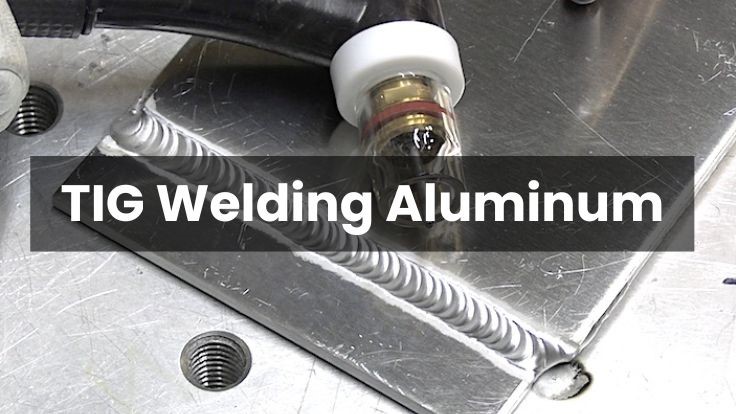
La saldatura TIG dell'alluminio è ampiamente considerata come uno dei processi tecnicamente più impegnativi nel campo della saldatura. Quando si lavora con l'alluminio, metallo caratterizzato da leggerezza, resistenza alla corrosione ed elevata conduttività, emerge una serie di problemi inediti, che lo distinguono nettamente dall'acciaio o dall'acciaio inossidabile. Una cattiva manipolazione dell'alluminio può far sì che lo strato di ossido naturale fornisca una saldatura debole, porosa o comunque strutturalmente indesiderabile, a causa del suo livello di ossido naturale, del basso punto di fusione e della sua capacità di assorbire idrogeno gassoso. Pertanto, il processo TIG (Tungsten Inert Gas), o il processo di saldatura ad arco di tungsteno a gas (GTAW), è il processo scelto dall'industria per i casi in cui la precisione, l'estetica e l'integrità della saldatura sono i fattori principali. L'articolo si occupa del comportamento dei materiali, della selezione delle attrezzature, della scelta del gas di protezione, della preparazione dei giunti e dei metodi di risoluzione dei problemi, anche se l'accento sarà posto sul controllo di qualità e sulla ripetibilità. Inoltre, l'articolo spiegherà come selezionare e utilizzare correttamente una saldatrice a tig per alluminio, come gestire i vari tipi di pezzi da saldare in alluminio e come produrre giunti coerenti e privi di difetti quando si cerca di saldare l'alluminio TIG. Alla fine, il lettore avrà una conoscenza approfondita di come creare un assemblaggio in alluminio saldato a tig buono, pulito e di bell'aspetto dal punto di vista strutturale, secondo gli standard del settore aerospaziale, automobilistico, navale e manifatturiero. Questo articolo illustra la scienza, i metodi e gli aspetti pratici della saldatura TIG su alluminio. È destinato agli esperti e alle persone con formazione tecnica che desiderano ampliare le proprie conoscenze sulla saldatura dell'alluminio in processi industriali o ad alte prestazioni. Che cos'è la saldatura TIG dell'alluminio? La saldatura TIG dell'alluminio si riferisce al processo di unione di componenti in alluminio mediante saldatura a gas inerte di tungsteno (TIG), nota anche come saldatura ad arco di tungsteno gassoso (GTAW). In questo caso, un arco elettrico viene generato da un elettrodo di tungsteno non consumabile e il metallo base di alluminio e una barra d'apporto vengono fusi in una copertura protettiva di gas inerte, solitamente argon. Poiché l'alluminio ha un'elevata conducibilità termica, un basso punto di fusione e uno strato di ossido altamente fondente, la saldatura dell'alluminio presenta una colorazione unica e l'asciugatura deve essere eseguita con attenzione. La saldatura TIG ha un controllo situato dell'apporto di calore e della pozza di saldatura, il che significa che è perfetta per materiali sottili, assemblaggi avanzati e altre applicazioni ad alte prestazioni. I settori aerospaziale, automobilistico e navale, tra gli altri, utilizzano la saldatura TIG per produrre video di saldatura resistenti, non corrosivi e dall'aspetto pulito. Il successo della “Saldatura TIG dell'alluminio” richiede una tecnica esperta, un'attrezzatura adeguata e un'accurata preparazione della superficie per garantire l'integrità e la resistenza della saldatura. Perché la saldatura TIG dell'alluminio? La saldatura ad arco con tungsteno a gas (GTAW), nota anche come TIG (Tungsten Inert Gas), è la tecnica ideale da utilizzare quando sono richiesti precisione, controllo e un aspetto raffinato. Offre un controllo ineguagliabile della quantità di calore immessa, in modo che i saldatori abbiano la possibilità di controllare la fluidità del bagno di saldatura dell'alluminio. La saldatura TIG, se utilizzata con l'alluminio, è molto conveniente soprattutto perché: La saldatura dell'alluminio implica una migliore comprensione delle sue proprietà fisiche e chimiche, che sono molto diverse rispetto a quelle di altri metalli ampiamente utilizzati. Di seguito sono riportate le principali sfide associate alla saldatura TIG dell'alluminio. 1. Conducibilità termica molto elevata L'alluminio trasporta il calore 5 volte più dell'acciaio. Ciò significa che il calore si dissipa rapidamente dalla zona di saldatura, richiedendo un amperaggio più elevato quando si cerca di saldare l'alluminio TIG, soprattutto con materiali spessi. Se non viene fatto nel modo migliore, si può arrivare a una fusione lacunosa o a una penetrazione irregolare della saldatura. 2. Problemi di strato di ossido Quando le superfici di alluminio sono esposte all'aria, si forma immediatamente uno strato di ossido (che aderisce in modo affidabile), che è sottile. Questo strato viene fuso a circa 2050 °C, un valore ben superiore al punto di fusione del metallo base dell'alluminio, pari a 660 °C. La saldatura TIG, quando si utilizza la modalità AC, aiuta a rompere questo strato, ma è anche importante che venga effettuata una pre-pulizia per produrre alluminio saldato TIG di alta qualità. 3. L'idrogeno assorbe facilmente l'alluminio fuso e questo può creare porosità o causare crepe durante il raffreddamento. L'olio, l'umidità o le barre d'apporto sporche hanno agito come fonte di contaminanti che hanno causato la penetrazione dell'idrogeno nel bagno di saldatura. Una pulizia adeguata e l'utilizzo di barre d'apporto asciutte sono essenziali per evitare difetti nelle parti saldate in alluminio. Tabella tecnica riassuntiva per la saldatura TIG dell'alluminio Ecco una tabella tecnica completa che riassume gli aspetti principali della saldatura TIG dell'alluminio, compresi i parametri di saldatura, i tipi di giunti, i difetti più comuni e come gestirli. Questa tabella combina le idee del vostro articolo ed è originale e altamente tecnica. Categoria Dettaglio tecnico Raccomandazioni / Parametri Materiale di base Le leghe di alluminio da 1xxx a 6xxx sono più comunemente saldate a TIG Pulire tutte le superfici prima della saldatura; evitare le 7xxx per l'elevata sensibilità alle cricche Processo principale Saldatura TIG dell'alluminio con corrente alternata (CA) Utilizzare un TIG a inverter con bilanciamento CA, avvio ad alta frequenza e controllo stabile dell'arco Parola chiave principale Saldare alluminio a tig Utilizzare un bilanciamento CA e un amperaggio adeguati; ottimizzare il controllo della pozzanghera e il deposito di materiale d'apporto Tipo di elettrodo 2% Tungsteno lantanato o cerato (1/16″, 3/32″ o 1/8″) Affilare a punta tronca o a sfera (per la corrente alternata), a seconda dell'applicazione Gas di schermatura Argon di elevata purezza (99.99%) Portata: 15-20 CFH; aggiungere elio per materiali più spessi o per una penetrazione più profonda Barre d'apporto ER4043, ER5356 Adattare l'apporto alla lega di base e all'applicazione (ER5356 per la resistenza, ER4043 per la resistenza alle cricche) Tipi di giunto Butt, Lap, T, Corner Progettare con piccoli spazi (~1/16”) e consentire l'espansione termica Preparazione della saldatura Sgrassare + spazzola metallica in acciaio inox Non toccare dopo la pulizia; Rimuovere lo strato di ossido prima di saldare Tecnica della torcia Lunghezza d'arco ridotta (<1/8”), angolo di corsa di 10-15° Mantenere il riempimento al di fuori del cono d'arco per evitare l'ossidazione Impostazioni di amperaggio 1 amp per 0. 001” di spessore di base 60-130 amp per 0. 001" di spessore di base.001" di spessore 60-130 amp per la maggior parte delle applicazioni su alluminio sottile e medio Frequenza AC Controlla la focalizzazione dell'arco 120-200 Hz per un arco pulito e stretto su parti sottili in alluminio Bilanciamento AC 70% EN / 30% EP tipico Regolare verso una maggiore EN per una penetrazione più profonda; più EP per la pulizia dell'ossido Suggerimento: Assicurarsi di calibrare correttamente la saldatrice a tig in alluminio.

Pressofusione di alluminio ad alta pressione

Produttore di pressofusione in alluminio ad alta pressione e IATF 16949

pressofusione di alluminio

Modern manufacturing uses aluminium high-pressure die casting to make parts that are strong, light, and have many complex shapes. The reason automotive, aerospace, telecommunications, and consumer electronics all use it is that it can do both mass production and create very accurate pieces. Because the demand for quality aluminium high-pressure die-cast parts keeps increasing, it is important to deal with a well-known and certified supplier. In this area, the IATF 16949 certification is very important because it is a respected quality management standard used worldwide in the automotive industry. Such certification guarantees that quality control, proper risk handling, and continuous improvement are used during every stage of manufacturing. A certified aluminum die-casting and ISO 16949 company demonstrates its commitment to consistent product quality and customer satisfaction. Being a high precision die casting manufacturer and ITAF 16949 means meeting rigorous international standards and having the processes in place to minimize defects, enhance production efficiency, and ensure complete traceability of components. They can meet Tier 1 suppliers and OEMs by delivering components that exactly follow the business’s specifications. In addition, complying with aluminum die casting and 16949 standards means a manufacturer can meet expectations worldwide, mainly in areas where it is important to focus on safety and secure performance. Working with a suitable aluminium die casing partner that has IATF 16949 certification benefits your products, helps cut costs in the future, and strengthens the links in your supply chain. This article looks into how an aluminium high-pressure die casting manufacturer follows the IATF 16949 standard and its role. Aluminium High Pressure Die Casting  Aluminium high-pressure die casting helps make metal parts that are accurate in shape and have a perfect non-porous surface. When molten aluminium is injected into a steel mold at high pressure, it makes it possible to quickly fabricate complex parts and reduces later processing steps. Because it is strong and light, aluminium is widely used in many industries. The products made from this process are commonly seen in cars’ engines, housings, and brackets. For any aluminum die-casting and ITAF 16949 certified operation, maintaining the integrity of this process is vital to both quality and compliance. How IATF 16949 Helps in Die Casting? IATF 16949 is an international standard made for cars, and it uses quality management to ensure the reliability of products and their processes. Continuous development, prevention of quality issues, and lowering waste in the supply chain are the main elements of the system, which was created by the International Automotive Task Force. For manufacturers engaged in aluminum die-casting and ISO 16949 certification, certification is not just a regulatory requirement; it’s a badge of trust. It guarantees that the manufacturer follows quality rules that are respected everywhere. Besides, since IATF 16949 matches ISO 9001, it ensures full and proper quality management. Why is aluminium used in High Pressure Die Casting? Die casting benefits a lot from aluminium due to its ability to resist corrosion, its strong thermal conductivity, and being lighter than other metals like steel and brass. Because of these qualities, this material is suitable for cars since both light weight and performance depend on fuel efficiency. An IATF 16949 certification shows that all of these benefits are achieved by the business. For instance, manufacturers focusing on “high precision die casting manufacturer and ISO 16949 standards can assure customers of consistent product performance and minimal variance in production. What Makes an Aluminium Die Casting Manufacturer Reliable? Selecting a competent manufacturer is very important for firms doing aluminium die casting. A manufacturer should not only have the necessary know-how but also follow all quality standards. These are some of the essential traits you should notice: Using Precision in Die Casting Good die casting depends mostly on precise engineering. It confirms that components follow the tight guidelines of both dimensions and performance. Manufacturers who identify as high precision die casting manufacturers and ITA 16949 go to great lengths to implement exacting standards across the design and production cycle. Because of CAD/CAM software, quality inspection, and automated processes, production is kept as close as possible to the specific requirements. For applications like transmission housings, electronic enclosures, and important car components, the exactness needed is very important. Why Managing Quality Is Important? A well-structured quality management system (QMS) makes it possible to produce the same quality goods all the time. In the aluminium die casting industry, following the principles of IATF 16949 gives a way to control processes, reduce risks, and improve constantly. By following IATF 16949, a high precision die casting manufacturer and itaf 16949 ensures not only quality but also traceability and accountability. Everything is checked and confirmed along the supply chain to lower the chances of issues and defects. Below is a detailed and professional table that outlines key aspects of Aluminium High Pressure Die Casting Manufacturer and IATF 16949, integrating relevant information across different categories such as process, benefits, certification, and industry relevance. This table is ideal for use on a website, brochure, or presentation. Aluminium High Pressure Die Casting & IATF 16949 – Comprehensive Overview Category Details Manufacturing Process Aluminium is melted and injected into a steel mold under high pressure, producing complex shapes with excellent dimensional accuracy. Key Material Used Aluminium alloys (e.g., A380, ADC12, AlSi10Mg) are known for their strength, light weight, and thermal conductivity. Application Industries Automotive, Aerospace, Electronics, Industrial Equipment, Telecommunications, Consumer Goods. Advantages of Aluminium Die Casting – Lightweight components- High strength-to-weight ratio- Excellent surface finish- High-volume efficiency- Corrosion resistance Importance of Precision Tight tolerances and fine details can be achieved, ideal for engine parts, housings, connectors, brackets, and structural components. What is IATF 16949? A global quality management standard for the automotive industry, based on ISO 9001 with additional requirements specific to auto manufacturing. Benefits of IATF 16949 Certification – Consistent product quality- Risk-based thinking- Defect prevention- Better customer satisfaction- Competitive advantage Why Certification Matters Ensures traceability, standardized procedures, regulatory compliance, and ongoing performance improvement. Target Clients OEMs, Tier 1 & Tier 2 automotive suppliers, industrial system designers, and

Supporto della colonna di inumidimento del fuso per la raccoglitrice di cotone John Deere

colata di alluminio

Nel mondo dell'agricoltura moderna, efficienza e affidabilità sono fondamentali. Per i coltivatori di cotone che utilizzano i raccoglitori John Deere, un componente spesso trascurato ma vitale è il supporto della colonna di inumidimento del fuso. Questo piccolo ma essenziale componente svolge un ruolo fondamentale nel garantire un'elevata efficienza di raccolta, una ridotta usura dei fusi e una qualità costante del cotone. Cos'è il supporto della colonna di inumidimento del fuso? Il supporto della colonna di inumidimento del fuso è un componente di supporto strutturale progettato per fissare il sistema di inumidimento del fuso in posizione. Nei raccoglitori di cotone come i modelli John Deere 9976, 9996 e i più recenti CP690, il sistema di inumidimento dei fusi assicura che i fusi rotanti siano costantemente lubrificati e puliti durante il funzionamento. Il supporto della colonna mantiene i tamponi di umidificazione e gli ugelli di spruzzatura allineati correttamente, consentendo un contatto preciso con il fuso. Funzioni chiave: Perché è importante nella raccolta del cotone I raccoglitori di cotone operano in ambienti difficili. Polvere, detriti vegetali e linfa appiccicosa possono ridurre rapidamente le prestazioni del fuso. Il sistema di umidificazione dei fusi combatte questo problema applicando acqua o una soluzione umidificante ai fusi, mantenendoli puliti e freschi. Un supporto della colonna usurato o disallineato può portare a: La sostituzione o l'aggiornamento del supporto della colonna di inumidimento del mandrino nell'ambito della manutenzione regolare è un modo semplice per evitare questi problemi. Gli agricoltori e le squadre di manutenzione delle attrezzature possono scegliere tra parti OEM (Original Equipment Manufacturer) o alternative aftermarket. I ricambi OEM di John Deere garantiscono compatibilità e durata nel tempo. Tuttavia, le opzioni aftermarket di alta qualità sono spesso disponibili: Quando si sceglie un ricambio, verificare sempre il numero di parte e assicurarsi che corrisponda al proprio modello di raccoglitore. Compatibilità con i raccoglitori di cotone John Deere Il supporto della colonna dell'umidificatore del fuso è tipicamente utilizzato in modelli come: Consultare sempre il manuale dell'apparecchiatura o il fornitore per confermare l'idoneità. Suggerimenti per la manutenzione per prestazioni a lungo termine Per massimizzare la durata del sistema di inumidimento del fuso: Una manutenzione proattiva può prolungare la durata dell'intero sistema di umidificazione e ridurre i costosi tempi di inattività durante la stagione di punta del raccolto. Dove acquistare i supporti della colonna di inumidimento del fuso I supporti della colonna di inumidimento del fuso di qualità per le raccoglitrici di cotone John Deere sono disponibili presso: Per gli acquirenti internazionali, assicurarsi che il fornitore fornisca parti certificate ISO, offra opzioni di spedizione affidabili e supporti gli ordini di grandi quantità, se necessario. Considerazioni finali Sebbene di dimensioni ridotte, il supporto della colonna di inumidimento del fuso è un componente fondamentale del sistema di raccolta del cotone. Mantenendolo in buone condizioni, il vostro raccoglitore di cotone John Deere funziona al massimo dell'efficienza, producendo cotone di alta qualità con minori tempi di inattività e costi di manutenzione. Che si tratti di sostituire un'unità danneggiata o di fare scorta per la prossima stagione, la scelta del supporto giusto può fare una differenza misurabile nei risultati del raccolto. Se state cercando un supporto per la colonna di inumidimento del fuso per la vostra macchina per il cotone, non esitate a contattarci.

Torna in alto

Richiedi un preventivo