ザマック5

亜鉛ダイカスト

精密部品のための亜鉛ダイカスト設計ガイドライン

ザマック5, 亜鉛ダイカスト

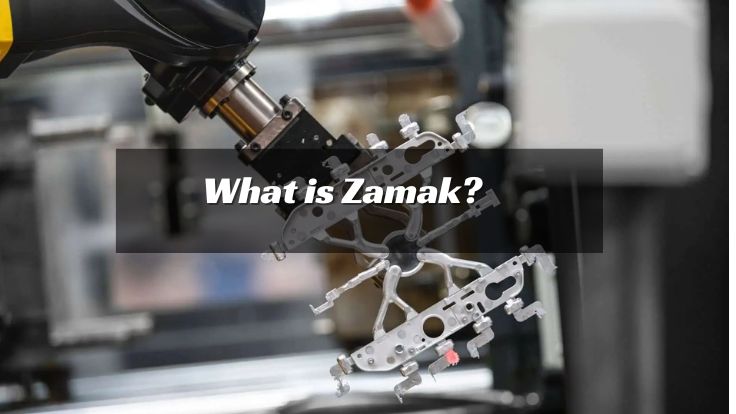
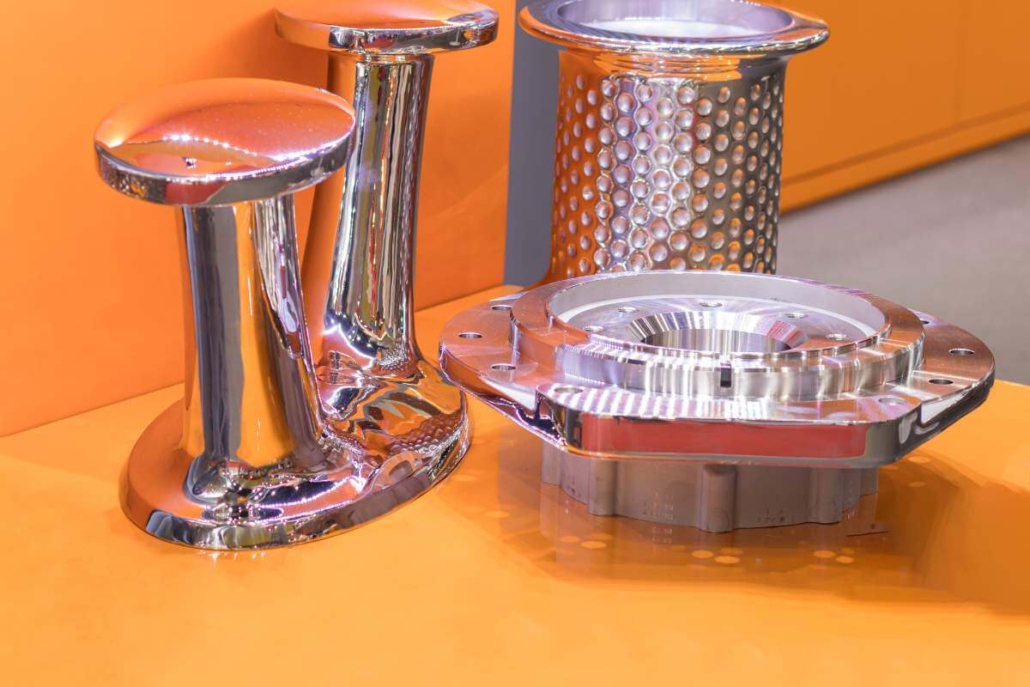
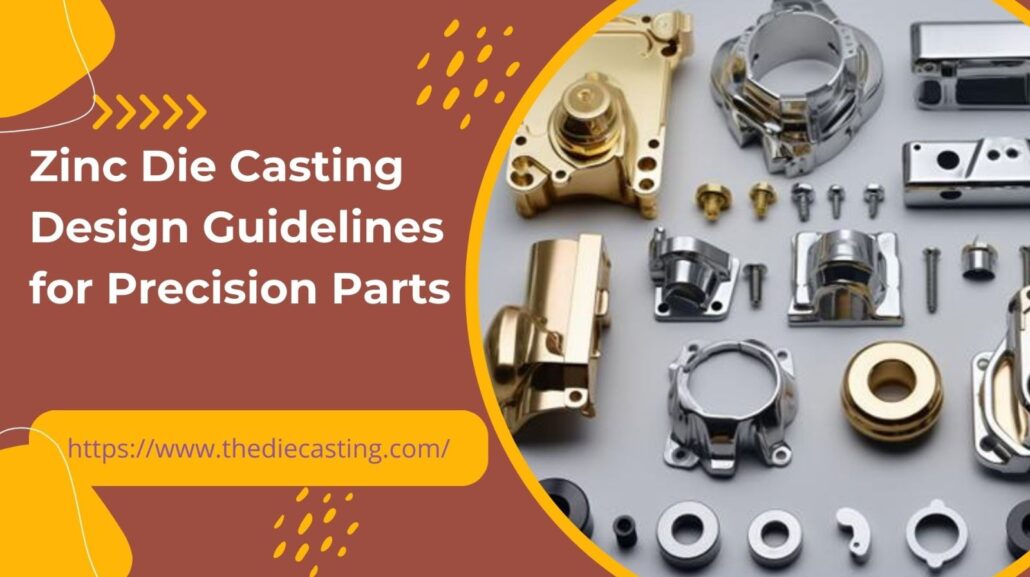
亜鉛ダイカストは、複雑で高精度の部品を作るために、特別に設計された金型に亜鉛合金の溶融物を高圧で注入する柔軟な製造方法です。亜鉛は流動性が高く、融点が低く、後加工をあまりしなくても厳しい公差で加工できるため、このような方法は特に精密部品に適しています。ザマックダイカストは、自動車、電子機器、消費財、医療機器などの産業で、コネクター、ギア、ハウジング、寸法公差と長寿命が要求される複雑な機構などの部品に使用されています。ほとんどの亜鉛合金はホットチャンバー式機械で加工され、迅速なサイクルタイムと安定した品質を可能にしています。正確な部品は、ジンクの薄肉、複雑な形状、ネットシェイプの部品を製造する能力から恩恵を受け、材料の無駄と組立時間を削減します。とはいえ、特定の設計ルールに従い、材料特性、形状、フォーム、加工パラメータを考慮することで、高い成功率を達成することができます。これらのルールは、欠陥を減らし、製造性を向上させ、精度を高めるのに役立つ。この記事では、亜鉛ダイカスト精密部品を設計するエンジニアを支援するために、組織が設定した業界標準によってサポートされている主なガイドラインを示します。精密部品の亜鉛ダイカストの利点 亜鉛ダイカストの使用にはいくつかの利点があり、精密用途に最適な材料の一つとなっています。選択材料:亜鉛合金 機械的特性、鋳造性、公差に影響するため、精密部品には正しい亜鉛合金を選択することが重要です。ザマックダイカストシリーズ(2、3、5、7)とZAシリーズ(8、12、27)には特定の組成と性能特性があります。下の表は、精密部品の製造に使用される亜鉛合金の種類をまとめたものです:亜鉛合金の種類 引張強さ(ksi/MPa) 伸び % 硬さ(BHN) 密度 g/cm³ 降伏強さ(MPa) 融点 °C ザマック 2 52/359 7 100 6.6 283 379-390 ザマック 3 41/283 10 82 6.6 269 381-387 ザマック 5 48/328 7 91 6.6 283-269 380-386 ザマック 7 41/283 13 80 6.6 310-331 381-387 ZA 8 54/372 6-10 100-106 6.3 359-379 375-404 ZA-12 59/400 4-7 95-105 6.03 145 377-432 ZA-27 62/426 2.0-3.5 116-122 5.3 該当なし 372-484 これらの特性は、亜鉛合金が精密仕様を満たし、複雑な部品が高い流動性スコア(1-4スケールで1-2、1が最良)を持つことを保証するために使用することができる。より正確には、メーカーはその安定性と厳しい公差に耐える能力から、ザマック3やZA-8のような合金を選びたいでしょう。主要な設計ガイドライン 優れた亜鉛ダイカストは、最小限のコストで強度を維持しながら、流動と排出を容易にするように設計されています。肉厚 空隙や歪みを避けるため、肉厚は均一であるべきです。精密部品では、±10%以内に保ち、良好な表面仕上げのために最小0.040インチ(1mm)、ミニチュアモデルでは0.020インチ(0.5mm)の微細な厚みを使用します。厚い部分と薄い部分の比率は、空隙の可能性を最小にするために3:1以下に保つべきである。壁を厚くすると流れは良くなるが、サイクル時間と消費量が増える。注入口からの距離に応じて、最小厚さは変化する:50mm未満の領域では0.5mm以下、200mmでは2mmまで。設計の確認には、さまざまなシミュレーションが可能です。亜鉛鋳造では、選択された場所では最低0.025インチ (0.635mm)を指定しますが、ベスト・アズ・キャスト の場所では0.040インチ(1.016mm)を指定します。抜き勾配の角度 抜き勾配は部品の排出を助け、金型の損傷を防ぐ。亜鉛の場合、最小抜き勾配は外面で0.5° -1、内面で1 -1、丸穴で0.1° -1である。可動部品(ダイエレメント)を使用する短いフィーチャーはゼロで印刷できますが、コストが高くなります。リブについては、縮みと平行でない場合、5~10°のテーパーが使用される。標準公差は、内壁で50(深さ1インチで抜き勾配約1.9度)、外壁で100である。また、60度や120度の一定の抜き勾配を許容する精密公差もある。フィレットとラジアス フィレットとラジアスは、鋭利なエッジが応力集中やダイスの浸食を引き起こすため、常に追加する必要があります。内側フィレットの最小半径は0.016インチ(0.4mm)、外側は0.031インチ(0.8mm)です。より大きな半径(0.063インチまたは1.6mmまで)は、流動性と強度を向上させる。最小半径(ボスやリブは0.060インチ(1.5mm))を使用すべきである。高応力での半径は1mmを下回ってはならない。規格では、フィレットでは±0.08/±0.04インチ(±2/±1mm)を推奨している。これにより、部品の寿命が向上し、割れが減少する。リブとボス リブは、かさばることなく補強効果を高める。浅く丸みのあるリブ(高さと厚さの比は3:1以下)を作り、歪まないように均等に配置します。リブと壁はフィレットで接着し、交差部に空隙ができないようにする。取り付けまたはねじ切りに使用するボスの高さは、直径と等しくなければならず、直径が大きい場合はリブをつけなければならない。ボス間の距離は6.5mm(0.25インチ)に保つ。重要な高さの公差は、±0.001インチ(±0.025mm)のリブという精密設計のように、リブに含めることができる。コア・ホールとスレッド コアに穴を開けることで軽量化し、スレッドなどの要素を入れることができる。最大深さは、直径3mm、ブラインド9mm、貫通24mm程度で、より大きな開口部では直径12mmまで。直径は少なくとも0.25インチ(6mm)、L/D比は小さな穴で4:1以下。パーティング・ラインの考慮事項 パーティング・ラインは、できるだけ大きな断面に入れるのが、バリが少なく、トリミングしやすい。垂直または複雑なラインは避けるべきで、金型運動平面が直角になるのが最適です。パーティングラインの公差は、投影面積による直線公差の合計である。投影面積 公差(+in) 最大10 +0.0045 11~20 +0.005 21~50 +0.006 51~100 +0.009 精密部品の公差 亜鉛ダイカストには、標準よりもさらに高い精度の公差があり、時には65%のような特別な制御が必要な場合もあります。

ザマックとは?ザマックとは何か?

ザマックとは?ザマックとは何か?

ザマック5, ザマック2 ダイカスト, ザマック3, ザマック 3 ダイカスト, ザマック3亜鉛鋳造

Alloys contribute significantly to the development of delicate electronic parts as well as heavy parts used in vehicles. For example, zamak metal has quietly changed the way many industries operate.  This metal is renowned because it is strong, can be molded easily and is versatile. The word Zamak originates from German and stands for zinc, aluminum, magnesium and copper. During the early years of the 20th century, the production of brass alloys aimed to improve on the brittleness found in previous zinc-based products. Today, zamak is used widely in vehicle, electronic device, and hardware manufacturing. It is appreciated both for its sturdy structure and for finishing smoothly with only a little work. Producing aluminum requires less energy than other materials since it melts easily, and it is also attractive because it can be recycled. Each different grade of zamak fits various needs, such as zamak 3 being softer than zamak 5, which is stronger than zamak 12. Most household goods and industrial products made with zamak metal meet the rising needs of manufacturing because they are practical and of good quality. Here, we will explain what zamak metal is made from, types such as zamak 3, zamak 5, and zamak 12, its functions, plus the positives and negatives. Zamak is a type of zinc alloy Zamak is made from zinc, mixed with a small amount of aluminum, magnesium, and copper. The word Zamak stands for Zink, Aluminum, Magnesium, and Kupfer, which are the German names for the metals involved. Due to its high-quality casting and appearance, zamak metal is popular in manufacturing automotive, electronic, furniture, and consumer goods. The process called die casting allows Zamak metal to shape complex, strong, and cost-efficient parts. Bending zamak into steel forms shaped like the finished goods is done at high pressure, producing many complex shapes very rapidly while needing only a minimal amount of machining. Because its melting temperature (around 385°C) is lower, zinc is more efficiently shaped than metals such as steel or aluminum in a foundry. What is Zamak, and how is it made? Zamak is a name formed from the German words for the main metals: Zink (zinc), Aluminium (aluminum), Magnesium, and Kupfer (copper). In the 1920s, the New Jersey Zinc Company created zamak to help overcome brittleness that affected some zinc alloys. It is viewed as a high-quality type of zinc that gives better die casting than most other materials. The usual elements in zamak metal are 96% zinc, 4% aluminum, a little bit of magnesium and some copper. As a result of this mix, its metal product is very strong, lasts a long time and can be formed into exact shapes with high precision. Key points about Zamak Metal A highlight of zamak metal is that it is very easy to cast. Manufacturers can create shapes with thin walls out of aluminum that would usually be pricey or difficult to produce using other materials. In addition, zamak has a polished surface, which makes it suitable for use in parts that need painting or plating. One more advantage is that steel retains its shape. Because Zamak does not change shape easily, it is commonly used in car and electronics manufacturing. The material is strong relative to its weight, making it attractive. Unlike aluminum, zamak does not weigh very little, but it offers a good level of durability that makes it useful for items that must be manageable. Uses of Zamak Metal Because it has great mechanical characteristics, zamak metal is applied in many products. In this industry, stainless steel is found in door handles, mirrors and several interior parts. A variety of electronic parts use Zamak because it is both precise and can resist heat. The furniture sector uses zamak because it is so versatile, fitting into hinges, brackets, and other decorations. Many fancy pieces in fashion include zamak since it is shiny and does not get tarnished easily. The process of making Zamak metal by casting 1. Alloy Preparation To produce zamak metal, you need to combine zinc, aluminum, magnesium and copper in the right ratios. To extract metals from these ones, the raw materials are melted at moderate temperatures. The right ratios are necessary to ensure that zamak 3, zamak 5 and zamak 12 provide the desired qualities. 2. Melting The blend of materials is put into a furnace and brought up to the zamak melting point of 385°C (725°F). During this step, the alloy flows very well and is therefore excellent for high-pressure die casting. 3. Die Casting The zamak is melted and then put into a die casting machine to be injected into a metal mold. Thanks to this process, items are shaped into very detailed and sturdy forms. Depending on how the casting will be used, manufacturers select from products classified as zamak 3, zamak 5, or zamak 12, since each is meant for a different purpose. 4. Injection and Outflow As soon as the zamak is injected, cooling the mold causes the metal to harden fast. After removing the part from the mold, it may not need machining because the alloy has a clean finish. 5. Finished and Plated When the model is cast, it might be polished, painted, or electroplated in materials such as nickel or chrome. The processes improve the look and resilience to corrosion of the manufactured product, mostly when used outside. Applications of Zamak Metal Zamak metal is used in several industries because of its superior casting, its strong properties and attractive smoothness. Even in the automotive industry, zamak metal plays a key role by being useful and attractive. 1. Automotive Industry Many door handles, emblems, mirror housings and interior details in motor vehicles are manufactured using zamak metal. Because it can be designed intricately and held to small measurements, it’s useful in parts that are either noticeable or not. The reason Zamak 5 is used most often here is that it is more durable and wears less easily. 2. Consumer Electronics Its stable dimensions and smooth appearance

ダイカスト部品

ザマック3とザマック5合金の違い

ザマック3, ザマック5

Zamak alloys used commonly in die casting have attractive characteristics which include versatility, strength, and durability. Of all the Zinc die-casting alloys, Zamak3 and Zamak5 are the most prevalent due to their special characteristics and the versatility of the application areas. To avoid compromising its functions, it is important for manufacturers and engineers who make choices to learn and distinguish the various qualities of those alloys. This guide discusses all the differences and similarities between Zamak 3 and Zamak 5 as well as their use in multiple settings and their capabilities. What is Zamak? Zamak, a term that is an acronym for Zinc, Aluminum, Magnesium, and Kupfer, (original German for copper), denotes a group of zinc-based alloys widely used for die casting. Some of the properties that make these alloys desirable is; polished appearance, precise dimension, and high corrosion resistance. The Zamak type of alloy varies depending on the proportion of aluminum, magnesium, and copper it contains. The two common forms are Zamak 3 and Zamak 5, which have Different settings of parameters for different industries. Chemical Composition of Zamak 3 and Zamak 5 This is because the performance of Zamak 3 and Zamak 5 depends on the chemical composition. These two alloys contain major proportions of zinc but they differ in secondary elements which result in different properties. Element Zamak 3 Composition (%) Zamak 5 Composition (%)   Zinc (Zn) ~96 ~95.5 Aluminum (Al) ~3.9 ~3.9 Magnesium (Mg) ~0.04 ~0.04 Copper (Cu) 0 ~0.75 Key Differences Zamak 3 lacks copper, giving it slightly better corrosion resistance in specific environments. Zamak 5 contains about 0.75% copper, enhancing its strength and hardness. Mechanical Properties Comparison It is for this reason that Zamak 3 and Zamak 5 have some variations of the mechanical properties, which are a result of the differences in their formulation. This affects their usage as well as working efficiency under different circumstances. Table: Mechanical Properties of Zamak 3 vs. Zamak 5 Property Zamak 3 Zamak 5   Density (g/cm³) 6.6 6.7 Yield Strength (Mpa) 220 250 Elongation (%) 10 7 Hardness (Brinell) 82 90 Impact Strength (J) Higher than Zamak 5 Lower than Zamak 3 Analysis Strength: Zamak 5 has higher tensile and yield strength, making it more robust for demanding applications. Ductility: Zamak 3 exhibits better elongation and impact resistance, suitable for parts requiring flexibility. Hardness: Zamak 5’s higher hardness ensures better wear resistance. Applications of Zamak 3 and Zamak 5 die casting products Namely, the properties of Zamak 3 and Zamak 5 make them suitable for particular uses. Zamak 3 casting Applications Consumer Goods: Commonly seen on die-cast end products such as car door handles, zippers, and other small ornamental parts. Electronics: Zamak 3 die casting parts can also maintain a more stable dimension than other die-cast alloys, especially for housing or enclosure applications. Toys: Otherwise known for its good surface finish and easy-to-machine material, many die cast toys made with zamak 3 die casting process Zamak 5 die casting Applications Automotive Industry: Owing to high strength, Zamak 5 alloy die casting parts are used in the structural and functional parts of a variety of apparatus. Hardware: Writing instrument parts – zinc die casting hinges, brackets, locks, benefit from its increased hardness. Industrial Equipment: Zamak 5 die casting parts are the choice for all the zinc alloy parts experiencing high stresses. Table: Applications by Industry Industry Zamak 3 die casting   Zamak 5 die casting Consumer Goods Small decorative items Heavy-duty functional parts Automotive Low-stress interior parts High-stress structural parts Electronics Precision housings Heat-resistant components Advantages and Limitations Advantages of Zamak 3 die casting products Cost-Effective: Lower material cost compared to Zamak 5 alloys. Corrosion Resistance: Excellent in environments where copper would accelerate corrosion. Ease of Casting: Offers better fluidity during zinc die casting manufacturing process. Advantages of Zamak 5 die casting products Strength and Hardness: Higher mechanical strength and wear resistance. Durability: Better suited for high-stress applications. Surface Treatment: Enhanced suitability for plating and finishing. Limitations Zamak 3:      Maintenance of limited power when required to operate under high stress conditions. Zamak 5: This is another reason for a slightly lower corrosion resistance at higher concentrations of                                        copper present in the alloy. Die Casting Zamak 3 vs. Die Casting Zamak 5                Die casting is a process of forcing a metal at high pressure into a mold cavity. Both die-casting Zamak 3 and die-casting Zamak 5 excel in producing intricate shapes with tight tolerances, but there are notable differences: Parameter Die Casting Zamak 3 Die Casting Zamak 5 Fluidity Superior Slightly lower Shrinkage Minimal Slightly higher Casting Temperature Lower (~380°C) Slightly higher (~385°C) Machinability Excellent Good Die Casting Process Overview  Key Considerations: Ease of Use: Zamak 3 die casting also has drawing advantages over the other because of its comparatively lower casting temperature and better fluidity. Stress Tolerance: Therefore, Zamak 5 die casting can be used in an application with robust parts and components. Choosing the Right Alloy Factors to Consider Application Requirements: For applications that need high dimensional stability, corrosion resistance, and low-stress bearing: the Zamak 3 alloy material should be used. When selecting for strength and hardness choose Zamak 5 alloy for parts that require high levels of durability, and lower stress tolerance. Cost: It is observed that Zamak 3 alloy is slightly cheaper than Zamak 5 alloy. Environment: Zamak 3 may do better in corrosive circumstances because of a lack of copper in the alloy. Decision Table: Zamak 3 vs. Zamak 5 Requirement Recommended Alloy   High strength Zamak 5 alloy Cost efficiency Zamak 3 alloy Corrosion resistance Zamak 3 alloy Wear resistance Zamak 5 alloy Practical Use Cases for Zamak 3 and Zamak 5 Thus, we will investigate how adopted scenarios of Zamak 3 and Zamak 5 work in practice. This will also make clear to them the benefits and the nature of their applicability to certain functions. Zamak 3 in Practice  Electronics Industry: Zamak 3 die casting is used predominantly for applications in

亜鉛ダイカスト

自動車産業における亜鉛ダイカストの重要性

アルミダイカスト, ダイカスト会社, ダイカスト会社, ダイカストメーカー, ダイカスト部品, ザマック 3 ダイカスト, ザマック3亜鉛鋳造, ザマック5, ザマック5ダイカスト, ザマックダイカスト, 亜鉛合金ダイカスト, 亜鉛ダイカスト

ダイカストとは?ダイカストとは、金型キャビティに溶融金属を圧入することを特徴とする金属鋳造プロセスです。金型キャビティは、加工中に加工され、射出成形金型と同様の働きをする2つの硬化した工具鋼の金型を使って作られます。ほとんどのダイカストは非鉄金属、特に亜鉛、銅、アルミニウム、マグネシウム、錫、鉛、錫系合金から作られます。投げられる金属の種類によって、熱機関または冷機関が使用されます。亜鉛ダイカスト鋳造法は、建築や工業分野の部品を作るのに非常に人気がありますが、最も一般的な用途は自動車産業です。実際、自動車にはダイカストで作ることができるさまざまな部品があり、ダイカストの近代的なプロセスはもともと自動車産業のために始まったものです。鋳造プロセスでは、多くの場合、鋳造後のさらなる機械加工は必要ありません。精度が99.8%に達するだけでなく、鋳造された製品は心地よい仕上がりになるため、生のまま使用することもできます。亜鉛ダイカストの使用は、自動車産業でほぼ28%、次いで建築・金物産業となっています。亜鉛は自動車部品産業で最も重要な金属の一つとなっており、特にドアロックハウジング、爪、ギア、シートベルトシステムのリトラクタープーリーなどの製品に使用されていますが、カムシャフトやセンサー部品にも使用されています。この金属とその合金を使用することで、他の材料では不可能な強度、延性、柔軟性を実現することが可能です。さらに、亜鉛は他の材料では不可能な厳しい公差を持つ高品質の美的部品を得たり、機械部品や歯車のエンボスや溝を得るための正しい選択となり得ます。自動車産業における亜鉛ダイカストのメカニズム 前述のように、自動車産業は最も一般的なダイカスト用途です。亜鉛とその合金を使用することで、形状の公差が狭く、高い美観品質を達成できる部品を製造することが可能になります。亜鉛合金はまた、すでに素晴らしい亜鉛の耐食性を向上させるなど、その多くの利点からコーティングにも使用されています。以下に、亜鉛メッキの可能な例をいくつかご紹介します:内装美観部 サンルーフ部 機械部品 エンジンおよびその他のアンダーフード部品 パワーステアリングシステム 部品およびブレーキシステム エアコン部品およびシステム シャーシのハードウェア シートベルトシステムの部品 気候制御の部品 燃料システム 亜鉛ダイカストの利点:効率的で経済的なプロセスにより、様々な形状が可能です。高速生産 寸法精度と安定性 強度と重量 いくつかの仕上げ技法が利用可能 簡単な組み立て ダイカストプロセスは、鉛と鉛合金の使用から始まり、マグネシウムと銅合金がすぐに追随し、1930年代には、今日でも使用されている多くの現代的な合金が利用できるようになりました。このプロセスは、低圧射出鋳造から1平方インチあたり4,500ポンドの近代的な高圧射出鋳造へと進化した。現代の製法は、優れた表面仕上げを持つ、完全性の高い、きれいな鋳型を作ることができます。亜鉛鋳造合金は丈夫で耐久性があり、費用対効果の高いエンジニアリング材料です。その機械的特性は競争力があり、通常アルミ鋳物、マグネシウム鋳物、青銅鋳物、プラスチック鋳物、そしてほとんどの鋳鉄鋳物よりも優れています。.

ザマック3亜鉛鋳造

ザマック3 ダイカスト

アルミ鋳造, ザマック3, ザマック 3 ダイカスト, ザマック3亜鉛鋳造, ザマック5, ザマックダイカスト, 亜鉛合金ダイカスト, 亜鉛ダイカスト

ZAMAK 3ダイカストでZAMAK 3製品を製造します。当社のZAMAK 3製品、生産能力、および倉庫設備は、競争力のある価格で高品質の部品を提供します。ZAMAK 3は、その鋳造性と寸法安定性により、亜鉛ダイカスト用合金ZAMAKシリーズの中で最も人気があります。ZAMAK 3の特性極限引張強さ:psi x 103 (MPa) 41 (283) 降伏強さ-0.2% オフセット:psi x 103 (MPa) 32 (221) 伸び:% in 2″ 10 せん断強さ:psi x 103 (MPa) 31 (214) 硬さ:ブリネル 82 衝撃強さ: ft-lb(J) 432(58) 疲労強さ 回転曲げ - 5×10⁸ サイクル: psi x 103(MPa) 6.9(48) 圧縮降伏強さ 0.1% オフセット: psi x 103(MPa) 604(414) 弾性係数 - psi x 106(MPa x 103) 12.46 (85.5) ポアソン比 0.27 密度:lb/立方インチ (g/cm3) .24 (6.6) 融解範囲:718-728 (381-387) 電気伝導率:%IACS 27 熱伝導率:BTU/ft/hr/℃ (W/m/hr/℃) 65.3 (113.0) 熱膨張係数: 68-212℃ μin/in/℃ (100-200℃ μm/mm/℃) 15.2 (27.4) 比熱: BTU/lb/℃ (J/kg/℃) .10 (419) ダイ収縮パターン: in/in .007 亜鉛ダイカスト用途 スポーツ用品 - 機械加工部品へのコスト削減アプローチ; - 相手側亜鉛部品に合わせたコーティング; - 厳しい用途向けの強度; - 医療 - 革新的な機能; - 鋳造されたままの精密設計; - 多くの困難な用途に使用; スイッチ - コスト削減のための複数のキャビティ; - マルチスライド; ファスナー - 既に金型加工された多くのサイズのパネルナット; - 高速タッピング機能; コネクター - コストのかかる二次を排除する4つのスライド技術; - 無電解ニッケル用のバレルめっきは、費用対効果の高い保護と美観を提供します;- 優れた導電性合金; 光ファイバー - 複雑な設計の鋳造が可能; - 公差の小さい、鋳造されたままの部品; - 小さな部品を提供するための設備と経験; 家電製品 - 用途に耐える強度を持つ薄肉鋳物; - 表面仕上げは耐摩耗性を提供; - 用途に合わせて設計された合金; 自動車 - 複数の部品を1つの亜鉛鋳物に組み込む能力; - 耐腐食性の鋳物とメッキ; - 二次タッピング機能; - 亜鉛は優れた緩衝材; ザマック3亜鉛鋳物の詳細 モデルNo:Zamak 3 亜鉛鋳造 ProductName:Zamak 3 または 5 はダイ カスト プロダクト起源:中国の銘柄:CNM TECH 価格言葉:FOB SZ の支払の言葉:T/T CIF L/C の供給能力: 300,000-400,000sets/month 配達調達期間: 30 日前後 Zamak 3 亜鉛鋳造についての購入するか、または詳しい情報を知りたいと思えば、,

亜鉛ダイカスト部品

亜鉛合金ダイカスト ザマック3 ザマック5

アルミ鋳造, ザマック2 ダイカスト, ザマック3, ザマック 3 ダイカスト, ザマック5, ザマック5ダイカスト, ザマックダイカスト, 亜鉛合金ダイカスト, 亜鉛ダイカスト

亜鉛ダイカスト製品説明 : 当社は亜鉛ダイカスト部品に4種類の最高品質の亜鉛合金(ザマック3、ザマック5、ZA-8、ザマック2)を使用しています。ザマック3:最も一般的な亜鉛合金であるザマック3は、卓越した延性と衝撃強度を特徴としています。ザマック5:一般的に自動車や小型エンジン用途に使用され、優れた耐クリープ性、硬度、強度を示します。ザマック3または5ダイカスト部品?当社のすべての亜鉛ダイカストには、Zamak-3 または Zamak-5 亜鉛合金を使用しています。特別です。合金化は私達がダイ カストのためのいろいろな種類の亜鉛合金を製造する私達の完全自動社内亜鉛合金化セクションで行われます。亜鉛合金の生産能力は1日16トンです。すべての合金熱は、冶金組成のためにコンピュータ化された分光計によってテストされます。私たちは、0.25グラムから125グラムの範囲の重量を持つ、低コストで大量の小型精密亜鉛ダイカスト鋳造部品のお客様のご要望に喜んでお見積もりいたします。正確なサイズと装飾的な表面仕上げ ZA-8: Zamak 3と5よりもさらに強力なZA-zamak8は、ホットチャンバー鋳造プロジェクトに最適です。また、複数のメッキや仕上げオプションとの相性も抜群です。ザマック2: 他のザマック合金に比べ、クリープ性能が高く、長期的な強度と硬度を提供します。優れた軸受材料として機能し、ダイカスト部品のブッシュや摩耗インサートが不要になることで知られている。ザマック3、ザマック5、ZA-8、およびザマック2は、その能力からダイカストプロセスに適しています:- 非常に薄い壁およびほぼ網の形を作り出すこと-高水準の正確さを達成すること-150° Fまでの温度の柔軟性を提供すること-優秀な軸受け特性との信頼性を提供すること-高められた耐久性を表わすこと あなたのサンプル、デッサンおよび他の細部のどちらかを私達に送って下さい私達は私達の引用語句をすぐに送ります。.

上部へスクロール

お見積もり