アルミニウム表面仕上げ

亜鉛めっきとニッケルめっき:どちらを選ぶべきか?

亜鉛めっきとニッケルめっき:どちらを選ぶべきか?

アルミ鋳造用金型, アルミダイキャスト, アルミニウム表面仕上げ

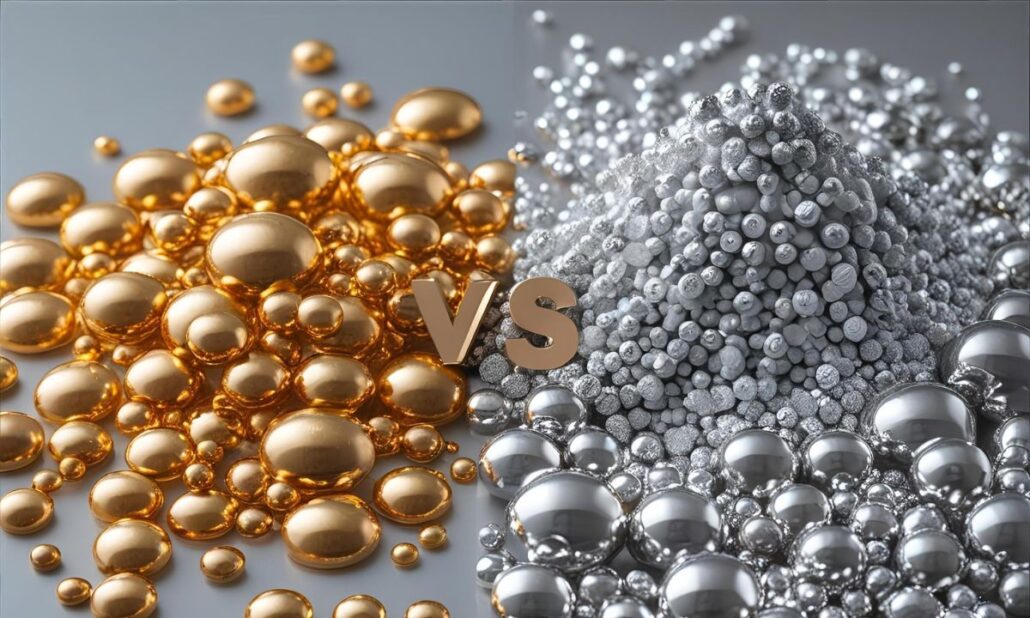
亜鉛メッキとニッケルメッキは、金属仕上げの観点から頻繁に参照される。この2つの方法は、金属を保護し、その性能を高め、製品を長持ちさせるために適用されます。この2種類の違いは、コスト、耐久性、外観によります。表面仕上げは見た目がすべてではない。製品が錆、摩耗、損傷に対抗できる精度に関係している。強靭な金属であっても、適切なコーティングが施されていないものには負けてしまう。メッキが自動車、航空宇宙、建築、電子産業において重要なプロセスである理由はここにある。亜鉛めっきは、安価で効果的であることがよく知られています。亜鉛メッキは薄くて加工しやすい保護皮膜を形成し、その下の金属を錆から守ります。このため、ファスナー、ナット、ボルト、その他日常品に使用される多くの小さな製品要素に優先的に使用される。一方、ニッケルメッキは強度と耐久性に優れている。簡単に摩耗することはなく、酸にも強い。ニッケルメッキはまた、明るく魅力的な仕上げであるため、自動車のトリムや電化製品の金具、電子機器の筐体など、装飾的または目に見える部品に必要な場合に最適です。亜鉛メッキとニッケルメッキを比較した場合、どちらがお客様の状況に適しているかが問題となります。その部品がどのような場所で使用されるのか、どの程度の保護が必要なのか、また、どの程度の量を手放す用意があるのかによって、答えが決まります。今回のブログでは、この2つのプロセスについて、その利点、限界、そして最も適した選択をするための主な方法をご紹介します。亜鉛メッキとは?亜鉛メッキは、広く使用されているコスト効率の高いコーティング技術です。亜鉛メッキは、電気メッキとして知られるプロセスによって、金属(一般的には鉄鋼)の表面に亜鉛の薄い被膜を析出させることによって行われます。このプロセスでは、亜鉛塩溶液を使って母材を浸し、電流を流します。亜鉛溶液は、均一で薄い皮膜を残しながら表面へと移動します。亜鉛めっきの利点 亜鉛めっきの限界 ニッケルめっきとは?ニッケルメッキも一般的な仕上げ技術ですが、亜鉛メッキに比べ、より硬く、耐久性があり、美観に優れた表面を提供します。このプロセスは、大きく分けて2つの方法で実現されます:電解ニッケルめっき(エレクトロプレーティング) - 亜鉛めっきと同様に、原料金属をニッケル塩溶液に入れ、金属に電流を流すことで表面にニッケルを析出させます。無電解ニッケルめっきは、電気を必要としない方法です。無電解ニッケルめっきは、電気を必要とせず、化学的なプロセスでニッケルを析出させるため、複雑な構造や手の届かない場所でも、表面を均一に覆うことができます。ニッケルめっきの利点 ニッケルめっきの限界 めっきプロセス 亜鉛めっきプロセス 亜鉛めっきの場合、表面処理は非常に入念に行われます。メッキを施す前に、ほとんどの場合金属である表面(通常は鋼鉄や鉄)を、油分、汚れ、錆、酸化物からきれいにしなければなりません。そのために、部品は酸かアルカリ性の液で洗浄され、残留物が残らないようにすすぎます。洗浄後、部品は亜鉛塩溶液(主に硫酸亜鉛または塩化亜鉛)を含む電解槽に挿入される。その後、電解槽を通して電気が充電される。この動きにより、媒体中の亜鉛イオンが移動し、母材表面に析出する。その結果、非常に薄く均一な亜鉛の皮膜が、その下の亜鉛を覆うことになる。メッキされた部品には、しばしば後処理が施され、より耐食性の高い効果が得られるほか、黄色、黒色、透明などのメッキ皮膜の外観を変えることができる。亜鉛メッキは、比較的短時間で処理でき、価格も安く、金物や車両部品の大量生産に適している。ニッケルめっき工程 ニッケルめっきもほぼ同様の方法で準備され、最初の工程は洗浄である。部品表面はよく処理され、残留物によって接着性が損なわれないように清浄にされる。電解ニッケルめっき:硫酸ニッケルなどのニッケル塩溶液の浴槽に部品を入れ、電流を流します。これにより、表面にニッケルイオンが析出し、硬い保護層が形成されます。ニッケルめっきでありながら電力を必要としないもう一つのアプローチは、無電解ニッケルめっきです。無電解ニッケルめっきは、ニッケル塩と次亜リン酸ナトリウムのような還元液の下で、部品をいくつかの化学薬品に浸します。めっき化学反応も起こり、ニッケルが部品に均一に析出します。このプロセスは、凹部や溝などの複雑な形状でも均一に覆うことができるという点で、電解めっきよりも優れています。無電解ニッケルめっきは、非常に硬く耐食性に優れていますが、電気めっきよりもコストが高く、めっき浴の化学的性質、pHレベル、温度にも注意が必要です。亜鉛めっきとニッケルめっき:亜鉛メッキとニッケルメッキの主な違い 亜鉛メッキとニッケルメッキの選択では、コスト、耐久性、外観、耐食性、用途の適切さなどが考慮されます。ひとつずつ見ていきましょう。1. 耐食性の勝者長期的な耐食性に優れたニッケルメッキ。2.耐久性/摩耗性 優勝:ニッケルメッキ;硬度、耐摩耗性。3.コスト勝者:亜鉛メッキによる費用対効果の高いソリューション。4.外観の勝利:ニッケルめっき-見栄えが良い。5.環境影響 優勝:亜鉛メッキ-環境に優しい。比較表 特徴 亜鉛めっき ニッケルめっき 耐食性 良好だが、過酷な条件下では限定される 優れた(特に無電解ニッケル) 耐久性 中程度-摩耗が早い 高い-耐傷性・耐摩耗性 コスト 低い(予算に見合う) 高い(高級オプション) 外観 光沢があるが、基本的な仕上げ 平滑で、鏡のような装飾仕上げ 環境への影響 廃棄物処理が容易 より厳しい環境管理が必要 最適な用途 ファスナー、ボルト、一般金物 航空宇宙、電子機器、装飾用途 亜鉛めっきとニッケルめっきの産業用途 両方のめっき技術は、産業界で非常に一般的である;;

陽極酸化アルミニウム素材:特性、利点、用途

陽極酸化アルミニウム素材:特性、利点、用途

アルミダイキャスト, アルミニウム表面仕上げ

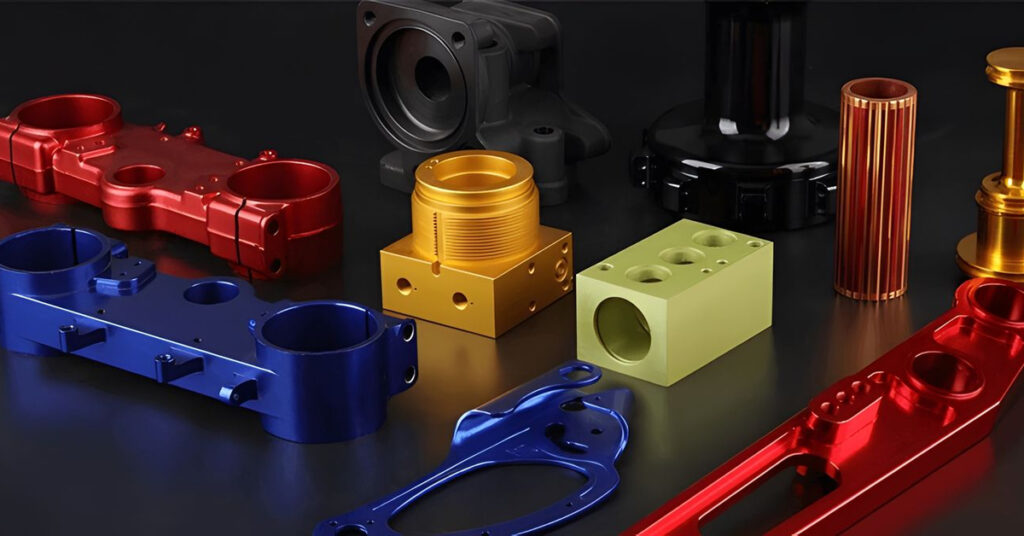
Anodized aluminum material is used mainly because it is light, strong, and corrosion-resistant. While raw aluminum does offer a certain amount of durability and scratch resistance, it is prone to oxidation, dents, and scratches, which can change it in the long term and keep it looking good. To make the aluminum stronger and more durable, it is then anodized to form a protective oxide layer on its surface. The reason for this layer is that it hardens the metal, giving it a more noncorroding and nonwear surface and a more pleasant appearance. Anodized aluminum is preferred due to these factors and is used widely across aerospace, automotive, construction, and consumer electronics industries. The anodization consists of several steps cleaning of the surface, immersion into an electrolyte bath, oxidation using electric current, and sealing. Besides making the material stronger, this treatment can be colored in different shades and finishes. Electrolytic coloring, Dip coloring, Integral coloring, and Interference coloring are different common coloring techniques. Ordinary anodizing and hard anodizing are the two main types of anodizing. Typically there are two processes available: ordinary anodizing, used primarily for finish and low-weight applications, and hard anodizing which gives excellent durability, wearer, and strength for military, industrial, and aerospace applications. In addition to anodization, aluminum can be processed through other surface treatments such as electroplating, powder coating, chromate conversion coating, PVD coating, ceramic coatings, or hot dip galvanizing. Anodized aluminum does not possess these properties uniformly and thus is used as a versatile and reliable material in many industries, with each method providing the material with specific enhanced properties—corrosion resistance, hardness, conductivity, etc. In this article, we’ll discuss what properties, benefits, applications, and maintenance of anodized aluminum involve, and why it is a better alternative to other metals and treatments. If we know these aspects we can understand which material to use for a particular industry and the consumer. What is Anodized Aluminum? Aluminum that has been anodized is an aluminum that has been run through an electrochemical process to produce a thicker, more durable oxide layer on its surface. The presence of this anodic oxide layer increases the resistance of the metal to corrosion, improves the surface hardness, and increases the ability of the metal to adhere to dyes and coatings. The Anodization Process In other words, the anodization process includes several key steps. Anodized Aluminum Material Key Properties 1. Enhanced Corrosion Resistance Anodized aluminum is one of the most resistant to corrosion. This makes it practically useless outdoors or when submerged in water, as the oxide layer protects the metal from moisture and our environment. 2. Increased Surface Hardness Anodization improves the hardness of aluminum significantly and aluminum becomes more resistant to scratch, dent, and wear. One such hard anodized aluminum is highly durable and is indeed used in high-performance applications. 3. Aesthetic Appeal and Color Variety Also, anodized aluminum is offered in black, gold, bronze, silver, etc. without changing the natural texture of the metal. This is why it is a preferred choice for architectural as well as decorative applications. 4. Lightweight Yet Strong While the oxide layer is put on top of the aluminum, this doesn’t make the aluminum significantly heavier, and it is still lighter than heavier materials such as stainless steel. 5. Electrical Insulation Because anodized aluminum is a poor conductor of electricity as compared to untreated aluminum, it is an attractive material to use in applications where insulation is needed for electrical or electronic purposes. 6. Environmentally Friendly and Sustainable Anodized aluminum is completely non-toxic, is recyclable, and does not out-gas dangerous and health-harming VOCs (volatile organic compounds), so it is eco-friendly. How to Add Color to Anodized Aluminum Parts? Anodizing aluminum is well known to be able to hold colors very vibrantly. Electrolytic coloring and dip coloring are the two of the many techniques used to color anodized aluminum. 1. Electrolytic Coloring One popular way to beautify anodized aluminum is with electrolytic coloring whereby anodized aluminum is colored with durable and UV-resistant shades. Once the aluminum has gone through the anodizing process, it is placed in a bath with metallic salts. In the last few years metalized salts have been developed whereby, when an electric current is applied, they settle into the open pores of the anodized surface permanently creating a metal-colored surface. Finally, the color depends on the type of metal salts involved. Copper salts ,for instance, make the solution reddish in tone, and other metals can make it in other hues. It is widely used because colors done this way last long and don’t fade, which makes it great for outdoor or high-exposure uses. 2. Dip Coloring Another color method is ‘dip coloring’ which gives one a large variety of color choices. During this kind of processing, the porous layer is submerged in a dye solution where the anodized aluminum absorbs the pigment. Once a shade is reached, the aluminum is sealed in water to stop reactions from continuing. Dip coloring offers much more vibrant and customizable contrasted shades, but they are not UV resistant and the colors will fade to a much lesser extent when exposed to sunlight. However, this lack of durability is the main reason why it is not commonly used in applications where the durability of parts is an important factor. 3. Integral Coloring (One-Step Process) An integral coloring is a unique process that incorporates anodizing and coloring into one process which is more efficient than in multi-step methods. Unlike some other techniques, the electrolytes, which react with the surface of the aluminum and are quick to dry, create deep, rich metallic tones including black, gold, or bronze. The color is formed in the very oxide layer, and due to that, it is very durable and doesn’t scratch, isn’t prone to corrosion, and doesn’t fade away. While integral coloring yields quality finishes, it is rare because of the cost and complexity. Architectural components, high-end electronics, and industrial equipment in which the parts must be able to withstand demanding conditions where

アルマイト部品

ブラック・アルマイト

アルミニウム表面仕上げ

What is black anodized aluminum Black anodized aluminum is basically the aluminum which went through anodizing process and then subsequently dyed into black color. The natural and porous oxide layer on the surface of the aluminum part is increased by an electrochemical process called anodizing. In this way this layer becomes durable, thicker and harder. This oxide layer is achieved by dipping aluminum part in an electrolytic bath and passing electric current through it. Anodized aluminum black is considered important because of its corrosion resistance, durability and aesthetics attraction and uniqueness. Aluminum has prominent properties such as light weight, high strength to weight ratio, corrosion resistance and thermal conductivity. All of these properties remain intact and a sleek black finish is provided as well. This finish is more durable and is less likely to chip off or peel off as compared to finish which is achieved by plating or coating. This is extensively used in automotive parts, aerospace industry, household components and electronics parts. How aluminum is anodized? This includes a method in which a decorative as well as protective layer is produced on the aluminum part surface. Many important factors need to be considered in this process which is the following: Equipment and Material Anodizing tank Aluminum objects Sodium Hydroxide Distilled water Electric current source Nitric acid or sulfuric acid Degreaser Anodizing black dye Cathode material i.e. lead or aluminum Protective gears How to prepare Aluminum Part Surface? Surface preparation is a prominent factor before carrying out anodizing process. It comprises of various steps including cleaning, etching and desmutting. First of all surface of the aluminum object is completely cleaned by using acidic or alkaline cleaners. This will thoroughly remove all kinds of contaminations such as dirt, grease or oil. Now the cleaned aluminum object is subjected to etching process. During this process the aluminum part is etched in sodium hydroxide solution. Etching process will remove the natural oxide layer and will create a smooth surface finish. Etching process often leaves residual particles on the surface. In order to remove those residues, desmutting process is carried out. In this process aluminum part after the etching process is dipped in an acidic solution i.e. nitric acid. How to carry out black anodizing aluminum process? This process is carried out in an electrolytic cell which comprises of an anode, cathode and an electrolytic solution in the bath. This bath most of the times contains sulfuric acid however phosphoric acid and chromic acid are also used. The aluminum object whose preparation is completed is dipped in the bath. In the electrolytic cell positive electrode is the aluminum object which will act as anode. The negative electrode which is made of stainless steel or lead will act as cathode. This will complete the circuit and an electric current is passed through this circuit. During this process oxygen ions from the electrolytic bath combine with the aluminum atoms on the surface area of the aluminum object and will form aluminum oxide. This process continues and thickness of this oxide layer keeps increasing. It is important to note that growth of this oxide layer takes place inward and outward from the aluminum surface and ultimately this will result in the formation of a porous structure. Factors which affects the formation of Oxide layer The thickness of the oxide layer is controlled by the following factors. The temperature of the electrolyte The duration of the process Current density The type of the acid which is used How to dye aluminum black? This process is carried out after the anodizing of aluminum object. At the end of anodizing process a porous oxide layer is formed on the aluminum object which is able to absorb and accept dyes. During the dyeing process the aluminum object is immersed in a dye bath. This dye bath contains the black dye. The black dye penetrates into the pores of the porous oxide layer which was formed from anodizing process. In order to achieve the required black shade and uniform dyeing the immersion time and temperature must be carefully controlled. After achieving the desired color and its shade the sealing process is carried out. In this process the absorbed dye is locked by closing the pores of the oxide layer and aluminum object is sealed. Following materials are generally used for sealing purpose. Nickel acetate solution Ionized water Steam The aluminum object is subjected to thorough rinsing to remove any residues. After that the part is completely dried. Subsequently this will increase the corrosion resistance, durability and the surface finish. Defining the black anodized aluminum pipe This is a hollow and cylindrical tube made from aluminum and is in shape of a pipe. This aluminum pipe is first subjected to anodizing process in which oxide layer is increased in thickness and after that it is dyed into black color to get a better finish. Anodized aluminum black pipe have the combination of aluminum properties such as corrosion resistance, light weight, durability and advantages of anodization along with black finishing. These pipes find their applications extensively in construction sector, marine applications, automotive industry and for decoration purposes. Definition of the aluminum anodized black sheet An aluminum sheet is a flat and thin aluminum metal piece which possesses the prominent properties such as corrosion resistance, light weight and high strength. This aluminum sheet undergoes anodizing process which ultimately enhances the surface hardness and corrosion resistance of the aluminum sheet. Additionally this process also increases the ability of the sheet to absorb dyes and coatings. After that this sheet is dyed into black color. Subsequently this will provide aesthetics and protection against wear and corrosion. Major applications of these sheets include areas where durability and appearance are of prime importance such as architecture, electronics, signage and decorative needs. Advantages of Black Anodized Aluminum Black anodized aluminum provides many advantages making it suitable to be utilized in numerous applications. Some benefits are as follows. Improved Mechanical Properties: Black anodized aluminum offers better wear resistance and

上部へスクロール

お見積もり