
マグネシウムダイカスト

自動車用途におけるマグネシウムダイカストの利点とは?

自動車用途におけるマグネシウムダイカストの利点とは?

マグネシウムダイカスト

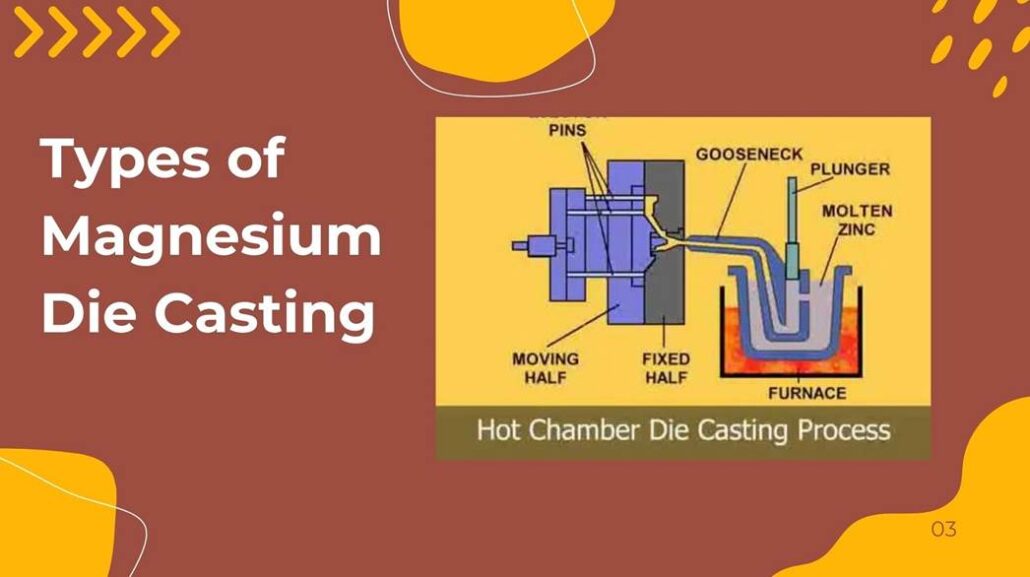
The basic function of die casting is to manufacture automotive parts that are lightweight and have high efficiency. All these requirements have fulfilled with the use of magnesium die casting. Different parts castings are manufactured by using the magnesium die for making automotive parts. All the manufacturers are focusing on making the automotive parts that have great efficiency, and they must be economical. As the world is advancing, the automotive industry is under constant pressure of manufacturing the innovative products. The magnesium alloy die casting has gained popularity over the years. The evolution in the automotive industry, with the increase in production of electric vehicles (EVs), has led to great use of magnesium alloy in parts manufacturing. Some other materials could be used in the production, but magnesium is the lightest. Its use offers great advantages in the automotive industry when it is processed through high-pressure die casting. The article explores the ideas of magnesium die casting, its benefits in the automotive industry and applications as well. In the end, we will provide the information about the future use of the magnesium alloy in die casting in the automotive industry for automakers. What is Magnesium Die Casting? Before getting into the details of the applications and advantages of magnesium alloy die casting in the automotive industry, it is important to understand what magnesium die casting is. Here are the steps involved in the process. Melting the magnesium at 650degC that convert it into a liquid form. Preparing the Mould The initial step in the process of die casting magnesium is the preparation of the mould. The mould is made of a high-strength material. It is lined with the released agent that helps in preventing sticking molten magnesium to the mould. The final release of the automotive parts depends on this step of easy release of the products. It is very important to have a flawless mould to avoid any defects in the final product. Injecting Molten Magnesium The next step is the injection of the molten magnesium into the die. The automakers make sure that the alloy reaches every complex geometry of the mould to get perfect results. The pressure is maintained at around 1500 to 3000 psi during the process. This step is highly precise yet very fast to avoid hardening of the magnesium alloy. Cooling After the magnesium is injected into the mould, the next step is the cooling. It is important to remove the die from the material after cooling and setting. Like any other material, if the structure is complex and have bigger size, it took longer period to cool. In contrast, smaller and thin sized automobiles parts got cooled more easily. Monitored and efficient cooling is required to avoid any cracks in the magnesium die casting product. Ejection and Finishing After the cooling of the magnesium in the die, the ejection from the die is the last step. The process of removing the finished product from the die is known as the ejection. Once the automotive parts are ejected carefully it need some further detailing, like removing and drilling the unwanted parts form final product for finishing. The process of magnesium alloy die casting is essential in making complex and thin-walled automotive parts. Automakers use magnesium because it is the lightest material in the die casting industry for making innovative automotive parts for EV and modern vehicles. Types of Magnesium Die Casting For making different automotive parts, there are basically two types of magnesium diecasting processes. Those are as follows; Hot Chamber Die Casting In the hot chamber, magnesium diecasting is ideal for the low melting point of magnesium. In this process, the die is submerged in the molten chamber and forced into the die. Cold Chamber Die Casting The typical method of magnesium die casting is cold chamber die casting. In this process, the molten magnesium is injected into the unheated moulds in the automotive industry. Why Magnesium is Best in Automotive Applications The combination of physical and mechanical characteristics of magnesium is very special and is very much demanded in the production of vehicles. Advantages of Magnesium Die Casting Substantial Weight Reduction on Vehicles One of the most significant objectives of automotive engineering is weight reduction. Lightweight cars use less fuel, produce fewer emissions and provide improved performance. Magnesium die casting helps automakers to substitute the heavier parts made of steel or aluminum with magnesium without affecting their functionality. The slightest weight cut in each element could produce an enormous weight cut when summed up in a complete car. This benefit is especially important in electric cars that require decreasing the weight of the body to directly affect the range of the battery and its efficiency. Better Fuel Economy and Reduced Emissions Fuel economy is directly influenced by the reduction of vehicle weight. Research continually demonstrates that fuel efficiency increases by 5-7% as the weight of the vehicle decreases by 10%. With magnesium die-cast parts, automakers would find it easier to comply with the tough global emission standards. This becomes particularly significant when the governments of the countries impose the rules intended to minimize carbon emissions and develop sustainable transportation. Magnesium die casting, hence, favors economic and environmental goals. Large strength-to-weight ratio The myth that surrounds lightweight metals is that it reduces strength. Magnesium alloys disprove this assumption. Recent magnesium alloys in die casting have adequate mechanical strength to be applied in automotive parts like steering columns, seat frames, gearbox housings, and structural brackets. These components should be able to withstand the stress, vibration, and thermal changes in the long term. The manufacturers get components that are durable and lightweight through the proper choice of alloys and efficient die-casting processes. Dimensional Accuracy and Design Flexibility Complex and tight geometries can be produced using magnesium die casting. It is possible to make thin walls, complex forms, ribs, bosses and in-built features in one casting. This design allows flexibility, eliminates the secondary machining and assembly, decreasing the cost of production and minimum points of
世界のトップ・マグネシウム・ダイカスト企業

世界のトップ・マグネシウム・ダイカスト企業

マグネシウムダイカスト

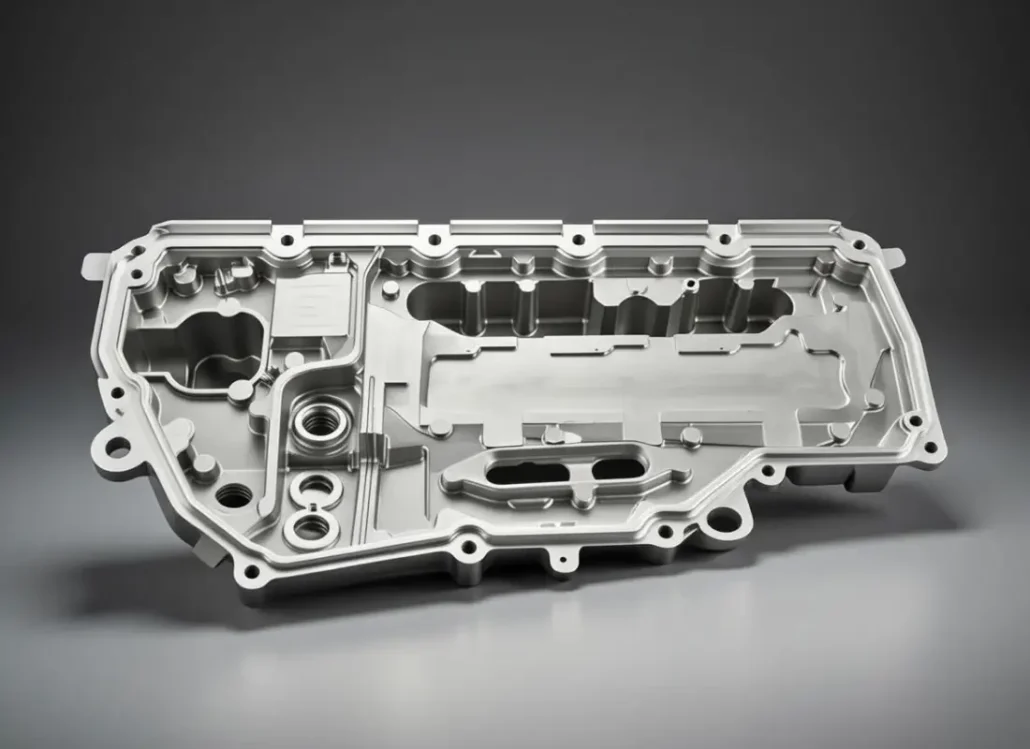
今日、マグネシウムダイカスト企業は、製造業において主要な、あるいは重要な役割を果たしています。マグネシウムダイカスト企業は、航空宇宙、自動車、電子機器、医療分野の様々な用途に利用される、軽くて丈夫で手頃な価格の部品を製造しています。マグネシウムは最も軽い構造用金属であり、最高の強度と重量の組み合わせを持つ強靭な材料であり、高度な性能の部品に必要な高い寸法精度と高い熱除去特性を兼ね備えています。産業界は、持続可能な製造方法だけでなく、小型設計の低燃費部品への市場要求が高まっているため、生産レベルの精密マグネシウムダイカスト部品を提供する専門企業を探す必要に迫られています。マグネシウムダイカストのプロセスは、プロトタイプから大量生産に至るまで進化し続けています。マグネシウムダイカスト以外にも、これらの一流グローバル企業は亜鉛ダイカストやアルミニウム鋳造、CNC機械加工や仕上げサービスも誇っています。これらのマグネシウムダイカストサプライヤーは、リアルタイム品質チェックの現代的なシステムを備えた高圧ダイカストマシンを活用し、精密で再現性のある部品製造のための強力なシミュレーションプログラムに取り組むことで、伝統的でありながら現代的なスタイルで業務を遂行しています。この記事では、中国を拠点とする主要なマグネシウムダイカスト企業、および米国、カナダ、欧州のその他の主要メーカーを紹介する。Sincere Tech、GC Precision Mold、CNM Techは、製品のコストと信頼性、製造の柔軟性に関する国際基準を体現する中国の業界トリオを構成している。ダイナカストとビューラーグループ、メリディアン・ライトウェイト・テクノロジーズは、自動鋳造ライン開発と連携した技術の研究開発により、世界レベルでのイノベーションを実現している。厳選された事業は、ダイカスト市場でグローバルに活躍する信頼できるマグネシウムダイカスト組織とその技術リーダーをすべて見つけるための主要な情報源です。マグネシウムダイカストとは?マグネシウムダイカストは精密製造のプロセスと呼ばれ、非常に複雑で軽量な金属部品を作るために、溶融マグネシウムを鋼鉄製の金型内に高圧で注入します。マグネシウムは機械加工性が高く、軽量で強度の高い金属であるため、この技法はあらゆる産業で広く使われています。マグネシウムは最も軽い構造用金属であるため、耐久性や性能を損なうことなく、重要な軽量化に貢献します。この鋳造プロセスでは、細部まで精巧に仕上げられ、滑らかな表面仕上げと、大量生産に適した高公差の部品が製造されます。さらに、複数の部品を1つの要素にすることができるため、組み立てや溶接の必要性が低くなります。さらに、マグネシウムダイカストはエネルギー効率が高く、リサイクル可能なプロセスであるため、環境に優しい製造プロセスです。しかし、マグネシウムダイカストは、常に新しい金型と材料技術が開発されているため、現代の製品設計とエンジニアリングを構成するあらゆるものにおいて、これまでも、そしてこれからも重要な役割を果たすでしょう。Sincere Tech設立年:2005年従業員数:100~500人事業形態:マグネシウムダイカスト100-500人ビジネスの種類プラスチック射出成形金型製造、マグネシウムダイカスト、CNC機械加工、組立 ウェブサイトと連絡先ウェブサイト: plasticmold.netEmail: info@plasticmold.netPhone:住所:+86 135 30801277523000 中華人民共和国広東省東莞市斉市鎮上東村環鎮路30号1棟 会社概要 中国の金型及びプラスチック射出成形業界のトップメーカーとして、誠信科技は広東省東莞市に拠点を置いています。同社は2005年に設立され、100~500人の労働力を擁する信頼性の高いマグネシウムダイカストメーカーに発展してきました。Sincere Tech はプラスチック射出成形金型、マグネシウムおよび亜鉛ダイカスト部品、CNC 機械加工および完全なプロダクト アセンブリの専門家です。最先端の設備と高度な生産能力を持つ生産者として、シンセアテックは自動車、エレクトロニクス、メディケア、消費財のグローバルクライアントに製品を供給しています。同社には経験豊富なエンジニアリングチームがあり、部品設計の最適化、金型の効率化、大量生産の高品質化を実現している。シンセテック社は、精密さ、顧客満足度、革新的な製造プロセスによる費用対効果の高い手頃な価格設定へのコミットメントを維持し、世界中の顧客に価値主導のソリューションを提供しています。彼らの品質へのコミットメント 誠実な技術であることは、国際基準以上の高品質のプレミアム製品を生産することに非常に専念しています。製造サイクル全体を通じて、(原材料の検査と最終製品の納入を含め)厳格な品質管理プロセスを実施しています。ISO9001の認証を受けている当社は、CMMSと3Dスキャナーを使用して寸法精度を保証しています。品質保証担当者の継続的な訓練と、厳格な工程文書化およびトレーサビリティが、納品されるすべての製品が顧客の仕様に適合することを保証します。シンシア・テックでは、シミュレーションに基づく金型設計とリアルタイムの生産監視により、欠陥防止も実現している。同社は、生涯不良品ゼロを目標とし、積極的な顧客サービスを提供することで、マグネシウムダイカスト鋳造会社の中で最も信頼される企業となっています。DyCastを選ぶ理由GC精密金型 設立年1999年従業員数従業員数: 100-200人以上ダイカスト(マグネシウム、亜鉛、アルミニウム)、CNC機械加工、プラスチック成形 ウェブサイトと連絡先ウェブサイト: aludiecasting.comEmail: info@aludiecasting.comPhone:住所:+86 131 4886 5556523516 中国広東省東莞市斉市鎮環鎮路30号 会社概要 GC精密金型有限公司は1999年に設立され、中国広東省東莞市に位置し、現在ダイカストの著名なメーカーです。同社はアルミニウム、亜鉛、マグネシウムダイカストを専門とし、プラスチック射出成形、CNC機械加工、表面仕上げも行っています。デジタル技術を活用した油圧プレスにより、迅速に機能を調整し、ねじ空洞を含む設計を作成することができます。GC精密金型はこの業界で20年以上の経験があり、自動車、電子機器、航空宇宙、消費財などの分野の顧客にサービスを提供しています。最新の設備で120トンから1650トンまでの高圧ダイカストマシンを使用し、複雑で高精度の部品を生産することができます。GC Precision Moldの品質、技術革新、顧客満足へのコミットメントは、同社が信頼できる効率的なダイカストソリューションを探しているクライアントの信頼できるパートナーであることを保証しています。彼らの品質へのコミットメント GC精密金型によって提供される製品に関しては、彼らは完全に提供することにコミットしている

金属鋳造サービスについて

アルミダイキャスト, ダイカスト会社, ダイカスト部品, 高圧ダイカスト, マグネシウム鋳造, マグネシウムダイカスト, 亜鉛ダイカスト

Metal casting services involve the shaping of free-flowing liquid metals through the use of dies, molds, or patterns.  Castings are generally roughly finished due to the nature of their production.  In many cases, additional finishing is required to remove burrs and other artefacts of the casting process.  Metal castings services are used to design a wide range of components and finished products.  Everything from simple nails and fasteners to engine blocks can be fabricated using metal casting services.  Common metal casting processes include sand casting, die casting, permanent mold casting, investment casting, centrifugal casting, and lost foam casting. Sand Casting Sand casting is used to make large parts (typically iron, but also bronze, brass, aluminum). Molten metal is poured into a mold cavity formed out of sand (natural or synthetic). Sand castings generally have a rough surface, sometimes with surface impurities and surface variations. Die-casting includes a number of processes in which reusable dies or molds are used to produce casting.  The die contains an impression of the finished product together with it’s running, feeding and venting systems.  The die is capable of a regular cycle and of (quickly) dissipating the heat of the metal poured into it.  Once the liquid metal has cooled sufficiently, the mold is opened and the casting can be removed and finished. Permanent Mold Casting In permanent mold casting, molten metal is poured into cast iron molds, coated with a ceramic mold wash. Cores can be a metal, sand, sand shell, or other materials. When completed, the molds are opened and the castings are ejected.   Investment casting services involve molding patterns by the injection of a special wax into a metal die.  The patterns are assembled into a cluster around a wax runner system. The ‘tree’ of patterns is then coated with 8-10 layers of refractory material. The assembly is heated to remove the wax.  The hot mold is cast, and when cool, the mold material is removed by impact, vibration, grit blasting, high-pressure water blasting or chemical dissolution leaving the castings, which are then removed from the runner system. Centrifugal casting Centrifugal casting services are used to produce castings that are cylindrical in shape.  In centrifugal casting, a permanent mold is rotated about its axis at high speeds as the molten metal is poured. The molten metal is centrifugally thrown towards the inside mold wall, where it solidifies. The casting is usually a fine grain casting with a very fine-grained outer diameter, which is resistant to atmospheric corrosion, a typical need with pipes. The inside diameter has more impurities and inclusions, which can be machined away. Lost foam casting Lost foam casting (LFC) is metal casting services that use foam filled patterns to produce castings.  Foam is injected into a pattern, filling all areas, leaving no cavities.  When molten metal is injected into the pattern, the foam is burned off allowing the casting to take shape. Die casting Die casting and metal casting includes a number of processes in which reusable dies or molds are used to produce casting. The die is capable of a regular cycle and of (quickly) dissipating the heat of the metal poured into it. Once the liquid metal has cooled sufficiently, the mold or is opened and the casting can be removed and finished.   In the die casting process, molten metal is injected under pressure into a reusable mold or die. The die contains an impression of the casting together with it’s running, feeding and venting systems. The die is capable of a regular cycle and of (quickly) dissipating the heat of the metal poured into them. Once the liquid metal has cooled sufficiently, the mold or is opened and the metal casting can be removed and finished. high pressure die casting The high pressure die casting process is the most widely used, representing about 50% of all light alloy casting production. Low pressure die casting currently accounts for about 20% of production and its use is increasing. Gravity die casting accounts for the rest, with the exception of a small but growing contribution from the recently introduced vacuum die casting and squeeze casting process. the design of low pressure and gravity die casting dies for improved die filling, optimized solidification pattern and maximum yield. Gravity die-casting is suitable for mass production and for fully mechanized casting. Low-pressure die casting is especially suited to the production of components that are symmetric about an axis of rotation. Light automotive wheels are normally manufactured by this technique. Die casting metals can vary widely, and different die casting companies may have the ability to work with anyone or number of them. Some of the most common metal casting types include aluminum die casting, brass die casting, lead die casting (the most popular for model die casting), magnesium die casting, and zinc die casting. Hope all of that information is enough for your reference, but if you want to know more information, you are welcome to contact us by phone or email.

アルミダイカスト

アルミダイカスト

アルミ鋳造, アルミ鋳造用金型, アルミダイキャスト, ダイカスト, アルミダイカスト, ダイカスト会社, ダイカスト金型, ダイカスト部品, 高圧ダイカスト, マグネシウムダイカスト, 圧力ダイカスト

What is Aluminum die Casting Aluminum die casting can be understood as a highly controlled metal “injection” process rather than a simple pouring method. In a typical aluminum die casting manufacturing company, molten aluminum is forced into a hardened steel die under high pressure, allowing the metal alloys to fill even very thin sections and complex geometries within milliseconds. What makes this process valuable is not just speed, but repeatability—once the mold is tuned, thousands of parts can be produced with consistent dimensions and surface quality. From a practical manufacturing perspective, die casting is often chosen when a part demands tight tolerances, good surface finish, and minimal secondary machining. The upfront investment in tooling is relatively high, but it is offset by lower per-unit cost in volume production. Engineers also favor aluminum die casting because it combines lightweight properties with decent strength, corrosion resistance, and thermal conductivity. Benefits of aluminum die casting Metals and precautions related to aluminium die casting. Different types of aluminium alloys can be used in die Casting and aluminium molds, types of casting methods are used for making aluminum die casting, zinc die casting, magnesium die casting and many more. Type of Die Casting process Die Casting is the process of making Aluminium suitable for producing different types of products. It is a simple and inexpensive way to provide a wide variety of aluminium products. Some of the examples are Washington Monument, car engines, and power transmissions, etc, which were all produced through aluminum casting alloys process. Aluminium casting can be done in 3 ways:- Auminum die casting Mold Casting Sand Casting DIE CASTING Die casting is a manufacturing process for producing metal parts.  In die casting, die or mold cavities are created with hardened tool steel that has been previously machined to a particular shape. Here in die casting, Aluminium is melted first and is poured into a steel die under high pressure forcefully. This manufacturing technique is normally used for high volume production, the process we normally called high pressure die casting or pressure die casting process MOLD CASTING About mold casting, mold and cores can be of either steel or any other metal. Here also the aluminium is melted first and is poured in the mold provided. Sometimes vacuum is also applied. In some situations, Permanent mold casting is seemed to be stronger than both die casting and sand casting methods. Semi-permanent mold casting techniques are used when permanent cores are impossible to remove from the finished part. SAND CASTING: Sand casting is the most versatile method of producing aluminium products. Usually, the molted aluminium is poured into a mold which is virtually pressed into a fine sand mixture. The pattern will be little larger than which needed for the aluminium shrinkage during solidification and cooling. Sand Casting is usually a slow process than both die casting and mold casting. Usually, it is used for small quantity products. Aluminum Casting Alloys The most important cast aluminum casting alloys system is Al-Si. Here high levels of Silicon contribute to give good casting characteristics. aluminum casting alloys are widely used in engineering structures and components where lightweight or corrosion-resistant is required. Methods and benefits of Aluminium die casting Metals and precautions related with aluminium die casting Different types of aluminium can be used for die Casting, Aluminum casting manufacturer & aluminum casting is used in order to cover different types of metals by using different types of methods. There are many methods used for aluminum casting and different types of benefits are obtained. With the help of aluminum casting and aluminum die casting it is possible to increase the life of metals and these can be used for a long time period with an amazing look and charm of metal. Methods Different types of methods are used for aluminium die casting. The main thing is to melt aluminum. High temperature is needed for melting aluminum. Special structures are used for the melting of aluminum. When aluminum casting is melted then it is poured on the target metals. Then the melted aluminum casting is allowed to get hard and it is ready to be used after some time period. There are special containers that are made to be used for the melting of aluminum. These structures are available in the market in different shapes and sizes. You are also able to make these structures at home by using the desired ingredients. You have many options in making these structures. If you are going to buy this structure from the market then you have to make a selection of the size and shapes. There are many options in terms of sizes and shapes and different types of prices are charged by makers. Working of these structures is also different as some use fuels and some use manual efforts for getting heat to make sure that aluminum casting could be heated and melted effectively. High temperatures are obtained in these structures and then aluminum casting is melted and then used on the target metals for the casting process. Benefits Aluminium Die Casting There are many types of benefits of aluminum die casting. Mainly this type of casting is done to make sure that the metal can remain safe from corrosion. Atmosphere conditions and moisture is bad for iron and casting can help to protect iron and increase its useful life. aluminium die casting is able to resist moisture and other harmful effects of the environment due to which it can be used on metals through casting. The protective shield is made on iron to make sure that it can be used for a long time period. aluminium die casting companies can be cast on iron and make a protective sheet. This protection is in the form of a shining layer which is obtained by using high temperatures. This layer is permanent and good looking along with increasing strength and useful life of metal. Mostly iron is cast with the help of aluminum. This is a cheap process and the user is able

上部へスクロール

お見積もり