
마그네슘 다이 캐스팅

자동차 애플리케이션에서 마그네슘 다이캐스팅의 장점은 무엇입니까?

자동차 애플리케이션에서 마그네슘 다이캐스팅의 장점은 무엇입니까?

마그네슘 다이 캐스팅

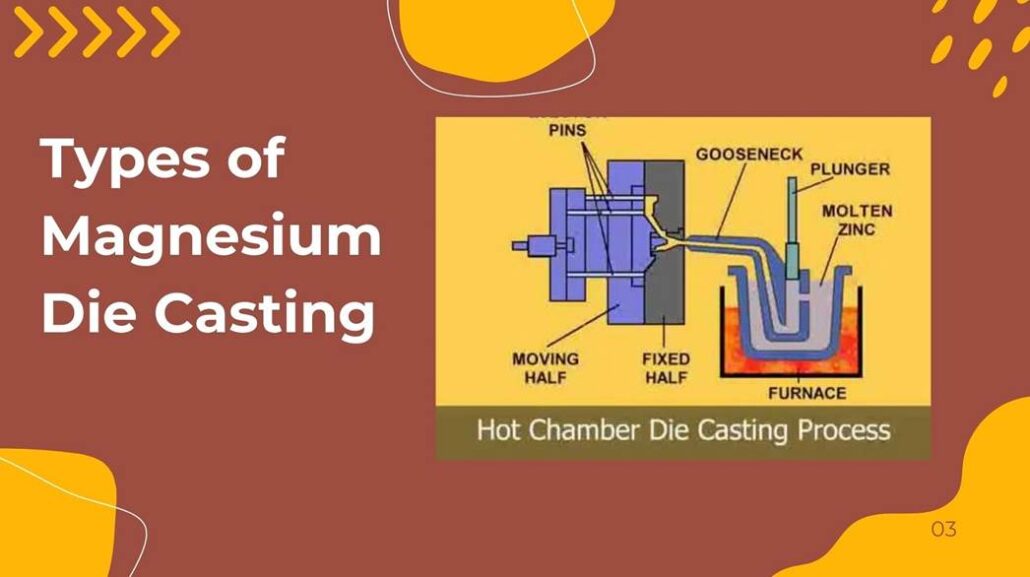
The basic function of die casting is to manufacture automotive parts that are lightweight and have high efficiency. All these requirements have fulfilled with the use of magnesium die casting. Different parts castings are manufactured by using the magnesium die for making automotive parts. All the manufacturers are focusing on making the automotive parts that have great efficiency, and they must be economical. As the world is advancing, the automotive industry is under constant pressure of manufacturing the innovative products. The magnesium alloy die casting has gained popularity over the years. The evolution in the automotive industry, with the increase in production of electric vehicles (EVs), has led to great use of magnesium alloy in parts manufacturing. Some other materials could be used in the production, but magnesium is the lightest. Its use offers great advantages in the automotive industry when it is processed through high-pressure die casting. The article explores the ideas of magnesium die casting, its benefits in the automotive industry and applications as well. In the end, we will provide the information about the future use of the magnesium alloy in die casting in the automotive industry for automakers. What is Magnesium Die Casting? Before getting into the details of the applications and advantages of magnesium alloy die casting in the automotive industry, it is important to understand what magnesium die casting is. Here are the steps involved in the process. Melting the magnesium at 650degC that convert it into a liquid form. Preparing the Mould The initial step in the process of die casting magnesium is the preparation of the mould. The mould is made of a high-strength material. It is lined with the released agent that helps in preventing sticking molten magnesium to the mould. The final release of the automotive parts depends on this step of easy release of the products. It is very important to have a flawless mould to avoid any defects in the final product. Injecting Molten Magnesium The next step is the injection of the molten magnesium into the die. The automakers make sure that the alloy reaches every complex geometry of the mould to get perfect results. The pressure is maintained at around 1500 to 3000 psi during the process. This step is highly precise yet very fast to avoid hardening of the magnesium alloy. Cooling After the magnesium is injected into the mould, the next step is the cooling. It is important to remove the die from the material after cooling and setting. Like any other material, if the structure is complex and have bigger size, it took longer period to cool. In contrast, smaller and thin sized automobiles parts got cooled more easily. Monitored and efficient cooling is required to avoid any cracks in the magnesium die casting product. Ejection and Finishing After the cooling of the magnesium in the die, the ejection from the die is the last step. The process of removing the finished product from the die is known as the ejection. Once the automotive parts are ejected carefully it need some further detailing, like removing and drilling the unwanted parts form final product for finishing. The process of magnesium alloy die casting is essential in making complex and thin-walled automotive parts. Automakers use magnesium because it is the lightest material in the die casting industry for making innovative automotive parts for EV and modern vehicles. Types of Magnesium Die Casting For making different automotive parts, there are basically two types of magnesium diecasting processes. Those are as follows; Hot Chamber Die Casting In the hot chamber, magnesium diecasting is ideal for the low melting point of magnesium. In this process, the die is submerged in the molten chamber and forced into the die. Cold Chamber Die Casting The typical method of magnesium die casting is cold chamber die casting. In this process, the molten magnesium is injected into the unheated moulds in the automotive industry. Why Magnesium is Best in Automotive Applications The combination of physical and mechanical characteristics of magnesium is very special and is very much demanded in the production of vehicles. Advantages of Magnesium Die Casting Substantial Weight Reduction on Vehicles One of the most significant objectives of automotive engineering is weight reduction. Lightweight cars use less fuel, produce fewer emissions and provide improved performance. Magnesium die casting helps automakers to substitute the heavier parts made of steel or aluminum with magnesium without affecting their functionality. The slightest weight cut in each element could produce an enormous weight cut when summed up in a complete car. This benefit is especially important in electric cars that require decreasing the weight of the body to directly affect the range of the battery and its efficiency. Better Fuel Economy and Reduced Emissions Fuel economy is directly influenced by the reduction of vehicle weight. Research continually demonstrates that fuel efficiency increases by 5-7% as the weight of the vehicle decreases by 10%. With magnesium die-cast parts, automakers would find it easier to comply with the tough global emission standards. This becomes particularly significant when the governments of the countries impose the rules intended to minimize carbon emissions and develop sustainable transportation. Magnesium die casting, hence, favors economic and environmental goals. Large strength-to-weight ratio The myth that surrounds lightweight metals is that it reduces strength. Magnesium alloys disprove this assumption. Recent magnesium alloys in die casting have adequate mechanical strength to be applied in automotive parts like steering columns, seat frames, gearbox housings, and structural brackets. These components should be able to withstand the stress, vibration, and thermal changes in the long term. The manufacturers get components that are durable and lightweight through the proper choice of alloys and efficient die-casting processes. Dimensional Accuracy and Design Flexibility Complex and tight geometries can be produced using magnesium die casting. It is possible to make thin walls, complex forms, ribs, bosses and in-built features in one casting. This design allows flexibility, eliminates the secondary machining and assembly, decreasing the cost of production and minimum points of
세계 최고의 마그네슘 다이캐스팅 기업

세계 최고의 마그네슘 다이캐스팅 기업

마그네슘 다이 캐스팅

오늘날 마그네슘 다이캐스팅 회사는 항공우주, 자동차, 전자, 의료 분야의 다양한 응용 분야에 활용되는 가볍고 튼튼하며 합리적인 가격의 부품을 제조하는 제조 분야에서 주요 또는 핵심적인 역할을 담당하고 있습니다. 마그네슘은 가장 가벼운 구조용 금속으로, 첨단 성능 부품에 필요한 높은 치수 정확도와 높은 열 제거 특성, 최고의 강도-무게 조합을 갖춘 강력한 소재입니다. 산업계는 지속 가능한 제조 방식뿐만 아니라 소형 설계를 갖춘 연료 효율이 높은 부품에 대한 시장의 요구가 증가함에 따라 생산 수준에서 정밀 마그네슘 다이캐스팅 부품을 제공하는 전문 기업을 찾고 있습니다. 마그네슘 다이캐스팅 공정은 프로토타입에서 대량 생산에 이르는 단계에 걸쳐 계속 발전하고 있습니다. 이 최고의 글로벌 기업들은 마그네슘 다이캐스팅 역량 외에도 아연 다이캐스팅과 알루미늄 주조, CNC 가공 및 마감 서비스도 자랑합니다. 이러한 마그네슘 다이캐스팅 공급업체들은 실시간 품질 검사 시스템을 갖춘 고압 다이캐스팅 기계를 활용하여 전통적이면서도 현대적인 방식으로 작업을 수행하고, 정밀하고 반복 가능한 부품 생산을 위해 강력한 시뮬레이션 프로그램을 사용합니다. 이 기사에서는 중국에 기반을 둔 주요 마그네슘 다이캐스팅 업체와 미국과 캐나다, 유럽의 주요 제조업체를 살펴봅니다. 중국 업계에서 제품 비용과 신뢰성, 제조 유연성에 대한 국제 표준을 구현하는 세 업체는 Sincere Tech, GC Precision Mold, CNM Tech입니다. 다이나캐스트와 뷜러 그룹, 메리디안 라이트웨이트 테크놀로지스는 모두 자동화된 주조 라인 개발과 함께 기술 연구 개발을 통해 글로벌 수준의 혁신을 이뤄낼 수 있었습니다. 엄선된 업체는 다이캐스팅 시장에서 전 세계적으로 활동하는 신뢰할 수 있는 마그네슘 다이캐스팅 조직과 기술 리더를 모두 찾을 수 있는 주요 소스입니다. 마그네슘 다이캐스팅이란? 마그네슘 다이캐스팅은 용융된 마그네슘을 강철 금형 또는 다이에 고압으로 주입하여 매우 복잡하고 가벼운 금속 부품을 만드는 정밀 제조 공정이라고 합니다. 마그네슘은 가공성이 뛰어나고 가볍고 튼튼한 금속으로 모든 분야에서 널리 사용되기 때문에 이 기술은 모든 산업 분야에서 널리 사용되고 있습니다. 마그네슘은 구조용 금속 중 가장 가볍기 때문에 내구성과 성능을 저하시키지 않으면서도 중요한 무게 절감에 기여합니다. 이 주조 공정은 미세한 디테일, 매끄러운 표면 마감, 높은 허용 오차 부품을 대량 생산할 수 있습니다. 또한 여러 부품을 하나의 요소로 제작할 수 있어 조립이나 용접에 대한 수요를 줄일 수 있습니다. 또한 마그네슘 다이캐스팅은 에너지 효율적이고 재활용이 가능한 공정이기 때문에 친환경적인 제조 공정입니다. 하지만 새로운 툴링 및 소재 기술이 항상 개발되고 있기 때문에 마그네슘 다이캐스팅은 현대 제품 설계 및 엔지니어링을 구성하는 모든 요소에서 항상 중요한 역할을 해왔고 앞으로도 계속 중요한 역할을 할 것입니다. 성실한 기술 설립 연도: 2005직원 수: 100-500사업 유형: 플라스틱 사출 금형 제조, 마그네슘 다이캐스팅, CNC 가공 및 조립 웹사이트 및 연락처: 웹 사이트: plasticmold.net이메일: info@plasticmold.netPhone: +86 135 30801277주소: 중국 광동성 동관시 치시 진 상동 마을 후안 젠로드 30호 빌딩 1, 523000 회사 소개 중국 금형 및 플라스틱 사출 성형 산업의 선두 제조업체인 Sincere Tech는 광동성 동관시에 본사를 두고 있습니다. 이 회사는 2005년에 설립되어 100~500명의 노동력을 보유한 신뢰할 수 있는 마그네슘 다이캐스팅 제조업체 중 하나로 성장했습니다. Sincere Tech는 플라스틱 사출 금형, 마그네슘 및 아연 다이캐스팅 부품, CNC 가공 및 완제품 조립 분야의 전문가입니다. 최첨단 장비와 첨단 생산 능력을 갖춘 Sincere Tech는 자동차, 전자, 의료 및 소비재 분야의 글로벌 고객에게 제품을 공급합니다. 숙련된 엔지니어링 팀이 부품 설계를 최적화하고 툴링을 효율화하며 고품질의 대량 생산을 보장합니다. Sincere Tech는 정밀도, 고객 만족은 물론 혁신적인 제조 공정을 통해 비용 효율적이고 합리적인 가격의 제품을 생산하고 전 세계 고객에게 가치 중심 솔루션을 제공한다는 약속을 지키고 있습니다. 품질에 대한 약속 성실한 기술 기업으로서 국제 표준 이상의 고품질 프리미엄 제품을 생산하기 위해 최선을 다하고 있습니다. 제조 주기 전반에 걸쳐 (원자재 검사 및 최종 제품 배송을 포함하여) 엄격한 품질 관리 프로세스를 시행합니다. ISO9001 인증을 받은 CMMS와 3D 스캐너를 사용하여 치수 정확도를 보장합니다. 엄격한 프로세스 문서화 및 추적성과 함께 품질 보증 담당자에 대한 지속적인 교육을 통해 납품되는 모든 제품이 고객 사양을 충족하도록 보장합니다. 또한 시뮬레이션 기반 금형 설계와 실시간 생산 모니터링을 통해 결함을 예방합니다. 평생 무결점 목표와 적극적인 고객 서비스를 자랑하는 이 회사는 마그네슘 다이캐스팅 회사들 사이에서 명성이 자자합니다. 왜 다이캐스트 스페셜티를 선택해야 할까요? GC 정밀 금형 설립 연도: 1999종업원 수 100-200명+업종: 다이캐스팅(마그네슘, 아연, 알루미늄), CNC 가공, 플라스틱 성형 웹사이트 및 연락처: 웹 사이트: aludiecasting.com이메일: info@aludiecasting.comPhone: +86 131 4886 5556주소: 중국 광동성 동관시 치시진 후안젠로드 30호, 523516 회사 소개 GC 정밀 금형 유한공사는 1999년 중국 광동성 동관시에 설립되었으며 현재 다이캐스팅의 저명한 제조업체입니다. 이 회사는 알루미늄, 아연, 마그네슘 다이캐스팅을 전문으로 하며 플라스틱 사출 성형, CNC 가공 및 표면 마감도 취급합니다. 디지털 기술을 활용하는 유압 프레스를 통해 기능을 빠르게 조정하고 나사산 캐비티가 있는 디자인을 만들 수 있습니다. 20년 이상 업계에 종사해 온 GC Precision Mold는 자동차, 전자, 항공우주 및 소비재 분야의 고객에게 서비스를 제공하고 있습니다. 최첨단 시설에서 120~1650톤에 이르는 고압 다이캐스팅 기계를 사용하여 복잡하고 고정밀 부품을 생산할 수 있습니다. 품질, 혁신, 고객 만족을 위한 GC Precision Mold의 노력 덕분에 이 회사는 신뢰할 수 있고 효율적인 다이캐스팅 솔루션을 찾는 고객에게 신뢰할 수 있는 파트너로 자리매김할 수 있었습니다. 그들의 품질 약속 GC Precision Mold에서 제공하는 제품에 대해서는 다음을 제공하기 위해 최선을 다하고 있습니다.

금속 주조 서비스 정보

알루미늄 다이캐스팅, 다이캐스팅 회사, 다이캐스팅 부품, 고압 다이캐스팅, 마그네슘 주조, 마그네슘 다이 캐스팅, 아연 다이캐스팅

Metal casting services involve the shaping of free-flowing liquid metals through the use of dies, molds, or patterns.  Castings are generally roughly finished due to the nature of their production.  In many cases, additional finishing is required to remove burrs and other artefacts of the casting process.  Metal castings services are used to design a wide range of components and finished products.  Everything from simple nails and fasteners to engine blocks can be fabricated using metal casting services.  Common metal casting processes include sand casting, die casting, permanent mold casting, investment casting, centrifugal casting, and lost foam casting. Sand Casting Sand casting is used to make large parts (typically iron, but also bronze, brass, aluminum). Molten metal is poured into a mold cavity formed out of sand (natural or synthetic). Sand castings generally have a rough surface, sometimes with surface impurities and surface variations. Die-casting includes a number of processes in which reusable dies or molds are used to produce casting.  The die contains an impression of the finished product together with it’s running, feeding and venting systems.  The die is capable of a regular cycle and of (quickly) dissipating the heat of the metal poured into it.  Once the liquid metal has cooled sufficiently, the mold is opened and the casting can be removed and finished. Permanent Mold Casting In permanent mold casting, molten metal is poured into cast iron molds, coated with a ceramic mold wash. Cores can be a metal, sand, sand shell, or other materials. When completed, the molds are opened and the castings are ejected.   Investment casting services involve molding patterns by the injection of a special wax into a metal die.  The patterns are assembled into a cluster around a wax runner system. The ‘tree’ of patterns is then coated with 8-10 layers of refractory material. The assembly is heated to remove the wax.  The hot mold is cast, and when cool, the mold material is removed by impact, vibration, grit blasting, high-pressure water blasting or chemical dissolution leaving the castings, which are then removed from the runner system. Centrifugal casting Centrifugal casting services are used to produce castings that are cylindrical in shape.  In centrifugal casting, a permanent mold is rotated about its axis at high speeds as the molten metal is poured. The molten metal is centrifugally thrown towards the inside mold wall, where it solidifies. The casting is usually a fine grain casting with a very fine-grained outer diameter, which is resistant to atmospheric corrosion, a typical need with pipes. The inside diameter has more impurities and inclusions, which can be machined away. Lost foam casting Lost foam casting (LFC) is metal casting services that use foam filled patterns to produce castings.  Foam is injected into a pattern, filling all areas, leaving no cavities.  When molten metal is injected into the pattern, the foam is burned off allowing the casting to take shape. Die casting Die casting and metal casting includes a number of processes in which reusable dies or molds are used to produce casting. The die is capable of a regular cycle and of (quickly) dissipating the heat of the metal poured into it. Once the liquid metal has cooled sufficiently, the mold or is opened and the casting can be removed and finished.   In the die casting process, molten metal is injected under pressure into a reusable mold or die. The die contains an impression of the casting together with it’s running, feeding and venting systems. The die is capable of a regular cycle and of (quickly) dissipating the heat of the metal poured into them. Once the liquid metal has cooled sufficiently, the mold or is opened and the metal casting can be removed and finished. high pressure die casting The high pressure die casting process is the most widely used, representing about 50% of all light alloy casting production. Low pressure die casting currently accounts for about 20% of production and its use is increasing. Gravity die casting accounts for the rest, with the exception of a small but growing contribution from the recently introduced vacuum die casting and squeeze casting process. the design of low pressure and gravity die casting dies for improved die filling, optimized solidification pattern and maximum yield. Gravity die-casting is suitable for mass production and for fully mechanized casting. Low-pressure die casting is especially suited to the production of components that are symmetric about an axis of rotation. Light automotive wheels are normally manufactured by this technique. Die casting metals can vary widely, and different die casting companies may have the ability to work with anyone or number of them. Some of the most common metal casting types include aluminum die casting, brass die casting, lead die casting (the most popular for model die casting), magnesium die casting, and zinc die casting. Hope all of that information is enough for your reference, but if you want to know more information, you are welcome to contact us by phone or email.

알루미늄 다이캐스팅

알루미늄 다이 캐스팅

알루미늄 주조, 알루미늄 주조 금형, 알루미늄 다이캐스팅, 다이 캐스팅, 다이캐스팅 알루미늄, 다이캐스팅 회사, 다이캐스팅 금형, 다이캐스팅 부품, 고압 다이캐스팅, 마그네슘 다이 캐스팅, 압력 다이캐스팅

알루미늄 다이캐스팅이란? 알루미늄 다이캐스팅은 주조 액체 다이 단조 방법입니다. 다이캐스팅 공정은 공정을 수행하기 위한 일종의 특수 고압 다이캐스팅 기계입니다. 기본 기술 프로세스는 저속 또는 고속 주조의 첫 번째 금속 또는 알루미늄 합금 액체가 다이 몰드 캐비티에 채워지고 이동식 캐비티 표면이있는 다이입니다. 액체 알루미늄 합금 냉각 공정 압력 단조 블랭크와 함께 수축 결함을 제거하고 거친 내부 알루미늄 다이캐스팅 조직을 만들어 깨진 크리스탈을 단조합니다. 거친 포괄적 인 기계적 특성이 크게 향상됩니다. 알루미늄 다이캐스팅의 장점 알루미늄 다이캐스팅과 관련된 금속 및주의 사항. 다양한 유형의 알루미늄 합금을 다이캐스팅 및 알루미늄 금형에 사용할 수 있으며 알루미늄 주조 금형, 아연 다이캐스팅, 알루미늄 다이캐스팅 등에 사용되는 방법의 유형 주조 공정 주조는 다양한 유형의 제품을 생산하기에 적합한 알루미늄을 만드는 과정입니다. 다양한 알루미늄 제품을 간단하고 저렴하게 제공할 수 있는 방법입니다. 워싱턴 기념비, 자동차 엔진, 동력 전달 장치 등이 모두 알루미늄 주조 합금 공정을 통해 생산된 예입니다. 알루미늄 주조는 3 가지 방법으로 수행 할 수 있습니다 :- 알루미늄 다이캐스팅 금형 주조 모래 주조 다이캐스팅 다이캐스팅 다이캐스팅은 금속 부품을 생산하는 제조 공정입니다. 다이캐스팅에서 다이 또는 금형 캐비티는 이전에 특정 모양으로 가공된 경화 공구강으로 만들어집니다. 다이캐스팅에서는 알루미늄을 먼저 녹여 강철 다이에 고압으로 강제로 부어 넣습니다. 이 제조 기술은 일반적으로 대량 생산에 사용되며, 일반적으로 고압 다이캐스팅 또는 압력 다이캐스팅 공정이라고 합니다. 금형 주조 금형과 코어는 강철 또는 다른 금속으로 만들 수 있습니다. 여기에서도 알루미늄을 먼저 녹여 제공된 금형에 부어 넣습니다. 때때로 진공이 적용되기도 합니다. 어떤 상황에서는 영구 금형 주조가 다이캐스팅과 모래 주조 방법보다 더 강한 것으로 보입니다. 반영구적 금형 주조 기술은 완성된 부품에서 영구 코어를 제거할 수 없는 경우에 사용됩니다. 샌드 캐스팅: 샌드캐스팅은 알루미늄 제품을 생산하는 가장 다재다능한 방법입니다. 일반적으로 용융된 알루미늄을 고운 모래 혼합물로 사실상 압착된 주형에 붓습니다. 이 패턴은 응고 및 냉각 과정에서 알루미늄 수축에 필요한 것보다 약간 더 크게 만들어집니다. 샌드캐스팅은 일반적으로 다이캐스팅과 몰드캐스팅보다 느린 공정입니다. 일반적으로 소량 제품에 사용됩니다. 알루미늄 주조 합금 가장 중요한 주조 알루미늄 주조 합금 시스템은 Al-Si입니다. 여기서 높은 수준의 실리콘은 우수한 주조 특성을 제공하는 데 기여합니다. 알루미늄 주조 합금은 경량 또는 내식성이 요구되는 엔지니어링 구조 및 부품에 널리 사용됩니다. 알루미늄 다이캐스팅의 방법 및 이점 알루미늄 다이캐스팅과 관련된 금속 및주의 사항 다이캐스팅에는 다양한 유형의 알루미늄을 사용할 수 있으며, 알루미늄 주조 제조업체 및 알루미늄 주조는 다양한 유형의 방법을 사용하여 다양한 유형의 금속을 커버하기 위해 사용됩니다. 알루미늄 주조에는 많은 방법이 사용되며 다양한 유형의 이점을 얻을 수 있습니다. 알루미늄 주조 및 알루미늄 다이캐스팅의 도움으로 금속의 수명을 늘릴 수 있으며 금속의 놀라운 모양과 매력으로 오랜 기간 동안 사용할 수 있습니다. 방법 알루미늄 다이캐스팅에는 다양한 유형의 방법이 사용됩니다. 가장 중요한 것은 알루미늄을 녹이는 것입니다. 알루미늄을 녹이려면 고온이 필요합니다. 알루미늄을 녹이기 위해 특수 구조가 사용됩니다. 알루미늄 주물이 녹으면 대상 금속에 부어집니다. 그런 다음 녹은 알루미늄 주물을 단단하게 만들고 일정 시간이 지나면 사용할 준비가 된 것입니다. 알루미늄을 녹이는 데 사용하도록 만들어진 특수 용기가 있습니다. 이러한 구조물은 다양한 모양과 크기로 시중에서 구입할 수 있습니다. 원하는 재료를 사용하여 집에서도 이러한 구조물을 만들 수 있습니다. 이러한 구조를 만드는 데는 많은 옵션이 있습니다. 시장에서이 구조를 구입하려면 크기와 모양을 선택해야합니다. 크기와 모양에 따라 다양한 옵션이 있으며 제조업체마다 다양한 유형의 가격이 부과됩니다. 알루미늄 주물을 효과적으로 가열하고 녹이기 위해 일부는 연료를 사용하고 일부는 열을 얻기 위해 수작업으로 열을 가하기 때문에 이러한 구조의 작업도 다릅니다. 이러한 구조에서 고온을 얻은 다음 알루미늄 주물을 녹인 다음 주조 공정을 위해 대상 금속에 사용합니다. 알루미늄 다이캐스팅의 장점 알루미늄 다이캐스팅의 장점에는 여러 가지가 있습니다. 주로 이러한 유형의 주조는 금속이 부식으로부터 안전하게 유지될 수 있도록 하기 위해 수행됩니다. 대기 조건과 습기는 철에 좋지 않으며 주조는 철을 보호하고 수명을 늘리는 데 도움이 될 수 있습니다. 알루미늄 다이캐스팅은 주조를 통해 금속에 사용할 수 있기 때문에 습기 및 기타 환경의 유해한 영향에 저항 할 수 있습니다. 알루미늄 다이캐스팅 회사는 철에 주조하여 보호 시트를 만들 수 있으며, 보호 쉴드는 철에 만들어져 오랜 기간 동안 사용할 수 있습니다. 이 보호막은 고온을 사용하여 얻은 빛나는 층의 형태입니다. 이 층은 금속의 강도와 유효 수명을 증가시키면서 영구적이고 보기에도 좋습니다. 대부분 철은 알루미늄의 도움으로 주조됩니다. 이것은 저렴한 공정이며 철의 수명이 길어짐에 따라 사용자는 이점을 얻을 수 있습니다. 결론 알루미늄 다이캐스팅 금형은 철 및 기타 금속 주조에 사용할 수 있습니다. 이 프로세스에는 여러 가지 방법을 사용할 수 있습니다. 신뢰할 수있는 방법의 도움으로 사용자는 금속이 부식 및 기타로부터 절약되므로 이점을 얻을 수 있습니다.

위로 스크롤

견적 받기