aluminiumsstøping

Sandstøping av aluminium

En omfattende teknisk analyse av sandstøping av aluminium i moderne produksjon

aluminiumsstøping

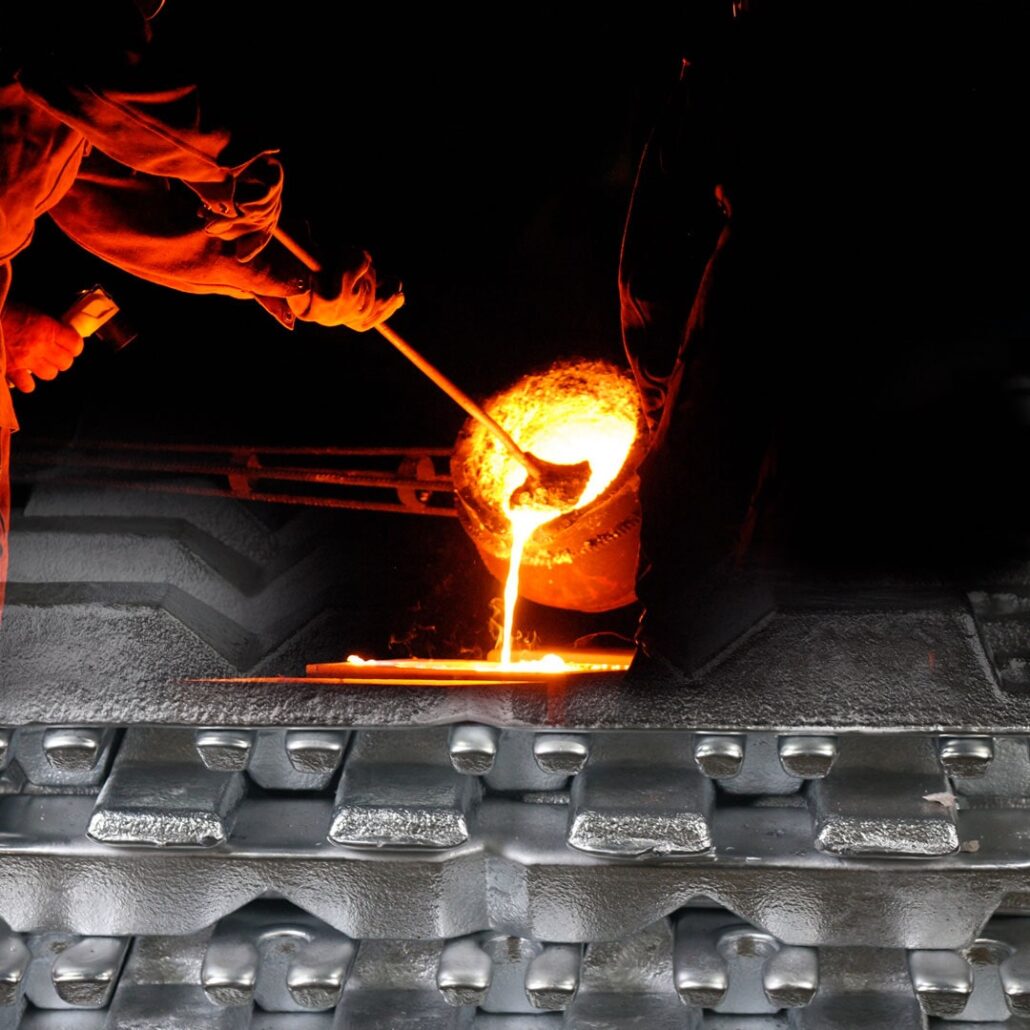
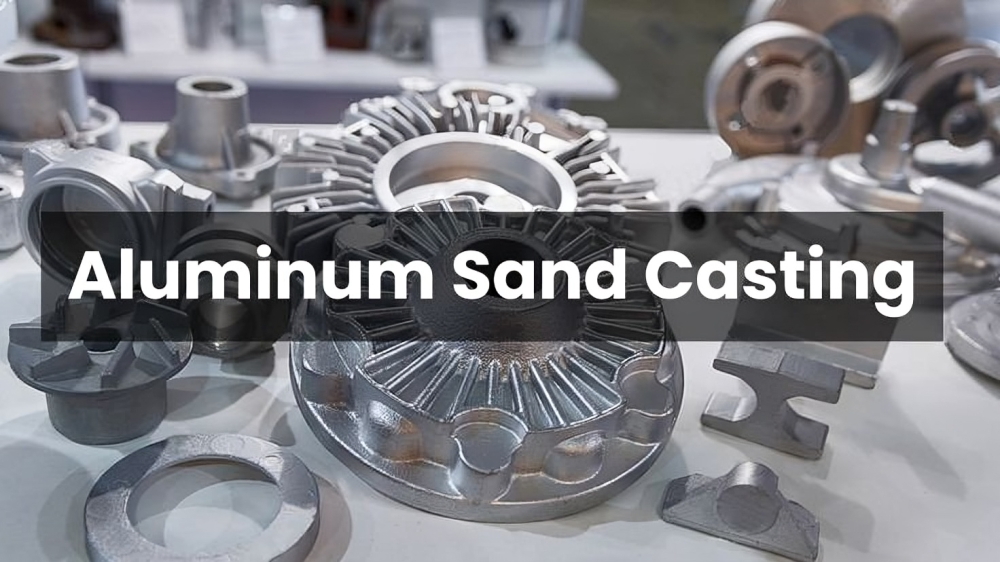
Aluminum sand casting is one of the oldest and most versatile metal casting processes, widely used in modern manufacturing to produce complex, durable, and cost-effective components. Aluminum Sand casting Manufacturers can generate complex geometries with intricate features that would have otherwise been either impractical or unprofitable to machine out of solid material through pouring molten aluminum into prepared sand molds. This method is especially suitable in low to medium-volume production, prototyping, and high structural castings on applications spanning the aerospace, automotive, defence, and energy industries. The most interesting about the sand-casting aluminum is that it is both flexible and functional. Aluminum has a very good strength versus weight, corrosion resistance, and recyclability, and thus makes it an excellent casting material. Together with the thermal resistance of sand and its high moulding capability, the process provides scalable production capability with excellent dimensional accuracy. Pattern design, the makeup of the mold, the quality of the melt, and gating design are key factors to the success of every casting. An excellent foundry of aluminum sand castings has to control not only the classic facts in metal technology but also touch on innovations in the processes. The current facilities apply the latest technology to prevent defects and ensure the best performance of the casting by using 3D sand printing, simulation software, and real-time process monitoring. Precision-engineered and casting aluminum parts are now capable of meeting stringent engineering standards for safety, tolerance, and durability. As demand grows for complex components with faster lead times and lower environmental impact, professional aluminum sand casting services must continue evolving. This article goes into the technical ins and outs of the process itself, its engineering workflow, materials, challenges, innovations, and so on. The Fundamentals of Aluminum Sand Casting At its core, aluminum sand casting involves pouring molten aluminum into a sand mold cavity, which is shaped by a pattern that replicates the final part’s geometry. When the aluminum solidifies, the sand mold is shaken off, leaving the cast piece. The process also has an outstanding dimensional flexibility and scalability capability in high-mix low-volume manufacturing conditions. The process is based on the use of a non-permanent mould, sand, that may be recycled and re-utilized, minimizing the waste of materials and expenses. Sand molds most commonly consist of silica sand with a binder added, and the nature of the binder system generally influences considerably the resulting surface finish, dimensional accuracy, and rate of cooling. The process of Flow in the Engineering of Sand Casting Aluminum Sand casting aluminum is an engineering process that consists of a set of accurately calibrated activities that aim at transforming raw aluminum into specific, well-built, and accurately dimensioned parts. Both the material and mechanical expertise are required to be in-depth to make all of the stages of the process successful. The following is a step-by-step analysis of the way in which sand casting of aluminum is implemented professionally and technically. 1. Pattern Design and making In the sand casting aluminum process, the initial step is designing and manufacturing the pattern, a physical copy of the final casting. The allowances that must be included in patterns are rather critical, such as shrinkage, draft, and machining stock. As aluminum contracts, during cooling patterns are laid out a little bigger than the finished component. The shrinkage rate of aluminum alloys is normally applied at 1.3 per cent; however, depending upon the alloy and the conditions of cooling, it may vary. Vertical portions of moulds are given draft angles, normally a few degrees between 1 and 3, to ensure that the pattern can be removed easily in the sand mold, being careful not to destroy the cavity. Additional allowances (machining allowances) are included such that there is no adverse interaction between the post-processing and the final part. Patterns may be made out of wood, metal, resin, or even 3D-printed polymer materials, depending on the accuracy demands and the needs of the production volume. 2. Mold Making (Molding and Core Setting) After preparing the pattern, the mold is to be prepared. For the sand cast, aluminum mold, there are two separate halves: the cope (upper half) and the drag (lower half). They are produced by stuffing the sand around the mold in a flask. Depending on the application, the sand is generally silica-based and is amalgamated with binders such as clay (green sand) or chemical resins (no-bake sand). In case the part design has internal space and hollow parts, it necessitates the use of sand cores. They are placed in the mold cavity, after which the metal is poured. Cores can be fabricated using core boxes, and in precision production, they can be printed with greater precision using 3D sand printing. The exact footprint of the core is very important in order to have a rigid structure and adherence to the final part dimension. 3. The Design of the Gating System The timeliness and effectiveness of the gating system formed are significant towards the success of the process of sand casting aluminum. This system consists of a pouring basin, sprue, runners, and gates, which coerce the impounded aluminum into the involvement of the mold. Adequate gating will prevent a lot of turbulence, minimize airlock, and also make sure that there is an even fill. Risers (alternatively called feeders) are also required, and these can be seen as a reservoir of molten metal that offsets the direction of shrinkage that comes after solidification. Casting simulation software is usually utilized by engineers to study and optimize the gating and riser systems. Prediction takes place by using simulation tools such as MAGMASoft or ProCAST so that typical defects such as cold shuts, misruns, and shrinkage porosity can all be corrected virtually before any production takes place. 4. Cu Melting and Metal Treating Aluminum is usually melted by a reverberatory furnace, a crucible furnace, or an induction furnace, and the choice depends on the batch volume, alloy needs, and the amount of energy needed. The melting temperature of pure aluminum is about 660 degrees
TIG-sveising av aluminium

TIG-sveising av aluminium: En omfattende teknisk veiledning

aluminiumsstøping

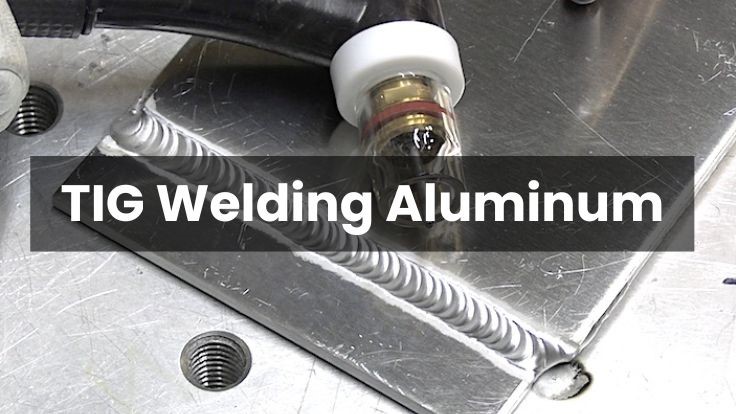
TIG Welding Aluminum is widely regarded as one of the most technically demanding processes in the field of welding. When working with aluminium, the metal that is characterised by its light weight, corrosion resistance, and high conductivity, a set of unprecedented problems emerges, which distinguishes it so much in terms of steel or stainless steel. Poor handling of aluminum can cause the natural oxide layer to provide a weak, porous, or otherwise structurally undesirable weld due to its natural oxide level, low melting point and its ability to absorb hydrogen gas. Thus, the TIG (Tungsten Inert Gas) process, or the Gas Tungsten Arc Welding (GTAW) process, is the process of choice by the industry to use in instances when precision, aesthetics, and weld integrity are the main factors. These will cover the behaviour of materials, selection of equipment, choice of shielding gas, joint preparation and troubleshooting methods, although much emphasis will be placed on quality control and repeatability. Additionally, the article will detail how to correctly select and operate an aluminum tig welder, manage various types of aluminum welding parts, and produce consistent, defect-free joints when attempting to weld aluminium TIG. By the end, the reader will have a thorough knowledge of how to create a good, clean, structurally good-looking tig-welded aluminium assembly as per the industry standard in the aerospace, automotive industry, marine industry, as well as the manufacturing industry.  This article discusses the science, methods as well and practical aspects of TIG welding on aluminium. It is meant to be used by experts and technically trained people who want to extend their knowledge about the welding of aluminium in high-performance or industrial processes. What is TIG Welding Aluminum? TIG Welding Aluminum refers to the process of joining aluminium components using Tungsten Inert Gas (TIG) welding, also known as Gas Tungsten Arc Welding (GTAW). Here, an electric arc is generated by a non-consumable tungsten electrode and aluminium base metal and a filler rod are melted in a protective cover of inert gas, usually argon. Since aluminium has high thermal conductivity, low melting point and a high melting oxide layer, welding aluminium has unique colouring, and drying must be done carefully. TIG welding has a situated control of heat input and weld puddle, which means it is perfect in thin materials, advanced assemblies and other high-performance applications. The aerospace, automotive, and marine industries, among others, use TIG welding to manufacture resistant, non-corrosive, and neat-looking welding video. Successful “TIG Welding Aluminum” requires skilled technique, proper equipment, and careful surface preparation to ensure weld integrity and strength. Why Aluminum TIG Welding? Gas Tungsten Arc Welding (GTAW), which is also known as Tungsten Inert Gas (TIG), is the ideal technique to use where precision, control and a fine look are requisite. It offers unparalleled control in the amount of input heat so that welders have the opportunity to control the fluidity of the weld pool of the aluminum. The TIG welding, when utilized with aluminum is quite convenient mainly because: Welding aluminum involves a better understanding of its physical and chemical properties and which are much different compared to other widely used metals. Below are the key challenges associated with TIG Welding Aluminum. 1. Very High Thermal Conductivity Aluminum carries heat 5 times than steel. This means that heat dissipates quickly from the weld zone, requiring higher amperage when attempting to weld aluminium TIG, especially with thick materials. When not done best can end up in gap fusion or irregular weld penetration. 2. Oxide Layer Problems When aluminum surfaces are exposed to air, a layer of oxide (reliably adherent) forms instantly, and it is thin. This layer is melted at approximately 2050 °C, which is well above the base metal melting point of aluminium, which is 660 °C. TIG welding, when AC mode is used, assists in breaking this layer, but it is also important that pre-cleaning is done to produce high-quality TIG-welded aluminium. 3. Hydrogen Porosity Susceptibility Hydrogen readily absorbs in molten aluminum, and this can create porosity or cause cracks during cooling. Oil, moisture, or dirty filler rods acted as a source of contaminants that caused the hydrogen to get into the weld pool. Proper cleaning and using dry filler rods are essential to avoid defects in aluminum welding parts. Technical Summary Table for TIG Welding Aluminum Here is a comprehensive technical table summarising the key aspects of TIG Welding Aluminum, including welding parameters, joint types, common defects, and how to manage them. In this table, you combine the ideas of your article, and it is original and highly technical. Category Technical Detail Recommendations / Parameters Base Material 1xxx to 6xxx aluminum alloys are most commonly TIG welded Clean all surfaces before welding; avoid 7xxx for high-crack sensitivity Main Process TIG Welding Aluminum using alternating current (AC) Use an inverter TIG with AC balance, high-frequency start, and stable arc control Primary Keyword Weld aluminum tig Use appropriate AC balance and amperage; optimize puddle control and filler deposition Electrode Type 2% Lanthanated or Ceriated Tungsten (1/16″, 3/32″, or 1/8″) Sharpen to a truncated point or ball tip (for AC), depending on application Shielding Gas High-purity Argon (99.99%) Flow rate: 15–20 CFH; add Helium for thicker materials or deeper penetration Filler Rods ER4043, ER5356 Match filler to base alloy and application (ER5356 for strength, ER4043 for crack resistance) Joint Types Butt, Lap, T, Corner Design with small gaps (~1/16”) and allow for thermal expansion Weld Preparation Degrease + stainless steel wire brush No touching after cleaning; remove the oxide layer before welding Torch Technique Short arc length (<1/8”), 10–15° travel angle Keep filler outside the arc cone to prevent oxidation Amperage Settings 1 amp per 0.001” thickness baseline 60–130 amps for most thin-to-mid aluminium applications AC Frequency Controls the arc focus 120–200 Hz for clean, narrow arc on thin aluminum welding parts AC Balance 70% EN / 30% EP typical Adjust toward more EN for deeper penetration; more EP for cleaning oxide Tip: Make sure to calibrate your aluminum tig welder properly

Holder for spindelfukter til John Deere bomullsplukker

aluminiumsstøping

In the world of modern agriculture, efficiency and reliability are crucial. For cotton growers using John Deere cotton pickers, one often overlooked yet vital component is the spindle moistener column holder. This small but essential part plays a critical role in ensuring high picking efficiency, reduced wear on spindles, and consistent cotton quality. What Is a Spindle Moistener Column Holder? The spindle moistener column holder is a structural support component designed to secure the spindle moistening system in place. In cotton pickers like the John Deere 9976, 9996, and newer CP690 models, the spindle moistener system ensures that the rotating spindles are continuously lubricated and cleaned during operation. The column holder keeps the moistening pads and spray nozzles aligned properly, allowing for precise spindle contact. Key Functions: Why It Matters in Cotton Harvesting Cotton pickers operate in demanding environments. Dust, plant debris, and sticky sap can quickly reduce spindle performance. The spindle moistener system combats this by applying water or a moistening solution to the spindles, keeping them clean and cool. A worn or misaligned column holder can lead to: Replacing or upgrading the spindle moistener column holder as part of regular maintenance is a simple way to avoid these issues. OEM vs Aftermarket Spindle Moistener Column Holders Farmers and equipment maintenance teams can choose between OEM (Original Equipment Manufacturer) parts or aftermarket alternatives. OEM parts from John Deere guarantee compatibility and long-term durability. However, high-quality aftermarket options often offer: When selecting a replacement, always verify the part number and ensure it matches your picker model. Compatibility with John Deere Cotton Pickers The spindle moistener column holder is typically used in models such as: Always consult your equipment manual or supplier to confirm fitment. Maintenance Tips for Long-Term Performance To maximize the lifespan of your spindle moistener system: Proactive maintenance can extend the life of the entire moistening system and reduce costly downtime during peak harvest season. Where to Buy Spindle Moistener Column Holders Quality spindle moistener column holders for John Deere cotton pickers are available from: For international buyers, ensure your supplier provides ISO-certified parts, offers reliable shipping options, and supports bulk orders if needed. Final Thoughts Though small in size, the spindle moistener column holder is a critical component in your cotton harvesting system. Keeping it in good condition ensures your John Deere cotton picker operates at peak efficiency, delivering high-quality cotton with less downtime and maintenance cost. Whether you’re replacing a damaged unit or stocking spares for the next season, choosing the right holder can make a measurable difference in your harvest results. If you are looking for Spindle Moistener Column Holder for your cotton machine, you are welcome to contact us.

Støpefirmaer for bilindustrien i Kina og resten av verden

Støpefirmaer for bilindustrien i Kina og resten av verden

aluminiumsstøping, trykkstøpefirmaer

The future of the automotive industry is being influenced a great deal by the rise of die casting. Engine components, battery cases for EVs and other parts made by die casting are key to getting strong, precise and lighter vehicles. Because people are buying electric and fuel-saving vehicles in greater numbers, companies in die casting are at the forefront of progress and large-scale solutions in this area. China, more than any other country, has become a top player in die casting because of advanced tools, skilled workforce and affordable manufacturing. Leading companies in this area are Sincere Tech, CNM Tech Co., Ltd. and GC Precision Mould Co., Ltd., which handle mould design as well as CNC machining and surface finishing. Using both quality checks and fast prototyping, these companies make large numbers of parts, which attracts both local and global car manufacturers as partners.  Present in different nations are companies like Wisconsin Aluminium Foundry (USA), Get It Made (UK), and MES Inc. (USA), which are changing the industry. Decades of experience, certifications from ISO 9001 and IATF 16949 and a focus on being green and innovative ensure these firms can support the improved expectations of automakers for accuracy, dependability and caring for the environment. The article points out some key players leading changes in the automotive die casting industry. Because of trends such as electrification, digitalization and the use of sustainable methods, die casting companies globally, including in China, are seen as main players in achieving excellence in cars. 1. Sincere Tech Year of Establishment: 2005Number of Employees: 100-200Business Type: Sincere Tech is one of China’s largest plastic injection mould manufacturers, die-casting producers, machining providers and assembly providers. Website and Contact Website: https://plas.co/Phone: +86 135 30801277Email: steve@sincere-tech.comAddress: Rm101, N041, Donghu road, JingLian cun, Qiaotou town, Dongguan City, Guangdong Province, China. 523000. Company Profile Chinese supplier of plastic injection moulds and moulding services, Sincere Tech, is among the foremost companies in China. From 2005, this company resulted from the combination of stamping metal and plastic, precision plastic injection moulds, CNC machining, die casting and silicone moulding. Advanced machines, protection of information with NDAs, fair pricing and almost two decades in excellent production await our customers at Sincere Tech. Injection moulding is used for 60-1800 ton machines to serve industries such as electronics, medical, auto or cosmetics and its parts range from less than a gram to 8 kilograms in weight. Their top-quality commitments As per ISO 9001:2015 and ISO 9000:2015, Sincere Tech aims to build products that are accepted worldwide. Caring about quality has allowed the company to create a huge demand, so it exports its products to Finland and a number of other countries. Being amongst businesses that give similar services, Sincere Tech is recognized as a trustworthy and innovative partner for plastic injection moulding. Why Choose Us? 2.  CNM Tech Co., Ltd. Year of Establishment: 20+Number of Employees: 100-200Business Type: CNM Tech Co., Ltd. is a precision manufacturing company focused on die casting, CNC machining and assembly services. Website and Contact Website: https://www.thediecasting.com/Contact: +86 13045898002Email: sales@thediecasting.comAddress: Factory Address: Rm 101, No.40, Donghu Road, Jinglian, Qiaotou town, Dongguan city, Guangdong Province, China. 523520. Company Profile Thediecasting.com is the official domain that CNM Tech Co., Ltd. operates under, which is an outstanding Chinese manufacturer of die-casting solutions. The company is a China-based aluminium, magnesium, and zinc die casting; CNC machining; surface finishing, and assembly business headquartered in Dongguan, China. CNM Tech has more than 20 years of experience in the fields of automotive, aerospace, electronics, etc. Due to the high precision manufacturing, their in-house tooling shop and advanced CNC machines also ensure. CNM Tech provides all types of polishing, sandblasting, powder coating, oil painting, etc., with high-quality finish products matching the needs of users worldwide. Their Quality Commitments CNM Tech Co., Ltd. provides ISO 9001:2008, TS16949, and ISO 14001:2015 documents. In most cases, these will provide you with the assurance that the management of your company is top-notch and also will guarantee compliance with automotive industry standards and environmentally friendly activities undertaken by the company involved. As a result of strictly following quality and environmental regulations, CNM Tech provides great die-casting solutions with a minimal environmental impact, with its excellent reputation in the market. Why Choose Us? 3.  GC Precision Mould Co., Ltd. Year of Establishment: 1999Number of Employees: 100-200Business Type: Our company, GC Precision Mould Co., Ltd., do aluminium, zinc and magnesium die casting, CNC machining, and plastic injection moulding. Website and Contact Website: https://aludiecasting.com/Contact: +86 131 4886 5556Email: info@aludiecasting.comAddress: Factory Address 1: No. 30 Huan Zhen Rd, Qi Shi Town, Dongguan City, Guangdong Province, China, 523516 Company Profile GC Precision Mold Co., Ltd., operates under Aludiecasting.com, is a die casting and precision machining manufacturing site that is one of the leading Chinese manufacturers. The company was founded in 1999, and the services include aluminium, zinc, and magnesium die casting, plastic injection moulding, and CNC machining and surface finishing. They have state-of-the-art machinery such as high-pressure die casting machines (120 – 1600 tons) and injection moulding machines (80 – 2800 tons connected to industries like automotive, aerospace and electronics. They have a very strict quality to provide the exact, durable and cheaper manufacturing solutions throughout the world. Their Quality Commitments GC Precision Mold Co., Ltd provides the best die casting and machining solutions as specified in the ISO 9001 certification. Their quality control is so strict that they test for precision, CMM machines, X-rays and spectrometers to ensure a reliable product. Through strict adherence to international standards, the company ensures delivery of consistent, high-quality components with minimum customer complaints due to the reliability aspect, for the reasons indicated in every project. Why choose GC Precision Mould Co., Ltd.? 4. Get It Made Year of Establishment: 2011Number of Employees: 50-100Business Type: Manufacturer and supplier of automotive die casting parts. Website and Contact  Website: https://get-it-made.co.uk/  Email: team@get-it-made.co.ukContact: +44 (0)20 3286 6002Address: Get It Made Ltd, Unit 1 Southbrook Mews, London SE12 8LG. Company Profile  Get It Made was set up in London,

Fremtidens produksjon: Utforsking av støping av aluminium til bilindustrien

Fremtidens produksjon: Utforsking av støping av aluminium til bilindustrien

aluminiumsstøping, trykkstøping av aluminium

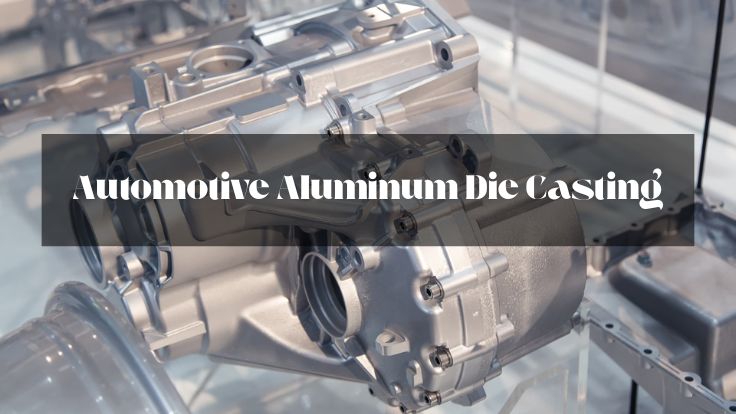
The rapid changes in the automotive industry mean car companies always need to build vehicles that are lighter, safer, and save energy. One key technology behind this change is automotive aluminum die casting. Thanks to this process, manufacturers can form metal parts that are both strong and light, maintaining the necessary complex figures and precision needed today in automotive work. As there is growing interest in EVs, improved security, and fuel savings, automotive die casting is now used more than ever. In die casting, aluminum is poured into a small, highly accurate steel mold at considerable force. The process allows for quick and regularly repeatable results and the parts have precise dimensions and look great. Right now, many die casting products are put to great use in important parts of cars such as engine blocks, transmission housings, car suspensions and battery enclosures. The construction must be solid, but it also has to meet high standards for heat and stress. Because people are choosing aluminum more than steel, many makers are turning to automotive aluminum die casting since it helps lower vehicle weight without hurting strength. Modern advances in machines, materials and sustainability make it possible for manufacturers to produce aluminium die casting parts for vehicles that satisfy modern regulations and please the environment. We go over the main ideas in automotive die casting which include materials, machines, design criteria and examples of their use. No matter if you work in the industry or not, understanding automotive die casting helps you see the evolution of manufacturing and the future of vehicles. What is the process known as automotive aluminum die casting? Automotive aluminum die casting takes place by injecting melting aluminum into steel dies using tremendous pressure. As soon as the aluminum becomes solid, it establishes a part that is both precise and tough, with a fine surface finish and good dimensions. Because safety, performance, and efficiency matter most in the automotive sector, these features are vital. This way of manufacturing helps produce complex designs that cannot be achieved with traditional production. Because it is light, using aluminum helps vehicles shed weight without becoming weaker. Design Engineering All automotive casting starts with a complete design and engineering phase. With 3D CAD software, engineers can make a model and test it to predict its actions in reality. The molding simulations show how molten metal is shaped inside the mold, how it will set, and where possible problems with air pockets or shrinkage could happen. The goal is to enhance the performance, strength, and ease of manufacturing of the part. The team also figures out the end joining process and the aluminum alloy suitable for the application. The process of making a Die (Mold) The design is followed by creating the die, which will shape the molten material in the process. These dies are expertly made to measure with tight tolerances and resist many casting attempts. Whether the job is complex or produced in high volume, the die may be made to work with more than one cavity. The die will also hold special channels for cooling and pins that will eject the part as soon as it is done solidifying. A well-designed die helps ensure the product is dimensionally accurate, has a good surface, and the tools last a long time. Adjust the Metal After that, aluminum ingots are melted further in industrial furnaces that work beyond 660°C (1220°F), the melting point for aluminum. The molten material is held at a constant temperature and is often freed from hydrogen, which might otherwise cause empty spaces inside. Sometimes chemicals are combined to provide extra strength, increased flexibility, or less susceptibility to corrosion of the aluminum. Since impurities in the molten metal may create flaws in the final item, the metal needs to be clean. Injection and Casting High-pressure die casting is a key process since the molten aluminum is shot into the mold at super-fast and extremely high pressure. Fast filling the metal into all corners of the die catches the tiny details from the part design. All the stress involved helps to reduce air pockets inside the components, which makes them powerful and solid. Just after the die is filled, the aluminum starts to cool and harden in only a few seconds. A fast initial cooling allows for a good grain structure and a perfect surface finish. Finished air tanks are sent through cooling and then ejected The air in the die is released and, with automated pins, the molded part is ejected after the aluminum has solidified. Throughout the die, temperature is controlled, and cycle times are cut down because of the cooling channels. The process at this phase requires attention because crooked cooling may result in either cracks or warping. Even after being ejected, the casting keeps its warmth and may undergo more treatment before entering the next step. The trimmers and finishers are part of this, too Often, in the casting process, some runner and flash pieces are left that have to be cut off. Trimming or machining the ends is how this is done. Sometimes, drilling, threading, surface grinding, or applying a coating is needed to finish the item accurately for its purpose. Sometimes, shops apply heat treatments to help increase a metal’s strength and ability to resist fatigue. After everything is finished, the parts are inspected for both inside and outside problems with measurements, X-rays, or ultrasonic machines. The assembly or shipping of objects is accomplished in stages A thorough check and finish mean the casting can either go to the customer or be carried forward for assembly systems. Before going into vehicles, the housing, brackets, and mounts are assembled with many other mechanical or electronic elements. Castings are best protected during transportation, and the supply chain moves smoothly if logistics and packing are effective. Benefits of Automotive Die Casting in the Automotive Industry More automakers are adopting aluminum components because of the benefits made possible by automotive die casting. The main benefit is that vehicles

Motorhus i aluminium for kjøretøy

Motorhus i aluminium for kjøretøy

aluminiumsstøping

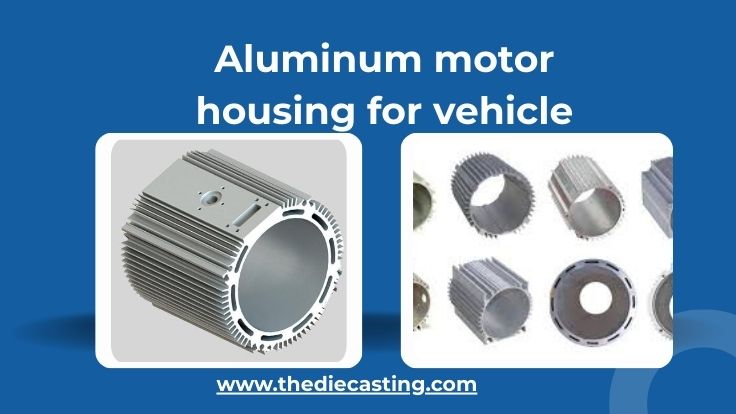
Due to the persistence of the aluminum motor housing as a critical component in electric and hybrid vehicle design, understanding of behaviour is important to the product life cycle. As a protective enclosure for the motor, it protects the motor from environmental contaminants, mechanical impact, and heat buildup. This application is the reason aluminium is a gold standard in its selection. The lightweight nature of aluminum is one of the major benefits of employing this material in the first place. For example, with aluminum motor housings in electric vehicles (EVs), weight reduces directly with range and performance due to the batteries. Furthermore, the thermal conductivity of aluminum is excellent, as it is of importance to dissipate the heat produced during motor operation. It helps maintain an optimal motor performance to prevent overheating. Not only is aluminum naturally corrosion resistant, but this is important for vehicle applications that experience large variations from hot to cold, wet, or dry conditions. It is a machinable material that is meaningful for practising various manufacturing methods like die casting, sand casting, and CNC machining. Based on these methods, it is possible to integrate complex features as cooling fins, mounting brackets, and channels for a liquid cooling system. Often, common aluminium alloys such as A356, 6061-T6, and AlSi10Mg are used in terms of material selection. Therefore, each of them provides a good balance between strength, durability, and ease of production. In electric drivetrains, vibration-damping and electromagnetic interference (EMI) features may also be considered for the design of an aluminium motor housing. Aluminum motor housing is all in all superior to enhance vehicle motor’s performance, reliability and longevity. While the automotive industry is moving towards electrification and lightweight materials, aluminum is being chosen because its ability to perform and its adaptability to modern manufacturing technologies has already proven to be the preferred choice. Understanding Aluminum Motor Housing An aluminum motor housing is a protective casing for a motor to protect the inside components of the motor, i.e., the rotor, stator, and bearings. Motor housings are designed to give both mechanical protection and thermal management, and have a critical part to play in ensuring the long-term reliability of the motor. As regards its excellent properties, aluminum has already gained a market share as the material of choice for motor housing in major industries, like automotive, aerospace, manufacturing, as well as renewable energy. Another great advantage of using aluminum because of its lightweight nature and outstanding strength. As opposed to traditional materials such as steel, aluminum significantly lessens the overall weight of a motor without sacrificing its durability. Especially in industries such as electric vehicles (EVs), weight reduction is important because of the need for energy efficiency and a range. Another vital factor in the thermal conductivity. Heat generated during operation of the motors is significant, and an aluminum housing serves as an efficient heat sink, allowing the heat to be quickly dissipated, which avoids the motor overheating and conserves energy produced thereby. In addition, aluminum is a naturally corrosion-resistant material, meaning that the housing will be able to handle some of the least resistant tendencies. In a lot of cases, companies require specific designs that have been optimized for a given application. But custom aluminum die casting is just what manufacturers need in these situations, enabling the creation of motor housing parts with complex shapes and integrated cooling fins all in one process, as well as additional features for mounting. Moreover, working with the custom die casting manufacturer also guarantees that the housing meets the quality, strength, and precision standards. Further refinement through custom-machined aluminum parts can be done when needed and provides the perfect fit and finish, improving the motor’s looks while adding functionality. Aluminium motor housing A vehicle’s aluminum motor housing has the task of encasing and supporting the electric or combustion motor and protecting it. It is commonly applied in electric vehicles (EVs) and hybrids, or other kinds of automotive powertrains, to do the following: Aluminium has many key benefits for a motor housing 1. Lightweight: This decreases vehicle overall weight to, in turn, increase fuel efficiency or battery range. 2. Thermal Conductivity: It dissipated the heat produced by the motor efficiently. 3. Corrosion Resistance: Reaches deeper into the bottom waters; therefore, it extends lifespan, especially when there are harsh environments. 4. Machinability: CNC machinable and easily cast or die-cast for complex geometries. 5. Strength-to-Weight Ratio: Offers structural integrity without heavy mass. Common Aluminium Alloys Used: AlSi10Mg (for die casting): Excellent thermal and mechanical properties. 6061-T6: Usual for CNC-machined housings, they provide good strength and corrosion resistance. A356: Due to good fluidity and strength, it is often used for casting. Design Considerations: Cooling Integration: It is often fins, channels, or a cooling jacket for active/passive cooling. Vibration Dampening: Bushings or mounts may be required to reduce noise or vibration. EMI Shielding: The electric drivetrains may require blocking of electromagnetic interference in the designs. Manufacturing Methods: Die Casting: Cost-effective for high-volume production. Sand Casting: Small to medium scale production, and can also be used in prototype manufacturing.CNC Machining: Highly accurate cutting is done using it, especially when tight tolerances are required in the production of the parts. Why Aluminum for Motor Housings? Aluminum tops out all other material alternatives like steel, plastics, and composites when deciding what material should be used for motor housings. The best qualities of copper make it the material of choice for enabling applications that require performance, that require durability, and that require cost-efficiency. The second reason why aluminium is used is that it is lightweight. Motors, especially electric vehicles, industrial equipment, and aerospace motors, need to be as light as possible without compromising their strength. These properties of low density of aluminum greatly decrease the overall weight of the motor assembly, increasing efficiency, consuming less energy, and enabling the design of more flexible solutions. Aluminum’s excellent thermal conductivity is another very compelling advantage. Anything that generates heat, like inside a motor, will cook itself if the heat is not dissipated.

De beste leverandørene av aluminiumstøping i Kina og verden

De beste leverandørene av aluminiumstøping i Kina og verden

aluminiumsstøping

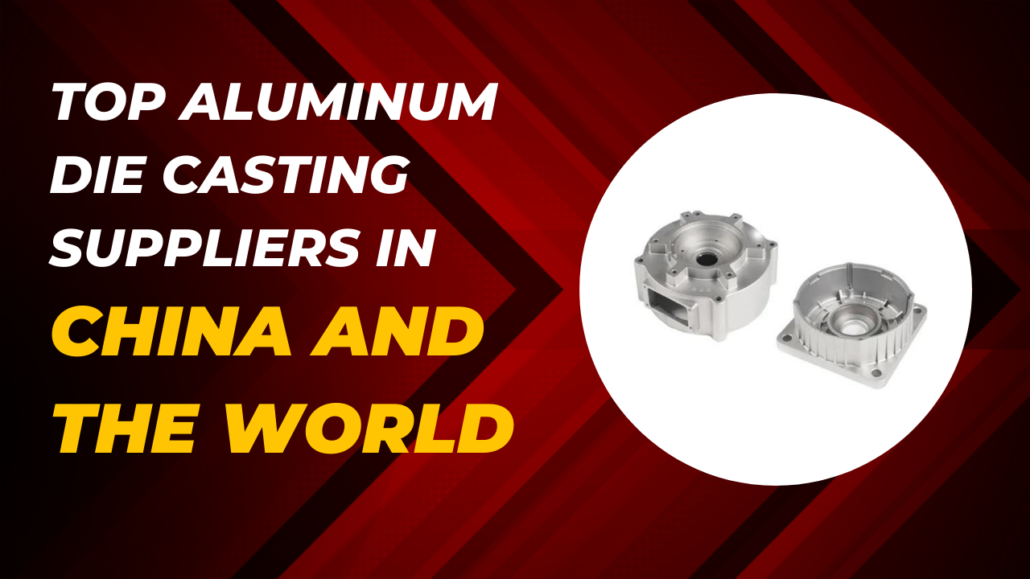
Markedet for presise metallkomponenter er i rask vekst over hele verden, både innen romfartsteknologi og industri, inkludert bilindustri, elektronikk, medisinsk utstyr og industrimaskiner. Avanserte metalldeler som produseres industrielt for applikasjoner med lav vekt, krever høytrykksstøpemetoden. Aluminium er den overlegne trykkstøpemetoden, siden den kombinerer slitesterk ytelse med potensial for vektreduksjon, samtidig som den beskytter mot korrosjon, gir effektiv varmeoverføring og fleksibilitet til å forme design. For å oppnå effektiv produksjon velger bedrifter erfarne pressstøpeleverandører over hele verden. Bedriftene velger leverandør basert på en vurdering av ingeniørkompetanse, kombinert med kvalitetskontroller og operasjonell vekstkapasitet, materialhåndtering, verktøyhastighet og levering. Disse forholdene er grunnleggende faktorer for å sikre at bransjen overholder kravene, samtidig som man opprettholder en konsekvent, storskala produktproduksjon. Leverandørene fremstår som de beste alternativene, avhengig av deres avanserte CNC-maskiner, samt deres evne til å utvikle støpeformer og overflatebehandling. Aluminiumstøperier i Kina samler folk fra hele verden for å opprettholde lave produksjonskostnader og et konsistent forsyningssystem. Prestasjoner. Aluminiumstøpeleverandørene Sincere Tech, GC Precision Mould og CNM Tech har etablert seg gjennom imponerende produksjonsinnovasjon og bransjeakkrediteringer, som de matcher med personlig kundeservice. Globale virksomheter kan få tilgang til leverandører av støpeformer som leverer like god brukervennlighet gjennom amerikanske, europeiske, indiske og meksikanske virksomheter, som inkluderer produsenter som optimaliserer teknologiske fremskritt for å oppnå førsteklasses kvalitetsstandarder. I den følgende artikkelen analyseres Kina-baserte leverandører sammen med internasjonale leverandører av støpeformtjenester. Selskapene på denne listen har fått en grundig evaluering basert på driftskarakteristikker, samtidig som det er tatt hensyn til deres erfaring med vellykkede prosjekter og tilbakemeldinger fra kunder om kvalitetstjenester innen støping av aluminium og verktøyutvikling. Hva er støping av aluminium? Ved pressstøping av aluminium sprøytes smeltet aluminium under høyt trykk inn i en støpeform for å skape presise aluminiumskomponenter. Denne produksjonsmetoden brukes i flere produksjonssektorer fordi den skaper holdbare metallkomponenter med komplekse former og gir en overlegen finish. Produksjonen av metalldeler ved hjelp av pressstøping av aluminium tiltrekker seg stor etterspørsel fra bil- og luftfartsindustrien, i tillegg til produsenter av forbrukerelektronikk, på grunn av sine viktige fordeler. Prosessen begynner med at aluminium smeltes i en smelteovn til det blir flytende, og deretter presses det inn i en stålform ved hjelp av kraften fra en trykkstøpemaskin. Aluminiumet størkner inne i støpeformen når den kjøles ned, siden formen inneholder en nøyaktig avbildning av detaljens design. Etter at støpingen er fullført, tar operatøren ut delen gjennom formåpningen. Med denne teknikken kan produsentene oppnå deler med komplekse og presise geometrier som de ikke kan lage med konvensjonelle produksjonsverktøy. HPDC og lavtrykksstøping representerer de to hovedformene innenfor trykkstøpeprosessen. HPDC krever høyhastighetstrykk på mellom 1500 og 20 000 psi for å injisere smeltet metall i støpeformen, noe som gir fine overflatedetaljer og produkter med jevn finish. For å produsere store produkter bruker eksperter lavtrykksstøpeteknologi fordi den leverer metallet ved redusert trykk og dermed gir mindre defekte resultater. Fordelene med aluminiumstøping Den viktigste grunnen til at aluminium foretrekkes som støpemateriale, er den kombinerte egenskapen med lav vekt og et overlegent styrke/vekt-forhold, fordi aluminium har egenskaper som gjør det mulig å produsere produkter som både skal være holdbare og lette. Den gode termiske og elektriske ledningsevnen, korrosjonsbestandigheten og den enkle bearbeidingen gjør også aluminium populært i bransjer som bil-, romfarts- og elektronikkindustrien. I tillegg er trykkstøpte aluminiumsdeler anerkjent for sin nøyaktige dimensjonsnøyaktighet og glatte overflatefinish, noe som ofte gjør sekundær bearbeiding i form av maskinering unødvendig, noe som sparer tid og kostnader. I tillegg til høytrykksinnsprøytningsmetoden garanterer den også at alle komponentene har samme tykkelse, noe som reduserer muligheten for svake punkter eller feil i den ferdige delen. Bruksområder for pressstøping av aluminium Bilindustrien former komponenter som motorblokker, girkassehus og topplokk ved hjelp av pressstøpeteknologi i aluminium. Luftfartsindustrien bruker pressstøping av aluminium til å produsere lette og sterke komponenter, noe som bidrar til å forbedre produktenes styrke, samtidig som det reduserer drivstofforbruket og sikkerhetsnivået. Prosessen er svært populær i produksjonen av elektronikkhus, kjøleribber og en rekke komplekse elementer som krever eksepsjonell pålitelighet og styrke. Aluminiumstøping er en fleksibel produksjonsteknikk som gjør det mulig å konstruere komplekse og intrikate produkter med overlegne kvalitetsegenskaper. For å oppnå holdbare komponenter og presise produktspesifikasjoner må produsentene bruke spissaluminium fra smeltet tilstand. Kravet kommer fra forretningskrav til deler med topp ytelse og kvalitet. Sincere Tech Etableringsår: 2005Antall ansatte: 100-500Business Type: Produksjon av plastsprøytestøpeformer, aluminiumstøping, CNC-maskinering og montering. Nettsted og kontakt: Nettsted: plasticmold.netEmail: info@plasticmold.netPhone: +86 135 30801277Adresse: Building 1, No. 30 Huan Zhen Rd, Shang Dong village, Qi Shi Town, Dongguan City, Guangdong, China, 523000 Company Profile Sincere Tech er en av Kinas ledende produsenter av plastformer, aluminiumstøping, CNC-maskinering med høy presisjon og komplett montering. Selskapet ligger i Dongguan City i Guangdong-provinsen i Kina, og har mellom 100 og 500 dyktige fagfolk som kan tilby komplette produktutviklingsløsninger fra første konsept til sluttprodukt. Sincere Tech har en kundeorientert tilnærming og bruker det nyeste utstyret, og tilbyr presisjonsdreining av pressstøpte aluminiumsdeler for å tilfredsstille de strenge kravene som stilles i bilindustrien, elektronikkindustrien, den medisinske industrien og forbrukerproduktindustrien. I tillegg til å være en etablert leverandør av støpeformer, tilbyr selskapet merverdi til kundene, med tjenester som overflatebehandling, prototyping og kvalitetstesting. I Nord-Amerika, Europa og Sørøst-Asia har kundene stolt på oppriktig teknologi for å bygge langsiktige partnerskap med de beste leverandørene av støpeformer i aluminium. Deres kvalitetsforpliktelser Gjennom hele produksjonsprosessen er sincere tech forpliktet til tilfredsstillende kvalitet uten kompromisser. Selskapet følger internasjonale standarder som ISO 9001 og sikrer kvalitetsmetoder som inspeksjon underveis i prosessen, analyse av formflyt og validering av endelige dimensjoner. Sincere Tech garanterer at

De beste produsentene av støpeprodukter i sink og aluminium i Kina og verden

De beste produsentene av støpeprodukter i sink og aluminium i Kina og verden

aluminiumsstøping

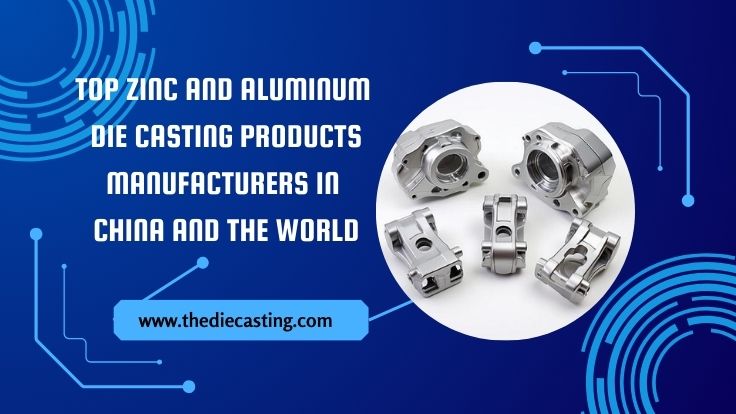
Pressstøping har nå utviklet seg til å bli et avgjørende produksjonstrinn i dagens raske, presise og datastyrte industrimiljø. De støpte delene kan være alt fra bilkomponenter til husholdningsapparater, romfartsdeler og til og med forbrukerelektronikk etc., noe som bidrar til å utelukke kravet om tung maskinering, noe som gjør produksjonen av komplekse metalldeler i stor skala gjennom trykkstøping med jevn kvalitet. Etter hvert som industrien øker etterspørselen etter lette, slitesterke og komplekse designprodukter, er det en konstant etterspørsel etter støpegods med høy ytelse produsert av stadig mer eksotiske legeringer. I dag krever industrien økt kvalitet, kostnadseffektive og lette komponenter, og dermed øker etterspørselen etter produsenter av støpeprodukter i sink og aluminium. Sink- og aluminiumlegeringer brukes til å produsere presisjonsdeler som brukes i bilmotorer, romfartskonstruksjoner og elektroniske enheter. Etter hvert som bedrifter presser mot bærekraft og økt ytelse, blir leverandørene mer og mer ettertraktet av bedrifter som er ute etter jevn kvalitet og raske leveringstider. Med tiden vokser industrien og øker etterspørselen etter støpegods, og de nevnte teknologiene må utnyttes av produsentene for å produsere mer holdbare, funksjonelle og estetisk tiltalende støpegods på global skala. En av typene støpematerialer du kan velge er sink- og aluminiummetaller. Blant disse to materialene tilbyr de unike fordeler: sterke, kostnadseffektive, motstandsdyktige mot korrosjon og egnet for et høyt produksjonsvolum. Både støpeprodukter i sink og støpeprodukter i aluminium får stadig flere bruksområder i relaterte bransjer over hele verden, i takt med trenden med energieffektivitet, elektrisk mobilitet og bærekraftig produksjon. I denne artikkelen tar vi et dypdykk i en verden av sink- og aluminiumstøping, inkludert produsenter som er basert i Kina, et globalt knutepunkt for produksjon, og de beste selskapene over hele verden. Før vi går nærmere inn på de viktigste aktørene på markedet, skal vi se nærmere på hva pressstøping er og hvilken rolle sink og aluminium spiller i prosessen. Hva er pressstøping? Pressstøping er en type metallstøping der smeltet metall presses under høyt trykk og med høy hastighet inn i et hulrom i en stålform (kan kalles ‘die’), kjent som en dyse, som har gitt navnet til denne støpeprosessen. De to vanligste formene er vanligvis laget av herdet verktøystål, og de er utformet på en slik måte at de kan brukes til å produsere komplekse komponenter med høy presisjon som ellers ville vært umulige eller svært kostbare å produsere på andre måter. Nøkkelegenskaper ved pressstøping Pressstøpeprosessen er svært effektiv og smidig med storskalaproduksjon, og er derfor svært populær i bil-, romfarts- og forbrukerelektronikkindustrien. Typer pressstøpematerialer Pressstøping kan utføres med forskjellige materialer, som har ulike egenskaper. De vanligste metallene inkluderer: De mest brukte er sink og aluminium på grunn av deres overlegne egenskaper, lave kostnader og allsidighet. Sinkstøpeprodukter lages ved hjelp av en økonomisk prosess Støpeproduktet er laget av sink eller sinkbaserte legeringer ved hjelp av støpeprosessen. Sink er lett å støpe og har mange gode egenskaper. Sink har følgende viktige fordeler i trykkstøpeprosessen: Produkter som lages av sinkstøpegods er vanligvis maskinvarekomponenter, bildeler, kontakter, låser og enkelte forbruksvarer. Produkter laget av aluminiumstøpegods? Aluminiumsstøpeprodukter er de delene som er laget ved å injisere smeltet aluminium i stålformer under høyt trykk. Fordi aluminium er lett og ikke korroderer, er det svært nyttig til strukturelle formål når styrke og vekt er viktig. Aluminium er nyttig for støping på grunn av følgende fordeler. Blant disse er trykkstøpeprodukter av aluminium en delmengde av de foregående, som spesifikt gjelder aluminium støpt ved hjelp av høytrykksstøpemetoden (HPDC). HPDC brukes mye til produksjon av motorblokker, girkasser, elektroniske kabinetter og mye mer. Hva er støpte produkter? Støpte produkter er en generell betegnelse på alle gjenstander som dannes ved å helle smeltet metall i en form, la det stivne og deretter fjerne de formede gjenstandene fra formen. Selv om støping er en type støpemetode, er det visse andre typer støpeprosesser som sandstøping, tyngdekraftstøping og investeringsstøping. Forskjellen mellom generelle støpeprodukter og pressstøpeprodukter Funksjon Pressstøping Generelle støpeprodukter Prosess Høytrykksinjeksjon Ofte avhengig av tyngdekraft eller manuell helling Presisjon Svært høy Moderat Overflatefinish Glatt Vanligvis grovere Produksjonsvolum Høy Middels til lav Materialavfall Lav Høyere Syklustid Rask Langsommere Støping av sink er imidlertid en metode for å lage sinkdeler gjennom høytrykksstøping for tilfeller der kravet til høy presisjon er til stede, noe som innebærer at de ikke behandles gjennom enklere tyngdekraftbaserte støpemetoder. Hvorfor er sink og aluminium så populære i pressstøping? Her er noen av grunnene til at disse to metallene er de viktigste utfordrerne i støpeindustrien. 1. Økonomi og effektivitet Sink og aluminium er ganske billige, sannsynligvis billigere enn andre legeringer som brukes i støping. Dessuten gir de raske syklustider og lang levetid på støpeformen, noe som reduserer produksjonskostnadene. 2. Allsidighet Slike materialer kan brukes til å produsere mikrokomponenter, store konstruksjonsdeler eller praktisk talt alt annet man kan forestille seg. Sink og aluminium er pålitelige valg når det gjelder å lage for eksempel kompliserte tannhjul eller lette motordeler. 3. Bærekraft Begge metallene er 100% resirkulerbare. For det meste brukes resirkulert aluminium og sink, og det kalles en grønnere prosess enn støping. 4. Tilpasning til etterbehandlingsprosesser Deler av sink og aluminium kan etterbehandles med blant annet maling, pulverlakkering, plettering og anodisering. Det gir funksjonelle fordeler som korrosjonsbestandighet, i tillegg til at det er en fryd for øyet. Hvordan velge riktig støpeprodusent? Prisoppdagelsen er mindre enn å finne den rette leverandøren. For å avslutte, la oss først se på følgende: 1. Produsenter av materialkompetanse

Hva er gravitasjonsstøping?

Hva er gravitasjonsstøping?

aluminiumsstøping

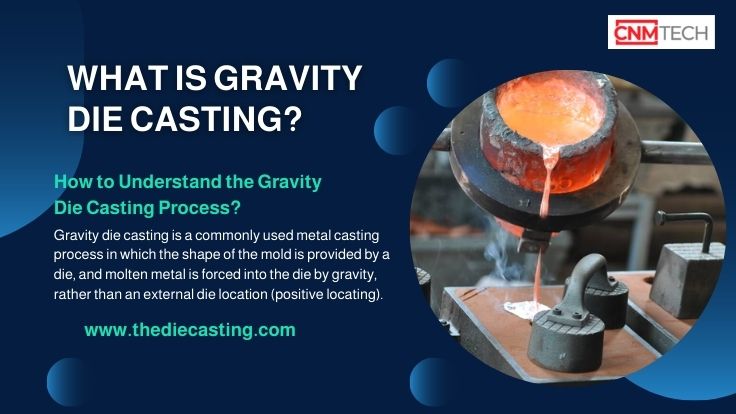
Gravitasjonsstøping er en vanlig metallstøpeprosess der formen er gitt av en matrise, og smeltet metall presses inn i matrisen ved hjelp av tyngdekraften, i stedet for en ekstern plassering av matrisen (positiv lokalisering). Denne metoden skiller seg fra høytrykksstøping ved at det smeltede metallet presses inn i formen under trykk, men at tyngdekraften er den eneste måten å mate materialet inn i formen på. Formen er vanligvis laget av slitesterke metaller som stål eller støpejern, og kan gjenbrukes med høy dimensjonsnøyaktighet og høy overflatefinish. Denne teknikken er også svært populær ved produksjon av deler i ikke-jernholdige metaller som aluminium, sink, magnesium og legeringer av disse. Metallet varmes opp til metallisk tilstand og helles deretter i en forvarmet permanent støpeform. Det smeltede metallet strømmer mot tyngdekraften og ned til formhulen, noe som fører til at den fylles. Etterpå åpnes formen og støpegodset støpes ut, og det kan være nødvendig å trimme, maskinere eller på annen måte behandle det for å forbedre overflaten. En av de vanligste bruksområdene for denne prosessen er gravitasjonsstøping i aluminium, fordi aluminium er lett, korrosjonsbestandig og har gode mekaniske egenskaper. Teknikken brukes i stor utstrekning i ulike bransjer, blant annet i bilindustrien, romfart, industrimaskiner og forbruksvarer, for å lage holdbare, komplekse deler, for eksempel motordeler, hus, braketter og lignende. En av grunnene til at tyngdekraftsstøping er viktig, er muligheten til å støpe middels til store volum av deler av høy kvalitet (lav porøsitet) med god mekanisk styrke. Selv om det finnes noen begrensninger, som høyere innledende verktøykostnader og mindre komplekse produkter enn andre støpesystemer, gjør fordelene dette til en egnet og rimelig metode for mange produksjonsbehov. I hovedsak er gravitasjonsstøping et presist, repeterbart og rasjonelt materiale, noe som er viktig i moderne metallbearbeidingsprosesser. Hvordan forstå gravitasjonsstøpeprosessen? Det var en enkel, effektiv teknikk i kjernen av tyngdekraftstøping. Forvarmet metallform av stål eller jern er belagt med et slippmiddel, klar til å støpe, støpegodsene fjernes lett. Etter at formen er klar, helles smeltet metall som aluminium, magnesium eller kobberlegeringer i formen. For at metallet skal fylle hulrommet, kjøles formen ganske enkelt ned og stivner, kun ved hjelp av tyngdekraften. Deretter åpnes formen, og støpegodset fjernes. Hvis ikke, blir det overskytende materialet igjen, det være seg porten eller løpesystemet eller en annen del, det blir kuttet av, og støpingen kan ferdigstilles ved maskinering eller på andre måter. Sammenlignet med sandstøping brukes støpeformene bare én gang. Komponenten som støpes i en gravitasjonsstøpeform, forbedres betydelig når det gjelder produksjonseffektivitet og produktkonsistens, fordi metallformene i gravitasjonsstøping kan gjenbrukes. Ulike alternativer for overflatebehandling ved gravitasjonsstøping En annen av fordelene med gravitasjonsstøping er at den kan gi deler med jevn og konsekvent overflatefinish direkte fra støpeformen. Avhengig av de funksjonelle og estetiske kravene til sluttproduktet kan imidlertid andre overflatebehandlingsteknikker legges til i etterbehandlingsprosessen for å forbedre utseendet, holdbarheten eller forberede delen for videre prosesser som maling eller plettering. De mest brukte overflatebehandlingene på trykkstøpte deler er listet opp nedenfor: 1. As-Cast Finish Dette er den naturlige overflaten som er et direkte resultat av støpeprosessen. Hvis den er riktig forberedt og prosessforholdene er optimale, kan gravitasjonsstøping gi en ganske glatt overflate sammenlignet med sandstøping. Innvendige komponenter eller deler der utseendet ikke er avgjørende, kan vanligvis aksepteres som støpte overflater. 2. Skuddblåsing / sandblåsing Dette er en form for skuddblåsing, der små stål- eller keramikkperler skytes på støpeoverflaten for å fjerne avleiringer, glødeskall eller andre rester. Denne prosessen gir en jevn matt tekstur på overflaten, samt renser overflaten bedre og mye egnet for slike deler som videre går gjennom etterbehandling som pulverlakk eller maling. 3. Polering Mekanisk fjerning av mindre ujevnheter brukes til polering for å forbedre overflatens glatthet og glans. Spesielt estetiske deler og der det er behov for lavere friksjon. Polering kan være enkel polering, manuell eller automatisert, eller omfatte en speilfinish. 4. Pulverlakkering Ved pulverlakkering påføres pulver på støpeoverflaten og herdes under varme, slik at det dannes et hardt og beskyttende lag. Den utmerkede motstanden mot korrosjon, støt og UV-stråling har gjort det egnet for bilkomponenter og utendørs komponenter produsert i aluminiumstøpegods. 5. Anodisering Aluminiumsgravitasjonsstøpedeler har mange grunner til å velge anodisering. Overflaten fortykkes av et naturlig oksidlag elektrokjemisk, noe som forbedrer korrosjonsbestandigheten og gir muligheten til å tilpasse fargen. Anodiserte overflater er holdbare, fargene blir ikke slitne, og de har et elegant, profesjonelt utseende. 6. Maskinering for presisjonsoverflater I mange tilfeller blir de tyngdekraftstøpte delene i det minste delvis maskinert etter støpingen, spesielt for å oppnå nøyaktige toleranser eller gjøre kritiske overflater glatte. CNC-maskinering brukes til å finjustere flate overflater og gjenger, samt tette områder der behovet for presisjon er større enn det selve støpeformen kan klare. 7. Maling og overflatebehandling Deler som skal merkes, fargekodes eller beskyttes, kan påføres på samme måte som ved konvensjonell våtmaling. Påføring av malingsbelegg gjøres vanligvis enten manuelt eller ved hjelp av automatiserte sprøytelinjer, ofte etter rengjøring eller grunning av overflaten. 8. Kromatering/kjemisk behandling Kromatering eller kjemisk konvertering kan brukes for å gi bedre korrosjonsbeskyttelse og bedre vedheft av malingen. Den passive beskyttelsesfilmen som dannes ved slike behandlinger, har liten innvirkning på dimensjonene, men beskytter aluminiumsoverflaten. Fordeler med gravitasjonsstøping De overlegne mekaniske egenskapene er en av hovedgrunnene til at produsentene foretrekker gravitasjonsstøping. Som et resultat har støpegods produsert ved denne prosessen en tendens til å ha færre luftlommer, eller porøsiteter, og derfor,

Presisjon i sink: kraften i Zamak Die Casting

Presisjon i sink: kraften i Zamak Die Casting

aluminiumsstøping, zamak pressstøping

ZAMAK er navnet på en sinkbasert legering som brukes sammen med aluminium, kobber (Kupfer) og magnesium. ZAMAK ble navngitt på tysk ut fra disse ordene. Denne legeringen inneholder vanligvis 94% til 96% sink, og det andre materialet tilsettes i folie eller plater. ZAMAK-legeringene har flere bemerkelsesverdige egenskaper som gjør dem velegnet til pressstøping. Det faktum at disse legeringene har et lavt smeltepunkt, høy flyteevne og høy styrke per vekt, gjør dem usedvanlig nyttige for produksjon av harde, seige og nøyaktige deler. I tillegg til disse nøkkelegenskapene har Zamak-legeringene andre egenskaper som gjør dem egnet for flere industrielle bruksområder. Zamak-dysestøping har etablert seg i metallstøpeverdenen som en svært kostnadseffektiv og koselig metode for metallstøping. Zamak er en sinkfamilie av legeringer som brukes mye til å bygge komplekse deler av høy kvalitet i mange bransjer. Prosessen innebærer å injisere smeltet Zamak-legering i en metallform eller dyse under høyt trykk. Prosessen gjør det mulig å lage kompliserte deler med svært små toleranser og svært god overflatefinish, noe som gjør den velegnet til produksjon av presisjonsdeler. Zamak-dypsstøping spiller en stadig viktigere rolle i takt med at industrien utvikler seg i takt med det økte behovet for holdbare, lette og sterke materialer. I denne artikkelen analyserer vi betydningen av Zamak die casting og hvorfor en person bør foretrekke Zamak die casting fremfor andre støpemetoder. ZAMAK-legeringer brukes i støpegodsstøperier for støping av deler, og deres støpte deler omfatter mange bransjer som bilindustri, elektronikk og maskinvare. Dette gir også en ekstra fordel fordi disse legeringene er fullt resirkulerbare, i henhold til bærekraftsmålene. ZAMAKs støpte deler har imidlertid flere overflatealternativer, noe som vil hjelpe produsentene med å få estetisk tiltalende produkter med et førsteklasses utseende, spesielt disse dekorative delene. Hva er ZAMAK Die Casting? ZAMAK die casting er en metallstøpeteknikk som er mye brukt der smeltet ZAMAK-legering injiseres under høyt trykk i en form. Typisk for denne prosessen er at støpeformen er laget av slitesterkt verktøystål. Ulike former er nødvendig for hver form, og ZAMAK-støpeprosessen krever bare en støpemaskin med varmt kammer. En varmkammerstøpemaskin med to halvdeler har en stasjonær og en bevegelig halvdel. Disse halvdelene lukkes deretter, og smeltet metall sprøytes inn i formen ved hjelp av et injeksjonskammer. Når metallet er størknet, fjernes den støpte delen fra formen ved hjelp av utstøtingspinner. ZAMAKs pressstøping bruker denne metoden på ZAMAK-legeringer. Hot Chamber Die Casting (HPDC), Low Pressure Die Casting (LPDC) og Gravity Die Casting (GDC) er mulige typer ZAMAK-legeringer som egner seg for trykkstøpeprosesser med sine respektive fordeler for ulike bruksområder. 1. ZAMAK-dypsstøpeprosessen I likhet med andre typer aluminium- eller magnesiumstøping må ZAMAK-dypsstøpemetoden vies oppmerksomhet der det er mulig, fordi resultatene bare blir så gode som ZAMAK-støpeprosessen. Den typiske ZAMAK-drykkstøpeprosessen er skrevet nedenfor i en sammenbrudd: Trinn#1: Prosessen starter med design av støpeformen eller matrisen og den endelige utformingen av delen i ZAMAKs støpeprosess. Det er viktig ettersom det bestemmer det endelige resultatet av støpingen som sådan. Først designer ingeniørene en 3D-modell av den delen som skal støpes, ved hjelp av spesialisert CAD-programvare. Deretter lages og testes en prototyp, og designet forbedres frem til den endelige versjonen godkjennes. For det andre, når den endelige designen er klar, lages støpeformen, noe som betyr Injeksjonstypen: Smeltepunktet til ZAMAK er lavt nok til at det må være varmt nok til å kunne sprøytes inn i formen. Trinn #2: Klargjøring av ZAMAK-legeringen Deretter klargjøres ZAMAK-legeringen. ZAMAK-legeringen renses med flere raffineringsmetoder som termisk raffinering, kjemisk reaksjon, elektrolytisk raffinering og soneraffinering. Legeringen smeltes i en ovn ved strengt kontrollerte temperaturer for å forhindre at legeringen blir flytende og inneholder urenheter. Etter den endelige raffineringen oppbevares det smeltede metallet i et injeksjonskammer for å kontrollere temperaturen og forhindre forurensning. Trinn #3: Injisering av smeltet ZAMAK i støpeformen. En av de kritiske fasene ved støping er injeksjon av smeltet ZAMAK i formen. Etter klargjøring og lagring av det smeltede metallet i injeksjonskammeret, injiseres det under høyt trykk inn i formen med et stempel. Den smeltede legeringen utsettes for et trykk som tvinger den inn i hvert hjørne av formen, siden hele hulrommet er fylt. På denne måten kan man få en jevn og glatt overflate på delen, og produsere resultater av god kvalitet ved hjelp av riktig injeksjonsteknikk. Utformingen av formens injeksjonskanaler er også avgjørende for å oppnå dette. Trinn 4: Avkjøling og størkning av delen Så snart det smeltede metallet kommer inn i formen, begynner imidlertid avkjølingen. De sykliserer raskt verktøystålformen av høy kvalitet for å trekke ut varmen fra det smeltede metallet raskt nok til at det stivner. Kjølesystemet brukes også av mange støpeformer for å akselerere størkningsprosessen. For å oppnå ønsket delkvalitet og forhindre defekter er det nødvendig med en jevn kjølehastighet, og de vanligste kjølesystemene er vann- og luftkjøling. Trinn #5: Utstøping av størknet ZAMAK-støping Det neste trinnet etter at ZAMAK-legeringen har størknet, er å støpe ut støpegodset fra formen. Her må man være nøye med å bevare kvaliteten på delen. For å få den størknede delen ut av støpeformen brukes utstøtingspinner. Formen brytes opp i to halvdeler, utstøtingsstiften aktiveres, og støpegodset slippes ut. Det er viktig å utføre dette trinnet med stor presisjon, fordi for mye kraft på støpegodset kan skade det. Riktig justering av utstøtingsstiften vil også sikre at det ikke oppstår ujevnheter eller bulker i overflaten. Trinn #6: Etterbehandling og trimming Støpegodset skytes vanligvis ut med overflødig materiale på,

Skroll til toppen

Få et tilbud