pressstøping av magnesium

Hva er Zamak? Hva det er og hvorfor det er mye brukt i produksjonen

Hva er Zamak? Hva det er og hvorfor det er mye brukt i produksjonen

zamak 5, zamak 2 pressstøping, zamak 3, zamak 3 pressstøping, Zamak 3 sinkstøping

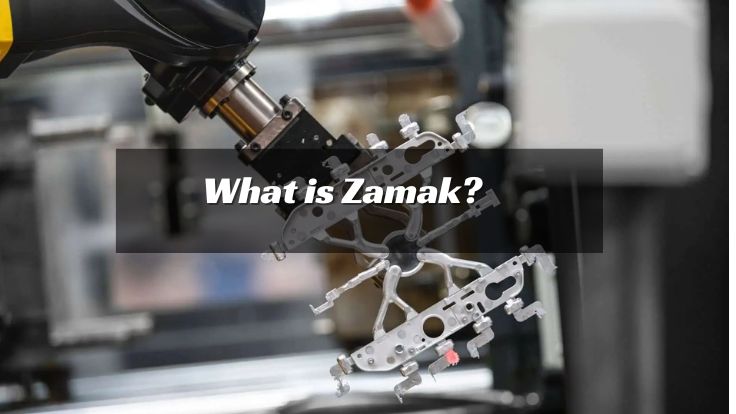
Alloys contribute significantly to the development of delicate electronic parts as well as heavy parts used in vehicles. For example, zamak metal has quietly changed the way many industries operate.  This metal is renowned because it is strong, can be molded easily and is versatile. The word Zamak originates from German and stands for zinc, aluminum, magnesium and copper. During the early years of the 20th century, the production of brass alloys aimed to improve on the brittleness found in previous zinc-based products. Today, zamak is used widely in vehicle, electronic device, and hardware manufacturing. It is appreciated both for its sturdy structure and for finishing smoothly with only a little work. Producing aluminum requires less energy than other materials since it melts easily, and it is also attractive because it can be recycled. Each different grade of zamak fits various needs, such as zamak 3 being softer than zamak 5, which is stronger than zamak 12. Most household goods and industrial products made with zamak metal meet the rising needs of manufacturing because they are practical and of good quality. Here, we will explain what zamak metal is made from, types such as zamak 3, zamak 5, and zamak 12, its functions, plus the positives and negatives. Zamak is a type of zinc alloy Zamak is made from zinc, mixed with a small amount of aluminum, magnesium, and copper. The word Zamak stands for Zink, Aluminum, Magnesium, and Kupfer, which are the German names for the metals involved. Due to its high-quality casting and appearance, zamak metal is popular in manufacturing automotive, electronic, furniture, and consumer goods. The process called die casting allows Zamak metal to shape complex, strong, and cost-efficient parts. Bending zamak into steel forms shaped like the finished goods is done at high pressure, producing many complex shapes very rapidly while needing only a minimal amount of machining. Because its melting temperature (around 385°C) is lower, zinc is more efficiently shaped than metals such as steel or aluminum in a foundry. What is Zamak, and how is it made? Zamak is a name formed from the German words for the main metals: Zink (zinc), Aluminium (aluminum), Magnesium, and Kupfer (copper). In the 1920s, the New Jersey Zinc Company created zamak to help overcome brittleness that affected some zinc alloys. It is viewed as a high-quality type of zinc that gives better die casting than most other materials. The usual elements in zamak metal are 96% zinc, 4% aluminum, a little bit of magnesium and some copper. As a result of this mix, its metal product is very strong, lasts a long time and can be formed into exact shapes with high precision. Key points about Zamak Metal A highlight of zamak metal is that it is very easy to cast. Manufacturers can create shapes with thin walls out of aluminum that would usually be pricey or difficult to produce using other materials. In addition, zamak has a polished surface, which makes it suitable for use in parts that need painting or plating. One more advantage is that steel retains its shape. Because Zamak does not change shape easily, it is commonly used in car and electronics manufacturing. The material is strong relative to its weight, making it attractive. Unlike aluminum, zamak does not weigh very little, but it offers a good level of durability that makes it useful for items that must be manageable. Uses of Zamak Metal Because it has great mechanical characteristics, zamak metal is applied in many products. In this industry, stainless steel is found in door handles, mirrors and several interior parts. A variety of electronic parts use Zamak because it is both precise and can resist heat. The furniture sector uses zamak because it is so versatile, fitting into hinges, brackets, and other decorations. Many fancy pieces in fashion include zamak since it is shiny and does not get tarnished easily. The process of making Zamak metal by casting 1. Alloy Preparation To produce zamak metal, you need to combine zinc, aluminum, magnesium and copper in the right ratios. To extract metals from these ones, the raw materials are melted at moderate temperatures. The right ratios are necessary to ensure that zamak 3, zamak 5 and zamak 12 provide the desired qualities. 2. Melting The blend of materials is put into a furnace and brought up to the zamak melting point of 385°C (725°F). During this step, the alloy flows very well and is therefore excellent for high-pressure die casting. 3. Die Casting The zamak is melted and then put into a die casting machine to be injected into a metal mold. Thanks to this process, items are shaped into very detailed and sturdy forms. Depending on how the casting will be used, manufacturers select from products classified as zamak 3, zamak 5, or zamak 12, since each is meant for a different purpose. 4. Injection and Outflow As soon as the zamak is injected, cooling the mold causes the metal to harden fast. After removing the part from the mold, it may not need machining because the alloy has a clean finish. 5. Finished and Plated When the model is cast, it might be polished, painted, or electroplated in materials such as nickel or chrome. The processes improve the look and resilience to corrosion of the manufactured product, mostly when used outside. Applications of Zamak Metal Zamak metal is used in several industries because of its superior casting, its strong properties and attractive smoothness. Even in the automotive industry, zamak metal plays a key role by being useful and attractive. 1. Automotive Industry Many door handles, emblems, mirror housings and interior details in motor vehicles are manufactured using zamak metal. Because it can be designed intricately and held to small measurements, it’s useful in parts that are either noticeable or not. The reason Zamak 5 is used most often here is that it is more durable and wears less easily. 2. Consumer Electronics Its stable dimensions and smooth appearance
Gatelykthus i støpt aluminium

Gatelyshus i støpt aluminium: Langvarig belysning

trykkstøping av aluminium

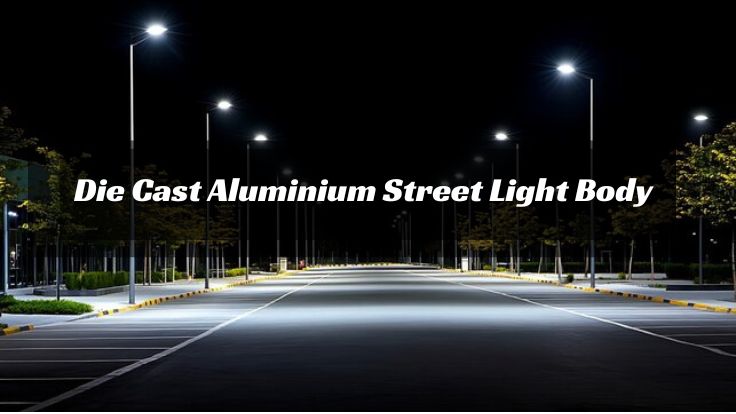
Because of modern, energy-saving technology, it is crucial nowadays for lighting products to be strong and reliable. Almost all modern outdoor lighting systems include a die cast aluminium body for their street lights. Because it is highly thermal, corrosion-resistant, and strong, this housing lasts long despite harsh events in the environment. It shields the LED’s circuits and also lets heat escape, which maintains their life. The aluminum LED street light casings are designed to ensure safety and quality on a global level. Because they are well-built and versatile, you can often see these enclosures along streets, highways, in industries, and in parks. Thanks to design progress, many kinds of LED street lights die cast aluminum bodies are being made now to suit numerous needs and preferences in light fixtures. While LED street light housing was formerly designed for efficiency, it now offers modular designs, smart features, and pleasing looks. This article discusses the features, types, series, specifications, and benefits of using die-cast aluminium in street lighting for those who plan, design, and select street lighting fixtures. This article covers how important, advantageous and in-demand die cast aluminium street light bodies are, as well as the steps involved in making them and modern trends in the market. What is meant by a die-cast aluminum Street Light Body? Die-cast aluminium is the process used to make the protective and supporting body of LED street lights. Within this body are placed all the important things in the lighting unit, like the LED driver, circuit board and lens and they are all protected from things like dust, water and hot or cold temperatures. Die-casting aluminum allows manufacturers to create LED street light housings that are strong, uniform, precise, and lightweight. The item that results is durable and also looks stylish, usually including smooth, stylish lines. The Steps Involved in the Die Casting Process In die casting, molten aluminium is pushed by high pressure into a shape cavity in the mold. Once the procedure is finished and the metal has fully solidified, it forms to the shape of the mold and is afterward pulled out, trimmed, cleaned up and polished. A major reason to use this process in LED street lighting is the ability to produce pieces with precise accuracy, the same features every time, and excellent surface and physical qualities. Here is a simple outline of what you have to do: It allows manufacturers to make many products at a low cost since it minimizes waste. Why You Should Use Die-Cast Aluminium for Street Light Housings? There are many benefits to using a die-cast aluminium body for a street light. 1. Heat Dissipation Aluminium is excellent at transferring heat. Heat generated by the LEDs is dispersed by the body and stops the components from overheating and ultimately damaging them. By using this feature, the vehicle is able to handle stable performance in different kinds of weather. 2. Toughness and Sturdiness The material does not add weight, but it’s durable enough to face harsh weather conditions. 3. Corrosion Resistance Applying coating or anodizing to aluminium makes it very resistant to corrosion, so the housing for LED street lights lasts for a long time in rough places, including by the sea or around factories. 4. Design Flexibility With die casting, it is possible to create objects with extra features and shapes, meaning the need for other types of assembly is reduced. 5. Aesthetic Appeal Nowadays, modern city planners prefer fixtures that are clean and sleek. Both the purpose and appearance of a city can be shaped by LED street lights with a die cast aluminum body. Tools for Use in Urban and Industrial Areas The body of a die-cast aluminium street light is found in places such as: This kind of housing can be used with LEDs that draw light at all levels, from lighting to smart controls. Why Die Casting Aluminum LED Street Light Housing is Favorable in the Market? In the last several years, more and more companies have switched to aluminum die-cast LED street light housing. It is influenced by a variety of different aspects. The trend will continue since many cities invest in updating their infrastructure and prefer energy-saving lighting systems. The Quality Control and Standards function Manufacturers of LED street light housing must strictly follow industry rules to ensure it operates safely, works properly, and lasts long. Businesses should check the following qualities: To gain worldwide approval and trust from buyers, a high-quality LED street light should pass CE, RoHS and ISO certifications. Production of a Series of Die-Cast Aluminium Street Light Bodies Many manufacturers separate their products into series based on how they look, their output, where they are used, and their technical attributes. Thanks to the street light body series, buyers can easily select a product that suits their needs. The following are the most common types of TV series seen: 1. Miniseries 20W–50W The Mini Series has compact housing units for LED street lights that are meant for narrow roads, walkways and homes. Because they’re all very light and efficient, these models are common in locations that do not need much light. 2. Standard Series (60- 120W) This is the group of literature that most people read. The LED street lighting housings in this series are both strong and save on costs. It is perfect for driving on roads, parking lots, and guarding plants and factories. 3. The range covers from 150W to 250W As they are meant for highways, broad streets and expansive outdoor areas, these products have LED street lights in sturdy aluminum casting with extra heat dissipation. Many such phones include smart features and higher levels of dust and water resistance. 4. Smart/Intelligent Series These hosts are configured to support motion sensors, IoT modules, or smart drivers. In the series, aluminium street lights are equipped with wireless technology, allowing them to respond to remote control for new smart city technology. 5. Designer or Architectural series The series joins music with the beauty of art.

Hva er gravitasjonsstøping? Nøkkelinnsikt for produsenter

Hva er gravitasjonsstøping? Nøkkelinnsikt for produsenter

Gravitasjonsstøping, Produsent av støpegods

In the modern days of manufacturing, metal casting is very crucial when it comes to producing components with complex geometries of high quality. Among the most efficient ways of doing this is the gravity die casting. This process is a combination of precision, efficiency, and cost effectiveness; hence is a preferred solution to industries like automotive, aerospace, and industrial equipment. In essence, gravity die casting involves using the force of gravity to fill up a mold of metal without having to use high-pressure equipment, thus making the process not complex in its setup. If you are a student of engineering, a production manager, or just interested in casting technologies, then learning about gravity casting is crucial to adopt a general view of metal production. The basic principles of aluminum gravity die casting, how it is done, important factors like the temperature and time, the type of materials used, as well as its advantages and disadvantages, along with common applications, are covered in this article. How Aluminum Gravity Die Casting Works? Aluminum gravity die casting is a process of permanent mold casting that is commonly applied for manufacturing non-ferrous aluminum metal parts. The aluminum gravity die casting involves molten aluminum metal pouring into a reusable metal mold by the influence of gravity only. Doing away with high-pressure die casting that uses pressure of thousands of psi to squeeze metal in the mold, gravity casting uses natural gravitational forces alone, allowing molten metal alloy to flow into the cavities of the die without restriction. The following is the typical process involving this activity: Since the process involves the use of gravity and not mechanical pressure, the setup of equipment is simplifie,d and maintenance as well as tooling costs are usually lower. Step-by-Step Process of Gravity Die Casting Gravity die casting technique is popular for its ease of repeatability and is also able to produce high-quality metal with tight tolerances. Unlike high-pressure die casting, it applies the force of gravity alone and fills the mold cavity, thus making the whole process more cost-efficient and mechanically less cumbersome. Below is a step-by-step guide on how aluminum gravity die casting is done in an ordinary setup: 1. Mold Preparation The initial process in aluminum Gravity casting uses in preparing the mold, or otherwise known as die. Steel or cast iron is usually used in making these dies which are meant for repeated uses. The mold is cleaned properly after any metal can be poured so as to remove any residues left by previous castings. After cleaning, the mold is preheated at a temperature between 150°C and 300 300°C. Preheating means that the molten aluminum alloy does not get cooled too fast on contact, leading to such defects as cold shuts or inadequate filling. A release agent, usually a graphite or ceramic-based coating, is applied to the internal surface of the mold. This serves two functions: ensuring that the molten aluminum alloy does not stick on the die, and assisting in getting a smoother finish on the final product. 2. Aluminum alloy Melting The preparation of the mold is followed by melting the selected metal alloy. The amounts of metal alloys are placed in furnace and melted to the pouring temperature that depends on alloy. For instance, melting points of aluminum alloys are usually in the range of 650°C-750°C, while the copper-based alloys may require melting points between 900°C and 1100°С. It is of extreme importance to provide precise control over the melting temperature. Over heating could require increased oxidation or gas absorption, whereas under heating could result to incomplete filling of the molds or poor mechanical properties. 3. Pouring the Molten Metal alloy When the right melt temperature is reached, molten metal is poured into the preheated mould. In gravity die casting, there is no application of any mechanical force or even pressure. Gravity causes the aluminum alloys to flow by natural means into the mold cavity entrance through a set of sprues and gates. This step will need a slow, controlled pour so as not to create turbulence, which can trap gases and lead to porosity in the casting. In some advanced systems, there is the possibility of tilting the mold very slowly while pouring it – the tilting gravity die casting to create a smooth and even metal flow. 4. Filling the Mold Cavity Once the molten metal penetrates the mold, it fills all portions of the cavity under the shape of the die. Mold design is very important at this point. Properly designed gating systems will distribute the metal to avoid turbulence, cold spots, or areas with possible shrinkage. As the gravity alone is used for the metal flow, it is necessary that metal should be poured at the proper speed and temperature. Lack of flow control may cause such defects as incomplete fills or cold shuts – places where two metal fronts touch but do not melt together. 5. Solidification and Cooling After the cavity if filled, the molten metal alloy begins to cool and become solid. Cooling time is dependent on casting size and complexity as well as the kind of metal used. For instance, small aluminum parts can solidify as early as in 20–30 seconds, while large or thicker parts may take 60–90 seconds and more. The die is in most cases water-cooled in order to assist in controlling the rate of cooling. Controlled cooling enhances an improvement of grain structure and internal stresses, and reduces them thus making stronger and reliable castings. 6. Die Opening and Part Removal The die is opened after solidification of the aluminum alloy. Depending on the design, the casting can be manually removed or ejected through the pressure provided by the mechanical ejector pins incorporated into the mold. As grade casting utilizes a metallic die, the mold can be reused for thousands of cycles, and hence, the process is cost-effective for medium to high volume runs. As much as part removal has to be done, care should be taken to ensure that

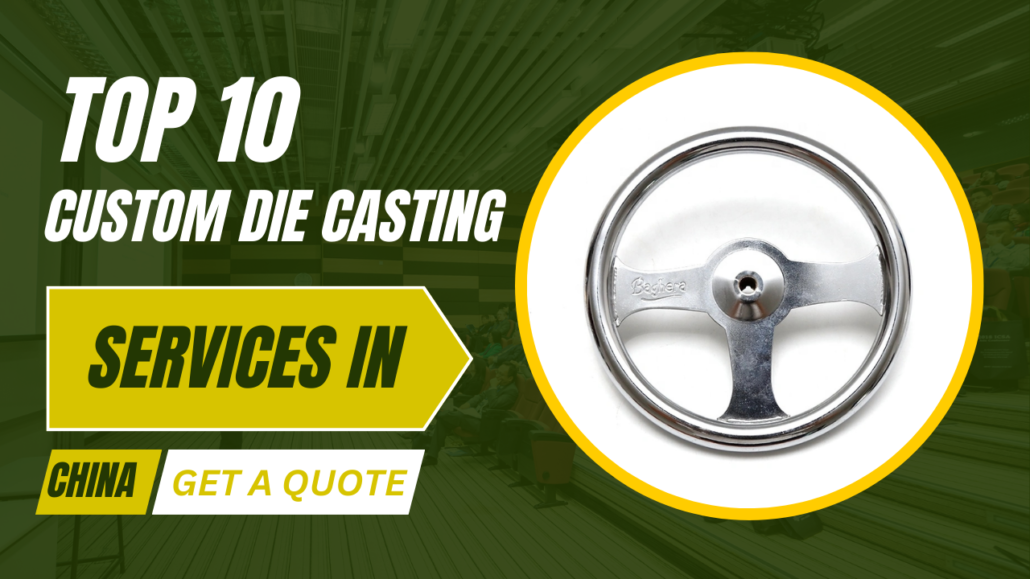
Topp 10 tilpassede støpetjenester i Kina

trykkstøpefirmaer, Produsent av støpegods, støpeform

The manufacturing industry is ever changing, and one of the most important processes to have to efficiently produce exacting and top-quality metal parts is custom die casting. In particular, several companies in China, a global center of excellence in manufacturing, are just leading the way with top-notch service of custom die casting. These providers are fast becoming an industry expert in cleanroom precision aluminum die casting and more for clients in a variety of industries. Die casting involves the use of high pressure forcing molten metal into an area called dies, which allows for highly accurate, smooth, or textured shapes to be cast. Chinese custom die casting manufacturers have been able to further perfect this art and add competitiveness of pricing, rapid prototyping, precision tooling, and full production capability. In addition, they work with global clients to achieve international quality standards such as ISO 9001, TS16949, and AS9100. Apart from die casting production, a large number of companies not only function as die casting production but also as die casting mold suppliers to gain complete control over design, prototyping, tooling, and mass production phases. In this article, Sincere Tech, GC Precision Mould, and CNM Tech, these industry leaders from China, are listed among the Top 10 Custom Die Casting Services in China. We will also bring you to some of the other renowned companies outside China that have also made a great impact in the die-casting industry. These are the best companies for high-pressure die casting, zinc die casting, and custom aluminum die casting services. It’s time to take a look at the leading names in changing the world of the custom die casting industry right now! 1. Sincere Tech Year of Establishment: 2005Number of Employees: 100-500Business Type: Plastic Injection Mold Manufacturing, Die Casting, CNC Machining, Assembly Services Website and Contact: Website: plasticmold.netEmail: info@plasticmold.netPhone: +86 135 30801277Address: Building 1, No. 30 Huan Zhen Rd, Shang Dong village, Qi Shi Town, Dongguan City, Guangdong province, China, 523000 Company Profile With years of practice since its foundation, Sincere Tech has developed to be one of the leading companies in Custom Die Casting in China. The place of operation is Dongguan City, Guangdong Province, with more than 100 to 500 employees based in a comprehensive facility. Besides that, the company also has experience in plastic injection molding, CNC machining, and professional applications. For decades, they have churned out precision, consistency, and inexpensive solutions to multinational brands in IAT, automotive, electronics, medical, and industrial segments. Sincere Tech, known to handle the whole life cycle of production, including die casting mold suppliers to finished product assembly, guarantees consistent quality control, which is exerted at each stage. Having provided advanced machinery with strict quality standards to every customer is what makes their services a top priority for businesses when it comes to getting a custom die casting manufacturer in China. Their Quality Commitments Quality is built into every one of the product processes at Sincere Tech. Under strict quality management of ISO 9001, they provide the best custom die casting services. Raw materials, toolings, die casting molds, and final products are rigorously inspected by their quality assurance team using advanced measuring equipment such as CMMs and projectors. The quality of every project is checked over and over against dimensions, smooth surfaces, and long-term durability. Moreover, Sincere Tech is also engaged in balancing between customer feedback and continuous improvement to satisfy evolving industry standards. The commitment is simple: deliver precision-engineered parts that meet the client’s expectations every time. Why Choose Sincere Tech? 2. GC Precision Mould Year of Establishment: 1999Number of Employees: 100-200+Business Type: Aluminum, Zinc, Magnesium Die Casting, CNC Machining, Plastic Injection Molding Website and Contact: Website: aludiecasting.comEmail: info@aludiecasting.comPhone: +86 131 4886 5556Address: No. 30 Huan Zhen Rd, Qi Shi Town, Dongguan City, Guangdong province China, 523516 Company Profile Based in Dongguan City, Guangdong Province of China, GC Precision Mould Co., Ltd. was founded in 1999, and it is a custom die casting services specialist. GC Precision has more than 100–200 skilled employees serving the custom aluminum die casting, zinc die casting, magnesium die casting, CNC machining, and plastic injection molding. As a registered company, it prides itself on the fact that it can handle all types of projects of different complexity and much scaled size, and provides full support from the design of the initial mold until mass production. As a company that serves industries like automotive, aerospace, medical, and consumer electronics, GC Precision pledges to supply high-precision, durable parts to international standards. This is where die casting mold suppliers, such as them, stick to a policy of innovation, quality, and customer satisfaction. Their customers around the world depend on their engineering skills, modern equipment, and highly trained staff to accomplish demanding projects in a timely and adequate manner. Their Quality Commitments Quality assurance is always the key for custom die casting services that GC Precision Mould can provide at very affordable prices. Every project is implemented by them as per the ISO 9001 quality management system, which ensures that every project meets or exceeds customer expectations. The in-depth mold inspection, first article testing, in-process monitoring, and final inspection are the quality control processes. For their die-cast components, GC Precision Mould uses high precision equipment like CMMs, spectrometers, and tensile testing machines, with which it is ensured that die-cast components are of much better mechanical properties and provide flawless finishes too. Part of the reason is that their team is continually working to make manufacturing processes more refined and, as a result, also investing in its employee training programs. Quality is their commitment, and they ensure that clients get all the products with reliability, performance, and excellent value. Why Choose GC Precision Mould? 3. CNM Tech Year of Establishment: 20+ years agoNumber of Employees: 100-400Business Type: Precision Die Casting, CNC Machining, Assembly Services Website and Contact: Website: diecastingschina.comEmail: info@diecastingschina.comPhone: +86 130 4589 8002Address: Rm 101, No.40, Donghu road, Jinglian, Qiaotou town, Dongguan city, Guangdong Province, China. 523520. Company Profile CNM Tech Co., Ltd is

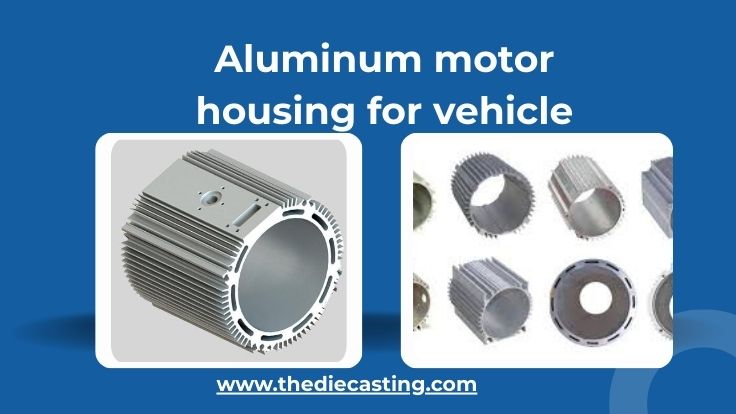
Motorhus i aluminium for kjøretøy

Motorhus i aluminium for kjøretøy

aluminiumsstøping

Due to the persistence of the aluminum motor housing as a critical component in electric and hybrid vehicle design, understanding of behaviour is important to the product life cycle. As a protective enclosure for the motor, it protects the motor from environmental contaminants, mechanical impact, and heat buildup. This application is the reason aluminium is a gold standard in its selection. The lightweight nature of aluminum is one of the major benefits of employing this material in the first place. For example, with aluminum motor housings in electric vehicles (EVs), weight reduces directly with range and performance due to the batteries. Furthermore, the thermal conductivity of aluminum is excellent, as it is of importance to dissipate the heat produced during motor operation. It helps maintain an optimal motor performance to prevent overheating. Not only is aluminum naturally corrosion resistant, but this is important for vehicle applications that experience large variations from hot to cold, wet, or dry conditions. It is a machinable material that is meaningful for practising various manufacturing methods like die casting, sand casting, and CNC machining. Based on these methods, it is possible to integrate complex features as cooling fins, mounting brackets, and channels for a liquid cooling system. Often, common aluminium alloys such as A356, 6061-T6, and AlSi10Mg are used in terms of material selection. Therefore, each of them provides a good balance between strength, durability, and ease of production. In electric drivetrains, vibration-damping and electromagnetic interference (EMI) features may also be considered for the design of an aluminium motor housing. Aluminum motor housing is all in all superior to enhance vehicle motor’s performance, reliability and longevity. While the automotive industry is moving towards electrification and lightweight materials, aluminum is being chosen because its ability to perform and its adaptability to modern manufacturing technologies has already proven to be the preferred choice. Understanding Aluminum Motor Housing An aluminum motor housing is a protective casing for a motor to protect the inside components of the motor, i.e., the rotor, stator, and bearings. Motor housings are designed to give both mechanical protection and thermal management, and have a critical part to play in ensuring the long-term reliability of the motor. As regards its excellent properties, aluminum has already gained a market share as the material of choice for motor housing in major industries, like automotive, aerospace, manufacturing, as well as renewable energy. Another great advantage of using aluminum because of its lightweight nature and outstanding strength. As opposed to traditional materials such as steel, aluminum significantly lessens the overall weight of a motor without sacrificing its durability. Especially in industries such as electric vehicles (EVs), weight reduction is important because of the need for energy efficiency and a range. Another vital factor in the thermal conductivity. Heat generated during operation of the motors is significant, and an aluminum housing serves as an efficient heat sink, allowing the heat to be quickly dissipated, which avoids the motor overheating and conserves energy produced thereby. In addition, aluminum is a naturally corrosion-resistant material, meaning that the housing will be able to handle some of the least resistant tendencies. In a lot of cases, companies require specific designs that have been optimized for a given application. But custom aluminum die casting is just what manufacturers need in these situations, enabling the creation of motor housing parts with complex shapes and integrated cooling fins all in one process, as well as additional features for mounting. Moreover, working with the custom die casting manufacturer also guarantees that the housing meets the quality, strength, and precision standards. Further refinement through custom-machined aluminum parts can be done when needed and provides the perfect fit and finish, improving the motor’s looks while adding functionality. Aluminium motor housing A vehicle’s aluminum motor housing has the task of encasing and supporting the electric or combustion motor and protecting it. It is commonly applied in electric vehicles (EVs) and hybrids, or other kinds of automotive powertrains, to do the following: Aluminium has many key benefits for a motor housing 1. Lightweight: This decreases vehicle overall weight to, in turn, increase fuel efficiency or battery range. 2. Thermal Conductivity: It dissipated the heat produced by the motor efficiently. 3. Corrosion Resistance: Reaches deeper into the bottom waters; therefore, it extends lifespan, especially when there are harsh environments. 4. Machinability: CNC machinable and easily cast or die-cast for complex geometries. 5. Strength-to-Weight Ratio: Offers structural integrity without heavy mass. Common Aluminium Alloys Used: AlSi10Mg (for die casting): Excellent thermal and mechanical properties. 6061-T6: Usual for CNC-machined housings, they provide good strength and corrosion resistance. A356: Due to good fluidity and strength, it is often used for casting. Design Considerations: Cooling Integration: It is often fins, channels, or a cooling jacket for active/passive cooling. Vibration Dampening: Bushings or mounts may be required to reduce noise or vibration. EMI Shielding: The electric drivetrains may require blocking of electromagnetic interference in the designs. Manufacturing Methods: Die Casting: Cost-effective for high-volume production. Sand Casting: Small to medium scale production, and can also be used in prototype manufacturing.CNC Machining: Highly accurate cutting is done using it, especially when tight tolerances are required in the production of the parts. Why Aluminum for Motor Housings? Aluminum tops out all other material alternatives like steel, plastics, and composites when deciding what material should be used for motor housings. The best qualities of copper make it the material of choice for enabling applications that require performance, that require durability, and that require cost-efficiency. The second reason why aluminium is used is that it is lightweight. Motors, especially electric vehicles, industrial equipment, and aerospace motors, need to be as light as possible without compromising their strength. These properties of low density of aluminum greatly decrease the overall weight of the motor assembly, increasing efficiency, consuming less energy, and enabling the design of more flexible solutions. Aluminum’s excellent thermal conductivity is another very compelling advantage. Anything that generates heat, like inside a motor, will cook itself if the heat is not dissipated.

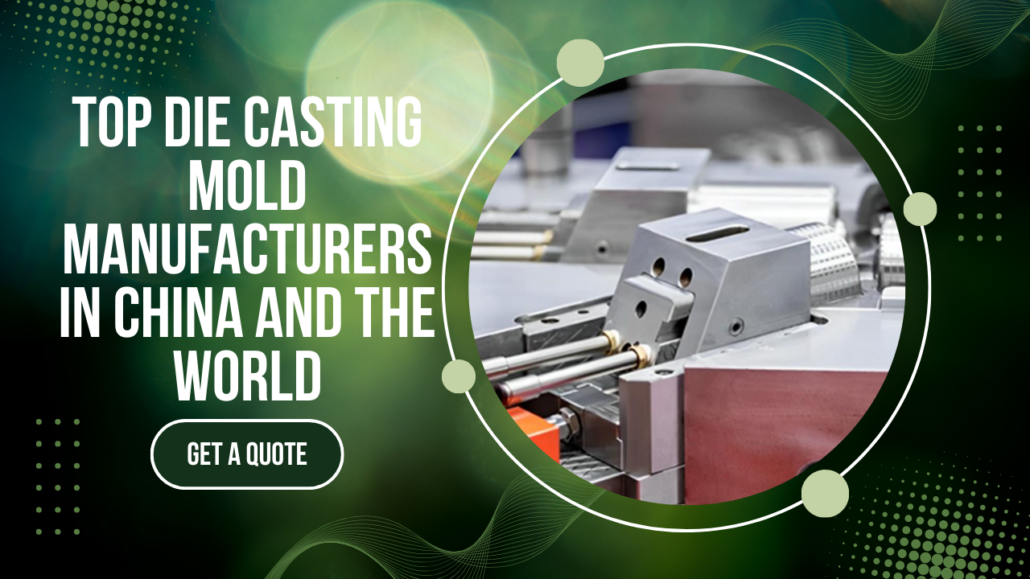
Topp produsenter av støpeformer i Kina og verden

Topp produsenter av støpeformer i Kina og verden

Produsent av støpegods

The worldwide die-casting business involves the manufacturing process by manufacturing strong precision parts required by the automotive, aerospace, electronics, and consumer product sectors. When die-casting mold makers create specialized tools for making detailed metal parts of specific measurements and logical measurements with polished results, they are part of the network that leads the manufacturing. Due to the growing market need for lightweight aluminum and magnesium materials, there is much demand for these specialized magnesium die-casting suppliers and die-casting mold makers. With its solid infrastructure and quality workers producing faster die casting mold-making results, the world now turns to China. Currently, the best die-casting mold suppliers in China can provide worldwide services, and they’re good at producing tools and CNC machining, surface solutions, and fast prototyping. Due to their smart solutions, top work, and successful international projects, companies Sincere Tech, GC Precision Mould, and CNM Tech have gained top reputations. Apart from China, companies worldwide are constantly progressing in the development of die-casting tooling and automation systems while keeping pace with environmental standards. Research on new materials includes the focus mentioned above. Companies worldwide that lead die casting mold production stress new and green manufacturing methods. Complete service options such as mold design creation, simulation tests, setup evaluation, and output processing are provided. This paper studies China and the international die-casting mold producers’ specific strengths and service lines. This guide will help you find any kind of die-casting expert, from global die-casting mold service providers to magnesium die-casting supplies suppliers. What Are Die Casting Mold Manufacturers? Die-casting mold manufacturer companies are also known as die-casting mold manufacturers are special companies that design, engineer, and produce the precision mould (also known as dies) used in the die casting process. Under high pressure, complex metal parts with high accuracy, smooth surface finish, and stability of dimensions are produced by injection of aluminum, zinc, or magnesium molten metal into a steel mold cavity. The die casting mold manufacturers are an essential part because the quality of the mold (in many degrees) determines to a large extent the quality of the outcome, namely the performance of the final product, the accuracy, and durability. Such manufacturers closely collaborate with clients of numerous industries, including automotive, aerospace, electronics, medical devices, and consumer goods, to provide custom mold solutions matching the requirements of specific products. Mold design, computer-aided engineering (CAE) simulation, CNC machining, surface treatment, mold testing, and maintenance or upgrade operations in the target range of its services are offered. Some others are being provided with value-added services such as prototyping, assembly, and post-casting machining. Advanced die casting mold suppliers use H13 or SKD61 steel as it is durable and offers heat resistance, and develop molds with ejection pin systems, vacuum casting, and thermal regulation systems incorporated. Internationally recognized best die-casting mold manufacturers both in China and around the world follow international standards (for example, ISO 9001, IATF 16949) to provide consistency and make it safe and productive. For manufacturers worldwide, their expertise helps to mass produce high-precision components, bring down the production cost, and beat time to market. In a nutshell, die casting mold manufacturers are the lifeblood of these ventures of precision metal casting, fusing engineering expertise, state of the art machine set up, and an extensive understanding of industry to produce those tools that make everyday products possible. Sincere Tech Year of Establishment: 2005No. of Employees: 100–500Business Type: Plastic injection mold manufacturing, die-casting, CNC machining, and assembly services Website and Contact: Website: plasticmold.netEmail: info@plasticmold.netPhone: +86 135 30801277Address: Building 1, No. 30 Huan Zhen Rd, Shang Dong village, Qi Shi Town, Dongguan City, Guangdong, China, 523000 Company Profile Sincere Tech is a die-casting mold manufacturer and plastic injection mold provider that has had a relatively international style since its establishment in 2005. Sincere Tech has a workforce of 100–500 skilled professionals and a manufacturing base in Dongguan, Guangdong province, which provides services of die casting, mold making, plastic injection molds, precision machining, complete product assembly, and so on. From the automotive, electronics, medical, and industrial sectors, the company serves its clients. Sincere Tech is a full-service supplier, engaging in projects from the gleam of a concept to the final IMO in place. Additionally, their international client base extends to North America, Europe, and Southeast Asia, and their commitment to timely delivery and rich industry experience has led them to use advanced equipment. Sincere Tech has a strong engineering team and in-house mold tooling capabilities, and constantly tops the market as one of the most distinguished die casting mold China and magnesium die casting suppliers. Their Quality Commitments Sincere Tech stresses quality at all stages of the die casting mold-making process. The entire mold company follows ISO 9001 standards and has reached a level of rigor in inspection to make sure that every mold is exactly to its client’s exact specifications. As the scarring is usually complicated, smoothed graphics computer-aided morphology manufacturing calculation (CAD/CAM/CAE) software is applied. Hardness testing, dimensional accuracy, and surface finish evaluation are all carried out on every component. They have a trained quality control team with the skill set of root cause analysis and continuous improvement methodologies, which helps reduce defects and maintain a high level of customer satisfaction. For this reason, Sincere Tech is a reliable die casting mold supplier. Why Choose Sincere Tech? GC Precision Mould Year of Establishment: 1999No. of Employees: 100–200+Business Type: Aluminum, zinc, and magnesium die casting, plastic injection molding, CNC machining Website and Contact: Website: aludiecasting.comEmail: info@aludiecasting.comPhone: +86 131 4886 5556Address: No. 30 Huan Zhen Rd, Qi Shi Town, Dongguan City, Guangdong province China, 523516 Company Profile GC Precision Mold Co., Ltd, founded in 1999, is one of the largest names in the die-casting mold industry, serving aluminum, zinc, and magnesium die-casting. The company boasts over two decades of experience with a team of 100–200 skilled professionals in Dongguan City, Guangdong Province, China, the center for high-precision manufacturing. Hammercast has products that can accurately cast, shape, and mold any special shape. Beyond just the casting

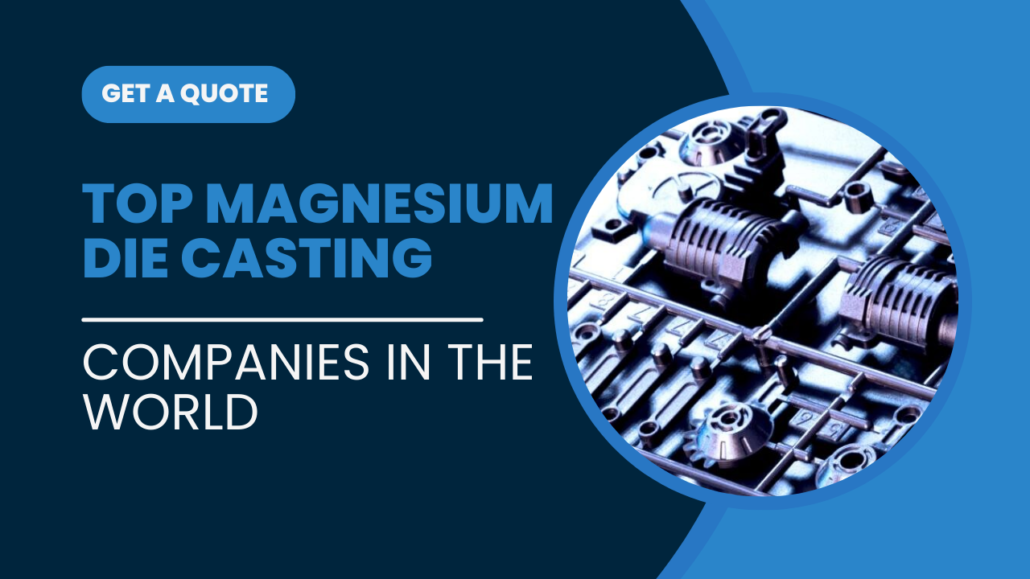
De beste magnesiumstøpefirmaene i verden

De beste magnesiumstøpefirmaene i verden

Pressstøping av magnesium

Today, magnesium die casting firms play a major or key role in manufacturing; the firms manufacture light and strong as well as affordable components which are utilized for various applications in the aerospace, automotive, electronics as well and medical sectors. Magnesium is the lightest structural metal and is a strong material with the best strength-weight combinations, combined with high dimensional accuracy and high characteristics of heat removal, needed for advanced performance components. Since industries have an increasing market requirement for fuel-efficient components with miniature designs as well as sustainable manufacturing practices, it pushes them to look for specialised companies that offer precision magnesium die-casting components at production levels. Magnesium die casting process continues to evolve through the stages from prototype to full mass manufacturing runs. Other than magnesium die casting competence, these premier global companies also boast zinc die casting and aluminium casting, and CNC machining and finishing services. Staying ahead in operation, these magnesium die casting suppliers perform operations in so traditional but modern style by utilising high-pressure die casting machines with a contemporary system of real-time quality checks and work on powerful simulation programs for precise and repeatable production of the parts. This article reviews the leading China-based magnesium die casting companies as well as other principal manufacturers in the United States and Canada, and Europe. Sincere Tech, GC Precision Mould, and CNM Tech make up a Chinese industry trio that embodies international standards on product costs and reliability, and manufacturing flexibility. Dynacast and Bühler Group, and Meridian Lightweight Technologies have all been able to come up with innovations at a global level through research and development of their technology in collaboration with automated casting line development. The carefully chosen business is the leading source for finding all trusted magnesium die casting organisations and their technology leaders working globally in the die casting market. What is Magnesium Die Casting? The magnesium die casting is called the process of precision manufacturing, where molten magnesium is injected at high pressure within a steel mould or die to make very complicated and lightweight metal parts. Magnesium is a highly machinable, lightweight, strong metal that is widely used in all of those applications, so this technique is widely used in all of those industries. Magnesium is the lightest structural metal and hence contributes to the important weight saving without compromising durability and performance. This casting process will produce fine details, smooth surface finish and high tolerance parts for high volume. In addition, it allows several components to be fashioned into one element, thus lowering the demand for assembly or welding. In addition, magnesium die casting is a greener manufacturing process as it is an energy-efficient, recyclable process. Yet, magnesium die casting has always, and will continue to play, a vital role in everything that comprises modern product design and engineering, as new tooling and material technology are always being developed. Sincere Tech Year of Establishment: 2005No. of Employees: 100–500Business Type: Plastic injection mould manufacturing, magnesium die casting, CNC machining, and assembly Website and Contact: Website: plasticmold.netEmail: info@plasticmold.netPhone: +86 135 30801277Address: Building 1, No. 30 Huan Zhen Rd, Shang Dong village, Qi Shi Town, Dongguan City, Guangdong, China, 523000 Company Profile As a leading manufacturer in China’s die and plastic injection moulding industry, Sincere Tech is based in Dongguan City, Guangdong Province. The company originated in 2005 and has developed into one of the reliable magnesium die casting manufacturers with a committed labour force of 100–500 labourers. Sincere Tech is an expert in plastic injection moulds, magnesium and zinc die casting parts, CNC machining and complete product assembly. As a producer of state-of-the-art equipment and advanced production capabilities, Sincere Tech supplies global clients in automotive, electronics, Medicare and consumer goods. They have an experienced engineering team that makes sure the part designs are optimised, tooling is efficient, and mass production is high quality. Sincere Tech maintains a commitment to precision, customer satisfaction, as well as the production of cost-effective, affordable pricing with innovative manufacturing processes and provides value-driven solutions to customers all over the world. Their Quality Commitments Being a sincere tech are very dedicated to producing high-quality premium products up to or above international standards. Throughout the manufacturing cycle, we (including raw material inspection and final product delivery) implement a rigorous quality control process. Dimensional accuracy is assured using CMMS and 3d scanners, as the company is certified ISO9001. Continuous training of quality assurance personnel in concert with strict process documentation and traceability guarantees that every product delivered meets customer specifications. Defect prevention is also created in Sincere Tech through simulation-based mould design and real-time production monitoring. They boast a lifelong zero-defect goal and proactive customer service, making them a go-to name among magnesium die casting companies. Why Choose DyCast Specialities Corporation? GC Precision Mould Year of Establishment: 1999No. of Employees: 100–200+Business Type: Die casting (magnesium, zinc, aluminium), CNC machining, and plastic moulding Website and Contact: Website: aludiecasting.comEmail: info@aludiecasting.comPhone: +86 131 4886 5556Address: No. 30 Huan Zhen Rd, Qi Shi Town, Dongguan City, Guangdong, China, 523516 Company Profile GC Precision Mould Co., Ltd was established in 1999, located at Dongguan city of Guangdong province in China and is now a prominent manufacturer of die casting. The company specialises in aluminium, zinc, magnesium die casting and also deals in plastic injection moulding, CNC machining and surface finishing. A hydraulic press that utilises digital technology allows it to rapidly adjust its functions and create designs involving threaded cavities. GC Precision Mould has over two decades in the industry, and serves clients from the automotive, electronics, aerospace and consumer goods sectors. With high-pressure die-casting machines ranging from 120 to 1650 tons being used at the state-of-the-art facilities, the company can produce complex and high-precision components. The commitment of GC Precision Mould to quality, innovation and customer satisfaction has ensured the company is a trusted partner to clients looking for dependable and efficient die casting solutions. Their Quality Commitments  As for the products provided by GC Precision Mould, they are fully committed to providing the

De beste leverandørene av aluminiumstøping i Kina og verden

De beste leverandørene av aluminiumstøping i Kina og verden

aluminiumsstøping

Markedet for presise metallkomponenter er i rask vekst over hele verden, både innen romfartsteknologi og industri, inkludert bilindustri, elektronikk, medisinsk utstyr og industrimaskiner. Avanserte metalldeler som produseres industrielt for applikasjoner med lav vekt, krever høytrykksstøpemetoden. Aluminium er den overlegne trykkstøpemetoden, siden den kombinerer slitesterk ytelse med potensial for vektreduksjon, samtidig som den beskytter mot korrosjon, gir effektiv varmeoverføring og fleksibilitet til å forme design. For å oppnå effektiv produksjon velger bedrifter erfarne pressstøpeleverandører over hele verden. Bedriftene velger leverandør basert på en vurdering av ingeniørkompetanse, kombinert med kvalitetskontroller og operasjonell vekstkapasitet, materialhåndtering, verktøyhastighet og levering. Disse forholdene er grunnleggende faktorer for å sikre at bransjen overholder kravene, samtidig som man opprettholder en konsekvent, storskala produktproduksjon. Leverandørene fremstår som de beste alternativene, avhengig av deres avanserte CNC-maskiner, samt deres evne til å utvikle støpeformer og overflatebehandling. Aluminiumstøperier i Kina samler folk fra hele verden for å opprettholde lave produksjonskostnader og et konsistent forsyningssystem. Prestasjoner. Aluminiumstøpeleverandørene Sincere Tech, GC Precision Mould og CNM Tech har etablert seg gjennom imponerende produksjonsinnovasjon og bransjeakkrediteringer, som de matcher med personlig kundeservice. Globale virksomheter kan få tilgang til leverandører av støpeformer som leverer like god brukervennlighet gjennom amerikanske, europeiske, indiske og meksikanske virksomheter, som inkluderer produsenter som optimaliserer teknologiske fremskritt for å oppnå førsteklasses kvalitetsstandarder. I den følgende artikkelen analyseres Kina-baserte leverandører sammen med internasjonale leverandører av støpeformtjenester. Selskapene på denne listen har fått en grundig evaluering basert på driftskarakteristikker, samtidig som det er tatt hensyn til deres erfaring med vellykkede prosjekter og tilbakemeldinger fra kunder om kvalitetstjenester innen støping av aluminium og verktøyutvikling. Hva er støping av aluminium? Ved pressstøping av aluminium sprøytes smeltet aluminium under høyt trykk inn i en støpeform for å skape presise aluminiumskomponenter. Denne produksjonsmetoden brukes i flere produksjonssektorer fordi den skaper holdbare metallkomponenter med komplekse former og gir en overlegen finish. Produksjonen av metalldeler ved hjelp av pressstøping av aluminium tiltrekker seg stor etterspørsel fra bil- og luftfartsindustrien, i tillegg til produsenter av forbrukerelektronikk, på grunn av sine viktige fordeler. Prosessen begynner med at aluminium smeltes i en smelteovn til det blir flytende, og deretter presses det inn i en stålform ved hjelp av kraften fra en trykkstøpemaskin. Aluminiumet størkner inne i støpeformen når den kjøles ned, siden formen inneholder en nøyaktig avbildning av detaljens design. Etter at støpingen er fullført, tar operatøren ut delen gjennom formåpningen. Med denne teknikken kan produsentene oppnå deler med komplekse og presise geometrier som de ikke kan lage med konvensjonelle produksjonsverktøy. HPDC og lavtrykksstøping representerer de to hovedformene innenfor trykkstøpeprosessen. HPDC krever høyhastighetstrykk på mellom 1500 og 20 000 psi for å injisere smeltet metall i støpeformen, noe som gir fine overflatedetaljer og produkter med jevn finish. For å produsere store produkter bruker eksperter lavtrykksstøpeteknologi fordi den leverer metallet ved redusert trykk og dermed gir mindre defekte resultater. Fordelene med aluminiumstøping Den viktigste grunnen til at aluminium foretrekkes som støpemateriale, er den kombinerte egenskapen med lav vekt og et overlegent styrke/vekt-forhold, fordi aluminium har egenskaper som gjør det mulig å produsere produkter som både skal være holdbare og lette. Den gode termiske og elektriske ledningsevnen, korrosjonsbestandigheten og den enkle bearbeidingen gjør også aluminium populært i bransjer som bil-, romfarts- og elektronikkindustrien. I tillegg er trykkstøpte aluminiumsdeler anerkjent for sin nøyaktige dimensjonsnøyaktighet og glatte overflatefinish, noe som ofte gjør sekundær bearbeiding i form av maskinering unødvendig, noe som sparer tid og kostnader. I tillegg til høytrykksinnsprøytningsmetoden garanterer den også at alle komponentene har samme tykkelse, noe som reduserer muligheten for svake punkter eller feil i den ferdige delen. Bruksområder for pressstøping av aluminium Bilindustrien former komponenter som motorblokker, girkassehus og topplokk ved hjelp av pressstøpeteknologi i aluminium. Luftfartsindustrien bruker pressstøping av aluminium til å produsere lette og sterke komponenter, noe som bidrar til å forbedre produktenes styrke, samtidig som det reduserer drivstofforbruket og sikkerhetsnivået. Prosessen er svært populær i produksjonen av elektronikkhus, kjøleribber og en rekke komplekse elementer som krever eksepsjonell pålitelighet og styrke. Aluminiumstøping er en fleksibel produksjonsteknikk som gjør det mulig å konstruere komplekse og intrikate produkter med overlegne kvalitetsegenskaper. For å oppnå holdbare komponenter og presise produktspesifikasjoner må produsentene bruke spissaluminium fra smeltet tilstand. Kravet kommer fra forretningskrav til deler med topp ytelse og kvalitet. Sincere Tech Etableringsår: 2005Antall ansatte: 100-500Business Type: Produksjon av plastsprøytestøpeformer, aluminiumstøping, CNC-maskinering og montering. Nettsted og kontakt: Nettsted: plasticmold.netEmail: info@plasticmold.netPhone: +86 135 30801277Adresse: Building 1, No. 30 Huan Zhen Rd, Shang Dong village, Qi Shi Town, Dongguan City, Guangdong, China, 523000 Company Profile Sincere Tech er en av Kinas ledende produsenter av plastformer, aluminiumstøping, CNC-maskinering med høy presisjon og komplett montering. Selskapet ligger i Dongguan City i Guangdong-provinsen i Kina, og har mellom 100 og 500 dyktige fagfolk som kan tilby komplette produktutviklingsløsninger fra første konsept til sluttprodukt. Sincere Tech har en kundeorientert tilnærming og bruker det nyeste utstyret, og tilbyr presisjonsdreining av pressstøpte aluminiumsdeler for å tilfredsstille de strenge kravene som stilles i bilindustrien, elektronikkindustrien, den medisinske industrien og forbrukerproduktindustrien. I tillegg til å være en etablert leverandør av støpeformer, tilbyr selskapet merverdi til kundene, med tjenester som overflatebehandling, prototyping og kvalitetstesting. I Nord-Amerika, Europa og Sørøst-Asia har kundene stolt på oppriktig teknologi for å bygge langsiktige partnerskap med de beste leverandørene av støpeformer i aluminium. Deres kvalitetsforpliktelser Gjennom hele produksjonsprosessen er sincere tech forpliktet til tilfredsstillende kvalitet uten kompromisser. Selskapet følger internasjonale standarder som ISO 9001 og sikrer kvalitetsmetoder som inspeksjon underveis i prosessen, analyse av formflyt og validering av endelige dimensjoner. Sincere Tech garanterer at

De beste produsentene av aluminiumsstøping i Kina og verden

De beste produsentene av aluminiumsstøping i Kina og verden

trykkstøping av aluminium

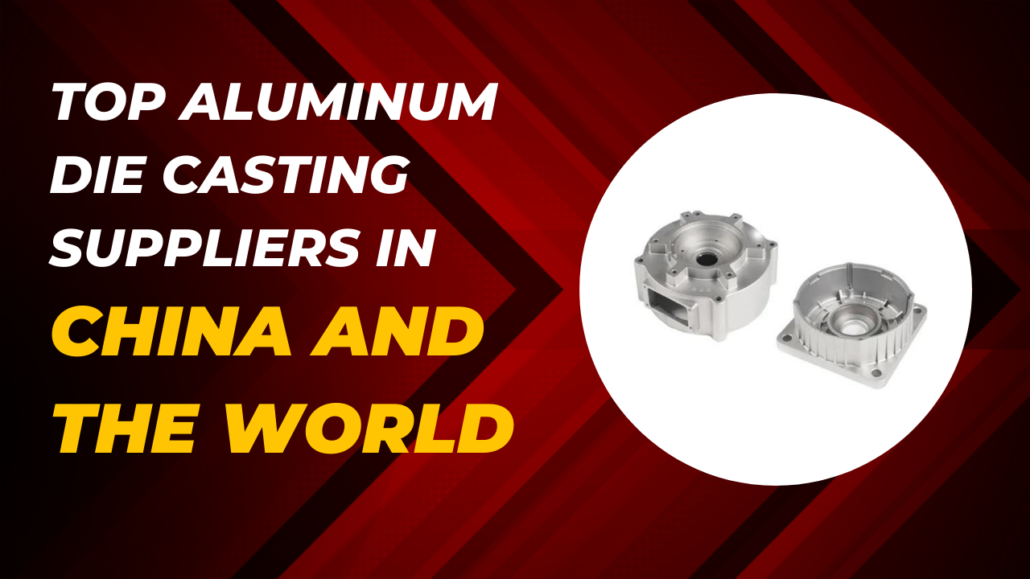
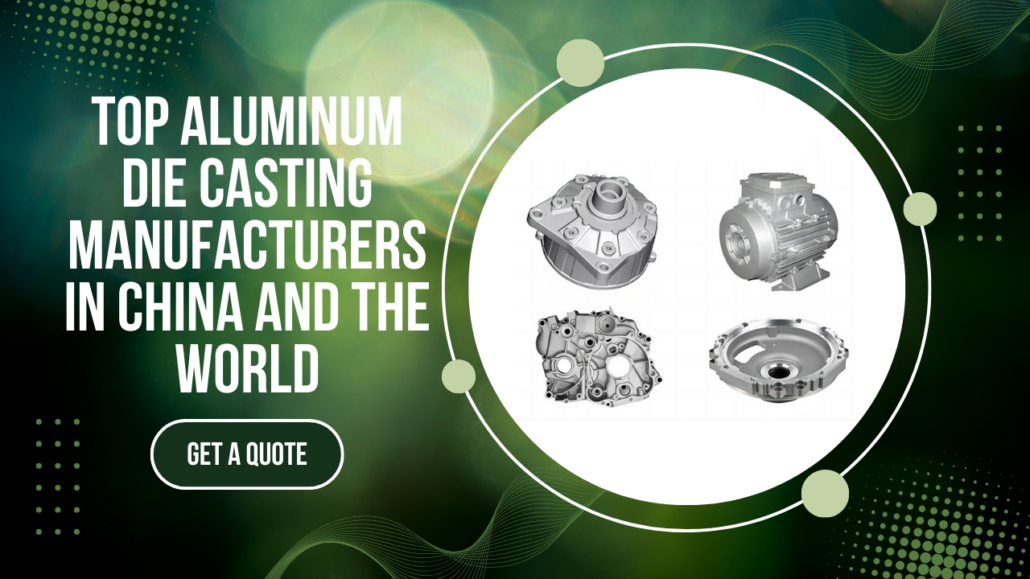
I dag spiller trykkstøping av aluminium en sentral rolle i moderne produksjon. Aluminiumstøpeprosessen er kjent for sin presisjon, styrke og evne til å produsere komplekse former med små toleranser, noe som gjør den til en integrert prosess for bransjer som bil- og romfart, forbruksvarer og elektronikk, medisinsk utstyr osv. Denne dynamiske utviklingen skaper stadig etterspørsel etter høytytende og kostnadseffektive komponenter, noe som har ført til at det er viktigere enn noensinne å samarbeide med produsenter av støpeverktøy i aluminium. Verktøy og kvalitet gir høyere effektivitet og skalerbarhet, og har blitt hjulpet på vei av utviklingen innen automatisering. Disse selskapene tilbyr vanligvis helhetlige tjenester, fra design og prototyping til masseproduksjon og overflatebehandling, som dekker alle prosessene som skal implementeres i henhold til kundens krav. Etter hvert som bærekraftsstandardene blir stadig viktigere, tar mange pressstøperier i bruk miljøvennlige arbeidsmetoder, inkludert materialgjenvinning, energieffektive tiltak og grønne sertifiseringer. Artikkelen tar for seg noen av de beste produsentene av aluminiumstøpegods som opererer rundt om i verden, for eksempel i USA, Europa og andre land der slike bedrifter skaper et forsprang på andre på grunn av den merverdien de tilfører gjennom sin innovasjon og kundesentrerte tilnærming. Disse selskapene står høyt og stolt i verdenen for produksjon av bildeler, og de kan være perfekte for deg som er på utkikk etter bildeler i store volumer, medisinske presisjonskomponenter eller nye ideer for å løse uklare problemer i nisjeapplikasjoner. I dette blogginnlegget vil vi gå gjennom selskapets profiler, kvalitetsforpliktelser, sertifiseringer og hvordan de skiller seg ut som et fascinerende inconel-støpeselskap i en så konkurranseutsatt verden. Denne guiden er din komplette start for å finne en pålitelig produsent av aluminiumsstøping for ditt neste prosjekt. Hva er støping av aluminium? Maskiner bruker aluminiumstøping for å lage sofistikerte deler med presis definisjon ved å tvinge smeltet aluminium inn i en dyse under betydelig trykk for å produsere komplekse former. Industrien er avhengig av denne metoden for å produsere slitesterke, lette komponenter med presise dimensjoner og mulighet for jevn overflatestruktur. Det tar bare en brøkdel av tiden før det smeltede aluminiumet fylles og størkner i formhulen, før det automatisk fjernes fra formen og etterbehandles. Både bil- og romfartsindustrien, elektronikk- og forbruksvarebransjen benytter seg av pressstøping av aluminium fordi denne prosessen gir sterke deler med lav vekt, utmerket korrosjonsbestandighet og gode termiske egenskaper. Produsentene velger trykkstøping av aluminium på grunn av effektiviteten og den automatiske driften, som gjør det mulig å lage mange motorhus, kjøleribber, braketter og kabinetter raskt og i store serier. Denne prosessen gjør det mer økonomisk å produsere store volumer fordi den reduserer maskinens arbeidsbelastning og garanterer et jevnt kvalitetsnivå. Sincere Tech Etableringsår: 2005Antall ansatte: 100-500Virksomhetstype: Sincere Tech er en av Kinas største produsenter av plastsprøytestøpeformer, aluminiumstøpegods, CNC-maskiner og produktmonteringstjenester. Nettsted og kontakt: Nettsted: plasticmold.netEmail: info@plasticmold.netPhone: +86 135 30801277Adresse: Building 1, No. 30 Huan Zhen Rd, Shang Dong village, Qi Shi Town, Dongguan City, Guangdong-provinsen, Kina, 523000 Company Profile Sincere Tech er medlem av det ledende aluminiumstøpeforetaket i Kina, Dongguan City, Guangdong-provinsen, grunnlagt i 2005. Selskapet har over 100 ansatte, over 20 års erfaring med sprøytestøping av plast, støping, presisjons CNC-maskinering og full produktmontering. Sincere Tech arbeider med flere bransjer, blant annet bilindustrien, elektronikk og forbrukerprodukter. Selskapet har etablert seg som en ledende leverandør av presisjonsstøpte aluminiumsdeler og komplekse verktøyløsninger ved hjelp av avansert teknologi og håndverkernes ekspertise. Takket være sine vertikalt integrerte tjenester kan selskapet tilby overlegen kvalitet, levering til rett tid og produksjon til lave kostnader. Kvalitetsforpliktelser Vi (Sincere Tech) tar alle rimelige skritt innenfor vår kontroll for å kunne tilby kundene våre støpegodsdeler i aluminium, feilfrie og av høy kvalitet, gjennom streng prosesskontroll og kontinuerlig forbedring. Dette omfatter toppmoderne utstyr, ISO-sertifiserte prosesser, fullstendige inspeksjonsrapporter og intern testing. Hvert eneste prosjekt oppfyller de nøyaktige spesifikasjonene og har stort fokus på kundetilfredshet. Sincere Tech følger internasjonale kvalitetsstandarder, investerer kontinuerlig i opplæring av ansatte og innovasjon for å kunne levere pålitelige og holdbare produkter til kunder over hele verden. Hvorfor velge Sincere Tech? GC Precision Mould Etableringsår: 1999Antall ansatte: 100-200+ Virksomhetstype: Plastsprøytestøping, CNC-maskinering, pressstøping av aluminium, sink og magnesium. Nettsted og kontakt: Nettsted: aludiecasting.comE-post: info@aludiecasting.comPhone: +86 131 4886 5556Adresse: Nr. 30 Huan Zhen Rd, Qi Shi Town, Dongguan City, Guangdong-provinsen Kina, 523516 Bedriftsprofil GC Precision Mould Co, Ltd. (lokalisert i Dongguan by, Guangdong-provinsen, Kina) ble grunnlagt i 1999, og det har et rykte som en produsent av aluminiumstøping. Selskapet gjør aluminium, sink, magnesiumstøping og CNC-bearbeiding og sprøytestøping av plast. Vi er et team på mer enn 100 fagpersoner innen høyytelseskomponenter og samlinger for bilindustrien, industrielt utstyr, telekommunikasjon og elektronikkindustri. Selskapet har rykte på seg for å være en presisjonsverktøymaskin og en oppfinner som er dedikert til innovasjon innen ingeniørarbeid for å tilby en tilpasset løsning basert på komplekse tekniske prosjektkrav og effektiv, pålitelig og kvalitetsproduksjon i hvert trinn. Kvalitetsforpliktelser GC Precision Mould har et sterkt kvalitetsstyringssystem, dedikert til den høyeste produktkvaliteten. Selskapet bruker avansert utstyr og avanserte testmetoder for innkommende råmaterialer og produktleveranser, og implementerer svært strenge inspeksjonsprosedyrer. De er sertifisert i henhold til ISO-standarder og fokuserer på nullfeilproduksjon og kontinuerlig forbedring. Kundene er deres kunder, og ingeniør- og kvalitetssikringsteamene samarbeider tett med dem for å avverge alle tekniske spesifikasjoner og gi dem omfattende kvalitetsdokumentasjon, som er fullt sporbar helt til slutten av produksjonssyklusen. Hvorfor velge GC Precision Mould? CNM Tech Etableringsår: 20+ årAntall ansatte: 100-400Virksomhetstype: Spesialiserer seg på pressstøping, CNC-maskinering og produktmontering Nettsted og kontakt:

Topp produsenter av sinkstøping i Kina og verden

Topp produsenter av sinkstøping i Kina og verden

Produsent av støpegods

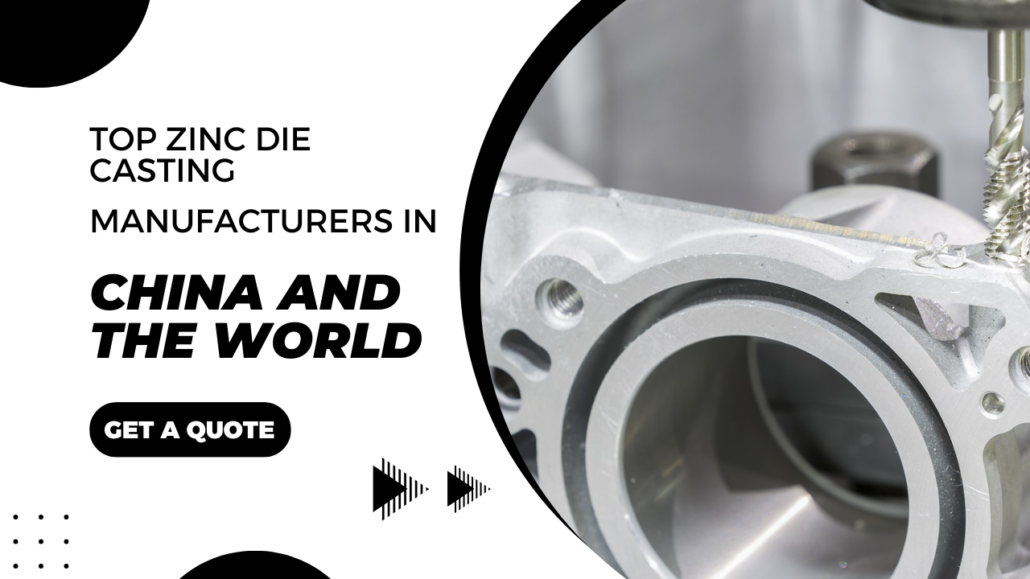
Sink er derfor et stadig voksende materiale for produsenter av sinkstøpegods på grunn av sinks overlegne styrke og dimensjonsstabile, samt ekstremt støpbare egenskaper. Bil- og elektronikkindustrien, forbruksvare- og maskinvareindustrien bruker sinklegeringer i stor grad. På grunn av deres evne til å tilby komponenter til en lav pris, med svært god overflatefinish og lite maskinering, og en høy produksjonseffektivitet, er firmaer som kan tilby trykkstøpte deler i sinklegeringer spesialisert på dette området. Kina har imidlertid mange avanserte produksjonssentre og dominerer derfor fortsatt det globale markedet for trykkstøping. Kinesiske produsenter kan også tilby avanserte produksjonsteknikker og raske omstillinger, i tillegg til høy kapasitet. På den annen side har USA, Tyskland og mange andre lands sinkstøpeselskaper en høykvalitetsstandard, en stor innovativ tilnærming og rik erfaring i nisjemarkedet. Her er noen av de beste sinkstøpeprodusentene fra den kinesiske siden av Sincere Tech, GC Precision Mould og CNM Tech sammen med de beste amerikanske firmaene som DyCast Specialties Corporation. Hver oppføring beskriver selskapets evner, kvalitetsforpliktelser, de veldig gode grunnene til at det er den foretrukne partneren i støpeindustrien osv. Hva er pressstøping av sink? Pressstøping av sink er en prosess der en smeltet sinklegering presses under høyt trykk inn i en finbearbeidet støpeform for å lage en delvis skjult kombinasjon av intrikat arbeid, delikat utsmykning og fin finish. Det er en del av trykkstøpefamilien, en familie av prosesser der smeltet metall sprøytes direkte inn i et formhulrom under høyt trykk. Sink brukes som materiale fordi sink er et godt støpbart materiale med gode korrosjons- og styrkeegenskaper ved relativt lave temperaturer. Støping av sink utføres vanligvis ved hjelp av høytrykksmaskiner som lader metallet under høyt trykk og presser det inn i formene, noe som gir en rask og pålitelig prosess for produksjon av høypresisjonsdeler med et trykk på over 10 000 psi. Støping av sink er den mest allsidige metoden for å produsere små til mellomstore komponenter, og det er mulig å produsere intrikate former med trange toleranser. Støpedeler i sink er mye brukt i bil-, elektronikk-, telekommunikasjons- og maskinvareindustrien, som krever ekstra bearbeiding i form av maskinering, polering, overflatebehandling eller lakkering. På grunn av dette kan produsentene minimere avfall og produsere store mengder deler, og dermed bli økonomiske for masseproduksjon. Støpegods av sink har også gode mekaniske egenskaper med enkle, sekundære operasjoner (gjenging og boring) og utmerket dimensjonsstabilitet. I tillegg har det et lavt smeltepunkt sammenlignet med andre metaller, som aluminium eller magnesium, slik at det kreves mindre energi under støpeprosessen, noe som gjør det til et energieffektivt og miljøvennlig materiale. Fordelene med sinkstøping Fordelene med sinkstøping omfatter en rekke fordeler som gjør det til et førstevalg for produksjon av høyteknologiske, sterke deler. Her er de viktigste fordelene: 1. Høy presisjon og tette toleranser Siden det er mulig å produsere deler med svært høy detaljnivå og kompleksitet, og med svært tette dimensjonstoleranser, egner sinkstøping seg svært godt til produksjon av deler. Samarbeid betyr at du kan lage produkter med samme kvalitet, og dermed redusere bearbeidingen etter støpingen. 2. Kostnadseffektivt for høyvolumproduksjon I mange tilfeller finnes det ny teknologi for sinkstøping som gjør det mulig å produsere sink i ubegrensede mengder på en billig måte. Dette gir mulighet for gjenbruk av støpeformene og rask støpehastighet, slik at kostnaden per enhet synker med økende produksjonsvolum, noe som bidrar til en rimelig løsning for masseproduksjon. 3. Utmerkede mekaniske egenskaper Zamak-legeringer har god styrke, stivhet og holdbarhet og kan støpes under trykk. Sinkstøpte deler har god slitasje- og korrosjonsbestandighet og er derfor det ideelle valget for bruksområder der det kreves svært lang levetid, blant annet i bil-, maskinvare- og elektronikkindustrien. 4. Overlegen overflatefinish Støpegods i sink har en glatt overflatefinish av høy kvalitet, noe som kan bidra til å redusere behovet for ytterligere etterbehandling med polering eller maling. ’Det forbedrer også delestetikken (særlig når det gjelder forbrukerprodukter og dekorative bruksområder) og delens fleksibilitet; det muliggjør større stivhet for en mer stiv base som kan akseptere mer tidkrevende, mindre stiv og mer uttrykksfull fresing.“ 5. Enkel sekundærbearbeiding Støpegods i sink er lett å maskinbearbeide, gjenge og montere. Også sekundære operasjoner som boring, tapping eller gjenging av sinkstøpte deler er lett å gjøre raskt. 6. Lavt smeltepunkt og energieffektivitet Den lave støpeenergien til sink (lavt smeltepunkt 419 °C) bidrar til å redusere energiforbruket. Selv om de nevnte konkurrerende metallene med høyere smeltepunkt, som aluminium eller magnesium, ikke kan konkurrere med sinkstøpegods når det gjelder energieffektivitet eller miljøvennlighet. 7. Designfleksibilitet Fra naturens side produserer sinkstøping komplekse og intrikate former som det ville være svært vanskelig, om ikke umulig, å gjenskape ved hjelp av andre metoder. Sinkstøping gjør det også mulig å inkludere tynne vegger, underskjæringer osv. uten tap av styrke. 8. Korrosjonsbestandighet Sinklegeringer har imidlertid utmerket korrosjonsbestandighet i tøffe miljøer. Støpte deler av sink brukes i utendørs applikasjoner og produkter som utsettes for fuktighet for en lang og pålitelig ytelse i utendørs applikasjoner. 9. Materialstyrke og holdbarhet Støpegods av sink tåler god materialstyrke, utseende og mekanisk belastning. Spesielt i applikasjoner som krever høy holdbarhet, for eksempel bil, komponent, maskinvare og verktøy, er den robust når den brukes alene. 10. Resirkulerbarhet For det andre er sinkstøpegods 100% resirkulerbart uten at egenskapene forringes, og er dermed et miljøvennlig alternativ. Resirkulert sink kan brukes i støpeprosessen for å redusere avfallsmengden og bidra til en sirkulær økonomi. Alt i alt er bruken av sinkstøpegods god på grunn av sin styrke, presisjon og kostnad, og den langsiktige holdbarheten sikrer at du kan bruke sinkstøpegods til mange forskjellige bransjer

Skroll til toppen

Få et tilbud