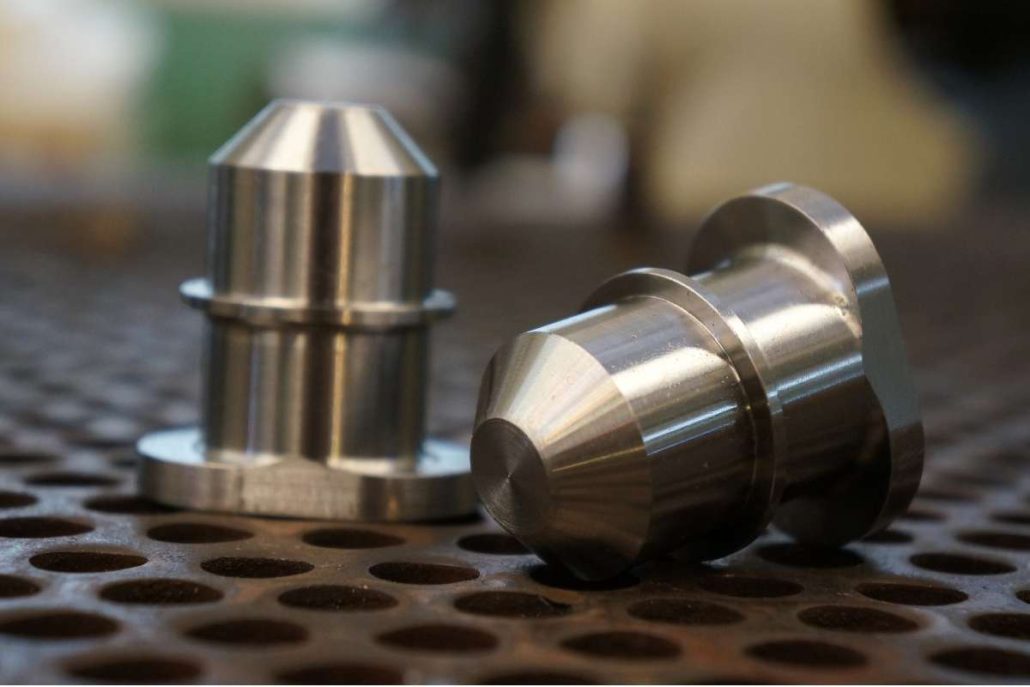
produsent av dreide komponenter

Hva er polering av aluminium

aluminiumsstøping, Overflatebehandling

Aluminum Polishing is a process that makes aluminum look shiny and new. There are two main ways to polish aluminum: mechanical polishing and chemical polishing. Both methods can be done by hand or with machines. Aluminum polishing is often used in automotive and aerospace factories. This guide will teach you how to turn dull aluminum into a mirror-like finish. We’ll cover surface prep, tools, and techniques. Get ready to make your aluminum shine. Importance of Surface Preparation The surface preparation of items results in flawless aluminum polish. Skipping this step is not beneficial. Because it may result in uneven, dull, or inconsistent finishes. Discover key factors, why they matter, and how to do it right. Why Surface Preparation is important Ensures a Smooth Finish Prevents Damage Enhances Effectiveness Ensures a Smooth Finish Proper preparation removes contaminants and imperfections. This step helps achieve a mirror-like shine. Prevents Damage Properly preparing the surface prevents further damage during polishing. It avoids scratching and maintains the aluminum’s integrity. Enhances Effectiveness A clean, well-prepared surface allows aluminum polishing compounds to work efficiently. It ensures even application and better results. Impact of Poor Preparation Uneven Finish Increased Effort Reduced Longevity Uneven Finish Dust, grime, or old coatings can create a blotchy appearance. This uneven surface leads to a lackluster shine. Increased Effort Inadequate preparation forces you to work harder during the polishing stage. That can result in an inconsistent finish. Reduced Longevity The polish may only last briefly with proper cleaning and sanding. Preparation can prevent the finish from degrading faster. Preparation Before Aluminum Polishing Getting ready before polishing is crucial for the best results. Follow these steps to prepare your aluminum surface. Tools and Materials Required Cleaners Sandpapers Scouring Pads Cleaning Rags Metal Polish Microfiber Cloths Buckets and Clean Water Cleaners Use degreasing cleaners to remove grease and dirt. It ensures no contaminants impact the polishing process. Sandpapers Smooth the surfaces of parts using different grits of sandpaper. They will help you effectively remove scratches and old coatings.  Sanding Blocks Sanding blocks or pads help achieve an even sanding pressure. They ensure a uniform surface by conforming to the shape of the aluminum. Scouring Pads Use non-metallic pads for oxidation and corrosion. They are effective for preparing larger, flat areas. Cleaning Rags Use lint-free rags to wipe down the surface and remove any remaining residues after cleaning and sanding. Metal Polish The metal polish is also technically part of the polishing stage. It is used to check the surface condition during preparation. Microfiber Cloths Microfiber will not scratch the aluminum surface. Soft and practical, these clothes work best for cleaning and drying.  Buckets and Clean Water Fill a bucket with clean water for rinsing. Use fresh water to avoid reapplying dirt to the surface. Surface Inspection Check for Imperfections Identify Problem Areas Test the Surface Check for Imperfections Check the surface for dents, scratches, or areas of oxidation. Use a bright light to see minor imperfections. Identify Problem Areas Mark any imperfections that need attention. Plan to sand or clean these areas more thoroughly. Test the Surface Run your hand over the aluminum. Check for any rough surfaces or raised areas that need extra work. Types of Aluminum Polishes Choosing the suitable aluminum polish is essential to getting the right finish. Below is an overview of various types of polishes. Cream Polishes Cream polishes are thick and easy to apply. They provide a deep shine and are ideal for small areas. Use them to remove minor scratches and oxidation. Liquid Polishes Liquid polishes are versatile and quick to apply. They cover large surfaces well and dry fast. Choose liquid polishes for regular maintenance and a glossy finish. Paste Polishes Paste polishes are dense and long-lasting. They offer superior shine and protection. Apply them for heavy-duty polishing on stubborn tarnish. Spray Polishes Spray polishes are convenient and fast. They reach tight spots easily and leave a smooth, even coat. You can use sprays for minor adjustments and hard-to-reach areas. Polishing Waxes Polishing waxes combine polishing and protection. They provide a durable shine and a protective layer. Apply them for a lasting finish that resists dirt and moisture. Metal Polishing Kits Metal polishing kits include all the essentials for a complete polishing process. They offer a combination of tools and polishes for different needs. Use kits for comprehensive care and achieving a professional-grade finish. Choosing the Right Polish Selecting the appropriate polish depends on your specific application. Here’s a comparison to help you choose: Types of Polish Best Use Application Method Pros Cons Cream Polishes Heavy oxidation and deep cleaning Use a cloth or pad to apply. Long-lasting shine, deep clean It requires more effort to buff out Liquid Polishes Regular maintenance Apply it with a soft cloth. Easy to apply, quick results It may require frequent application. Paste Polishes Tough stains and oxidation Apply using a pad or brush. Strong cleaning power It can be abrasive and more challenging to work with. Spray Polishes Large surfaces, quick touch-ups Spray directly and wipe. Fast application, even coverage It provides a lighter finish. Polishing Waxes Protection and shine Apply with a cloth or pad. Polishes and protects in one step It may not remove heavy oxidation. Metal polishing kits Comprehensive polishing Follow the kit Instructions. All-in-one solution, versatile It is more expensive and requires multiple steps. Commercial vs. Homemade Polishes Factor Commercial Polishes Homemade Polishes Ingredients Specially formulated for specific results Made from household items like baking soda, vinegar, or lemon juice Ease of Use Ready-to-use, consistent results Requires preparation, and results may vary. Cost It can be expensive but often highly effective. Usually cheaper and more cost-effective for small tasks Performance Designed for maximum shine and protection It works well for minor cleaning but only lasts for a short time. Availability Widely available in stores and online. It requires making or mixing at home. Environmental Impact Some may contain harsh chemicals. Usually made from eco-friendly, natural components Versatility There is an extensive choice of products for

produsent av dreide komponenter til den medisinske sektoren

Produsent av dreide komponenter

CNC-maskinering

Turning parts are products made through CNC turning, a process in which lathes or turning-milling centers shape workpieces using turning tools. These chisels revolve at a speed higher than 1,000 rpm and shave the workpiece to remove the unwanted material. The speed of turning and the feed rate depends on the material to be machined, the type of cutting tool, and the diameter of the workpiece. It is vital in forming rotationally symmetrical parts with high accuracy and productivity. In this article, you will find information about CNC manufacturer of turned components. in the medical, aerospace, connectors, and defense industries and the peculiarities of their production. Specialist in the Supply of Turned Parts for Medical Applications CNM focuses on cnc machining tight tolerance medical components for surgical tools, apparatuses, and equipment use. CNM has over thirty years of experience in manufacturing and can ensure that the tolerance of each part is precise and very, very tight. Our specialties include Ventricle Assist Devices (VADs), Lasik eye surgery equipment, CT & MRI scanner equipment, and surgical equipment, including Trocar/Cannula systems and biopsy cutters. Our core competencies include 5-axis milling and electrical discharge machining (EDM) services, and thus we are the preferred partner for cardiovascular devices, orthopedic implants, and dental equipment. Our metals and alloys are Titanium, Stainless Steel, Invar, Kovar, and Inconel; thus, all our parts, such as medical screws, implant prototypes, and custom molds, are precise. Our clean, temperature- and dust-controlled environment ensures we can achieve the closest tolerances required for medical use. The precision machining services offered by the company also include manufacturing surgical scissors, cannulas, biopsy tubes, and saw guides for bone surgery that require compliance with medical standards. Whether the application is micromachining or manufacturing of surgical instruments, CNM offers reliable and quality medical machining services for your needs worldwide. CNC Turning Aerospace Parts Manufacturer CNM specializes in manufacturing CNC-turned parts for aerospace, automobile, electronics, mechanical, medical, and dental instruments, military and defense, hunting, and fishing. We deal with materials like brass, stainless steel, plastic, aluminum alloy, steel, and titanium and manufacture items like pipe joints, connector joints, servo motor shafts, and anodized aluminum tubes. In aerospace cnc machining, CNM can manufacture parts used in different kinds of aircraft; military, commercial, and glider. We pay great attention to such issues as durability, compliance with the declared characteristics, and batch marking to obtain the high rates of performance and protection that are typical for aviation. Backed by advanced technology and a stringent machining system, CNM maintains precision with tight tolerances and offers comprehensive services under ISO9001:Certification in 2015. This involves the type of material to be used, the quality of the material, the labeling of all the materials used in the production, and the delivery time as per the client’s request. CNM has a good record and credible partners across the globe; America, Europe, the Middle East, Southeast Asia, Japan, and many more. The company takes pride in quality and reliability in all its activities to satisfy customers and achieve high performance in aerospace parts. Manufacturer of Turned Components For the Connector Industry CNM is a precision-turned components manufacturer particularly suited to the connector industry. Being a quality-conscious company focusing on cost and time, we use our vast experience in the industry and sophisticated machining technology to produce parts to your requirements. We have CNC sliding headstock machines for the connector dimensions from Ø5 mm up to Ø36 mm, and for some particular types of connectors, we have fixed headstock machines. However, for the dimensions up to Ø80 mm are also possible. Machining complex geometries is one of our strengths, as we use machines with up to 10 numerical axes, including B axes. CNM has the flexibility of batch sizes ranging from 500 to 20,000 and above, thus making it possible to meet the needs of small and large-scale projects. Our materials include aluminum, copper alloys, copper, brass, and ceiling, therefore affording flexibility and satisfying the requirements of the connector component industry. Some of the precision parts we offer are terminal blocks, connectors, adapters, sensor bodies, connection plugs, and sockets, all made to precise industry standards. In addition to machining, CNM provides a wide range of additional services with the help of reliable subcontractors: silvering, gilding, annealing, laser engraving, tribofinishing, and deburring. Also, we offer kit assembly services, strengthening our capacity to offer bundled services. Suppose you are in the connector industry and you need superior turned components for your turned parts. In that case, CNM is ready to serve you. Get in touch with us today to understand how we can help you with your manufacturing projects and improve them. Manufacturer of Turned Components For the Defense Industry CNM TECH.CO.,LTD is one of top 10 CNC machining services in the world, we specialize in CNC machining for accurate and high-quality defense parts and components. The authors are proud of the team of professional employees and the effective system of controls in the company. CNM is equipped with modern technology tools, CNM is ISO 9001, AS 9100D, and ITAR registered to supply aerospace and defense parts. Comprehensive Program Management Services  CNM offers numerous services in program management apart from CNC machining. We have a well-trained staff that can meet the rugged demands of the supply chain partners. Therefore, customer relations and their feedback are underlined as significant in developing sound program management systems. Our ISO 9001:The 2000, AS9100D, and ITAR certifications demonstrate the company’s commitment to timely, professional, and focused work. We very closely control our production process with the help of Epicor ERP/MRP system software. This means we can schedule and track parts in this integrated system from the shop floor, as shown below. It effectively manages various aspects, including It helps manage several aspects such as: Engineering support Kanban Pull Systems The first article inspections, or FAI for short. AOGs (Aircraft on the Ground) DX/DO requirements Forecasting is related to supplier portals Raw material sourcing Part machining Special process management Quality assurance Documentation Packaging & Shipment

CNC-maskinering av magnesium

Maskinering av magnesium

CNC-maskinering

Magnesium has exceptional characteristics, notably low density, and good machinability, for creating corrosion resistance in high-strength parts through CNC machining. However, the process of machining magnesium is quite a challenge because of the flammability of the material. When dealing with magnesium, safety measures are taken to reduce any risks likely associated with it. The machining of magnesium generates shavings and dust, which can easily be ignited, which is a great danger to CNC machinists. If not well controlled, the machining process will likely cause fires or explosions in the workshop. This article describes the main safety measures for working correctly with magnesium and other flammable metals. It focuses on proper methods of chip clearance and measures and precautionary measures to avoid fire in a machine shop. Challenges in Magnesium Machining Working with magnesium alloys is always accompanied by risks that must be managed adequately. These are some of the risks that should be understood when involved in the CNC machining of magnesium. Fire Hazard One of the significant problems in machining magnesium alloys is the flammability of the fine chips and dust produced during the process. These particles are highly inflammable, and even tiny sparks or excessive heat can easily cause them to catch fire, which is a big danger in the workshop. Tool Wear Due to its soft and abrasive nature, the magnesium material can wear out the cutting tool during CNC machining. This results in a lower machining rate and more tools that must be changed more often than not. Heat Generation It is also clear that magnesium alloys have low thermal conductivity, and therefore, heat is localized to the cutting zone. This high cutting temperature also negatively affects the tool’s life. Also, it increases the possibility of warping the workpiece and accelerates the tool wear rate. Surface Finish Challenges Achieving a high surface finish on magnesium alloys is challenging due to the presence of burr and machining deformation. All these issues must be addressed by applying the correct machining methods and selecting the right tools to achieve the desired high-quality surface finish. To address these issues, it is required to adhere to all the safety measures, correct use of tools, and information on the characteristics of magnesium and its machining for safety and effectiveness. Enormous Benefits CNC Magnesium Machining However, there are some advantages of using CNC machining magnesium despite the above risks. This is why magnesium is appropriate for use in industries that require light, such as the aerospace and automobile industries, whereby it enhances efficiency and fuel usage. It is a very lightweight material, but at the same time it has high strength. Thus, structures can be solid and slim, requiring less material. Magnesium is easily machined and thus can be produced in large quantities. The tools used are not easily damaged, cutting the cost. Because of its good thermal conductivity, it is suitable for applications where heat is to be conducted away from the product, such as the casing of electronic equipment. Also, magnesium has inherent EMI gasketing characteristics that shield sensitive electronics from interference. From the environmental point of view, magnesium is in abundance. It can be recycled, and in the machining processes, the amount of emission is negligible. Additionally, the energy used is less than that of other metals. This sustainability, coupled with flexibility in the type of surface finish that can be applied, such as painting or anodizing, makes magnesium a preferred material by manufacturers who desire high performance and, simultaneously want to reduce the impacts of their CNC machining on the environment. Safety Measures to be Adopted in CNC Machining of Magnesium Alloys CNC machining of magnesium alloys can be safe if the following measures for machining magnesium safety are observed: Here are vital tips to ensure the safe machining of magnesium. Keep Tools Sharp: One of the challenges that are associated with the machining of magnesium is heat production—using sharp tools when cutting is also essential to avoid heat accumulation. Blunt tools are likely to create a lot of friction and may cause sparks that lead to the ignition of magnesium chips. Carbide-tipped tools are preferred because they are hard and do not spark quickly at high temperatures. Avoid Tight Clearance Angles: One of the crucial things to consider when machining magnesium alloys is to avoid close tolerance angles. High cutting angles result in massive and consecutive chips that increase heat and the possibility of a fire outbreak due to the nature of the element magnesium. Produce Broken Chips: Set up your CNC machine to produce small and intermittent chips. This assists in removing heat from the cutting tool and the workpiece so that there are minimal chances of the material catching an open flame. This should be done by employing small back rake angles, low feed rates, and moderate to high cutting speeds. Use Mineral Oil-Based Coolants: When machining magnesium, it is recommended to use mineral oil coolants instead of water. Mineral oil reduces fire and explosion risks and enhances the surface finish. Aqueous solutions of coolants may corrode magnesium and cause the formation of flammable hydrogen gas. Employ Explosion-Proof Vacuum Systems: Employ explosion-proof vacuum systems to help extract magnesium chips and dust from the CNC machines. Discontinuous magnesium chips are also flammable; removing them in the workshop is crucial without causing a fire outbreak. Avoid Water in Case of Fire: Do not attempt to put the fire out with water during a magnesium fire, as this will only worsen it. Magnesium fires should be fought with dry Class-D fire extinguishers or dry sand. Thus, following the above measures, magnesium cnc machining can be done safely with less risk in the workplace. Choosing the Right Cutting Tool in CNC Machining of Magnesium Alloy Selecting the appropriate cutting tools is crucial to achieve the best results and safety when using CNC machining on magnesium alloys. Below is the categorization of the tools that are frequently utilized: High-Speed Steel (HSS) Tools: High-speed steel tools are easy to use and

maskinering av berylliumkobber

Bearbeiding av kobber

CNC-maskinering

Copper metals are highly valued for their appearance. Primarily, it is used in everyday art and on utensils. Copper has better material and electrical characteristics as compared to aluminum or aluminium. This makes it essential to produce complex parts. These parts are used in applications such as EDM electrodes. However, copper is typically challenging to machine. This hardness poses several problems as follows. The additives include aluminum, zinc, silicon, and tin. These combinations result in the formation of alloys such as brass and bronze. Nickel-silver alloys are also produced to meet specific requirements. Every one of the alloys is thus designed for exact machining applications. Therefore, they play a significant role in many fields. The machining of copper alloy parts becomes more accessible, allowing for more efficient production. This, in turn, enables production to be done more efficiently. Copper is still valuable for all areas because of its versatility. It is even more helpful when combined with other metals. Nevertheless, copper is irreplaceable, and the industry will continue to encounter it in the future. This article will focus on copper cnc machining methods, essential factors to consider, various uses of copper, and necessary machining services. So, let us help you decode the information you need to make the most of this instrumental metal. Copper CNC Machining: When it comes to CNC machining copper, there are two critical factors to keep in mind for optimal results: Optimal Tool Material Selection: Dealing with raw copper is problematic because the material is very soft, making tools wear out very fast and challenging to remove chips. One of the problems often faced is the creation of a built-up edge, which is a condition where copper particles cling to the tool and produce uneven surfaces. To eliminate these problems, it is necessary to employ cutting tools manufactured from materials like high-speed steel (HSS). HSS tools are specifically famous for cutting copper since it is a soft metal and do not blunt HSS tools quickly while using CNC machines. Setting the Ideal Feed Rate: The feed rate determines the speed at which the CNC cutting tool travels on the copper workpiece. When it comes to copper machining, it is advised that one should keep the feed rate between moderate and low. High feed rates can produce much heat, which is not preferred in precision machining applications. One of the critical aspects of controlling the feed rate is that it is vital for precision and surface finish during machining. If higher feed rates are required in your project, then it becomes mandatory to use cutting fluids or coolants because heat has to be taken out for better precision in the machining process. Selecting the Correct Grade of Material Choosing the correct grade of copper is one of the most critical decisions made during the design of any project. Electrolytic rigid pitch copper (ETPC), also known as pure copper (C101), has a purity of 99%. 99% reliability can be a problem and expensive, particularly regarding mechanical components. When comparing the two materials, C110 is more conductive than C101, more accessible to machines than C101, and sometimes cheaper. Selecting the correct material grade is crucial to achieving the design necessities in the proper manner. Manufacturability should be deemed regardless of the type of material incorporated in developing a product. One has to follow the principles of DFM to the letter to get the best outcome. Some recommendations include closely controlling the performance tolerance and dimensional checks. Do not make thin walls with small radii for improved machining. Wall thicknesses should be kept to a minimum of 0.5 mm for structural strength. For CNC milling, the size limit is 1200mm x 500mm x 152mm, while for CNC turning, it is 152mm x 394mm. Design undercuts with square profiles, full radii, or dovetails to reduce the machining operations. These guidelines are specific to copper components and are essential in enhancing on productivity and quality of the components. The Copper Alloys For Machining Copper materials include various commercial metals used in different industries depending on the required properties for a specific application. Pure Copper: Copper is known to be in the purest form, soft, and can be easily molded. It may contain a small percentage of alloying additions to improve its characteristics, such as improved strength. High-purity copper is used in electrical applications, including wiring, motors, other equipment, and industrial applications such as heat exchangers. The commercial grades of pure copper are classified by the UNS numbers C10100 to C13000. For applications requiring higher strength and hardness, such as machining beryllium copper, alloying pure copper with beryllium is a common practice. Electrolytic Copper: Electrolytic tough-pitch copper is obtained from cathode copper, refined by electrolysis, and contains deficient impurities. The most widely used grade is C11000, which offers electrical conductivity of up to 100% IACS and high flexibility, which makes it suitable for electrical applications such as windings, cables, and bus bars. Oxygen-Free Copper: Due to its shallow oxygen content, oxygen-free copper grades such as C10100 (Oxygen-free electronic) and C10200 (Oxygen-free) are characterized by shallow oxygen content and high electrical conductivity. These coppers are made under non-oxidizing conditions and are used in high vacuum electronics such as transmitter tubes and glass-to-metal seals. Free-Machining Coppers: These copper base alloys contain nickel, tin, phosphorus, and zinc additions, which aim to improve the machinability. Some well-known alloys include bronze, copper-tin-phosphorus, brass, and copper-zinc, characterized by high hardness, impact strength, workability, and corrosion resistance. It has uses in various machining operations, such as in machining coins, machined electrical parts, gears, bearings, and automotive hydraulic parts. Techniques of Machining Copper The following are some of the most efficient ways of machining copper: Machining copper as a material is a process that is associated with some difficulties due to the material’s flexibility, pliability, and durability. Nevertheless, copper can be alloyed with other elements such as zinc, tin, aluminum, silicon, and nickel, improving the possibility of machining copper. Such alloys are usually easier to cut than materials of similar

cnc-maskinering av komponenter

CNC-maskinerte komponenter

CNC-maskinering

Numerous engineers in various branches value the role of metal parts that are expected to have certain levels of precision and efficiency. This is especially the case in industries such as aerospace and transportation, where the components’ quality, safety, and functionality are paramount. In such circumstances, CNC-machined components are unavoidable. These are the reasons why CNC machining is widespread; it is fast, accurate, and precise, and this has made it famous all over the world. Below are some factors that you should put into consideration when selecting cnc machined parts for delicate operations. Use of CNC Machining in the Development of Complicated Parts CNC (Computer Numerical Control) machines operate with the help of instructions from a computer that controls the position of the cutting tools. The two most common categories of CNC machines are 3-axis and 5-axis machines, but contemporary CNC systems can have up to 12 axes. These multiple axes make it possible to create complex metal parts. For instance, a 3-axis CNC machine moves the cutting tool along three primary directions: The first one is the X-axis which is also known as the lengthwise movement; the second one is the Y-axis which is also known as the widthwise movement and the third one is the Z-axis which is used for the depth control. With these axes, cutting the required parts at a high speed and with precision of form is possible. In addition, several operations can be done in one setup because of the characteristics like the automatic tool change. This capability allows the company to produce cnc precision machined components faster and cheaper. Moreover, the company has always been able to create complex parts with tight tolerance. Tolerances for CNC Machined Parts However, there are several other factors that engineers have to consider concerning CNC machined parts other than their functionality and durability. When designing for the manufacturing process, the following factors should be taken into consideration: Cost Efficiency: Several factors that affect the cost of the CNC machined parts include setup cost, programming cost, cost of material, complexity of the part design, and the number of parts to be manufactured. These aspects should be controlled during a product’s design phase because this is when the best production methods at the least cost are defined. Lead Time: Based on the tolerance, complexity of the part, time taken to set up the CNC machine, and whether standard or special tools are used, the time taken to complete the machining process will vary. It is also important to realize that detailed design planning reduces lead time and overall productivity. Design Feasibility: Make sure your part is ready for CNC machining. For instance, making the cavities to be less than 2. It is important to point out that if one is making a hole of 5mm diameter and below, it may be considered micro-machining and may need some special tools. One has to consider the design option within the CNC machining process to shape cnc machined components. Tolerances: Tolerances depend on the construction material, the tools to produce the particular part in question, and the specific part being produced. Therefore, CNC machining can be precise to tiny tolerances, which, in turn, cost more than parts with less tolerance. Pros and Cons of CNC Machined Parts CNC-machined parts are ideal under certain conditions: However, CNC-machined parts are suitable under the following circumstances: Low to Medium Volume Production: CNC is most suitable for low to medium-volume production since the cost of setting up and the cost of the tools is recovered by the time it takes to produce each part. Complex Geometries: Due to the kind of technology that is applied in CNC machining, it is ideal for use in making parts that have complex shapes. Prioritizing Short Lead Times: This implies that in one cycle of the CNC machining process, several operations can be performed, which can be very beneficial in terms of the time taken to manufacture compared to other methods. Hence, if the above-mentioned design and tolerance factors are considered, coupled with the circumstances under which CNC machining should be applied, engineers can be assured that they will produce accurate, high-quality, and relatively cheaper cnc machining components.     CNC machining and its Alternatives CNC machining is a very efficient and accurate method of manufacturing however it is not always applicable for all projects. Even though using techniques like metal stamping for significant production needs, such as mass production, is more appropriate and cost-effective. If cost is a problem, you may have to opt for manufacturing processes that do not necessarily need a lot of capital, such as stamping or sheet metal forming. These methods can be very cheap while at the same time yielding good results. It is also important to note that CNC machining is not rigid on the type of material that can be processed, but some of the materials may not be very suitable since heat is used. Evaluating the appropriateness of the material is very crucial when it comes to manufacturing to produce the best results and, at the same time, minimize the costs. Machining Industries and Their Function CNC machining companies do not only provide precision parts but also manufacturing tools and devices that are needed by other industries of precision manufacturing. The following is a breakdown of CNC machined parts: This manufacturing process involves the removal of material from the raw material to give highly accurate parts. CNC Drill CNC drills are used for dulling, milling, and any other required shape on the workpiece. They cut through materials to the depth that was set earlier. This makes it possible to accurately position and dimension the holes, especially for assembly and fit in large structures. CNC drills are flexible since they can drill on various materials based on the required job. They are essential in developing the precision and accuracy of the produced parts. CNC drills are precise and ensure the holes are drilled to the standard. This method is appropriate for

Forkromming Aluminium

Svart pulverlakk

Overflatebehandling

Black powder coating process are mostly used in metal parts finish, it is one of the most preferred surface treatment techniques in the metal rapid prototyping, metal fabrication sheet, and die casting industry which provides improved physical and mechanical characteristics to the custom machined or casted parts. This powder coating technique which has its origin from the early development of powder metallurgy has received a lot of acceptance in the recent past. It is widely utilized in the modern industry because of the following advantages: high corrosion protection, fine surface finish, and long-enduring, eco-friendly impact. This article will take a closer look at the various kinds of powder coating surface finished, how the coating process is done, and some useful tips for a perfect powder coating. This is where you will find all your answers concerning black chrome powder coating, and sprays. If you have any metal parts that needs develop with black powder coating surface finish, you are welcome to contact us, we are die casting manufacturing company in China, we offer one stop services from die casting tooling manufacturing, mass production, post machining, surface finish, packing, and delivery. Contact us to get free quote in 24 hours. What Is Black Powder Coating Finish? Black Powder coating is a process of applying dry black color of powder on the surface of the material and then using heat to set it. The powder that is employed can be thermoplastic or a thermoset polymer powder. This method forms a strong and long-lasting layer which is stronger than the liquid varnish and ideal for use on plastic, glass, and metal. Powder coating is usually done by electrostatic spray deposition (ESD) or fluidized bed technique. Both methods provide high gloss, different kinds of surface, a wide range of color and high quality of the surface. Because of these characteristics, black powder coating finish is applied in many industries such as medical, architectural, automotive, fiberboard avionics, and many others, of course there are many other powder coating solors, you can go to our powder coating services pages to know more.   The Different Types of Powder Coatings Another effective painting technique that provides a very good and quite a durable coat is called powder coating. Whether you are a first time user of powder coatings or you have been using it for a long time, you will find it very strong and versatile. It remains the same from having one spray gun and a small oven to running a large line with automation. Here’s how it works: A powder spray gun is used to spray the powder particles and at the same time charges them with an electrostatic charge. The grounded areas draw the charged powder on it to ensure that an even layer of the powder is achieved. After the powder application, the parts are taken to an oven where the powder melts and fuses to the surface giving the part a hard, scratch resistant, and aesthetically appealing surface. It is mostly used on metals and for this reason it is very useful. Some of the areas that apply black powder coating spray paint are the industrial parts, medical equipment, architectural structures, automobiles, bicycles, home appliances, furniture, enclosures, trailers, and lighting among others. The possibilities are endless! Powder coatings are of different types; and each type has its own features and uses. The type of powder to be used should be chosen before the color to be used is chosen. It is, therefore, necessary that one knows the characteristics of the different types of powders to be able to get the best outcomes. The last advantage of powder coatings is that it does not have solvent at all in its formulation. This means no organic volatile compounds or VOCs are emitted, making powder coatings safer to apply, to get rid of and to ship than liquid paints. This is a green factor that has a lot of advantages to the environment for both the user and the customer. Epoxies Epoxies were the first powders in the market and are still widely used due to their high level of hardness. They provide excellent hardness and are reported to have better chemical and corrosion resistance than the other available powders. Another benefit of epoxy powders is that they are easy to apply and are available in many cure schedules. Epoxies cure very well on metals particularly when the metal has been prepared by methods like phosphate coating and sand blasting. However, one of the main disadvantages of epoxy powders is their rather low resistance to the effects of natural factors. Epoxies when left exposed to the outdoor environment turn to fade and chalk under the sun and the surface turns bad within few months. This limitation makes epoxies more appropriate for interior use where they are protected from the UV light. However, due to high adhesion and good corrosion resistance, many primers are based on epoxies. When applied as a base coat to another type of paint they offer a strong base, utilizing their advantages but at the same time minimizing their vulnerability to sunlight. Polyesters Polyesters are the most popular powders in powder coating since they are cheap and can be used in most applications. There are two main types: TGIC and TGIC-free, called ‘Primid’ In general, both types have good mechanical properties such as flexibility and impact strength, and good chemical resistance. Polyester powders also have the advantage of low curing temperatures, which makes them ideal for use on items that cannot be exposed to high temperatures. Polyesters also do not overbake and do not yellow and are easy to apply on different surfaces. Standard polyesters have UV resistance of 1-3 years and are used for indoor applications as well as some outdoor applications. Another essential aspect of polyester powders is the ability to vary the color, gloss and the special effects, which makes the list almost endless. Owing to their good general characteristics, polyesters are used most often in various coating

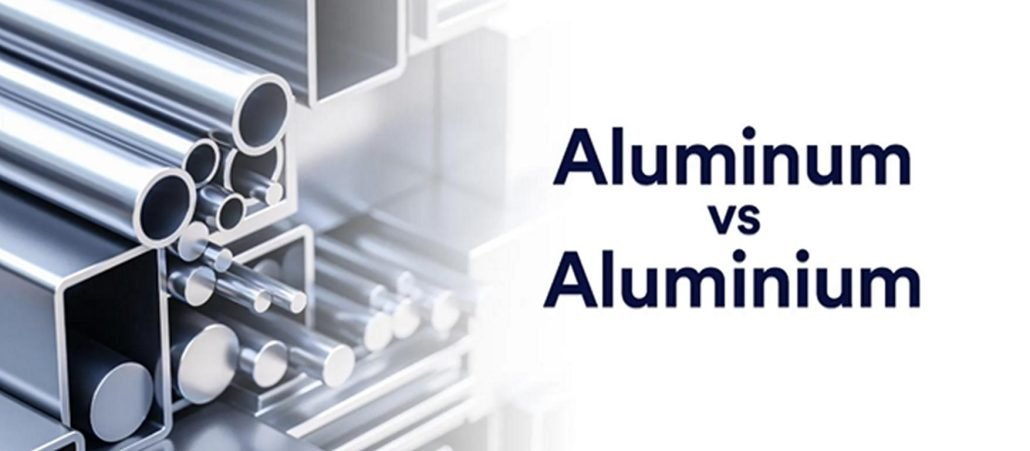
Aluminium eller aluminium

Maskinering av ekstrudert aluminium

aluminiumsstøping

Understanding the Aluminum Extrusion Process Aluminium extrusion machining is a process of manufacturing products with a cross-sectional profile by forcing the material through a die. This process can be likened to putting toothpaste in a tube, in this case, the toothpaste is the heated cylindrical aluminum bar also called an ingot and the tube is the die. Here’s a step-by-step breakdown: Heating and Pressing: The aluminum ingot is then heated and passed through the die which gives it the required profile of the product. Cooling: After the shaped material has come out of the die it is cooled by air or water. Stretching: Although not fully set, the profiles are pulled to relieve internal stresses and achieve the proper dimensions. Cutting and Aging: The profiles are cut and then aged – hot or cold to reach their final strength. Finishing and Surface Treatment: The last processes include polishing or other treatments meant to improve the looks and protect against corrosion. What is an Aluminum Extrusion Machining Center? An extrusion machining center is a specific type of machining center that is used to accurately process extruded aluminium profiles into the final required parts. Sawing, deburring, drilling, turning, milling, and tapping are some of the techniques used to give the required shape with features such as pockets and holes. At CNM, we have different types of extrusion machining centers that are highly accurate, fast, and very reliable. These machines are very efficient in cutting down production time and minimizing wastage during the processing of the products and are thus very suitable for use by manufacturers. CNM’s extrusion machining centers facilitate the manufacturing process and produce quality work that guarantees the aluminum extrusions are cut and profiled to the required specifications. Factors Consideration For Machining Aluminium and Aluminium Alloys The below-mentioned factors greatly influence the cnc extrusion machining of aluminum alloys. Cutting Force The cutting force needed when machining aluminum alloys is much less compared to the force needed when machining steel. For instance, the force required to machine aluminum is about one-third of that required for low-carbon steel thus chip removal is three times more efficient. For instance, aluminum alloy 2017A has the same cutting force as low-carbon steel but has similar mechanical properties as the latter. Tooling The cutting tools used in the machining of aluminium alloys must have a certain geometry. The cutting edges should be as sharp as possible and the tool faces must be smooth so that they can shed the swarf and not stick to it. The cutting angles are different according to the type of alloy, but the rake angle should be more than 6° and can be even 12°. In the case of alloys with up to 7% silicon content, it is suggested to use the tools with the application of TiN or TiCN coatings using PVD deposition. For diamond coated carbide tools and polycrystalline diamond (PCD) tools, the recommended rake angle is 15 degrees. It is much longer than the ones used for machining steel due to the proper tools being used in this process. In the special machines, the high-speed spindles can attain the machining speed of 2000 to 3000 m/min for the 2000 and 7000 series alloys. For instance, a 12 mm diameter tool can reach 50,000 rpm of cutting speed with a feed rate of 10 m/min, which results in very thin sheets and lightweight components. Cutting Speed and Feed Rate Because of the low modulus of elasticity of aluminium alloys, it is recommended to avoid high rates of advance even in roughing operations. The feed rate should be limited to 0. 3 mm per revolution. For finishing operations, the feed rate will be affected by the required surface finish. The depth of cut will be influenced by the level of accuracy that is needed on the final product. Lubrication Lubrication is crucial in machining aluminium alloys for several reasons: it reduces the temperature of the cutting area, keeps the swarf from sticking to the tools, and clears the swarf from the machining area. There are three primary types of lubrication: The three types of cutting fluids are spray mists, full cutting oil, and oil emulsions, of which the oil emulsions are most frequently used because of the heat dissipation of approximately 200 kg/J. Coolants help in reducing friction and also in tapping operations. Spray mists are not very effective when there is high heat involved. The cutting fluid composition should not react with aluminum alloys, cause stains or corrosion, contain anti-bacterial agents to discourage fungal growth, and be environmentally friendly. Benefits of Aluminum Extrusion Machining: The following are the benefits of machined aluminum extrusion: Aluminum extrusion is a process that is commonly practiced in the present generation due to the following benefits associated with aluminum extrusion. It also allows one to achieve complex and accurate forms of the needed shapes and also to produce them in a way that they will fit the intended use, thus increasing productivity and saving money. The outcome is strong and light structures that are suitable for industries that require light structures such as the aeronautics, automobile, and construction industries. Also, it is an efficient technique, which does not require a lot of material and energy and generates a small amount of waste. In conclusion, machined aluminum extrusion is cost-efficient and sustainable which improves the quality of the end product and production process. Suitability of Aluminum for Cold Extrusion Cold extrusion is a process of extruding aluminum through a mold at a temperature of not more than 150°C (300°F). The aluminum remains rigid and thin-walled parts can be fabricated as in the case of radiators, windows, and door frames. This process is slower than hot extrusion but the surface quality is high and the shapes are more accurate therefore less post-processing is required. Warm Aluminum Extrusion Warm extrusion is done at moderate temperatures while the rate of hot extrusion and the accuracy of cold extrusion are intermediate. The exact temperature is therefore arrived at

maskinering av aluminiumsstøping

Maskinbearbeidet støpegods

aluminiumsstøping

For produsenter fremstilles metallbearbeiding og støping noen ganger som binære alternativer. Det finnes imidlertid mange tilfeller der både støping og maskinering er det mest effektive produksjonsalternativet, noe som kom tydelig frem i det siste essayet om støping vs. maskinering. I denne artikkelen tar vi for oss fordelene ved å maskinbearbeide støpegods, og vi diskuterer hvordan disse produksjonsteknikkene kan brukes i ditt neste prosjekt. Hva er CNC-maskinering av støpegods? Maskinert støpegods er komponenter som opprinnelig er produsert gjennom støping og deretter foredlet gjennom CNC-maskinering. Støping, investeringsstøping eller sandstøping kan brukes for å generere den første støpeformen. Hver støpeprosess har ulemper, for eksempel dårlig overflatefinish eller begrenset design. CNC-maskinering løser disse problemene ved å forbedre kvaliteten på produktene og legge til mer komplekse design. Noen mulige maskineringsoperasjoner inkluderer Computer Numerical Control Milling, dreining, boring, saging og andre ikke-konvensjonelle støpegodsbearbeidede operasjoner for å få en førsteklasses overflate. Fordeler med maskinbearbeiding av støpte deler. Det er flere fordeler med å maskinbearbeide støpbare deler. Noen av de vanligste inkluderer: 1. Modifisering av støpte deler De støpte maskinbearbeidede delene som produseres direkte fra støpeformene, kalles “as-cast”. Disse delene inneholder ekstra materiale fra portsystemet, skillelinjer og andre støpefunksjoner. For å øke kvaliteten må produsentene kvitte seg med dette uønskede materialet, noe som kan gjøres med en enkel baufil for grovbearbeiding eller ved hjelp av CNC for nøyaktighet. For eksempel, når det gjelder bearbeiding av aluminiumstøpegods, bidrar CNC-bearbeiding av aluminium til å oppnå høye dimensjoner og nøyaktighet. Støpefeil kan enkelt kamufleres ved hjelp av CNC-maskinering, og kvaliteten på sluttproduktet kan forbedres betydelig. Det gjør det også mulig å utvikle funksjoner som ikke kan skapes ved hjelp av støping, for eksempel de buede lamellene på en turbin. Noen av designproblemene kan løses ved hjelp av teknikker som investeringsstøping, men i de fleste tilfeller er hullene, sporene og gjengene som produseres ved maskinering, av bedre kvalitet. 2. Forbedring av ferdig kvalitet Hvis støping og maskinering ikke krever ekstra funksjoner, og materialet som skal fjernes, er lett å fjerne, er det likevel viktig å bruke presisjons-CNC-maskinering for å få deler av høy kvalitet. Noen prosesser, som for eksempel støping, kan gi relativt glatte overflater som bare krever lett maskinering. Deler som produseres gjennom sandstøping eller investeringsstøping, krever imidlertid en betydelig mengde maskinering for å oppnå en flat overflate. CNC-maskinering forbedrer også kvaliteten på deler med små toleranser. Støping kan være økonomisk når produksjonen er betydelig, og CNC-maskinering garanterer at hver del får riktig form. For å få en smidig integrering må det tas hensyn til maskineringstoleransene under støpefasen. Det er lurt å innlemme tjenester for metallproduksjon i produksjonslinjen. Den største fordelen er muligheten til raskt og presist å lage lette deler av mange ulike materialer ved hjelp av ulike teknikker. Kunnskap om disse teknikkene og deres spesifikke bruk er avgjørende for å oppnå de beste resultatene og forkorte produksjonstiden. Hvordan maskinbearbeide støpte deler? Under maskinering fjernes unyttig materiale fra støpestykket for å gjøre det mer nøyaktig i størrelse. Denne prosessen er gunstig for å fjerne overflødig materiale på støpte deler etter støping og før etterbehandling. Maskinering er nyttig fordi det er nesten umulig å få små variasjoner i en kompleks støping, og dermed må sluttproduktet bearbeides til de nødvendige spesifikasjonene. Det gjøres vanligvis etter varmebehandlingen, men før den endelige overflatebehandlingen, som maling, anodisering eller plettering. I dagens verden har man tatt i bruk CNC-teknologi (Computer Numerical Control) ved maskinering av støpegods. Maskinering kan klassifiseres i mange underkategorier, som inkluderer følgende: Boring Boring er å lage hull i støpte deler ved hjelp av en borekrone. Dreiebenker og skjæremaskiner kan også brukes, men boremaskiner er de viktigste verktøyene som brukes i denne prosessen. Denne prosessen er avgjørende i støpeprosessen, siden den hjelper til med å lage hull i støpegodset. Fresing En kutter, en fikstur, et objekt og en fresemaskin er alle ting som brukes til fresing. Under freseprosessen spennes arbeidsstykket fast, og fresemaskinens kutter tar av det overflødige materialet. Man kan si at det er en av de mest brukte metodene for å justere formen og størrelsen på støpte deler. Dreining Ved dreining roterer arbeidsstykket rundt sin egen akse, mens skjæreverktøyet står stille eller ikke beveger seg. Det mest kritiske utstyret som brukes i denne prosessen er dreiebenken. Dreining er egnet til å generere innvendige og utvendige profiler på støpte deler og er svært presis. Andre bearbeidingsprosesser I tillegg til boring, fresing og dreiing brukes flere andre bearbeidingsprosesser for å foredle støpte deler: I tillegg til boring, fresing og dreiing brukes flere andre maskineringsprosesser i etterbehandlingen av støpte deler: Boring: Boring: Den forstørrer og øker nøyaktigheten til de forborede hullene i en del. Det er nyttig for å oppnå riktige dimensjons- og posisjonstoleranser for deler som krever høy presisjon og polerte overflatestrukturer. Rømning: Rømning er en prosess der man skjærer ut former og design på støpte deler ved hjelp av et skjæreverktøy med tenner. Brotsjen har progressive tenner som barberer materialet og kan lage innvendige og utvendige former. Derfor er det ideelt for kilespor, splines og andre former. Sliping: Sliping benytter en slipeskive som roterer og bringer delens overflate til ønsket posisjon. Denne prosessen gir høy overflatekvalitet og nær toleranse. Slipeskivens skjærepunkter sliper overflaten, barberer bort ujevnheter og gir en polert overflate. Alle disse bearbeidingsmetodene er viktige for å sikre at støpte deler har riktig kvalitet og størrelse for bruk eller andre prosesser. Fordeler med maskinering etter støping Maskinbearbeidede støpedeler gir mange fordeler, for eksempel Maskinbearbeidede støpedeler har derfor følgende fordeler: Forbedret presisjon Trykkstøping og

Kostnader for palting av nikkel

Hvor mye koster forkromming

aluminiumsstøping

Hvor mye koster forkromming Ulike deler brukes i industri- og produksjonskomplekser for å få strukturene til å fungere optimalt. For det meste er aluminium, rustfritt stål og kobberdeler tilstrekkelig for å oppfylle maskineringsbehovene. Bransjer som bilindustri, romfart og elektronikk bruker materialer av hardmetall for å danne innvendige og utvendige deler. Men de kan ikke brukes i ren maskinbearbeidet form. Det er her forkrommingen kommer inn i bildet. Forkrommede stenger er spesielt viktige på grunn av deres funksjon. De ovennevnte stengene er tilgjengelige i India, og prisen varierer avhengig av materiale, dimensjoner, form, lengde og pletteringskvalitet. Disse hardforkromede stengene brukes på mange felt på grunn av deres høye styrke, fleksibilitet, slitasje og korrosjonsbestandige egenskaper. Det faktum at de kan tilpasses ytterligere, gjør dem enda mer verdifulle, spesielt i mange bransjer som anses for å være tunge. Disse stengene er mye brukt innen pneumatikk, bil, hydraulikk, trykking, tekstil og mange andre bruksområder. Mange organisasjoner foretrekker dem fordi de er hardføre og kan brukes i alle klimaer. CNM har stor produksjonskapasitet for alle sine produkter og opererer i samsvar med indiske og internasjonale standarder og lover. Dette gjør det mulig å produsere hardforkromede stenger av høy kvalitet som oppfyller kundenes krav, samtidig som de er relativt billigere. Denne artikkelen vil diskutere hvor mye forkromming koster, de påvirkende faktorene og teknikkene for forkromming. Faktorer som påvirker kostnadene for forkromming Kostnaden for forkromming av en bestemt vare avhenger av følgende viktige faktorer. Den første er størrelsen og kompleksitetsnivået til gjenstanden som skal transporteres. Store gjenstander krever vanligvis mer materiale og tid, noe som gjør forkrommingen dyrere. Videre kan gjenstander med komplisert eller asymmetrisk design kreve ekstra arbeid i forberedelsesfasen og under forkrommingsprosessen, noe som vil øke kostnadene. En annen faktor som må tas i betraktning, er hvilken type forkromming som skal utføres. Det finnes to hovedtyper: dekorativ forkromming og hardforkromming. Denne typen forkromming påføres i tynnere lag og er mer dekorativ, og brukes blant annet på bilkledning og hvitevarer. Denne typen forkromming er relativt sett billigere sammenlignet med hardforkromming, der det legges et tykkere lag med krom for å skape en hard og mer korrosjonsbestandig overflate. Hardforkroming brukes ofte i industrien, og det kan koste mer på grunn av den komplekse prosedyren og typen materialer som brukes. Kostnaden kan også påvirkes av kvaliteten på forkrommingen som brukes i pletteringsprosessen av ventilen. Krom av høyere kvalitet kan være mer rent og ha en bedre finish, og dette kan koste mer i begynnelsen. Til gjengjeld kan det ha fordeler som økt levetid, bedre utseende og mindre tilbøyelighet til å falme eller sprekke. Ved å bruke forkromming av bedre kvalitet får varen din en bedre og mer varig finish sammenlignet med forkromming av lav kvalitet. Før selve forkrommingen begynner, er det imidlertid nødvendig å klargjøre overflaten på gjenstanden som skal forkrommes. Denne forberedelsen innebærer normalt at gamle lag fjernes, overflaten glattes for å fjerne eventuelle feil, og deretter vaskes overflaten for å gi kromlaget en god overflate å feste seg på. Overflatens tilstand avgjør også hvor mye forbehandling som må gjøres på grunn av eventuelle sprekker eller rust. Produkter i dårlig forfatning kan kreve mer forbehandling enn produkter i god forfatning. Derfor kan kostnadene ved forkromming være høye. Mengden av artikler som skal forkrommes, og størrelsen på partiet, kan også påvirke kostnadene. Når flere artikler forkrommes samtidig på grunn av en batchbestilling, er kostnaden per artikkel normalt lavere enn ved forkromming av en enkelt artikkel. Siden leverandørene av forkrommingstjenester kan kjøpe inn store kvanta, kan de kanskje tilby dem til lavere priser. Når man innhenter tilbud på forkrommingstjenester, bør man ta hensyn til hvor mye som kreves. Stedet der forkrommingen skal utføres og tjenesteleverandørens troverdighet er en annen avgjørende faktor for prisen. Prisene kan variere avhengig av lønnsnivå, miljølover og andre faste kostnader i de ulike regionene. Det er også verdt å være klar over at høyere kvalitet på arbeidet og lengre erfaring hos tjenesteleverandøren kan føre til høyere priser på tjenestene. Det anbefales å sammenligne ulike leverandører av forkrommingstjenester så langt det lar seg gjøre, for å få en bedre forståelse av kvaliteten på tjenestene de kan tilby i forhold til prisen på tjenestene. Det er imidlertid andre tjenester som kan tilbys av tjenesteleverandørene, og disse kan påvirke kostnadene for hele forkrommingsprosessen. Slike tjenester kan omfatte selektiv maskering, påføring av beskyttelsesfilmer eller etterbehandlinger for å forbedre pletteringens hardhet, utseende osv. Disse tjenestene kan øke totalkostnaden, men kan være nyttige avhengig av prosjektets art og det tiltenkte resultatet. For å få et klart og rimelig pristilbud på forkromming er det nødvendig å beskrive prosjektet ditt så godt som mulig for de potensielle leverandørene. Dette inkluderer type gjenstand, dimensjoner, type overflatebehandling, antall og eventuelle spesielle behov eller ønsker som kunden måtte ha. Gjennom slik kommunikasjon og sammenligning av tilbud basert på de oppgitte detaljene, kan man være i stand til å få den beste verdien for pengene som skal brukes på forkromming. Typer forkromming Kostnaden avhenger også av den faktiske forkrommingstypen; Hardforkromming Hardforkromming er en mer kompleks prosedyre for forkromming som gjøres ved å føre en elektrisk strøm gjennom løsningen og brukes i mange

presisjonsstøpt

CNC-bearbeiding av aluminium

aluminiumsstøping, CNC-maskinering

Aluminium er mye brukt i CNC-maskinering på grunn av fordelene med maskinerte deler i forskjellige bransjer. Denne artikkelen er viet til maskinering av cnc-aluminiumsdeler og dens egenskaper, typer legeringer, maskineringsmetoder, verktøy og bruksområder. Aluminium i CNC-maskinering Maskinering av aluminium gjennom CNC foretrekkes fordi aluminium er svært maskinbearbeidbart; det er blant de mest bearbeidede materialene i verden etter stål. Noen egenskaper inkluderer myk, duktil og ikke-magnetisk, og den rene formen er sølvhvit i fargen. Det virkelig fine med aluminium er imidlertid at det kan legeres med andre elementer som mangan, kobber og magnesium for å skape en rekke aluminiumlegeringer med forbedrede egenskaper. CNC-bearbeiding av aluminium: Få mest mulig ut av fordelene: 1. Bearbeidbarhet: Aluminium er relativt enkelt å maskinbearbeide fordi det er mykt og lett kan spaltes opp, og det kan derfor bearbeides raskere og med mindre kraft enn stål, til en billigere pris. Det gjør det også lettere å deformere under bearbeidingsprosessen, noe som gjør det enklere for CNC-maskiner å produsere svært nøyaktige deler med tettere toleranser. 2. Styrke-til-vekt-forhold: Aluminium er en tredjedel lettere enn stål og har en styrke på en tiendedel av stål. Dermed egner det seg godt til bruk i deler som krever et høyt styrke/vekt-forhold. Noen av industriene som drar stor nytte av aluminium, er ved å produsere cnc-maskinerte aluminiumsdeler til bil- og luftfartsindustrien fordi det er lett, men ekstremt sterkt. 3. Motstand mot korrosjon: Aluminium har en iboende egenskap som gjør at det ikke korroderer under normale miljøforhold, og det kan beskyttes ytterligere ved anodisering, slik at materialet kan brukes i miljøer som er utsatt for marine eller atmosfæriske forhold. 4. Ytelse ved lave temperaturer: Det finnes noen materialer som endrer sine mekaniske egenskaper og blir like sterke som papir ved lave temperaturer, men dette er ikke tilfelle med aluminium. 5. Elektrisk ledningsevne: Mens ren aluminium har høy elektrisk ledningsevne, har aluminiumlegeringer også tilstrekkelig ledningsevne for elektrisk bruk, noe som oppfyller behovene til forskjellige bransjer. 6. Resirkulerbarhet og miljøvennlighet: Aluminium er et resirkulerbart materiale, noe som bidrar til å skåne miljøet ved å redusere avfallsmengden og energiforbruket i bearbeidingsprosessen. 7. Anodiseringspotensial: Det faktum at aluminiumsoverflatene kan anodiseres, forbedrer også slitasje- og korrosjonsbestandigheten til de bearbeidede aluminiumsdelene. Muligheten til å anodisere aluminium i forskjellige lyse farger ivaretar det estetiske aspektet. Mange bruksområder Aluminium er populært innen CNC-maskinering på grunn av sin allsidighet og andre egnede egenskaper i mange bransjer. Fra bildeler til flydeler, elektriske deler og til og med komplekse mekaniske deler - aluminiums holdbarhet og ytelse i ulike bruksområder er tydelig, noe som fører til kreativitet. Derfor er ikke aluminiums popularitet innen CNC-maskinering tilfeldig - det skyldes fordelene, mulighetene og perspektivene som dette materialet tilbyr innen produksjon. Aluminium brukes fortsatt i stor utstrekning til maskinbearbeidede deler på grunn av ytelsen, miljøvennligheten og fleksibiliteten etter hvert som industrien utvikler seg. Typiske aluminiumslegeringer som brukes i CNC-maskinering Aluminiumslegeringer er de mest foretrukne materialene i CNC-maskinering på grunn av deres fleksibilitet og gode mekaniske egenskaper. Nedenfor finner du noen aluminiumkvaliteter som ofte brukes i CNC-maskineringsprosesser: 1. EN AW-2007 / 3.1645 / AlCuMgPb Denne legeringen inneholder kobber i området 4-5% og er kjent for sin styrke, lette vekt og høye nytteverdi. Den brukes hovedsakelig til produksjon av maskindeler, bolter, nagler, muttere, skruer og gjengestenger. Det er også relativt sprøtt, har lav sveisbarhet og korrosjonsbestandighet, og krever derfor anodisering etter maskinering. 2. EN AW-5083 / 3.3547 / Al-Mg4,5Mn Denne legeringen er kjent for å fungere eksepsjonelt godt under ekstreme forhold; den har magnesium, krom og manga Itboaa har høy korrosjonsbestandighet og opprettholder sin styrke selv når den sveises. Den brukes blant annet i kryogenisk utstyr, marine konstruksjoner, trykkutstyr og kjemiske applikasjoner. 3. EN AW 5754 / 3. 3535 / Al-Mg3 Denne smidde aluminium-magnesiumlegeringen har god korrosjon og høy styrke, den brukes i sveisede strukturer, gulvbelegg, kjøretøykarosserier og matbehandlingsutstyr. 4. EN AW-6060 / 3. 3206 / Al-MgSi Denne legeringen er varmebehandlingsbar og har god formbarhet. Den er mye brukt i bygg- og anleggsbransjen, medisinsk utstyr og bilindustrien. 5. EN AW-7075 / 3.4365 / Al-Zn6MgCu Selv om denne legeringen bare er gjennomsnittlig når det gjelder maskinbearbeidbarhet, har den et høyt forhold mellom styrke og tetthet og god motstand mot atmosfæriske forhold og brukes i luftfarts-, våpen- og formverktøyindustrien. 6. EN AW-6061 / 3. 3211 / Al-Mg1SiCu Denne legeringen har svært høy strekkfasthet og brukes til tungt belastede konstruksjoner som jernbanevogner, maskindeler og romfartskonstruksjoner. 7. EN AW-6082 / 3. 2315 / Al-Si1Mg Denne legeringen har middels styrke og god sveisbarhet og brukes i offshorekonstruksjoner og containere fordi den er motstandsdyktig mot spenningskorrosjon. Disse aluminiumslegeringene har en rekke ulike mekaniske egenskaper. De velges i henhold til kravene til CNC-maskineringsapplikasjonene for å garantere best mulig ytelse og lang levetid i den tiltenkte bruken. Vanlige teknikker for CNC-maskinering av aluminium I CNC-maskinering av aluminium er det flere teknikker som kan brukes for å få høy nøyaktighet og presisjon i aluminiumsdelene. Disse prosessene er ment å møte ulike behov og krav, noe som vil gi det beste resultatet når det gjelder kvalitet og ytelse. CNC-dreining er fortsatt en av de grunnleggende operasjonene i aluminiumsbearbeiding. I denne operasjonen dreier arbeidsstykket rundt sin egen akse, mens skjæreverktøyet forblir fast. Dermed er det mulig å fjerne materiale og forme arbeidsstykket. Denne metoden brukes mye til å produsere sylindriske eller koniske former i aluminiumsdeler. En annen vanlig teknikk er CNC-fresing av aluminium, der verktøyet holdes stasjonært mens skjæreverktøyet roteres for å skjære i arbeidsstykket. Denne prosessen gjør det mulig å skjære i forskjellige retninger og er ideell for å skjære former og design i aluminiumsdeler. Lomme- eller lommefresing er en spesiell type CNC-fresing i aluminium

Skroll til toppen

Få et tilbud